14+ Creative Water Heater Cover Ideas
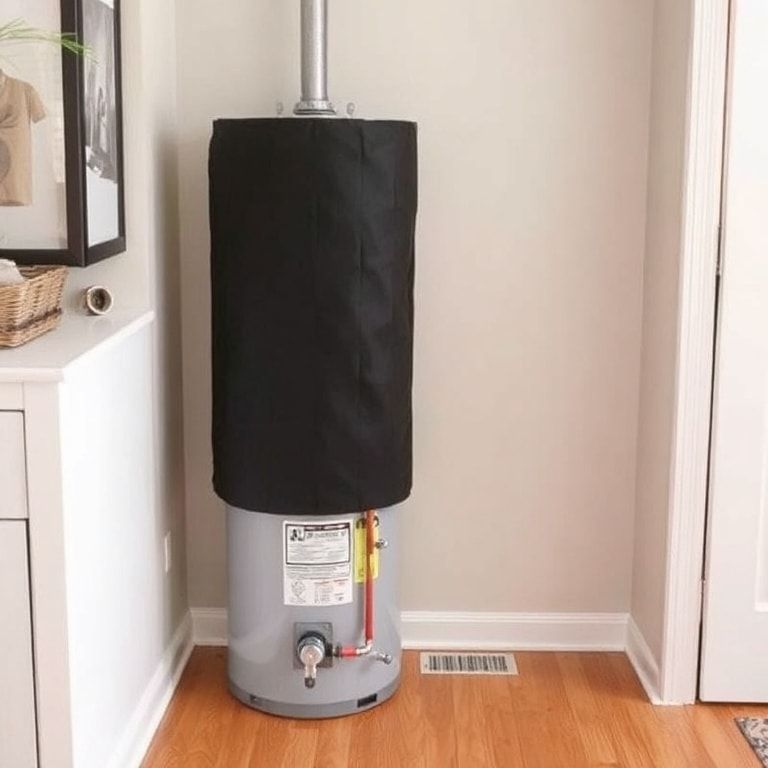
Water Heater Cover Ideas ,Water heaters are essential household appliances, but their industrial appearance rarely complements home décor. Whether your unit sits in a visible basement corner, an open utility closet, or an awkwardly placed hallway nook, finding ways to conceal it while maintaining functionality can transform your space. This comprehensive guide explores creative water heater cover ideas that balance aesthetics, safety, and practicality.
Understanding how to properly disguise your water heater goes beyond simple cosmetic improvements. The right cover solution enhances your interior design while ensuring adequate ventilation, easy maintenance access, and compliance with building codes. From budget-friendly DIY projects to professionally crafted enclosures, these ideas cater to various skill levels, home styles, and spatial constraints.
Understanding Water Heater Cover Basics
Before exploring specific design ideas, recognizing the fundamental requirements for water heater covers ensures both safety and longevity of your appliance. Water heaters generate heat and require proper airflow to function efficiently. Gas water heaters particularly need combustion air and proper venting to prevent dangerous carbon monoxide buildup.
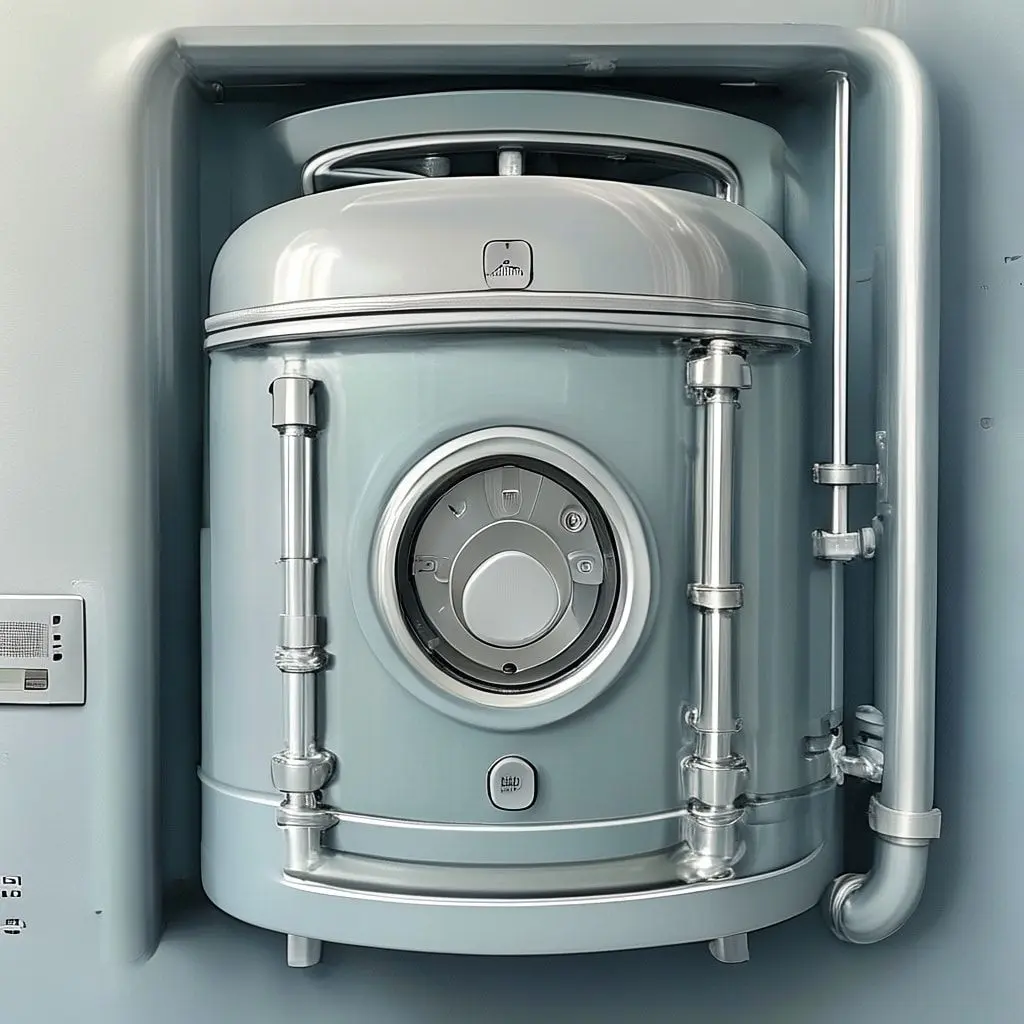
Any cover you install must allow sufficient clearance around the unit as specified by the manufacturer and local building codes. Most codes require at least six inches of space on all sides for maintenance access. Electric water heaters need less ventilation than gas models but still require airflow to prevent overheating.
Additionally, your cover design should provide quick access to the temperature controls, pressure relief valve, and drain valve. Emergency shutoff valves must remain easily reachable. Planning your cover with these considerations from the start prevents costly modifications later and keeps your household safe.
Built-In Cabinet Enclosures
Custom-built cabinets offer one of the most polished solutions for concealing water heaters. These permanent structures integrate seamlessly with existing cabinetry or can stand alone as attractive furniture pieces. A floor-to-ceiling cabinet with louvered doors provides excellent ventilation while completely hiding the appliance from view.
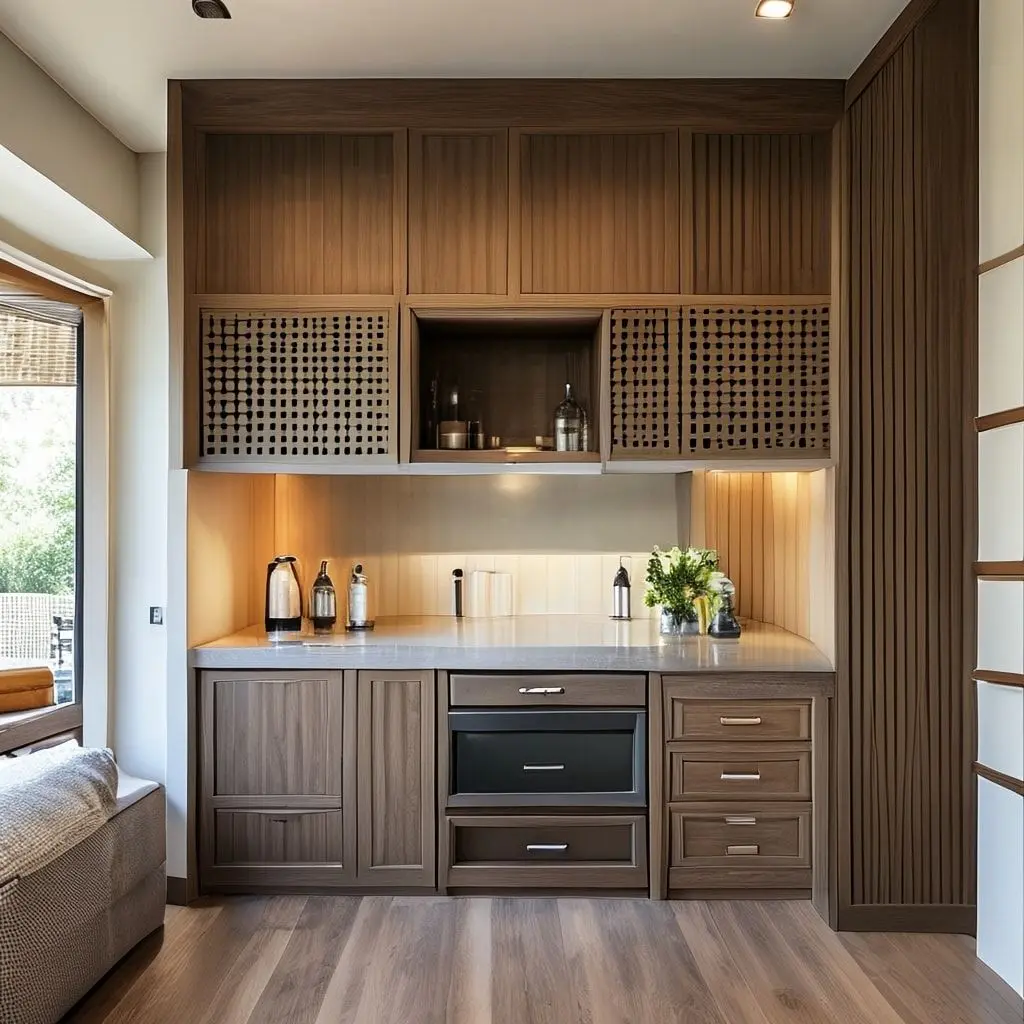
The cabinet approach works exceptionally well in laundry rooms, mudrooms, or utility spaces where you can design the enclosure to match surrounding storage solutions. Using similar hardware, paint colors, and door styles creates a cohesive look that makes the water heater disappear entirely.
For basement installations, consider building a cabinet that doubles as a bar front or storage unit. The top surface becomes functional counter space while the lower section conceals your water heater. Include open shelving on adjacent walls to balance the closed cabinet and prevent a boxy appearance.
Folding Screen Dividers
Decorative folding screens present an flexible and temporary solution for hiding water heaters in open spaces. These portable dividers come in countless styles from traditional Oriental panels to modern geometric designs. The primary advantage lies in their mobility, allowing you to move them aside completely during maintenance visits.
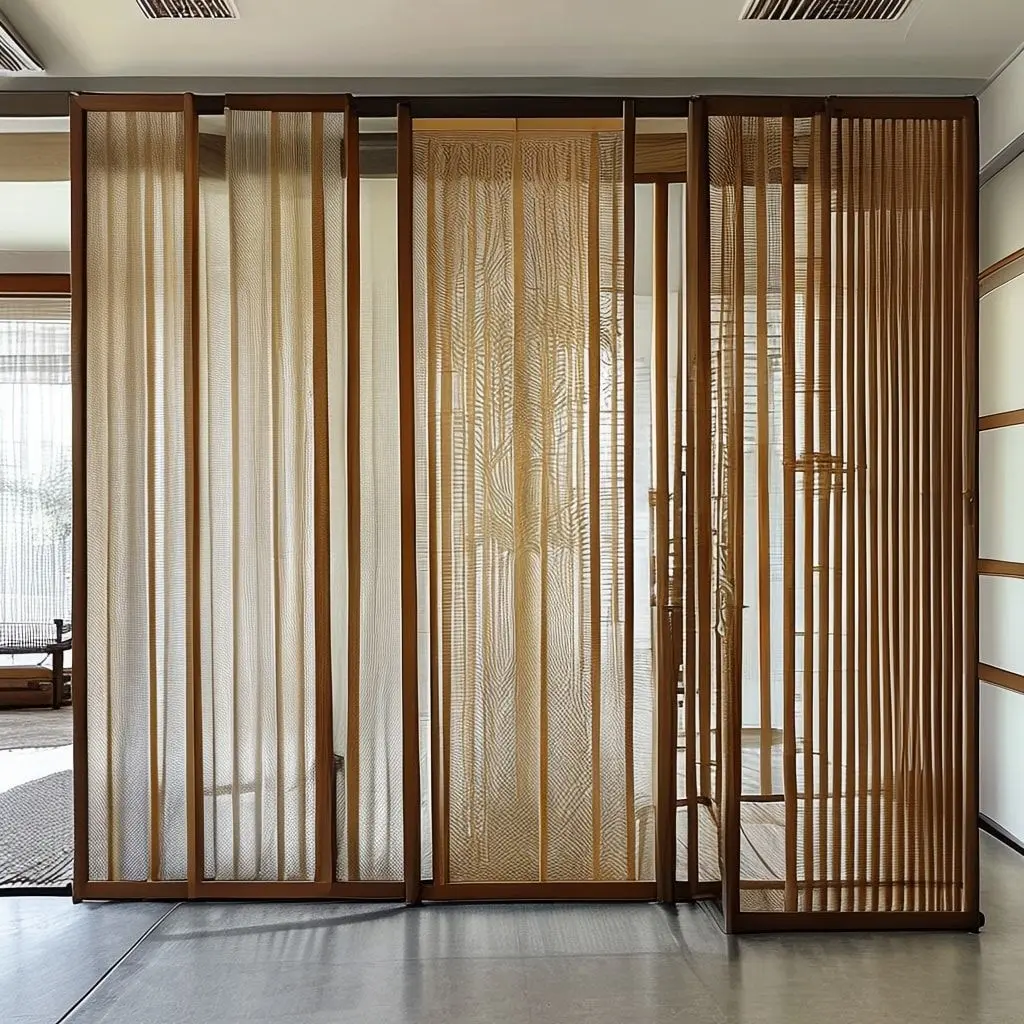
Three or four-panel screens work best for standard water heater sizes. Position the screen to create a corner enclosure, ensuring stability by angling the panels properly. Weighted bases prevent tipping while maintaining the elegant appearance. https://alderlight.com/blog/hot-water-heater-enclosure-ideas/
This option particularly suits renters or homeowners who prefer non-permanent modifications. Screens require no installation, cause no wall damage, and relocate easily if you rearrange your space. Select materials that complement your existing décor whether that means woven bamboo, fabric-covered panels, or carved wood designs.
Sliding Barn Door Covers
Barn door hardware has surged in popularity for interior applications, and this trending style adapts beautifully to water heater concealment. A sliding barn door mounted on exposed track hardware creates an industrial-chic cover that functions smoothly while adding architectural interest.
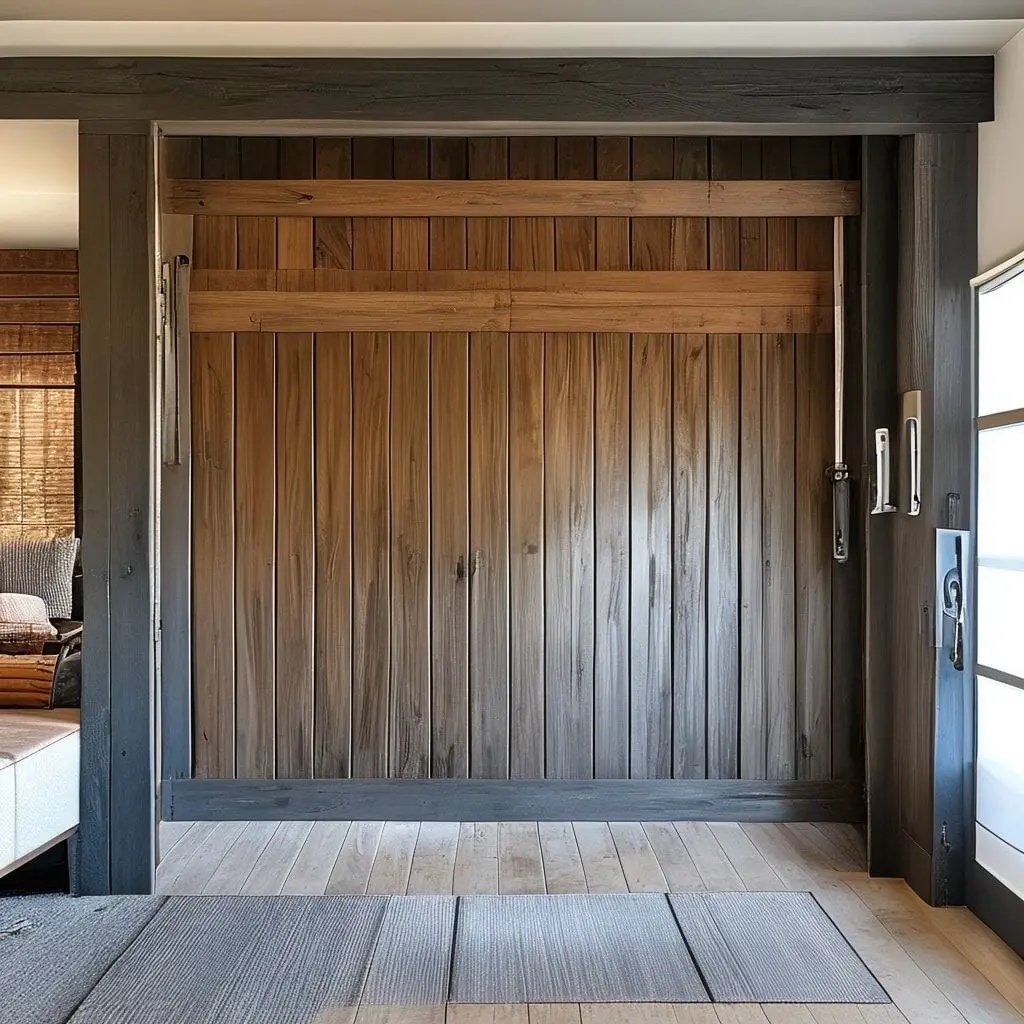
The single-panel design slides completely out of the way for full access, eliminating the clearance issues associated with traditional swinging doors. This makes barn doors ideal for tight spaces or areas with limited floor space in front of the water heater.
Choose from rustic reclaimed wood for farmhouse aesthetics, sleek painted panels for contemporary spaces, or even metal and glass combinations for modern industrial looks. The exposed hardware becomes a design feature itself, available in finishes from matte black to brushed brass.
Louvered Door Closets
Louvered doors solve the ventilation challenge elegantly while providing complete visual screening. The horizontal slats allow continuous airflow essential for gas water heaters while hiding the appliance behind attractive doors. This classic solution has endured because it effectively balances function and form.
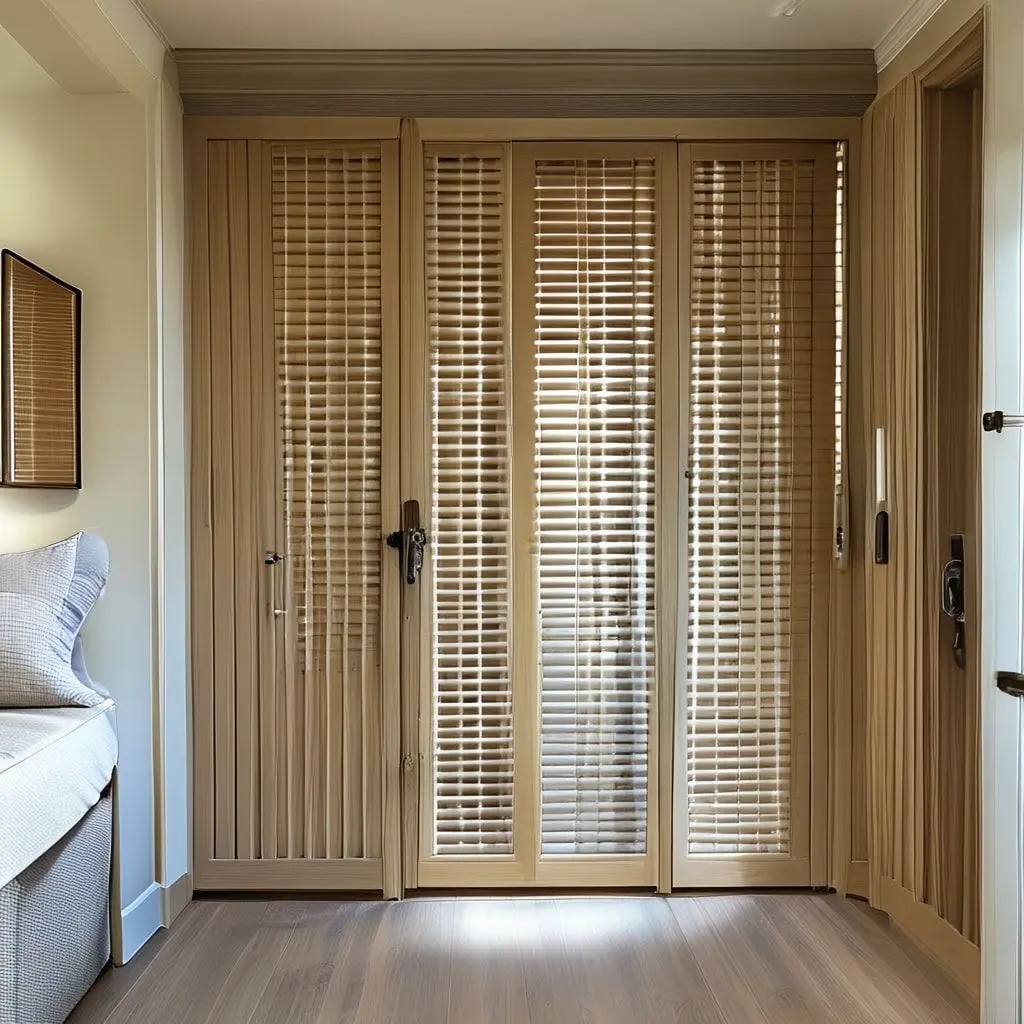
Full-height louvered bifold doors work well in hallway closets where space is limited. The folding mechanism requires minimal clearance when opening, and the louvers prevent moisture buildup inside the closet. Paint the doors to match surrounding trim for a built-in appearance.
For larger utility rooms, consider louvered French doors that swing open fully. This configuration provides maximum access during maintenance while creating an elegant entrance to what might otherwise be an eyesore. The natural ventilation prevents musty odors and excessive heat accumulation.
Curtain and Fabric Panels
Fabric treatments offer the softest approach to water heater concealment. Ceiling-mounted curtain rods with floor-length panels create an instant cover that ties into your existing décor through coordinating colors and patterns. This solution costs less than built structures while providing design flexibility.
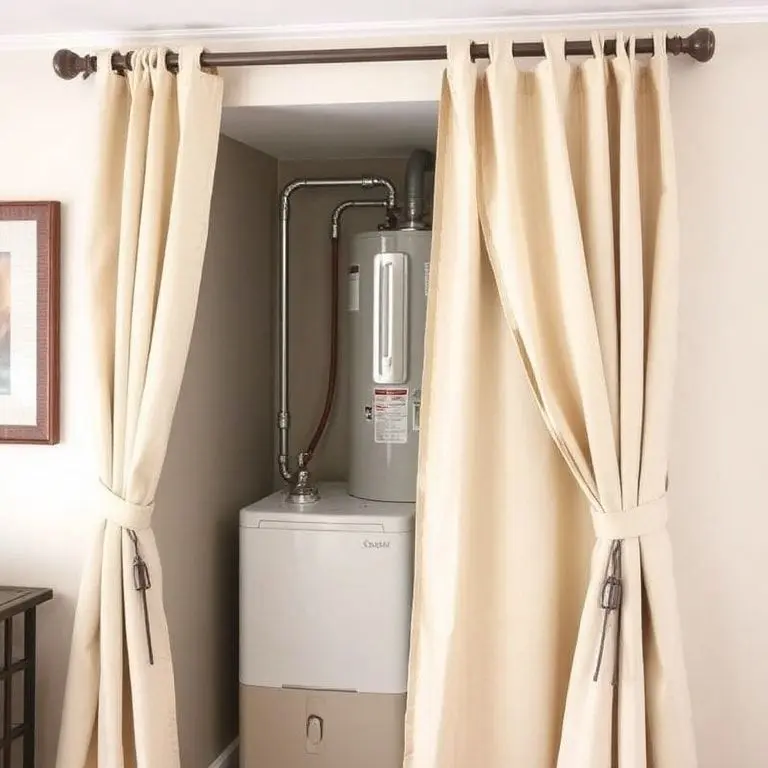
Select fabrics appropriate for utility areas that withstand occasional moisture and temperature fluctuations. Canvas, outdoor fabrics, and heavier cotton blends maintain their appearance better than delicate materials. Tension rods work for smaller alcoves, while decorative rods with finials add polish to more visible installations.
Layering sheer and opaque panels creates depth and visual interest. The sheer layer allows light penetration while obscuring the water heater outline, and the solid panel provides complete concealment when desired. Tie-backs on either side enable easy access without removing the entire curtain.
Bookshelf Camouflage
Strategically placed bookcases transform water heater eyesores into functional storage while maintaining necessary clearance. Position a tall, narrow bookcase perpendicular to the wall several inches in front of the water heater, creating a visual barrier without complete enclosure. This maintains airflow while adding valuable storage.
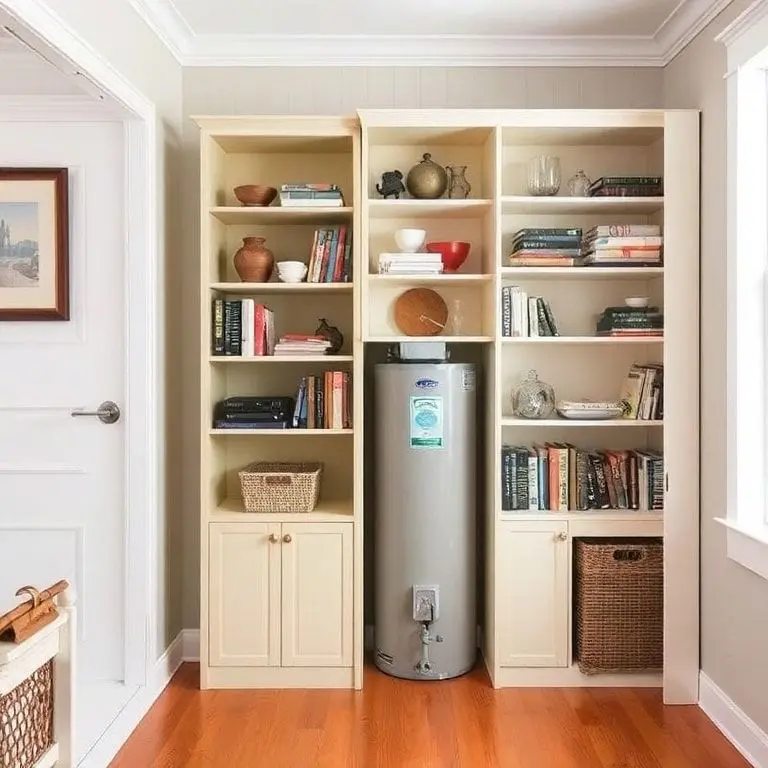
Open-back bookcases work better than solid-backed units because they promote air circulation. Stock shelves with decorative items, books, or storage baskets that complement your space. The three-dimensional arrangement creates enough visual distraction that most people never notice the water heater behind it.
For basement family rooms or home offices, arrange multiple bookcases in an L-shape around the water heater. This creates a defined corner for the appliance while the shelving integrates with the room’s function. Paint the bookcases to match the walls for a built-in appearance or choose a contrasting color to make them statement pieces.
Decorative Metal Screens
Perforated metal panels or decorative laser-cut screens bring contemporary sophistication to water heater concealment. These screens allow maximum airflow while creating striking visual elements through their patterns and shadows. The industrial material suits modern, transitional, and even eclectic design schemes.
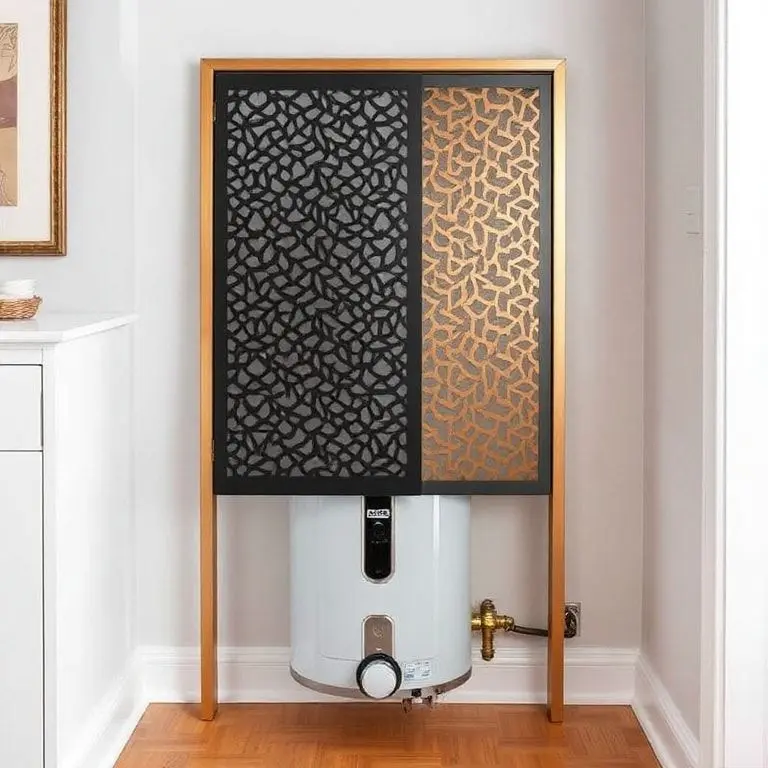
Freestanding metal screens attach to simple frames that position around the water heater. Geometric patterns ranging from simple circles to intricate Moroccan-inspired designs cast interesting shadows while obscuring the appliance behind them. Powder-coated finishes in trendy colors like matte black, copper, or brushed gold elevate the utilitarian into the decorative.
For permanent installations, mount decorative metal panels on frames attached to the wall studs surrounding your water heater alcove. This creates a unified enclosure that appears intentional and designed rather than afterthought concealment. Combine with minimal wood trim for a finished appearance.
Chalkboard or Magnetic Panel Covers
Transform your water heater cover into an interactive family feature with chalkboard or magnetic panels. This creative approach particularly suits kitchens, mudrooms, or family command centers where the water heater occupies premium wall space. The functional surface becomes a calendar, message board, or children’s drawing area.
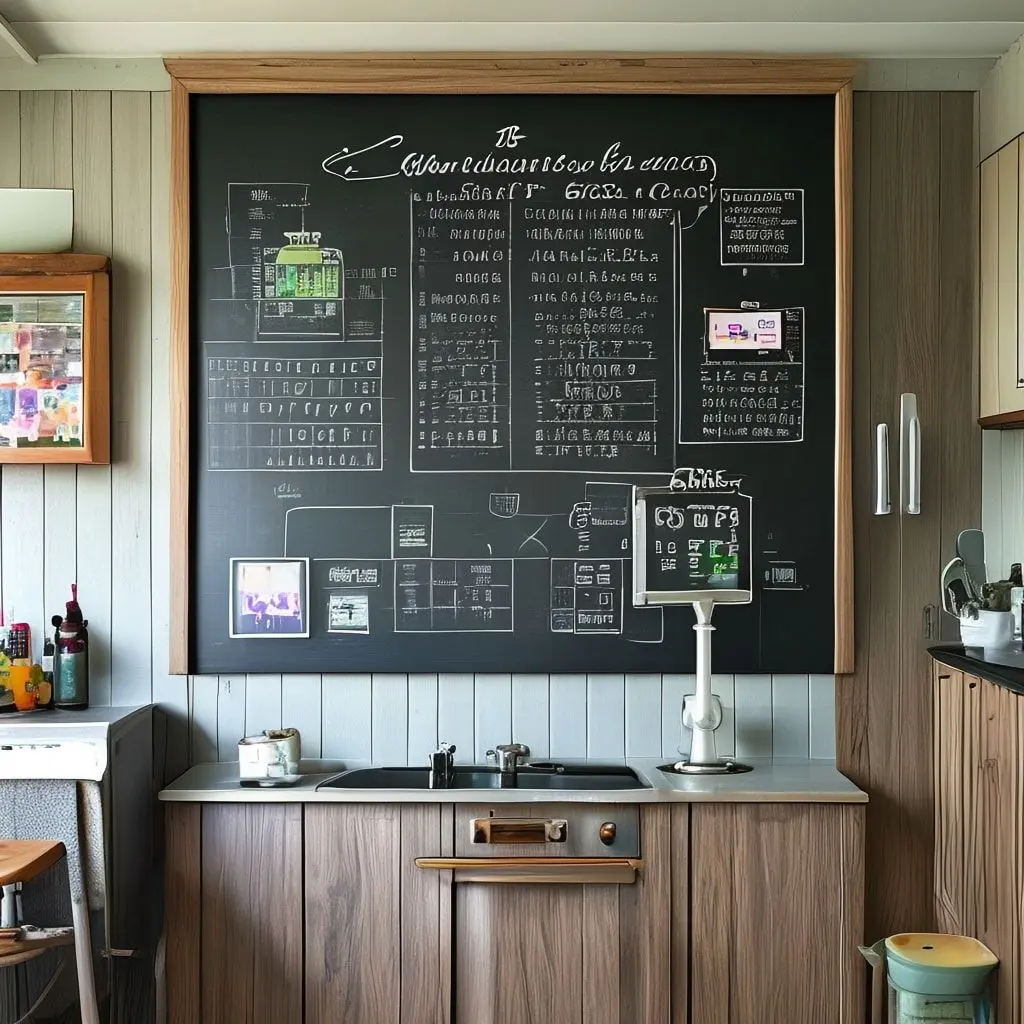
Build a simple frame around the water heater using one-by-four lumber, then attach chalkboard panels or galvanized metal sheets to the frame front. Ensure the frame stands several inches away from the water heater itself, maintaining required clearances. Hinge one panel for easy access to controls and maintenance areas.
Magnetic panels allow you to display photos, artwork, and organizational materials while hiding the appliance. This solution works especially well in high-traffic areas where you already gather for daily planning. The dual purpose justifies the prominent location and turns a negative into a household asset.
Shiplap or Wood Plank Walls
Create a feature wall that incorporates your water heater using horizontal shiplap or vertical wood planks. This architectural treatment adds texture and interest to the entire wall rather than calling attention to a separate cover. The water heater becomes part of a larger design element.
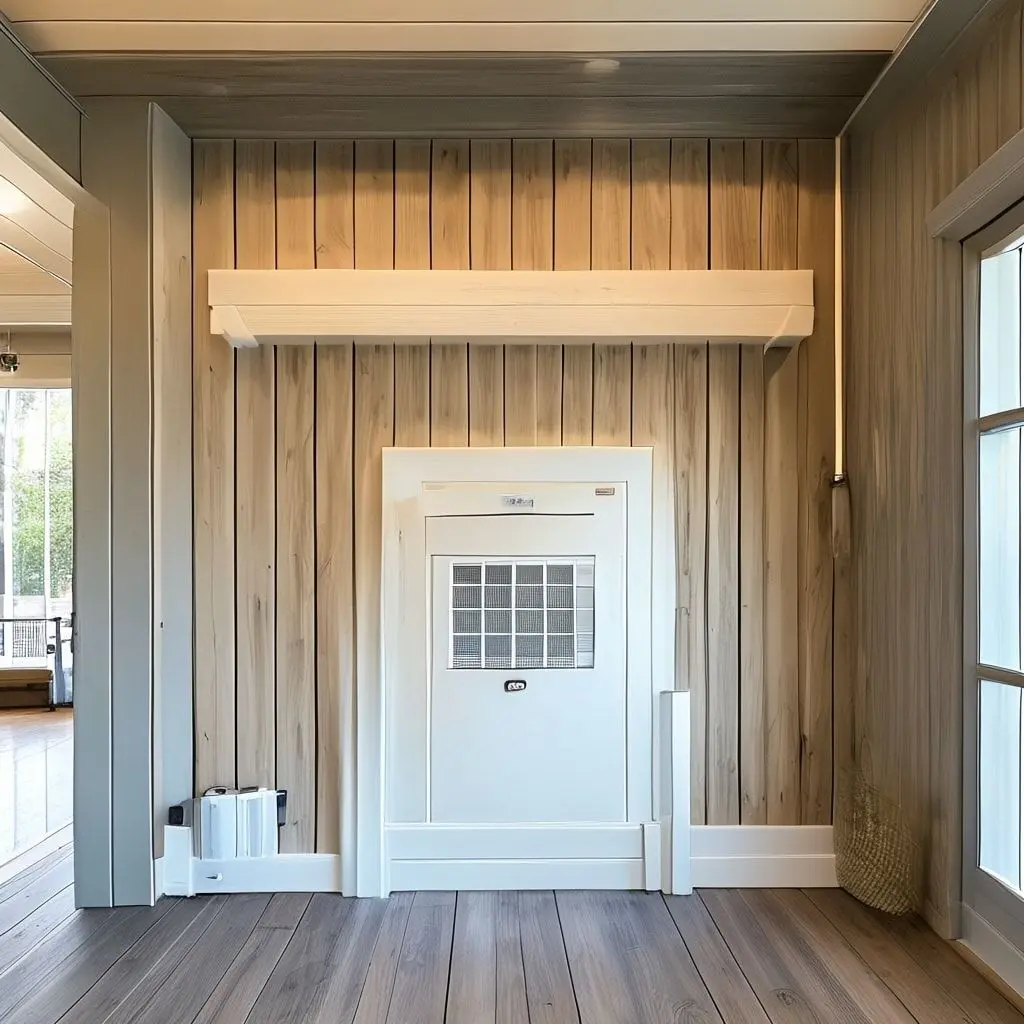
Install the planking across the full wall, then build a recessed frame or simple door system where the water heater sits. Match the door material to the wall treatment so it disappears when closed. Stain or paint the wood to suit your style, from whitewashed coastal vibes to rich espresso modern aesthetics.
This approach works beautifully in laundry rooms, basements, and garages where you want to upgrade the entire space anyway. The investment creates a finished appearance throughout rather than an obvious attempt to hide one specific item. Include coordinating trim work for professional results.
Pegboard Organizational Systems
Pegboard transforms a necessary water heater cover into a highly functional organizational wall. Mount a sturdy pegboard panel in front of the water heater with appropriate clearance, then use the surface for tool storage, craft supplies, or garage organization. The perforations provide ventilation while the customizable hook system maximizes utility.
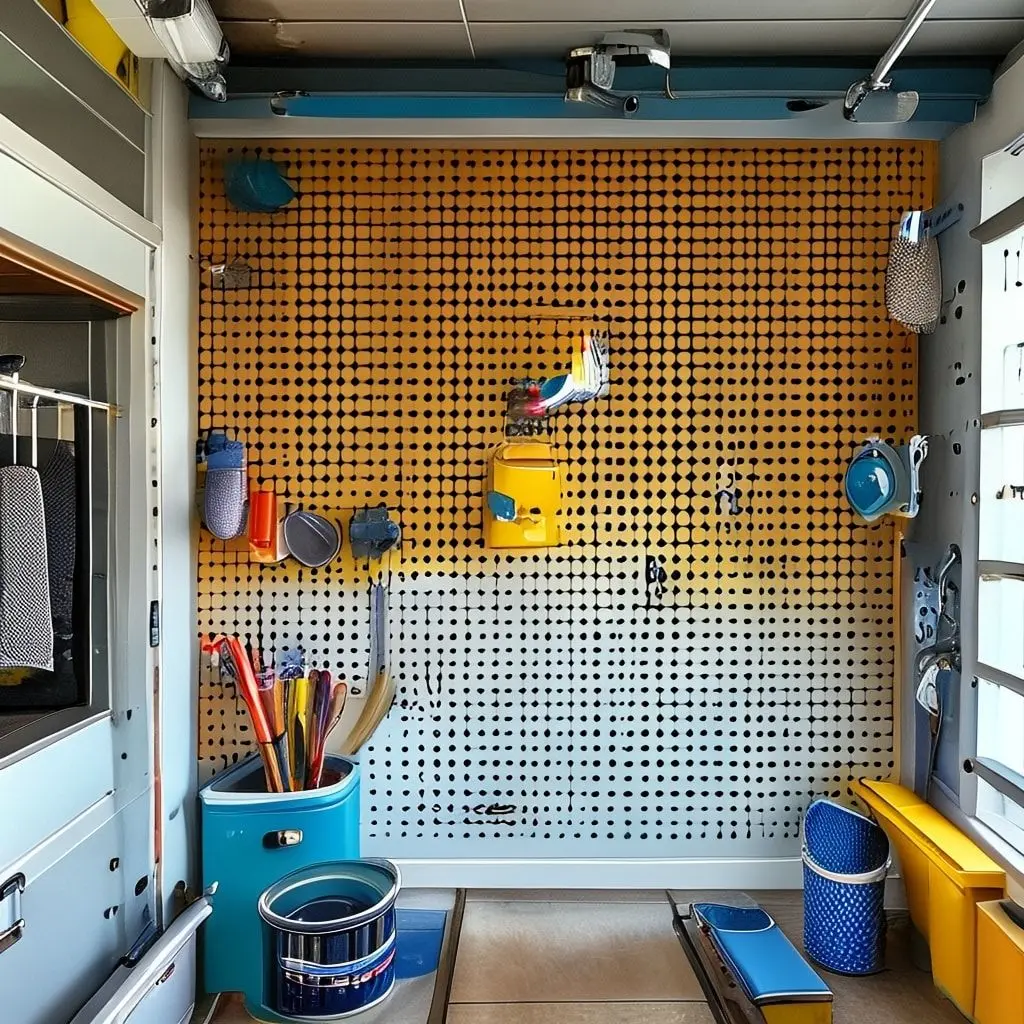
Paint the pegboard in bold colors for modern workshops or classic white for clean, bright spaces. The grid pattern creates visual interest while the practical storage keeps frequently used items accessible. Create a hinged section or removable panel where you need to access water heater controls.
This solution particularly suits garages, workshops, and utility rooms where storage is valuable. The pegboard appearance signals function over form, making it appropriate for spaces where industrial aesthetics fit naturally. Combine with labeled containers and coordinated hooks for an organized, intentional look.
Lattice Panel Enclosures
Garden lattice brings an unexpected decorative element indoors while providing excellent ventilation for water heaters. The crisscross pattern creates visual texture and allows abundant airflow essential for gas units. This budget-friendly material is available at any home improvement store and cuts easily to custom sizes.
Build a simple frame from two-by-fours, then attach lattice panels to create three sides around your water heater. Paint the lattice and frame to match your walls or choose a contrasting color that coordinates with your décor. The semi-transparent nature obscures the water heater without creating a solid visual barrier.
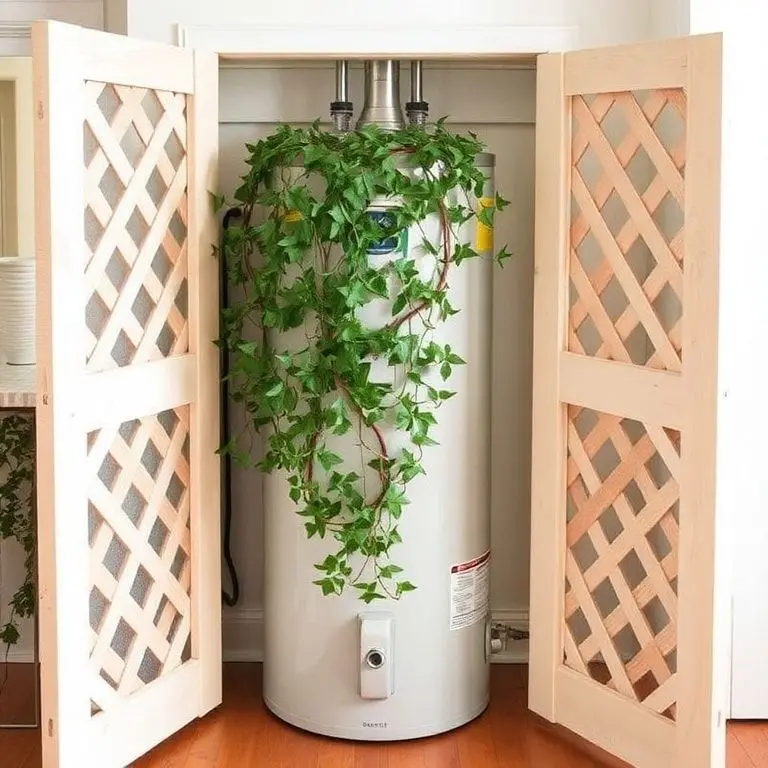
Lattice works particularly well in cottages, beach houses, or spaces with casual, relaxed design schemes. The pattern adds depth and interest while maintaining an approachable, unpretentious feel. Enhance the look with climbing artificial plants woven through the lattice for a garden-inspired touch.
Under-Stair Enclosures
Basement staircases often create awkward spaces perfect for tucking away water heaters. Building a custom enclosure under the stairs maximizes this typically wasted area while keeping the appliance accessible. The angled ceiling naturally accommodates the water heater height while the surrounding structure provides framework for your cover.
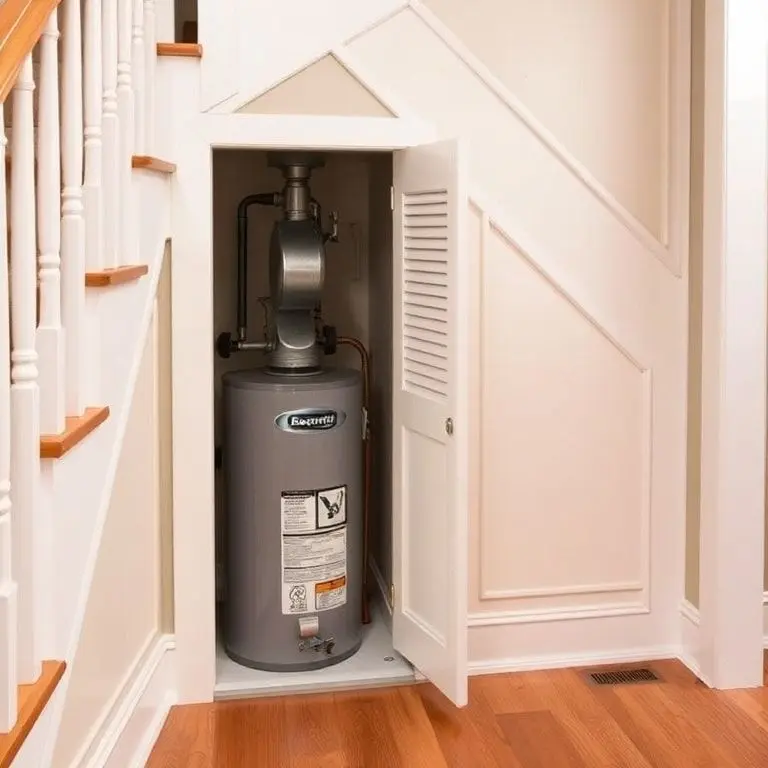
Create a simple door or panel system that follows the stair profile. Louvered doors work well here, or consider a hinged panel that swings down and out. Paint the enclosure to match the staircase trim for a cohesive, planned appearance that looks original to the home.
This location keeps the water heater out of primary living spaces while utilizing square footage that serves little other purpose. Add lighting inside the enclosure for safe maintenance access. Consider including additional storage shelving in any remaining space around the water heater.
Tankless Water Heater Wall Art
Tankless water heaters mount on walls and occupy less space than traditional tanks, but their exposed position often makes them more visible. Transform these compact units into art by commissioning or creating a custom framed cover that resembles a large painting or wall hanging.
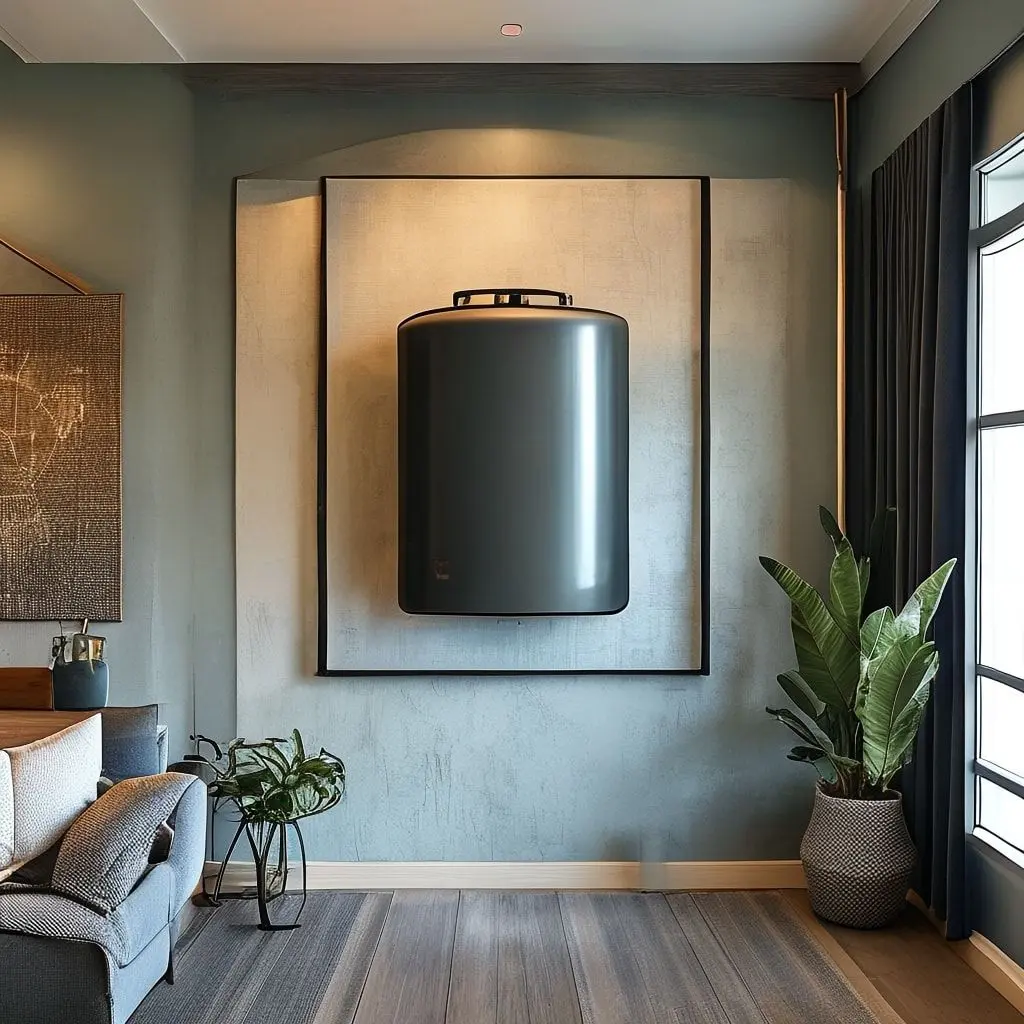
Build a shallow frame slightly larger than the water heater, then hinge it at the top to swing up for access. Cover the frame front with canvas, decorative fabric, or even a printed image that coordinates with your room. From a distance, the cover appears to be intentional wall décor rather than appliance concealment.
This sophisticated approach suits living areas, hallways, or anywhere a tankless unit occupies prominent wall space. Choose artwork or fabric that reflects your personal style and complements surrounding décor. The unexpected solution often becomes a conversation piece while serving its practical purpose.
Multi-Purpose Storage Benches
In mudrooms, laundry areas, or entryways, a storage bench positioned in front of the water heater provides seating, storage, and concealment simultaneously. Build or purchase a bench with adequate depth to clear the water heater, then add hinged or removable back panels for appliance access.
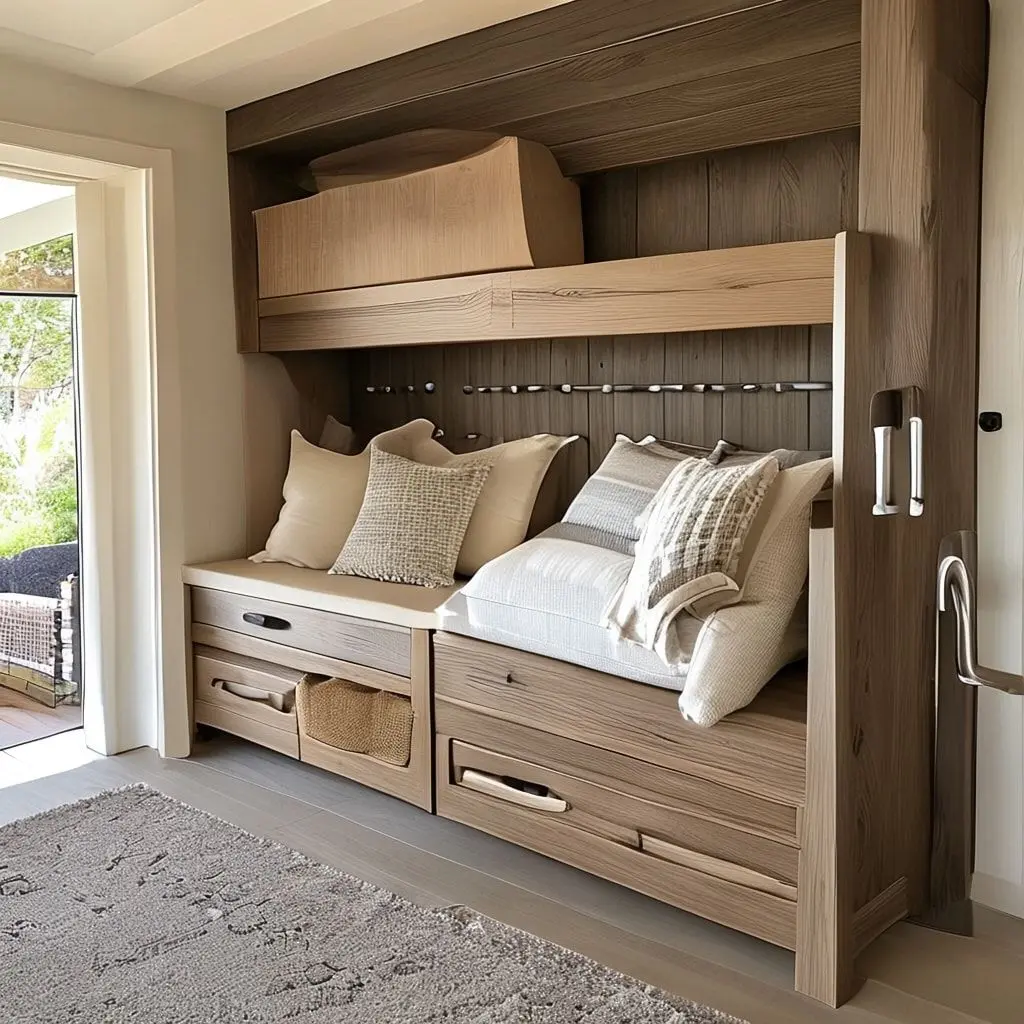
The bench top serves as a practical surface for folding laundry, setting down groceries, or removing shoes. Interior storage holds seasonal items, cleaning supplies, or household goods. The water heater hides behind the bench back, visible only when you specifically need to access it.
This solution maximizes functionality in multipurpose rooms where every element should serve multiple needs. Choose bench styles that match your home aesthetic from rustic farmhouse to sleek contemporary. Add cushions and throw pillows to enhance comfort and tie into your color scheme.
Final Thoughts
Concealing your water heater requires balancing practical necessities with design preferences. The ideas presented here offer solutions for various budgets, skill levels, and home styles. Whether you choose a simple curtain panel or invest in custom cabinetry, the right cover transforms an eyesore into an integrated element of your home.
Remember that safety and code compliance take precedence over aesthetics. Always maintain required clearances, ensure adequate ventilation, and keep access to controls and emergency shutoffs. When in doubt, consult a licensed contractor or plumber to verify your plans meet local requirements.
The most successful water heater covers feel intentional rather than apologetic. Instead of trying to make the enclosure invisible, embrace it as an opportunity to add functionality, storage, or architectural interest to your space. With thoughtful planning and creative execution, your water heater cover becomes an asset that enhances both the form and function of your home.
Frequently Asked Questions
Can I completely enclose my water heater in a cabinet?
You cannot fully seal a water heater in an airtight cabinet. Gas water heaters require combustion air and proper venting, while all water heaters need airflow to prevent overheating. Use louvered doors or leave ventilation gaps at the top and bottom of any enclosure. Always check your local building codes and manufacturer specifications for minimum clearance requirements.
What materials are safe to use near a water heater?
Use fire-resistant materials like metal, treated wood, cement board, or tile for covers near water heaters. Avoid highly flammable materials such as untreated fabric, paper products, or certain plastics in direct contact with the unit. Maintain the manufacturer-specified clearances regardless of material choice, and never place items directly on top of the water heater.
Do I need professional help to build a water heater cover?
Many simple covers like screens, curtains, or freestanding cabinets require no professional assistance and make excellent DIY projects. However, if your project involves electrical work, gas line modifications, or structural changes to your home, hire licensed professionals. Also consult an expert if you’re uncertain about ventilation requirements or code compliance.
How much clearance space do I need around my water heater?
Most manufacturers recommend six inches of clearance on all sides for maintenance access, though requirements vary by model and fuel type. Check your specific water heater manual for exact specifications. Local building codes may have additional requirements. The top clearance is particularly important, often requiring 12 to 18 inches for proper ventilation and access to components.
Will covering my water heater affect its efficiency?
A properly designed cover with adequate ventilation will not reduce efficiency. In fact, some enclosures can slightly improve efficiency by reducing heat loss to surrounding spaces. However, restricting airflow or blocking vents will force the unit to work harder and may create dangerous conditions. Always prioritize ventilation over aesthetics when designing your cover.