14+ Smart Cleaning Innovations for a Tidy Home
Cleaning Innovations ideas ,Modern homes demand modern solutions, and nowhere is this more evident than in the evolution of cleaning technology. The days of labor-intensive scrubbing and time-consuming household chores are giving way to intelligent systems that work smarter, not harder. Today’s cleaning innovations combine cutting-edge technology with practical functionality to create homes that are not only cleaner but healthier and more sustainable.
The transformation in home cleaning has been remarkable. What once required hours of manual effort now happens automatically while you focus on what matters most. From floors that clean themselves to windows that sparkle without human intervention, these innovations are reshaping our relationship with home maintenance. More than mere convenience, these advancements address fundamental concerns about indoor air quality, environmental impact, and the precious resource of time.
The cleaning industry has witnessed a technological renaissance driven by artificial intelligence, robotics, and environmental consciousness. These innovations emerge from a perfect convergence of consumer demand, technological capability, and environmental responsibility. Homeowners increasingly seek solutions that deliver exceptional results without compromising their values or schedules. The result is a marketplace brimming with intelligent devices and sustainable products designed to make tidiness effortless.
Robotic Floor Cleaning Systems
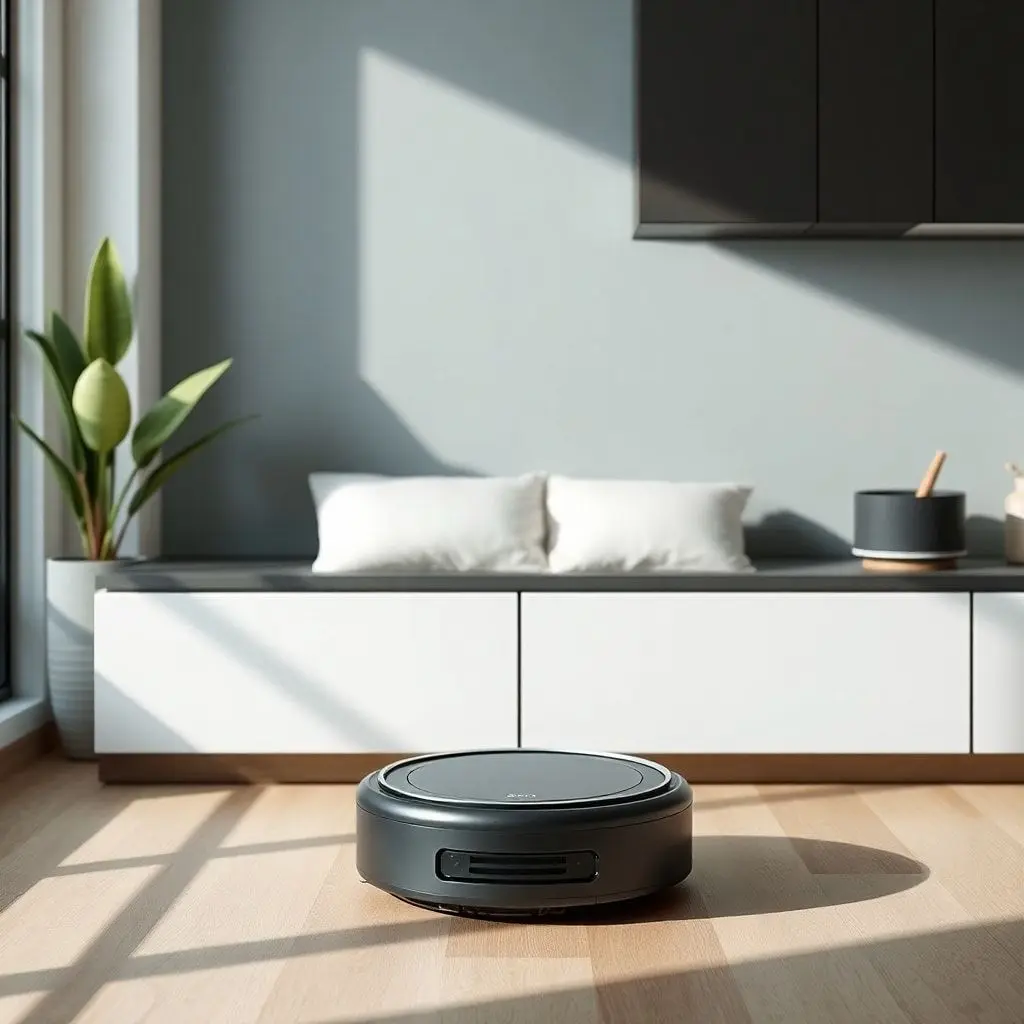
The foundation of smart home cleaning begins with autonomous floor care. Modern robotic vacuums have evolved far beyond their early predecessors, incorporating sophisticated navigation systems that map your home with laser precision. These devices utilize LiDAR technology and advanced sensors to create detailed floor plans, ensuring no corner goes untouched. Many current models boast suction power exceeding 18,000 Pa, rivaling traditional upright vacuums while operating with remarkable autonomy.
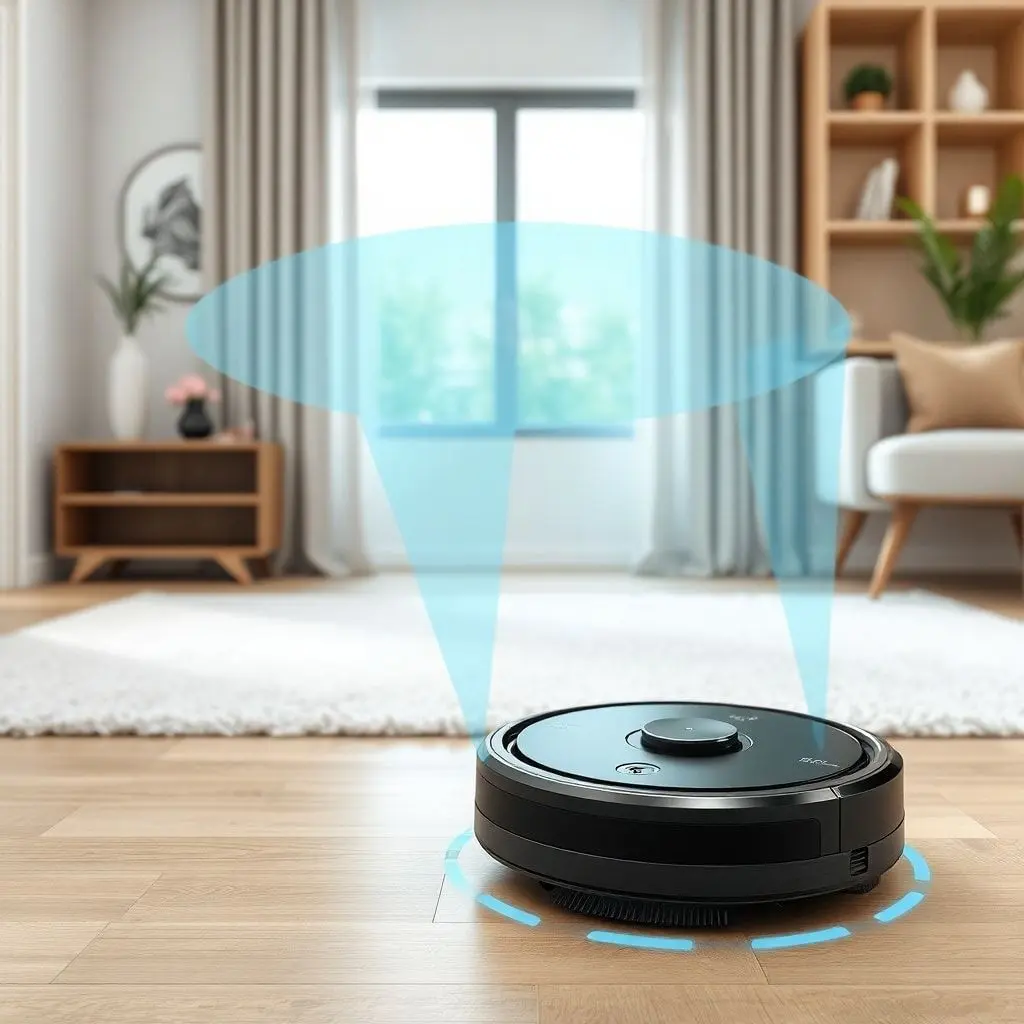
What sets contemporary robotic cleaners apart is their dual functionality. Advanced models seamlessly transition between vacuuming and mopping, detecting floor types and adjusting cleaning methods accordingly. Smart sensors identify carpeted areas to avoid mopping where inappropriate, while targeted cleaning zones address high-traffic spaces requiring extra attention. The integration with smartphone apps allows users to schedule cleaning sessions, designate no-go zones, and monitor progress remotely.
Self-emptying capabilities represent another leap forward. Base stations automatically empty dust bins, storing debris for weeks before requiring human intervention. This feature proves particularly valuable for pet owners dealing with constant shedding. The convenience extends to water management, with some systems automatically refilling clean water tanks and disposing of dirty water, creating a genuinely hands-free cleaning experience.
Advanced Air Purification Technology
Clean surfaces matter, but the air we breathe holds equal importance. Smart air purifiers have become essential components of healthy homes, continuously monitoring indoor air quality and adjusting filtration intensity based on detected pollutants. These devices track particulate matter, volatile organic compounds, and allergens, providing real-time feedback through connected applications.
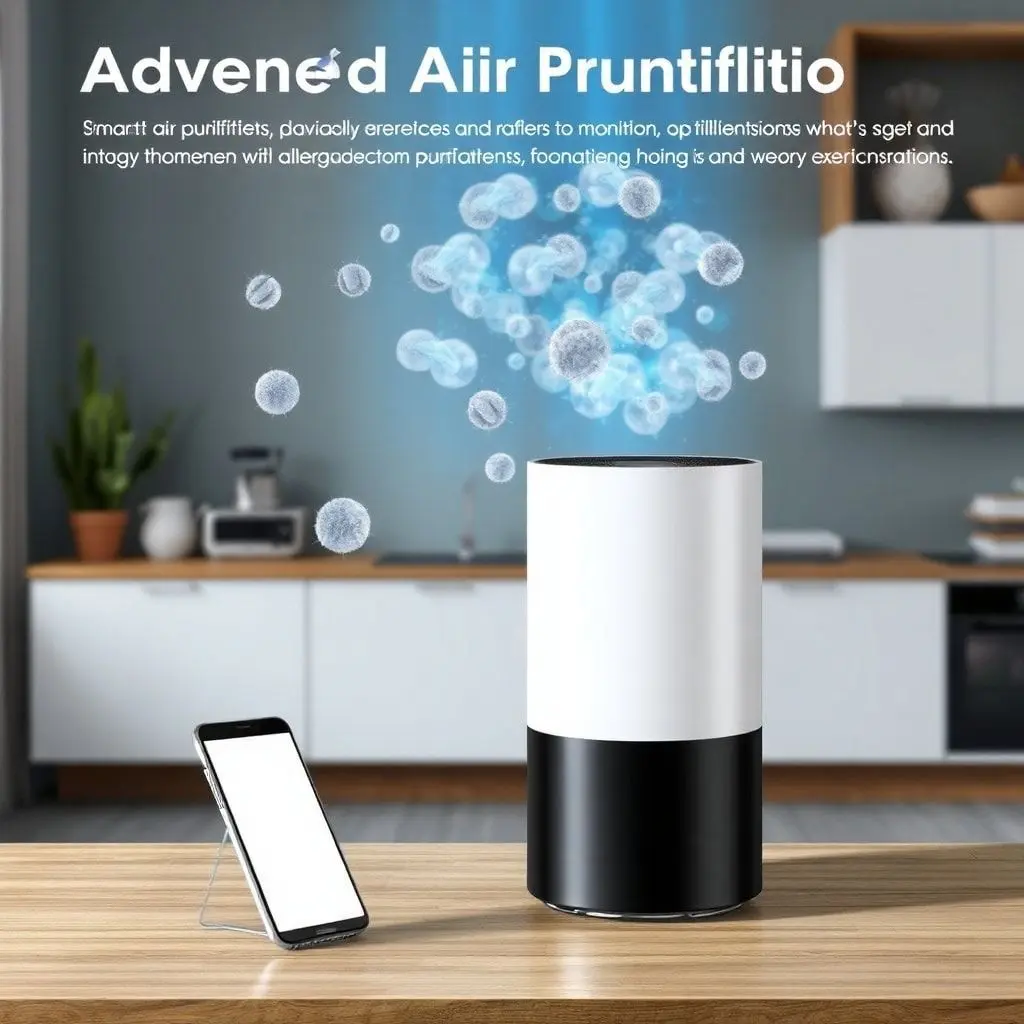
Modern purification systems employ multi-stage filtration, combining HEPA filters with activated carbon layers to capture microscopic particles and neutralize odors. Some advanced models incorporate UV-C light technology, which destroys bacteria and viruses at the molecular level by disrupting their genetic material. This dual approach ensures both physical removal and biological neutralization of airborne threats https://casolia.com/cleaning-innovations-ideas/
Integration with smart home ecosystems allows these purifiers to work in concert with other devices. When sensors detect cooking activity or increased occupancy, the system automatically increases air circulation. Voice command compatibility makes adjusting settings effortless, while scheduling features ensure optimal air quality during sleep hours or when family members with allergies are home.
Ultraviolet Disinfection Solutions
The global health landscape has intensified focus on disinfection, spurring innovation in UV-C technology. Portable UV sanitizing devices now allow homeowners to disinfect surfaces, objects, and even entire rooms without chemical cleaners Cleaning Innovations ideas. These tools emit ultraviolet light in the germicidal wavelength range, effectively destroying pathogens in minutes.
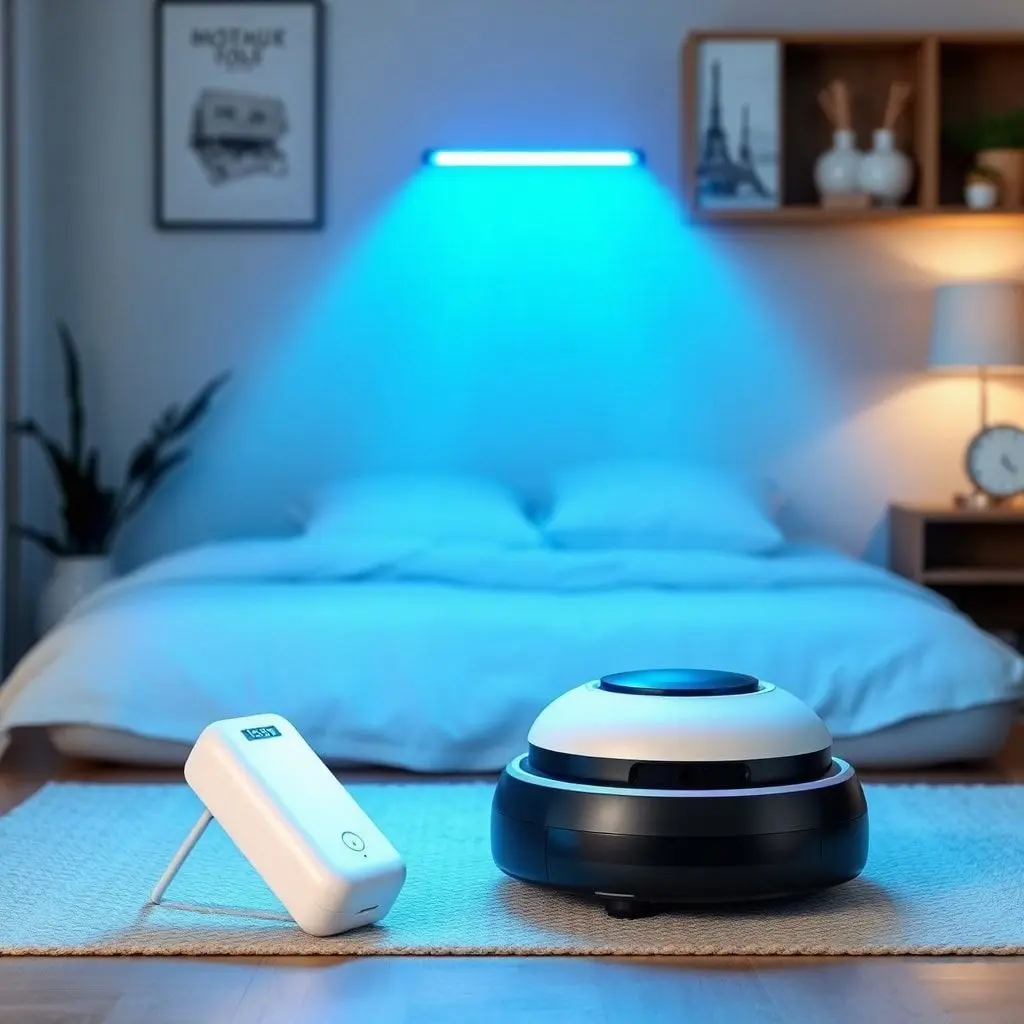
Handheld UV wands enable spot treatment of frequently touched surfaces like doorknobs, light switches, and remote controls. Larger UV boxes accommodate phones, keys, and other personal items, providing chemical-free sanitization that leaves no residue. For comprehensive room disinfection, stationary UV-C lamps or mobile robots methodically treat entire spaces, offering hospital-grade cleanliness in residential settings.
The appeal of UV technology lies in its effectiveness without harsh chemicals. Families with young children or chemical sensitivities particularly benefit from this approach. However, proper usage remains critical, as direct UV-C exposure can harm skin and eyes. Quality devices include safety features like automatic shutoff when movement is detected, ensuring both effectiveness and user protection.
Smart Window Cleaning Robots
Windows present unique cleaning challenges, especially in multi-story homes or apartments with exterior glass. Robotic window cleaners address this difficulty with suction-based systems that adhere to glass surfaces while automated scrubbing mechanisms remove dirt and grime. These devices navigate window panes independently, following programmed patterns to ensure complete coverage.
Advanced models feature dual ultrasonic water sprayers that apply fine mist precisely where needed, conserving water while maximizing cleaning effectiveness. Edge detection prevents the device from falling, while intelligent pathing algorithms ensure efficient cleaning without repetitive coverage. For homes with numerous or hard-to-reach windows, these robots transform an arduous task into a scheduled background activity.
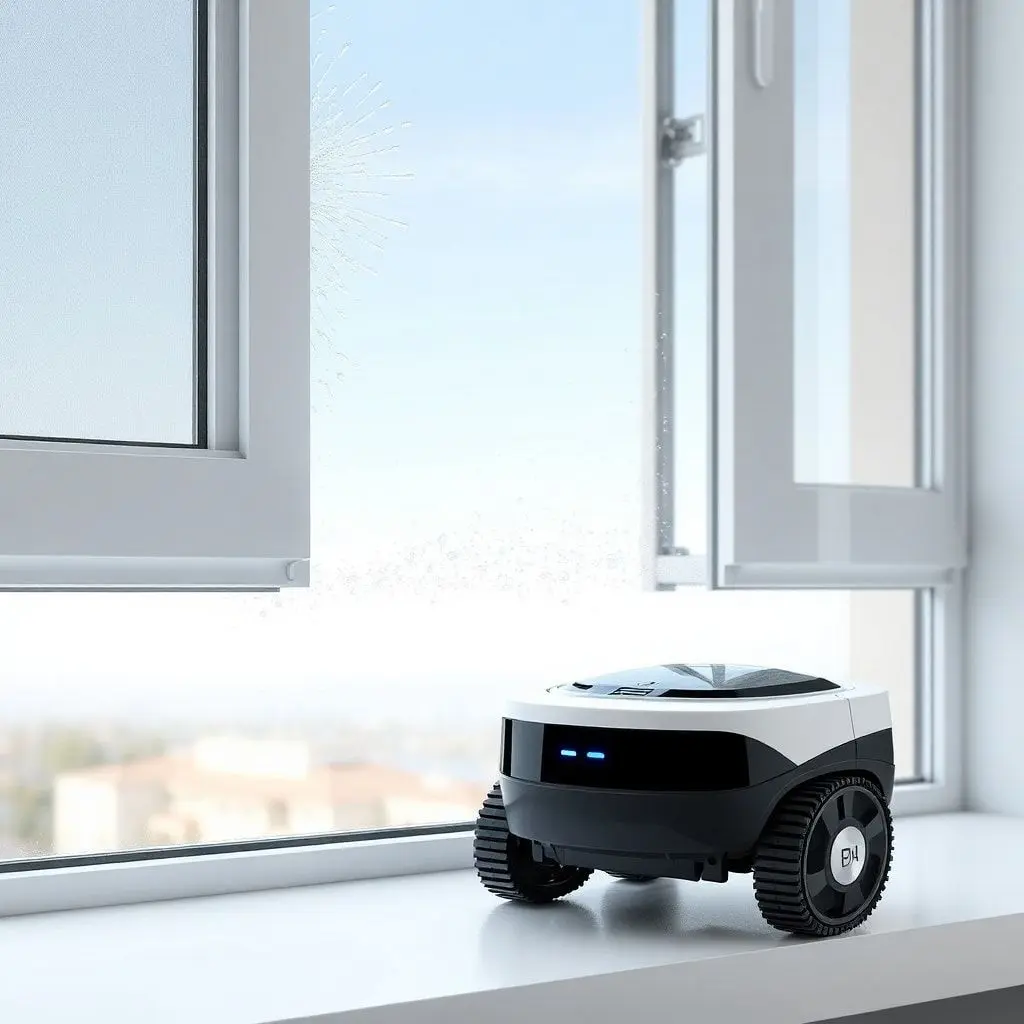
App connectivity allows users to initiate cleaning cycles remotely, perfect for preparing homes before guests arrive or maintaining views while away. Some systems store multiple window configurations, automatically adjusting cleaning patterns based on glass size and shape. While results may vary depending on glass type and environmental conditions, these innovations significantly reduce the time and risk associated with window maintenance.
Eco-Friendly Cleaning Products
Sustainability has moved from niche concern to mainstream priority, driving demand for cleaning products that protect both homes and the environment. Plant-based formulations now rival traditional chemical cleaners in effectiveness while eliminating toxic residues. These products utilize natural enzymes and surfactants derived from renewable sources to break down dirt, grease, and stains.
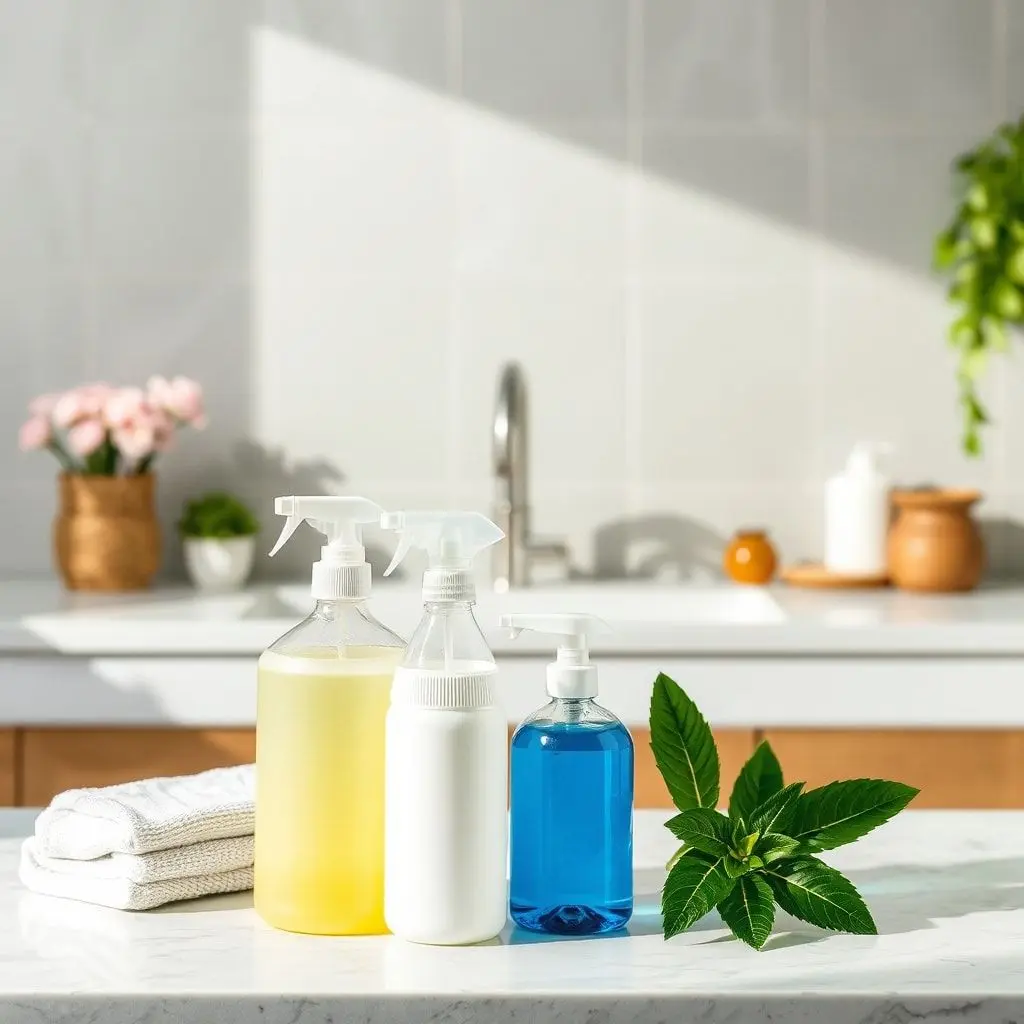
Concentrated cleaning solutions represent another sustainable innovation. By purchasing concentrates and diluting them at home, consumers dramatically reduce plastic waste while lowering transportation emissions. Refill stations are appearing in forward-thinking retailers, allowing customers to reuse containers indefinitely. This approach aligns with circular economy principles, minimizing waste throughout the product lifecycle.
Biodegradable packaging complements green formulations, ensuring environmental responsibility extends beyond the product itself. Some manufacturers now use recycled ocean plastic for bottles, directly addressing plastic pollution while providing functional containers. The combination of effective cleaning power and environmental stewardship makes these products increasingly popular among conscientious consumers.
Microfiber Technology Advancements
The humble cleaning cloth has undergone remarkable evolution. Modern microfiber materials feature fibers thousands of times finer than human hair, creating vast surface areas that trap and hold particles with exceptional efficiency. Unlike traditional cloths that push dirt around, quality microfiber mechanically removes contaminants through its unique structure.
Different microfiber weaves serve specific purposes. Tight weaves excel at glass and mirror cleaning, leaving streak-free surfaces without chemical assistance. Looser, plusher microfiber mops attract and hold dust electrostatically, making dry cleaning more effective. For wet applications, microfiber absorbs multiple times its weight in water, reducing the frequency of wringing and accelerating cleaning processes.
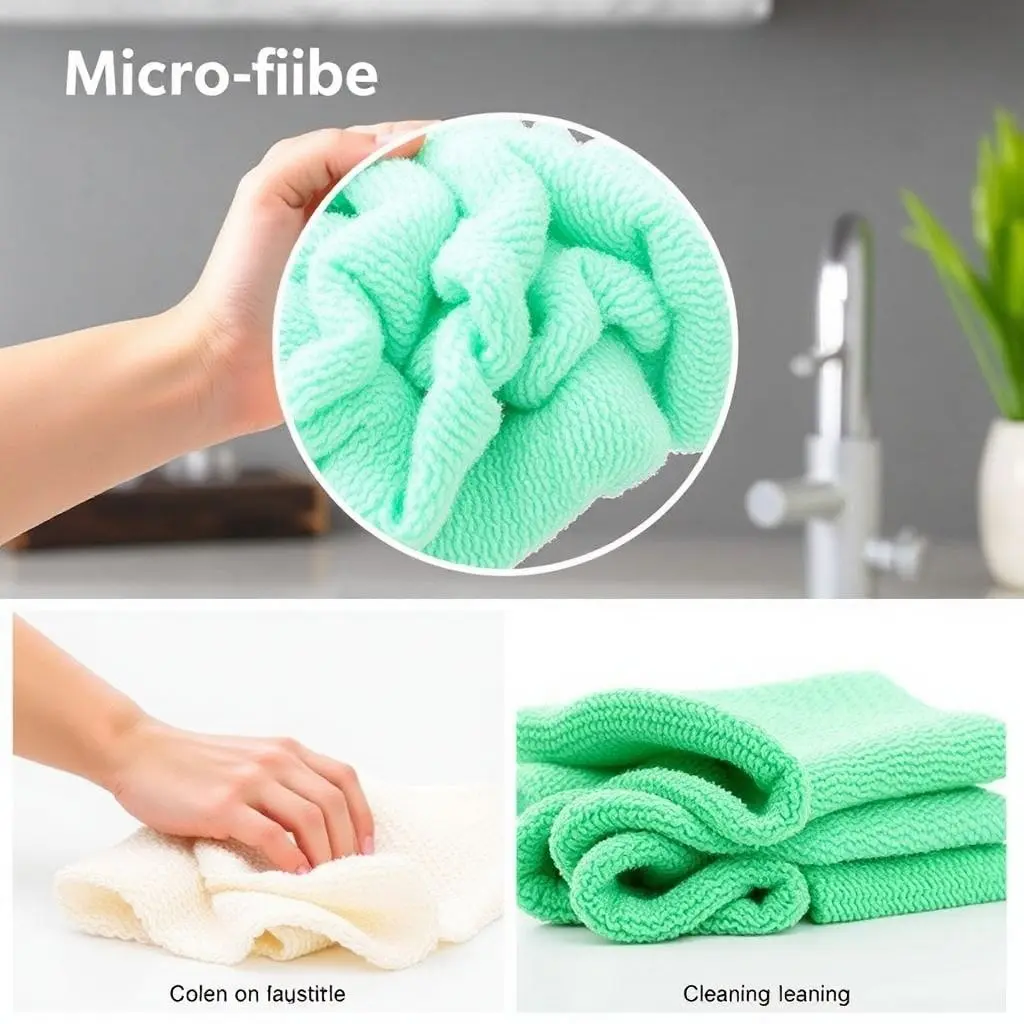
Color-coded microfiber systems prevent cross-contamination between different areas. Using designated colors for kitchens, bathrooms, and general spaces ensures bacteria from one area never transfer to another. This professional approach to home cleaning improves hygiene while organizing supplies. Durability adds to microfiber appeal, as quality cloths withstand hundreds of washings, making them cost-effective and environmentally sound compared to disposable alternatives.
Automated Bathroom Cleaning Systems
Bathrooms demand frequent attention, making automation particularly valuable. Self-cleaning toilets represent a significant advancement, featuring built-in UV sanitization and automated bowl cleaning that activates after each use. Electrolyzed water systems generate cleaning agents from ordinary tap water and small amounts of salt, eliminating the need for chemical toilet cleaners while providing effective sanitation.
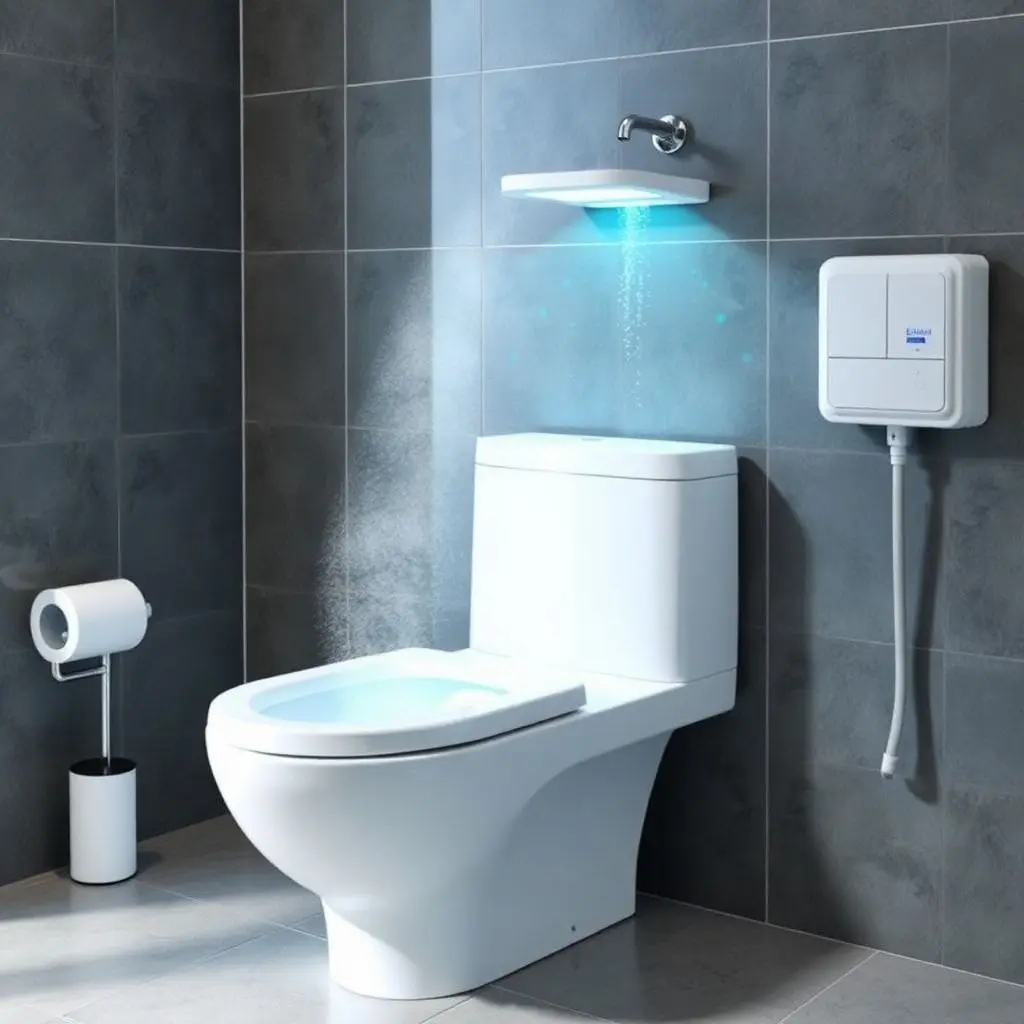
Touchless soap and sanitizer dispensers reduce surface contact, improving hygiene while adding modern convenience. Sensor-activated systems dispense precise amounts, reducing waste and mess. Many incorporate antimicrobial materials in high-touch areas, providing continuous protection against bacterial growth.
Shower and tub cleaning has also benefited from innovation. Automatic shower cleaners spray cleaning solution after each use, preventing soap scum and hard water buildup through daily maintenance rather than intensive periodic scrubbing. These systems require only occasional refilling, transforming one of the most dreaded household chores into a nearly invisible background process.
Smart Kitchen Appliances
Kitchen cleaning innovations extend beyond dedicated cleaning devices to integrated appliance features. Self-cleaning ovens have improved with catalytic and pyrolytic systems that reduce residue to ash through high-heat cycles, eliminating harsh chemical cleaners. Modern dishwashers incorporate AI-powered sensors that detect soil levels and adjust water temperature, pressure, and cycle duration accordingly, ensuring thorough cleaning while conserving resources.
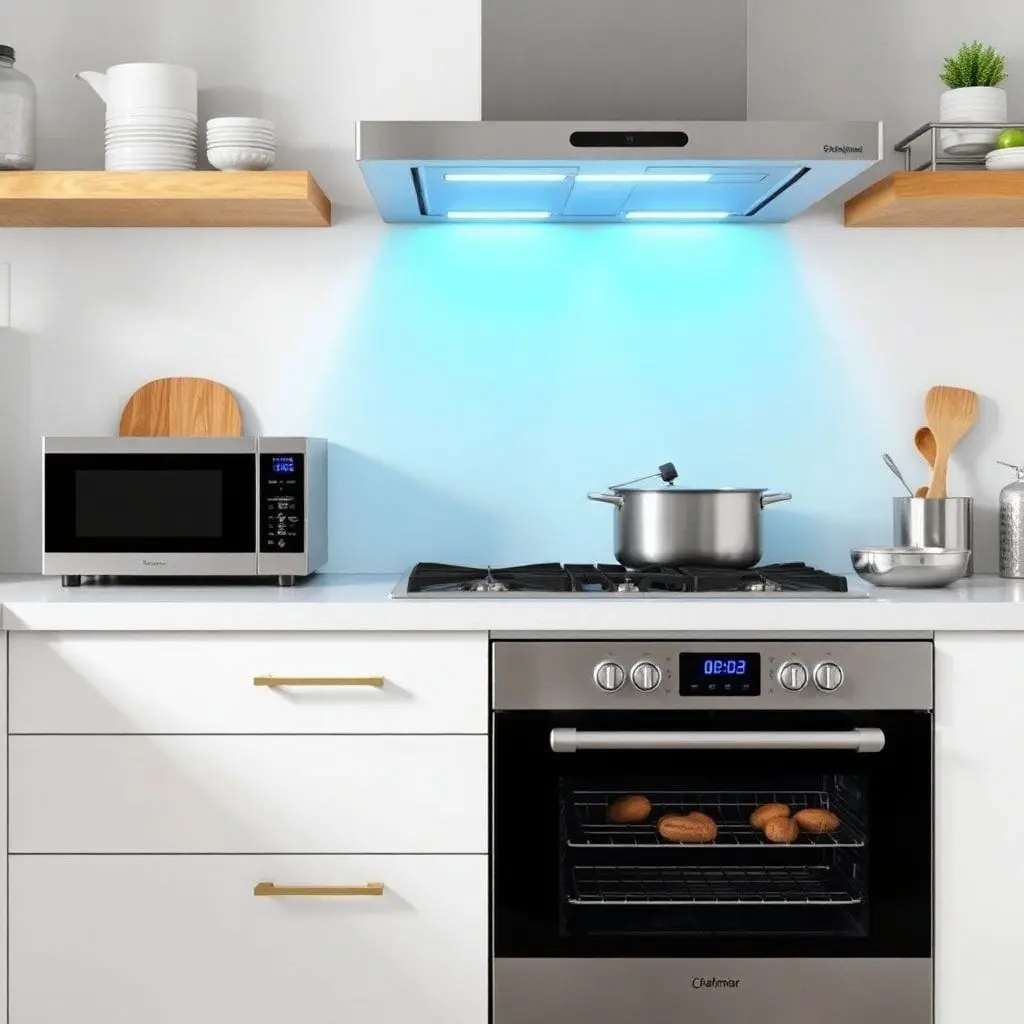
Range hood innovations include self-cleaning filters and automated grease collection systems. Some models feature dishwasher-safe components designed for easy maintenance, while others incorporate UV lights that continuously sanitize surfaces. These features reduce manual cleaning requirements while maintaining optimal performance.
Refrigerator technology has embraced antibacterial surfaces and activated carbon filters that neutralize odors without added fragrances. Some premium models include UV sanitization for water dispensers and ice makers, ensuring every aspect of food storage and preparation meets the highest hygiene standards.
Internet of Things Integration
The Internet of Things has transformed cleaning from isolated tasks to interconnected systems. Smart cleaning devices communicate with each other and central control hubs, creating coordinated home maintenance. When your robotic vacuum completes its cycle, the air purifier might increase airflow to capture stirred-up dust. Motion sensors can trigger targeted cleaning in high-traffic areas, optimizing resource use.
Data analytics reveal cleaning patterns and effectiveness over time. Smart devices track which areas accumulate dirt most quickly, allowing users to adjust cleaning frequencies for different zones. This information-driven approach eliminates guesswork, ensuring cleaning efforts align with actual needs rather than arbitrary schedules.
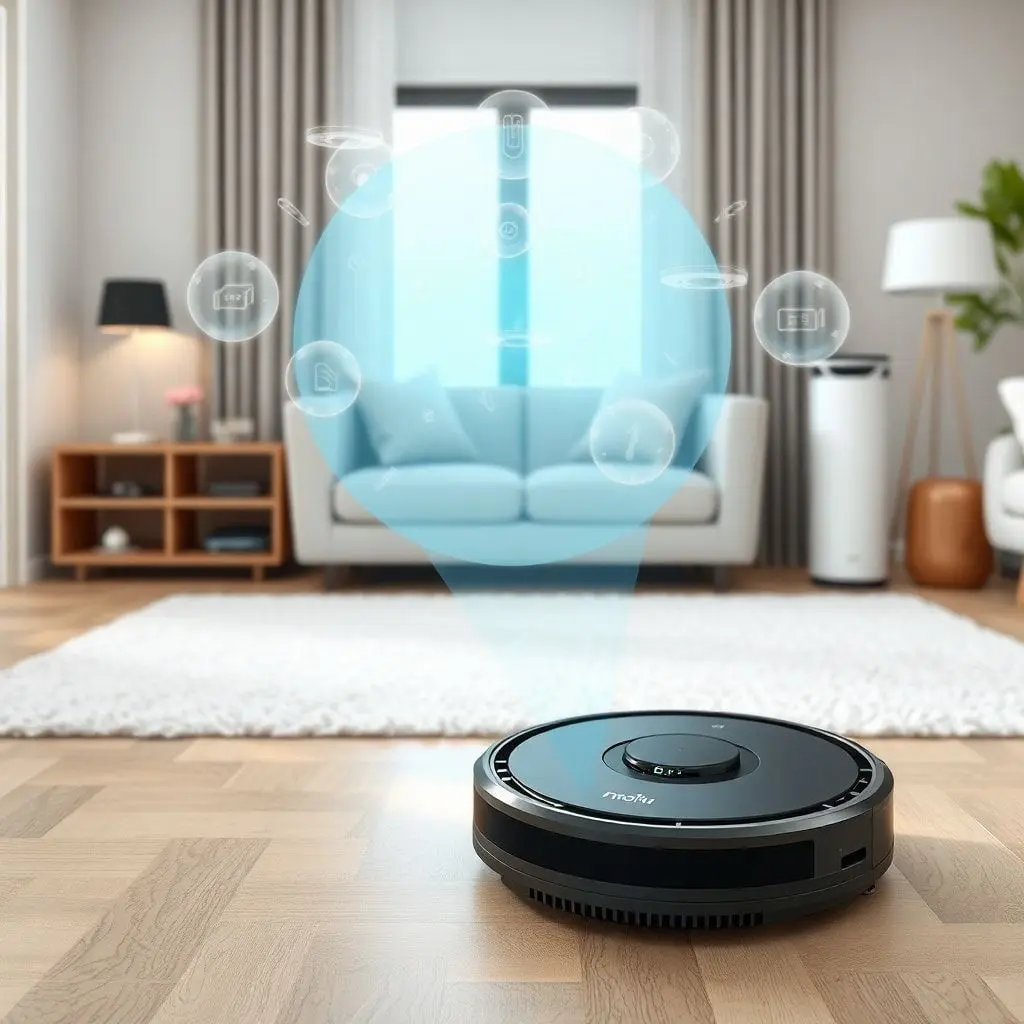
Voice assistant integration makes controlling cleaning devices as simple as speaking commands. Asking your virtual assistant to vacuum the living room or activate the air purifier eliminates the need to locate apps or press buttons. This seamless integration makes maintaining a clean home more accessible, particularly for individuals with mobility limitations.
Ergonomic Design Evolution
While automation receives attention, innovations in manual cleaning tools deserve recognition. Ergonomic design principles have transformed traditional implements, reducing physical strain and improving efficiency. Lightweight materials decrease fatigue during extended cleaning sessions, while balanced weight distribution prevents awkward postures that lead to discomfort.
Extended handles eliminate bending and reaching, allowing users to clean high and low areas while maintaining neutral spine positions. Swivel mechanisms on mops and dusters enable natural wrist movement, reducing repetitive strain. Cushioned grips minimize hand fatigue, making prolonged cleaning more comfortable.
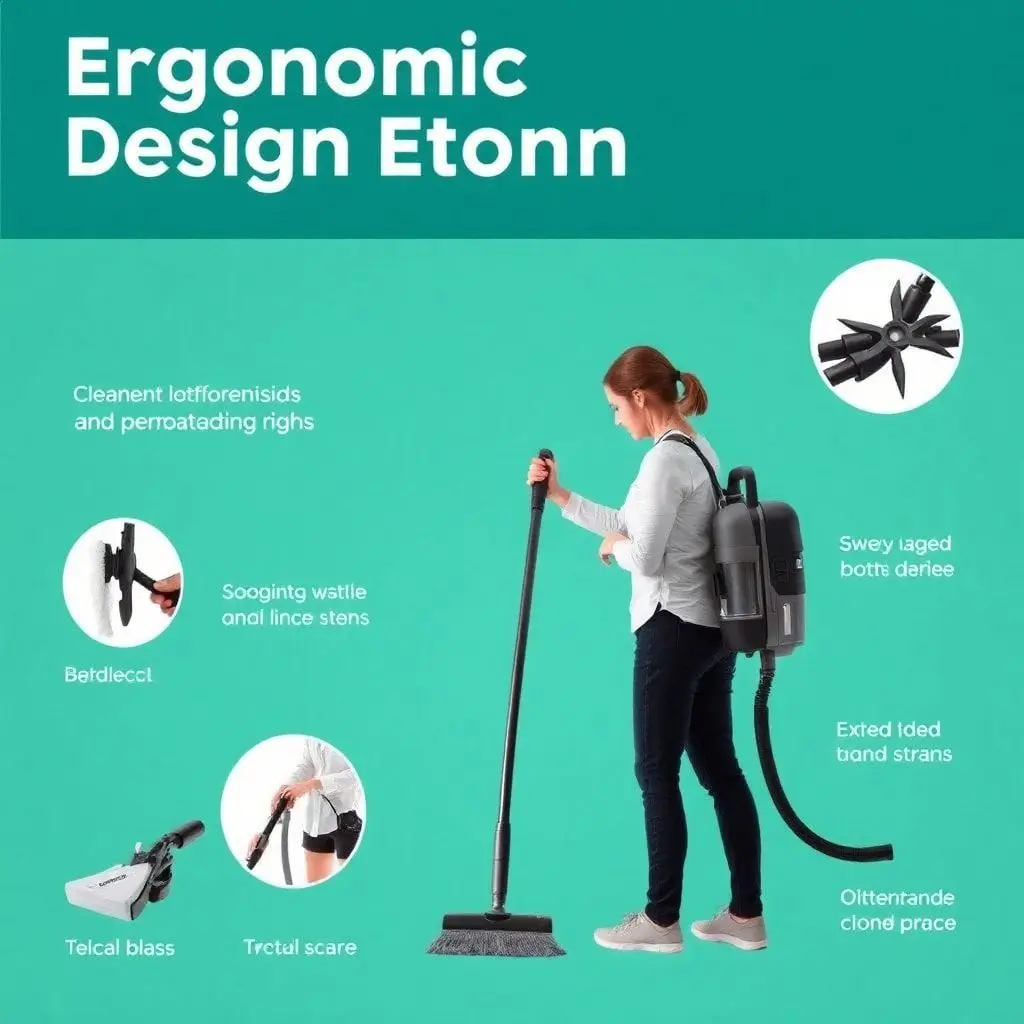
Backpack vacuum systems distribute weight across shoulders and hips rather than concentrating it in arms and wrists. This professional-grade approach to residential cleaning significantly reduces physical demand, making thorough vacuuming accessible to people of varying physical abilities. The combination of power and comfort allows for more frequent, less burdensome cleaning.
Chemical Dispensing Systems
Proper chemical dilution balances effectiveness, safety, and economy. Automated dispensing systems eliminate guesswork, ensuring optimal concentrations every time. Wall-mounted units or portable dispensers measure and mix cleaning solutions precisely, preventing waste from over-concentration and ineffectiveness from under-dilution.
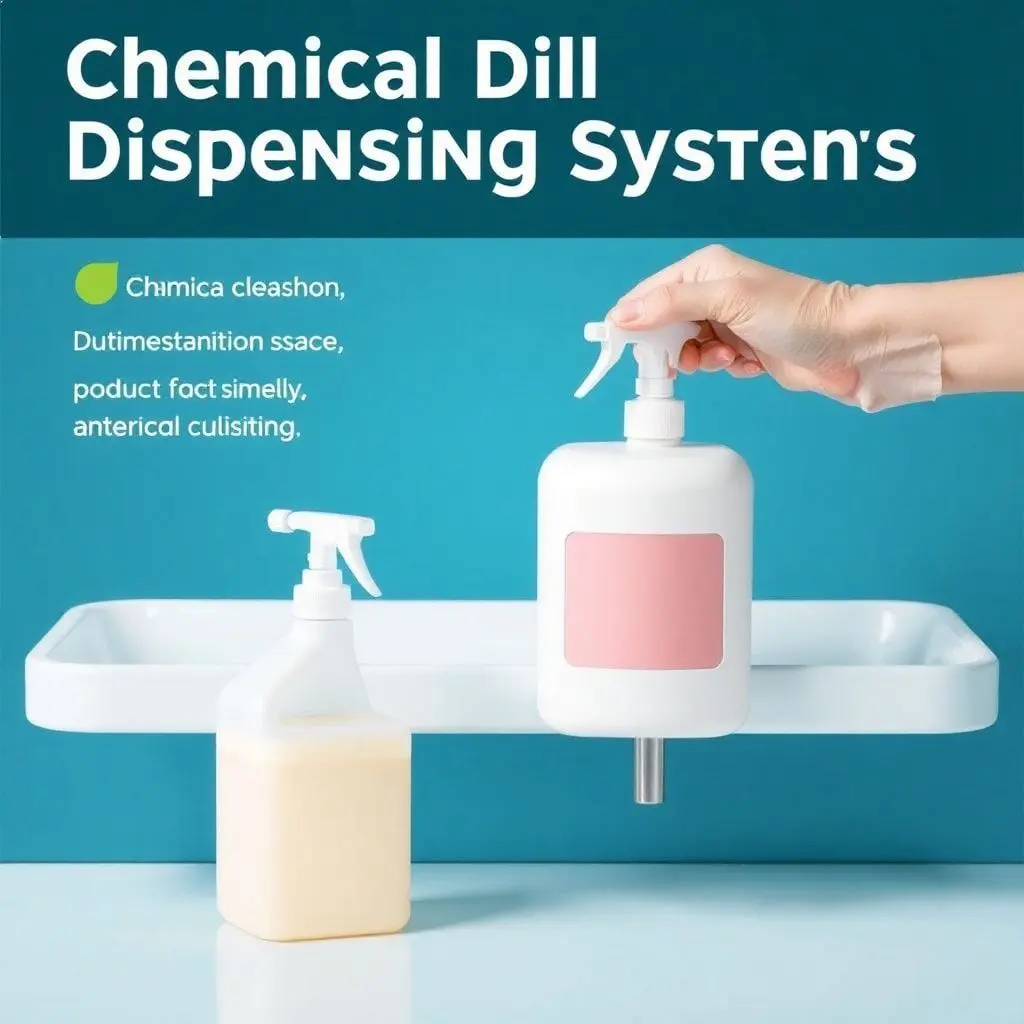
These systems improve safety by reducing direct chemical handling. Pre-measured doses minimize exposure to concentrated products, protecting skin and respiratory health. Consistent dilution also prevents accidental mixing of incompatible chemicals, a common household hazard.
Cost savings accumulate through efficient chemical use. Concentrated products last longer when properly diluted, and the elimination of wasted product from incorrect mixing provides measurable economic benefits. Professional cleaning operations have used such systems for years, and their adoption in residential settings reflects growing sophistication in home cleaning approaches.
High-Pressure Steam Cleaners
Steam cleaning harnesses water’s natural cleaning power without chemicals. High-pressure steam systems heat water to temperatures exceeding 200 degrees Fahrenheit, creating vapor that penetrates porous surfaces and dissolves stubborn residues. This method proves particularly effective on grout, upholstery, and hard-to-clean kitchen appliances.
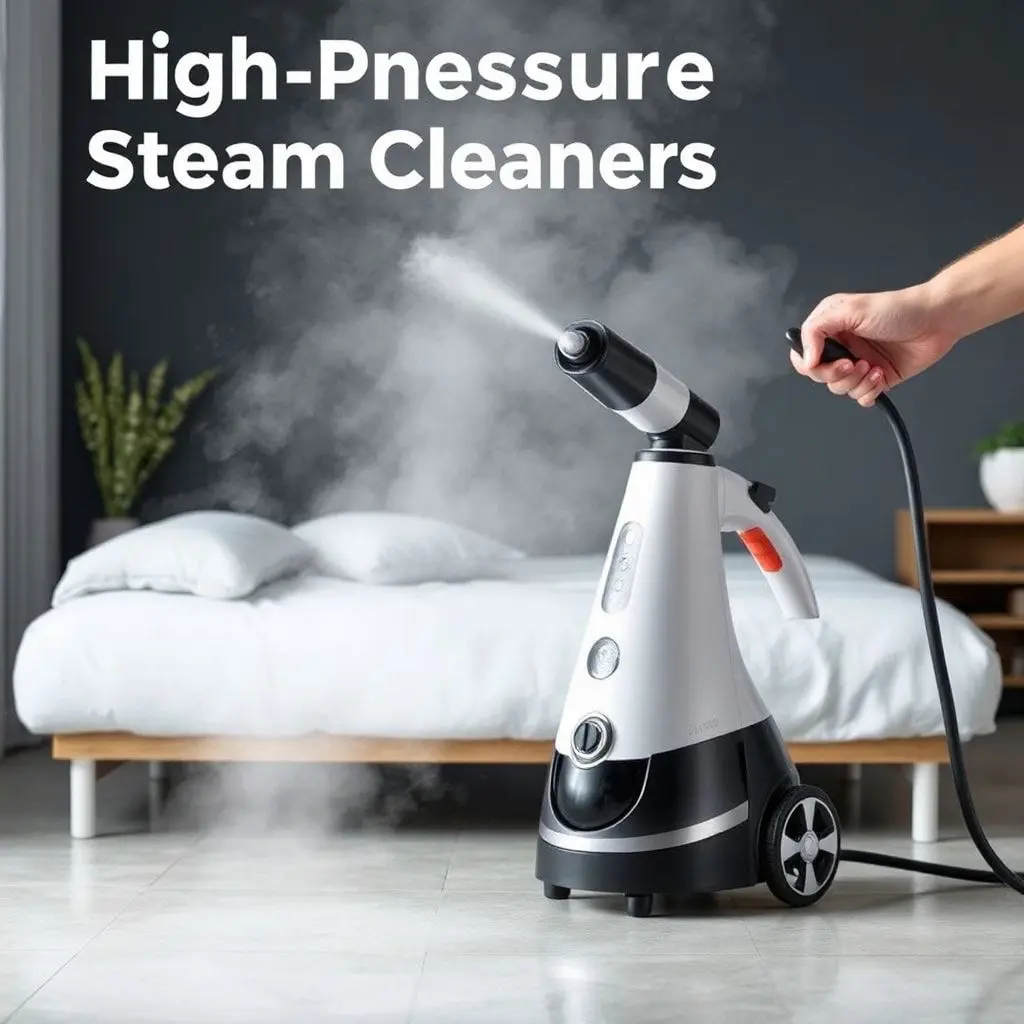
The sanitizing effect of steam results from sustained high temperatures that destroy bacteria, viruses, and dust mites. This chemical-free disinfection appeals to households with allergies, asthma, or chemical sensitivities. Steam’s ability to penetrate fabric fibers makes it ideal for refreshing upholstered furniture and mattresses without harsh treatments.
Modern steam cleaners include multiple attachments for various applications, from detail nozzles for tight spaces to large pads for floor cleaning. Variable steam settings allow customization based on surface type, ensuring effective cleaning without damage. The versatility of steam technology makes single devices capable of addressing numerous household cleaning challenges.
Automated Laundry Solutions
Laundry technology continues advancing with features that simplify fabric care. Smart washing machines detect load size and fabric type, automatically adjusting water levels, temperature, and cycle duration. Some models connect to weather services, recommending drying methods based on outdoor conditions and suggesting energy-saving air drying when appropriate.
Detergent auto-dosing systems store concentrated detergent and dispense precise amounts based on load characteristics. This eliminates measuring cups and prevents detergent waste while ensuring optimal cleaning. Machines track detergent levels and notify users when refills are needed, preventing mid-cycle supply shortages.
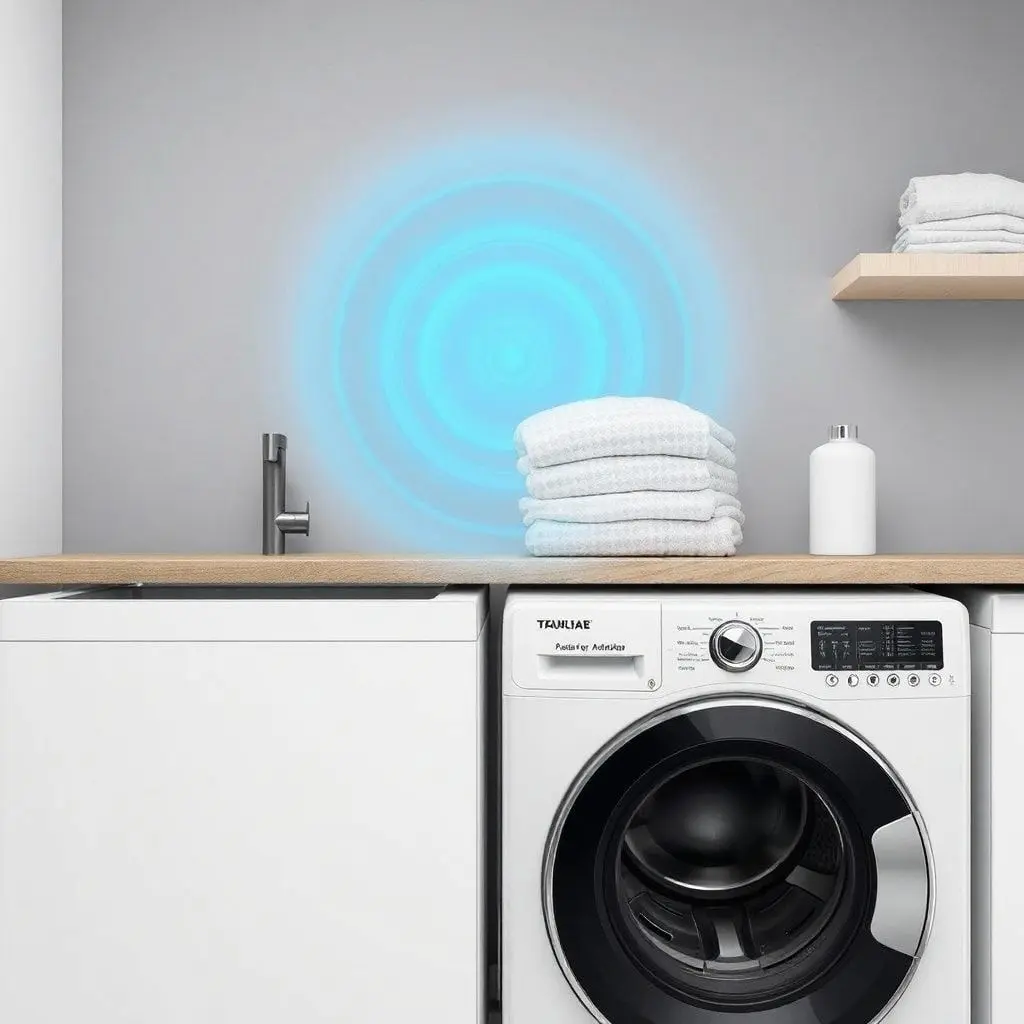
Dryer innovations include sensor technology that prevents over-drying, extending garment life while saving energy. Steam cycles refresh clothes without full washing, reducing water use and fabric wear. Integration with smartphone apps allows remote monitoring and control, enabling users to start laundry before arriving home or receive completion notifications.
Trash Management Innovation
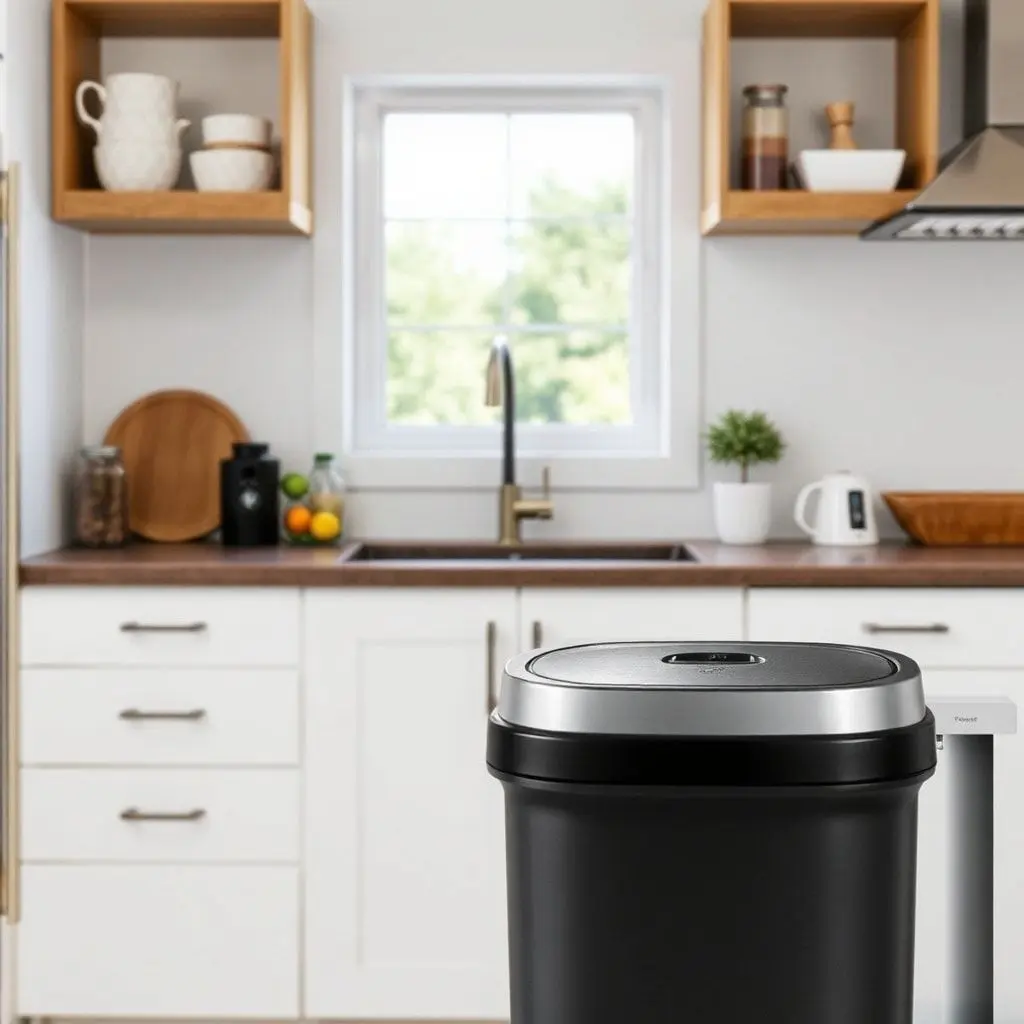
Even waste disposal has benefited from innovation. Touchless trash cans with motion sensors open automatically, preventing surface contact and improving kitchen hygiene. Some models feature odor-neutralizing systems that activate when lids open, maintaining pleasant indoor environments.
Compacting trash cans reduce bag changes by compressing waste to a fraction of its original volume. This feature particularly benefits households generating significant packaging waste, reducing the frequency of trips to outdoor receptacles. Automated bag changing systems in premium models make even this final step more convenient.
Smart composting systems address organic waste, converting food scraps into usable compost without outdoor bins or unpleasant odors. These countertop or basement units accelerate decomposition through controlled temperature and moisture, producing nutrient-rich soil amendments while diverting waste from landfills.
Pet-Specific Cleaning Tools
Pet ownership introduces unique cleaning challenges that specialized innovations address. Robotic vacuums designed for pet hair feature tangle-free brush systems and enhanced suction power. Self-cleaning brushes prevent hair wrap, maintaining consistent performance without manual intervention.
Automated litter boxes detect when cats use them, promptly removing waste and sealing it in contained compartments. This technology controls odors more effectively than traditional litter boxes while reducing daily maintenance to periodic waste compartment replacement. Some models connect to apps, tracking usage patterns that might indicate health issues.
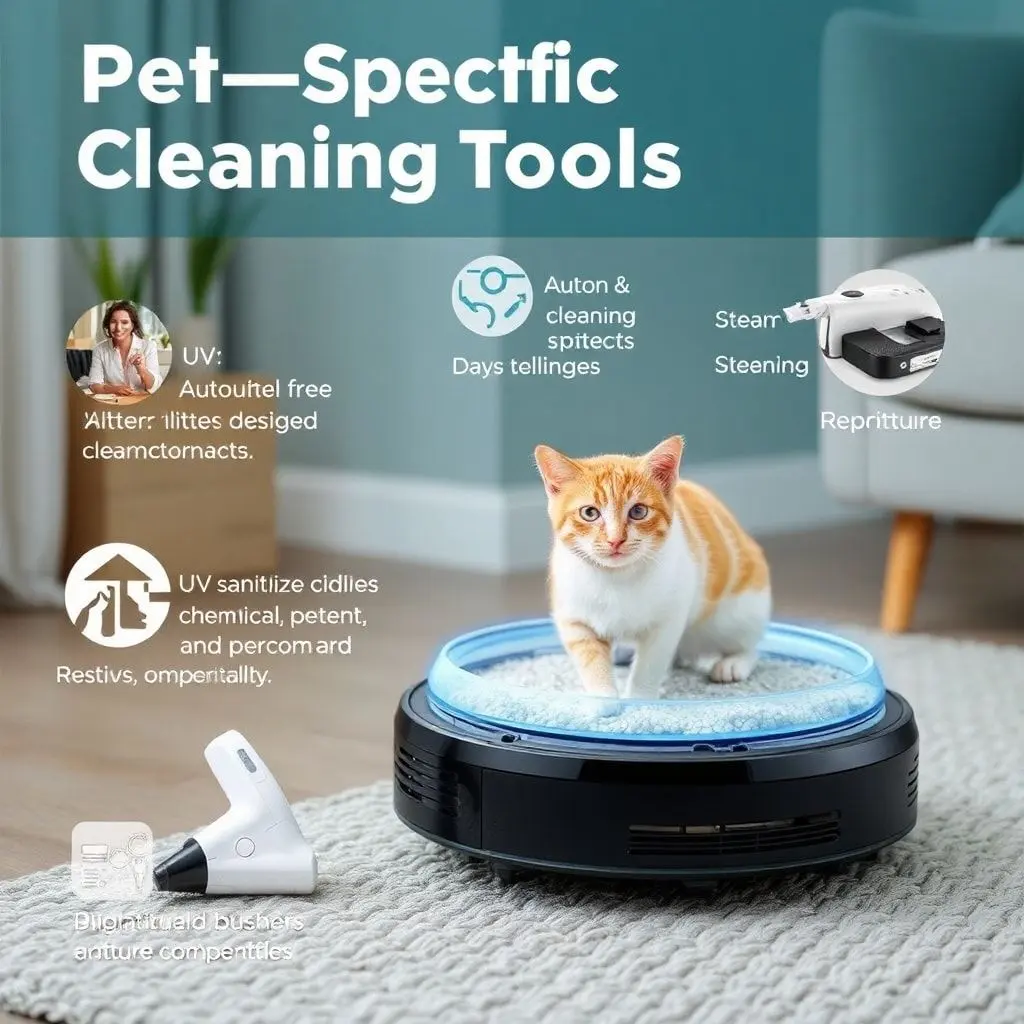
UV sanitizing devices specifically designed for pet accessories keep bowls, toys, and bedding hygienic. These tools provide chemical-free disinfection, important for items pets regularly mouth. Steam cleaners with upholstery attachments remove pet dander and odors from furniture, maintaining fresh indoor environments despite furry family members.
Conclusion
The landscape of home cleaning has transformed dramatically, offering solutions that earlier generations could scarcely imagine. These innovations collectively address the universal desire for cleaner, healthier homes without sacrificing precious time or environmental values. From autonomous robots that patrol our floors to intelligent systems that purify our air, technology has made spotless living spaces achievable for everyone.
The most exciting aspect of these developments lies not in individual technologies but in their integration. Smart homes of today coordinate multiple systems, creating cleaning routines that happen seamlessly in the background. This automation frees time for activities that truly matter while ensuring consistent, thorough maintenance that manual efforts struggle to match.
Looking forward, continued advancement seems certain. Artificial intelligence will grow more sophisticated, learning individual preferences and adapting to changing household dynamics. Sustainability will drive material innovations, further reducing environmental impact while maintaining or improving performance. The boundary between cleaning as chore and cleaning as invisible background process will continue to blur.
Adopting these innovations requires investment, both financial and in learning new systems. However, the returns in time saved, health improved, and environmental impact reduced make compelling cases for embracing these technologies. Starting with one or two key innovations allows households to experience benefits firsthand while gradually building comprehensive smart cleaning systems.
The future of home cleaning is not merely about technological capability but about fundamentally reimagining our relationship with home maintenance. These innovations empower us to focus on living well in our spaces rather than constantly working to maintain them. As these technologies become more accessible and affordable, truly tidy homes will require less effort than ever before, allowing us to dedicate our energy to what makes our houses feel like homes.
Frequently Asked Questions:
What is the most important cleaning innovation for busy families?
Robotic vacuum and mop combinations offer the greatest time savings for busy households. These devices work autonomously on scheduled cycles, maintaining clean floors without requiring daily attention. Models with self-emptying bases can operate for weeks with minimal intervention, making them ideal for families juggling multiple responsibilities.
Are eco-friendly cleaning products as effective as traditional chemical cleaners?
Modern eco-friendly cleaning products have reached parity with traditional cleaners in most applications. Plant-based enzymes and natural surfactants effectively break down common household dirt and stains. For specialized tasks like heavy degreasing, some situations may still benefit from targeted chemical products, but daily cleaning needs are well-served by sustainable alternatives.
How much do smart cleaning devices typically cost?
Entry-level robotic vacuums start around $200, while premium models with advanced features exceed $1,500. Air purifiers range from $100 to $800 depending on coverage area and filtration capabilities. Most smart cleaning devices represent long-term investments that reduce cleaning time and potentially lower supply costs through efficient resource use.
Can UV-C cleaning devices replace chemical disinfectants?
UV-C technology effectively destroys many pathogens when properly used, but works best as a complement rather than complete replacement for chemical disinfection. UV light requires direct exposure and appropriate duration to work effectively, meaning shadowed areas may receive incomplete treatment. Combining UV technology with periodic chemical cleaning provides comprehensive sanitization.
Are cleaning robots safe for homes with pets and children?
Quality cleaning robots include numerous safety features like obstacle detection, cliff sensors, and automatic shutoff when lifted. Most operate safely around supervised pets and children. However, very small pets might fear the devices initially, and young children should be taught not to interact with operating robots. Proper supervision during initial uses helps establish safe coexistence.