16+ Stylish Concrete Paver Ideas for Your Garden
Concrete Paver Ideas ,transforming your garden into an outdoor sanctuary requires more than just beautiful plants and careful landscaping. The hardscaping elements you choose, particularly concrete pavers, play a vital role in defining the character and functionality of your outdoor space. Concrete pavers offer an unmatched combination of durability, aesthetic appeal, and design flexibility that can elevate any garden from ordinary to extraordinary.
Whether you’re planning a complete garden renovation or simply looking to add visual interest to your outdoor areas, concrete pavers provide endless possibilities. From elegant pathways that wind through lush flower beds to expansive patios perfect for entertaining, these versatile materials can adapt to virtually any design vision. The beauty of concrete pavers lies not only in their practical benefits but also in their ability to complement any architectural style, from contemporary minimalism to traditional cottage charm.
This comprehensive guide explores more than sixteen creative ways to incorporate concrete pavers into your garden design. Each idea showcases how these remarkable materials can enhance both the beauty and functionality of your outdoor living spaces while providing long-lasting value for your home.
1. Geometric Garden Pathways
Creating striking garden pathways with concrete pavers allows you to guide movement through your outdoor space while adding visual interest. Large format square pavers arranged in geometric patterns create a bold, contemporary statement. Consider placing pavers at varying angles to form dynamic zigzag or diagonal pathways that draw the eye forward. The clean lines of geometric designs work exceptionally well in modern gardens where simplicity and structure take center stage.
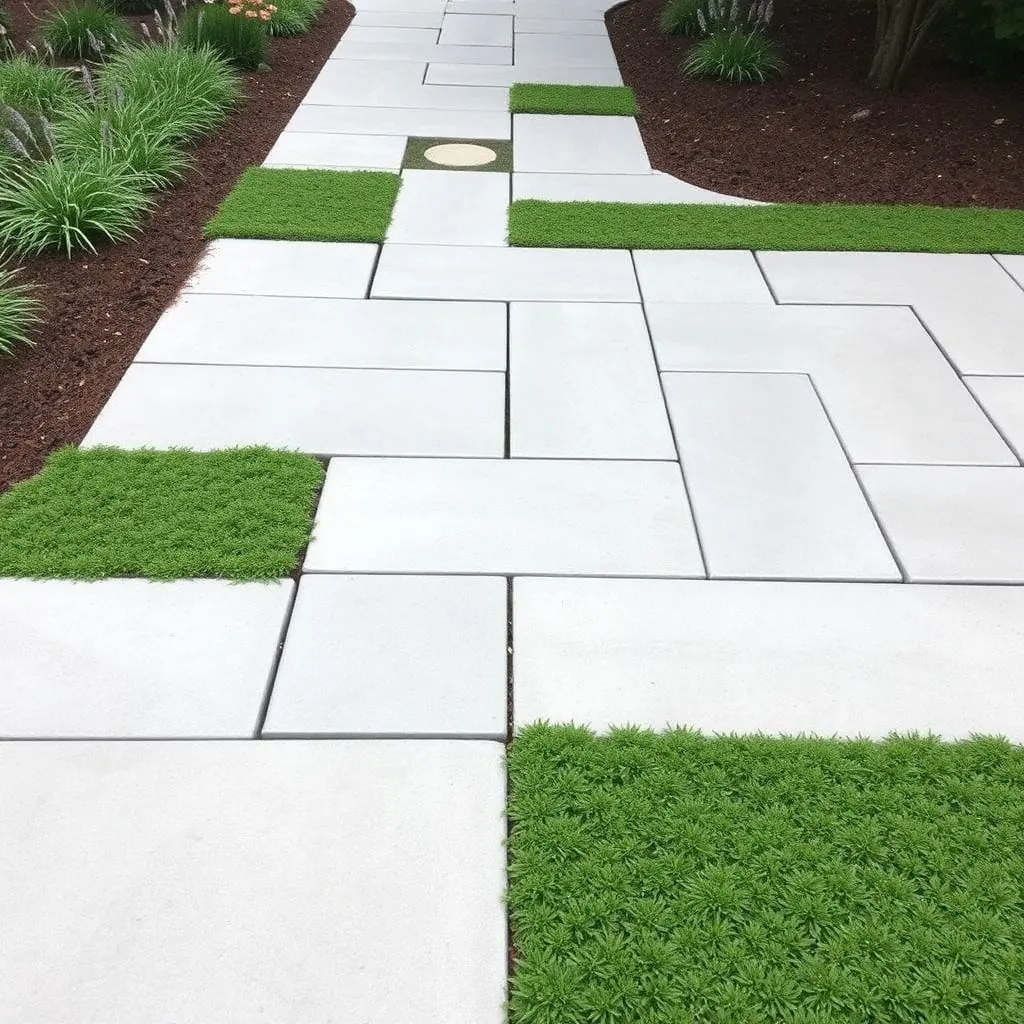
For maximum impact, space your pavers strategically with gaps filled by low-growing ground covers like creeping thyme or Irish moss. This living joint treatment softens the hard edges of the pavers while maintaining a manicured appearance. The contrast between structured concrete and organic plant growth creates a balanced aesthetic that feels both intentional and natural.
2. Herringbone Patio Design
The herringbone pattern remains one of the most beloved paver arrangements for good reason. This classic layout features rectangular pavers positioned at 45-degree angles to create an interlocking zigzag effect that delivers exceptional strength and visual appeal. The pattern works beautifully for garden patios where you need a surface capable of handling furniture, foot traffic, and outdoor entertaining.
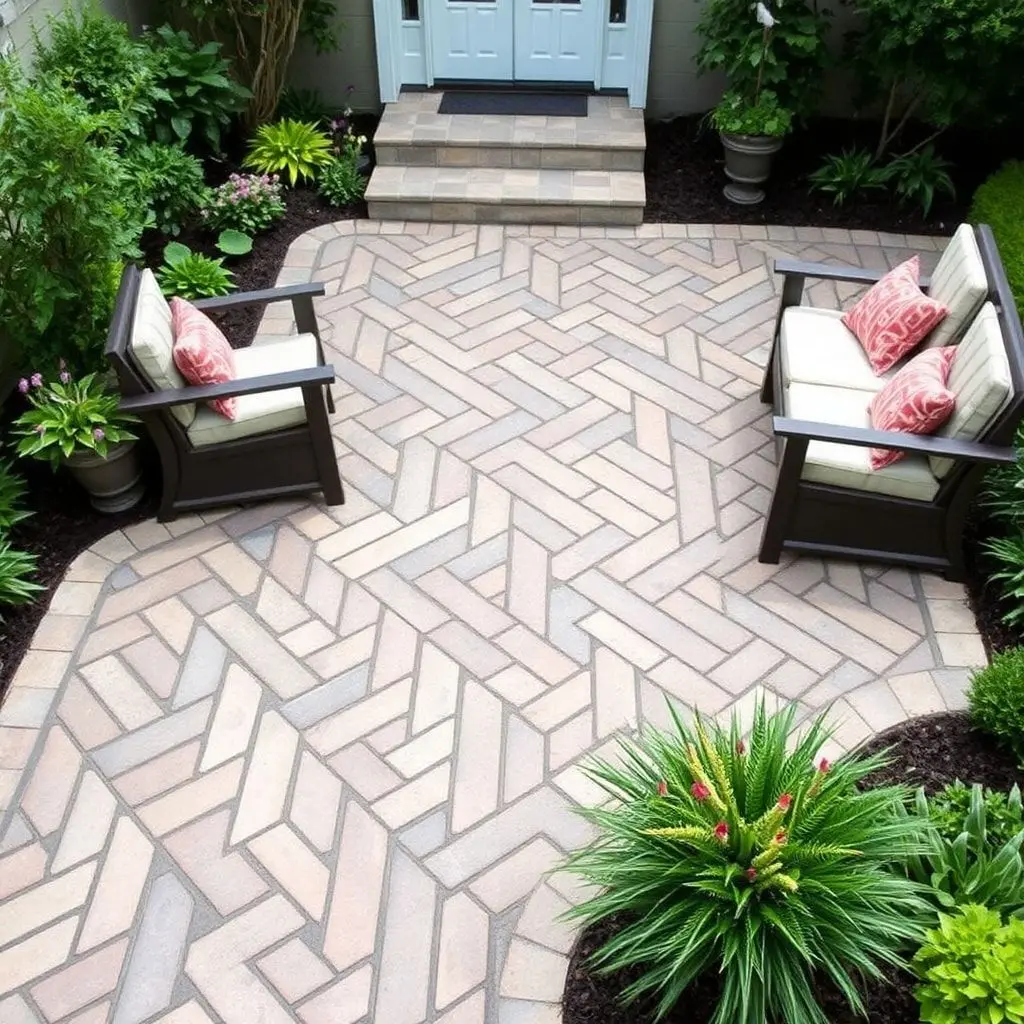
Installing a herringbone patio requires careful planning and precision, but the results justify the effort. The interlocking nature of the pattern provides superior load distribution, making it ideal for areas that experience frequent use. Choose pavers in complementary earth tones to create subtle variation, or opt for contrasting colors to emphasize the distinctive pattern.
3. Circular Fire Pit Surround
Transform your garden into an inviting gathering space by creating a circular paver design around a central fire pit. Arrange pavers in concentric circles or fan patterns radiating outward from the fire feature. This design naturally draws people together while providing a stable, heat-resistant surface for seating arrangements.
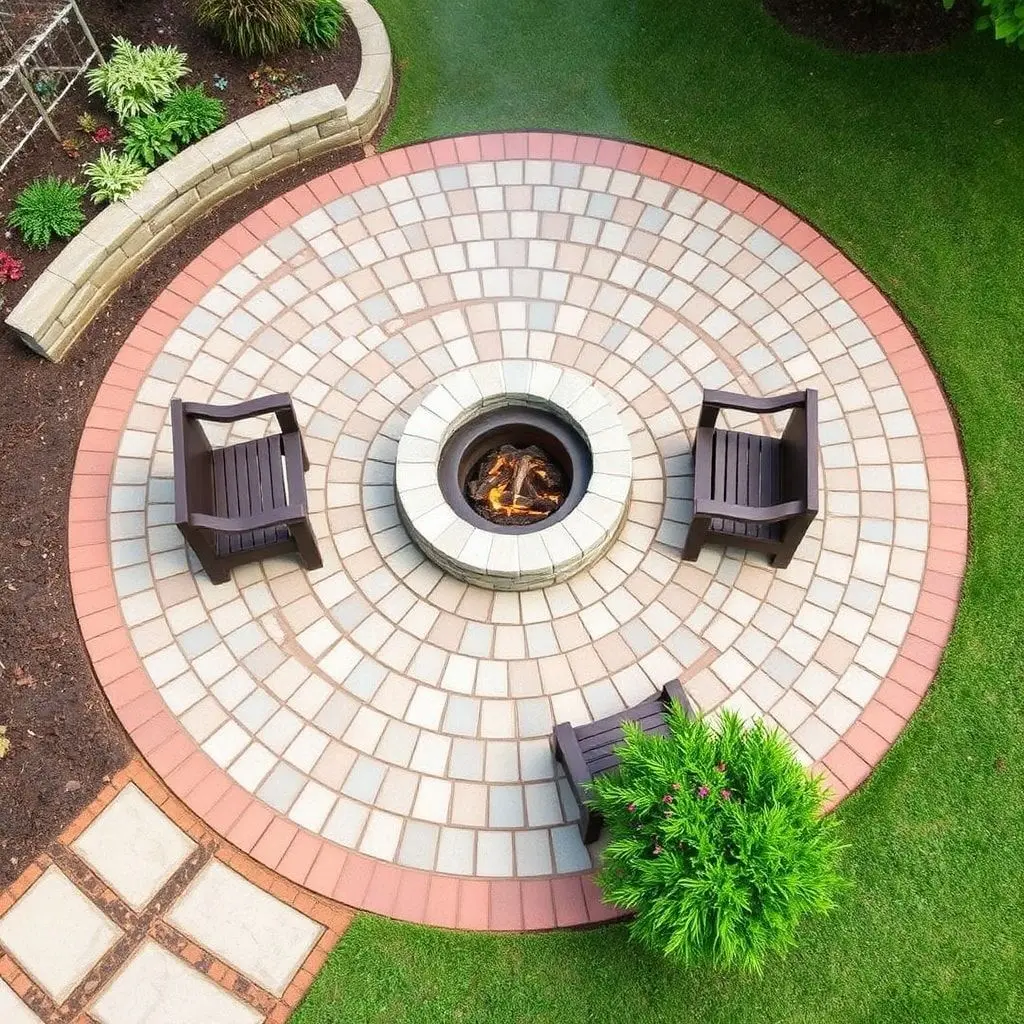
The circular layout creates a focal point that anchors your outdoor living area. Consider using larger pavers near the fire pit perimeter and transitioning to smaller units as the circle expands outward. This graduated sizing adds depth and dimension while maintaining the integrity of the circular form.
4. Stepping Stone Garden Path
For gardens with established plantings, a stepping stone approach offers a practical solution that minimizes disruption to existing landscaping. Place large concrete pavers at comfortable walking intervals through flower beds, vegetable gardens, or lawn areas. This technique allows you to maintain your garden without compacting soil or damaging plants.
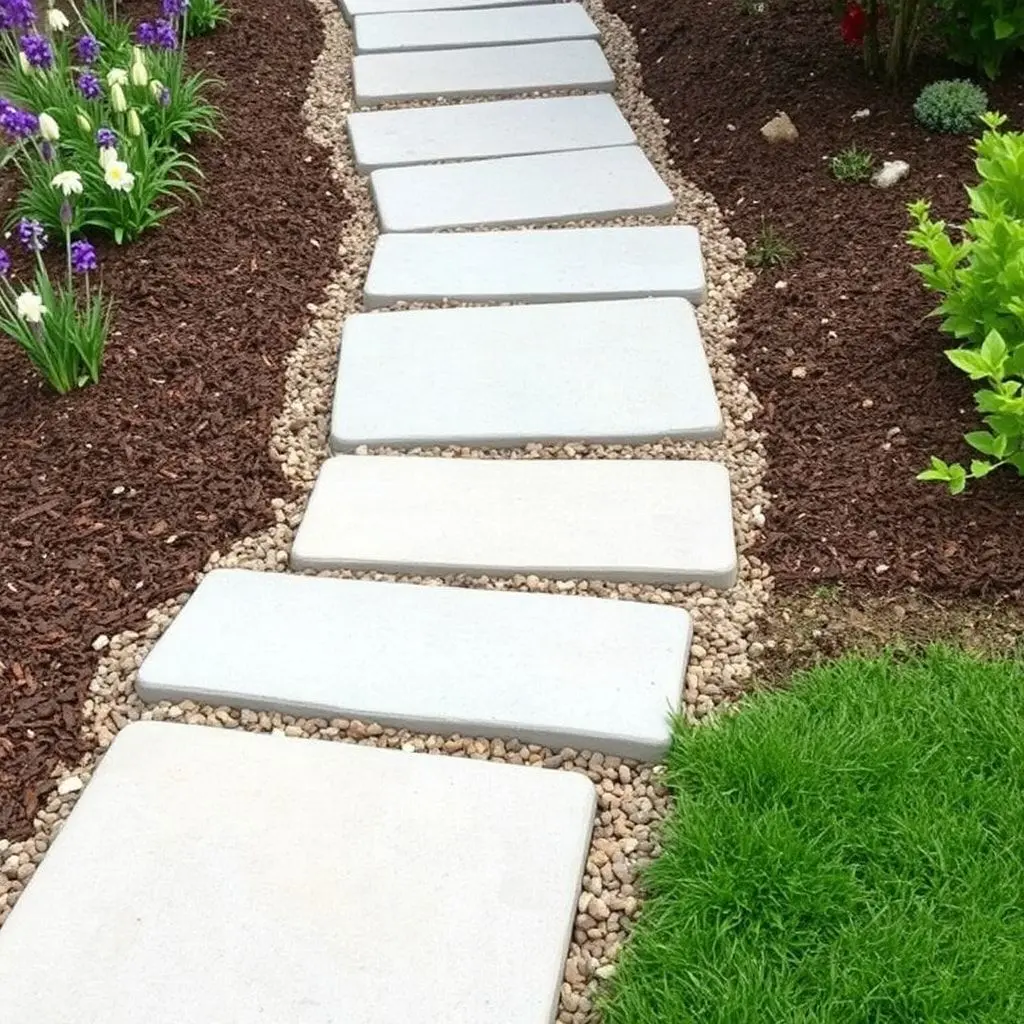
The spacing between stepping stones creates opportunities for creative infill options. Concrete Paver Ideas ,Surround each paver with mulch, decorative gravel, or ground cover plants to enhance the natural garden aesthetic. Stagger the pavers slightly rather than placing them in a rigid straight line to create a more organic, inviting pathway.
5. Mixed Size Modular Design
Embrace the versatility of concrete pavers by combining multiple sizes in a single installation. Mix large format pavers with medium and small units to create custom modular patterns that feel dynamic and original. This approach works particularly well for expansive patio areas where a single paver size might appear monotonous.
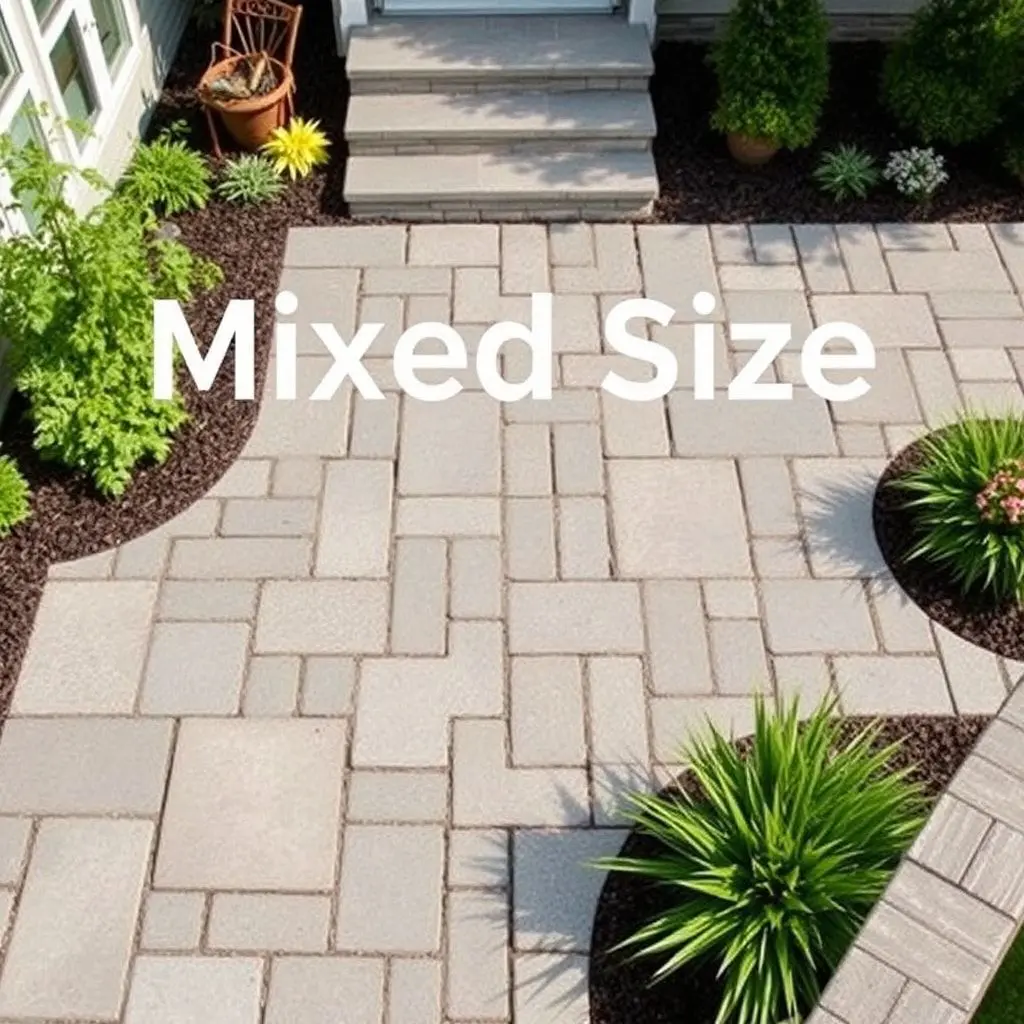
The key to successful mixed-size installations lies in establishing a repeating module that maintains visual cohesion. Start by sketching your pattern on graph paper, determining what percentage of each paver size you’ll need. Larger pavers typically form the foundation, with smaller units filling gaps and adding textural interest.
6. Bordered Courtyard Design
Define outdoor rooms within your garden by installing paver borders that frame specific areas. A double or triple border using contrasting paver colors creates clear boundaries while adding sophisticated detail. This technique works beautifully for courtyard gardens where you want to establish distinct zones for dining, lounging, or entertaining.
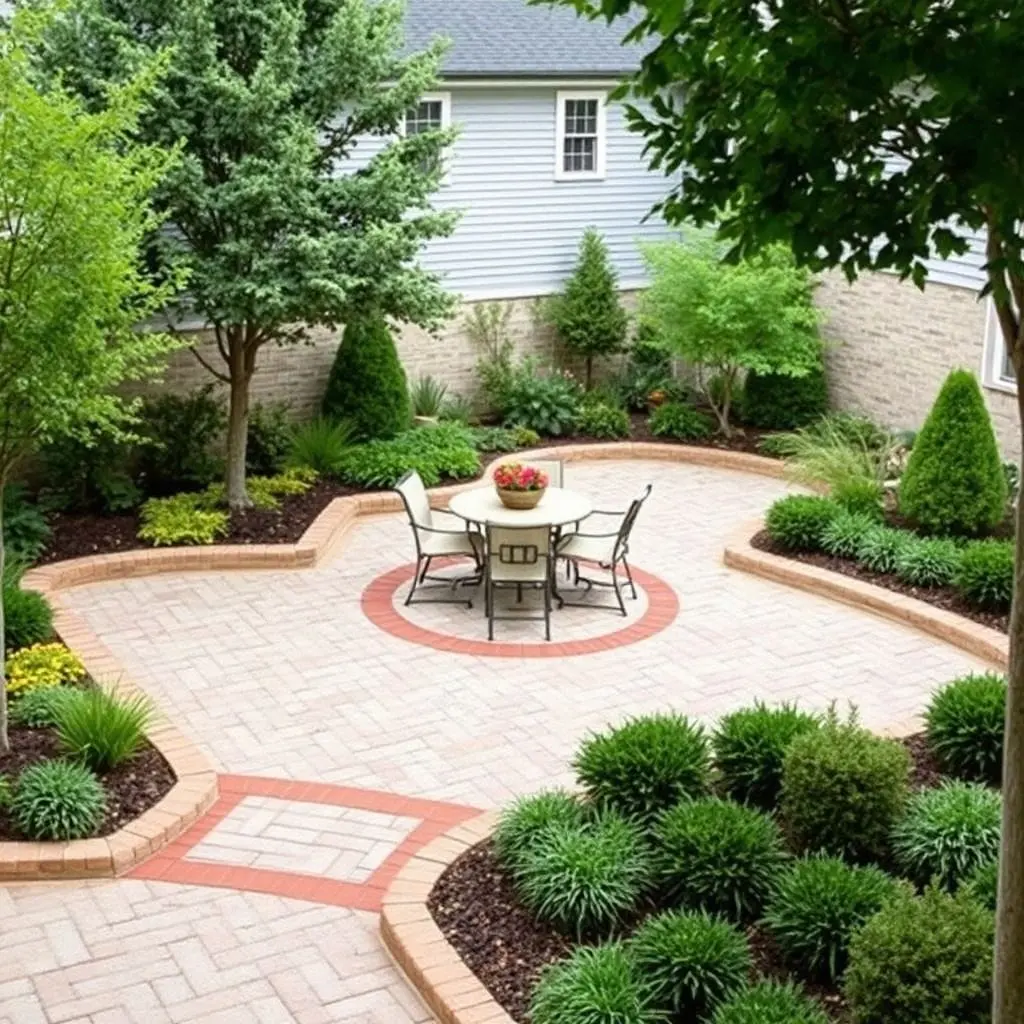
Border treatments can follow several patterns including soldier course (pavers standing on end), sailor course (pavers laid flat perpendicular to the field), or runner bond (staggered linear arrangement). The border you select should complement your main paver pattern while providing enough contrast to clearly delineate the space.
7. Permeable Paver Pathway
Address drainage concerns while maintaining an attractive garden aesthetic by creating permeable paver installations. Space concrete pavers with wider joints filled with permeable materials like crushed stone, pea gravel, or specialized permeable jointing sand. This design allows rainwater to filter through the surface rather than pooling or running off.
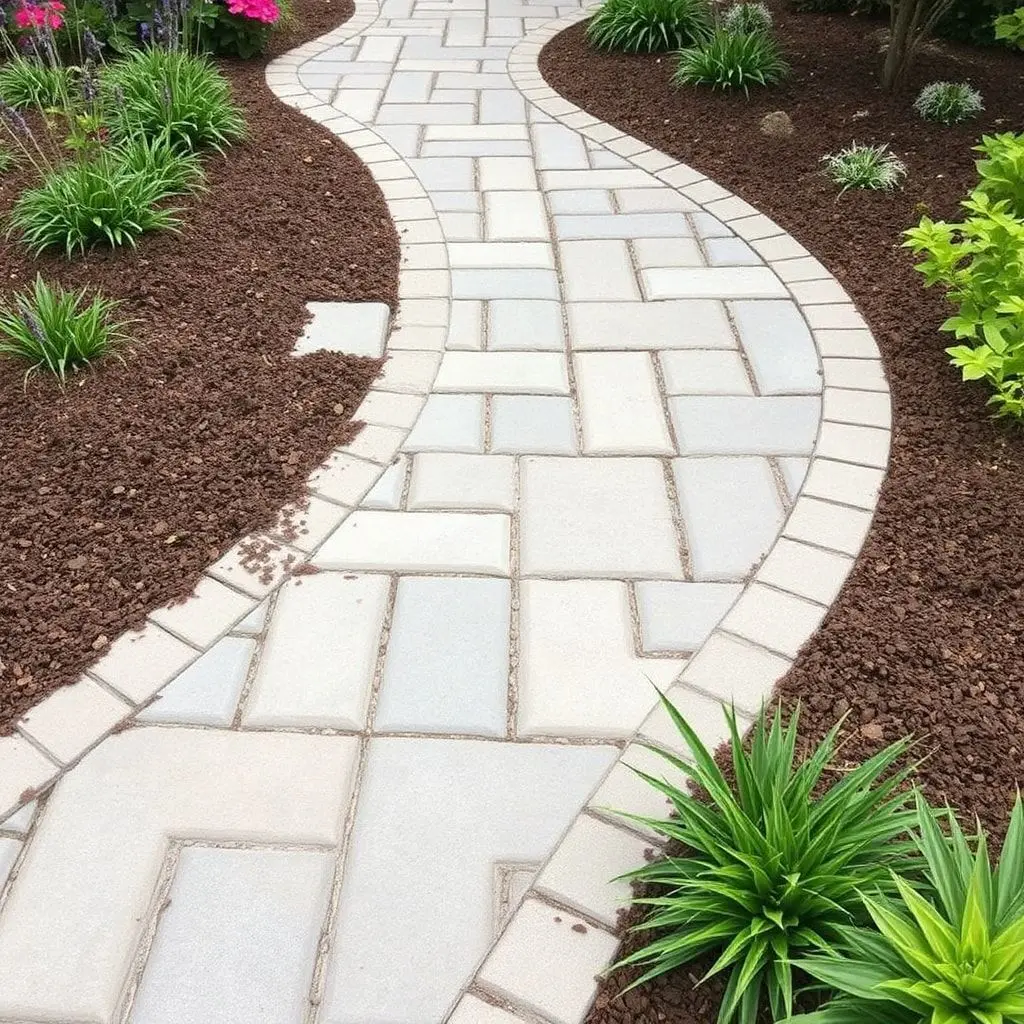
Permeable paver pathways serve a dual purpose in garden settings. They provide stable walking surfaces during wet weather while contributing to sustainable water management practices. The technique proves particularly valuable in areas prone to heavy rainfall or where municipal stormwater regulations require on-site water infiltration.
8. Raised Garden Bed Edging
Concrete pavers make excellent edging material for raised garden beds. Stand pavers vertically or lay them horizontally to create clean borders that contain soil, mulch, and plantings. This application provides structure to vegetable gardens, herb gardens, or ornamental planting areas while simplifying maintenance tasks.
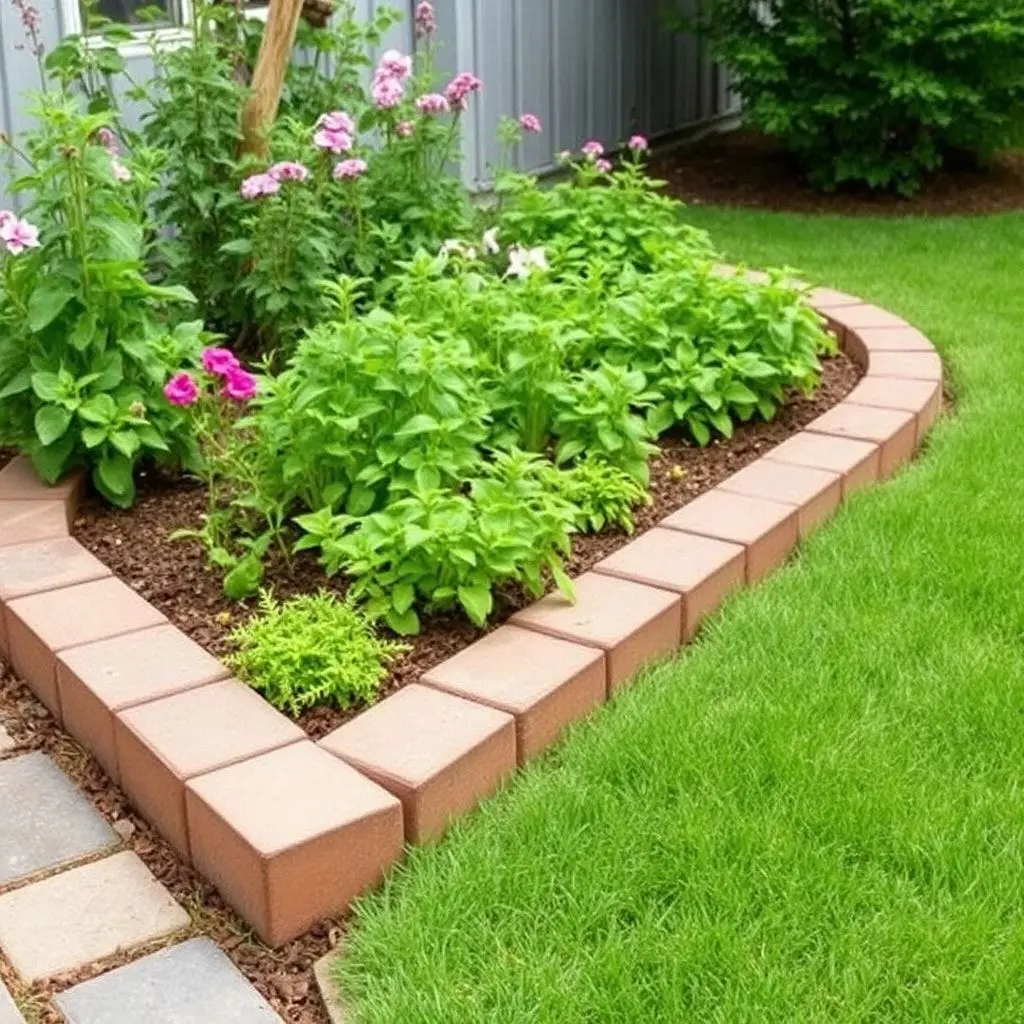
The solid edge created by pavers prevents grass and weeds from encroaching into garden beds. It also provides a mowing strip that allows you to maintain lawn edges without trimming equipment damaging plants. Choose paver colors that complement your garden’s color palette while providing enough contrast to clearly define bed boundaries.
9. Pool Deck Surround
Create a safe, attractive pool deck using textured concrete pavers designed to provide slip resistance when wet. Large format pavers work particularly well for pool surrounds, offering a sleek, modern appearance with minimal grout lines.Concrete Paver Ideas,the stability and durability of properly installed concrete pavers make them ideal for withstanding chlorine exposure, temperature fluctuations, and constant foot traffic.
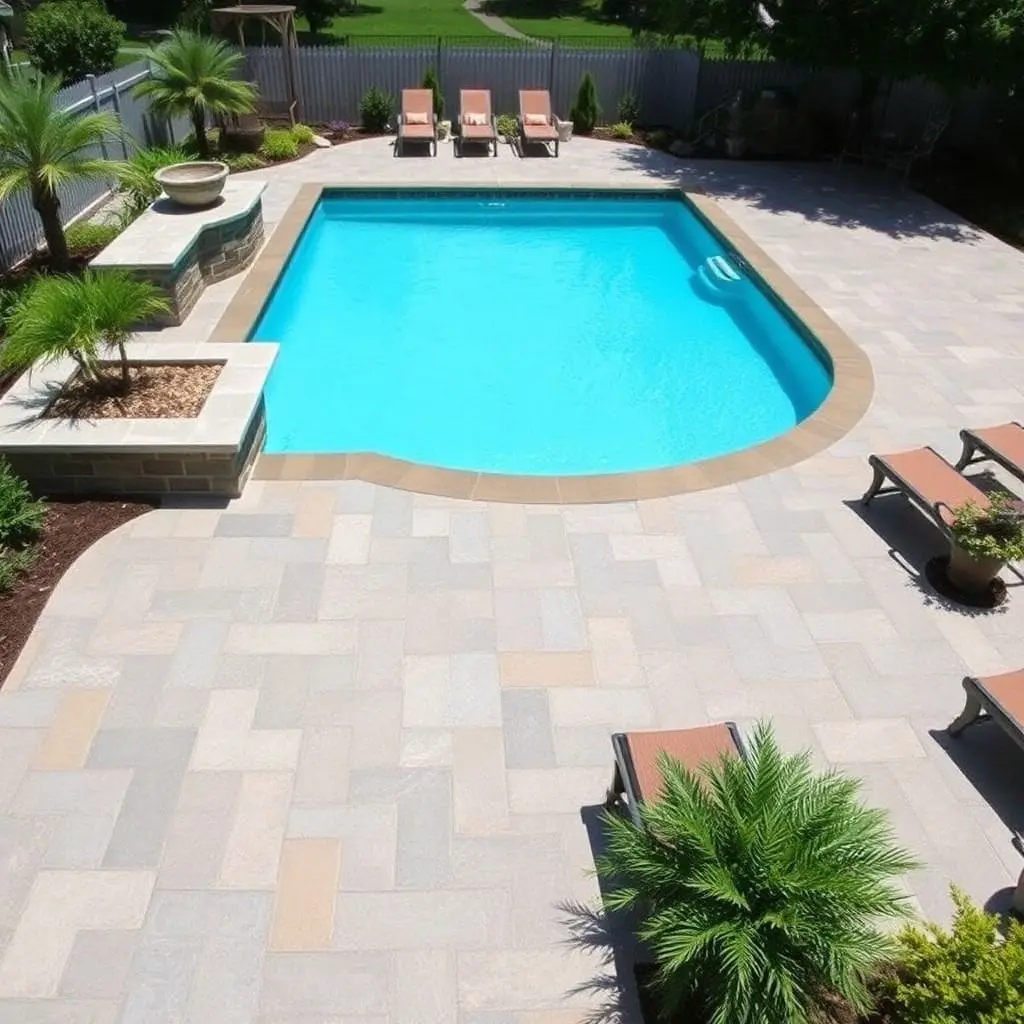
Consider incorporating a contrasting border or band of differently colored pavers to visually separate the pool edge from surrounding patio areas. This design element enhances safety by clearly delineating the pool perimeter while adding architectural interest to the overall layout.
10. Gravel and Paver Combination
Combine concrete pavers with decorative gravel to create textured garden surfaces that balance hardscaping with softer elements. Install large pavers as primary walking surfaces with gravel filling the spaces between them. This approach reduces the quantity of pavers needed while creating an appealing casual aesthetic.
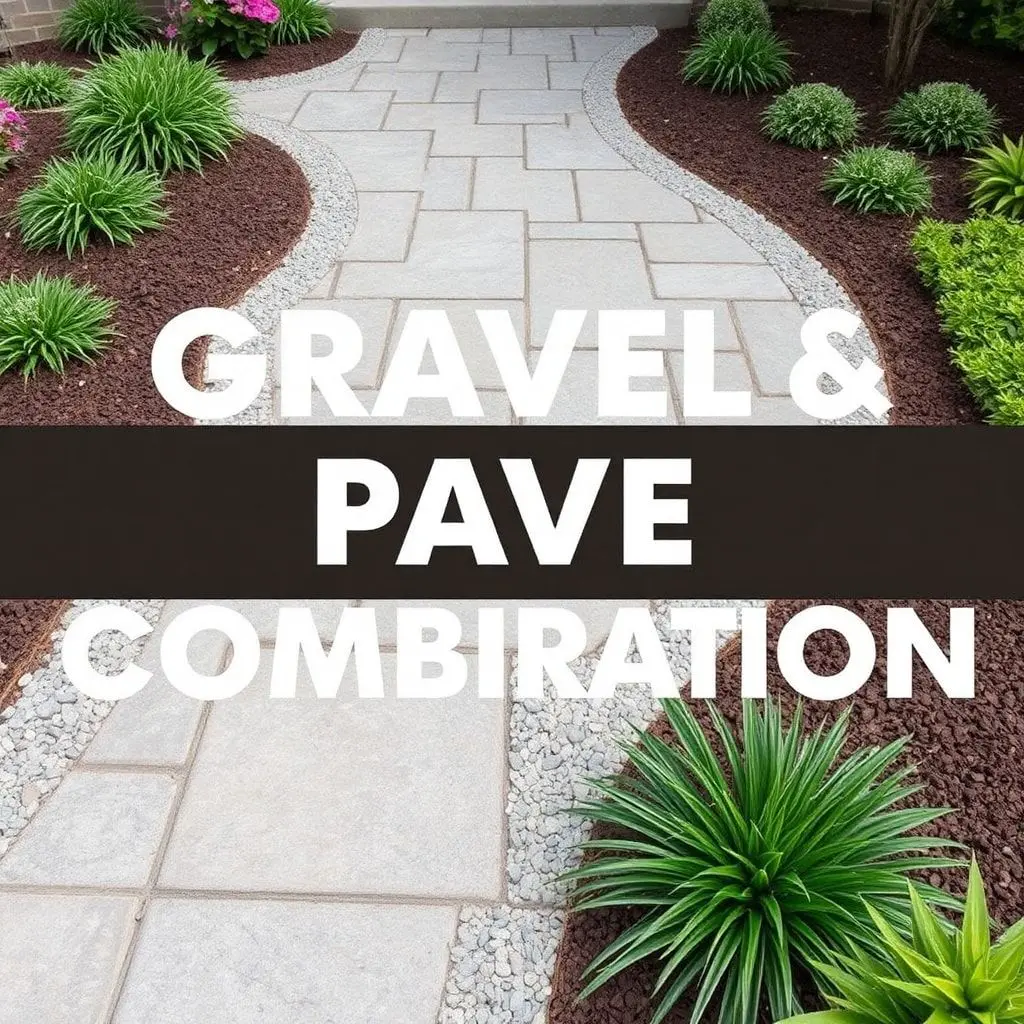
The gravel infill provides excellent drainage and can be selected in colors that complement your pavers and overall garden design. Consider using pea gravel for a smooth, comfortable walking surface, or choose larger crushed stone for a more rustic appearance. This combination technique works beautifully for informal garden paths, side yards, and transitional spaces.
11. Diagonal Field Pattern
Enhance the perception of space in smaller gardens by installing your paver field at a 45-degree angle to your home or property lines. The diagonal orientation draws the eye along the longest possible sightline, making compact areas appear larger. This optical trick proves particularly effective in narrow side yards or modest patios.
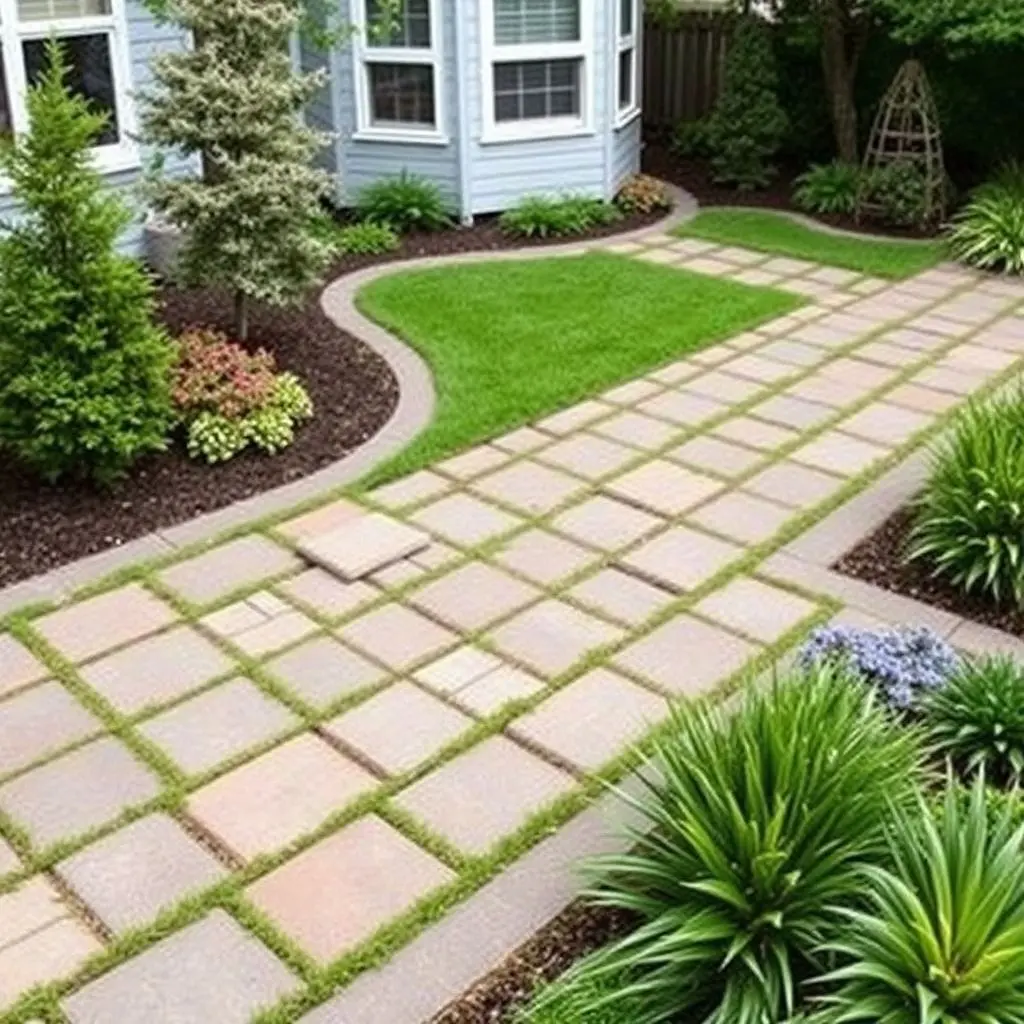
The diagonal approach requires more cutting at the perimeter but delivers significant visual impact. The angled layout creates dynamic energy that transforms static spaces into areas that feel open and inviting. Pair diagonal field patterns with straight-run borders to frame the installation and minimize visible cut edges.https://casolia.com/concrete-paver-ideas/
12. Terraced Garden Levels
Navigate sloped garden terrain by installing concrete paver terraces at different elevations. Each level can feature distinct paver patterns or colors to emphasize the architectural character of the terraced design. Connect levels with paver step sConcrete Paver Ideas or incorporate retaining walls that coordinate with your paver selection.
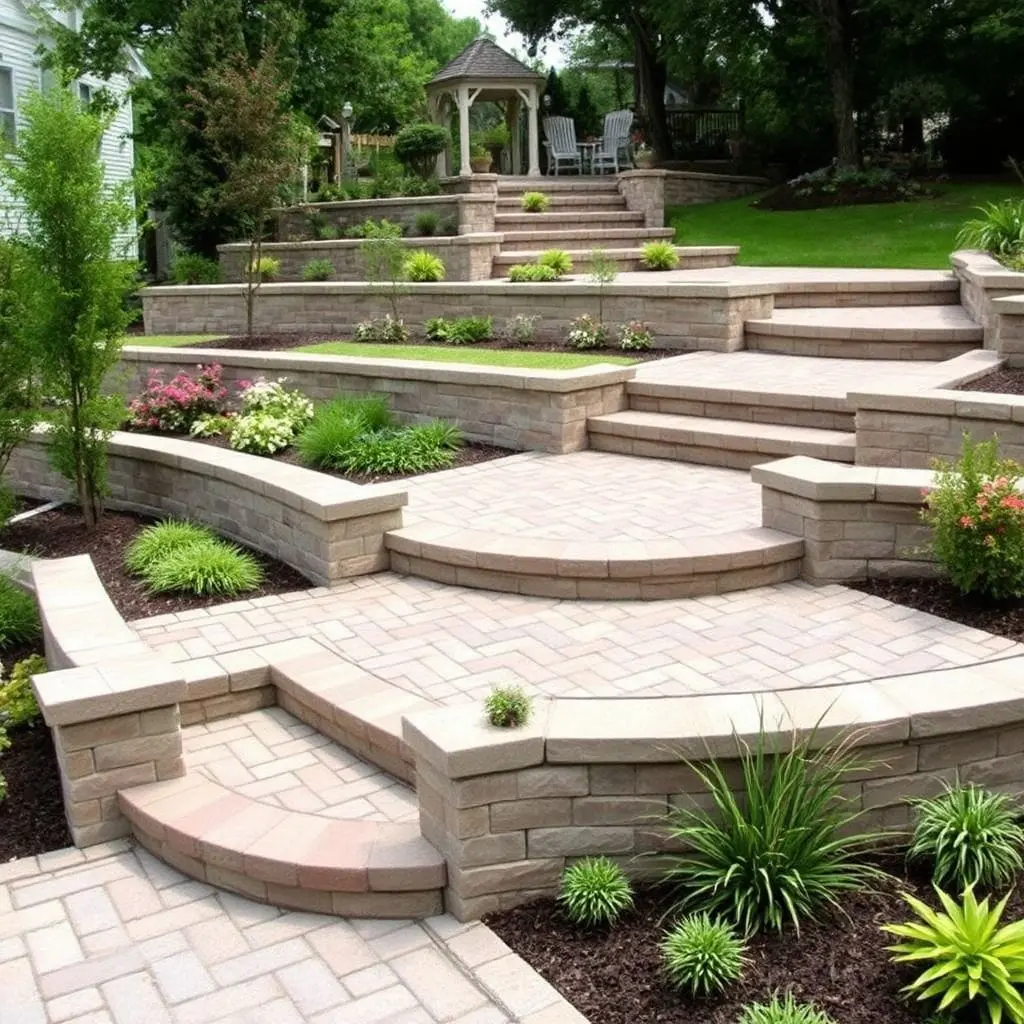
Terraced designs solve practical problems while creating visually interesting garden features. The multiple levels allow you to establish planting areas, seating zones, and pathways at different heights, maximizing usable space on challenging sites. Concrete pavers provide stable surfaces on each terrace while their durability ensures long-term performance on slopes.
13. Basketweave Paver Pattern
The basketweave pattern creates a woven appearance using pairs of rectangular pavers laid perpendicular to each other. This classic design delivers a timeless look that suits traditional garden styles while providing a sturdy, interlocking surface. The pattern works equally well for pathways, patios, and courtyard areas.
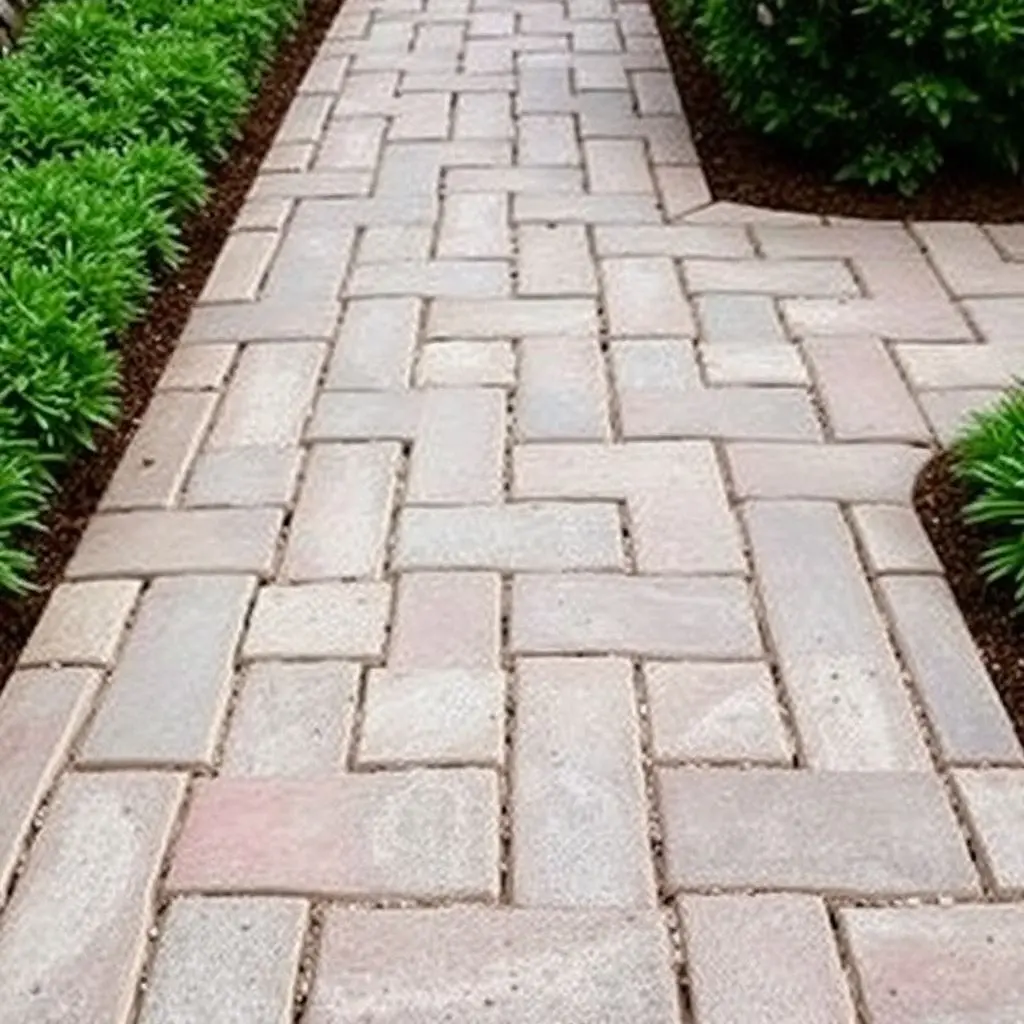
Installation involves alternating horizontal and vertical paver pairs in a regular repeating sequence. The resulting checkerboard effect adds visual texture without overwhelming the space. Consider using two different paver colors to emphasize the woven appearance, or stick with a single shade for subtle sophistication.
14. Modern Minimalist Grid
Contemporary gardens benefit from clean, geometric paver installations that emphasize simplicity and order. Create a modern minimalist grid by installing large square pavers in a stack bond pattern with perfectly aligned joints.Concrete Paver Ideas, The resulting grid delivers crisp, architectural precision that complements modern home designs.
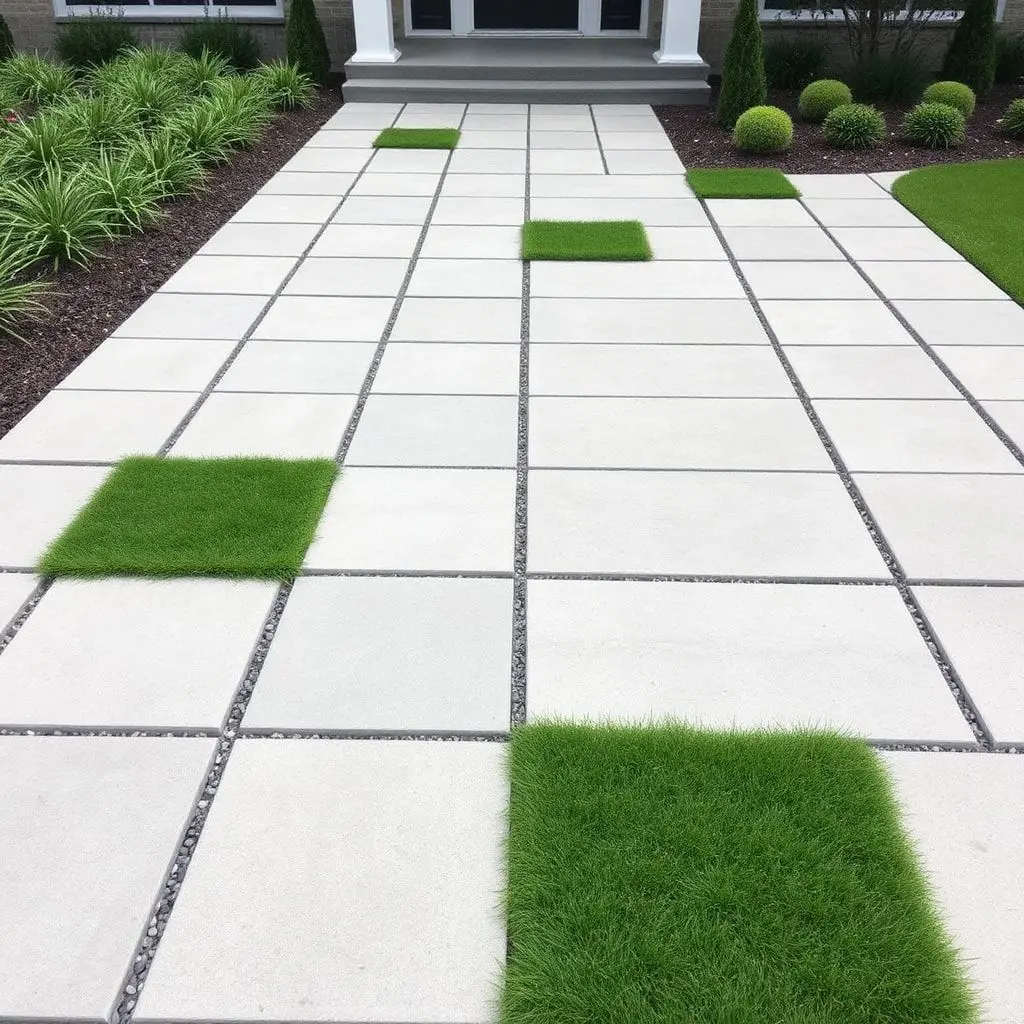
Fill the joints between pavers with fine gravel or cut sod for a striking contrast between hard and soft elements. The wide joints typical of modern installations create breathing room that prevents the design from feeling too rigid. This approach works beautifully when you want your garden’s plantings to take center stage while pavers provide supporting structure.
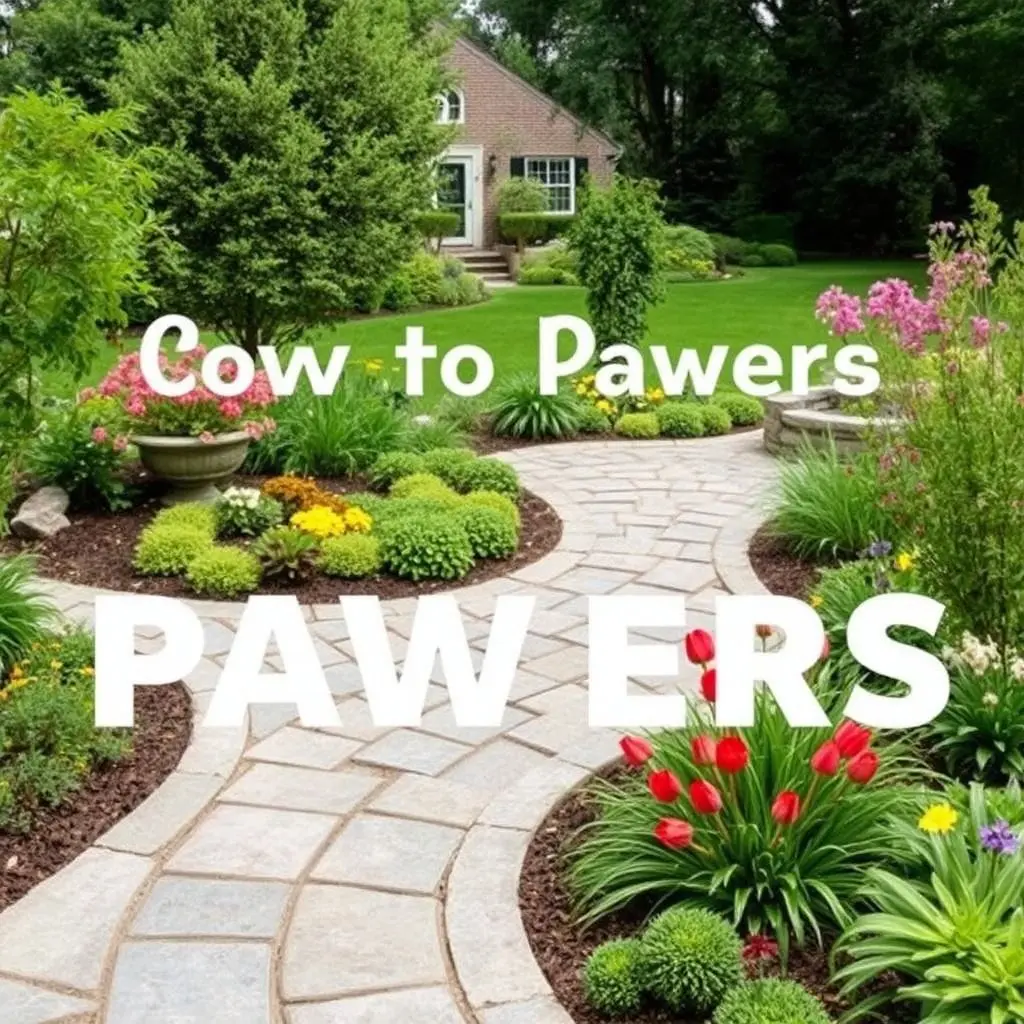
15. Curved Pathway Design
Soften rigid garden layouts by installing curved paver pathways that meander through planting beds. While curves require more cutting and fitting than straight installations, the organic flow they create enhances the natural garden aesthetic. The gentle curves invite exploration while slowing foot traffic to encourage appreciation of surrounding plantings.
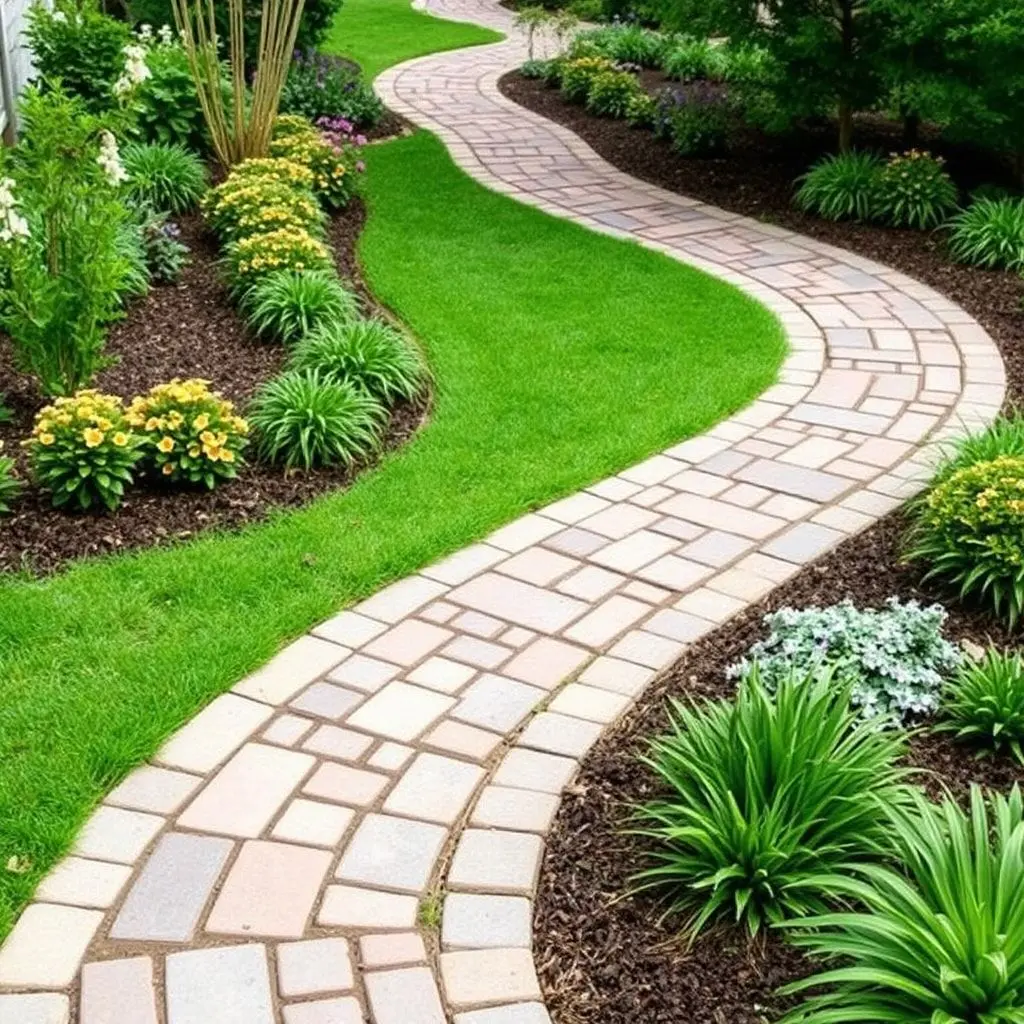
Plan curved pathways carefully, using flexible garden hoses or marking paint to establish pleasing arcs before excavation. Maintain consistent pathway width throughout curves to ensure comfortable passage. The edges of curved paths often require custom-cut pavers, so factor additional material and installation time into your project planning.
16. Outdoor Kitchen Foundation
Establish a durable foundation for outdoor kitchen installations using concrete pavers rated for heavy loads. The stable surface created by properly installed pavers supports grills, countertops, and other kitchen equipment while providing an attractive floor that ties into surrounding patio areas. Choose pavers with sealed surfaces that resist staining from cooking oils and food spills.
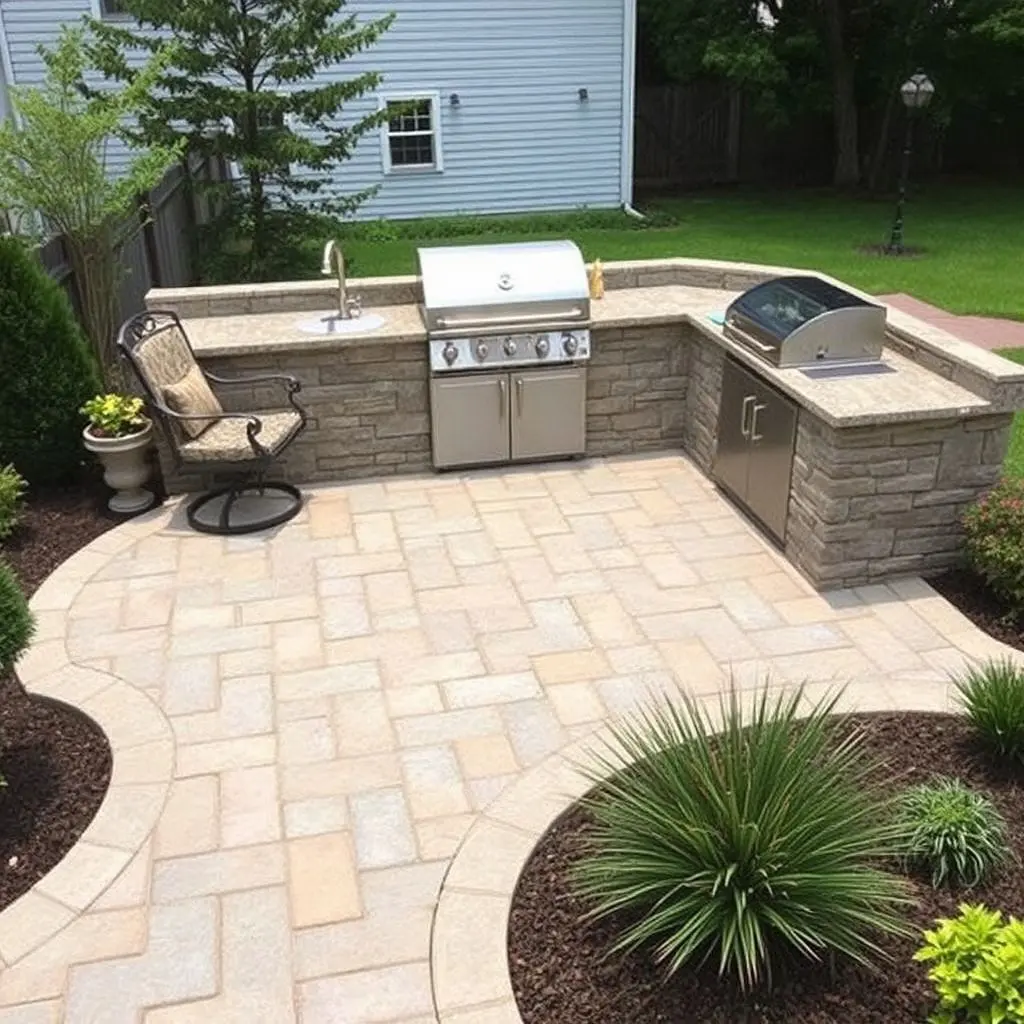
Extend the paver installation several feet beyond the kitchen footprint to create a functional work zone. This expanded area accommodates food preparation, serving, and cleanup activities while visually integrating the kitchen into your broader outdoor living space.
17. Accent Inlay Designs
Elevate standard paver installations by incorporating decorative inlays that showcase your personal style. Create compass roses, geometric medallions, or custom patterns using contrasting paver colors. These accent features serve as focal points that transform ordinary patios and pathways into distinctive landscape elements.
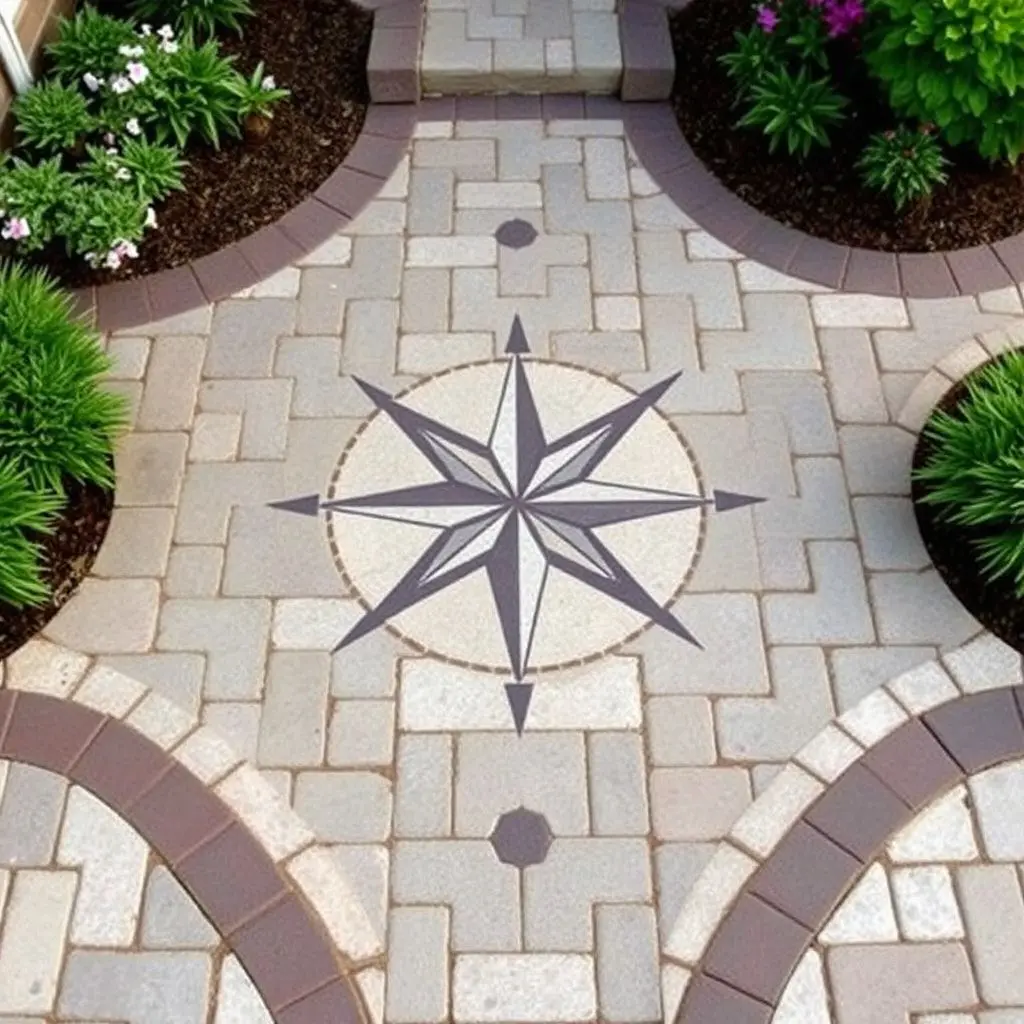
Planning inlay designs requires careful measurement and often involves custom cutting to achieve precise results. Work with your paver supplier to source colors that provide enough contrast to make your design clearly visible. Position inlays strategically where they’ll be appreciated, such as patio centers or pathway intersections.
Creating Lasting Garden Beauty
Concrete pavers offer unmatched versatility for garden hardscaping projects. Their durability ensures your investment will provide decades of service, while their aesthetic range accommodates virtually any design preference. The ideas presented here represent just a fraction of the possibilities available when you work with these remarkable materials.
Successful paver projects begin with careful planning that considers your garden’s existing features, desired functionality, and personal aesthetic preferences. Take time to explore different patterns, colors, and installation techniques before committing to a final design. Visit paver showrooms, browse design galleries, and consult with landscape professionals to refine your vision.
The installation process itself demands attention to proper base preparation, accurate leveling, and correct jointing techniques. While determined homeowners can tackle many paver projects themselves, complex installations benefit from professional expertise. Regardless of who performs the work, insist on proper base materials, adequate edge restraints, and appropriate jointing sand to ensure long-term performance.
Maintenance requirements for concrete paver installations remain minimal compared to other hardscaping options. Regular sweeping removes debris, while occasional power washing restores original appearance. Reapply jointing sand as needed to maintain joint integrity and prevent paver movement. With this basic care, your concrete paver garden features will continue enhancing your outdoor spaces for many years to come.
The transformation that well-designed paver installations bring to garden spaces extends beyond mere aesthetics. These hardscape elements improve functionality, increase property value, and create outdoor living areas that become true extensions of your home. Whether you implement a single idea from this guide or combine multiple concepts, concrete pavers provide the foundation for garden spaces that inspire and delight throughout every season.
Frequently Asked Questions:
How much do concrete pavers typically cost for garden projects?
Concrete paver costs vary based on size, style, and quality, typically ranging from three to fifteen dollars per square foot for materials. Installation adds additional expense, with professional labor often doubling the total project cost. Large format pavers and specialty finishes command premium prices, while standard sizes offer budget-friendly options. Always obtain multiple quotes and factor in base preparation, edging, and jointing materials when budgeting for your project.
Can I install concrete pavers over existing concrete surfaces?
Installing pavers over existing concrete is possible if the underlying surface is sound, level, and properly draining. The concrete base must be free from major cracks or settling issues. This application requires a thin setting bed and may involve cutting pavers to accommodate elevation changes at doorways or transitions. Consult with a hardscape professional to assess whether your existing concrete provides an adequate foundation.
What maintenance do concrete paver gardens require?
Concrete pavers require minimal ongoing maintenance. Sweep surfaces regularly to remove debris and prevent organic staining. Power wash annually to restore appearance and remove any accumulated grime. Replenish jointing sand every few years as it settles or washes away. Seal pavers if desired to enhance color and provide additional stain resistance, though sealing is optional for most installations. Address any settling or movement promptly to prevent further damage.
How do I choose between different paver patterns for my garden?
Select paver patterns based on your garden’s architectural style, the space’s intended use, and your aesthetic preferences. Traditional gardens suit classic patterns like herringbone or basketweave, while contemporary spaces benefit from clean geometric layouts. Consider traffic levels when choosing patterns, as some designs like herringbone provide superior interlocking strength for high-use areas. Review pattern samples and visualize how they’ll appear at scale before making final selections.
Are concrete pavers environmentally friendly for garden use?
Concrete pavers offer several environmental advantages for garden applications. Permeable installation techniques allow rainwater infiltration, reducing stormwater runoff and supporting groundwater recharge. The durability of concrete pavers means fewer replacements over time, reducing long-term material consumption. Many manufacturers now incorporate recycled materials into paver production. When properly installed with appropriate joint spacing, paver systems support healthy soil biology beneath and between units, maintaining some natural ecosystem function in hardscaped areas.