17+ Creative Concrete Countertop Inlay Ideas
Concrete Countertop Inlay Ideas have transformed from simple utilitarian surfaces into stunning works of functional art. The secret behind their growing popularity lies in the endless customization possibilities, particularly through the use of inlays and decorative embeds. Whether you’re planning a kitchen renovation or designing a custom workspace, incorporating creative inlays into your concrete countertops can elevate the entire aesthetic of your space while adding personal meaning to your home.
Inlays offer homeowners and designers the opportunity to create truly unique surfaces that reflect individual style and personality. From natural materials like river rocks and gemstones to manufactured elements such as recycled glass and metal designs, the options are limited only by your imagination. This comprehensive guide explores over seventeen creative concrete countertop inlay ideas that will inspire your next project and help you understand the techniques behind these beautiful installations.
Understanding Concrete Countertop Inlays
Before diving into specific ideas, it’s important to understand what distinguishes inlays from other decorative elements. An inlay refers to a larger object embedded into the surface of the countertop, creating a focal point or design element. This differs from inserts or decorative aggregates, which are smaller materials mixed throughout the concrete mixture. Inlays are typically placed into the mold before pouring or pressed into the fresh concrete surface, becoming a permanent part of the finished piece.
The beauty of concrete as a countertop material lies in its versatility during the casting process. While wet, concrete can accommodate virtually any object or design element, allowing for incredible creative freedom. Once cured and polished, these embedded elements become seamlessly integrated into the surface, creating visual interest and texture that cannot be achieved with traditional countertop materials like granite or quartz.
1. Natural Stone and Gemstone Inlays
Natural stones and gemstones create stunning focal points in concrete countertops. Semi-precious stones such as turquoise, agate, and jadeite can be strategically placed to catch light and add vibrant color accents. These materials work particularly well when positioned along edges or corners where natural light can enhance their luminosity throughout the day. River rocks and polished stones offer a more subtle, organic aesthetic that complements both modern and rustic design schemes.
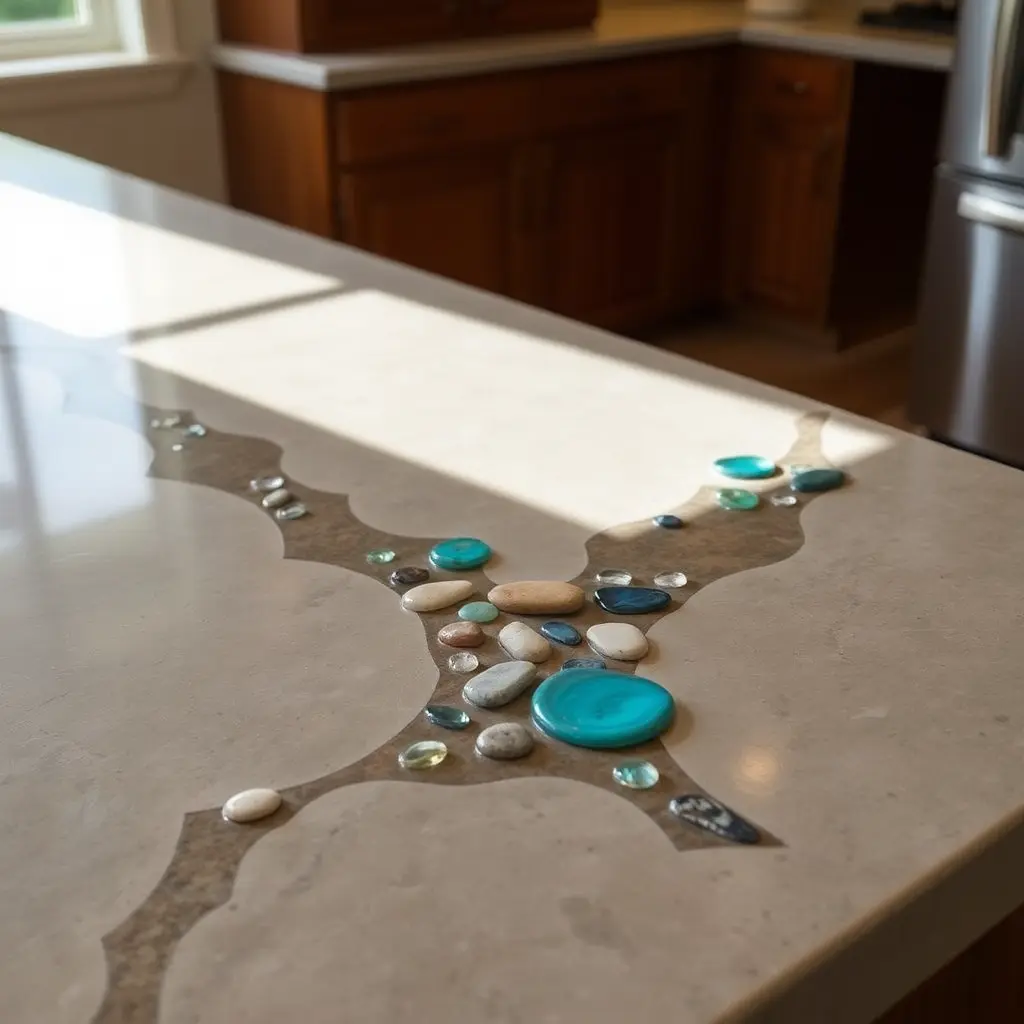
When selecting natural stones for inlays, consider their durability and hardness. Harder stones like quartz and jasper withstand daily wear better than softer materials. The placement of these stones can also tell a story, with some homeowners choosing rocks collected from meaningful locations or family vacations, transforming a functional surface into a cherished memory keeper.
2. Recycled Glass Embeds
Recycled glass represents one of the most popular and environmentally conscious inlay options for concrete countertops. Concrete Countertop Inlay Ideas, Available in virtually every color imaginable, glass chips can be seeded onto the concrete surface or mixed integrally into the material. The seeding method involves sprinkling glass pieces onto freshly poured concrete, allowing for precise control over color placement and density. This technique uses less glass overall and gives the designer greater artistic control.
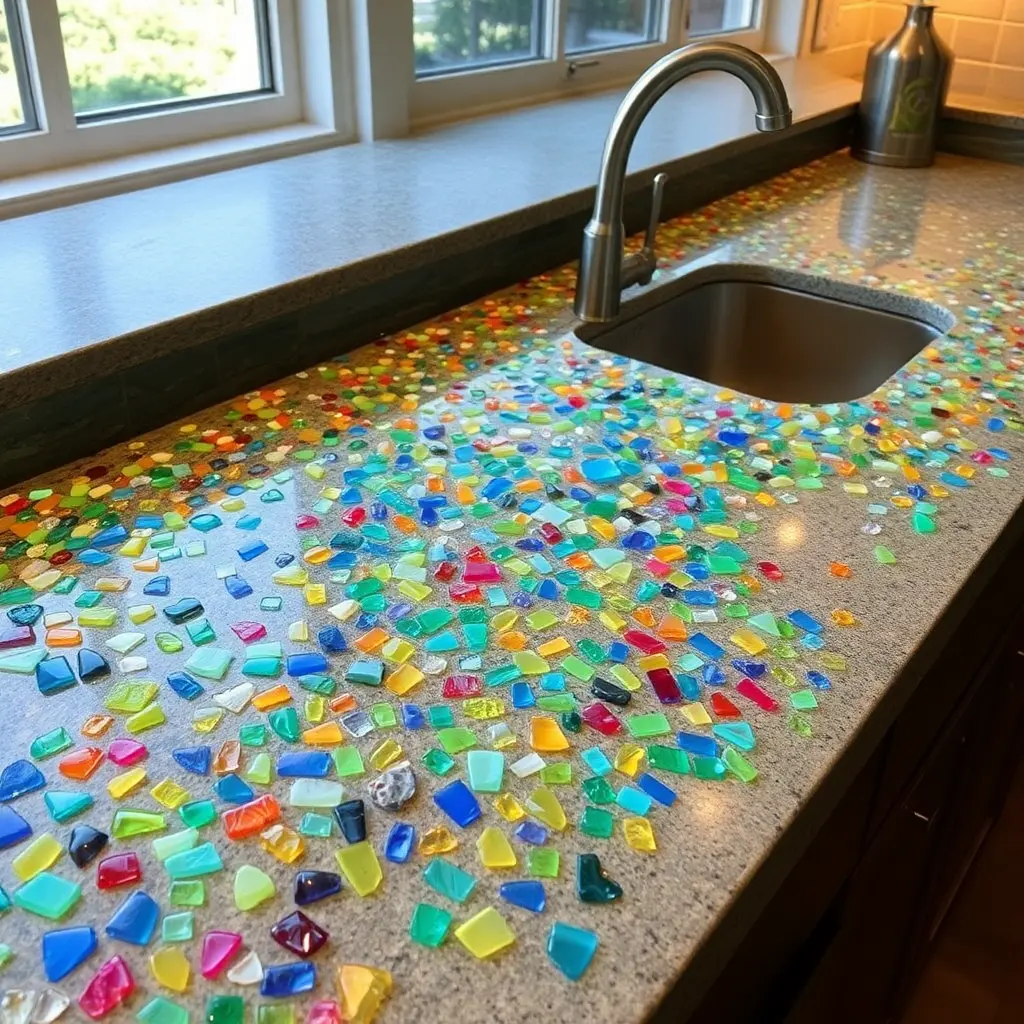
The visual impact of glass embeds intensifies during the polishing process, when the surface is ground down to reveal the embedded pieces. Larger glass chunks create bold statements, while smaller fragments produce a terrazzo-like effect with subtle sparkle. Some manufacturers now offer glow-in-the-dark glass, which absorbs light during the day and emits a soft luminescence at night, adding an unexpected conversation piece to your kitchen or bar area.
3. Metal Design Inlays
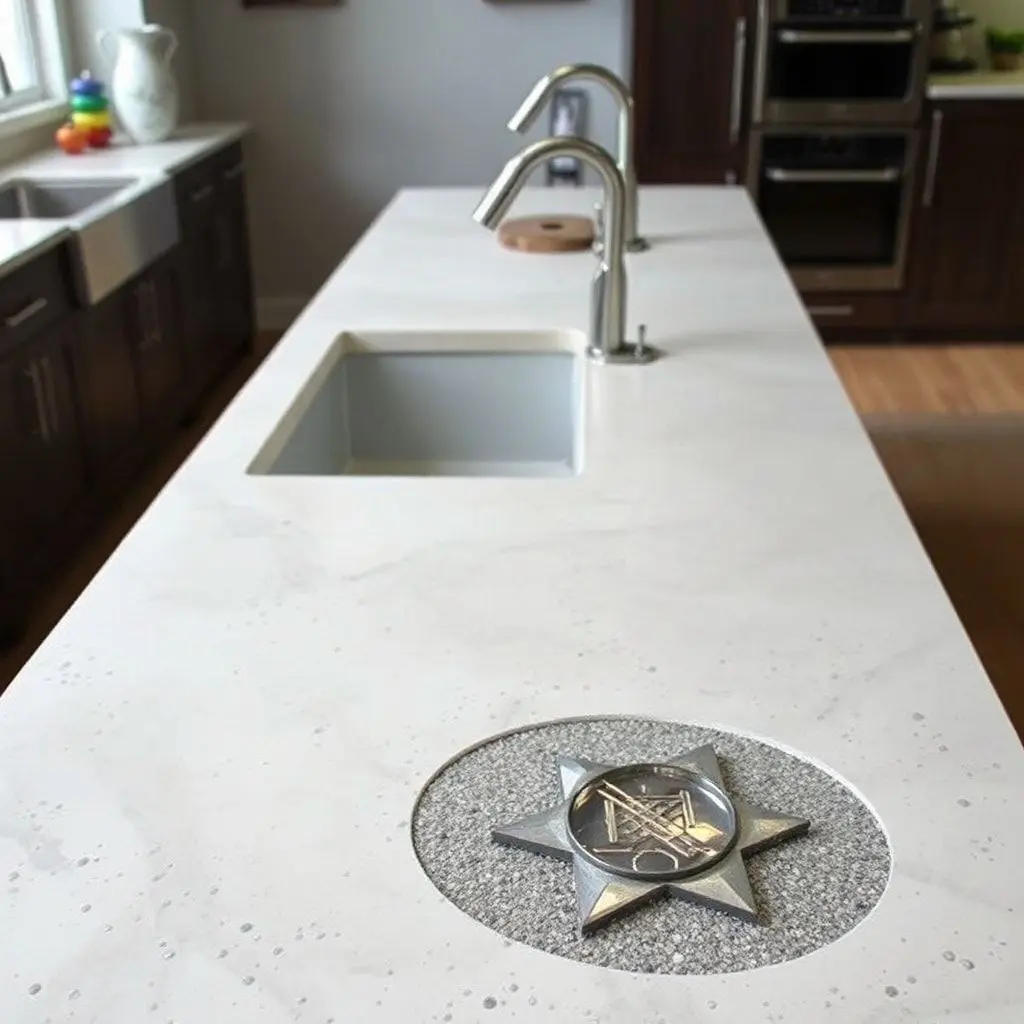
Metal inlays bring an industrial elegance to concrete countertops. Stainless steel pieces, copper elements, and iron scrollwork can be cut into custom shapes and embedded into the surface. These metallic elements are particularly effective for creating logos, monograms, or geometric patterns. The contrast between the cool concrete and warm metal tones adds visual depth and sophistication to the finished piece.
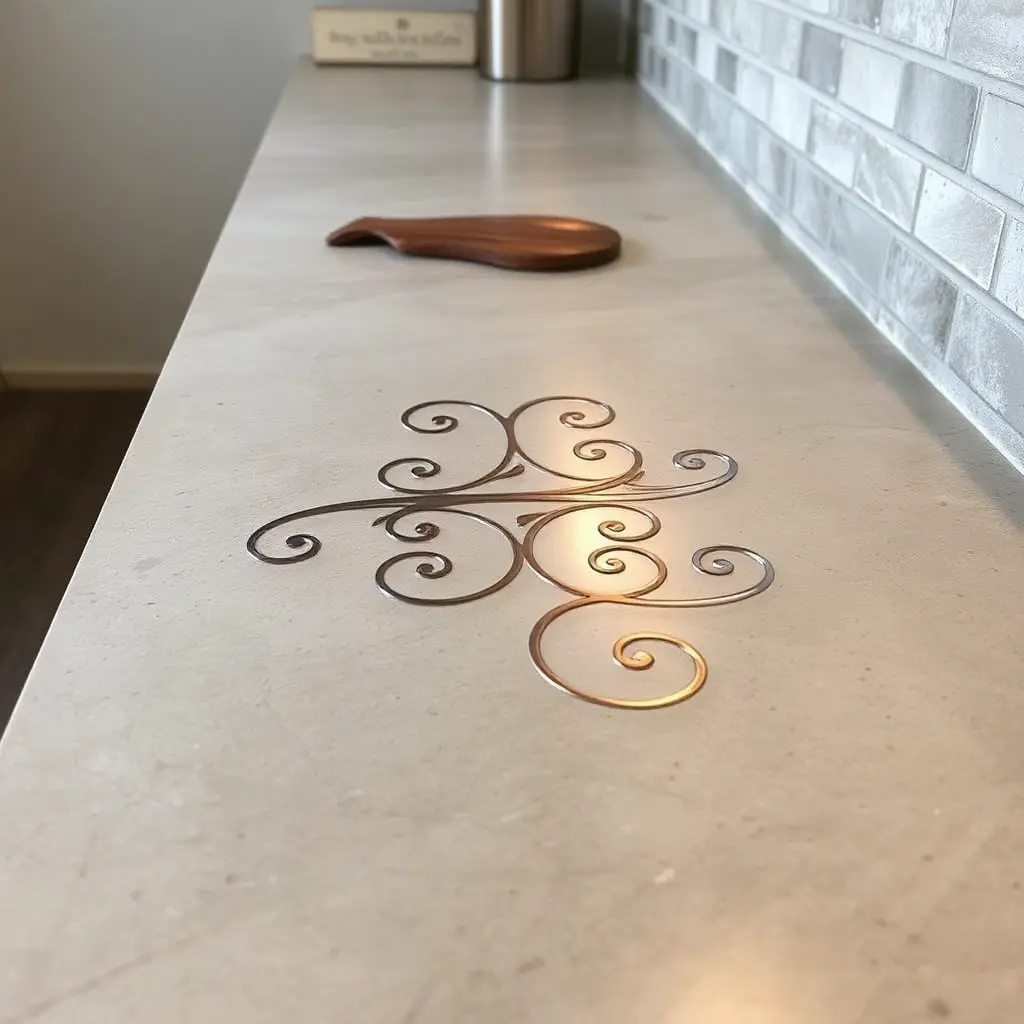
Installation of metal inlays requires careful preparation. A thin layer of silicone caulk applied to the back of the metal piece helps secure it in the mold and prevents movement during the pouring process Concrete Countertop Inlay Ideas. The silicone releases easily once the concrete cures, leaving the metal flush with the surface. For smooth metal objects, attaching a small piece of wire mesh to the back with epoxy ensures the concrete has adequate grip, preventing the inlay from loosening over time.
4. Fossil and Petrified Wood Elements
Fossils and petrified wood bring ancient history directly into your living space. These materials have already stood the test of time, making them naturally durable choices for countertop inlays. Ammonite fossils, with their distinctive spiral patterns, create striking visual elements when positioned strategically. Petrified wood sections showcase nature’s artistry with their preserved grain patterns and mineral-rich colors ranging from deep browns to vibrant oranges and reds.
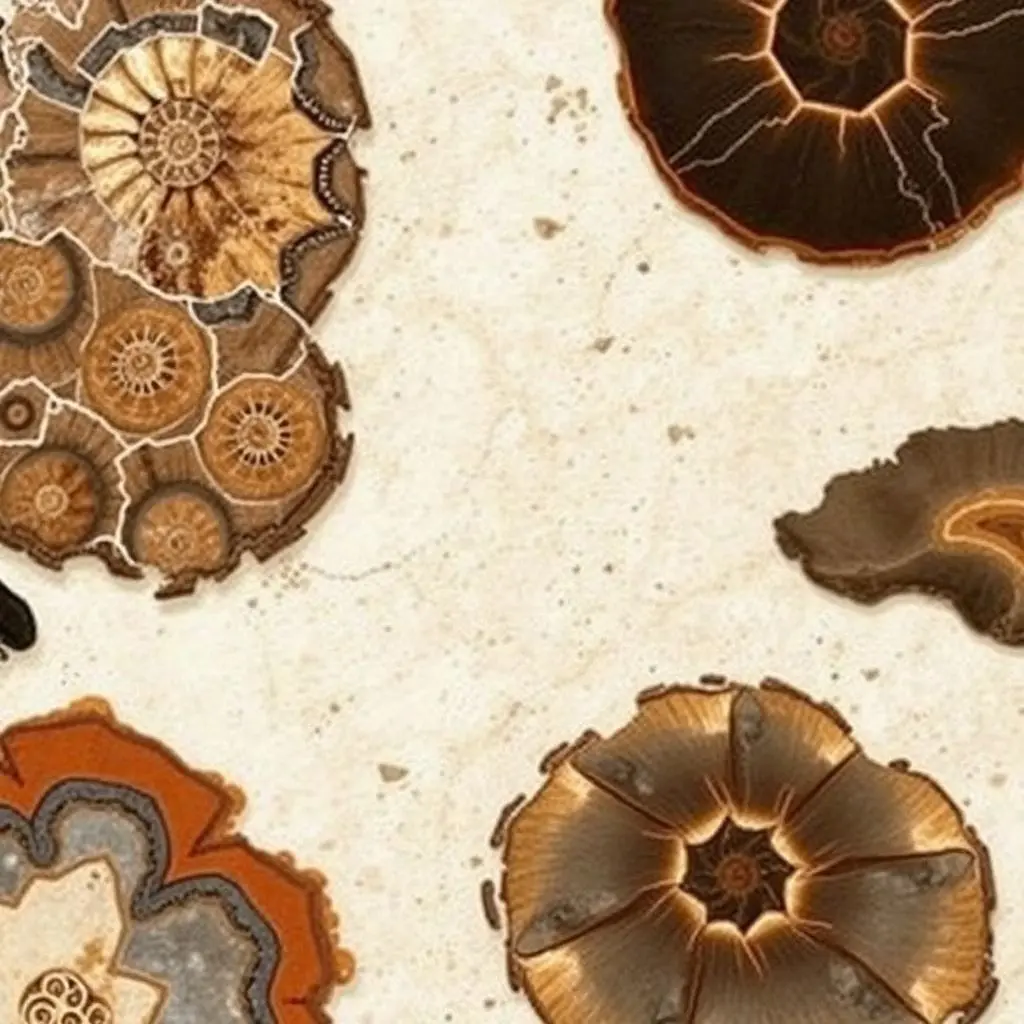
The incorporation of these ancient materials works especially well in spaces designed with natural or organic themes. Their irregular shapes and unique textures provide visual interest that manufactured materials simply cannot replicate. Each fossil tells its own story, making your countertop not just a functional surface but a piece of natural history.https://cretekala.com/concrete-countertop-ideas/
5. Decorative Tile Inlays
Small decorative tiles offer endless design possibilities for concrete countertops. Colorful ceramic tiles, hand-painted pieces, or mosaic fragments can be arranged in patterns or scattered randomly throughout the surface. This approach allows you to incorporate specific color schemes that complement your overall design aesthetic while adding handcrafted charm to the space.
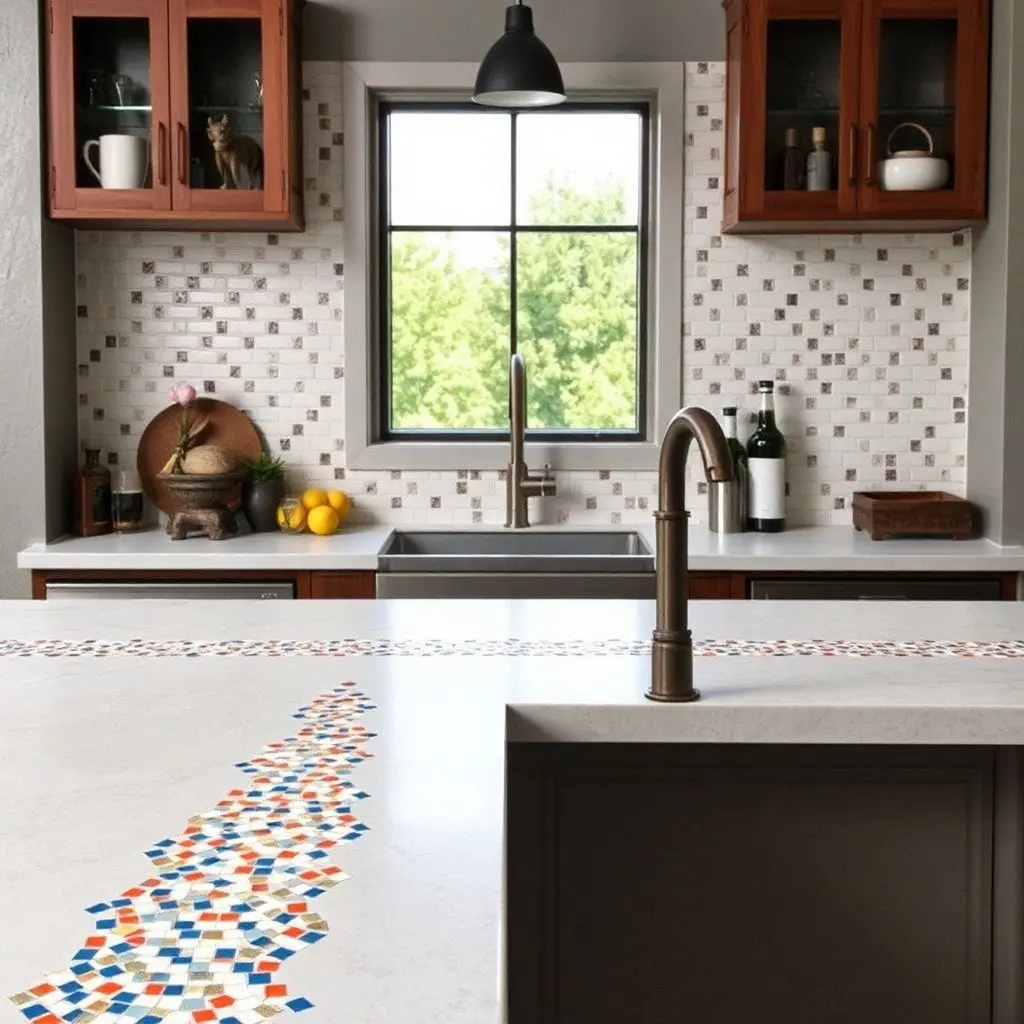
Tile inlays work particularly well in bar tops and outdoor kitchen counters where their durability and weather resistance prove beneficial. The contrast between smooth glazed tiles and the matte or polished concrete creates textural variety that adds visual dimension. When selecting tiles for inlays, ensure they are rated for the intended use and can withstand the same wear patterns as the concrete itself.
6. Seashells and Marine Elements
Seashells transform concrete countertops into coastal-inspired works of art. Scallop shells, sand dollars, and coral fragments evoke beach memories and bring natural oceanic beauty into your home. These materials are particularly popular in bathroom vanities and outdoor kitchen spaces where their organic forms and textures complement water features and natural light.
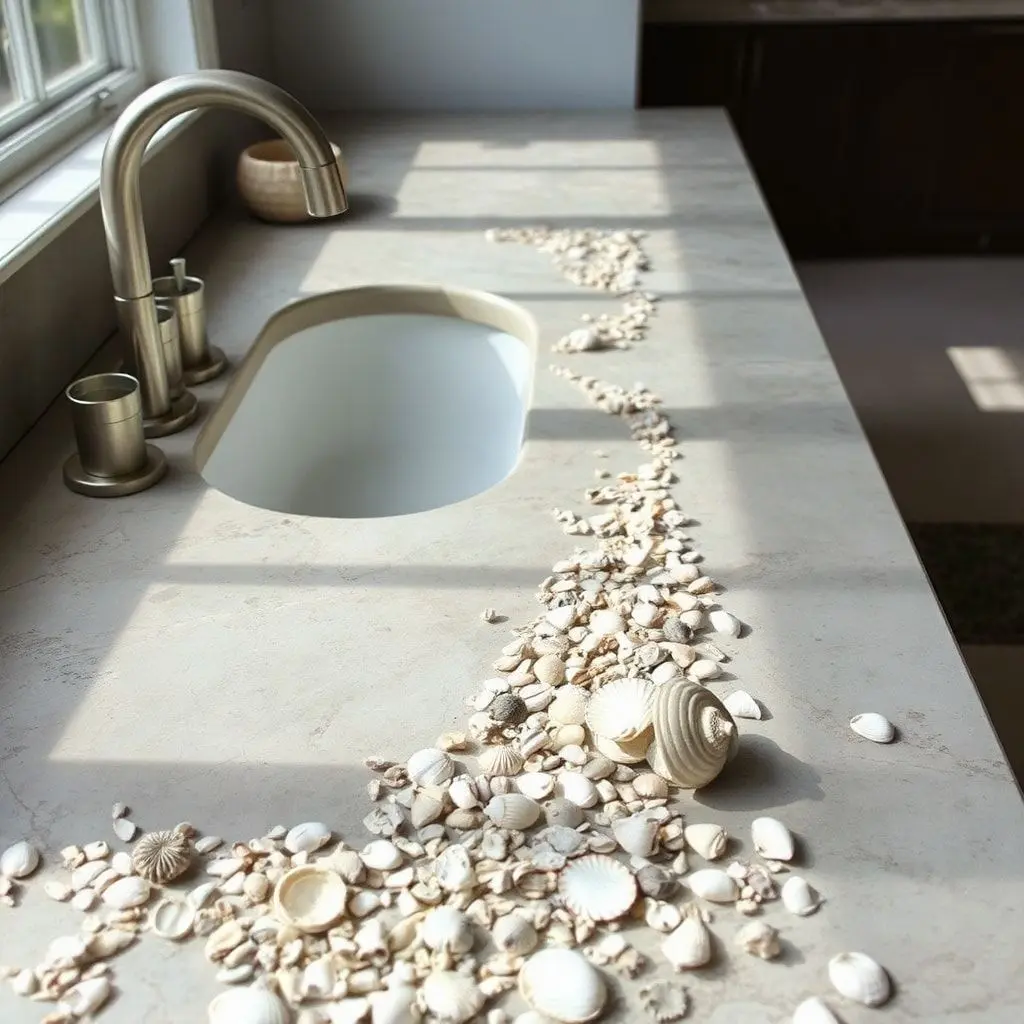
The placement of seashells requires consideration of their fragility. While many shells are surprisingly durable, extremely thin or delicate specimens may crack during the polishing process. Grouping shells to create themed areas, such as a corner representing a coral reef or a scattered arrangement mimicking a tide line, can produce cohesive design narratives that transform the countertop into a storytelling medium.
7. Personal Heirlooms and Memorabilia
One of the most meaningful approaches to concrete countertop inlays involves embedding personal items with sentimental value. Family heirlooms, vintage buttons, antique coins, or inherited jewelry pieces can be permanently preserved within the surface. This deeply personal customization transforms a functional kitchen element into a family treasure that carries stories across generations.
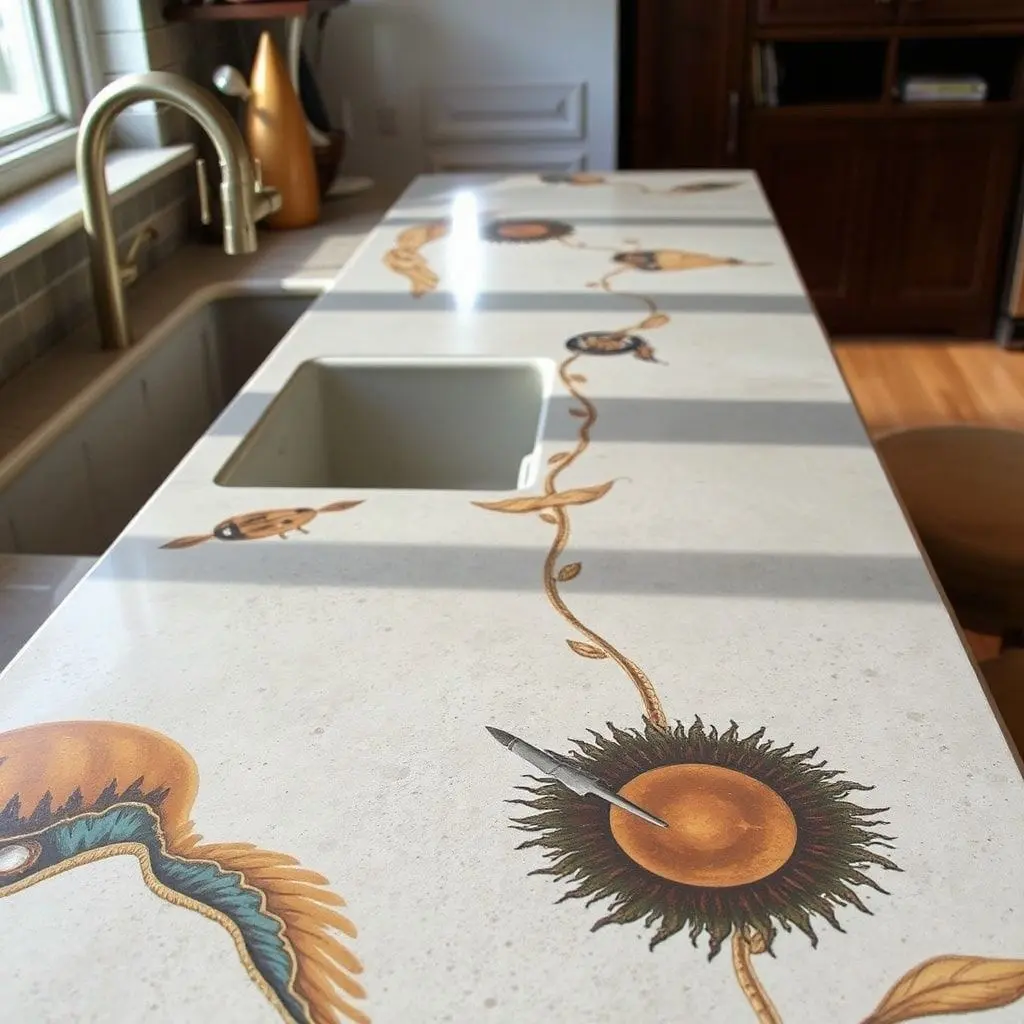
Before committing irreplaceable items to concrete, work with your fabricator to create test samples. Understanding how different materials respond to the embedding process, concrete chemistry, and polishing procedures ensures your precious objects remain intact and beautiful. Some homeowners have successfully embedded items ranging from childhood toys to wedding rings, creating countertops that serve as three-dimensional scrapbooks of cherished memories.
8. River Rock and Pebble Patterns
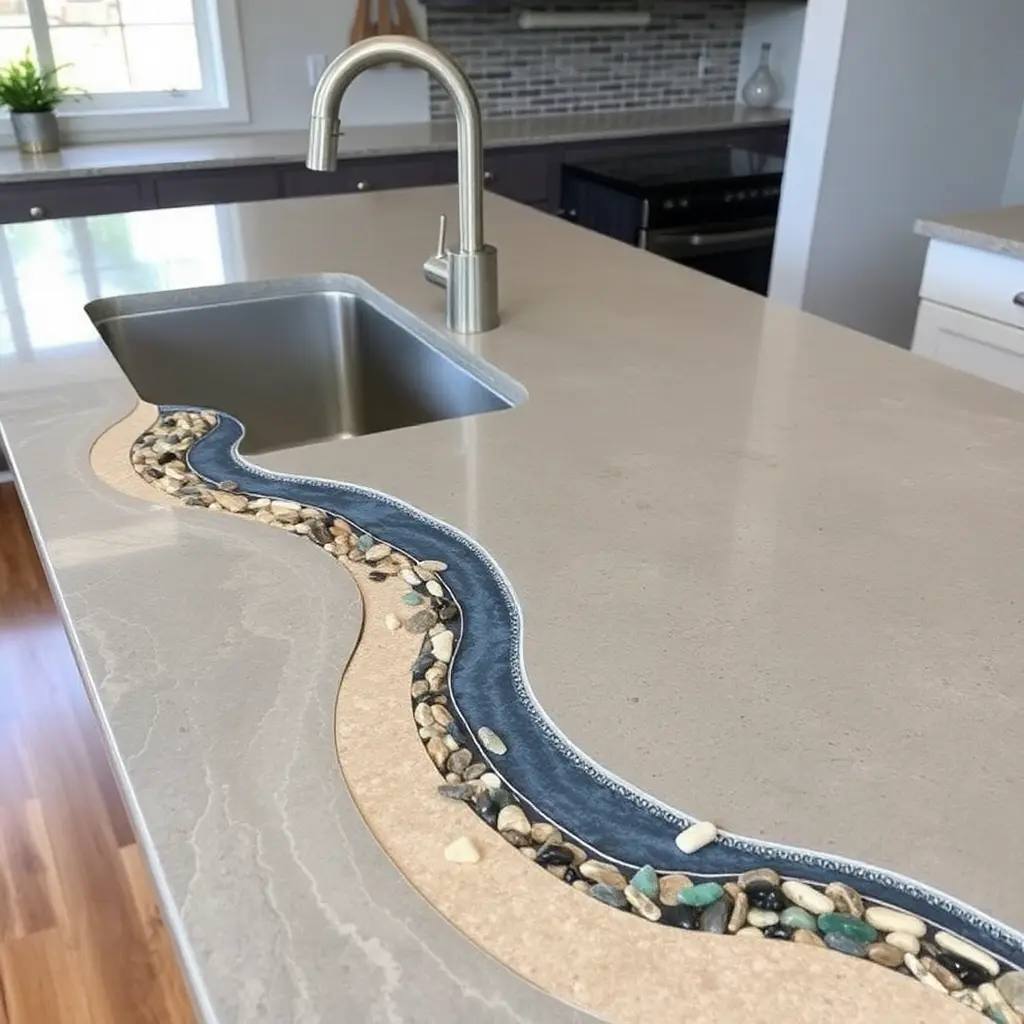
River rocks and smooth pebbles create natural, organic patterns within concrete surfaces. These rounded stones can be arranged to mimic riverbeds or scattered to suggest natural geological formations. The variety of colors and sizes available in river rock allows for subtle gradations or bold contrasts depending on your design vision.
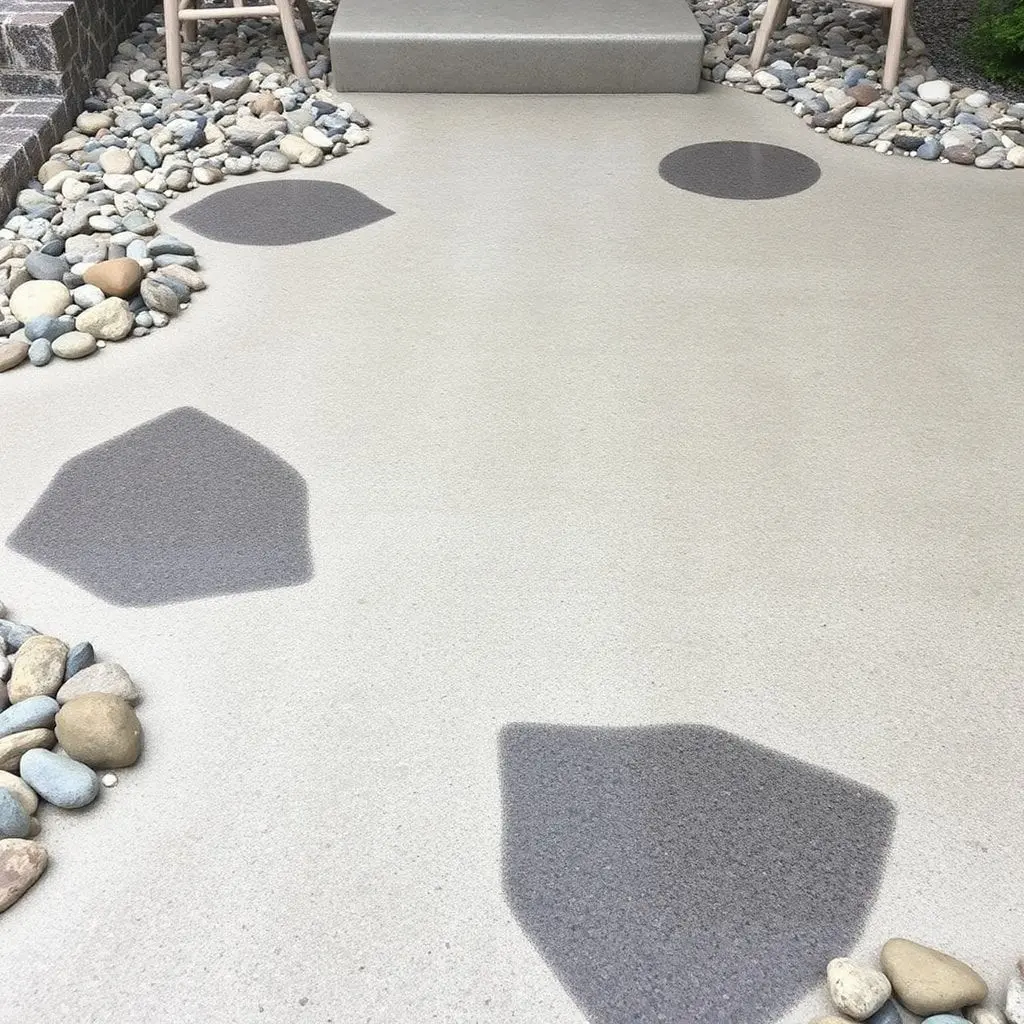
Installation typically involves placing stones into the formwork before pouring, creating deliberate patterns or natural-looking random arrangements. When the concrete is polished, the tops of the stones become exposed, revealing their natural colors and patterns. This technique works exceptionally well in outdoor applications where the connection to natural landscapes feels particularly appropriate.
9. Photoluminescent Stone Designs
Photoluminescent or glow stones add a magical quality to concrete countertops. These specially manufactured stones absorb ambient light during the day and emit a soft glow when darkness falls. Designers have used these materials to create constellation patterns like the Little Dipper or to outline specific design elements that become visible only at night.
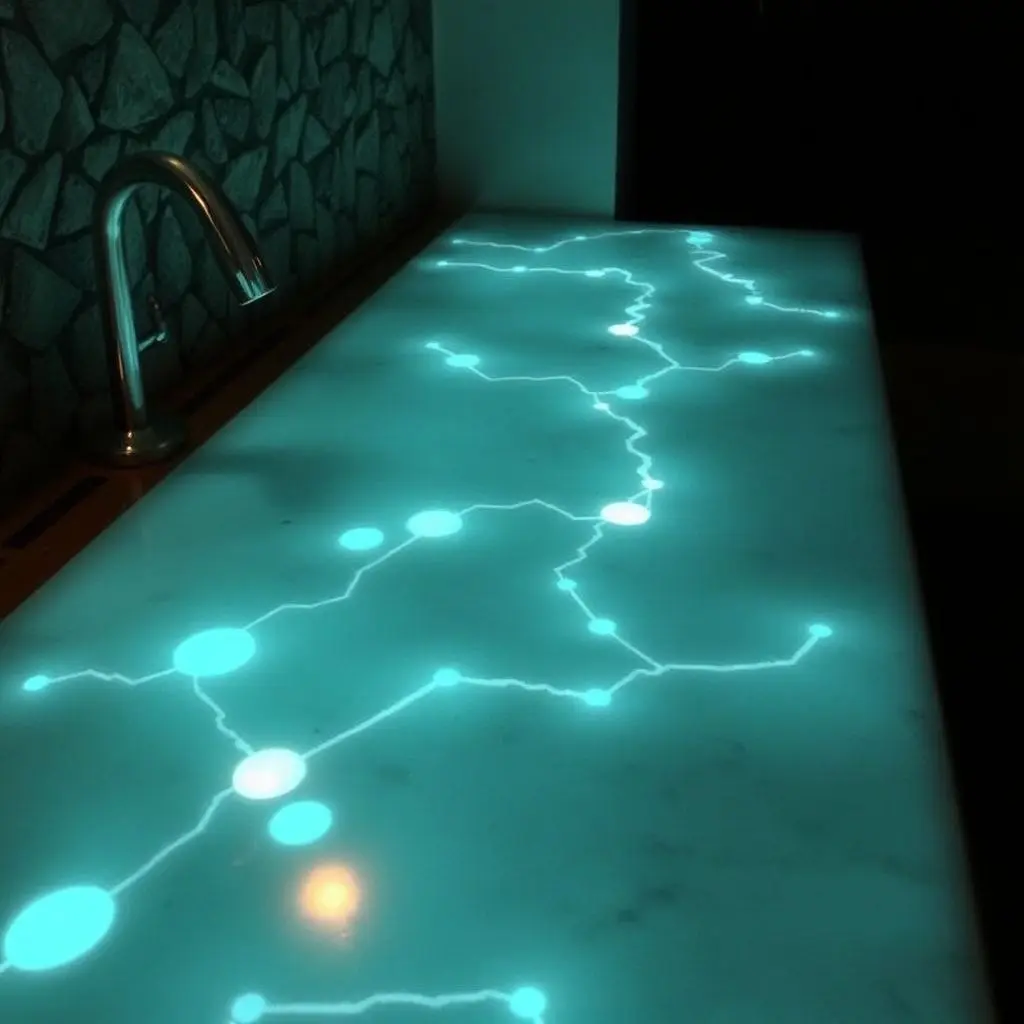
The effect is subtle yet captivating, transforming the countertop from a daytime work surface into an evening focal point. This approach works particularly well in entertainment spaces or outdoor kitchens where the ambient lighting changes throughout an event. The glow provides gentle illumination without the need for additional electrical fixtures.
10. Mother of Pearl and Abalone Shell
Mother of pearl and abalone shell fragments bring iridescent beauty to concrete surfaces. These materials shift and shimmer as light moves across them, creating dynamic visual interest that changes throughout the day. Their natural luster and rainbow-like qualities add sophistication and elegance to both contemporary and traditional design schemes.
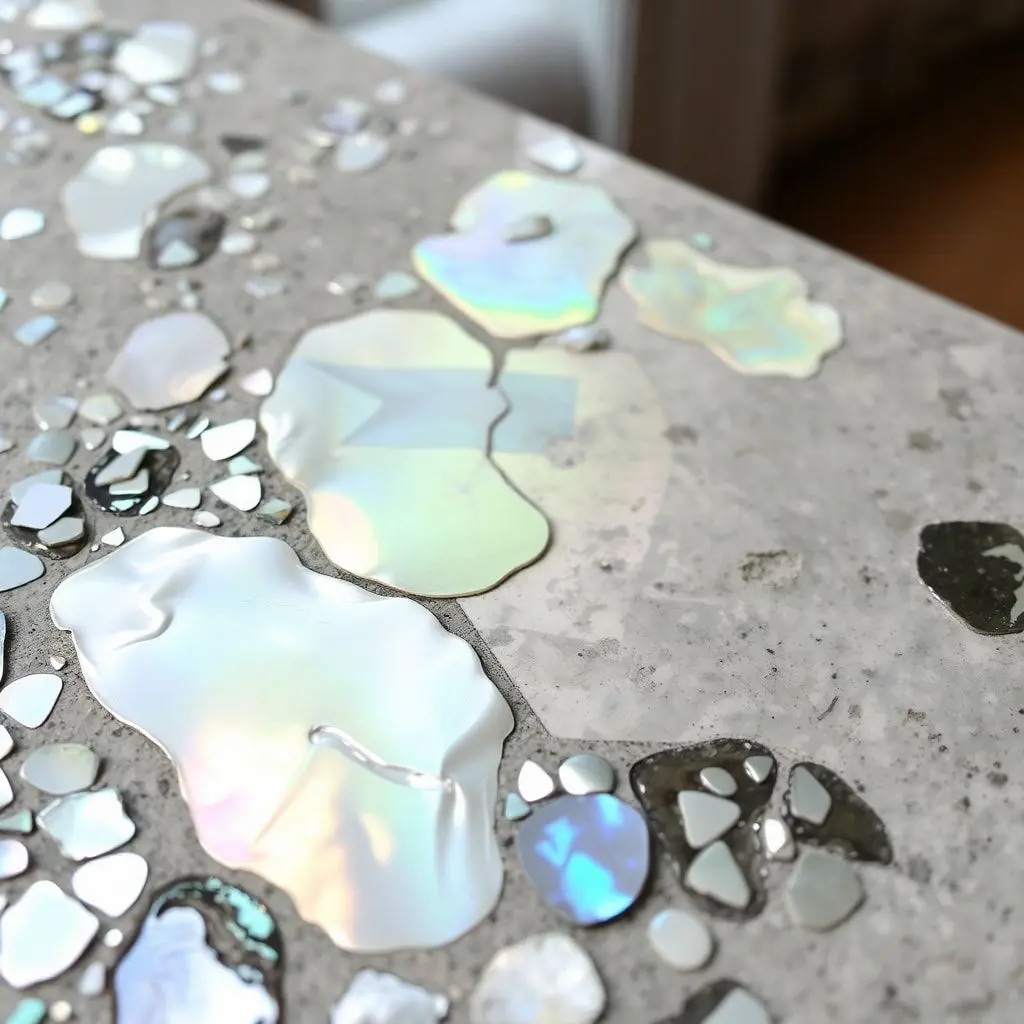
These shells are relatively durable but require careful handling during the polishing process. Their thin, layered structure means they should be embedded at appropriate depths to prevent damage during surface finishing. When properly installed and sealed, they maintain their lustrous quality for years, becoming more beautiful as the concrete patinas with age.
11. Custom Metal Logos and Monograms
Custom-cut metal logos or monograms personalize countertops for both residential and commercial applications. Businesses can incorporate company logos, while homeowners might choose family initials or meaningful symbols. Plasma cutters and laser cutting technology make it possible to create intricate designs from stainless steel, copper, or brass.
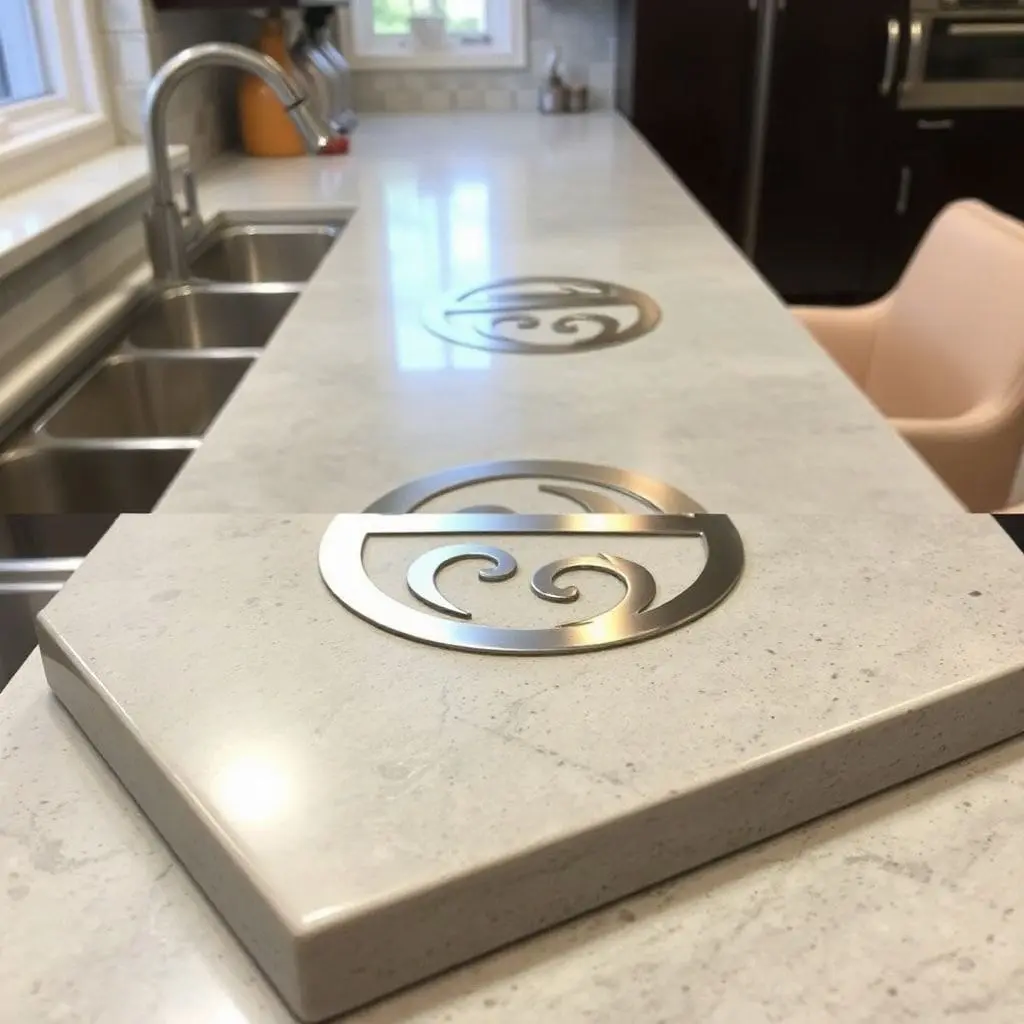
The installation process involves securing the metal design to the mold with a thin layer of silicone before pouring the concrete around it. Once cured, the silicone peels away easily, leaving the metal perfectly positioned within the surface. Polishing reveals the full beauty of the metal while integrating it seamlessly with the surrounding concrete.
12. Broken China and Pottery Shards
Repurposing broken china or pottery creates colorful, nostalgic inlays with stories to tell. Fragments from grandmother’s tea set or pieces of childhood dinnerware can be given new life within a concrete countertop. The glazed surfaces and varied patterns of ceramic pieces add pops of color and vintage charm that manufactured materials cannot replicate.
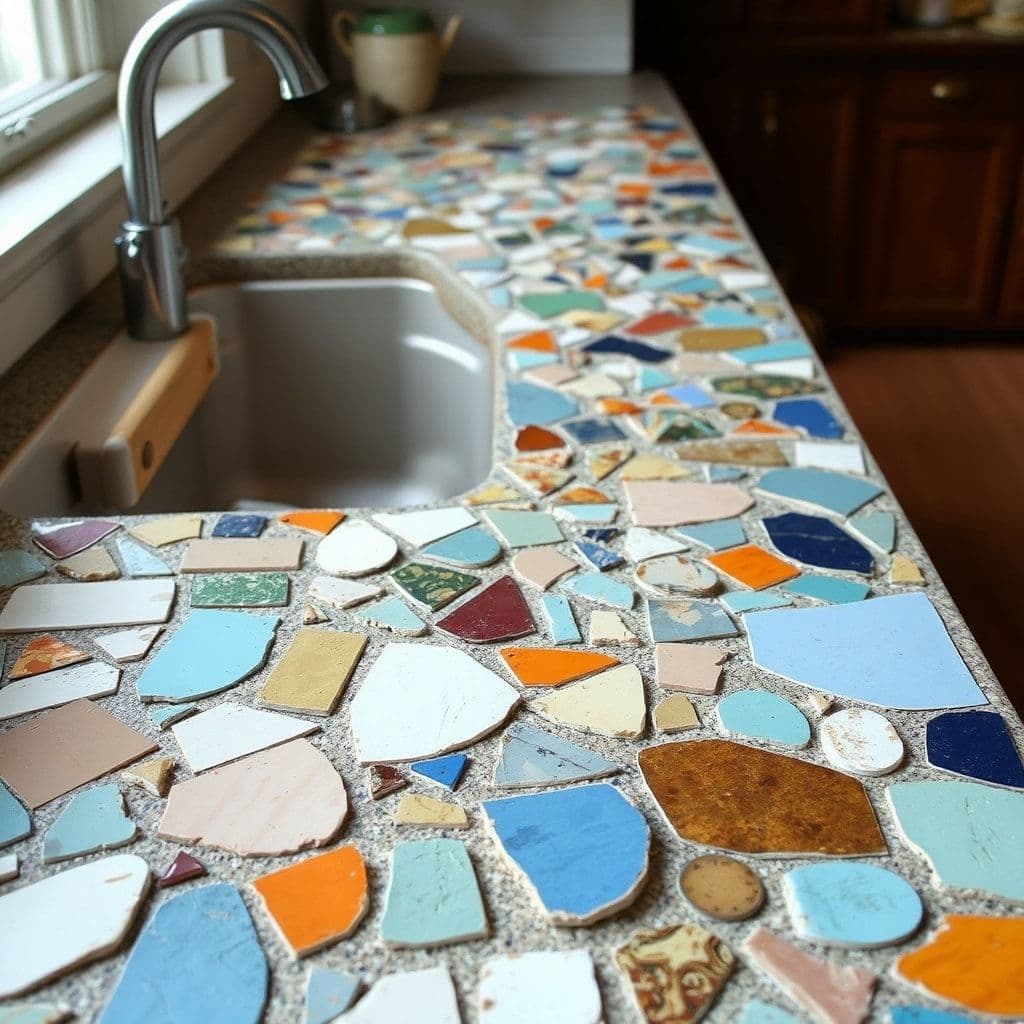
Arranging pottery shards requires artistic consideration of color relationships and pattern density. Some designers create concentrated areas of color, while others prefer scattered placement throughout the surface. The broken edges of the pottery become softened during the polishing process, integrating smoothly with the concrete while maintaining their distinctive appearance.
13. Industrial Hardware and Mechanical Elements
Gears, bolts, washers, and other industrial hardware create unique steampunk-inspired or industrial-chic design elements. These metal components work particularly well in workshop spaces, man caves, or lofts with industrial design aesthetics. The mechanical nature of these items adds textural interest and reflects a maker mentality that celebrates functionality and craft.

When embedding industrial elements, ensure they are thoroughly cleaned and free of oils or lubricants that might interfere with concrete adhesion. The varied shapes and sizes of hardware create visual complexity, and their metallic finishes develop natural patinas over time that enhance the industrial character of the installation.
14. Mica Flakes and Metallic Particles
Mica flakes introduce subtle sparkle and shimmer to concrete surfaces without the bold statement of larger inlays. These thin, reflective particles catch light at different angles, creating depth and luminosity within the concrete matrix. Available in various colors including silver, gold, and copper, mica flakes can be distributed throughout the surface or concentrated in specific areas for accent effects.
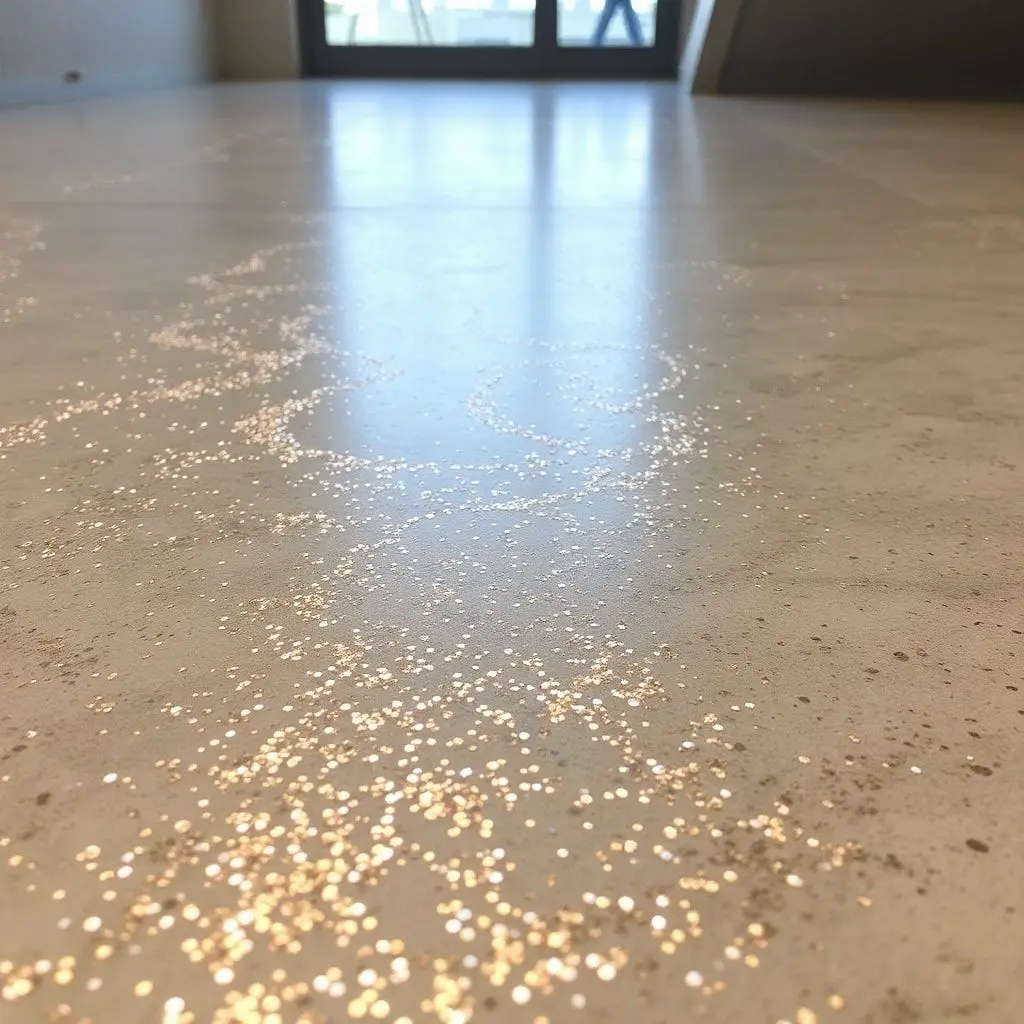
The application of mica differs from solid inlays, as these particles are typically mixed into the concrete or sprinkled onto the surface before final troweling. The result is a sophisticated shimmer that enhances the concrete’s natural beauty without overwhelming the overall design aesthetic.
15. Wire and Metal Mesh Patterns
Decorative wire or metal mesh can be layered within concrete to create dimensional patterns and structural interest. From simple geometric grids to elaborate scrollwork, wire elements add linear design components that contrast with the organic, flowing nature of poured concrete. This technique allows for the creation of deliberate patterns that guide the eye across the surface.
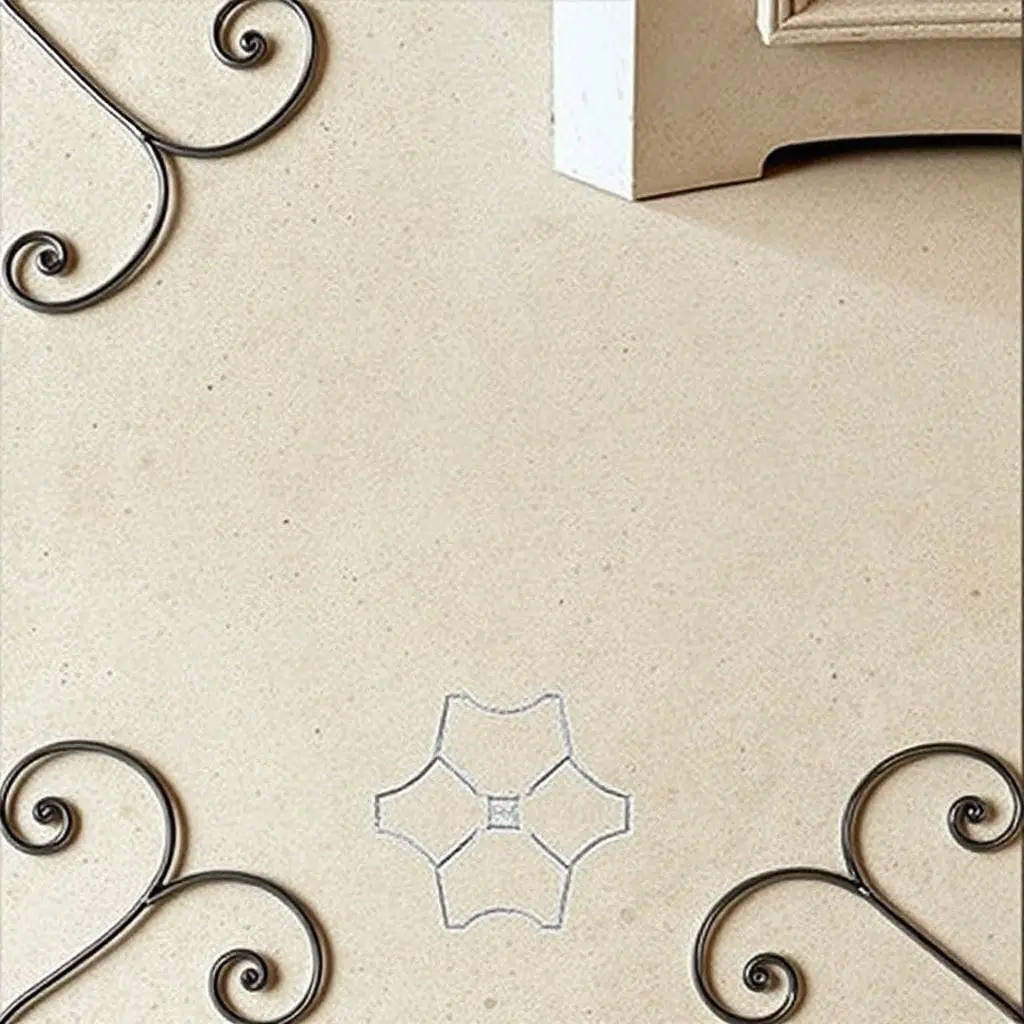
The installation of wire patterns requires precise placement and securing to prevent shifting during the concrete pour. The wire becomes permanently embedded, and its exposure level can be controlled during the polishing phase. Some designers leave wire slightly raised for textural interest, while others prefer it perfectly flush with the surface.
16. Carved Wood Imprints
While solid wood is not recommended for permanent embedding due to moisture issues, wood can be used to create textural imprints in concrete. Carved wooden pieces or natural wood with interesting grain patterns can be pressed into fresh concrete and removed before curing, leaving behind detailed impressions. Alternatively, specially treated wood pieces can be embedded in indoor applications where moisture levels remain stable.
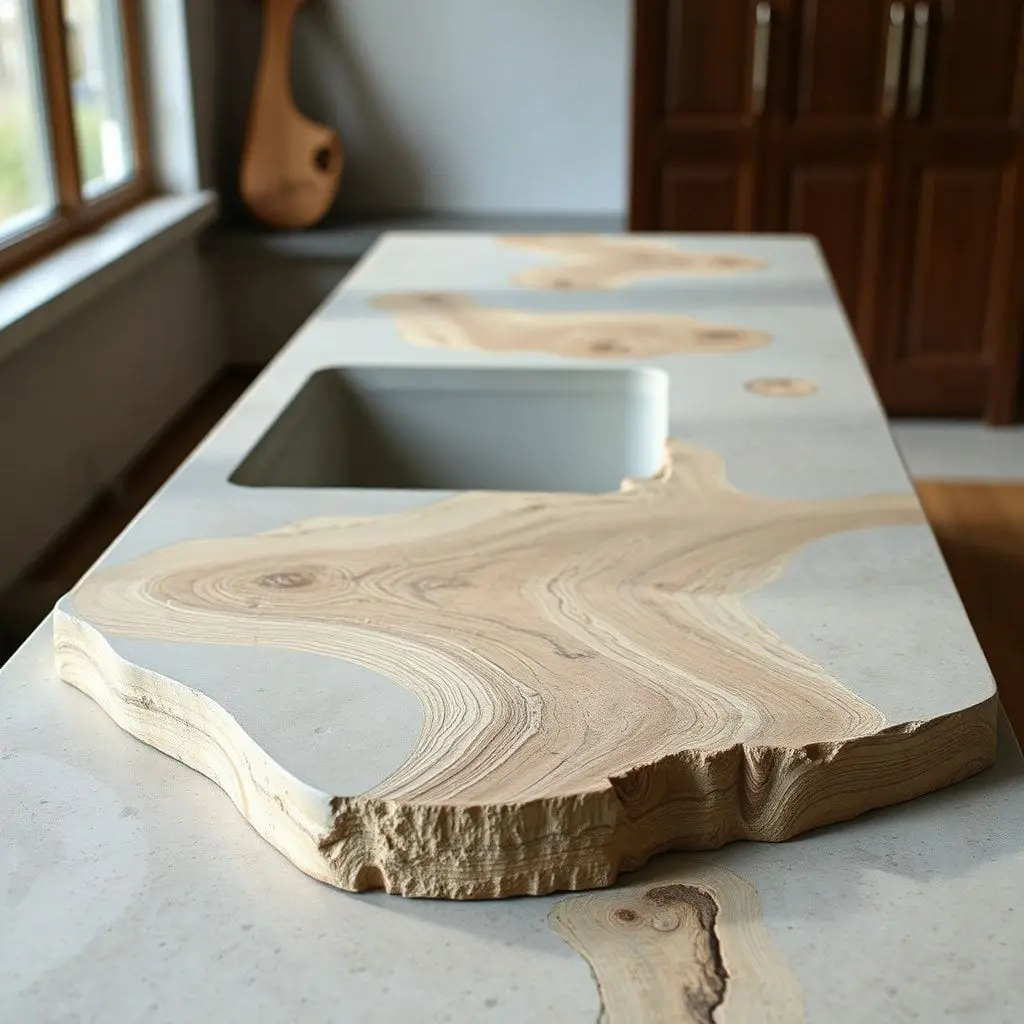
This technique captures the organic beauty of wood grain and carved details in permanent form. The impressions can be highlighted with contrasting concrete colors or left natural to create subtle texture. This approach offers the visual appeal of wood without the maintenance concerns associated with traditional wooden countertops.
17. Composite Art Designs
The most ambitious inlay projects combine multiple materials into cohesive artistic compositions. These composite designs might include arrangements of stones, glass, metal, and organic materials that work together to tell a complete visual story. Some designers create landscape scenes, abstract compositions, or themed arrangements that transform the countertop into a true art piece.
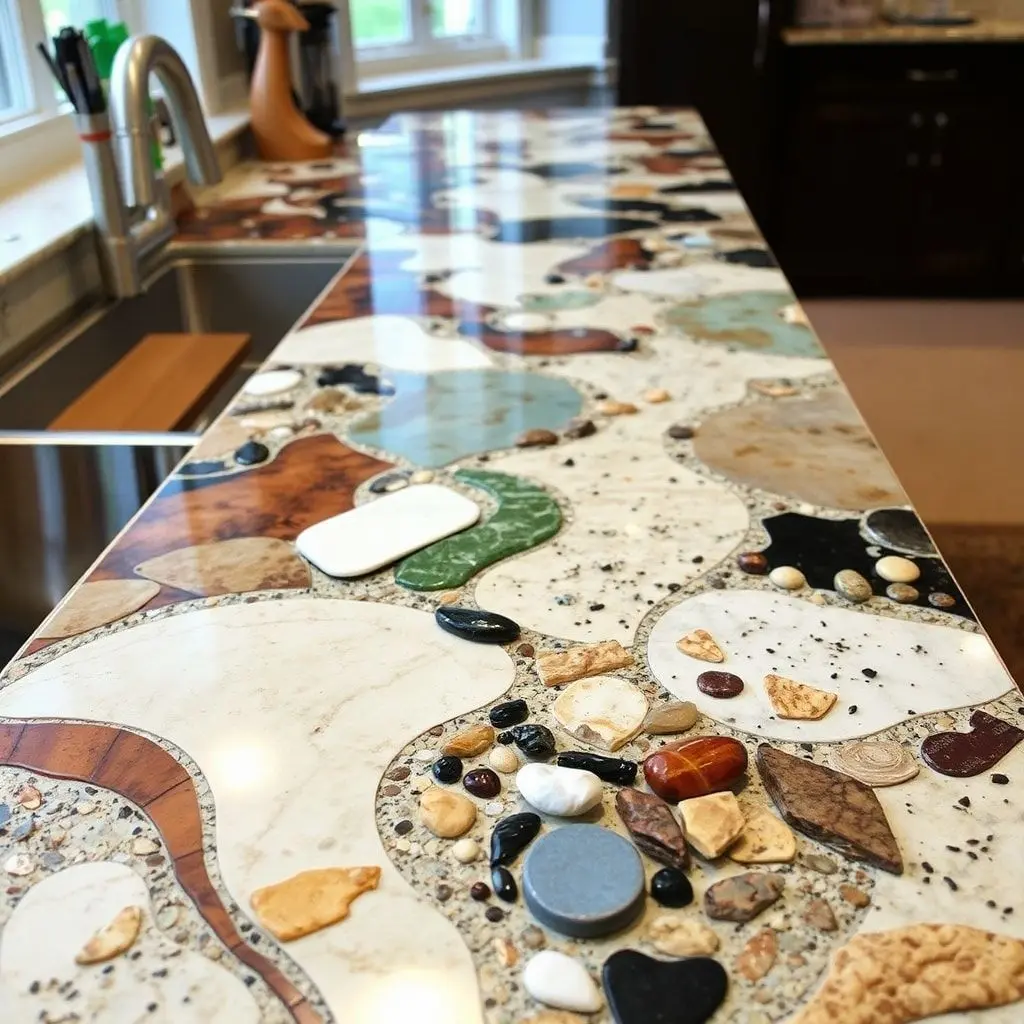
Creating successful composite designs requires careful planning and artistic vision. The various materials must be compatible in terms of hardness and durability to ensure even wear over time. Color relationships, scale proportions, and overall balance become crucial considerations when multiple elements share the same surface.
Installation Considerations and Techniques
Successful inlay installation requires understanding the technical aspects of concrete work. The mold preparation process begins with applying a release agent to ensure clean separation once the concrete cures. Objects intended for embedding must be securely positioned, typically using a thin layer of silicone caulk that prevents movement during pouring while allowing easy release later.
Timing is critical when embedding objects directly into poured concrete. The concrete must be firm enough to support the weight of the inlay without sinking but wet enough to accept the object without cracking. This typically occurs within the first few hours after pouring, depending on environmental conditions and concrete mix specifications. Tapping the mold edges releases air bubbles that might otherwise create voids around embedded objects.
The polishing process reveals the full beauty of inlays while creating a smooth, functional surface. Diamond-impregnated polishing pads in progressively finer grits gradually grind down the concrete, exposing embedded materials. Starting with coarser grits and working toward finer ones prevents damage to delicate inlays while achieving the desired level of sheen. Wet polishing reduces dust and heat, protecting both the worker and the materials.
Sealing and Maintenance
Proper sealing is essential for protecting both the concrete and embedded materials from moisture, staining, and wear. Food-safe sealers are mandatory for kitchen countertops where food preparation occurs. At least two coats of quality sealer create a watertight barrier that prevents water penetration and protects embedded objects from degradation.
The sealer application process typically involves an initial diluted coat to ensure proper penetration, followed by full-strength coats that build the protective barrier. Some fabricators recommend a final application of beeswax and mineral oil paste for additional protection and to enhance the concrete’s natural beauty. This protective layer requires reapplication once or twice yearly, depending on use patterns.
Different inlay materials may respond differently to sealers, making it important to test on samples before applying to the finished countertop. Some metals develop patinas over time even with sealer applied, which many homeowners find adds character to the surface. Understanding these natural aging processes helps set appropriate expectations for the countertop’s evolution over years of use.
Durability and Material Selection
Not all materials are suitable for countertop inlays. Durability must be the primary consideration when selecting objects for embedding. Items must withstand daily use, potential impacts, heat exposure, and repeated contact with water and cleaning products. Extremely fragile objects or those prone to deterioration should be avoided, regardless of their aesthetic appeal.
Material hardness affects how well inlays integrate with concrete during polishing. Very soft materials may polish away faster than the surrounding concrete, creating recessed areas that collect debris and moisture. Conversely, extremely hard materials may create raised areas as the softer concrete polishes away around them. Matching hardness levels between concrete and inlays creates the most uniform, functional surface.
Glass presents an interesting case for outdoor applications. While seemingly ideal due to its chemical similarity to sand, glass can react with cement paste to form silica gel. This gel swells and shrinks with moisture changes, potentially causing pop-outs and cracks in outdoor concrete. For indoor applications where moisture levels remain relatively stable, glass performs excellently and maintains its beauty indefinitely.
Design Planning and Professional Collaboration
Successful inlay projects begin with thorough planning and clear communication between homeowner and fabricator. Creating mood boards, collecting sample materials, and discussing color relationships helps ensure the final product matches your vision. Many fabricators invite clients to visit during the inlay selection phase, where materials can be arranged and rearranged before committing to final positions.
Testing materials through sample panels provides valuable insight into how different objects respond to the concrete process. These samples reveal how materials look after polishing, how they interact with sealers, and how they wear under simulated use conditions. Investing time in sample creation prevents disappointment and protects irreplaceable heirlooms from potential damage.
Professional fabricators bring technical expertise that ensures beautiful results. Their experience with mold construction, concrete mixing, object placement, and finishing techniques makes the difference between amateur and professional outcomes. While simpler inlay projects might be suitable for experienced DIY enthusiasts, complex designs benefit from professional execution.
Conclusion
Concrete countertop inlays transform functional surfaces into personalized works of art that reflect individual style and creativity. From natural materials like gemstones and fossils to manufactured elements like recycled glass and custom metalwork, the possibilities for customization are virtually limitless. Each inlay tells a story, whether celebrating natural beauty, preserving family memories, or making bold design statements.
The key to successful inlay projects lies in understanding both the artistic possibilities and technical requirements. Material selection must balance aesthetic appeal with practical durability considerations. Proper installation techniques ensure secure embedding and beautiful finished surfaces. Appropriate sealing and maintenance preserve these custom creations for years of functional beauty.
Whether you’re drawn to subtle shimmer from mica flakes or bold statements from large stone inlays, concrete countertops offer the perfect canvas for creative expression. The investment in quality materials, skilled fabrication, and thoughtful design pays dividends every time you use your customized surface. As you plan your next kitchen or bathroom renovation, consider how concrete countertop inlays might elevate your space from ordinary to extraordinary.
Frequently Asked Questions
What materials should I avoid embedding in concrete countertops?
Wood is generally not recommended for embedding because it swells with moisture and can crack concrete as it expands and contracts. Extremely fragile items that cannot withstand polishing should also be avoided. For outdoor applications, glass should be used cautiously as it can react with concrete to form problematic silica gel over time.
How deep should inlays be embedded in the concrete?
Inlays should typically be recessed slightly below the final surface level to protect them during polishing. A thin layer of silicone caulk beneath the object creates this slight recess while securing it in place. The exact depth depends on the object’s hardness and the desired final appearance after polishing.
Can I add inlays to an existing concrete countertop?
Adding inlays to existing countertops is extremely difficult and not generally recommended. Inlays must be placed during the casting process when the concrete is still workable. Attempting to cut recesses into cured concrete for inlays risks cracking and rarely produces professional-looking results.
How do I maintain concrete countertops with embedded materials?
Maintain inlaid concrete countertops by cleaning with mild soap and water, avoiding harsh chemicals that might damage sealers. Reapply protective wax coatings one to two times per year. The sealer itself may need renewal every few years depending on use intensity and the specific product used.
What is the difference between inlays and decorative aggregates?
Inlays are larger individual objects intentionally placed in specific locations for design impact, such as a large stone or metal logo. Decorative aggregates are smaller materials mixed throughout the concrete blend, like glass chips or colored stones that become exposed during polishing to create overall surface patterns rather than focal points.