17+ Stylish Washer and Dryer Countertop Ideas
Washer and Dryer Countertop Ideas, Transforming your laundry room from a purely functional space into an organized, efficient area starts with one smart addition: a countertop over your washer and dryer. This simple upgrade creates valuable workspace for folding clothes, sorting laundry, treating stains, and storing detergents while dramatically improving the overall aesthetic of your utility room. Whether you have a compact laundry closet or a spacious dedicated room, the right countertop solution can maximize every inch of available space while complementing your home’s design.
The beauty of washer and dryer countertops lies in their versatility. From budget-friendly laminate options to luxurious marble surfaces, there are solutions for every style preference and financial constraint. Modern laundry room design recognizes that these hardworking spaces deserve the same attention to detail as kitchens and bathrooms. After all, you spend considerable time in this room managing one of life’s never-ending tasks, so why not make it pleasant and practical?
This comprehensive guide explores over seventeen creative countertop ideas that blend functionality with style. You’ll discover various materials, installation methods, and design approaches that can transform your laundry area into a space you actually enjoy using. From floating countertops that create an airy feel to hinged designs that provide hidden storage, these ideas cater to different needs, budgets, and aesthetic sensibilities.
Understanding the Benefits of Laundry Room Countertops
Before diving into specific ideas, it’s important to understand why adding a countertop over your washer and dryer makes such practical sense. The surface immediately becomes your go-to spot for folding fresh laundry straight from the dryer, preventing those wrinkled piles that sit in baskets for days. It provides a dedicated area for pre-treating stains, laying delicate items flat to dry, and keeping laundry essentials within easy reach.
Beyond functionality, countertops bring visual cohesion to your laundry space. They create a finished, built-in appearance that elevates the room from basic utility area to a properly designed space. The countertop acts as a unifying element, especially when coordinated with cabinetry, backsplashes, and other design features. This visual upgrade can even increase your home’s appeal if you decide to sell, as prospective buyers appreciate well-designed laundry facilities.
Storage advantages shouldn’t be overlooked either. The space beneath a properly installed countertop can accommodate laundry baskets, cleaning supplies, or even pet beds, keeping these items organized and out of sight. Some homeowners incorporate drawers or shelving into their countertop design, further maximizing storage capacity in what’s often a space-challenged area.
Classic Wood and Butcher Block Countertops
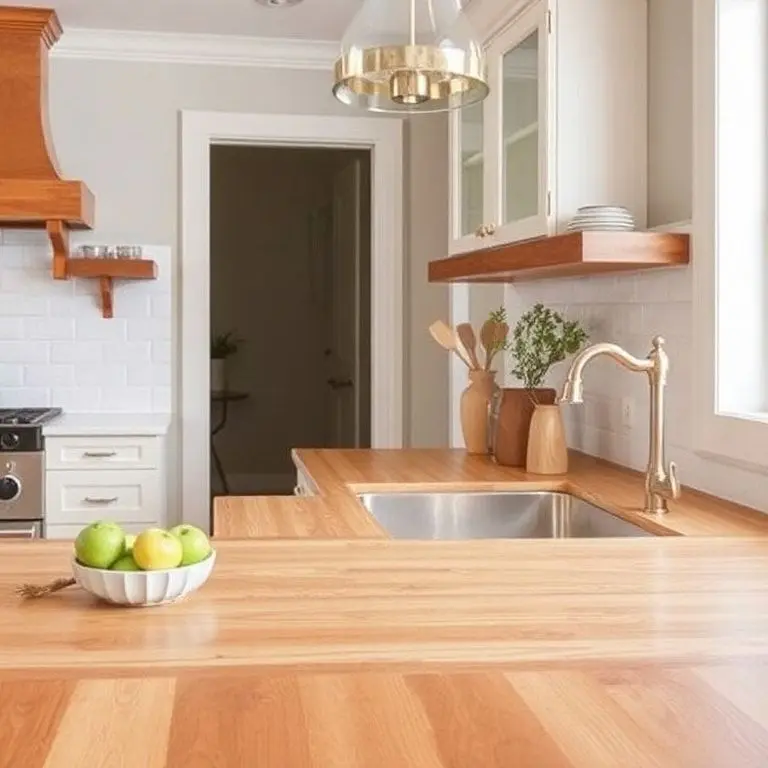
Natural wood countertops bring warmth and character to laundry rooms while remaining surprisingly affordable and accessible. Butcher block surfaces, constructed from strips of hardwood bonded together, offer particular appeal due to their durability and traditional craftsmanship aesthetic. These countertops pair beautifully with both modern and farmhouse-style laundry rooms, providing a welcoming contrast to the hard surfaces of appliances and tile.
Installation of wood countertops ranks among the most DIY-friendly options. You can purchase pre-cut butcher block from home improvement stores and customize it to fit your specific dimensions with basic woodworking tools. The material is forgiving during installation and can be sanded and refinished if damaged over time, extending its lifespan considerably.
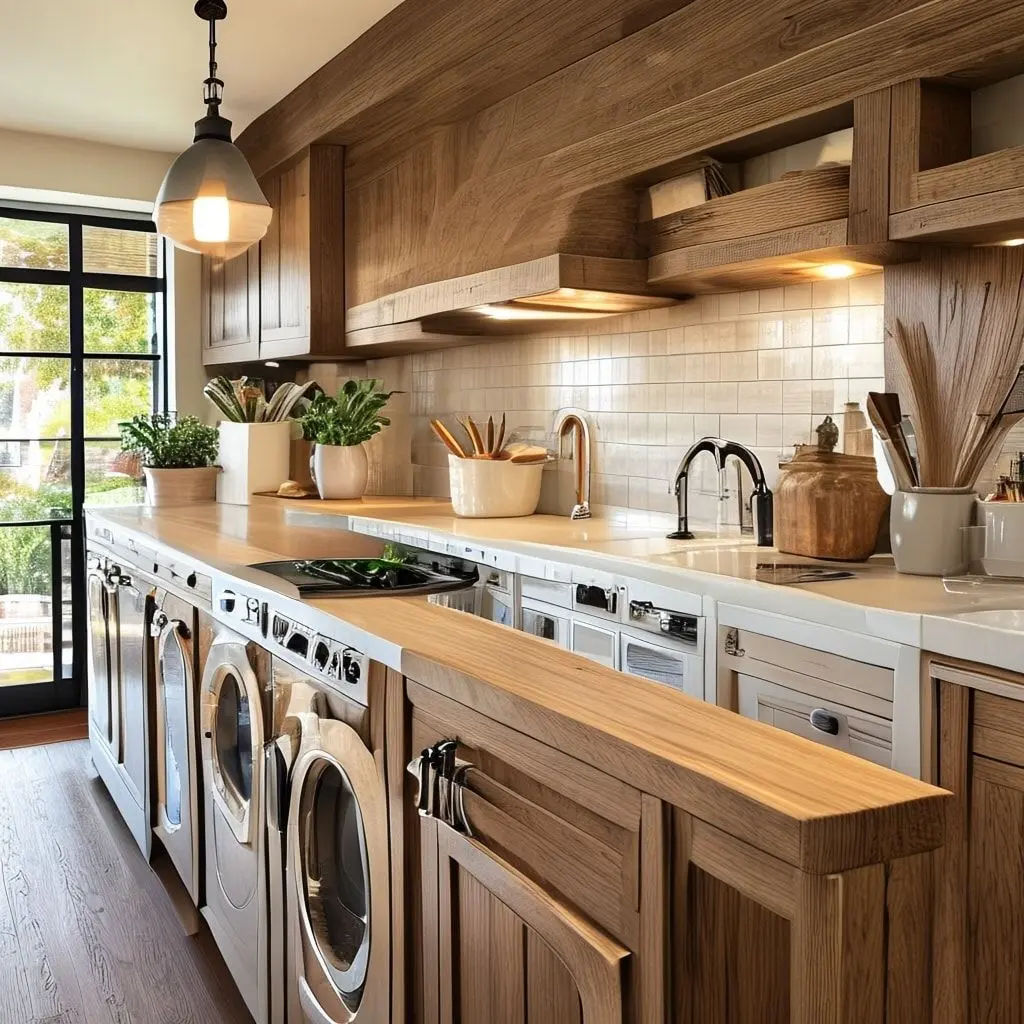
However, wood requires proper maintenance to thrive in a laundry environment. The material needs regular sealing to protect against moisture absorption and warping, especially given the humidity levels often present near washers and dryers. Food-grade mineral oil or specialized wood sealers create a protective barrier that repels water and prevents staining from laundry products. With appropriate care, a wood countertop develops a beautiful patina that adds character to your space.
The natural grain patterns and warm tones of wood create a softer aesthetic compared to stone or synthetic materials. Oak, maple, walnut, and cherry each bring distinct color profiles and grain characteristics. This natural variation ensures your countertop is truly unique, with no two pieces appearing identical.
Engineered Quartz for Durability and Style
Engineered quartz countertops represent the premium choice for laundry rooms, combining exceptional durability with stunning visual appeal. These manufactured surfaces consist of natural quartz crystals bound with resins and pigments, creating a material that rivals granite and marble in beauty while surpassing them in practical performance. The non-porous nature of quartz makes it particularly well-suited to laundry environments where detergent spills and water splashes are routine occurrences.
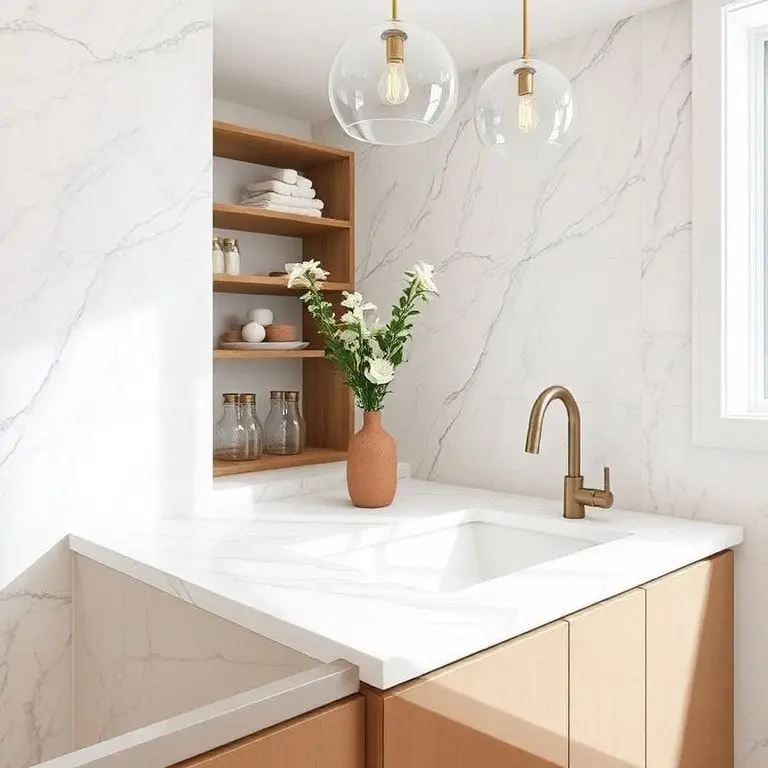
Unlike natural stone, quartz never requires sealing and resists staining even from harsh chemicals like bleach and fabric softener. This maintenance-free characteristic saves time and ensures your countertop maintains its appearance for decades. Scratches rarely mar the surface during normal use, and the material withstands heat reasonably well, though you should still use protection when setting down hot items.
The design possibilities with quartz extend far beyond basic colors. Manufacturers offer options mimicking Carrara marble, dramatic granite veining, solid contemporary hues, and even concrete aesthetics. This versatility allows you to achieve virtually any look while enjoying quartz’s superior performance characteristics. White and light gray quartz varieties create bright, clean-looking spaces that make laundry duties feel less burdensome.
Cost represents the primary consideration with quartz countertops. Material expenses run higher than laminate or basic wood, and professional fabrication and installation typically become necessary due to the weight and precision required. However, many homeowners view quartz as a worthwhile investment given its longevity and minimal upkeep requirements.
Budget-Friendly Laminate Solutions
Laminate countertops deserve recognition as a practical, economical solution for laundry rooms, particularly for homeowners working within tight budget constraints. Modern laminate has evolved significantly from earlier generations, now offering impressive durability and an extensive selection of colors, patterns, and textures. The material resists moisture reasonably well when properly installed and sealed at edges and seams.
The affordability of laminate allows you to allocate budget resources elsewhere in your laundry room renovation while still achieving a finished, professional appearance. Installation remains straightforward enough for competent DIYers, especially when using pre-formed sections designed to fit standard washer and dryer configurations. The smooth surface provides an excellent workspace for folding clothes without snagging delicate fabrics.
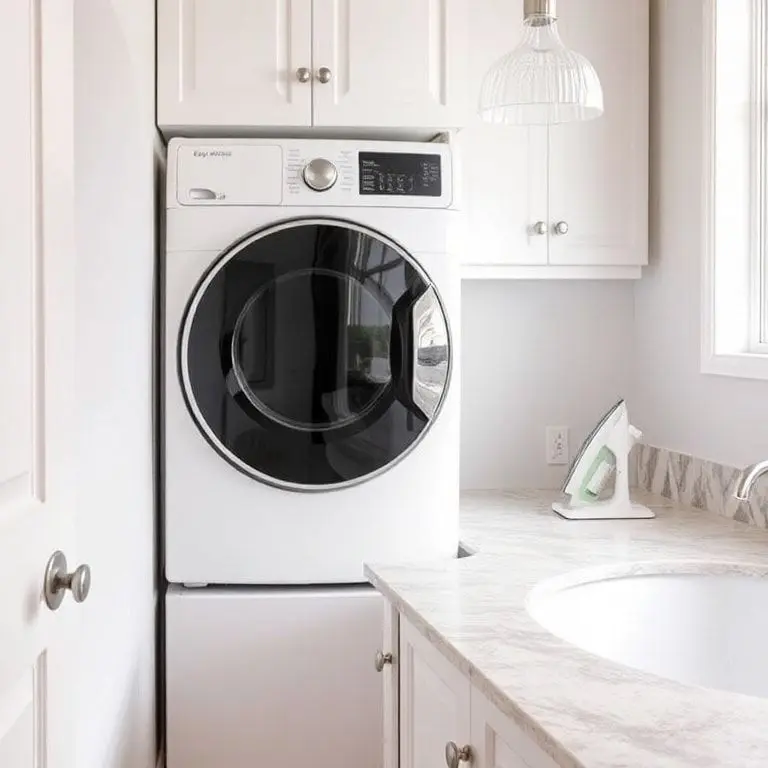
Contemporary laminate options include convincing stone and wood-look designs that capture the aesthetic appeal of natural materials at a fraction of the cost. Some varieties feature textured finishes that add tactile interest and help disguise minor scratches or wear that develops over time. With proper care, laminate countertops can serve reliably for fifteen to twenty years.
Limitations exist, of course. Laminate can chip if struck by heavy objects, and excessive moisture penetrating seams may cause swelling. Heat resistance is moderate, so placing hot irons directly on the surface requires caution. However, when you consider the significant cost savings compared to stone or quartz, these trade-offs become acceptable for many households.
Luxurious Marble and Granite Surfaces
Natural stone countertops bring unmatched elegance and sophistication to laundry rooms, elevating these utilitarian spaces into design showcases. Marble, with its distinctive veining and luminous appearance, creates a sense of luxury that few materials can match. Granite offers similar visual impact with greater durability and stain resistance, making it particularly practical for high-use laundry environments.
These natural materials are inherently unique, with each slab displaying one-of-a-kind patterns created by geological processes over millions of years. This exclusivity adds character and value to your home. The cool, smooth surface of marble or granite provides an ideal workspace for tasks requiring a firm, level area, from folding fitted sheets to sorting clothing by color and fabric type.
Installation of natural stone requires professional expertise due to the material’s weight, brittleness during cutting, and need for precise fabrication. This professional involvement adds to overall project costs but ensures proper support structures and a seamless finished appearance. Stone fabricators can incorporate features like integrated backsplashes and undermount sinks, creating a cohesive, custom look .http://casolia.com › washer-and-dryer-countertop-ideas
Maintenance requirements vary between stone types. Granite generally proves more forgiving, requiring only periodic sealing to maintain stain resistance. Marble demands more careful treatment, as acidic substances can etch its surface, and it’s more prone to staining without diligent sealing. Both materials benefit from cleaning with pH-neutral products designed specifically for natural stone.
Industrial Stainless Steel Style
Stainless steel countertops deliver a sleek, contemporary aesthetic while offering practical advantages perfectly suited to laundry room demands. The material’s commercial-kitchen associations convey a professional, no-nonsense functionality that appeals to homeowners seeking a modern, minimalist design approach. Stainless steel’s reflective qualities help brighten spaces, particularly important in laundry rooms that may lack abundant natural light.
Durability ranks among stainless steel’s strongest attributes. The material resists heat, moisture, and staining exceptionally well, making it virtually impervious to the challenges of a laundry environment. Cleaning requires nothing more than basic soap and water, with occasional polishing to remove fingerprints and maintain luster. Unlike porous materials, stainless steel harbors no bacteria or mold, contributing to a hygienic workspace.
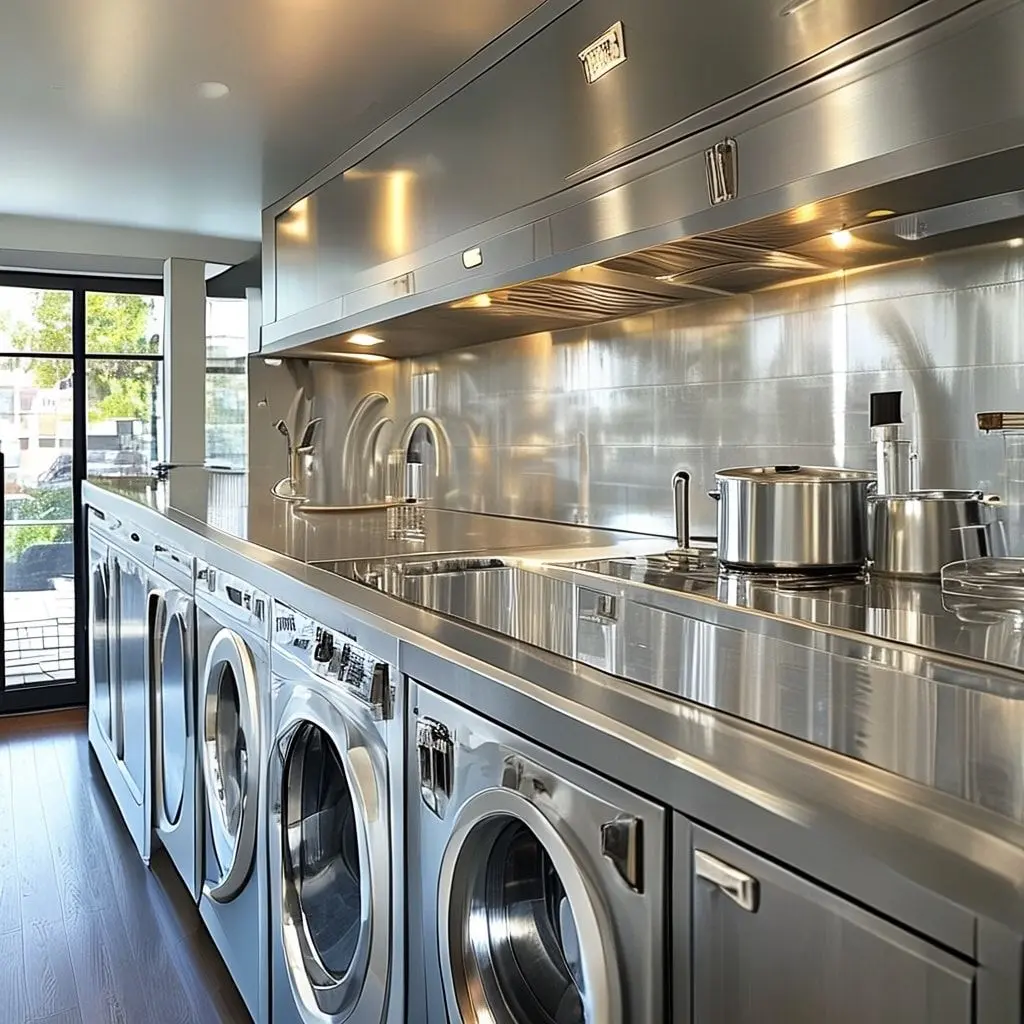
The material coordinates beautifully with modern appliances, creating a cohesive aesthetic that feels intentionally designed rather than haphazardly assembled. Stainless steel works particularly well when your washer and dryer feature stainless exteriors, establishing visual continuity throughout the space. Pairing steel countertops with white or gray cabinetry creates a crisp, contemporary palette.
Homeowners should understand that stainless steel shows scratches and dents more readily than some alternatives, developing a patina that some find appealing and others consider wear. Professional fabrication typically becomes necessary, as achieving clean edges and proper support requires specialized equipment and expertise. The material also tends toward the higher end of the price spectrum.
Concrete Countertops for Custom Character
Concrete countertops have emerged as a trendy choice offering unparalleled customization potential and an urban, industrial aesthetic. This material allows for complete personalization in terms of color, texture, edge profiles, and embedded decorative elements. You can tint concrete to virtually any hue, from soft neutrals to bold statement colors, or leave it natural for an authentic industrial look.
The installation process involves building forms to desired dimensions, mixing and pouring concrete, allowing curing time, and finishing the surface through grinding, polishing, or applying sealers. While this represents a more involved DIY project compared to installing pre-made countertops, it rewards effort with a completely unique result tailored exactly to your space and preferences.
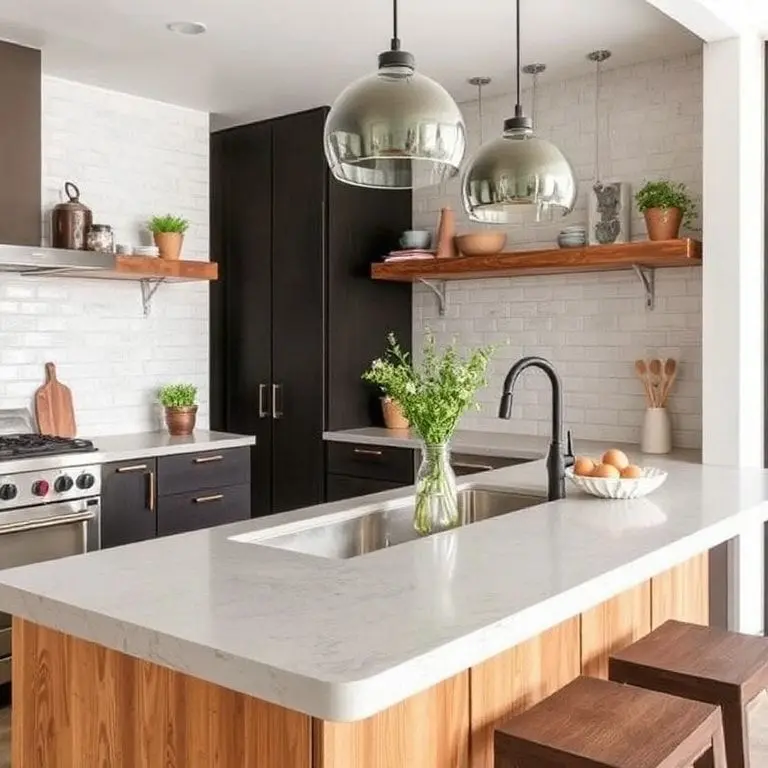
Properly sealed concrete resists staining and moisture while offering excellent durability. The material withstands heat well and develops character over time as minor imperfections and variations create a lived-in patina. Concrete’s mass provides a substantial, permanent feeling that communicates quality and intentionality in design.
Regular maintenance involves resealing every one to two years to maintain moisture resistance and prevent staining. While more demanding than some alternatives, this maintenance preserves your investment and keeps the countertop looking its best. Concrete works especially well in contemporary, industrial, or eclectic design schemes where its raw, authentic character becomes a featured element.
Floating Countertop Designs
Floating countertops create visual lightness and maintain accessible space beneath for laundry baskets, storage bins, or cleaning supplies. This installation method uses concealed mounting systems, typically cleats attached to wall studs, to support the countertop without visible legs or cabinets underneath. The resulting appearance feels modern and uncluttered while maximizing usable floor space.
Installation requires careful planning and proper structural support. Cleats must be securely fastened to wall studs, and the countertop material needs sufficient strength to span the distance between support points without sagging. Plywood substrates often underlie decorative surface materials, providing necessary rigidity and strength. Professional assistance may benefit homeowners uncertain about structural requirements.
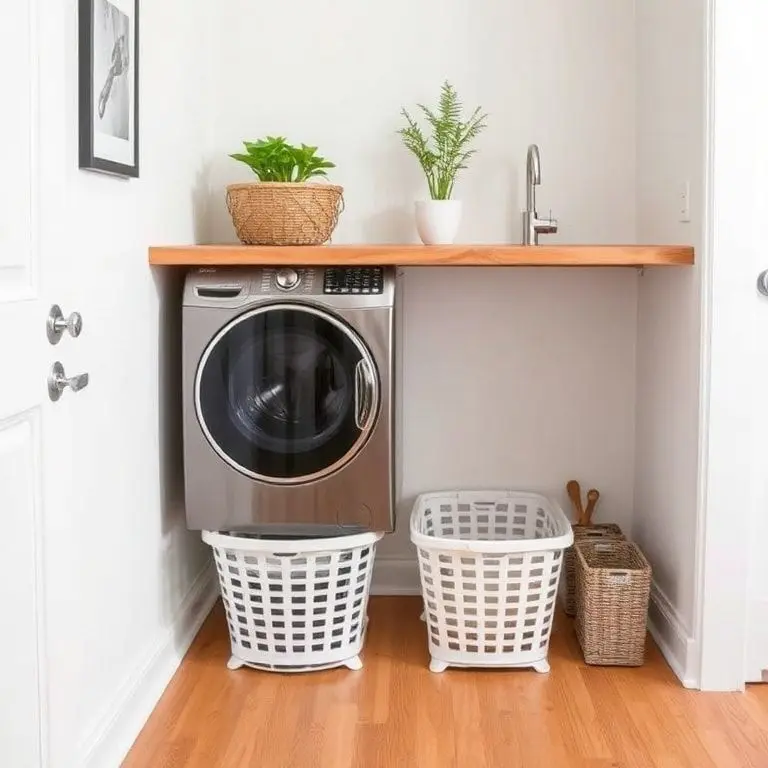
Material choices for floating countertops include butcher block, laminate-covered plywood, or lightweight stone alternatives. The key consideration involves balancing aesthetic desires with structural limitations, as heavier materials like granite require more substantial support systems. Some installations incorporate additional support in the form of decorative brackets or legs that maintain the floating appearance while providing extra stability.
The space beneath floating countertops becomes incredibly versatile. Many homeowners position laundry baskets here for easy access when loading and unloading machines. Others use the area for decorative storage baskets, cleaning supply caddies, or even pet feeding stations. This flexibility makes floating countertops particularly appealing in multipurpose spaces.
Hinged and Fold-Down Countertop Options
Hinged countertops offer clever solutions for spaces where permanent surfaces would interfere with washer and dryer maintenance or room traffic flow. These ingenious designs mount to walls with heavy-duty hinges, allowing the countertop to fold down when needed for laundry tasks and fold up when not in use. This versatility proves particularly valuable in tight quarters or multi-function rooms.
Installation involves securely mounting a sturdy hinge system to wall studs and ensuring the countertop material can withstand repeated folding cycles without warping or cracking. Support chains or cables often limit the downward swing, preventing the surface from falling too quickly and ensuring it remains level when deployed. Careful measurement ensures the folded position provides adequate clearance for appliances underneath.
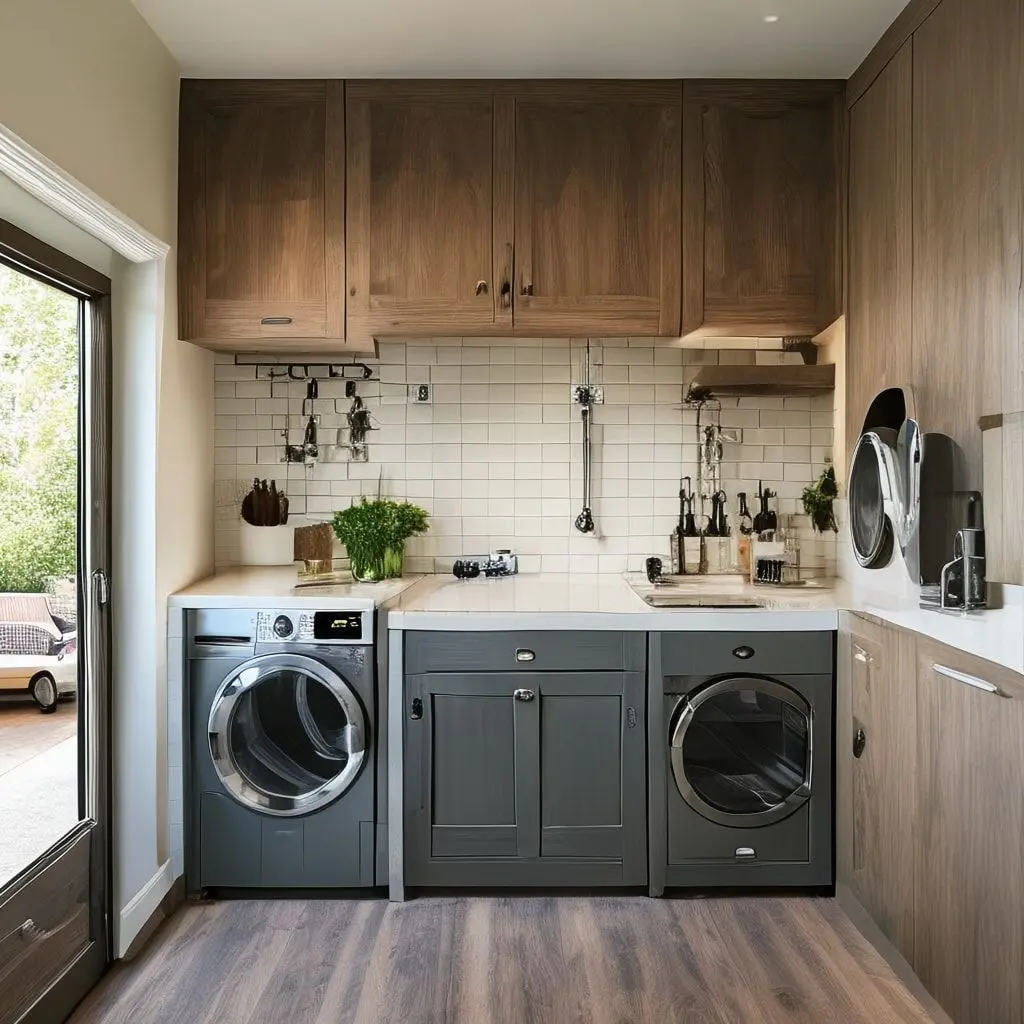
Hinged designs can conceal plumbing hookups, electrical outlets, or storage areas when raised, creating a cleaner appearance when the laundry room isn’t in active use. This concealment particularly appeals to homeowners with laundry areas visible from main living spaces or those who prefer minimalist aesthetics. The fold-up position can be treated as a design feature itself, perhaps painted in an accent color or decorated with wallpaper.
Material selection for hinged countertops typically favors lighter options like plywood with laminate covering or thin butcher block. Heavy materials like thick granite would require industrial-strength hinges and become cumbersome to operate regularly. The convenience of a hinged design relies on easy operation, so keeping weight manageable remains important.
Integrated Island and Peninsula Configurations
Laundry room islands and peninsulas extend workspace beyond simple countertops positioned directly over appliances. These freestanding or partially attached structures provide additional surface area while incorporating storage capabilities through drawers, cabinets, or open shelving. Islands work in larger laundry rooms with sufficient floor space, while peninsulas attach to walls or existing cabinetry.
These configurations create multiple work zones within the laundry room. You might use the island top for folding clothes while reserving countertop space over appliances for sorting and staging loads. The added workspace proves especially valuable during busy laundry days or when multiple family members tackle household tasks simultaneously. Some homeowners use their laundry island for multiple purposes, from gift wrapping to craft projects.
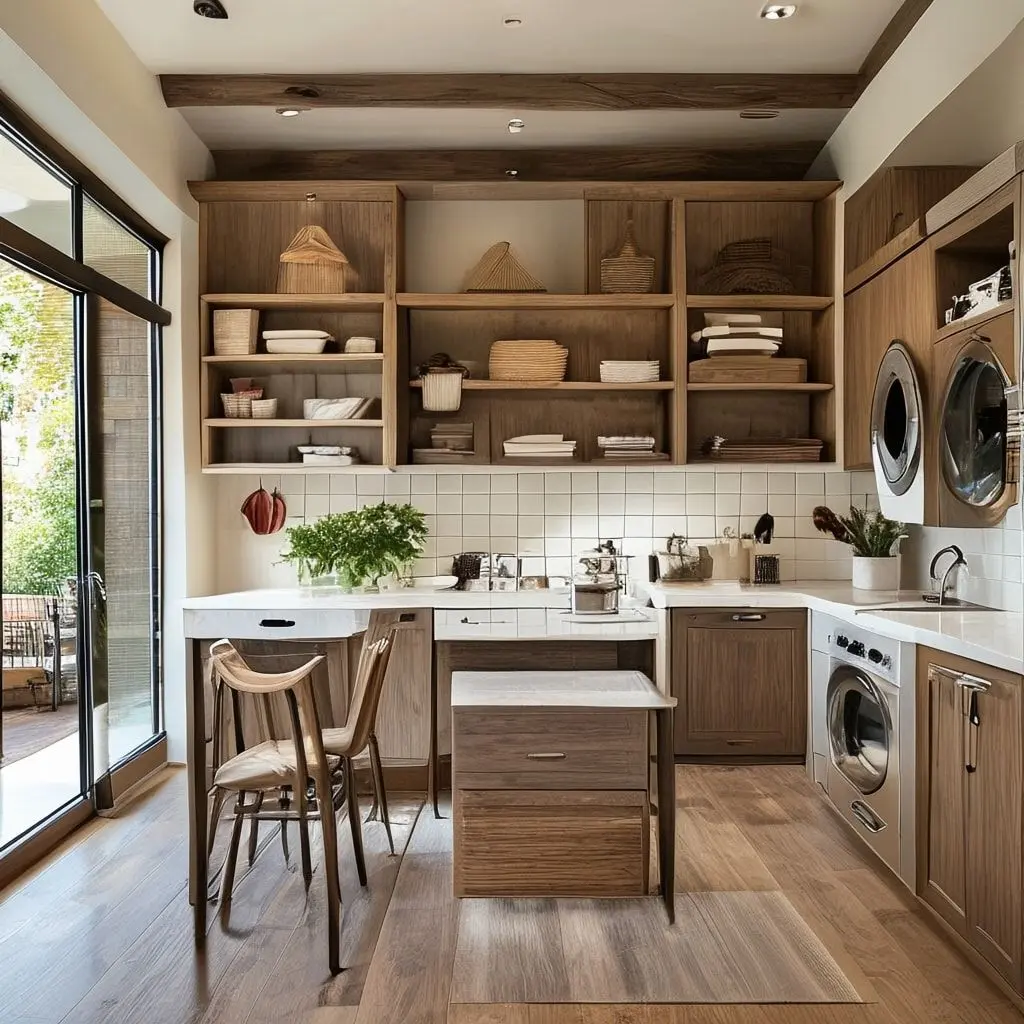
Storage integration distinguishes islands and peninsulas from simple countertops. Base cabinets can house laundry supplies, cleaning products, or household items, keeping them organized and accessible. Open shelving displays decorative baskets or stores frequently used items within easy reach. Some designs incorporate specialty storage like hampers or pull-out drying racks.
Material choices for island tops follow the same considerations as other countertops, with durability and maintenance requirements guiding decisions. However, islands offer opportunities for mixing materials, perhaps using butcher block on the island while coordinating quartz appears elsewhere in the room. This material variation adds visual interest and allows you to splurge on premium materials for smaller surface areas.
Narrow Countertops for Compact Spaces
Small laundry rooms and closets benefit from narrow countertop installations that maximize utility without overwhelming limited square footage. These space-saving solutions typically measure twelve to eighteen inches deep, providing sufficient workspace for essential tasks while maintaining comfortable clearance for movement and appliance operation. Narrow countertops can run the entire length of a wall, creating surprisingly generous surface area despite their modest depth.
Installation of narrow countertops follows similar principles to standard-depth versions but allows greater flexibility in tight quarters. The reduced depth means lighter weight and less structural support required, potentially simplifying the project for DIY enthusiasts. Materials like butcher block or laminate-covered plywood work particularly well for narrow applications, offering easy customization to exact dimensions.
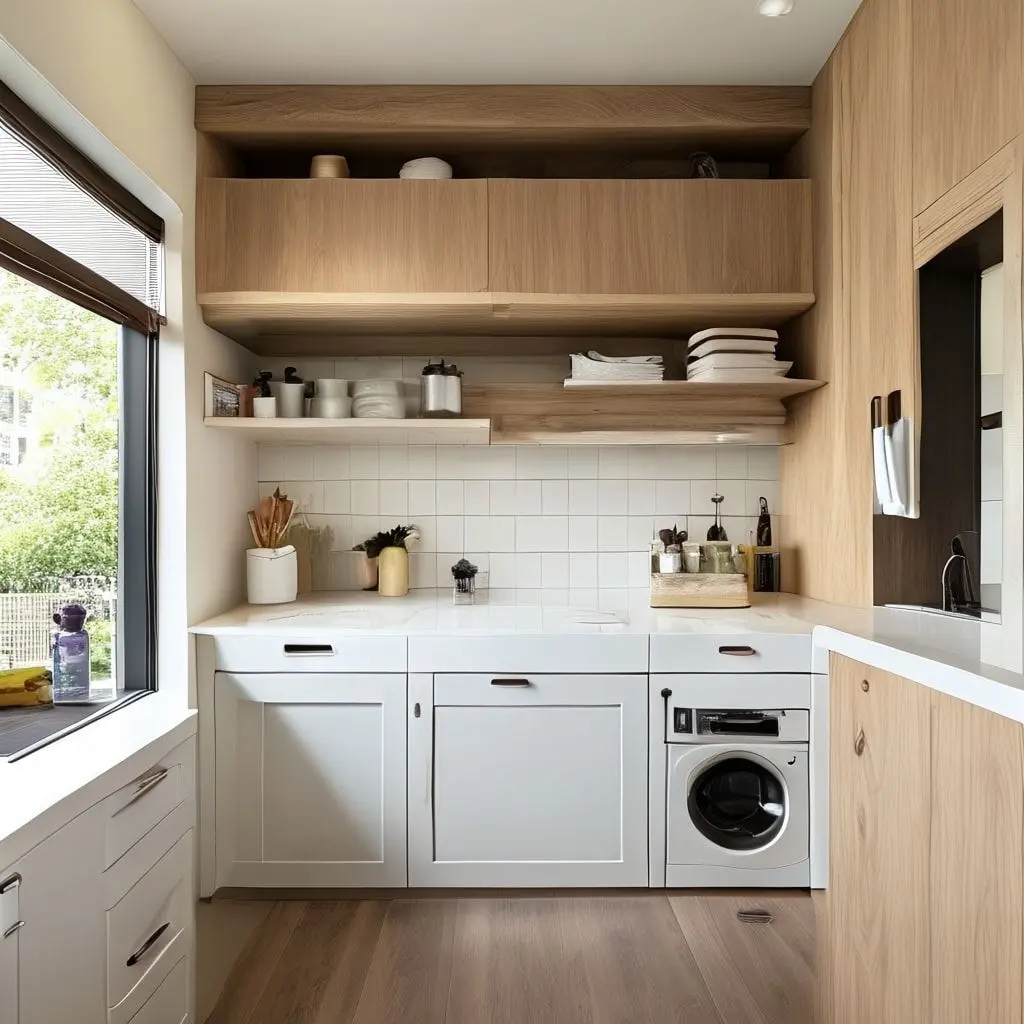
Design-wise, narrow countertops benefit from lighter colors that prevent the space from feeling cramped or claustrophobic. White, light gray, or natural wood tones maintain an open, airy feeling while providing practical workspace. Installing the countertop at a comfortable height prevents awkward bending during folding tasks and creates a more ergonomic laundry experience.
These compact countertops often inspire creative storage solutions above and below. Floating shelves mounted above provide spots for detergent and supplies, while the space beneath accommodates slim rolling carts or narrow baskets. This vertical approach to organization helps small laundry areas punch above their weight in terms of functionality.
Built-In Cabinetry with Continuous Countertops
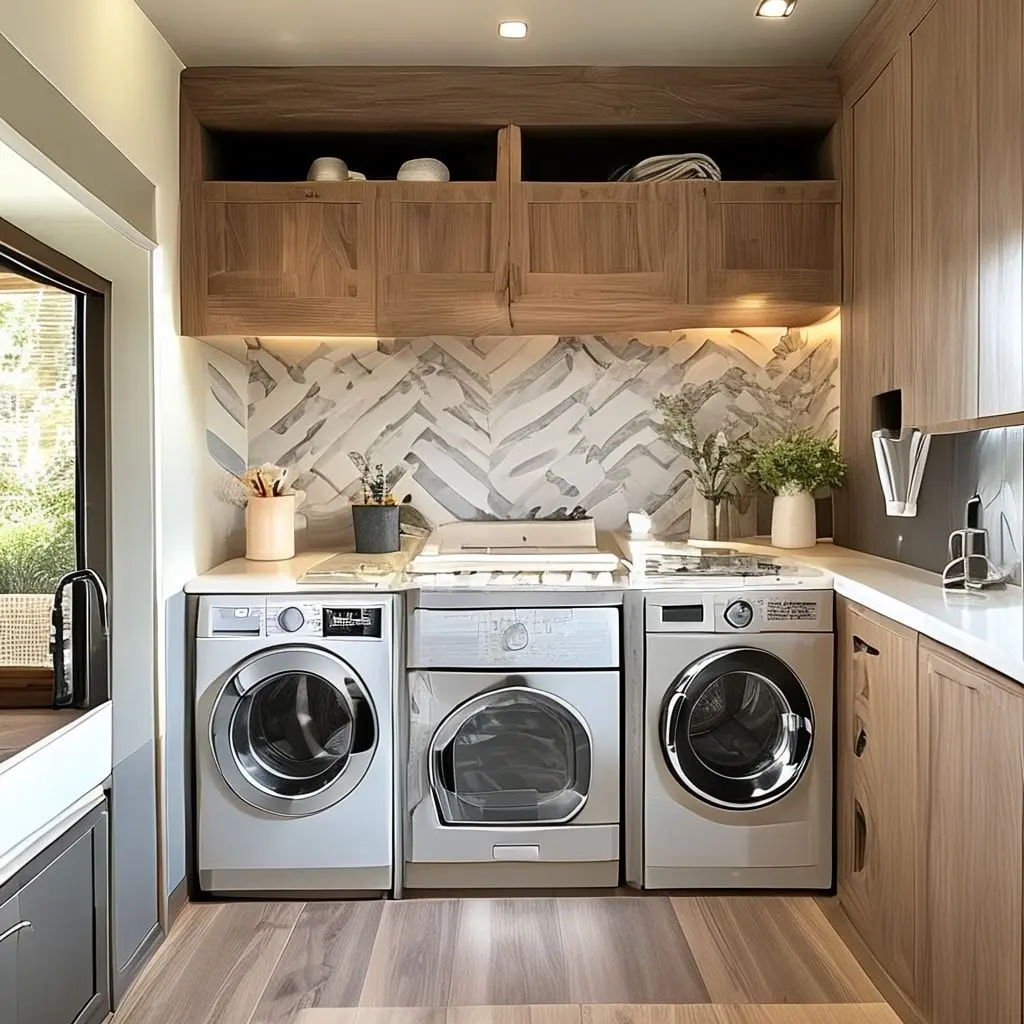
Integrating cabinetry with continuous countertops creates a polished, professional appearance reminiscent of well-designed kitchens. This approach treats the laundry room as a complete space worthy of thoughtful design investment. Base cabinets provide abundant storage while the unbroken countertop surface offers maximum workspace and visual cohesion. Upper cabinets can be added for additional storage, creating a fully enclosed look.
The continuous countertop typically spans from wall to wall, covering not just the washer and dryer but adjacent cabinetry as well. This unified surface eliminates visual breaks and creates a streamlined appearance. Material choices become particularly important here, as the countertop serves as a major design element. Selecting a material that coordinates with cabinet colors and finishes ensures harmony throughout the space.
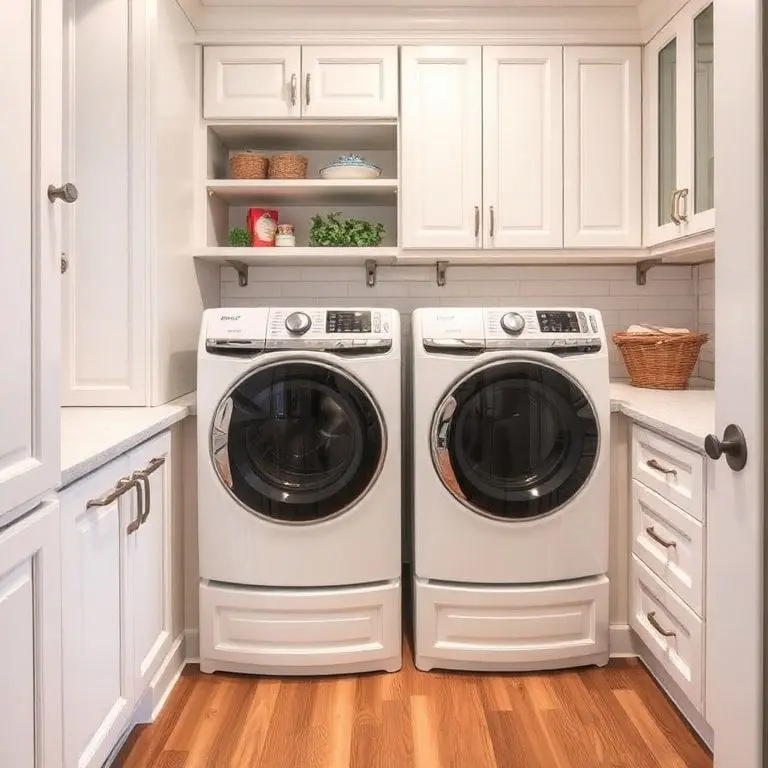
Installation complexity increases with built-in cabinetry systems, often requiring professional assistance to ensure proper leveling, secure mounting, and precise countertop fabrication. However, the finished result delivers unmatched functionality and aesthetic appeal. The investment pays dividends through improved organization, increased storage capacity, and enhanced home value.
These systems allow for complete customization based on your specific needs. Include deep drawers for bulky items, pull-out hampers for sorting, narrow cabinets for ironing boards, or any combination that supports your laundry routine. The continuous countertop ties these elements together visually while providing generous workspace for whatever tasks your household requires.
Waterfall Edge and Statement Designs
Waterfall edge countertops make dramatic design statements by extending the surface material down the sides of cabinetry or appliances, creating a continuous flow from top to vertical edge. This contemporary design element typically appears in modern or transitional spaces where clean lines and bold gestures take center stage. The waterfall effect draws the eye and establishes the countertop as a focal point rather than a purely functional element.
Material selection significantly impacts waterfall designs, as the vertical drop showcases the countertop material prominently. Quartz with striking veining patterns, book-matched stone slabs, or wood with distinctive grain patterns all create stunning waterfall edges. The key involves selecting material where the edge view proves as attractive as the top surface, ensuring visual appeal from multiple angles.
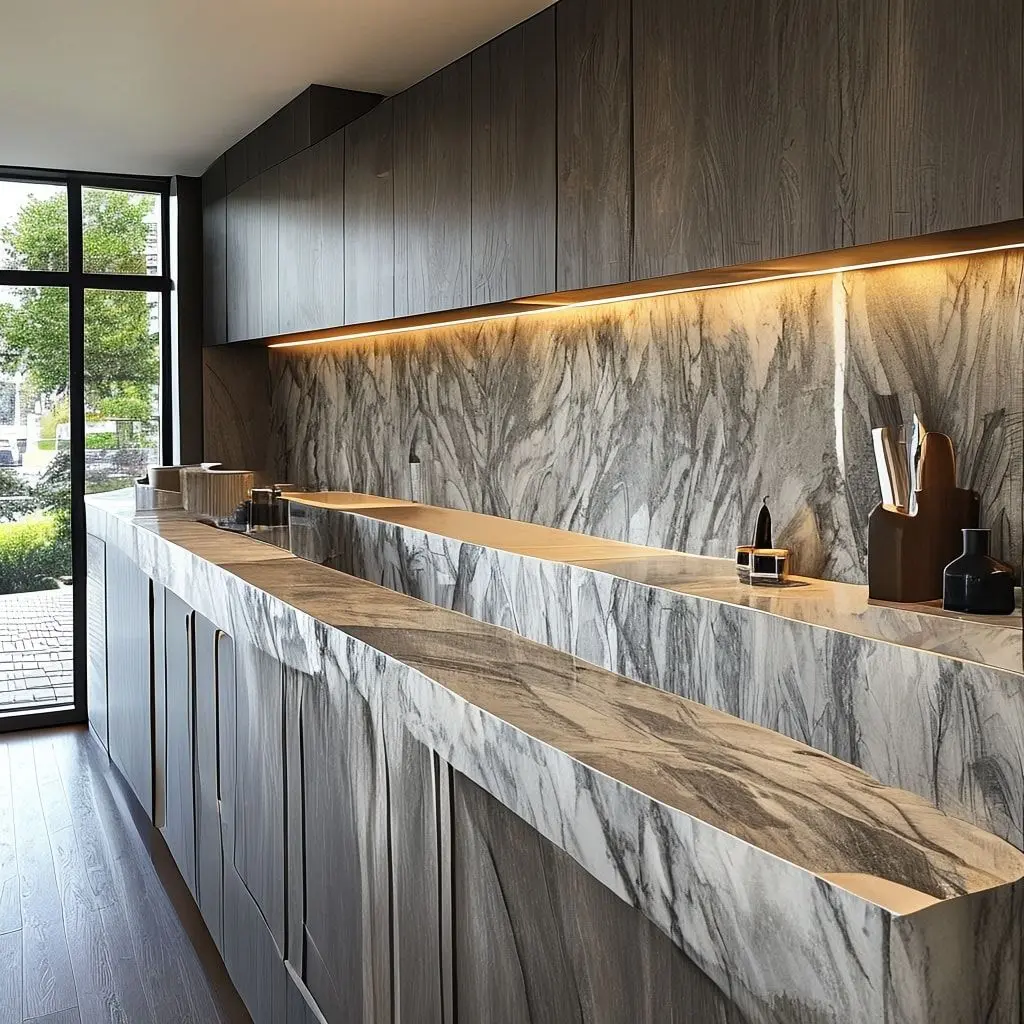
Installation requires professional expertise, as achieving seamless corners and properly supporting the vertical portions demands specialized skills and equipment. The additional material and labor involved increase project costs compared to standard countertop installations. However, for homeowners prioritizing design impact, waterfall edges deliver maximum visual return on investment.
These statement designs work particularly well in open-concept homes where laundry areas remain visible from main living spaces. Rather than hiding the laundry room, waterfall countertops celebrate it as a thoughtfully designed space worthy of attention. The bold aesthetic also photographs beautifully, a consideration for homeowners concerned about resale appeal.
Mixed Material Combinations
Combining different materials within a single laundry room creates visual interest and allows you to leverage the strengths of various options. You might install quartz countertops for their durability and low maintenance while incorporating a butcher block section specifically for folding delicate items, as the wood’s slight give prevents fabric damage. This thoughtful approach tailors the workspace to different tasks while adding design dimension.
Material transitions should occur at logical points, such as where countertops meet appliances or at inside corners. Clean transitions maintain a professional appearance and prevent the combination from appearing haphazard. Consider using contrasting materials that complement rather than clash, perhaps pairing cool-toned quartz with warm wood or combining neutral laminate with a statement stone section.
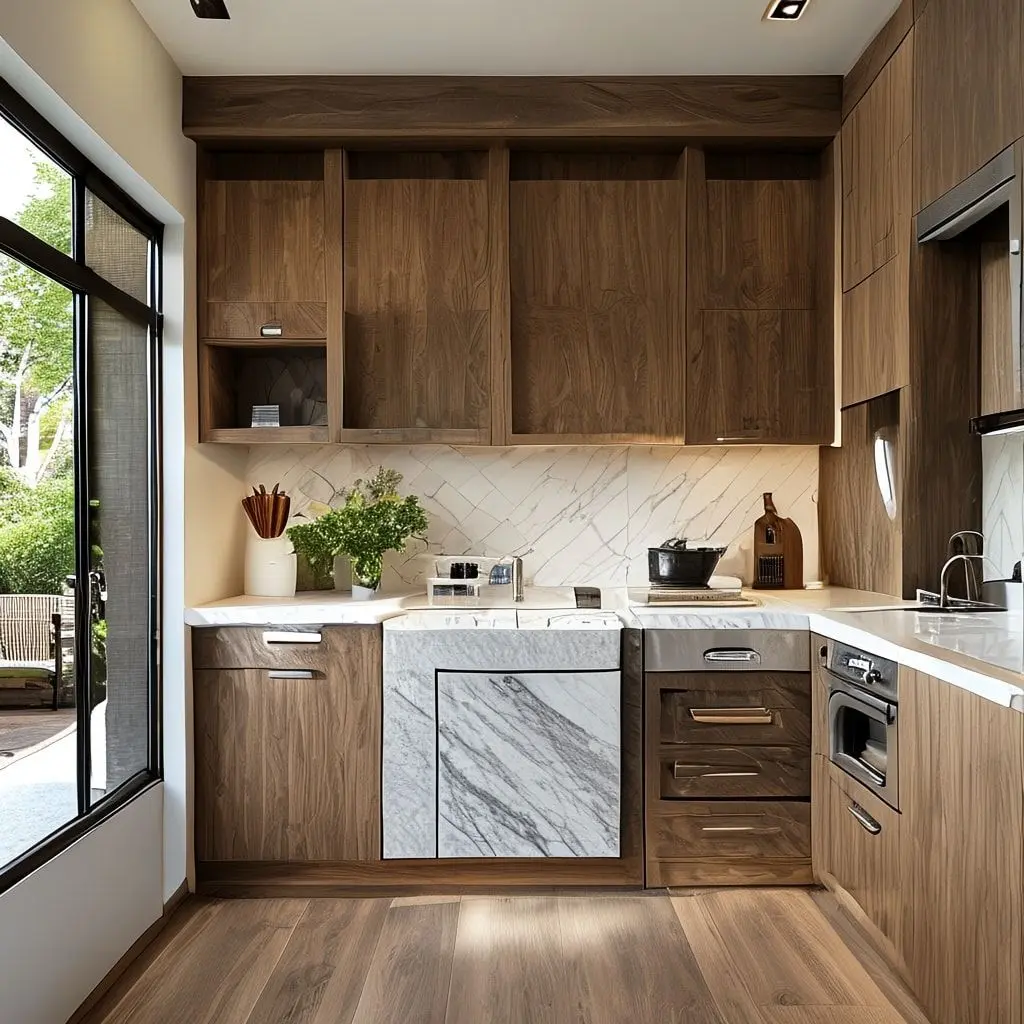
Mixed materials allow budget flexibility as well. Splurge on a smaller section of premium marble or quartz where it will make the biggest visual impact, perhaps at an entry point or around a sink. Use more economical materials like laminate in less prominent areas. This strategic approach maximizes design impact while controlling overall expenses.
The combination approach extends to coordinating countertops with other laundry room elements. Match countertop materials to flooring, backsplashes, or cabinet finishes to create visual connections throughout the space. These intentional relationships demonstrate design sophistication and create a cohesive environment that feels professionally conceived rather than randomly assembled.
Backsplash Integration and Design Cohesion
Integrating backsplashes with your washer and dryer countertop completes the space visually while providing practical protection against water splashes and detergent spills. The backsplash area offers opportunities for personal expression through tile patterns, colors, and materials that complement your countertop choice. Subway tiles remain a classic option that suits various design styles from traditional to contemporary.
Full-height backsplashes extending from counter to ceiling maximize protection and create dramatic visual impact. This approach works particularly well behind sinks or in laundry rooms where upper cabinets don’t exist. Bold tile patterns or colors can transform the backsplash into a focal point that energizes the entire space. Alternatively, matching the backsplash material to your countertop creates seamless cohesion.
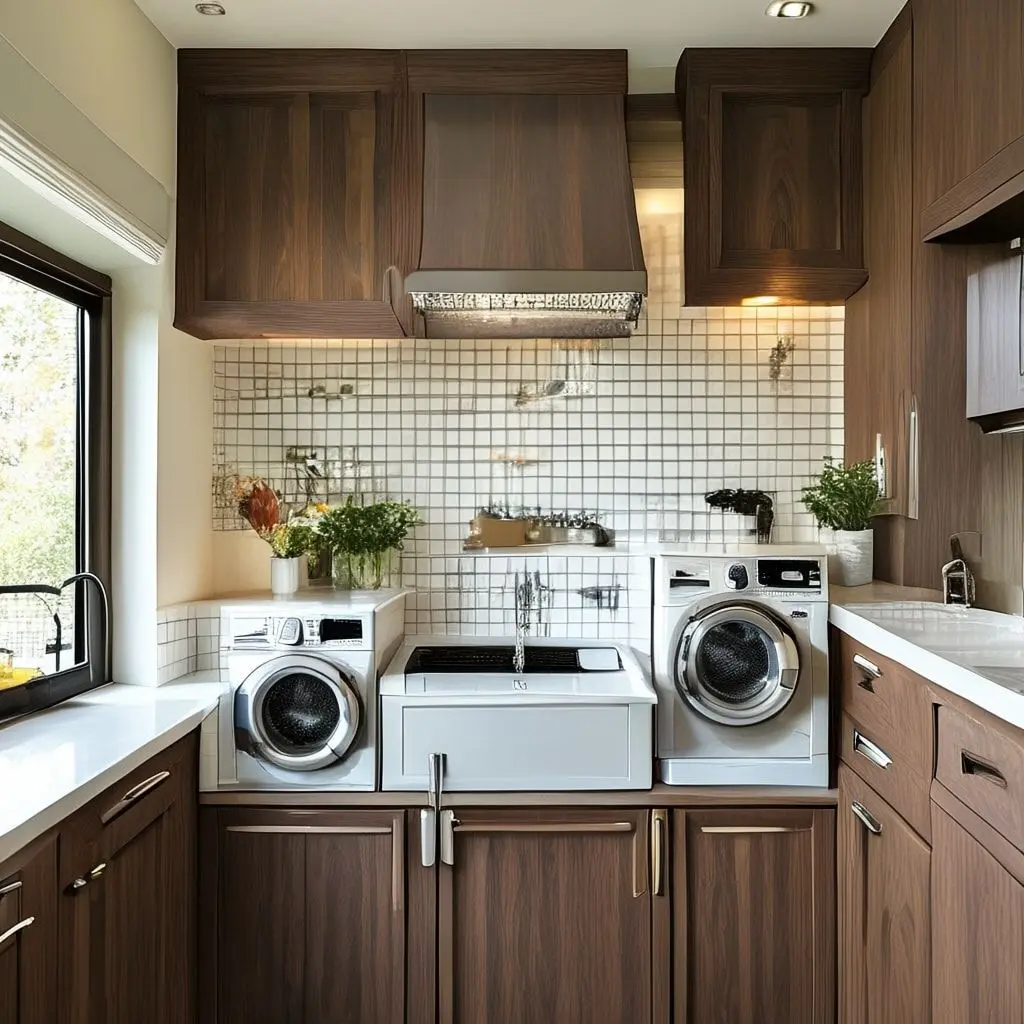
Installation of tile backsplashes represents an achievable DIY project for moderately skilled homeowners. The smaller scale compared to full countertop installation allows experimentation with patterns and materials without overwhelming project scope. Proper waterproofing behind the tile ensures longevity, especially in areas subject to moisture exposure.
Consider extending your countertop material up the wall as a backsplash for the ultimate in visual continuity. This works particularly well with quartz or solid surface materials that can be fabricated as integrated backsplashes without seams. The monolithic appearance conveys luxury and simplifies cleaning, as fewer seams and grout lines mean fewer places for dirt and moisture to accumulate.
Lighting Considerations for Countertop Areas
Proper lighting transforms laundry room countertops from merely functional surfaces to pleasant workspaces where tasks feel less tedious. Under-cabinet lighting mounted beneath upper cabinets illuminates countertop work surfaces directly, eliminating shadows that make detailed tasks like stain treatment or button repair difficult. LED strip lights offer energy-efficient, low-profile solutions that provide consistent illumination.
Pendant lights hung above islands or peninsulas add decorative appeal while delivering task lighting from overhead. Choose fixtures that complement your design style, whether industrial metal pendants for contemporary spaces or traditional glass fixtures for classic laundry rooms. Proper placement ensures light reaches work surfaces without creating glare or harsh shadows.
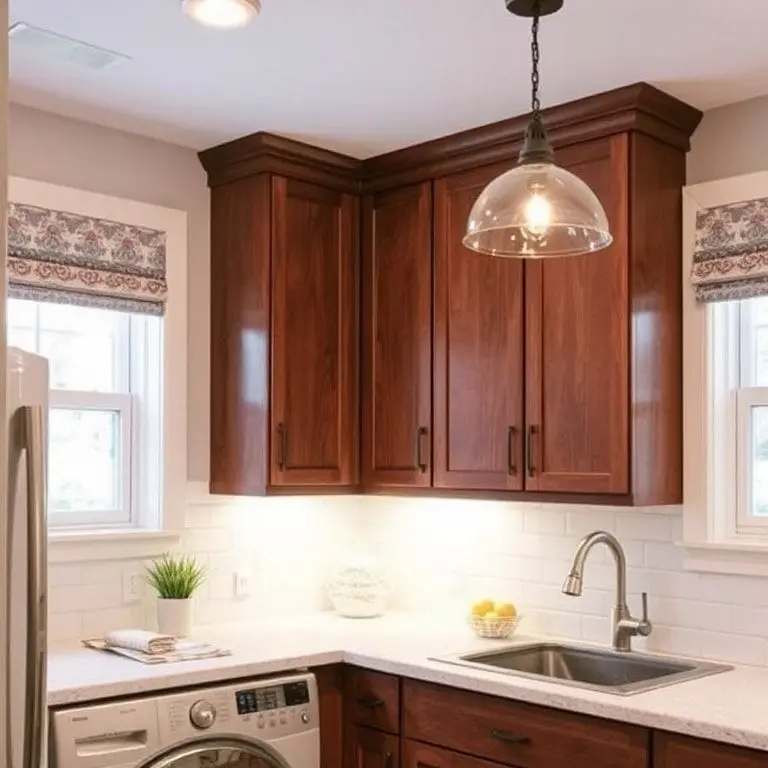
Natural light deserves consideration when planning countertop placement. Positioning countertops near windows maximizes daylight exposure, making laundry duties more pleasant and reducing reliance on artificial lighting during daytime hours. However, direct sunlight can fade fabrics and countertop materials over time, so window treatments that filter intense light protect your investment while maintaining brightness.
Layered lighting approaches combine ambient, task, and accent lighting to create flexible, functional illumination. Recessed ceiling lights provide overall brightness, task lighting focuses on work areas, and decorative fixtures add personality. Dimmer switches allow adjustment based on time of day and specific tasks, from bright light for detailed work to softer illumination during evening hours.
Maintenance and Longevity Strategies
Protecting your countertop investment requires appropriate maintenance tailored to your specific material. Wood and butcher block need regular oiling to maintain moisture resistance and prevent cracking. Food-grade mineral oil applied monthly keeps wood nourished and protected. Avoid harsh chemicals that can strip protective finishes or damage wood fibers.
Stone countertops, including granite and marble, require periodic sealing to maintain stain resistance. Test by sprinkling water droplets on the surface; if they bead up, the seal remains intact. If water absorbs into the stone, resealing becomes necessary. Use stone-specific cleaners that won’t etch or dull polished surfaces.
Quartz and laminate require minimal maintenance but benefit from consistent gentle cleaning. Avoid abrasive scrubbers that might scratch surfaces, and immediately wipe up spills to prevent staining, particularly with laminate. Hot pads protect both materials from heat damage when setting down items like steam irons.
Regular inspection catches problems early, before minor issues become major repairs. Check mounting brackets and support structures periodically to ensure stability. Address any water infiltration immediately to prevent damage to substrates and surrounding materials. These simple preventive measures extend countertop life and maintain appearance for years.
Conclusion
Washer and dryer countertops represent one of the smartest upgrades you can make to your laundry room, dramatically improving both functionality and aesthetics. From budget-conscious laminate solutions to luxurious marble installations, options exist for every design preference and financial situation. The key lies in thoughtfully evaluating your specific needs, space constraints, and style goals to select the approach that best serves your household.
Whether you choose a simple butcher block surface, an elaborate built-in cabinetry system with continuous quartz countertops, or an innovative hinged design that maximizes flexibility, the addition will transform your laundry experience. These surfaces provide dedicated workspace for folding, sorting, and treating clothes while contributing to a more organized, visually appealing environment.
The seventeen-plus ideas explored here demonstrate the remarkable versatility of laundry room countertops. Mixed materials allow creative expression and budget flexibility. Floating designs maintain open, airy feelings in compact spaces. Islands and peninsulas expand workspace and storage capacity. Statement waterfall edges transform utilitarian rooms into design showcases worthy of attention.
Ultimately, the perfect washer and dryer countertop balances practical considerations like durability and maintenance with aesthetic desires that make your laundry room a space you actually enjoy using. With proper planning, material selection, and installation, your countertop will serve reliably for decades while adding genuine value to your home and daily life.
Frequently Asked Questions
What is the best material for a laundry room countertop?
Quartz stands out as the best overall material due to its durability, stain resistance, and low maintenance requirements. It never needs sealing, resists detergent and bleach spills, and maintains its appearance for decades. However, butcher block offers an excellent budget-friendly alternative for those willing to perform regular maintenance, while laminate provides the most economical option for tight budgets.
How much does it cost to install a countertop over a washer and dryer?
Costs vary dramatically based on material choice and installation complexity. Laminate installations may cost between 200 to 500 dollars for materials and DIY installation. Butcher block typically ranges from 300 to 800 dollars. Premium options like quartz or granite run between 800 to 2000 dollars or more when including professional fabrication and installation. Custom designs with extensive cabinetry increase costs further.
Can I install a laundry room countertop myself?
Yes, particularly with materials like butcher block, laminate, or plywood covered with a decorative surface. The key requirements include accurate measurements, proper support structures mounted to wall studs, and basic carpentry skills. Stone materials like granite or quartz typically require professional installation due to their weight, specialized cutting needs, and precise fabrication requirements. Floating countertops represent manageable DIY projects for moderately skilled homeowners.
How do I support a countertop over my washer and dryer?
Support typically involves mounting cleats or brackets to wall studs at the appropriate height, usually leaving a few inches clearance above appliances. The countertop rests on these supports and gets secured with screws through the cleats from below. For spans over thirty-six inches or heavier materials, additional support posts or decorative brackets may be necessary. Proper stud attachment ensures stability and prevents sagging over time.
What countertop height works best for laundry rooms?
Standard countertop height of thirty-six inches above the floor works well for most people and coordinates with typical kitchen counter heights. However, measure your specific appliances and leave approximately three inches clearance above them, which may adjust the final height slightly. Consider your own height and comfort when determining the exact installation height, as you’ll spend considerable time working at this surface.