18+ Inspiring Rainwater Collection System Ideas
Water scarcity affects communities worldwide, and the cost of municipal water continues climbing year after year. For homeowners seeking sustainable solutions and reduced utility bills, rainwater collection systems offer a practical answer. These systems transform free falling rain into a valuable resource that can serve gardens, lawns, livestock, and with proper treatment, even household needs.
The beauty of rainwater harvesting lies in its scalability. Whether you live in a compact urban home or sprawl across rural acreage, there exists a system perfectly suited to your property, budget, and water requirements. From simple barrel installations that capture a few gallons to elaborate cistern networks storing thousands of gallons, the options accommodate every situation.
This comprehensive guide explores more than 18 inspiring rainwater collection system ideas, ranging from beginner-friendly projects to advanced installations. Each approach offers unique advantages, and understanding these options helps you make informed decisions about harvesting this precious resource falling freely from the sky.
Understanding Basic Rainwater Collection Principles
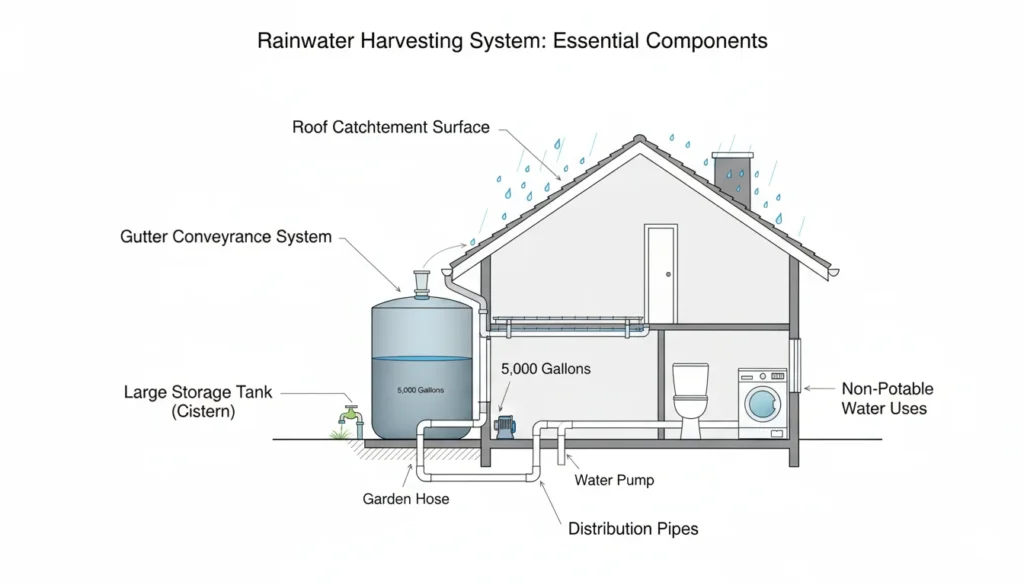
Before exploring specific system ideas, understanding fundamental collection principles ensures success. Every rainwater harvesting system contains four essential components: a catchment surface, conveyance system, storage container, and distribution method.
The catchment surface, typically a roof, channels rainfall into gutters. These gutters direct water through downspouts into storage containers. The larger your catchment area, the more water you can collect. A simple calculation reveals your collection potential: multiply your roof square footage by inches of rainfall, then multiply by 0.623 to determine gallons collected.
For example, a 1,500 square foot roof receiving 30 inches of annual rainfall can potentially harvest approximately 28,000 gallons yearly. This substantial volume demonstrates why even modest collection systems provide meaningful water savings.
Simple Rain Barrel Systems
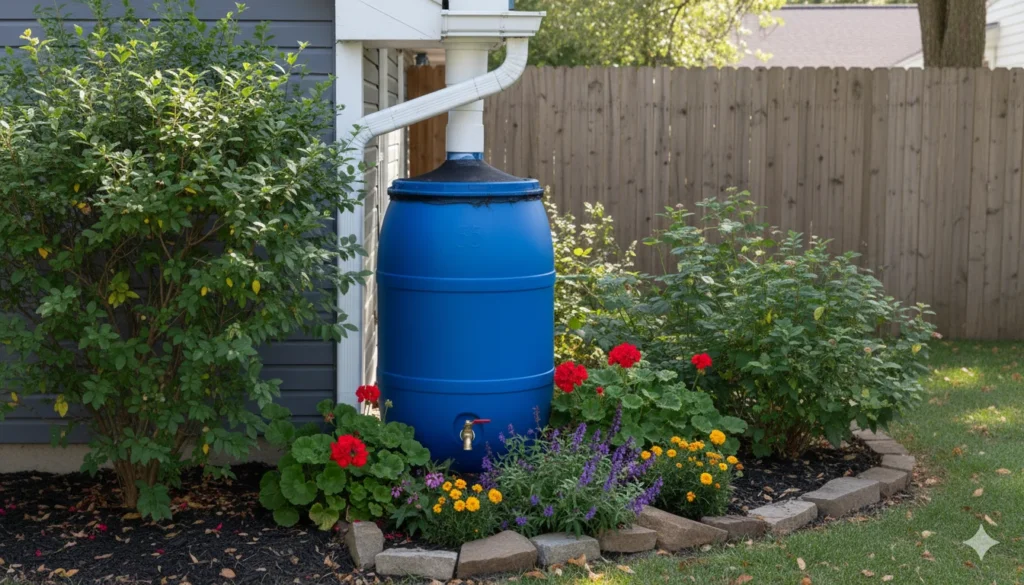
Rain barrels represent the most accessible entry point into rainwater harvesting. These straightforward systems typically use 55-gallon food-grade drums positioned beneath downspouts. The barrel collects water directly from the roof through existing gutter systems.
Basic rain barrels cost between 50 to 150 dollars and require minimal installation expertise. Most feature a spigot near the bottom for easy access and a screened top opening to prevent debris and mosquitoes from entering. An overflow valve redirects excess water away from foundations when the barrel reaches capacity.
Many homeowners personalize rain barrels with paint, creating attractive garden features rather than eyesores. Some paint barrels to match house trim, while others create artistic designs featuring plants, pollinators, or natural landscapes. A sealed clear coat protects the artwork from weather damage.
Linked Barrel Systems for Increased Capacity
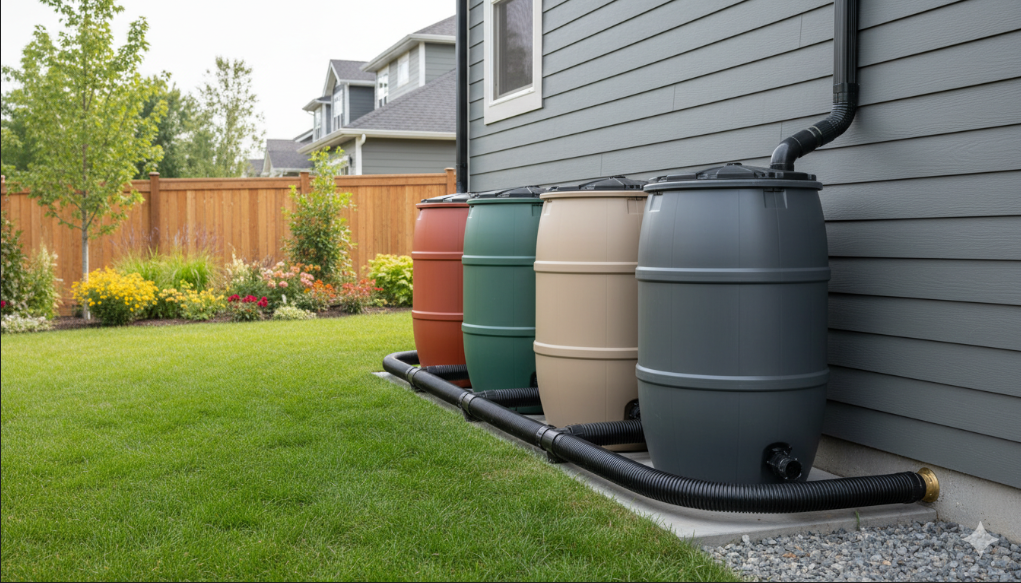
Single barrels fill quickly during heavy rainfall, leaving potential water unharvested. Linking multiple barrels together dramatically increases storage capacity while maintaining a compact footprint.
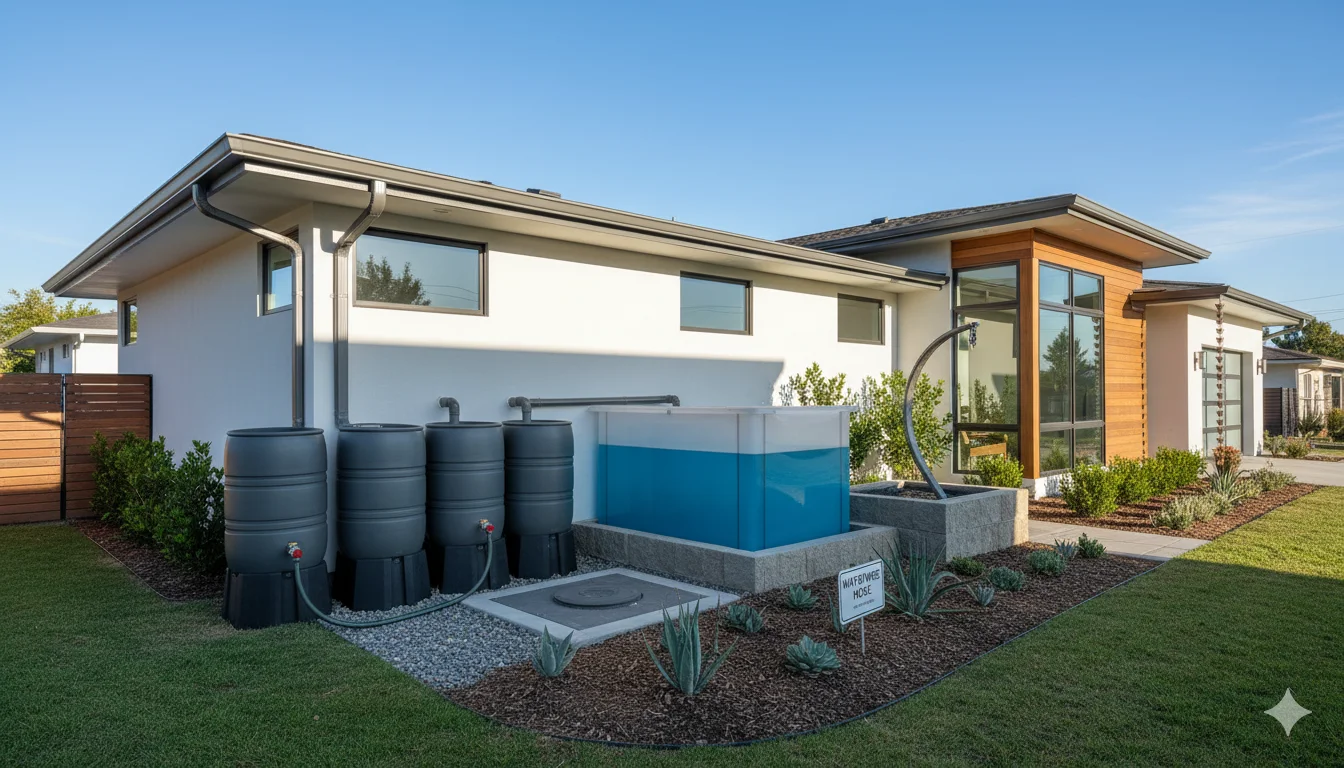
Connected barrel systems use flexible tubing or rigid piping to join containers at their base. This bottom connection ensures all barrels fill and drain simultaneously through hydrostatic pressure. The system fills evenly rather than overflowing one barrel into the next, maximizing efficiency.
Homeowners with limited space appreciate this vertical stacking approach. Four connected 55-gallon drums provide 220 gallons of storage while occupying minimal ground space. The modular nature allows easy expansion as water needs grow.
IBC Tote Rainwater Systems
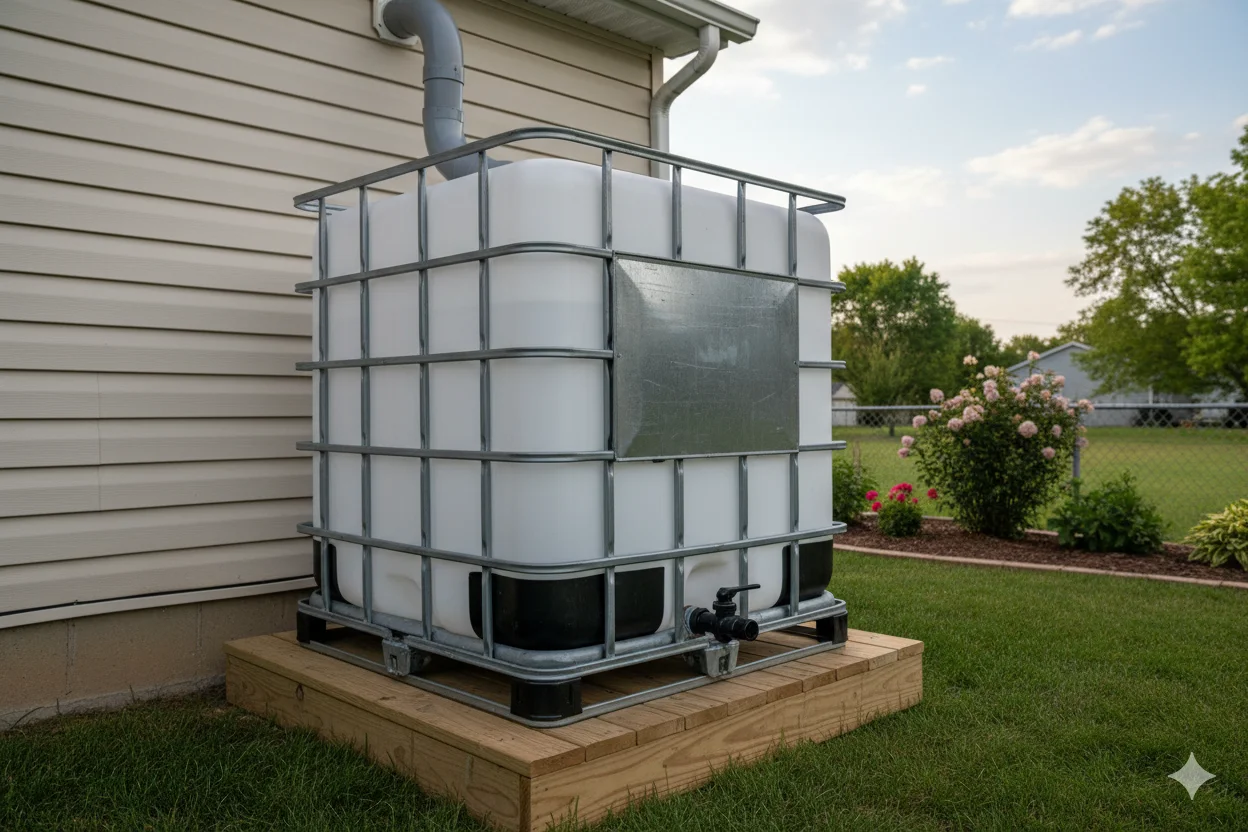
Intermediate Bulk Containers, commonly called IBC totes, offer substantial capacity in reasonably compact packages. These cube-shaped containers typically hold 275 to 330 gallons and originally transport food-grade liquids.
Repurposed IBC totes cost significantly less than purpose-built cisterns while providing professional-grade durability. The rigid metal cage surrounding the plastic bladder protects against damage and provides structural integrity. Most feature built-in valves simplifying distribution system connections.
When selecting used IBC totes, verify previous contents were food-grade and non-toxic. Thorough cleaning removes residual odors from products like fruit juices or vegetable oils. Many suppliers offer new food-grade totes for those preferring pristine containers.
Underground Cistern Systems
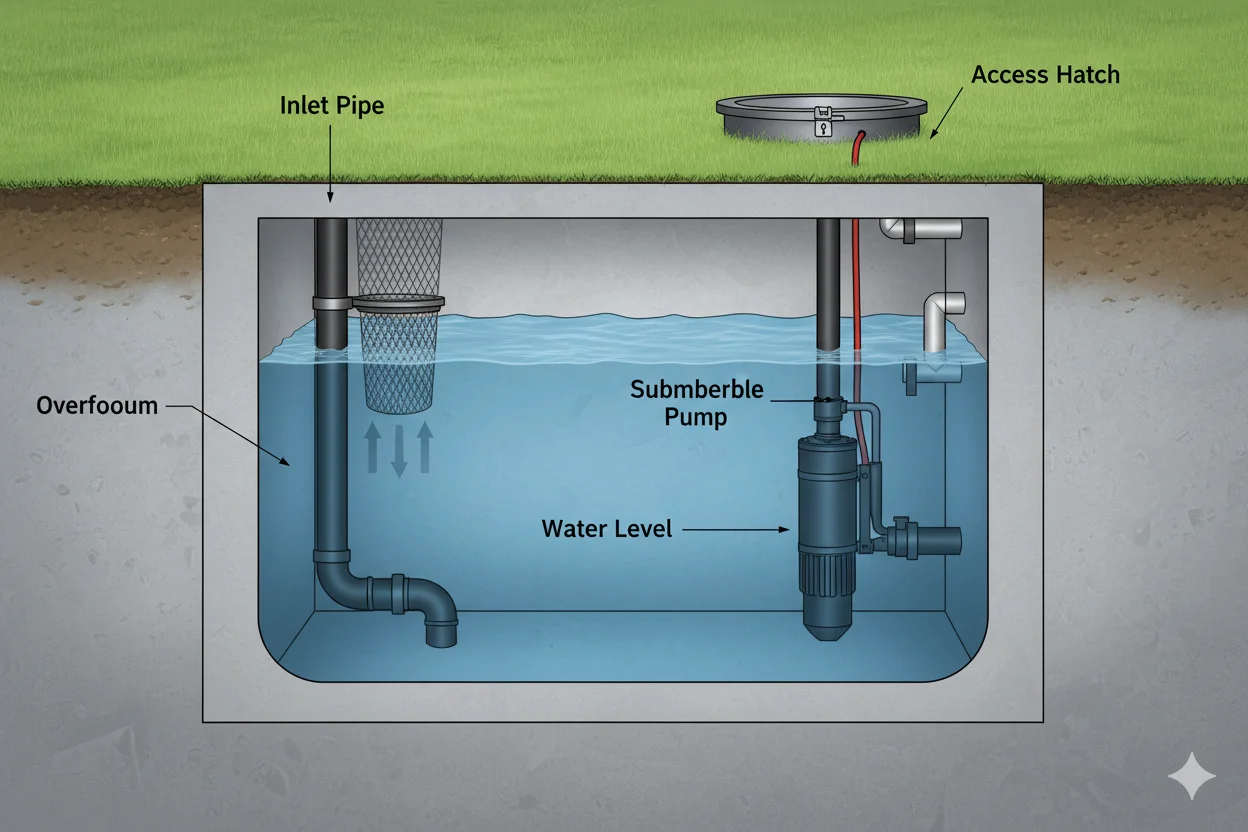
Underground cisterns provide enormous storage capacity without consuming valuable surface space or creating visual clutter. These permanent installations involve excavation and professional installation but reward property owners with thousands of gallons of readily available water.
Concrete cisterns last decades and maintain stable temperatures year-round. Fiberglass and polyethylene options cost less and install more easily while still providing excellent durability. Proper sizing prevents overflow during heavy rainfall while ensuring adequate supply during dry periods.
Underground placement protects water from temperature fluctuations, preventing freezing in winter and excessive heating in summer. This temperature stability inhibits algae growth and maintains better water quality compared to above-ground alternatives.
Above-Ground Cistern Networks
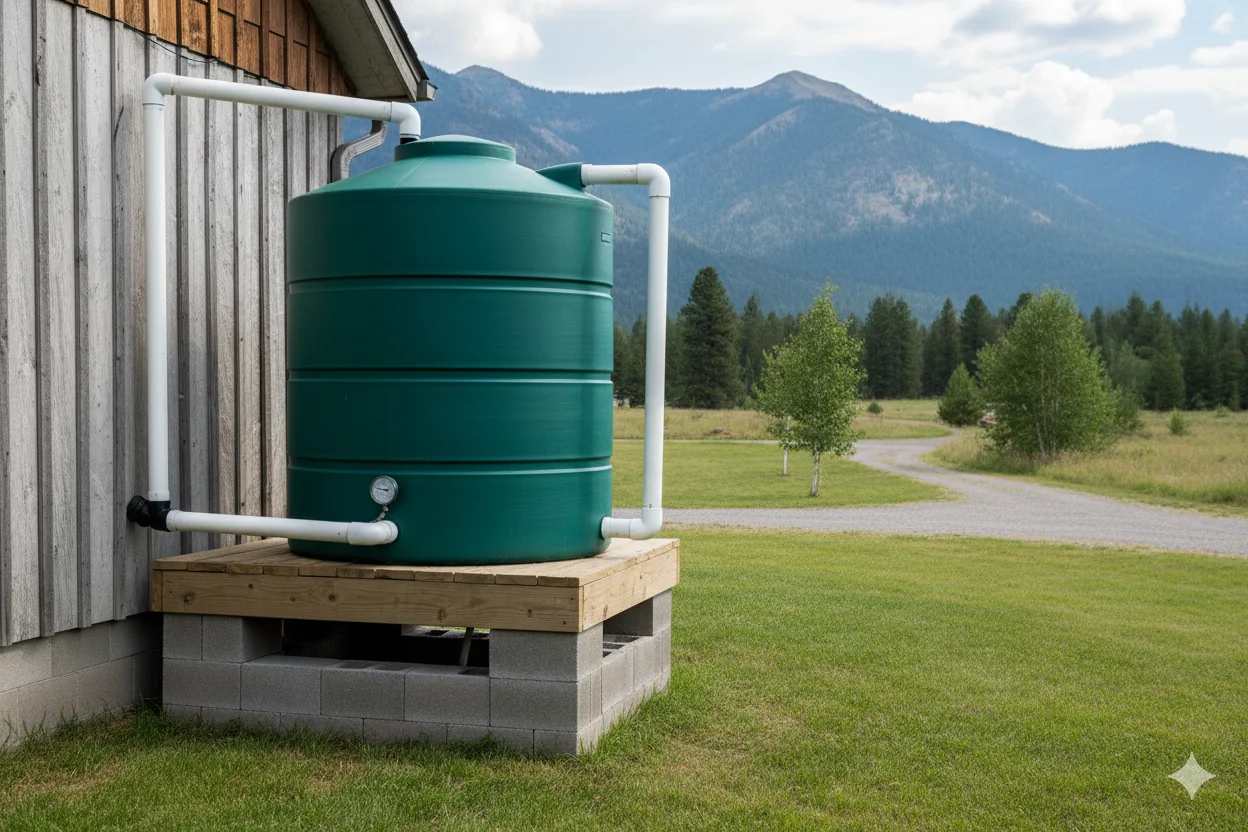
Large above-ground cisterns suit properties with space for visible water storage. These systems range from 500 to 10,000 gallons and use durable materials including polyethylene, fiberglass, and galvanized steel.
Modern cisterns come in various colors, allowing property owners to select options complementing existing structures. Green and tan colors help tanks blend with landscape surroundings, while darker colors minimize algae growth by blocking light penetration.
Positioning cisterns on elevated platforms enables gravity-fed distribution, eliminating pumping costs for nearby irrigation needs. The elevation provides natural water pressure for drip systems and soaker hoses throughout gardens and landscaped areas.
Rain Saucer Collection Systems
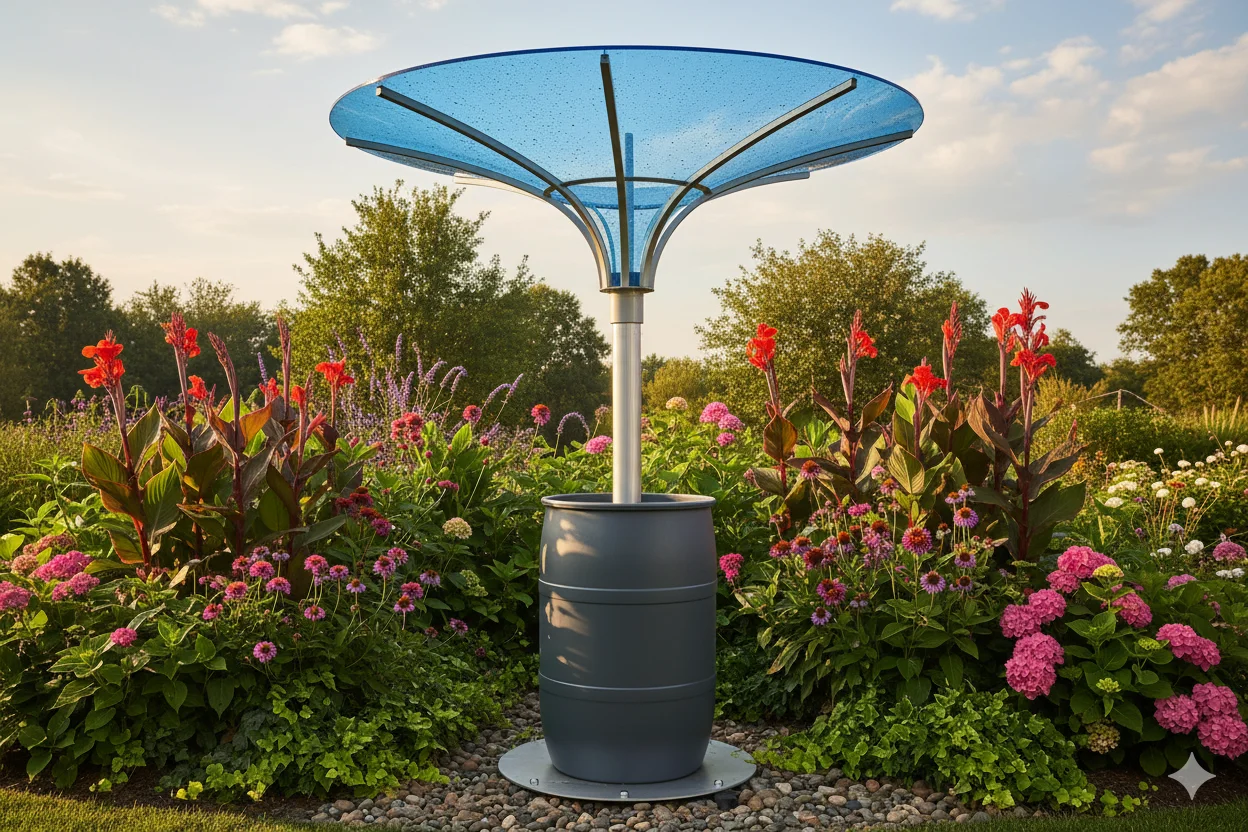
Rain saucers represent innovative roof-less collection devices resembling inverted umbrellas. These free-standing systems capture rainfall directly from the sky without connecting to roofs or gutters.
The umbrella-like canopy funnels water into a central collection point connected to storage containers. This direct collection minimizes contamination risks associated with roof surfaces, potentially producing cleaner water requiring less filtration.
Rain saucers work particularly well in locations lacking suitable roof access or when collecting water near gardens and greenhouses. Their portability allows seasonal repositioning to optimize collection based on rainfall patterns and usage locations.
Dry System Designs
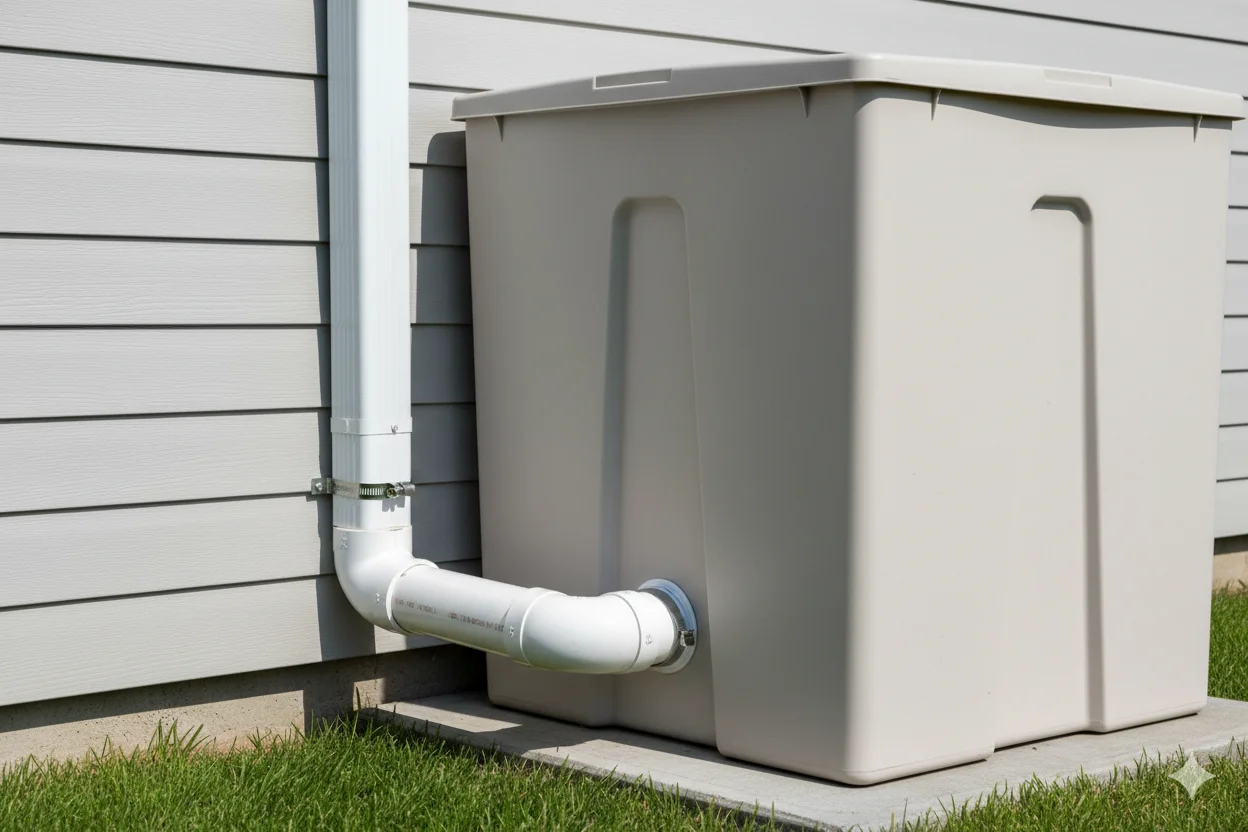
Dry systems feature piping that empties completely after each rainfall event. The storage tank sits adjacent to downspouts with short, direct connections minimizing standing water in pipes.
This design prevents water stagnation and mosquito breeding in conveyance piping. After rain stops, gravity drains all water from pipes into the storage tank. The system remains dry until the next rainfall, hence the name.
Dry systems offer excellent solutions for properties with tanks positioned near downspouts. The simplified plumbing reduces costs and maintenance compared to more complex wet systems requiring longer pipe runs.
Wet System Configurations
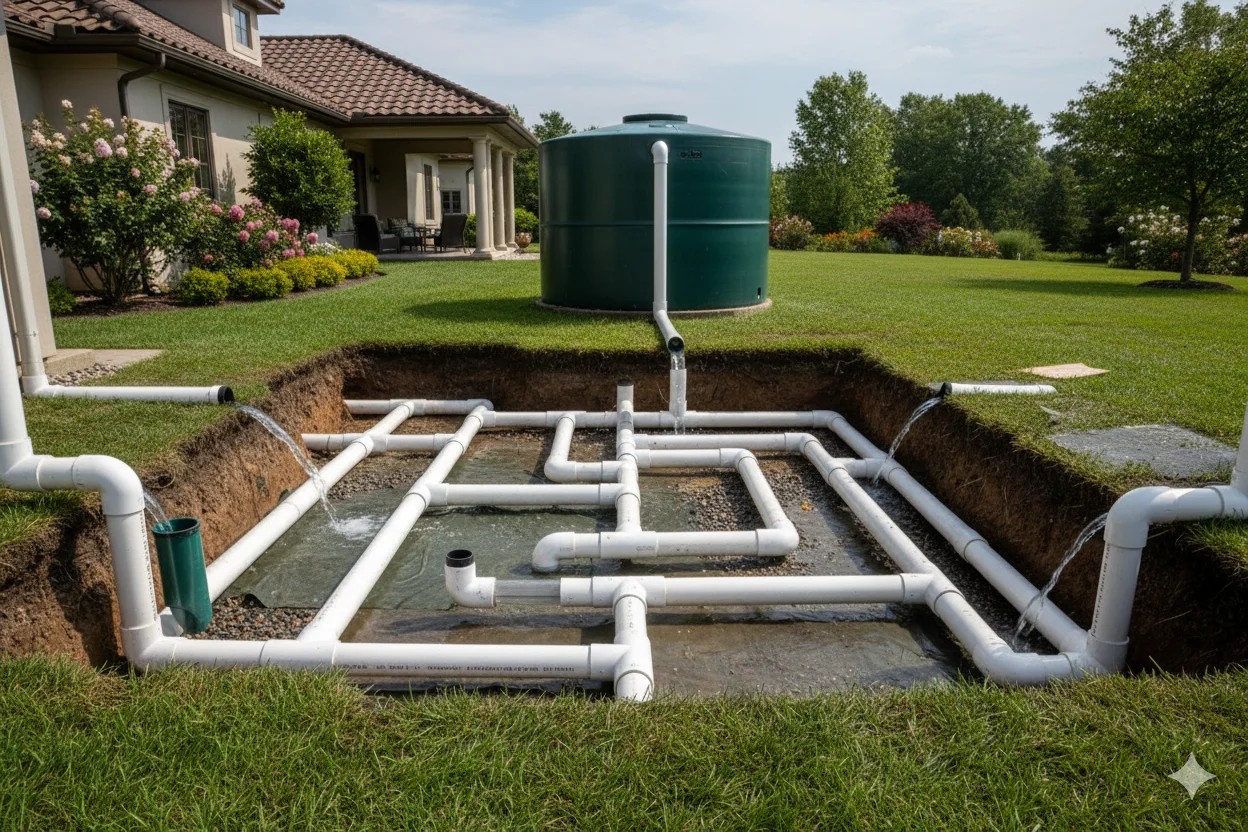
Wet systems maintain water in underground pipes connecting distant downspouts to centrally located storage tanks. All conveyance piping remains permanently filled with water.
These systems suit properties where optimal tank placement occurs far from downspouts. Multiple downspouts can feed into a network of underground pipes all draining into one large storage tank.
The buried piping network remains hidden from view, maintaining property aesthetics while collecting water from numerous roof areas. Proper installation ensures pipes slope correctly, preventing stagnation and directing all collected water efficiently to storage.
First Flush Diverter Systems
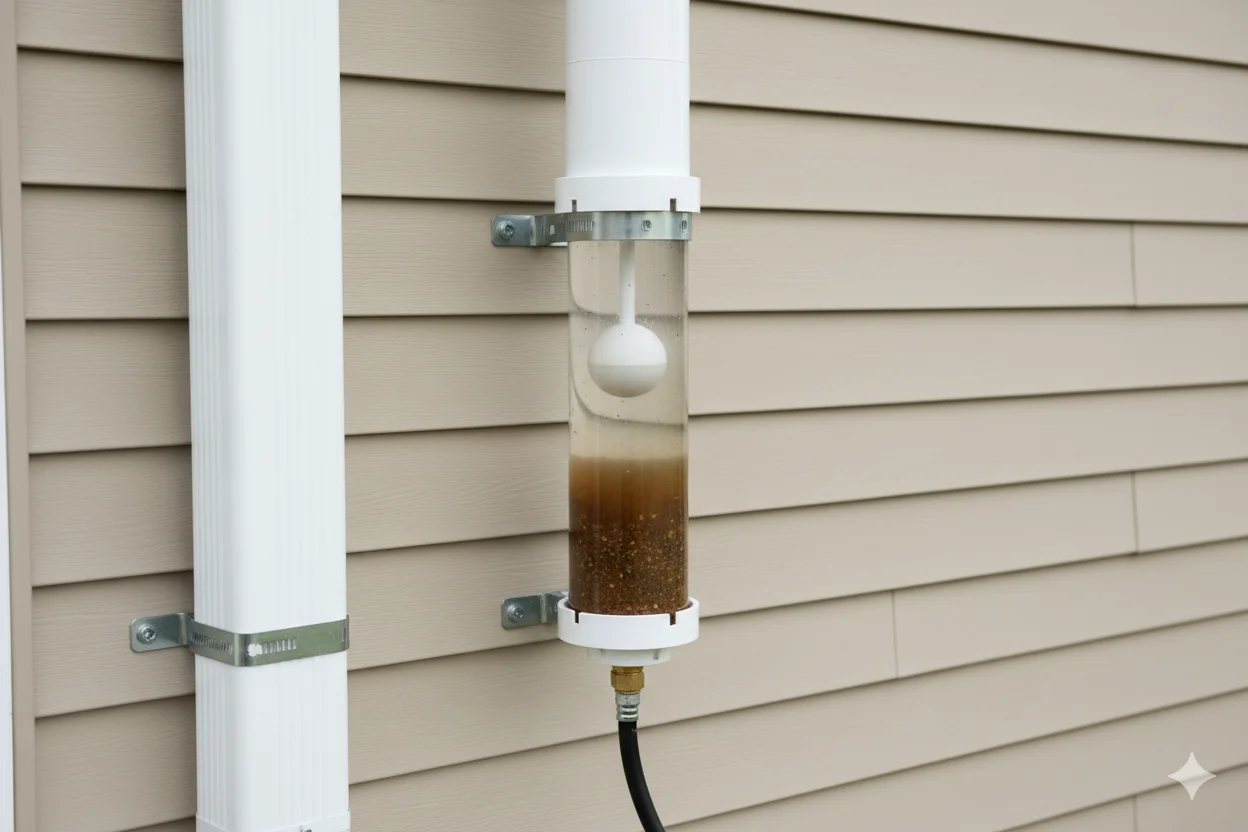
Water quality significantly improves when systems include first flush diverters. These devices automatically divert and discard initial rainfall, which contains the highest concentration of roof contaminants.
The first water flowing off roofs carries accumulated dust, bird droppings, leaves, and atmospheric pollutants. First flush diverters capture this dirty water in a separate chamber, allowing only cleaner subsequent rainfall into storage tanks.
Diverter capacity should match roof size, typically requiring one to two gallons of diversion per 100 square feet of collection area. After rainfall ends, a small valve slowly drains the diverter chamber, resetting it for the next storm.
Integrated Filtration Systems
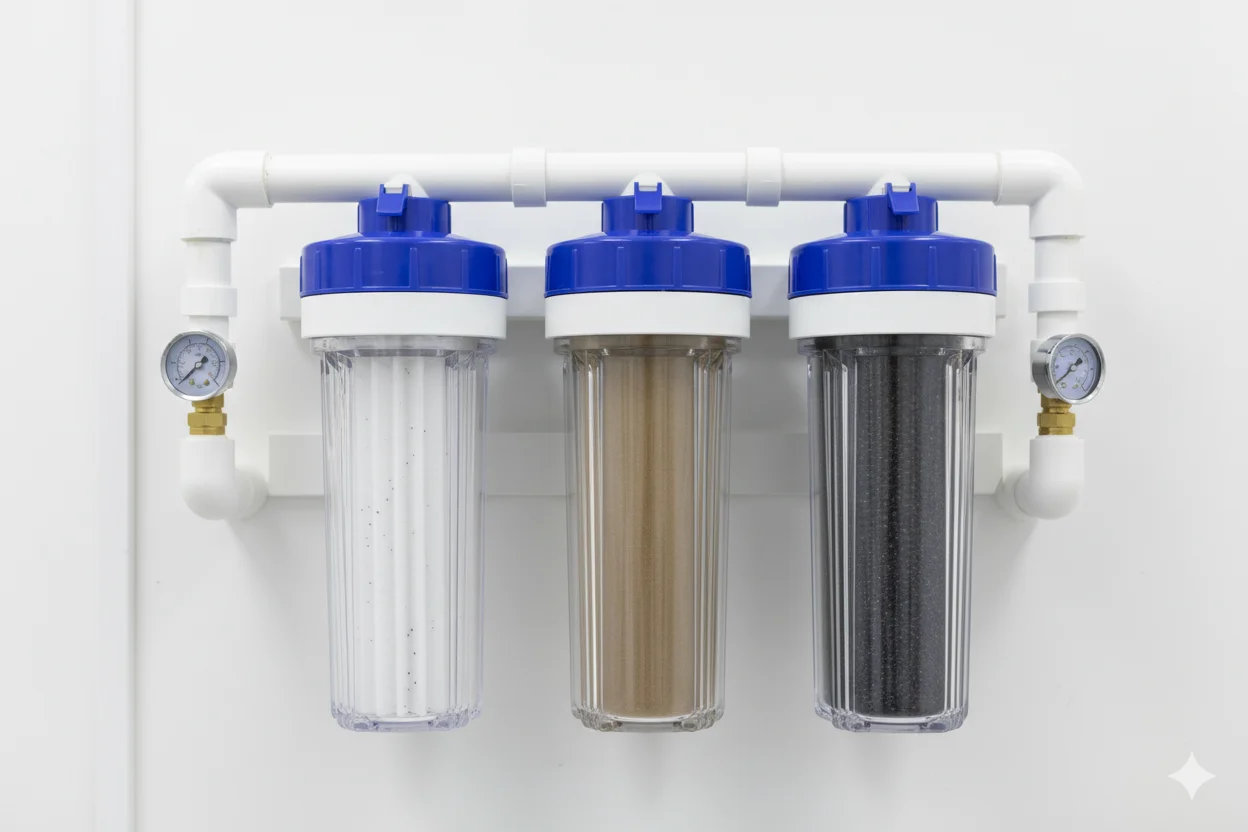
Multi-stage filtration dramatically improves collected water quality. Comprehensive systems incorporate mesh screens, sediment filters, and carbon filtration removing progressively smaller contaminants.
Initial coarse screens installed in gutters catch leaves and large debris. Finer mesh filters in downspouts remove smaller particles before water enters storage. Inside storage tanks, floating intake filters draw water from optimal depths where quality remains highest.
For potable water applications, additional treatment including UV sterilization or reverse osmosis systems eliminate bacteria, viruses, and dissolved contaminants. These advanced systems allow rainwater to safely supplement or replace municipal water supplies.
Gravity-Fed Distribution Systems
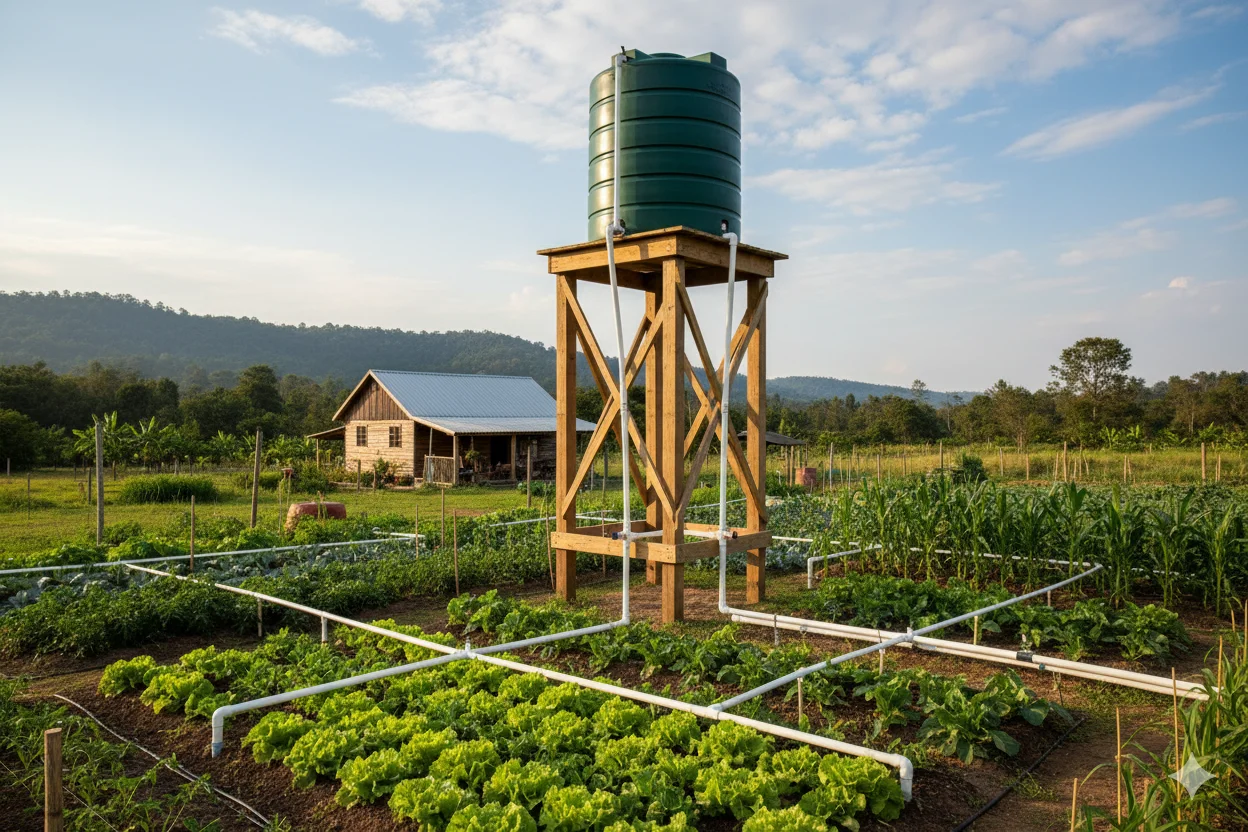
Elevated storage tanks enable gravity-fed water distribution, eliminating pumping requirements and associated energy costs. Water pressure increases by approximately 0.433 PSI per foot of elevation.
A tank positioned 23 feet above usage points provides roughly 10 PSI, adequate pressure for drip irrigation and basic garden watering. Higher elevations generate pressure suitable for more demanding applications.
Gravity systems offer exceptional reliability since they function during power outages. This independence from electricity proves valuable for emergency preparedness and off-grid living situations.
Pumped Distribution Networks
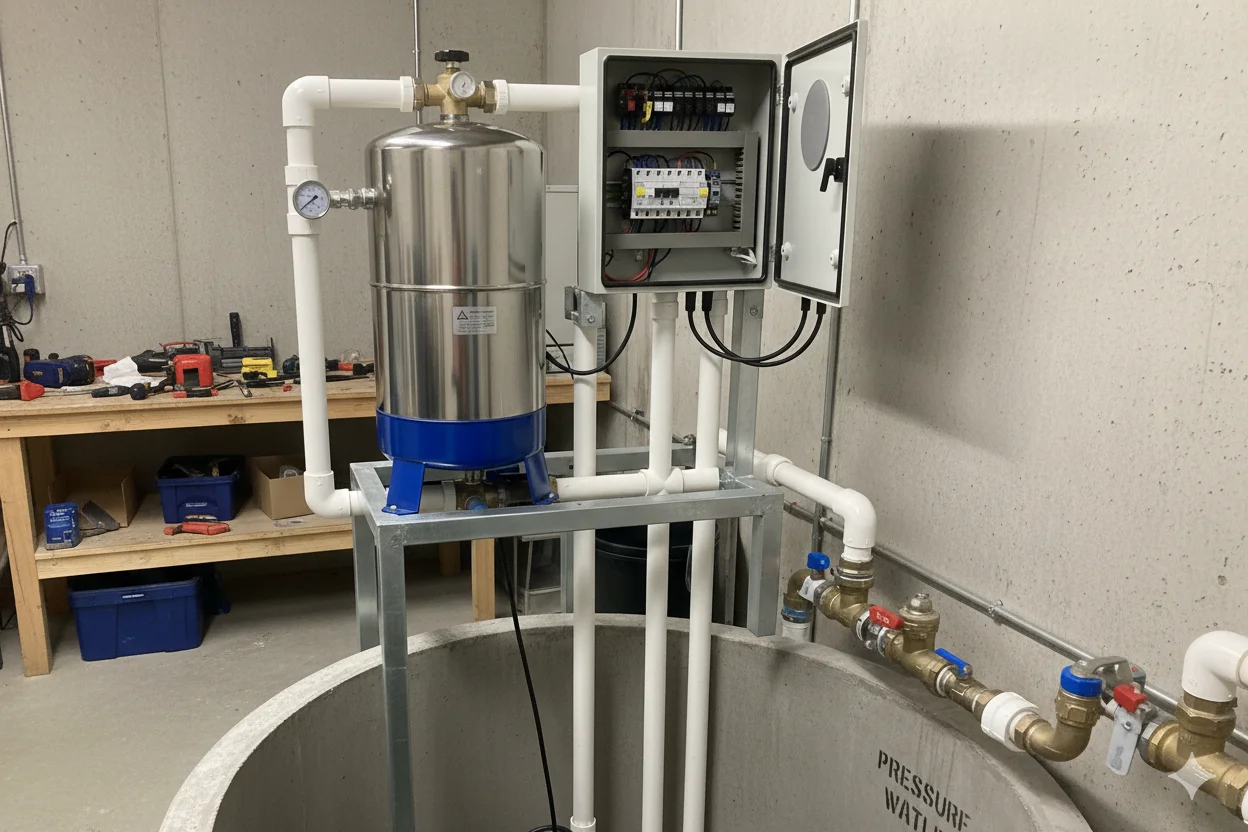
Properties unable to achieve adequate gravity pressure utilize pump systems for water distribution. Submersible pumps installed in storage tanks or external pumps connected to outlet pipes deliver water under pressure throughout properties.
Modern pump systems include pressure tanks maintaining consistent water pressure and reducing pump cycling. Controllers monitor tank levels, preventing pumps from running dry and sustaining damage.
Solar-powered pump options suit off-grid applications or properties seeking energy independence. These systems charge batteries during daylight, providing pumping capacity whenever needed regardless of grid availability.
Decorative Rain Chain Systems
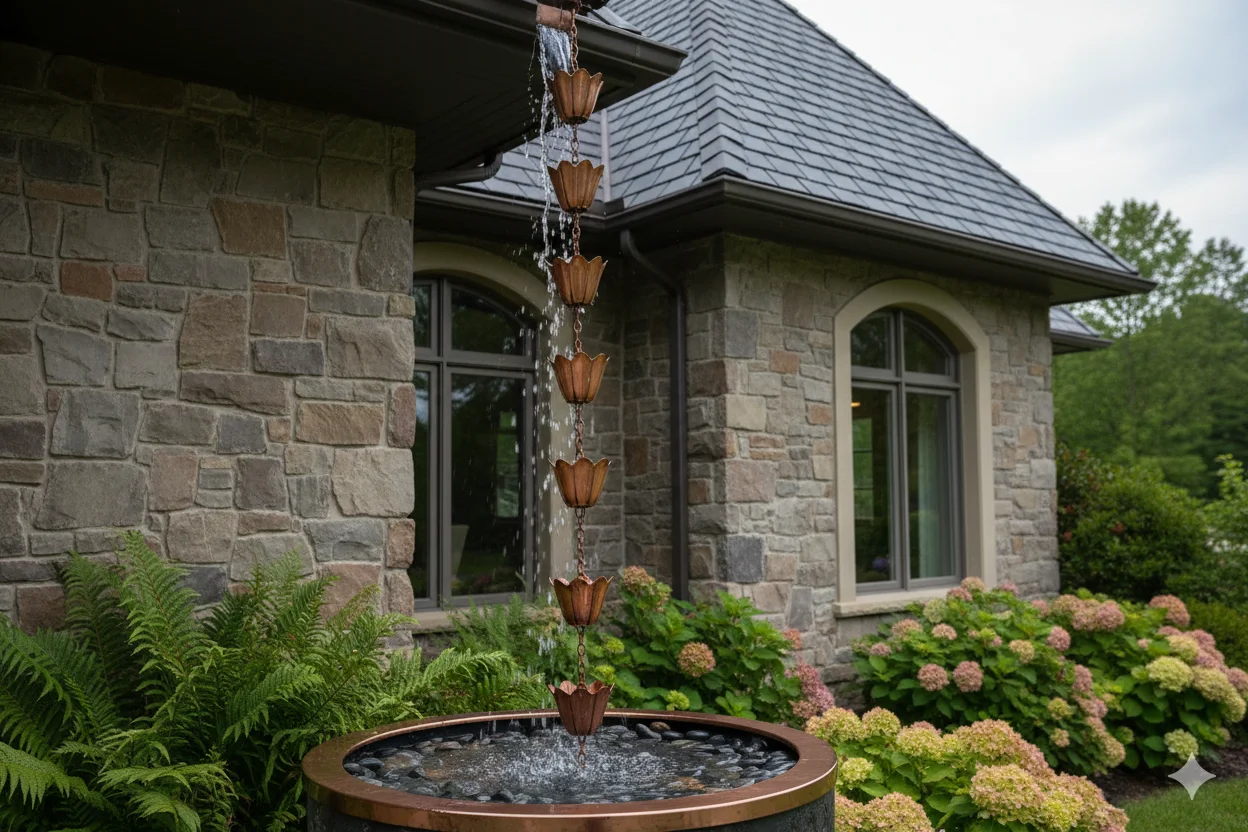
Rain chains offer aesthetic alternatives to traditional downspouts while still directing water to collection containers. These decorative chains feature connected cups, links, or sculptural elements creating visual interest as water cascades downward.
The flowing water produces pleasant sounds reminiscent of babbling streams. Copper chains develop attractive patina over time, while powder-coated aluminum options maintain their original appearance longer.
Rain chains work best in areas experiencing gentle to moderate rainfall. Heavy downpours may overwhelm chains, causing water to splash away from collection containers. Combining chains with splash blocks or collection basins maximizes harvesting efficiency.
Bladder Tank Systems
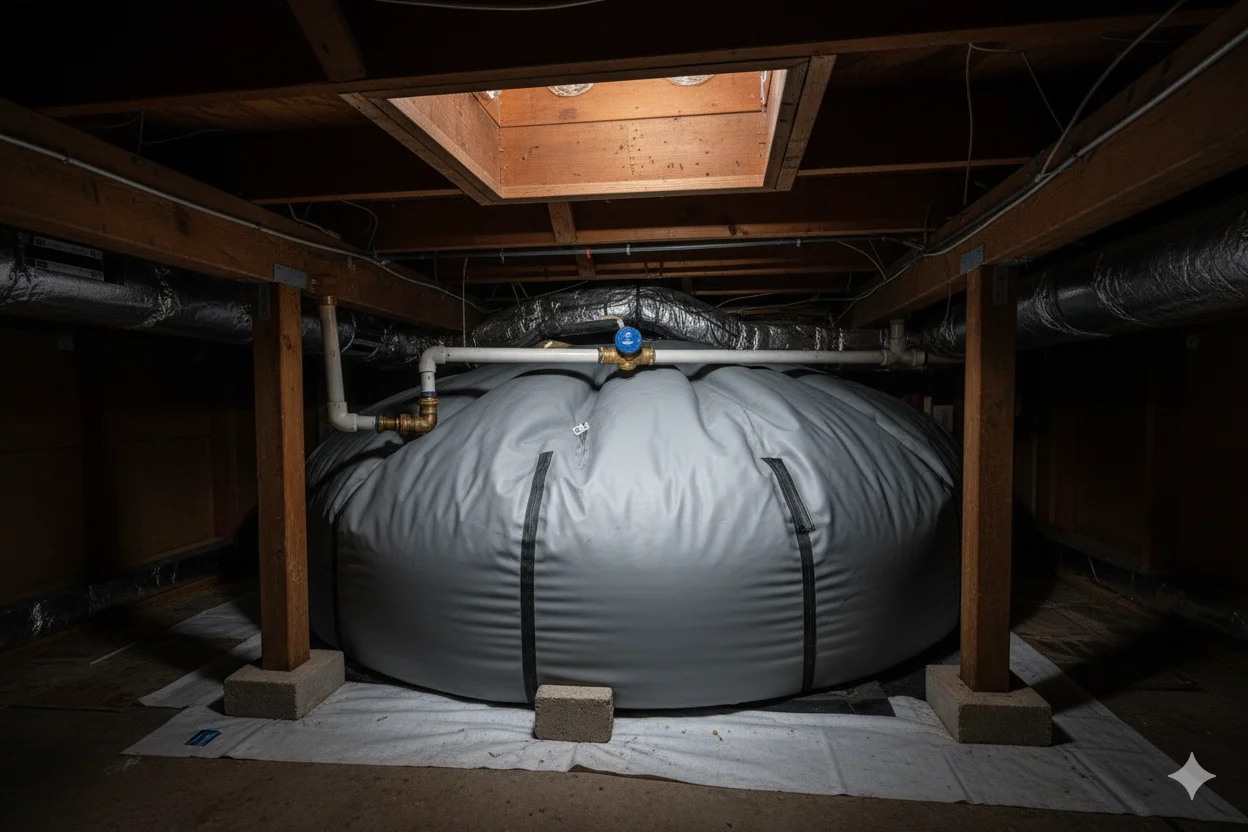
Bladder tanks installed in crawl spaces or basements provide discreet water storage without consuming outdoor space. These flexible containers expand as they fill, conforming to available space beneath structures.
Capacities range from several hundred to several thousand gallons depending on available crawl space dimensions. The tanks collapse when empty, facilitating seasonal storage if needed.
This concealed approach appeals to homeowners prioritizing property aesthetics or lacking suitable outdoor locations. The indoor placement also protects water from freezing temperatures in cold climates.
Greenhouse Integration Systems
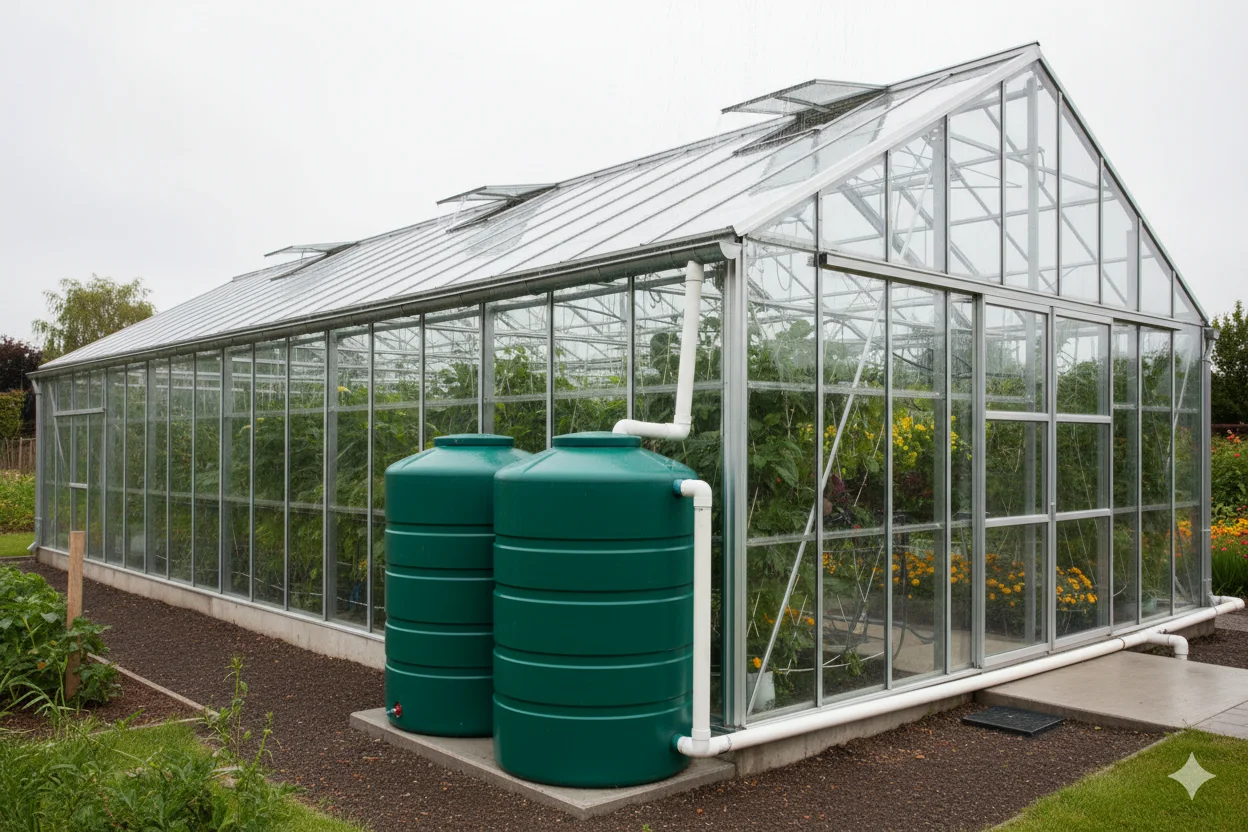
Greenhouses benefit tremendously from dedicated rainwater collection systems. The greenhouse structure itself serves as the catchment surface, with gutters directing water to nearby storage.
This integration provides convenient water access exactly where needed for plant irrigation. The closed-loop system supports sustainable growing practices while reducing reliance on municipal water supplies.
Greenhouse temperatures naturally warm stored water, benefiting plant roots compared to cold well water. The lack of chlorine and fluoride found in treated municipal water also promotes healthier plant growth.
Livestock Watering Systems
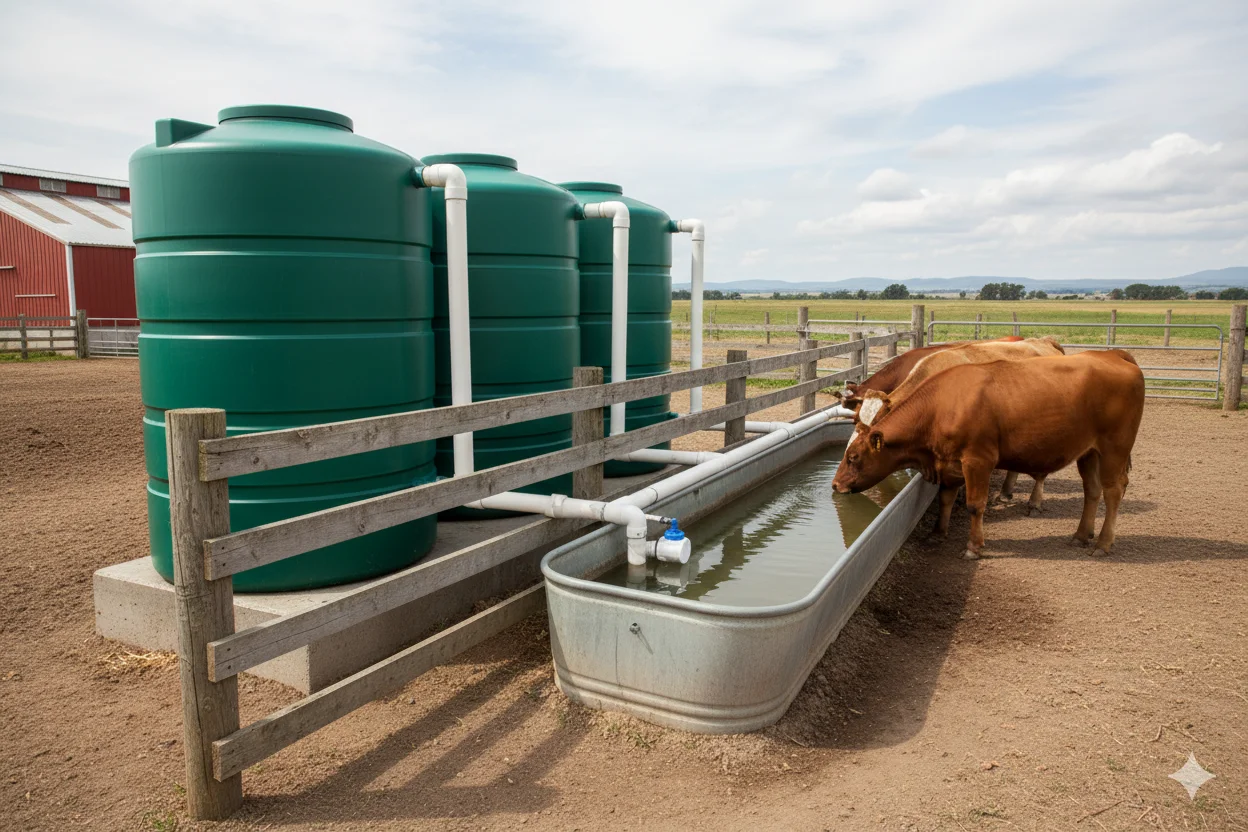
Farms and homesteads use rainwater collection for livestock watering needs. Animals often prefer rainwater’s taste compared to chemically treated alternatives, potentially increasing water consumption and improving animal health.
Large capacity systems with multiple storage tanks ensure adequate supply for herds during dry periods. Automatic float valves maintain constant water levels in troughs, providing animals continuous access.
Properly filtered and stored rainwater contains fewer dissolved minerals than well water, potentially reducing mineral buildup in watering equipment and improving water system longevity.
Tiny House and Mobile Home Systems
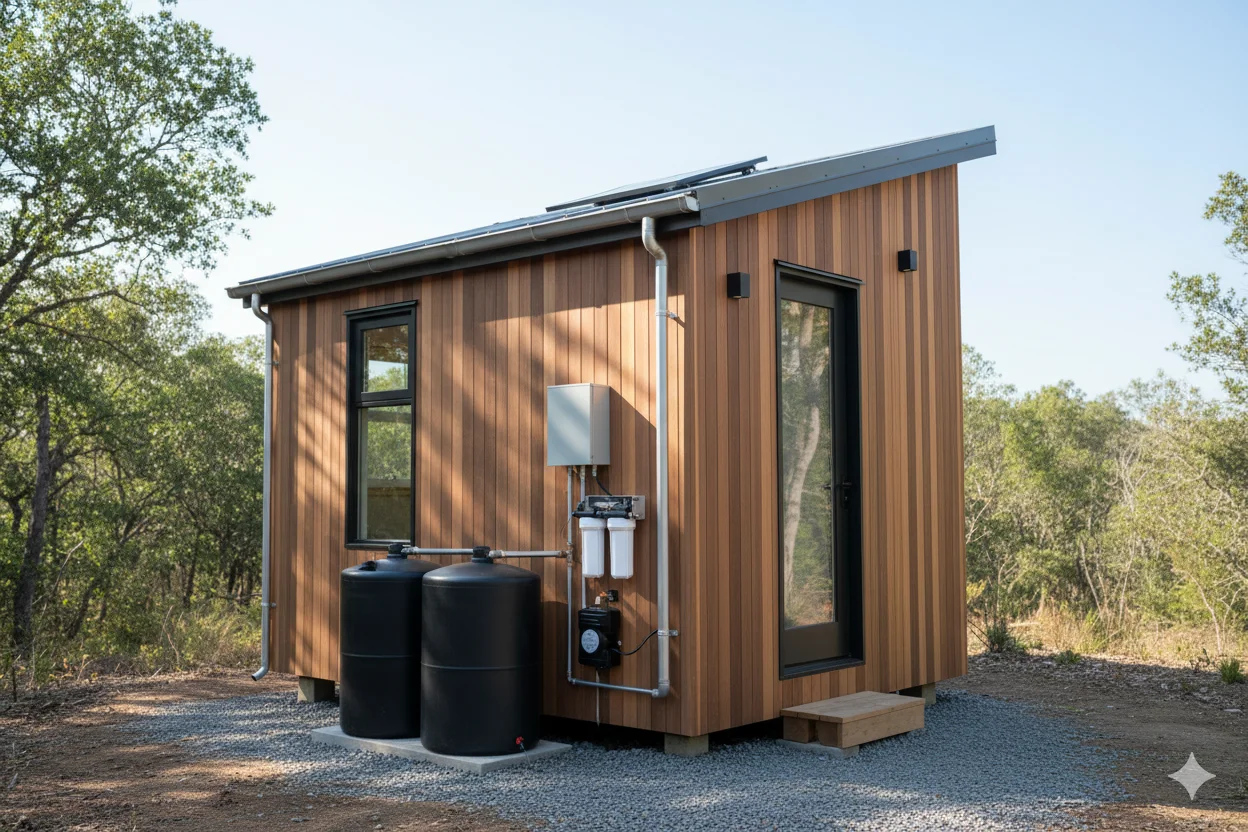
Compact living situations require scaled water solutions matching available space and simplified plumbing. Tiny house systems typically use one or two smaller tanks with integrated filtration and pressure pumps.
Complete packaged systems designed for mobile applications include pre-plumbed components requiring minimal installation expertise. These systems often operate on 12-volt DC power, compatible with solar electrical systems common in tiny homes.
The compact designs maximize water security for off-grid dwellers while maintaining the minimalist aesthetic many tiny house owners value.
Overflow Management Solution
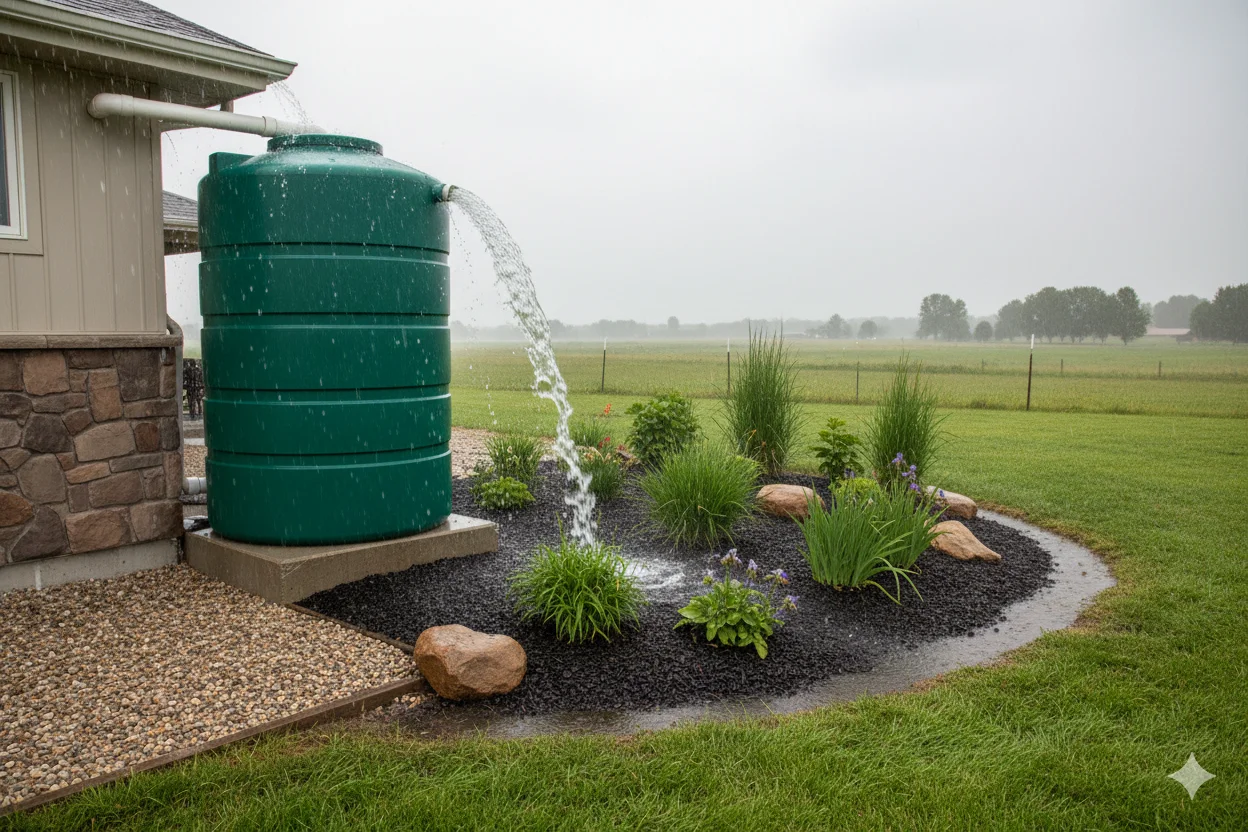
Every rainwater system requires overflow management preventing water damage to structures and landscapes. Properly designed overflow directs excess water away from foundations and into appropriate drainage areas.
Simple overflow pipes extend from near the top of storage tanks, routing excess water to rain gardens, dry wells, or stormwater systems. Some designs incorporate secondary collection tanks capturing overflow for lower-priority uses.
Overflow systems should handle expected maximum rainfall intensity for your region. Undersized overflow pipes can cause tank ruptures or water backup into unwanted areas during extreme weather events.
Maintenance and Winterization Strategies
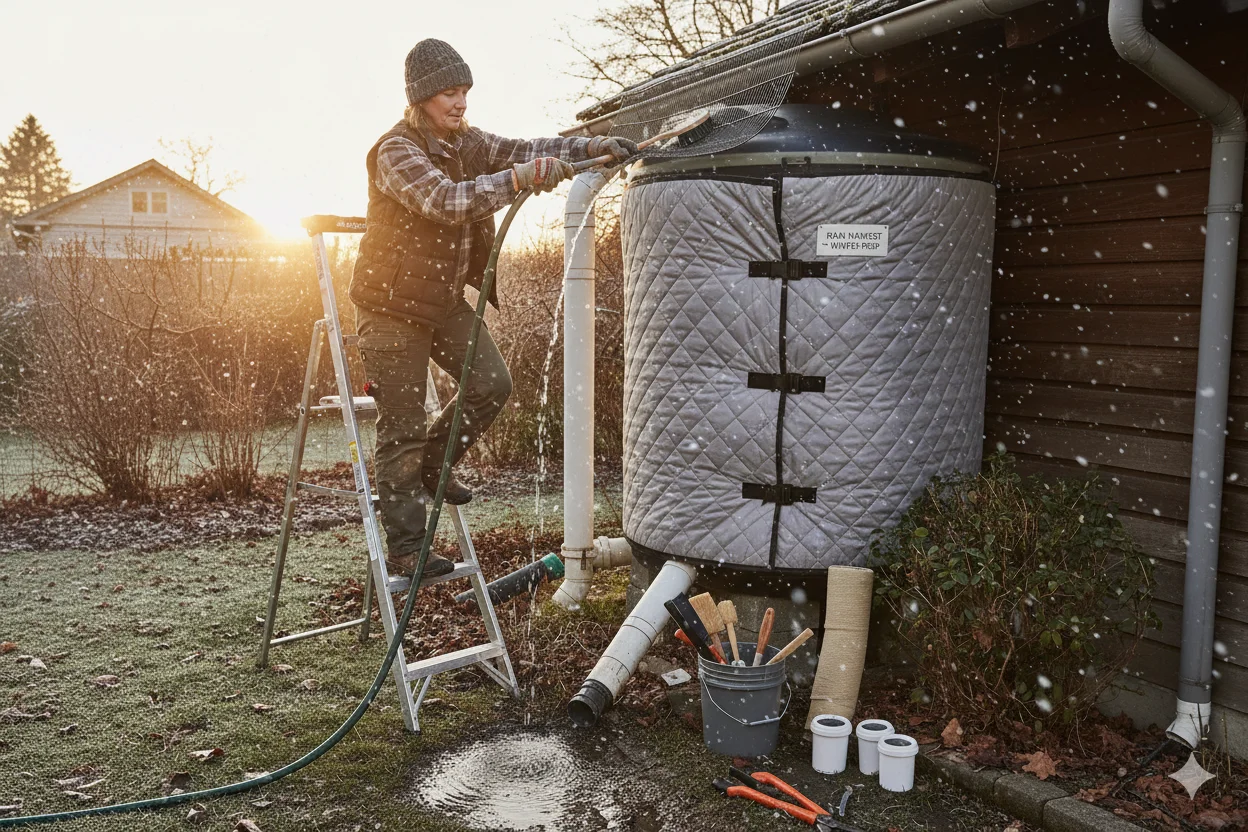
Regular maintenance ensures system longevity and water quality. Quarterly inspections should include cleaning inlet screens, checking for leaks, and removing accumulated sediment from tank bottoms.
Biannual gutter cleaning prevents debris from overwhelming filtration systems. First flush diverters require periodic draining and cleaning to maintain effectiveness.
Cold climate systems need winterization preventing freeze damage. Options include draining systems completely, insulating exposed components, or using heating elements maintaining above-freezing temperatures in critical areas. Proper seasonal preparation protects investments and ensures reliable spring operation.
Choosing the Right System for Your Needs
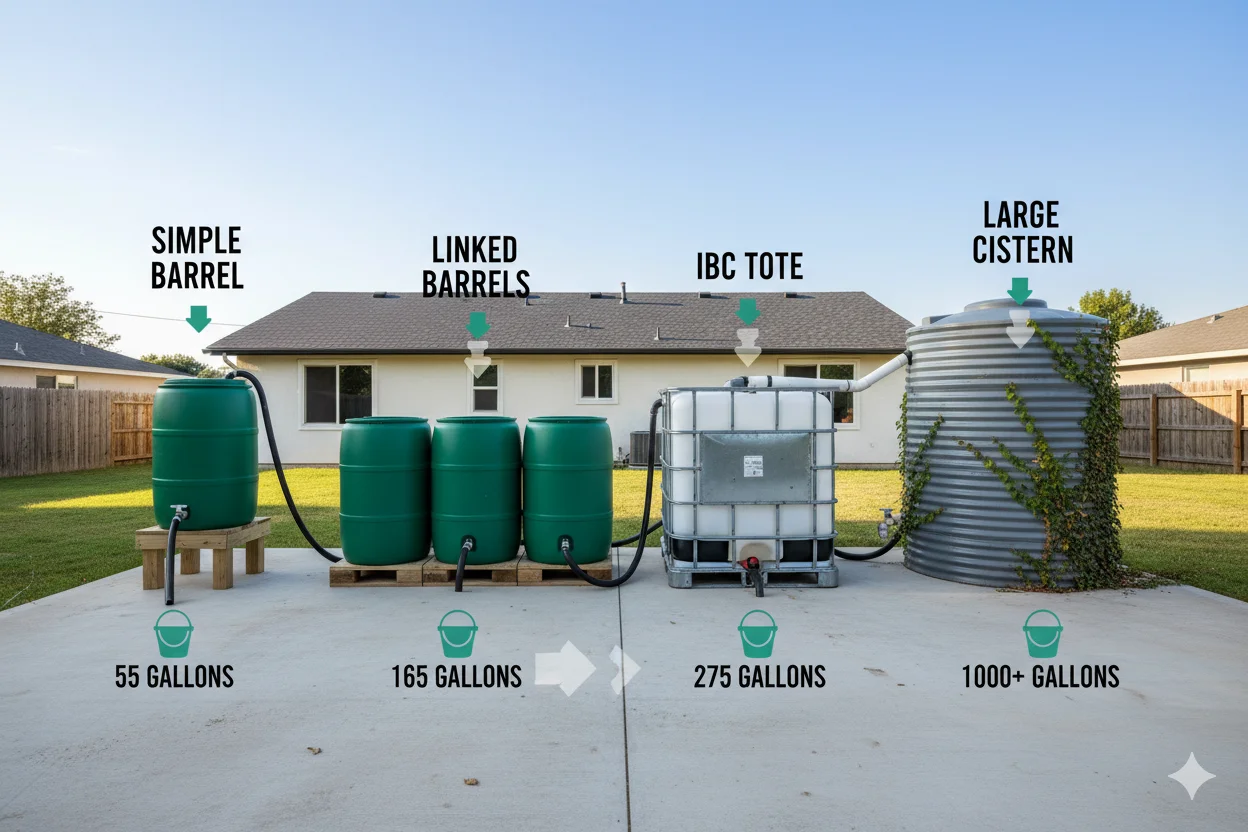
Selecting an appropriate rainwater collection system depends on multiple factors including available space, budget, intended water uses, and local rainfall patterns. Start by calculating your property’s collection potential and comparing it against water needs.
Simple barrel systems suit homeowners wanting basic garden irrigation supplementation. Properties with larger landscaping demands benefit from linked barrel arrays or medium-sized cisterns. Rural homesteads pursuing water independence require substantial cistern capacity with comprehensive filtration systems.
Local building codes and regulations may influence system design. Some municipalities offer tax incentives or rebates encouraging rainwater harvesting, while others impose restrictions. Research applicable regulations before investing in major installations.
Conclusion
Rainwater collection systems represent practical, sustainable solutions for water conservation and cost reduction. The diverse range of system types ensures suitable options exist for virtually any property, regardless of size, location, or budget constraints.
Starting with simple rain barrel installations allows homeowners to experience harvesting benefits while learning system management basics. As confidence and needs grow, systems can expand progressively, eventually providing substantial portions of household water requirements.
The environmental benefits extend beyond individual properties. Reducing demand on municipal water supplies and aquifers helps preserve these resources for future generations. Harvesting rainfall also minimizes stormwater runoff, reducing pollution entering waterways and decreasing erosion.
Whether motivated by environmental stewardship, financial savings, or self-sufficiency goals, implementing a rainwater collection system delivers tangible benefits. Each gallon harvested represents water conserved, money saved, and progress toward sustainable living. The time to begin capturing this freely falling resource is now, transforming rain from a fleeting phenomenon into a reliable asset supporting your property and lifestyle.
Frequently Asked Questions
How much rainwater can I realistically collect from my roof?
You can calculate collection potential using this formula: roof square footage multiplied by inches of rainfall multiplied by 0.623 equals gallons harvested. A typical 1,500 square foot roof receiving 25 inches of annual rainfall can collect approximately 23,400 gallons yearly. Actual collection efficiency ranges from 75 to 90 percent depending on system design and maintenance.
Is collected rainwater safe for drinking?
Rainwater collected from roofs requires treatment before drinking. Roof surfaces, gutters, and storage tanks can harbor bacteria, viruses, and chemical contaminants. Proper filtration using multi-stage systems combined with UV sterilization or chlorination makes rainwater potable. Many homeowners use collected water for irrigation and outdoor needs without treatment, reserving treated municipal water for consumption.
What size storage tank do I need?
Tank sizing depends on your water usage patterns and local rainfall frequency. In regions with consistent rainfall, smaller tanks suffice since regular replenishment occurs. Areas with distinct wet and dry seasons require larger capacity storing water during rainy periods for use during droughts. Most residential systems use 200 to 2,500 gallon capacities, with larger homesteads employing 5,000 to 10,000 gallon cisterns.
How do I prevent mosquitoes from breeding in my rain barrel?
Mosquito prevention requires blocking all openings with fine mesh screens that exclude adult mosquitoes while allowing water entry. Ensure lids fit tightly and overflow pipes include screens. Some homeowners add mosquito dunks containing naturally occurring bacteria that kill mosquito larvae without harming other organisms. Regular water usage prevents stagnation, further discouraging mosquito breeding.
What maintenance does a rainwater collection system require?
Basic maintenance includes cleaning gutters and downspouts twice yearly, inspecting and cleaning inlet screens quarterly, and checking first flush diverters.