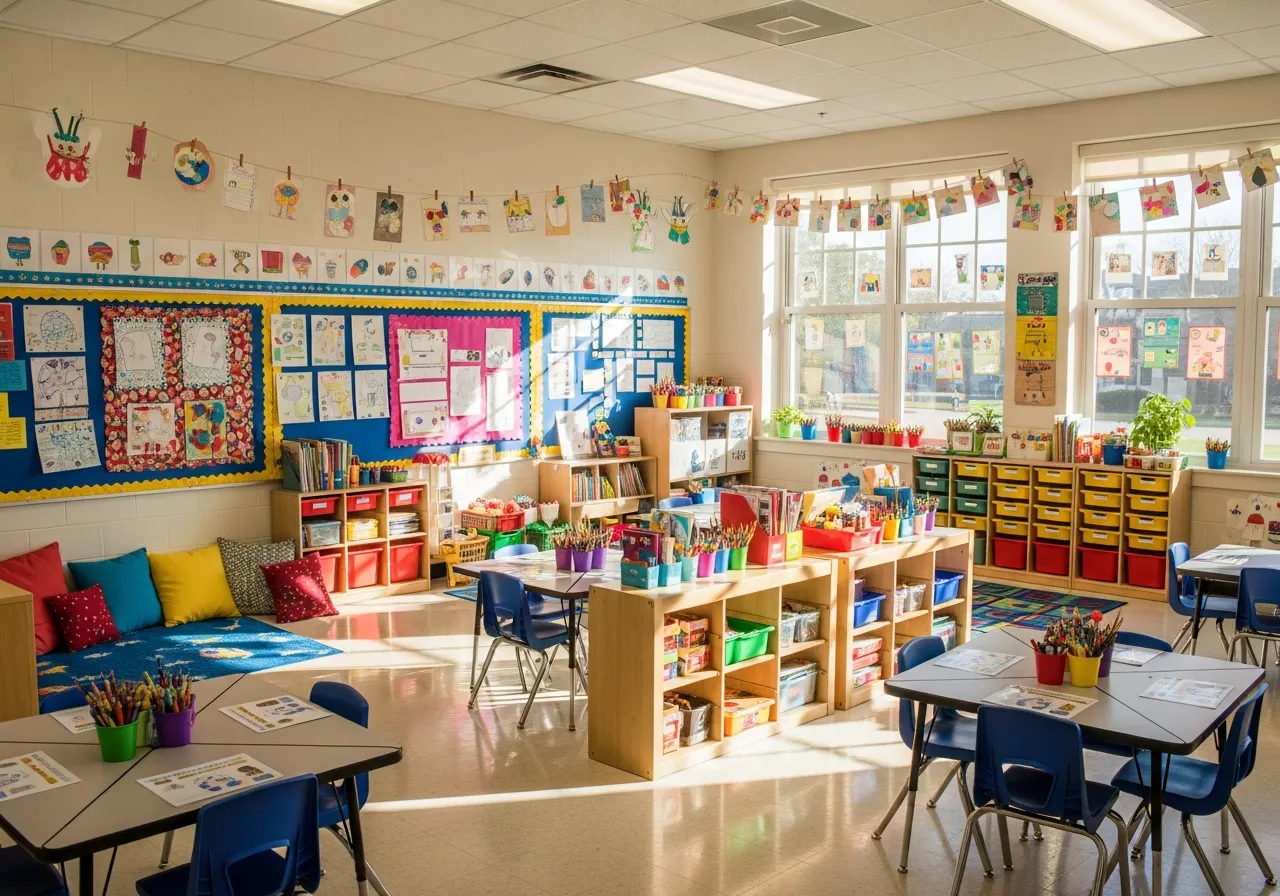
19+ Creative DIY Classroom Decor Ideas
Transforming a classroom into an inspiring learning environment doesn’t require a hefty budget or professional design skills. With creativity, basic supplies, and a weekend of dedicated effort, teachers can craft personalized spaces that energize students and enhance the educational experience. The walls, corners, and surfaces of your classroom hold untapped potential waiting to be realized through thoughtful do-it-yourself projects that reflect your teaching style and your students’ needs.
DIY classroom decor serves multiple purposes beyond mere aesthetics. Thoughtfully designed spaces support classroom management, reinforce learning concepts, celebrate student achievements, and create a sense of belonging. When students walk into a classroom that feels intentional and welcoming, their engagement increases naturally. The projects outlined here range from simple afternoon crafts to more involved weekend endeavors, ensuring options for every skill level and time constraint.
Understanding the Impact of Classroom Environment

The physical classroom environment directly influences student behavior, attention span, and academic performance. Research in educational psychology consistently demonstrates that students learn better in organized, visually stimulating spaces that balance color with calm areas for focus. DIY decor allows teachers to customize their rooms according to specific student needs, subject matter, and teaching approaches rather than relying on generic store-bought items that may not align with their educational goals.
Creating your own classroom decorations also models creativity and resourcefulness for students. When they see their teacher transforming cardboard boxes into storage solutions or repurposing materials into learning tools, they internalize important lessons about sustainability, problem-solving, and the value of handmade items. This implicit curriculum complements academic content and helps develop well-rounded learners.
Mason Jar Supply Stations

Mason jars offer versatile storage solutions that combine functionality with rustic charm. Paint the exterior of standard mason jars in your classroom color scheme, or leave them clear to display colorful contents. Attach jars to reclaimed wood boards using pipe clamps to create wall-mounted supply stations that keep pencils, markers, scissors, and other tools organized and accessible.
For added visual interest, apply chalkboard paint to jar lids and label each container with its contents. This system helps maintain organization throughout the school year while teaching students responsibility for returning materials to their proper places. Group jars by subject area or activity type, positioning them strategically around the room where students will need specific supplies.
Fabric-Covered Bulletin Boards
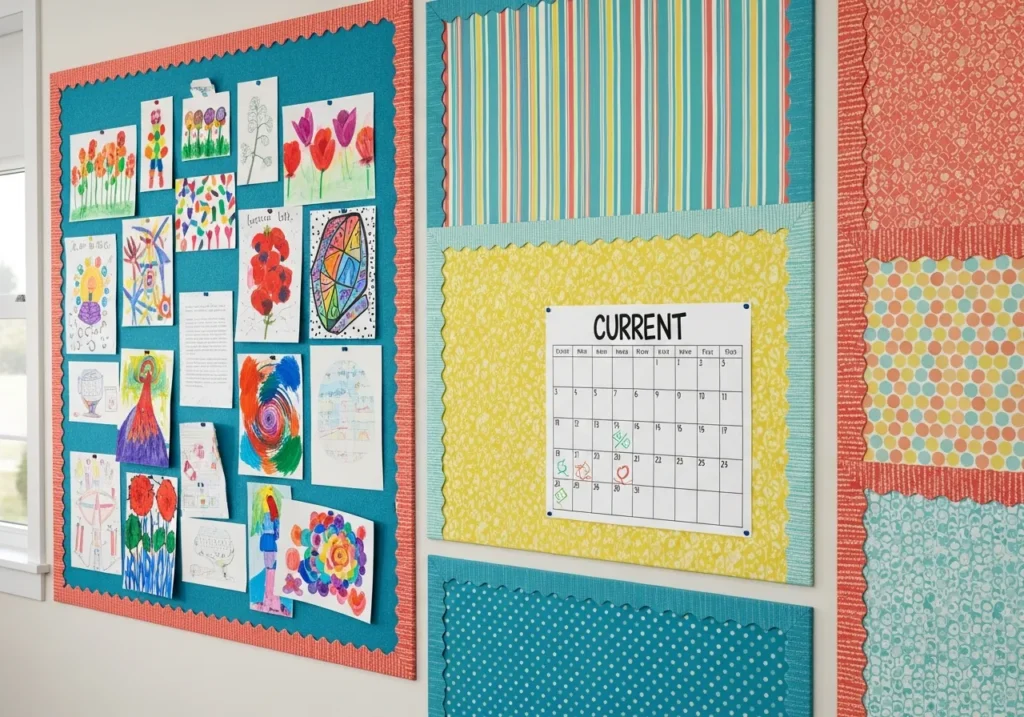
Standard cork bulletin boards become statement pieces when wrapped in colorful fabric. Choose patterns that complement your classroom theme or coordinate with your organizational system. Stretch fabric tightly across the board surface and secure it on the back using a staple gun, creating smooth, wrinkle-free surfaces that transform drab boards into focal points.
Layer multiple fabric-covered boards in different sizes to create dynamic displays. Use solid colors for boards dedicated to important information and patterned fabrics for student work displays or seasonal decorations. This approach costs significantly less than purchasing pre-made bulletin board sets while allowing complete customization to match your specific needs.
Painted Tire Reading Nook Seating

Old tires transform into comfortable, durable seating through simple painting and cushioning. Clean tires thoroughly, apply several coats of exterior paint in bright colors, and add round cushions to the top. Stack two painted tires for added height or arrange individual tires in a circle to create an inviting reading corner.
This project repurposes materials that would otherwise end up in landfills while providing flexible seating options students genuinely enjoy. The cushioned tires work equally well indoors or in covered outdoor learning spaces, offering sturdy seating that withstands enthusiastic use throughout the year.
Clothespin Student Work Display
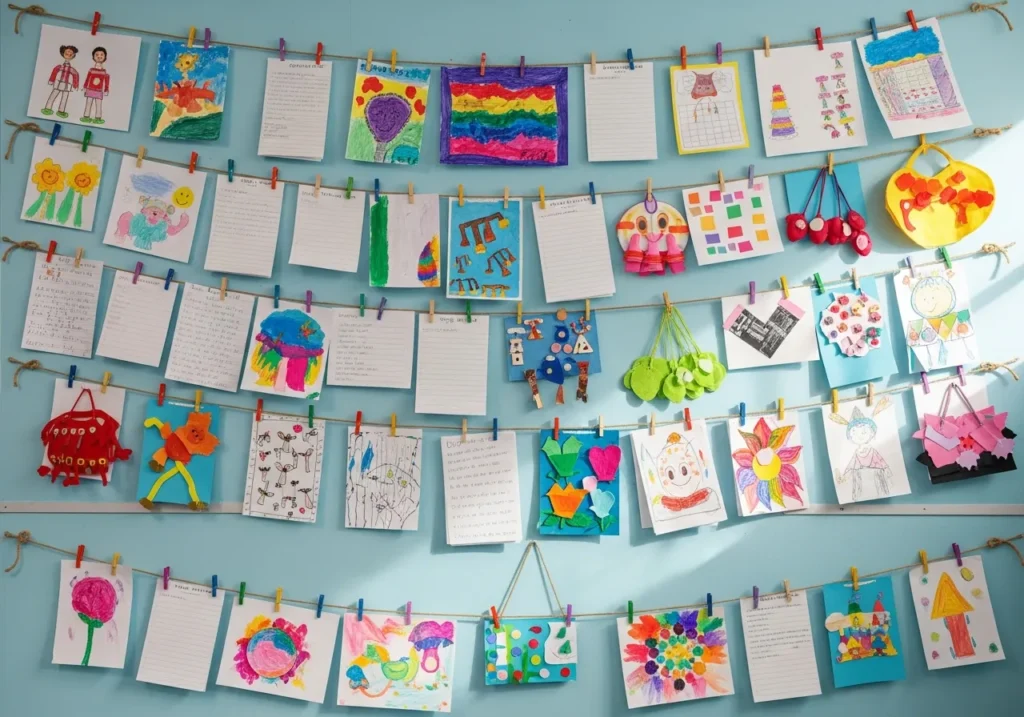
A length of sturdy rope or twine strung across a wall with colorful clothespins creates a flexible system for displaying student work. Paint wooden clothespins in rainbow colors or in patterns matching your classroom theme. This system allows quick rotation of displayed work and gives every student regular opportunities to see their efforts showcased.
Unlike traditional bulletin boards that require pins or staples, clothespin displays protect student work from holes while making it simple to update displays frequently. Students can even hang their own work, promoting independence and pride in their accomplishments. Space multiple lines at different heights to maximize wall space and accommodate various paper sizes.
Repurposed Ladder Bookshelf
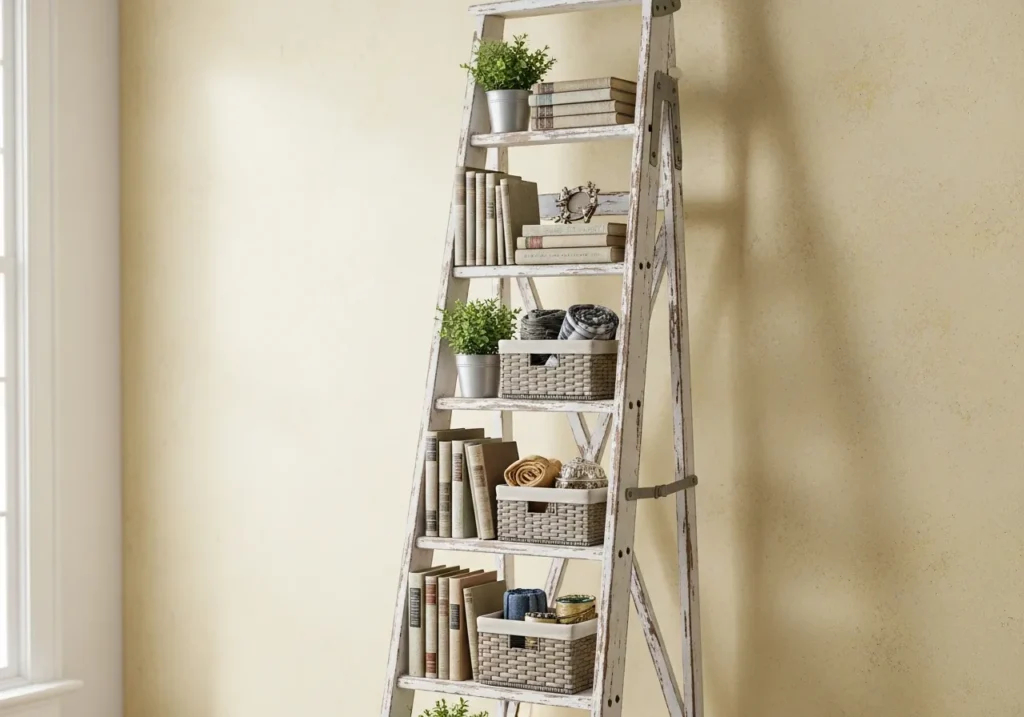
An old wooden ladder gains new life as a charming bookshelf when positioned against a classroom wall. Sand rough spots, apply fresh paint or stain, and rest books on the rungs. This vertical storage solution takes up minimal floor space while adding architectural interest to your room.
Alternate book placement with small plants, decorative items, or storage baskets to create visual variety. The ladder bookshelf works particularly well in reading corners or near classroom libraries, making books accessible while serving as a decorative element. Secure the ladder to the wall for safety, especially in classrooms with younger students.
Washi Tape Wall Designs

Washi tape offers endless possibilities for creating removable wall designs that add color and structure without damaging surfaces. Use various colors and patterns to create borders around bulletin boards, define learning centers, or form geometric designs directly on walls. The tape removes cleanly at year’s end, making it perfect for rented or shared classroom spaces.
Create a large periodic table, multiplication grid, or world map outline using washi tape as both educational reference and decorative element. Younger grades benefit from washi tape number lines, alphabet displays, or shape identification areas. The low cost and easy application make washi tape ideal for teachers who enjoy refreshing their spaces throughout the year.
Painted Brick Motivational Messages
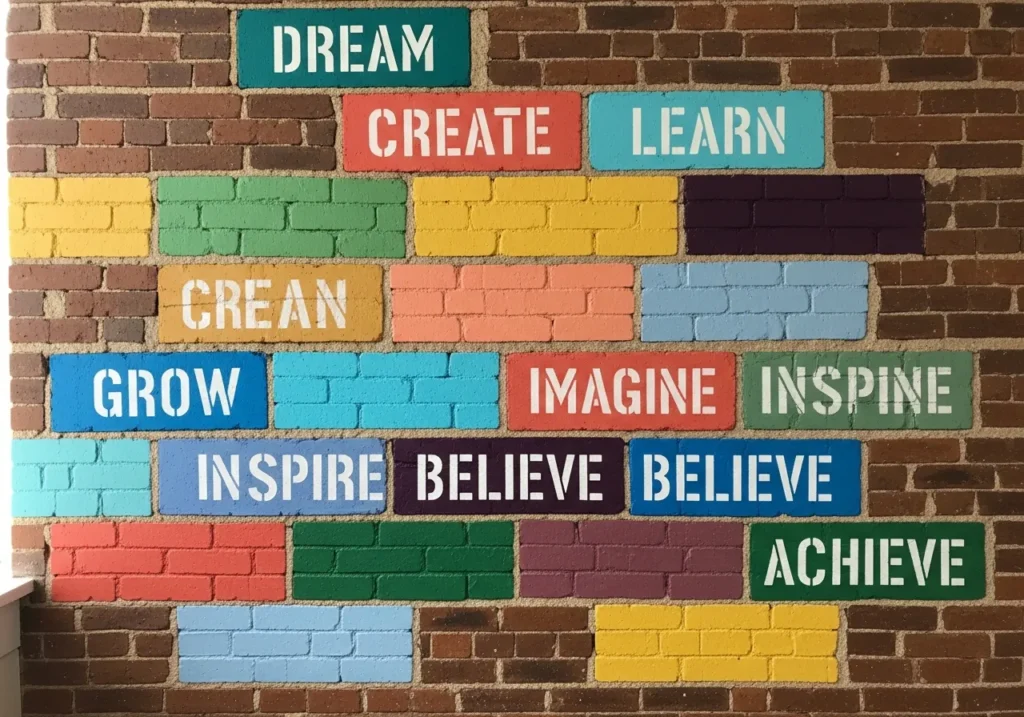
If your classroom features exposed brick or concrete block walls, transform them into inspiration galleries with simple painted messages. Use stencils and acrylic paint to add motivational quotes, classroom rules, or subject-specific content directly onto bricks. Each brick becomes a individual canvas, creating a cohesive display with multiple elements.
This permanent decoration requires approval from administration but creates lasting impact that benefits students year after year. Choose timeless messages that apply across grade levels if your room serves different groups, or personalize heavily if the space remains yours long-term. The industrial aesthetic appeals to older students while adding character to institutional spaces.
Magnetic Poetry Wall
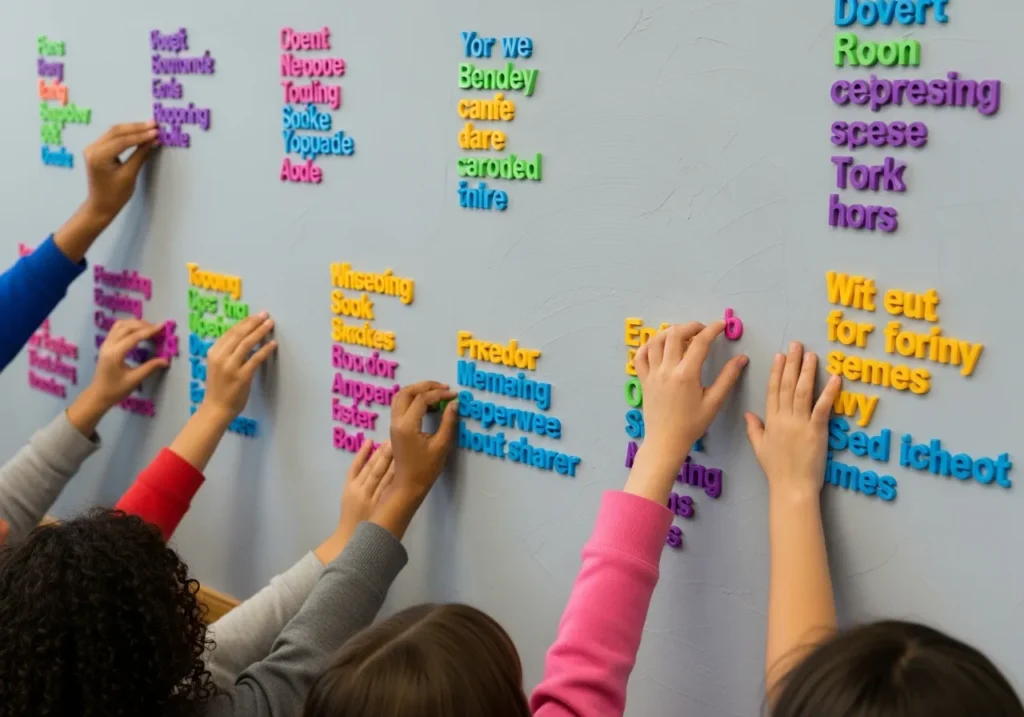
A sheet of magnetic primer painted onto a wall section creates an interactive poetry and word study center. Once the magnetic primer dries, apply regular paint in your desired color, then provide magnetic words cut from vinyl or printed on magnetic sheets. Students compose poetry, practice vocabulary, or leave messages during transitions or free time.
This interactive decor element serves multiple curricular purposes while encouraging creative language use. Update word collections based on current units, seasons, or student interests. The magnetic surface also works for displaying student work with magnetic clips, making it a multipurpose addition to your classroom.
Crate Storage Tower
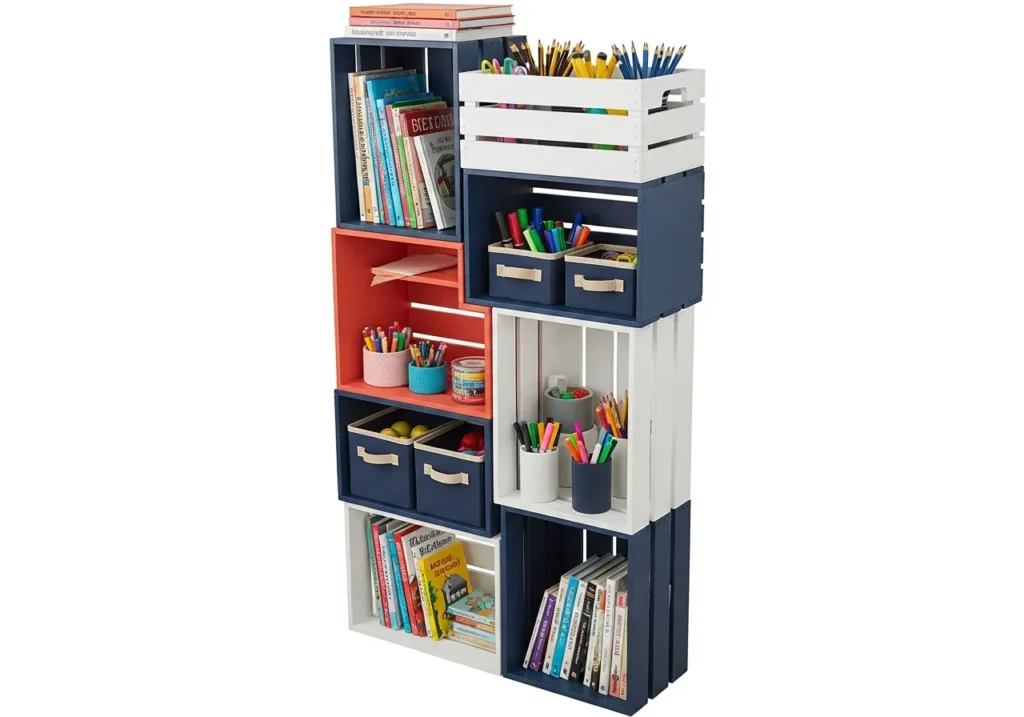
Wooden or plastic crates stacked and secured create customizable storage towers that hold everything from books to manipulatives. Paint crates in coordinating colors, stack them in various configurations, and secure them with zip ties or brackets. The open design keeps contents visible and accessible while the modular structure adapts to changing needs.
Position storage towers to define different classroom areas or to create partial dividers between spaces. Add fabric bins inside crates for smaller items or leave them open to display books with covers facing out. Label each crate clearly to maintain organization and teach students to return items to proper locations.
Hanging Basket Planter Display
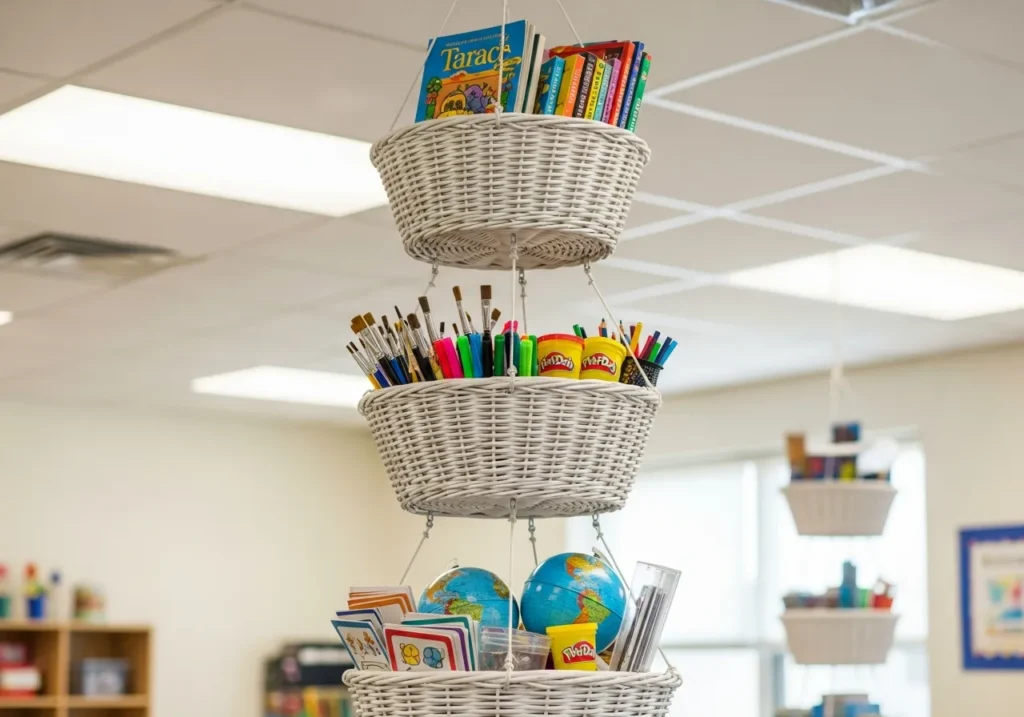
Suspend tiered hanging baskets typically used for plants from the ceiling to create unique storage or display areas. Fill baskets with frequently needed supplies, current read-aloud books, or items related to ongoing units. The hanging display saves valuable floor and counter space while adding visual interest at varying heights.
This approach works especially well for items students need to access independently throughout the day. Position baskets at appropriate heights for your grade level, ensuring even younger students can reach contents safely. Rotate basket contents regularly to maintain student interest and keep supplies fresh.
Painted Globe Collection

Outdated globes from thrift stores become colorful decor pieces with simple spray paint. Create a collection of globes in your classroom colors, or paint them with chalkboard paint to allow temporary markings during geography lessons. Display painted globes on shelves, atop cabinets, or group them together as a focal point.
This project gives new purpose to items often discarded during school updates while maintaining the familiar spherical shape that prompts geographic thinking. The unexpected color treatment sparks curiosity and conversations about maps, locations, and the planet’s features.
Pom-Pom Garland Accents

Handmade or purchased pom-poms strung on sturdy thread create festive garlands that add softness and color to classroom spaces. Drape pom-pom garlands across bulletin board tops, around doorways, or along bookshelf edges. The three-dimensional texture provides visual interest without overwhelming spaces or creating clutter.
Choose pom-pom colors that coordinate with your overall classroom palette or create rainbow garlands for maximum color impact. This inexpensive decoration adapts to any theme or season simply by changing pom-pom colors. The soft texture appeals particularly to younger students while adding whimsy that lightens institutional spaces.
Window Frame Bulletin Board
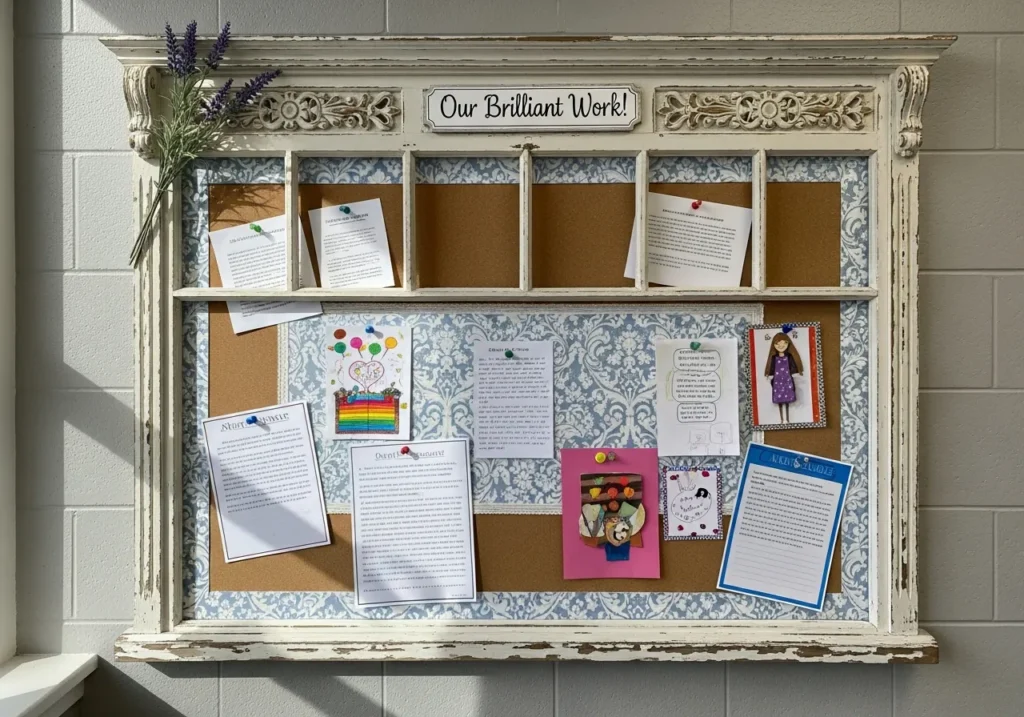
Old window frames with glass removed become charming frames for bulletin board displays. Paint frames to match classroom colors, back them with cork board or fabric-covered board, and mount them on walls. The frame adds architectural detail that elevates standard bulletin boards into designer-looking displays.
Group multiple window frames together for a gallery wall effect, or use a single large frame as a focal point for important information. The defined borders created by frames help organize visual information and prevent the cluttered appearance that sometimes develops on standard bulletin boards.
Ruler Border Trim
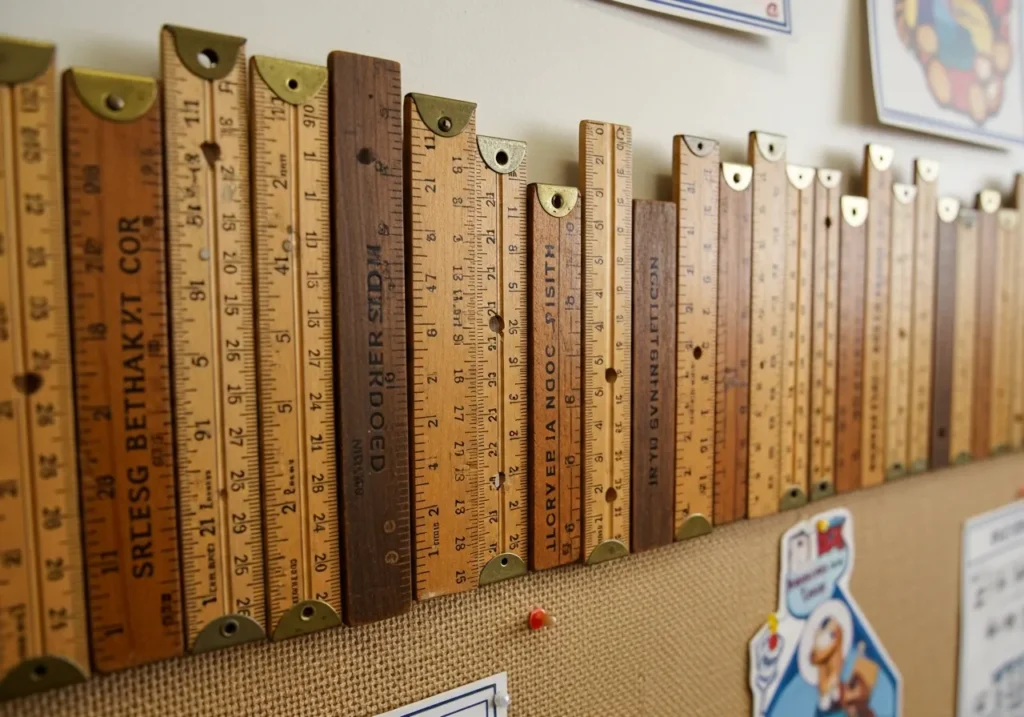
Vintage rulers or ruler-printed ribbon creates distinctive border trim for bulletin boards, whiteboards, or around doorways. Arrange actual wooden rulers end-to-end and secure them with strong adhesive, or use printed ribbon for easier application. This detail adds educational flair while reinforcing measurement concepts through constant visual exposure.
The ruler border works particularly well in math-focused classrooms or STEM labs where the measurement theme aligns with curriculum content. Mixed ruler styles from different eras create visual interest through varied fonts and color schemes, turning functional tools into nostalgic decorative elements.
Pegboard Organization Wall
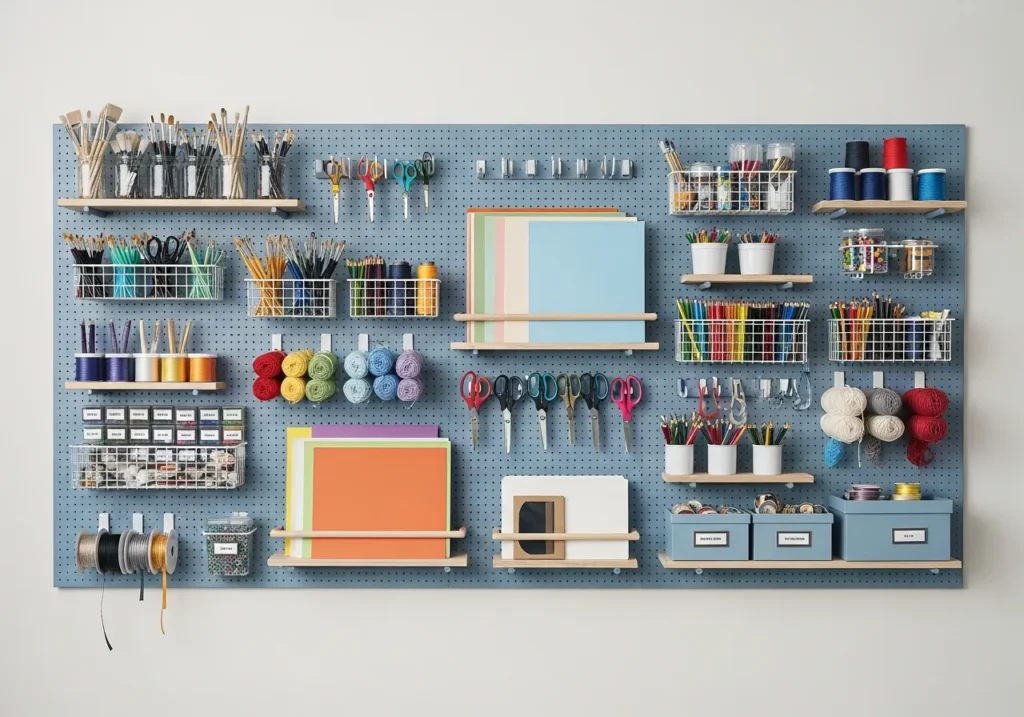
A pegboard section mounted on the wall provides infinitely customizable storage through moveable hooks, baskets, and shelves. Paint the pegboard in a color that coordinates with your room, then arrange storage accessories to hold supplies, display student work, or organize teacher materials. Rearrange hook positions throughout the year as needs change.
The pegboard’s flexibility makes it ideal for teachers who value adaptable spaces. Create seasonal displays, showcase art supplies, or organize classroom job materials, changing configurations in minutes. The industrial aesthetic appeals to many design preferences while providing genuinely useful storage capacity.
Chalkboard Paint Surfaces

Chalkboard paint applied to wall sections, tabletops, or old cabinet doors creates writable surfaces throughout your classroom. Students practice spelling words, work through math problems, or leave messages for classmates on these interactive elements. The matte black finish adds sophisticated contrast to colorful rooms while serving clear educational purposes.
Combine chalkboard surfaces with colorful frames to create designated writing areas, or paint large sections for collaborative problem-solving. Include proper chalk storage nearby and establish routines for erasing and maintaining surfaces. The novelty of writing on unconventional surfaces motivates students to engage with practice activities they might otherwise resist.
Fabric Pennant Banner

Fabric pennants in coordinating patterns create celebratory banners perfect for hanging above teaching areas, across windows, or around doorframes. Cut triangle shapes from various fabrics, fold the top edge over sturdy ribbon or bias tape, and sew in place. Alternate patterns and solids for visual rhythm that energizes without overwhelming.
Pennant banners add festive energy appropriate for celebrating achievements, marking special events, or simply creating welcoming atmospheres. Unlike paper decorations that deteriorate quickly, fabric banners last years with proper care. Store them during breaks and rehang them each year, or create seasonal versions that rotate throughout the calendar.
Paint Chip Color Word Wall
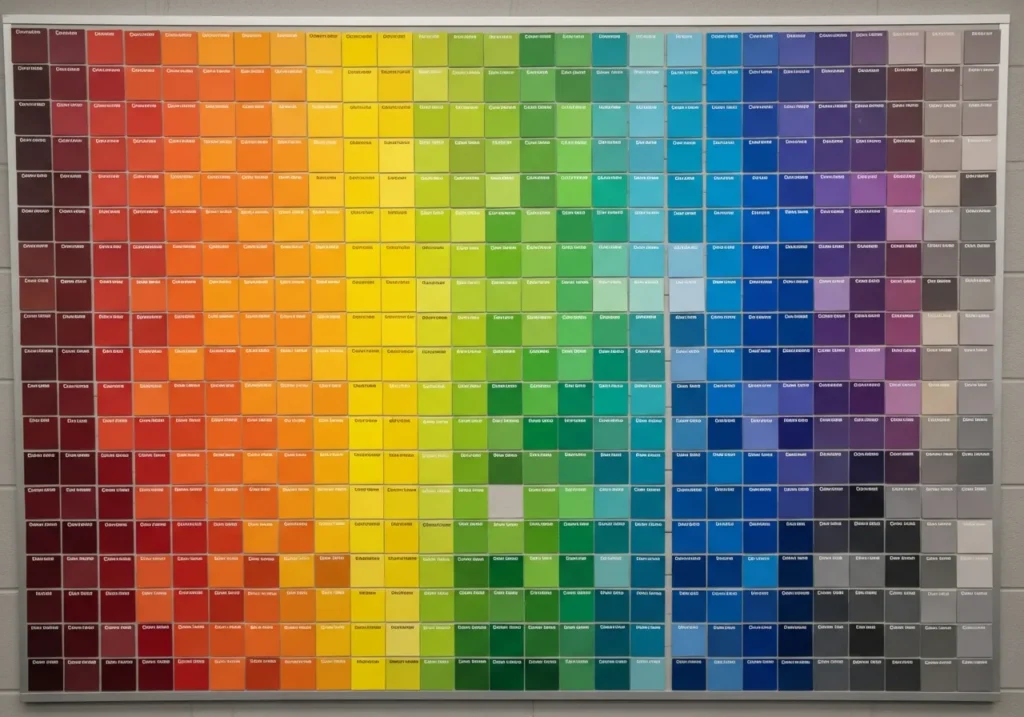
Free paint chips from hardware stores become valuable learning tools when used to create color word walls or visual dictionaries. Mount chips in organized rows, label each with its color name, or use them to teach descriptive vocabulary and shades. The graduated colors on chips naturally demonstrate concepts like light and dark, warm and cool.
Expand beyond basic color words by incorporating paint chip names that introduce sophisticated vocabulary. Terms like azure, crimson, and ochre expose students to rich language while the visual reference cements understanding. This zero-cost decoration serves multiple curricular purposes while adding professional polish to your walls.
Book Page Garland
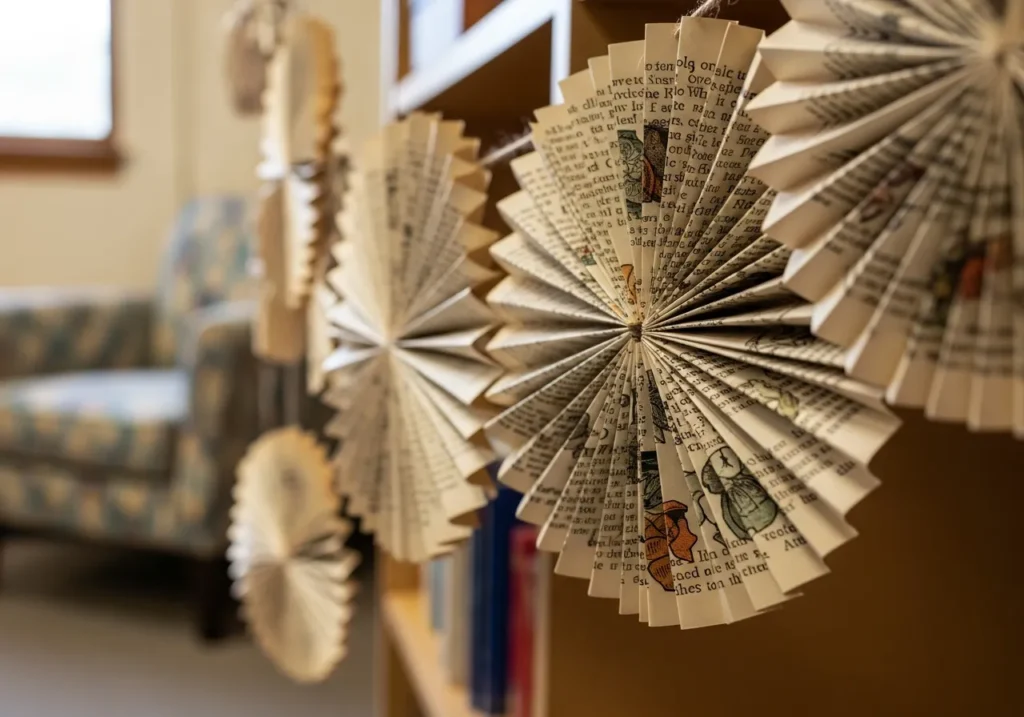
Pages from damaged books that cannot be repaired gain new life as literacy-themed garland decorations. Fold pages into rosettes, fan shapes, or simple banners strung together with thread. This decoration celebrates reading while recycling materials that would otherwise be discarded, modeling environmental responsibility for students.
Position book page garlands in reading corners, above classroom libraries, or near writing centers where they reinforce the literary focus of those areas. The neutral tones of book pages coordinate with any color scheme while the text-covered surfaces instantly communicate educational intent.
Creating Cohesion in Your Decorated Classroom
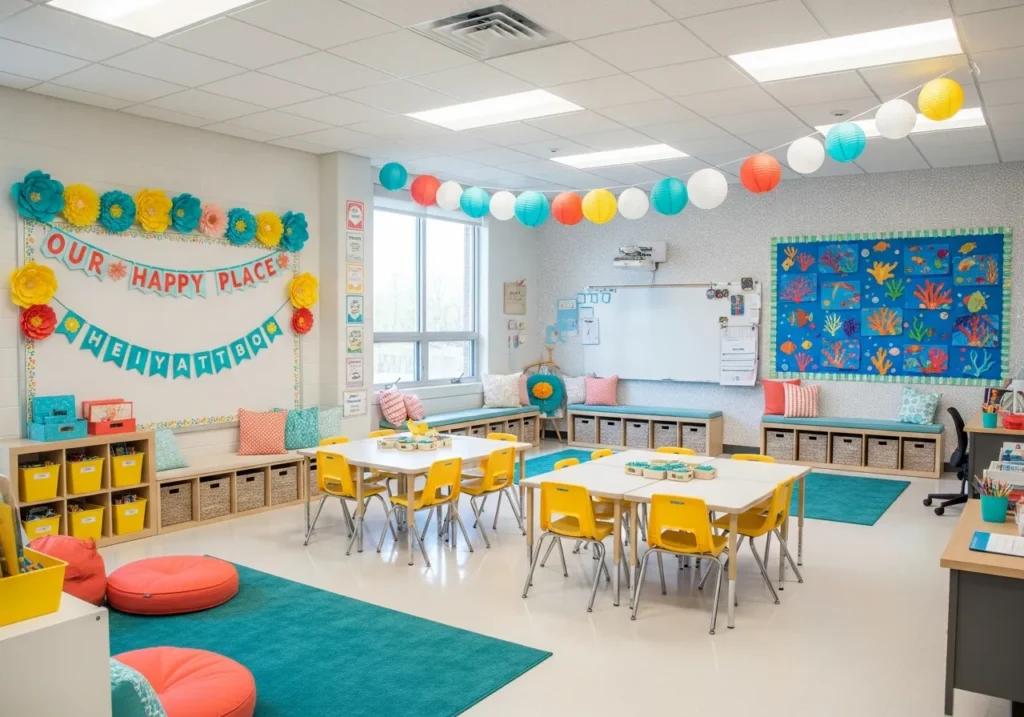
Individual DIY projects succeed best when unified by thoughtful planning. Select a color palette of three to five colors and repeat those hues throughout various projects. This repetition creates visual harmony that feels intentional rather than chaotic. Consider your teaching style, grade level, and subject matter when choosing colors and overall aesthetic.
Balance decorated areas with calm spaces where eyes can rest. Not every wall needs adornment, and empty space serves important purposes in maintaining focus and reducing overstimulation. Position colorful, busy decorations strategically where they support learning without distracting from instruction.
Maintenance and Sustainability of DIY Decor

DIY classroom decorations require occasional maintenance to remain attractive and functional throughout the school year. Schedule brief upkeep sessions during planning periods or after school to dust displays, repair damaged items, and refresh worn elements. This ongoing care protects your initial time investment and keeps your classroom looking intentional.
Photograph your decorated classroom from multiple angles at the beginning of the year. These images serve as references when reassembling displays after breaks, help you remember successful arrangements, and document your work for future years or professional portfolios. Update your photo collection as you modify displays, creating a visual record of your evolving space.
Consider durability when selecting materials for projects you intend to use year after year. Laminate paper elements, use outdoor-rated paint for items subject to heavy wear, and construct pieces from sturdy materials that withstand enthusiastic student interaction. The extra effort invested in durable construction pays dividends through extended usability.
Involving Students in Classroom Decoration
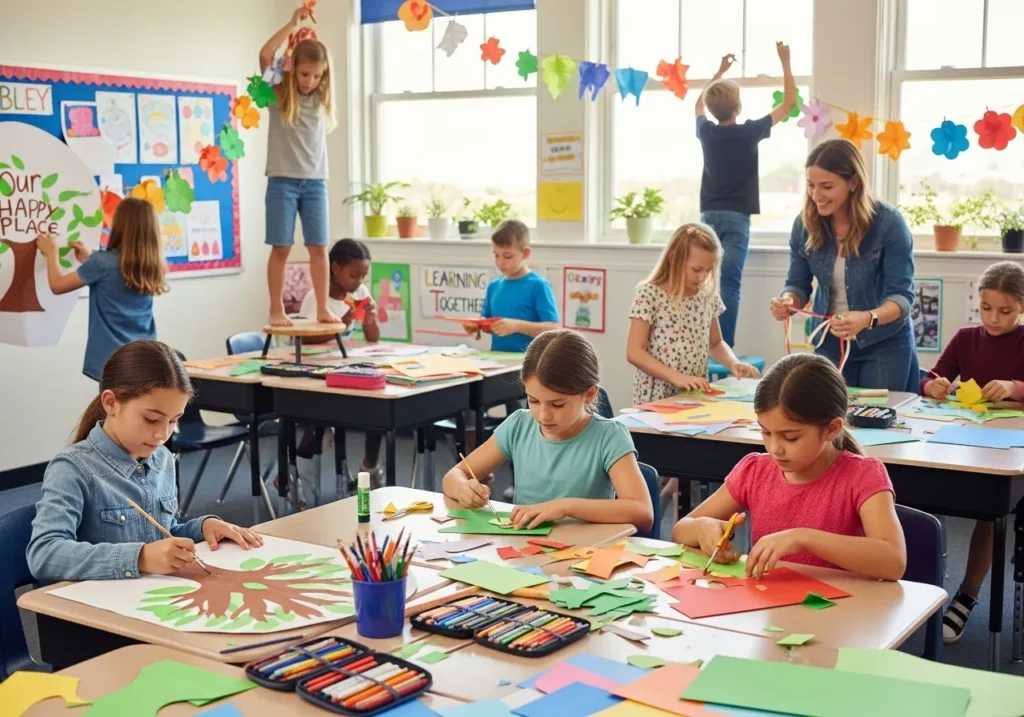
Student participation in decorating transforms the classroom from your space into their shared environment. Assign small decoration projects as class jobs, invite students to contribute artwork for displays, or dedicate time to collaborative decoration days where everyone contributes. This involvement builds community and gives students ownership of their learning environment.
Student-created decorations may not achieve the polished look of teacher-made items, but their authentic nature and the pride students feel seeing their contributions displayed outweigh aesthetic considerations. Frame student artwork seriously, giving it prominence equal to professional decorations. This communicates that you value their creativity and effort.
Conclusion
Classroom decorations represent more than visual appeal. They communicate values, support learning objectives, establish organizational systems, and create environments where students feel welcomed and motivated. DIY approaches to classroom decoration offer creative satisfaction, budget consciousness, and personalization that mass-produced items cannot match. The projects outlined here provide starting points adaptable to any teaching style, grade level, or subject area. Your investment of time and creativity yields spaces where both you and your students thrive throughout the academic year.To know more classroom decor ideas visit Teach Starter.
Frequently Asked Questions
What is the average cost for DIY classroom decorations?
Most DIY classroom decoration projects cost between ten and fifty dollars depending on materials chosen and project scale. Many ideas utilize recycled materials, clearance fabrics, or thrift store finds, significantly reducing expenses. Teachers often complete entire classroom makeovers for under two hundred dollars by combining purchased supplies with repurposed items.
How much time does creating DIY classroom decor typically require?
Simple projects like washi tape designs or clothespin displays take one to two hours, while more involved projects like painted furniture or extensive bulletin boards require four to eight hours. Most teachers spread decoration work across several weeks before the school year begins, completing a few projects at a time rather than attempting everything simultaneously.
What are the best materials for durable classroom decorations?
Laminated paper, exterior-grade paint, sealed wood, and UV-resistant fabrics provide longevity for heavily used classroom decorations. Contact paper protects paper-based items, while clear acrylic spray adds durability to painted surfaces. Invest in quality adhesives, screws, and mounting hardware for items that must withstand daily student interaction throughout the year.
Can DIY classroom decor work in shared or rotating classrooms?
Absolutely. Focus on portable decorations like fabric banners, magnetic elements, and freestanding items easily moved or stored. Utilize removable mounting solutions like command strips, tension rods, and standing displays rather than permanent installations. Many teachers use rolling carts decorated to match their theme, creating cohesive mobile spaces adaptable to various rooms.
How often should classroom decorations be updated or changed?
Update seasonal displays quarterly, rotate student work displays every two to three weeks, and refresh motivational messages or themes annually. Core organizational systems and storage solutions remain constant for consistency, while decorative accents change to maintain visual interest. Listen to student feedback about which displays they reference and which become invisible, adjusting accordingly.