20+ Creative Ideas for Unique Lamp Shades
Lighting serves as more than a functional necessity in our homes. It creates atmosphere, defines spaces, and reflects personal style. Among all lighting elements, the lamp shade stands out as a surprisingly versatile component that can transform an ordinary fixture into a statement piece. Whether you’re looking to refresh existing lamps or start from scratch, unique lamp shades offer endless possibilities for customization and creativity.
The beauty of working with lamp shades lies in their accessibility. Unlike major home renovations that require significant investment and expertise, updating or creating lamp shades can be accomplished with modest budgets and basic crafting skills. From repurposing everyday materials to exploring traditional techniques with modern twists, the world of unique lamp shades welcomes both beginners and experienced decorators.
This guide explores more than twenty creative approaches to achieving distinctive lighting through innovative shade designs. Each idea considers different aesthetic preferences, skill levels, and material availability, ensuring that everyone can find inspiration for their next lighting project.
Understanding Lamp Shade Fundamentals
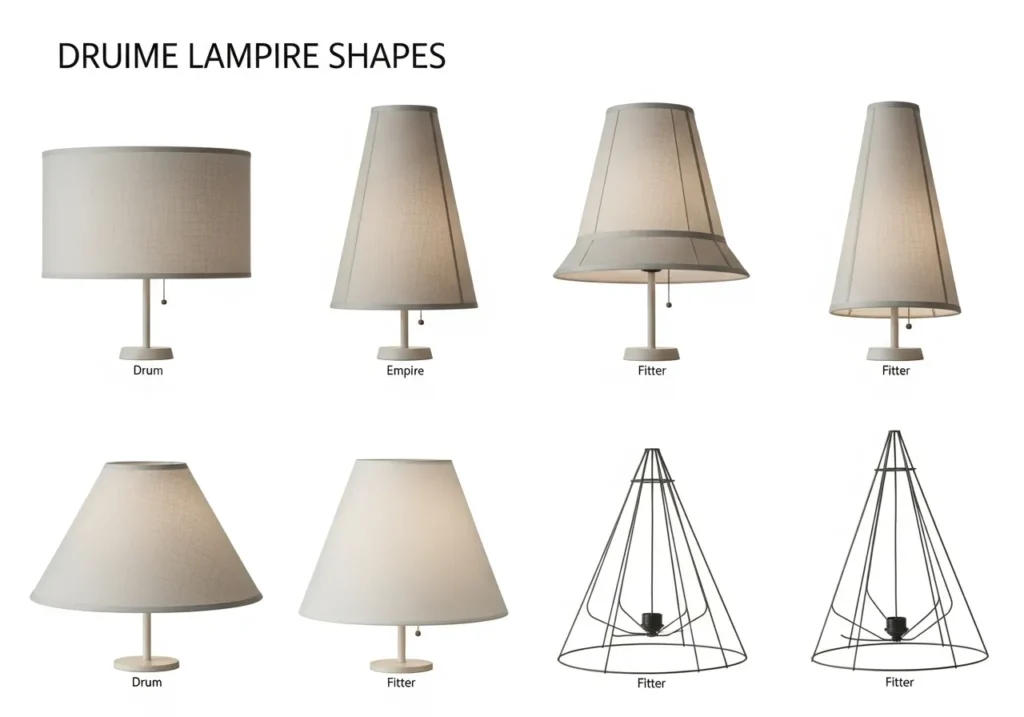
Before diving into creative projects, understanding basic lamp shade construction proves valuable. Traditional shades consist of a frame, covering material, and a fitter that attaches to the lamp base. The frame provides structural support, while the covering material controls light diffusion and establishes visual style.
Shape selection impacts both functionality and aesthetics. Drum shades with their cylindrical form distribute light evenly upward and downward, making them ideal for ambient lighting. Empire shades, narrower at the top and wider at the bottom, direct more light downward for task-oriented spaces. Bell shapes add elegance with their curved silhouettes, while square and rectangular options complement modern, geometric interiors.
Material choice determines how light travels through or reflects from the shade. Opaque materials like metal direct light strictly upward and downward, creating focused illumination. Translucent fabrics like linen or cotton allow gentle light diffusion throughout the room. Transparent or semi-transparent materials such as paper or thin fabric create warm, ambient glows that soften entire spaces.
Fabric-Based Transformations
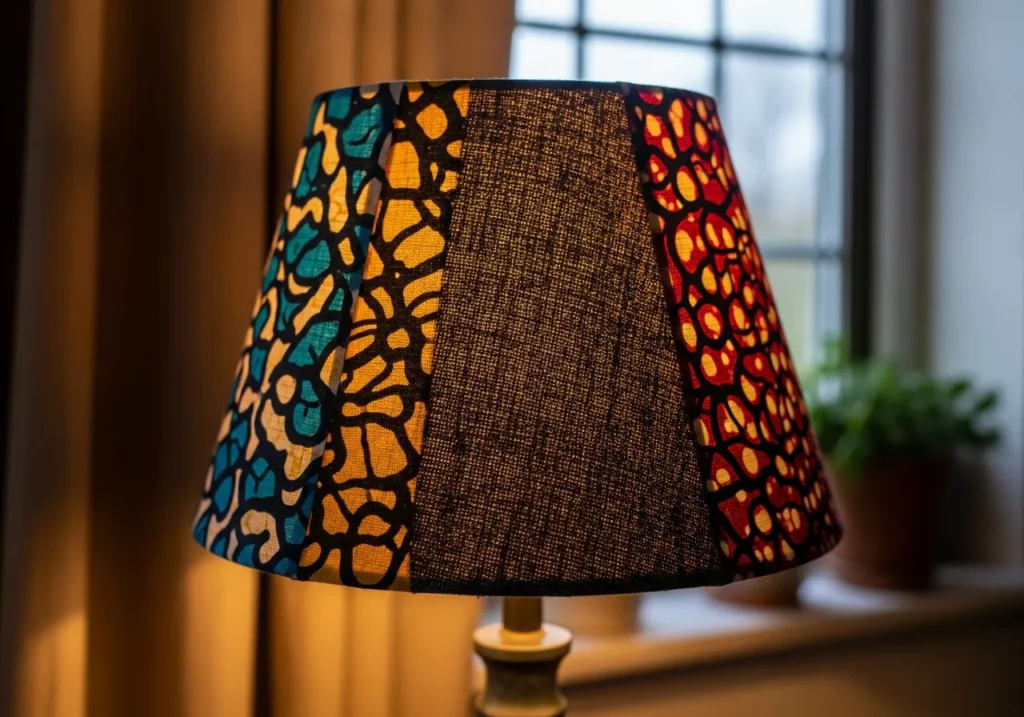
Fabric offers perhaps the most versatile medium for creating unique lamp shades. Cotton prints in bold patterns can instantly energize neutral rooms, while subtle textures add depth without overwhelming existing decor. The process involves measuring your existing shade, selecting coordinating fabric, and carefully adhering it using spray adhesive or fabric glue.
Vintage textiles deserve special mention for their character and history. Antique lace tablecloths, inherited scarves, or retro curtain panels can become conversation pieces when repurposed as lamp coverings. These materials carry stories and add layers of meaning beyond mere decoration.
Patchwork techniques allow combining multiple fabric scraps into cohesive designs. This approach works particularly well for bohemian or eclectic spaces where mixing patterns creates intentional visual interest rather than clashing chaos. Cut fabric into consistent shapes, arrange them in pleasing patterns, and attach them in overlapping layers for dimensional texture.
Embellished fabric shades take creativity further by incorporating three-dimensional elements. Ribbon trim along top and bottom edges adds polish and definition. Beaded fringe creates movement and sparkle, particularly effective in dining rooms or bedrooms where subtle glamour enhances ambiance. Appliqued shapes cut from contrasting fabrics can establish thematic connections to room decor.
Natural Material Applications
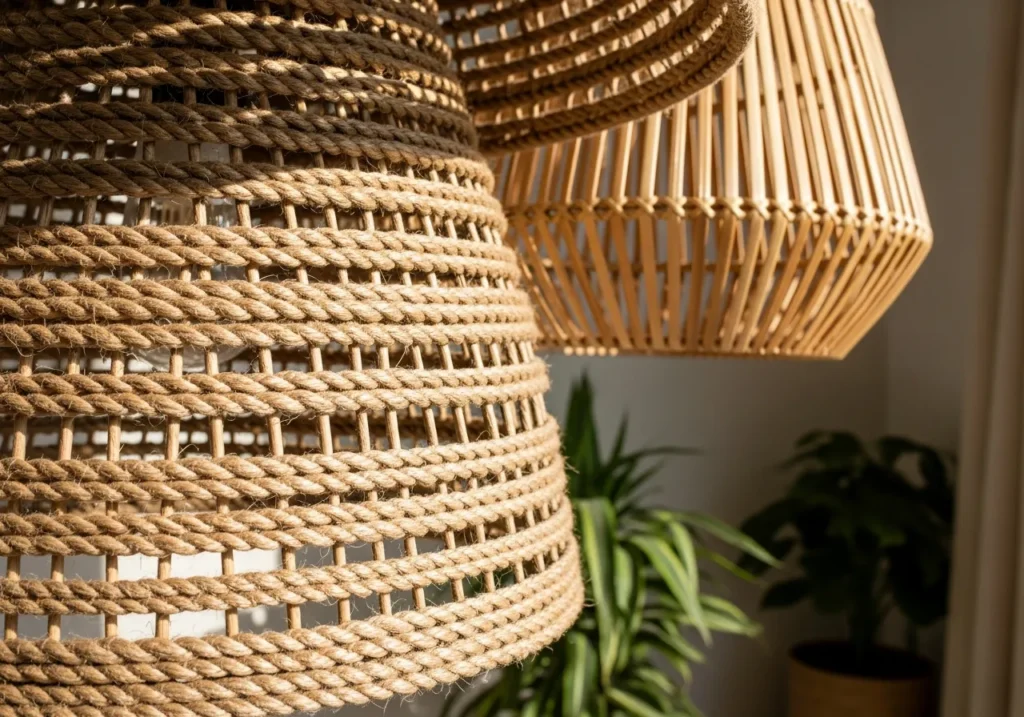
Natural materials bring organic warmth and texture that synthetic alternatives cannot replicate. Jute rope wrapped around existing shades creates coastal or farmhouse aesthetics with minimal effort. Start at the bottom edge, apply hot glue in small sections, and wrap rope tightly in continuous spirals until reaching the top. This technique works equally well with twisted cotton rope or sisal for varied textures.
Woven materials including rattan, wicker, and bamboo offer pre-made structural interest. These shades typically feature open weaving that creates intricate shadow patterns when illuminated. The natural color variations in these materials ensure that each shade possesses unique character impossible to duplicate.
Dried botanical elements provide another natural avenue for customization. Pressed flowers, leaves, or ferns can be carefully arranged between thin parchment layers, creating luminous herbarium effects when backlit. This technique requires patience and gentle handling but produces ethereal results perfect for nature-inspired spaces.
Wood veneer sheets bent around wire frames establish contemporary organic aesthetics. Thin enough to allow light passage while maintaining structural integrity, wood veneer combines warmth with modern minimalism. Birch, maple, and bamboo veneers each offer distinct grain patterns and color tones.
Paper and Origami Techniques
Paper lamp shades range from simple to extraordinarily complex. Basic approaches involve covering existing frames with decorative paper secured by adhesive. Maps create geographical interest perfect for travelers or geography enthusiasts. Sheet music appeals to musicians and adds cultural sophistication. Book pages contribute literary character to reading nooks and libraries.
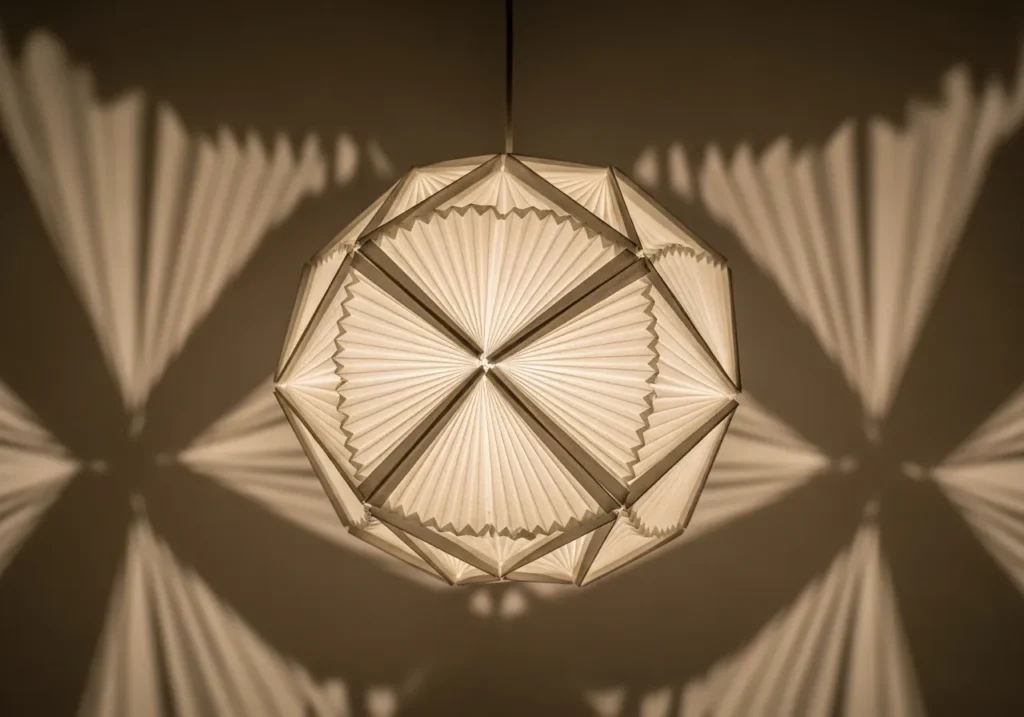
Origami techniques elevate paper shades into sculptural art. Geometric folding patterns transform flat paper into three-dimensional forms that cast intricate shadows. Modular origami, where multiple folded units interlock without adhesive, creates shades that can be assembled, disassembled, and reconfigured.
Pleated paper shades offer elegant simplicity with dramatic impact. Accordion-fold long paper strips, then connect the ends to form cylinders or cones. Varying pleat widths creates visual rhythm, while color gradients add contemporary flair. Watercolor paper works particularly well for this technique, as its thickness holds creases while its texture adds depth.
Papier-mache methods allow creating completely custom shapes using balloons or inflatable balls as molds. Layer paper strips soaked in diluted glue over the form, allow thorough drying, then carefully remove the mold and trim openings for bulb access. This approach enables organic, asymmetrical forms impossible to achieve with traditional frames.
Unconventional Material Explorations
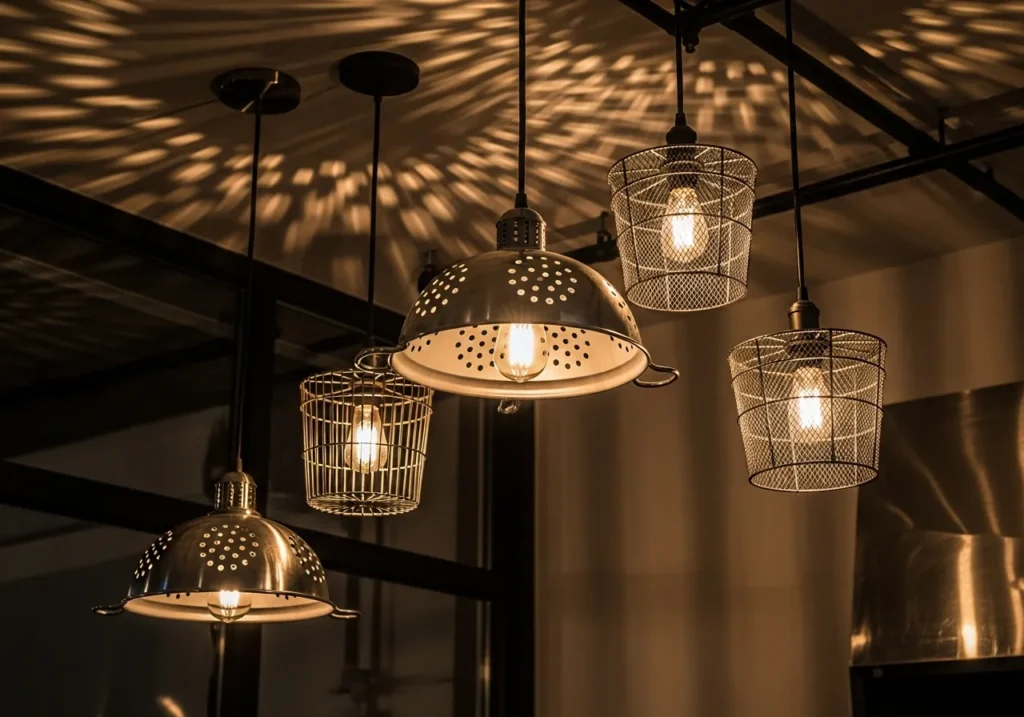
Creative lamp shade design truly shines when incorporating unexpected materials. Kitchen colanders become instant industrial-chic pendants with minimal modification. Their pre-existing perforations create dotted light patterns, while their metallic finishes suit modern aesthetics. Simply remove handles if present, install appropriate fittings, and hang.
Wire baskets follow similar logic, offering ready-made geometric forms that require only minimal adaptation. Spray paint transforms utilitarian baskets into design elements matching any color scheme. Lined with translucent fabric, they soften light while maintaining structural interest.
Zip ties, typically relegated to cable management, can construct surprisingly elegant geometric shades when systematically connected into repeating patterns. Their uniform size and shape enable precise geometric constructions, while their translucency creates subtle lighting effects. Available in multiple colors, they suit both neutral palettes and bold statements.
Recycled glass jars and bottles transform into charming clustered pendant shades. Remove bottoms carefully using glass-cutting techniques or by heating and cooling, then suspend multiple bottles at varying heights over a single light source. This approach works beautifully over kitchen islands or dining tables where multiple light sources create visual impact.
Textile Technique Applications
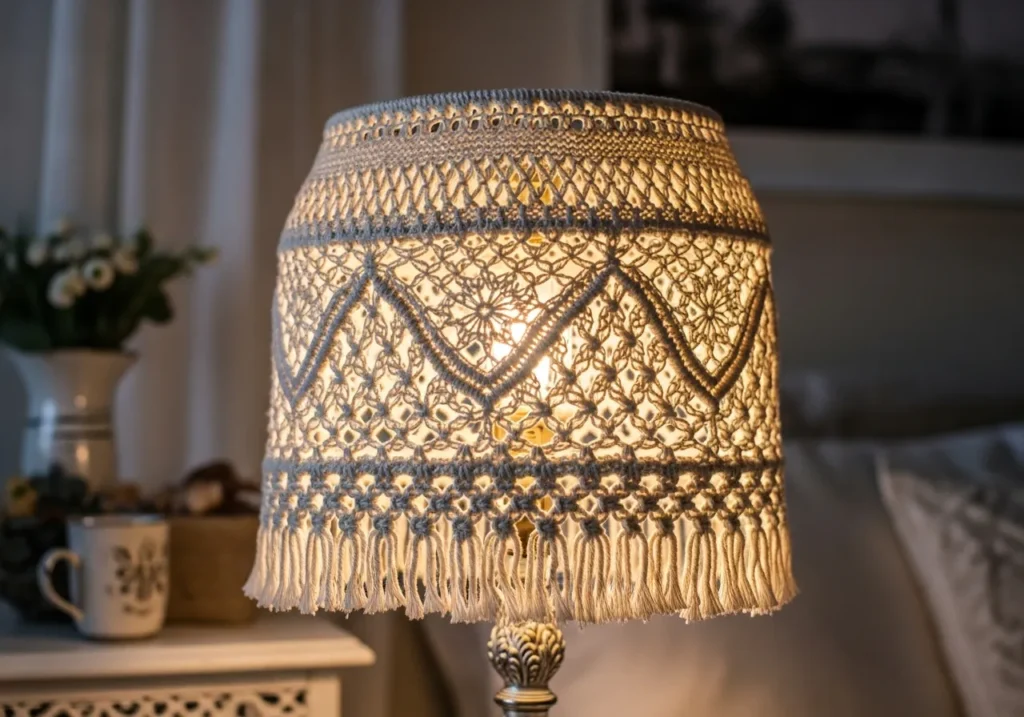
Crochet and knitting bring textile arts into lighting design. Crocheted lamp shades in lacy patterns create romantic, feminine aesthetics while allowing substantial light transmission. Cotton or linen yarns work best, as they withstand heat better than synthetic fibers. Pattern complexity can range from simple shells to elaborate pineapple stitches depending on skill level.
Macrame techniques produce bohemian shades with distinctive knotted textures. Working with natural cotton cord over wire frames creates shades that feel handcrafted and intentional. Varying knot patterns and densities controls light diffusion, with tighter knotting creating more opacity and looser work allowing greater illumination.
Embroidery transforms plain fabric shades into personalized artworks. Transfer favorite designs using carbon paper or printable fabric sheets, then stitch using embroidery floss in coordinating colors. This technique works particularly well for children’s rooms where custom imagery creates special connections.
Fabric painting offers another personalization avenue. Textile paints applied with brushes, sponges, or stencils create custom patterns and designs. Ombre effects achieved by gradually blending colors produce contemporary sophistication, while geometric stenciled patterns add precision and structure.
Lighting Consideration and Safety
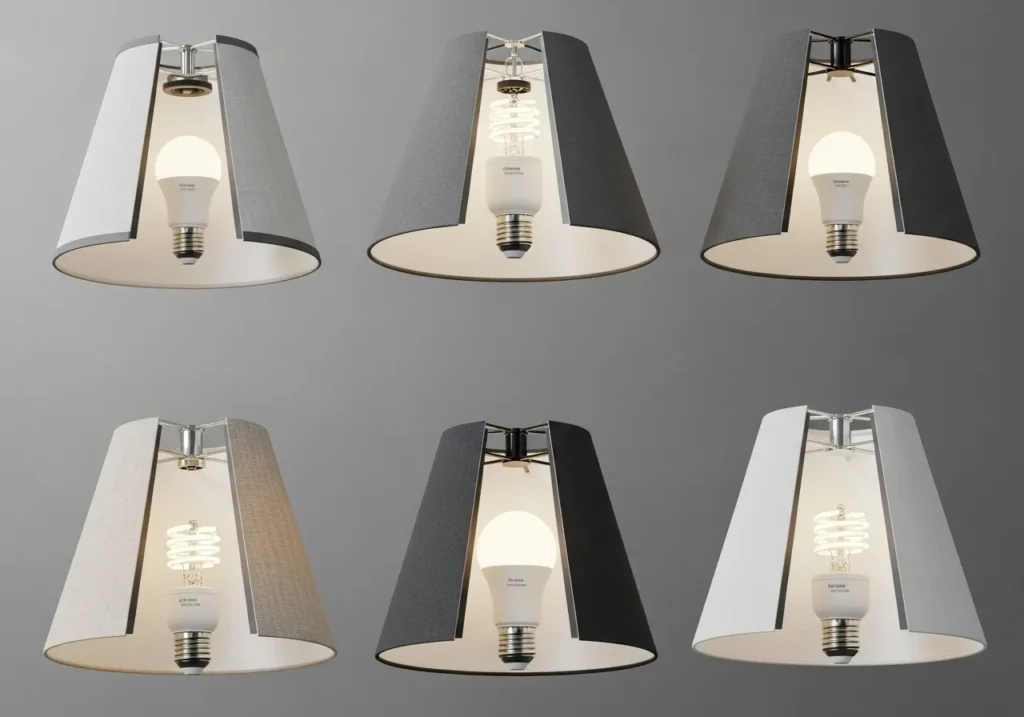
Creating unique lamp shades requires attention to heat safety and light bulb compatibility. LED bulbs generate significantly less heat than incandescent alternatives, making them essential for paper, fabric, and natural material shades. Their cool operation prevents scorching, discoloration, and potential fire hazards.
Distance between bulb and shade material matters considerably. Shades should maintain adequate clearance from bulbs, typically at least two inches for fabric and paper applications. Closer proximity risks heat damage and safety hazards. Using lower-wattage bulbs provides additional safety margins.
Ventilation ensures proper heat dissipation. Completely enclosed shades trap heat more readily than those with open tops and bottoms. When designing custom shades, incorporate airflow channels that allow heat to escape naturally through convection.
Material flammability ratings deserve consideration. Some materials inherently resist heat better than others. Cotton naturally withstands heat reasonably well, while certain synthetic fabrics may melt or emit fumes. Research material properties before committing to specific applications, particularly when working with unfamiliar substances.
Room-Specific Applications
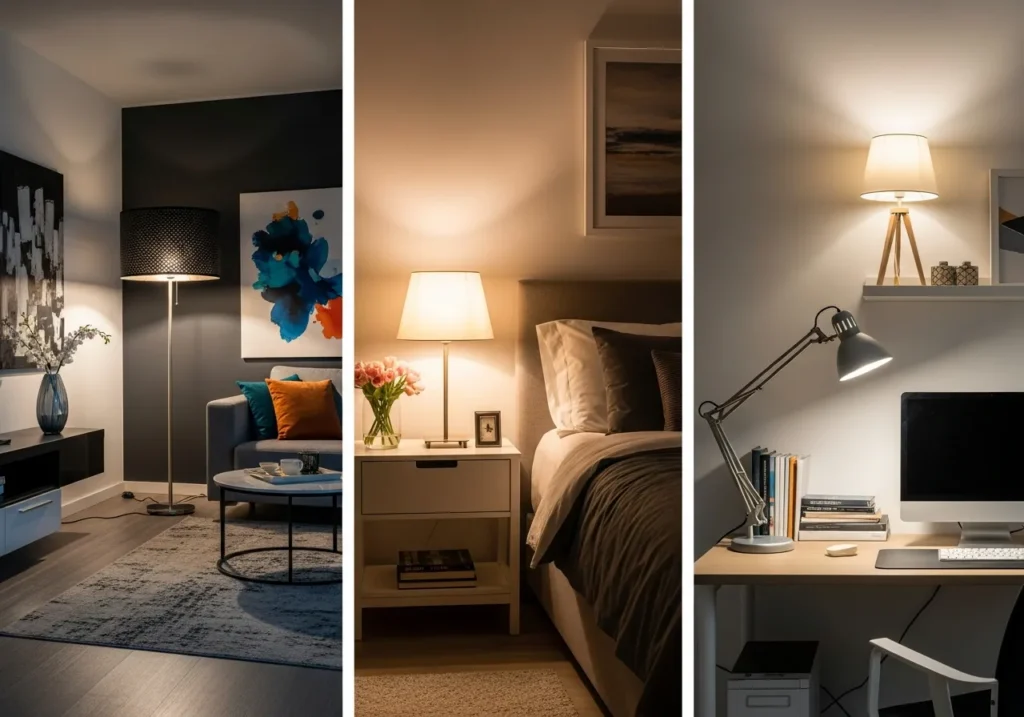
Different spaces benefit from tailored lamp shade approaches. Living rooms often feature larger floor and table lamps that anchor seating arrangements. These prime locations justify investing extra effort in unique shades that command attention. Bold patterns, substantial textures, or artistic applications work well here where they receive frequent viewing.
Bedrooms call for softer, more intimate lighting that promotes relaxation. Fabric shades in gentle colors with warm-toned bulbs create cozy sanctuaries. Delicate details like lace overlays or subtle embroidery add romance without overwhelming tranquil environments.
Home offices require task lighting that reduces eye strain while maintaining professional aesthetics. Empire or cone-shaped shades direct light effectively onto work surfaces. Neutral colors and clean designs minimize distractions while providing necessary illumination.
Children’s rooms welcome playful creativity. Themed shades featuring favorite colors, characters, or interests make lighting personal and engaging. Durability becomes particularly important here, suggesting durable materials that withstand inevitable bumps and handling.
Maintenance and Longevity
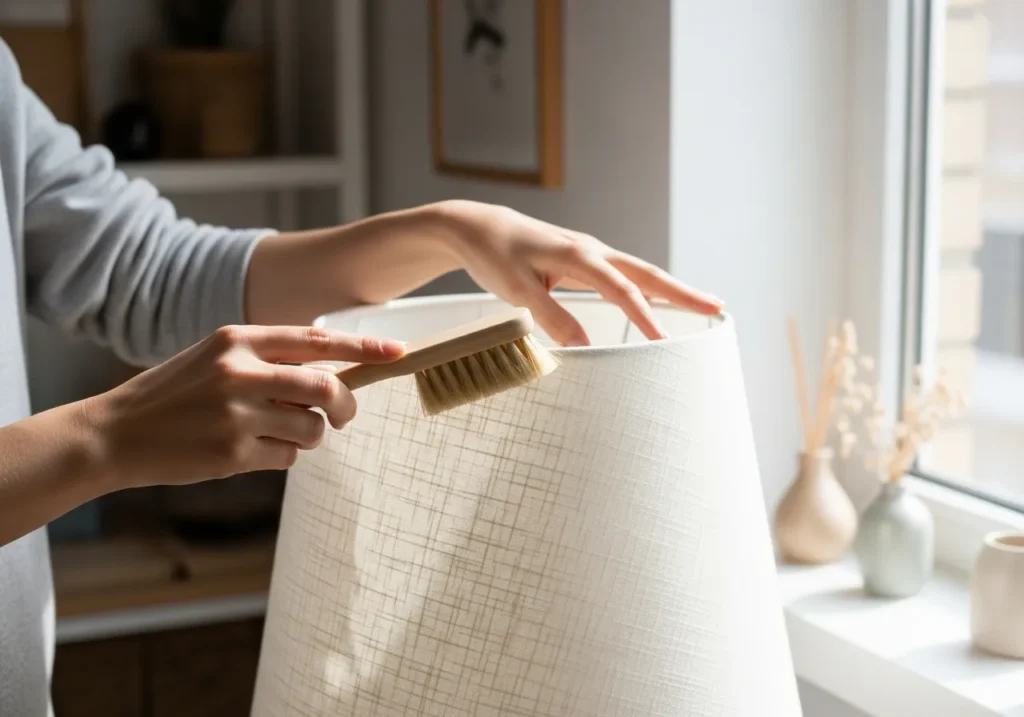
Handmade lamp shades require appropriate maintenance to preserve their appearance and function. Fabric shades benefit from regular dusting using soft brushes or vacuum attachments on low settings. Gentle spot cleaning addresses minor stains, though completely removing fabric for washing suits more extensive soiling.
Paper shades prove more delicate, requiring careful dusting and immediate replacement if damaged. Their relative affordability and ease of creation makes replacement practical when deterioration occurs. Consider paper shades temporary expressions that can be updated seasonally or as tastes evolve.
Natural material shades including rope, wicker, and bamboo withstand regular dusting well. Compressed air removes debris from intricate weaving without physical contact that might loosen construction. These materials age gracefully, developing patinas that enhance rather than diminish appeal.
Structural integrity checks ensure safety over time. Periodically examine frames, fittings, and attachment points for loosening or damage. Tighten connections and repair or replace compromised components promptly to prevent accidents.
Seasonal and Temporary Designs
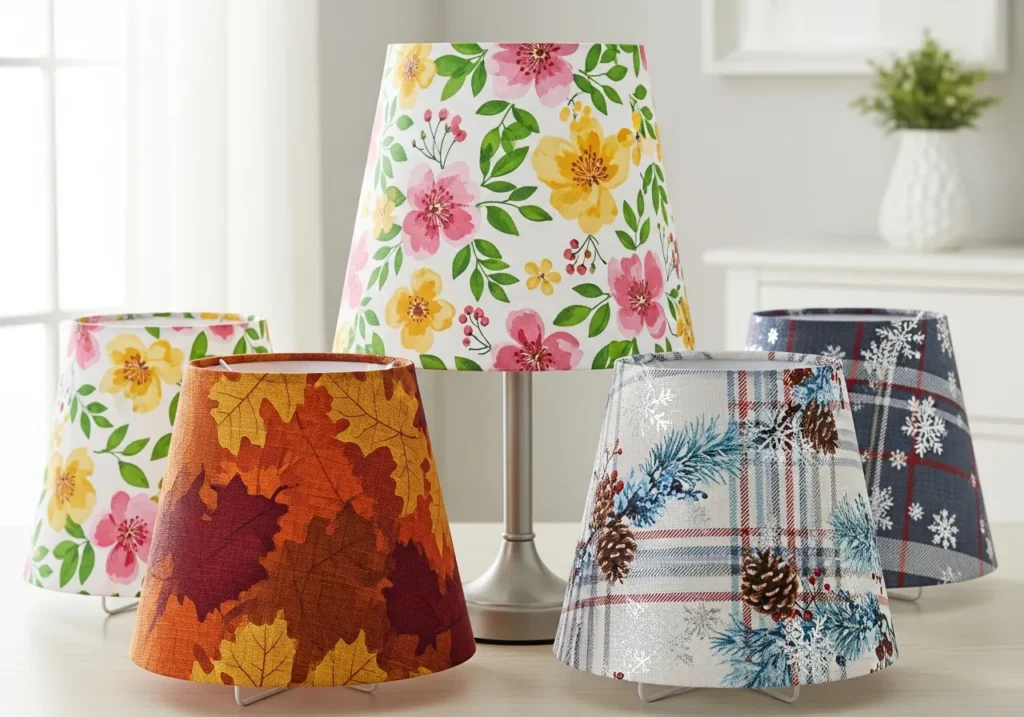
Unique lamp shades need not represent permanent commitments. Creating seasonal variations allows refreshing spaces throughout the year without major expense or effort. Spring might feature floral fabrics or botanical elements, while winter could incorporate richer textures and deeper colors.
Holiday-specific designs add festive touches. Simple ribbon additions in seasonal colors transform neutral shades for celebrations. Removable embellishments using clips or temporary adhesives enable quick changes that avoid permanent alterations to base shades.
Temporary overlays using sheer fabrics or paper sleeves slip over existing shades, creating instant transformations without commitment. This approach particularly suits renters or those who appreciate frequent change without waste or expense.
Interchangeable systems using basic neutral frames and varied slip-covers maximize versatility. Maintain several covering options in different styles and colors, swapping them according to mood, season, or occasion. This modular approach combines creativity with practicality.
Achieving Professional Results
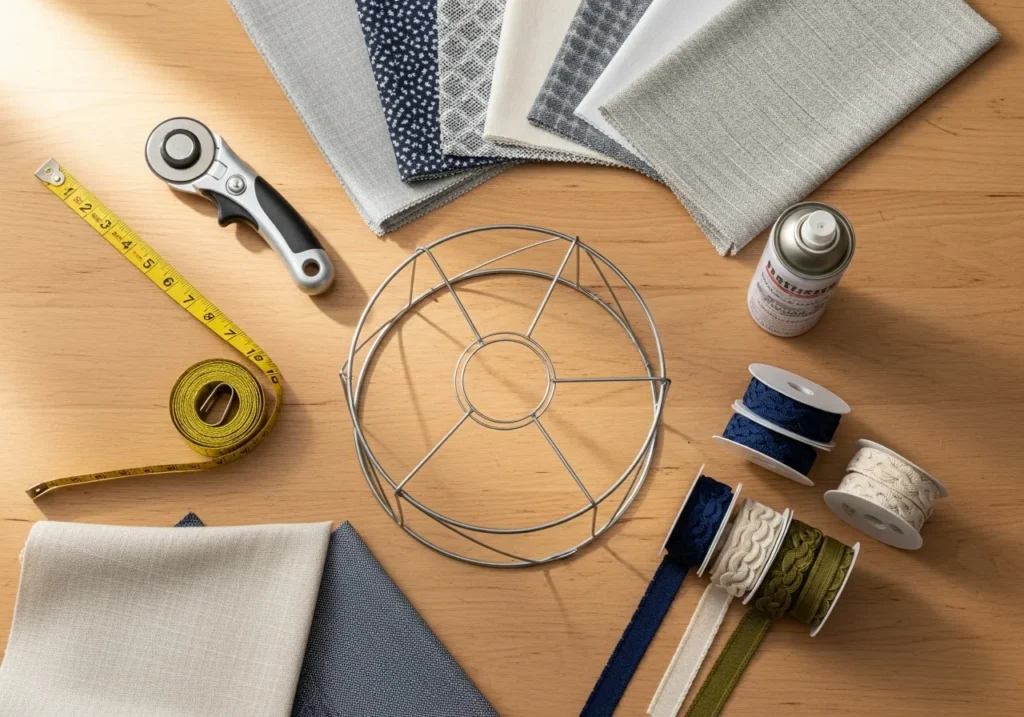
Several techniques separate amateur attempts from polished outcomes. Precise measurements ensure proper fit and professional appearance. Measure existing shades or lamp bases carefully, accounting for fitter heights and clearances. Create paper templates before cutting expensive materials to verify dimensions and avoid costly mistakes.
Clean, straight edges require sharp tools and steady hands. Rotary cutters excel for fabric, while craft knives suit paper applications. Taking time to achieve neat cuts eliminates frayed edges and uneven lines that detract from finished quality.
Adhesive selection impacts both appearance and durability. Spray adhesives provide even coverage without lumps or bumps visible through thin materials. Fabric glues offer flexibility that accommodates material movement without cracking. Hot glue suits structural applications but may show through delicate coverings.
Finishing touches elevate projects significantly. Trim edges with coordinating ribbon, braid, or piping to create clean transitions between materials. Ensure all seams align precisely, creating visual continuity around shade circumferences. Small details separate adequate results from exceptional ones.
Painted and Stenciled Designs
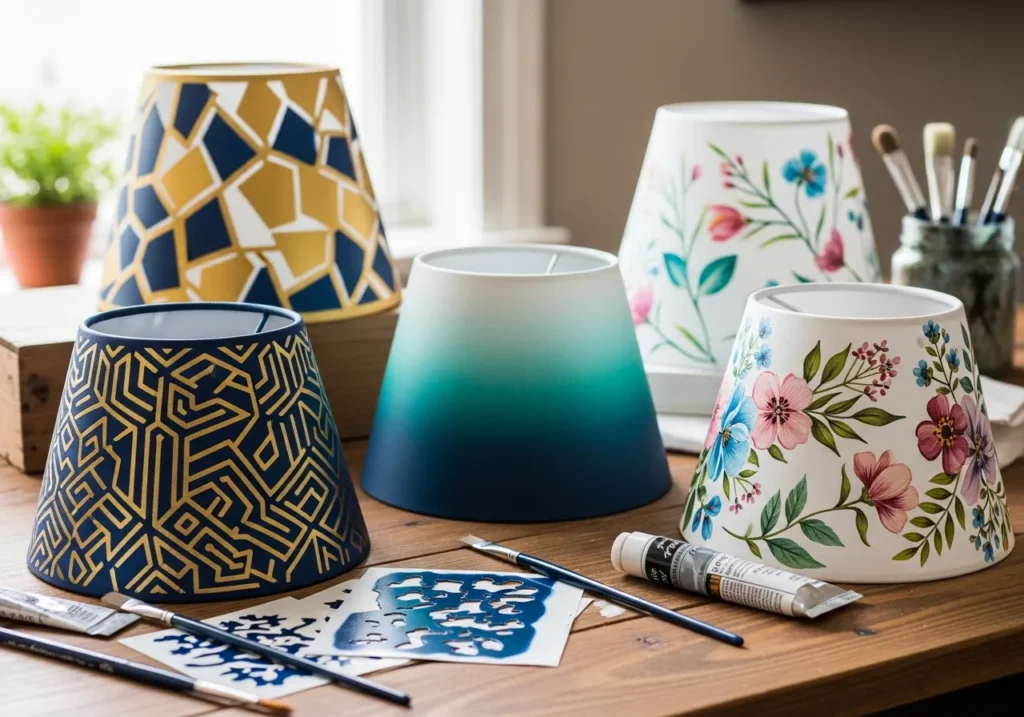
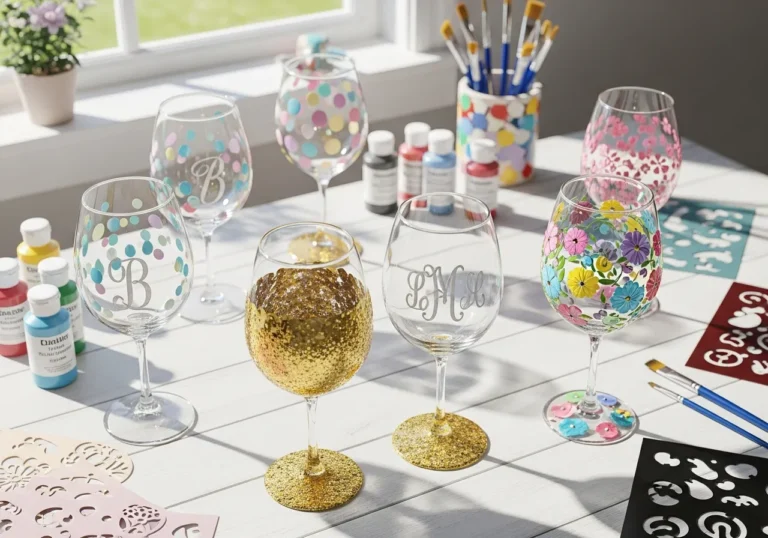
Transform plain lamp shades into personalized masterpieces through painting and stenciling techniques. Acrylic paints work exceptionally well on fabric shades, offering vibrant colors that remain flexible when dry. Metallic paints add glamorous touches perfect for evening spaces, while chalk paint creates matte, vintage-inspired finishes that complement farmhouse aesthetics.
Stenciling enables precise pattern reproduction without requiring artistic drawing skills. Secure stencils firmly against shade surfaces using painter’s tape to prevent paint bleeding under edges. Sponge daubers or stencil brushes apply paint more effectively than regular brushes, creating crisp lines and even coverage. Geometric patterns suit modern interiors, while floral or botanical stencils complement traditional or cottage aesthetics.
Ombre and gradient effects achieve contemporary sophistication through careful color blending. Start with the darkest shade at the bottom, gradually lightening as you move upward by mixing increasing amounts of white into the base color. Work quickly while paint remains wet to achieve seamless transitions. This technique works beautifully on drum shades where the cylindrical surface allows continuous blending without interruption.
Hand-painted designs offer complete creative freedom for those comfortable with brushwork. Abstract patterns, landscapes, inspirational quotes, or personalized imagery transform shades into unique art pieces. Seal finished painted shades with clear acrylic sealer to protect artwork from dust and handling while maintaining flexibility that prevents cracking.
Beaded and Jeweled Embellishments
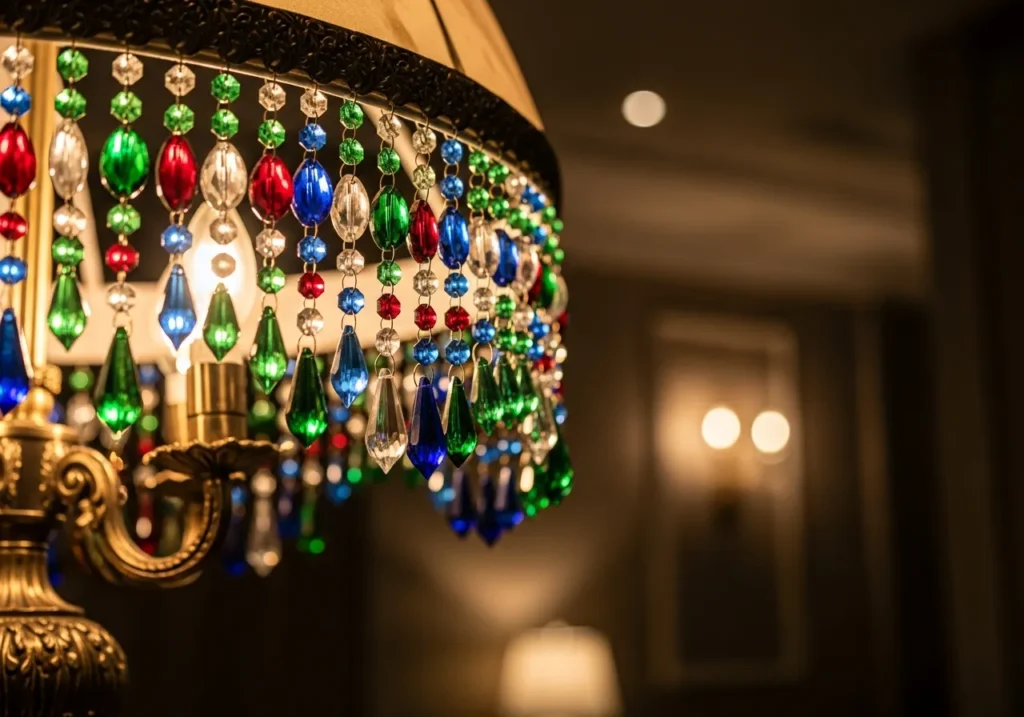
Beaded lamp shades evoke vintage glamour reminiscent of 1920s elegance and Art Deco opulence. Glass beads strung on fishing line or thin wire create cascading fringe that catches and reflects light beautifully. Attach strands around the bottom rim of existing shades, spacing them evenly for balanced visual weight. Longer strands create dramatic effects suitable for statement pieces, while shorter beading adds subtle sparkle without overwhelming.
Crystal and acrylic beads offer varied light-catching properties at different price points. Lead crystal beads produce rainbow refractions when illuminated, creating magical ambient effects that dance across walls and ceilings. More affordable acrylic alternatives still provide substantial sparkle at reduced cost. Mix bead sizes and shapes for textural interest, combining rounds, teardrops, and faceted cuts in complementary arrangements.
Glued bead applications allow creating intricate patterns directly on shade surfaces. Map designs beforehand using pencil marks that can be erased later, then apply beads individually with jewelry glue or hot glue for larger pieces. Geometric mandalas, flowing vines, or abstract patterns suit different aesthetic preferences. This technique requires patience and steady hands but produces stunning results worthy of the time investment.
Jewel-toned beads in emerald, sapphire, ruby, and amethyst hues create luxurious color statements. These work particularly well in dining rooms or bedrooms where rich colors enhance ambiance. Combine jewel tones with metallic gold or silver beads for added dimension and sophistication that elevates any space.
Metal and Industrial Materials
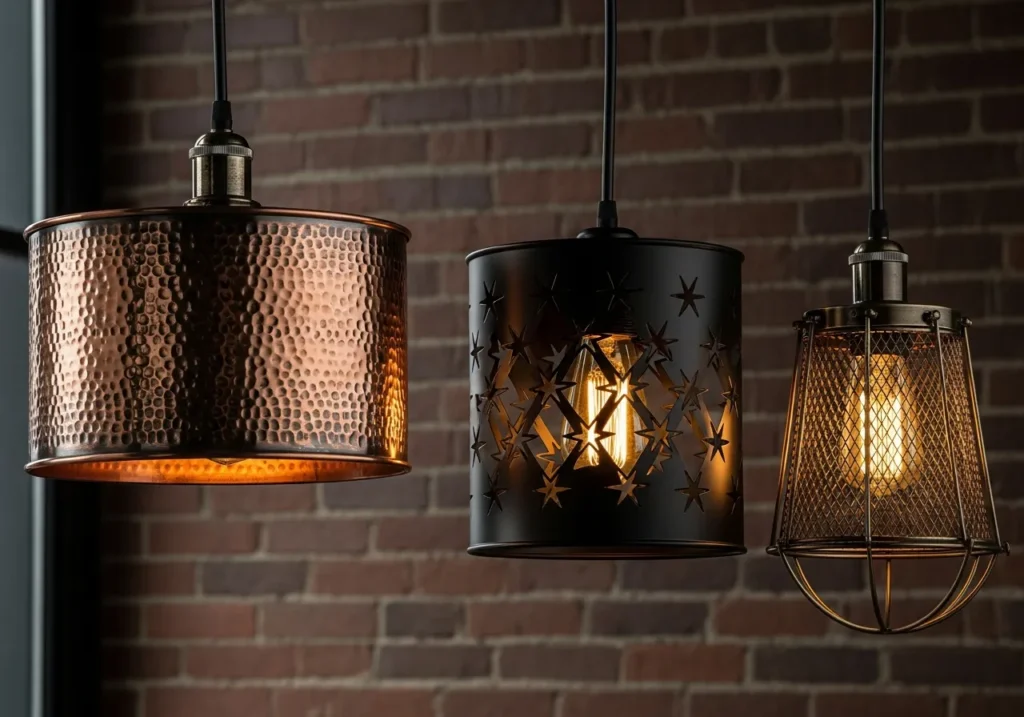
Metal lamp shades bring industrial elegance and modern edge to interior spaces. Copper sheets hammered into drum shapes develop beautiful patinas over time, evolving from bright orange-pink to rich brown and eventually verdigris green. This natural aging process adds character and uniqueness that improves with years rather than diminishing.
Perforated metal sheets allow creating custom patterns through strategic hole placement. Use metal punches to create designs ranging from simple polka dots to elaborate motifs. The holes permit light escape while the metal directs primary illumination upward and downward. Automotive body shops or metal fabricators often have scrap sheets available at minimal cost.
Wire mesh and hardware cloth construct shades with industrial character and complete visibility of bulbs. Chicken wire bent around wire frames creates rustic farmhouse aesthetics, while fine mesh offers more refined appearances. Spray paint in matte black, oil-rubbed bronze, or metallic finishes transforms utilitarian materials into design elements.
Tin can repurposing offers budget-friendly industrial options. Large coffee cans or food service containers become pendant shades with minimal modification. Punch decorative patterns using hammer and nails before installation for customized light projection. Remove sharp edges thoroughly for safety, then finish with appropriate heat-resistant paint.
Mosaic and Tile Techniques
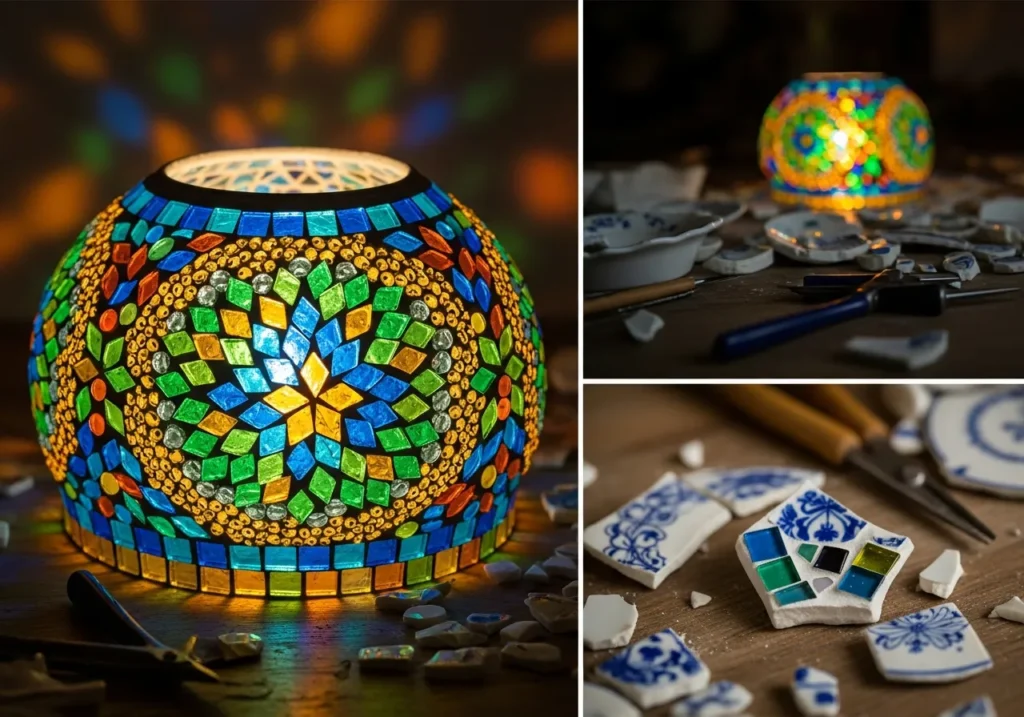
Mosaic lamp shades transform lighting into functional art through careful tile arrangement. Glass mosaic tiles in various colors create vibrant patterns that glow beautifully when illuminated from within. Start with simple geometric patterns before attempting complex pictorial mosaics. Adhesive specifically formulated for glass works best, providing secure bonding without yellowing over time.
Broken china and pottery pieces offer sustainable options for mosaic projects. Inherited china with sentimental value can find new purpose when carefully broken and arranged into meaningful patterns. Vary piece sizes for visual interest, using larger fragments as focal points and smaller pieces as filler. This technique requires protective eyewear and careful handling of sharp edges during cutting and placement.
Tile nippers and glass cutters enable precise shaping of mosaic pieces to fit specific design requirements. Score lines carefully, then snap along scores for clean breaks. Smooth sharp edges with diamond files or wet sandpaper to prevent cuts during assembly. Patience during cutting preparation ensures professional-looking finished results.
Grouting completes mosaic shades by filling gaps between tiles and providing finished appearances. Choose grout colors that either blend with tiles for subtle effects or contrast dramatically for bold statements. Sanded grout suits wider gaps, while unsanded versions work better for tight spacing. Seal grouted shades to prevent moisture absorption and staining over time.
Vintage and Upcycled Transformations
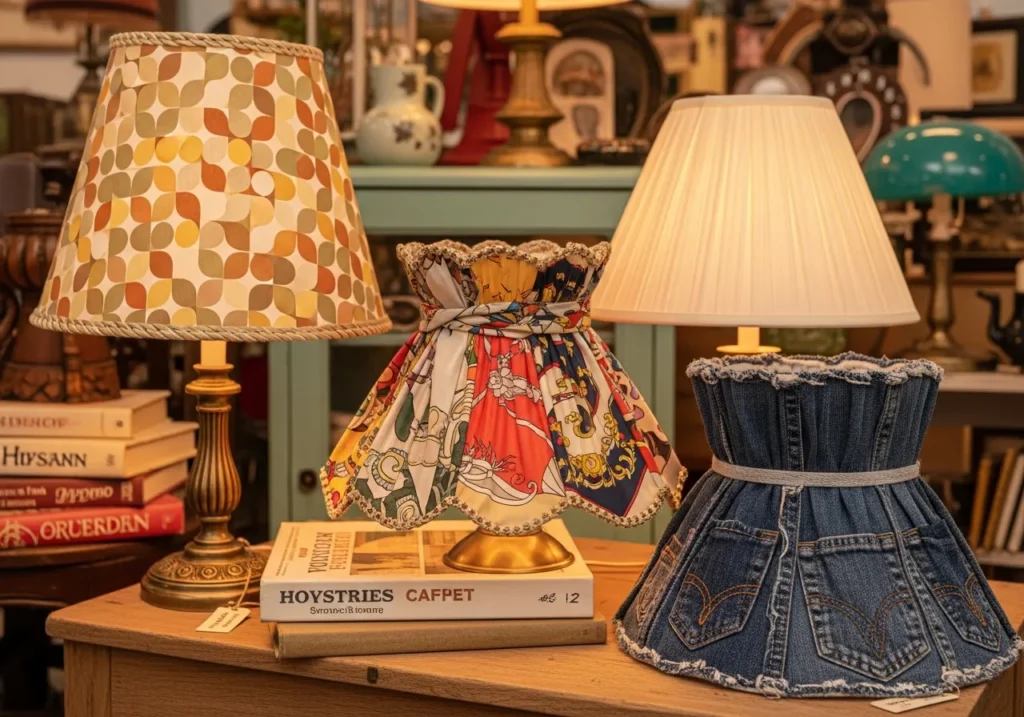
Vintage lamp shades possess character that new productions cannot replicate. Thrift stores, estate sales, and antique markets offer treasures waiting for creative restoration. Damaged silk shades can be recovered with new fabrics while preserving original frames. Tarnished metal frames clean beautifully with appropriate polishes, revealing ornate details hidden beneath years of neglect.
Wallpaper remnants from vintage patterns create distinctive coverings that reference specific eras. Mid-century geometric prints, Victorian florals, or Art Nouveau motifs establish clear stylistic connections. Wallpaper’s heavier weight provides structure while its decorative backing simplifies adhesion. This approach works particularly well for period-appropriate room restoration projects.
Vintage scarves and handkerchiefs transform into charming small lamp shades perfect for bedside tables or accent lighting. These textiles often feature hand-rolled edges and intricate patterns that add immediate sophistication. Their square or rectangular shapes adapt well to empire or rectangular shade frames with minimal cutting required.
Repurposed clothing items offer unexpected shade materials with built-in construction. Denim jeans pockets create quirky casual shades, while silk neckties arranged in overlapping patterns produce sophisticated results. Wool sweaters felted through washing become sturdy materials suitable for larger floor lamp shades with excellent insulating properties.
Photographic and Image Transfer Methods
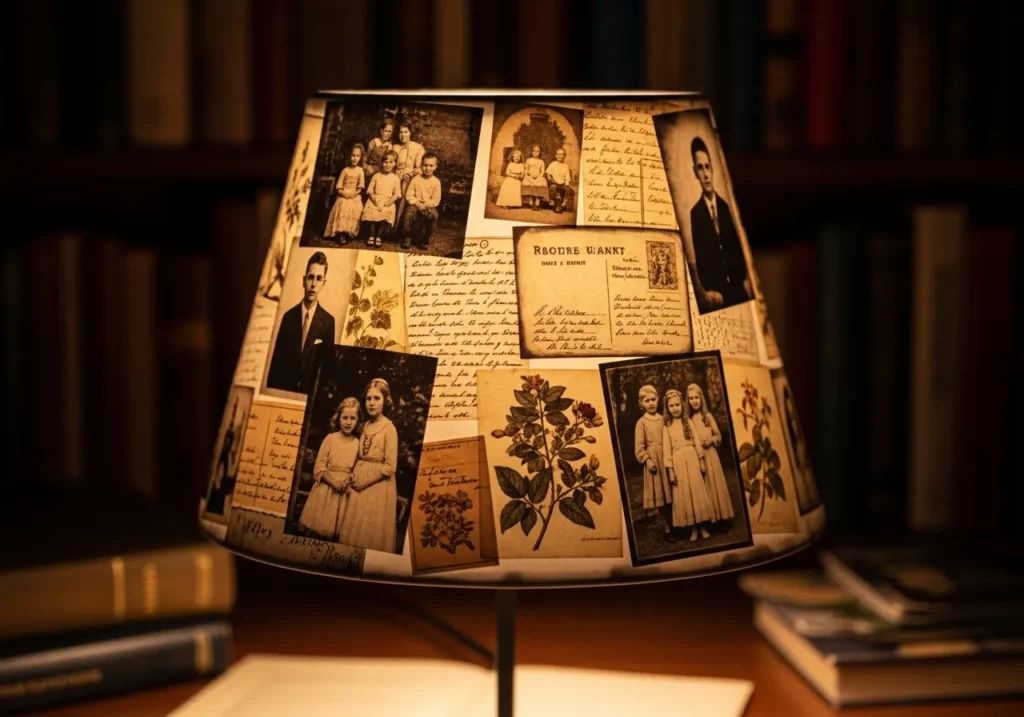
Photo transfer techniques enable incorporating personal photography or favorite artwork onto lamp shades. Gel medium transfers work well on fabric shades, allowing images to become part of the material rather than sitting on top. Print desired images using laser printers (inkjet won’t work), apply gel medium to both image and shade, then carefully press and burnout paper backing once dry.
Direct printing on fabric using printable fabric sheets offers simpler alternatives. Design lamp shade layouts digitally, incorporating multiple photos or single large images. Print onto fabric sheets following manufacturer instructions, then peel and apply to shade frames like regular fabric. This method provides excellent image clarity and color accuracy.
Decoupage with photographs or magazine cutouts creates collaged effects perfect for artistic or eclectic spaces. Select images sharing common themes, color palettes, or subject matter for cohesive results. Apply thin layers of decoupage medium over entire surfaces to seal and protect images while providing subtle sheen. Multiple thin coats produce better results than single thick applications.
Vintage photography and ephemera add nostalgic character. Old postcards, letters, stamps, or botanical prints arranged thoughtfully create conversation-piece shades. These historical elements work particularly well in studies, libraries, or spaces with vintage furnishings where they reinforce established aesthetics.
Fabric Manipulation Techniques
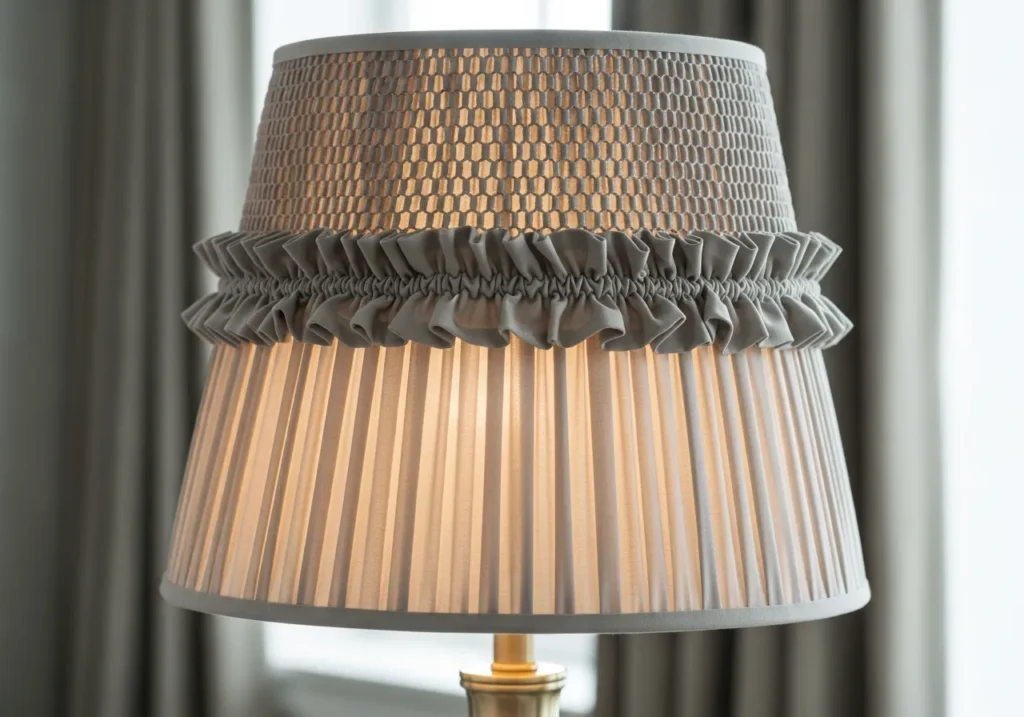
Fabric manipulation transforms flat textiles into three-dimensional artworks through strategic folding, pleating, and gathering. Smocking creates textured patterns through systematic gathering and stitching. This traditional technique produces honeycomb patterns that add substantial visual interest while maintaining fabric flexibility. Cotton or linen fabrics smock most successfully due to their natural fiber content.
Ruching gathers fabric into soft, romantic folds that create depth and movement. Pull gathering threads at intervals around shade circumferences, distributing fullness evenly for balanced appearances. This technique works beautifully with lightweight fabrics like silk, voile, or fine cotton that drape elegantly. The gathered texture softens light diffusion while adding touchable dimension.
Fabric folding techniques borrowed from fashion design create architectural structures on shade surfaces. Box pleats, knife pleats, or accordion folds establish strong geometric rhythms. Press folds sharply with hot irons before attachment to maintain crisp lines. These techniques suit contemporary interiors where clean geometry and precise execution matter. To see more ideas visit Better Home and Garden.
Shirring creates elasticized gathering through multiple parallel rows of gathering stitches. This technique produces adjustable textures that can be manipulated after installation. Shirred fabric adapts well to cone-shaped shades where varying circumferences require flexible materials. The resulting texture catches light beautifully, creating subtle shadows that enhance visual interest.
Sustainable and Eco-Friendly Options
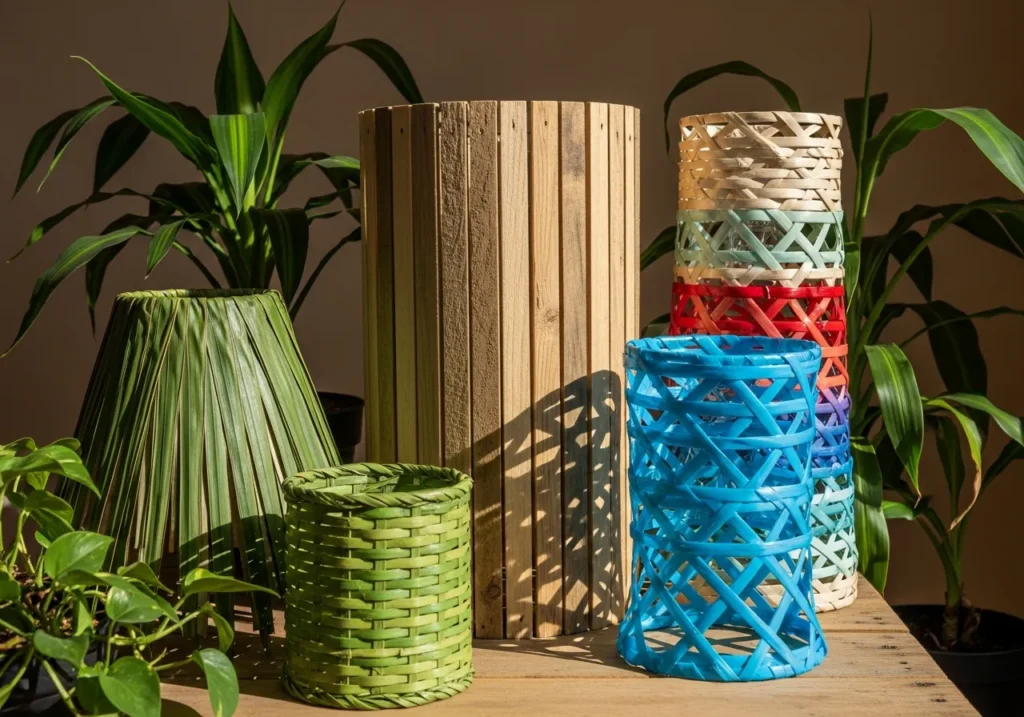
Sustainable lamp shade creation aligns creative expression with environmental responsibility. Recycled materials offer abundant possibilities while reducing waste. Cardboard tubes from paper towels or wrapping paper become structural elements for custom cylindrical shades. Cover them with fabric, paper, or natural materials to disguise their humble origins while creating functional lighting.
Reclaimed wood strips arranged vertically around wire frames create warm, organic shades with rustic appeal. Pallet wood provides free materials with weathered character and varied tones. Sand thoroughly to prevent splinters, then arrange pieces with small gaps allowing light escape. Natural wood tones require no additional finish, though clear sealers protect against dust accumulation.
Plant-based materials including corn husks, banana leaves, or palm fronds offer biodegradable alternatives to synthetic options. These materials can be woven, layered, or adhered to create uniquely textured shades connecting interiors to nature. Their natural variations ensure each shade possesses individual character. Avoid direct water exposure to prevent deterioration.
Conclusion
Unique lamp shades represent accessible opportunities for creative expression that significantly impact home environments. From simple fabric applications to complex origami constructions, options exist for every skill level and aesthetic preference. The materials required often already exist in homes as unused textiles, papers, or craft supplies waiting for purposeful application.
Beyond mere decoration, custom lamp shades reflect personal stories, interests, and creativity. They demonstrate that thoughtful design need not require substantial budgets or professional expertise. With basic materials, appropriate safety considerations, and willingness to experiment, anyone can transform lighting from functional necessity into artistic expression.
The projects explored here merely scratch the surface of possibility. Once comfortable with fundamental techniques, crafters naturally develop unique approaches combining multiple methods or inventing entirely new applications. This creative journey, filled with experimentation and discovery, rewards those willing to see ordinary materials through imaginative lenses. Your next distinctive lamp shade awaits, ready to illuminate spaces with personality and style.
Frequently Asked Questions
What is the easiest material for beginners to work with when making lamp shades?
Fabric represents the most forgiving material for beginners. Cotton works particularly well because it handles easily, adheres reliably to frames, and forgives minor wrinkles or imperfections. Start with solid colors or simple patterns to avoid alignment challenges, and use spray adhesive for smooth, even coverage without visible glue lines.
How do I know what size lamp shade to make for my lamp base?
The shade height should measure approximately two-thirds of the total lamp base height. The shade diameter should be roughly twice the widest part of the base. Most importantly, the shade must completely cover the hardware and socket when viewed from sitting eye level to maintain visual proportion and professional appearance.
Can I use regular craft materials safely on lamp shades?
Most craft materials work safely with LED bulbs that produce minimal heat. However, always maintain at least two inches of clearance between the bulb and shade material. Avoid highly flammable materials near any heat source, and never use materials that emit fumes when warmed. When uncertain, test small samples near warm bulbs before committing to full projects.
How long does a handmade lamp shade typically last?
Durability varies by material and construction quality. Fabric shades with proper reinforcement can last several years with appropriate care. Paper shades prove more temporary but offer easy replacement when worn. Natural materials like rope and wicker often improve with age as they develop attractive patinas. Regular gentle cleaning extends lifespan for all shade types.
Do I need special tools to create custom lamp shades?
Basic lamp shade projects require minimal specialized equipment. Sharp scissors or rotary cutters, rulers or measuring tapes, and appropriate adhesives comprise the essential toolkit. Wire frames can be purchased inexpensively or salvaged from old shades. More complex techniques like sewing or crochet require corresponding tools, but many beautiful shades emerge from simple no-sew methods accessible to everyone.