20+ Inspiring Pot Design Ideas for Your Home
The right pot can transform an ordinary plant into a stunning focal point that elevates your entire living space. Whether you’re looking to refresh your indoor garden, create an inviting outdoor oasis, or simply add character to your home, the design of your planters plays a crucial role in achieving your vision. Plant containers have evolved far beyond simple terracotta basics. Today’s options encompass an incredible range of materials, colors, patterns, and styles that allow you to express your personality while providing the perfect home for your greenery.
Choosing the right pot design involves more than aesthetics. You’ll want to consider the practical needs of your plants, the style of your space, and how different containers work together to create a cohesive look. From minimalist concrete vessels to vibrant hand-painted ceramics, the possibilities are endless. This comprehensive guide will walk you through more than twenty inspiring pot design ideas that can work in any home, regardless of your budget, skill level, or design preferences.
Classic Terracotta with a Modern Twist
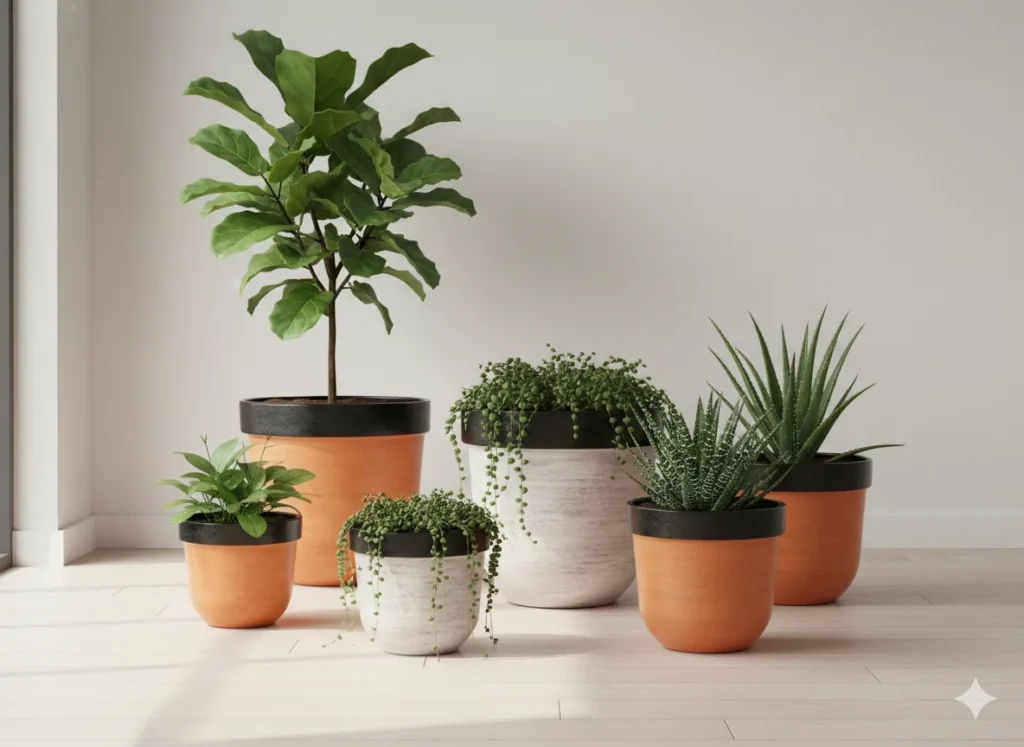
Terracotta pots have stood the test of time for good reason. Their porous nature allows soil to breathe, making them ideal for most plant types. However, traditional orange terracotta doesn’t have to look dated. Consider whitewashed terracotta for a shabby-chic appearance that works beautifully in farmhouse or coastal settings. The technique involves diluting white paint with water and applying it in thin layers, allowing the natural color to show through in places.
For a more contemporary approach, try pairing unglazed terracotta with sleek black or charcoal gray painted rims. This creates visual interest while maintaining the classic material’s benefits. Group terracotta pots of varying heights together, using odd numbers for the most pleasing arrangements. The natural warmth of terracotta pairs exceptionally well with green foliage and can soften modern interiors that might otherwise feel too stark.
Geometric Concrete Planters
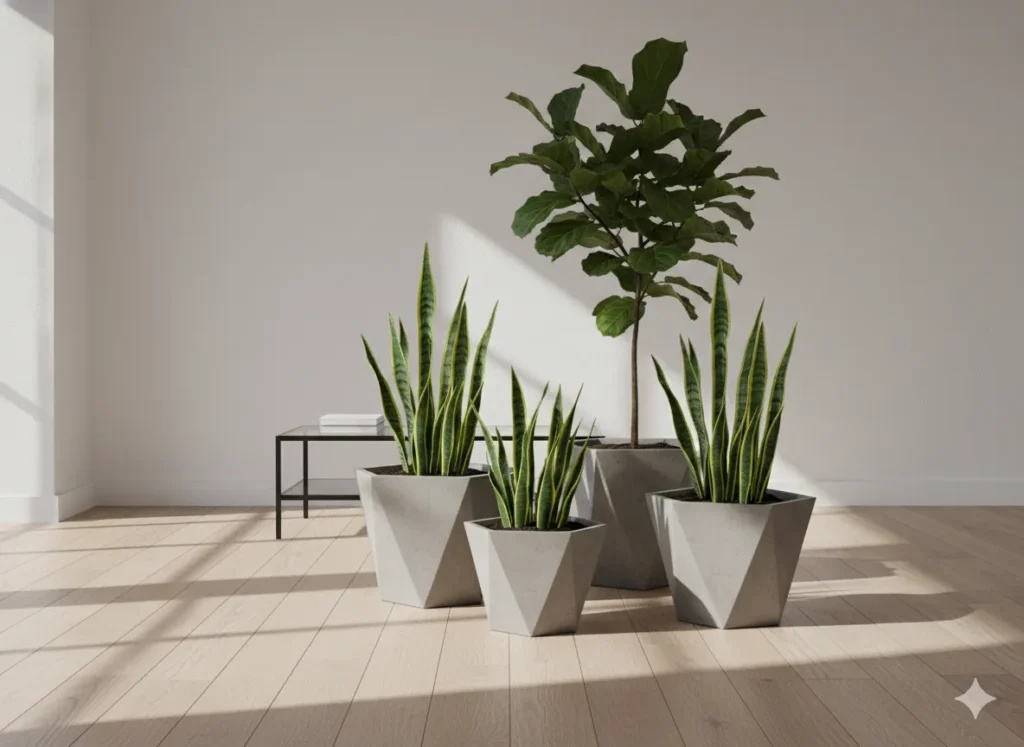
Concrete planters have surged in popularity, bringing industrial elegance to both indoor and outdoor spaces. The material’s versatility allows for countless geometric shapes, from hexagons and triangles to asymmetrical modern forms. Concrete works particularly well for larger floor plants and outdoor arrangements because of its substantial weight and weather resistance.
The neutral gray tone of concrete serves as an ideal backdrop for vibrant plants, allowing the greenery to take center stage. You can leave concrete in its natural state for a minimalist look, or experiment with concrete stains to achieve warmer or cooler tones. For those interested in DIY projects, concrete pots are surprisingly accessible to make at home using molds and concrete mix. The key is ensuring proper drainage holes and allowing adequate curing time before planting.
Hand-Painted Ceramic Masterpieces
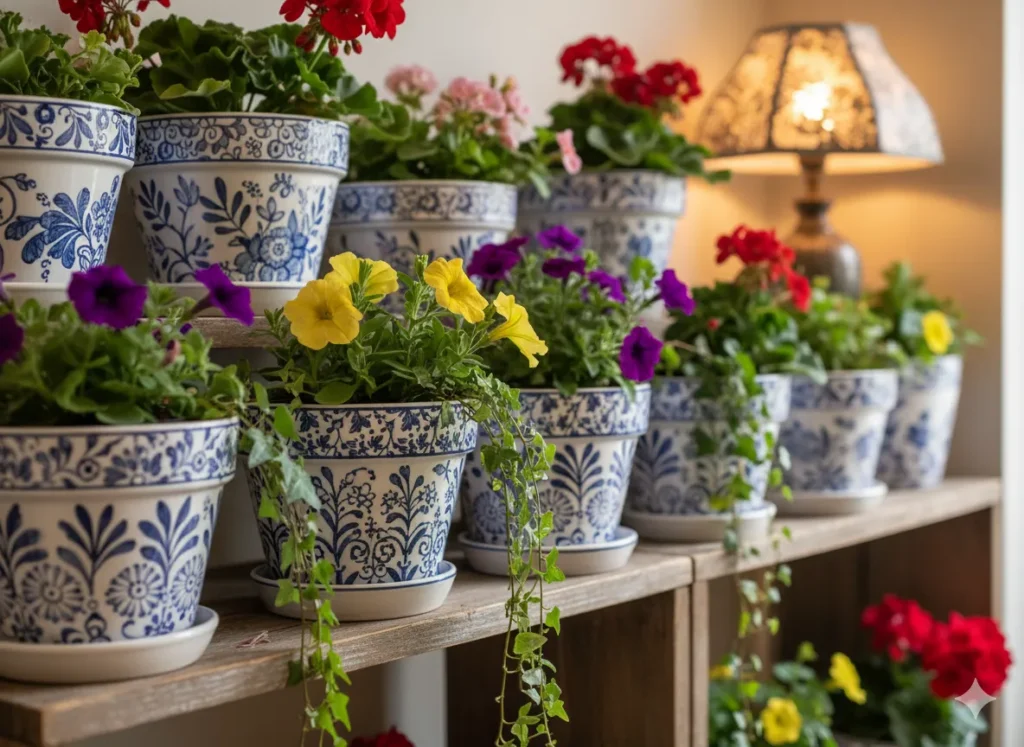
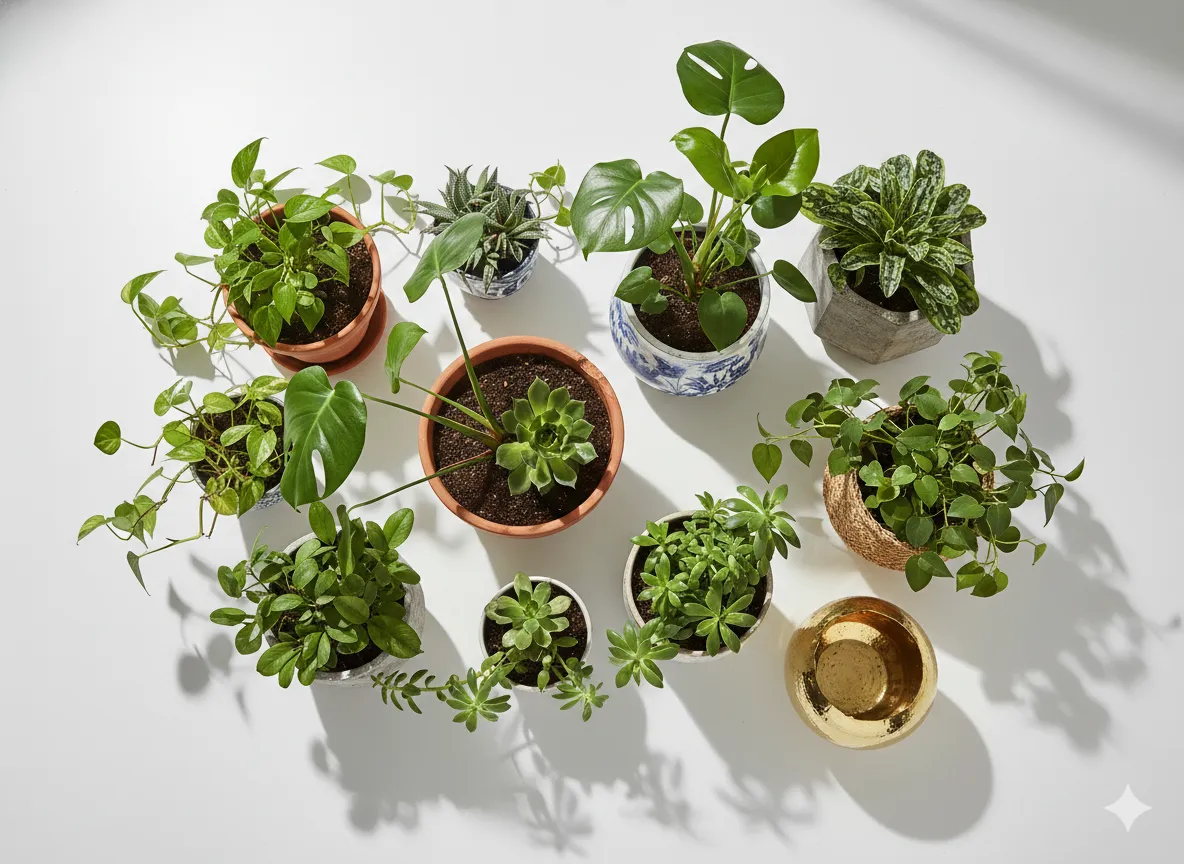
Ceramic pots offer the perfect canvas for artistic expression. Hand-painted designs can range from delicate botanical illustrations to bold abstract patterns. Mediterranean-inspired blue and white motifs bring a fresh, coastal vibe to any space, while geometric patterns in metallics create a glamorous statement.
The beauty of painted ceramics lies in their customization potential. You can paint plain ceramic pots yourself using acrylic paints sealed with a waterproof finish, creating designs that perfectly match your decor. Popular techniques include ombre effects, where colors gradually blend from dark to light, and splatter painting for a playful, artistic touch. Florals, stripes, polka dots, and tribal patterns all translate beautifully onto ceramic surfaces.
Metallic and Brass Accents
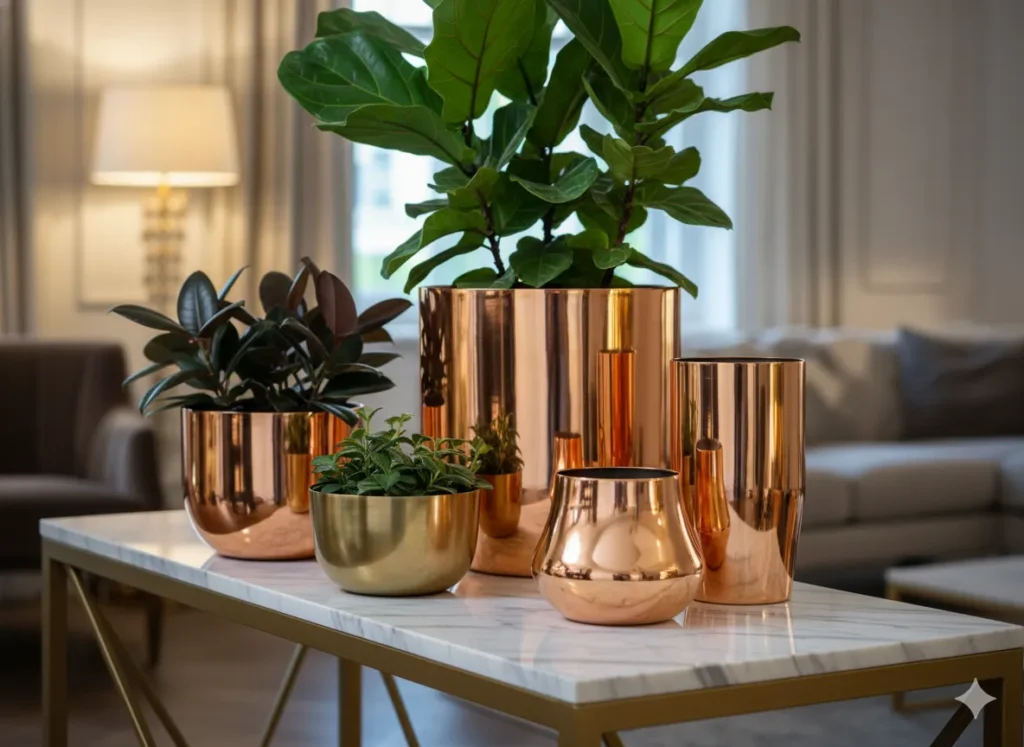
Metallic planters inject instant sophistication into any setting. Brass, copper, and gold-finished pots reflect light beautifully, making them ideal for darker corners that need brightening. These materials develop a natural patina over time, adding character and depth to their appearance.
Brushed metals offer a more subtle approach than high-shine finishes, working well in both traditional and contemporary spaces. Consider mixing metallic planters with other materials rather than using them exclusively, as this prevents the look from becoming overwhelming. A brass pot paired with a matte ceramic piece creates an interesting textural contrast that draws the eye.
Woven and Natural Fiber Containers
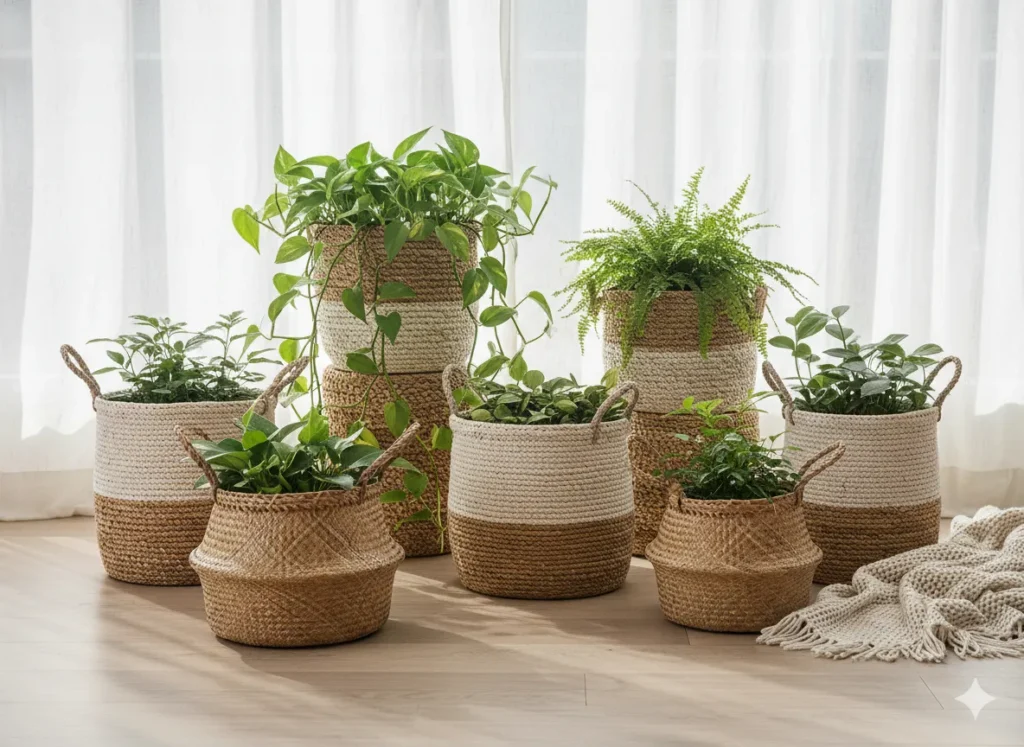
Baskets and woven planters bring warmth and texture that soften hard surfaces. Seagrass, water hyacinth, jute, and rattan containers work beautifully in bohemian, coastal, and natural design schemes. These lightweight options are perfect for indoor use, though they’ll need waterproof liners to protect the fibers from moisture damage.
Layering is key with natural fiber pots. Place your plant in a plastic nursery pot or ceramic insert, then nestle it inside the decorative basket. This protects the natural material while maintaining proper drainage. Woven containers in varying sizes can be grouped on shelves or floors to create a relaxed, organic display that feels collected over time.
Minimalist White and Neutral Tones
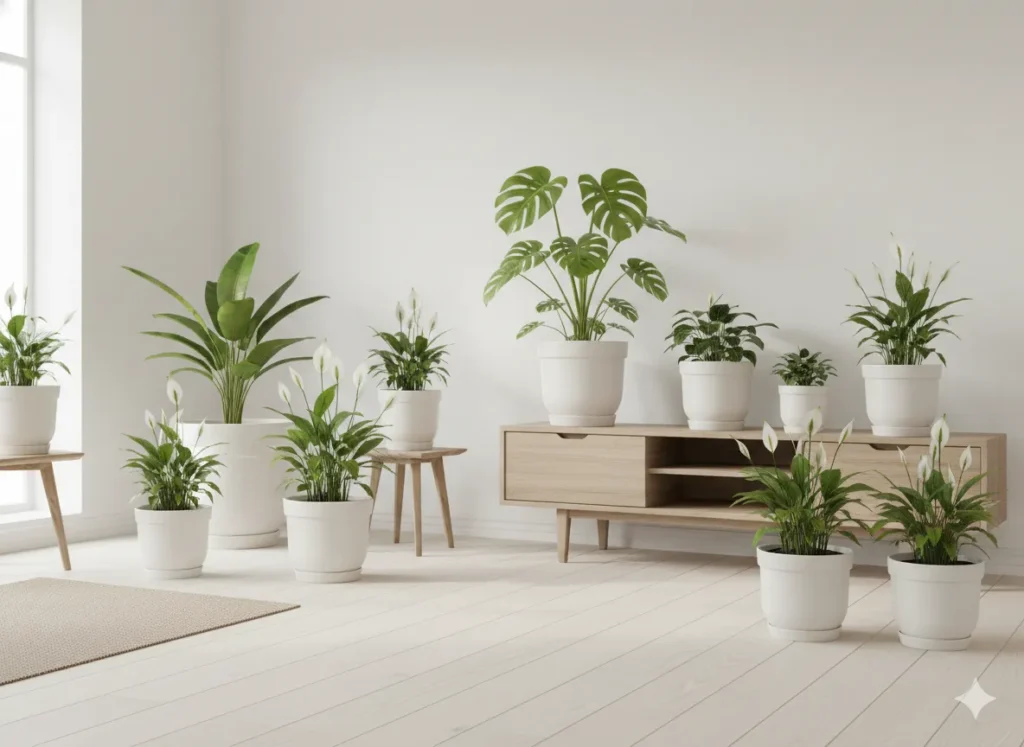
White and cream-colored pots create a clean, gallery-like aesthetic that allows your plants to become living sculptures. This approach works exceptionally well in Scandinavian, modern farmhouse, and contemporary minimalist spaces. The simplicity of neutral pots puts all attention on plant form, color, and texture.
Matte white finishes feel modern and sophisticated, while glossy whites can appear more formal and traditional. Mix different shapes and sizes within the same color family to maintain visual interest without introducing color complexity. White pots also make small spaces feel larger and brighter by reflecting light throughout the room.
Bold and Colorful Statements
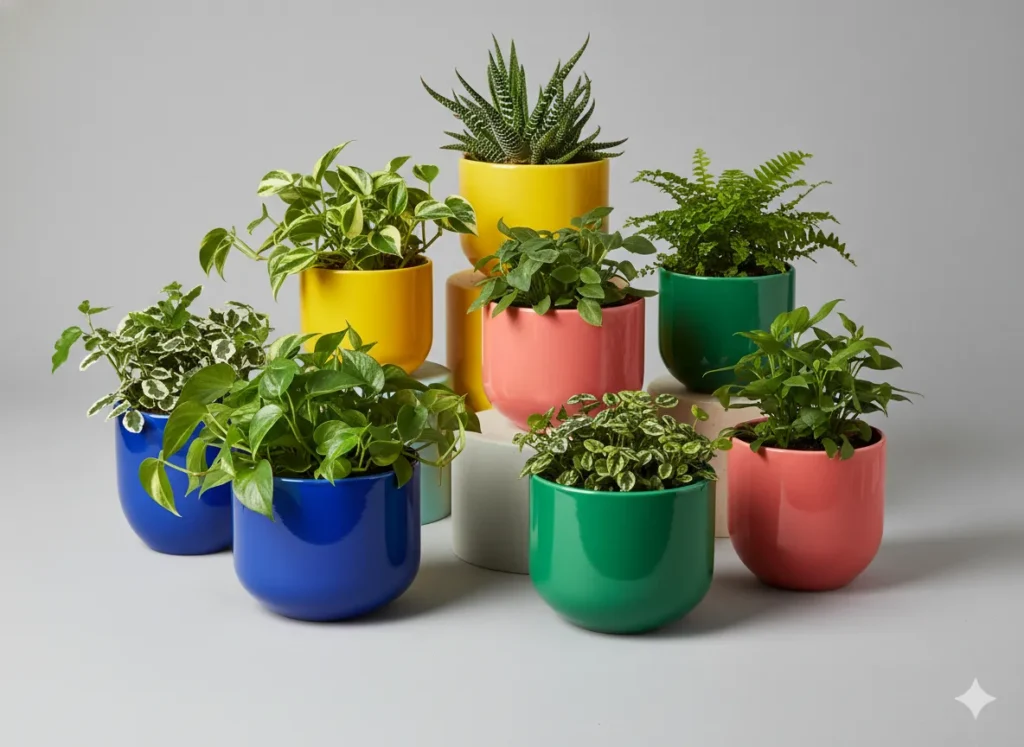
Don’t shy away from color when it comes to pot design. Vibrant planters in jewel tones, pastels, or saturated primaries can energize a space and express personality. The key to successfully incorporating colorful pots is intentionality. Choose colors that complement your existing palette or create deliberate contrast for impact.
Cobalt blue pots bring Mediterranean charm, while sunny yellow containers add cheerful energy. Terracotta red and burnt orange feel earthy and grounded, perfect for southwestern or bohemian aesthetics. When using multiple colored pots, stick to a limited palette of two to three colors to maintain cohesion. Alternatively, create an ombre effect by arranging pots in gradually shifting shades of the same color family.
Textured and Embossed Surfaces
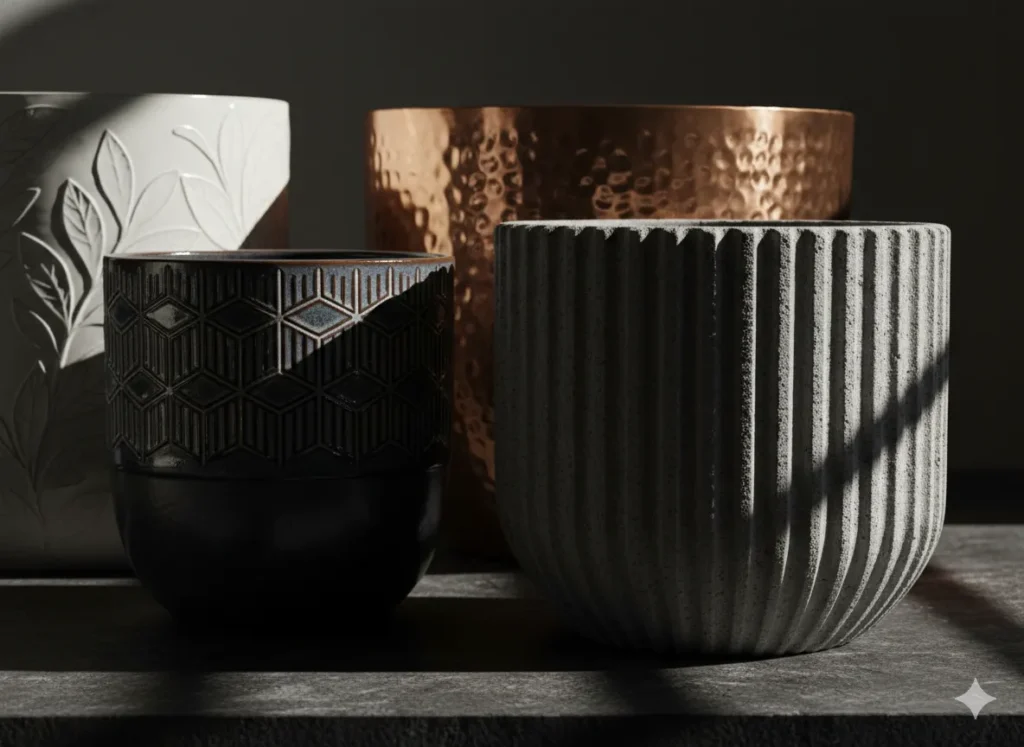
Surface texture adds depth and visual interest that smooth pots simply cannot provide. Ribbed, hammered, or embossed patterns catch light differently throughout the day, creating dynamic displays. Textured pots work particularly well for plants with simple foliage, as they add complexity without competing with busy leaves or flowers.To see more ideas do visit Flower Aura.
Concrete pots with wood-grain impressions combine industrial and natural elements beautifully. Ceramic vessels with raised geometric patterns feel both traditional and contemporary, bridging different design eras. When selecting textured pots, consider scale. Large, bold textures suit bigger containers and statement plants, while delicate embossing works better on smaller accent pieces.
Vintage and Antique Finds
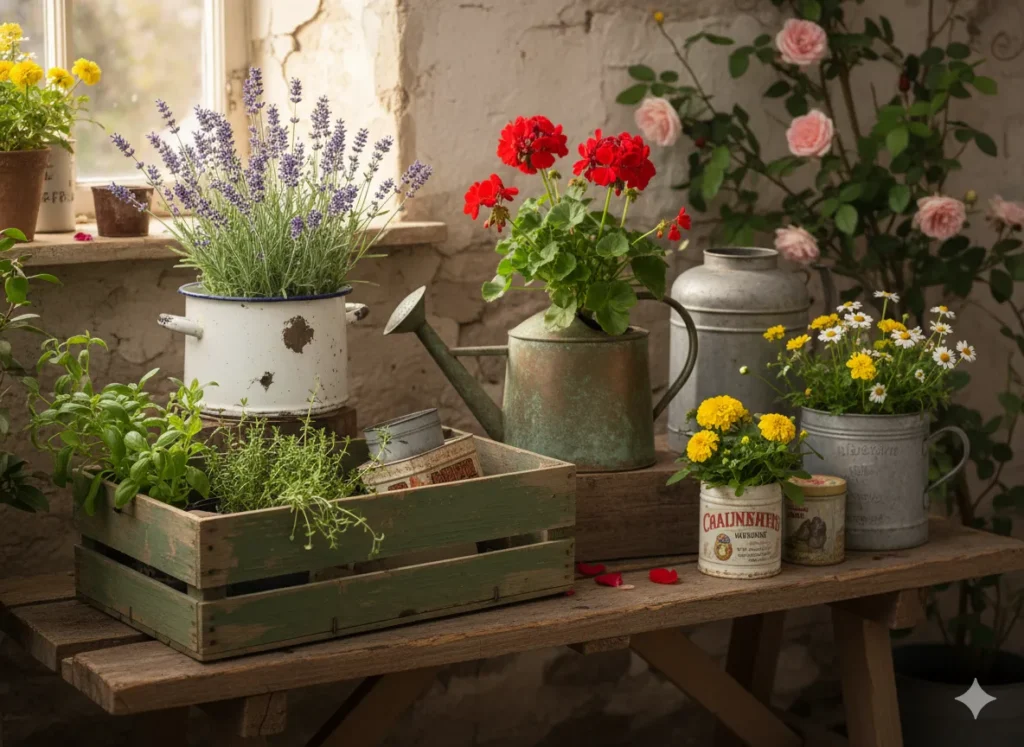
Repurposed vintage containers bring character and history into your plant displays. Old enamelware, antique watering cans, vintage tins, and salvaged wooden crates all make charming planters. These pieces tell stories and create conversation starters while providing unique homes for your plants.
The key to successfully using vintage containers is ensuring adequate drainage. Drill holes if the piece can accommodate them, or use these vessels as decorative cachepots that hold plants in properly draining inner pots. Flea markets, estate sales, and antique shops offer treasure troves of potential planters. The slight imperfections and patina of age add authenticity that new items cannot replicate.
Two-Tone and Color Blocking
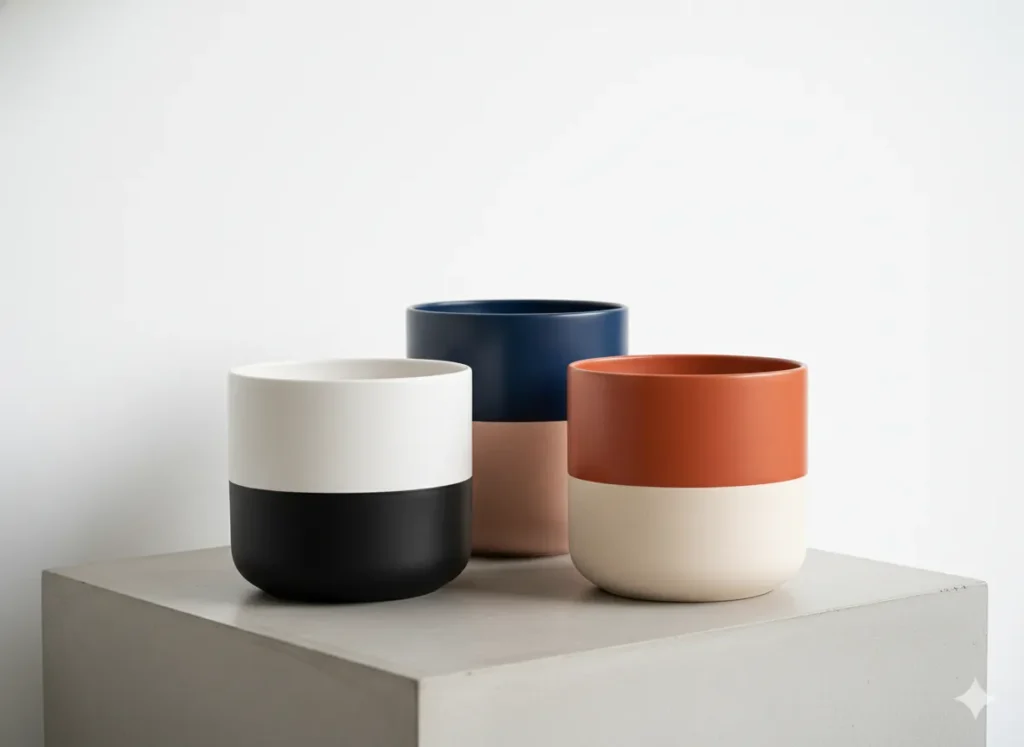
Color blocking creates bold, modern statements by dividing pots into distinct color sections. This technique works with any color combination but looks particularly striking with contrasting tones. Try pairing black and white, navy and blush, or terracotta and cream for sophisticated results.
The division line can be horizontal, diagonal, or even vertical depending on your preference. Clean, crisp lines create the most professional appearance, achieved easily with painter’s tape. This design approach allows you to incorporate trendy colors while maintaining neutrality in other areas, making it easy to update your look as your tastes evolve.
Hanging and Suspended Designs
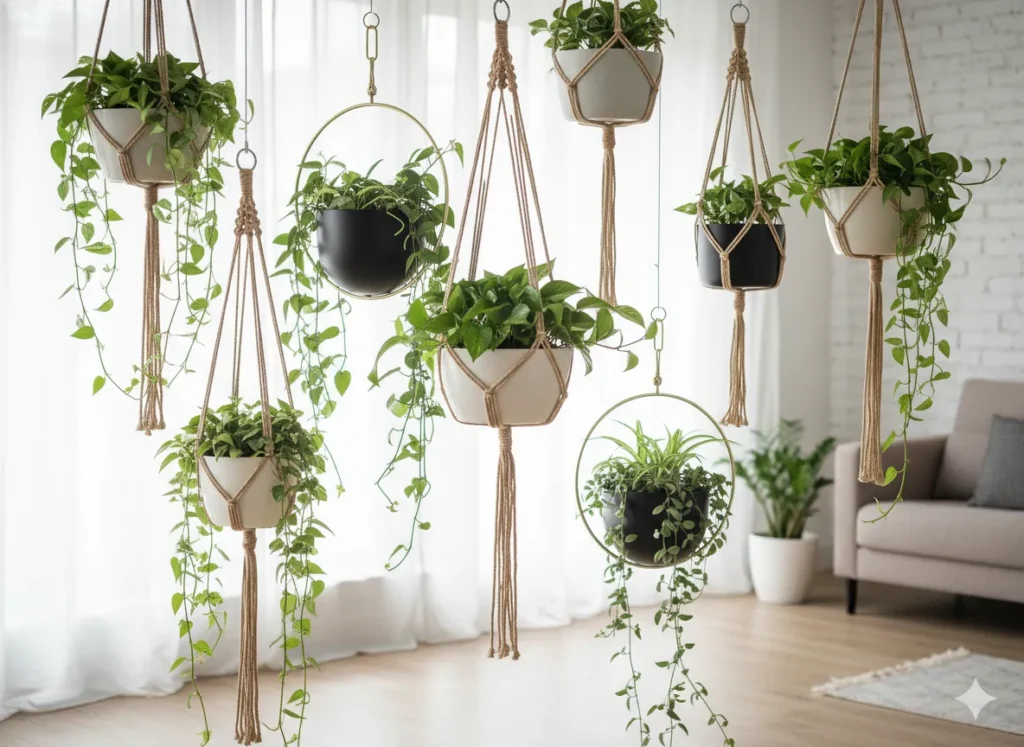
Hanging planters add vertical interest and make use of often-overlooked space. Macrame hangers bring bohemian texture, while sleek metal or leather suspensions feel more contemporary. The pots themselves can be simple, as the hanging mechanism often provides sufficient visual interest.
Consider the weight of both pot and plant when selecting hanging designs, ensuring your ceiling hooks and hardware can support the load safely. Hanging planters work beautifully in corners, near windows, or clustered at varying heights to create living installations. They’re particularly practical in small spaces where floor and surface area is limited.
Rustic Wood and Log Planters
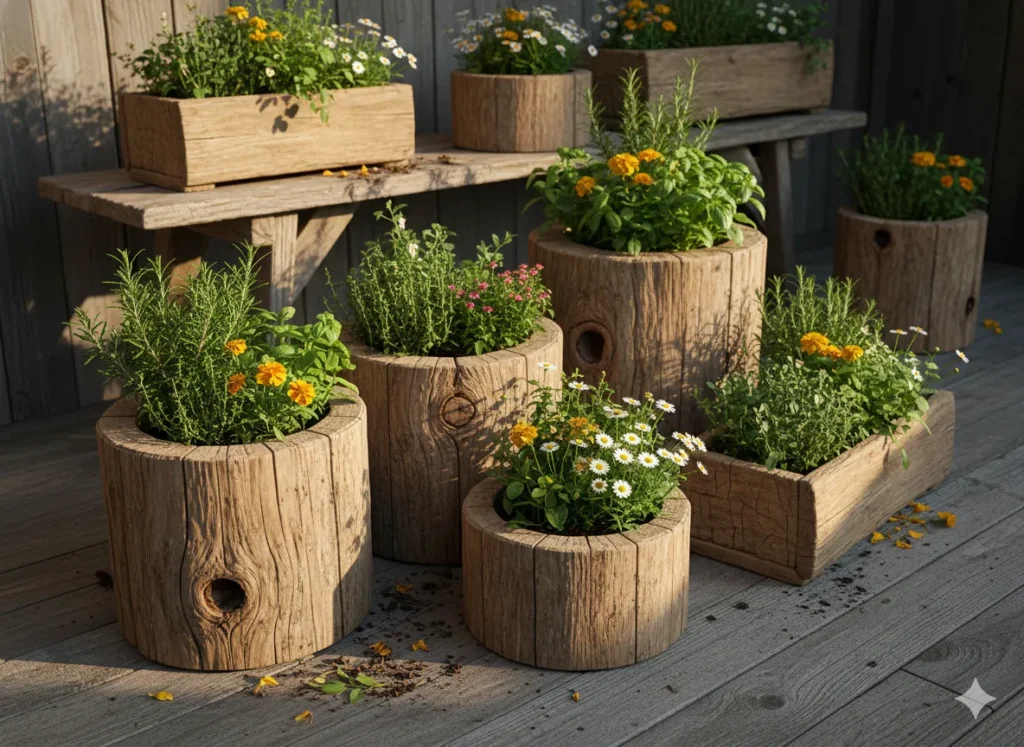
Wooden containers and hollowed logs bring organic warmth and natural beauty to plant displays. These work exceptionally well for outdoor settings, cottage gardens, and rustic interiors. Cedar and redwood naturally resist rot, making them ideal for planter construction, while reclaimed barn wood adds authentic character.
Wooden planters require proper sealing to prevent water damage and extend their lifespan. Apply waterproof sealant to the interior, or line the planter with plastic before adding soil. The natural grain and variations in wood tone ensure each piece is unique. Wooden boxes and crates can be stained or left natural depending on your aesthetic preferences.
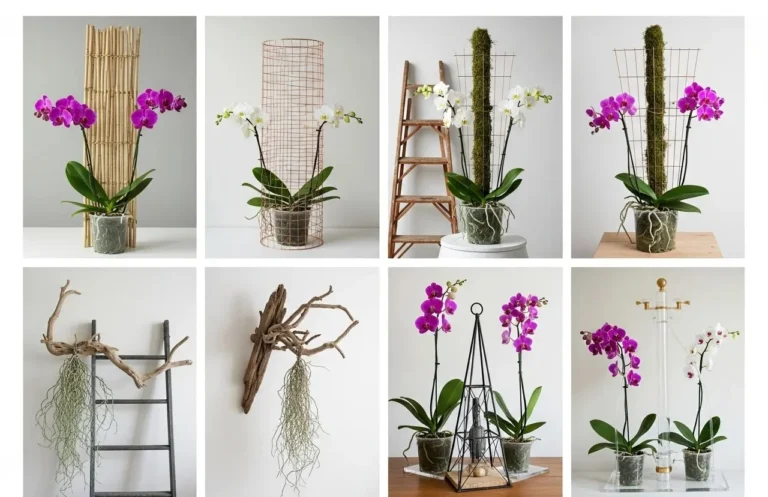
Tiered and Stacked Arrangements
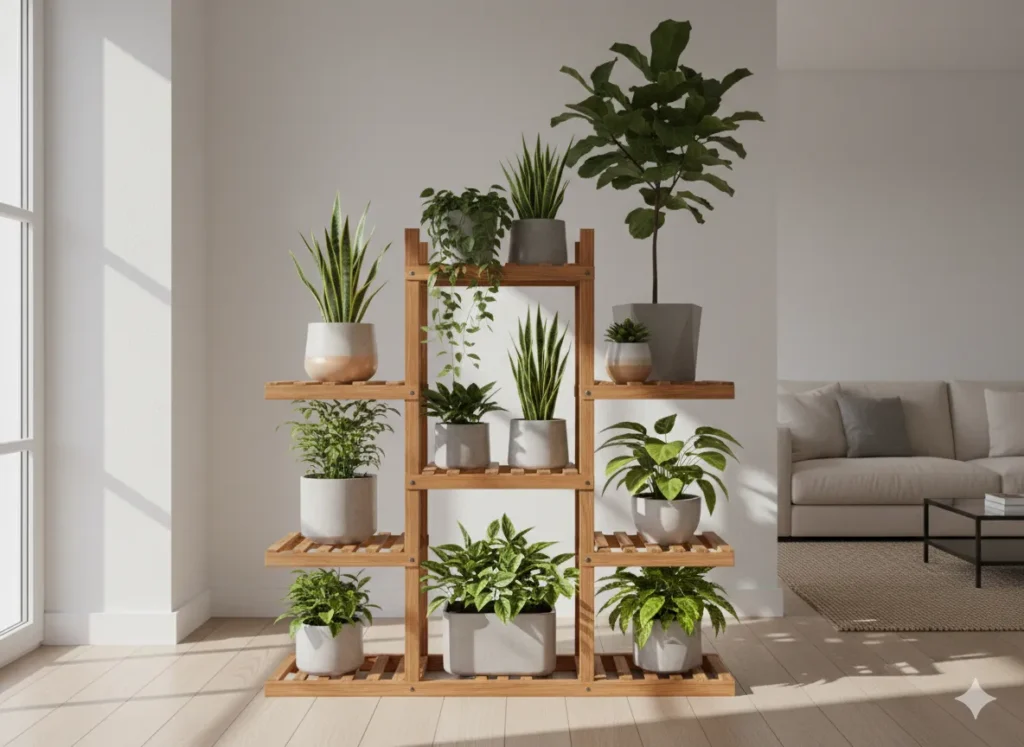
Creating height variation through tiered displays adds dimension and visual flow to plant collections. This can be achieved with purpose-built plant stands, stacked crates, or ladder-style shelving. The pots themselves can be simple when the arrangement structure provides the design interest.
Vary pot sizes within tiered displays, placing larger containers at the bottom and smaller ones higher up for balanced proportions. This arrangement style works beautifully for herb gardens, succulent collections, or mixed houseplant displays. The vertical nature makes efficient use of space while creating impressive visual impact.
Monochromatic Collections
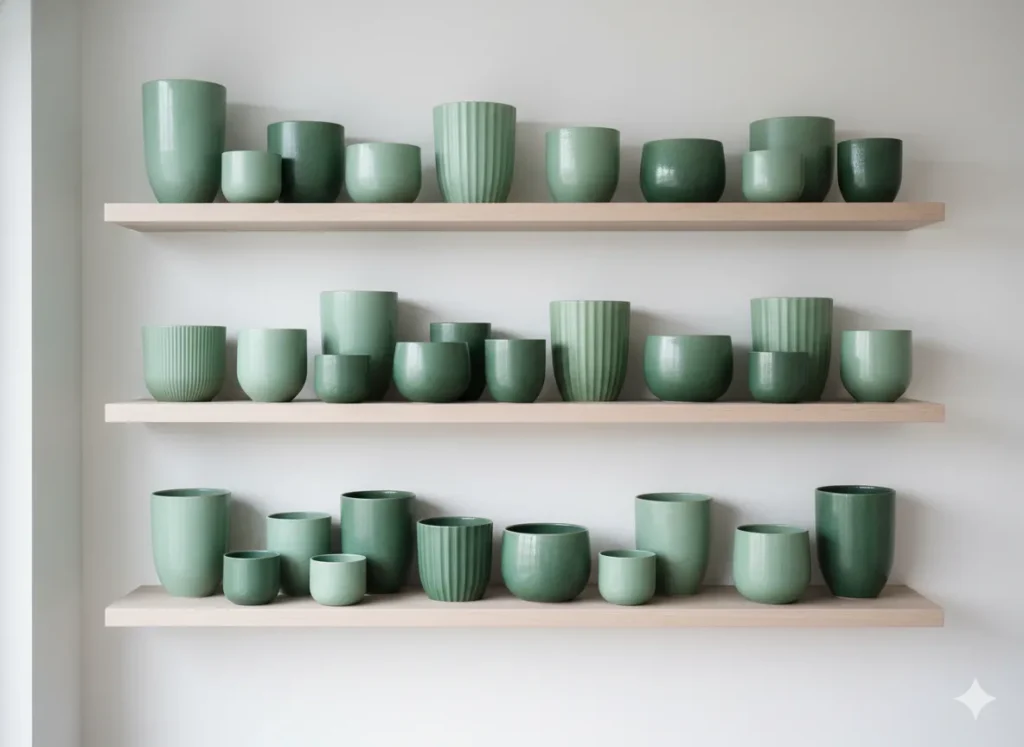
A monochromatic approach uses various shades and tints of a single color across multiple pots. This creates sophisticated cohesion while maintaining variety through different shapes and textures. Monochromatic displays feel curated and intentional without appearing rigid or overly matched.
Green is a natural choice that complements plant colors beautifully, ranging from sage to emerald to forest tones. Blues create calming, coastal atmospheres, while warm neutrals feel earthy and grounded. Within your chosen color family, mix matte and glossy finishes, smooth and textured surfaces, and various shapes for depth and interest.
Seasonal and Holiday Themes
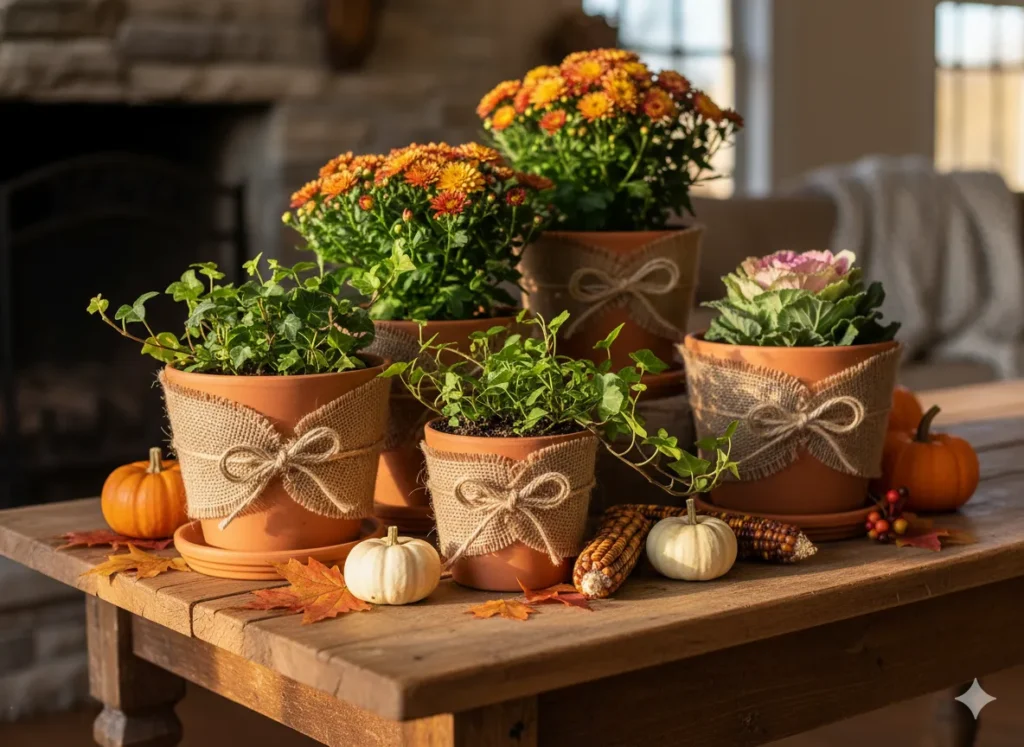
Rotating pot designs seasonally keeps your space feeling fresh and current. Spring might bring pastels and florals, summer could introduce bright, bold colors, autumn works with warm oranges and burgundies, and winter suits metallics and evergreen tones.
This approach doesn’t require purchasing entirely new pot collections. Simple additions like ribbon, seasonal picks, or removable decals can transform neutral pots for different occasions. Wrapping plain pots in burlap and twine creates instant farmhouse charm, while metallic spray paint can give old containers new holiday life.
Oversized Statement Pieces
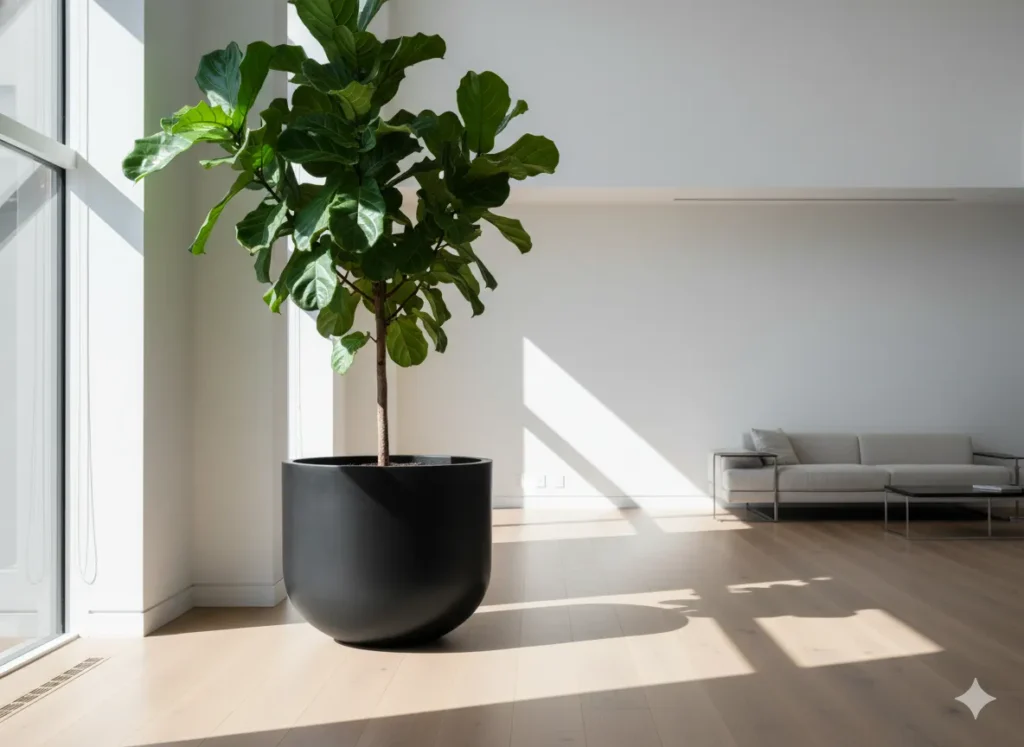
Large-scale planters make dramatic focal points in entryways, patios, and spacious rooms. These commanding pieces anchor spaces and provide opportunities for impressive plant specimens or lush groupings. Materials like fiberglass offer the look of concrete or stone without the extreme weight, making them practical for balconies and upper floors.
When working with oversized pots, consider proportion carefully. The container should be substantial enough to ground large plants without overwhelming them. These statement pieces work best as singular focal points rather than in multiples, allowing them to claim their space with confidence.
Mixed Material Combinations
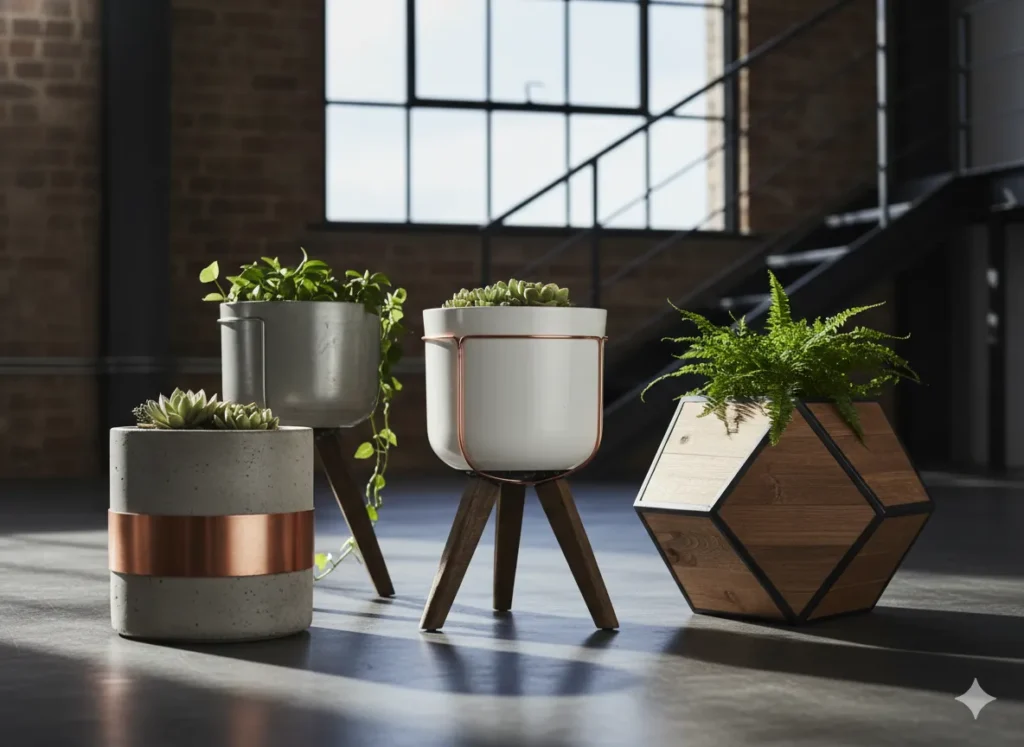
Combining different materials within a single pot design creates unique, eye-catching results. Wood and metal pairings bring industrial warmth, while ceramic bodies with wooden bases feel organic yet refined. These hybrid designs bridge different aesthetics, making them versatile across various decor styles.
The contrast between materials adds visual complexity that single-material pots cannot achieve. Look for planters that thoughtfully integrate their components rather than appearing cobbled together. The materials should enhance each other, with each element serving a purpose in the overall design.
Minimalist Cylinder and Column Shapes
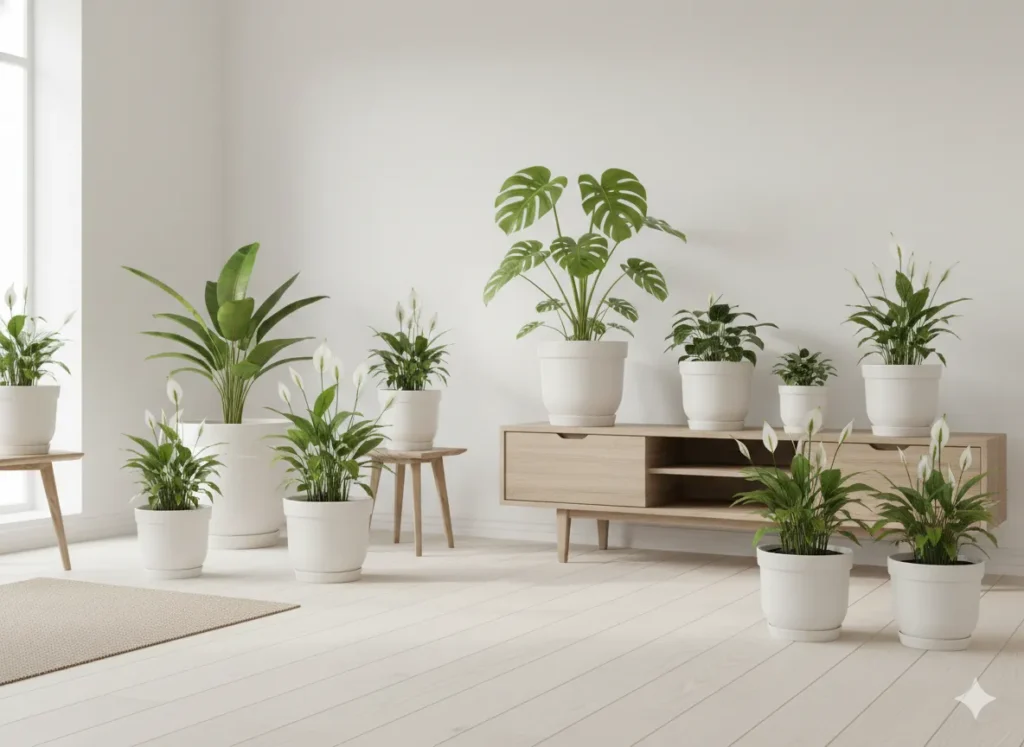
Tall, simple cylinder pots create sleek, modern statements that work particularly well for architectural plants like snake plants, dracaena, or bamboo. These shapes emphasize vertical lines and feel especially at home in contemporary settings.To see more creative ideas do visit Homeliaa.
Columns and cylinders in neutral colors become almost architectural elements themselves, defining spaces and adding structure to rooms. Group cylinders of varying heights together for added impact, or use a single tall piece to draw the eye upward and make ceilings appear higher.
Pattern Play with Stripes and Chevrons
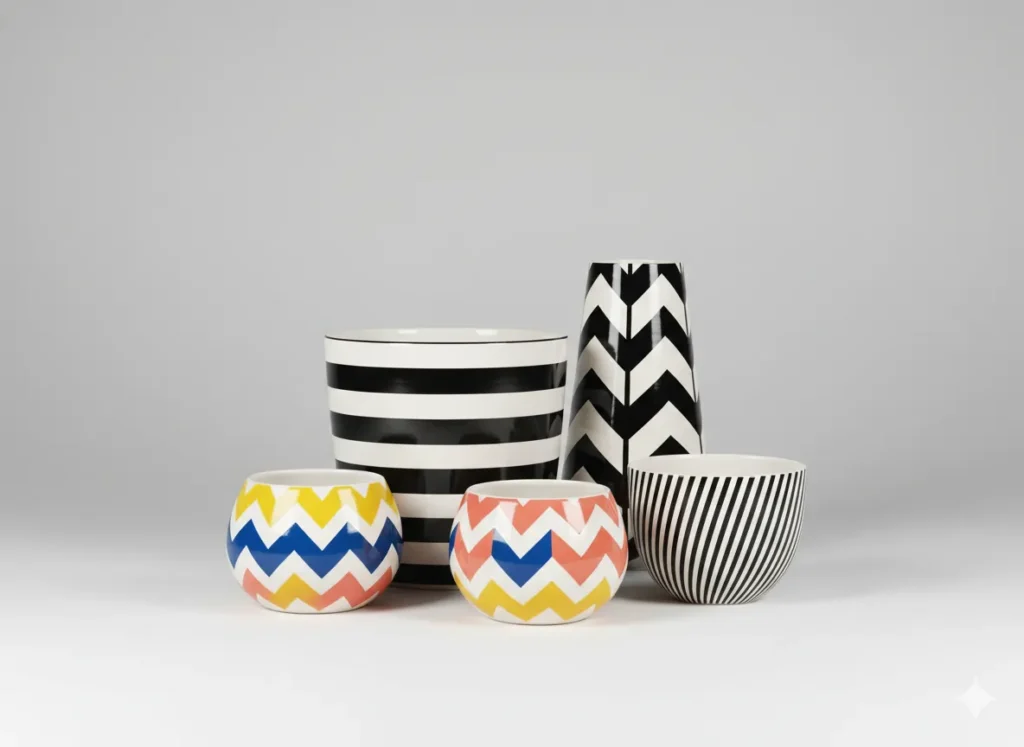
Geometric patterns like stripes and chevrons add energy and movement to pot designs. Horizontal stripes can make pots appear wider, while vertical stripes create the illusion of height. Chevron patterns introduce dynamic angles that feel modern and youthful.
These patterns work best when the rest of your plant display remains relatively simple. Too many competing patterns can create visual chaos, so use patterned pots as accents within collections of solid-colored containers. Black and white patterns offer timeless sophistication, while colorful versions inject personality and playfulness.
Self-Watering and Functional Designs
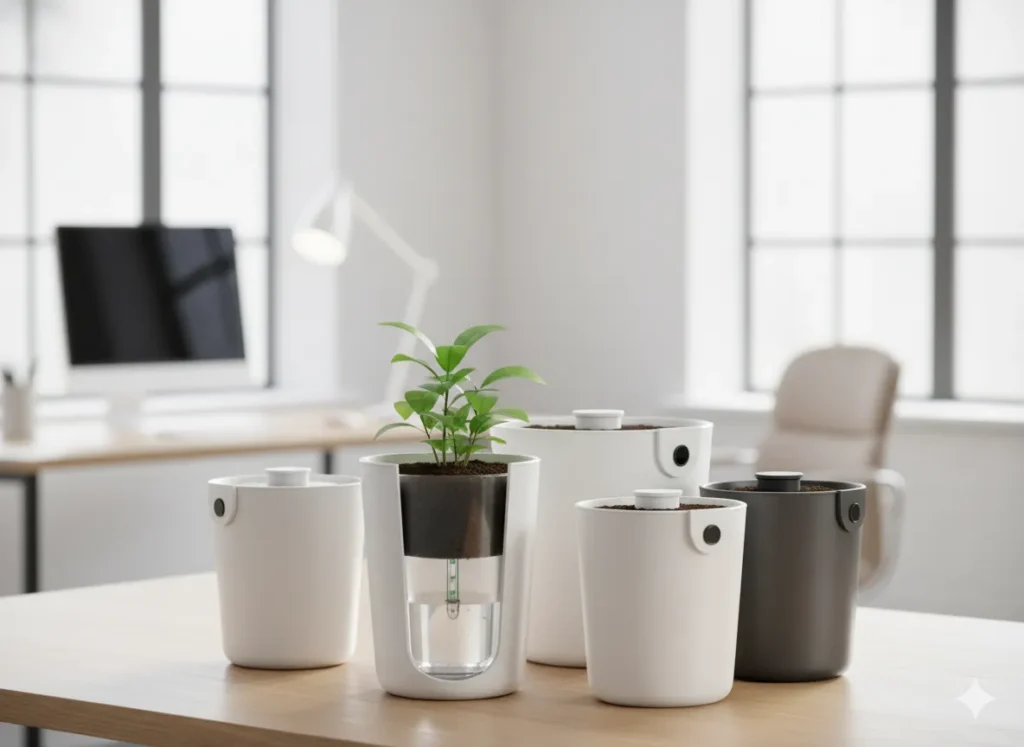
Modern pot designs increasingly incorporate functional features that make plant care easier. Self-watering planters include built-in reservoirs that slowly release moisture to plant roots, perfect for people with busy schedules or plants that prefer consistent moisture.
These technical designs don’t sacrifice aesthetics for function. Many self-watering options come in stylish finishes and contemporary shapes that blend seamlessly with decorative pieces. The functional benefits make them particularly valuable for office spaces, vacation homes, or for plants positioned in hard-to-reach locations.
Artisan and Handcrafted Pottery
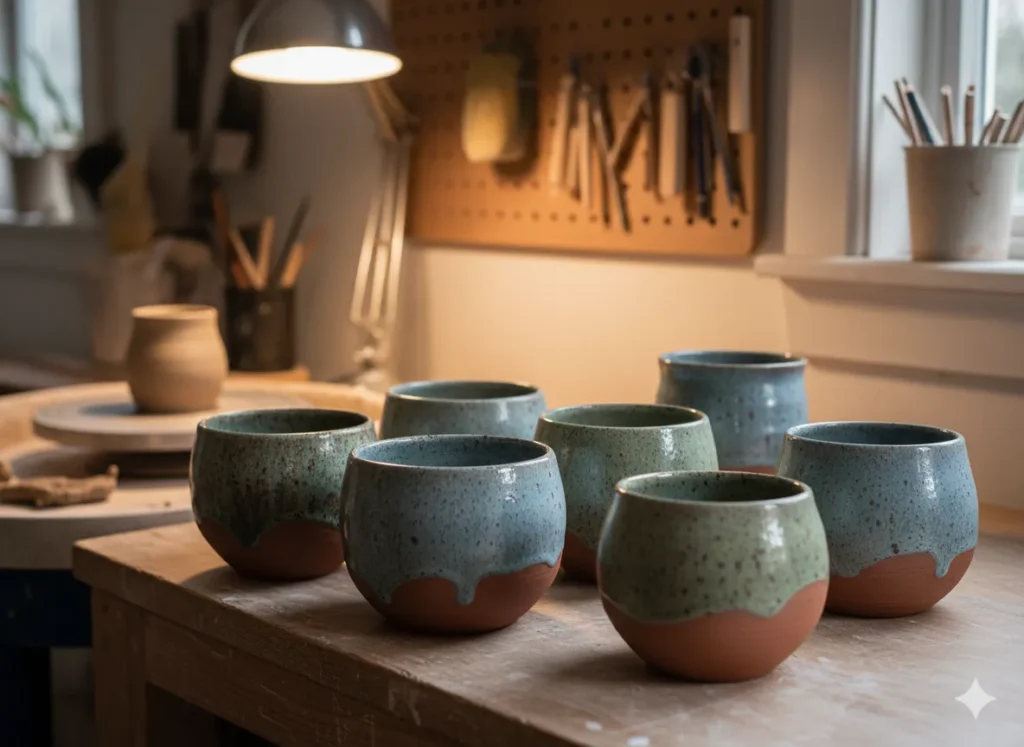
Supporting artisan potters brings unique, one-of-kind pieces into your home while encouraging traditional crafts. Handthrown pottery shows the maker’s touch through subtle irregularities and organic forms that mass-produced pots lack. These pieces often become treasured parts of collections, valued as much for their craftsmanship as their function.
Local pottery studios, craft fairs, and artisan marketplaces offer opportunities to discover distinctive pots. Many potters accept custom commissions, allowing you to specify sizes, colors, and design elements that perfectly suit your needs. The investment in quality handcrafted pottery pays dividends through years of use and enjoyment.
Grouping and Arrangement Strategies
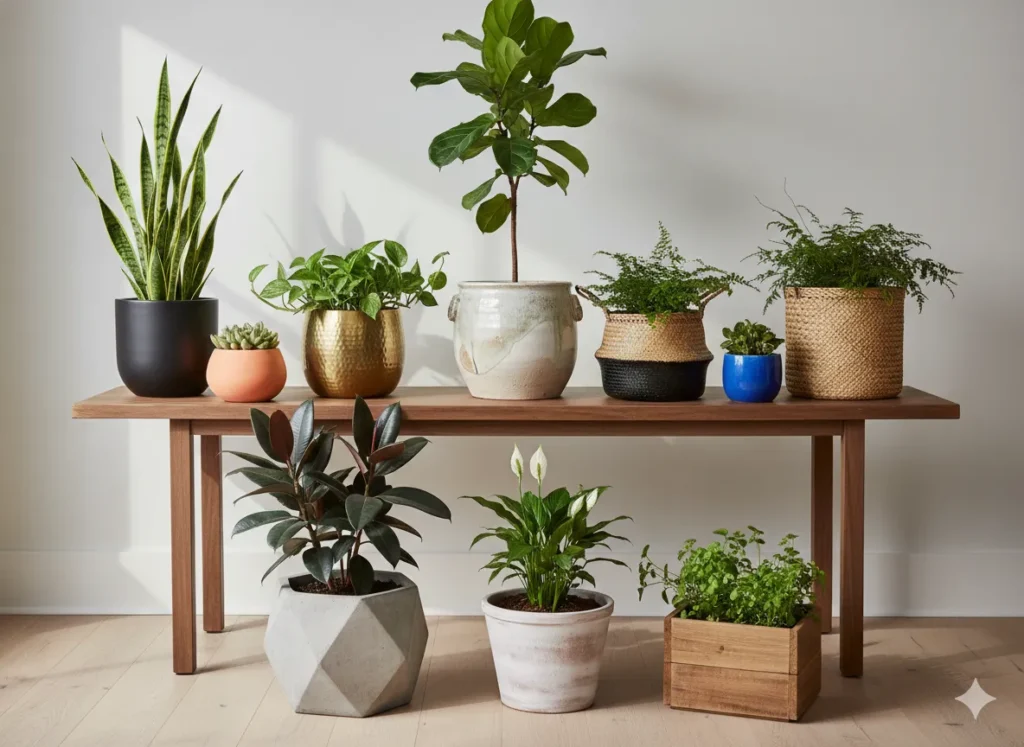
Beyond individual pot designs, how you arrange containers significantly impacts overall aesthetic success. Group pots in odd numbers for the most pleasing compositions. Vary heights, shapes, and sizes within groupings while maintaining cohesion through color, material, or style consistency.
The rule of three works reliably: combine a tall piece, a medium piece, and a low piece in complementary designs. Leave adequate space between pots to prevent a cluttered appearance and allow each piece to be appreciated individually. Consider the backdrop against which your pots will be displayed, ensuring sufficient contrast for the arrangement to stand out.
Conclusion
Creating a beautiful plant display through thoughtful pot selection enhances your living environment in countless ways. The containers you choose frame your plants, complement your decor, and express your personal style. Whether you gravitate toward minimalist neutrals or bold artistic statements, the key is selecting designs that bring you joy while meeting your plants’ practical needs.
As you develop your collection, remember that mixing styles, materials, and price points often creates the most interesting and authentic displays. A carefully chosen vintage find can sit beautifully beside a modern ceramic piece, while budget-friendly painted pots can hold their own alongside high-end artisan pottery. The most successful plant displays feel curated over time rather than purchased all at once, reflecting your evolving tastes and the unique character of your home.
Frequently Asked Questions
What material is best for plant pots?
The best material depends on your specific needs. Terracotta and unglazed ceramic allow soil to breathe, making them excellent for plants prone to overwatering. Plastic retains moisture longer, benefiting thirsty plants. Concrete and fiberglass work well for large outdoor plants. Consider your plant type, placement location, and maintenance preferences when selecting materials.
How do I choose the right pot size for my plant?
Select a pot approximately one to two inches larger in diameter than your plant’s current container. The pot should be deep enough to accommodate root growth while providing stability. Oversized pots can lead to overwatering issues, while undersized containers restrict growth. When repotting, increase size gradually rather than jumping to significantly larger containers.
Can I use pots without drainage holes?
While possible, it requires careful watering to prevent root rot. Use pots without drainage as decorative cachepots that hold plants in properly draining inner containers. If you must plant directly in non-draining pots, add a substantial gravel layer at the bottom and water sparingly. Most plants thrive better with proper drainage.
How can I make cheap pots look expensive?
Paint transforms inexpensive plastic or basic terracotta into custom pieces. Use chalk paint for matte finishes, metallic spray paint for glamorous looks, or create patterns with stencils and painter’s tape. Add texture with rope wrapping, fabric, or decorative trim. Grouping budget pots together in cohesive color schemes also elevates their appearance.
Should all my pots match?
Matching pots can look formal and coordinated, but variety often creates more interesting displays. Unite diverse pots through a common element like color palette, material type, or style theme rather than exact matching. This approach feels more collected and personal while maintaining visual cohesion. Mix and match confidently as long as pieces complement rather than clash with each other.