
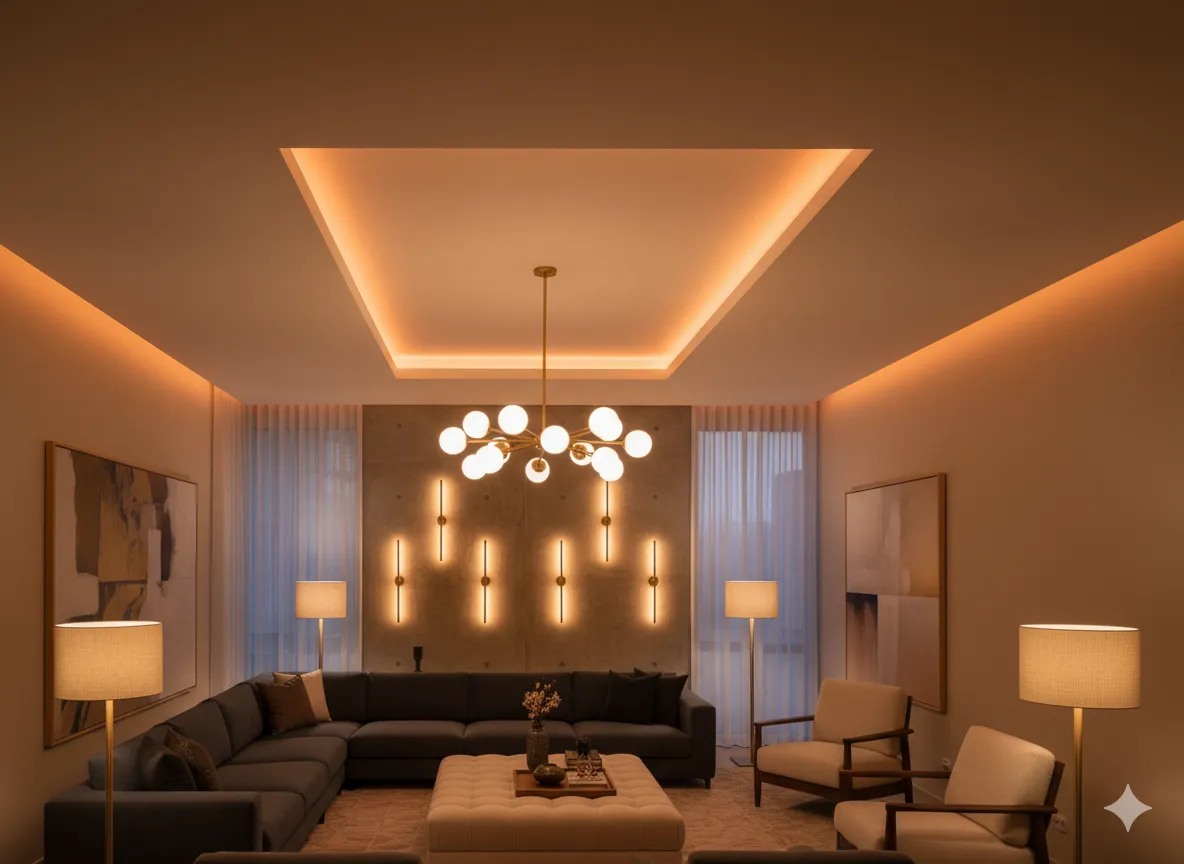
22+ Living Room Lighting Ideas to Set the Perfect Ambiance
The living room serves as the heart of your home, a versatile space where families gather, guests are entertained, and personal relaxation unfolds. Achieving the perfect atmosphere in this central hub depends heavily on one critical element: lighting. The right combination of fixtures transforms an ordinary room into a warm, inviting sanctuary while providing the functionality needed for reading, working, and socializing.
Creating an effective lighting scheme requires more than simply installing a ceiling fixture and calling it complete. Professional designers understand that exceptional living room illumination involves careful layering, strategic placement, and thoughtful selection of fixtures that complement both the room’s architecture and your lifestyle needs. This comprehensive guide explores over twenty living room lighting ideas that will help you craft the ideal ambiance for every occasion.
Understanding the Foundation of Great Living Room Lighting
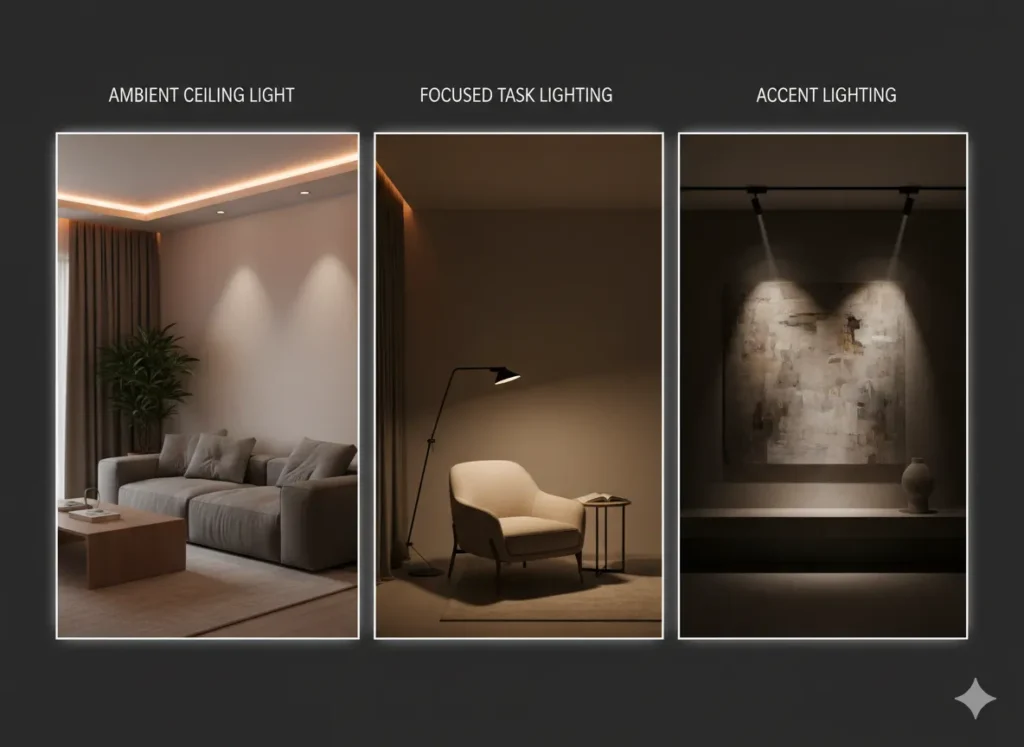
Before exploring specific fixture ideas, mastering the fundamental principles of lighting design proves essential. Professional lighting schemes rely on three distinct categories that work together harmoniously.
Ambient lighting provides the foundation, delivering overall illumination that allows comfortable navigation throughout the space. This general layer typically comes from ceiling fixtures, chandeliers, or recessed lighting that fills the room with a soft, even glow. For standard living rooms, designers recommend achieving approximately 1,500 to 3,000 lumens of ambient light.
Task lighting addresses specific functional needs, providing focused illumination for activities like reading, working on laptops, or pursuing hobbies. Floor lamps positioned beside seating areas, adjustable table lamps on side tables, and directed swing-arm fixtures serve this purpose admirably. Task lighting should deliver between 350 and 500 lumens directly to work surfaces without creating harsh shadows.
Accent lighting adds the finishing touch, highlighting architectural features, artwork, bookshelves, or decorative elements. Wall sconces, picture lights, and strategically placed spotlights create visual interest and depth. Accent fixtures typically shine three times brighter than ambient sources on the specific areas they illuminate, drawing the eye to focal points throughout the room.
The magic happens when these three layers combine, creating a dynamic environment that adapts to different times of day and various activities. This layered approach eliminates the flat, uninviting quality that single-source lighting produces.
Statement Chandeliers for Dramatic Impact
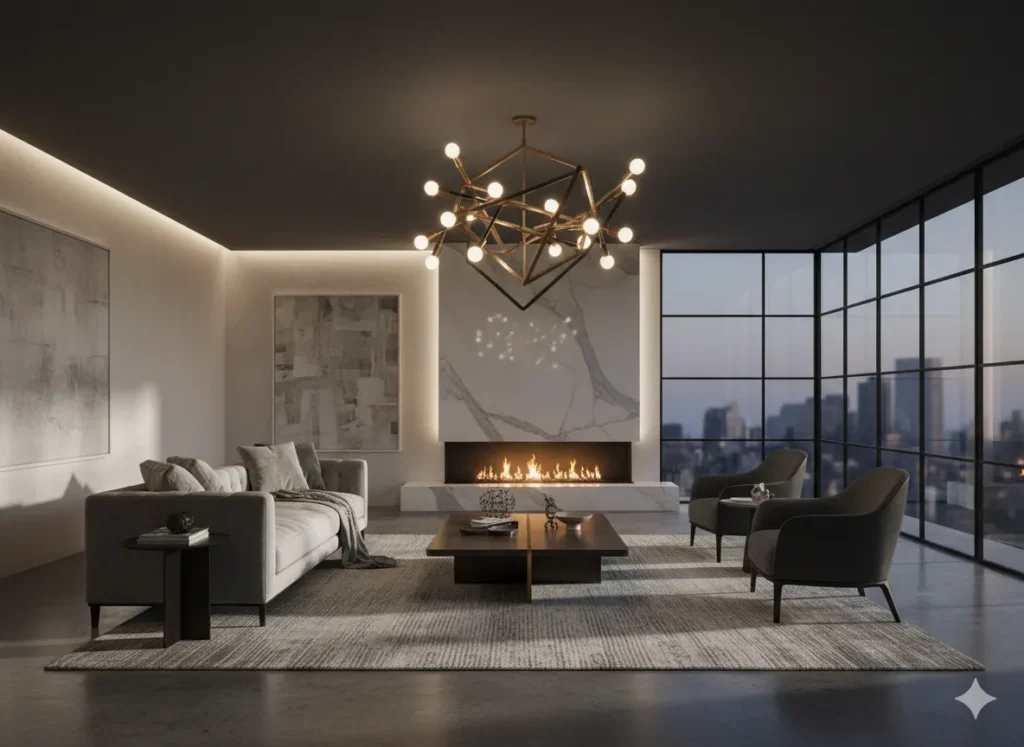
A well-chosen chandelier serves as both a functional light source and a stunning centerpiece that defines your living room’s character. Contemporary chandeliers have evolved far beyond traditional crystal designs, now featuring geometric shapes, mixed metals, and sculptural forms that complement modern interiors.
When selecting a chandelier, consider the room’s proportions carefully. The fixture should be approximately one-third the width of the table or seating area beneath it. For rooms with standard eight-foot ceilings, choose flush-mount or semi-flush styles, while spaces with higher ceilings can accommodate dramatic suspended designs. Gold and brass finishes remain particularly popular, combining timeless elegance with contemporary appeal.
Recessed Lighting for Clean, Modern Aesthetics
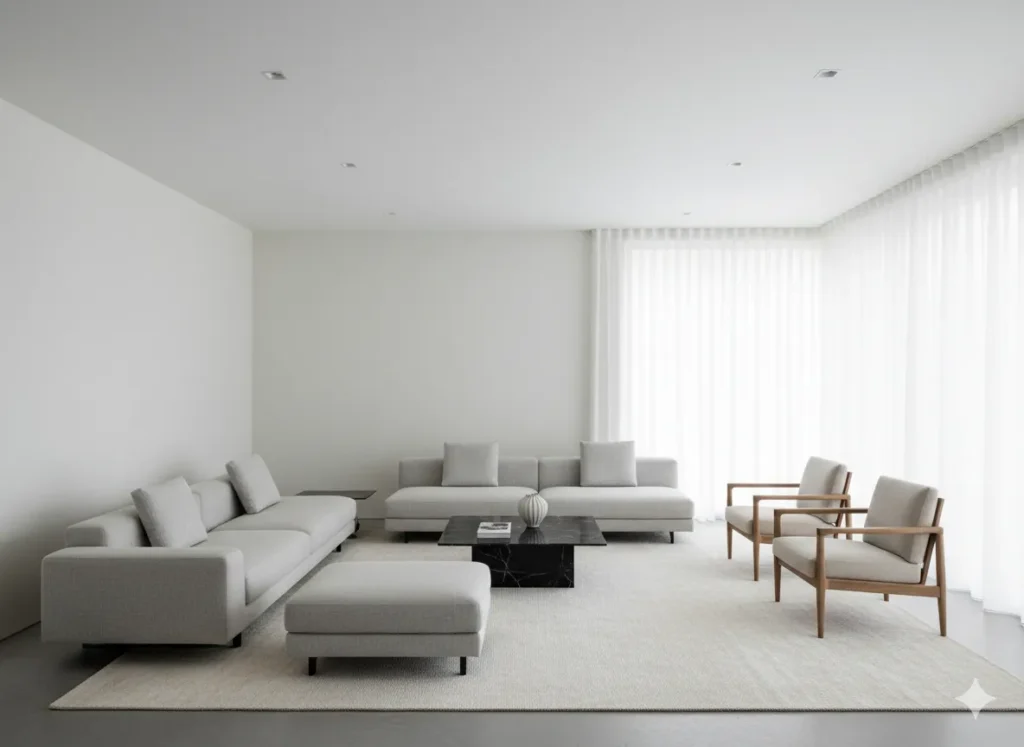
Recessed downlights offer a minimalist solution that provides substantial ambient illumination without visual clutter. These fixtures work exceptionally well in rooms with lower ceilings or contemporary design schemes that prioritize clean lines.
Space recessed lights approximately four to six feet apart for even coverage throughout the room. Avoid placing them directly above seating areas, which creates unflattering shadows on faces. Instead, position lights to wash walls and provide general illumination, then supplement with task lighting near chairs and sofas.
Floor Lamps for Flexible Illumination
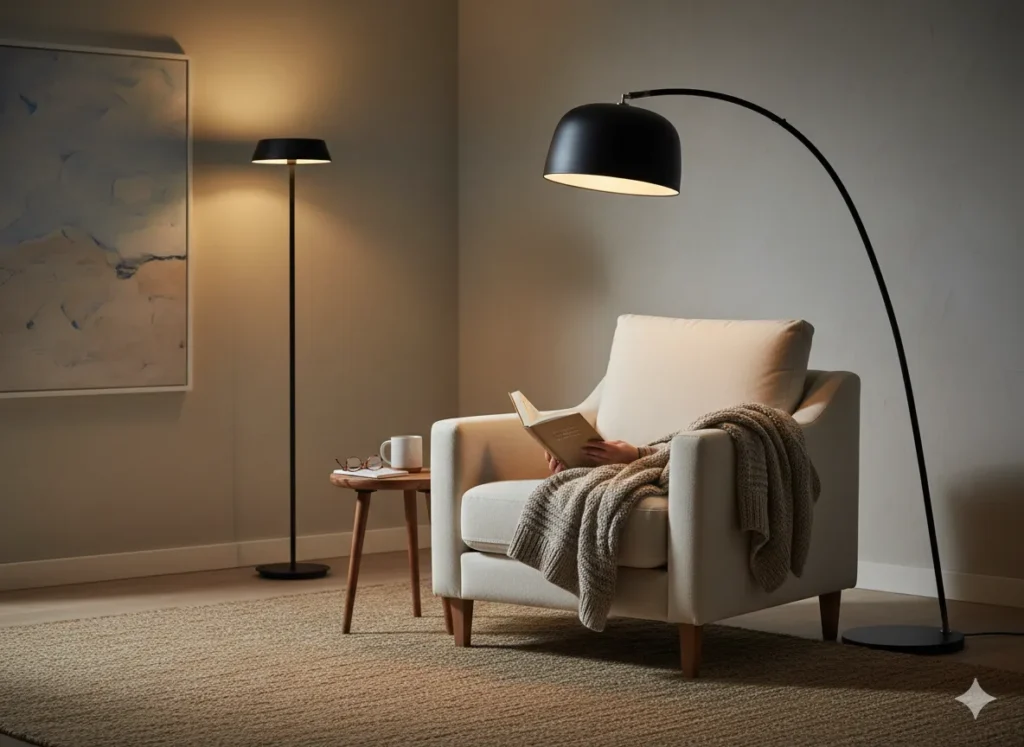
Floor lamps bring remarkable versatility to living room lighting schemes. Arc floor lamps extend over seating areas, providing task lighting for reading without requiring side tables. Torchiere styles bounce light off the ceiling, creating soft ambient illumination that fills the entire space.
Position floor lamps strategically beside armchairs, at the ends of sofas, or in corners that need additional brightness. Adjustable models offer the flexibility to redirect light as needs change throughout the day. The placement should allow bulbs to sit at eye level when seated, typically 58 to 64 inches from the floor to the top of the shade.
Wall Sconces for Ambient and Accent Lighting
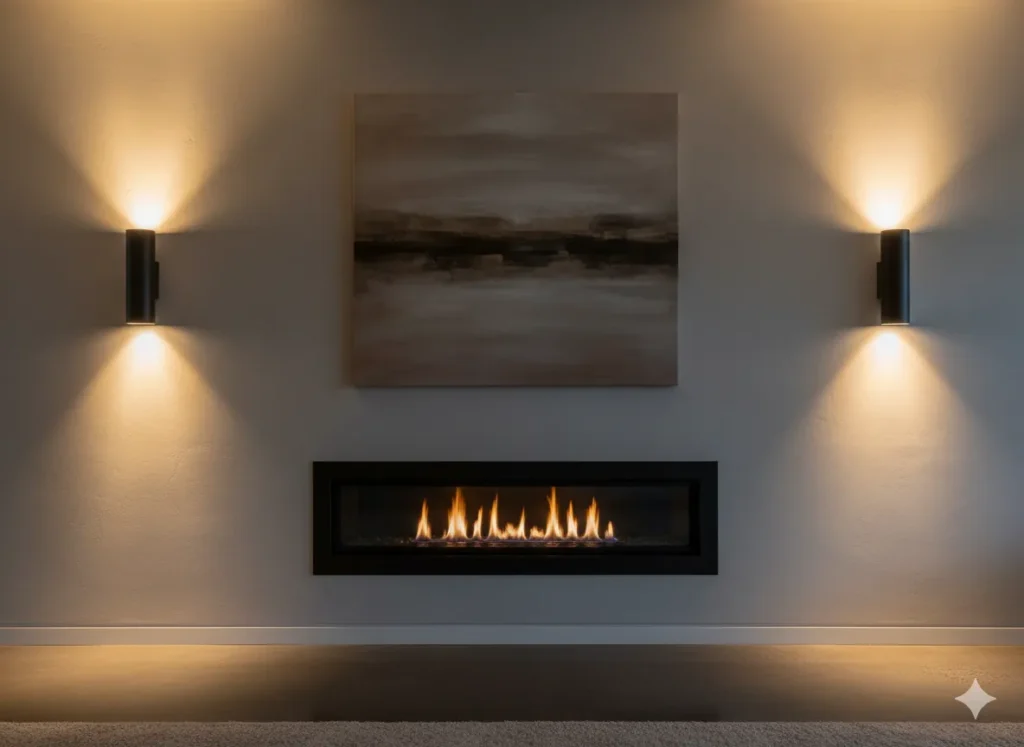
Wall-mounted sconces free up valuable floor and table space while adding sophisticated layers to your lighting plan. These fixtures work beautifully flanking fireplaces, highlighting artwork, or providing ambient glow along empty walls.
Modern sconce designs range from minimalist geometric shapes to ornate traditional styles. Install them approximately 60 to 72 inches from the floor for optimal light distribution. Sconces create particularly effective accent lighting when positioned to graze textured walls, emphasizing architectural details through strategic shadowing.
Pendant Lights for Defined Zones
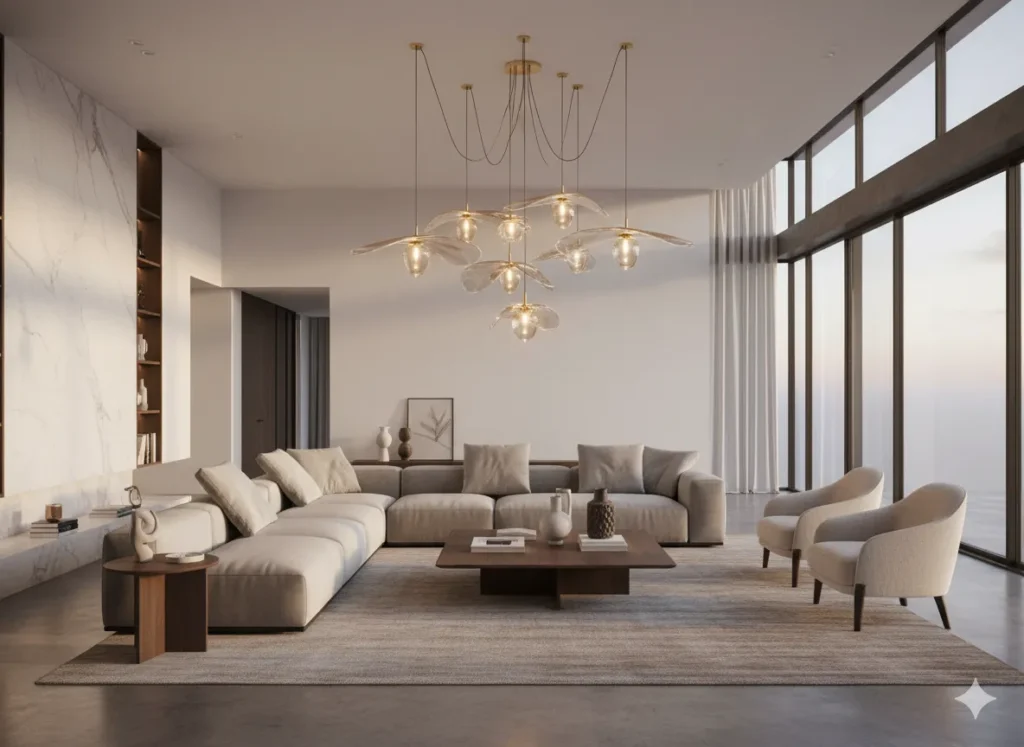
Pendant lighting creates visual interest while defining specific areas within open-concept living spaces. Hanging a cluster of pendants at varying heights produces a sculptural effect that draws attention to seating arrangements or conversation areas.
For pendant placement over coffee tables, maintain 30 to 36 inches of clearance between the fixture bottom and the table surface. This height provides adequate illumination without obstructing sight lines across the room. Group multiple pendants in odd numbers for the most visually appealing arrangement.
Table Lamps for Layered Task Lighting
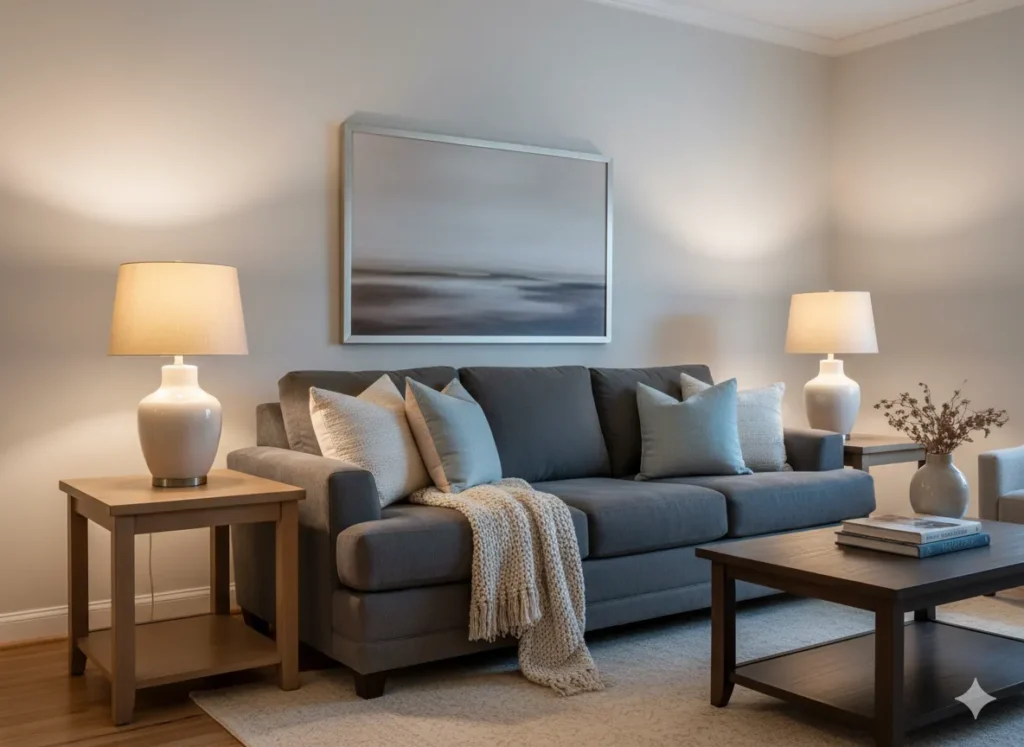
Table lamps remain essential elements in comprehensive lighting schemes, providing convenient task illumination while contributing to the room’s decorative appeal. Place them on end tables, console tables, or sideboards to create pools of light throughout the space.
Select lamp heights that complement furniture proportions. The bottom of the shade should align roughly with eye level when seated. Pair lamps in living rooms that feature symmetrical furniture arrangements, or mix different styles in eclectic spaces for added visual interest.
Track Lighting for Adjustable Flexibility
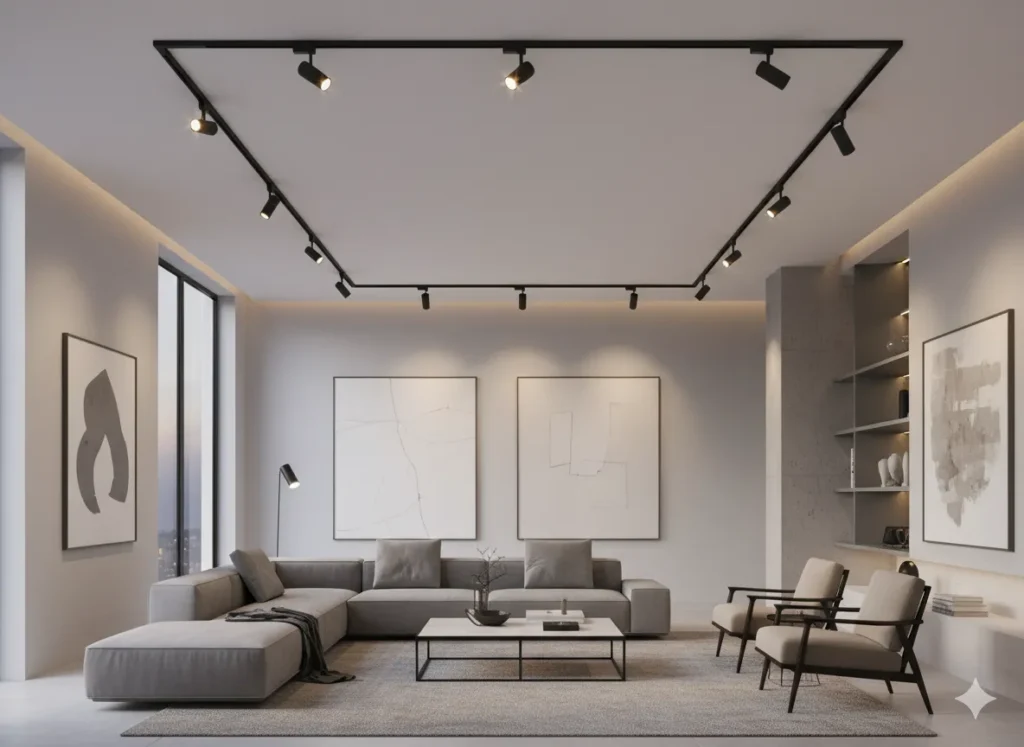
Track lighting systems offer unmatched versatility, allowing you to adjust the direction of individual fixtures to highlight changing displays or accommodate furniture rearrangements. These systems work particularly well in contemporary spaces and rooms with valuable artwork or collections.
Modern track designs have shed their utilitarian appearance, now featuring sleek profiles and attractive finishes. Position tracks to provide both ambient illumination and focused accent lighting on specific features. The adjustability makes track lighting ideal for renters or homeowners who frequently refresh their decor.
Cove Lighting for Architectural Elegance
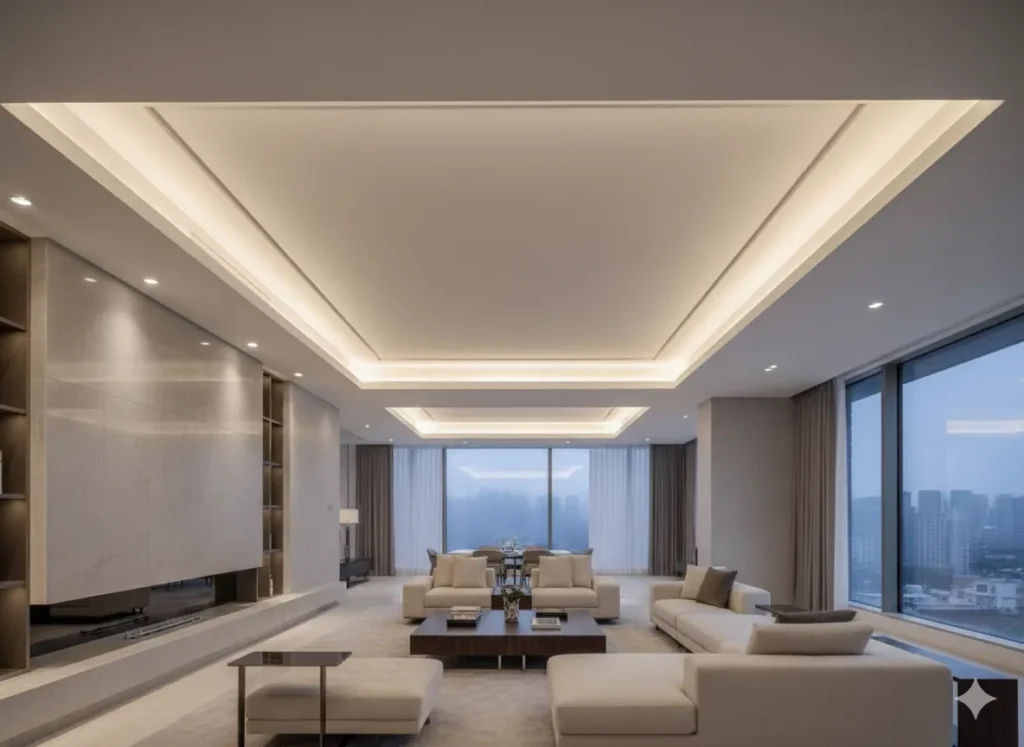
Cove lighting creates indirect illumination by concealing LED strips behind architectural molding or within ceiling recesses. The light washes across ceilings or down walls, producing a sophisticated glow that adds perceived height to the room.
This technique works especially well in modern living rooms with clean lines and minimal decoration. The soft, diffused quality of cove lighting provides comfortable ambient illumination without the harshness of direct fixtures. Dimmable LED strips allow you to adjust the intensity according to the time of day and desired mood.To see more living room lighting ideas do visit House Beautiful.
Smart Lighting Systems for Ultimate Control
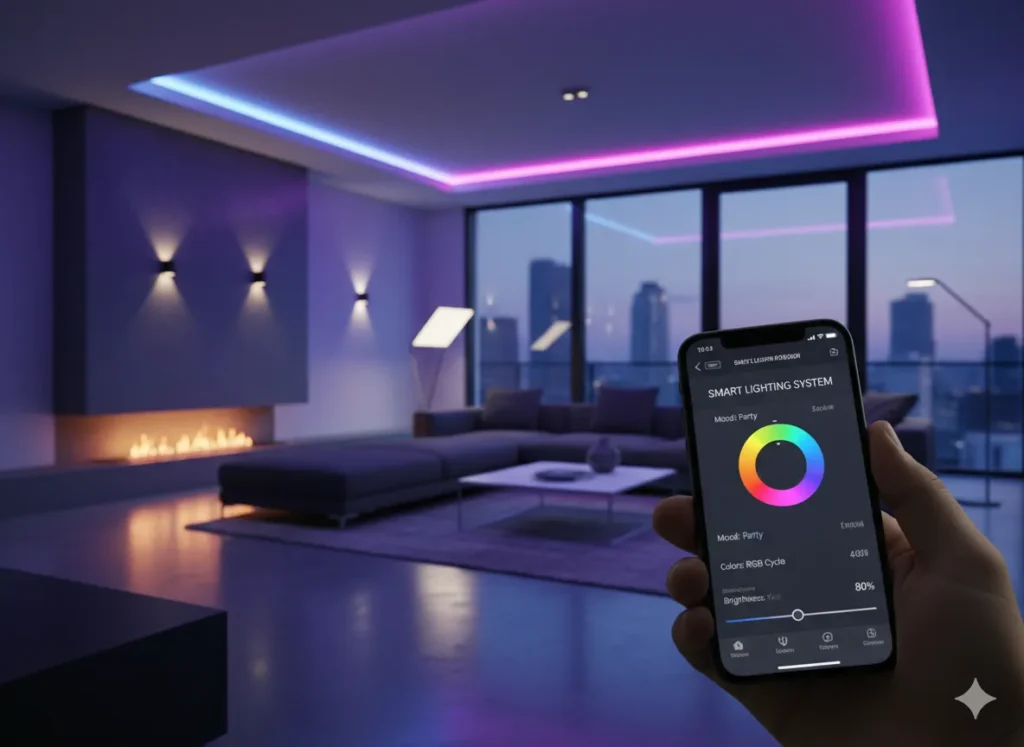
Smart lighting technology has revolutionized home illumination, offering unprecedented control over brightness, color temperature, and scheduling. Voice-activated systems allow you to adjust lighting without leaving your seat, while smartphone apps enable scene creation for different activities.
Install smart bulbs in existing fixtures or choose smart-compatible fixtures designed specifically for connected homes. Program scenes for movie watching, entertaining, or reading, then activate them with a simple voice command. Many systems also integrate with other smart home devices, creating automated routines that adjust lighting based on time of day or occupancy.
Dimmable Fixtures for Mood Flexibility
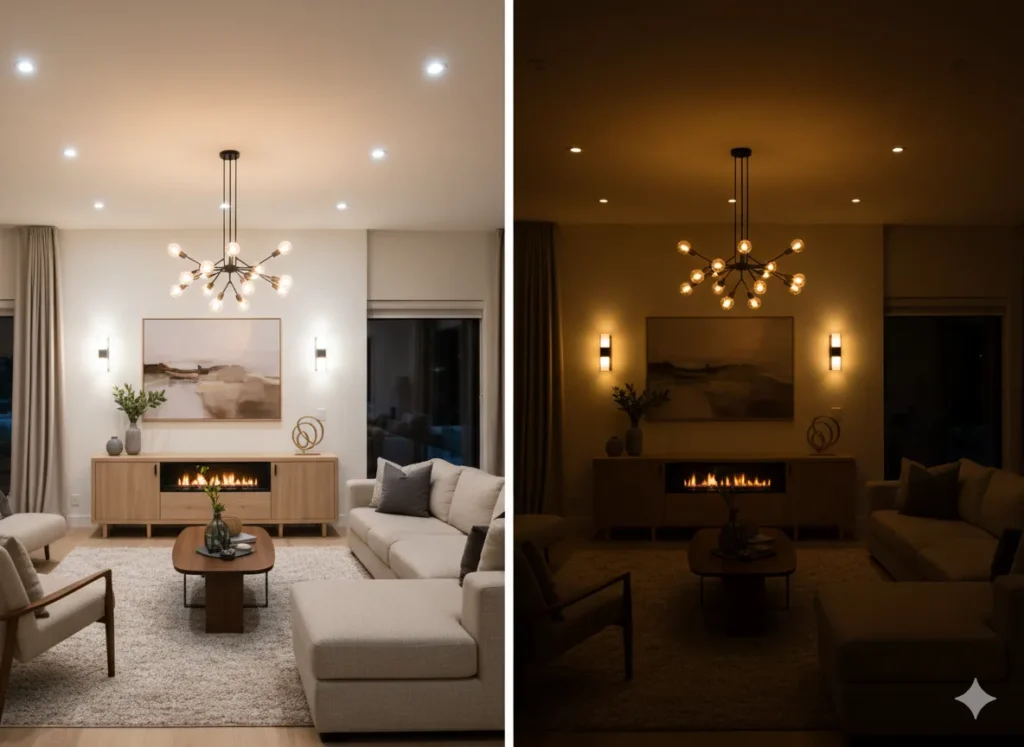
Installing dimmer switches represents one of the most impactful upgrades you can make to your lighting scheme. Dimmers provide precise control over light intensity, allowing you to shift from bright, energizing illumination during the day to soft, intimate lighting for evening relaxation.
Place every light source on a dimmer for maximum flexibility. This single addition enables one room to serve multiple purposes effectively. Dimming lights to 25 percent of full brightness can reduce energy consumption by a similar amount, providing both atmospheric control and cost savings.
Natural Material Fixtures for Organic Warmth
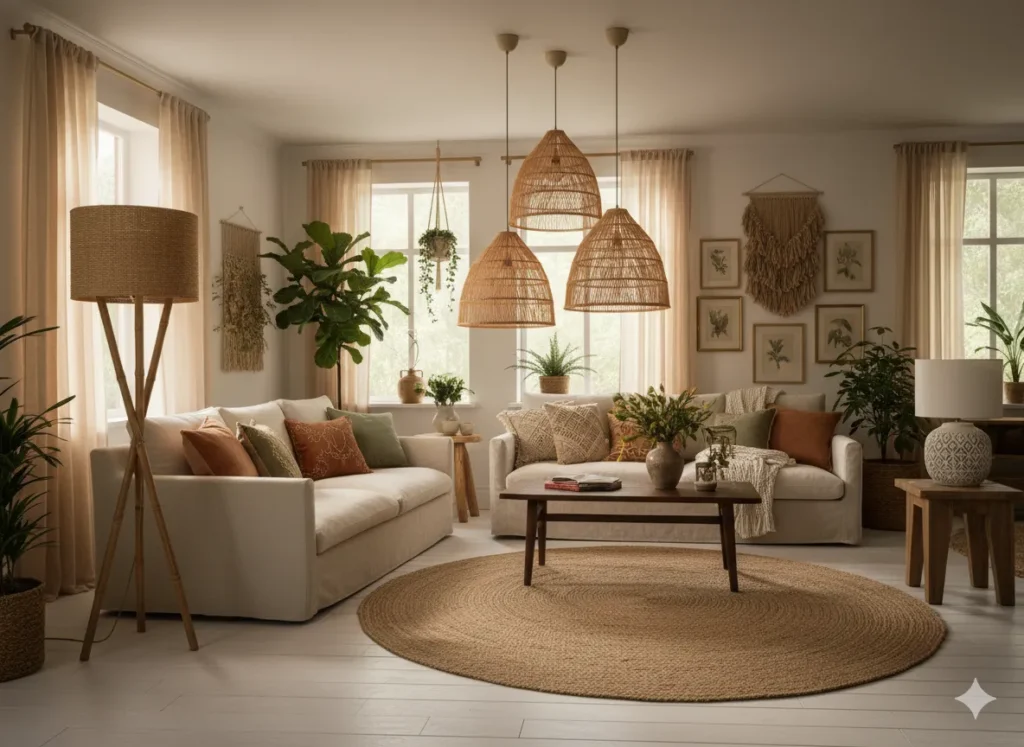
Lighting fixtures crafted from natural materials like rattan, bamboo, jute, and wood bring textural richness and warmth to living spaces. These organic elements soften the hard surfaces typical in modern interiors while creating interesting shadow patterns when illuminated.
Woven pendant shades filter light beautifully, producing a gentle, diffused glow. Wood and metal combinations work particularly well in industrial or rustic-inspired rooms, while glass and natural fiber pairings suit coastal and bohemian aesthetics. Natural materials also align with sustainable design principles, using renewable resources and often handcrafted construction.
Picture Lights for Art Illumination
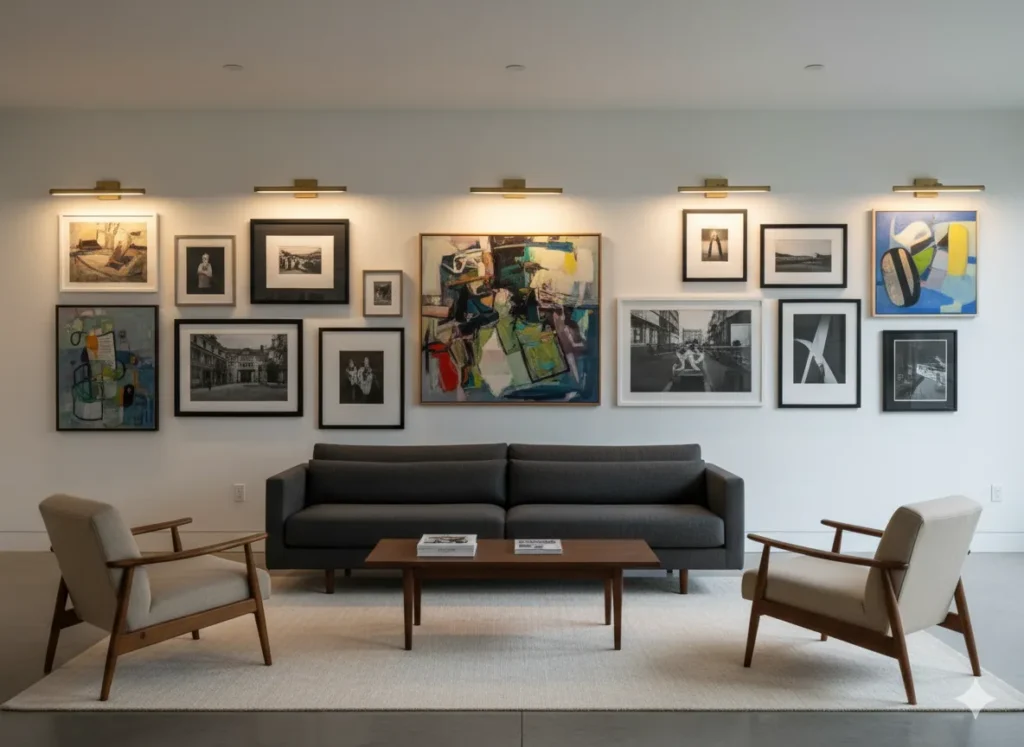
Dedicated picture lights mounted above or below artwork ensure your collections receive proper illumination while creating compelling focal points. These specialized fixtures direct concentrated beams that enhance colors and details without causing glare or damaging delicate pieces.
LED picture lights generate minimal heat, protecting valuable artwork from deterioration. Adjustable models allow you to fine-tune the angle and spread of illumination. This accent lighting technique works equally well for highlighting architectural details, built-in bookshelves, or decorative niches.
Linear Suspension Fixtures for Contemporary Spaces
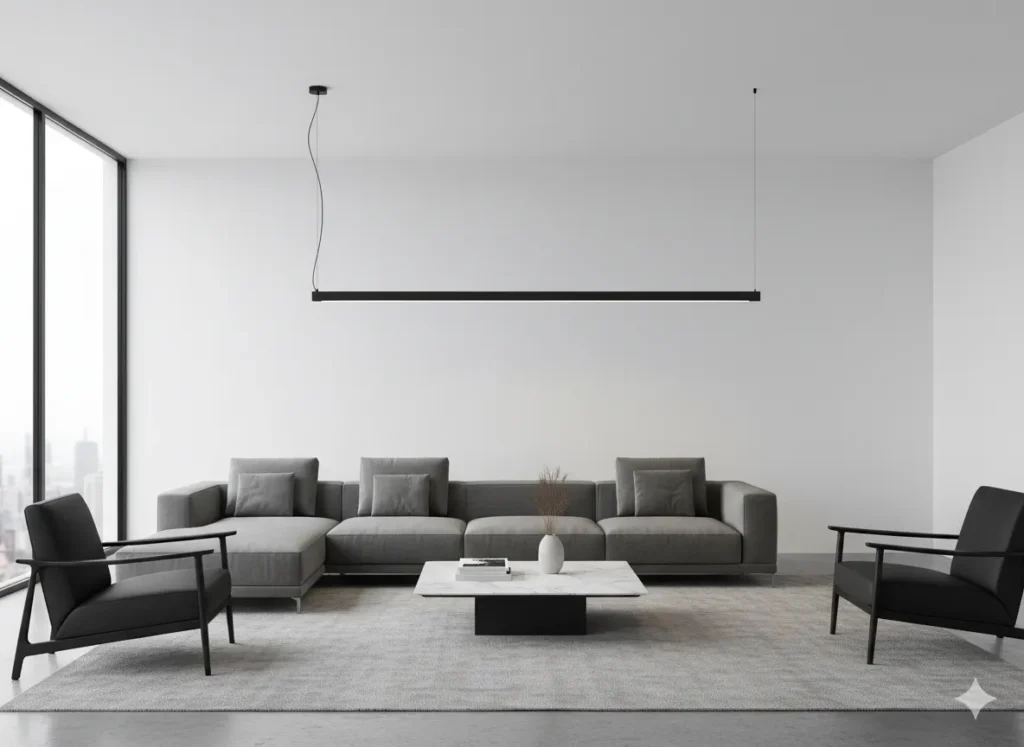
Linear pendant lights feature extended horizontal forms that provide even illumination across long walls or expansive seating areas. These fixtures make strong architectural statements while delivering functional ambient lighting.
Multiple linear fixtures can be linked end-to-end to create seamless ribbons of light in larger rooms. The clean geometry complements modern furniture and minimalist decor schemes. Position linear suspensions to emphasize the room’s length or to visually define separate zones within open floor plans.
Clustered Pendant Arrangements for Visual Drama
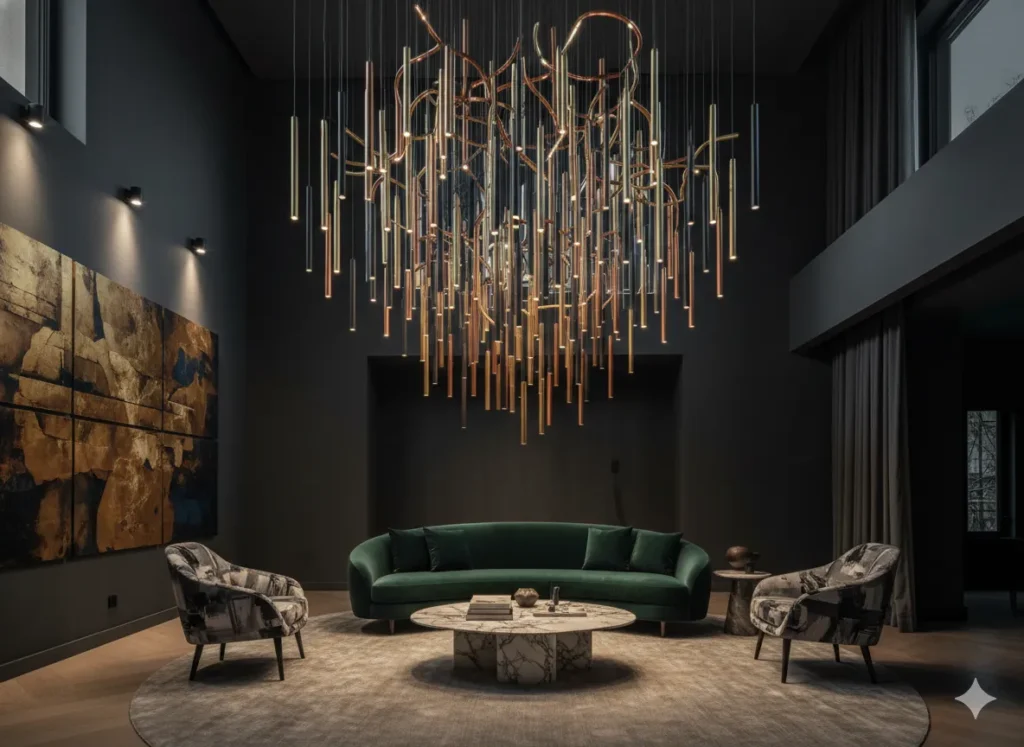
Grouping small pendants at varying heights creates dynamic sculptural installations that serve as conversation pieces. This arrangement technique brings vertical interest to rooms with high ceilings while providing focused task lighting to specific areas.
Select pendants in complementary shapes, finishes, or sizes to maintain visual cohesion within the cluster. Odd numbers typically create the most pleasing compositions. Hang clusters over seating areas, in underutilized corners, or near windows to draw attention to architectural features.
Under-Cabinet and Shelf Lighting for Subtle Glow
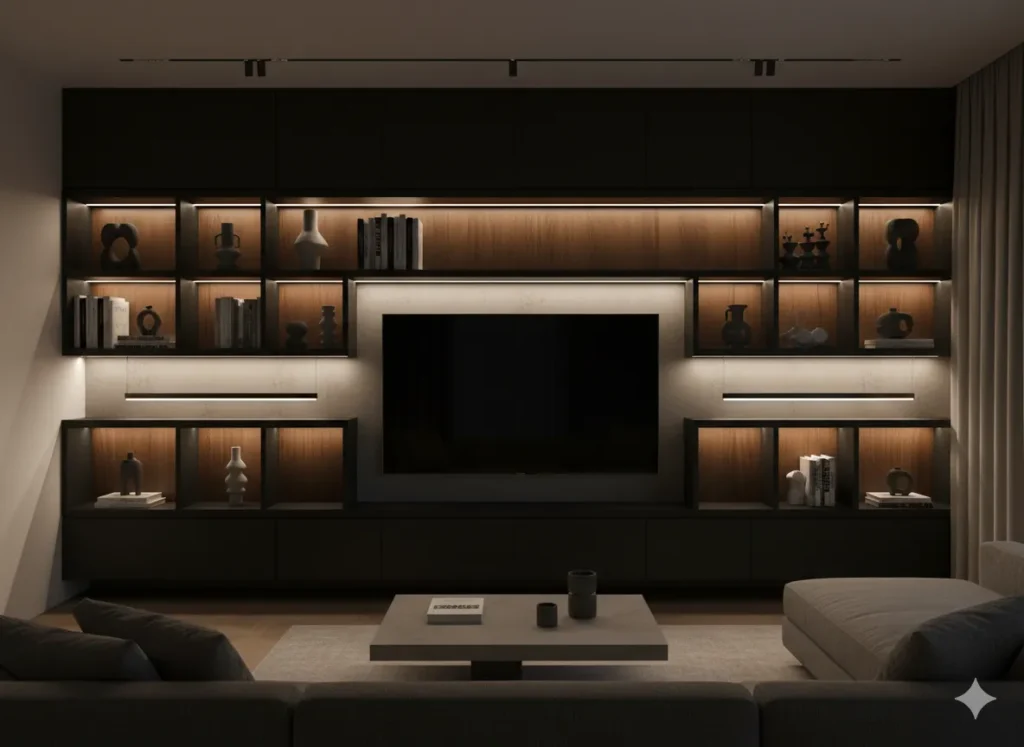
Concealed LED strips installed beneath shelving units, behind televisions, or within display cabinets create atmospheric accent lighting that adds depth without overwhelming the space. This technique highlights decorative objects while providing practical illumination for finding items.
The indirect quality of under-cabinet lighting produces a warm, inviting glow that enhances evening ambiance. Battery-operated options offer installation flexibility in locations far from electrical outlets. The subtle enhancement creates a sophisticated layered effect that elevates the entire room.
Oversized Floor Lamps for Bold Statements
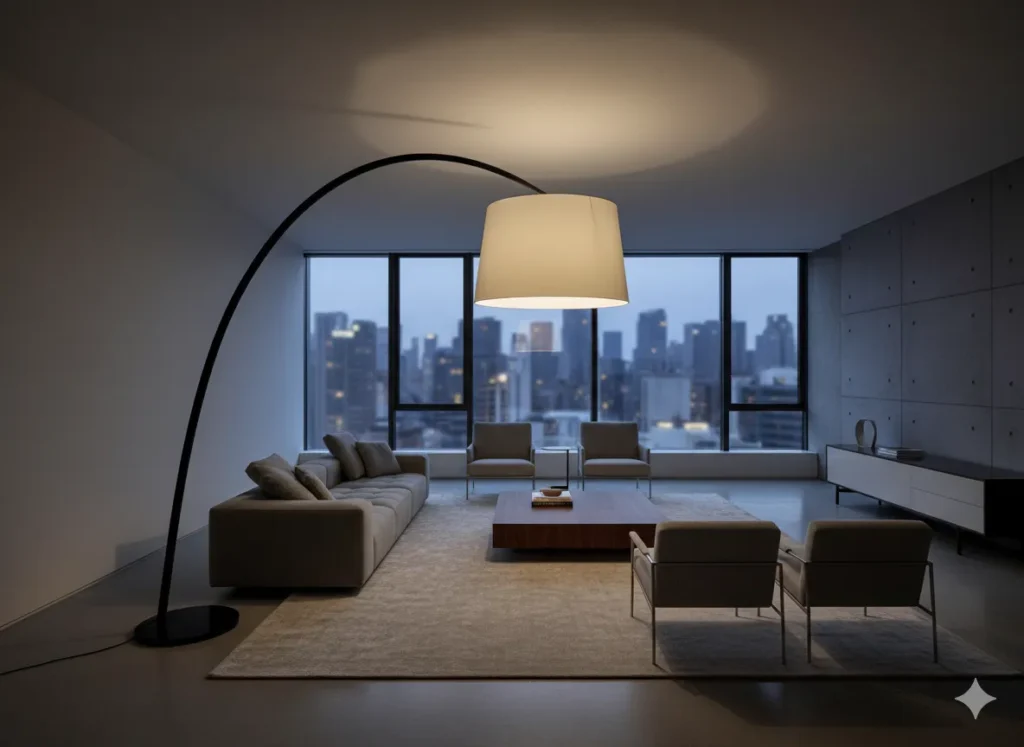
Dramatically scaled floor lamps make powerful design statements while providing substantial illumination. These commanding pieces anchor seating arrangements and fill vertical space in rooms with high ceilings.
Arc floor lamps with extended reaches can illuminate areas several feet away from their bases, offering flexibility in furniture placement. Tripod designs bring sculptural interest, while oversized drum shades diffuse light broadly across the room. These fixtures work particularly well in minimalist spaces that benefit from a single striking element.
Color-Changing LED Systems for Versatile Atmospheres
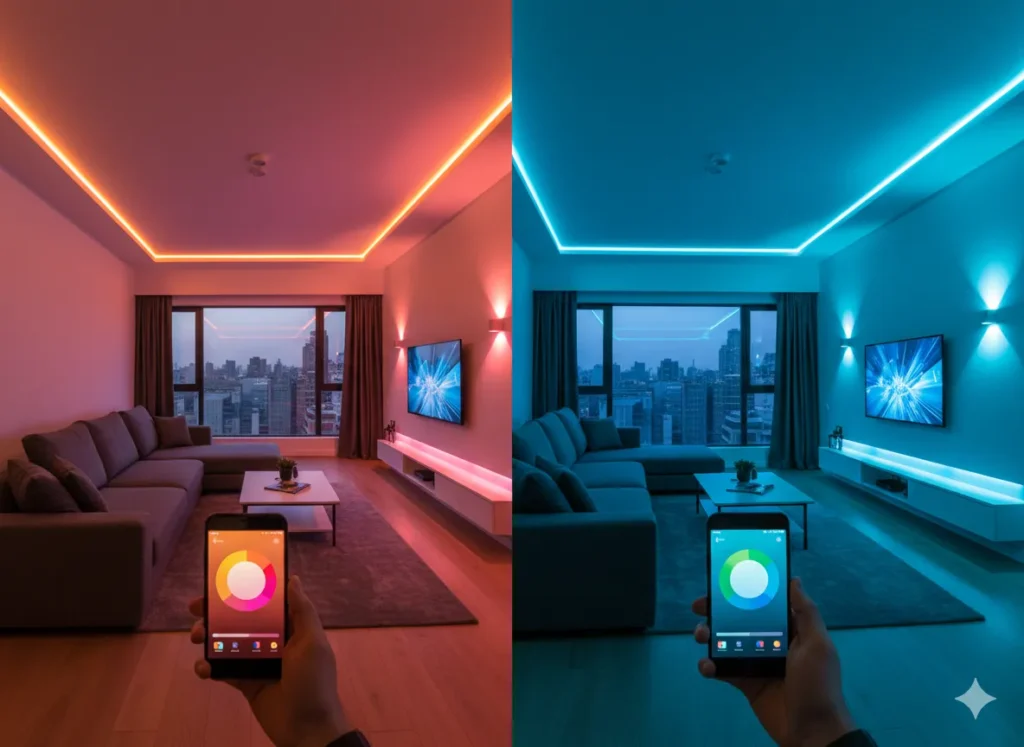
RGB LED technology enables you to shift your living room’s color palette with the touch of a button. Color-changing systems create dramatic effects for entertaining or subtle mood adjustments for relaxation.
Smart bulbs offering millions of color options allow you to coordinate lighting with seasons, holidays, or personal preferences. Cooler blue tones promote alertness during daytime work sessions, while warm amber hues encourage evening relaxation. The versatility makes these systems especially valuable in multipurpose living spaces.
Vintage-Inspired Fixtures with Modern Technology
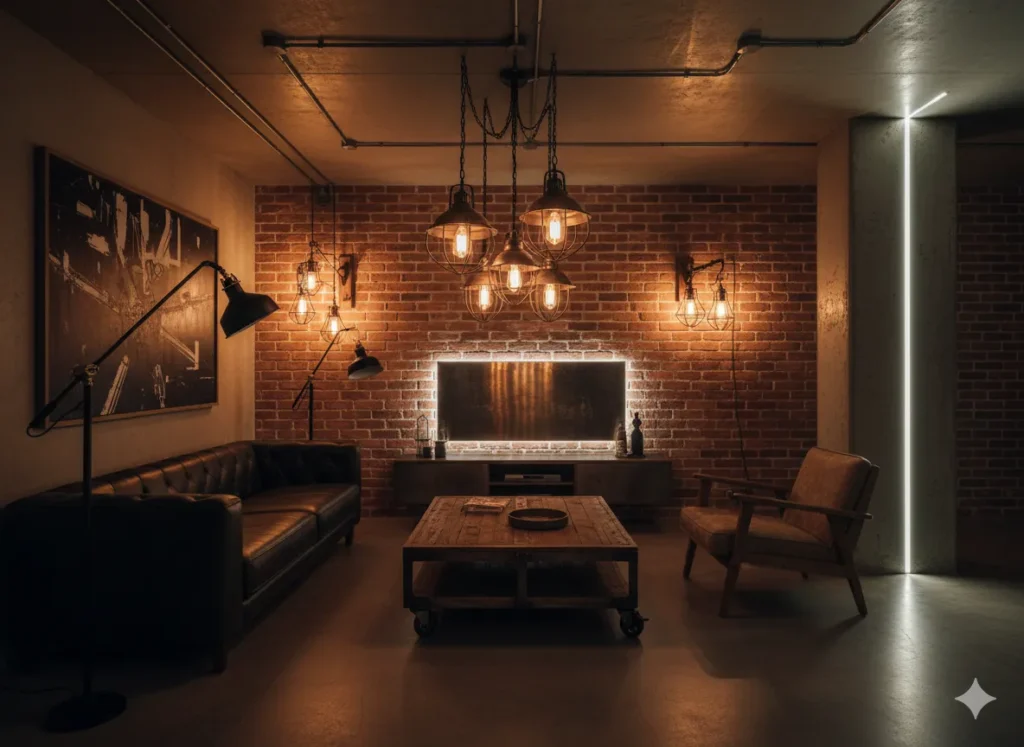
Contemporary interpretations of vintage lighting styles blend nostalgic aesthetics with current LED technology and smart capabilities. Edison-style bulbs, aged metal finishes, and classic silhouettes bring character to living rooms while delivering efficient, controllable illumination.
Industrial cage pendants, vintage pharmacy lamps, and retro globe fixtures add personality without sacrificing functionality. Pairing period-inspired forms with dimmable LED bulbs and smart controls creates the best of both design worlds. These fixtures work beautifully in transitional spaces that bridge traditional and contemporary elements.
Minimalist Flush Mounts for Streamlined Ceilings
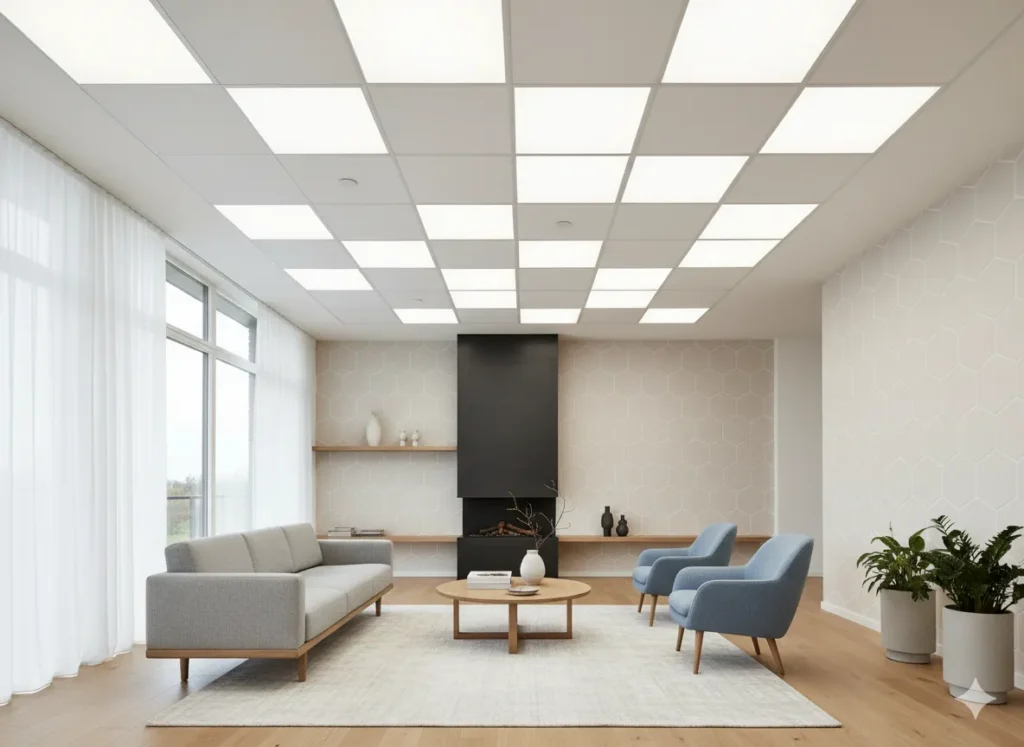
Flush-mount and semi-flush fixtures provide essential ambient lighting in rooms with limited ceiling height. Contemporary designs have elevated these practical fixtures into attractive decorative elements featuring geometric patterns, mixed materials, and architectural details.
LED flush mounts offer excellent energy efficiency while producing ample illumination. Frosted glass diffusers ensure even light distribution without hot spots. Select models with dimmable drivers to maintain control over light intensity throughout the day.
Integrated Architectural Lighting for Seamless Design
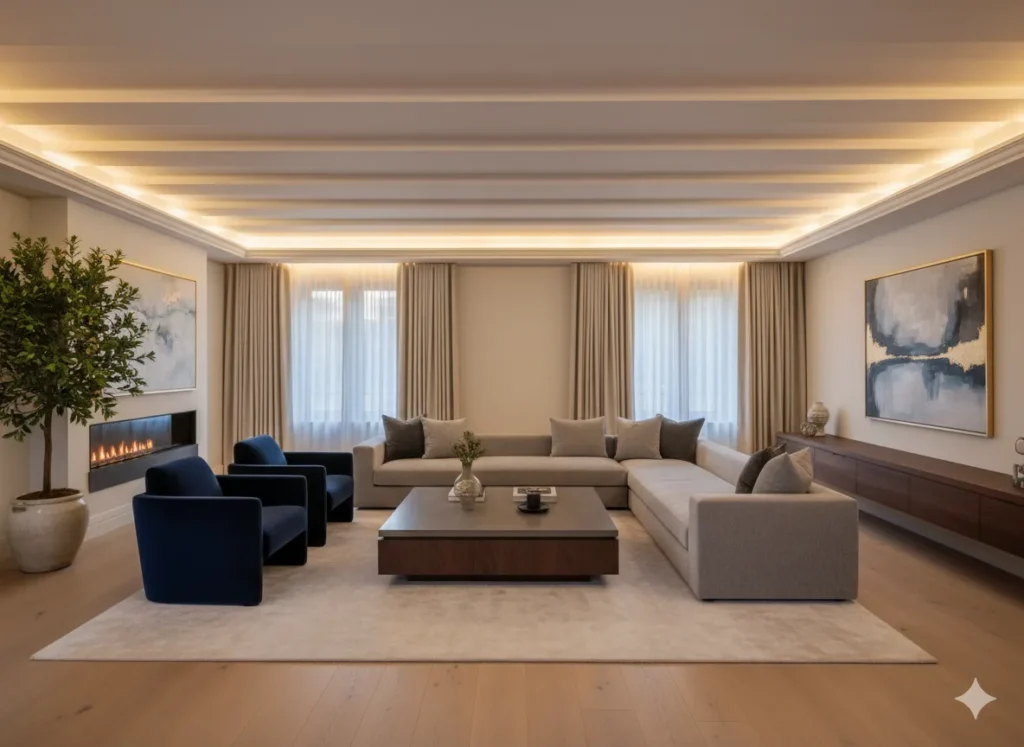
Building lighting directly into architectural elements creates a polished, intentional appearance. Recessed channels in ceiling beams, illuminated wall panels, and lit crown molding deliver ambient light that seems to emanate from the structure itself.
This approach requires planning during construction or renovation but produces remarkable results. The seamless integration eliminates visible fixtures, allowing the architecture and furnishings to take center stage. LED tape lights in various color temperatures can be selected to match the desired atmosphere.
Reading Lights for Dedicated Task Illumination
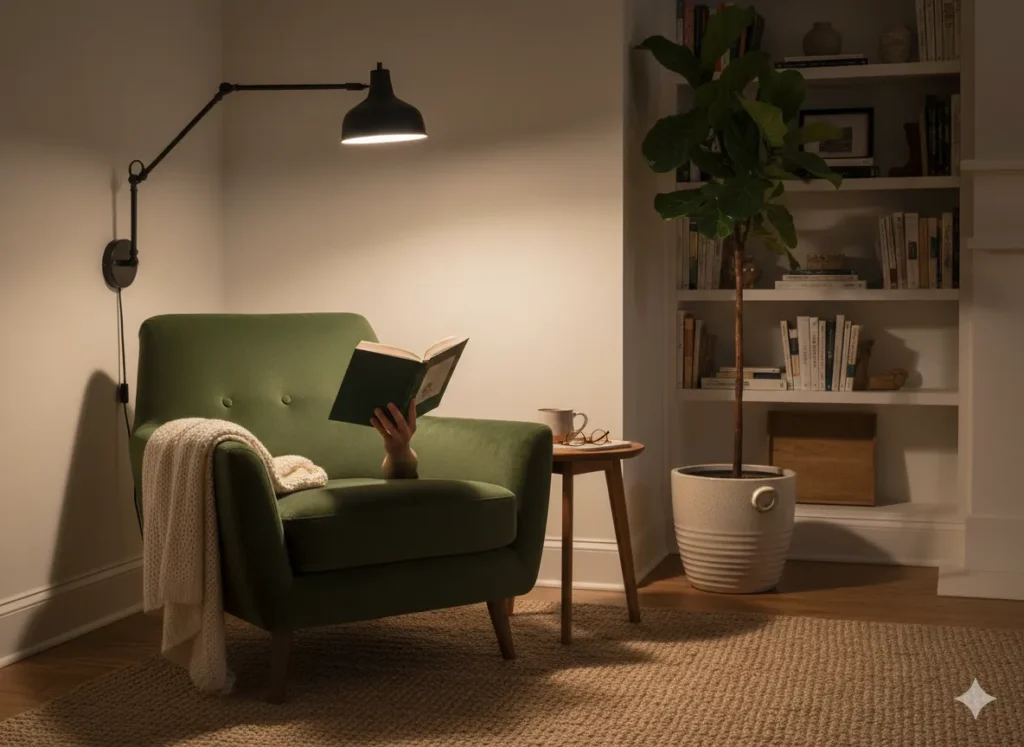
Swing-arm wall lamps and focused reading lights provide concentrated illumination exactly where needed for extended reading sessions. Adjustable arms allow you to position light precisely on pages without disturbing others in the room.
Install reading lights at heights that direct illumination downward onto books or tablets when seated. Warm color temperatures between 2700K and 3000K reduce eye strain during extended use. Multiple brightness settings accommodate different times of day and ambient light conditions.
Decorative Table Lamps as Sculptural Accents
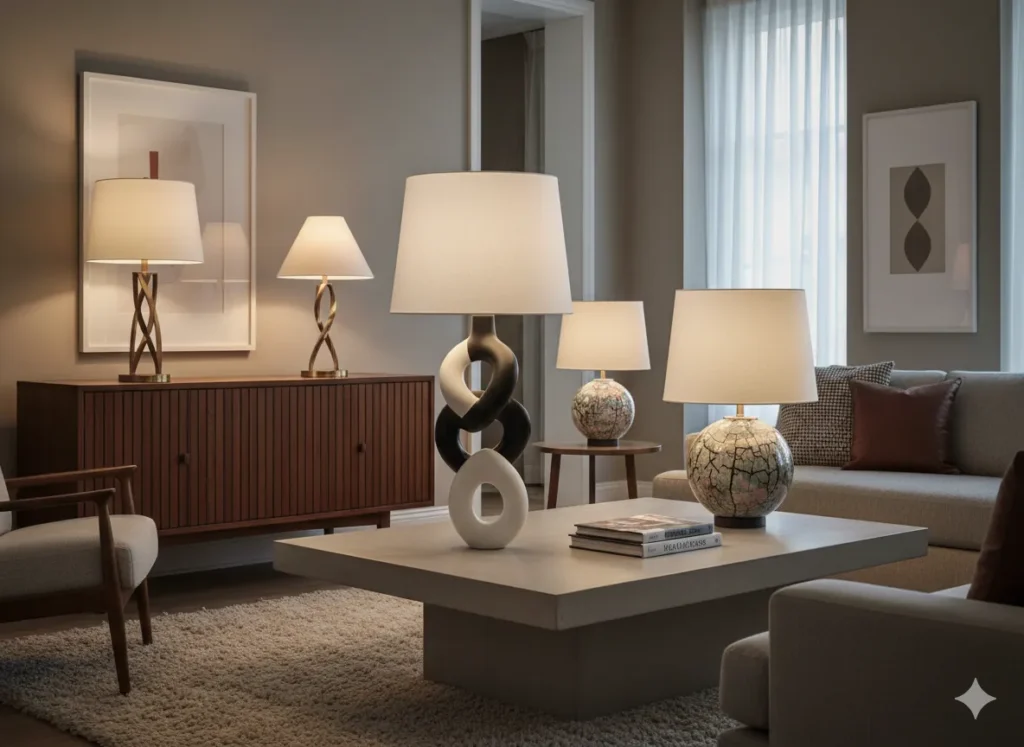
Contemporary table lamps transcend their utilitarian origins, functioning as sculptural art pieces that provide illumination. Ceramic bases with interesting glazes, geometric metal forms, and carved wood designs become focal points even when switched off.
Group lamps with varying heights and styles on console tables or shelving units to create curated vignettes. The decorative quality of these fixtures allows them to contribute to the room’s aesthetic during daylight hours, not just after dark. Unique bases paired with simple shades let the sculptural elements shine. To see more room lighting ideas do visit Homeliaa.
Creating Your Perfect Lighting Plan
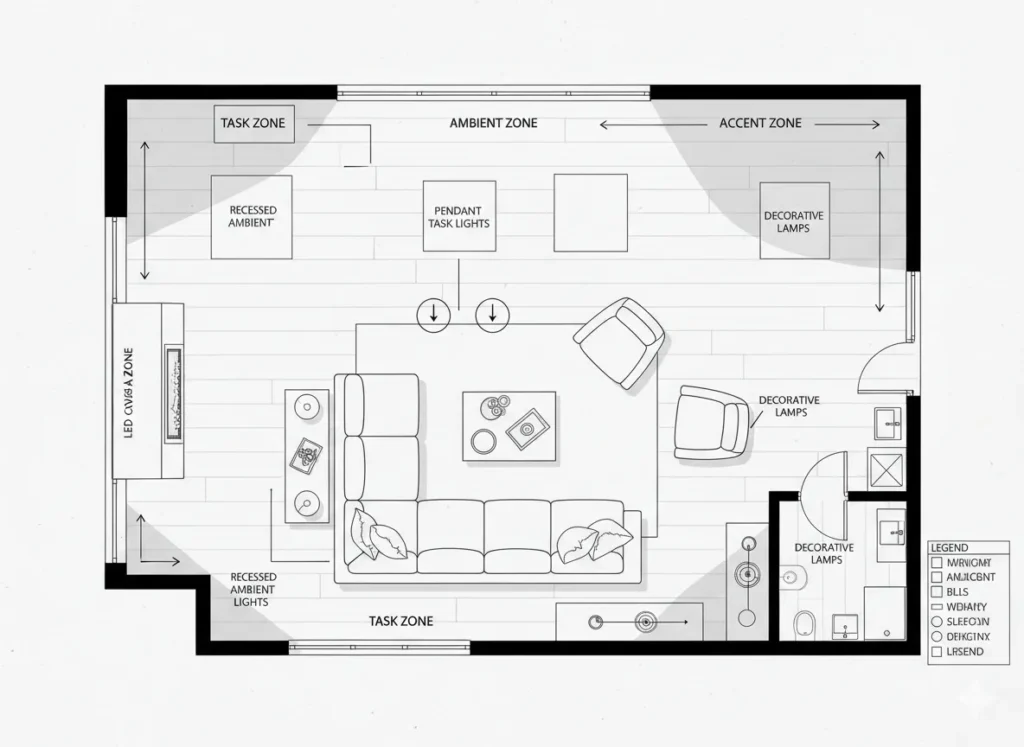
Developing an effective living room lighting scheme requires assessing your space and lifestyle needs carefully. Begin by identifying the room’s primary functions and the activities that occur throughout the day. A family room hosting game nights requires different lighting than a formal living room used primarily for conversation.
Evaluate your existing natural light patterns, noting how sunlight moves through the space during different hours. Plan artificial lighting to complement morning brightness while providing adequate illumination as daylight fades. Consider furniture placement carefully, ensuring task lighting reaches seating areas without creating glare on television screens.
Select color temperatures consistently throughout the space. Warm white bulbs ranging from 2700K to 3000K create cozy, inviting atmospheres perfect for relaxation. Reserve cooler temperatures above 3500K for spaces requiring focused concentration.
Calculate the total lumens needed based on room size, then distribute that illumination across multiple sources rather than relying on a single bright fixture. Aim for three to five distinct light sources to achieve proper layering. Install dimmer switches on every circuit to maintain control over intensity levels.
Conclusion
Transforming your living room through thoughtful lighting design represents one of the most impactful improvements you can make to your home. The combination of ambient, task, and accent lighting creates flexible environments that adapt to every activity and mood. From statement chandeliers that command attention to subtle cove lighting that adds architectural elegance, the options available allow you to craft a truly personalized space.
The key to success lies in layering multiple light sources at different heights and intensities throughout the room. Smart technology and dimmable fixtures provide the control needed to shift seamlessly from energizing daytime brightness to intimate evening ambiance. Natural materials, contemporary designs, and vintage-inspired pieces offer aesthetic variety to complement any decorating style.
As you implement these living room lighting ideas, remember that the best schemes evolve over time. Start with foundational ambient lighting, add task illumination where needed, then layer in accent fixtures that highlight your favorite features. The result will be a living room that welcomes you home with perfect illumination for every moment you spend there.
Frequently Asked Questions
What are the three types of lighting needed in a living room?
The three essential types are ambient lighting for overall illumination, task lighting for specific activities like reading, and accent lighting to highlight architectural features or artwork. Combining all three creates a flexible, well-balanced space that adapts to different uses throughout the day.
How many light sources should a living room have?
A well-designed living room typically contains three to five distinct light sources. This might include one ceiling fixture for ambient light, two table or floor lamps for task lighting, and one or two accent fixtures like wall sconces. Multiple sources prevent harsh shadows and create depth.
What color temperature is best for living room lighting?
Warm white bulbs between 2700K and 3000K work best for living rooms, creating cozy, inviting atmospheres. These temperatures flatter skin tones and encourage relaxation. Avoid cooler temperatures above 4000K, which feel clinical and uninviting in residential spaces meant for comfort.
Should all living room lights be dimmable?
Installing dimmers on every light circuit provides maximum flexibility and proves highly beneficial. Dimmers allow you to adjust brightness for different activities and times of day, create intimate evening ambiance, reduce energy consumption, and extend bulb life. The investment pays dividends in comfort and utility savings.
How high should pendant lights hang in a living room?
Pendant lights hanging over coffee tables should maintain 30 to 36 inches of clearance between the fixture bottom and table surface. For general room pendants not positioned over furniture, ensure at least seven feet of clearance from the floor to prevent head bumps while allowing adequate illumination distribution.


One Comment