16+ Stylish Leather Jewelry Ideas to Try
Leather Jewelry Ideas ,Leather jewelry has carved out a permanent place in the fashion world, offering a unique blend of rustic charm and contemporary elegance. Unlike traditional metal or gemstone pieces, leather accessories bring texture, warmth, and versatility to any outfit. Whether you’re drawn to the bohemian aesthetic, minimalist trends, or bold statement pieces, leather jewelry provides endless possibilities for personal expression.
The appeal of leather accessories lies in their adaptability. A simple leather bracelet can complement a casual weekend look just as effectively as it can add edge to business casual attire. The material itself carries a timeless quality, aging beautifully and developing character with wear. From delicate braided designs to chunky cuff statements, leather jewelry caters to every style preference and skill level.
This comprehensive guide explores over sixteen creative leather jewelry ideas that range from beginner-friendly projects to more intricate designs. Whether you’re looking to expand your personal collection, searching for gift inspiration, or planning to start crafting your own pieces, these ideas will spark your creativity and help you discover the remarkable versatility of leather in jewelry design.
Classic Leather Wrap Bracelets
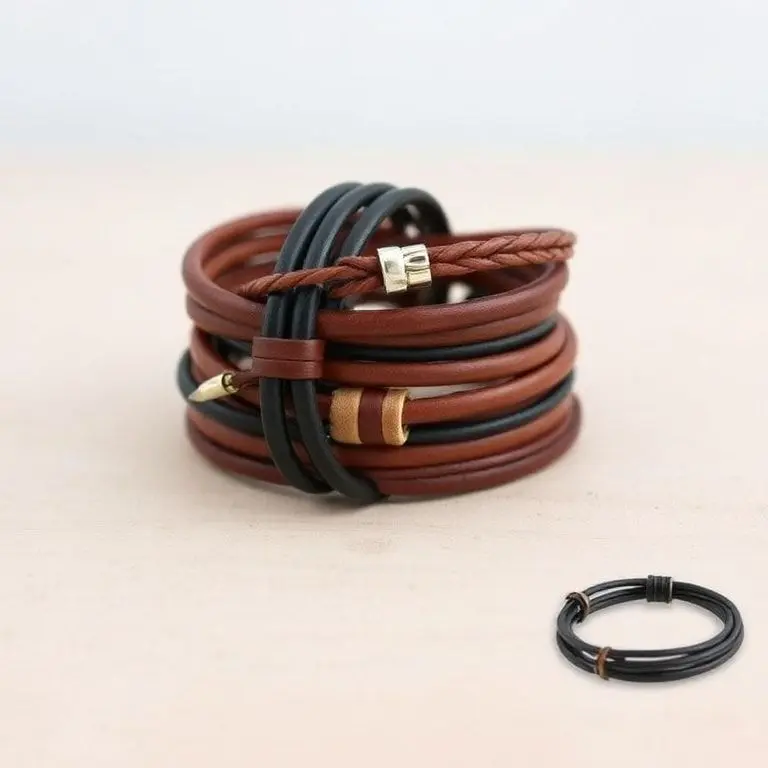
Wrap bracelets represent one of the most popular categories in leather jewelry. These multi-strand designs circle the wrist several times, creating visual interest through layering and repetition. The beauty of wrap bracelets lies in their adjustable nature and the ability to incorporate various embellishments.
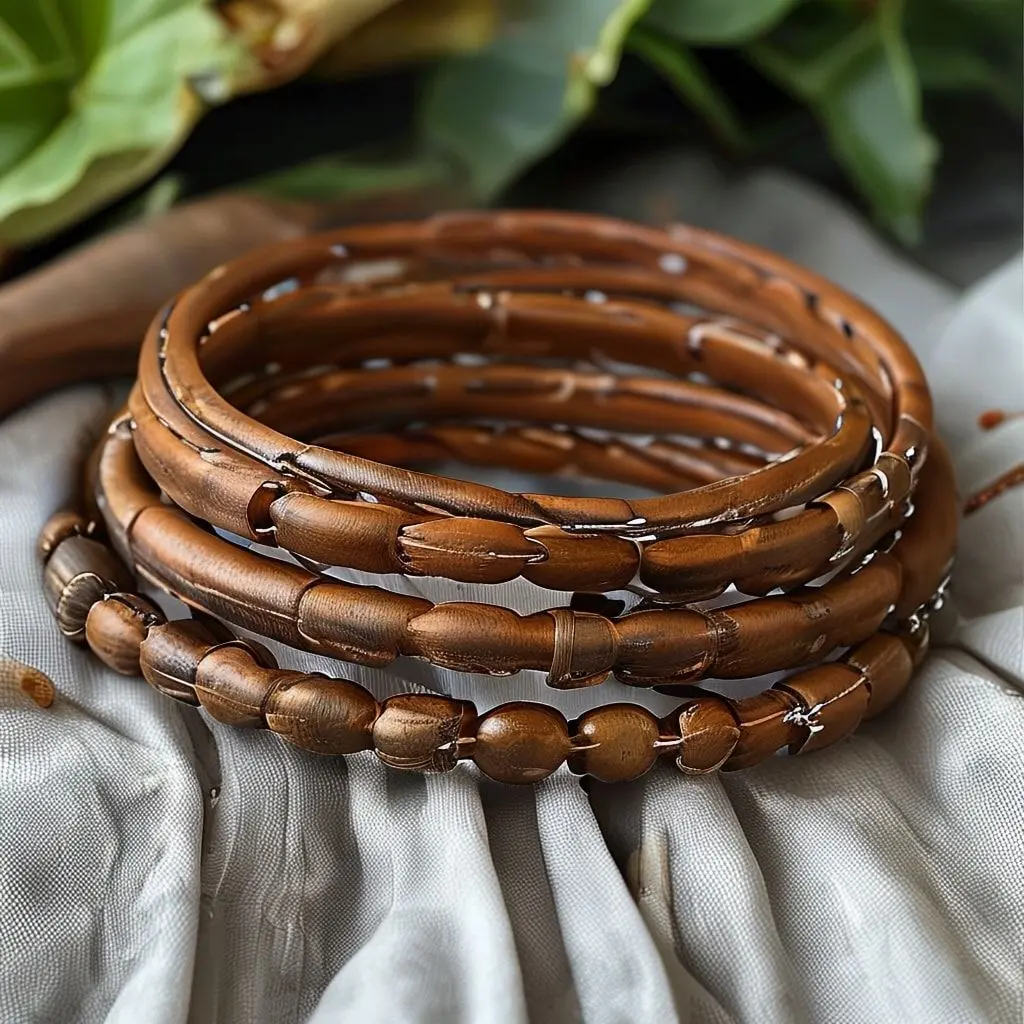
A basic wrap bracelet uses soft, thin leather cord wound around the wrist three to five times, secured with a button or bead closure. You can elevate this simple design by adding metal beads, semi-precious stones, or wooden accents at regular intervals. The wrapping technique allows for color blocking by using different leather shades or creating patterns through strategic bead placement.
For a bohemian touch, consider incorporating seed beads between leather wraps or weaving in metallic threads. The contrast between the organic leather texture and the shimmer of beads creates a balanced aesthetic that works beautifully with flowing dresses or denim looks. These bracelets also make excellent stacking pieces when worn alongside other leather or metal bangles.
Braided Leather Cuffs
Leather cuffs offer a bold, statement-making alternative to delicate chain bracelets. Wide cuff designs provide ample surface area for creativity, whether through braiding techniques, stamping, or embellishment. A braided leather cuff combines structure with visual texture, resulting in a piece that feels substantial without overwhelming the wrist.
The three-strand braid remains the most straightforward approach, using leather strips of equal width woven together and secured at each end with metal findings. For more complex patterns, consider five-strand or herringbone braids that create intricate geometric patterns. The width of your leather strips directly impacts the final cuff size, with wider strips producing chunkier, more dramatic pieces.
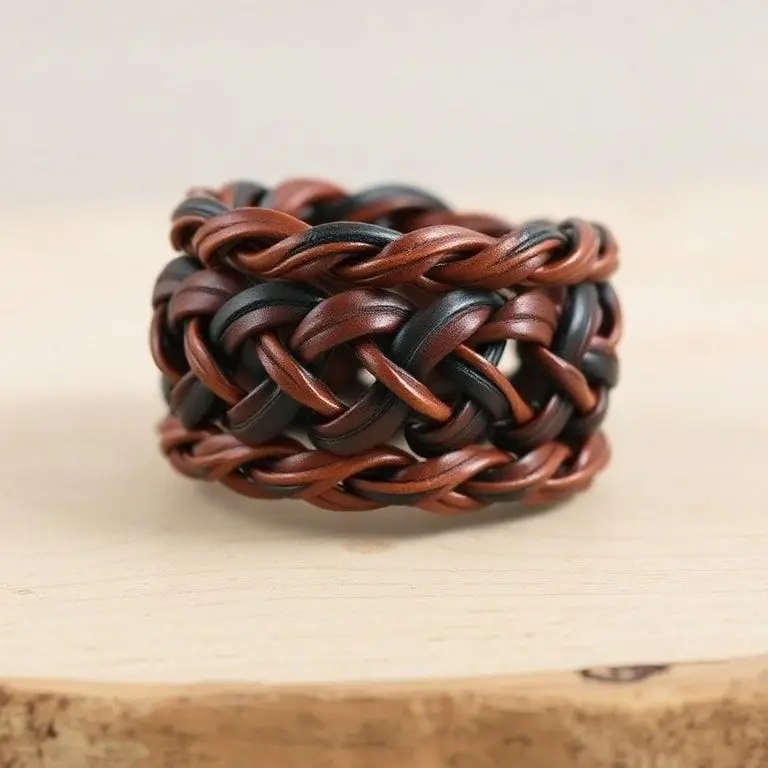
Color selection plays a crucial role in braided cuff design. Monochromatic braids in natural browns create a rustic, earthy feel, while combining black and metallic leathers produces an edgier aesthetic. You might also experiment with gradient effects by braiding progressively lighter or darker shades together, creating visual movement across the piece.
Minimalist Leather Cord Necklaces
Sometimes simplicity makes the strongest statement. Minimalist leather cord necklaces strip jewelry down to its essential elements, focusing on clean lines and quality materials. These pieces typically feature a single strand of leather cord adorned with one focal point, such as a pendant, stone, or meaningful charm.
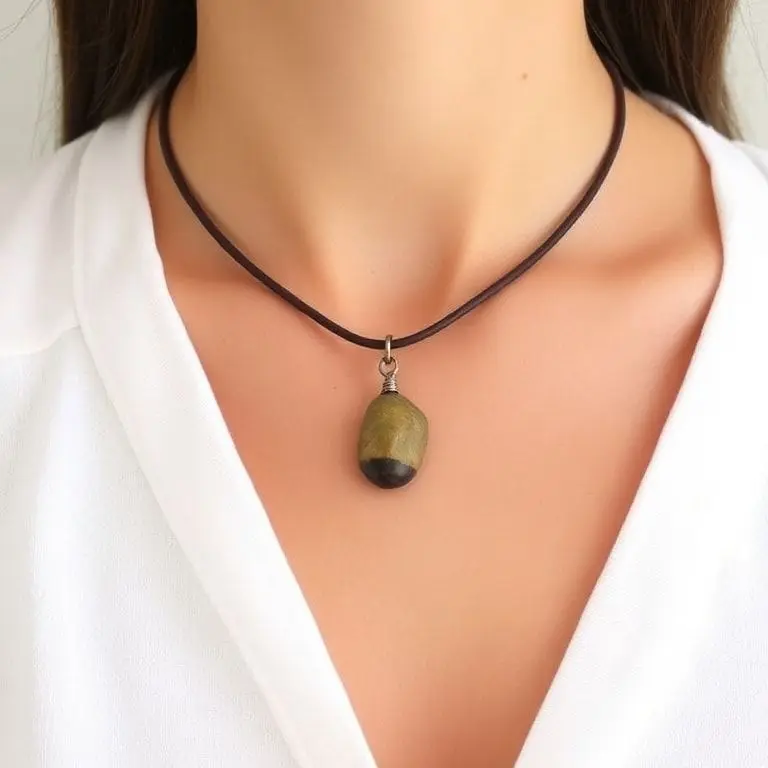
The key to successful minimalist design lies in proportion and balance. A thin leather cord pairs beautifully with a small, delicate pendant for everyday wear, while thicker cords can support larger statement pieces without appearing bottom-heavy. Natural leather tones work particularly well for minimalist designs, allowing the focus to remain on the pendant rather than competing colors.
Consider the necklace length carefully based on your wardrobe. Choker-length leather cords create a modern, edgy look that pairs well with off-shoulder tops or deep V-necks. Longer lengths that fall at the collarbone or sternum work beautifully layered over basic tees or button-up shirts, adding dimension without overwhelming your outfit.
Leather and Metal Hybrid Designs
The combination of leather and metal creates striking contrast in jewelry design. This pairing brings together the warmth of organic material with the cool sophistication of metalwork, resulting in pieces that feel both grounded and refined. The textural difference between smooth metal and grainy leather adds visual interest that catches the eye.
Popular hybrid approaches include threading metal beads onto leather cord, wrapping leather around metal bangles, or incorporating metal chain segments into leather necklaces. You might also explore designs where metal clasps, rings, or geometric shapes become focal points against leather backgrounds. Brass and copper metals develop beautiful patinas over time that complement leather’s natural aging process.
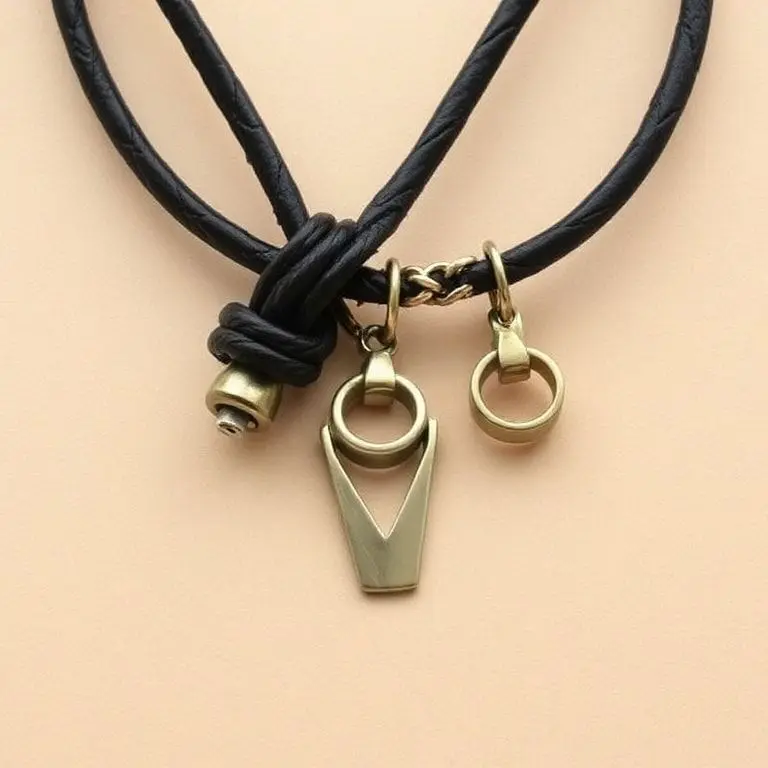
For a contemporary twist, combine blackened or oxidized metals with dark leather for a monochromatic look that feels modern and artistic. Alternatively, rose gold or polished silver against natural tan leather creates a softer, more feminine aesthetic. The metal choice significantly influences the overall mood of your piece, so select finishes that align with your intended style.
Stamped and Tooled Leather Pieces
Leather tooling transforms plain leather into personalized artwork. This traditional craft technique involves using specialized tools to create impressions, patterns, or text on vegetable-tanned leather. The resulting pieces carry a handmade quality that mass-produced jewelry cannot replicate.https://casolia.com/leather-jewelry-ideas/
Simple stamped designs work wonderfully for beginners. Individual letter stamps allow you to create personalized bracelets or pendants with names, initials, or meaningful words. Geometric stamps produce repeating patterns that add visual texture without requiring advanced skills. As you develop confidence, you can progress to more complex pictorial designs or intricate border patterns.
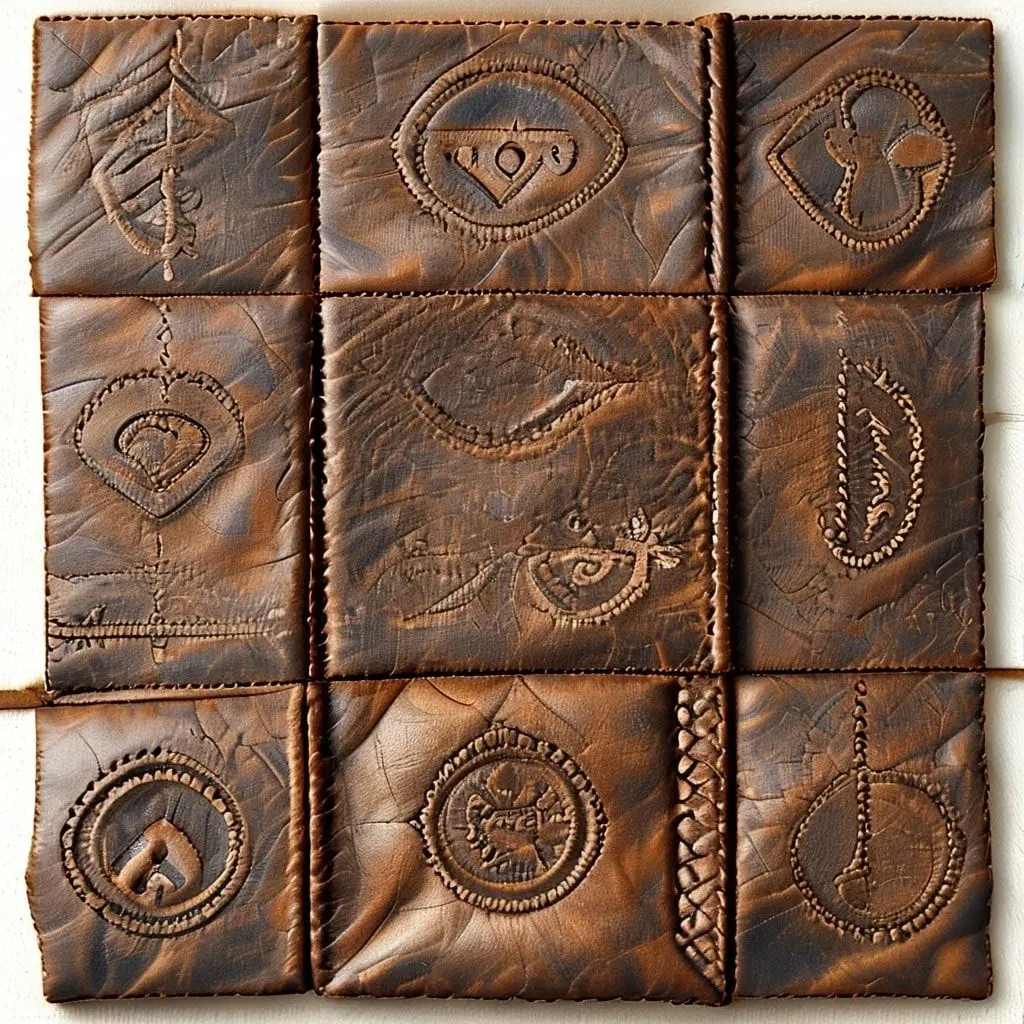
The leather preparation process is crucial for successful tooling. Vegetable-tanned leather must be dampened to the right consistency before stamping. Too dry, and the impressions won’t hold; too wet, and the leather becomes difficult to work with. After tooling, many crafters apply dyes or antique finishes to highlight the impressed designs, making them stand out against the leather background.
Bohemian Fringe Earrings
Fringe details bring movement and playfulness to leather jewelry. Earrings featuring leather fringe create a bohemian aesthetic that works beautifully for festival wear, casual outings, or any situation calling for relaxed elegance. The swaying motion of fringe catches light and draws attention without relying on sparkle or shine.
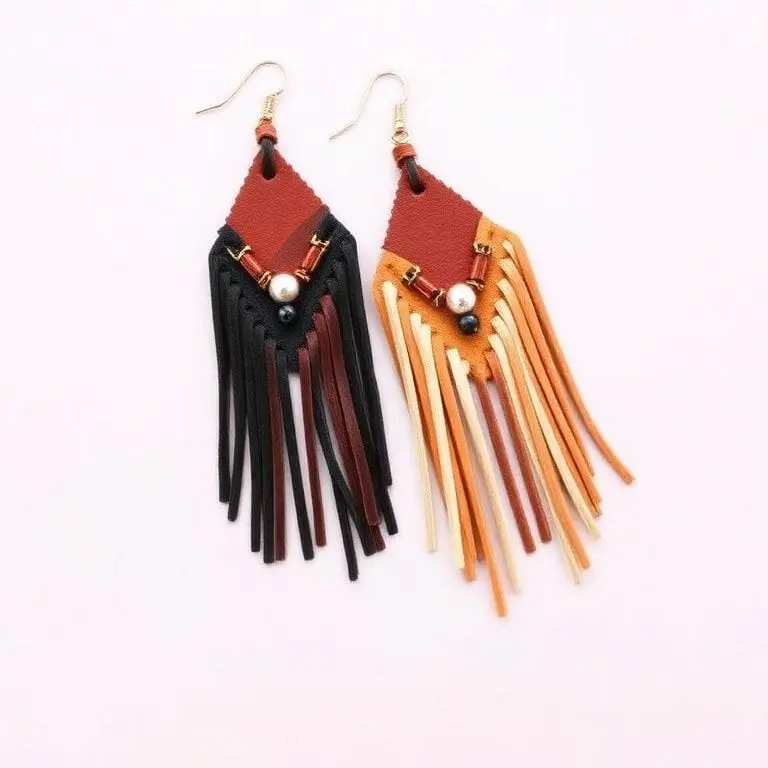
Creating fringe earrings involves cutting thin strips into a leather piece, leaving a solid section at the top for attachment. You can customize the design by varying fringe length, cutting angles, or combining different leather colors in a single earring. Some designs incorporate beads threaded onto individual fringe strands, adding weight and additional visual interest.
Consider the proportions carefully when designing fringe earrings. Longer fringe creates dramatic, statement pieces that pair well with upswept hairstyles and simple tops. Shorter fringe offers a more subtle take on the trend, suitable for everyday wear. The leather weight also matters; thinner leather creates softer, more flowing fringe, while thicker leather produces structured, geometric lines.
Layered Leather Chokers
Chokers have experienced multiple fashion revivals, and leather versions offer a modern take on this classic accessory. Layered leather chokers use multiple strands of leather cord at varying lengths around the neck, creating depth and dimension. This stacked approach allows for mixing colors, textures, and embellishments within a single cohesive piece.
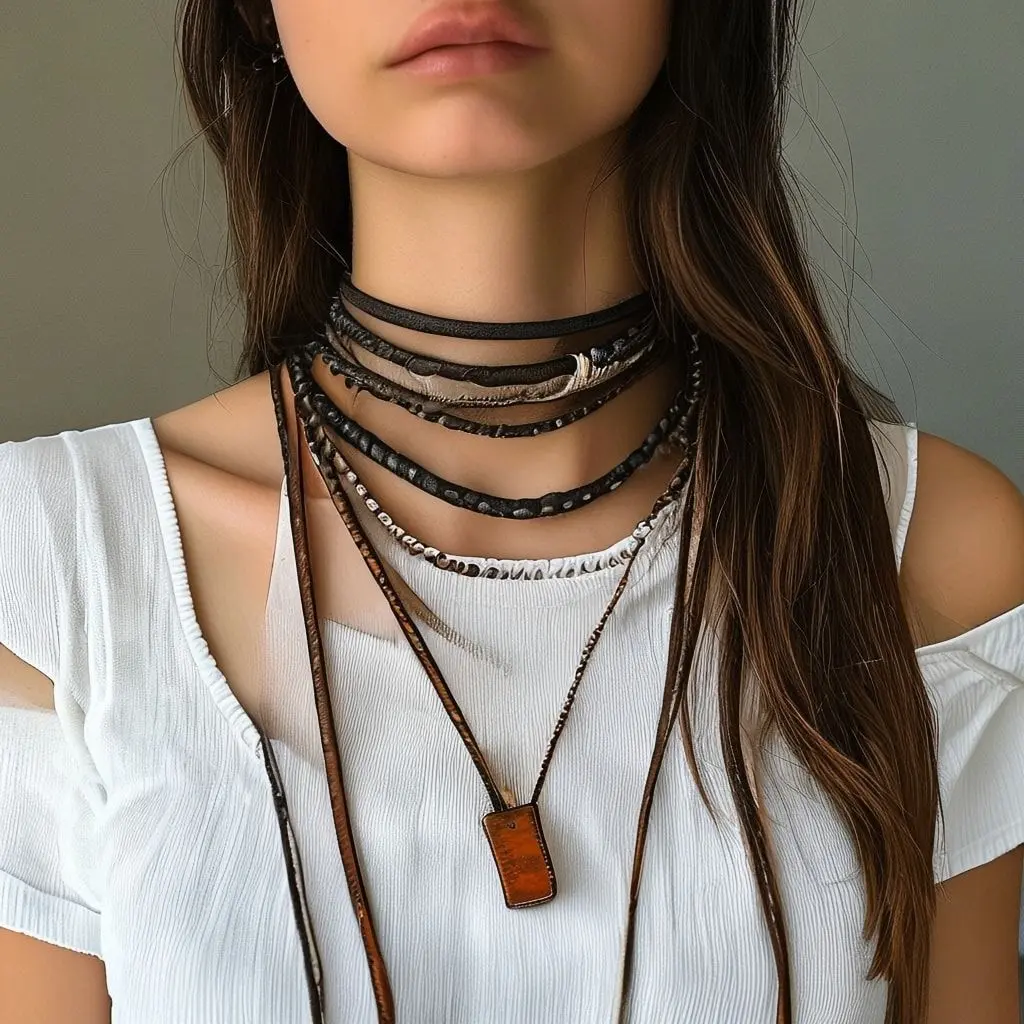
A basic layered choker might include three strands: a tight-fitting base layer, a slightly longer middle strand with a small pendant, and a longest layer featuring a larger focal point. This graduated approach creates visual interest while maintaining balance. The strands can be connected at the back with a single clasp or feature individual closures for adjustable wear.
Leather chokers work particularly well with contemporary fashion trends. They add edge to simple white tees, complement off-shoulder tops beautifully, and provide interesting contrast when layered over turtlenecks. The close-to-neck positioning makes these pieces particularly noticeable, so consider your pendant or charm selections carefully to ensure they reflect your personal style.
Beaded Leather Bracelets
Incorporating beads into leather jewelry opens up a world of color, texture, and cultural inspiration. Beaded leather bracelets can range from simple designs featuring a few accent beads to elaborate patterns where beading becomes the primary focus. The combination allows you to introduce gemstones, wood, glass, or ceramic elements alongside the organic leather base.
One popular approach involves creating a ladder-style bracelet where beads are sewn between two parallel leather cords. This technique keeps beads aligned and secure while creating a structured appearance. You can use uniform beads for a clean, modern look or mix sizes and colors for a more eclectic, artisan feel.
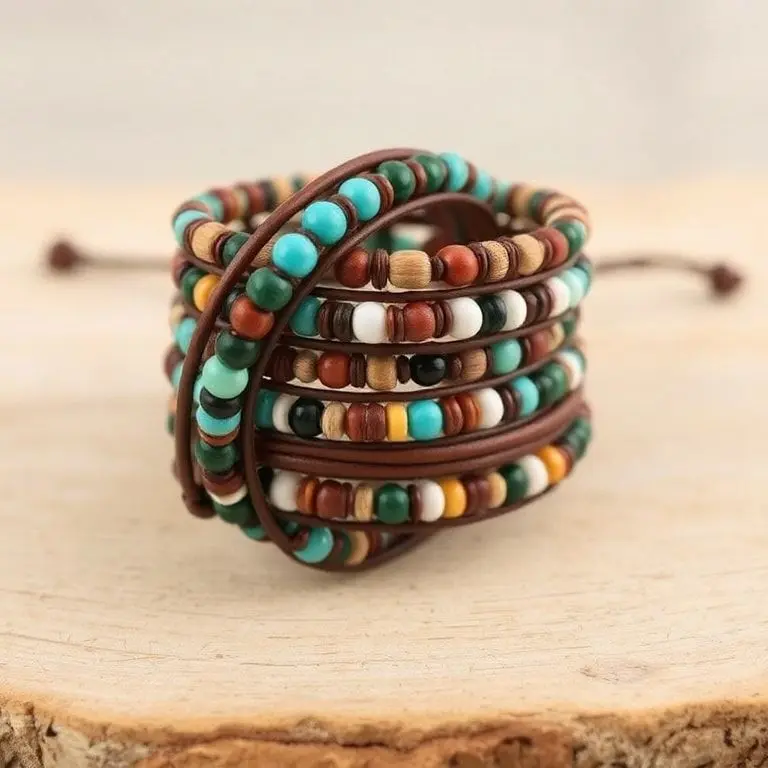
Seed bead patterns offer another avenue for creativity. By weaving tiny seed beads onto leather using traditional beadwork techniques, you can create intricate geometric or pictorial designs. These pieces require more time and skill but result in jewelry that resembles wearable art. The contrast between the tiny, precise beads and the rustic leather creates compelling visual tension.
Leather Pendant Necklaces
Large leather pendants make bold focal points for necklaces. Unlike small metal pendants, leather allows for larger designs without excessive weight, making statement pieces comfortable for all-day wear. Leather pendants can be cut into any shape, layered for dimension, tooled with designs, or combined with other materials.
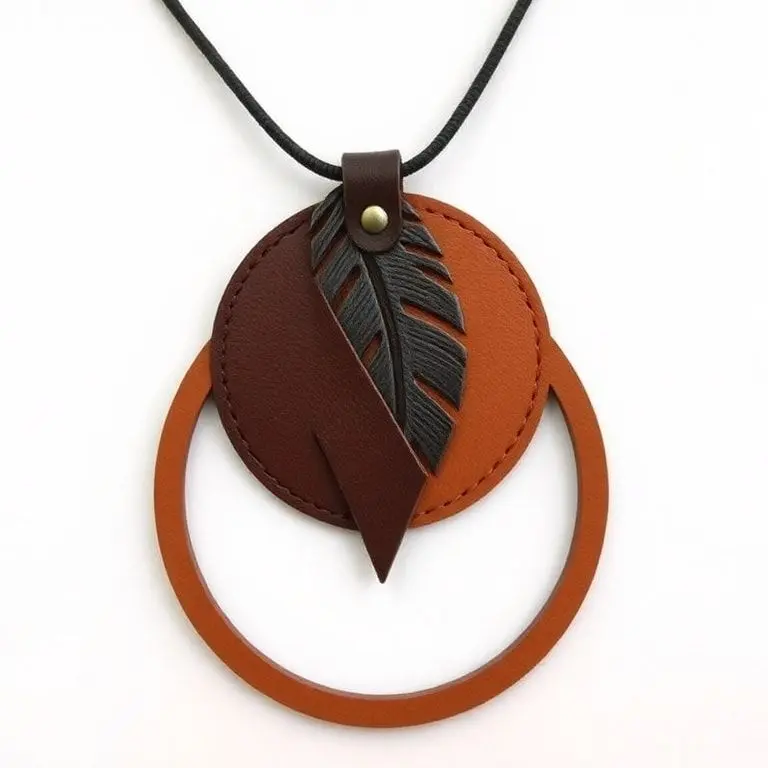
Geometric shapes work particularly well for leather pendants. Circles, triangles, and asymmetric forms create modern, artistic pieces that feel gallery-worthy. Layering different leather colors or textures adds dimension; try placing a smaller contrasting piece atop a larger base, connected through the center with visible stitching or rivets.
Nature-inspired pendant shapes tap into leather’s organic qualities. Leaf forms, feather cutouts, or abstract organic shapes feel at home in leather and connect the wearer to natural aesthetics. These pendants pair beautifully with flowing fabrics and earthy color palettes, reinforcing a cohesive boho or nature-inspired wardrobe theme.
Wrapped Stone Leather Jewelry
Combining leather with natural stones creates jewelry that feels both grounded and precious. The wrapping technique secures stones without permanent settings, allowing the leather to cradle the stone while remaining the visible design element. This approach works beautifully for tumbled stones, crystals, or cabochons.
The basic wrapping technique involves cutting thin leather strips and weaving them around the stone in a basket or cage pattern. The leather should hold the stone securely without obscuring its beauty. Some designs incorporate knots at strategic points for both security and decoration. The wrapped stone can then be attached to leather cord for a necklace or incorporated into bracelet designs.
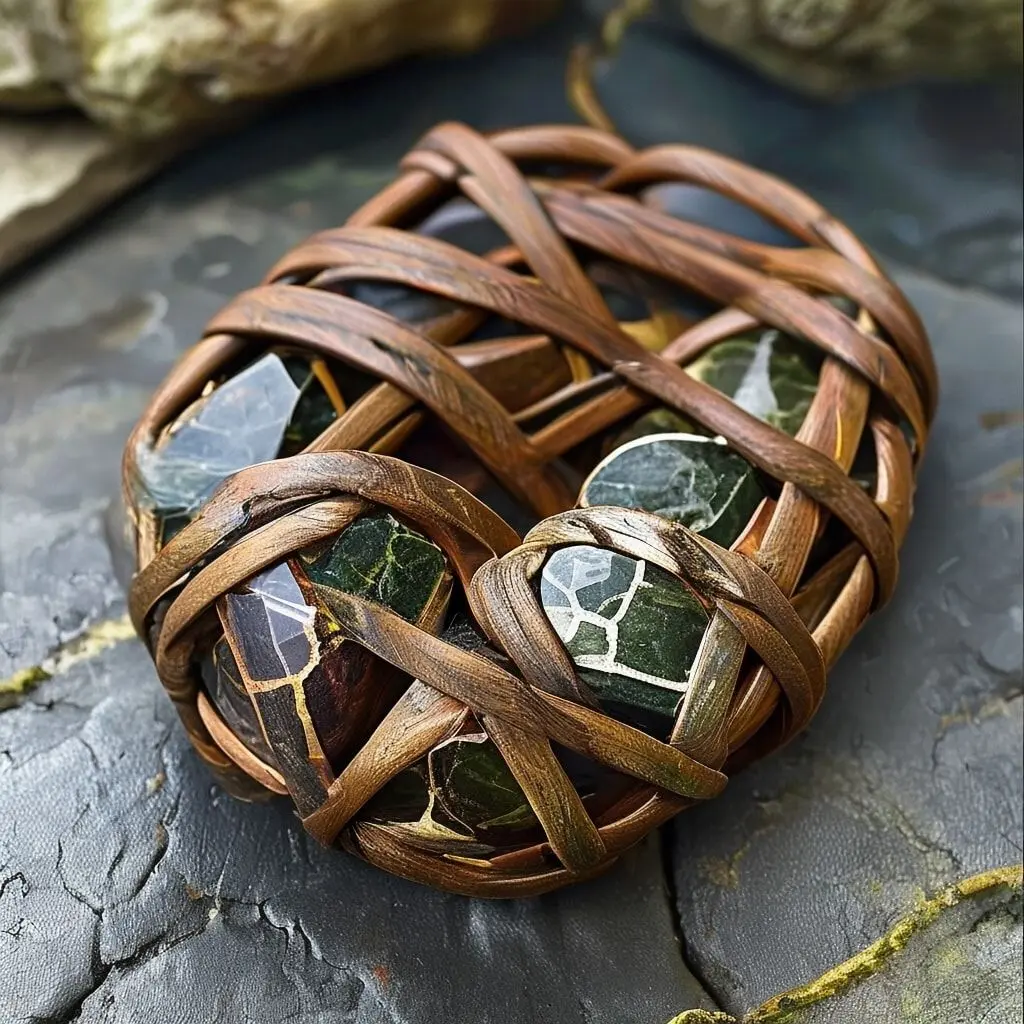
Stone selection influences the overall aesthetic significantly. Clear quartz or light-colored stones against dark leather create high contrast and modern appeal. Earth-toned stones like jasper or agate complement natural leather shades for a cohesive, organic look. Consider the stone’s energy or meaning if you’re drawn to crystal healing properties, creating jewelry that serves both aesthetic and personal purposes.
Adjustable Sliding Knot Bracelets
Adjustable bracelets solve the common problem of achieving the perfect fit. Sliding knot closures use decorative knots that move along the cord ends, allowing wearers to customize the bracelet size. This practical feature also means one bracelet can fit multiple wrist sizes, making them excellent gift options.
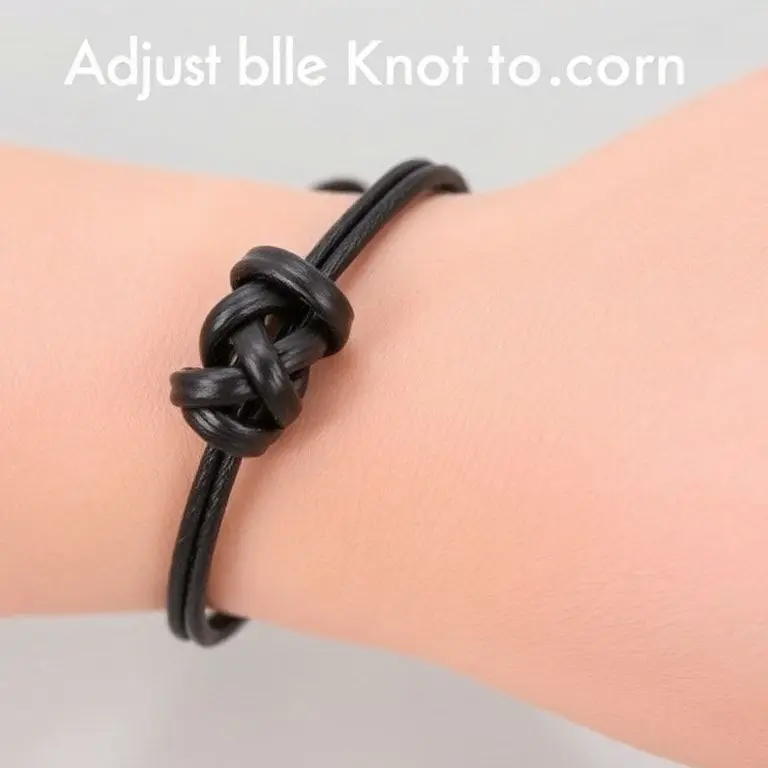
Creating a sliding knot bracelet requires learning a specific knotting technique where separate pieces of cord wrap around the main bracelet strands. Once mastered, this closure method can be applied to countless designs. The knots themselves become decorative elements, especially when using contrasting leather colors for the knots and main strands.
The main bracelet portion can be simple or elaborate. Some designs feature a single statement bead or charm on plain leather cord, relying on the adjustable closure for interest. Others incorporate braiding, multiple strands, or beaded sections, with the sliding knots providing functional elegance at the ends. This closure type works equally well for masculine and feminine designs.
Leather Tassel Jewelry
Tassels add movement, texture, and a touch of luxury to leather jewelry. These decorative elements can serve as pendants on necklaces, dangle from earrings, or accent the ends of bracelets. Creating leather tassels involves cutting many thin strips that hang freely, often gathered and wrapped at the top to create the characteristic tassel shape.
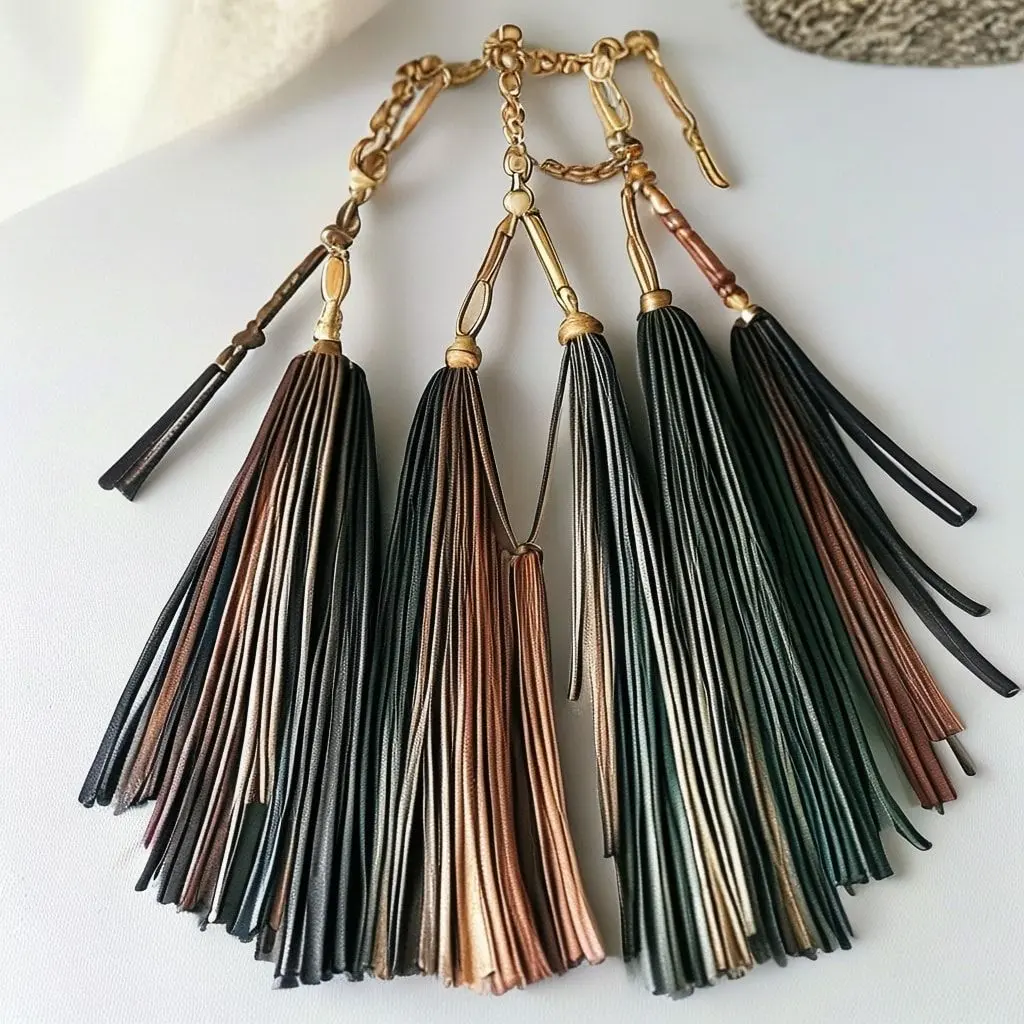
The leather choice impacts tassel behavior significantly. Soft, supple leather creates flowing tassels that move gracefully, suitable for elegant pieces. Stiffer leather produces more structured tassels with individual strands that maintain separation, creating a different visual effect. You can also combine different leather colors within a single tassel for gradient or striped effects.
Tassel size should be proportional to the piece. Large, chunky tassels make bold statements on long necklaces or oversized earrings, while tiny tassels add subtle detail to delicate bracelets. Consider adding metal caps or bead wraps at the tassel top for a polished, finished appearance that also reinforces the gathering point.
Masculine Leather Wristbands
Leather jewelry isn’t limited to delicate, feminine designs. Substantial wristbands appeal to those seeking rugged, masculine accessories that complement casual and business casual attire. These pieces typically feature wider leather straps, darker colors, and minimal embellishment, focusing instead on quality materials and solid construction.
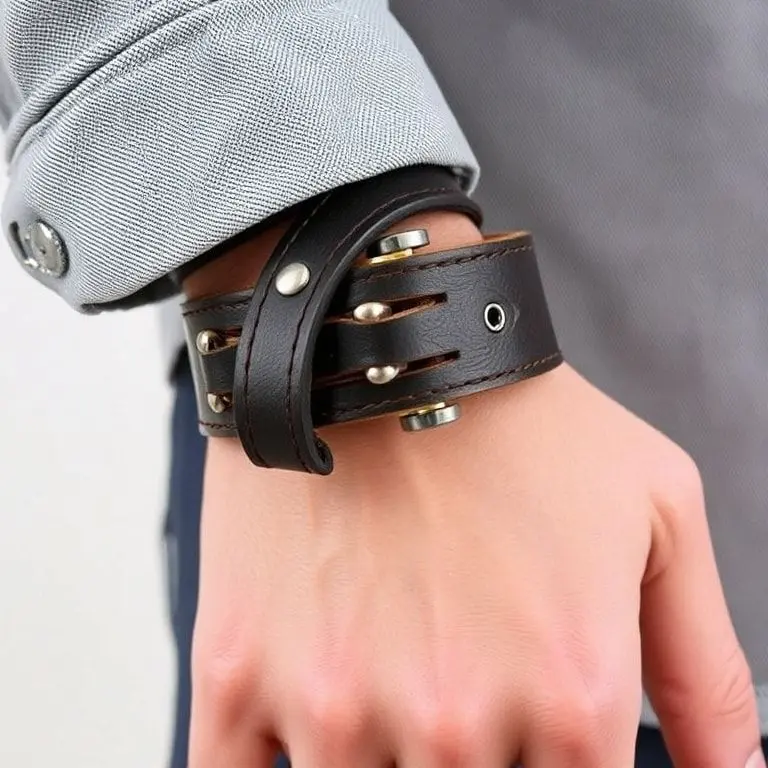
A classic approach uses a single wide band of thick leather with a metal buckle or snap closure. The leather may be left plain for minimalist appeal or tooled with subtle patterns. Some designs incorporate stitching details along the edges or down the center, adding visual interest through texture rather than added elements.
For additional character, consider distressed or antiqued leather finishes that suggest age and wear. Combining leather with industrial materials like metal rivets, steel rings, or chain elements reinforces the masculine aesthetic. These wristbands pair naturally with jeans, boots, and rolled-up sleeves, becoming signature pieces that define personal style.
Braided Leather Rings
While bracelets and necklaces dominate leather jewelry, rings offer another creative outlet. Braided leather rings wrap around the finger multiple times, creating texture and dimension in a small package. These rings work particularly well for casual wear and can be created in various widths and braid patterns.
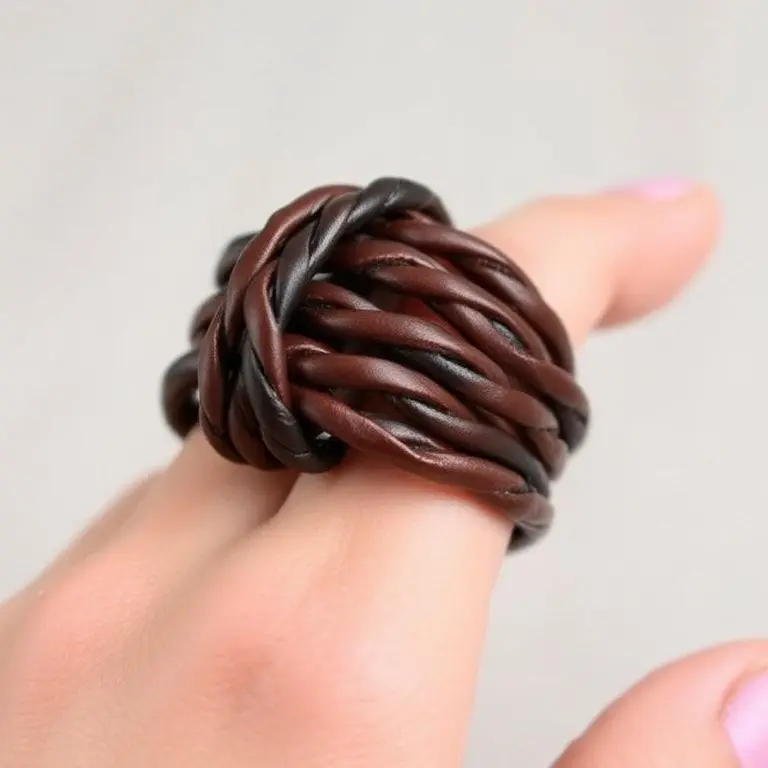
The challenge with leather rings lies in achieving the right fit. Leather should be snug enough to stay in place without sliding but not so tight that it’s uncomfortable. Using thin, supple leather strips allows for more wraps around the finger, creating a substantial look. Some designs incorporate small beads or metal elements within the braid for added interest.
Leather rings can be permanent pieces where the ends are glued and secured, or adjustable designs that can be unwrapped and rewrapped. For permanent rings, careful measurement ensures proper fit. Adjustable versions offer versatility but require secure knots or closures that won’t come undone during wear. These rings make excellent stacking pieces, wearing multiple braided rings across several fingers.
Feather and Leather Combinations
Pairing leather with feathers creates jewelry that feels wild, free, and deeply connected to nature. This combination works particularly well for earrings and pendant necklaces, where the feather’s natural movement complements leather’s organic texture. The two materials share an earthy quality that reinforces bohemian and festival-inspired styles.
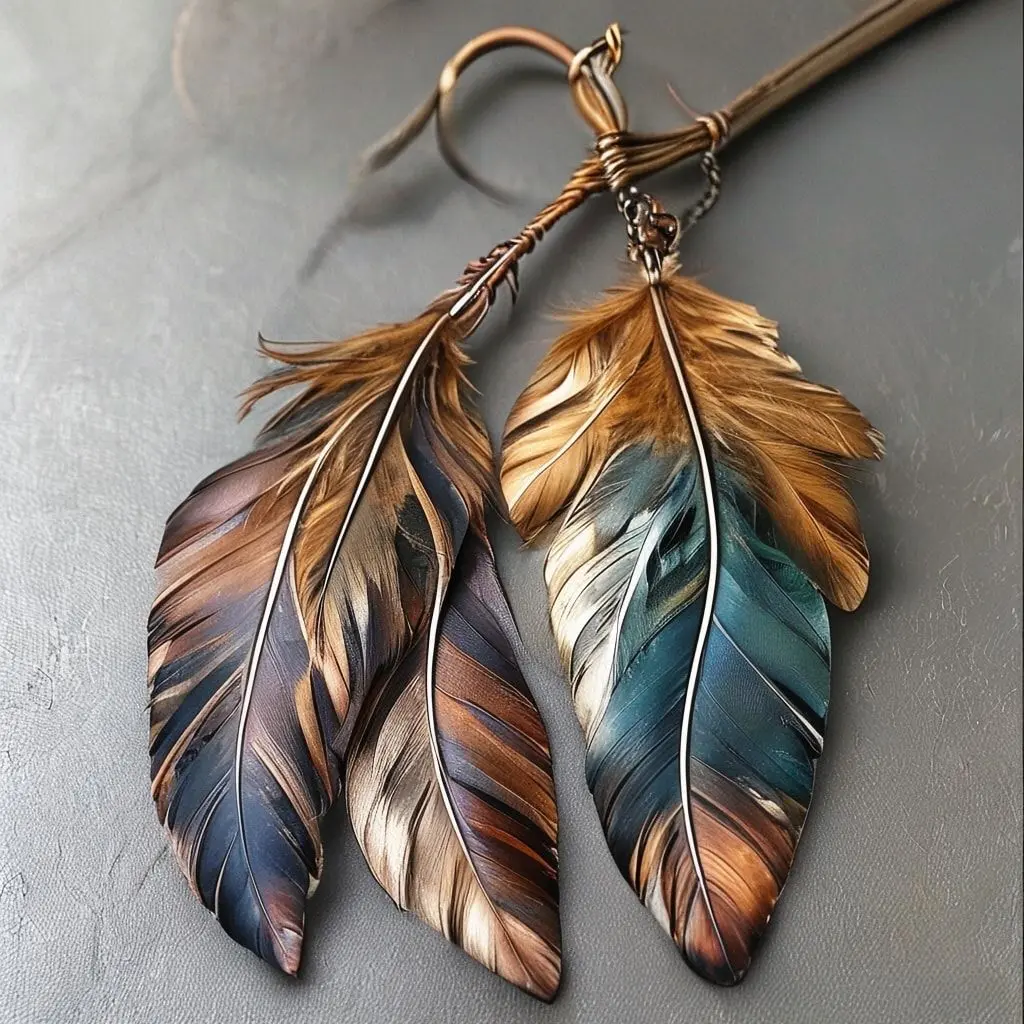
When incorporating feathers, consider both natural and dyed options. Natural feather colors create subtle, sophisticated pieces, while brightly dyed feathers make bold statements. The feather can be attached directly to leather through wrapping, gluing, or stitching, or suspended from leather cord using jump rings for more movement.
Ethical sourcing matters when working with feathers. Many craft suppliers offer ethically sourced feathers from molted birds or sustainable farms. This consideration allows you to create beautiful jewelry while respecting wildlife. The combination of leather and feathers tells a story of natural beauty and connection to the earth, making these pieces particularly meaningful.
Layered Leather Medallion Necklaces
Medallion necklaces featuring layered leather circles create bold, artistic statements. This design technique stacks multiple leather pieces in graduated sizes, creating three-dimensional pendants with substantial visual impact. The layering allows for mixing colors, textures, and finishes within a single cohesive piece.
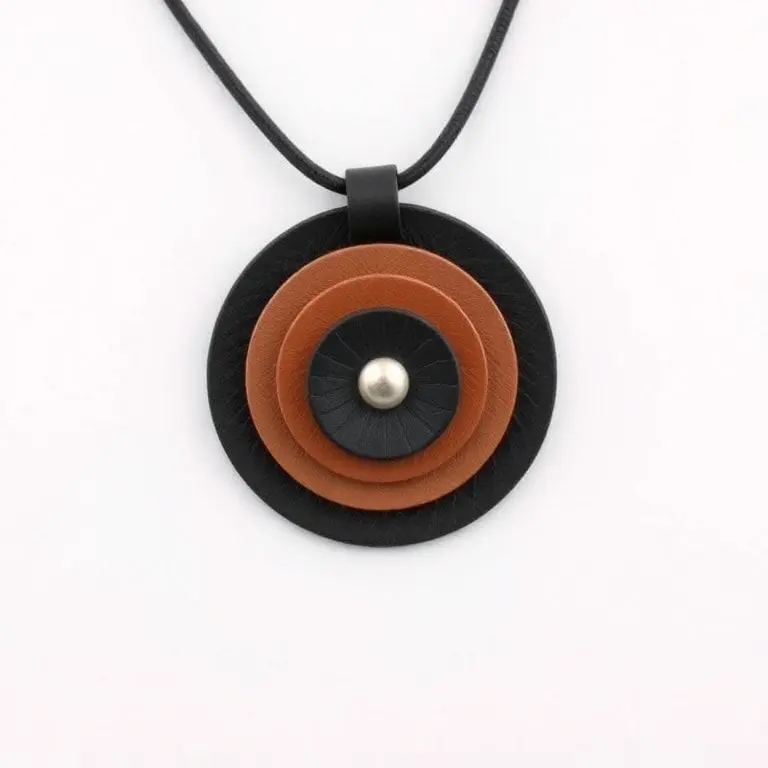
A basic medallion starts with three to five leather circles in decreasing sizes. The largest forms the base, with progressively smaller circles stacked on top. These layers can be connected through the center with a rivet, allowing some movement between layers, or glued for a more rigid structure. Some designs incorporate tooling or stamping on individual layers before assembly.
The color choices for layered medallions significantly impact the final aesthetic. Monochromatic layers in varying shades of brown create subtle depth, while high-contrast combinations like black and natural tan produce dramatic effects. You might also experiment with metallic leather layers or incorporating fabric, felt, or wood elements between leather pieces for additional texture.
Conclusion
Leather jewelry continues to captivate fashion enthusiasts and crafters alike, offering remarkable versatility that spans from delicate minimalist pieces to bold statement accessories. The ideas explored throughout this guide demonstrate how leather adapts to countless styles, techniques, and personal preferences. Whether you’re drawn to the flowing movement of fringe earrings, the structured elegance of braided cuffs, or the meaningful personalization of stamped designs, leather provides the perfect medium for creative expression.
The enduring appeal of leather accessories lies not just in their aesthetic qualities but also in their practical benefits. These pieces age beautifully, developing character and patina that tell the story of your experiences. Unlike trend-driven jewelry that quickly feels dated, leather accessories maintain their relevance across seasons and fashion cycles. The material’s durability ensures that well-crafted pieces become long-term wardrobe investments rather than disposable accessories.
For those inspired to create their own leather jewelry, the learning curve remains accessible regardless of skill level. Simple designs like cord necklaces or wrap bracelets require minimal tools and experience, while more complex techniques like tooling or intricate beadwork offer room for growth and mastery. The satisfaction of wearing something you’ve crafted yourself adds immeasurable value beyond the monetary cost of materials.
As you explore the world of leather jewelry, remember that the best pieces reflect your individual style and personality. Don’t be afraid to experiment with unusual combinations, adapt traditional techniques to suit your vision, or break conventional rules. The beauty of working with leather lies in its forgiving nature and endless creative possibilities. Start with ideas that resonate with you, and allow your skills and confidence to grow naturally through practice and exploration.
Frequently Asked Questions:
What type of leather works best for jewelry making?
Vegetable-tanned leather is ideal for tooling and stamping projects because it accepts impressions well and can be shaped when dampened. For softer, more flexible pieces like wrap bracelets or cord necklaces, garment-weight leather or suede provides comfortable wear. Avoid very thick leather for items that need to bend or conform to body curves.
How do I care for leather jewelry to make it last longer?
Keep leather jewelry dry and avoid prolonged water exposure, as moisture can cause warping or discoloration. Store pieces in a cool, dry place away from direct sunlight, which can fade colors over time. Occasionally apply leather conditioner to maintain suppleness, but avoid over-conditioning which can make leather too soft. Clean with a slightly damp cloth rather than submerging in water.
Can leather jewelry be worn every day?
Yes, leather jewelry is durable enough for daily wear when properly made and cared for. The material actually improves with age, developing a natural patina that adds character. However, remove leather pieces before swimming, showering, or heavy exercise to prevent damage from water and excessive sweat. Rotating between several pieces also helps extend their lifespan.
Is leather jewelry suitable for people with sensitive skin?
Most people tolerate leather well, as it’s a natural material. However, some individuals may react to tanning chemicals or dyes used in leather processing. If you have sensitive skin, look for vegetable-tanned leather rather than chrome-tanned options, as vegetable tanning uses more natural processes. You can also seal leather with appropriate finishes to create a barrier between the material and your skin.
What tools do I need to start making leather jewelry at home?
For basic projects, you only need sharp scissors or a craft knife, a ruler, and appropriate adhesive. As you advance, consider investing in leather hole punches, riveting tools, and stamping equipment. A cutting mat protects work surfaces, while specialized leather needles and thread enable stitched designs. Many starter kits include essential tools at reasonable prices for beginners exploring the craft.