8+ Creative Attic Ladder Ideas for Your Home
The attic represents one of the most underutilized spaces in many homes. Whether you need extra storage, a quiet workspace, or even a cozy reading nook, accessing your attic safely and stylishly can transform how you use this valuable square footage. The right attic ladder does more than provide basic functionality. It can enhance your home’s aesthetic appeal while maximizing space efficiency and ensuring safe passage between floors.
Choosing an attic ladder involves more than picking the first model you see at the hardware store. Modern homeowners have access to numerous creative solutions that blend form and function. From sleek minimalist designs to rustic farmhouse styles, the options available today can complement virtually any interior design scheme while addressing practical concerns like weight capacity, ceiling height, and available floor space.
This comprehensive guide explores creative attic ladder ideas that can work in various home layouts and design preferences. Whether you’re working with a compact apartment or a spacious house, dealing with low ceilings or standard heights, these solutions will help you find the perfect way to access your attic while adding character to your home.
1. Traditional Pull Down Folding Ladders
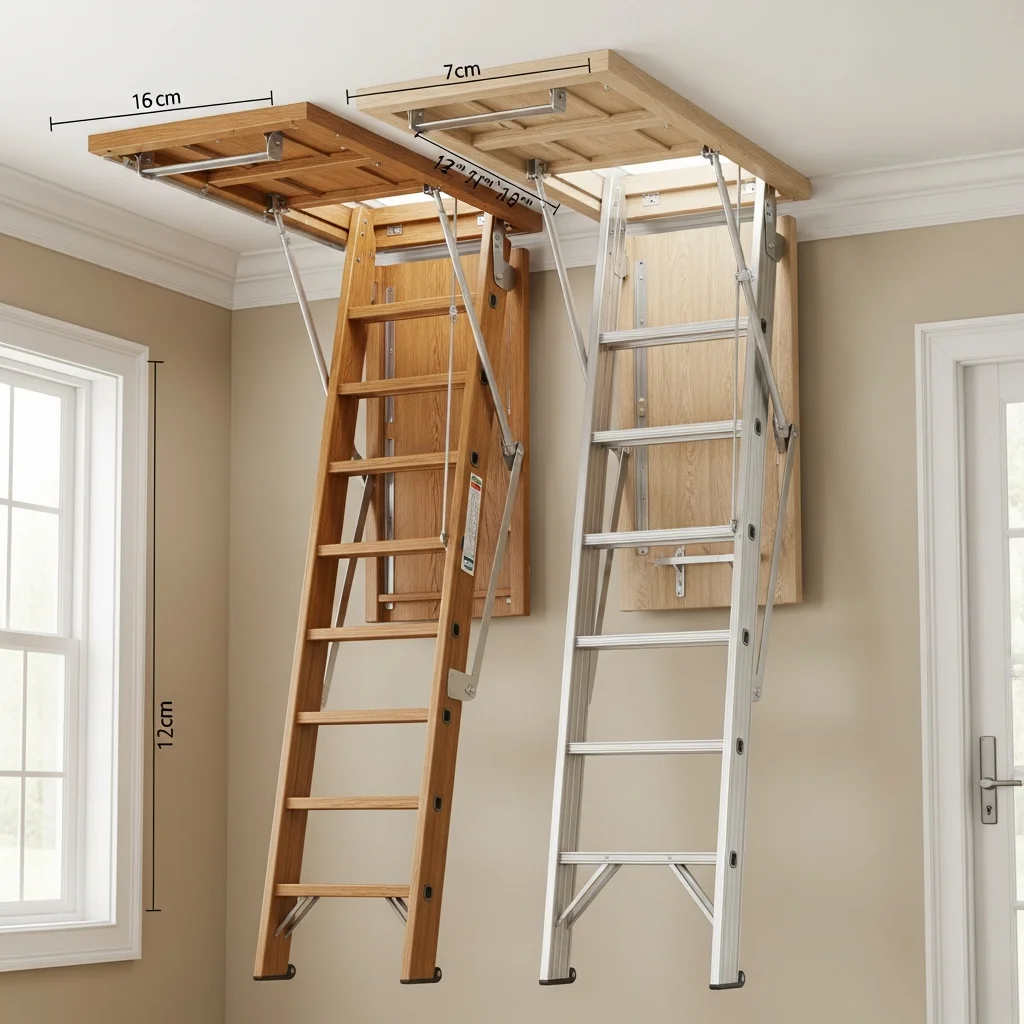
Pull down folding ladders remain the most popular choice for attic access, and for good reason. These ladders attach to the attic hatch and fold neatly into the ceiling when not in use, keeping your living space clear and unobstructed. The beauty of this classic design lies in its simplicity and reliability.
Modern pull down ladders come in both wooden and aluminum constructions. Wooden models offer a warm, traditional aesthetic that works beautifully in homes with classic or rustic interiors. The natural grain patterns and substantial feel of wood create a sense of permanence and quality. These ladders typically support heavy loads, making them ideal for homeowners who frequently transport storage boxes or equipment to the attic.
Aluminum pull down ladders provide a lighter alternative without sacrificing strength. Their resistance to moisture and temperature fluctuations makes them particularly suitable for areas with varying climate conditions. The lightweight nature of aluminum means easier operation, especially for frequent users. Many aluminum models feature powder-coated finishes that resist scratches and maintain their appearance over time.
you also like it: 15+ Creative Polymer Clay Extruder Ideas
The installation of pull down ladders requires careful measurement of your ceiling height and available swing space. Most models accommodate ceiling heights between seven and ten feet, with adjustable sections to ensure a proper fit. When selecting this type of ladder, consider models with insulated hatches if energy efficiency is a concern. The insulation helps maintain temperature control between your living space and attic, potentially reducing heating and cooling costs. Creative Attic Ladder Ideas
2. Space Efficient Telescoping Ladders
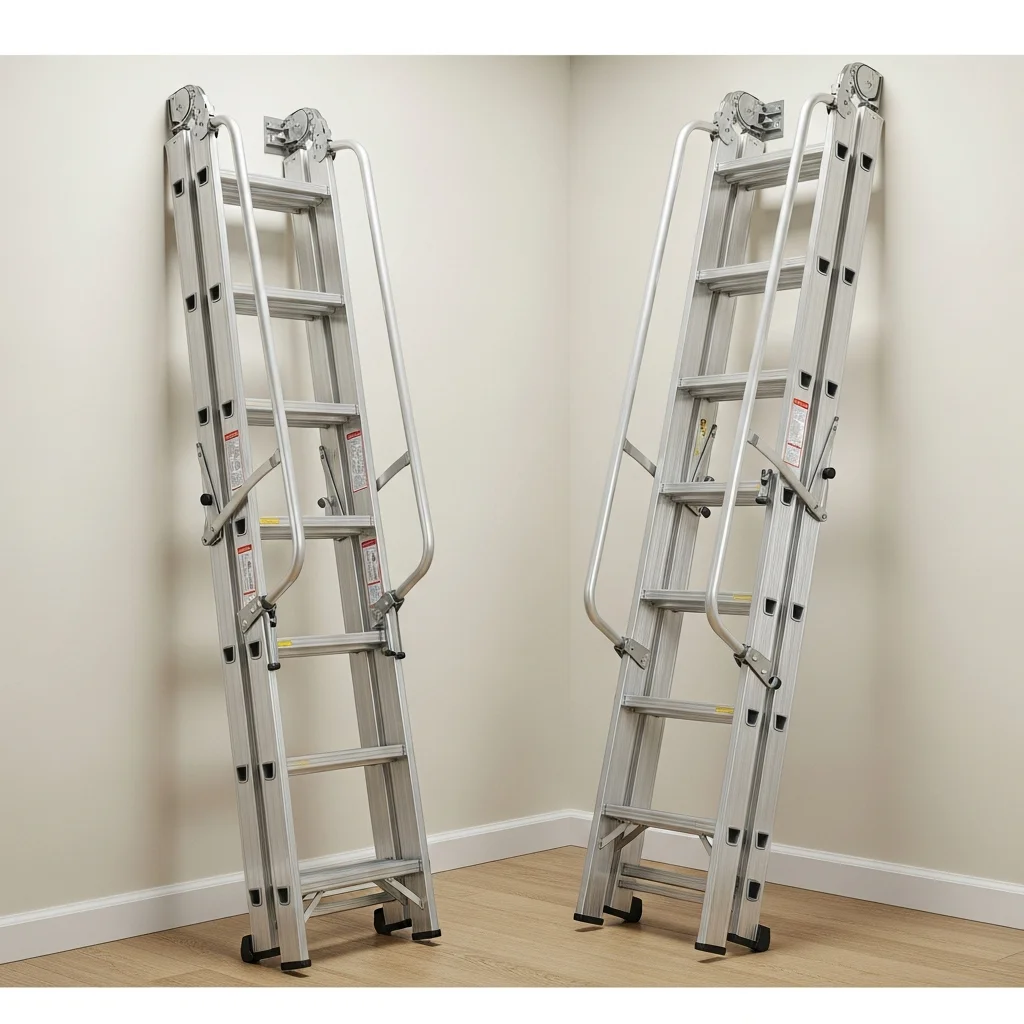
For homes where floor space is at a premium, telescoping ladders offer an ingenious solution. These ladders collapse into themselves, similar to a telescope, creating an extremely compact profile when stored. The sections extend smoothly when needed, providing full-length access to your attic.
Telescoping ladders are predominantly constructed from lightweight aluminum, making them easy to operate even for single users. The mechanism typically involves releasing locks on each section, allowing the ladder to extend to its full length. This design requires minimal swing clearance compared to folding ladders, making it perfect for hallways, closets, or other tight spaces where traditional ladders might not fit.
The installation process for telescoping ladders is generally straightforward, often requiring less structural modification than other ladder types. The compact storage footprint means you can install the hatch in locations where a standard folding ladder would be impractical. Some models include handrails and non-slip treads for enhanced safety during ascent and descent.
When considering a telescoping ladder, verify the weight capacity meets your needs. While convenient and space-saving, some models have lower weight ratings than traditional folding ladders. Check manufacturer specifications to ensure the ladder can safely support both users and any items being carried.
3. Elegant Spiral Staircases
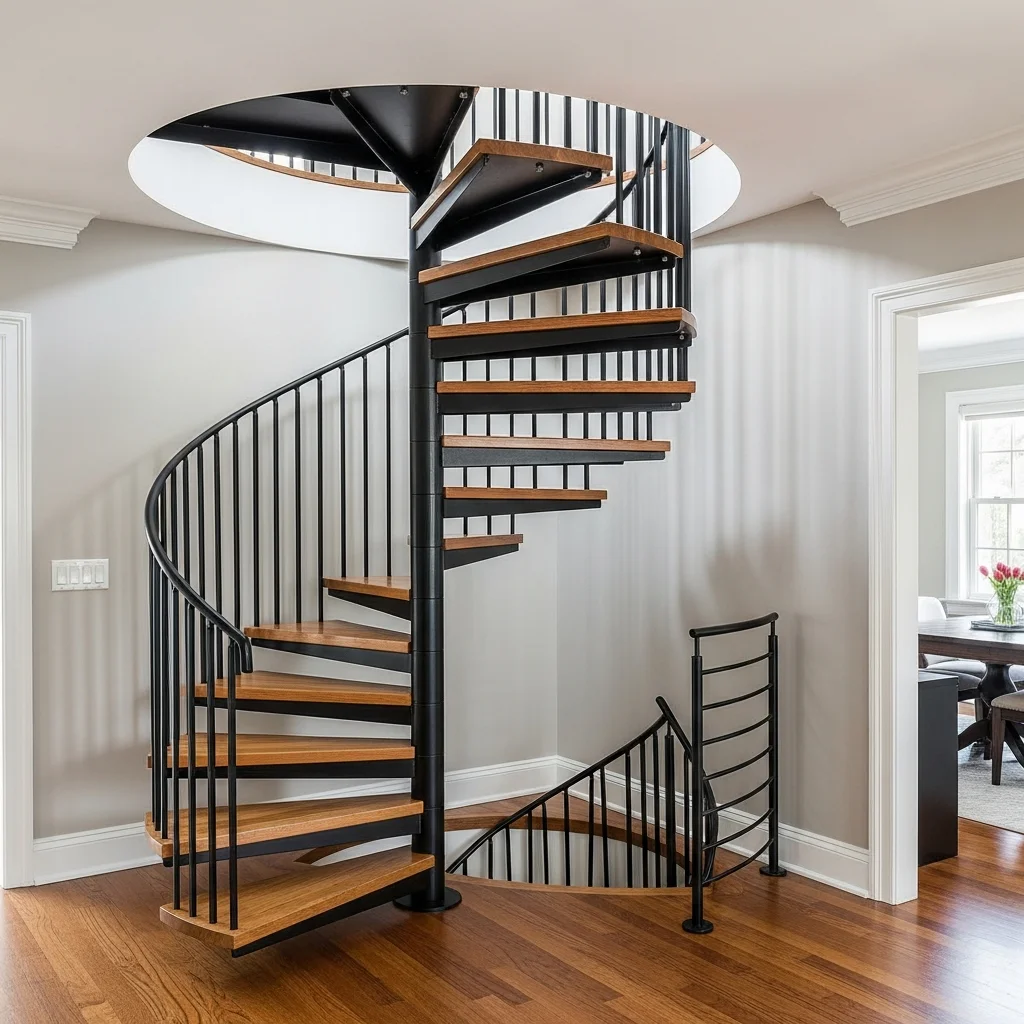
For homeowners converting their attic into livable space rather than simple storage, a spiral staircase represents the pinnacle of style and functionality. These architectural features make a bold statement while occupying minimal floor space. A well-designed spiral staircase can become a focal point of your interior design.
Spiral staircases work exceptionally well in homes with open floor plans where the staircase itself becomes part of the visual appeal. Creative Attic Ladder Ideas The circular design requires only a small footprint, typically just a few feet in diameter, yet provides comfortable access to upper levels. Materials range from traditional wood to contemporary metal and glass combinations.
Metal spiral staircases with powder-coated finishes offer durability and a modern industrial aesthetic. Black steel models create striking contrast in minimalist interiors, while brushed aluminum or stainless steel options suit contemporary designs. Wooden spiral staircases bring warmth and organic texture, perfect for homes with rustic or traditional styling. 16+ DIY ideas
Installation of spiral staircases requires professional expertise and careful structural planning. The staircase must be anchored securely to both floors, with proper support to handle the dynamic loads of people using the stairs. Building codes often have specific requirements for spiral staircases regarding step dimensions, railing heights, and clearances. The investment in a quality spiral staircase pays dividends in both functionality and property value.
4. Compact Scissor Ladders
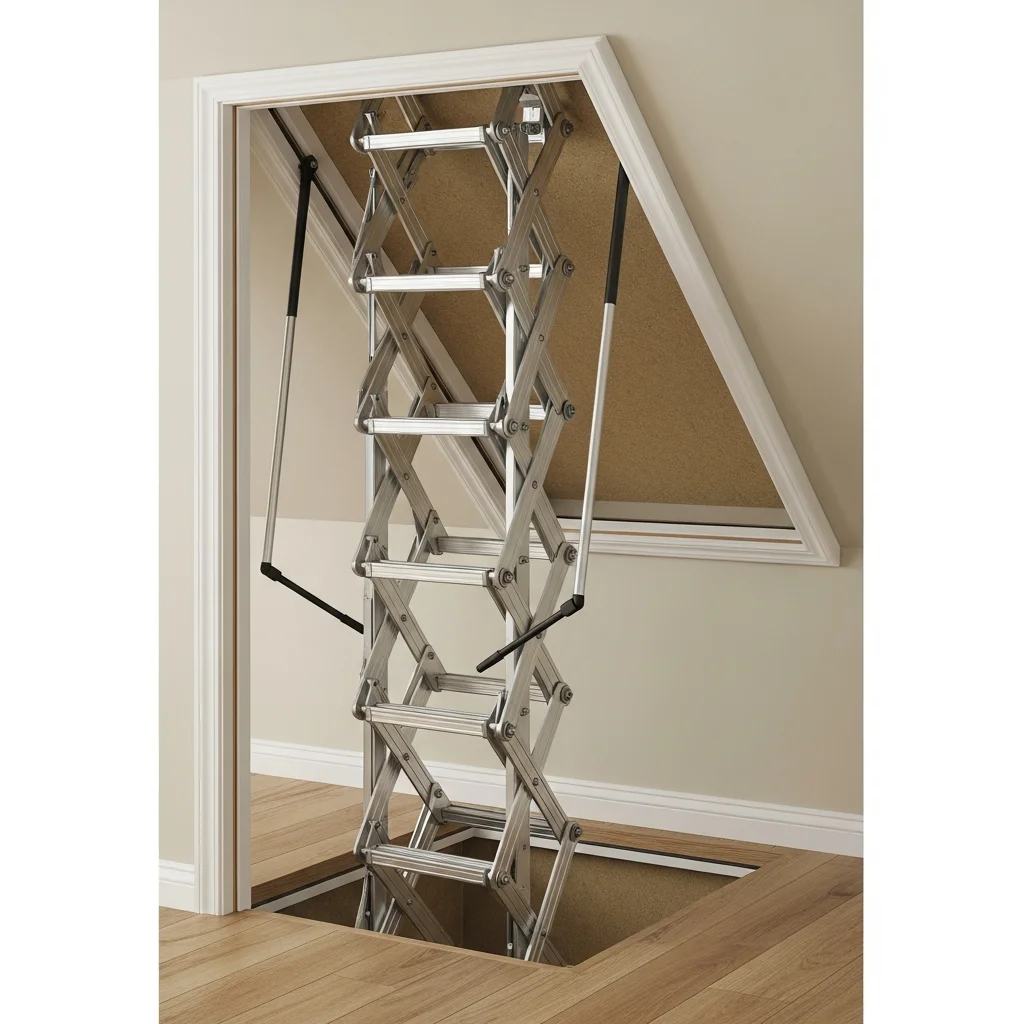
Scissor ladders provide a unique middle ground between traditional folding ladders and more permanent staircase solutions. These ladders feature a distinctive zigzag folding pattern that collapses into an remarkably compact unit. When extended, the scissor mechanism creates a stable, easy-to-climb structure.
The accordion-like folding action of scissor ladders makes them ideal for spaces with limited headroom in the attic. Unlike traditional ladders that need space for folded sections to rest, scissor ladders compress vertically, requiring less attic clearance. This feature makes them suitable for finished attics with lower ceiling heights.
Most scissor ladders are constructed from steel or aluminum, ensuring strength and longevity. The metal construction also provides excellent fire resistance, an important safety consideration for any permanent attic access solution. Many models include insulated hatches that help control temperature transfer and reduce energy loss.
The installation process for scissor ladders is comparable to standard pull down ladders, though the unique folding mechanism requires precise alignment during setup. Once installed, the operation is smooth and intuitive. Users simply pull down the hatch, and the scissor mechanism extends automatically to the floor level.
5. Modern Floating Stairs
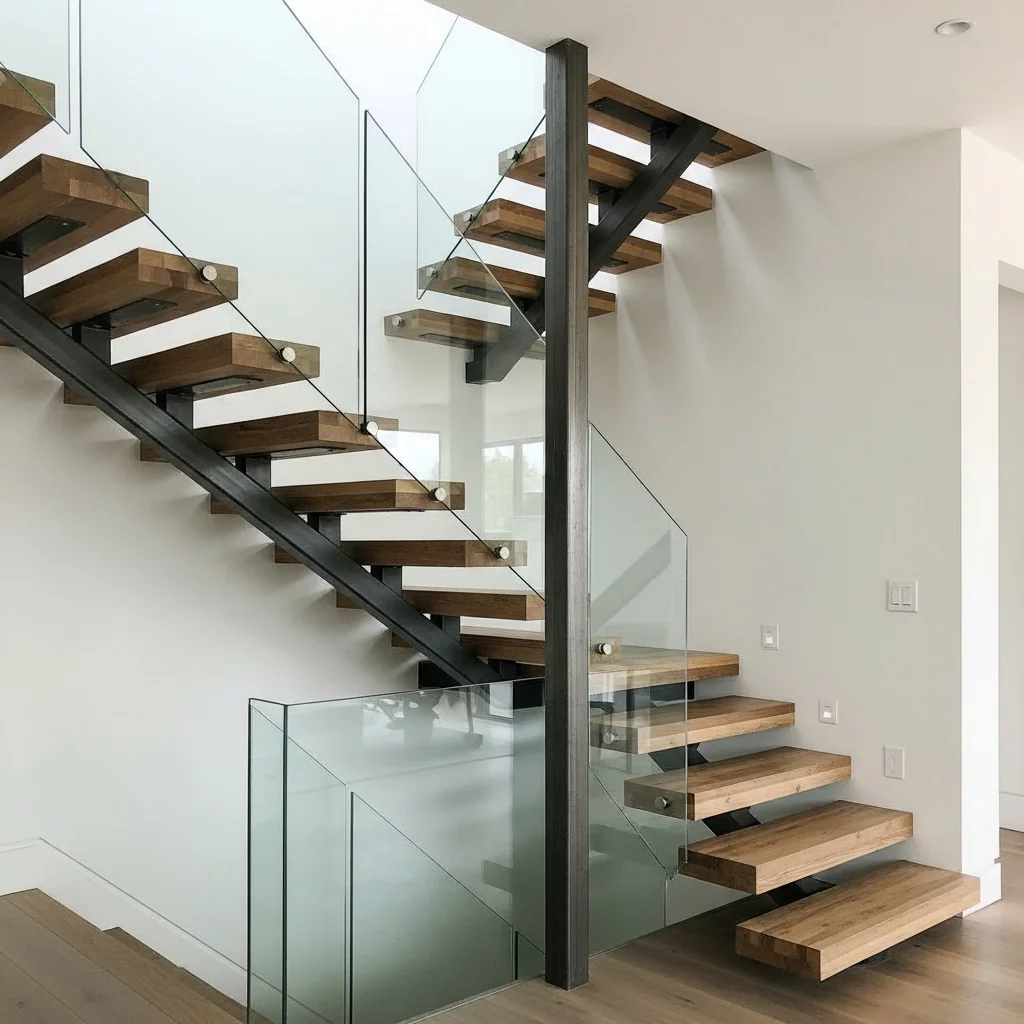
Floating stairs represent the cutting edge of contemporary design. These minimalist staircases appear to defy gravity, with treads attached to a wall or central support beam without visible risers or traditional stringers. The open design creates an airy, spacious feeling while providing robust access to attic spaces.
The construction of floating stairs typically involves steel supports hidden within the wall or beneath the treads. Wooden or concrete treads attach to these supports, creating the illusion that they’re suspended in mid-air. This design works particularly well in modern homes with high ceilings and open layouts where the staircase can serve as a sculptural element.
Materials for floating stairs vary widely based on aesthetic preferences. Thick wooden planks provide warmth and natural beauty. Concrete treads offer industrial chic appeal with exceptional durability. Glass treads create maximum visual lightness, though they require regular cleaning to maintain their transparent quality.
Safety considerations for floating stairs include proper weight distribution and secure attachment to structural members. Building codes typically require handrails for floating staircases, though these can be designed with minimal visual impact using glass panels or thin metal cables. The open design makes these stairs less suitable for homes with young children unless additional safety features are incorporated.
6. Library Style Rolling Ladders
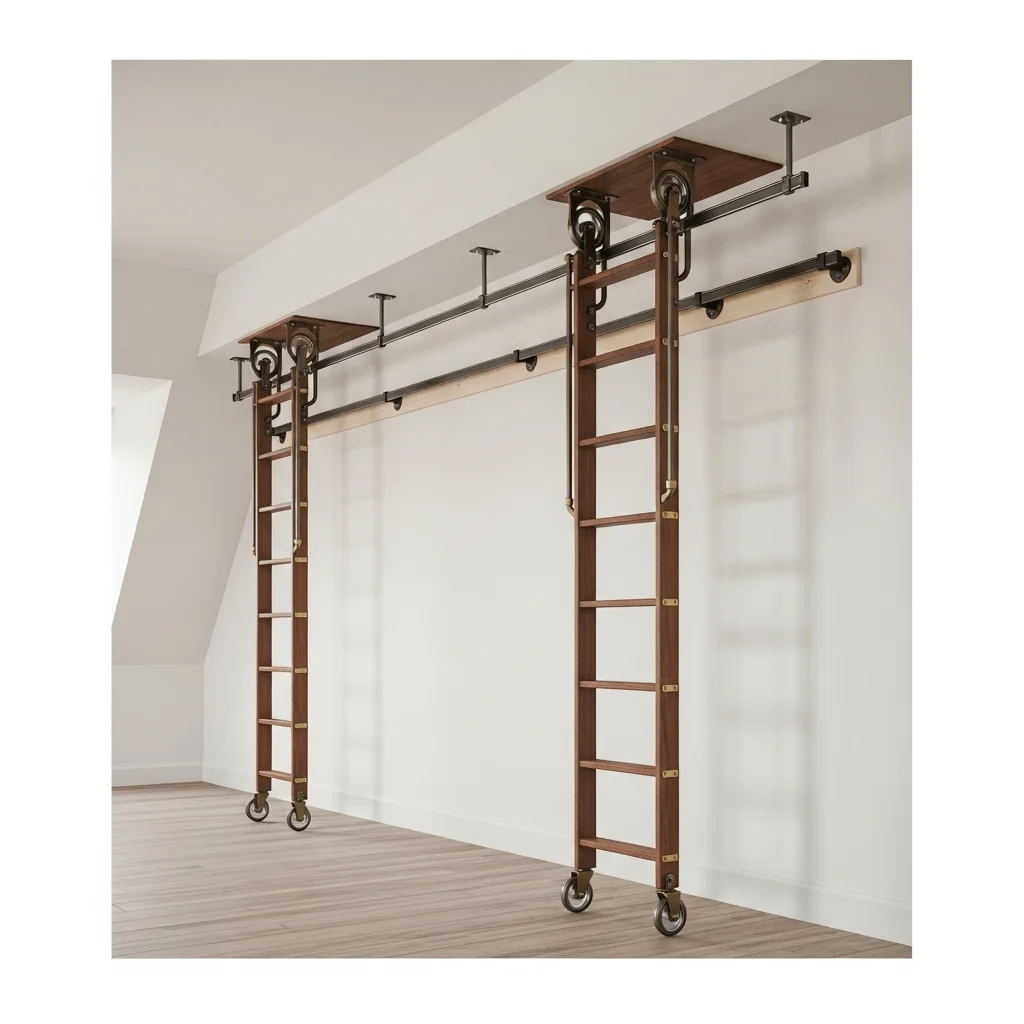
For attics used as libraries, studios, or extensive storage spaces, a rolling library ladder combines functionality with undeniable charm. These ladders mount to a rail system that allows them to slide horizontally along a wall, providing access to different areas without repositioning the entire ladder.
The classic rolling ladder evokes images of grand libraries and historic estates, but modern versions suit various interior styles. Industrial designs feature metal frames with raw finishes, perfect for loft apartments or contemporary spaces. Traditional wooden ladders with brass or bronze hardware complement classic and transitional interiors.
Installation of rolling ladders requires a sturdy horizontal rail mounted securely to wall studs or ceiling joists. The ladder itself hangs from rollers that glide smoothly along this rail. Some systems include floor wheels for additional stability, while others rely entirely on the overhead mounting system.
These ladders work best in spaces where you need access to multiple areas along a wall, such as floor-to-ceiling storage or high shelving. The ability to move the ladder horizontally eliminates the need to climb down and reposition for each new location. This efficiency makes them particularly valuable in workshops, storage areas, or any space where vertical access points span a long wall.
7. Integrated Storage Staircases
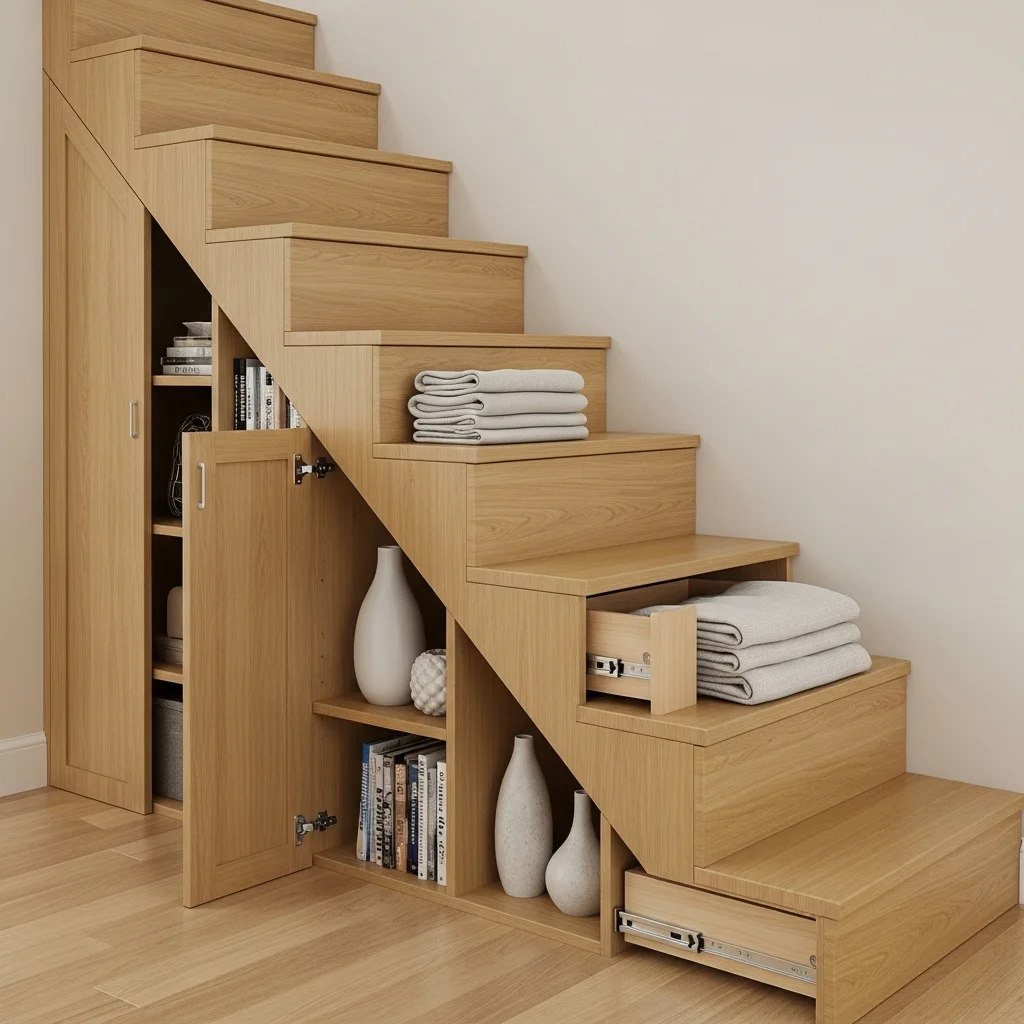
Why settle for stairs that only provide access when they can also offer valuable storage space? Integrated storage staircases incorporate drawers, cabinets, or open cubbies into the structure itself. This dual-purpose design maximizes the utility of every square inch.
The storage integration typically occurs in the space beneath each tread or within the risers themselves. Drawers can pull out from the side of the staircase, providing convenient storage for items like linens, books, seasonal decorations, or tools. Open cubbies create display opportunities for decorative objects while maintaining easy access to frequently used items.
Wooden construction is most common for storage staircases, as it allows for easier integration of drawers and shelves. The design requires careful planning to ensure structural integrity isn’t compromised by the storage elements. Weight-bearing components must remain robust while accommodating the hollow spaces needed for storage.
These staircases work exceptionally well in small homes or apartments where every bit of storage capacity matters. The added functionality justifies the higher cost and complexity of construction. Custom designs can be tailored to specific storage needs, whether that means deep drawers for bulky items or shallow compartments for smaller objects.
8. Retractable Electric Ladders
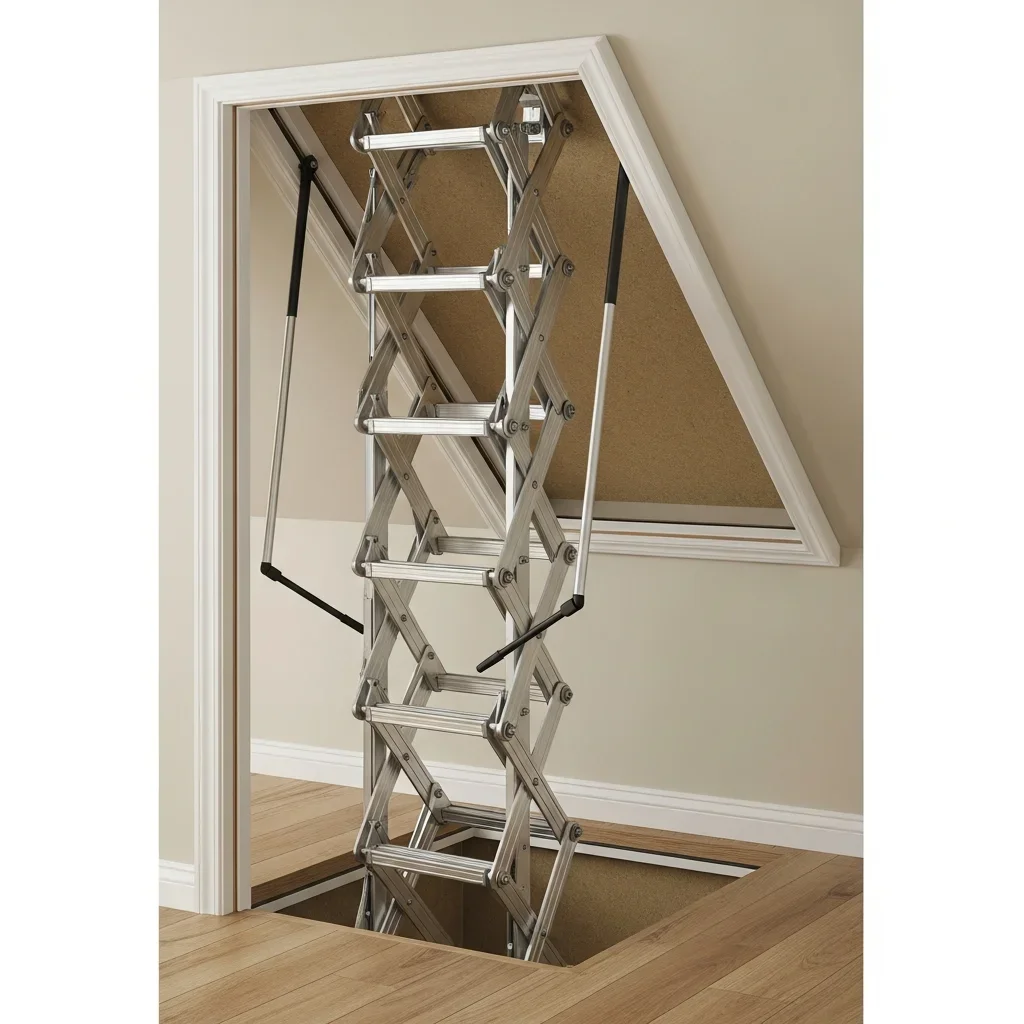
For the ultimate in convenience, electric retractable ladders represent the high-tech solution to attic access. These motorized systems lower and raise with the push of a button, eliminating the physical effort required by manual ladders. They’re particularly valuable for elderly users or anyone with mobility limitations.
Electric ladders typically feature robust construction with steel or heavy-duty aluminum frames. The motorized mechanism operates smoothly and quietly, extending the ladder from its stored position in the ceiling to the floor below. Safety sensors prevent operation if obstacles are detected, protecting both users and property.
The installation of electric ladders requires electrical wiring in addition to structural support. Professional installation is strongly recommended to ensure proper operation and safety. The added complexity and technology result in higher costs compared to manual ladders, but the convenience and accessibility benefits can be substantial.
These systems 17+ Stylish Loft Decorating Ideas on a Budget often include remote controls or wall switches for operation. Some advanced models integrate with home automation systems, allowing voice control or smartphone operation. The hands-free deployment makes them ideal for users who frequently access the attic while carrying items.
9. Ship Ladder Designs
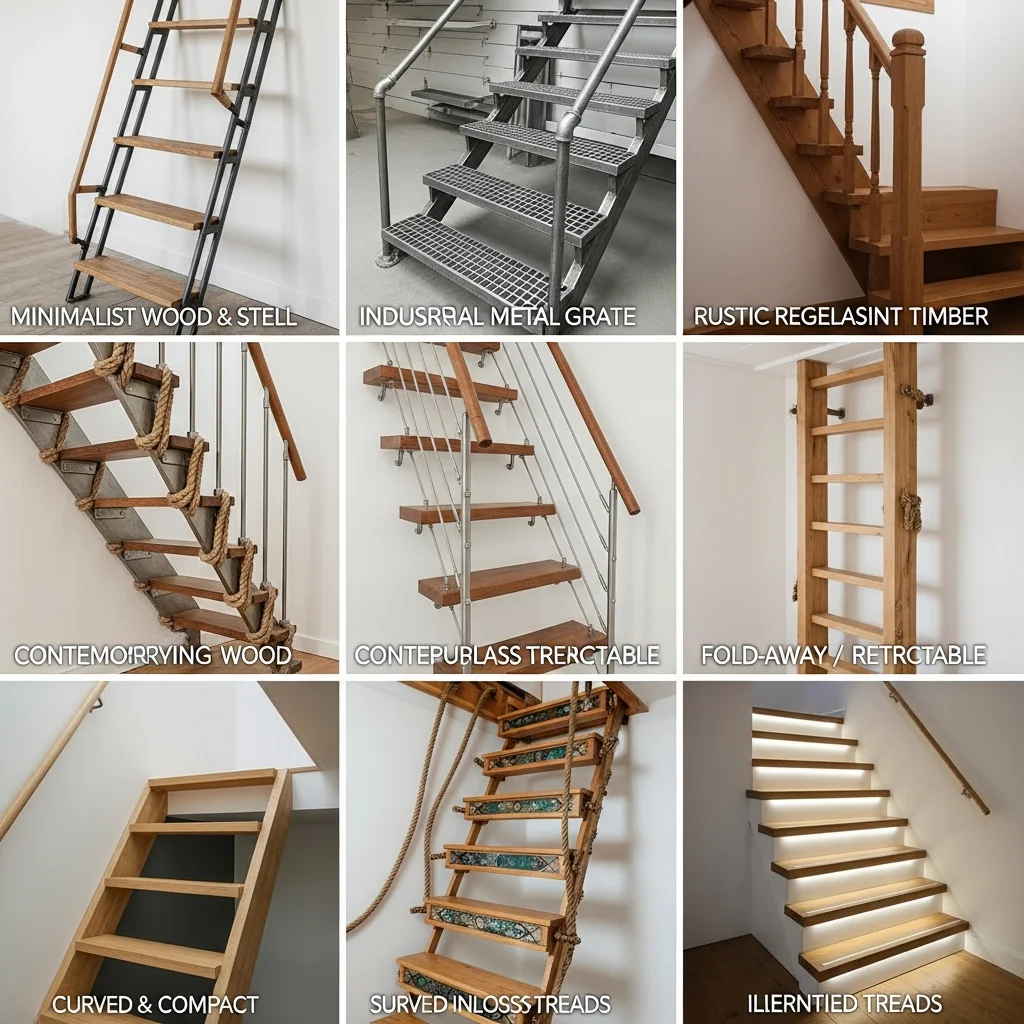
Ship ladders, also called ships ladders or alternating tread stairs, offer a space-saving solution with a nautical heritage. These steep ladders feature treads that alternate from left to right, allowing for a steeper angle while maintaining comfortable foot placement. The design occupies roughly half the floor space of conventional stairs while providing better climbing ergonomics than straight ladders.
The alternating tread pattern requires users to start with a specific foot, but the motion becomes natural with practice. The steeper angle works well in spaces where a traditional staircase won’t fit but a simple ladder feels too precarious for regular use. Ship ladders commonly appear in tiny homes, small cabins, and modern lofts where space efficiency is paramount.
Construction materials range from wood to metal, with many designers opting for combinations that highlight the unique tread pattern. Handrails are essential for ship ladders due to the steep angle, and these can be integrated stylishly into the overall design. Metal pipe rails suit industrial aesthetics, while wooden rails maintain traditional warmth.
Building codes vary regarding ship ladder installations, with some jurisdictions restricting their use to non-primary access points. Check local requirements before planning this type of installation. When permitted, ship ladders provide an attractive middle ground between conventional stairs and vertical ladders.
Selecting the Right Ladder for Your Home
Choosing among these creative attic ladder options requires careful consideration of several factors. Start by evaluating your available space, measuring both the floor area and ceiling height accurately. Consider how frequently you’ll access the attic and what you’ll be carrying up and down. A homeowner storing seasonal decorations twice yearly has different needs than someone using a converted attic as a daily workspace.
Weight capacity is another crucial consideration. Standard ladders typically support 250 to 300 pounds, while heavy-duty models can handle 350 pounds or more. Account for both your body weight and any items you’ll be transporting. Safety should never be compromised for aesthetics or cost savings.
The style and materials should complement your existing interior design. A rustic wooden ladder might look out of place in an ultra-modern home, just as a sleek steel design could clash with traditional farmhouse decor. Consider how visible the ladder will be when both stored and deployed.
Installation complexity varies significantly among ladder types. Simple pull-down models can often be installed by confident DIY enthusiasts, while spiral staircases, electric systems, and integrated storage stairs require professional expertise. Factor installation costs into your budget planning.
Energy efficiency matters, especially in climates with extreme temperatures. Insulated hatches and doors help prevent heat transfer between the attic and living spaces. This insulation can reduce energy bills while improving comfort in rooms below the attic.
Conclusion
The humble attic ladder has evolved far beyond simple utilitarian access. Today’s options blend safety, style, and space efficiency in ways that enhance both the functionality and aesthetic appeal of your home. Whether you choose a traditional pull-down ladder for its reliability, a dramatic spiral staircase for its architectural impact, or an innovative telescoping design for its space-saving benefits, the right solution exists for every home and budget.
Consider your specific needs carefully, from the practical requirements of weight capacity and ceiling height to the stylistic preferences that match your interior design. Don’t hesitate to consult with professionals when planning installations, particularly for more complex systems like electric ladders or permanent staircases. The investment in a quality attic ladder solution pays dividends through improved access, enhanced safety, and potentially increased home value.
Your attic represents valuable potential space waiting to be utilized. With the creative ladder ideas explored in this guide, you can transform attic access from an afterthought into a thoughtfully designed element of your home. The right ladder solution opens up possibilities for storage, workspace, living areas, and more, all while maintaining or even enhancing the beauty of your interior spaces.
Frequently Asked Questions
What is the best material for an attic ladder?
The best material depends on your specific needs. Aluminum ladders are lightweight, rust-resistant, and easy to operate, making them ideal for frequent use. Wooden ladders offer greater weight capacity and a traditional aesthetic but require protection from moisture. Steel ladders provide maximum strength and fire resistance but are heavier and more expensive. Consider your climate, usage frequency, and weight requirements when selecting materials.
How much weight can a standard attic ladder hold?
Most standard attic ladders support between 250 and 300 pounds, which includes both the user and any items being carried. Heavy-duty models can handle 350 to 375 pounds. Always check the manufacturer’s specifications and choose a ladder rated for more than your anticipated maximum load to ensure safety and longevity.
Can I install an attic ladder myself?
Many pull-down and telescoping ladders can be installed by homeowners with moderate DIY skills and proper tools. The project typically requires two people and takes several hours. However, permanent staircases, electric ladders, and complex designs require professional installation to ensure structural integrity and code compliance. Always follow manufacturer instructions and local building codes.
What ceiling height do I need for an attic ladder?
Most attic ladders accommodate ceiling heights between 7 and 10 feet, with some models extending to 12 feet. Measure from your finished floor to the attic floor, not just to the ceiling, to ensure proper sizing. Adjustable models offer flexibility for non-standard heights. Verify the specific range of any ladder before purchasing.
How do I make my attic ladder more energy efficient?
Install an insulated hatch or door to reduce heat transfer between your attic and living space. Add weather stripping around the opening to seal gaps and prevent drafts. Some manufacturers offer ladders with built-in insulation rated at R-5 or higher. You can also purchase separate insulation covers that fit over the closed hatch. These improvements can significantly reduce energy loss while improving comfort in adjacent rooms.