
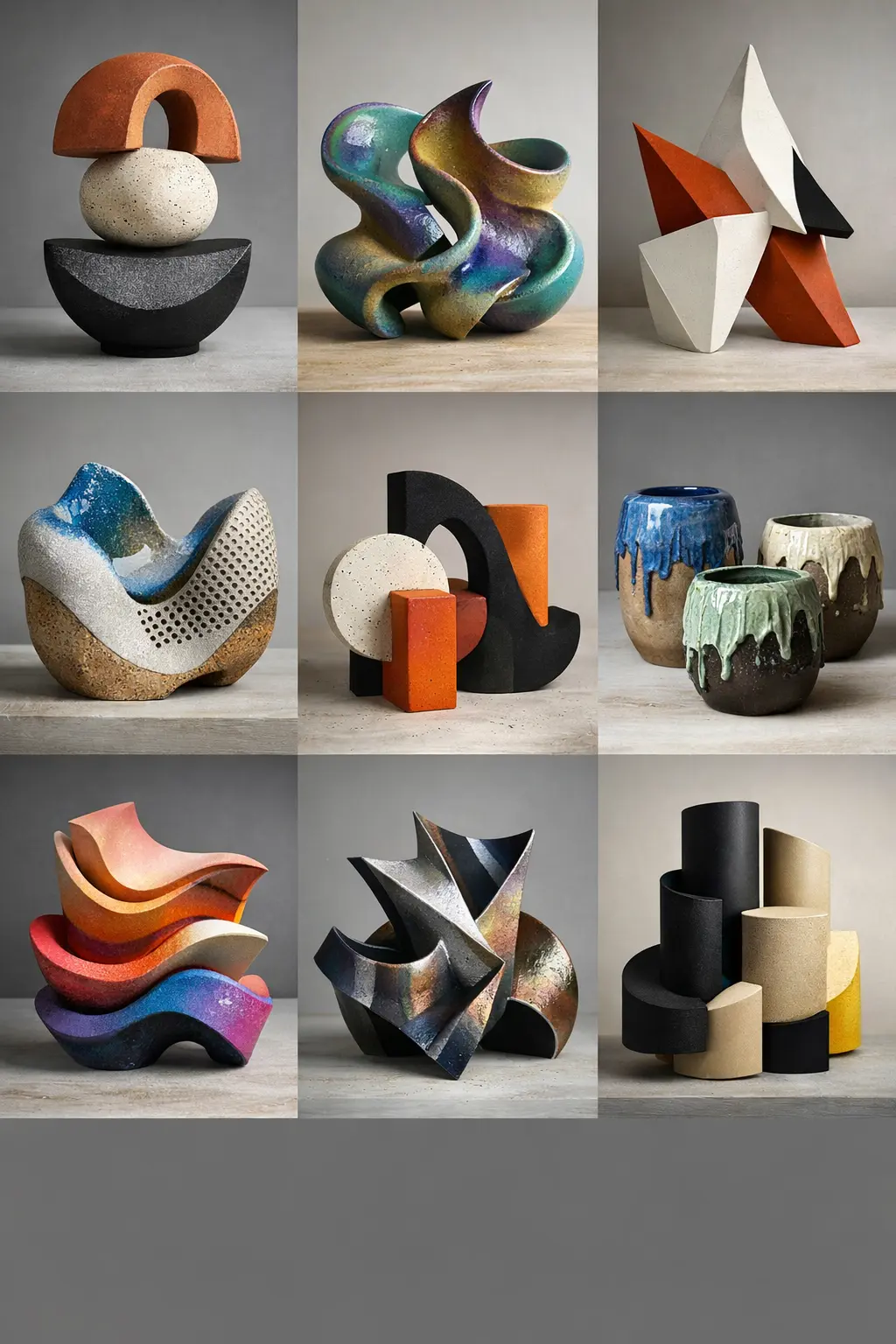
9+ Inspiring Abstract Ceramics Ideas
Abstract ceramics represent ideas a fascinating intersection where artistic expression meets functional craftsmanship. Unlike traditional pottery that focuses on recognizable forms and utilitarian purposes, abstract ceramic art liberates creators from representational constraints. This freedom allows artists and hobbyists to explore shapes, textures, colors, and forms that convey emotion and meaning through pure visual language. Whether you are a seasoned ceramic artist or someone curious about working with clay, abstract ceramics offer boundless possibilities for creative exploration.
The beauty of abstract ceramics lies in their ability to communicate without words. Each piece becomes a conversation between the artist and the viewer, inviting interpretation and emotional response. From bold geometric constructions to flowing organic shapes, abstract ceramic work challenges conventional notions of what pottery should be. This article explores inspiring abstract ceramics ideas that will help you push creative boundaries and develop your unique artistic voice in this versatile medium.
Geometric Abstract Ceramic Designs
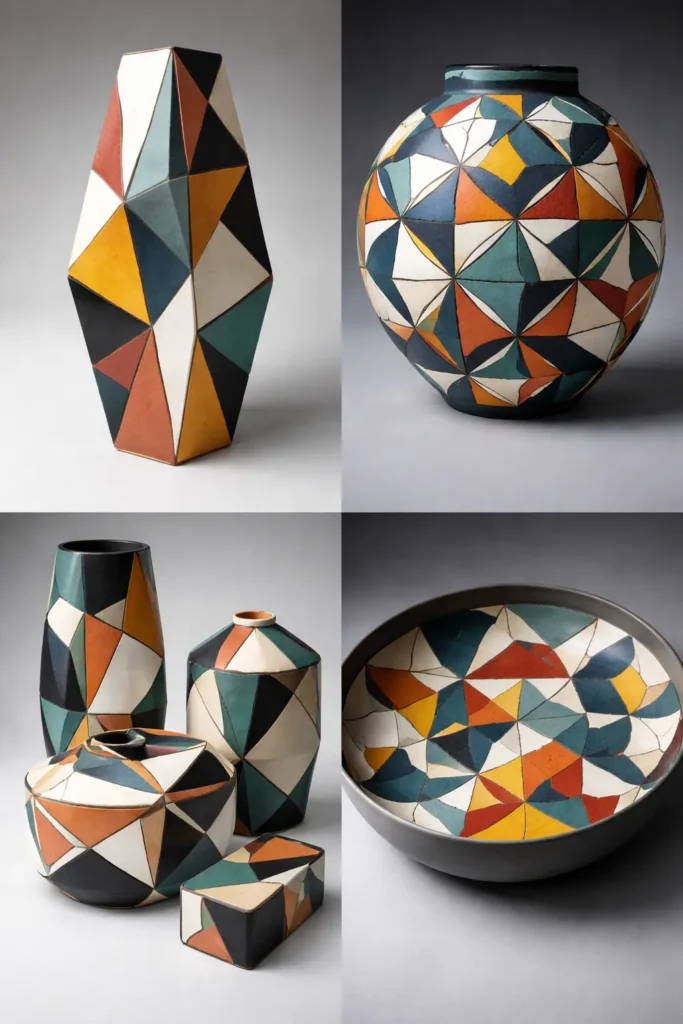
Geometric abstraction in ceramics brings order, precision, and mathematical beauty to clay work. This approach emphasizes clean lines, sharp angles, and repeating patterns that create visual harmony through structured composition. Artists working in geometric abstraction often draw inspiration from architecture, modern art movements, and natural mathematical patterns found throughout the world .https://casolia.com/abstract-ceramics-ideas/
Creating geometric abstract ceramics requires careful planning and precise execution. Start by sketching your designs on paper, exploring how different shapes interact with each other. Triangles, squares, circles, hexagons, and polygons can be combined in endless configurations. Consider how these shapes will translate into three-dimensional forms. Will your piece be angular and faceted like a crystal, or will it feature geometric surface patterns on a smoother base form?
Slab building techniques work exceptionally well for geometric abstractions. Cut precise shapes from rolled clay slabs and join them at calculated angles. The edges where planes meet create dynamic visual interest. You can emphasize these transitions with contrasting glazes or leave them raw to highlight the architectural quality of your construction. Some artists score geometric patterns directly into wet clay, creating relief designs that cast interesting shadows and add tactile dimension.
Color plays a crucial role in geometric ceramic abstractions. Bold, contrasting hues emphasize the relationships between different sections of your piece. Consider monochromatic schemes for a sophisticated, minimalist aesthetic, or experiment with complementary colors that create visual vibration. Metallic glazes can add contemporary flair, while matte finishes provide subtle elegance. The key is ensuring your color choices enhance rather than compete with your geometric composition.
Organic and Flowing Abstract Forms
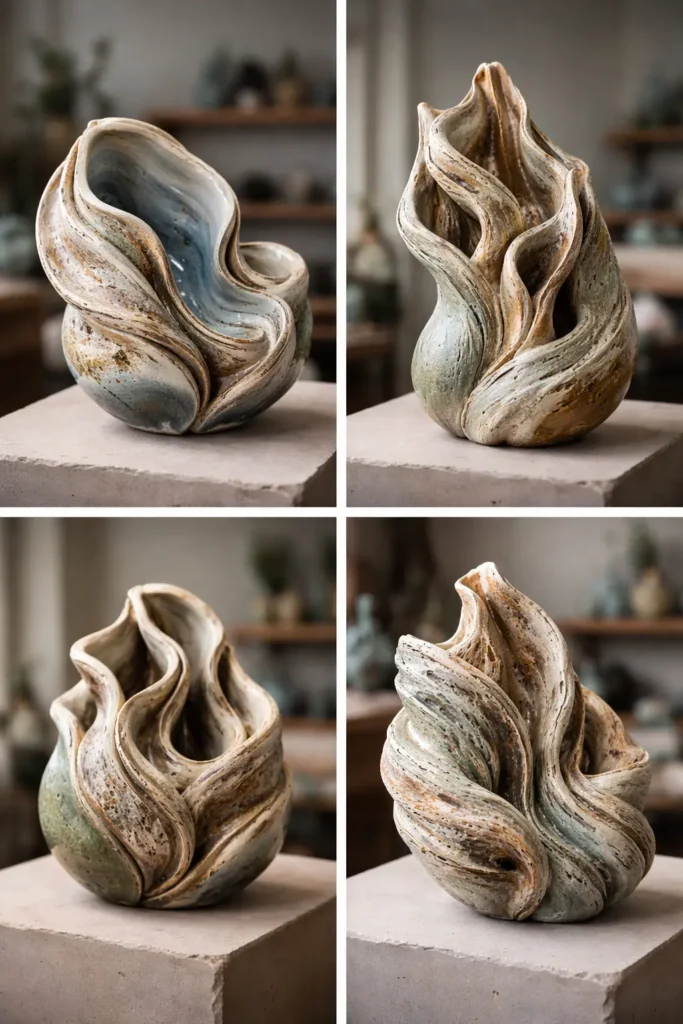
Organic abstraction in ceramics embraces the irregular, asymmetrical, and fluid qualities found in nature. These pieces often evoke natural phenomena like flowing water, wind-shaped rock formations, plant growth patterns, or cellular structures. Unlike geometric work, organic abstract ceramics celebrate spontaneity and the unpredictable qualities of clay as a responsive material.
Working with organic forms requires a different mindset than geometric construction. Rather than planning every detail, allow the clay to guide your hands. Pinching, coiling, and hand shaping techniques enable you to create forms that feel alive and dynamic. Pay attention to how curves flow into each other, how negative space interacts with mass, and how your piece appears from multiple viewing angles. Organic abstractions often benefit from rotational symmetry or asymmetrical balance that feels natural rather than forced.
Texture becomes particularly important in organic abstract ceramics. The surface quality can reference natural materials like bark, stone, coral, or bone. Experiment with different tools to create varied textures. Press fabric, leaves, or found objects into soft clay. Carve patterns that follow the contours of your form. Layer different clay bodies or slips to create geological stratification effects. These textural elements add depth and visual interest that encourages closer examination.
The throwing wheel offers excellent opportunities for organic abstraction. Begin with a centered form, then intentionally alter it while the wheel spins. Gentle pressure can create elegant undulations. More dramatic interventions result in exaggerated asymmetry. Some artists throw multiple components and then assemble them in unexpected ways, creating composite forms that maintain throwing marks while achieving overall organic unity. This combination of controlled technique and spontaneous alteration produces compelling results.
Minimalist Abstract Ceramic Concepts

Minimalism in abstract ceramics focuses on reduction, simplicity, and essential forms. This approach strips away decoration and complexity to reveal the fundamental beauty of shape, proportion, and material. Minimalist ceramic pieces often feature clean surfaces, monochromatic color schemes, and forms distilled to their most basic elements. The philosophy behind this work values quality over quantity, encouraging viewers to contemplate space, volume, and subtle relationships.
Creating minimalist abstract ceramics demands discipline and refined aesthetic judgment. Every decision matters when there are fewer elements to hide behind. The curve of a rim, the weight of a base, the transition from one plane to another all receive heightened attention. Study how light interacts with your forms. Minimalist pieces often derive their power from the shadows they cast and how their profiles change when viewed from different angles.
Surface treatment in minimalist work requires restraint. A single well-chosen glaze often proves more effective than multiple colors. Many minimalist ceramic artists prefer unglazed surfaces that showcase clay’s inherent beauty. If you choose to glaze, consider subtle variations in tone rather than bold contrasts. Matte finishes typically align better with minimalist aesthetics than glossy surfaces, though exceptions exist depending on your specific vision.
Scale and proportion become critical considerations in minimalist abstract ceramics. Small pieces can possess concentrated power, while larger works command space through their physical presence. Consider how your piece relates to the human body and surrounding environment. Does it invite handling, or does it maintain distance? These questions about viewer interaction and spatial relationships define much of minimalist ceramic practice.
Textured Surface Explorations
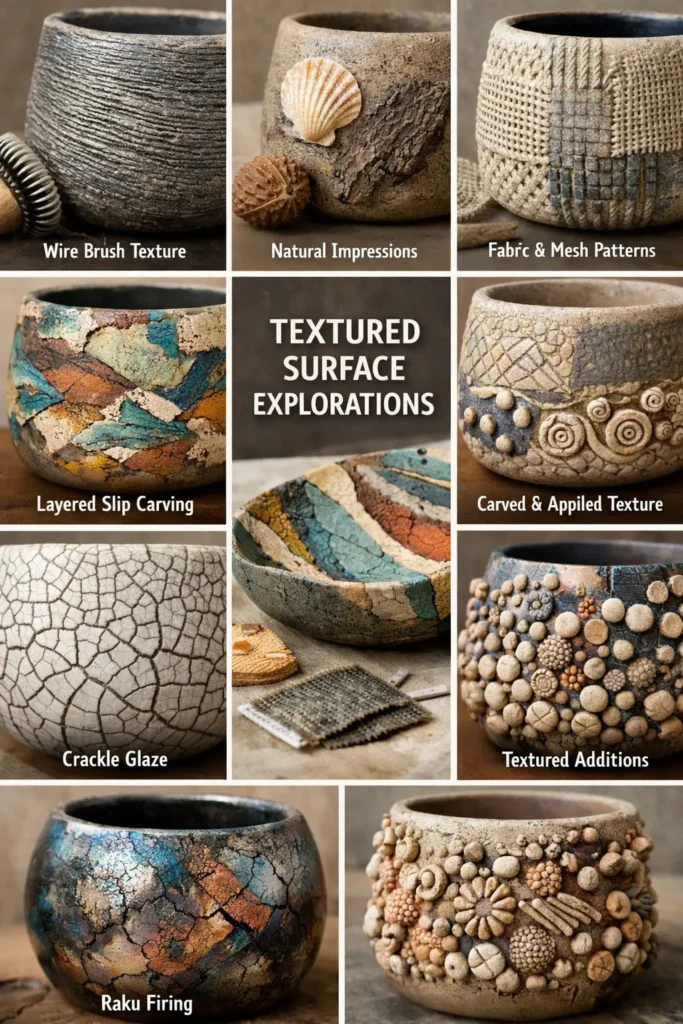
Surface texture transforms abstract ceramics from purely visual objects into tactile experiences that engage multiple senses. The interplay between smooth and rough, raised and recessed, pattern and randomness creates complexity that rewards sustained attention. Textural exploration offers endless creative possibilities, from subtle variations that catch light differently to dramatic relief work that creates bold shadows and highlights.
Developing interesting textures begins with experimentation. Gather various tools and objects that can make impressions in clay. Wire brushes create linear scratches. Sponges produce irregular porous patterns. Textured fabrics transfer their weave. Natural materials like shells, seed pods, or bark offer organic imprints. Even common household items like plastic mesh, bubble wrap, or corrugated cardboard can generate unexpected textural effects when pressed into soft clay.
Layering techniques provide another avenue for textural development. Apply contrasting slips or engobes in multiple layers, then selectively remove material through scraping or carving to reveal different colors beneath. This archaeological approach to surface treatment creates visual depth and historical resonance. Some artists build up texture through additive processes, applying small coils, dots, or shaped elements to create three-dimensional surface relief.
Firing temperature and atmosphere significantly affect textural outcomes. Higher temperatures can soften sharp details, while lower temperatures preserve crisp definition. Reduction firing creates surface effects through chemical interactions that additive decoration alone cannot achieve. Raku firing introduces dramatic crackling and metallic sheens. Understanding how your chosen firing method will impact textural elements allows you to make informed creative decisions throughout the construction process.
Sculptural Abstract Ceramic Installations
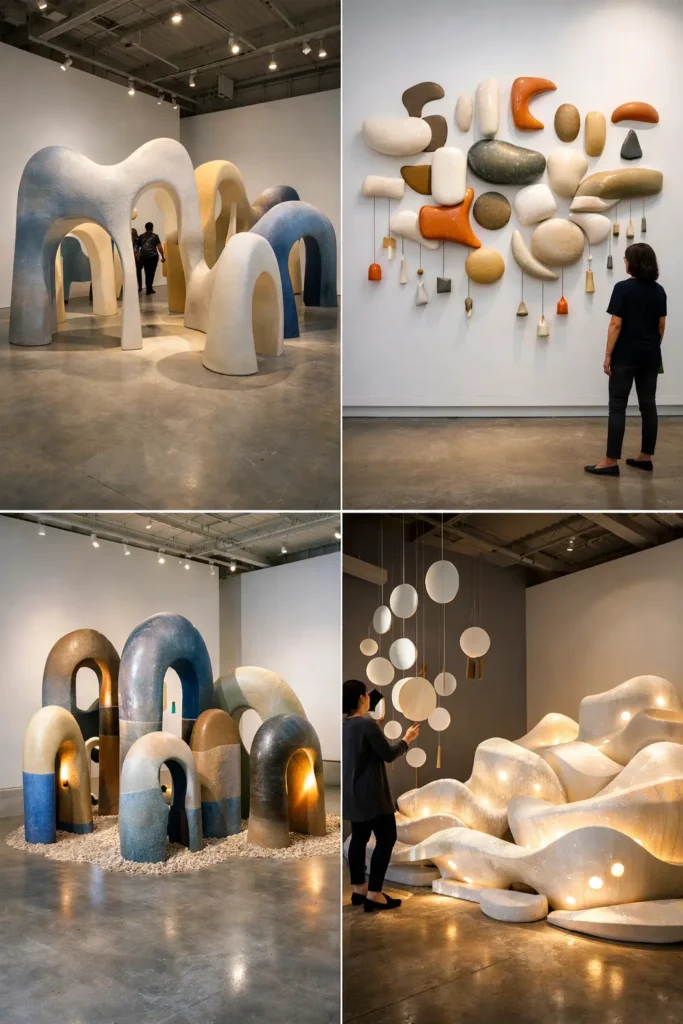
Moving beyond individual objects, sculptural installations expand abstract ceramics into environmental art that transforms spaces. These larger-scale works might consist of multiple related pieces arranged in deliberate configurations, wall-mounted ceramic components that create two-dimensional compositions, or freestanding sculptures that viewers can walk around and through. Installation work invites consideration of how ceramic art interacts with architecture and influences viewer experience.
Planning sculptural installations requires thinking beyond the pottery studio. Consider the final display environment early in your creative process. How will natural and artificial light affect your pieces? What viewing distances and angles will be available? Should viewers encounter your work from a single vantage point or experience it sequentially as they move through space? These questions inform decisions about scale, color, and composition.
Modular construction techniques prove particularly useful for ceramic installations. Creating multiple components that relate to each other through repeated forms, graduated sizes, or sequential variations allows flexible arrangement possibilities. Individual pieces can be rearranged to suit different spaces while maintaining cohesive visual identity. This approach also makes transportation and installation more practical than single massive sculptures.
Interactive elements can enhance installation work. Some artists incorporate kinetic components that move in response to air currents or viewer interaction. Others use sound, either through hanging elements that create gentle percussion or through forms designed to amplify acoustic properties. Lighting can be integrated directly into ceramic sculptures, creating dramatic effects as light transmits through thin porcelain walls or illuminates translucent glazes from within.
Monochromatic Color Strategies
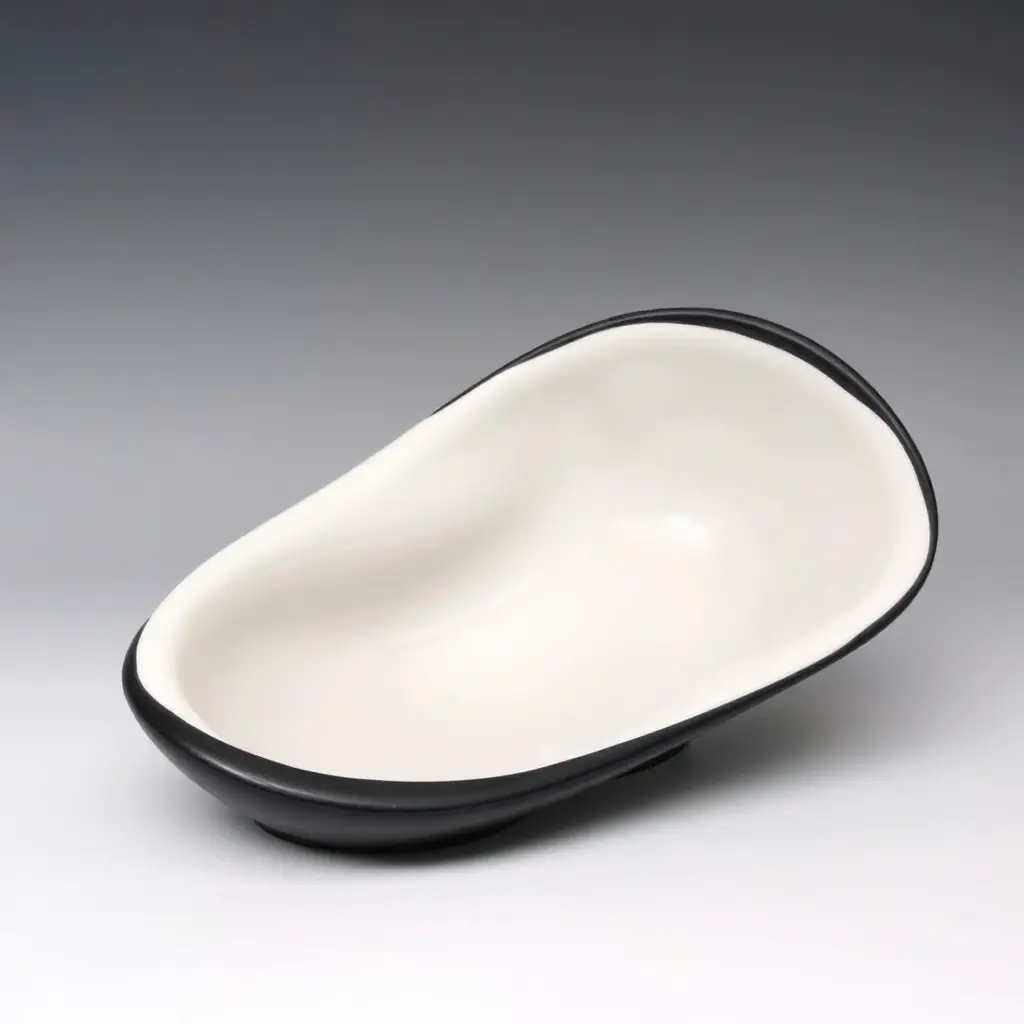
Working within monochromatic color schemes sharpens attention to form, proportion, and surface quality. When color variation is minimized, other design elements must carry expressive weight. This constraint paradoxically increases creative freedom by removing decision paralysis about color combinations. Monochromatic abstract ceramics achieve sophistication through nuance rather than chromatic variety.
Black and white remain classic choices for monochromatic ceramic work. Pure white surfaces showcase form with crystal clarity, making every curve and angle visible. White glazes range from bright glossy finishes that reflect light dramatically to soft matte surfaces that absorb light gently. Black ceramics project power and mystery. Matte black emphasizes silhouette, while glossy black creates mirror-like reflections that double visual complexity.
Earth tones offer another compelling monochromatic direction. Terracotta, sienna, ochre, and umber connect ceramic work to clay’s geological origins. These warm hues suit organic abstract forms particularly well, reinforcing connections to natural materials and processes. Subtle variations in firing can produce beautiful tonal ranges within single pieces, creating visual interest without introducing additional colors.
Gray occupies fascinating middle ground between chromatic extremes. From nearly white to almost black, the gray spectrum provides enormous range for subtle expression. Combining different gray values within single pieces or across grouped works creates depth and spatial illusion. Gray pairs beautifully with raw unglazed clay, allowing portions of work to remain natural while other areas receive refined surface treatment.
Mixed Media Abstract Approaches
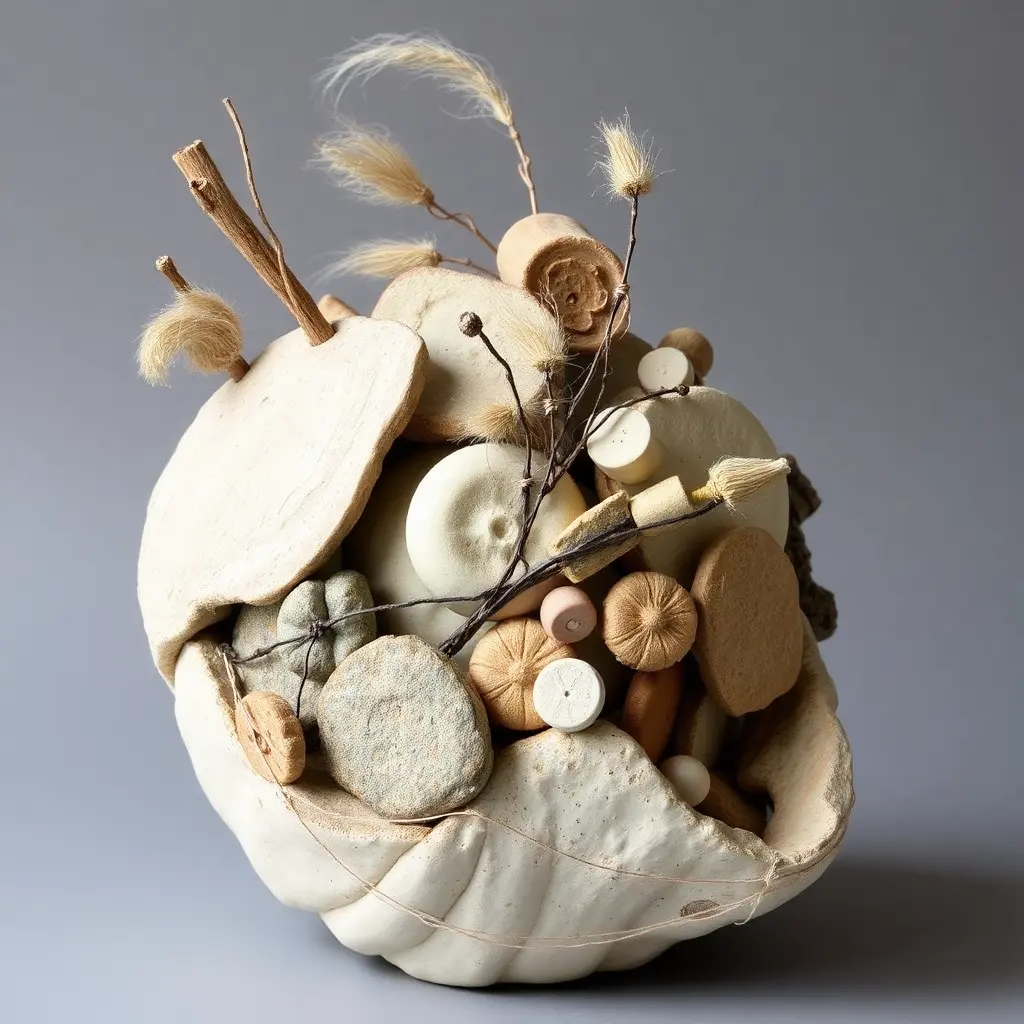
Integrating materials beyond clay expands creative possibilities in abstract ceramic work. Mixed media approaches combine ceramics with metal, wood, fiber, glass, or found objects to create hybrid artworks that transcend traditional pottery categories. These combinations introduce contrasts in texture, color, weight, and cultural association that pure ceramic work cannot achieve alone.
Metal components frequently appear in mixed media ceramic art. Wire can create delicate linear elements that contrast with clay’s mass and solidity. Metal rods or armatures provide structural support for ambitious forms while becoming visible design elements. Patinated copper or brass adds warm metallic accents, while steel introduces industrial toughness. Some artists embed metal directly into clay before firing, creating permanent bonds between materials.
Natural materials offer organic counterpoints to ceramic’s processed character. Driftwood provides weathered texture and irregular form. Stone fragments introduce geological history and contrasting hardness. Dried plant materials add delicacy and reference cycles of growth and decay. These combinations work particularly well in organic abstract pieces where material variety reinforces themes of natural process and transformation.
Fiber and textile elements bring softness and flexibility to rigid ceramic forms. Woven elements can be suspended from ceramic components. Fabric can wrap around pottery surfaces, secured during firing or applied afterward. Thread and cord create linear patterns and structural connections between separated elements. These soft materials introduce qualities of movement, drape, and textile tradition that ceramic alone cannot express.
Color Field Inspired Ceramics
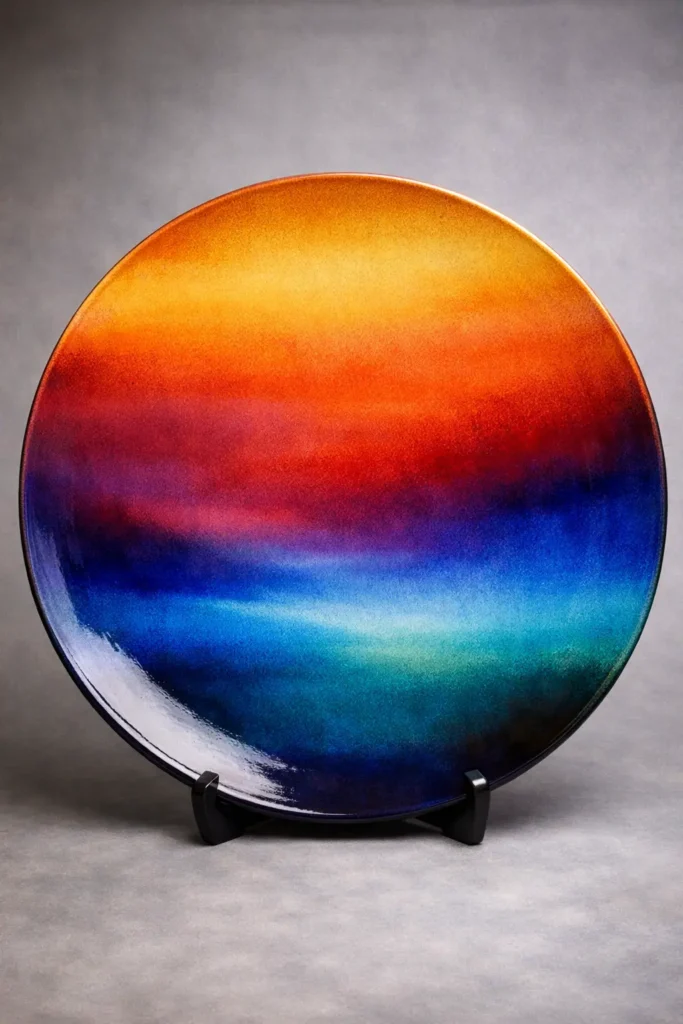
Color field painting’s influence extends beyond canvas into ceramic art. This approach treats surfaces as fields for chromatic exploration, emphasizing color relationships and emotional resonance over representational imagery. Abstract ceramics inspired by color field concepts use glaze as their primary expressive medium, creating washes, gradients, and juxtapositions that prioritize pure color experience.
Achieving successful color field effects in ceramics requires technical mastery of glaze chemistry and application. Unlike painting, where colors remain largely unchanged after application, ceramic glazes transform dramatically during firing. Testing becomes essential. Create systematic test tiles exploring how different glazes interact when layered, how thickness affects final color, and how firing temperature influences results. This research forms the foundation for confident color field work.
Gradient transitions between colors create atmospheric effects in color field ceramics. Multiple glaze applications with careful blending produce smooth color shifts reminiscent of dawn skies or ocean depths. Some artists achieve gradients through differential glaze thickness, applying material more heavily in some areas while allowing it to thin naturally toward edges. Spray application offers another method for achieving subtle color transitions.
Large-scale platters and wall pieces provide ideal formats for color field exploration. These expansive surfaces allow colors to breathe and interact without compression. Viewers can become immersed in chromatic relationships similar to standing before large abstract paintings. Consider how your color choices will function at both intimate viewing distances and from across rooms, ensuring visual effectiveness at multiple scales.
Deconstructed Form Concepts
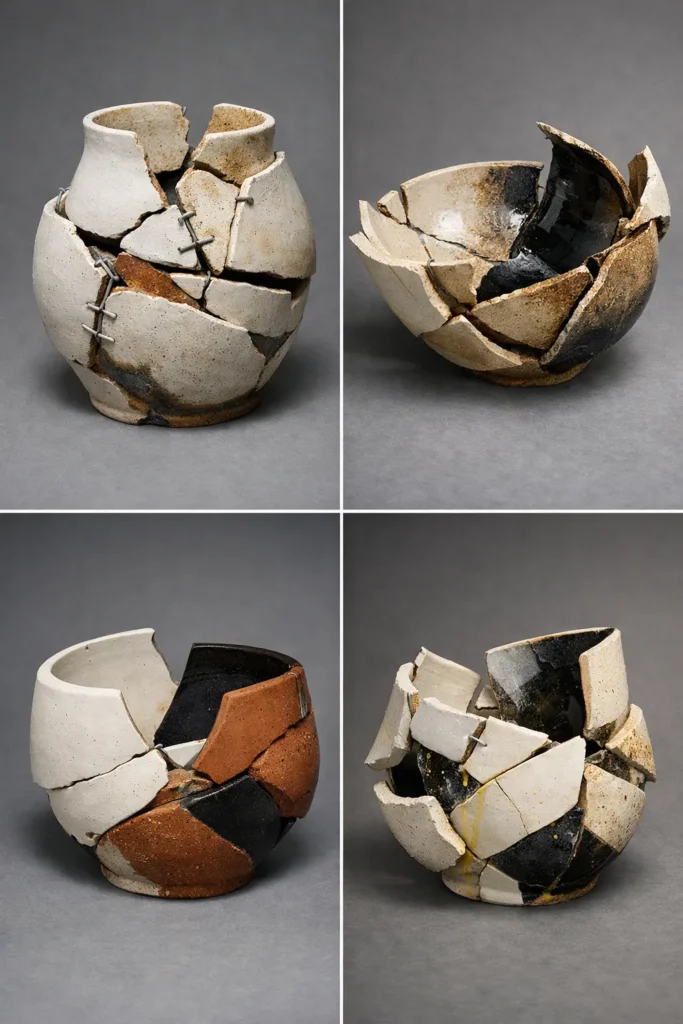
Deconstruction in abstract ceramics involves breaking apart, fragmenting, or deliberately disrupting traditional pottery forms. This approach questions assumptions about wholeness, function, and completion. Deconstructed pieces might consist of broken and reassembled elements, forms that appear mid-transformation, or vessels whose walls breach and open in unexpected ways. This conceptual territory explores themes of impermanence, change, and alternative perspectives.
Creating deconstructed ceramics often begins with conventional forms that are then altered through cutting, tearing, or collaging. Throw or handbuild recognizable shapes like bowls or vases, then intervene before the clay becomes too dry. Slice through walls with wire or knife. Remove sections to create negative space. Fold walls outward or collapse them inward. These violent gestures paradoxically create new aesthetic possibilities from apparent destruction.
Reassembly offers another deconstructive strategy. Break bisque fired pieces into fragments, then reconstruct them with visible gaps and displaced alignments. This approach reveals interior surfaces never meant for viewing while creating complex spatial relationships between separated components. Consider how you join fragments. Exposed metal staples or visible glue lines can become intentional design elements that acknowledge the reconstruction process.
Conceptually, deconstruction invites reflection on impermanence and transformation. Ceramic’s reputation for durability makes its deliberate fragmentation particularly poignant. These works remind viewers that nothing lasts forever, that change is constant, and that beauty can emerge from brokenness. Such philosophical dimensions add depth to purely formal aesthetic achievements, giving audiences multiple entry points for engagement and interpretation.
Abstract ceramics continue evolving as contemporary artists push boundaries and explore new possibilities. Whether you gravitate toward geometric precision, organic flow, minimalist restraint, or mixed media experimentation, abstract approaches liberate ceramic art from representational expectations. Each piece becomes an opportunity to investigate form, color, texture, and meaning through the responsive, ancient medium of clay. By embracing abstraction, ceramic artists join broader conversations about art, expression, and human creativity while honoring pottery’s deep historical roots.
Frequently Asked Questions
What materials do I need to start creating abstract ceramics?
To begin with abstract ceramics, you need basic clay suitable for your desired firing method, essential hand tools including wire cutters and modeling tools, access to a kiln, and glazes or surface treatments. Many artists start with earthenware or stoneware clay. Basic handbuilding supplies cost less than wheel throwing equipment, making abstract work accessible for beginners.
How is abstract ceramics different from traditional pottery?
Abstract ceramics prioritizes artistic expression over function and recognizable forms. While traditional pottery focuses on creating utilitarian objects like bowls and cups with established shapes, abstract ceramic art explores non-representational forms, experimental textures, and conceptual ideas. The emphasis shifts from craftsmanship serving utility to clay as a medium for pure creative exploration.
Can I create abstract ceramics without a pottery wheel?
Absolutely. Many abstract ceramic artists work exclusively with handbuilding techniques like pinching, coiling, and slab construction. These methods often suit abstract work better than wheel throwing because they allow greater freedom for creating asymmetrical, sculptural, and unconventional forms. The wheel primarily produces symmetrical circular forms, which may not align with abstract creative visions.
What glazing techniques work best for abstract ceramic pieces?
Effective glazing for abstract ceramics depends on your artistic vision. Layering multiple glazes creates depth and unexpected interactions. Single monochromatic glazes emphasize form. Leaving portions unglazed highlights clay’s natural beauty. Experimental techniques like resist methods, oxide washes, and alternative firing processes like raku produce distinctive surface effects that enhance abstract qualities.
How do I develop my unique style in abstract ceramics?
Developing personal style requires consistent experimentation and reflection. Try various techniques, keep detailed records of successful approaches, study other ceramic artists for inspiration without copying, and allow your natural interests and instincts to guide material choices. Your unique style emerges gradually through sustained practice, honest self-assessment, and willingness to take creative risks.
6 Comments