
20+ Creative Painting Ideas for Concrete Porches
Your concrete porch serves as the welcoming gateway to your home, making first impressions count. While bare concrete offers durability, it often lacks the visual appeal that reflects your personal style. Transforming this outdoor space with creative painting ideas can dramatically elevate your home’s curb appeal without breaking the bank. Whether you’re working with a small front stoop or an expansive wraparound porch, the right paint treatment can turn ordinary concrete into an extraordinary outdoor feature that neighbors will admire.
This comprehensive guide explores more than twenty innovative painting ideas that breathe new life into tired concrete porches. From classic solid colors to intricate patterns and realistic faux finishes, you’ll discover techniques suitable for every skill level and aesthetic preference. Let’s explore how a few gallons of quality porch paint can completely reimagine your outdoor living space.
Classic Solid Color Transformations

Starting with a single, well-chosen color provides the foundation for countless porch designs. Solid colors offer the simplest approach to concrete porch painting while delivering impressive results. Cool grays have become increasingly popular for their modern appeal and ability to complement various architectural styles. They hide dirt effectively and create a neutral backdrop for outdoor furniture and potted plants.
Warm taupe shades bring an earthy, organic feel that pairs beautifully with natural wood elements and stone accents. For homes with traditional character, classic charcoal or slate blue tones add sophistication without overwhelming other design elements. Lighter colors like soft beige or pale gray can make smaller concrete porches feel more spacious and reflect heat during summer months.
The key to success with solid colors lies in proper surface preparation and choosing exterior-grade concrete paint formulated to withstand foot traffic and weather exposure. Two coats typically provide adequate coverage and longevity, with a quality sealer extending the life of your painted surface for years.
Checkerboard Patterns for Timeless Appeal

Few painted concrete designs offer the classic elegance of a checkerboard pattern. This traditional approach works exceptionally well on square or rectangular concrete porches where the geometric precision creates visual interest. Black and white remains the most iconic combination, delivering crisp contrast that never goes out of style.
However, modern interpretations embrace softer color pairings such as gray and cream, navy and white, or even sage green with ivory. The scale of your checkerboard squares should relate to your porch dimensions, with larger concrete porches accommodating bigger squares while smaller spaces benefit from more modest sizing.
Creating a checkerboard requires careful measuring and taping, but the results justify the effort. Begin by painting the entire surface in your lighter base color, allowing it to dry completely. Then measure and tape off alternating squares before applying your darker accent color. This methodical approach ensures clean lines and professional-looking results that elevate your porch from ordinary to exceptional.
Faux Wood Plank Flooring

Achieving the warmth of wood without the maintenance creates an appealing option for homeowners who love natural aesthetics. Painted faux wood planks transform concrete into a surface that mimics hardwood decking at a fraction of the cost. This technique involves painting individual plank shapes in varying wood tones, complete with realistic grain patterns and knot details.
Start by measuring and marking plank widths across your porch, typically between five and seven inches for realistic proportions. Use painter’s tape to create clean divisions between planks. Select three to four shades within the same wood tone family, from lighter honey colors to deeper walnut hues. Apply these colors in random patterns to individual planks, then use a wood graining tool or dry brush technique to add texture and grain lines.
The finishing touch involves painting thin lines between planks to simulate gaps, using a darker shade or black for this detail. Seal the completed design with a high-quality concrete sealer that protects against moisture and UV damage while maintaining the wood-look appearance.
Mediterranean Tile Patterns

Bringing the vibrant aesthetics of Mediterranean design to your porch creates a vacation-like atmosphere right at your doorstep. Hand-painted tile patterns feature intricate designs inspired by Spanish, Moroccan, or Italian decorative traditions. These complex geometric or floral motifs typically incorporate rich blues, sunny yellows, terracotta oranges, and crisp whites.
You can approach this project by creating a repeating tile pattern across the entire porch surface or designing a decorative border with simpler center treatment. Stencils designed specifically for tile patterns make this ambitious project more accessible to DIY enthusiasts. Each “tile” can feature identical designs, or you can vary patterns within a coordinated color scheme for added visual complexity.
The labor-intensive nature of this approach requires patience, but the stunning results create a truly unique outdoor space. Consider starting with a small area to test your technique before committing to the entire porch surface.
Ombre Gradient Effects
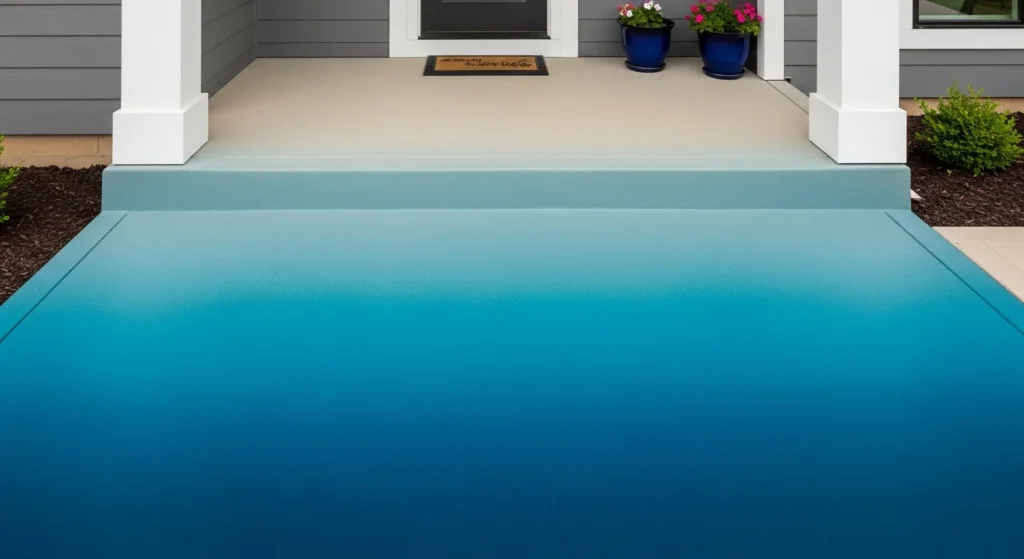
Creating a smooth color transition from light to dark produces a contemporary look that adds depth and dimension to your porch floor. Ombre techniques work particularly well on porches with defined directional flow, such as those leading from your front door to stairs or pathways. The gradual color shift can move from light near the house to dark at the outer edge, or vice versa.
This effect requires blending multiple shades of the same color family while the paint remains wet, demanding quick work and artistic sensibility. Begin with your lightest shade, then progressively introduce darker tones, blending the boundaries where colors meet. Ocean-inspired gradients moving from sandy beige to deep blue create coastal charm, while forest-inspired transitions from sage to hunter green bring natural serenity.
The key to successful ombre painting involves working in manageable sections and maintaining consistent blending techniques throughout the project. A quality foam roller helps achieve smooth color transitions without visible brush marks.
Stenciled Mandala Centerpiece

Creating a focal point with an elaborate stenciled mandala brings artistic sophistication to your porch design. This approach typically involves painting the porch perimeter in a solid color while featuring a large, intricate mandala pattern in the center. Mandalas offer endless design possibilities, from geometric precision to flowing organic shapes.
Large-scale mandala stencils are available in various sizes and complexities, or you can create custom designs tailored to your specific porch dimensions. Position the mandala centrally for maximum impact, using contrasting colors that stand out against the base coat. Metallic paints in gold, silver, or copper add luxurious shimmer that catches light beautifully.
This design works exceptionally well for square concrete porches or covered areas where the mandala becomes a protected art piece. The remaining porch space in solid color allows the central design to command attention without visual competition.
Brick Pattern Illusion

Recreating the appearance of traditional brick pavers through paint offers character without the installation expense or structural modifications required for actual brick. This technique involves painting individual brick shapes in varied red, orange, and brown tones, separated by mortar lines in light gray or cream.
The realistic effect depends on color variation within individual bricks and careful attention to mortar line consistency. Real brick features subtle color shifts and weathering, so incorporate multiple shades of terra cotta, burgundy, and rust into your design. Use a small sponge to add texture and variation within each brick shape.
Running bond, herringbone, or basket weave patterns each create distinct visual effects. Running bond offers the simplest execution with staggered horizontal rows, while herringbone creates dynamic diagonal movement requiring more complex layout planning. The irregular, handcrafted appearance actually benefits this project since perfect uniformity would appear less authentic.
Bold Geometric Designs
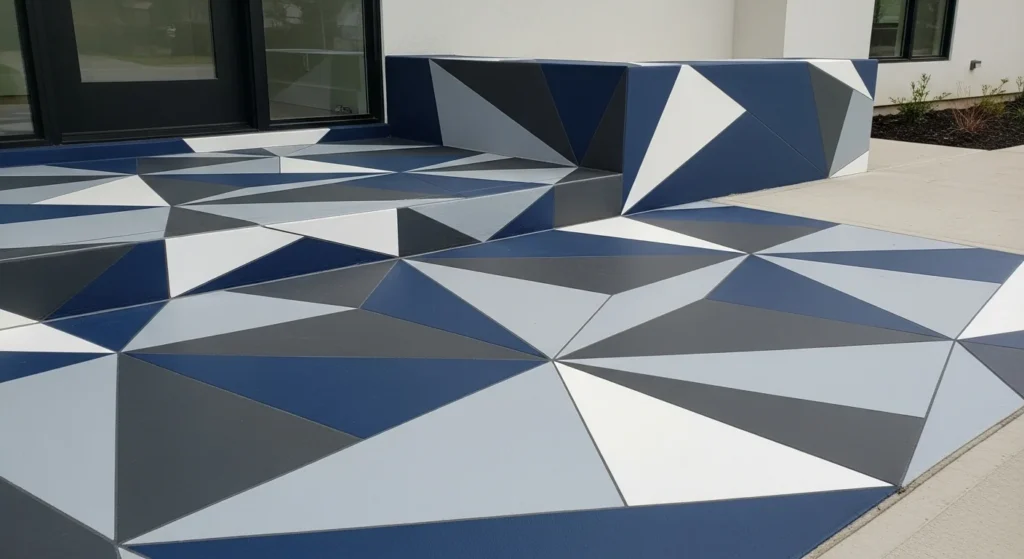
Modern geometric patterns bring contemporary energy to concrete porches through angular shapes, strong lines, and strategic color blocking. Triangles, hexagons, diamonds, and chevrons create visual movement and personality. This approach allows for creative color combinations that reflect current design trends or complement your home’s existing palette.
Geometric designs can cover the entire porch surface or create defined zones within the space. A hexagonal honeycomb pattern in graduated shades of gray creates sophisticated texture, while bold chevron stripes in contrasting colors make a strong style statement. The precision required for geometric patterns demands careful measuring, quality painter’s tape, and patience during the taping process.
Consider using three to five colors maximum to avoid visual chaos, ensuring adequate contrast between adjacent shapes for clear pattern definition. Metallic accents within geometric designs add unexpected glamour to outdoor spaces.
Nautical Rope Border Design

Coastal homes benefit from nautical-themed porch painting that incorporates rope motifs, anchor symbols, or compass designs. A painted rope border creates defined edges around your porch perimeter, typically in classic navy and white or weathered rope colors. This design element can frame a solid center field or surround more elaborate central patterns.
Creating realistic rope appearance involves painting twisted cord texture, with highlights and shadows that give dimensional illusion. Stencils simplify this process, though hand-painting allows for custom sizing and placement. Anchor or ship wheel corner medallions add thematic reinforcement in high-impact locations.
The nautical approach pairs beautifully with coastal color palettes featuring soft blues, sandy neutrals, and crisp white accents. This thematic consistency extends your interior coastal style to exterior spaces for cohesive home design.
Painted Area Rug Effect
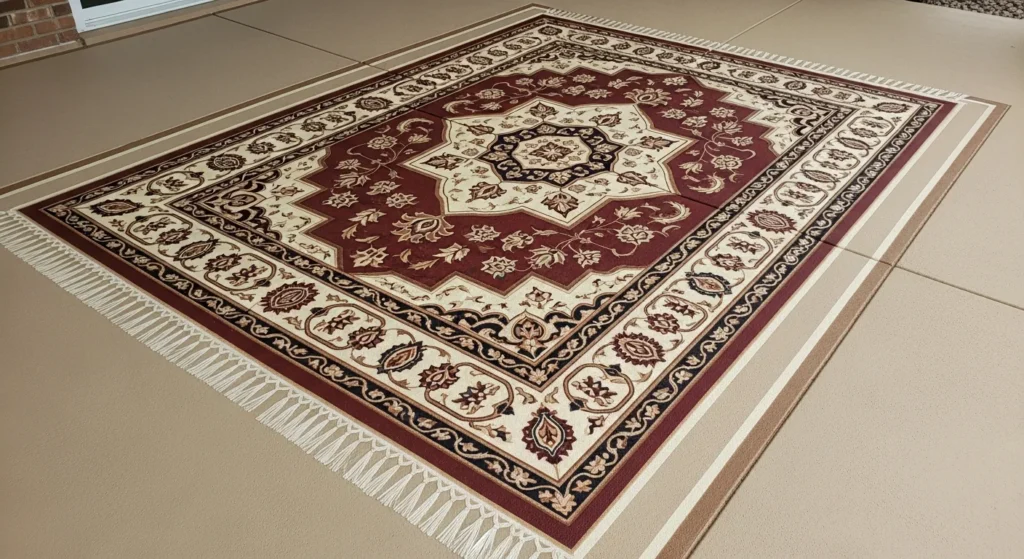
Mimicking the look of an outdoor area rug through paint creates defined zones on larger porches while adding pattern and color interest. This technique involves painting a “rug” design in the center of your porch, complete with decorative borders, central medallions, or overall patterns, while leaving the surrounding concrete in a complementary solid color.
Persian-inspired designs with intricate borders and central motifs offer traditional elegance, while geometric Southwest patterns bring casual, colorful energy. The painted rug can feature fringe details along the edges for added realism and whimsy. This approach provides the decorative impact of textiles without the maintenance challenges actual outdoor rugs present.
Scale your painted rug appropriately to your porch dimensions, typically leaving at least twelve to eighteen inches of solid-color border around the edges. This breathing room prevents the design from feeling cramped while creating intentional composition.
Weathered Stone Appearance

Achieving the look of natural stone pavers offers organic beauty with the durability of painted concrete. This faux finish technique involves creating irregular stone shapes in varied gray, tan, and cream tones, separated by grout lines. The random, natural quality of stone makes this a forgiving project for beginners since imperfections enhance authenticity.
Begin by sketching irregular stone shapes across your porch surface, varying sizes for realistic randomness. Paint each stone in slightly different base tones, then add mottling and veining using sponges and dry brush techniques. Darker and lighter accents within individual stones create depth and dimension.
Grout lines between stones should be approximately half an inch wide, painted in light gray or sand colors. Some artists add small pebble details within grout lines for enhanced realism. The completed stone effect brings natural elegance that complements both traditional and contemporary architecture.
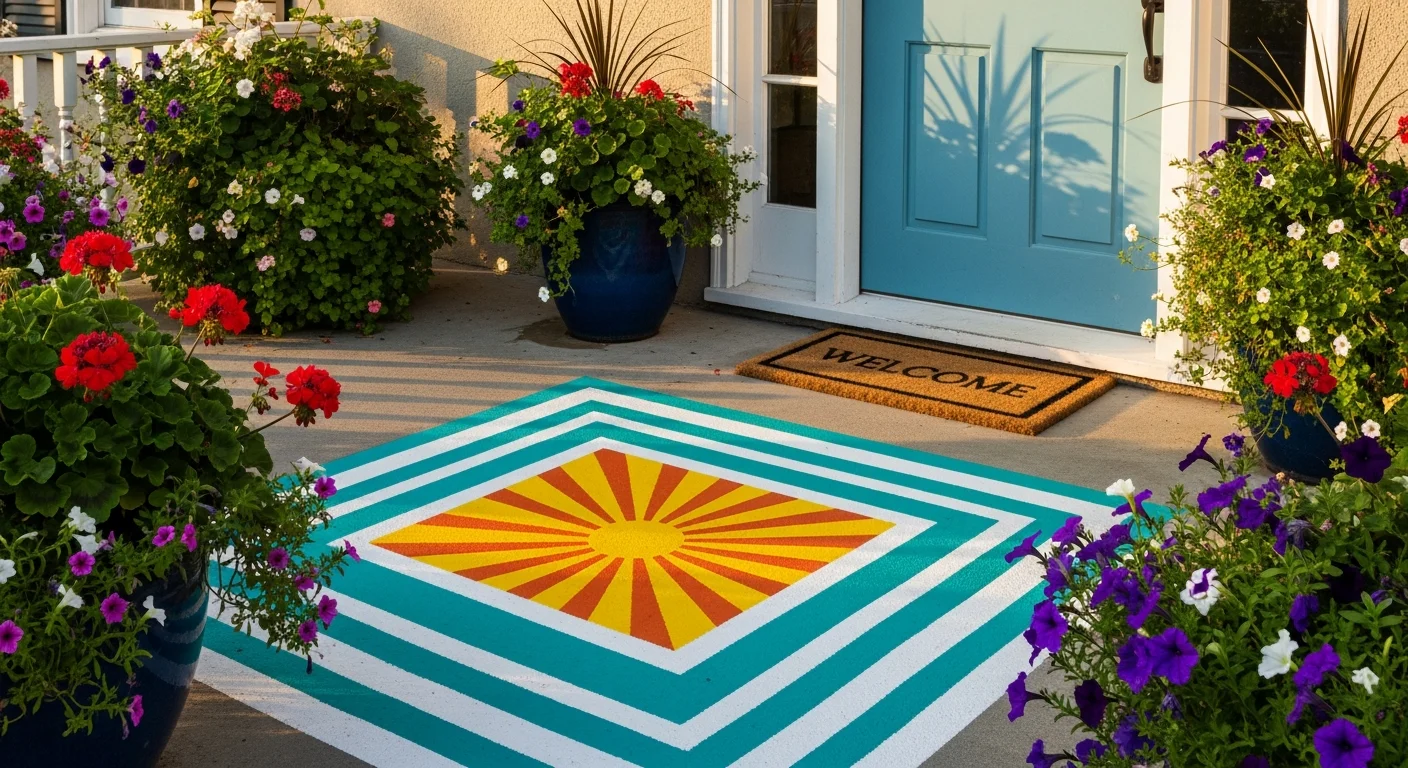
Starburst Medallion Corner Accents
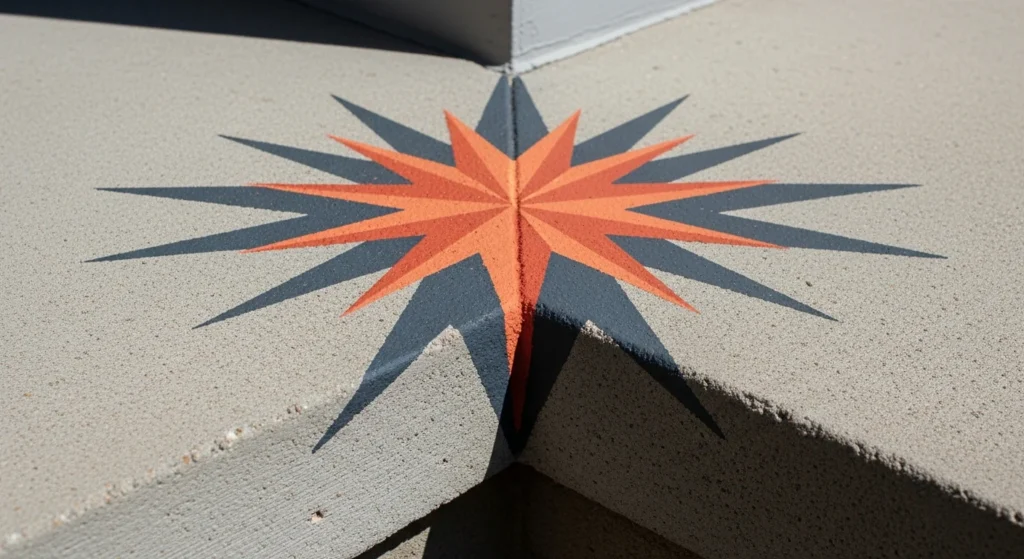
Rather than treating the entire porch surface uniformly, strategic placement of decorative medallions creates focal points at corners or entry areas. Starburst designs with radiating lines emanating from central points add dynamic energy to these high-visibility locations. These ornamental elements can be stenciled or hand-painted in contrasting colors that pop against the base coat.
Corner medallions work particularly well when the main porch features a simple solid color or subtle pattern that benefits from strategic embellishment. The medallions draw the eye to architectural features like columns or railings while adding handcrafted artisan quality.
Size medallions proportionally to your porch corners, typically between eighteen and thirty-six inches in diameter depending on available space. Multiple smaller medallions can cluster together for increased visual impact in generous corner areas.
Chalkboard Paint Section
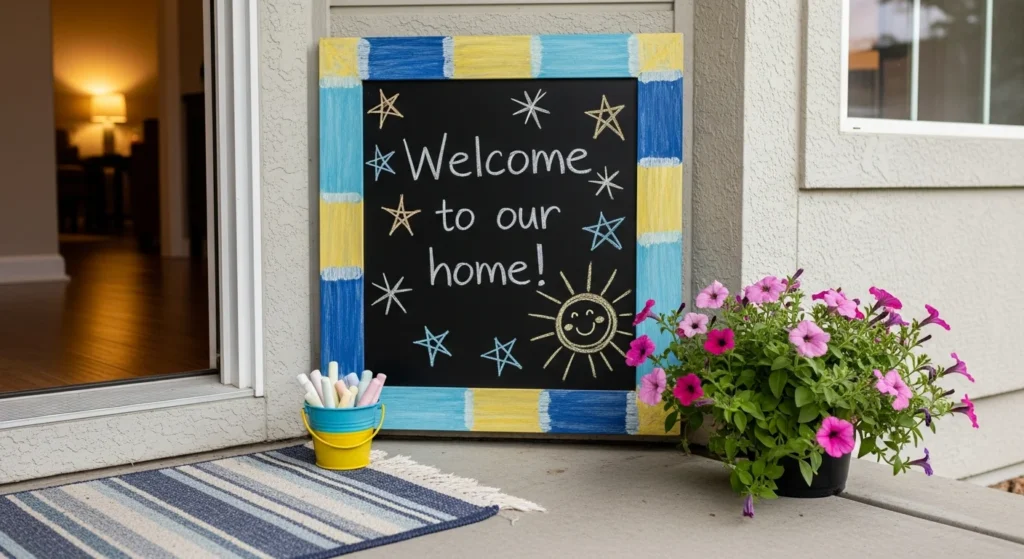
Incorporating a section of chalkboard paint creates an interactive element perfect for families with children or those who enjoy seasonal decorating flexibility. A chalkboard square or rectangle can occupy one corner of your porch, providing a surface for welcoming messages, seasonal greetings, or children’s artistic expression.
Frame the chalkboard section with painted molding details or decorative borders that integrate it intentionally into your overall porch design. Exterior-grade chalkboard paint withstands weather exposure while maintaining writing surface functionality. This playful addition brings personality and adaptable charm that changes with your mood or the seasons.
Consider placement carefully to protect the chalkboard area from direct rain exposure under covered porch sections, extending its usability and longevity. This creative element particularly appeals to homes with frequent visitors, offering personalized greetings that add welcoming warmth.
Herringbone Pattern Sophistication
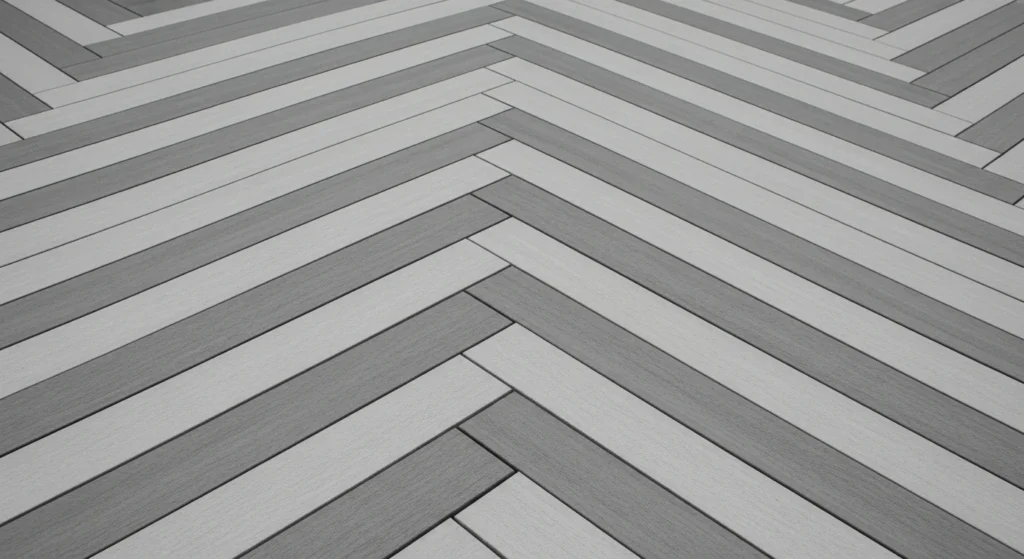
The classic herringbone pattern brings architectural sophistication traditionally associated with fine hardwood floors to painted concrete porches. This distinctive V-shaped weaving pattern creates subtle visual interest through its directional movement and texture. Executing herringbone requires precise measuring and angling but rewards effort with timeless elegance.
Choose two colors with clear contrast for maximum pattern definition, though tone-on-tone variations create subtler sophistication. The pattern can run parallel to your home’s entrance or angle diagonally for dynamic energy. Each rectangular plank typically measures approximately three to four times longer than its width for authentic proportions.
Begin layout from the center of your porch, working outward to ensure symmetrical pattern placement. The complexity of cuts and angles around edges requires careful planning, though these challenges result in genuinely impressive finished appearance that elevates your porch above standard painted surfaces.
Colorful Mosaic Inspiration
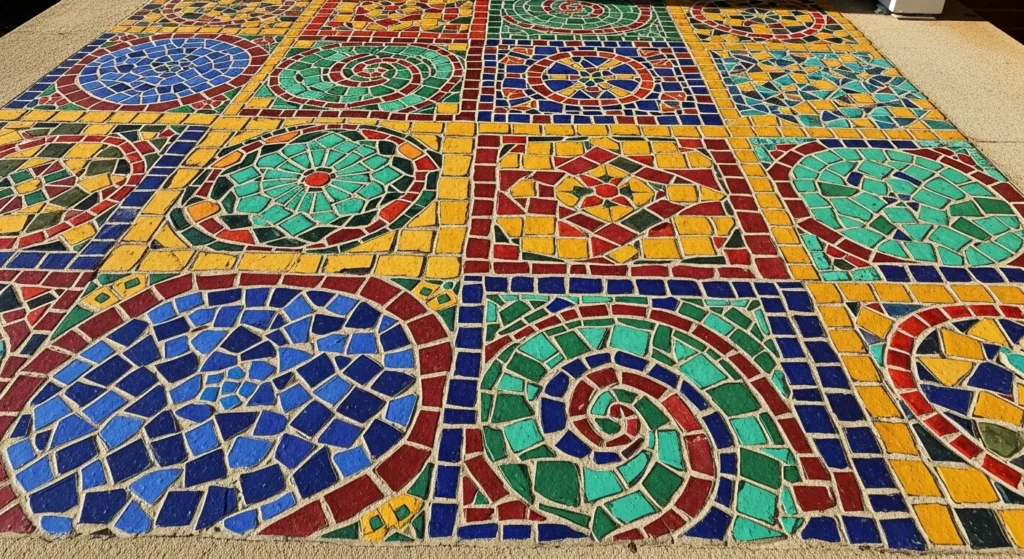
Drawing inspiration from traditional mosaic tilework, painted mosaic patterns create intricate, jewel-toned designs that transform concrete into artistic statements. This technique involves painting small tile shapes in vibrant, varied colors that form larger patterns or images when viewed together. The irregular, handcrafted quality of painted mosaics brings Mediterranean charm and artistic personality.
Mosaic designs can be representational, featuring flowers, geometric patterns, or abstract compositions in countless color combinations. The small scale of individual painted tiles makes this a time-intensive project, but the stunning results create truly one-of-a-kind outdoor spaces. Consider enlisting artistic friends or family members to help execute your mosaic vision, turning the project into a collaborative creative experience.
Seal painted mosaic surfaces thoroughly to protect the intricate work from weather exposure and wear. The complexity of multiple colors and small details requires quality exterior paint and patient execution for professional results.
Stenciled Border with Solid Center
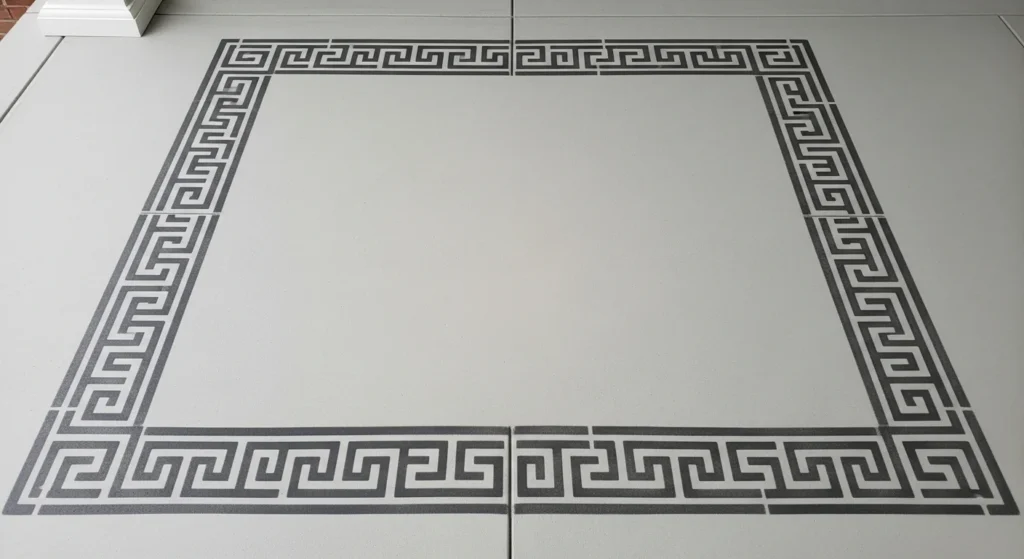
Balancing decorated and simple areas creates sophisticated restraint that prevents visual overwhelm. A stenciled decorative border frames the porch perimeter while the center remains a complementary solid color. This approach concentrates decorative energy at edges where it frames the space without competing with furniture or potted plants in central areas.
Border patterns range from simple geometric repeats to elaborate scrolling designs inspired by classical architecture. Greek key patterns, interlocking circles, or flowing vine motifs each bring distinct character. The border width should relate proportionally to porch size, typically between eight and eighteen inches for balanced composition.
Choose border colors that either contrast boldly with the center field or coordinate within the same color family for subtle sophistication. This design approach suits both small and large concrete porches, scaling appropriately to available space while maintaining elegant proportions.
Painted Compass Rose
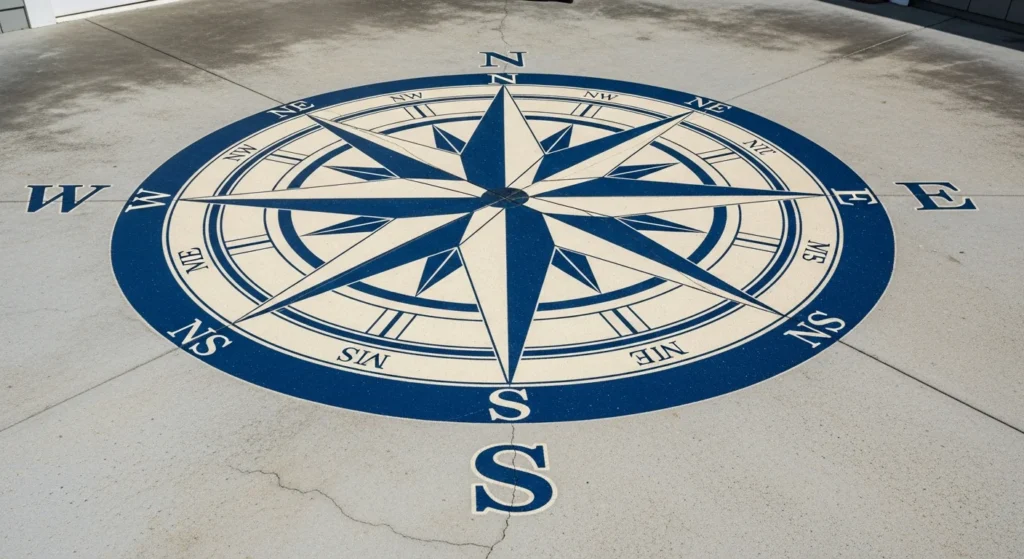
Navigation-inspired compass rose designs create strong focal points perfect for porch centers or corner medallions. These directional symbols feature radiating points indicating cardinal and ordinal directions, bringing wanderlust spirit and geometric beauty to outdoor spaces. Compass roses work particularly well for homes with travel-loving owners or coastal properties.
The circular design can be simple or elaborate, from basic directional arrows to ornate compass imagery with decorative embellishments. Classic color schemes include navy blue and white or bronze and cream, though contemporary interpretations embrace unexpected color combinations. Size your compass rose to command attention without overwhelming the porch surface, typically between thirty and sixty inches in diameter.
Creating accurate compass geometry requires careful measuring and template creation, though large stencils simplify execution. The distinctive design becomes a conversation piece that adds personalized meaning to your outdoor space.
Two-Tone Diagonal Split
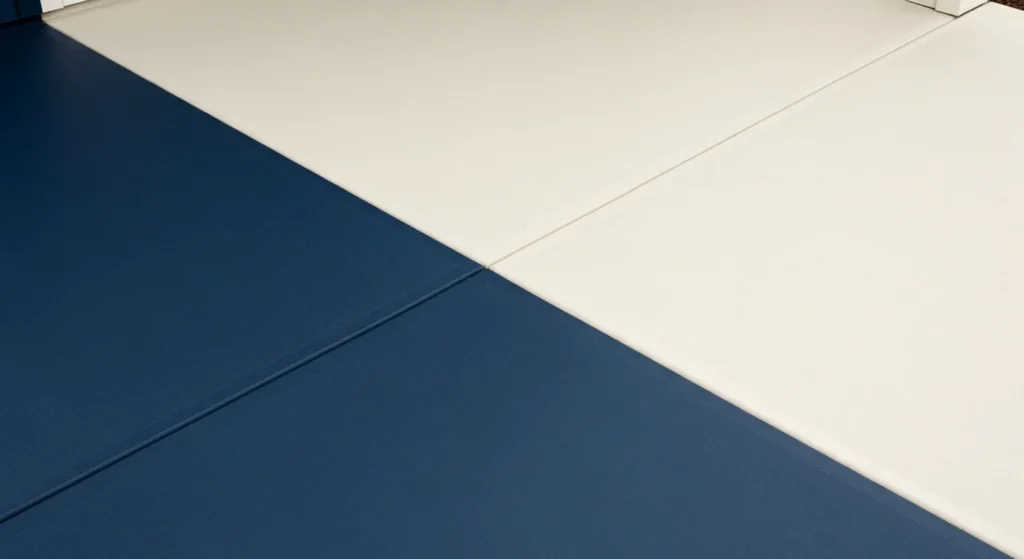
Dividing your porch diagonally with two complementary colors creates modern dynamism through unexpected geometry. This bold approach works particularly well on rectangular concrete porches where the diagonal line adds visual interest to otherwise straightforward proportions. The angle can run from corner to corner or offset for asymmetrical energy.
Color selection determines the overall effect, with high contrast creating drama while analogous colors offer subtle sophistication. Navy and cream, charcoal and sage, or terracotta and sand each bring distinct personalities. The diagonal division can remain a simple two-color treatment or incorporate additional design elements within each section for layered complexity.
Execute the diagonal split by carefully measuring and taping the dividing line, ensuring it extends precisely to your intended corners or edges. Clean, straight execution is essential for professional appearance, making quality painter’s tape an important investment.
Painted Faux Tiles with Grout Lines
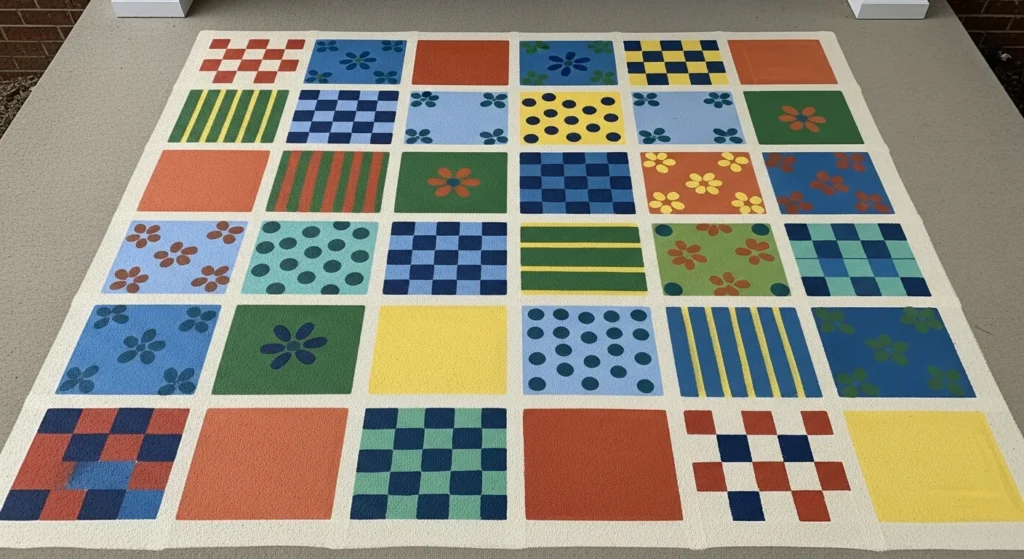
Creating individual painted tile squares separated by grout lines offers countless design possibilities from simple solid-color tiles to elaborately decorated squares. This versatile approach allows you to incorporate multiple colors, patterns, or even hand-painted designs on individual tiles. The grid structure provides organizational framework while individual tile treatments add personality.
Tiles can be uniform in color and pattern for cohesive simplicity, or each square can feature unique designs for eclectic charm. Consider painting some tiles in solid colors while others feature simple patterns like dots, stripes, or florals. This mixed approach brings handcrafted artisan quality reminiscent of custom tilework.
Grout line width typically ranges from quarter to half inch, painted in traditional gray or cream. Consistent grout width throughout the project creates professional polish even when tile designs vary considerably. This structured flexibility makes the faux tile approach adaptable to various skill levels and aesthetic preferences.
Ombre Chevron Combination

Combining ombre gradient techniques with chevron geometry creates sophisticated visual complexity that rewards close examination. This advanced painting technique involves chevron stripes that gradually transition through related color shades, creating both pattern and dimensional depth. The project requires considerable skill but produces genuinely impressive results.
Plan your color progression carefully, selecting four to six shades that blend smoothly from light to dark or shift through related hues. Each chevron stripe receives a different shade, creating the gradient effect as the pattern progresses. The directional energy of chevrons combines with color shift for dynamic movement across your porch surface.
This challenging project suits experienced painters comfortable with detailed work and color blending. The unique results justify the effort investment for those seeking truly distinctive outdoor spaces that showcase painting skill and artistic vision.
Conclusion
Transforming your concrete porches through creative painting opens endless possibilities for personal expression and enhanced curb appeal. Whether you choose simple solid colors, intricate patterns, or realistic faux finishes, painted concrete offers durability, affordability, and customization that few other concrete porches treatments provide. The projects outlined above range from beginner-friendly to advanced, ensuring options for every skill level and aesthetic preference.
Success with painted concrete depends on proper surface preparation, quality exterior-grade products, and adequate sealing to protect your artistic investment. Take time to properly clean, repair, and prime concrete surfaces before applying decorative treatments. Allow adequate drying time between coats, and finish with quality concrete sealer formulated for exterior use and foot traffic.
Your painted porch becomes an extension of your home’s personality, welcoming guests with beauty and creativity. Whether you embrace bold geometric patterns, soothing solid colors, or elaborate artistic designs, painted concrete offers transformation that impacts your daily experience and property value. Start planning your porch painting project today, and discover how this rewarding undertaking can completely reimagine your outdoor living space.
Frequently Asked Questions
What type of paint works best for concrete porches?
Exterior concrete floor paint or porch and patio paint formulated specifically for horizontal surfaces provides the best results. These products contain additives that improve adhesion, flexibility, and resistance to foot traffic. Acrylic latex concrete paint offers good durability and easier cleanup, while epoxy-based products provide superior longevity for high-traffic areas. Always apply a concrete primer before painting and finish with an exterior concrete sealer.
How long does painted concrete porches last?
Properly prepared and painted concrete porches typically last three to seven years before requiring touch-ups or repainting, depending on traffic levels, climate exposure, and product quality. Covered porches protected from direct weather last longer than fully exposed surfaces. Regular cleaning and reapplication of sealer every one to two years significantly extends paint life. High-quality products and thorough surface preparation increase longevity.
Can I paint a concrete porch without primer?
While technically possible, skipping primer significantly compromises paint adhesion and longevity. Concrete primer creates a bonding layer that helps paint adhere properly to porous concrete surfaces while preventing moisture issues. Unprimed concrete absorbs paint unevenly, requiring additional coats and still producing inferior results. The modest cost of primer is worthwhile insurance for protecting your time and paint investment in the overall project.
Do I need to seal painted concrete?
Sealing painted concrete is essential for protecting your decorative finish from moisture penetration, UV damage, and wear from foot traffic. Quality concrete sealer creates a protective barrier that prevents water absorption, reduces fading, and makes cleaning easier. Apply sealer after paint has fully cured, typically seventy-two hours after the final coat. Reapply sealer annually or as manufacturer recommends for continued protection.
What is the best time of year to paint a concrete porches?
Late spring through early fall offers ideal conditions when temperatures remain consistently between fifty and eighty-five degrees Fahrenheit with low humidity. Avoid painting during extreme heat, cold, or when rain is forecasted within forty-eight hours. Paint requires adequate temperature for proper curing, and moisture interferes with adhesion. Plan your project during stable weather patterns when you can complete preparation, painting, and initial curing without weather interruptions.
One Comment