
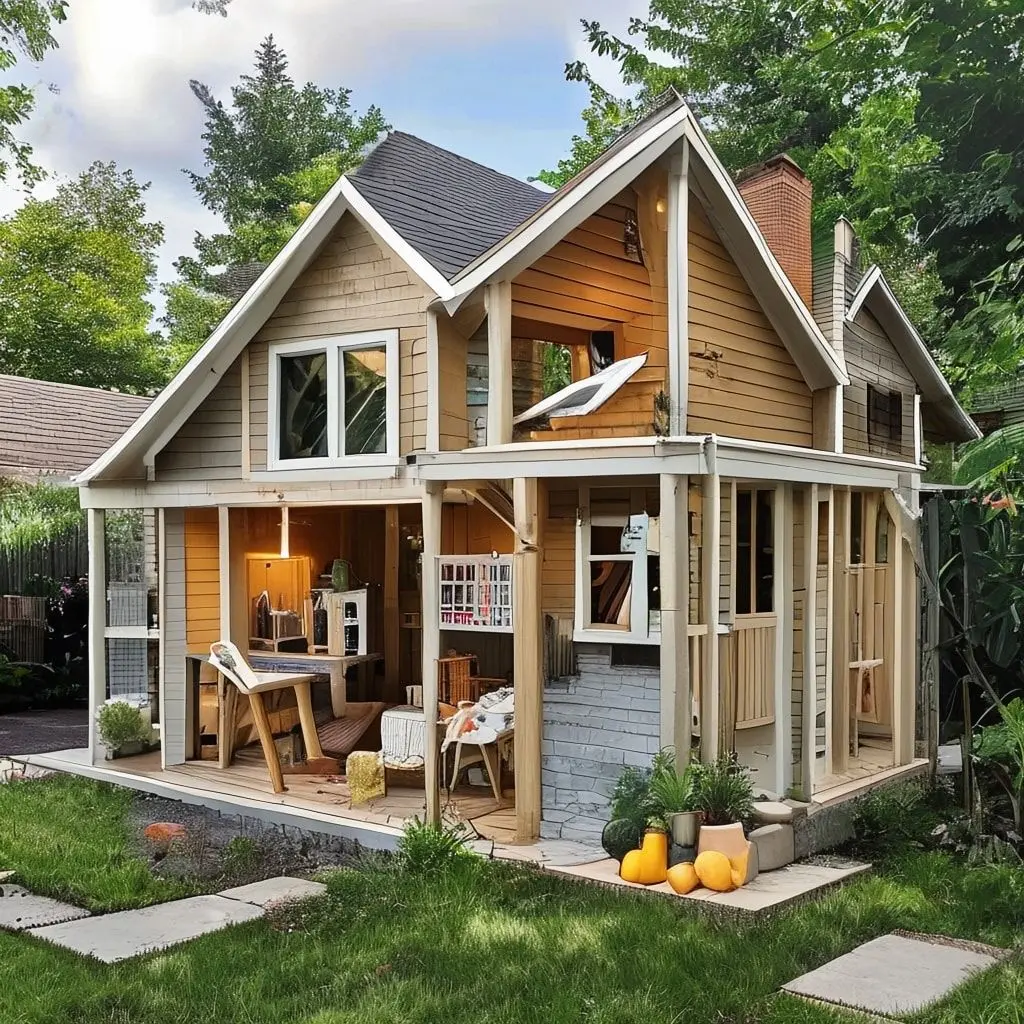
12+ Cool Playhouse Ideas for Creative Kids
Cool Playhouse Ideas , playhouse represents far more than a simple outdoor structure or play space. It becomes a castle where knights defend kingdoms, a store where young entrepreneurs practice commerce, a laboratory where scientists make discoveries, and a cozy home where children practice the routines they observe in daily life. The right playhouse sparks imagination, encourages independent play, and creates a special space that children remember fondly long into adulthood.
Choosing or building a playhouse involves balancing practical considerations with creative possibilities. The structure needs to withstand weather and active play while fitting within your available space and budget. Yet beyond these practical requirements lies an opportunity to create something truly special that reflects your child’s interests and personality. Whether you have acres of backyard or a small corner of a bedroom, playhouse options exist to suit virtually every situation.
The playhouse ideas presented here range from elaborate outdoor structures to simple indoor solutions, from traditional cottage designs to contemporary concepts that push creative boundaries. Each approach offers unique benefits and possibilities for customization. As you explore these options, consider not just what appeals to you aesthetically but what will best serve your children’s play needs, your space constraints, and your ability to maintain the structure over time.
Classic Cottage Charm
The traditional cottage-style playhouse brings timeless appeal to any backyard with its miniature house aesthetics complete with shuttered windows, a pitched roof, and a welcoming front door. This design resonates with children who enjoy domestic play scenarios, offering a scaled-down version of home where they can cook pretend meals, welcome guests, and arrange furniture to their liking. The familiar house shape helps younger children understand the playhouse purpose immediately while providing enough structure for elaborate imaginative scenarios.
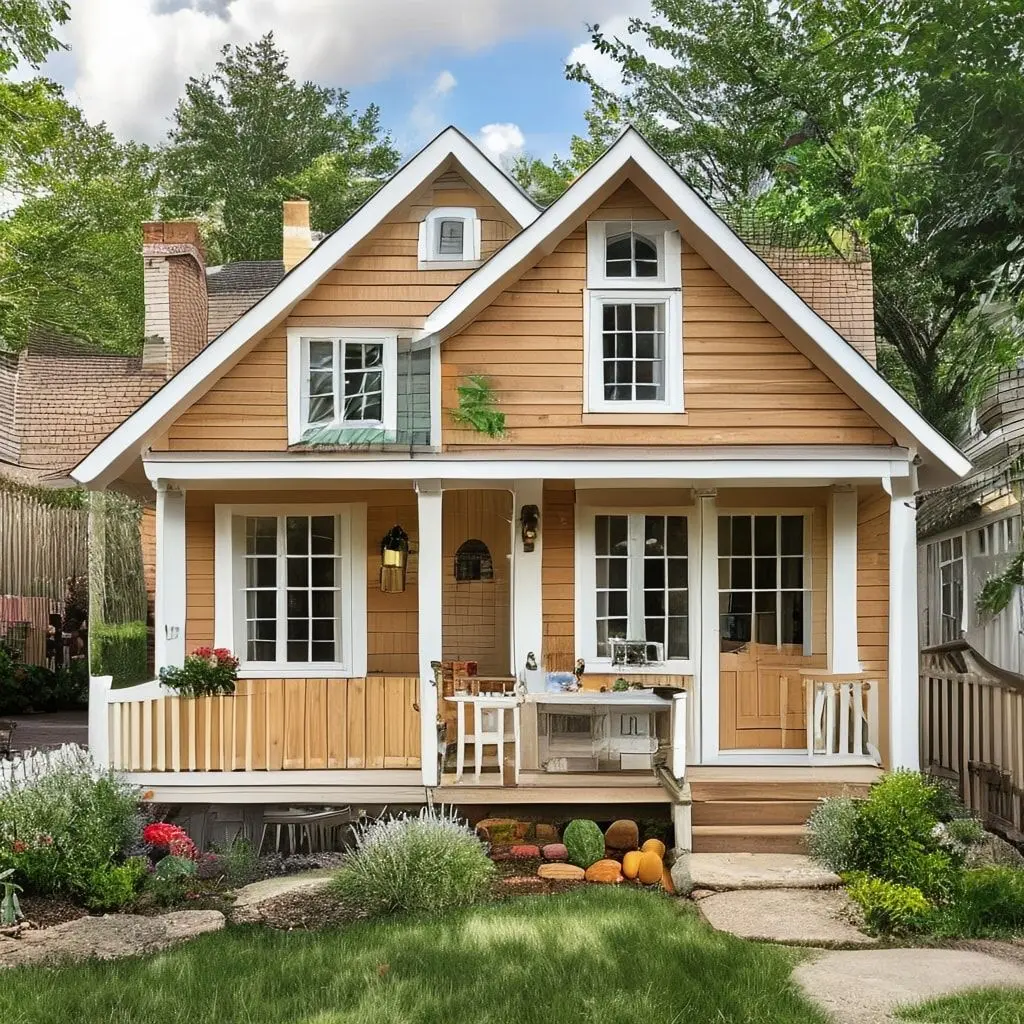
Building a cottage playhouse allows for extensive customization in materials and finishes. Cedar or pine construction weathers beautifully and can be painted in any color scheme from classic white with colorful trim to bold contemporary hues. Windows can be simple cutouts, screened openings, or fitted with actual acrylic panes for a more finished look. The interior benefits from built-in features like small shelves, a toy sink, or a compact table that transforms the space into a fully functional play kitchen or cozy reading nook.
The cottage design scales well to different yard sizes and budgets. A basic four-by-six-foot structure provides ample play space for toddlers and young children, while larger versions approaching eight-by-ten feet accommodate older kids and their friends comfortably. Many parents enhance cottage playhouses with window boxes for planting flowers, small porches with child-sized furniture, or Dutch doors that add charm while improving ventilation. These structures often become backyard focal points that enhance landscape aesthetics while serving their primary play function.
Adventurous Treehouse Retreats
Treehouse playhouses elevate play literally and figuratively, transforming sturdy trees into magical elevated spaces that feel like secret hideaways. The appeal lies partly in the achievement of climbing to reach the space and partly in the unique perspective gained from viewing the world from above. Children gravitate toward the privacy and specialness of treehouses, creating clubs, reading quietly, or simply enjoying the sensation of being nestled among branches.
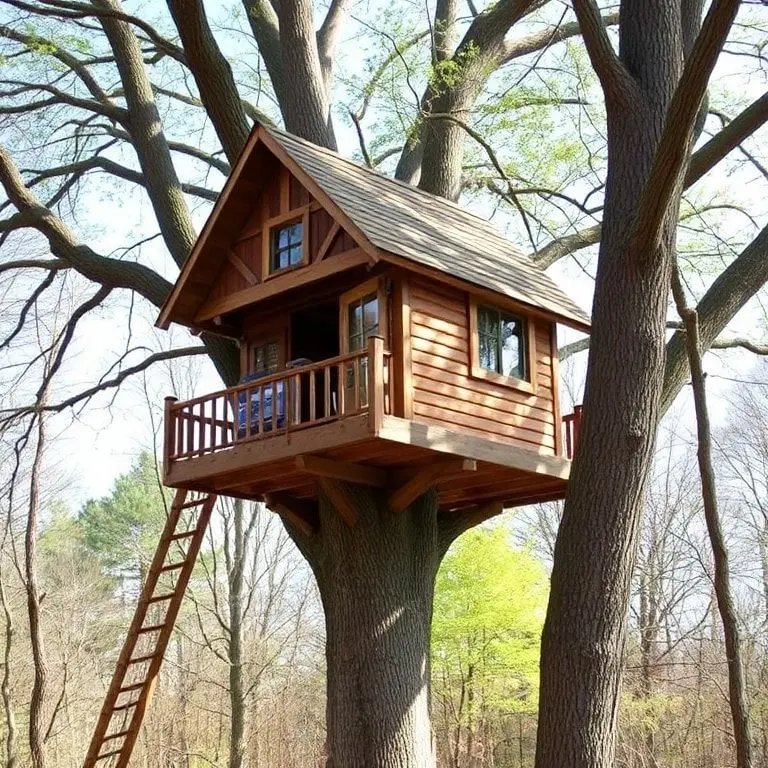
Construction requires careful consideration of tree health, structural support, and safety features. The tree must be mature and healthy enough to support the weight, typically requiring a trunk diameter of at least twelve inches. Platform attachment methods should avoid practices that harm tree growth, using techniques that allow for natural movement without stressing the tree or loosening the structure. Railings become essential safety features, needing to be sturdy enough to prevent falls while allowing children to enjoy the elevation.https://casolia.com/cool-playhouse-ideas/
Access methods range from simple rope ladders and climbing nets to built staircases that make the treehouse accessible to younger children and adults who need to supervise. Some designs incorporate slides for exciting exits or rope swings that extend the play possibilities. The enclosed structure itself can be as simple as a platform with railings or as elaborate as a fully enclosed room with windows, a roof, and weatherproof walls. Many treehouse builders add special features like pulley systems for hauling up supplies, trap doors, or secret compartments that enhance the adventure.
Modern Minimalist Structures
Contemporary playhouse designs embrace clean lines, simple geometric forms, and neutral color palettes that appeal to design-conscious parents while still delighting children. These structures often feature flat or slightly sloped roofs, large window openings, and uncluttered interiors that serve as blank canvases for imaginative play. The minimalist aesthetic coordinates beautifully with modern architecture and landscaping, allowing the playhouse to enhance rather than clash with the overall property design.
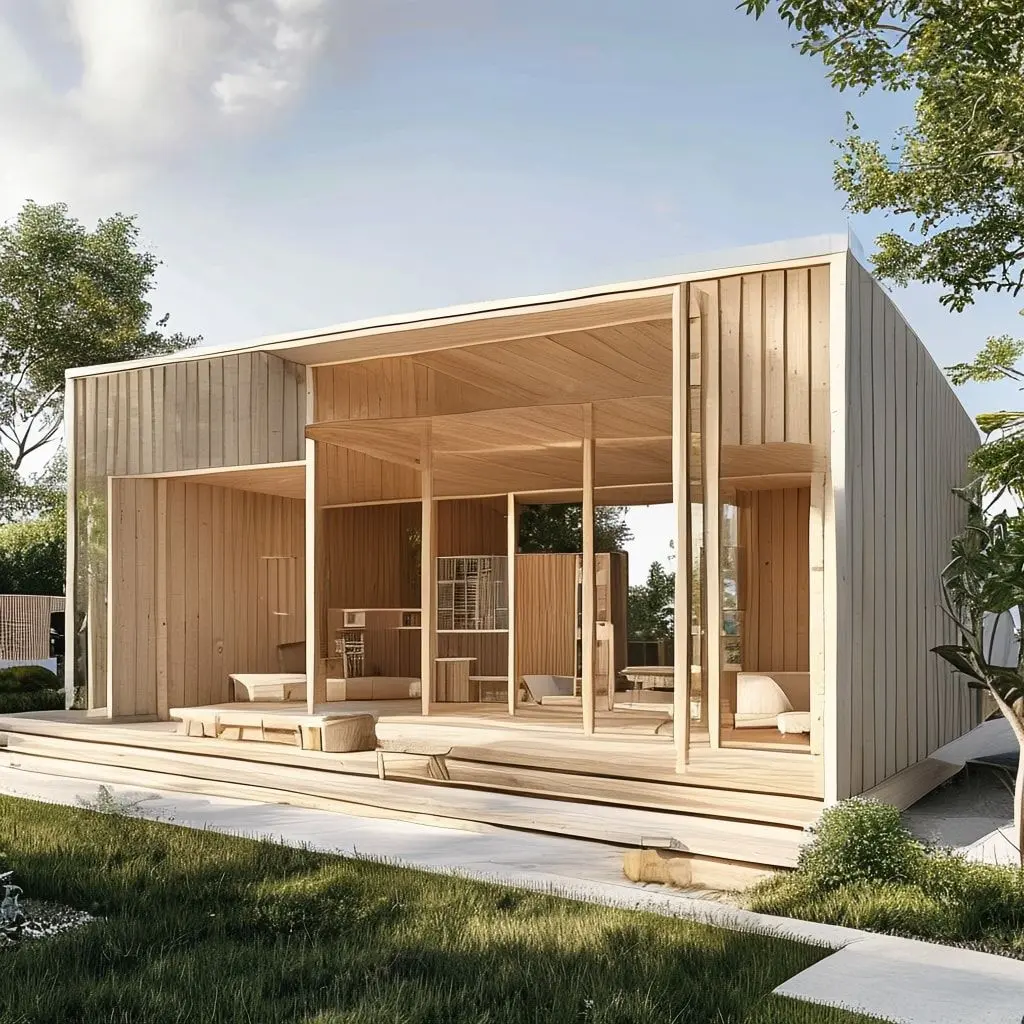
Materials for modern playhouses often include plywood with clear finishes that showcase natural wood grain, painted surfaces in sophisticated grays or whites, and sometimes metal accents or corrugated panels that add industrial touches. The simplified construction can actually make these designs more approachable for DIY builders, with straightforward framing and fewer decorative elements to complicate the build. Large openings eliminate the need for expensive windows while maximizing natural light and airflow.
The interior of minimalist playhouses benefits from versatile design that accommodates changing interests as children grow. Simple built-in benches provide seating and storage without cluttering the space. Chalkboard paint on one wall creates an interactive surface for drawing and games. The neutral backdrop supports any play scenario from art studio to reading room to science laboratory, adapting to whatever captures a child’s imagination at any given time. This flexibility extends the useful life of the playhouse well beyond what more specifically themed structures might offer.
Castle and Fort Fantasies
Castle playhouses tap into timeless fantasies of royalty, knights, and medieval adventures that captivate children across generations. Turrets, crenellated walls, drawbridge-style doors, and flag poles create unmistakable castle characteristics that immediately set the stage for imaginative play. These structures particularly appeal to children who love stories of dragons and kingdoms, providing a physical space where they can act out favorite tales or create original adventures.

Construction can range from simple to elaborate depending on skills and budget. Basic castle designs might feature a square structure with corner posts extending upward to suggest turrets, with cardboard or wood panels creating the crenellated wall effect. More ambitious builds incorporate actual rounded turret sections, working drawbridges with rope pulleys, and multiple levels connected by ladders or stairs. Painting the structure in stone gray with darker accent lines suggesting mortar creates convincing castle walls without requiring actual stone materials.
Interior spaces in castle playhouses often divide into different rooms or levels, with the main floor serving as the great hall and upper levels functioning as tower rooms or lookout posts. Windows can be narrow vertical slits reminiscent of arrow loops, adding authentic castle atmosphere while providing ventilation and light. Some builders incorporate secret passages, trap doors, or hidden compartments that enhance the sense of mystery and adventure. Accessories like fabric banners, shield decorations, or a toy treasure chest complete the medieval atmosphere.
Two-Story Adventure Centers
Multi-level playhouses maximize vertical space while creating distinct play zones that accommodate different activities and multiple children simultaneously. The ground floor might serve as a shop, kitchen, or gathering space, while the upper level transforms into a sleeping loft, private reading nook, or observation deck. This separation allows siblings or friends to play cooperatively or pursue individual interests within the same structure, reducing conflicts and extending play sessions.
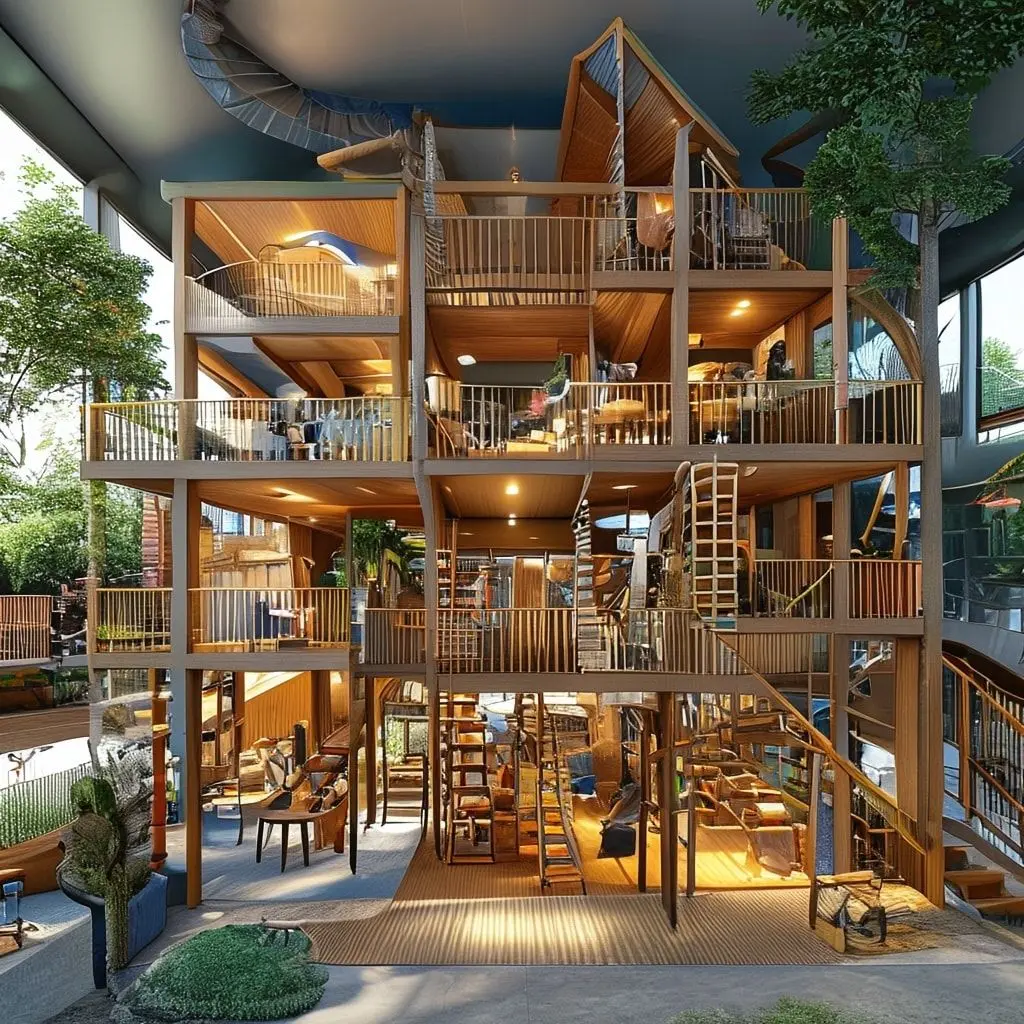
The second story typically features lower ceiling height than the main level, creating cozy quarters that children find appealing rather than cramped. Access methods vary from internal ladders to external stairs, with each offering different advantages. Internal ladders save space and add to the adventure but make supervision more challenging, while external stairs provide easier access and better visibility but require more square footage. Some designs incorporate both, along with alternative exits like slides or climbing walls that turn departure into part of the fun.
Safety considerations intensify with two-story designs, requiring sturdy railings, secure flooring, and careful attention to structural integrity. The additional height and weight necessitate stronger foundations and framing than single-story structures. However, the investment delivers substantial play value, essentially creating two distinct spaces within one footprint. Many two-story playhouses become neighborhood gathering spots where multiple children play together, making them worthwhile investments for social development and outdoor activity.
Themed Playhouse Concepts
Designing playhouses around specific themes creates immersive environments that fuel particular interests and imaginative scenarios. A pirate ship playhouse complete with ship’s wheel, rope rigging, and plank might feature a crow’s nest lookout and treasure storage areas. A space station design could incorporate porthole windows, control panel decorations, and silver metallic finishes. Fire station playhouses with red paint, bell, and sliding pole let children act out rescue scenarios while developing physical skills.
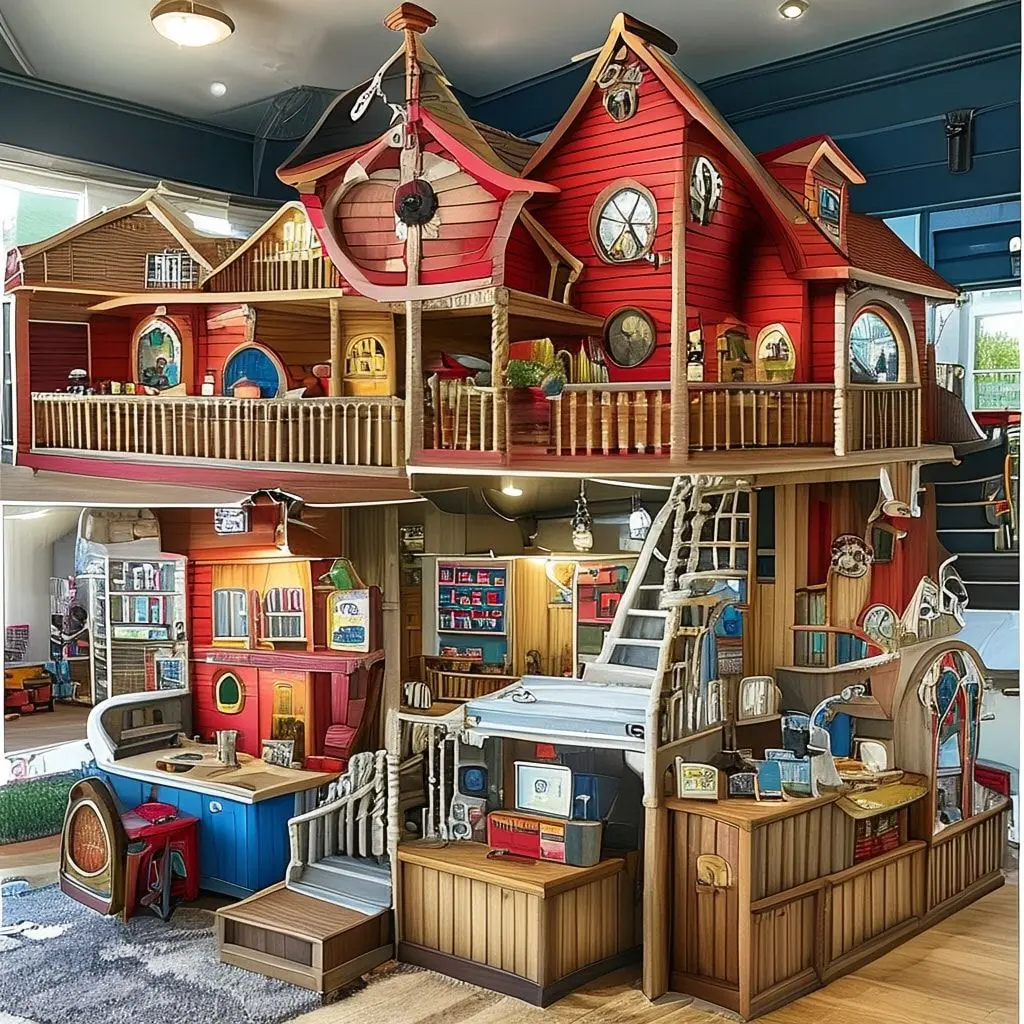
The theme influences every design decision from overall shape and color to specific details and accessories. A general store playhouse benefits from a counter, shelving, play cash register, and perhaps an awning over the entrance. A veterinary clinic theme suggests examination table, animal posters, and storage for stuffed animal patients. School playhouses include chalkboards, desks, and bookshelves. Each theme provides a framework that guides play while leaving room for creative interpretation and evolution.
While strongly themed playhouses create exciting initial appeal, consider how long the specific theme will hold your child’s interest. Broader themes like house, store, or fort adapt more easily as interests change compared to very specific themes like a particular movie or character. Some parents design playhouses with removable or changeable thematic elements, allowing the space to transform from pirate ship to spaceship simply by swapping decorative details and accessories. This adaptability extends the playhouse lifespan and accommodates changing preferences among multiple children.
Compact Indoor Solutions
Indoor playhouses solve the play space challenge for families without yards or in climates where outdoor play faces seasonal limitations. These structures range from pop-up fabric tents that store away easily to more permanent wooden or PVC constructions that become room fixtures. The key advantage lies in weather independence and proximity to supervision, allowing even very young children to enjoy playhouse benefits year-round within the home’s safe, comfortable environment.
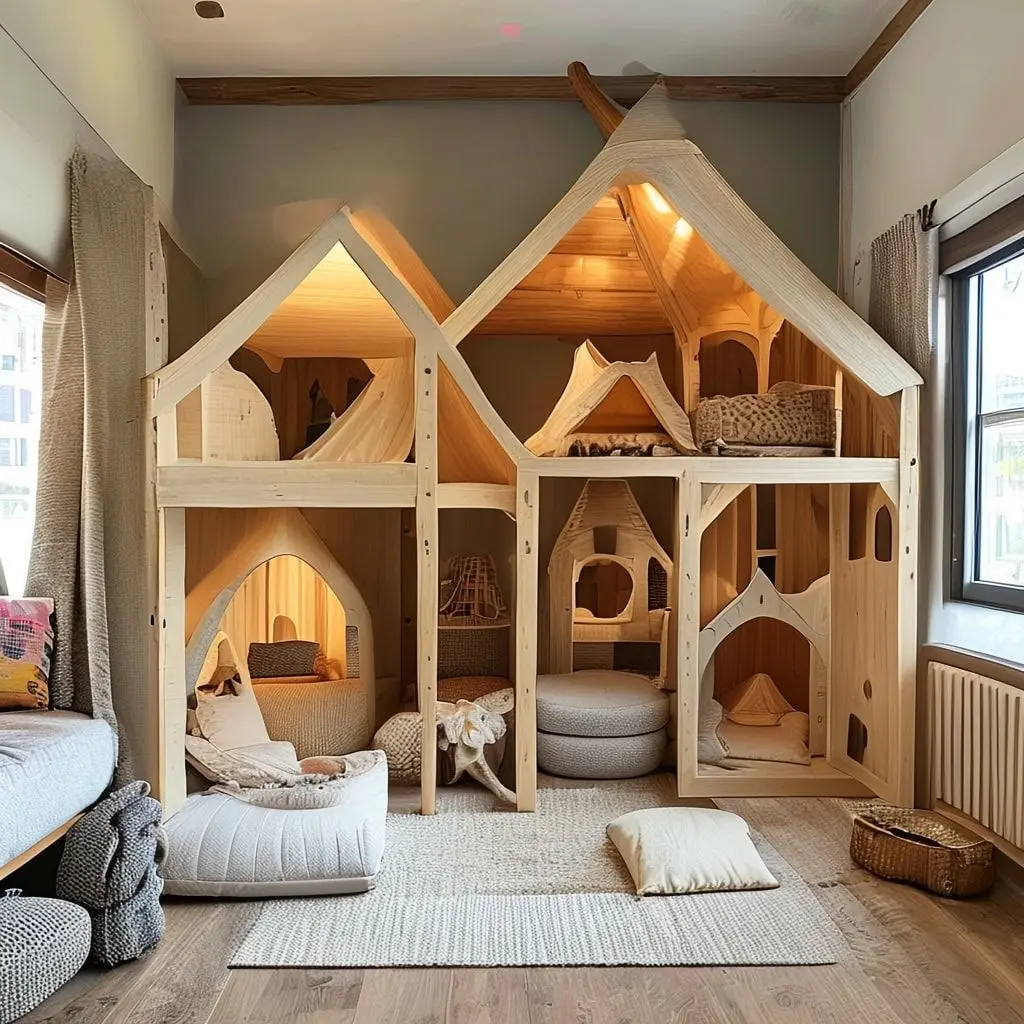
Fabric playhouses offer the most flexibility, setting up quickly for play and folding flat for storage when floor space is needed for other purposes. These lightweight structures come in numerous themes and designs, from simple dome tents to elaborate castle or cottage shapes complete with tunnels and multiple rooms. The soft construction eliminates injury concerns from bumps and falls while creating cozy spaces that children find comforting and engaging.
More permanent indoor playhouses work well in playrooms, bedrooms, or basements where dedicated play space exists. Simple wooden frames create house or fort shapes that can be customized with curtains, painted details, or attached accessories. Loft-style indoor playhouses elevate the play space above floor level, creating a fort-like retreat while leaving ground space available for other activities. Under-stair playhouses make brilliant use of otherwise wasted space, transforming awkward areas into magical hideaways. Indoor options prove particularly valuable for apartment dwellers or families in urban settings where private outdoor space is limited or nonexistent.
Playhouse with Climbing Features
Integrating climbing walls, nets, or rope ladders transforms playhouses from static structures into active play centers that develop physical skills while entertaining. These additions appeal to energetic children who need movement outlets and turn the simple act of entering the playhouse into part of the adventure. The physical challenge provides satisfaction and builds confidence as children master new skills and attempt progressively difficult climbing routes.
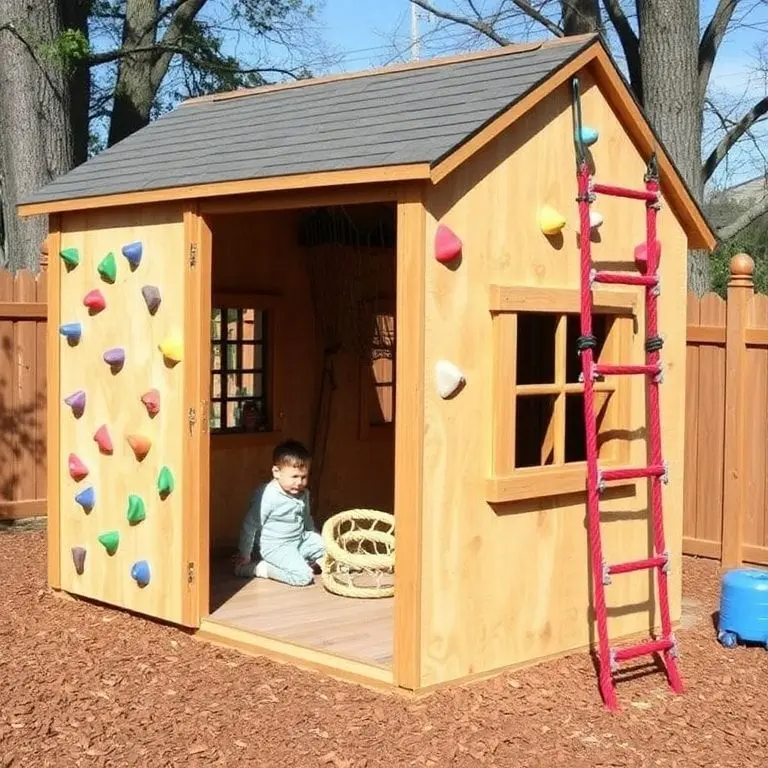
Climbing walls can be incorporated into playhouse exteriors using standard rock climbing holds attached to sturdy plywood backing. The wall might lead to a second-story entrance, elevated deck, or simply provide an alternative entry method to standard doors or stairs. Varying the hold difficulty and placement accommodates different skill levels and allows the challenge to grow with the child. Proper safety surfaces beneath climbing features, such as thick mulch, rubber matting, or sand, cushion falls and reduce injury risk.
Rope nets offer different climbing experiences, requiring different muscle groups and coordination than solid climbing walls. They can stretch between playhouse levels, hang from elevated platforms, or create hammock-like lounging areas within or beside the structure. Cargo nets salvaged from playground suppliers or purpose-built for the playhouse add authentic adventure appeal. The flexibility and movement of nets make climbing more challenging and engaging than rigid structures, keeping children interested longer and providing excellent exercise benefits alongside the fun.
Garden Shed Conversions
Repurposing small garden sheds into playhouses offers a budget-friendly alternative to building from scratch while providing sturdy, weather-resistant structures. Many hardware stores sell basic shed kits in sizes perfect for play spaces, typically ranging from four-by-six feet to eight-by-ten feet. These ready-made structures require only minor modifications to transform from storage to play, with the main work involving adding child-friendly features and decorative touches.
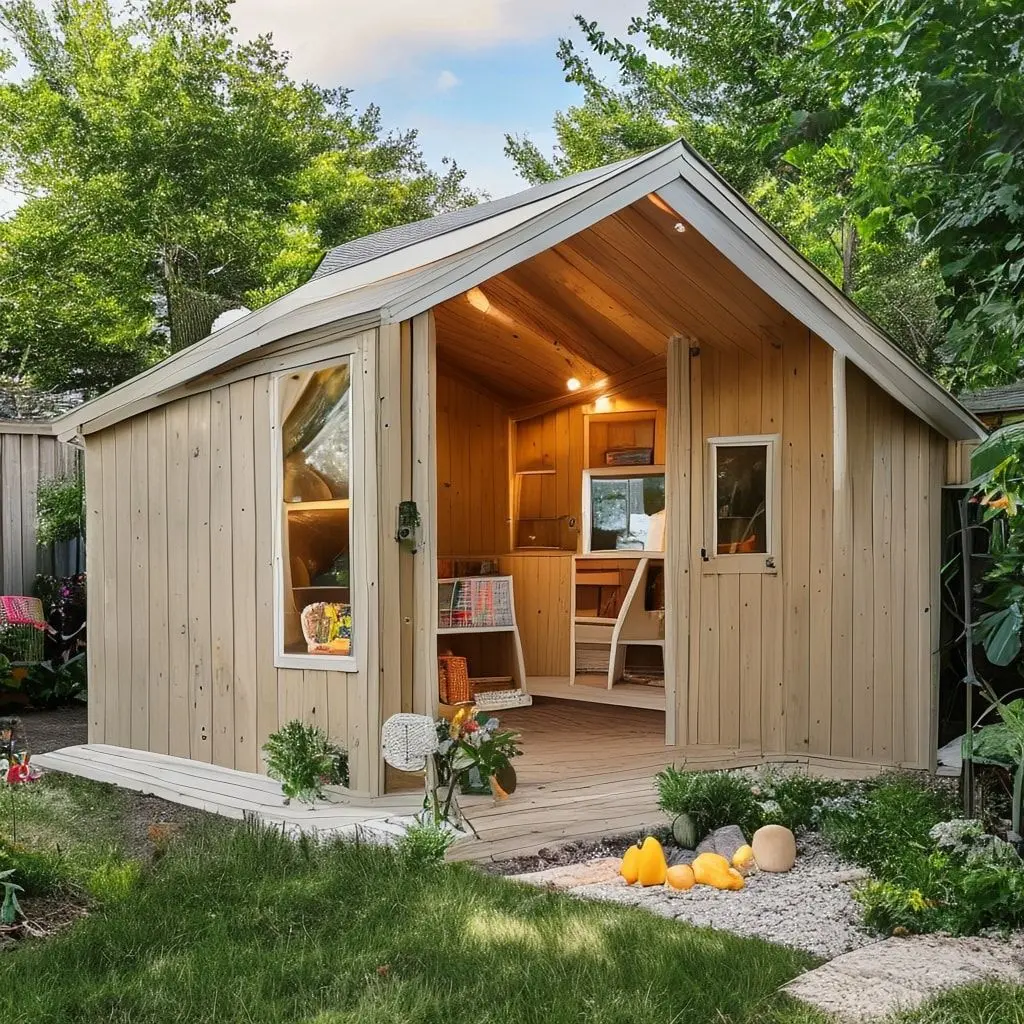
The conversion process starts with thoroughly cleaning the interior and making any necessary repairs to walls, floors, or roof. Adding windows brightens the space and improves ventilation, with pre-made playhouse windows available at reasonable cost or simple DIY versions cut into walls and covered with clear acrylic. A fresh coat of paint inside and out personalizes the space, while the addition of shelving, a small table, or built-in seating creates functional play areas. Some parents install vinyl flooring or outdoor carpet to make the interior more comfortable and easier to clean.
The existing structure provides weather protection superior to many purpose-built playhouses, with proper roofing and solid walls keeping the interior dry and comfortable. The sturdy construction withstands rough play and serves reliably for many years. As children outgrow the playhouse, the shed can revert to storage use or become a studio space for older kids and teens. This dual-purpose potential makes shed conversions particularly appealing for practical-minded parents who want play value without sacrificing long-term utility.
Cardboard Creativity
Cardboard playhouses celebrate temporary, creative play that emphasizes imagination over permanence. Large appliance boxes or purpose-designed cardboard playhouse kits provide blank canvases for decorating, painting, and customizing. Children participate in the creation process, designing windows and doors, choosing colors, and adding personal touches that make the space uniquely theirs. The impermanence removes pressure for perfection, encouraging experimental creativity.
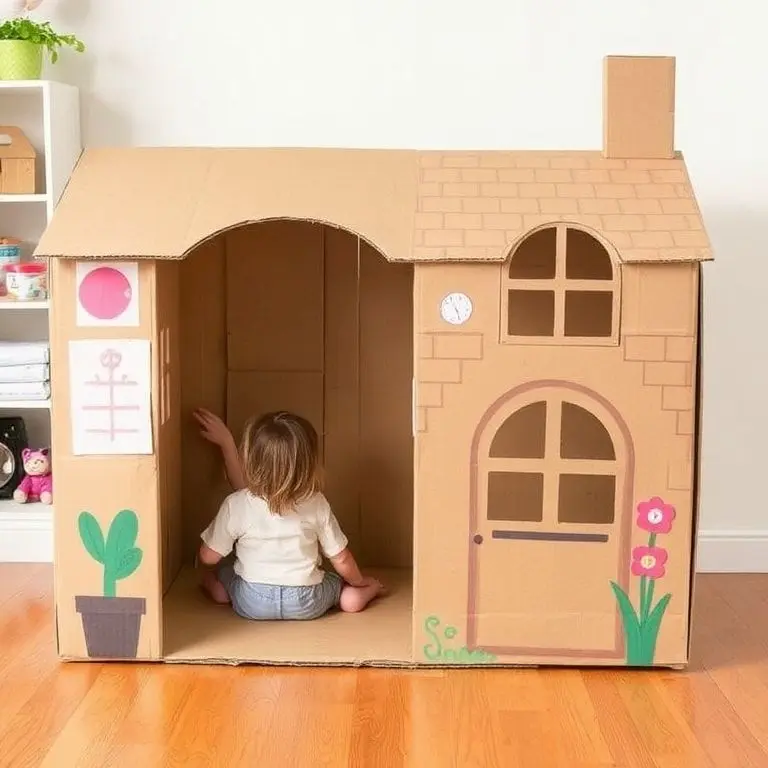
The lightweight material makes cardboard playhouses ideal for indoor use, moving easily from room to room or storing flat when not in use. Assembly typically requires only basic cutting and taping, making construction accessible even for very young children with adult assistance. The low cost means replacing worn playhouses poses no financial burden, allowing the space to evolve with changing interests. Some families maintain a rotation of cardboard structures, building new versions seasonally or when inspiration strikes.
Decoration possibilities prove limited only by imagination and available art supplies. Paint, markers, crayons, stickers, and collage materials all work on cardboard surfaces. Children might create storefronts with product displays, castle walls with stone textures, or cottage exteriors with flower gardens. The process of creating and decorating often provides as much entertainment value as the finished playhouse itself. While cardboard structures lack the durability and weather resistance of permanent playhouses, they excel at fostering creativity, artistic expression, and collaborative family projects.
Multi-Purpose Play Structures
Designing playhouses that incorporate additional play elements creates comprehensive outdoor entertainment centers that justify the space and investment more thoroughly than single-purpose structures. Attached swings, slides, monkey bars, or sandbox areas transform simple playhouses into mini-playgrounds that engage children across age ranges and interest levels. The varied activities accommodate different moods and preferences, keeping children entertained longer and supporting different types of physical development.
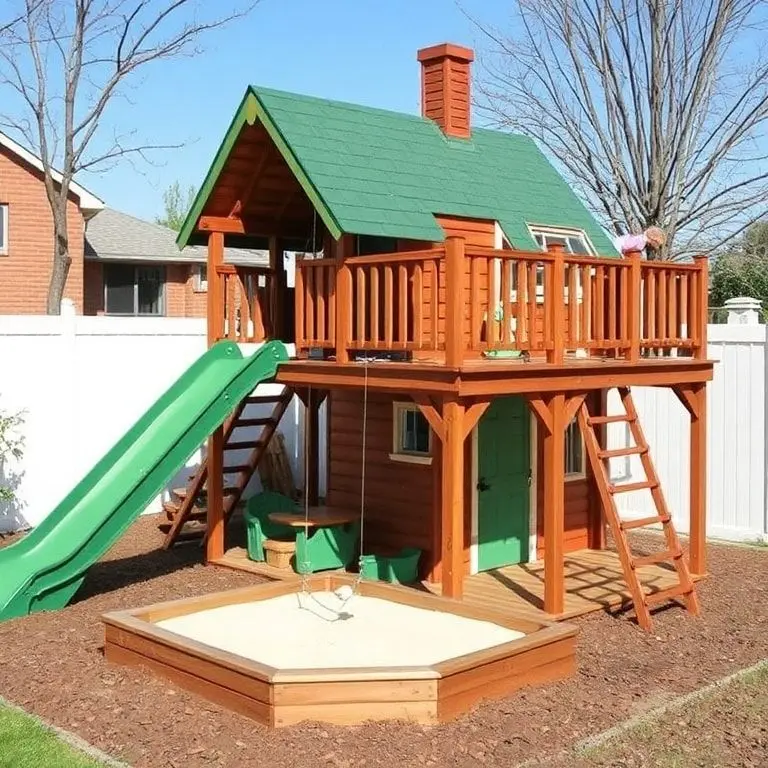
Integration planning should consider traffic flow, safety clearances, and how different elements work together. A slide attached to a second-story playhouse deck requires adequate landing space clear of other structures. Swings need sufficient swing radius without interference from walls or other equipment. Sandboxes positioned beneath elevated platforms provide shaded play areas while maximizing space efficiency. Thoughtful layout creates a cohesive play environment rather than a collection of disconnected elements.
The comprehensive nature of multi-purpose structures makes them particularly valuable for families with multiple children of different ages. Toddlers might play in the sandbox while older siblings climb and swing, with everyone enjoying the space simultaneously. The variety reduces boredom and supports longer outdoor play sessions, giving parents extended breaks while children entertain themselves. Though more complex and expensive than simple playhouses, the expanded functionality and longer useful life often justify the additional investment.
Designing playhouses that incorporate additional play elements creates comprehensive outdoor entertainment centers that justify the space and investment more thoroughly than single-purpose structures. Attached swings, slides, monkey bars, or sandbox areas transform simple playhouses into mini-playgrounds that engage children across age ranges and interest levels. The varied activities accommodate different moods and preferences, keeping children entertained longer and supporting different types of physical development.
Integration planning should consider traffic flow, safety clearances, and how different elements work together. A slide attached to a second-story playhouse deck requires adequate landing space clear of other structures. Swings need sufficient swing radius without interference from walls or other equipment. Sandboxes positioned beneath elevated platforms provide shaded play areas while maximizing space efficiency. Thoughtful layout creates a cohesive play environment rather than a collection of disconnected elements.
The comprehensive nature of multi-purpose structures makes them particularly valuable for families with multiple children of different ages. Toddlers might play in the sandbox while older siblings climb and swing, with everyone enjoying the space simultaneously. The variety reduces boredom and supports longer outdoor play sessions, giving parents extended breaks while children entertain themselves. Though more complex and expensive than simple playhouses, the expanded functionality and longer useful life often justify the additional investment.
Eco-Friendly Sustainable Designs
Building playhouses from reclaimed or sustainable materials combines environmental responsibility with creative construction while often reducing costs significantly. Reclaimed wood from pallets, old fences, or demolished structures carries character and history while diverting materials from landfills. Salvaged windows and doors add authentic details at fraction of new costs. These materials require more preparation and sorting than fresh lumber but reward builders with unique aesthetics and the satisfaction of resourceful construction.
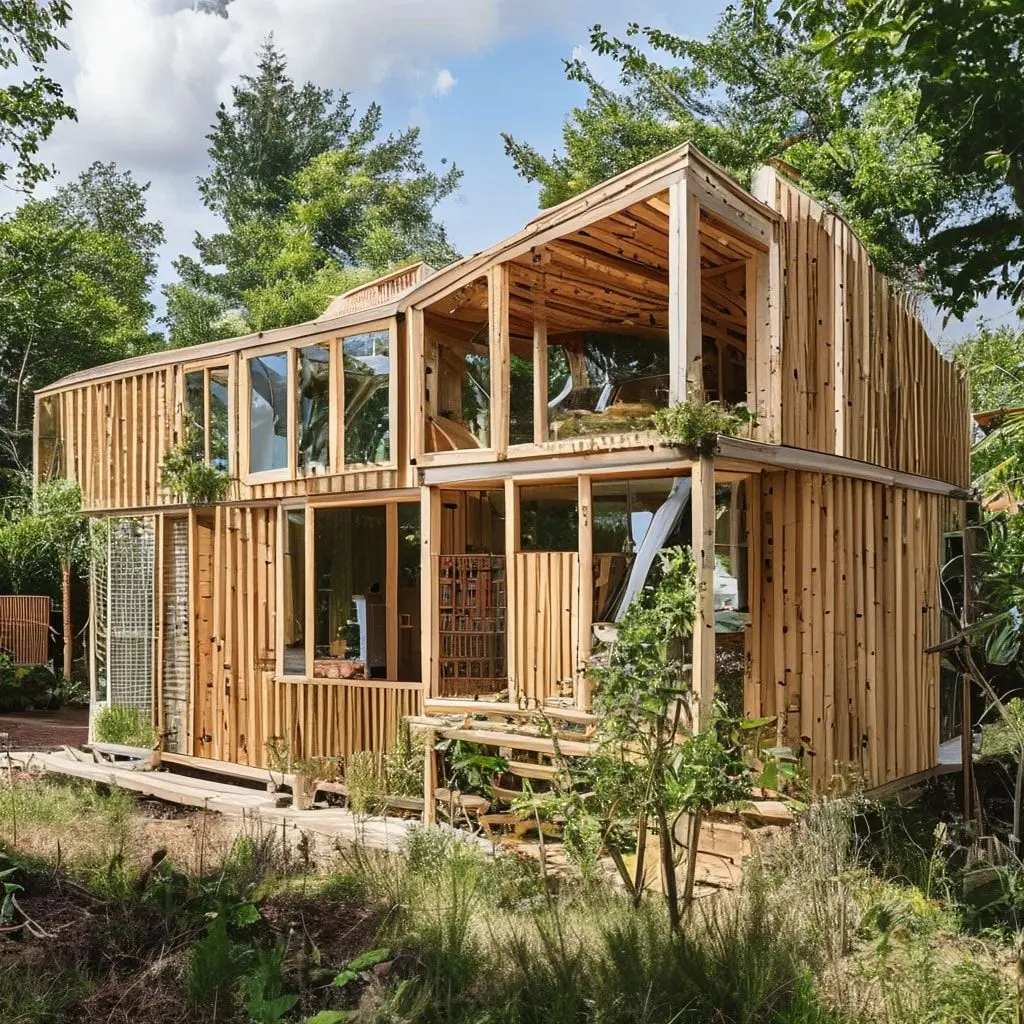
Sustainable building practices for playhouses might include using FSC-certified lumber from responsibly managed forests, choosing low-VOC paints and finishes that don’t off-gas harmful chemicals, or incorporating living roofs planted with sedums or native grasses. Solar-powered lighting extends playhouse use into evening hours without requiring electrical wiring. Rainwater collection systems attached to playhouse gutters teach children about water conservation while providing irrigation for nearby gardens.
The construction process itself offers valuable teaching opportunities about environmental stewardship, resource conservation, and creative problem-solving. Children who participate in building sustainable playhouses develop appreciation for repurposing materials and understanding environmental impacts of building choices. The playhouse becomes more than a play space, serving as a hands-on lesson in sustainability that shapes attitudes and behaviors toward responsible resource use. These lessons often prove more impactful than abstract environmental education, creating lasting awareness through direct experience.
Conclusion
The ideal playhouse balances practical considerations with creative possibilities, matching your family’s specific needs, space, and resources while sparking joy and imagination in the children who use it. Whether you choose a traditional cottage, an adventurous treehouse, a themed fantasy structure, or a simple indoor tent, the value lies not in elaborate construction but in the experiences and memories created within those walls. A playhouse becomes whatever children imagine it to be, transforming through their creativity into countless different worlds.
The process of selecting, building, or decorating a playhouse offers opportunities for family collaboration and shared accomplishment. Children who participate in planning or construction develop ownership and pride in their special space, often caring for it more responsibly than structures simply provided to them. The skills learned through building, whether measuring and sawing or painting and decorating, provide valuable hands-on education that complements academic learning.
As you consider the playhouse ideas presented here, remember that the most successful designs accommodate growth and change. Children’s interests evolve rapidly, and flexible spaces that adapt to new games, hobbies, and developmental stages serve families far longer than rigid, narrowly-themed structures. Whether you invest hundreds of dollars in an elaborate outdoor construction or spend an afternoon assembling cardboard boxes, the true measure of success lies in the laughter, creativity, and imaginative adventures that unfold within that special space created just for play.
Frequently Asked Questions:
What age range benefits most from having a playhouse?
Children typically enjoy playhouses from around age two through ten or eleven, with peak engagement occurring between ages three and eight. Toddlers appreciate simple structures for basic imaginative play, while elementary-age children use playhouses for complex scenarios, clubs, and social play. Designing with adaptability in mind extends useful life, allowing spaces to evolve from toddler playhouses to preteen hangouts or hobby spaces.
How much should I budget for a quality DIY playhouse?
Basic outdoor playhouses built from scratch cost between three hundred and eight hundred dollars for materials, depending on size and features. Prefabricated kits range from four hundred to two thousand dollars. Elaborate custom builds with multiple levels, slides, or climbing features can exceed three thousand dollars. Indoor options and cardboard playhouses cost significantly less, often under one hundred dollars, making them accessible for most budgets.
Do playhouses require building permits?
Permit requirements vary by location, with most municipalities requiring permits for permanent structures over certain sizes, typically one hundred to one hundred twenty square feet. Structures with electrical wiring almost always need permits regardless of size. Temporary or movable playhouses generally don’t require permits. Check with your local building department before beginning construction to ensure compliance with zoning regulations and setback requirements from property lines.
How can I make an outdoor playhouse safe?
Safety starts with stable construction using proper techniques and adequate fasteners. Railings on elevated areas should be at least thirty-six inches high with spacing that prevents children from squeezing through or getting heads stuck. Sand surrounding surfaces under climbing features or slides by at least six feet. Regularly inspect for splinters, loose boards, or deteriorating materials. Avoid toxic treatments or paints, and ensure adequate ventilation to prevent overheating during summer.
What maintenance do playhouses require?
Outdoor wooden playhouses need annual inspection and treatment, including repainting or resealing every two to three years to protect against weather damage. Check roof integrity after storms and ensure drainage keeps water away from the foundation. Tighten any loose fasteners and sand or repair splintering wood promptly. Indoor playhouses require less maintenance, mainly regular cleaning and occasional tightening of connections. Fabric structures should be cleaned according to manufacturer instructions and stored properly during off-seasons.




One Comment