
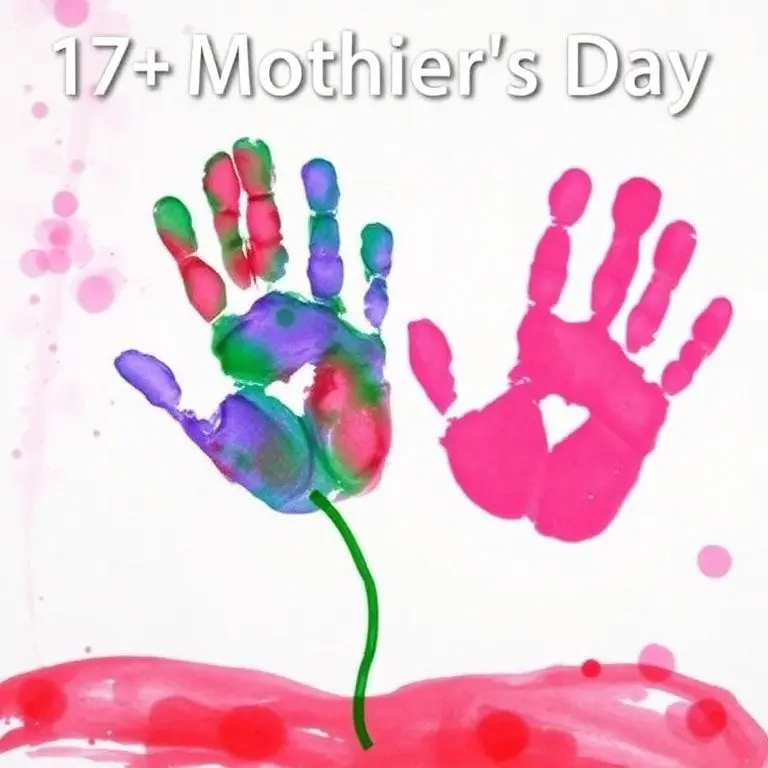
17+ Creative Mother’s Day Finger Paint Ideas
,Mother’s Day Finger Paint Ideas, Every mother treasures handmade gifts from her children, especially those that capture a fleeting moment in their development. Finger painting projects for Mother’s Day create lasting keepsakes that preserve tiny fingerprints and showcase the creativity of young artists. These simple yet meaningful crafts require minimal materials but deliver maximum sentimental value, making them perfect for children of all ages to create personalized gifts for the special women in their lives.
The beauty of finger paint projects lies in their accessibility. Unlike complex crafts that demand advanced skills or expensive supplies, finger painting welcomes participation from toddlers through elementary-aged children. Each child creates something uniquely their own, transforming simple paint and paper into treasured memories. Teachers, parents, and caregivers appreciate these projects for their dual benefits: they develop fine motor skills while producing heartfelt gifts that mothers will cherish for years.
This comprehensive guide presents over seventeen creative finger paint ideas specifically designed for Mother’s Day celebrations. From classic handprint flowers to innovative resist art techniques, each project includes practical tips for success and suggestions for customization. Whether you are planning a classroom activity, organizing a craft session at home, or searching for the perfect last-minute gift idea, these finger painting projects offer solutions for every situation and skill level.
1. Fingerprint Heart Canvas
Creating a fingerprint heart canvas combines artistic expression with deep emotional meaning. This project works beautifully for children aged three and up, requiring only basic supplies and producing stunning results worthy of permanent display. Begin by selecting a small canvas, typically eight by ten inches or slightly larger depending on your preference and available display space.
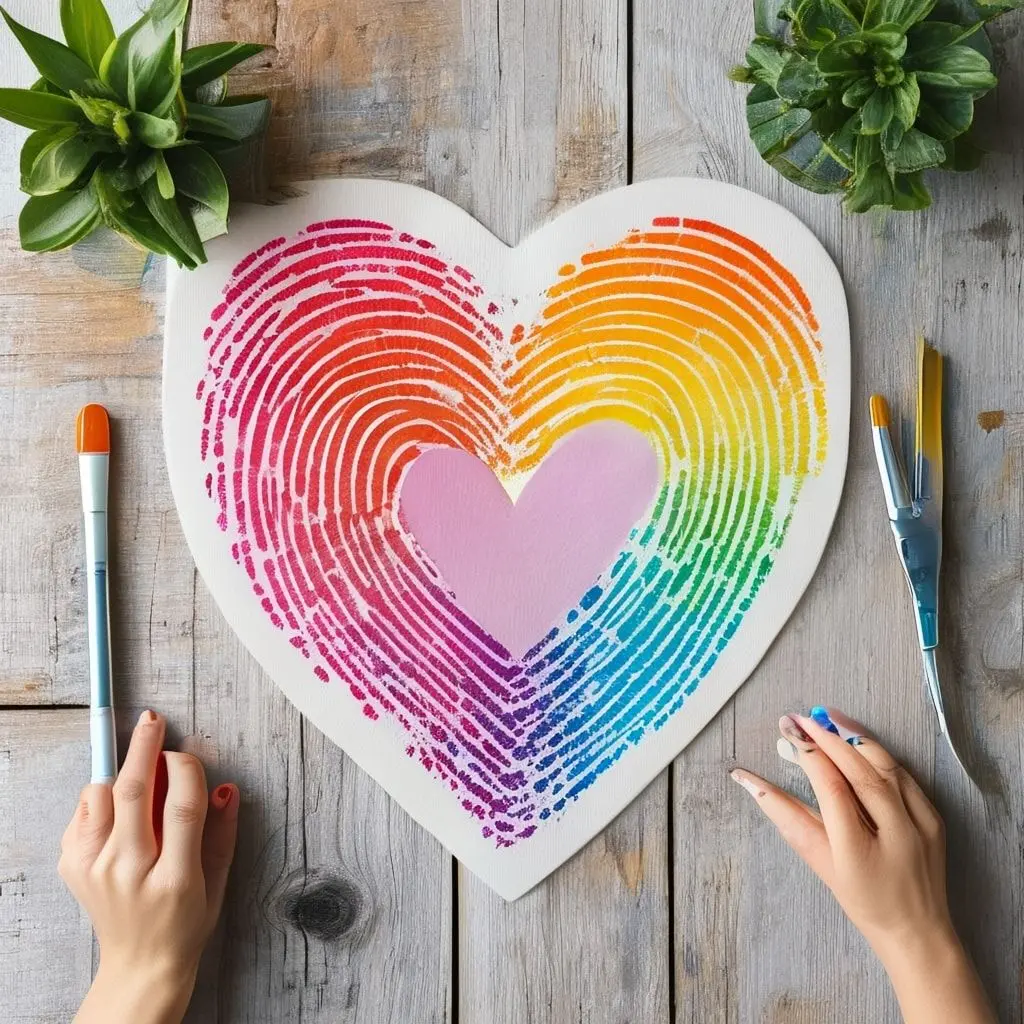
Use painter’s tape to form a heart shape in the center of the canvas, pressing firmly along all edges to prevent paint seepage. Children then dip their fingers into washable paint in colors that mom loves, pressing fingerprints around the taped heart to fill the surrounding space. Some families choose rainbow patterns while others prefer monochromatic schemes in shades of pink, purple, or blue.
The magic happens when you carefully remove the tape after the paint dries completely, revealing a crisp white heart surrounded by colorful fingerprints. This negative space technique creates professional-looking results that belie the simplicity of the process. Many families add a sweet message or poem at the bottom of the canvas, personalizing the gift even further. The finished canvas becomes a permanent decoration that mothers display proudly, serving as a daily reminder of their child’s love.
2. Dandelion Fingerprint Art
Dandelion fingerprint projects have become increasingly popular for their whimsical appearance and meaningful symbolism. The dandelion represents wishes, growth, and the passage of time, making it particularly appropriate for Mother’s Day celebrations. This project requires a printed template showing a dandelion stem with a simple circular head, which children complete by adding fingerprint seeds floating away.
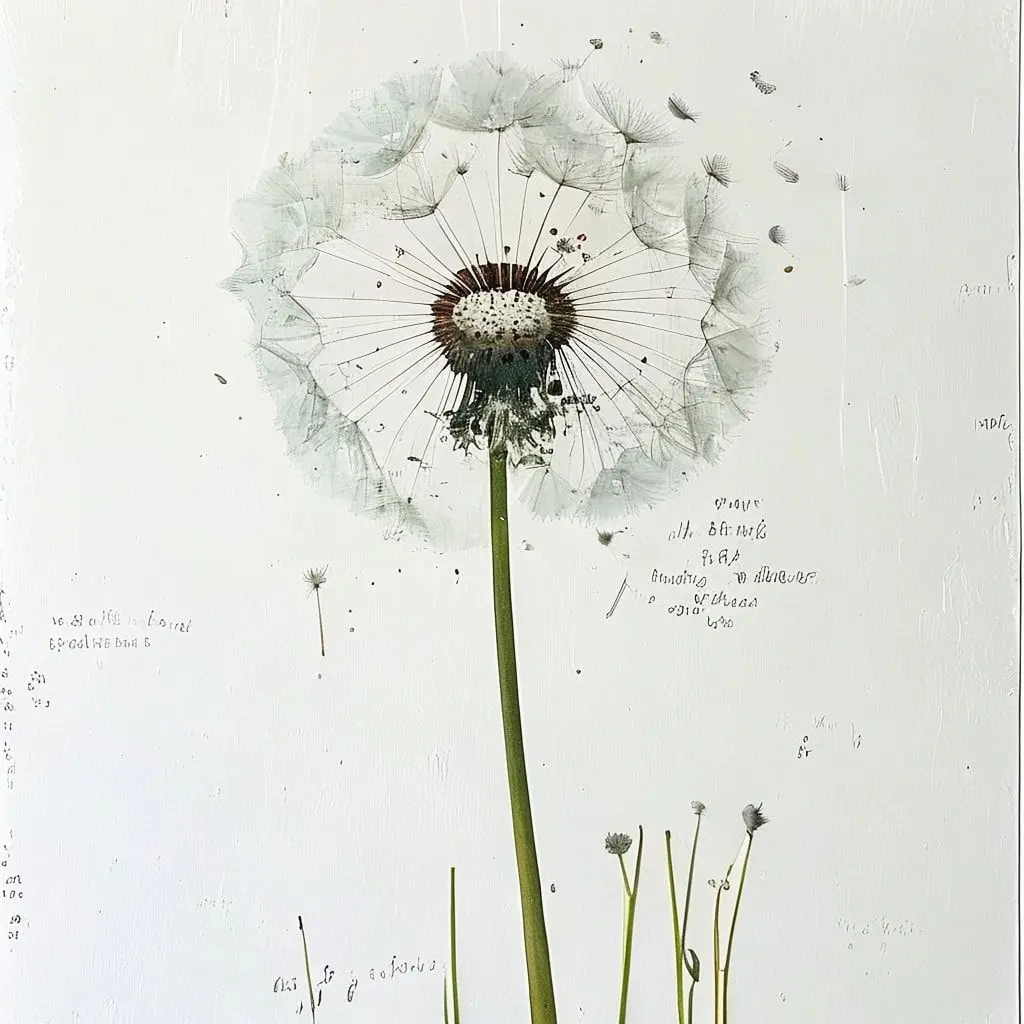
Using white or light-colored paint on colored cardstock creates the most striking visual effect. Children dip their fingers and press gently to create individual dandelion seeds scattered across the page as if blown by wind. Some variations include adding a painted stem and leaves, while others keep the focus entirely on the fingerprint elements. The finished artwork pairs beautifully with poems about wishes or growth.
Many templates include touching phrases such as “I couldn’t wish for a better Mom” or similar sentiments that complement the dandelion imagery. This project works exceptionally well for multiple children in one family, as each child can create their own dandelion card for mom while sitting at the same table. The simplicity of execution combined with the meaningful final product makes this a perennial favorite among both children and recipients.
3. Handprint Flower Bouquet
Handprint flowers transform a child’s palm and fingers into a blooming garden perfect for Mother’s Day gifting. This classic project adapts easily for children from toddlers through early elementary ages, with each age group producing charmingly different results. The foundation typically uses green paint for the palm to create stems, while fingers painted in various bright colors become individual flower petals.
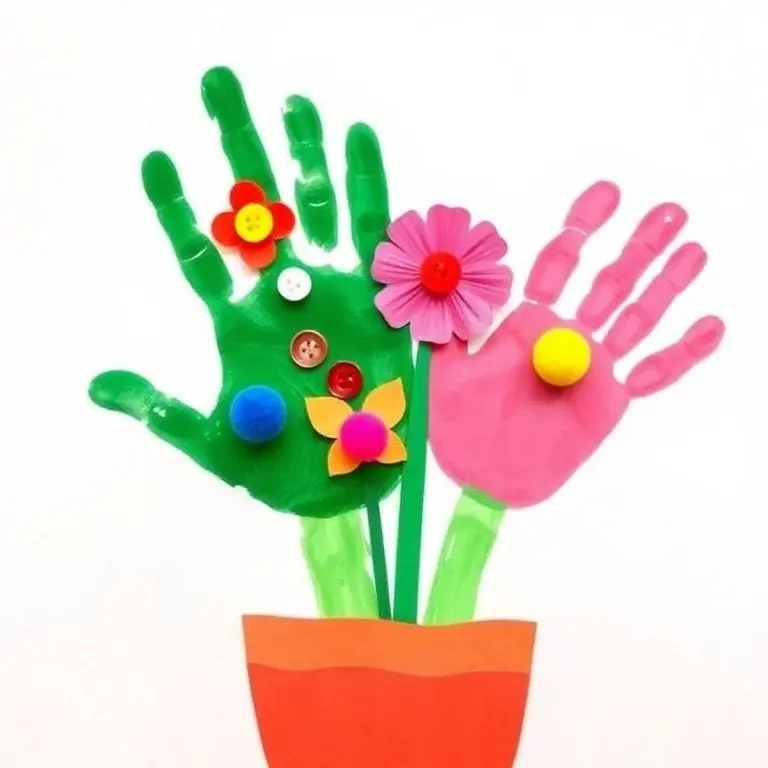
For younger children, simply pressing a painted hand onto cardstock creates the basic flower shape. Older children might add details like centers to each flower using contrasting fingerprints or small buttons glued in place. Some variations position multiple handprints to create a fuller bouquet effect, while others feature a single dramatic bloom. Adding a painted or construction paper flower pot at the bottom completes the garden scene.https://casolia.com/mothers-day-finger-paint-ideas/
This versatile project allows for extensive personalization based on the child’s abilities and the materials available. Teachers often have entire classrooms create handprint flowers simultaneously, resulting in a beautiful variety of interpretations of the same basic concept. The dimensional quality that buttons or pom-poms add increases the visual interest and gives children additional fine motor practice during assembly.
4. Resist Art Fingerprint Message
Resist art techniques create striking visual effects that make finger painting projects look sophisticated and gallery-worthy. For Mother’s Day, creating resist art spelling out “MOM” or featuring a handprint shape surrounded by fingerprints produces dramatic results. This project works best with children aged four and older who have developed sufficient finger control for detailed work.
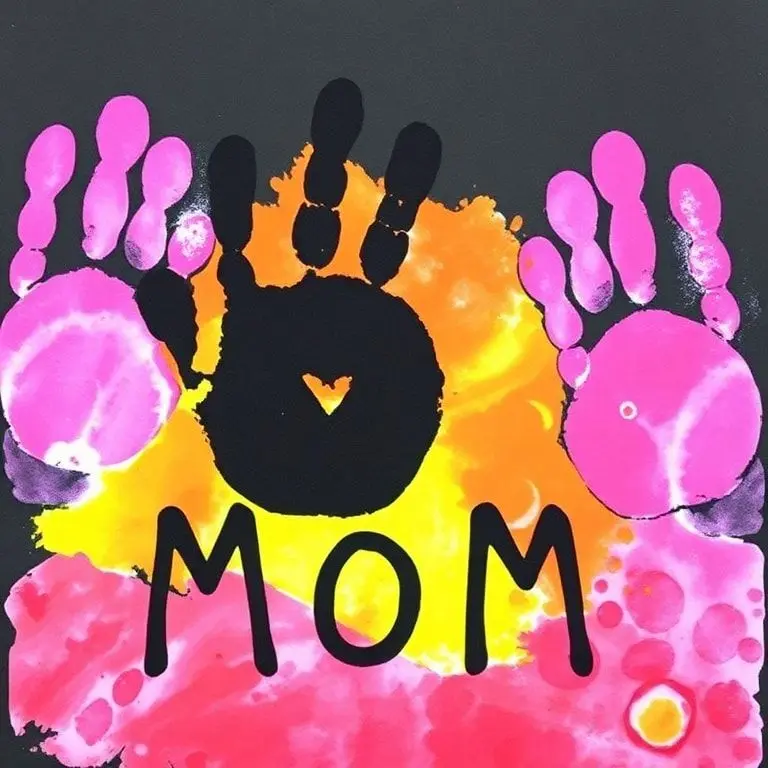
Begin by cutting out letters spelling “MOM” from cardstock or using a handprint template. Secure these shapes to black construction paper using painter’s tape or removable adhesive. Children then cover the entire black surface with fingerprints in bright, cheerful colors like pink, yellow, orange, and purple. The key is ensuring fingerprints outline the letters clearly without leaving large gaps.
After the paint dries completely, carefully remove the letter or handprint templates to reveal the black shapes against the colorful background. The contrast creates eye-catching artwork that mothers love displaying prominently. This technique teaches children about positive and negative space while producing professional-looking results that boost their confidence in their artistic abilities. Many children feel immense pride seeing their finished resist art projects.
5. Fingerprint Flower Garden Card
Creating a fingerprint flower garden on a folded card provides a practical gift that doubles as artwork. This project appeals to children who enjoy detailed work and want to create something mom can use rather than simply display. Start with heavy cardstock folded in half to form a card, ensuring the paper is thick enough to prevent paint seepage that might ruin the interior message.
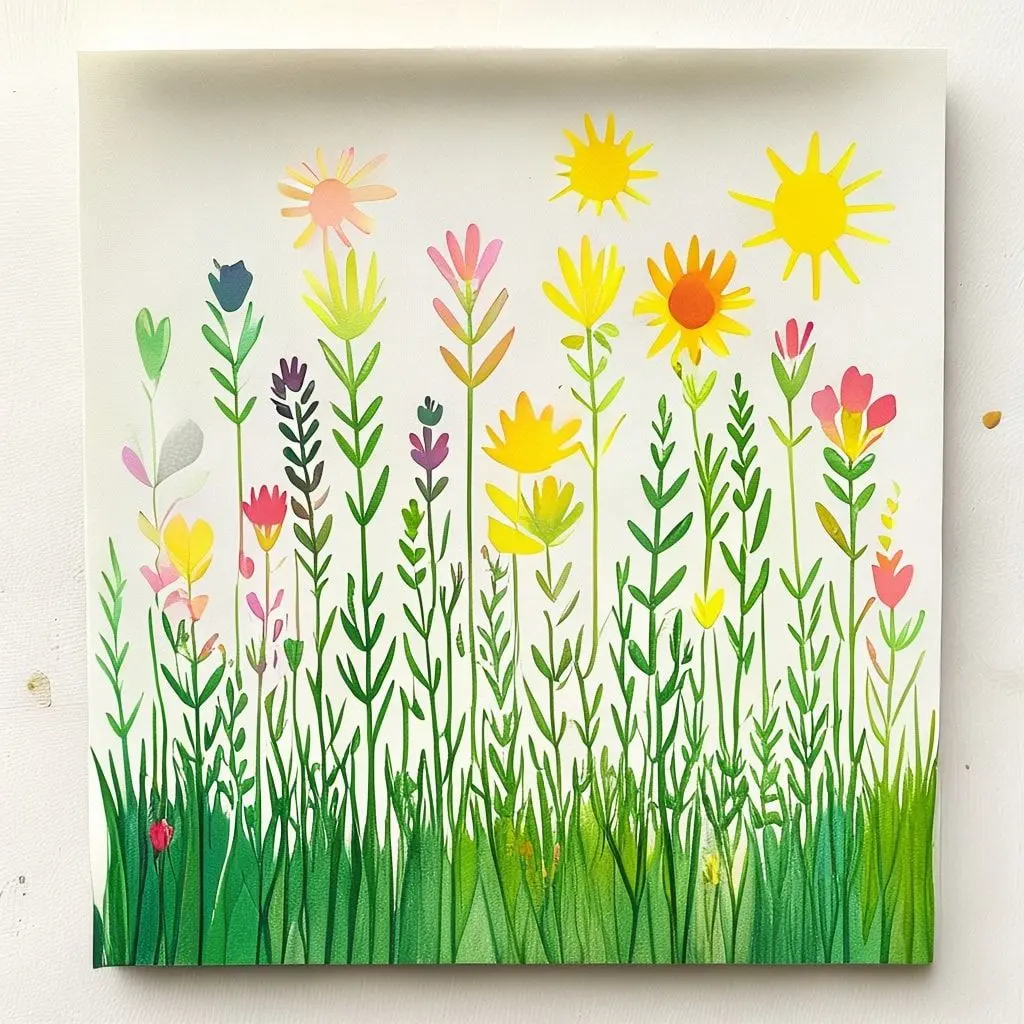
On the front of the card, children create a garden scene using only their fingerprints. Green fingerprints form grass along the bottom, while stems rise upward supporting colorful fingerprint flowers. Some children add a sun in the corner using yellow fingerprints arranged in a circle with radiating rays. Others include butterflies, bees, or birds using strategic fingerprint placement and simple details added with markers once paint dries.
Inside the card, children write or dictate personal messages to their mothers. Younger children might simply write “I love you, Mom” while older children compose longer notes expressing specific things they appreciate. This combination of visual art and written sentiment creates a complete gift that mothers treasure. Many families save these cards for years, creating collections that document their children’s growth and development.
6. Mason Jar Firefly Art
Mason jar firefly artwork transforms simple fingerprints into magical evening scenes perfect for sentimental Mother’s Day gifts. This project requires a printed or drawn mason jar outline on white or light blue cardstock. Children use yellow and white fingerprints to create glowing fireflies both inside and around the jar, with optional string light details added for extra charm.
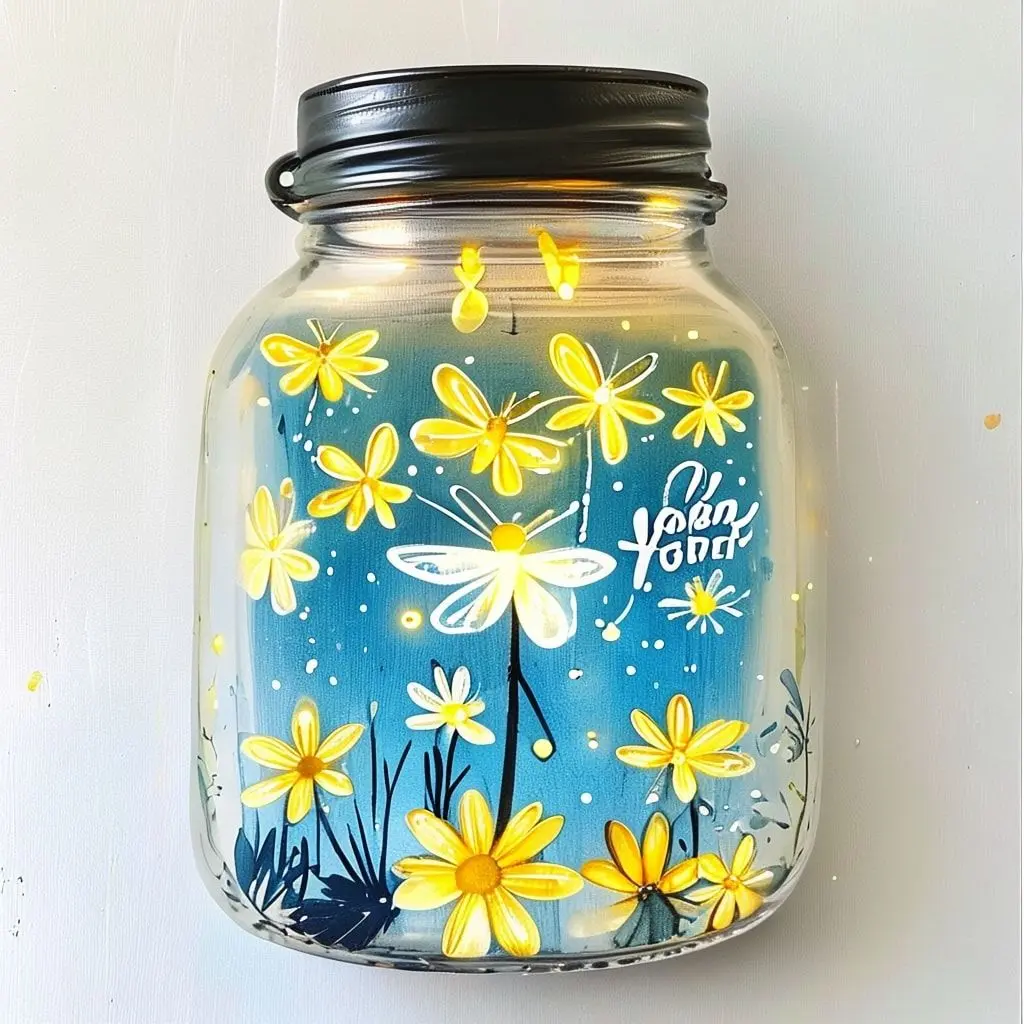
The beauty of this design lies in its simplicity and the cozy, nostalgic feeling it evokes. Some families add a personal message alongside the jar such as “You light up my life, Mom” or similar sentiments that connect the firefly imagery to maternal love. Children can extend the project by adding fingerprint flowers at the bottom or stars in the sky above the jar.
This artwork translates beautifully to various formats. Some families create it on canvas for permanent wall display, while others print it on cardstock for framing. The mason jar theme has widespread appeal, particularly for mothers who appreciate rustic or farmhouse aesthetics. Teachers find this project manageable for classroom settings since the template provides clear structure while allowing creative freedom within that framework.
7. Fingerprint Recipe Card Set
Practical mothers especially appreciate gifts they can use regularly, making fingerprint-decorated recipe cards an inspired choice. Purchase blank recipe cards or cut cardstock into appropriate sizes, then have children add small fingerprint designs to corners or borders. Popular motifs include fingerprint berries, flowers, or simple abstract patterns in colors matching mom’s kitchen decor.
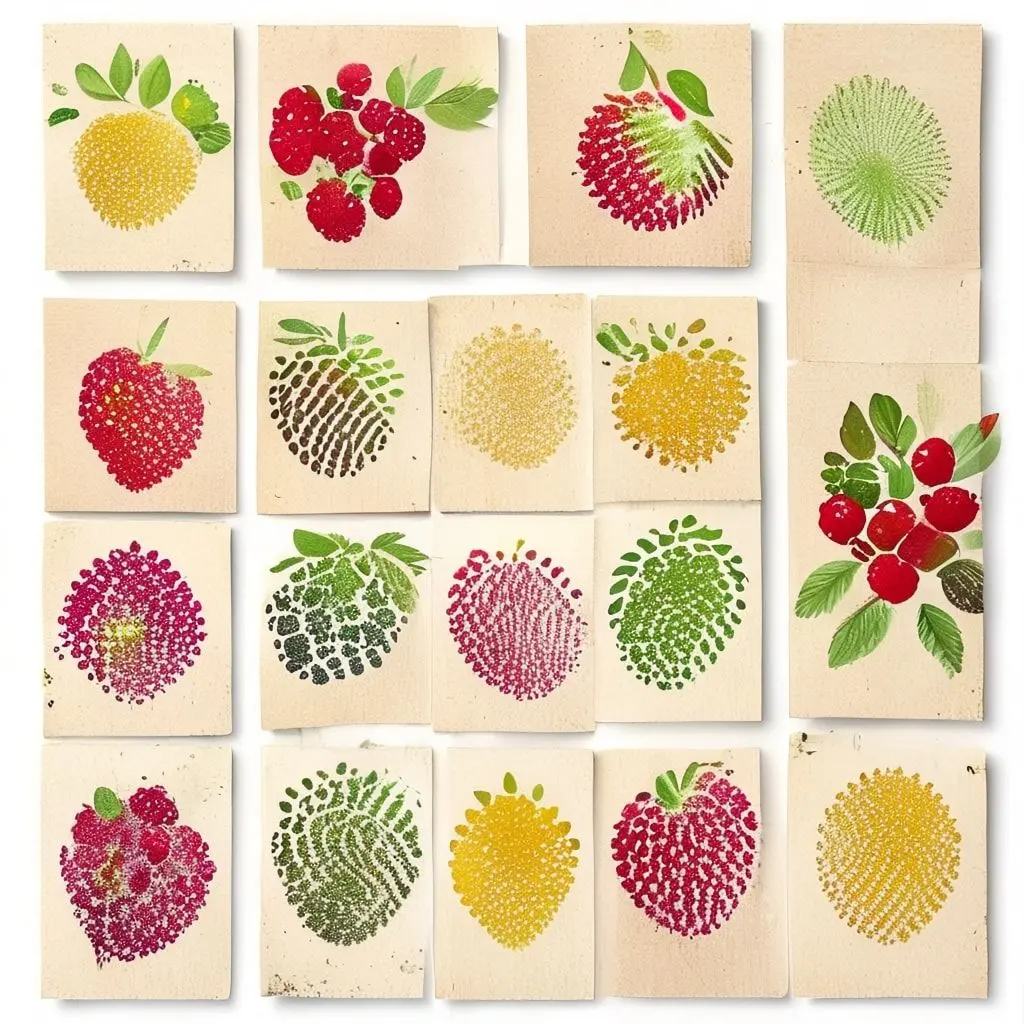
Children can create an entire set of decorated recipe cards, perhaps six to twelve cards depending on their age and attention span. Package the finished cards in a small box or tie them with ribbon for presentation. Some families take this concept further by including one or two favorite family recipes written on the decorated cards, making the gift both beautiful and immediately useful.
This project works well for older children who have developed enough control to keep fingerprints small and contained within border areas. The repetitive nature of decorating multiple cards helps children refine their technique while creating a cohesive set. Mothers who cook frequently will use these cards often, providing regular reminders of their child’s thoughtfulness every time they reference a recipe.
8. Thumbprint Tree Keepsake
Family tree artwork featuring thumbprints from each family member creates a lasting keepsake celebrating family bonds. Draw or print a tree silhouette with bare branches of tree on cardstock or canvas. Each family member then adds their thumbprints as leaves, with different colors representing different people or seasons. Children typically add the most prints, filling branches enthusiastically.
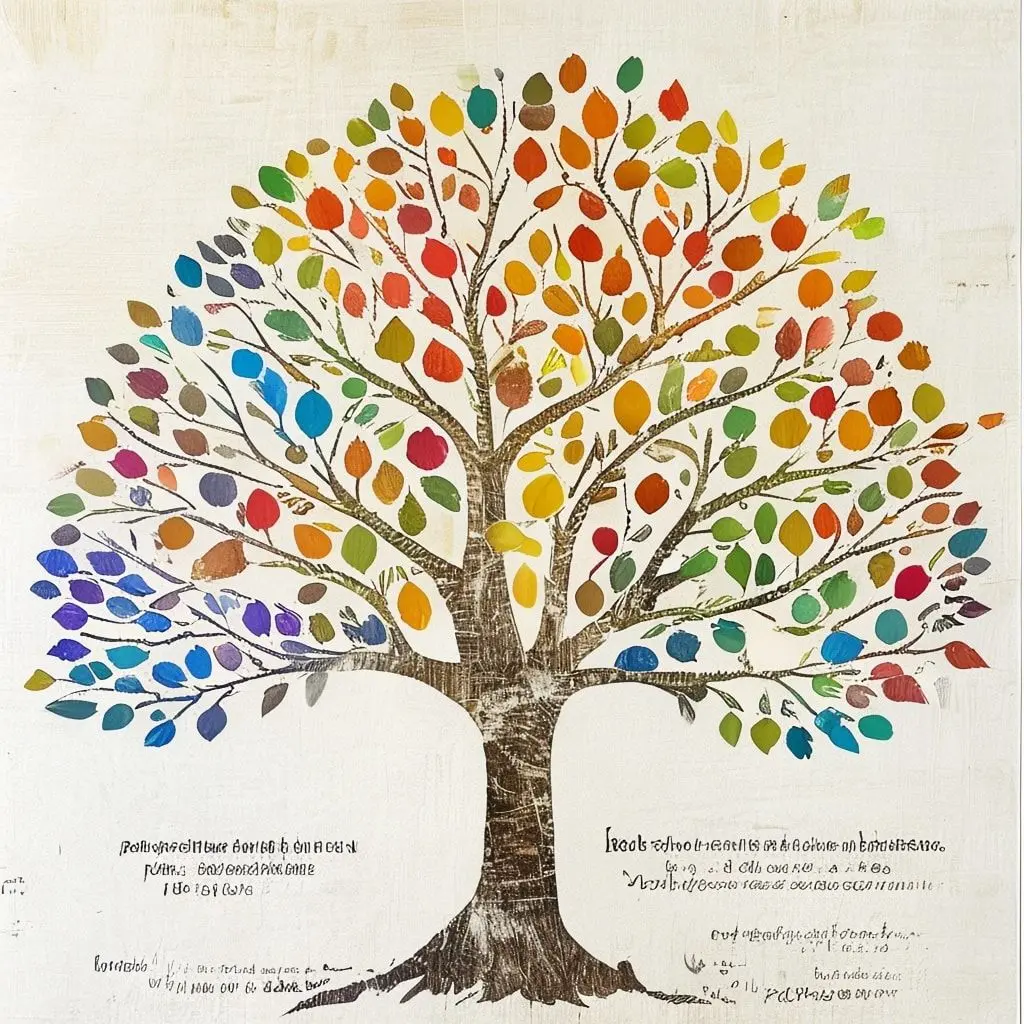
Some versions include names or initials next to each person’s designated color in a legend at the bottom of the artwork. Others incorporate dates or special messages. This project becomes especially meaningful in families with multiple children, as each contributes to the complete picture while maintaining their individual identity within the family unit.
Grandmothers particularly cherish these family tree keepsakes, making them ideal for Mother’s Day gifts that honor maternal figures across generations. The tree metaphor resonates deeply, representing growth, strength, and interconnection. Some families make updated versions periodically as the family grows, creating a visual timeline of family expansion and children’s development through their changing thumbprint sizes.
9. Fingerprint Caterpillar Craft
Cheerful fingerprint caterpillars appeal to younger children while creating adorable Mother’s Day cards or artwork. This simple project requires only a few fingerprints lined up to form a caterpillar body, with details added using markers once paint dries. Children choose bright colors for their caterpillar, creating rainbow patterns or single-color designs according to preference.
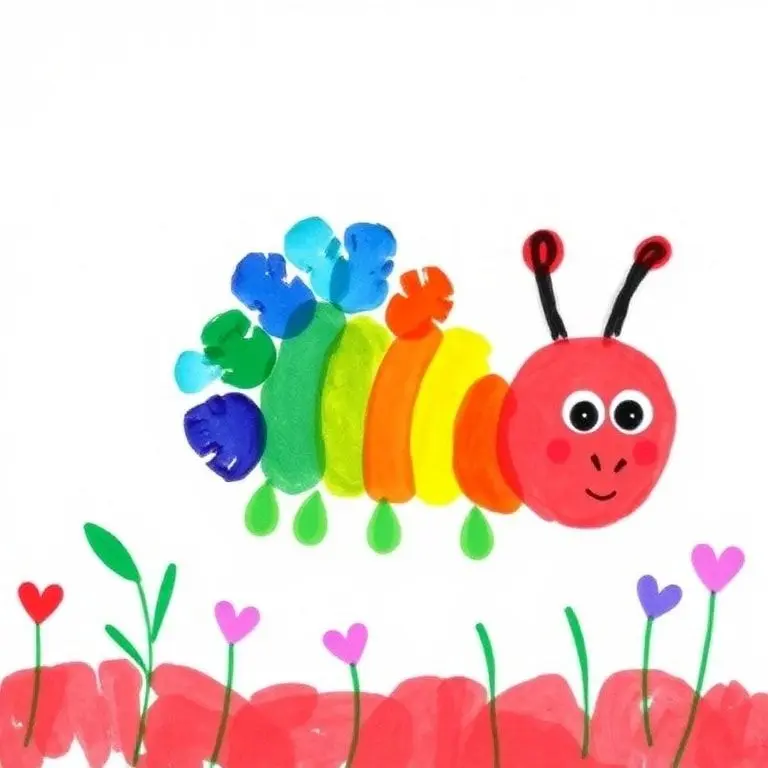
After fingerprints dry, children use fine-tip markers to add simple faces, antennae, and legs to their caterpillars. Some versions include leaves, flowers, or grass created with additional fingerprints or marker drawings. This project develops sequencing skills as children create the caterpillar from head to tail, counting segments as they work.
The simplicity of fingerprint caterpillars makes them perfect for very young children experiencing finger painting for the first time. The forgiving nature of the design means irregular fingerprints still create recognizable caterpillars, building confidence in emerging artists. Many teachers use this as an introductory finger painting project before moving to more complex designs.
10. Butterfly Fingerprint Symmetry Art
Butterfly projects teach symmetry concepts while creating beautiful Mother’s Day gifts. Fold paper in half, then have children add fingerprints on one side in various colors. While paint is still wet, fold the paper to transfer prints to the other side, creating symmetrical wing patterns. Once dry, draw or paint a butterfly body down the center fold.
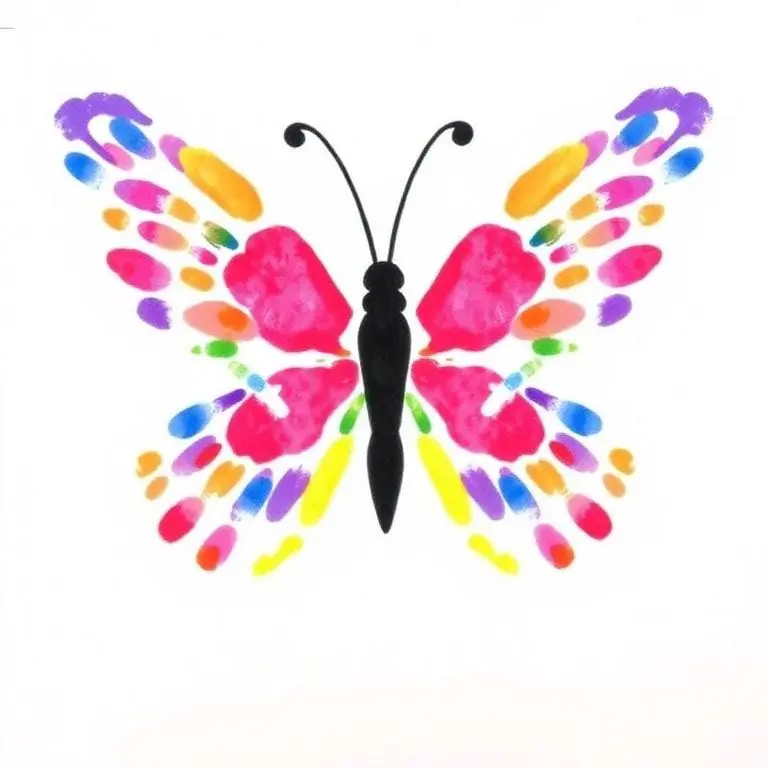
This project fascinates children as they discover how the folding technique creates matching patterns automatically. The unpredictability of exactly how prints will transfer keeps the process exciting, with each butterfly emerging as a unique creation. Some children prefer dense, colorful patterns while others create more spacious, delicate designs.
Teachers appreciate butterfly symmetry projects for their educational value beyond art instruction. Discussing symmetry, pattern, and color mixing while creating makes this a rich learning experience. The finished butterflies work well as standalone artwork or as decorative elements on larger Mother’s Day cards. Many families display these delicate creations each spring, making them annual reminders of children’s artistic development.
11. Fingerprint Berry Basket
Berry basket artwork featuring fingerprint strawberries, blueberries, or mixed berries creates sweet Mother’s Day sentiments. Print or draw a basket outline, then have children fill it with fingerprint berries in appropriate colors. Red thumbprints become strawberries when tiny green leaves are added, while purple and blue fingerprints create blueberries.
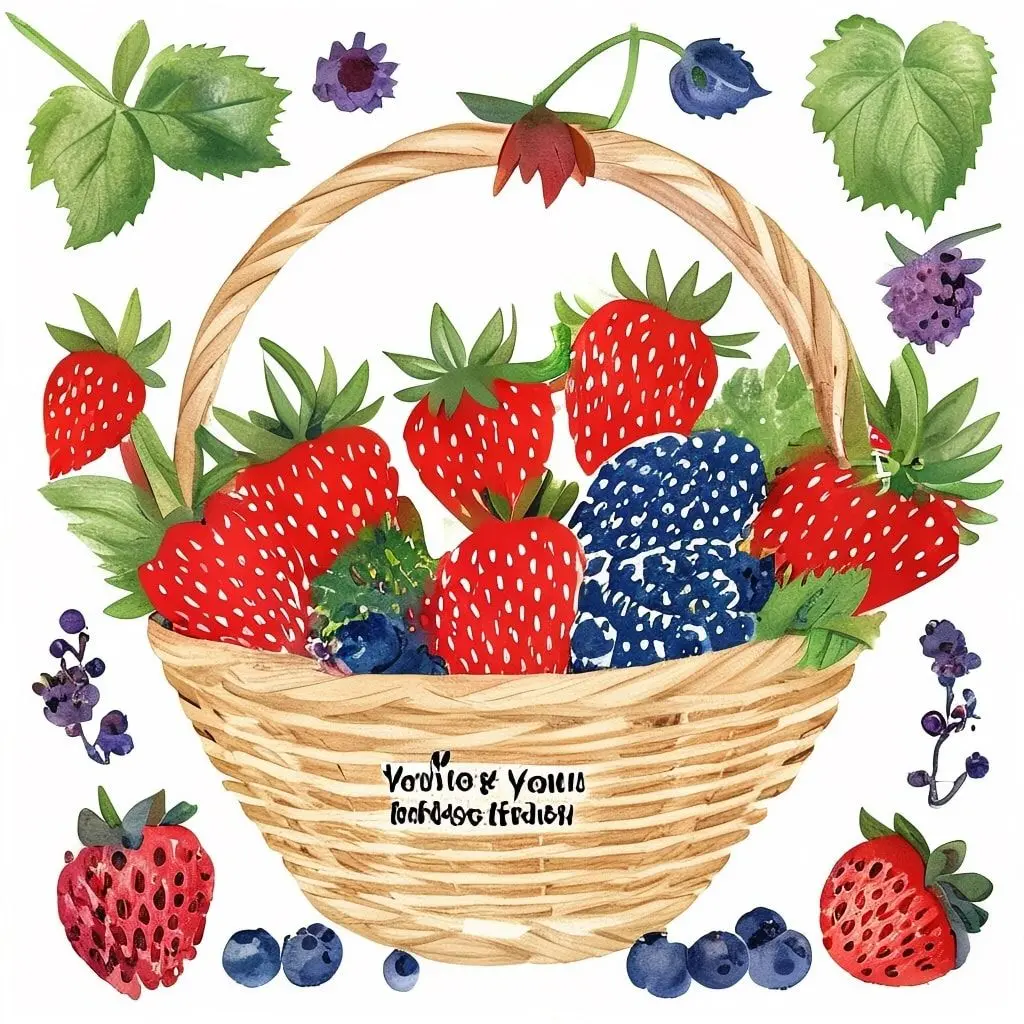
Some versions include the message “I love you berry much” or “You’re berry special” incorporating the berry theme into the sentiment. This play on words delights children who enjoy puns and wordplay. Older children might create more elaborate berry arrangements including vines, stems, or scattered berries outside the basket.
The berry basket design translates well to various paper types and sizes. Small versions make charming cards, while larger formats create frameable art. Teachers find this project manageable for mixed-age classrooms since younger children can create simple berry clusters while older students add intricate details and backgrounds.
12. Fingerprint Bookmark Collection
Practical and personal, fingerprint-decorated bookmarks make thoughtful gifts for mothers who love reading. Cut cardstock into bookmark-sized strips, then have children create fingerprint designs along the borders or scattered across the surface. Popular patterns include flowers, hearts, rainbows, or abstract designs in mom’s favorite colors.
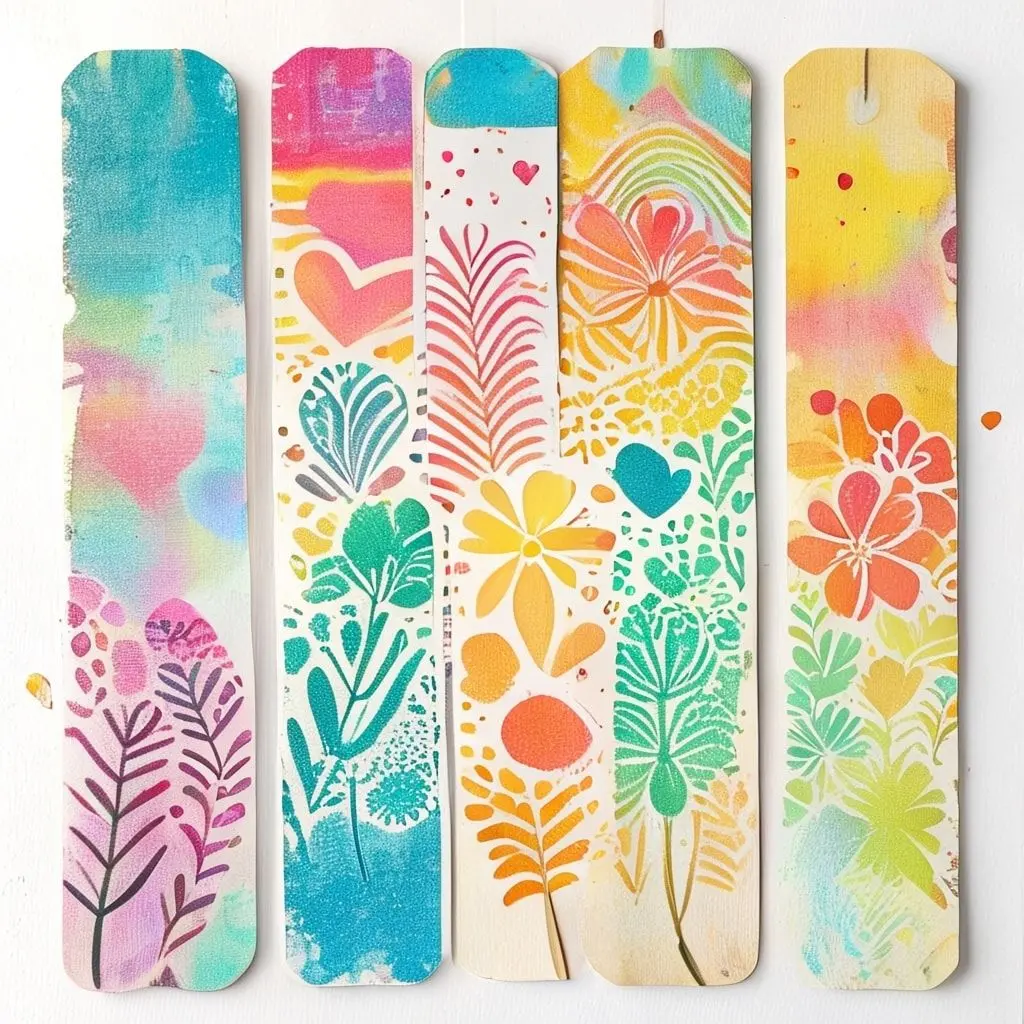
After paint dries, laminate bookmarks for durability and longevity. Children can create several bookmarks at once, providing mom with options for different books. Some families add inspirational quotes or messages to the bookmarks using fine-tip permanent markers before laminating.
This project particularly suits older children who have developed fine motor control for detailed work on smaller surfaces. The bookmark’s narrow format challenges children to plan their designs carefully, developing spatial awareness. Mothers who read regularly use these bookmarks constantly, creating frequent touchpoints with their children’s artwork throughout their daily lives.
13. Flower Pot Fingerprint Plant
Creating a potted plant using handprints for the pot and fingerprints for flowers combines techniques for a dimensional effect. Children paint their palm brown or terracotta and press it onto paper to create a flower pot shape. Once dry, they add green fingerprint stems rising from the pot, topped with colorful fingerprint flowers.
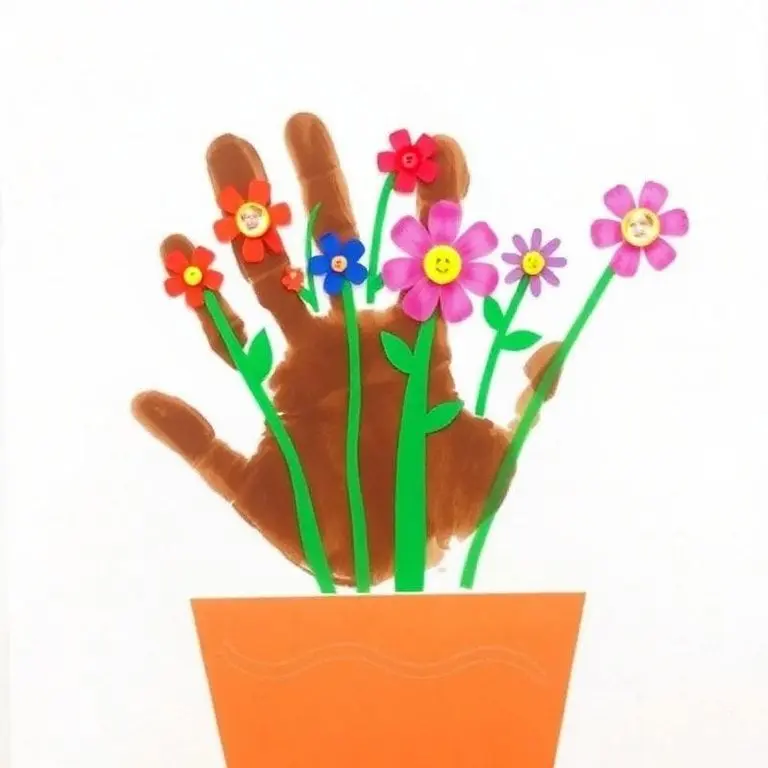
Some versions include children’s photos in the center of each flower, creating a personalized garden where each bloom features the child’s smiling face. Others use buttons, sequins, or gems as flower centers for added texture. The combination of handprint and fingerprint elements makes this project feel more substantial than single-technique designs.
This versatile project adapts easily for different skill levels. Toddlers create simple versions with assistance, while older children might add elaborate backgrounds, multiple flower varieties, or decorative details on the pot itself. The finished artwork has strong visual appeal, with the dimensional quality of the handprint pot providing interesting contrast to the delicate fingerprint flowers.
14. Fingerprint Cupcake or Ice Cream Art
Sweet treat artwork featuring fingerprint decorations on cupcakes or ice cream cones delights children who love dessert themes. Print or draw cupcake or ice cream outlines, then have children add colorful fingerprints as sprinkles, frosting dots, or toppings. This simple project produces charming results while teaching pattern and color concepts.
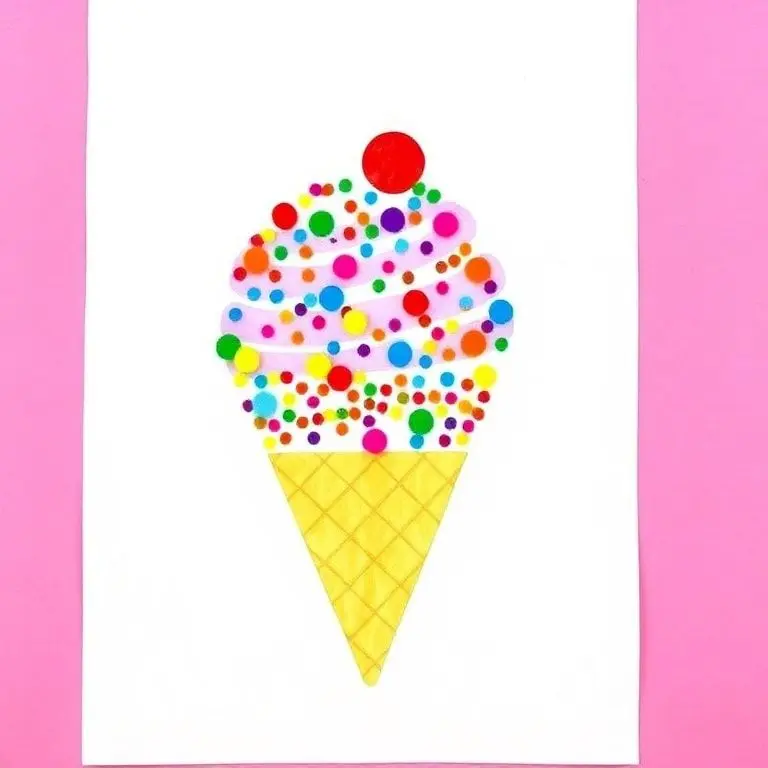
Children can create single large treats or multiple small ones across a page. Some add messages like “You’re the sweetest, Mom” connecting the dessert theme to Mother’s Day sentiments. The repetitive nature of adding many small fingerprints builds fine motor skills while the fun theme maintains engagement.
Teachers appreciate this project’s flexibility for various age groups and abilities. Very young children create simple sprinkle patterns while older students might design elaborate multi-layered treats. The finished artwork works well on cards, small canvases, or as decorative elements on larger gift packages.
15. Rainbow Fingerprint Arc
Creating rainbow arcs using fingerprints teaches color sequencing while producing cheerful Mother’s Day artwork. Children create each color band of the rainbow using overlapping fingerprints, learning the traditional color order: red, orange, yellow, green, blue, purple. Some versions add clouds at the rainbow’s ends using white or gray fingerprints.
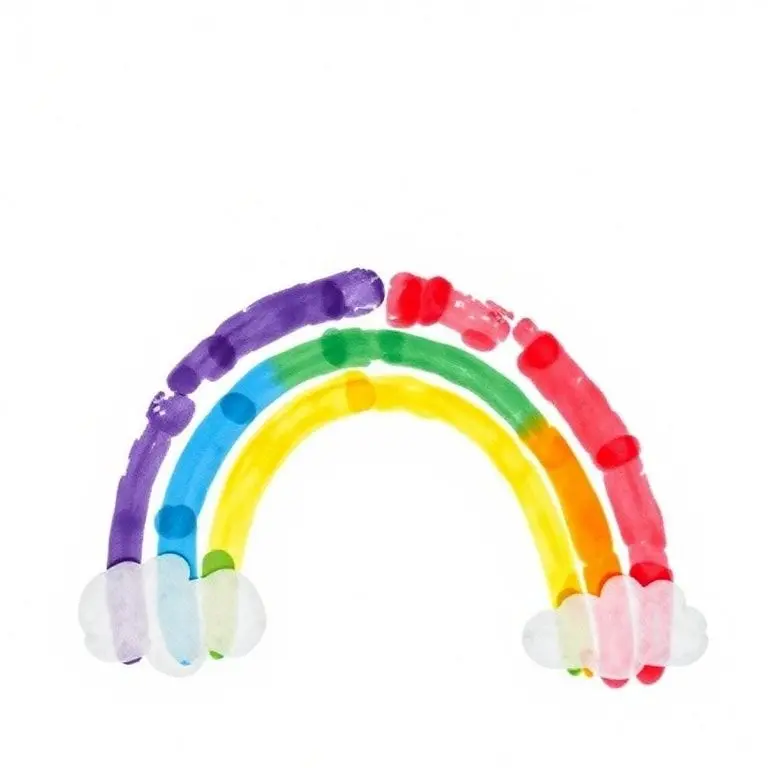
This project offers opportunities to discuss color theory, weather, and light. Older children might research why rainbows form and include educational facts on the back of their artwork. Others add messages about mothers being treasures at the end of their rainbow, connecting the imagery to Mother’s Day themes.
The rainbow’s curved shape challenges children to control fingerprint placement more carefully than linear designs require. This develops spatial awareness and hand-eye coordination. The finished rainbows make optimistic, cheerful gifts that brighten any space where mothers choose to display them.
16. Fingerprint Magnets
Transforming fingerprint artwork into functional magnets creates gifts mothers use daily. Children create fingerprint designs on cardstock or heavy paper, then adults help attach magnets to the back. Popular designs include hearts, flowers, or simple abstract patterns. Some families create entire sets of coordinating magnets.
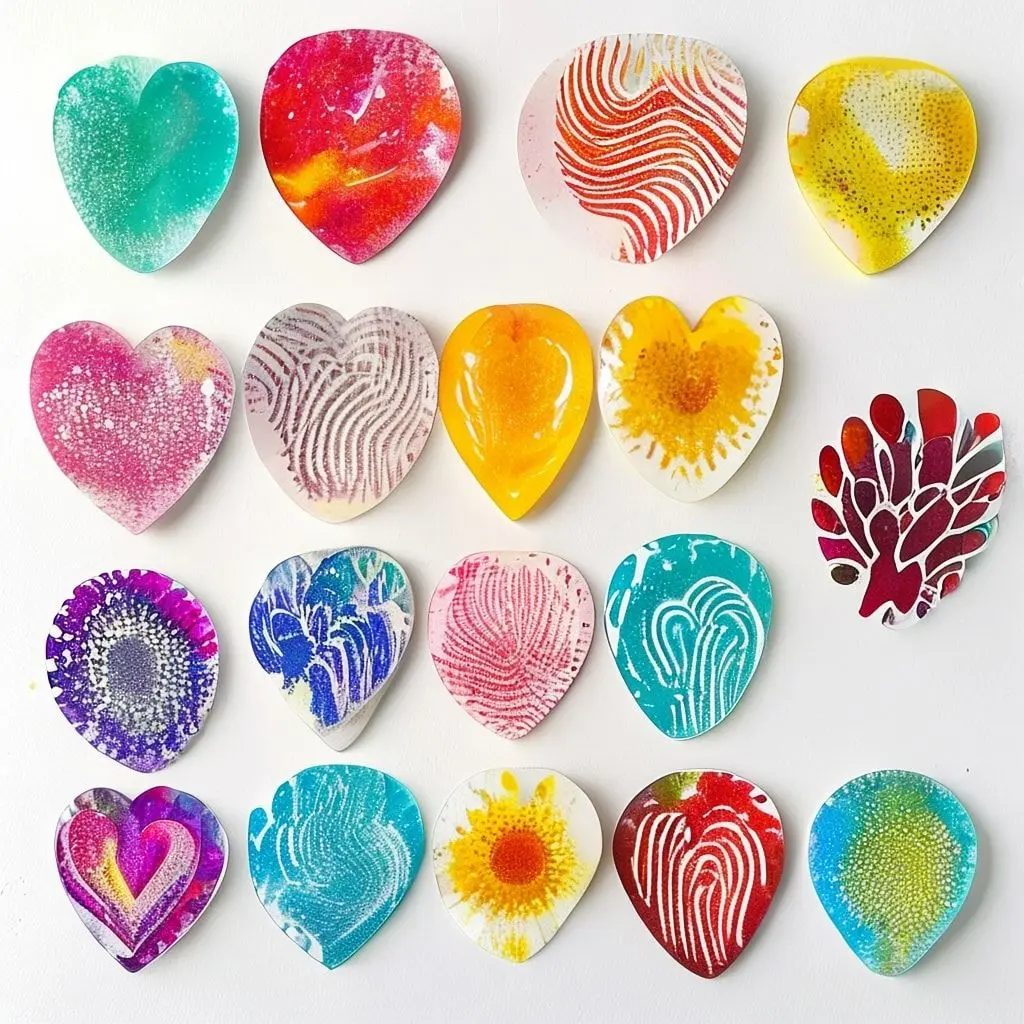
Clear glass gems placed over fingerprints create a polished, professional appearance. Apply a thin layer of clear glue to the gem’s flat side, press onto the fingerprint design, then attach a magnet to the back. This technique protects the artwork while adding dimensional interest.
Mothers who display children’s artwork and school papers on refrigerators especially appreciate these personalized magnets. Each time they post a reminder or permission slip, the custom magnets provide small moments of connection. Creating magnet sets allows children to produce multiple pieces, developing consistency in their artistic technique while building useful fine motor skills.
17. Fingerprint Wrapping Paper
For an ambitious project that yields spectacular results, children can create custom wrapping paper using fingerprints. Large sheets of kraft paper or white butcher paper provide the canvas for all-over fingerprint patterns. Children can create structured designs like polka dots or flowers, or freestyle with abstract patterns in multiple colors.
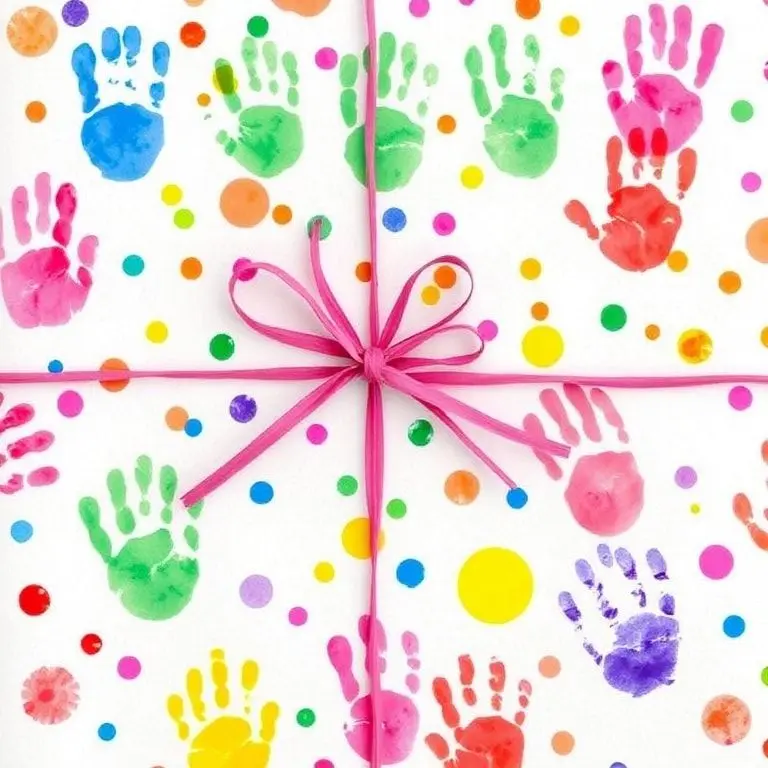
This project works wonderfully for groups, with each child contributing sections to create collaborative wrapping paper. The large scale allows for energetic, expressive painting that younger children particularly enjoy. Once dry, the custom paper wraps Mother’s Day gifts for an entirely handmade presentation.
Some families preserve sheets of fingerprint wrapping paper each year, using them to wrap gifts for various occasions. The paper becomes a snapshot of the child at a particular age, with fingerprint size documenting their growth. This concept extends to creating fingerprint gift bags, tags, or boxes for complete custom packaging.
Essential Materials and Preparation Tips
Successful finger painting projects require appropriate materials and thoughtful preparation. Cardstock or construction paper works significantly better than standard copy paper, which tends to buckle and warp when wet. Heavy paper provides a stable surface that produces better results and creates more durable finished products suitable for long-term keeping.
Washable, non-toxic paints are essential when working with children, particularly younger ones who may touch their faces or mouths during projects. Many families prefer homemade finger paint made from flour, water, and food coloring for safety and cost-effectiveness. Commercial washable tempera or poster paints also work well and offer vibrant color options.
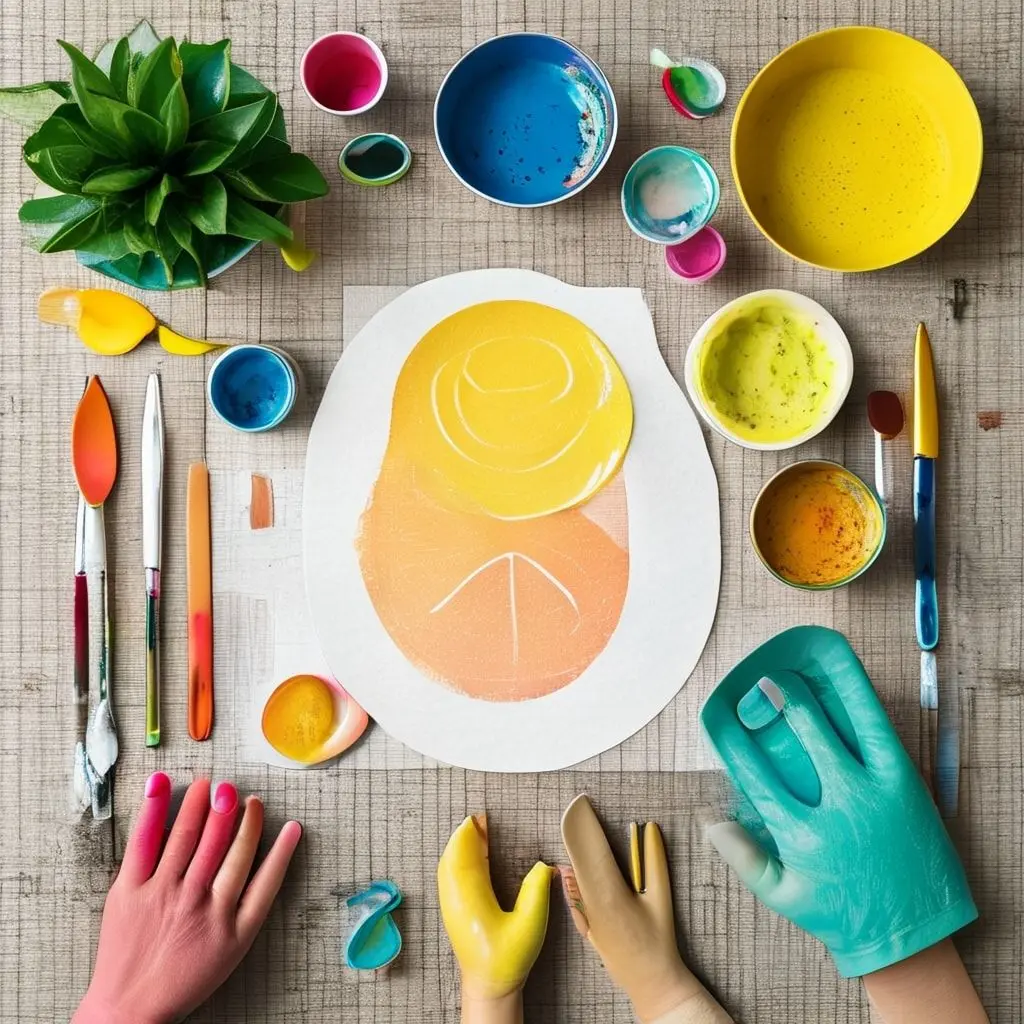
Protecting work surfaces and clothing prevents frustration and allows children to paint freely without constant reminders about cleanliness. Plastic tablecloths, newspapers, or large sheets of kraft paper protect tables effectively. Old shirts worn backward as smocks, paint-specific clothing, or commercial art smocks protect children’s clothes. Having wet wipes or damp cloths readily available facilitates quick cleanup when paint migrates beyond expected areas.
Setting up a drying station before beginning prevents smudged artwork and provides clear direction for where children should place completed projects. A clothesline with clips, a drying rack, or simply a designated flat surface covered with newspaper works well. Clear expectations about the drying process help children understand the complete project timeline from start to finish.
Age-Appropriate Modifications
Tailoring finger painting projects to match children’s developmental stages ensures success and maintains engagement. Toddlers between 18 months and three years benefit from very simple projects focusing on the sensory experience of finger painting itself. Handprints, single-color fingerprint fields, or basic stamping introduce techniques while allowing free exploration. Adult assistance with hand placement and paper management helps toddlers achieve recognizable results.
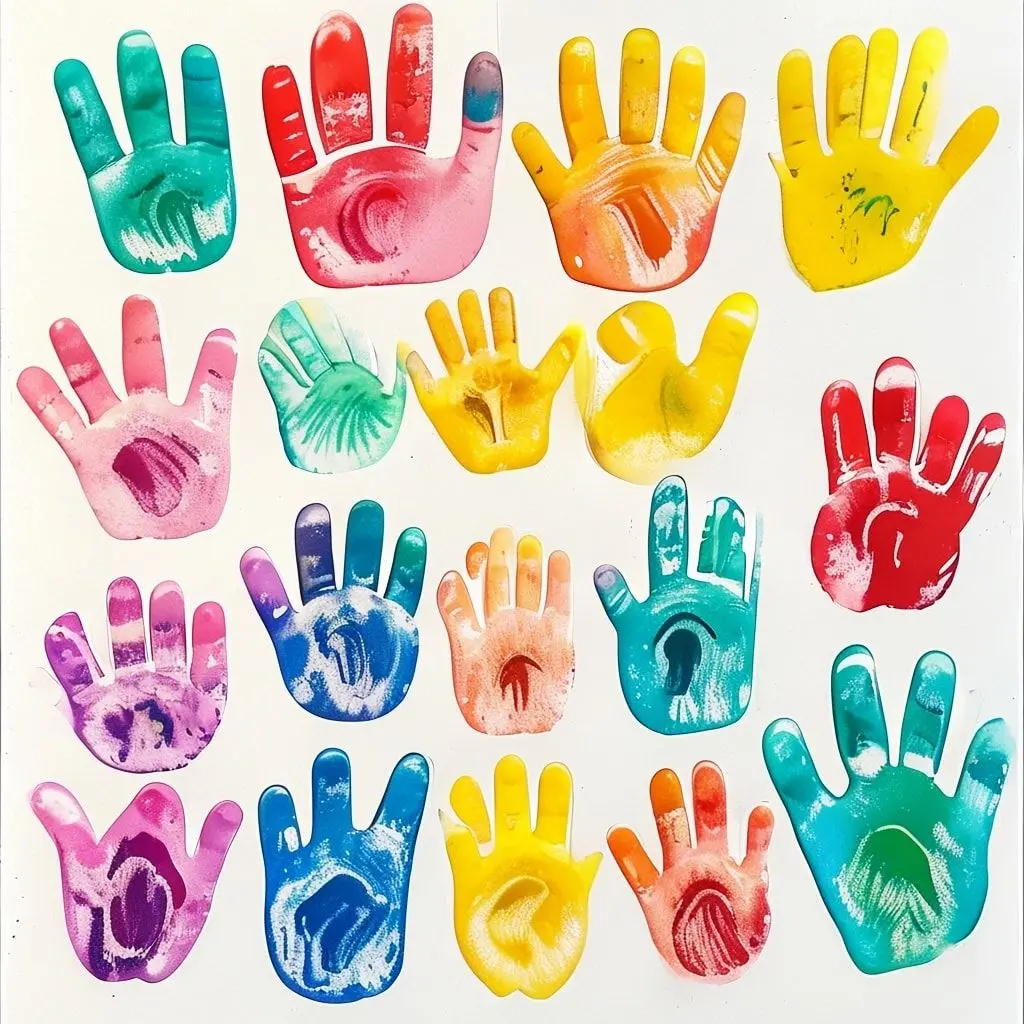
Preschoolers aged three to five can handle slightly more complex projects involving multiple colors and simple patterns. They can create fingerprint flowers, basic animals, or geometric patterns with guidance. This age group enjoys seeing their fingerprints transform into recognizable objects through the addition of details with markers or other materials after paint dries.
Elementary-aged children from six upward can execute detailed, multi-step projects with minimal assistance. They can plan color schemes, create complex compositions, and add intricate details. This age group appreciates projects that challenge their developing skills while producing sophisticated results that reflect their growing artistic maturity.
Finishing and Presentation Ideas
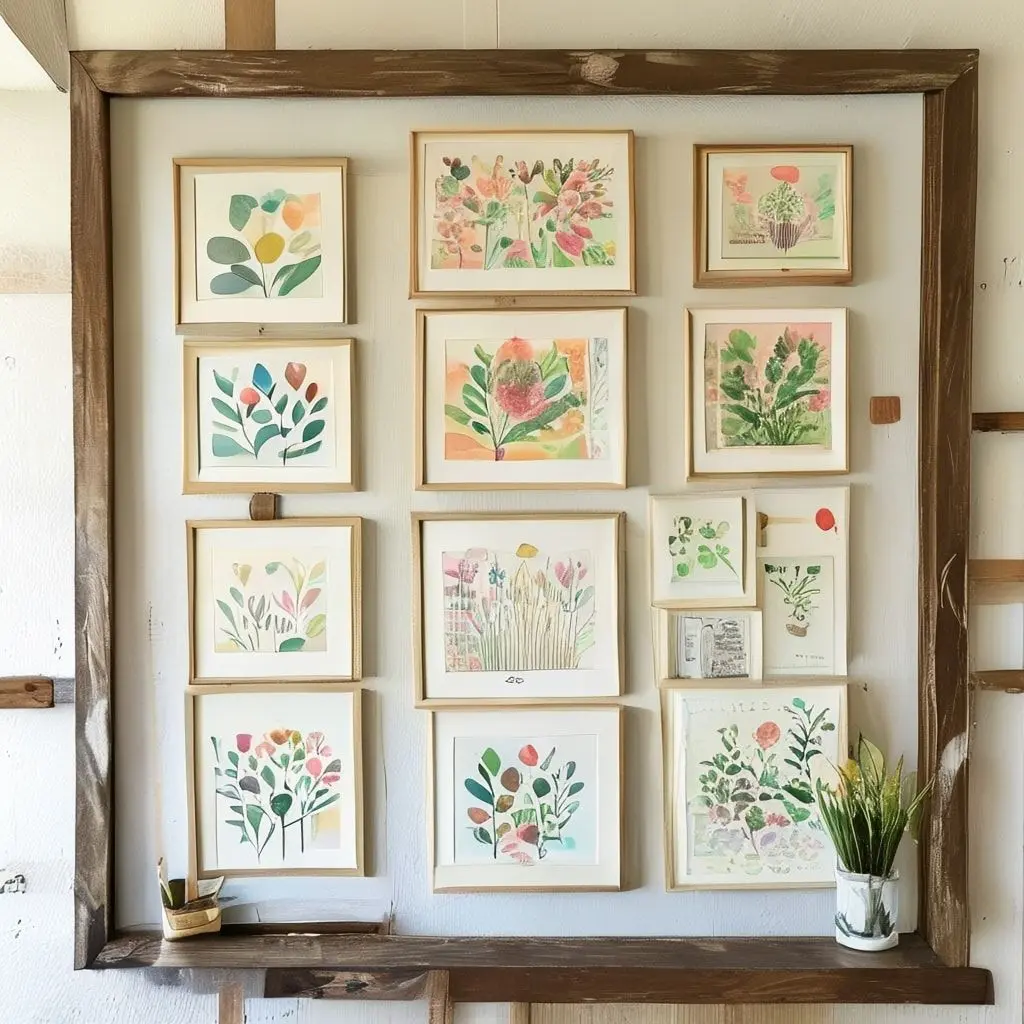
Thoughtful presentation elevates finger painting projects from simple crafts to treasured gifts. Framing artwork in inexpensive frames from discount stores creates immediate displayability. Many mothers hang framed finger paintings in offices, kitchens, or bedrooms where they provide daily joy. Selecting frames in colors coordinating with the artwork shows attention to detail that mothers notice and appreciate.
Adding protective coatings extends artwork longevity and enhances appearance. Clear acrylic spray sealant prevents fingerprint smudging and provides water resistance. This step is particularly important for pieces that will be displayed where they might be touched frequently. Always apply sealants in well-ventilated areas and allow complete drying before handling or framing.
Including written messages on the back of artwork provides context that increases sentimental value. Recording the child’s name, age, and date creates a permanent record of when the piece was created. Some families add brief descriptions of what the child said about their artwork or special circumstances surrounding its creation. These notes become precious details as years pass and memories fade.
Conclusion
Finger painting projects for Mother’s Day combine creativity, sentiment, and accessibility in ways few other crafts achieve. These simple activities transform basic materials into treasured keepsakes that document children’s development while expressing love for the important women in their lives. The fingerprints captured in paint become frozen moments in time, preserving the exact size of small hands that grow larger with each passing year.
The projects presented here offer options for every skill level, age group, and available time commitment. From quick fingerprint cards created in minutes to elaborate canvas pieces requiring multiple sessions, families can choose activities matching their specific circumstances and needs. Teachers appreciate the classroom-friendly nature of most projects, while parents value the opportunity for meaningful one-on-one creative time with their children.
Beyond creating beautiful gifts, finger painting projects deliver educational benefits that extend far beyond art instruction. Children develop fine motor skills, learn color theory, practice pattern recognition, and build spatial awareness while creating Mother’s Day gifts. The process of planning, executing, and completing projects builds confidence and teaches valuable lessons about following through on commitments.
Most importantly, finger painting creates opportunities for connection and communication between children and the maternal figures they honor. The time spent together creating, the pride children feel presenting their handmade gifts, and the joy mothers experience receiving them strengthen bonds and create family memories that last far beyond the drying time of the paint. These simple crafts remind us that the most meaningful gifts often come not from stores but from the hearts and hands of children.
Frequently Asked Questions:
What type of paint works best for Mother’s Day finger painting projects with young children?
Washable, non-toxic tempera paint or poster paint works best for children’s finger painting projects. These paints wash easily from skin and most fabrics while providing vibrant colors. For very young children or those with sensitive skin, homemade finger paint made from flour, water, salt, and food coloring offers a safe alternative. Always verify that any paint used is labeled non-toxic and suitable for children’s use. Avoid acrylic paints for finger painting as they are difficult to remove from skin and clothing.
How can I prevent finger paint artwork from smudging or fading over time?
Allowing artwork to dry completely before handling is the first critical step, typically requiring 24 hours for thick paint applications. Once fully dry, apply a clear acrylic sealant spray in a well-ventilated area to protect the surface. Framing artwork behind glass provides excellent long-term protection from dust, moisture, and handling. Store unframed pieces flat in protective sleeves or folders rather than rolled, as rolling can crack dried paint. Keep displayed artwork away from direct sunlight, which can cause colors to fade gradually over time.
At what age can children start creating fingerprint art projects?
Children as young as 12 to 18 months can participate in simple fingerprint projects with close supervision and assistance. At this age, focus on the sensory experience rather than producing specific results. By age two or three, most children can intentionally place fingerprints to create basic patterns or shapes. Preschoolers aged four to five can execute more detailed projects with minimal help. Each child develops at their own pace, so adjust project complexity based on individual ability and interest rather than age alone.
What paper works best for finger painting to prevent warping and tearing?
Heavy cardstock or construction paper works significantly better than standard copy paper for finger painting projects. Look for paper labeled 65 pounds or heavier, as lighter weights buckle and tear when wet. Watercolor paper offers excellent durability but costs more than cardstock. For very wet techniques or multiple paint layers, canvas boards provide the most stable surface though they require more cleanup. Whatever paper you choose, ensure it is thick enough to remain flat and intact as paint dries.
How can I incorporate finger painting into classroom Mother’s Day celebrations inclusively?
Frame projects as gifts for any special person in the child’s life rather than specifically for mothers. Offer template options referencing grandmothers, aunts, family friends, or simply “someone special.” Allow children to personalize messages to their chosen recipient. Some teachers have children create two pieces so they can gift one and keep one, reducing pressure on children who may not have maternal figures to honor. Focus on the art-making process and skill development rather than the specific holiday, making all children feel comfortable participating regardless of their family situation.

4 Comments