
15+ Cheap DIY Centerpiece Ideas for Your Home
Creating beautiful centerpieces doesn’t require an expensive trip to high-end home decor stores or hiring a professional designer. With a little creativity and some basic materials, you can craft stunning table displays that reflect your personal style while keeping your budget intact. Whether you’re preparing for a special celebration, refreshing your dining room, or simply want to add charm to your everyday meals, these affordable DIY centerpiece ideas will transform your space without emptying your wallet.
The beauty of handmade centerpieces lies in their versatility and the personal touch they bring to any room. Unlike mass-produced decorations, DIY projects allow you to customize colors, textures, and themes to match your home’s aesthetic perfectly. From rustic farmhouse styles to modern minimalist designs, the possibilities are endless when you’re willing to get creative with materials you already own or can find at your local dollar store.
Simple Mason Jar Arrangements
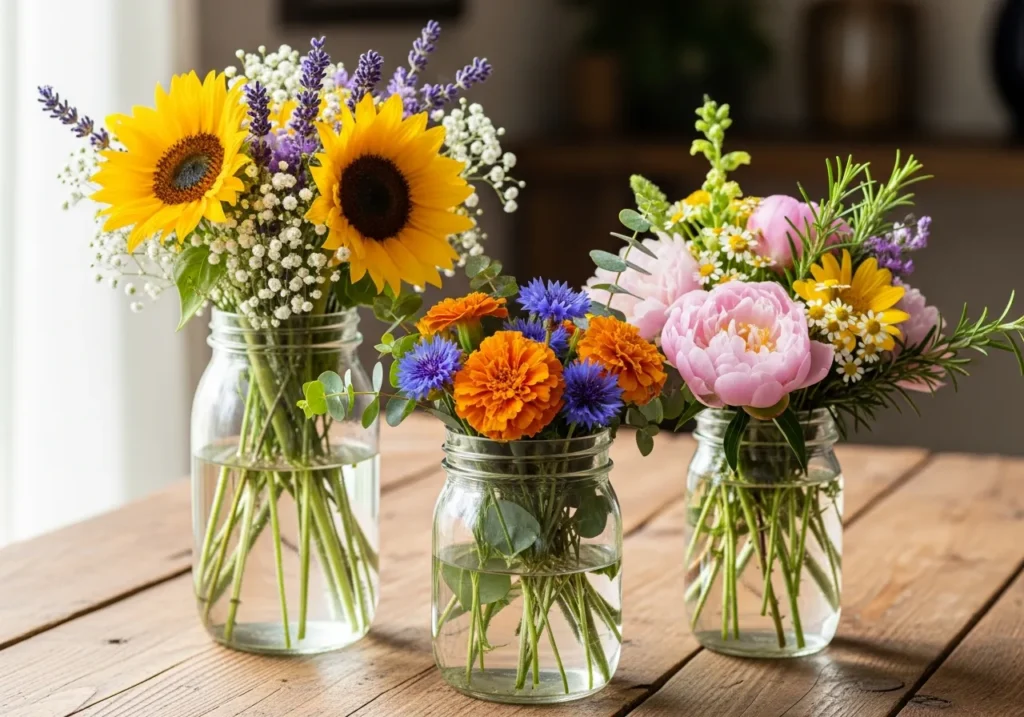
Mason jars have become a staple in the DIY world, and for good reason. These versatile glass containers provide the perfect foundation for countless centerpiece designs. Fill them with fresh flowers from your garden or the grocery store for an instant boost of color and freshness. The clear glass allows the natural beauty of the stems to shine through while creating a casual, approachable aesthetic that works in nearly any setting.
For a more permanent option, paint the outside of mason jars with chalk paint in colors that complement your decor. White or cream creates a cottage-style look, while metallic gold or copper adds sophistication. Once dried, these painted jars can hold anything from wildflowers to kitchen utensils on a dining table. Group three jars of varying heights together and tie twine or ribbon around the necks for added texture and visual interest.
During colder months, fill mason jars with battery-operated fairy lights for a warm, inviting glow. This approach requires minimal effort but delivers maximum impact, especially when placed down the center of a long dining table. The soft illumination creates ambiance without the safety concerns of open flames, making it ideal for homes with children or pets.
Floating Candle Displays
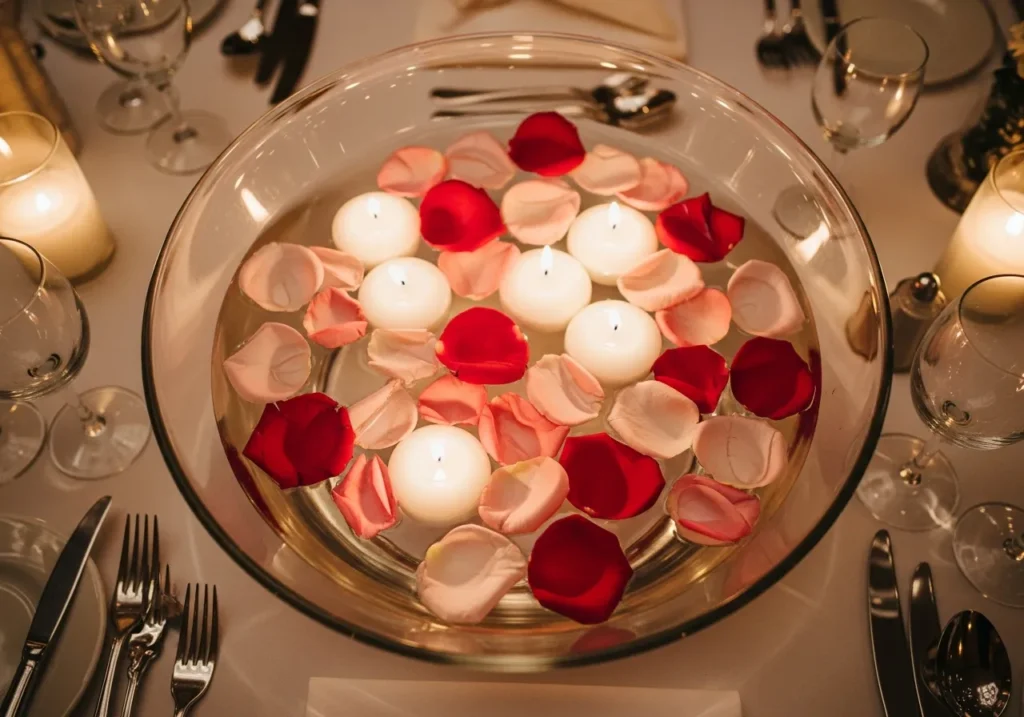
Water and candlelight create an elegant combination that feels much more expensive than it actually is. Select a wide, shallow glass bowl or cylinder vase and fill it about three-quarters full with water. Add floating candles in complementary colors, and consider dropping in flower petals, cranberries, or citrus slices for additional visual appeal. This centerpiece works beautifully for dinner parties and creates a sophisticated atmosphere with minimal investment.
For seasonal variations, adjust the floating elements to match the time of year. Spring calls for pastel flower petals and light-colored candles, while autumn looks stunning with small pinecones, cinnamon sticks, and deep red or orange candles. Winter celebrations can incorporate evergreen sprigs and white candles for a fresh, clean look. The water magnifies the light, creating beautiful reflections that dance across your table.
The maintenance for floating candle centerpieces is remarkably low. Simply change the water every few days if using fresh botanicals, and replace the candles as they burn down. This simplicity makes it an excellent choice for busy households that want beauty without complicated upkeep.
Fresh Fruit and Vegetable Displays
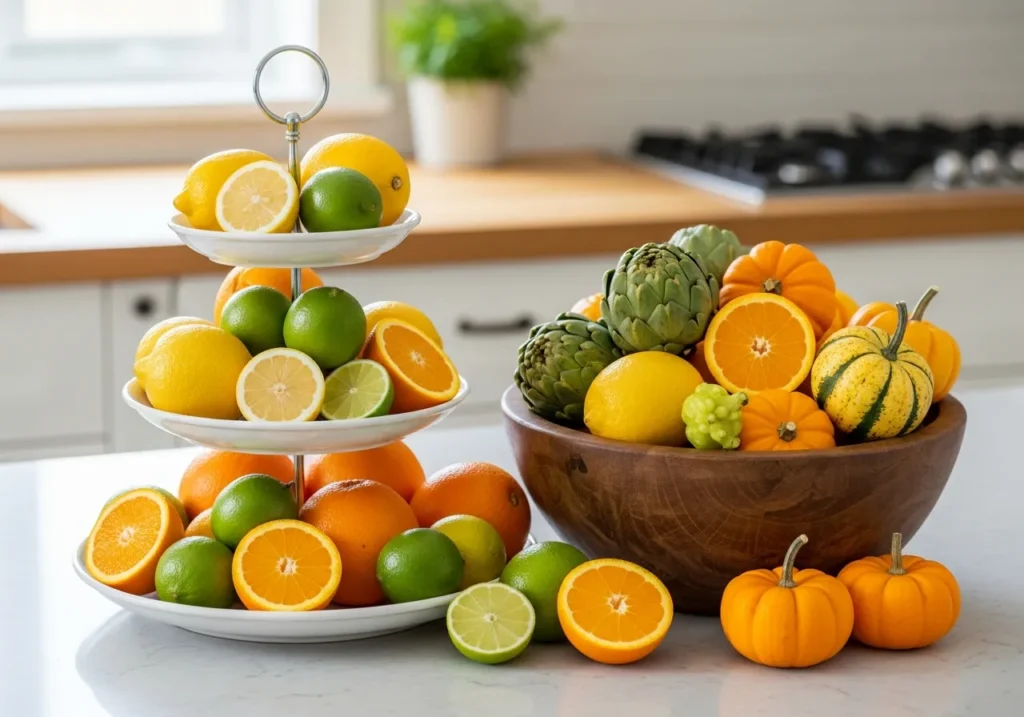
Your produce drawer holds untapped potential for creating colorful, organic centerpieces that celebrate natural beauty. Arrange lemons, limes, and oranges in a tiered stand or shallow bowl for a bright, cheerful display that also fills your space with fresh citrus fragrance. This approach works especially well in kitchens and breakfast nooks where the casual, functional aesthetic feels right at home.
Artichokes, small pumpkins, and gourds make unexpected but striking centerpiece elements. Their unique textures and shapes add visual interest, while their natural color palettes bring earthy tones to your table. Stack small pumpkins of varying sizes and colors during fall, or create a linear arrangement of artichokes down the center of a runner for a sophisticated, organic look.
The practical advantage of fruit and vegetable centerpieces is their dual purpose. Once your display has served its decorative function, you can use the produce in your cooking, reducing waste and maximizing value. Just ensure you’re using fresh items and rotating them regularly to maintain their appearance. To see more table decor ideas visit Homeliaa.
Succulent Gardens in Unexpected Containers
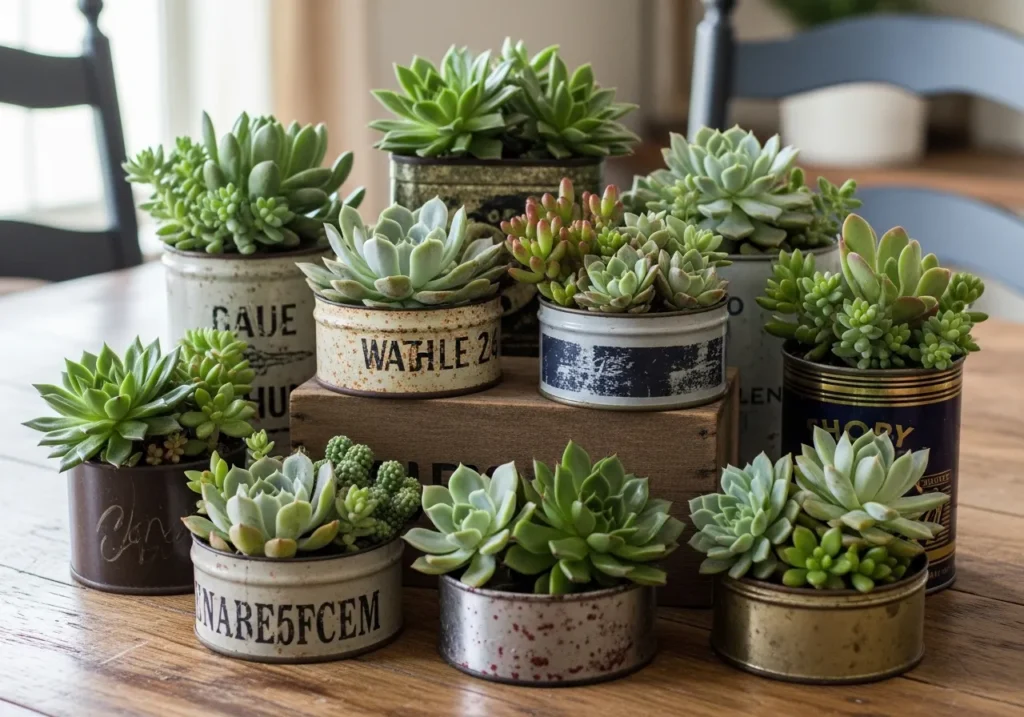
Succulents offer long-lasting beauty with virtually no maintenance, making them ideal for centerpiece projects. Gather small potted succulents from your local garden center and arrange them in vintage tins, wooden boxes, or even old books with hollowed centers. The contrast between the modern, architectural plants and rustic containers creates visual tension that draws the eye.
Create a living centerpiece by planting multiple succulent varieties in a long, shallow wooden planter box. This linear arrangement works perfectly for rectangular dining tables and can remain in place year-round. Choose succulents in varying heights, colors, and textures to create depth and interest. Add small decorative stones or sand to fill gaps and give the arrangement a finished appearance.
For special occasions, place individual small succulents in terracotta pots at each place setting, which can double as party favors. Tie a ribbon around each pot and attach a small tag with guests’ names for a personalized touch that serves multiple purposes. These living gifts will remind your guests of the wonderful time they had long after the event ends.
Candle and Greenery Combinations
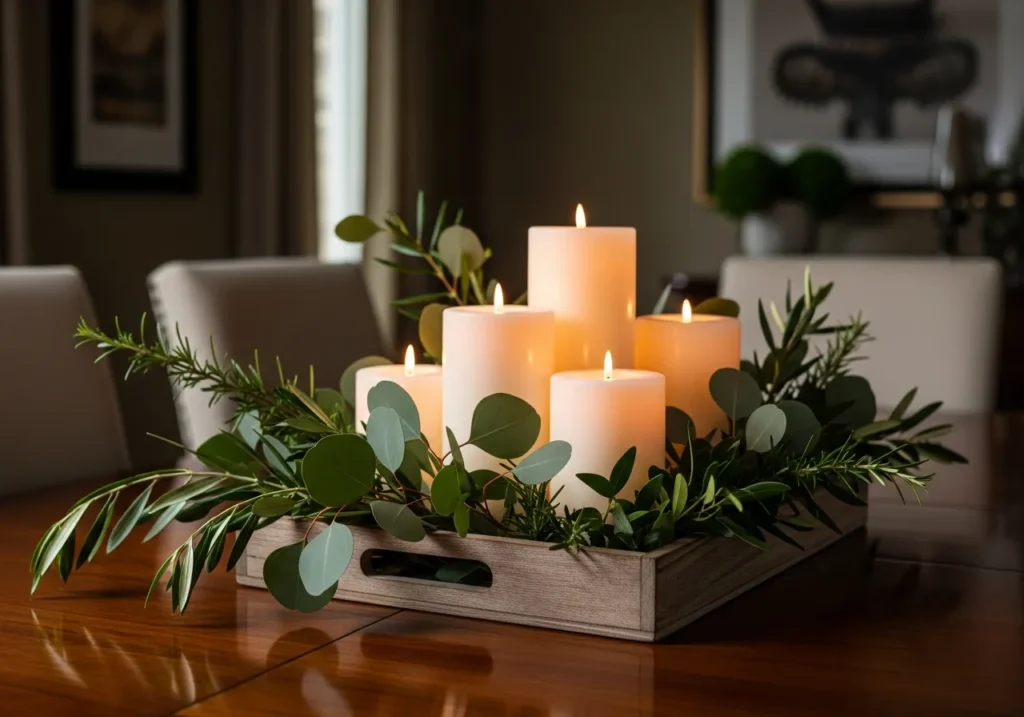
Pillar candles surrounded by fresh greenery create a classic centerpiece that never goes out of style. Place candles of varying heights on a wooden tray or mirror, then tuck eucalyptus branches, pine boughs, or other greenery around the bases. The combination of soft candlelight filtering through leaves creates depth and shadow that adds sophistication to any table.
For a more structured look, create a candle ring by forming a circular base of greenery and placing a large pillar candle in the center. Wire floral foam covered in chicken wire provides a sturdy foundation that holds greenery in place while allowing you to adjust and refresh the arrangement as needed. This technique works beautifully for holiday tables but can be adapted for any season by changing the greenery type.
Safety remains important when combining candles and plant material. Always use fresh, moisture-rich greenery rather than dried materials, keep candles away from anything that could catch fire, and never leave burning candles unattended. Battery-operated LED candles offer a safer alternative that still provides the warm glow of candlelight.
Vintage Book Stacks with Accents
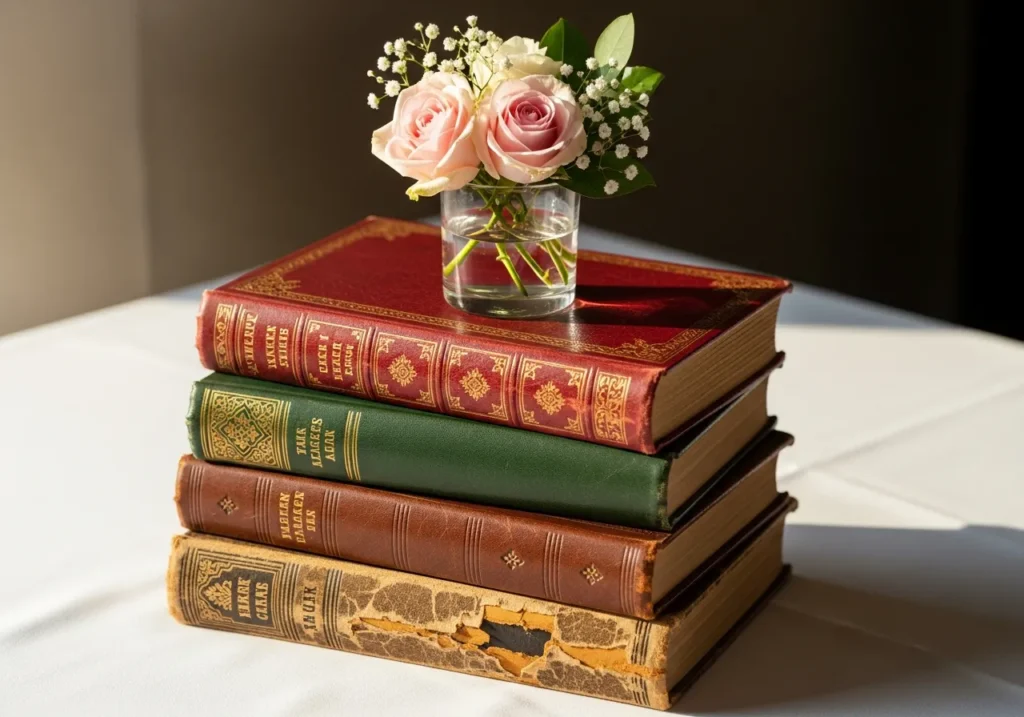
Old books possess character and charm that new items simply cannot replicate. Stack three to five vintage books of varying sizes in the center of your table, creating a layered foundation for other decorative elements. Top the stack with a small vase of flowers, a potted plant, or a decorative object that reflects your personal style.
The spines of old books add color and texture while the titles can spark conversation among dinner guests. Look for books at thrift stores, estate sales, or even your own shelves for volumes that complement your color scheme. Leather-bound books create a traditional, library-like feel, while colorful vintage paperbacks bring a more eclectic, bohemian vibe.
This centerpiece idea works particularly well for book lovers and creates an intellectual atmosphere that encourages discussion. Change the top accent seasonally while keeping the book base consistent, allowing you to refresh your look without starting from scratch each time.
Wine Bottle Transformations
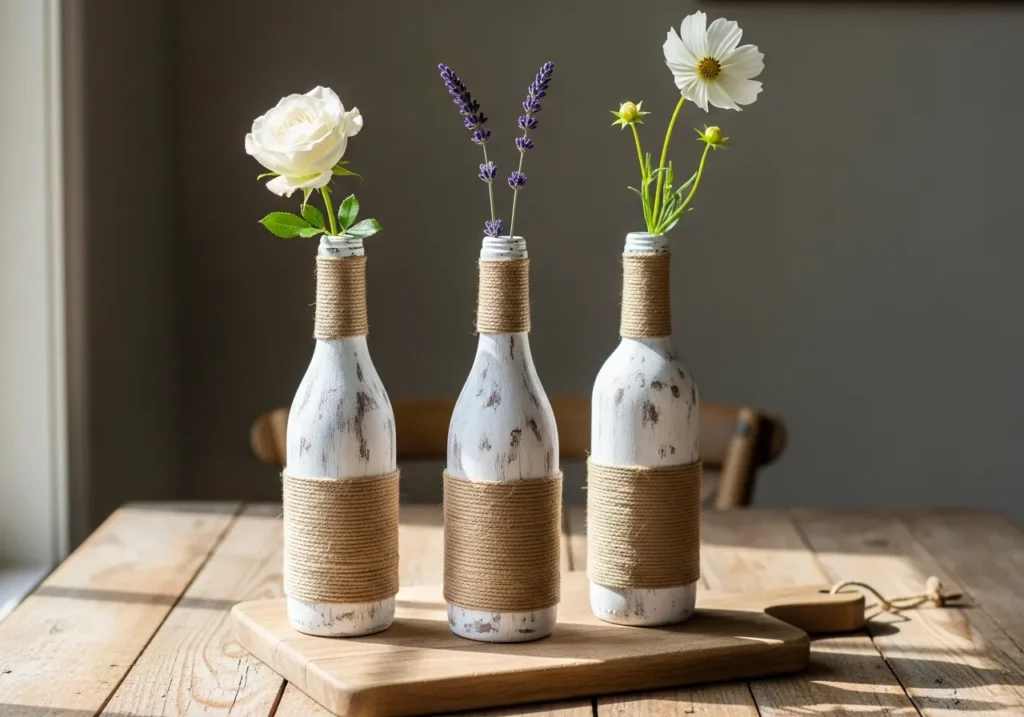
Empty wine bottles can be transformed into elegant vases with just a bit of effort. Remove the labels by soaking bottles in warm, soapy water, then dry thoroughly. Leave the glass clear for a modern look, or paint bottles in coordinating colors for a more customized appearance. Arrange three bottles of different heights together and fill each with single stem flowers or branches for an asymmetrical, artistic display.
For a rustic farmhouse aesthetic, wrap twine or burlap around the center section of each bottle, securing with hot glue. This simple addition softens the industrial feel of the glass and adds texture that complements wooden tables and neutral color schemes. Place bottles on a wooden cutting board or metal tray to create a cohesive grouping.
Wine bottle centerpieces work especially well for casual dinner parties where the relaxed, recycled nature of the materials sets an approachable tone. They also provide an excellent conversation starter about sustainability and creative reuse of everyday items.
Seasonal Natural Elements
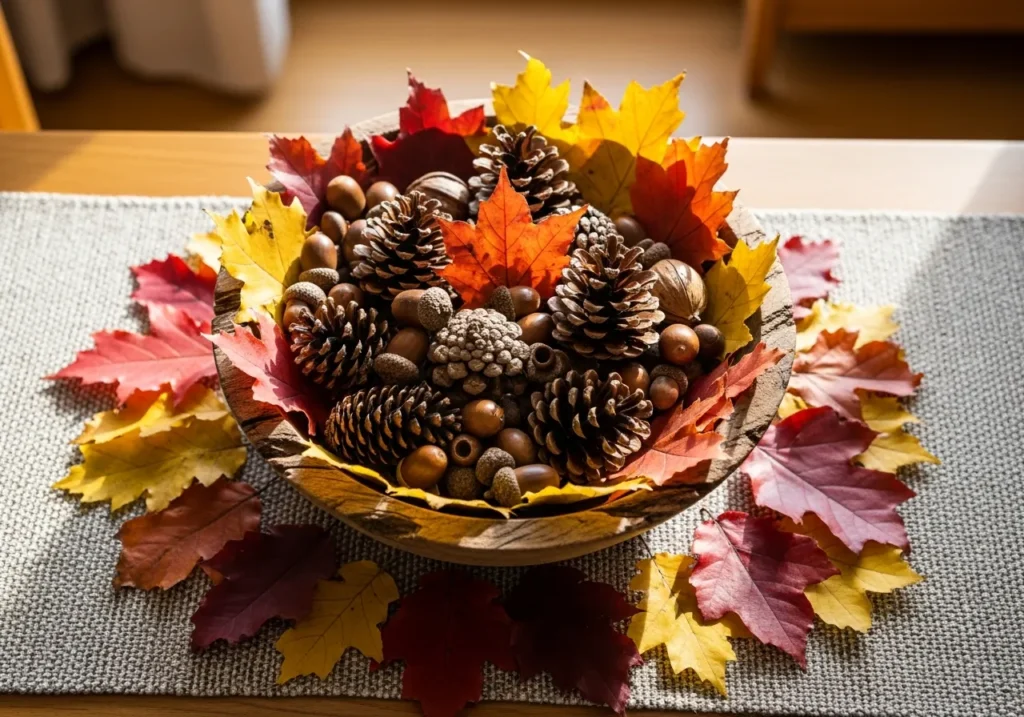
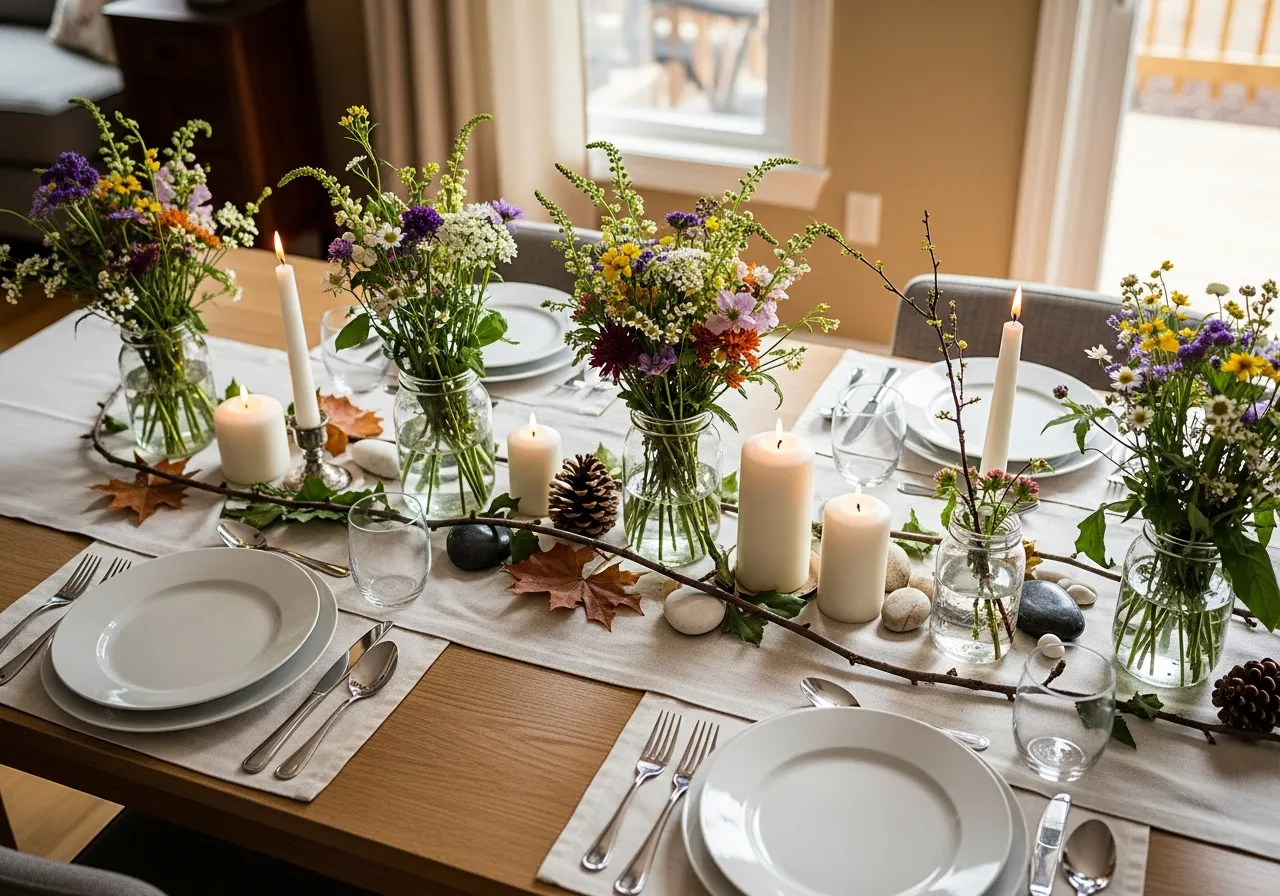
Nature provides an abundance of free materials that make stunning centerpieces when arranged thoughtfully. Collect pinecones, acorns, and colorful leaves during autumn walks, then display them in wooden bowls or scattered artfully down the center of a table runner. These organic elements bring the beauty of the outdoors inside while celebrating the changing seasons.
Spring offers pussy willows, flowering branches, and nests with decorative eggs. Summer provides seashells, driftwood, and beach grass for coastal-inspired displays. Winter brings evergreen branches, berries, and icicle ornaments. By rotating your centerpiece materials with the seasons, you keep your table looking fresh and current without spending money on new decorations.
The key to successful natural element centerpieces lies in thoughtful arrangement rather than random scattering. Group similar items together, create height variations, and consider the color story you’re telling. Even free materials deserve intentional placement that shows you’ve put thought into the overall design.
Terrarium Centerpieces
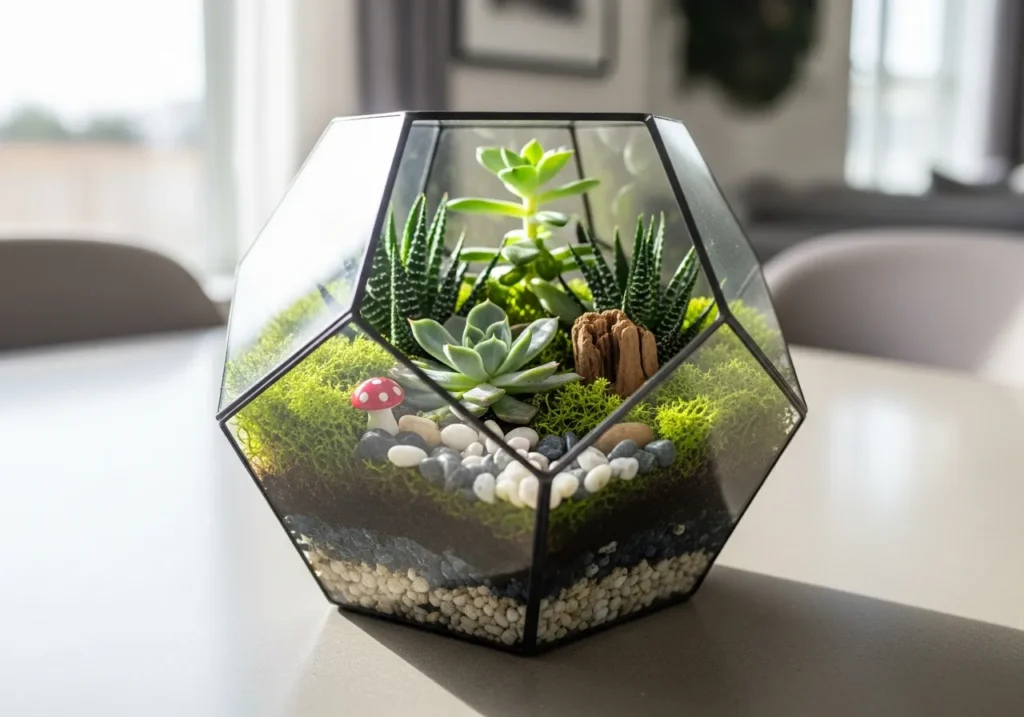
Glass terrariums create miniature worlds that captivate attention and spark imagination. Purchase an inexpensive geometric terrarium from a craft store or create your own using a large glass jar turned on its side. Layer small pebbles for drainage, activated charcoal to keep things fresh, potting soil, and finally your chosen plants. Succulents, air plants, and moss work beautifully in terrarium environments.
Add personality to your terrarium with small decorative elements like miniature figurines, tiny furniture, or colored sand. These additions transform a simple plant container into a narrative scene that reflects your interests and style. Beach themes, fairy gardens, and desert landscapes are popular choices that allow for creative expression.
Terrariums require minimal maintenance once established, making them ideal for people who love greenery but lack time for extensive plant care. Occasional misting and monitoring for overgrowth keep these living centerpieces looking their best for months or even years.
Decorative Bowl Fillings
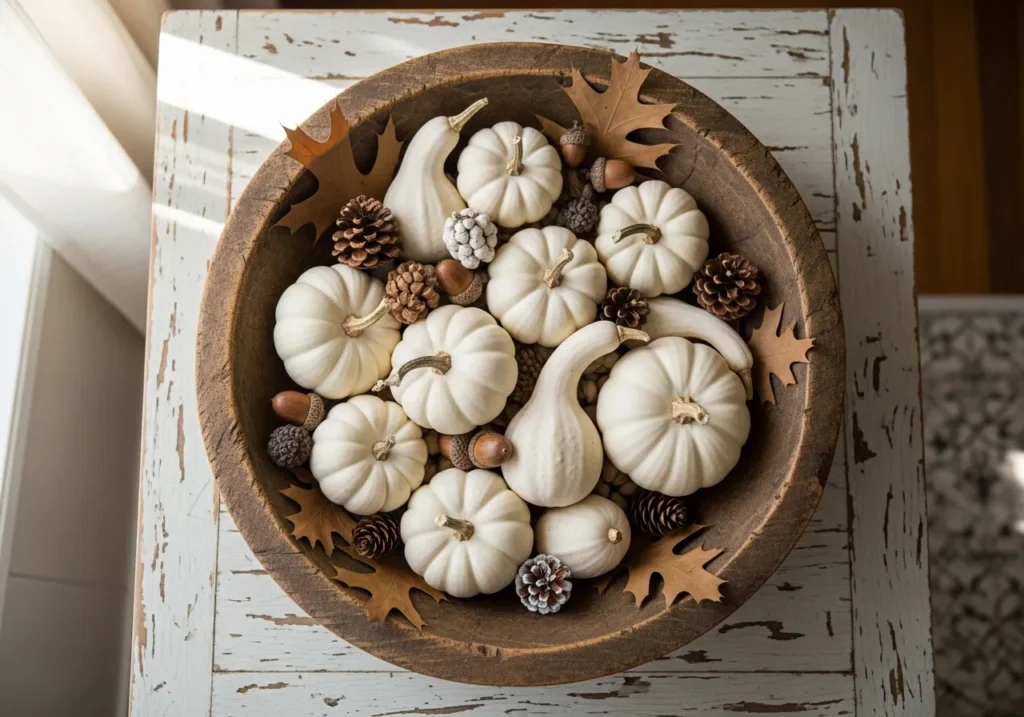
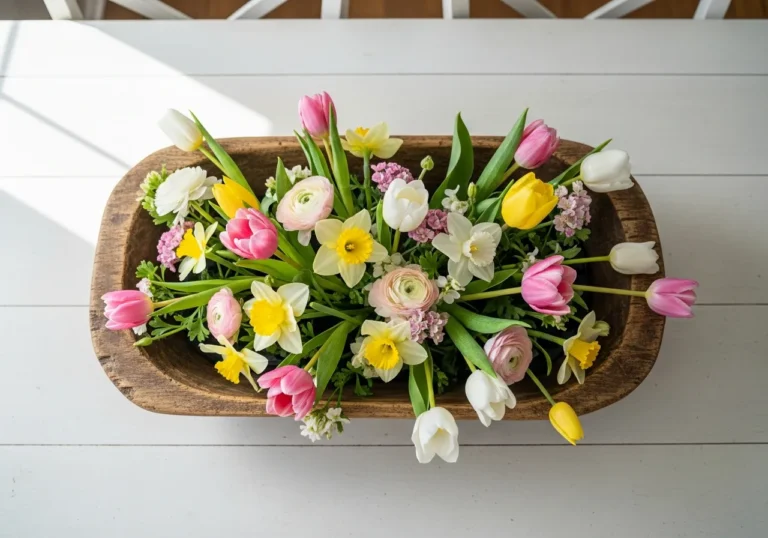
A beautiful bowl becomes instantly more interesting when filled with carefully chosen items. Change the contents seasonally to keep your centerpiece feeling current and intentional. During autumn, fill a rustic wooden bowl with mini pumpkins, gourds, and nuts. Winter calls for ornaments, pinecones, and cinnamon sticks. Spring looks fresh with pastel eggs, moss, and flower bulbs, while summer shines with lemons, limes, and fresh herbs.
The bowl itself contributes significantly to the overall aesthetic. White ceramic bowls create clean, modern displays that let the contents shine. Wooden dough bowls add rustic warmth and texture. Metal bowls bring industrial edge, while woven baskets provide casual, organic appeal. Match your bowl choice to your decor style for a cohesive look.
This centerpiece approach offers maximum flexibility with minimal storage requirements. Simply switch out the filling materials as seasons change, keeping the bowl as your constant base. The materials can be stored in labeled boxes, making rotation quick and easy.
Herb Garden Centerpieces
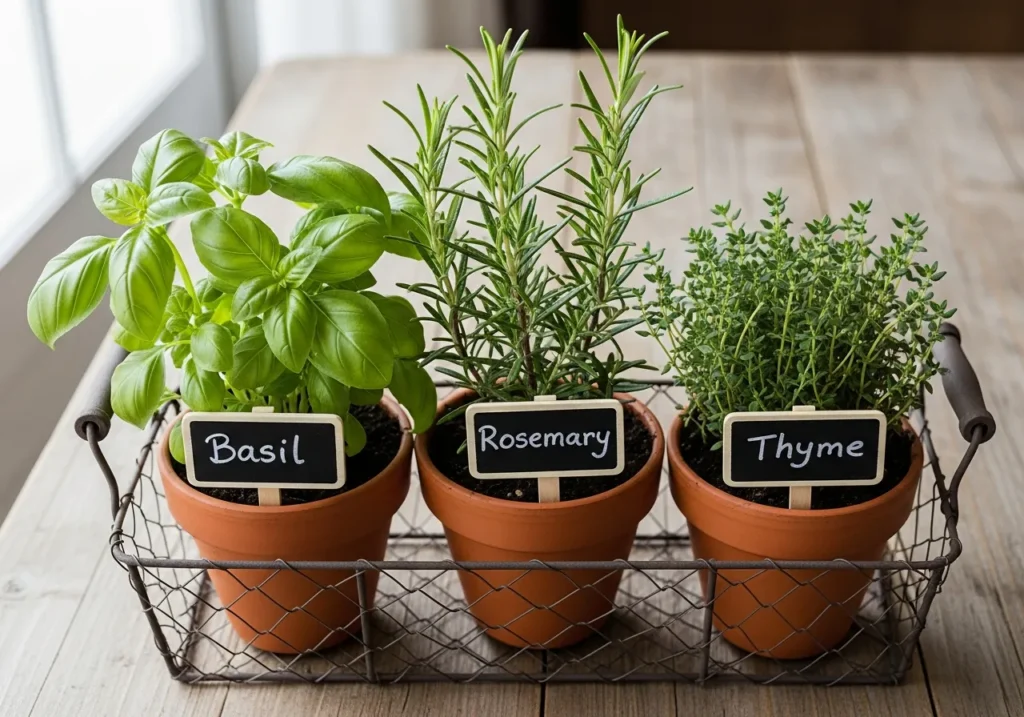
Potted herbs serve double duty as both attractive centerpieces and functional kitchen ingredients. Plant basil, rosemary, thyme, and mint in matching terracotta pots and arrange them on a wooden tray or in a wire basket. The varying shades of green create visual interest while the wonderful fragrances add sensory appeal to your dining experience.
Label each herb with small chalkboard stakes or painted wooden markers for a charming, cottage-garden feel. This addition makes the centerpiece more interactive and educational, especially for children learning about plants and cooking. Guests can pinch a leaf to release fragrance and discuss their favorite culinary uses for each herb.
The practical benefit of herb centerpieces cannot be overstated. You’ll save money on store-bought herbs while ensuring the freshest possible ingredients for your cooking. Simply snip what you need for recipes, and the plants will continue to grow and fill in, maintaining their decorative appearance.
Lantern Displays with Seasonal Accents
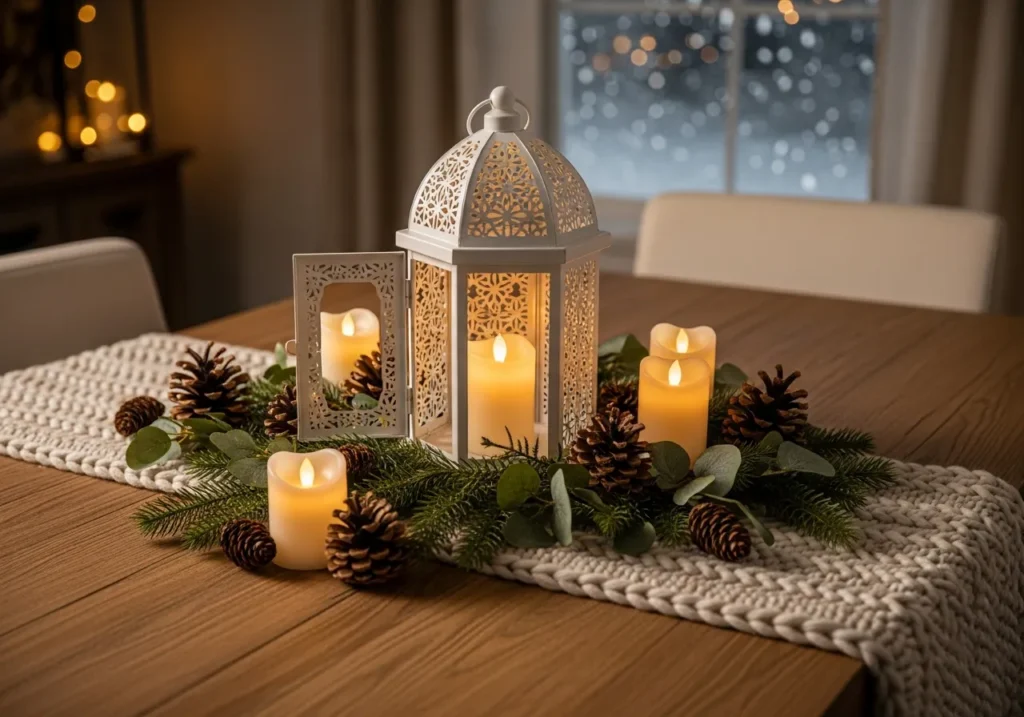
Decorative lanterns provide structure and height that anchor centerpiece arrangements beautifully. Place a lantern in the center of your table and surround the base with seasonal elements that complement its style. Metal lanterns work well with rustic themes, while white wooden lanterns suit coastal or farmhouse aesthetics.
Inside the lantern, change the contents with the seasons or your mood. Candles create warm illumination for evening gatherings. String lights offer magical sparkle without open flames. Fresh flowers in small vases bring color and life. Ornaments, pinecones, or decorative balls fill the space with texture and pattern. This versatility means you can completely transform your centerpiece’s personality by simply switching what’s inside and around the lantern.
Lanterns also work beautifully when used in multiples. Group three lanterns of graduating sizes down the center of a long table, or place one at each end with a garland connecting them. The repetition creates rhythm and balance that feels professionally designed.
Painted Pumpkin Arrangements
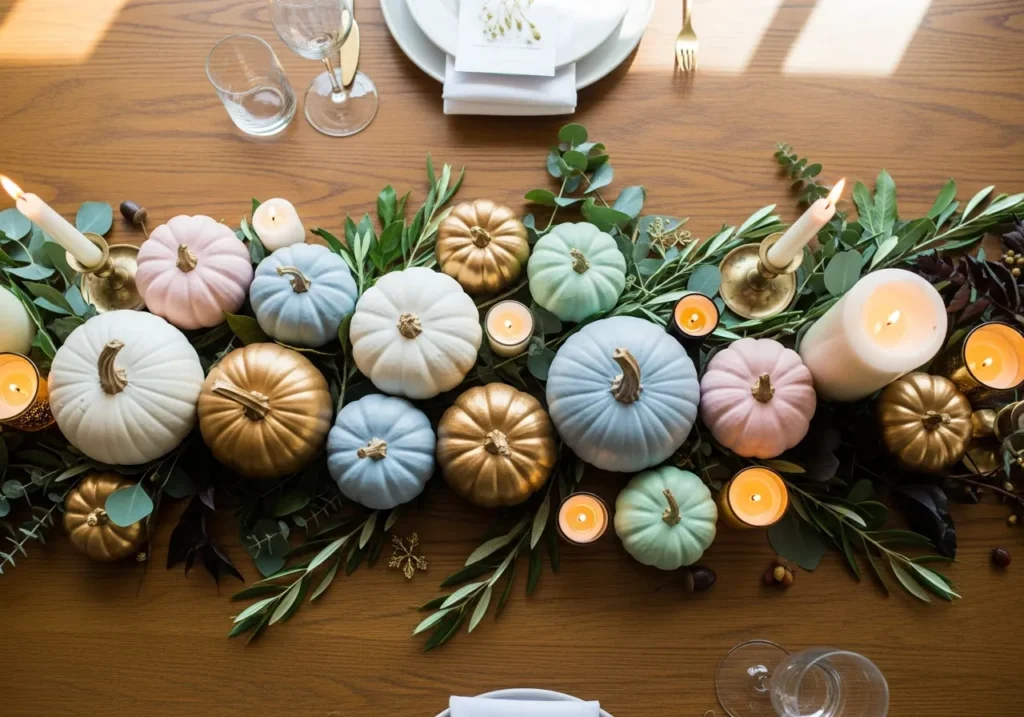
Pumpkins aren’t just for Halloween. Small pumpkins and gourds painted in colors that match your decor become sophisticated centerpiece elements suitable for autumn and beyond. Choose a cohesive color palette like all white, metallic gold and copper, or soft pastels, then paint your pumpkins accordingly. The transformation from traditional orange to customized hues elevates these humble vegetables into designer-worthy decorations.
Arrange painted pumpkins in varying sizes down the center of your table, interspersed with candles, greenery, or other decorative elements. The organic shapes and matte painted finish create visual interest while the coordinated colors tie everything together. For added elegance, consider using spray paint in metallic finishes or chalk paint for a soft, muted appearance.
This centerpiece idea extends pumpkin season well beyond October. Painted pumpkins work beautifully for Thanksgiving tables, autumn weddings, and general fall decor. When the season ends, simply compost the pumpkins and save your paint for next year’s harvest.To see more thanksgiving centerpiece ideas visit Elle Decor.
Birch Branch and Twig Arrangements
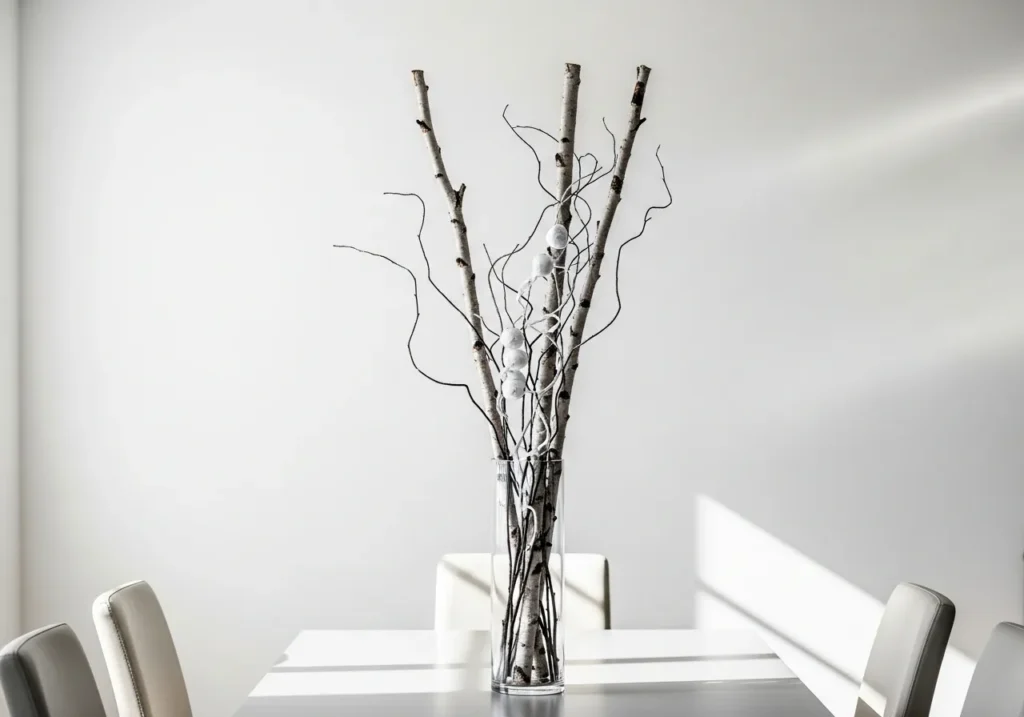
Bare branches bring architectural beauty and natural elegance to centerpiece designs. Collect interesting twigs and branches during walks, looking for pieces with character like curves, forks, or interesting textures. Birch branches are particularly popular for their distinctive white bark and delicate appearance.
Arrange branches in tall, narrow vases for a minimalist, sculptural display that draws the eye upward. This vertical emphasis works especially well on tables with low ceilings or in small dining spaces where you want to maximize the sense of height. For a fuller look, use shorter branches in wider vases and add decorative elements like hanging crystals, paper flowers, or fairy lights.
Spray paint branches white, gold, or any color that matches your scheme for a more polished, intentional appearance. The paint also preserves the branches and creates uniform color that ties disparate pieces together into a cohesive arrangement.
Fabric and Ribbon Accents
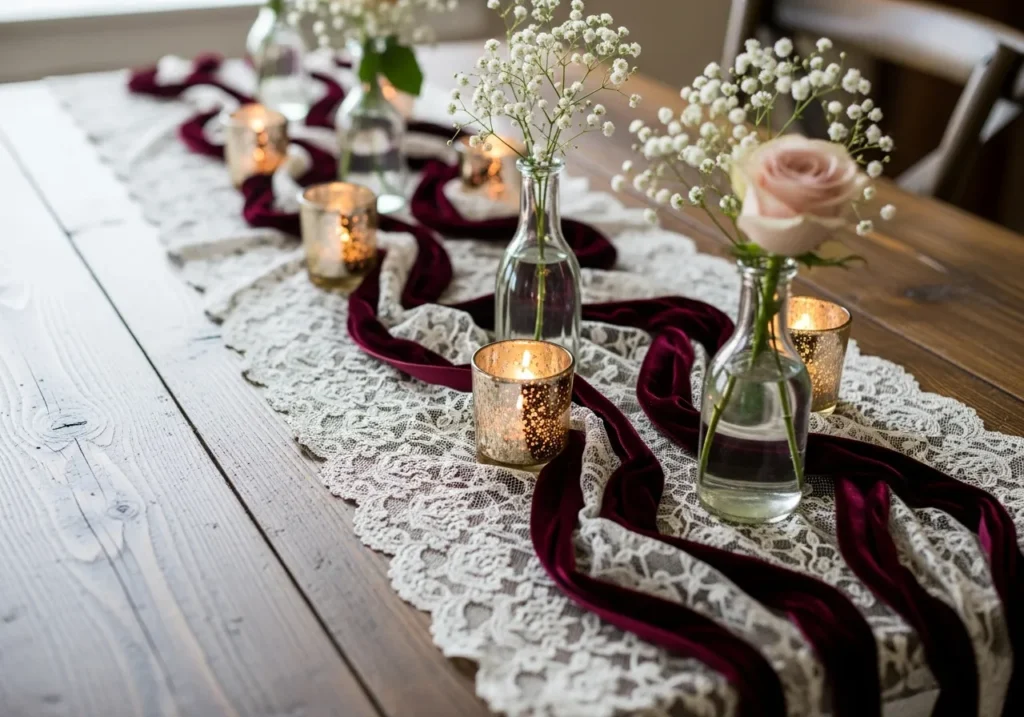
Sometimes the simplest materials create the most impact. Drape luxurious ribbon or fabric down the center of your table as a runner, then place candles, small vases, or other decorative objects on top. Silk, velvet, and lace each create distinctly different moods, from romantic to regal to rustic. The fabric adds color, texture, and softness that contrasts beautifully with hard surfaces like wood and glass.
Layer different fabrics for added depth and interest. A base of burlap topped with lace creates farmhouse elegance. Silk topped with sheer organza adds ethereal romance. Experiment with different combinations to discover what speaks to your personal style and the atmosphere you want to create.
Change your fabric runner seasonally or for special occasions to completely transform your table’s appearance. This approach requires minimal storage space since fabrics fold flat, and the investment in quality materials pays dividends through repeated use.
Conclusion
Creating beautiful centerpieces doesn’t demand a large budget or professional design skills. With creativity, resourcefulness, and a willingness to experiment, you can craft stunning table displays that rival anything found in expensive home decor stores. The ideas presented here offer starting points that you can adapt, combine, and personalize to reflect your unique style and the specific needs of your space.
The most successful DIY centerpieces share common characteristics regardless of their specific materials or design. They incorporate varying heights to create visual interest, use colors that complement rather than clash with existing decor, and maintain appropriate scale for the table size. Most importantly, they reflect the personality and creativity of the person who made them, which cannot be purchased at any price.
Start with materials you already have at home or can find inexpensively at thrift stores and dollar shops. Don’t be afraid to try different approaches until you discover what works best for your space and lifestyle. The beauty of DIY projects lies in their flexibility and the satisfaction of creating something uniquely yours. Your table deserves a centerpiece that makes you smile every time you see it, and these affordable ideas prove that beauty and budget can coexist perfectly.
Frequently Asked Questions
What is the cheapest material to use for DIY centerpieces?
Natural materials like branches, pinecones, leaves, and stones cost nothing if you collect them yourself. Mason jars, which many people already have at home, also rank among the most affordable options. Dollar stores offer inexpensive vases, candles, and seasonal decorations that can be combined creatively for minimal investment.
How do I make a centerpiece look expensive on a budget?
Focus on cohesive color schemes, add height variation, and keep arrangements uncluttered. Using metallics like gold or copper spray paint on inexpensive items instantly elevates their appearance. Quality over quantity matters more than the actual cost of materials, so choose fewer well-placed items rather than crowding your display.
What size should a dining table centerpiece be?
A good rule of thumb is that centerpieces should not exceed one third of your table’s width, allowing plenty of room for place settings and serving dishes. Height also matters since guests need to see and speak to each other across the table, so keep most arrangements under 12 inches tall or choose very tall, narrow designs that don’t obstruct sightlines.
Can I make centerpieces ahead of time for events?
Yes, many centerpiece styles can be prepared in advance. Arrangements using artificial flowers, painted objects, candles, and non-perishable items can be assembled weeks ahead. For centerpieces with fresh flowers or produce, prepare containers and non-perishable elements early, then add fresh materials one to two days before your event.
How often should I change my centerpiece?
This depends entirely on personal preference and lifestyle. Some people enjoy changing centerpieces seasonally, about four times per year, while others prefer monthly updates to keep their space feeling fresh. For everyday use, a simple, neutral centerpiece that you genuinely love can remain in place indefinitely with minor seasonal tweaks to accessories around it.
One Comment