17+ Creative Stove Pipe Cover Ideas
The stove pipe running through your home serves an essential function, but that doesn’t mean it has to be an eyesore. Whether you have a wood-burning stove, pellet stove, or any other type of heating appliance, the exposed pipe can disrupt your carefully planned interior design. Fortunately, there are numerous creative ways to transform this necessary component into an attractive feature that complements your décor while maintaining proper safety standards.
Covering or disguising a stove pipe requires balancing aesthetics with functionality. The cover must allow proper heat dissipation, maintain required clearances from combustible materials, and not interfere with the pipe’s performance. With the right approach, you can achieve a solution that enhances your space without compromising safety or efficiency.
This comprehensive guide explores over seventeen innovative stove pipe cover ideas that range from simple decorative sleeves to elaborate architectural treatments. Whether your style leans toward rustic farmhouse, sleek modern, or traditional elegance, you’ll find inspiration to transform your stove pipe from a practical necessity into a design element you’re proud to showcase.
Understanding Stove Pipe Cover Basics
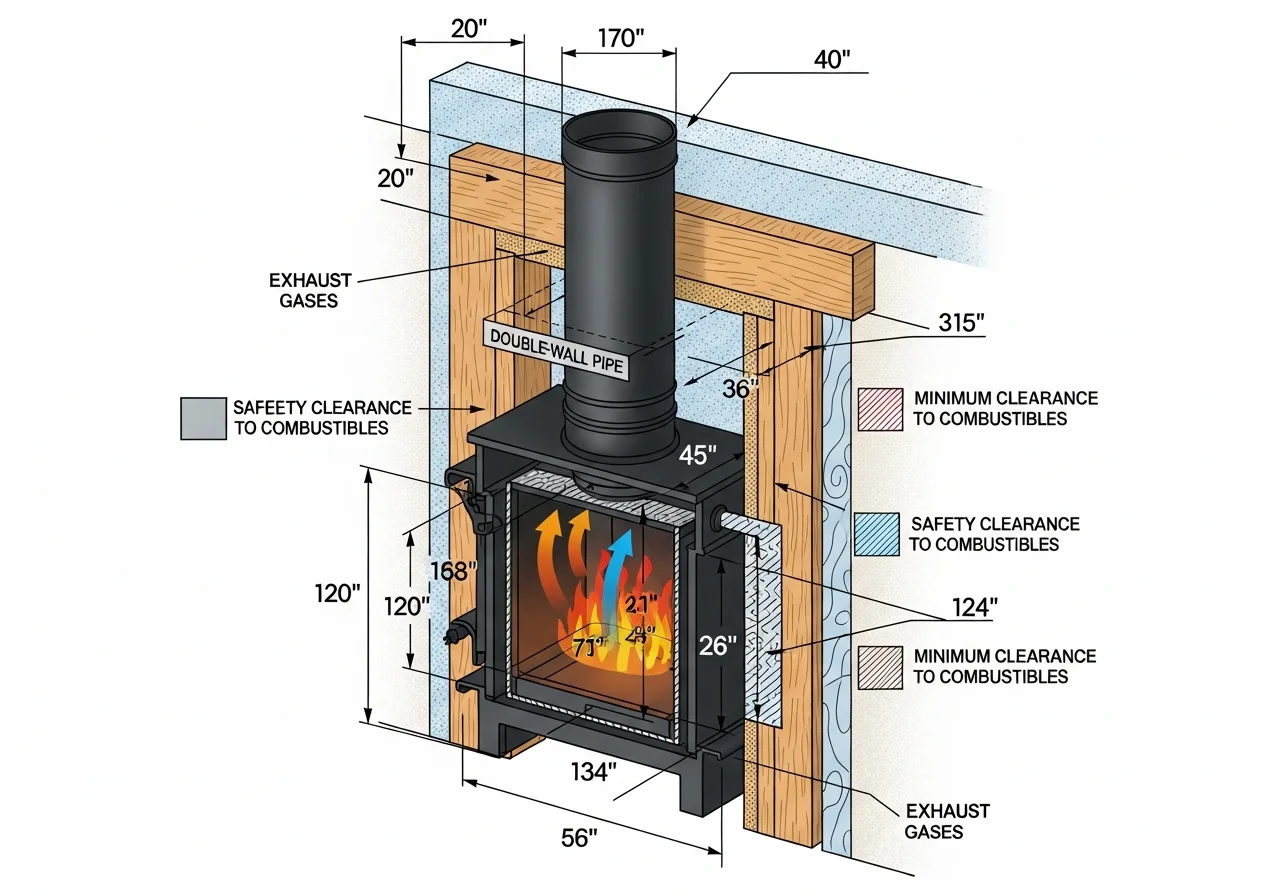
Before diving into specific ideas, it’s important to understand what makes a stove pipe cover safe and effective. The pipe carries hot exhaust gases from your stove to the outside, which means it gets extremely hot during operation. Any covering or decorative treatment must be made from heat-resistant materials and installed at a safe distance from the pipe surface.
Most building codes require specific clearances between stove pipes and combustible materials. These requirements typically range from six to eighteen inches, depending on your local regulations and the type of pipe you have. Always consult your local building codes and the manufacturer’s specifications before implementing any cover solution.
The best stove pipe covers serve dual purposes: they enhance the appearance of your space while potentially improving safety by creating a protective barrier that prevents accidental contact with the hot pipe surface. Some solutions also help direct heat flow or protect surrounding surfaces from radiant heat.
Decorative Metal Sleeves
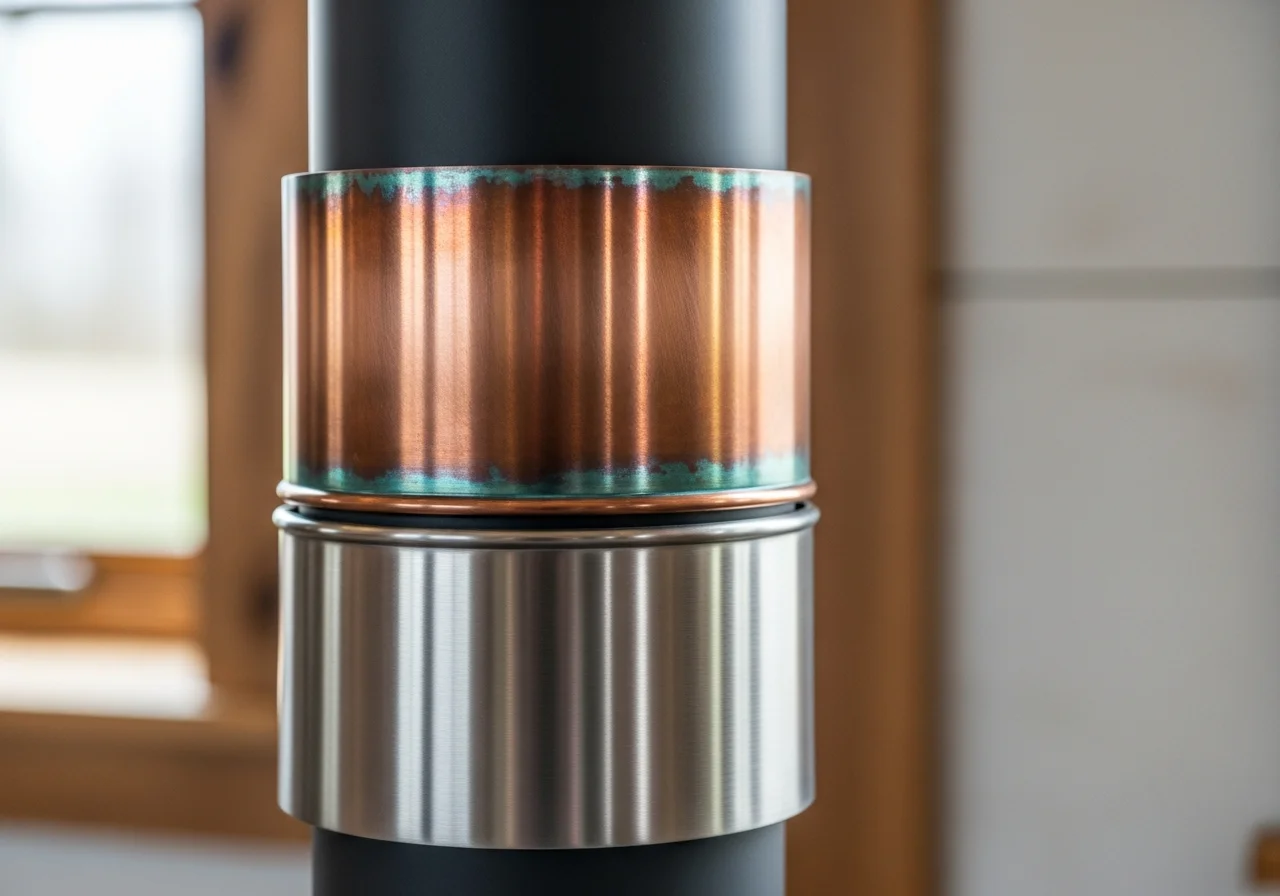
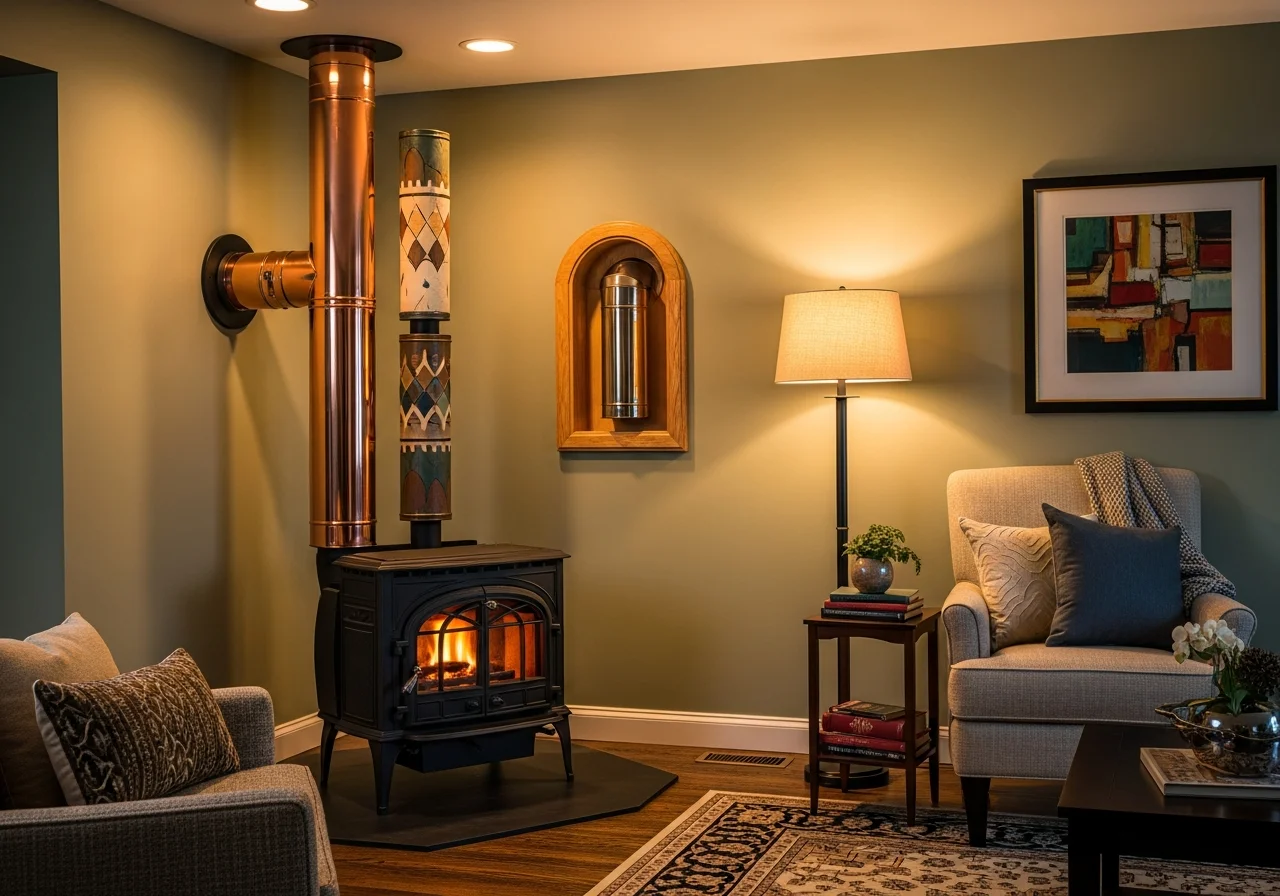
One of the most straightforward approaches to covering a stove pipe involves installing a decorative metal sleeve around the existing pipe. These sleeves are typically made from copper, brushed nickel, stainless steel, or powder-coated steel in various colors. The sleeve fits around the pipe with adequate clearance for heat dissipation while providing a polished, finished appearance.
Copper sleeves develop a beautiful patina over time, adding character and warmth to traditional or rustic interiors. The material’s natural heat conductivity makes it an excellent choice, though it requires proper spacing from the actual pipe. Stainless steel offers a contemporary look that works well in modern kitchens and living spaces, while powder-coated options can match any color scheme.
Installation involves measuring the pipe diameter and height, then fabricating or purchasing a sleeve with the appropriate dimensions. The sleeve should be secured at the top and bottom with heat-resistant hardware while maintaining the required clearance from the pipe itself.
Heat Shield Covers with Artistic Designs
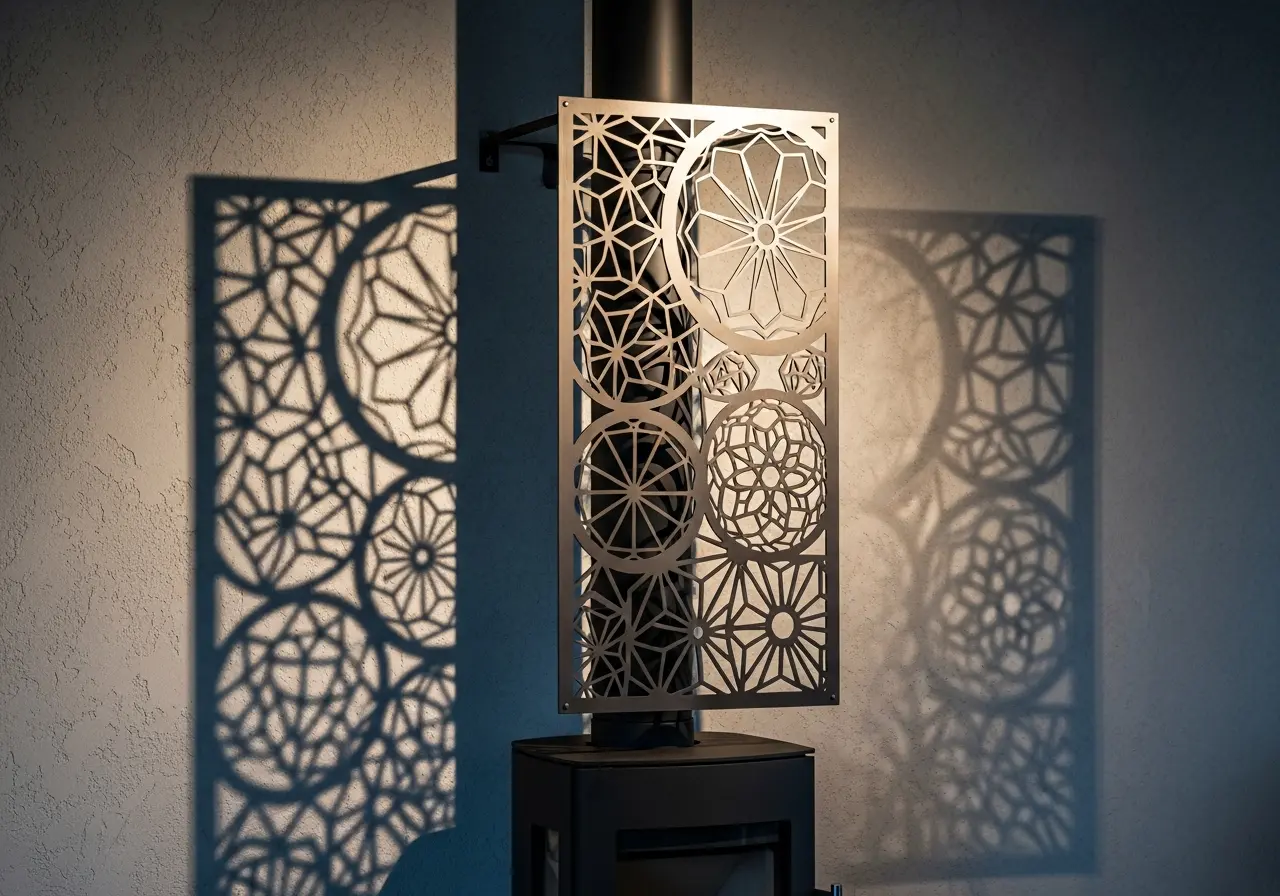
Heat shields serve a functional purpose by protecting walls and surfaces from radiant heat, but they can also be transformed into attractive design features. Modern heat shields come in various finishes and can be customized with decorative patterns, laser-cut designs, or embossed textures that add visual interest while performing their protective function.
Consider heat shields with geometric patterns that create shadow play on surrounding walls, or choose designs that reflect your personal style such as nature motifs, abstract patterns, or cultural symbols. These shields can be powder-coated in colors that complement your décor, transforming a safety requirement into an artistic statement.
The key is selecting shields that meet safety standards while offering the aesthetic appeal you desire. Many manufacturers now offer customizable options where you can specify dimensions, materials, and design elements to create a truly unique solution.
Rustic Stone Surround
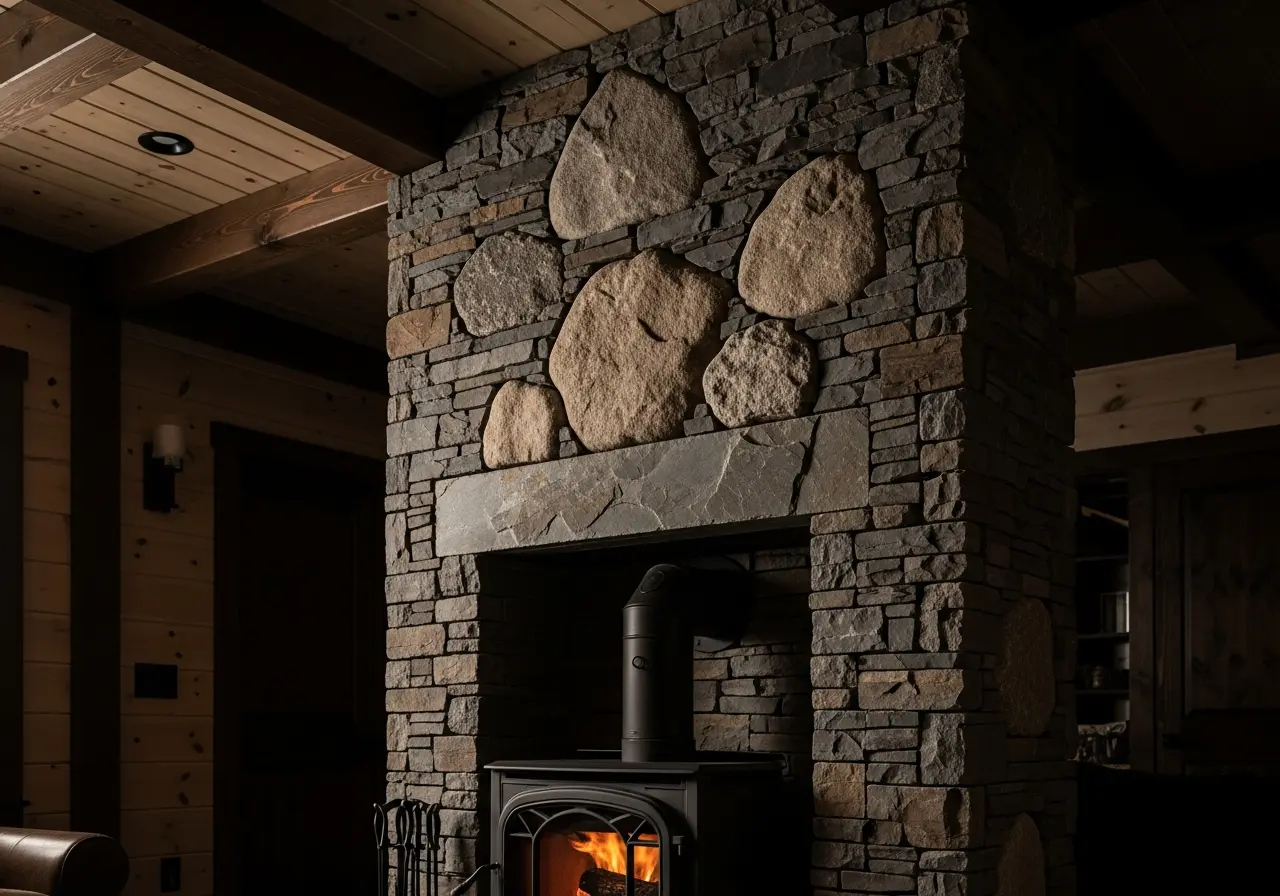
For homes with rustic, cabin, or craftsman-style interiors, a stone surround provides an elegant solution that integrates the stove pipe into the overall design scheme. This approach involves building a column or partial wall of natural stone, brick, or cultured stone around the pipe’s path, with the pipe running through the center.
The stone surround must be constructed with proper clearances and may require a clay tile liner or other heat-resistant barrier between the stone and the pipe. This substantial installation becomes a focal point in the room, adding texture, thermal mass, and architectural interest while concealing the utilitarian appearance of the pipe.
Natural stone varieties like river rock, stacked slate, or fieldstone each offer distinct aesthetic qualities. The surround can extend from floor to ceiling or terminate at a specific height, depending on your design vision and structural considerations.
Wooden Box Cover with Ventilation
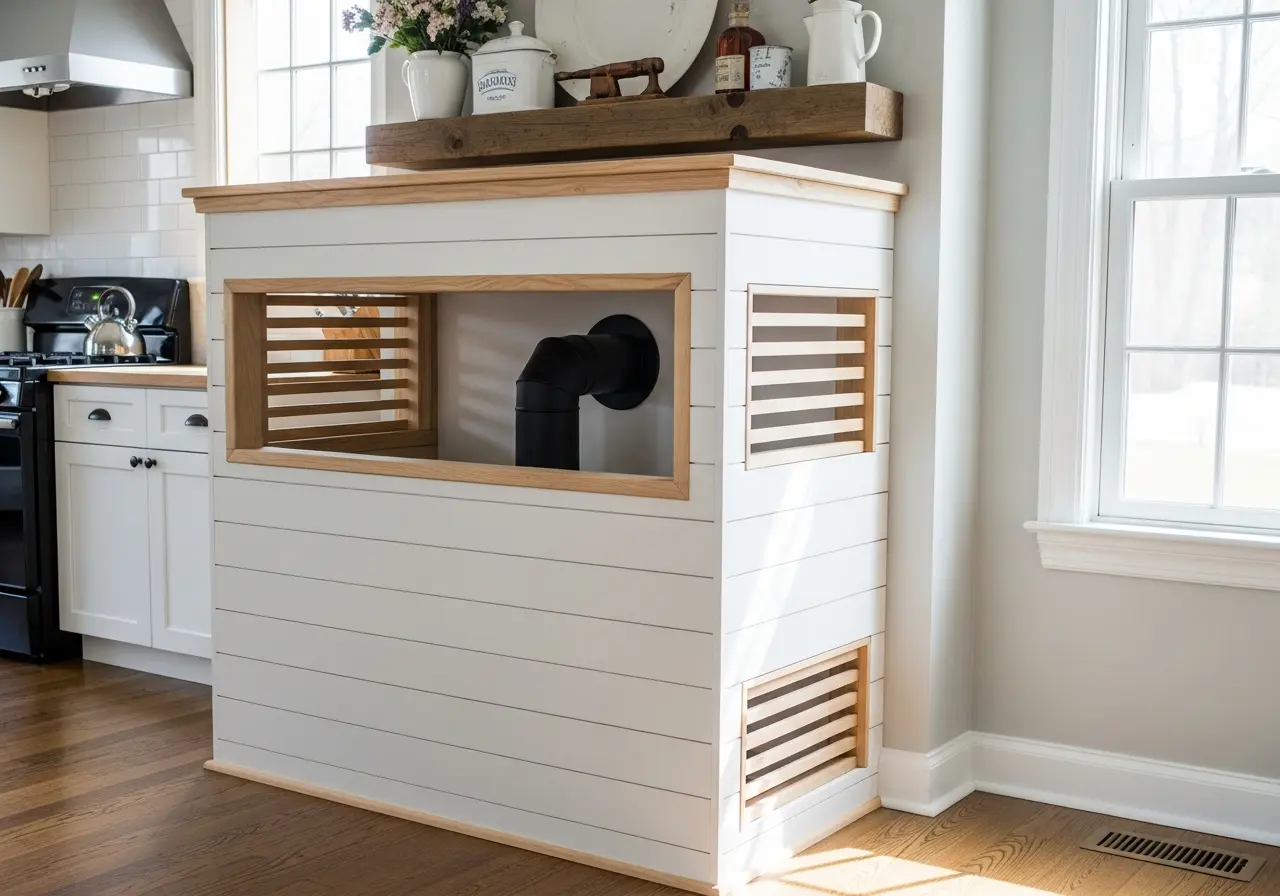
A carefully designed wooden box cover can conceal a stove pipe while maintaining proper ventilation and safety clearances. This solution works particularly well when the pipe runs through a corner or against a wall where a boxed enclosure won’t interfere with the room’s flow.
The wooden frame must be constructed from fire-resistant or treated wood and positioned far enough from the pipe to meet code requirements. Ventilation openings at the top and bottom allow heat to escape and air to circulate, preventing heat buildup. The exterior can be finished to match your trim work, painted to blend with walls, or stained to showcase the wood grain.
This approach offers excellent opportunities for customization. You might incorporate decorative molding, beadboard panels, shiplap siding, or other architectural details that align with your home’s character. Some homeowners add small shelves or display niches to the cover, creating functional storage while concealing the pipe.
Painted Pipe as Art
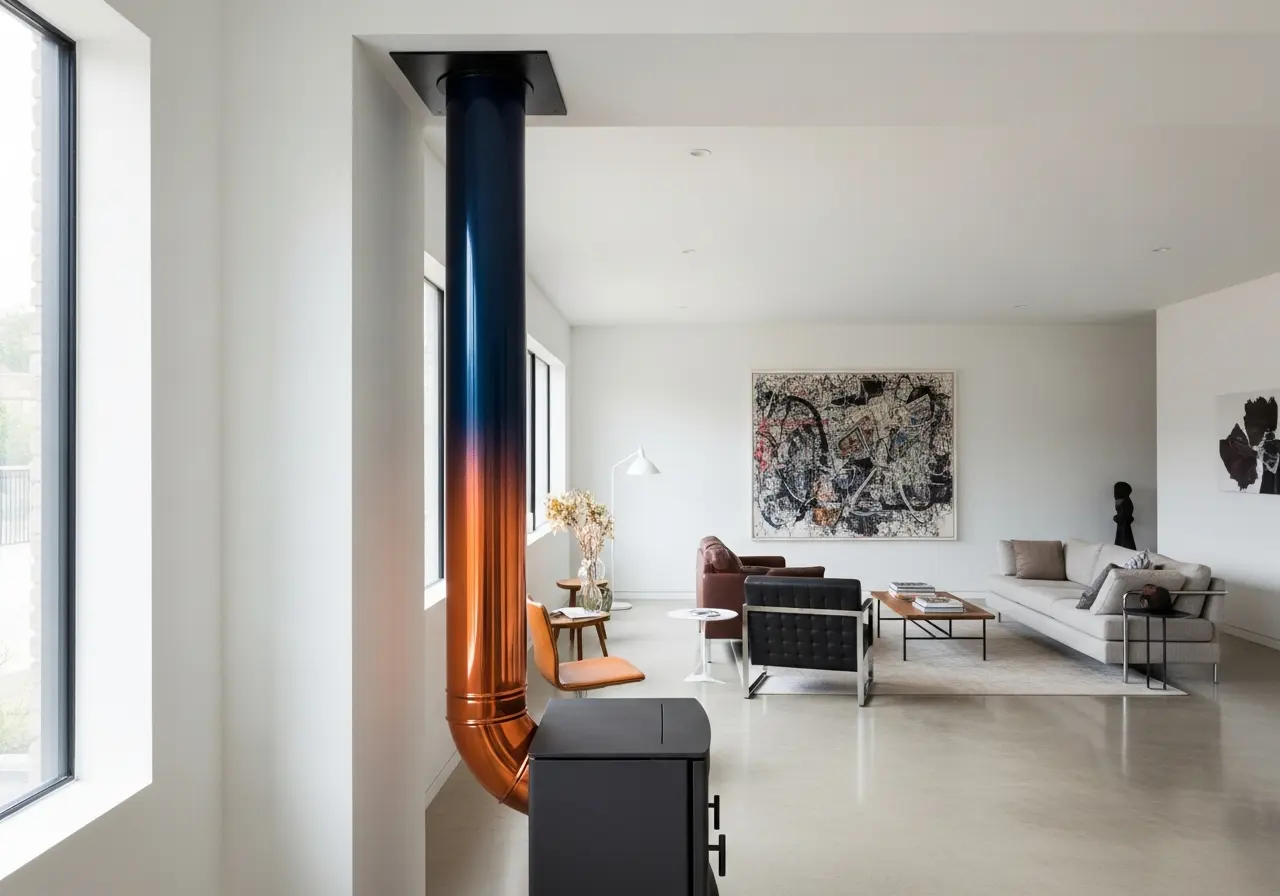
Sometimes the simplest solution is the most effective. Rather than hiding the stove pipe, consider transforming it into an intentional design element through creative painting. High-temperature paint formulated specifically for stove pipes can withstand the heat while offering color options beyond basic black.
A pipe painted in a bold accent color becomes a vertical design element that draws the eye upward and adds personality to the space. Metallic finishes like bronze, copper, or pewter create sophisticated looks, while matte colors can help the pipe recede into the background or stand out as a statement piece, depending on your choice.
For the adventurous, consider creating patterns or designs on the pipe itself using stencils and multiple colors of heat-resistant paint. Geometric bands, ombré gradations, or even trompe l’oeil effects can turn the functional pipe into a conversation piece.
Industrial Pipe Framework
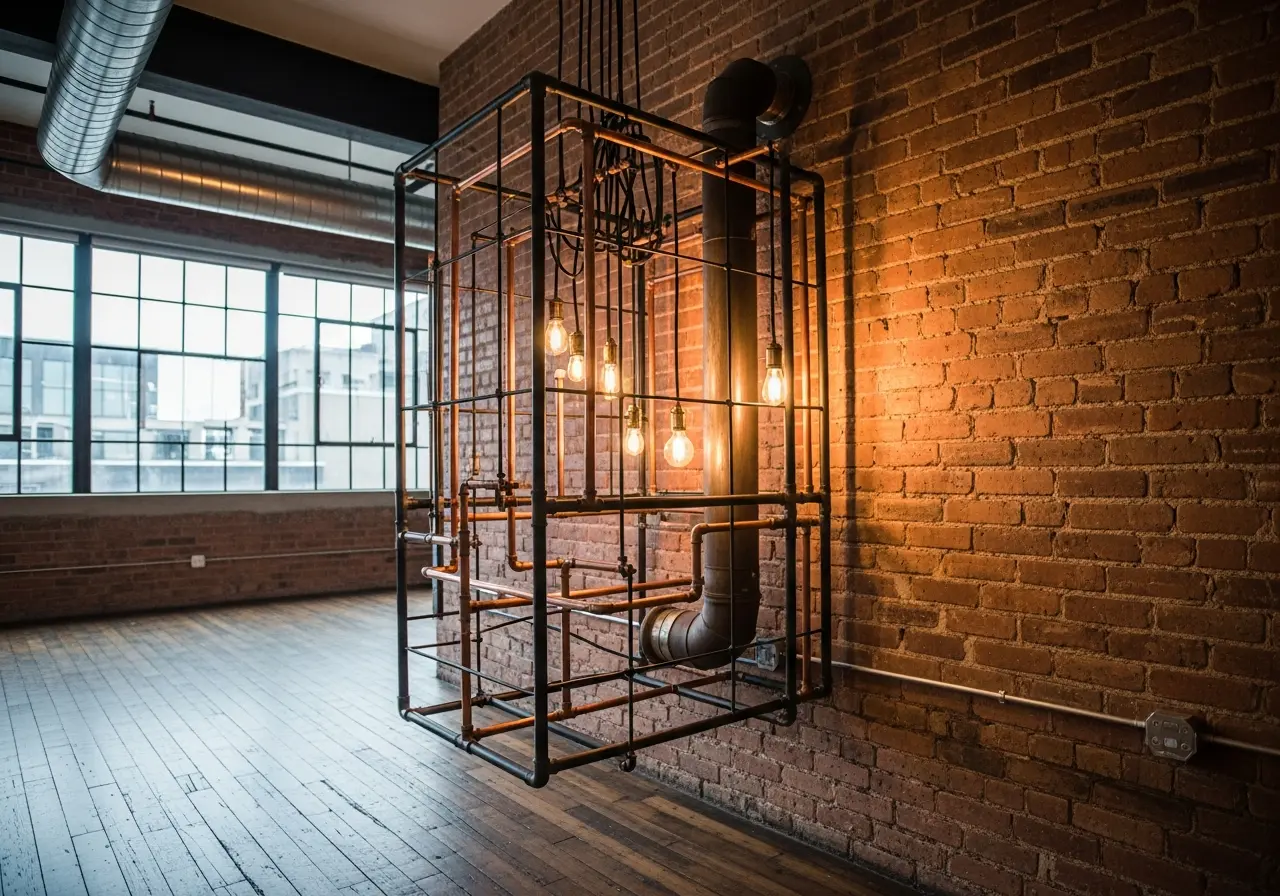
Embracing the industrial aesthetic, you can surround your stove pipe with a framework of exposed metal piping that celebrates rather than conceals the utilitarian nature of the element. Black iron pipe, copper tubing, or galvanized conduit can be configured into geometric shapes, grids, or cage-like structures around the stove pipe.
This approach works exceptionally well in lofts, converted industrial spaces, or homes with modern industrial décor. The framework provides a visual boundary and adds architectural interest while allowing full ventilation around the hot pipe. You might incorporate shelving into the framework design, creating functional storage for firewood, kindling, or decorative objects that can withstand proximity to heat.
The raw, honest quality of industrial materials pairs well with concrete, exposed brick, and reclaimed wood elements, creating a cohesive design narrative throughout the space.
Vintage-Style Pipe Collars and Medallions
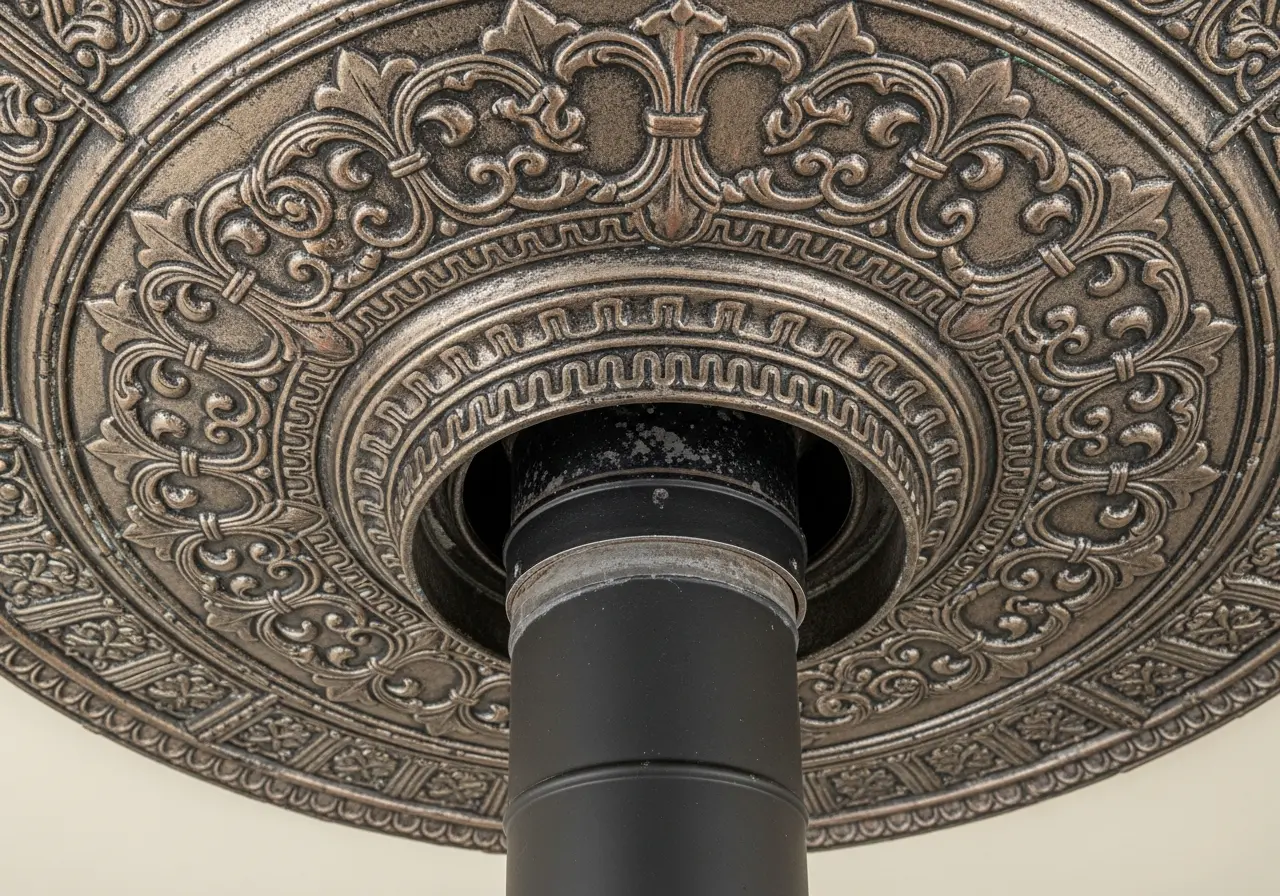
Drawing inspiration from Victorian-era architecture, decorative pipe collars and ceiling medallions add period-appropriate elegance when a stove pipe passes through ceilings or floors. These ornamental pieces, traditionally made from pressed tin, cast iron, or plaster, frame the pipe opening with elaborate designs featuring scroll work, geometric patterns, or nature motifs.
Reproduction collars and medallions are available from architectural salvage suppliers and specialty manufacturers, offering authentic period details without the expense of genuine antiques. They can be painted to match your color scheme or finished in metallic tones that complement the pipe material.
This solution is particularly effective in historic homes or spaces decorated in traditional, vintage, or eclectic styles. The ornamental collars draw attention to the craftsmanship and architectural details rather than the pipe itself.
Reclaimed Wood Cladding
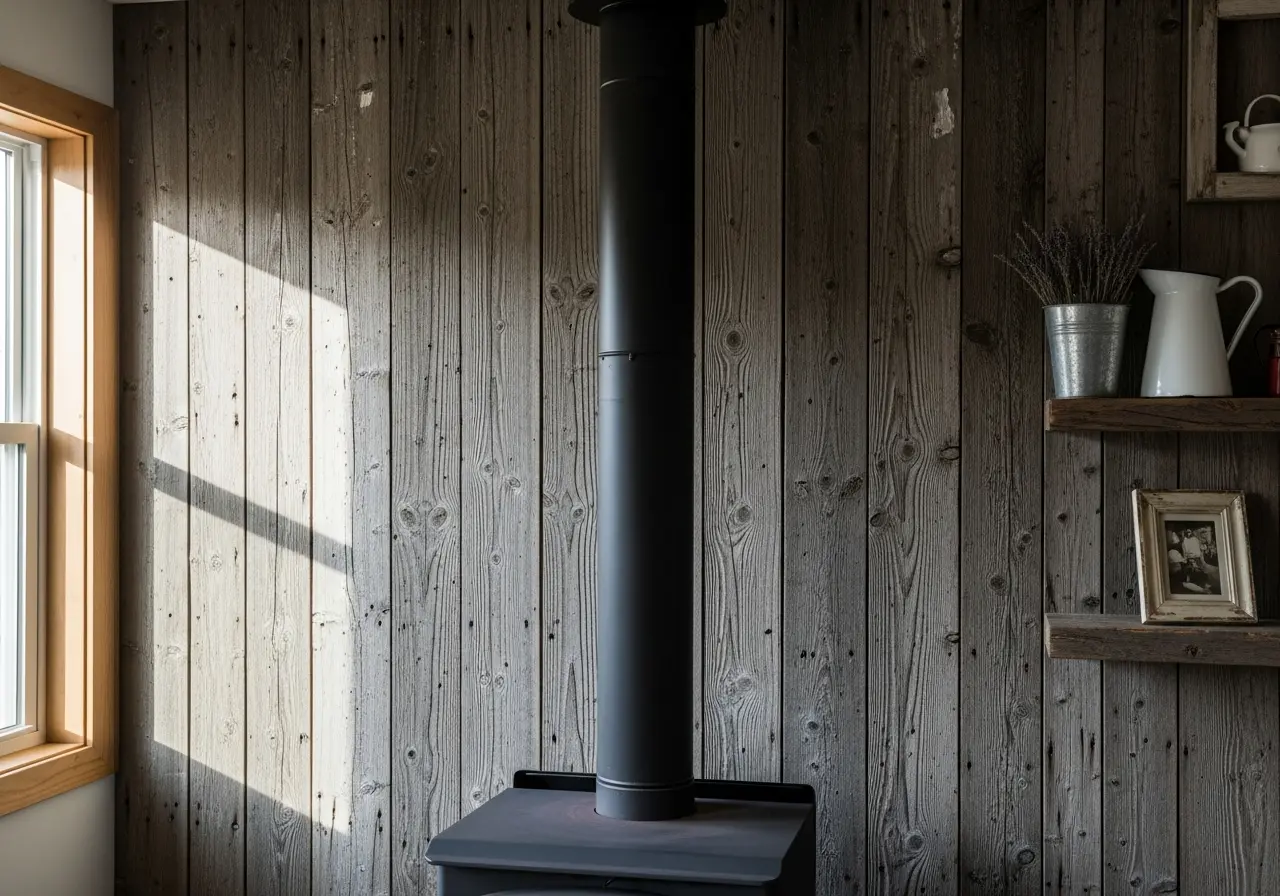
Reclaimed barn wood, weathered fence boards, or salvaged lumber can be fashioned into attractive cladding that surrounds the stove pipe at a safe distance. The aged character of reclaimed wood adds warmth and texture while telling a story of sustainability and resourcefulness.
The wood cladding is typically constructed as a freestanding column or box frame that encircles the pipe with appropriate clearances. Vertical planks create a clean, contemporary look, while horizontal boards suggest traditional siding. The natural variations in color, grain, and weathering patterns ensure that each installation is unique.
Proper ventilation remains essential, so the design should incorporate gaps between boards or dedicated vent openings. The aged patina of reclaimed wood requires no additional finishing, though you may choose to apply a clear sealant to preserve the surface and facilitate cleaning.
Modern Minimalist Shield
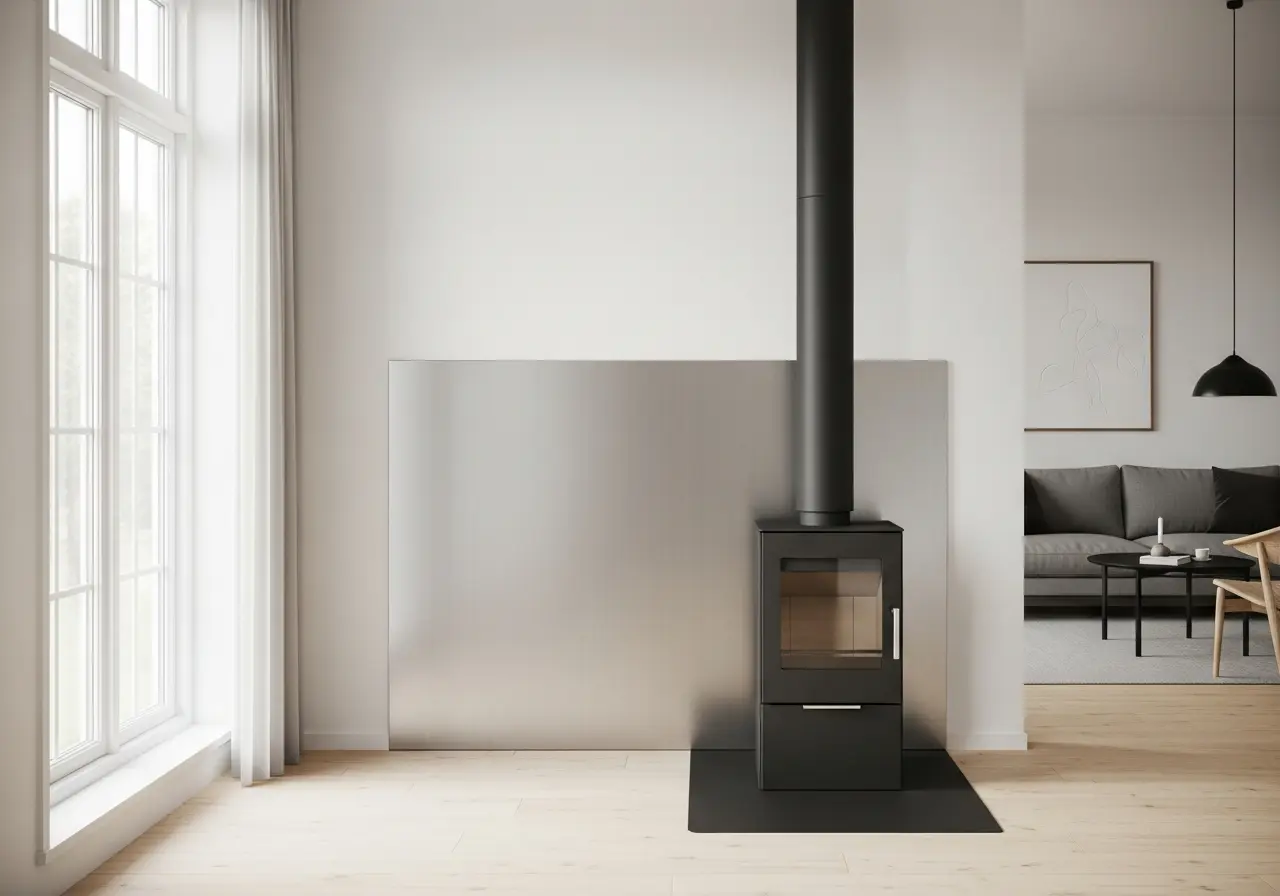
For contemporary interiors that favor clean lines and uncluttered aesthetics, a minimalist metal shield offers subtle protection and visual refinement without adding decorative complexity. A simple flat panel or gently curved shield in brushed stainless steel, blackened steel, or powder-coated aluminum mounts to the wall behind the pipe, protecting the surface while maintaining the room’s streamlined character.
The shield can extend from floor to ceiling as a continuous vertical element or be sized to protect only the area most affected by radiant heat. Its monochromatic finish allows it to recede into the background, serving its function without demanding attention.
This approach respects the principle that good design often lies in restraint. The shield’s clean geometry and quality materials speak to sophisticated taste without unnecessary embellishment.
Brick or Tile Accent Wall
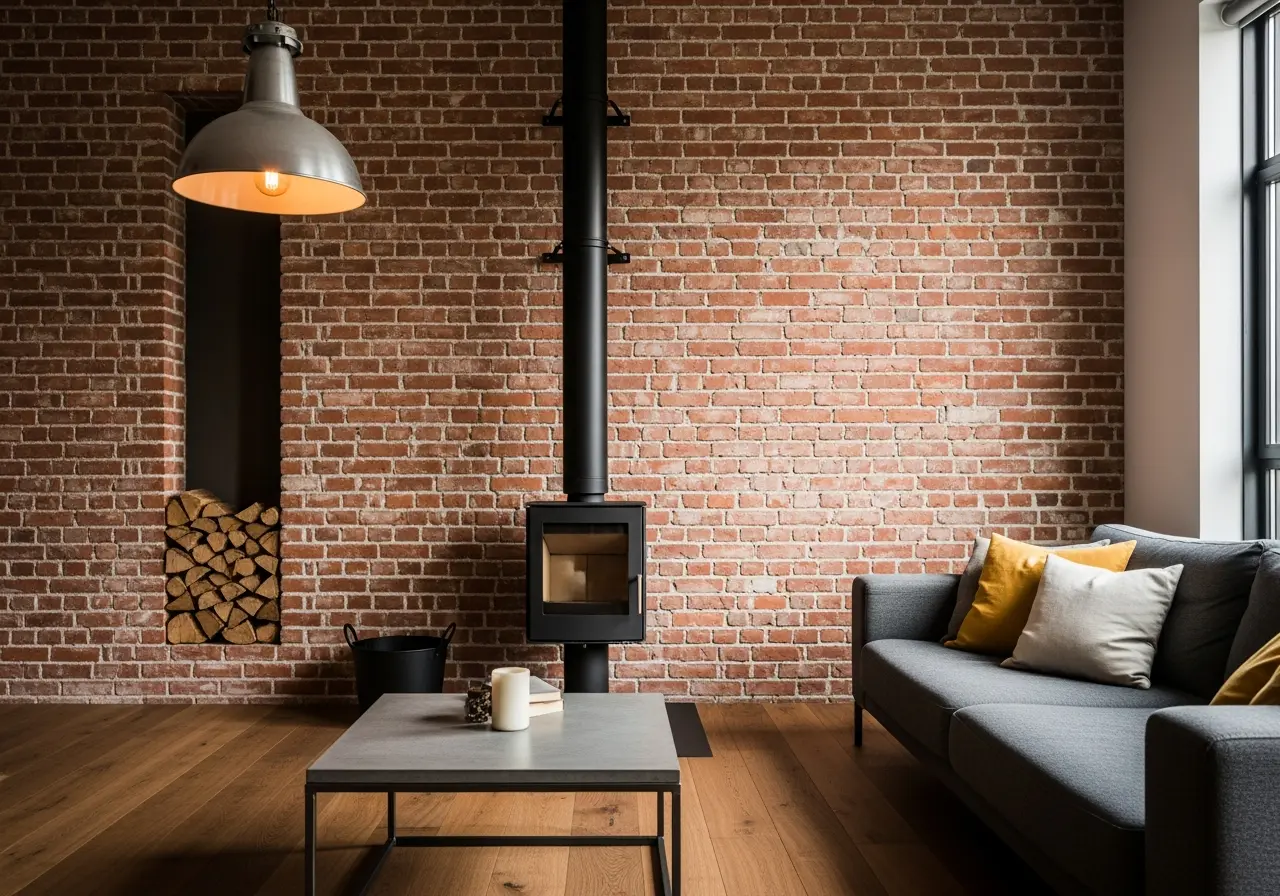
Creating an accent wall of brick or tile behind and around the stove pipe integrates the heating element into a broader design feature. Exposed brick, whether original to the structure or newly installed as a veneer, provides texture, color variation, and fireproof protection while establishing a warm, inviting focal point.
Alternatively, heat-resistant ceramic or porcelain tiles offer endless design possibilities. Large-format tiles create a sleek, modern backdrop, while smaller mosaic tiles enable intricate patterns and artistic expressions. The grout lines add subtle texture, and the tile’s inherent fire resistance makes it an ideal material for this application.
The accent wall can extend across the entire wall surface or be defined as a vertical column that frames the pipe’s path. This substantial treatment works best in rooms where the stove and pipe are central features rather than peripheral elements.For more ideas visit Homeliaa.
Decorative Grating or Mesh Panels
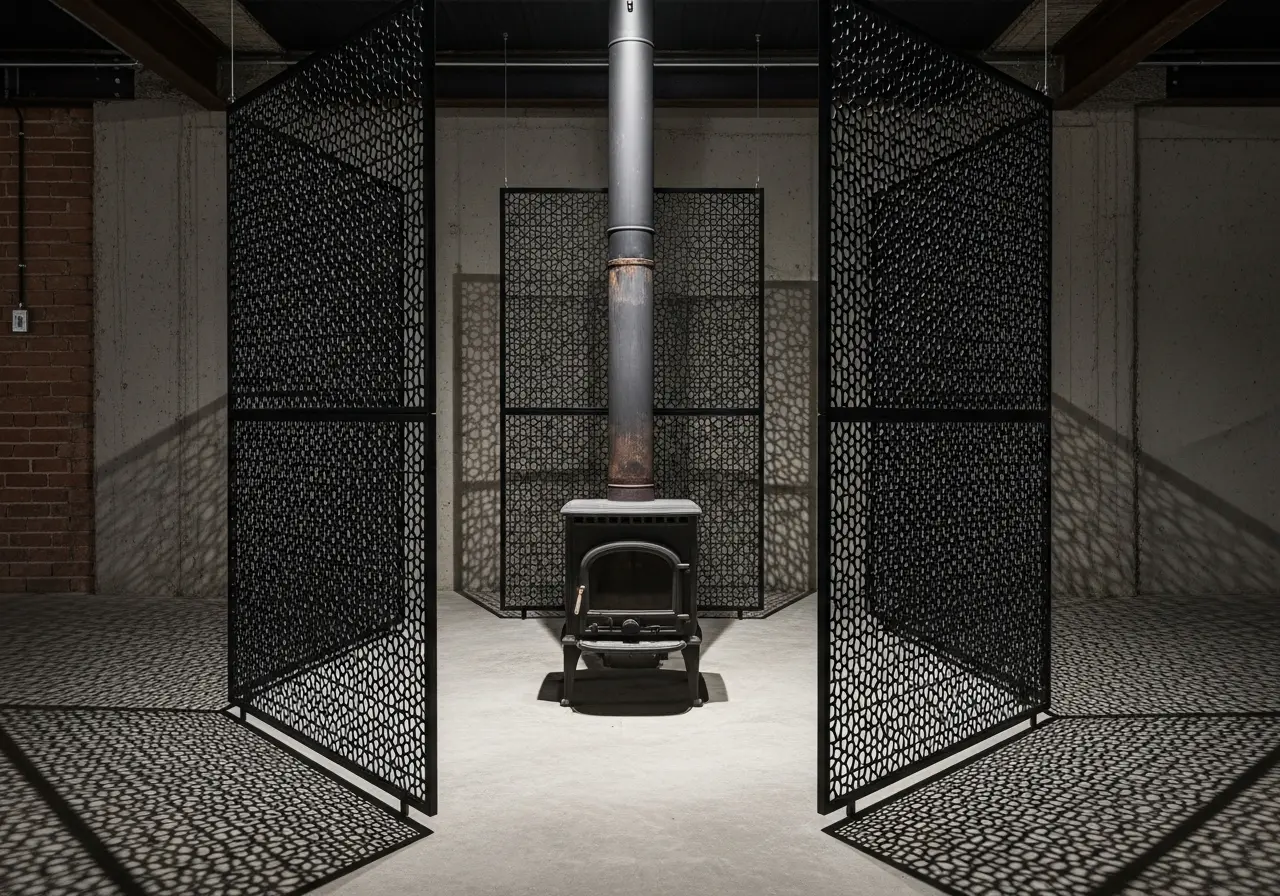
Architectural metal grating or decorative mesh panels can be configured to create a see-through barrier around the stove pipe. This solution provides a degree of separation and visual interest while maintaining excellent ventilation and a light, open feeling.
Expanded metal mesh, perforated panels, or ornamental ironwork offer varying degrees of transparency and decorative detail. The industrial character of grating suits contemporary and transitional spaces, while ornamental ironwork brings traditional elegance. Powder coating in custom colors allows these materials to coordinate with any palette.
The panels can be mounted as flat screens against walls or configured as three-dimensional enclosures, depending on the pipe’s location and your design objectives. Their light-filtering qualities create interesting shadow patterns and visual depth.
Telescoping Decorative Cover
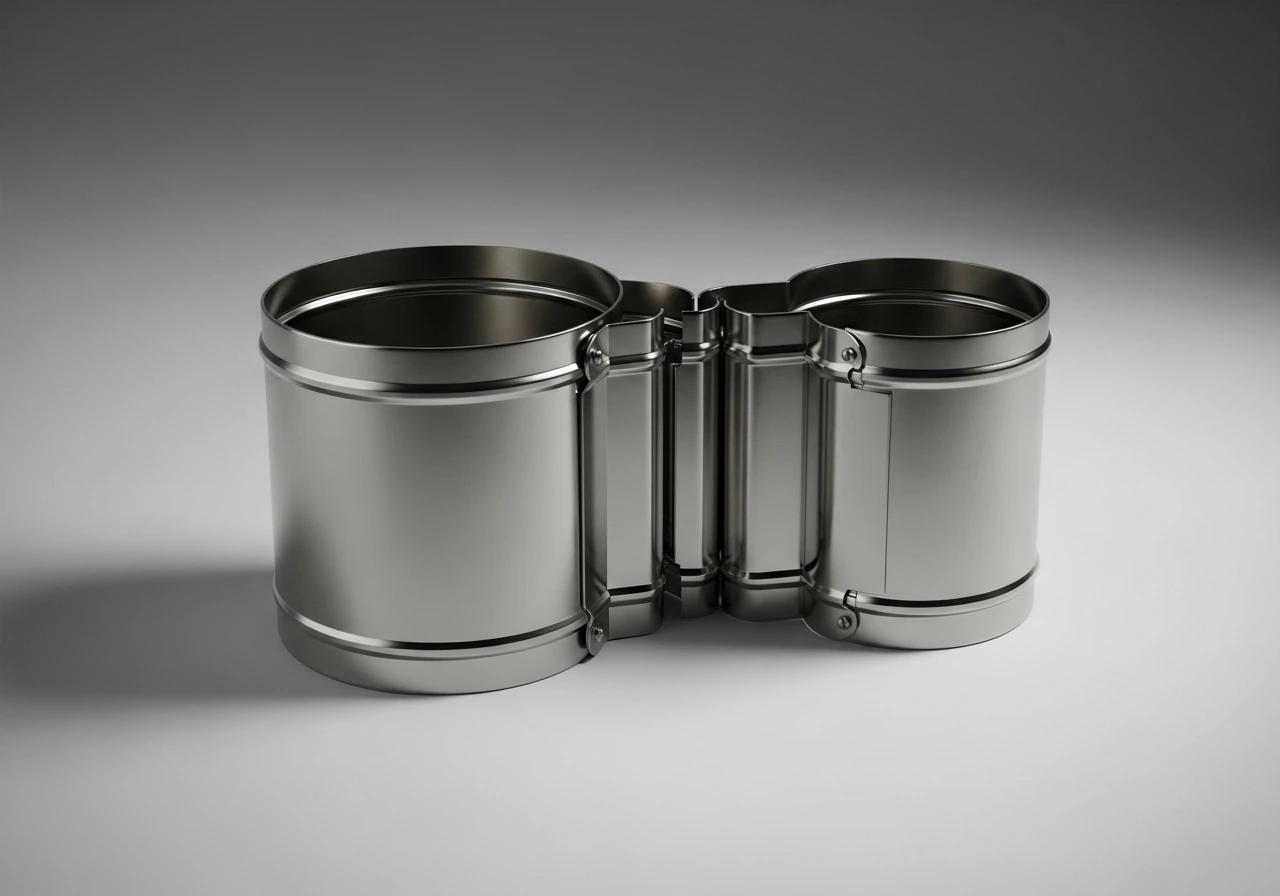
A telescoping cover system allows you to adjust the coverage as needed for maintenance access while providing an attractive finish during normal use. These covers typically consist of nested sections that slide over one another, similar to a telescope or collapsible camping cup.
Made from lightweight metal with appropriate heat resistance, the sections can be quickly separated when you need to inspect or clean the pipe, then reassembled to restore the decorative appearance. This practical approach appeals to homeowners who value both aesthetics and easy maintenance.
The exterior finish can range from simple painted metal to more elaborate treatments with embossed textures or applied decorative elements. The modular nature of the design also allows for easy replacement of damaged sections without replacing the entire cover.
Fabric or Leather Wrapped Sections
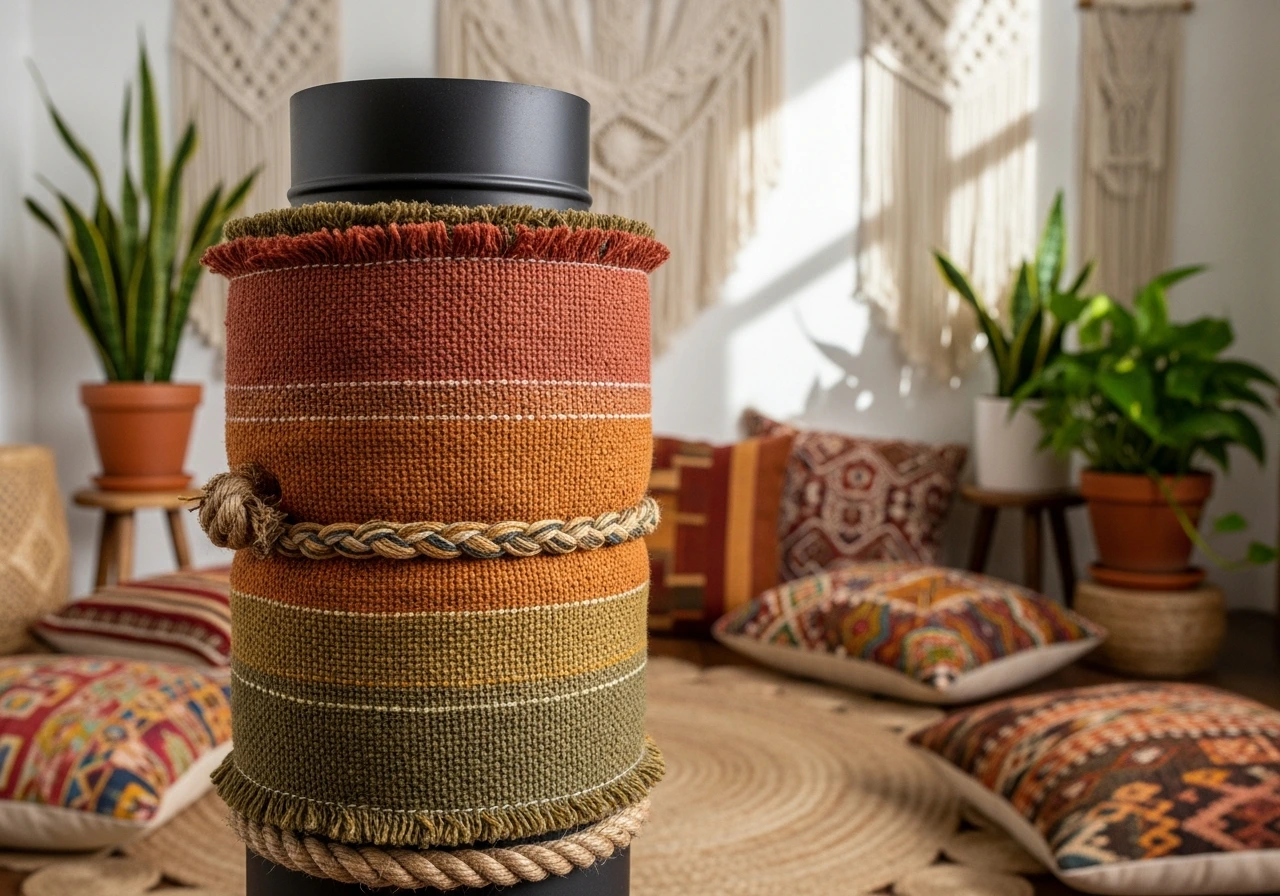
For portions of stove pipe that don’t reach extreme temperatures, such as cold sections or areas far from the heat source, specialty heat-resistant fabrics or leather wrappings can add unique texture and warmth. This unconventional approach creates a tactile, organic quality that softens the industrial character of metal piping.
Materials must be specifically rated for heat resistance and applied only to pipe sections that remain relatively cool during operation. Proper testing and adherence to safety guidelines is essential. The wrapping can be secured with heat-resistant adhesives or mechanical fasteners designed for this purpose.
This technique works particularly well in eclectic or bohemian interiors where unexpected material combinations create visual interest and personal expression. The soft texture provides pleasant contrast against harder surfaces like stone, metal, and wood.
Architectural Column Treatment
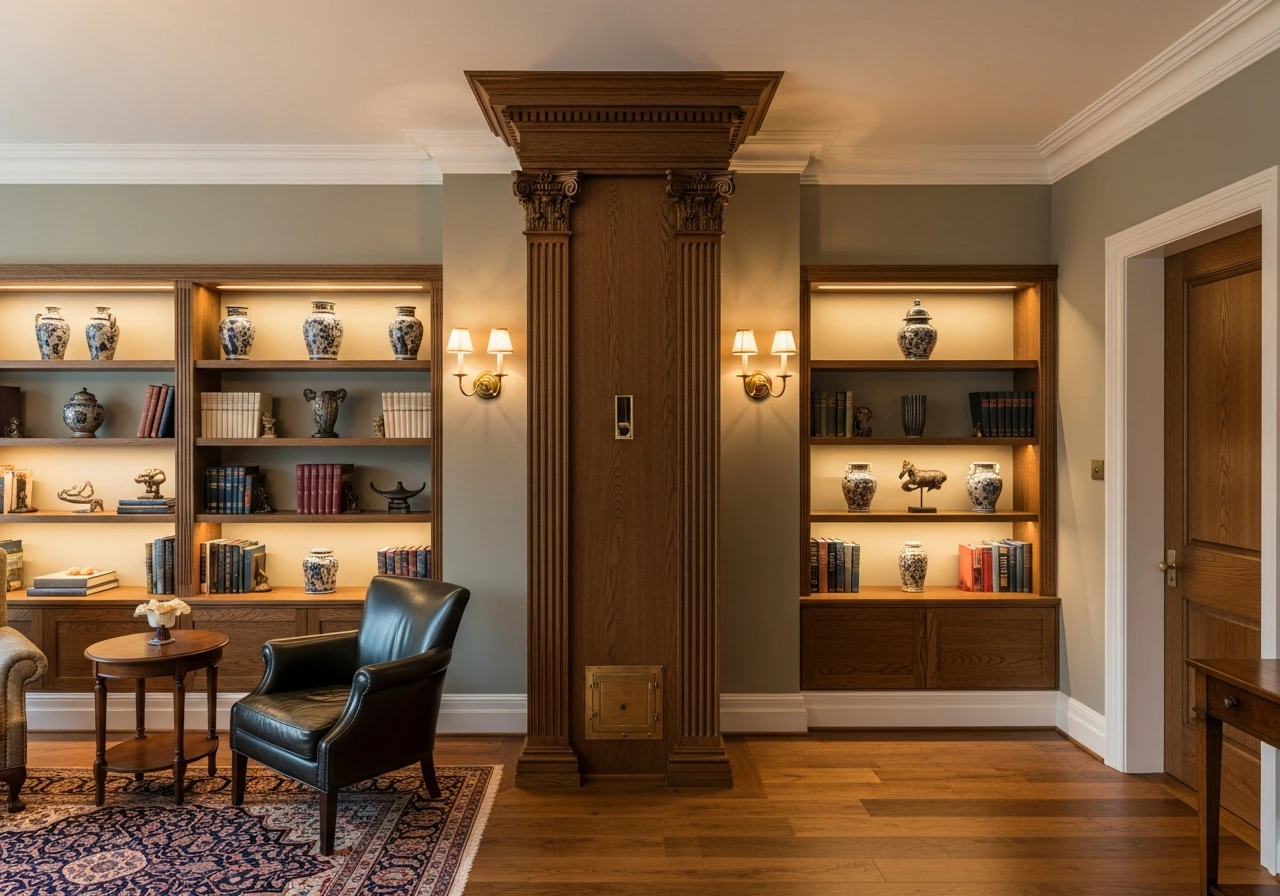
Transforming the stove pipe into an architectural column involves building a substantial structure that makes the pipe’s presence intentional and impressive. The column can incorporate classical details like base moldings, fluted shafts, and capital ornaments, or take on contemporary geometric forms with clean edges and bold proportions.
The column must be constructed with fire-safe materials and maintain required clearances, but within those constraints, creative possibilities abound. The structure might extend beyond the pipe’s footprint to incorporate built-in seating, display niches, or storage compartments. Lighting integrated into the column design can highlight architectural details and create ambient illumination.
This ambitious approach transforms a functional necessity into a defining architectural feature that establishes the character and focal point of the entire room.
Rustic Rope or Twine Wrapping
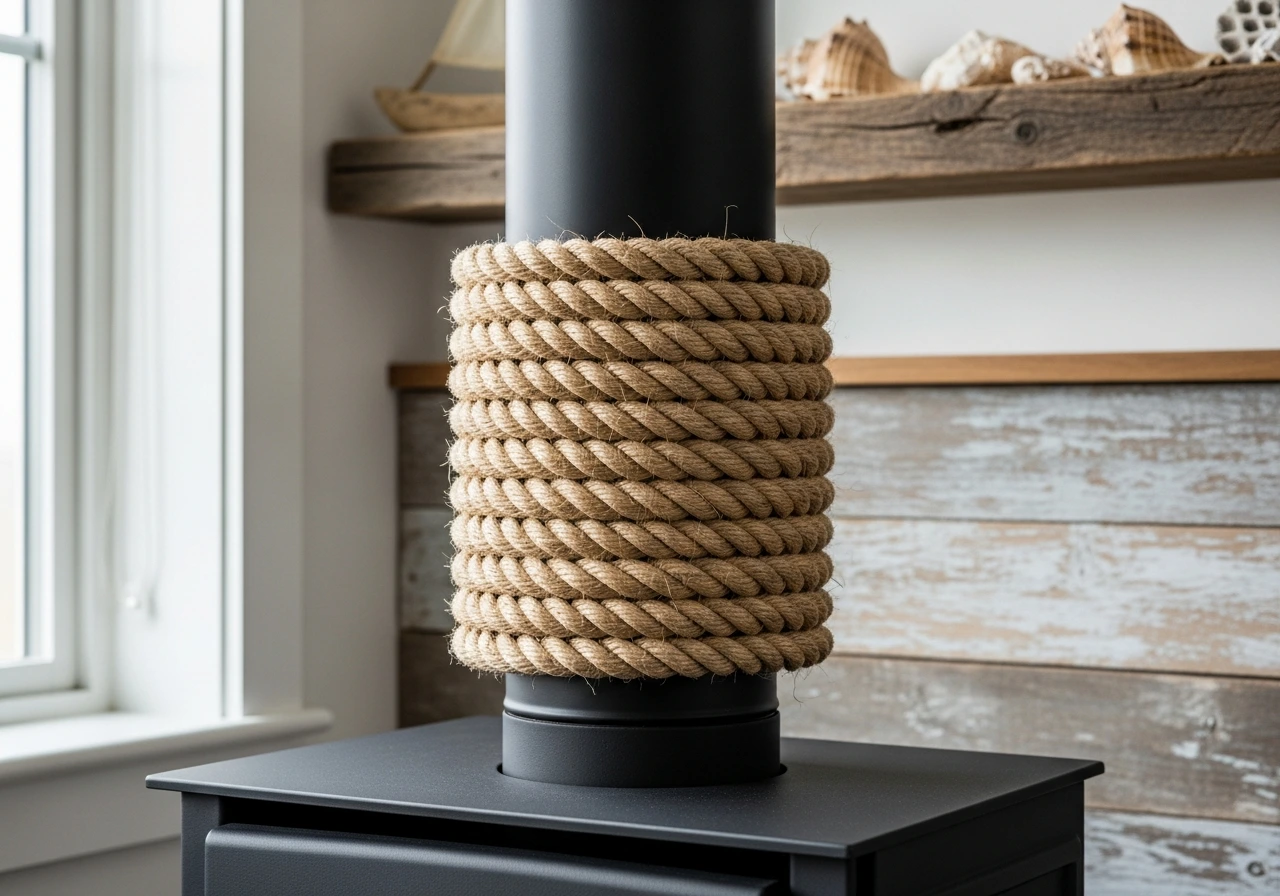
In spaces with nautical, coastal, or rustic themes, wrapping sections of the stove pipe with natural fiber rope or heavy jute twine creates interesting texture and reinforces the design narrative. This treatment must be applied only to pipe sections that remain cool, as natural fibers present fire hazards when exposed to heat.
The rope is wound tightly around the pipe in neat, adjacent coils, creating a substantial textural element that softens the metal’s appearance. The natural tan or brown tones of rope and twine coordinate with wood, leather, and other organic materials common in rustic interiors.
This technique demands careful attention to safety, limiting application to designated cold pipe sections and ensuring materials are kept away from any areas that could reach dangerous temperatures. When properly executed, it adds handcrafted charm and unique character.
Glass Block or Acrylic Enclosure
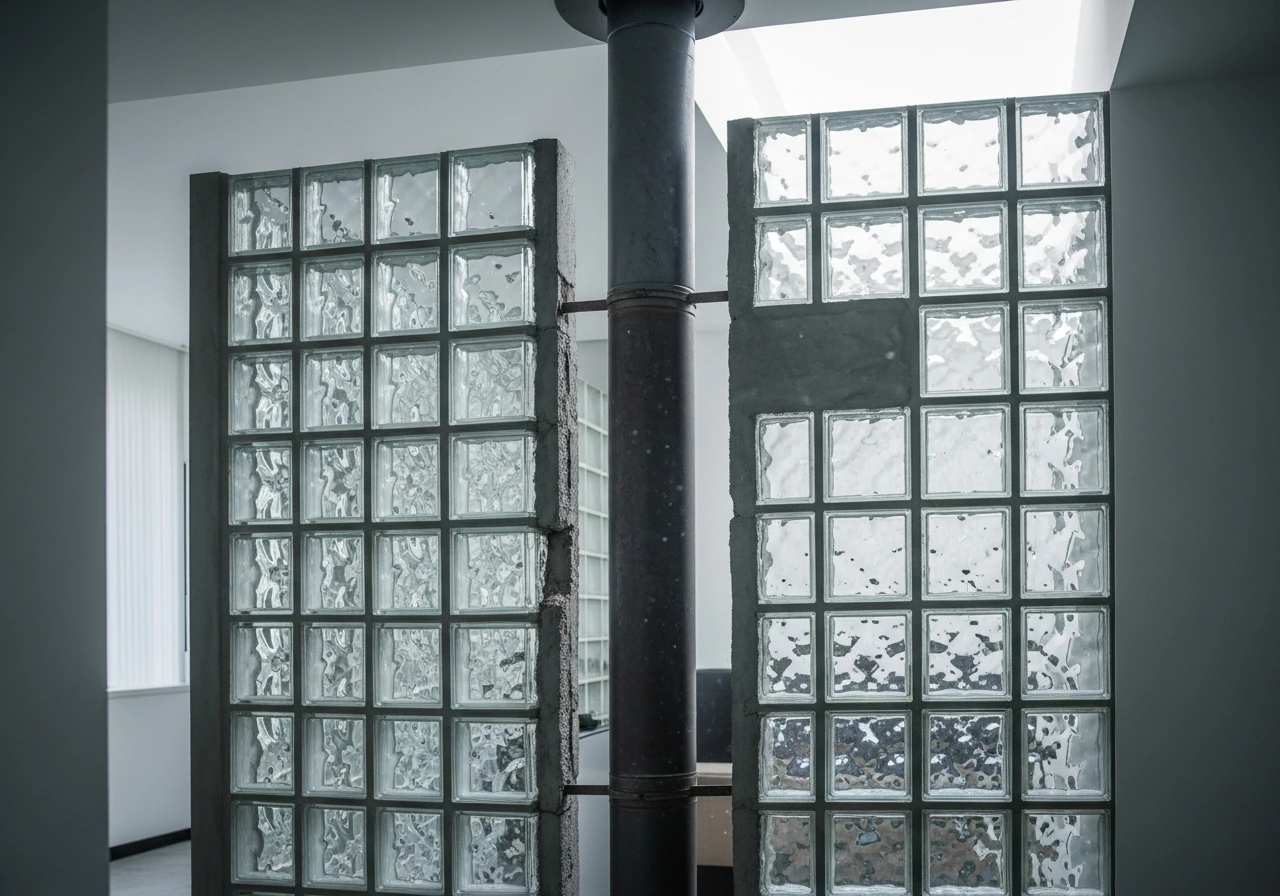
For a completely different aesthetic, consider surrounding the stove pipe with glass blocks or heat-resistant acrylic panels. This translucent approach allows light to filter through while creating a protective barrier and adding contemporary architectural interest.
Glass blocks can be mortared into a permanent wall section with the pipe running through a centered opening. The blocks diffuse light, create privacy, and add substantial visual weight to the installation. Acrylic panels offer similar translucent qualities with less mass and easier installation, though material selection must account for heat resistance requirements.
This treatment works exceptionally well in modern or transitional spaces where light, transparency, and clean geometry define the aesthetic. The play of light through the translucent materials creates dynamic visual effects that change with natural light conditions throughout the day.
Custom Metal Fabrication
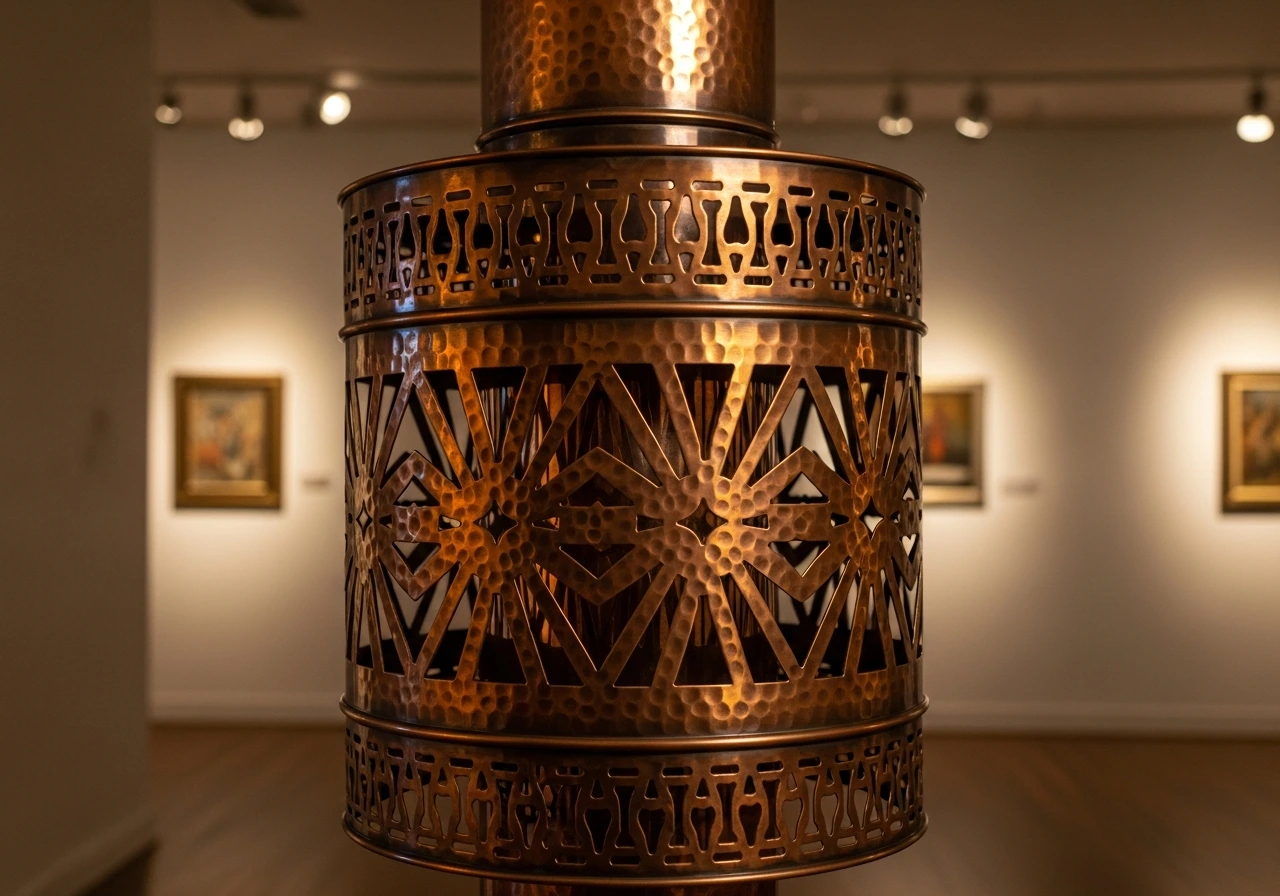
For those seeking a truly unique solution, custom metal fabrication allows unlimited creative expression. Work with a skilled metal artist or fabricator to design a one-of-a-kind cover that reflects your personal style, incorporates meaningful symbols or patterns, or responds to specific architectural features of your space.
Fabrication techniques might include welding, plasma cutting, metal forming, patina application, or combination of methods to achieve the desired effect. The finished piece becomes functional sculpture that serves practical purposes while expressing artistic vision.
Custom fabrication represents a significant investment but delivers a solution perfectly tailored to your space, requirements, and aesthetic preferences. The result is an installation that elevates the stove pipe from utilitarian component to celebrated design element.
Conclusion
Stove pipe covers offer far more than simple concealment. They represent opportunities to enhance your interior design, express personal style, and transform necessary components into attractive features. Whether you prefer subtle integration that allows the pipe to fade into the background or bold treatments that celebrate its presence, the options presented here demonstrate the remarkable range of possibilities.
As you consider which approach suits your home, remember that safety remains paramount. Always verify that your chosen solution complies with local building codes, maintains required clearances, and uses appropriate materials rated for the temperatures they’ll encounter. When in doubt, consult with professionals who understand both the technical requirements and design possibilities.
The investment you make in thoughtfully addressing your stove pipe will pay dividends in daily enjoyment of your space. Rather than tolerating an awkward element that disrupts your carefully planned interior, you’ll have created a cohesive, well-designed environment where every component contributes to the overall aesthetic vision. With creativity, attention to safety, and quality execution, your stove pipe cover can become a source of pride rather than a design compromise.
Frequently Asked Questions
What materials are safe to use for stove pipe covers?
Safe materials include metal (steel, copper, stainless steel), non-combustible board, brick, stone, tile, and ceramic. These materials must maintain required clearances from the hot pipe, typically six to eighteen inches depending on local codes. Never use standard wood, fabric, or plastic in direct contact with or close proximity to active stove pipes, as these materials can ignite.
Can I paint my stove pipe a different color?
Yes, you can paint stove pipes using high-temperature paint specifically formulated for this purpose. These paints withstand the extreme heat without peeling, discoloring, or releasing harmful fumes. Standard house paint will fail when exposed to stove pipe temperatures. High-temperature paints are available in various colors including metallics, allowing customization to match your décor.
How much clearance do I need between a stove pipe and a decorative cover?
Required clearances vary by jurisdiction and pipe type but typically range from six to eighteen inches between the hot pipe and combustible materials. Double-wall insulated pipes may allow reduced clearances compared to single-wall pipes. Always consult your local building codes and the pipe manufacturer’s specifications for exact requirements in your situation.
Do stove pipe covers affect heating efficiency?
Properly designed covers should not significantly impact efficiency. They must allow adequate ventilation for heat dissipation and should not restrict airflow around the pipe. Poorly designed covers that trap heat or restrict ventilation can actually reduce efficiency and create safety hazards. The key is balancing aesthetics with proper airflow and heat management.
Can I install a stove pipe cover myself or do I need a professional?
Simple solutions like painting the pipe or installing pre-made decorative sleeves can often be handled as DIY projects if you’re comfortable with basic tools and following safety guidelines. More complex installations involving construction, electrical work for lighting, or substantial structural changes should be performed by qualified professionals who understand building codes and fire safety requirements.