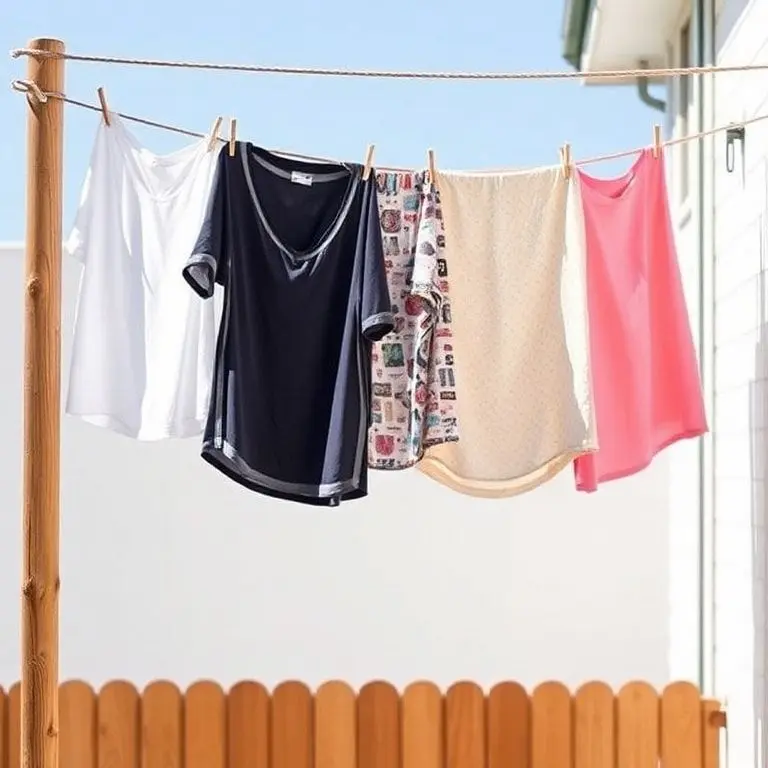
15+ Creative Clothesline Ideas for Your Home
Creative Clothesline Ideas ,The simple act of hanging clothes to dry has experienced a remarkable renaissance in recent years. As more homeowners seek sustainable living practices and look for ways to reduce energy costs, the humble clothesline has transformed from a basic outdoor fixture into a stylish and functional home element. Whether you live in a sprawling suburban home with a generous backyard or a compact urban apartment, there’s a clothesline solution perfectly suited to your space and lifestyle.
Modern clothesline designs have evolved far beyond the traditional parallel lines strung between two posts. Today’s options blend practicality with aesthetic appeal, offering solutions that complement your home’s architecture while serving the essential purpose of air-drying laundry. The benefits extend beyond energy savings. Air-drying naturally sanitizes fabrics through UV exposure, extends the life of your clothing by eliminating the harsh tumbling and heat of mechanical dryers, and reduces your household’s carbon footprint significantly.
This comprehensive guide explores over fifteen innovative clothesline ideas that cater to various living situations, design preferences, and practical needs. From outdoor installations that maximize natural sunlight and breeze to discreet indoor options perfect for year-round use, you’ll discover solutions that make laundry day more efficient and even enjoyable.
Traditional Outdoor Clothesline Systems
The classic outdoor clothesline remains one of the most effective and economical drying methods available. A properly installed T-post or pole-based clothesline system provides ample drying space and takes full advantage of natural elements. This setup typically consists of two sturdy posts set in concrete, positioned 15 to 20 feet apart, with multiple lines strung between them.
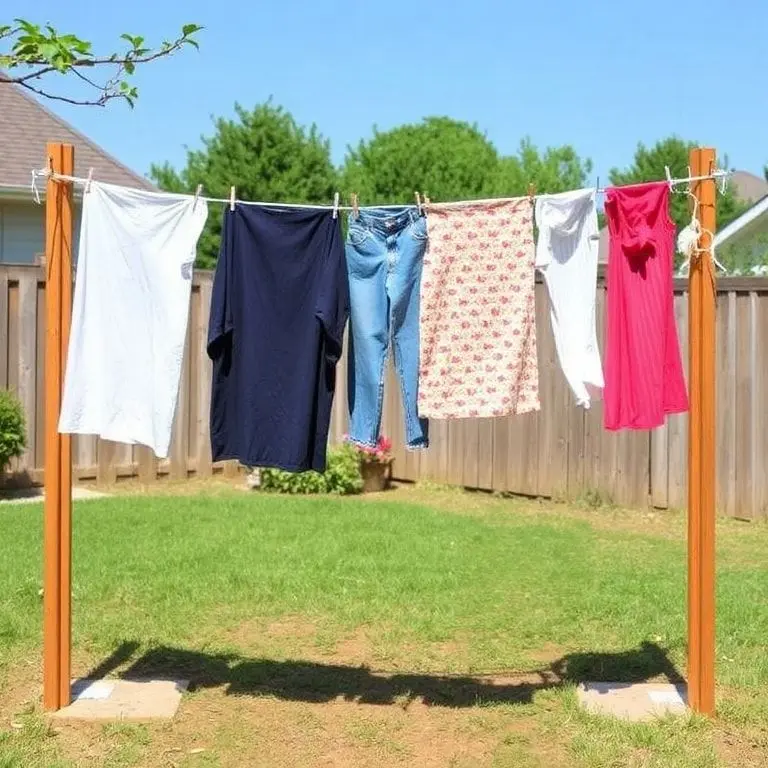
For best results, position your outdoor clothesline in an area that receives consistent sunlight and natural airflow. The south-facing section of your yard typically offers optimal conditions in the northern hemisphere. When installing, ensure the lines are taut and positioned at a comfortable height that allows you to hang and remove clothes without excessive reaching or bending.
Consider using vinyl-coated wire or braided polyester line rather than traditional rope, as these materials resist stretching, won’t leave residue on clean clothes, and withstand weather exposure better. Multiple parallel lines allow you to sort laundry by type, with heavier items like towels and jeans on lower lines and delicate garments up higher where they’re less likely to drag.
Retractable Clothesline Solutions
Retractable clotheslines represent the perfect marriage of functionality and space efficiency. These systems extend when needed and disappear completely when not in use, making them ideal for smaller yards, balconies, or any space where a permanent clothesline might create visual clutter or interfere with other activities.
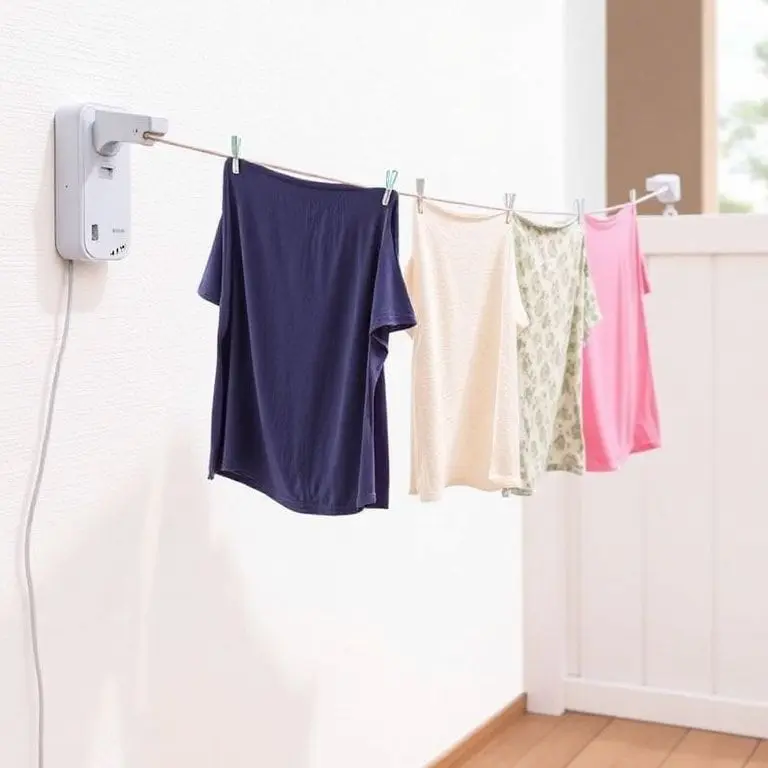
Wall-mounted retractable units attach to an exterior wall, fence, or post and feature a spring-loaded mechanism that allows the line to pull out and secure to an opposite anchor point. When laundry is done, the line retracts back into its housing with a simple tug. Higher-quality models feature multiple lines and can extend 15 to 40 feet, providing substantial drying capacity despite their compact design.
Installation requires careful consideration of anchor point strength. Both the retractable housing and the opposite anchor must be secured to solid structural elements capable of supporting the weight of wet laundry. Many homeowners install multiple retractable units at different heights to maximize drying space while maintaining a clean appearance when not in use.
Pulley-Based Clothesline Systems
The pulley clothesline brings old-world charm and clever engineering to modern homes. This system uses a continuous loop of line that runs through pulleys mounted at two points, allowing you to load clothes from a single convenient location and then move them along the line without walking back and forth.
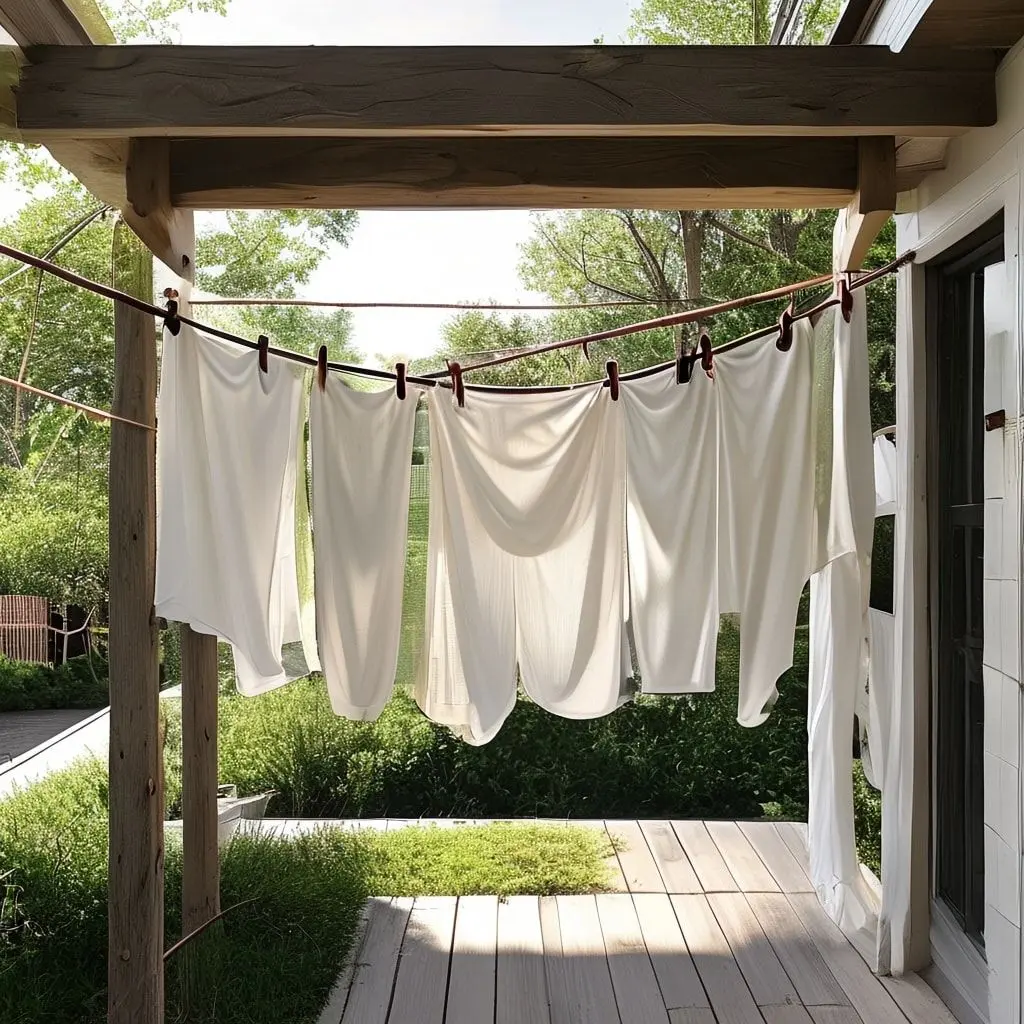
This design proves particularly valuable when one end of the clothesline extends beyond easy reach, such as from a second-story window to a garage or from a deck to a distant post. The pulley mechanism lets you stand in one comfortable spot while loading the entire line, then send the clothes out to dry with a simple pull. https://solarlivingsavvy.com/diy-clothesline-ideas/
Installing a pulley system requires sturdy mounting points at both ends. Traditional cast iron or modern plastic pulleys work equally well, though metal options tend to last longer under constant use. The continuous line configuration means any wear occurs evenly, and replacement is straightforward when needed.
Umbrella Clotheslines
The rotary or umbrella clothesline offers exceptional drying capacity in a remarkably small footprint. This freestanding design features a central pole that supports multiple lines radiating outward like the spokes of an umbrella. The entire unit rotates, allowing you to position clothes for optimal sun and wind exposure without moving your laundry basket.
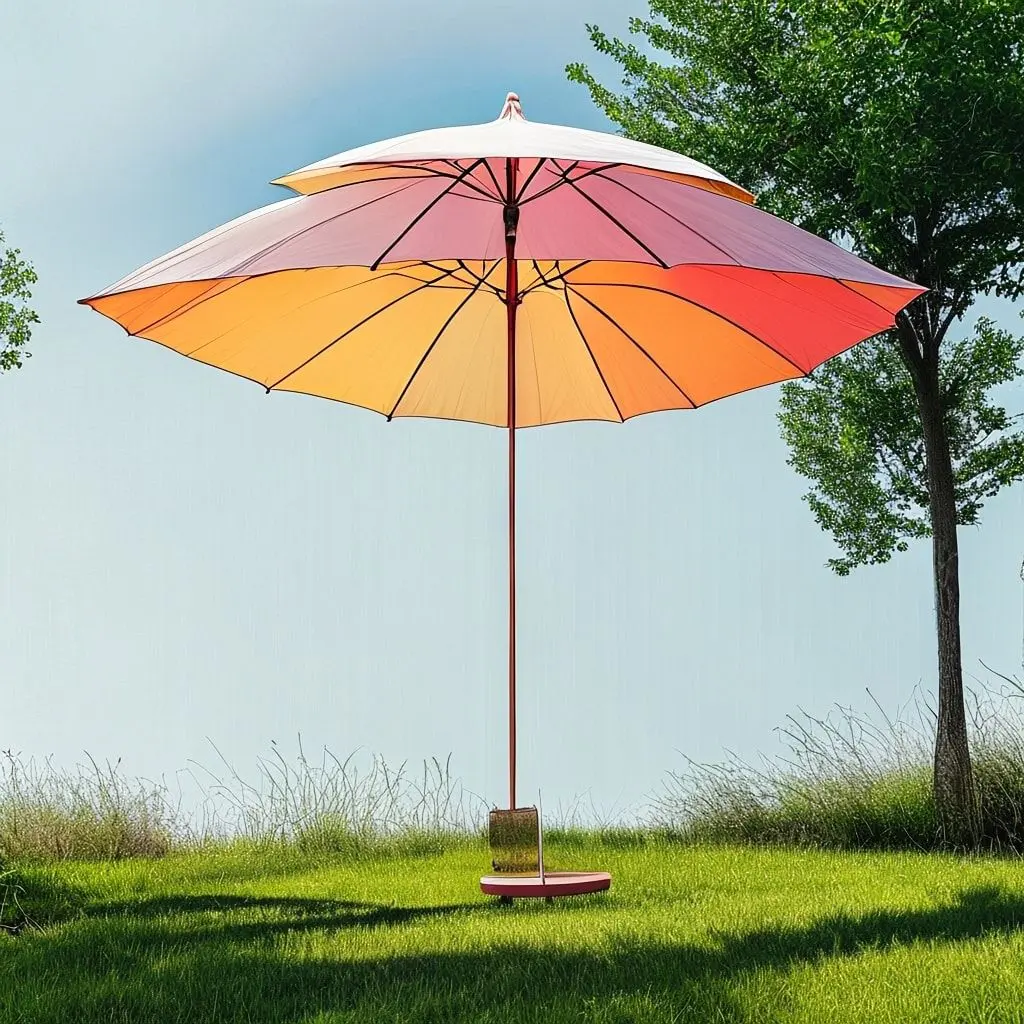
A quality umbrella clothesline provides between 100 and 200 feet of drying space while occupying a ground area just five to six feet in diameter. The collapsible design means you can fold down the arms and remove the entire unit when not needed, leaving only a small ground socket that sits flush with your lawn or patio.
Position your umbrella clothesline on level ground with adequate clearance around the perimeter. The rotating feature requires a few feet of space on all sides for comfortable operation. Many models include height-adjustable poles, allowing you to customize the working height to your preference and ensuring adequate ground clearance even for longer items like sheets and tablecloths.
Indoor Wall-Mounted Drying Racks
Indoor drying becomes necessary during inclement weather, throughout winter months, or for those living in apartments without outdoor access. Wall-mounted folding racks provide an elegant solution that stays out of the way until needed. These units attach to laundry room walls, bathroom walls, or even hallway spaces and fold flat against the wall when not in use.
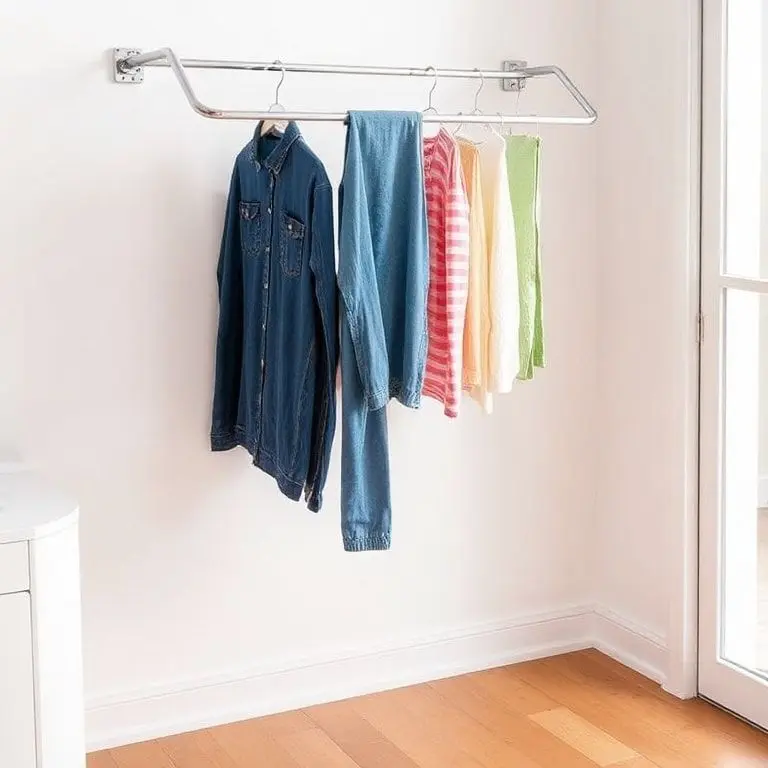
The accordion-style design extends to reveal multiple rungs or rods capable of holding numerous garments. Better models feature sturdy construction that prevents sagging even under the weight of wet denim or towels. Installation height should accommodate your tallest items while keeping everything easily accessible.
Some advanced wall-mounted systems incorporate retractable lines that extend from a wall-mounted housing to an opposite wall or door frame. This configuration works exceptionally well in narrow spaces like laundry rooms or bathrooms where traditional racks might obstruct walkways.
Ceiling-Mounted Laundry Racks
Victorian homes commonly featured ceiling-mounted drying racks that lowered via pulley systems, and this practical design is experiencing renewed popularity. Modern ceiling racks install overhead in laundry rooms, mudrooms, or covered porches, utilizing vertical space that otherwise goes unused.
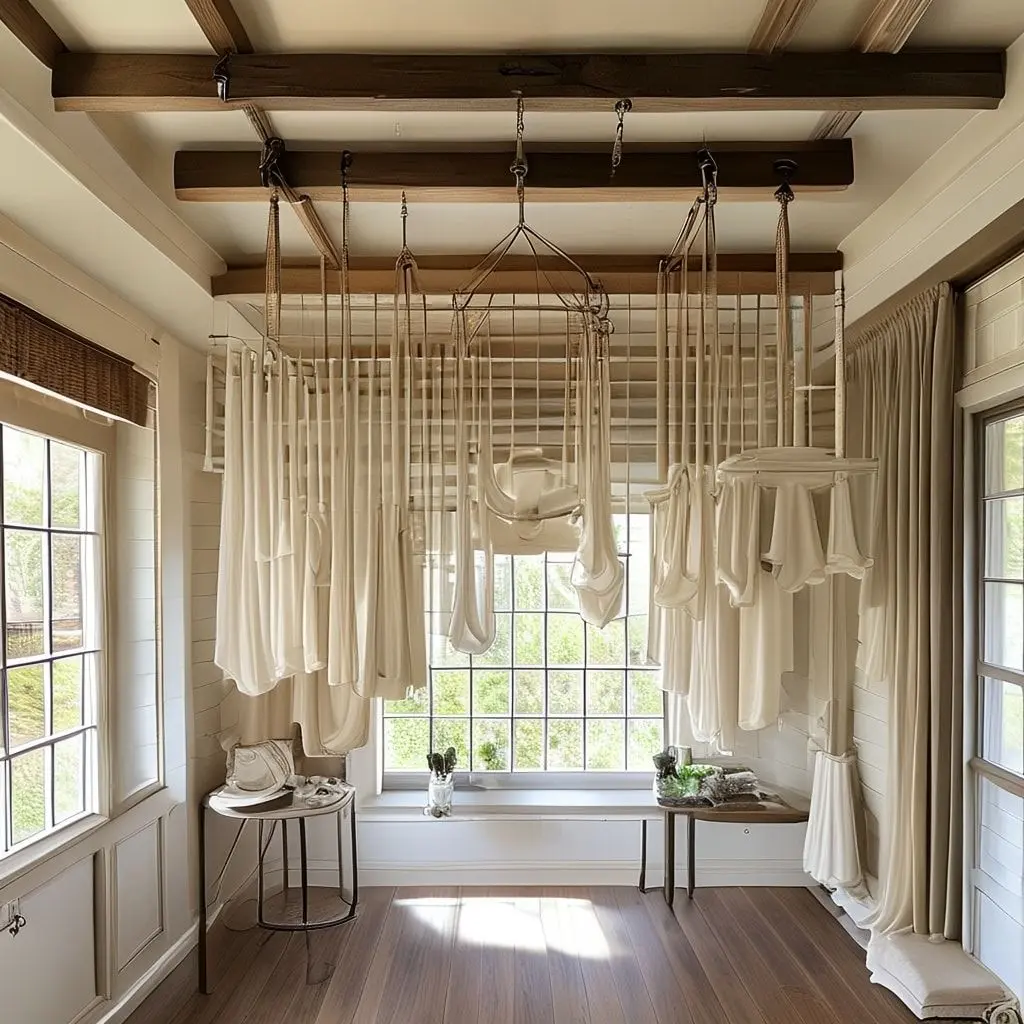
The pulley-operated models allow you to lower the rack to a comfortable working height for loading, then raise it toward the ceiling where warm air naturally rises and aids drying. This keeps wet laundry out of foot traffic areas while taking advantage of optimal drying conditions.
Fixed ceiling-mounted bars offer a simpler alternative. Installing several sturdy rods parallel to each other creates substantial hanging space for clothes on hangers or items that drip-dry. This works particularly well above utility sinks or in dedicated laundry areas where moisture isn’t a concern.
Shower Rod Clotheslines
The bathroom presents an often-overlooked opportunity for indoor clothes drying. Tension-mounted shower rods require no installation beyond twisting them into place between opposing walls. These create instant hanging space for delicates, swimwear, or any items that need to drip-dry.
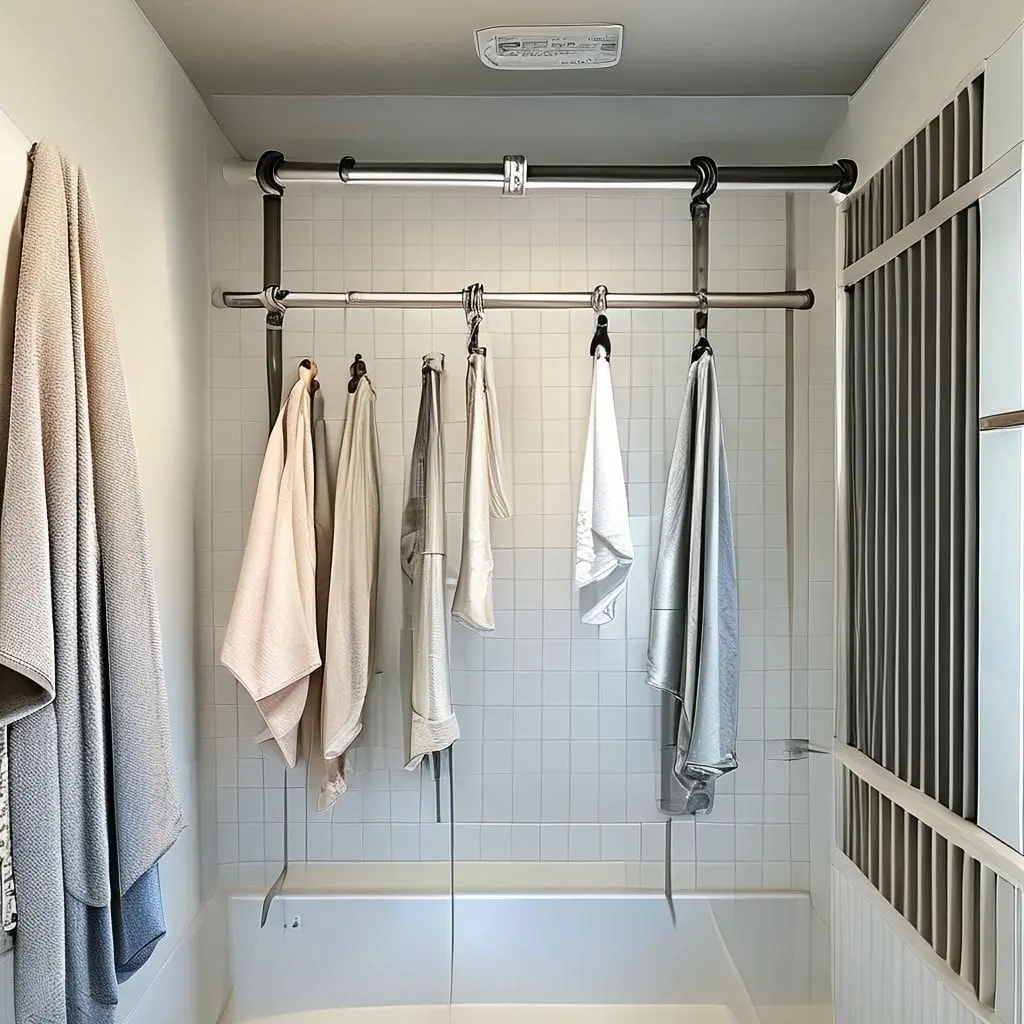
Multiple tension rods installed at different heights multiply your drying capacity. Position lower rods for shorter items and higher rods for longer garments. The bathroom’s existing ventilation system helps moisture evaporate, though cracking a window or running the exhaust fan accelerates drying.
For permanent installations, sturdy mounted rods support heavier wet items better than tension versions. Installing a rod across a bathtub or shower stall creates a dedicated drying zone that contains drips and doesn’t interfere with other bathroom functions.
Over-Door Drying Solutions
Doors represent untapped hanging potential throughout your home. Over-door hooks, racks, and bars transform any standard interior door into temporary drying space without requiring tools or causing damage. These solutions work particularly well for small loads, delicates, or urgent items that need to dry quickly.
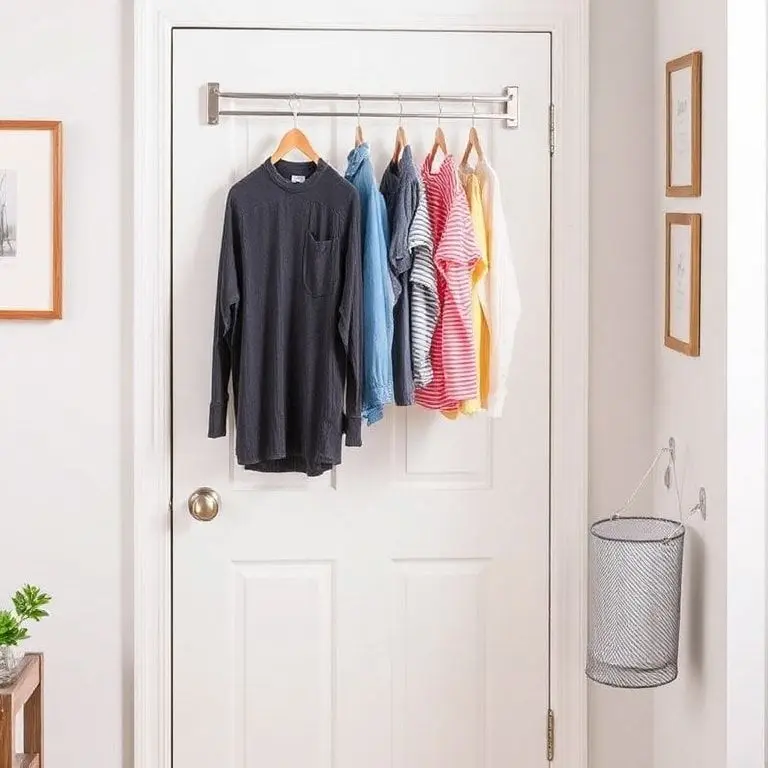
Over-door racks typically feature multiple horizontal bars that cascade down the door face, providing hanging space for numerous items. The slim profile allows the door to close mostly or completely, making this option suitable even in guest-visible areas. When not needed, the entire rack lifts off in seconds.
Dedicated laundry room or bathroom doors can support more permanent over-door installations with higher weight capacities. Some designs incorporate mesh bags or hamper attachments that provide additional functionality beyond just drying space.
Balcony and Railing Clotheslines
Apartment dwellers and condo owners can transform their balconies into efficient drying spaces with specialized railing-mounted systems. These clever designs clamp or hook onto standard balcony railings without requiring permanent installation or landlord approval.
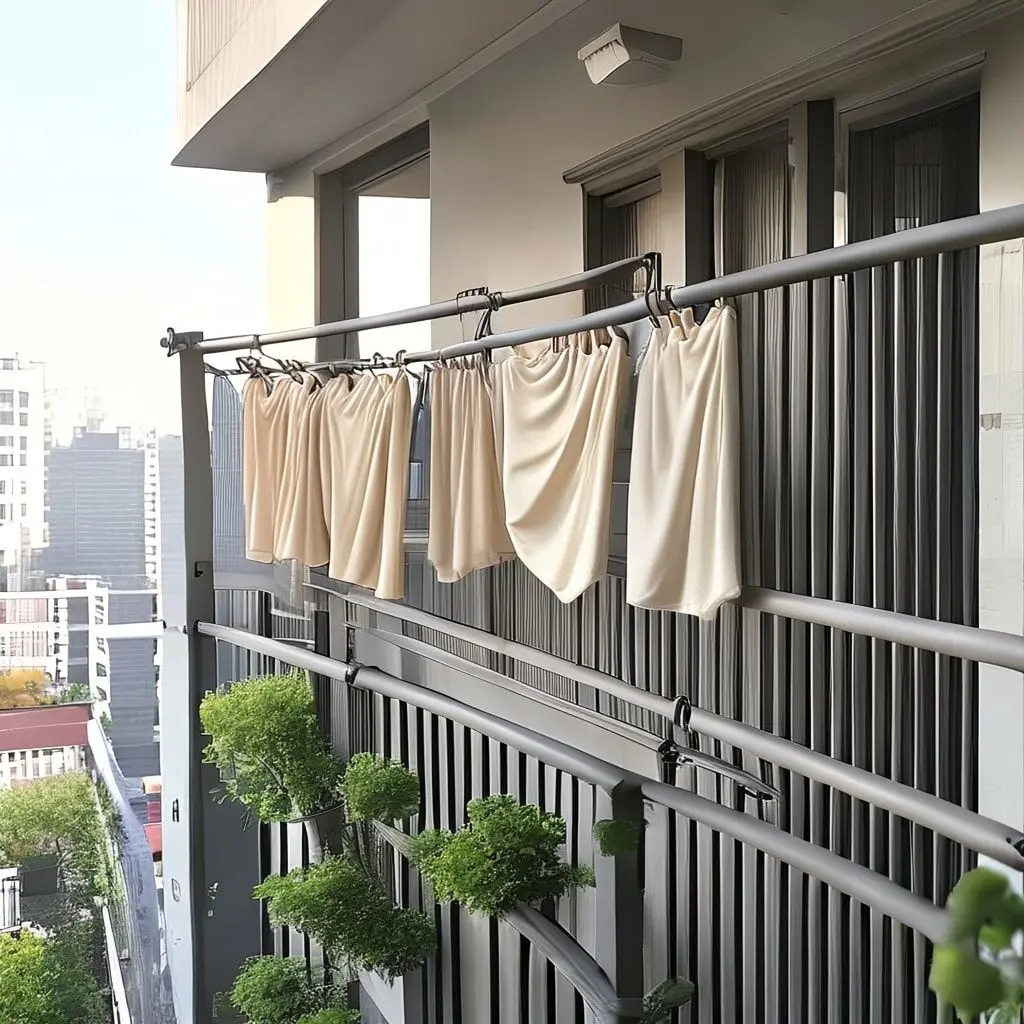
Adjustable arms extend outward from the railing to create multiple parallel drying lines. The design keeps clothes away from the railing surface, preventing snagging or dirt transfer. When not in use, most models fold flat against the railing or remove entirely for storage.
Consider your building’s regulations before installing balcony drying systems, as some communities restrict visible laundry for aesthetic reasons. Retractable options or systems that position clothes toward the interior side of the balcony often satisfy such restrictions while still providing functional drying space.
DIY Ladder Clotheslines
Vintage wooden ladders or modern metal step ladders convert easily into charming drying racks with rustic appeal. The rungs provide natural hanging points for clothes hangers or draped items. A-frame ladders stand independently and offer two-sided drying capacity, while straight ladders can lean against walls for a more compact footprint.
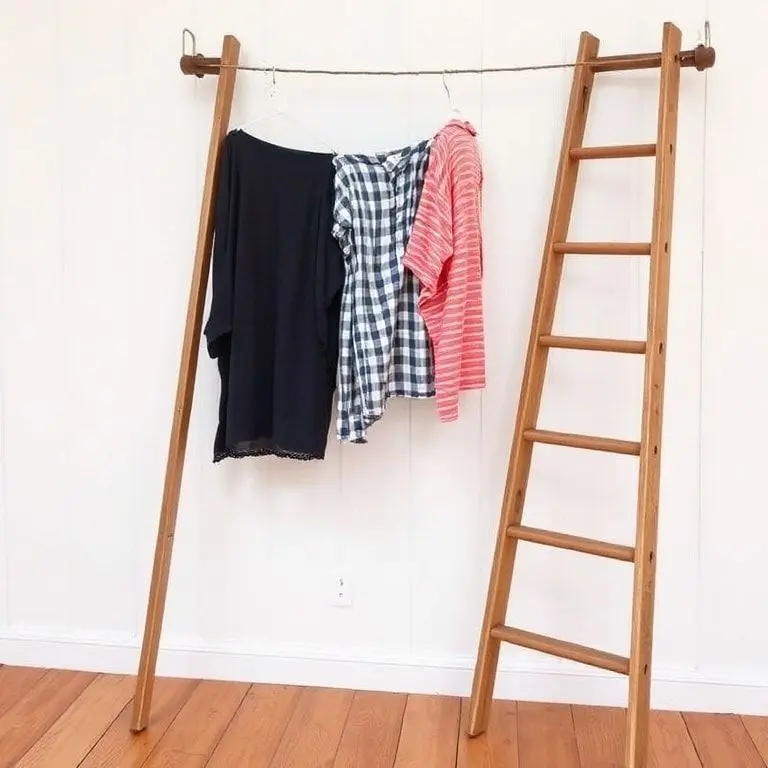
For a permanent outdoor installation, position two tall ladders several feet apart and run lines between the rungs at corresponding heights. This creates a unique clothesline structure with built-in visual interest that can complement cottage, farmhouse, or rustic landscape designs.
Indoor ladder racks work beautifully in laundry rooms, bedrooms, or even as decorative elements in lofts or studios. Paint or stain the ladder to match your decor, or leave raw wood for an authentic vintage appearance. The vertical orientation maximizes floor space efficiency while providing substantial drying capacity.
Fence-Integrated Drying Lines
Existing fences offer ready-made support structures for clotheslines. Running lines along fence sections takes advantage of sturdy posts already in place while keeping drying laundry closer to your home for easy access. This configuration works especially well in narrow side yards where freestanding clothesline posts might create obstacles.
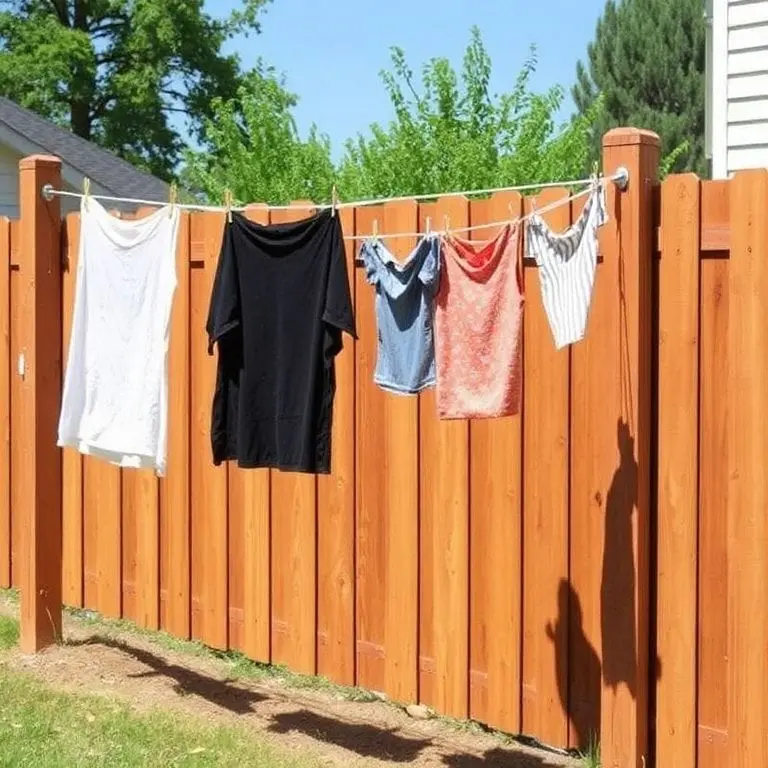
Install eye hooks or pulley wheels on fence posts at appropriate intervals to create multiple drying zones. The fence provides backing that prevents clothes from spinning in strong winds, reducing tangling and keeping items cleaner. Strategic placement along south-facing fence sections maximizes sun exposure for faster drying.
Privacy fences offer the added benefit of screening your laundry from neighbors’ views. You can even install retractable lines that extend from the fence toward your house or another structure, creating flexible drying space that disappears completely when not needed.
Portable Freestanding Drying Racks
Freestanding portable racks provide drying flexibility without any installation requirements. These versatile units work equally well indoors or outdoors, moving wherever needed for optimal drying conditions. From compact accordion-style racks perfect for apartment living to expansive multi-tiered systems that handle full laundry loads, portable options suit every need.
The expandable X-frame design remains popular for its combination of substantial capacity and compact storage. These racks unfold to reveal multiple rods at different heights and angles, accommodating various garment types and sizes. When laundry is dry, the entire unit folds flat for closet or garage storage.
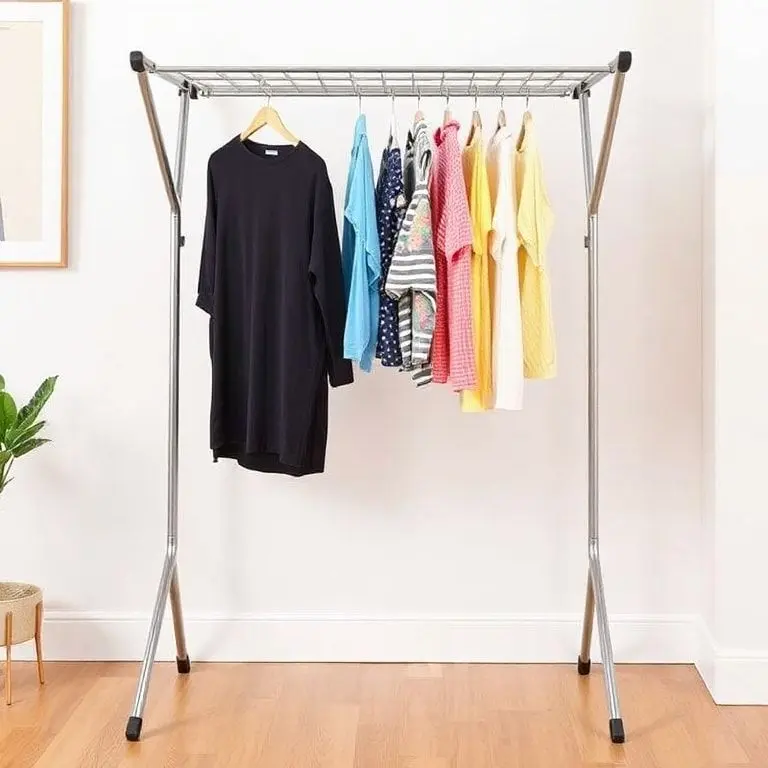
Heated portable dryers represent a premium option that combines the gentle treatment of air-drying with accelerated drying times. These enclosed racks incorporate low-heat elements and often include timers, making them ideal for situations where traditional hanging isn’t practical or fast enough.
Bathtub and Sink Drying Bars
The area above bathtubs and utility sinks provides excellent dedicated drying space that naturally contains drips and moisture. Installing fixed bars or rods at various heights creates a permanent drying station that handles everything from swimsuits to sweaters without any special setup.
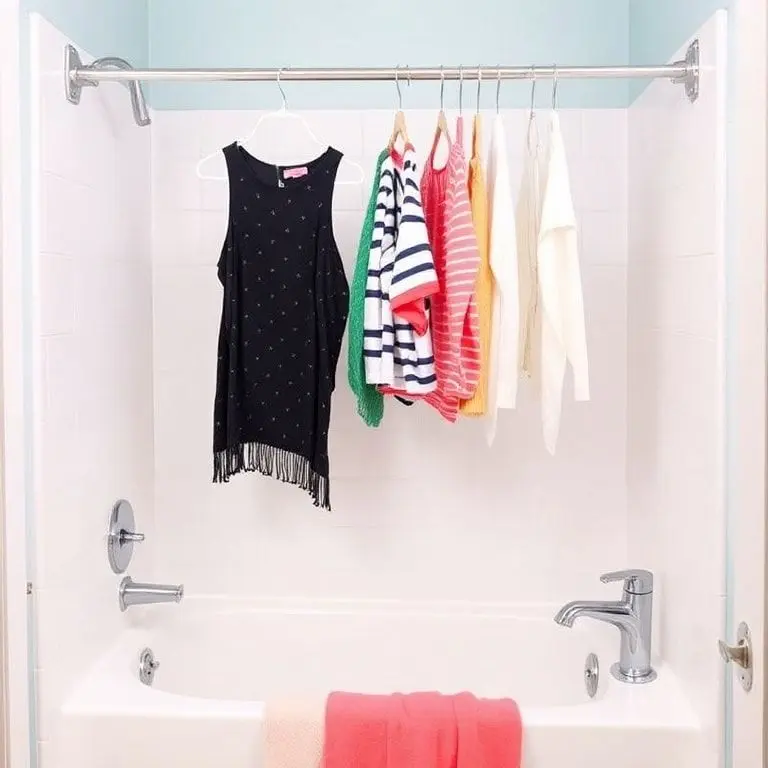
Multiple parallel bars maximize capacity and allow proper air circulation around each item. Position bars high enough that they don’t interfere with tub or sink use but low enough for comfortable reaching. The smooth rod surface prevents snagging delicate fabrics, and the bathroom’s moisture-resistant materials handle dripping without damage.
For rental situations or temporary installations, strong suction-cup mounted bars offer similar functionality without requiring holes or hardware. While these won’t support the weight of heavy wet items, they work perfectly for delicates and hand-washables.
Creative Tension Wire Systems
Modern tension wire creates sleek, minimalist drying solutions with industrial or contemporary appeal. Thin stainless steel wire stretches between walls, posts, or other structural elements, providing nearly invisible support for hanging laundry. The streamlined appearance suits modern architecture and design-conscious spaces.
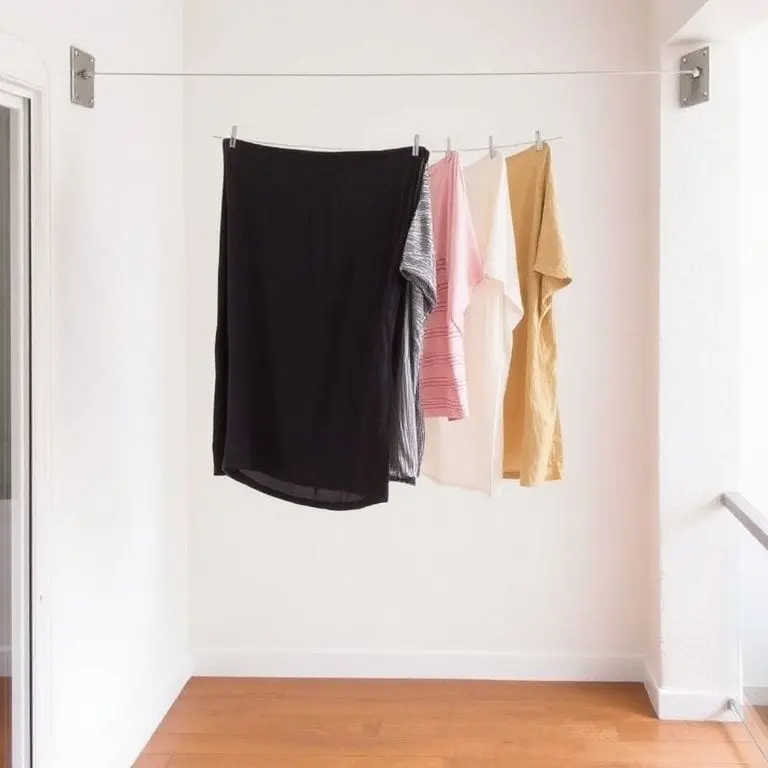
Installation requires sturdy turnbuckle hardware at each end to maintain proper tension. The wire should be taut enough to prevent sagging under the weight of wet clothes but not so tight that it stresses mounting points. Multiple parallel wires at different heights create zones for various garment types.
This system works beautifully in covered outdoor areas like porches or breezeways, where the weather-resistant stainless steel requires no maintenance. Indoor applications in lofts, studios, or modern homes add functional art that enhances rather than detracts from the space.
Garage and Basement Solutions
Unfinished garages and basements offer protected drying environments with ample space for permanent clothesline installations. Running lines between exposed joists or installing wall-to-wall systems creates substantial drying capacity that stays hidden from main living areas.
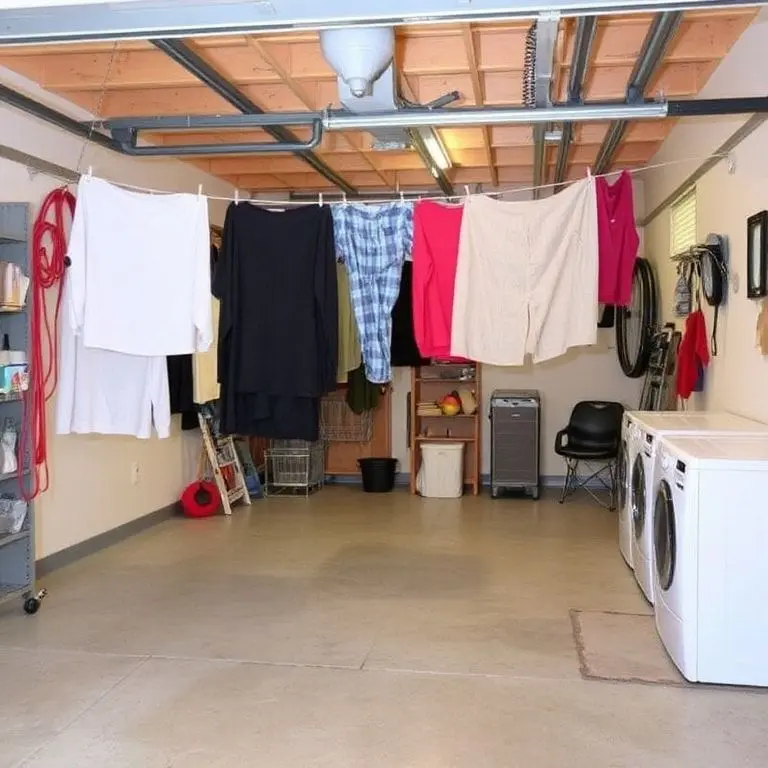
The consistent temperature and protection from weather make these spaces ideal for year-round drying. However, ensure adequate ventilation to prevent musty odors and excess humidity buildup. Installing a dehumidifier or ensuring proper air circulation protects both your home and your laundry.
Garage installations benefit from positioning lines away from vehicle parking areas to prevent exhaust exposure. Many homeowners dedicate one section of the garage specifically for laundry functions, installing combination clotheslines, storage, and folding stations that create an efficient workflow.
Conclusion
The diverse range of clothesline options available today means every home can incorporate this environmentally friendly and economical laundry method regardless of space constraints or aesthetic preferences. From traditional outdoor setups that harness sun and wind to innovative indoor systems that maximize limited square footage, there’s a solution perfectly suited to your circumstances.
Implementing even one clothesline idea from this collection will reduce your energy consumption, lower utility bills, extend the life of your clothing, and contribute to a more sustainable household operation. The initial investment in materials and installation time pays dividends through years of reliable service and ongoing savings.
Consider your specific needs, available space, and usage patterns when selecting from these creative clothesline ideas. Many households find that combining multiple approaches creates the most versatile system, with outdoor options for sunny days and indoor backups for inclement weather. Start with one implementation that addresses your most pressing need, and expand your drying infrastructure as you discover the many benefits of air-dried laundry.
The clothesline represents more than just a practical tool. It connects us to simpler times while supporting modern sustainability goals. The fresh scent of sun-dried sheets, the gentle treatment that preserves fabric quality, and the satisfaction of reducing environmental impact all contribute to making laundry day a more rewarding experience.
Frequently Asked Questions:
What is the best type of clothesline for small spaces?
Retractable wall-mounted clotheslines and over-door racks work best for compact areas. These solutions provide functional drying capacity while completely disappearing when not in use, making them ideal for apartments, condos, or homes with limited square footage. Wall-mounted folding racks offer another excellent option, extending when needed and folding flat against the wall afterward.
How do I prevent clothes from getting stiff when air-drying?
Add white vinegar to your rinse cycle to naturally soften fabrics, and shake out each item vigorously before hanging to relax the fibers. Remove clothes from the line while they’re still slightly damp and give them a quick tumble in the dryer for five minutes, or simply wear and move in them to restore softness naturally. Proper spacing on the line for air circulation also helps prevent excessive stiffness.
Can I use a clothesline in winter or during rainy weather?
Indoor clotheslines work perfectly for year-round drying regardless of weather. For outdoor winter drying, clothes will still dry through sublimation even in freezing temperatures, though it takes longer. Covered porches or breezeways protect laundry from rain while still providing air circulation. Many households maintain both outdoor and indoor drying options for maximum flexibility.
What materials make the best clothesline cord?
Vinyl-coated steel wire and braided polyester cord perform best for outdoor installations, offering durability, weather resistance, and minimal stretching. These materials don’t leave marks or residue on clean clothes. Cotton rope works for indoor applications but deteriorates quickly outdoors. Stainless steel wire creates sleek modern installations but requires proper tensioning hardware to prevent sagging.
How much money can I save by using a clothesline instead of a dryer?
The typical household saves between 100 and 200 dollars annually by air-drying laundry instead of using an electric dryer. Actual savings depend on local electricity rates, dryer efficiency, and laundry frequency. Beyond direct energy savings, air-drying extends clothing life by reducing wear from heat and tumbling, creating additional long-term value. Most clothesline installations pay for themselves within the first year of use.