19+ Creative DIY Backyard Water Park Ideas
Summer heat can turn your backyard into an underutilized space, but with a little creativity and minimal investment, you can transform it into a refreshing oasis that rivals commercial water parks. Creating your own backyard water park offers endless entertainment for children and adults alike while keeping everyone cool during those scorching summer months. The best part is that you don’t need expensive equipment or professional installation to build an exciting aquatic playground right at home.
Building a DIY backyard water park allows you to customize the experience based on your available space, budget, and the ages of your children. From simple sprinkler setups to elaborate obstacle courses, the possibilities are limited only by your imagination. These projects range from quick 30-minute setups to weekend builds that will provide summers of enjoyment. Whether you have a sprawling lawn or a modest outdoor area, there’s a water park solution that fits your needs.
The beauty of DIY water features lies in their flexibility and affordability. Many projects utilize common household items, inexpensive materials from hardware stores, or repurposed objects you already own. This approach not only saves money but also encourages creative problem-solving and provides an opportunity for family bonding during the construction process. Let’s explore more than 19 innovative ways to bring the excitement of a water park to your own backyard.
Classic Slip and Slide Extravaganza
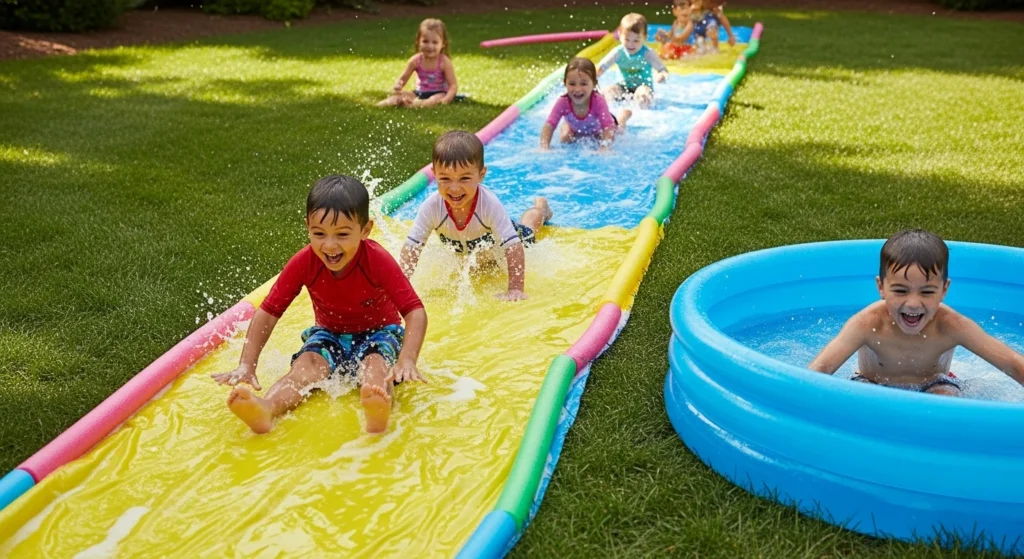
The slip and slide remains a timeless backyard water attraction that delivers hours of entertainment. Creating an enhanced version involves more than just laying down a plastic sheet. Use heavy-duty plastic sheeting at least 10 feet wide and 25 to 50 feet long for the best sliding experience. Position the slide on a gentle slope if possible, and secure the edges with landscape stakes to prevent shifting. Add a layer of baby shampoo or dish soap mixed with water to increase slickness, and place pool noodles along the sides as bumpers for added safety. At the end of the slide, position an inflatable pool to provide a splashy landing zone that adds excitement while ensuring a safe stop.
Sprinkler System Water Wonderland
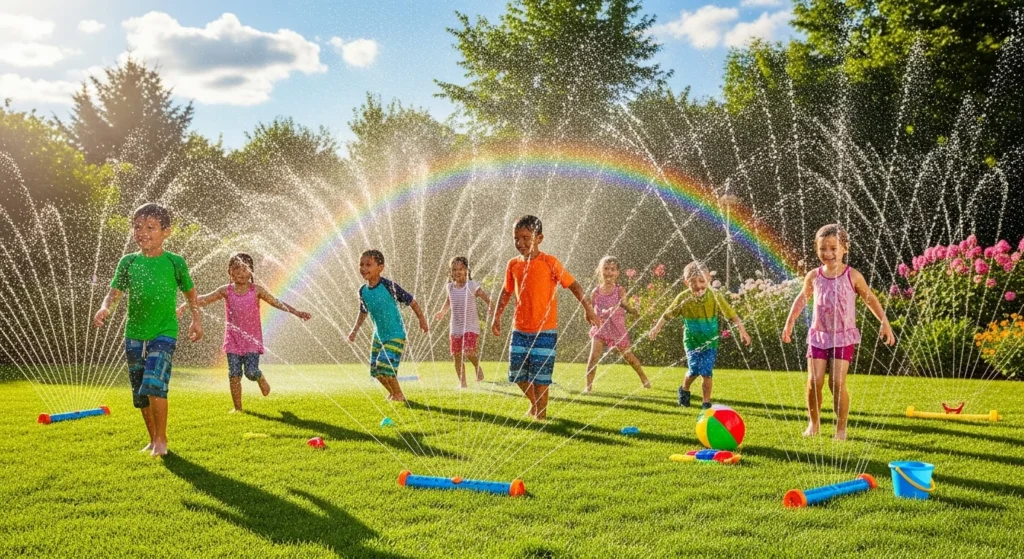
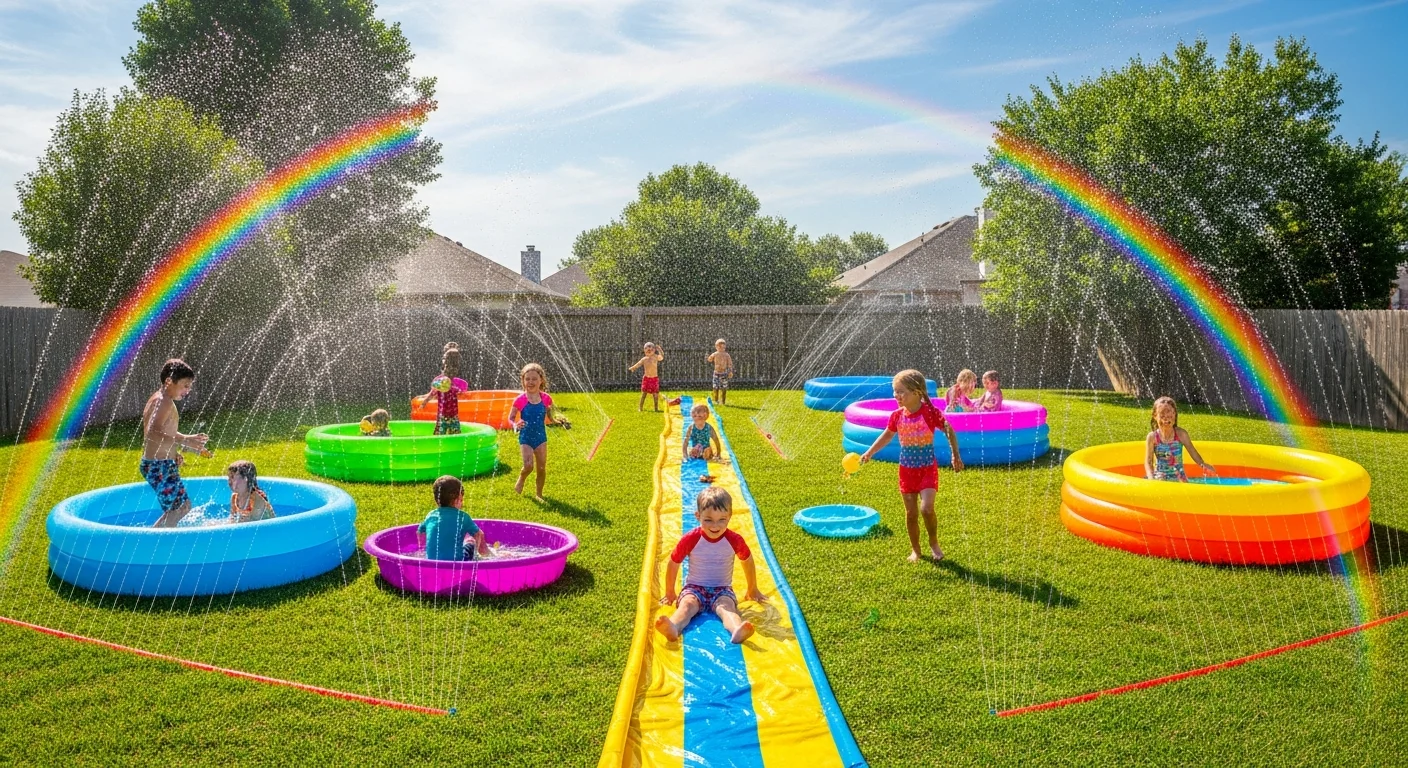
Transform ordinary lawn sprinklers into an interactive water maze by strategically positioning multiple sprinklers throughout your yard. Attach different sprinkler heads to create varied water patterns including arcs, spirals, and oscillating streams. Connect them using garden hose splitters to run several sprinklers simultaneously from one water source. Children can run through the maze, trying to avoid getting wet or challenging themselves to pass through every spray zone. Adding colorful flags or markers creates designated paths and turns the activity into a timed challenge or obstacle course.
PVC Pipe Spray Park
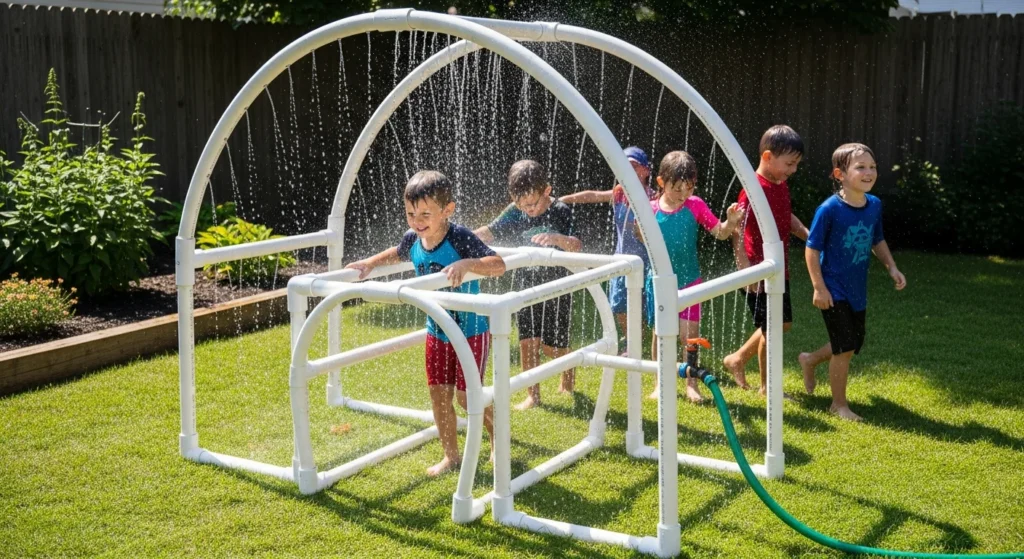
Building a PVC pipe spray structure provides a customizable water feature that can be configured in countless ways. Purchase standard PVC pipes and connectors from any hardware store to create arches, tunnels, or standing structures. Drill small holes along the pipes at various angles to create spray patterns. Connect the structure to your garden hose, and water will shoot out in multiple directions creating a walk-through splash zone. The project of water park can be disassembled and stored during off-season months and reconfigured each summer for fresh entertainment. Paint the pipes with outdoor-safe paint to add visual appeal and prevent the white PVC from becoming too hot in direct sunlight.
Water Balloon Battle Station
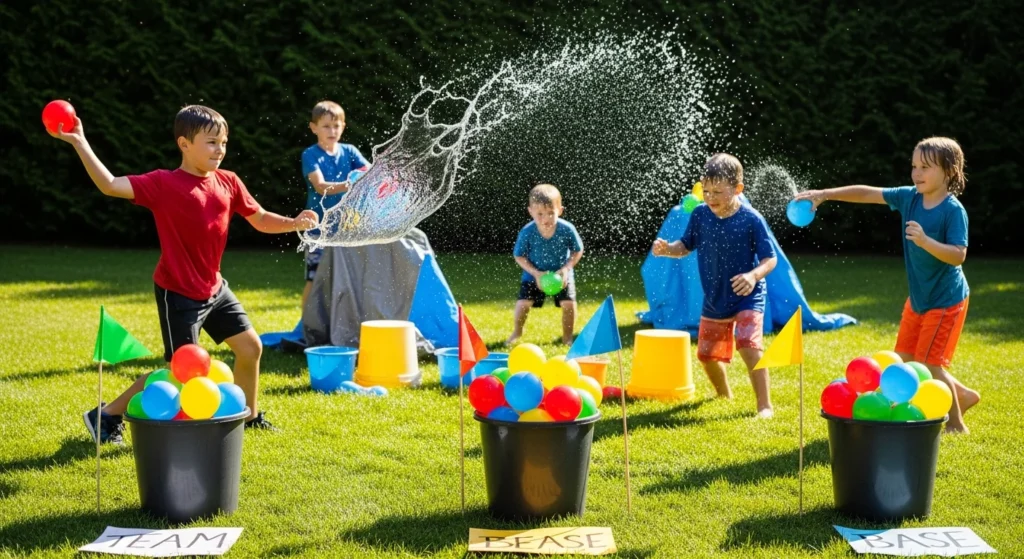
Set up designated zones for epic water balloon fights that keep participants engaged for hours. Create filling stations using multiple-balloon fillers that attach to your hose, allowing rapid preparation of ammunition. Establish team bases with buckets full of pre-filled balloons, and mark boundaries using rope or chalk. Add strategic elements like shields made from foam boards or protective barriers constructed from cardboard boxes covered in plastic in water park. Incorporate targets with point values to add a skill-based component, or create timed rounds where teams must complete objectives while avoiding hits.
Sponge Water Bomb Toss
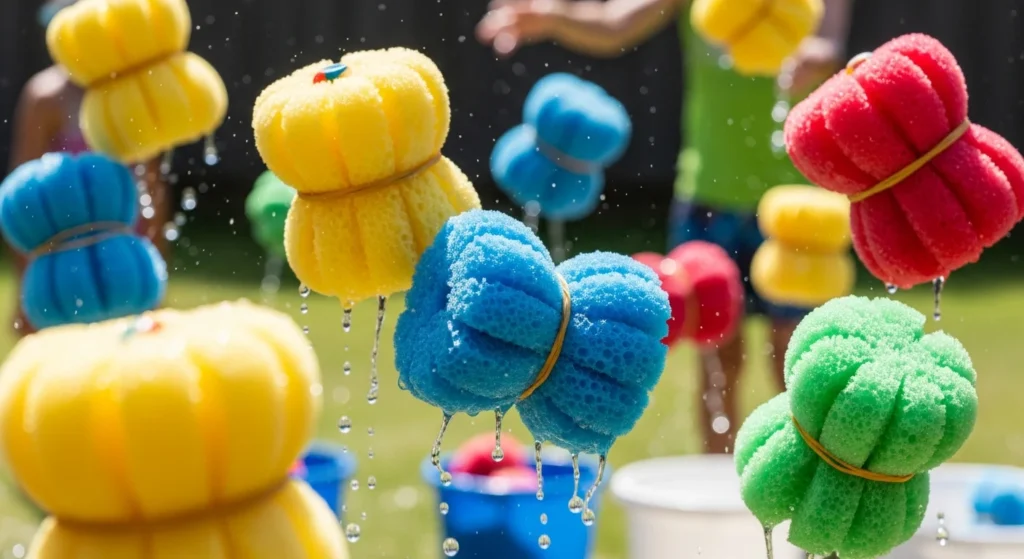
For younger children or those who want a reusable alternative to water balloons, sponge bombs provide perfect solution. Cut standard kitchen sponges into thirds lengthwise, then bundle six to eight pieces together and secure them tightly in the center with a zip tie or rubber band. When soaked in water, these sponge bombs hold plenty of liquid and create a satisfying splash on impact without the mess and waste of broken balloon pieces. Set up target practice areas or organize team games that involve tossing sponge bombs into buckets or at designated splash zones.
Inflatable Pool Oasis
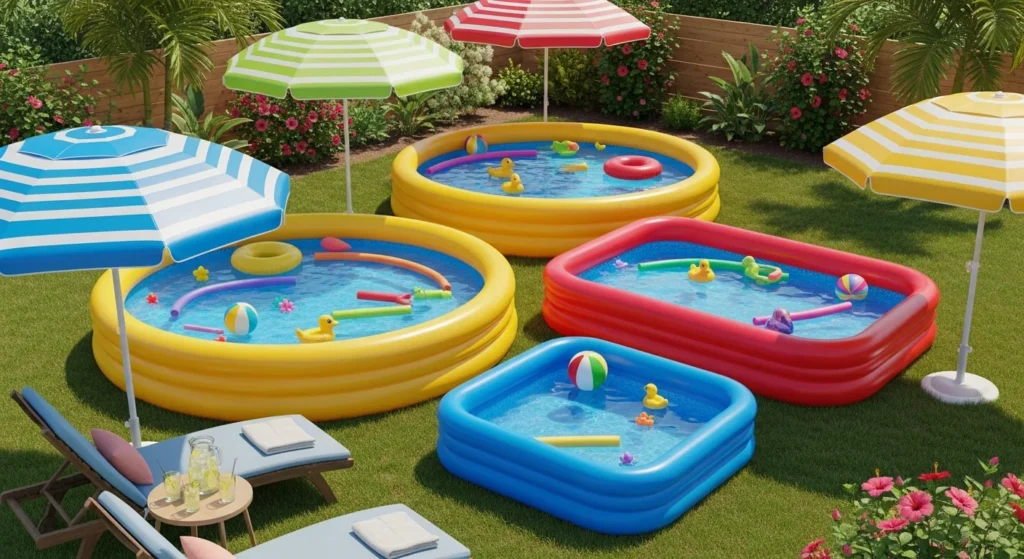
Elevate the standard kiddie pool experience by creating a multi-pool complex with different depths and purposes. Position several inflatable pools of varying sizes to create separate zones for different activities and age groups. Use one pool as a splash landing area, another for floating and relaxation, and a third filled with water toys and activities. Add pool noodles, floating toys, beach balls, and diving rings to enhance play opportunities. Surround the pools with outdoor seating and umbrellas to create a resort-like atmosphere where parents can supervise comfortably while children play.
DIY Water Wall
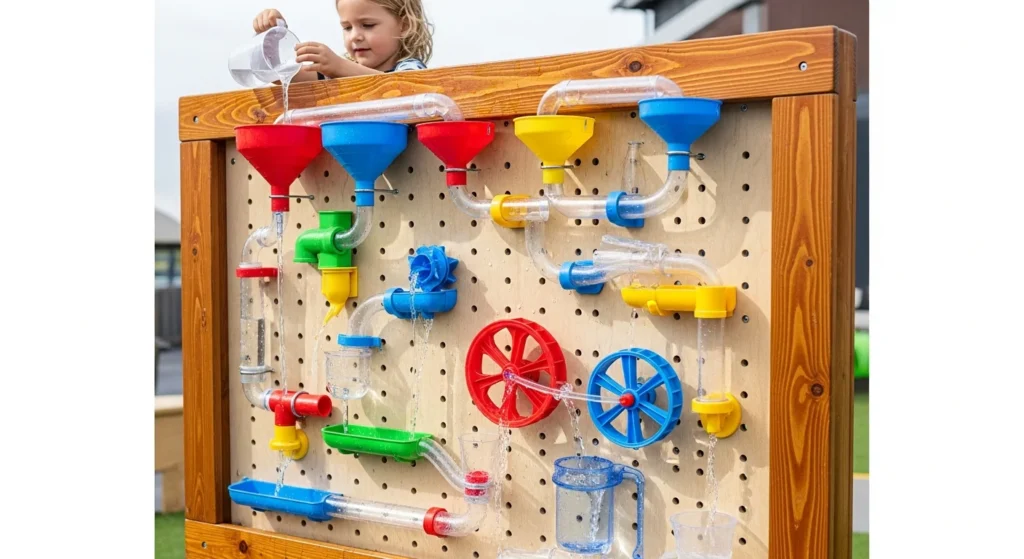
Construct a vertical water wall using a large pegboard or piece of lattice attached to a sturdy frame. Collect various containers, funnels, tubes, and water wheels from dollar stores or repurpose household items. Attach these elements to the board at different heights to create a cascading water flow system. Children can pour water at the top and watch it travel through the various components before collecting at the bottom in a basin or pool. This activity combines water play with cause-and-effect learning as children experiment with different configurations and flow patterns. The water wall can be positioned against a fence or freestanding using a weighted base for stability.
Foam Pit Pool Party
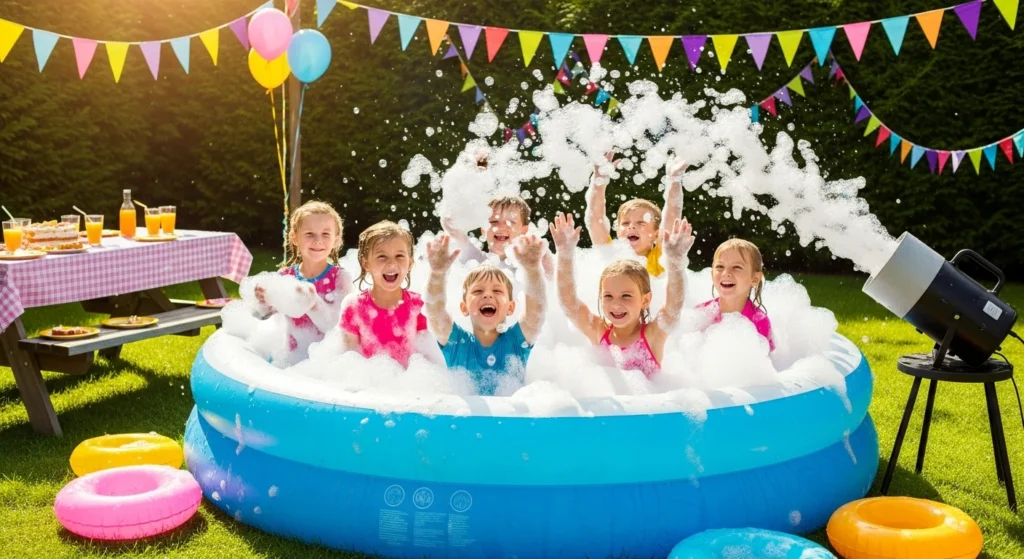
Create a safe and exciting foam experience by filling an inflatable pool with foam solution. Use a foam machine or make your own using a leaf blower and a simple attachment filled with baby shampoo or foam solution. The resulting mountain of bubbles provides sensory play that children find irresistible. Add plastic toys hidden within the foam for a treasure hunt activity, or simply let children enjoy diving and playing in the fluffy white clouds. This activity works particularly well for younger children who might find traditional water activities too intense.
Backyard Beach Paradise
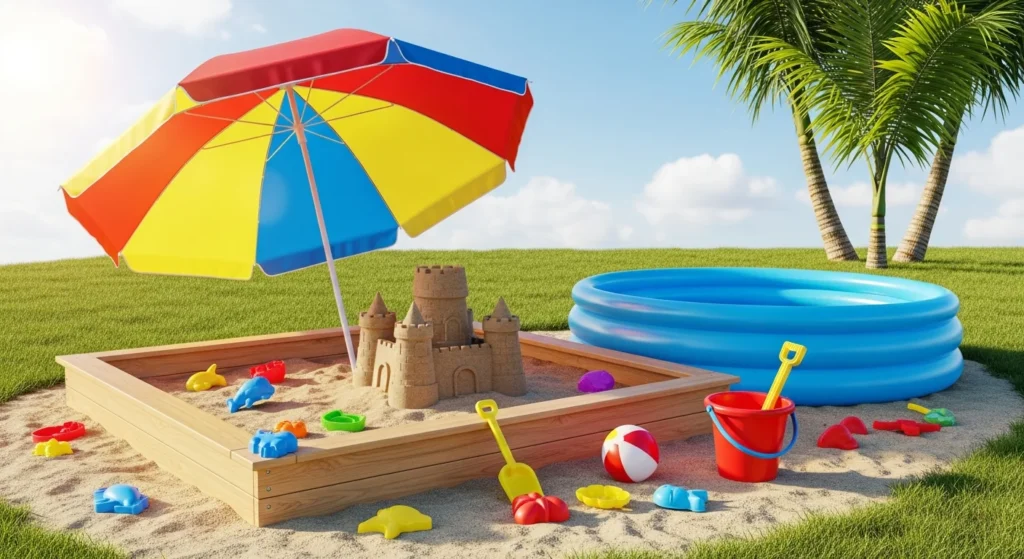
Transform a section of your yard into a beach environment complete with sand and water elements. Fill a large sandbox or create a contained sand area using lumber to build a frame. Position it adjacent to a shallow wading pool or sprinkler area to simulate a beach shoreline. Add beach toys, umbrellas, and lounge chairs to complete the atmosphere. Children can build sandcastles, dig channels to divert water flow, and enjoy the tactile experience of wet sand without traveling to an actual beach. Use play sand rather than construction sand for a cleaner, safer experience.
Water Limbo Challenge
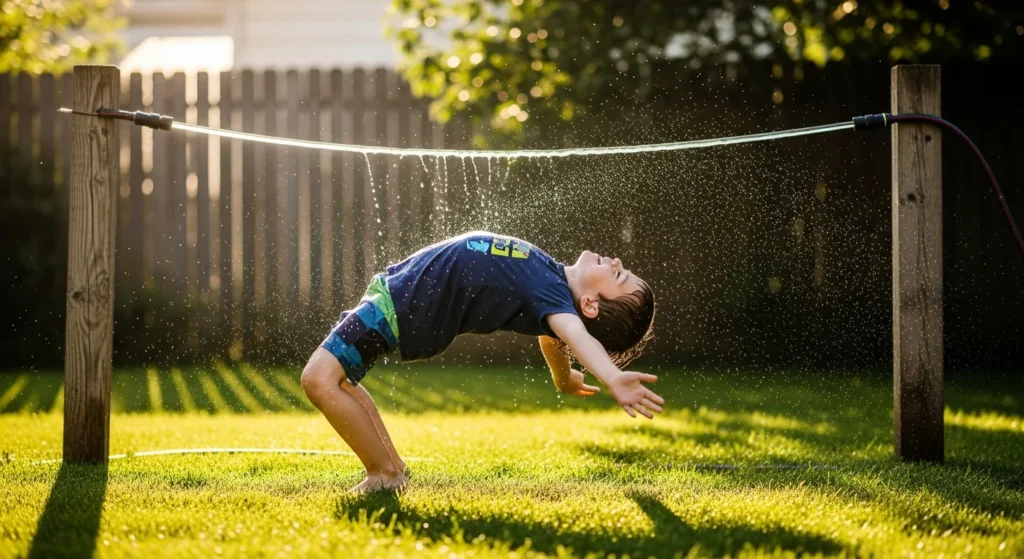
Set up a water limbo station using a garden hose with a spray nozzle or a PVC pipe with holes drilled along its length. Secure the water source horizontally between two poles or trees at adjustable heights. Participants must pass under the stream of water without getting wet, with the bar lowered after each successful round. This activity combines the classic limbo game with the refreshing challenge of avoiding the spray, creating an entertaining activity that works for various age groups and skill levels.
Obstacle Course Aquatic Adventure
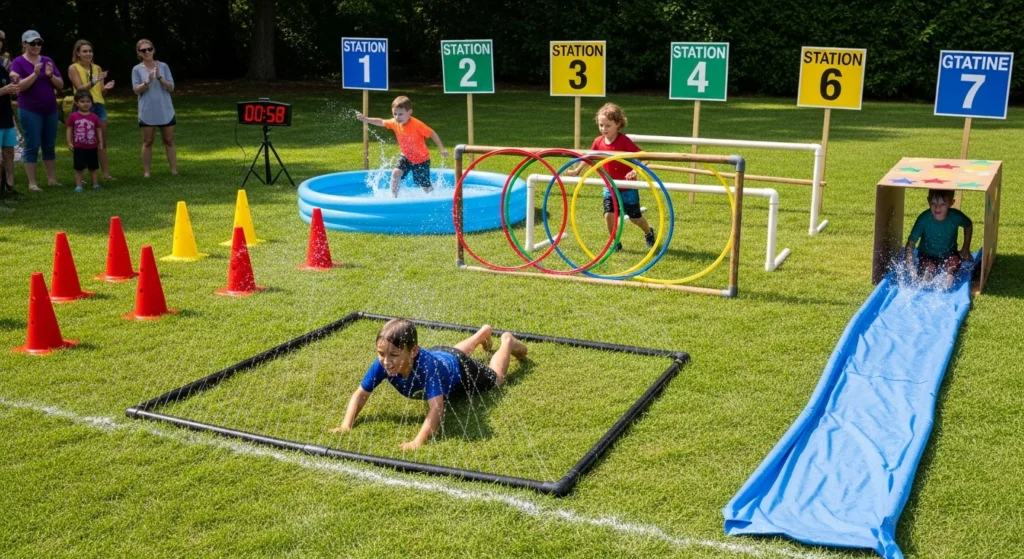
Design a comprehensive water obstacle course that combines multiple elements into one challenging experience. Include stations such as crawling under sprinklers, jumping through hula hoops while dodging spray, running through a kiddie pool filled with foam, navigating around water-shooting obstacles, and finishing with a slip and slide. Time each participant and maintain a leaderboard to encourage friendly competition. Modify the course difficulty based on age groups, and change the layout regularly to maintain interest throughout the summer.
Ice Block Excavation Station
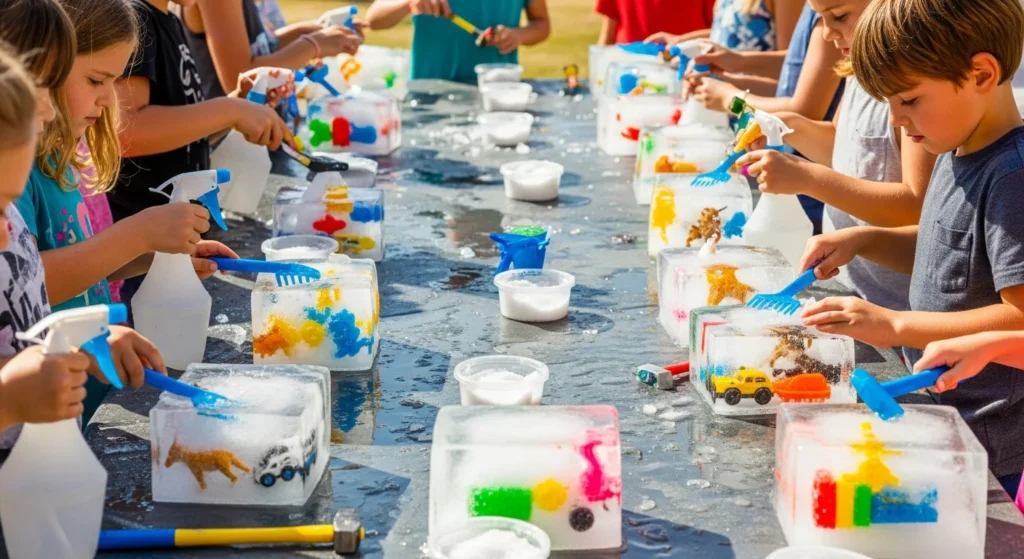
For a unique water activity that also provides cooling relief, freeze toys or treasures inside large blocks of ice. Use empty milk jugs, plastic containers, or even balloons to create various ice block sizes. Set up a station with spray bottles, small hammers, and salt where children can work to free the objects trapped inside. This activity combines problem-solving with water play and provides extended engagement as children strategize the best methods to melt or chip away the ice. On particularly hot days, the melting ice provides welcome cooling in addition to entertainment.
Pool Noodle Obstacle Lattice
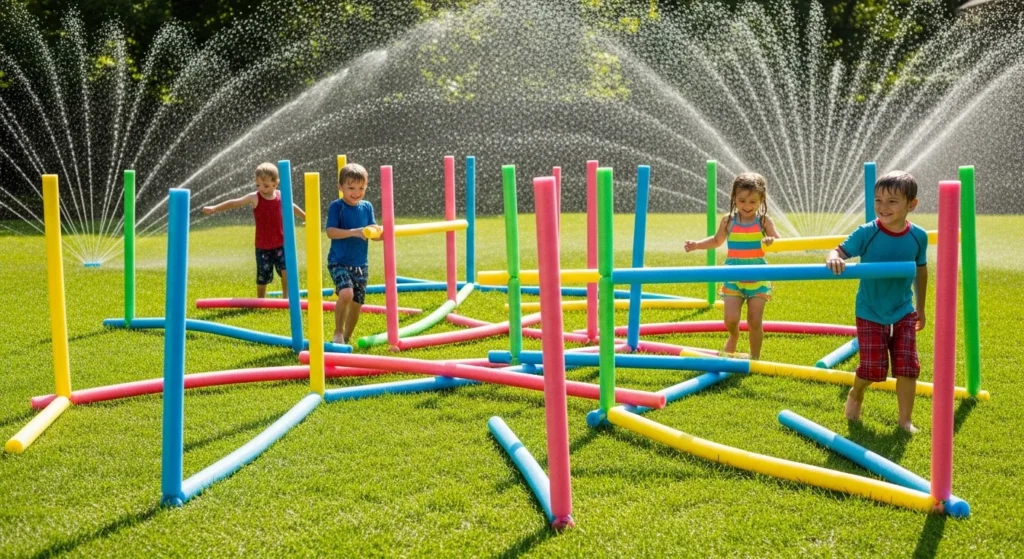
Create a colorful obstacle field using pool noodles secured vertically in the ground. Push wooden dowels or PVC pipes into the soil, then slide pool noodles over them to create flexible posts. Arrange them in patterns that children must navigate through while being sprayed by sprinklers or carrying water-filled cups. The soft, flexible noodles ensure safety even during energetic play. Add challenge elements like requiring participants to weave through without touching any noodles or timing how quickly they can complete the course.
Hanging Water Bag Piñata
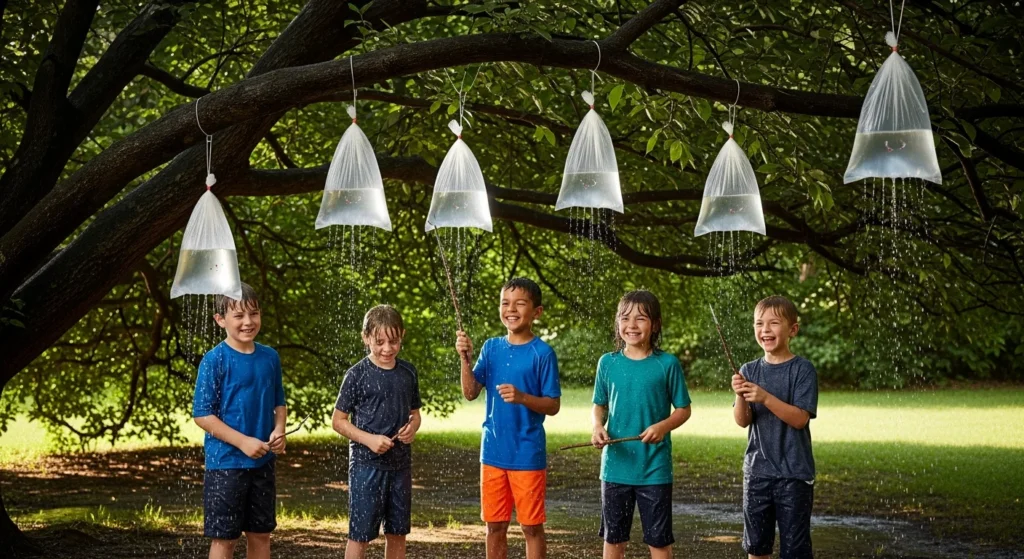
Suspend heavy-duty garbage bags or reusable shopping bags filled with water from tree branches or a swing set. Poke small holes in the bags to create gentle drips and streams. Children can run underneath to get sprayed or use sticks to poke additional holes, increasing the water flow. This activity provides the excitement of a piñata with the refreshing reward of water instead of candy. For added fun, partially freeze the water bags overnight to create longer-lasting ice drips during hot afternoons.
Backyard Car Wash Station
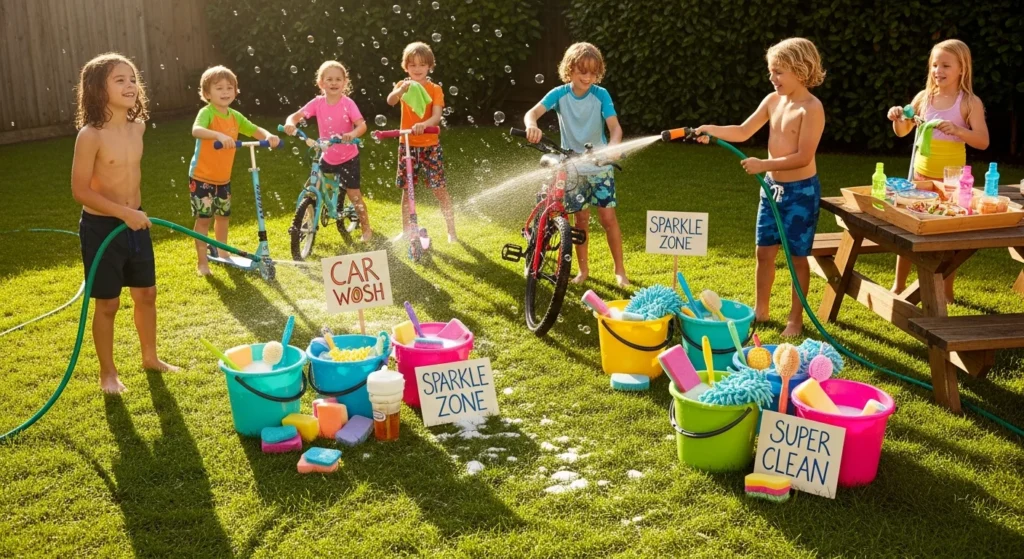
Set up a pretend car wash where children can wash their bikes, scooters, toy cars, or even each other. Provide buckets of soapy water, sponges, brushes, and a hose for rinsing. Create different stations mimicking a real car wash with areas for soaping, scrubbing, and rinsing. Children enjoy the responsibility of cleaning their belongings while staying cool and wet. This activity teaches helpful skills while providing water-based entertainment that feels purposeful rather than purely recreational.
Water Relay Race Central
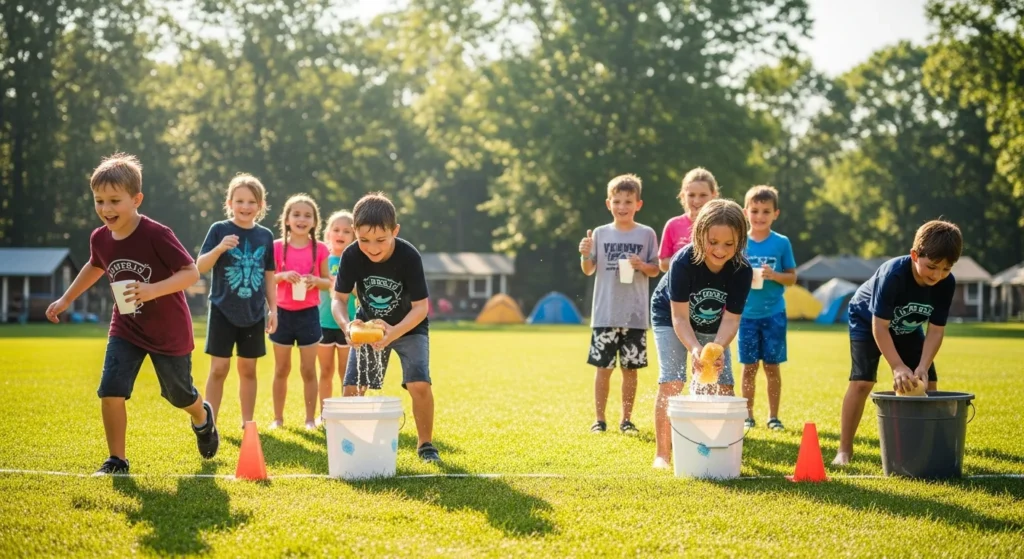
Organize various water relay races that require teamwork and create exciting competition. Set up races where teams must fill a bucket by transferring water using sponges, cups with holes, or by passing water down a line of participants. Create challenges that involve carrying water-filled balloons on spoons, balancing cups on heads, or transporting water-soaked t-shirts without wringing them out. These activities work well for parties or gatherings where multiple children can be divided into teams.
Misting Tent Retreat
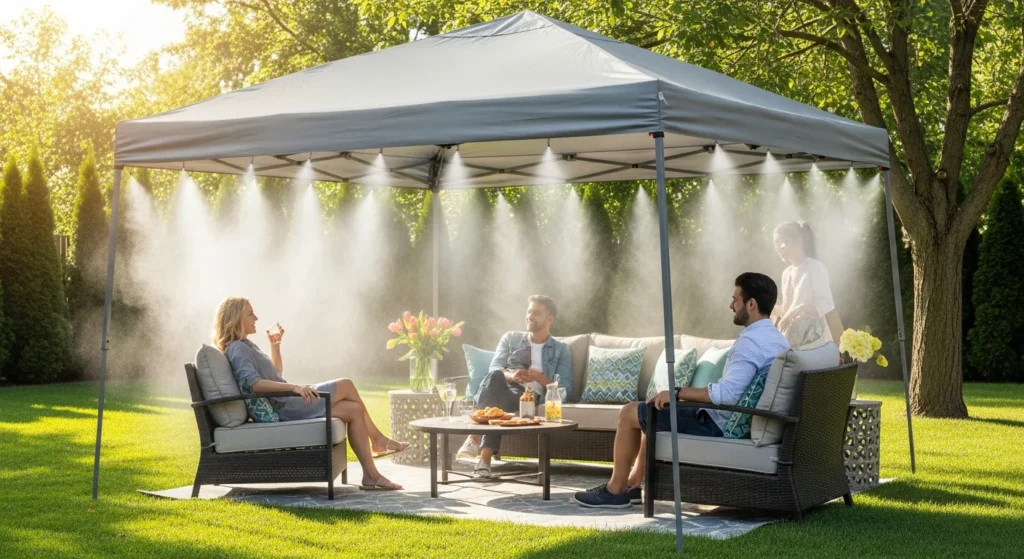
Construct a shaded retreat area using a pop-up canopy or tarp suspended between trees, then attach misting nozzles around the perimeter connected to your garden hose. The fine mist creates a cooling microclimate perfect for taking breaks between more active water play. Add comfortable seating, outdoor rugs, and perhaps a snack station to create a comfortable oasis. This setup proves particularly valuable during peak heat hours when direct sun exposure should be limited but children still want to remain outside.
Target Practice Splash Zone
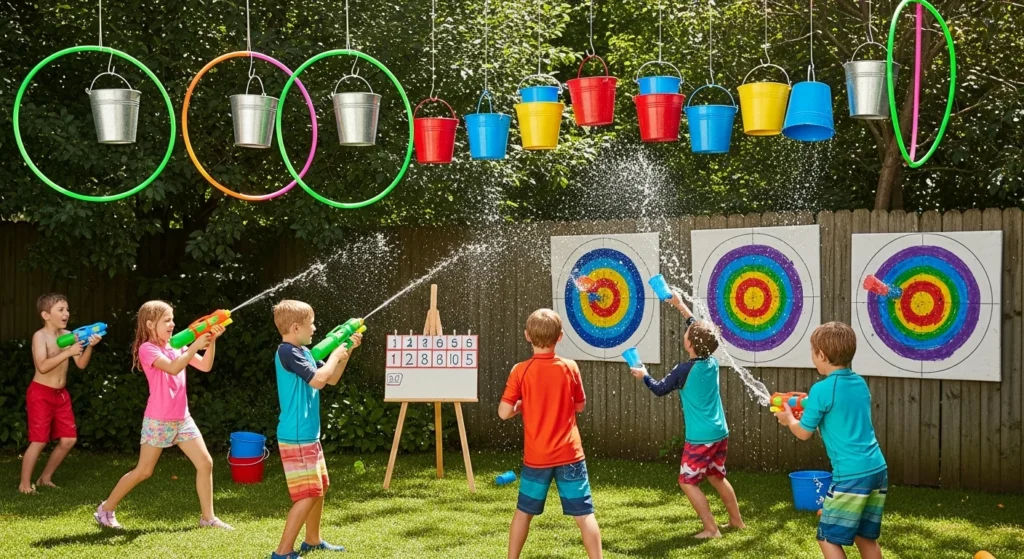
Create multiple targets using waterproof materials at various distances and heights throughout your yard. Use hula hoops suspended from trees, buckets positioned at different levels, or painted targets on fences. Provide water guns, spray bottles, or even just cups of water for participants to throw. Assign point values to different targets based on difficulty, and maintain score sheets to track progress. This activity improves hand-eye coordination while keeping everyone cool and engaged.
Sensory Water Table Station
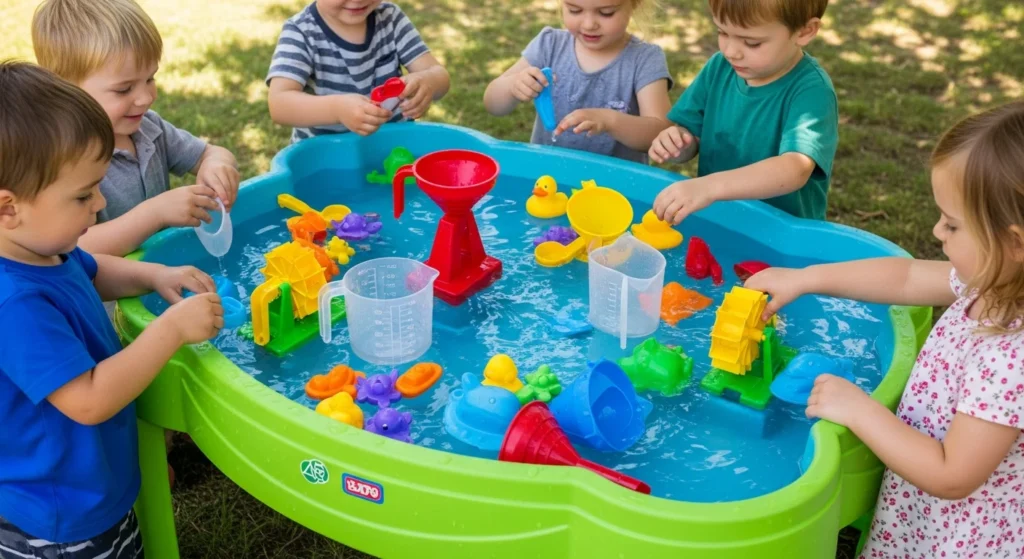
For younger children, set up dedicated sensory water tables filled with various materials and toys. Use large plastic bins or purchase children’s water tables designed for this purpose. Fill them with water and add elements like measuring cups, funnels, water wheels, floating toys, and containers of different sizes. Rotate the available toys regularly to maintain interest. Add food coloring occasionally to create colorful water, or include materials like water beads for different tactile experiences. Position the tables in shaded areas and at appropriate heights for comfortable standing play.
Tarp Water Blob
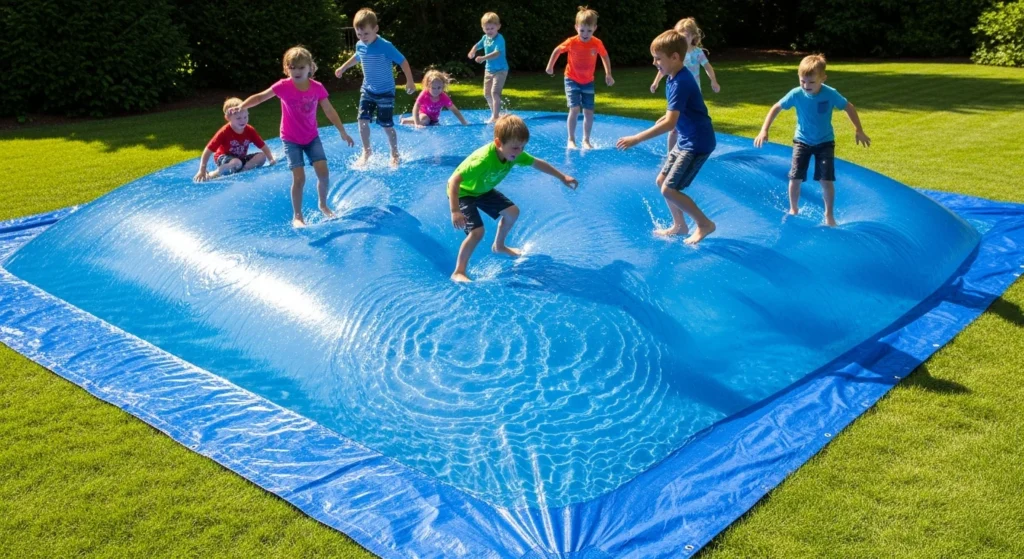
Create a giant water blob using two large tarps sealed together around the edges with duct tape, leaving one corner open for filling. Place the sealed tarps on a flat lawn area, fill the pocket between the tarps with water through the opening, then seal it completely. The result is a massive water-filled cushion that children can jump on, roll across, and play on safely. The water moves and shifts underneath, creating a unique sensory experience. This project requires initial construction time but provides weeks of entertainment once completed.
Conclusion
Creating a DIY backyard water park transforms ordinary summer days into extraordinary adventures without the expense and hassle of visiting commercial facilities. These projects demonstrate that entertainment and cooling relief don’t require significant financial investment or permanent installations. With basic materials, creativity, and a willingness to experiment, any backyard can become a destination that children eagerly anticipate throughout the school year.
The true value of backyard water parks extends beyond simple entertainment. These activities encourage outdoor play, physical exercise, and social interaction during an era when screen time often dominates childhood experiences. Building these features together as a family creates shared memories and teaches children that fun can be crafted from imagination and effort rather than purchased pre-packaged.
Safety should always remain the primary consideration when implementing any water activities. Supervise young children constantly around water features, apply sunscreen regularly, encourage hydration breaks, and inspect equipment before each use. Check weather conditions and avoid water play during thunderstorms or extreme heat that could lead to health concerns.
Start with one or two simple projects to gauge interest and expand your backyard water park over time as you discover which activities your family enjoys most. Many of these ideas can be modified, combined, or scaled to fit your specific circumstances. The investment of time and modest financial resources will pay dividends in the form of laughter, joy, and cherished summer memories that last far beyond the season itself.
Frequently Asked Questions
What is the most budget-friendly DIY backyard water park idea?
A simple sprinkler setup combined with a homemade slip and slide offers maximum fun for minimal cost. Using a large plastic sheet, a standard garden hose, and dish soap, you can create an exciting water feature for under twenty dollars that provides hours of entertainment for children of all ages.
How can I ensure water activities are safe for young children?
Always maintain direct supervision, use age-appropriate equipment, and establish clear safety rules before play begins. Ensure any pools or containers are emptied immediately after use, check that all surfaces are free from sharp objects, and teach children never to run on wet surfaces to prevent slipping injuries.
Can these water park ideas work in small backyards?
Absolutely. Many options like water tables, small inflatable pools, sprinkler systems, and water balloon activities require minimal space. Focus on vertical elements like water walls or hanging water bags that use overhead space rather than ground area, and choose compact projects that can be easily set up and removed.
How much water do backyard water parks typically use?
Water usage varies significantly based on which activities you choose. Recirculating features and reusable elements like sponge bombs minimize consumption, while slip and slides and continuous sprinklers use more water. Consider collecting used water for garden irrigation, choosing drought-tolerant options during water restrictions, and running water features during cooler parts of the day to reduce evaporation.
What materials are essential for building most DIY water features?
Basic supplies include garden hoses, plastic sheeting, PVC pipes and connectors, duct tape, zip ties, and various containers. Pool noodles, inflatable pools, and spray bottles prove useful for multiple projects. Most materials are available at hardware stores, dollar stores, or may already be in your garage, making these projects accessible and affordable for most families.