
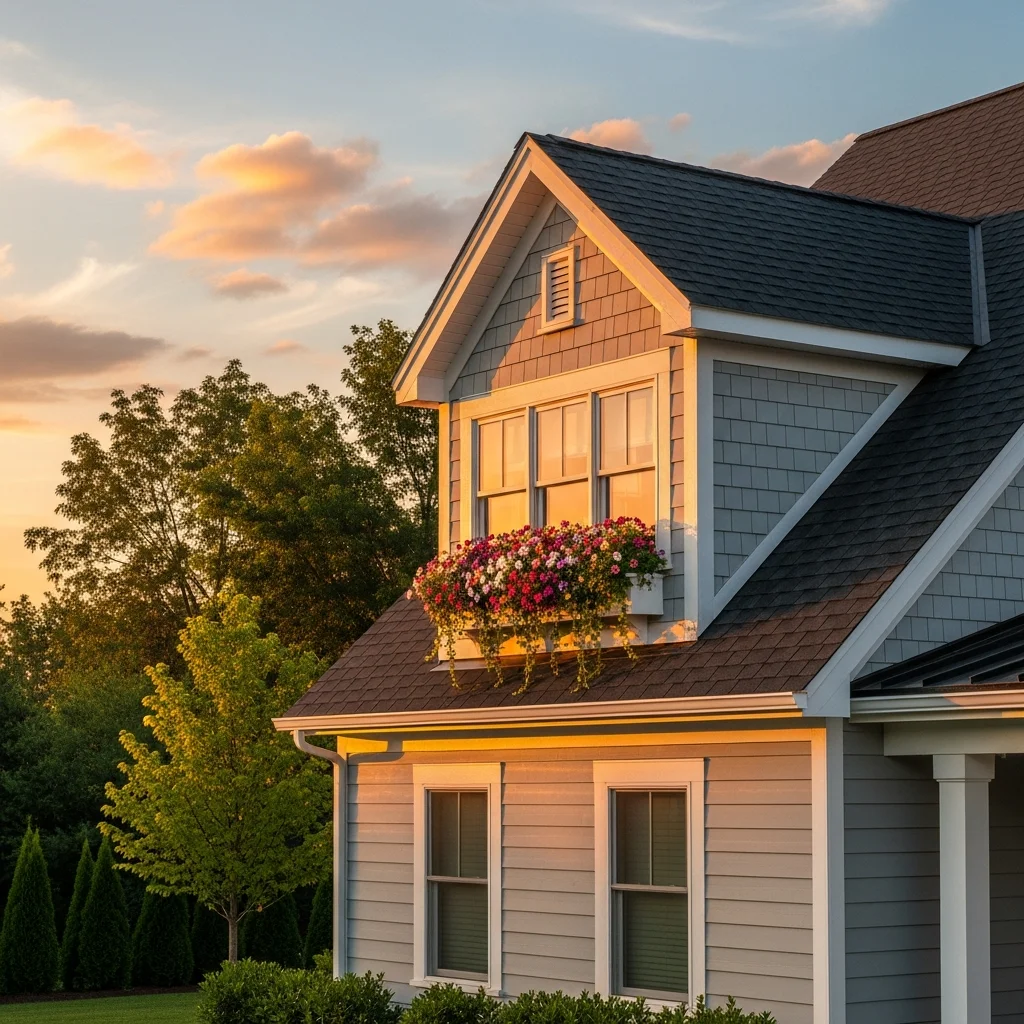
16+ Inspiring Dormer Window Ideas for Home
Dormer Window Ideas for Home Transforming your home with dormer windows represents one of the most impactful architectural decisions you can make. These charming roof projections do far more than simply add windows to your upper floors. They create functional living spaces from cramped attics, flood dark corners with natural light, and dramatically enhance your home’s street presence. Whether you’re planning a renovation or building from scratch, Creative Attic Stairs Ideas understanding the full spectrum of dormer possibilities will help you make choices that elevate both form and function.
The beauty of dormer windows lies in their versatility. From the triangular peaks of traditional gabled dormers adorning historic colonials to the sleek, modern lines of contemporary shed dormers, these architectural features adapt to virtually any home style. They solve practical problems while adding character, making them a smart investment for homeowners seeking to maximize their property’s potential without expanding its footprint.
Understanding Dormer Windows and Their Purpose
A dormer window is a roofed structure that projects vertically from a sloped roof, creating a vertical wall where one previously didn’t exist. This seemingly simple addition accomplishes several important goals simultaneously. The primary function is to add usable headroom in spaces where slanted ceilings would otherwise make rooms feel cramped and unusable. By pushing out from the main roofline, dormers create proper wall height for furniture placement, comfortable movement, and overall livability.
Beyond the practical benefits, dormers serve as architectural punctuation marks that break up large expanses of roof and add visual depth to your home’s exterior. They create rhythm and balance along the roofline, drawing the eye upward and making homes appear more substantial and thoughtfully designed. This dual nature as both functional necessity and decorative element makes dormers uniquely valuable in home design.
The history of dormers traces back to 17th century French and British architecture. The term derives from the French word “dormeur,” meaning sleeper, as these structures originally brought light and air to attic sleeping quarters. Today, that same functionality continues to drive their popularity, though modern homeowners use dormer spaces for everything from master suites to home offices and cozy reading nooks.
1. Classic Gabled Dormer Windows
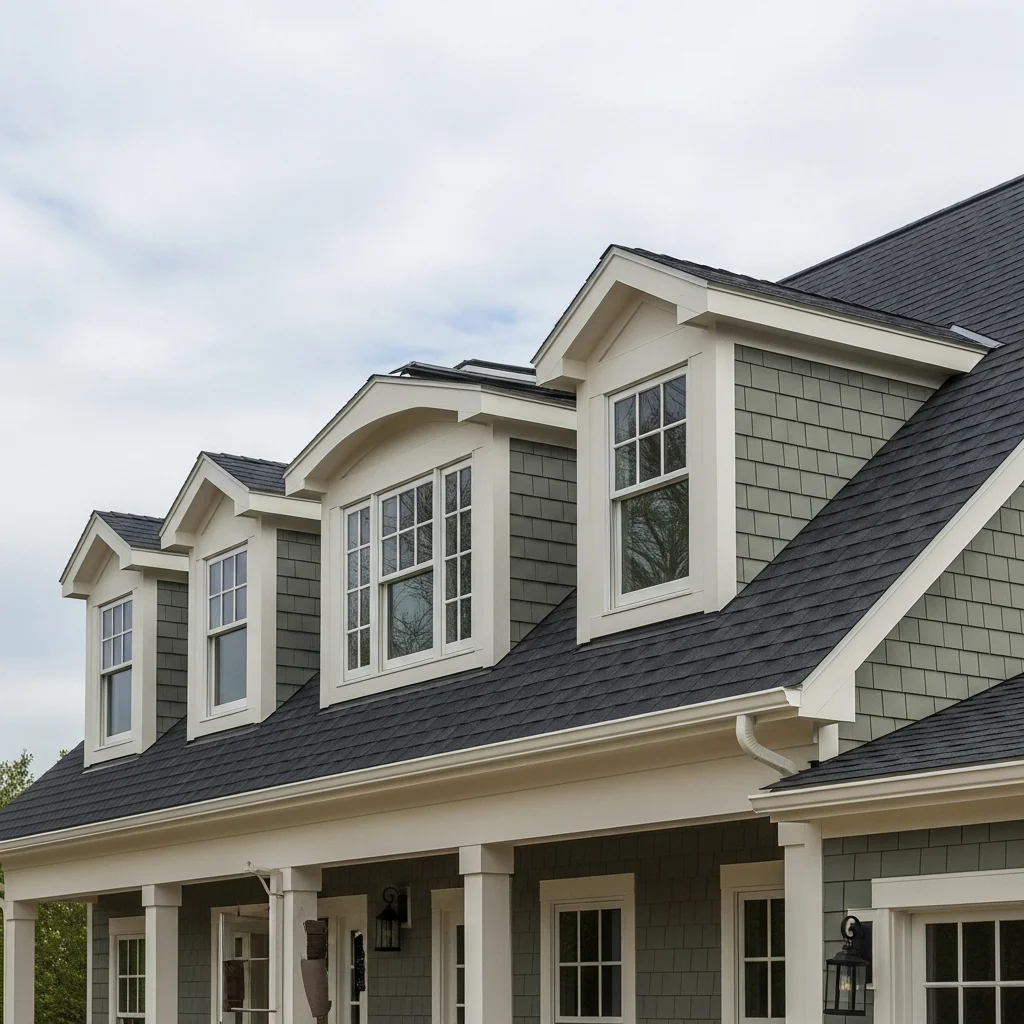
The gabled dormer stands as the most recognizable and widely used dormer style in residential architecture. Featuring a triangular peaked roof with two sloping sides that meet at a central ridge, this design creates clean, traditional lines that complement homes with pitched roofs. The gable shape naturally sheds water and snow, making it practical for various climates while providing excellent interior headroom. Dormer Window Ideas for Home
What makes gabled dormers particularly appealing is their architectural versatility. They appear equally at home on Cape Cod cottages, Colonial revivals, Craftsman bungalows, and Tudor estates. The key to success lies in proportioning the dormer appropriately to your home’s scale. Smaller dormers create subtle accents, while larger versions can accommodate full bedroom suites or bathroom installations.
you may also like : 15+ Creative Polymer Clay Extruder Ideas Dormer Window Ideas for Home
For window selection within gabled dormers, consider matching your home’s existing window style to maintain architectural consistency. Double-hung windows with divided lights work beautifully in traditional settings, while larger casement windows suit more contemporary interpretations. Some homeowners opt for paired windows to maximize natural light, creating a bright, welcoming space inside. The vertical wall created by the gable allows for tall windows that emphasize the dormer’s height and architectural presence. Creative Attic Stairs Ideas.
2. Spacious Shed Dormer Designs
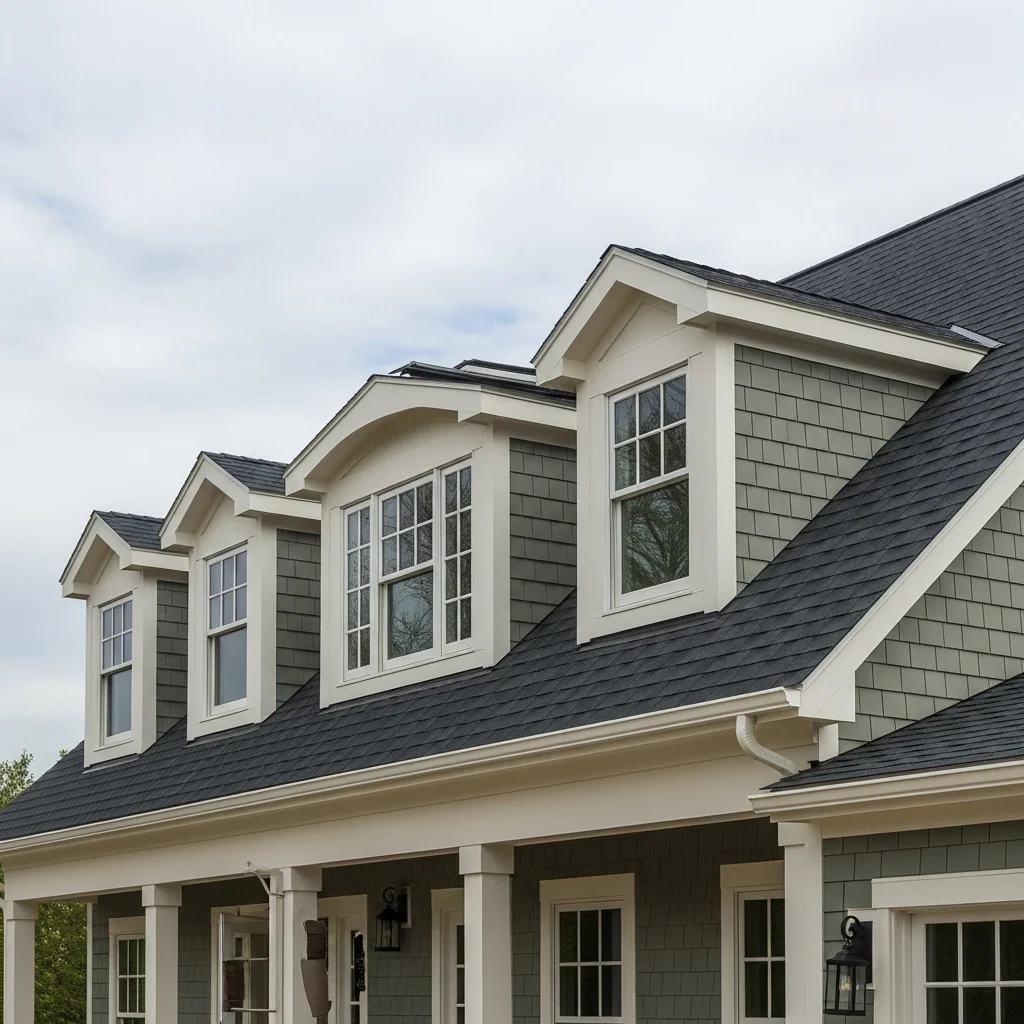
Shed dormers revolutionize attic conversions by creating maximum usable space with their single sloping roof that extends from the main roofline. Unlike gabled dormers that project from a single point, shed dormers often span significant portions of the roof, creating long stretches of vertical wall that dramatically increase interior square footage. This makes them the preferred choice for homeowners wanting to convert entire attic levels into full living spaces.
The design simplicity of shed dormers translates to interior benefits. The continuous wall allows for multiple windows, creating bright, evenly lit rooms that feel spacious and inviting. Some shed dormers incorporate three, four, or even more window units, transforming what might have been a dark, cramped attic into a cheerful bedroom suite or expansive home office. The increased wall height also permits standard ceiling heights, making the space feel like a proper floor rather than a converted attic.
From the exterior, shed dormers present clean, modern lines that work particularly well on Craftsman homes, farmhouses, and contemporary designs. Their streamlined appearance avoids the fussiness that can sometimes accompany more ornate dormer styles. When properly integrated with the main roofline, a shed dormer can appear as a natural extension of the home’s architecture rather than an obvious addition.
3. Elegant Hipped Dormer Options
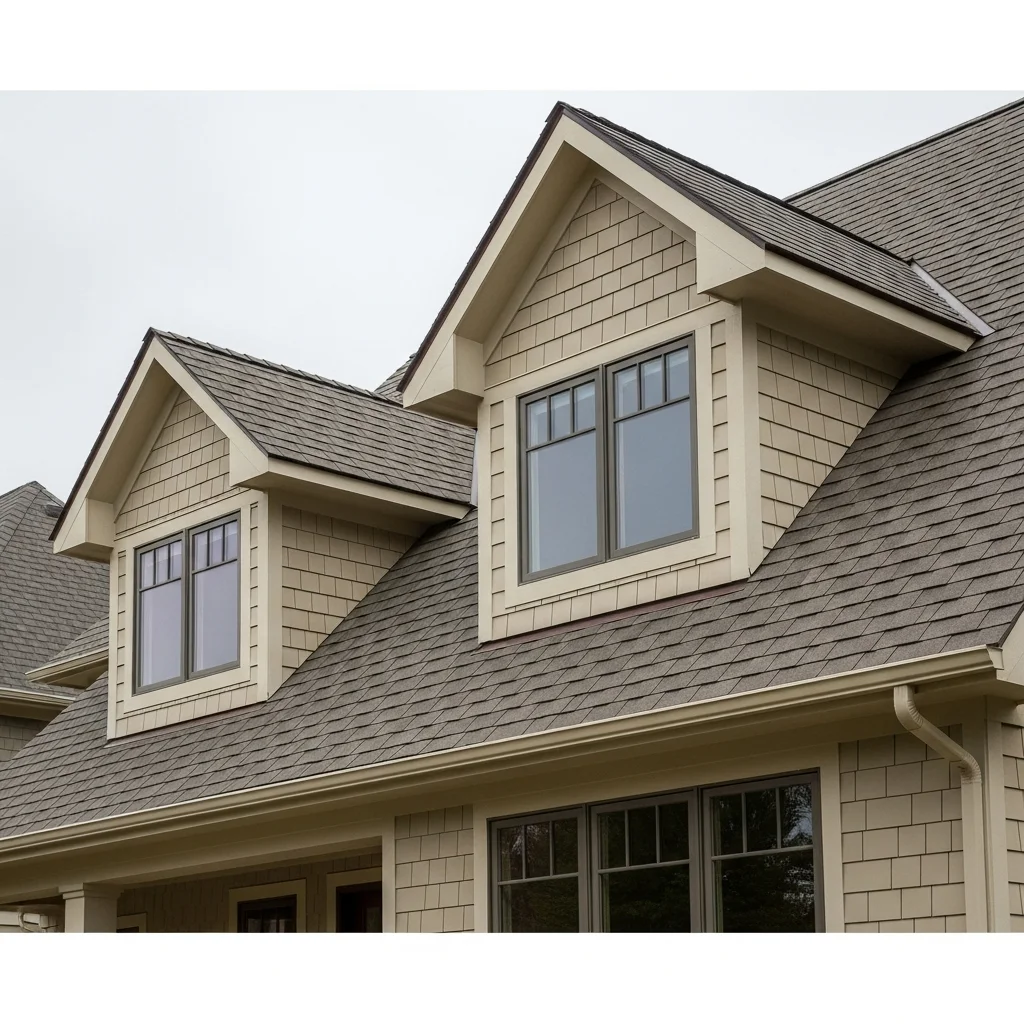
Hipped dormers offer a softer, more subtle alternative to the sharp triangular profile of gabled designs. Featuring three sloping sides with one face above the window and two adjacent slopes receding toward the main roof, hipped dormers create gentle transitions that blend seamlessly into the overall roofline. This understated elegance makes them particularly suited to Prairie-style homes, French eclectics, and shingle-style colonials where architectural sophistication matters.
The multi-sloped design provides practical advantages beyond aesthetics. The angled sides offer superior wind resistance compared to flat-faced dormers, making hipped versions ideal for homes in areas prone to severe weather. The slopes also facilitate excellent water drainage, reducing the risk of leaks or water damage over time. While they provide slightly less interior headroom than gabled dormers of similar size, the difference is often negligible in practice.
Window choices for hipped dormers should consider your home’s overall style. Casement windows create a modern, clean appearance appropriate for Prairie and midcentury designs, while traditional double-hung windows with grilles suit French eclectic and Colonial homes. The key is ensuring your dormer windows harmonize with your first-floor windows to maintain architectural cohesion throughout the facade.
4. Whimsical Eyebrow Dormer Styles
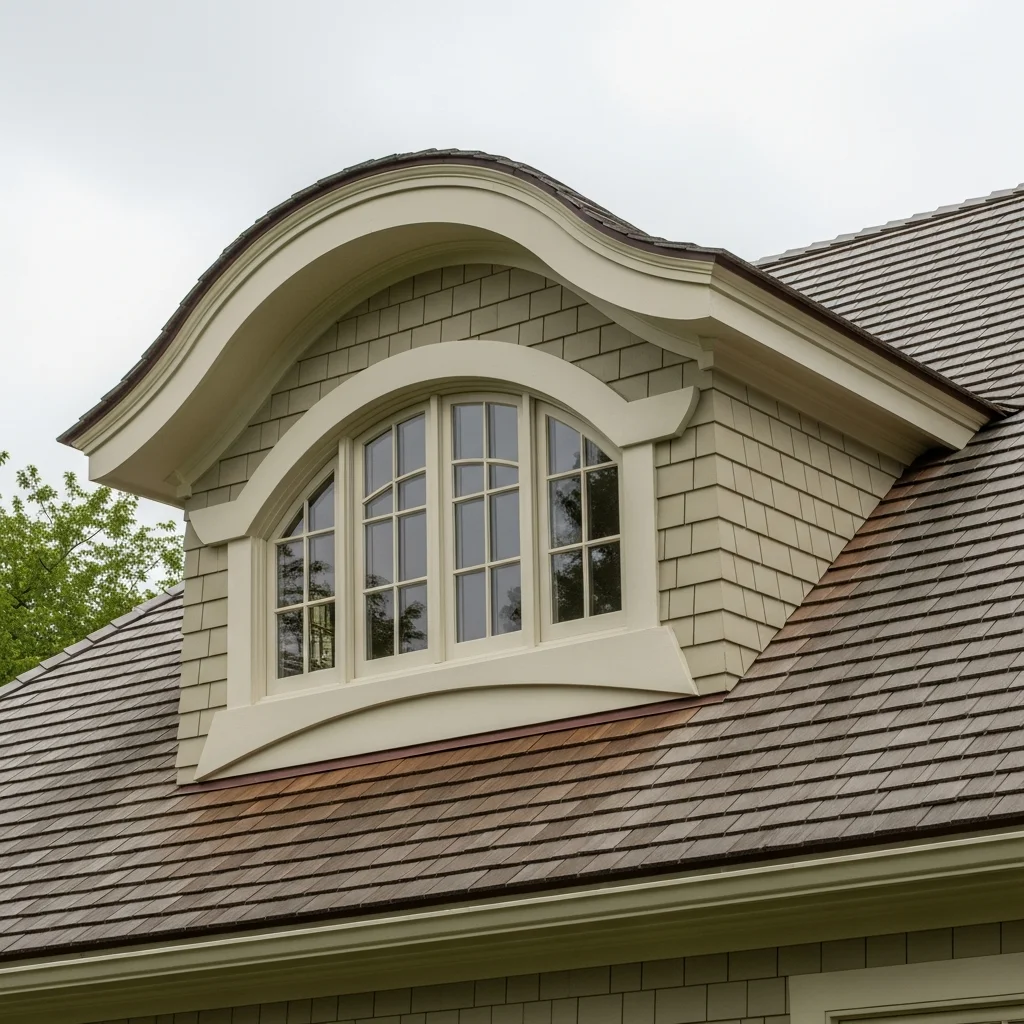
For homeowners seeking distinctive character and artisanal appeal, eyebrow dormers deliver unmatched charm. These unique structures feature a gently curved roofline that rises smoothly from the main roof and dips back down without any sharp angles, creating the appearance of an eyelid over the window. The organic, flowing form adds a soft, sculptural quality that contrasts beautifully with the typically angular nature of residential architecture. 16+ DIY ideas
Eyebrow dormers require skilled craftsmanship to execute properly, making them rarer and more special than standard dormer types. They appear most frequently in cottage-style homes, Shingle-style architecture, and custom-designed residences where unique character takes precedence over strict adherence to architectural conventions. The curved form creates interesting light patterns inside the room as the sun moves throughout the day, adding dynamic visual interest to the interior space.
The windows in eyebrow dormers typically follow the curved roofline, creating arched or segmented designs that echo the dormer’s gentle sweep. These curved-top windows can feature divided lights along the arch, adding traditional detailing that enhances the whimsical nature of the design. While eyebrow dormers generally provide less additional space than other types, their aesthetic impact far exceeds their modest size.
5. Multiple Dormer Arrangements
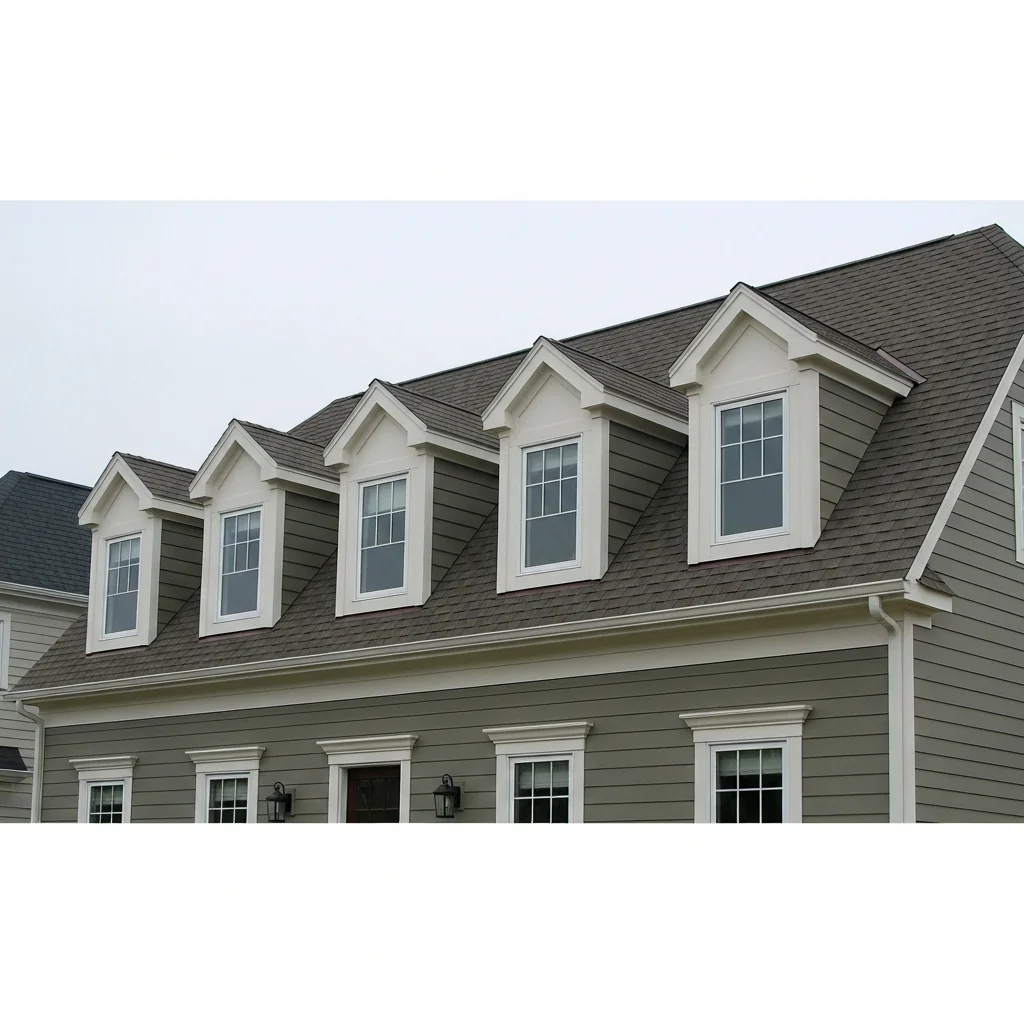
Installing several dormers along a single roofline creates dramatic visual impact while solving practical lighting and ventilation challenges across larger spaces. Multiple dormer arrangements work particularly well in long attic conversions where a single dormer wouldn’t provide adequate light coverage. By spacing dormers strategically, you can create evenly distributed natural light that eliminates dark corners and makes the entire space feel open and inviting.
The arrangement of multiple dormers offers opportunities for creating rhythm and balance in your home’s exterior design. Symmetrical placement of three dormers, for instance, creates formal elegance appropriate for Colonial and Georgian homes. Asymmetrical arrangements can balance other architectural features, such as offsetting an entry or matching the window spacing on lower floors. Some homes feature matching dormers on opposite sides of the roof, creating visual harmony when viewed from different angles.
Consider varying dormer sizes within a single arrangement to add interest and accommodate interior needs. A central, larger dormer flanked by smaller versions creates a hierarchy that draws attention while maintaining balance. Alternatively, evenly sized dormers in a series emphasize horizontal lines and make homes appear wider. The key lies in ensuring your dormer spacing and proportions relate logically to the architectural elements below them. Dormer Window Ideas for Home
6. False Dormers for Curb Appeal
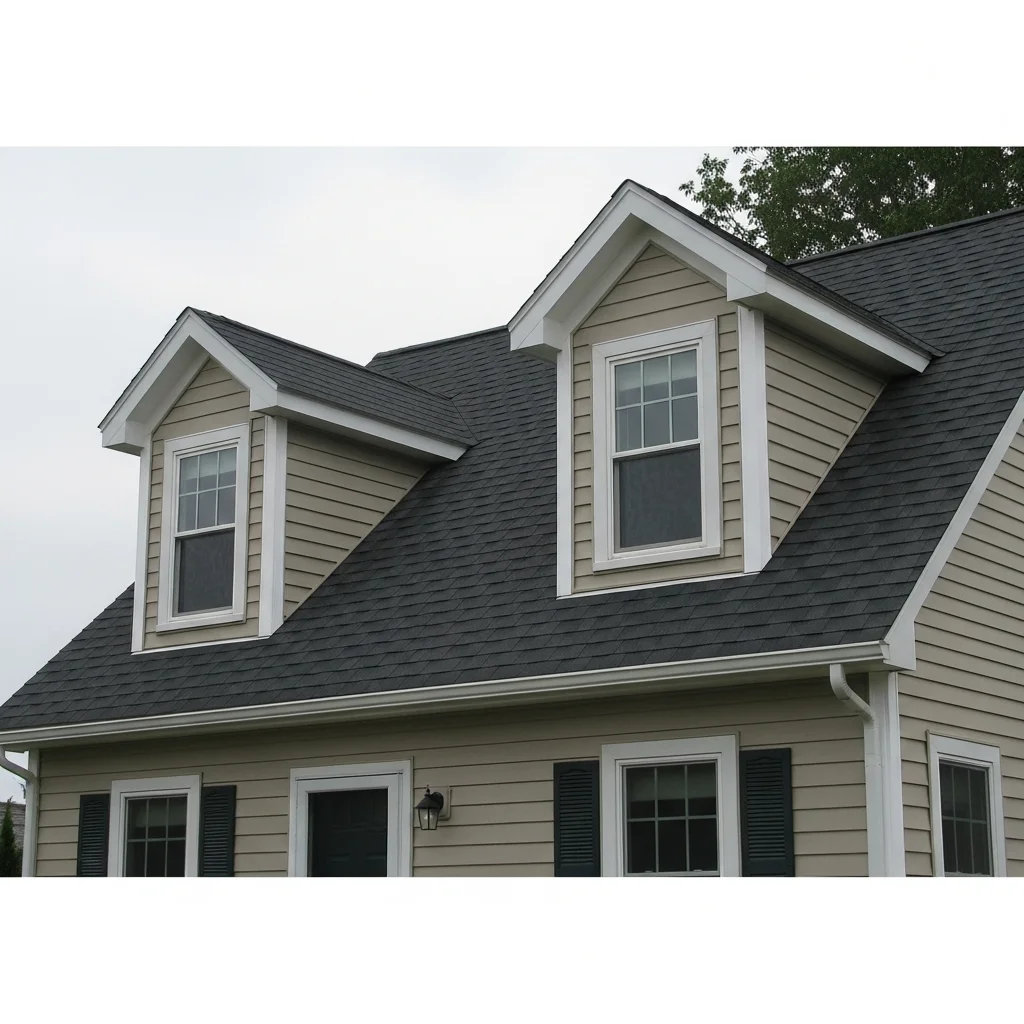
Not every dormer needs to be functional to add value to your home. False dormers built purely for aesthetic purposes create architectural interest and enhance curb appeal without the expense of full structural dormers. These decorative elements project from the roof but don’t actually penetrate into the interior space, making them significantly more affordable to install while still delivering visual impact.
False dormers work particularly well on homes where the existing attic space is already finished or where full dormers aren’t structurally feasible. They can transform a plain roofline into something more interesting and can help smaller homes appear larger and more substantial. Many Cape Cod enthusiasts use false dormers to achieve the classic look without the need for actual attic conversion.
like 17+ Stylish Loft Decorating Ideas on a Budget
When planning false dormers, maintain the same design principles that apply to functional versions. They should look authentic, with proper proportions and details that match your home’s architectural style. Some false dormers include windows that appear real from the street but are simply installed on the exterior face. Others might feature shutters or decorative trim that creates the impression of a functional dormer without the window itself.
7. Bay Window Dormers for Panoramic Views
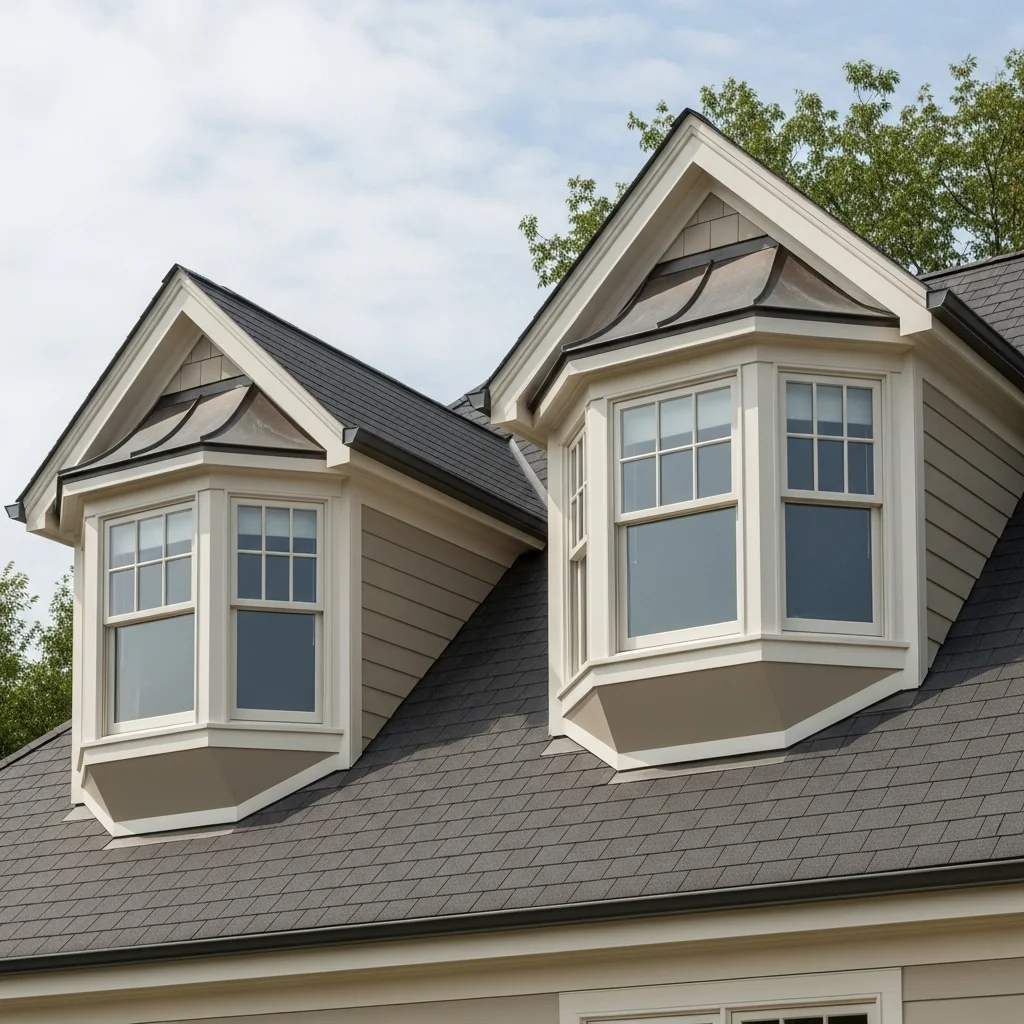
Combining bay windows with dormer construction creates spectacular architectural features that maximize both interior space and exterior visual interest. Bay window dormers project outward beyond the interior wall, creating small alcoves perfect for window seats, reading nooks, or decorative displays. The angled sides of the bay provide panoramic views that standard flat dormers cannot match, bringing light in from multiple directions.
These elaborate dormers require substantial structural support and careful engineering, making them best suited to larger gabled or wall dormers that can accommodate the additional weight and complexity. The payoff comes in the form of dramatic interior spaces that become focal points within the room. A bay window dormer in a master bedroom, for instance, creates an ideal spot for a cozy seating area flooded with natural light and offering expansive views.
From the exterior, bay window dormers add three-dimensional depth that elevates curb appeal significantly. They create shadow lines and architectural complexity that make homes appear more custom and thoughtfully designed. The key is ensuring the bay proportions relate properly to the dormer size and that the style matches your home’s overall architectural character.
8. Dormer Window Seats and Reading Nooks
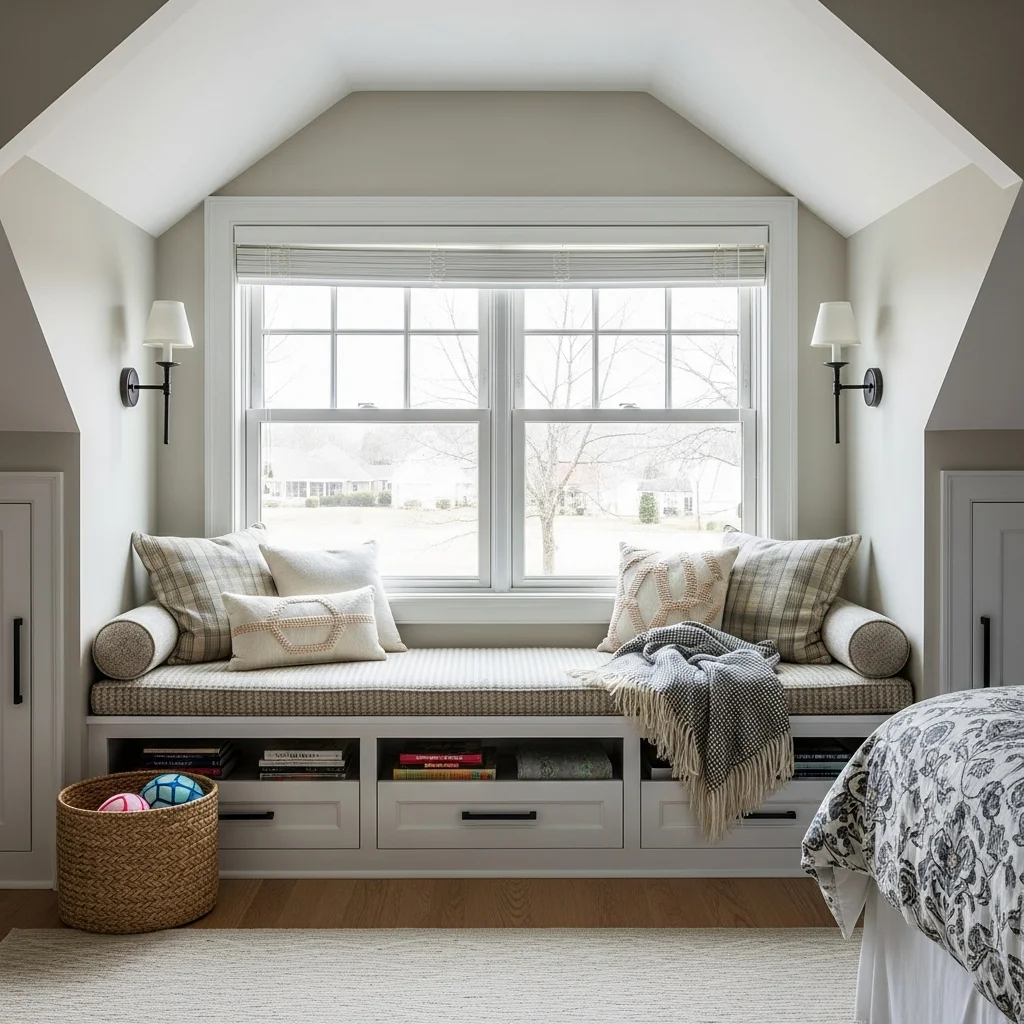
The unique geometry created by dormers makes them ideal locations for built-in window seats that transform functional spaces into beloved home features. The natural alcove formed by the dormer walls provides perfect proportions for seating, while the windows flood the area with natural light. Adding cushions, pillows, and thoughtful details creates cozy retreats that become favorite spots for reading, relaxing, or simply enjoying the view.
Window seat designs can incorporate practical storage beneath the seating platform, with either drawers or lift-up lids providing hidden compartments for books, blankets, or seasonal items. This dual functionality maximizes the utility of dormer spaces, particularly important in children’s rooms or small bedrooms where every square foot counts. Custom cushions in fabrics that complement your room’s color scheme tie the window seat into the overall design.
Consider the lighting around dormer window seats carefully. Wall-mounted sconces flanking the window provide task lighting for reading without taking up precious surface space. Installing dimmer switches allows you to adjust the lighting to match different activities and times of day. For privacy and light control, choose window treatments that can fully retract to maximize daylight during the day while providing coverage at night.
9. Dormer Windows in Bedroom Conversions
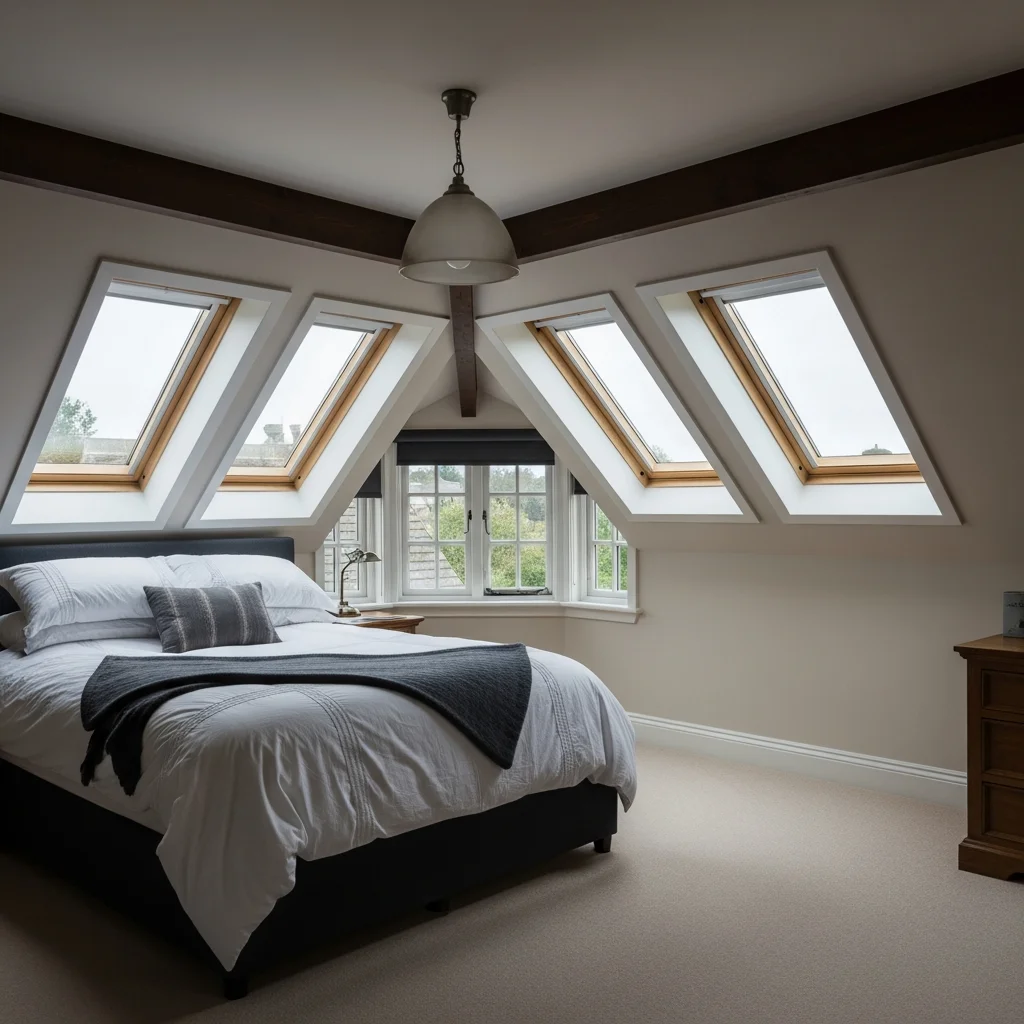
Converting attic spaces into bedrooms represents one of the most popular uses for dormer windows, and the results can be truly spectacular. The additional headroom created by dormers transforms previously unusable attic areas into comfortable sleeping quarters with character that standard bedrooms lack. The sloped ceilings that remain add architectural interest rather than feeling cramped, creating spaces with unique personality.
Strategic dormer placement in bedroom conversions should consider furniture layout and function. Position dormers to create proper wall space for bed placement while ensuring adequate natural light reaches all areas of the room. Multiple smaller dormers often work better than a single large one, distributing light evenly and creating more flexible furniture arrangements. Consider including at least one dormer that could accommodate a small desk or seating area.
Privacy considerations matter in bedroom dormers. While the elevated position naturally provides some seclusion, installing appropriate window treatments ensures comfort during all times of day. Blackout shades or lined curtains help create proper sleeping conditions, while sheer panels allow soft, filtered light during the day. The combination gives you complete control over your bedroom environment.
you may also like it: ideas
10. Home Office Dormer Spaces
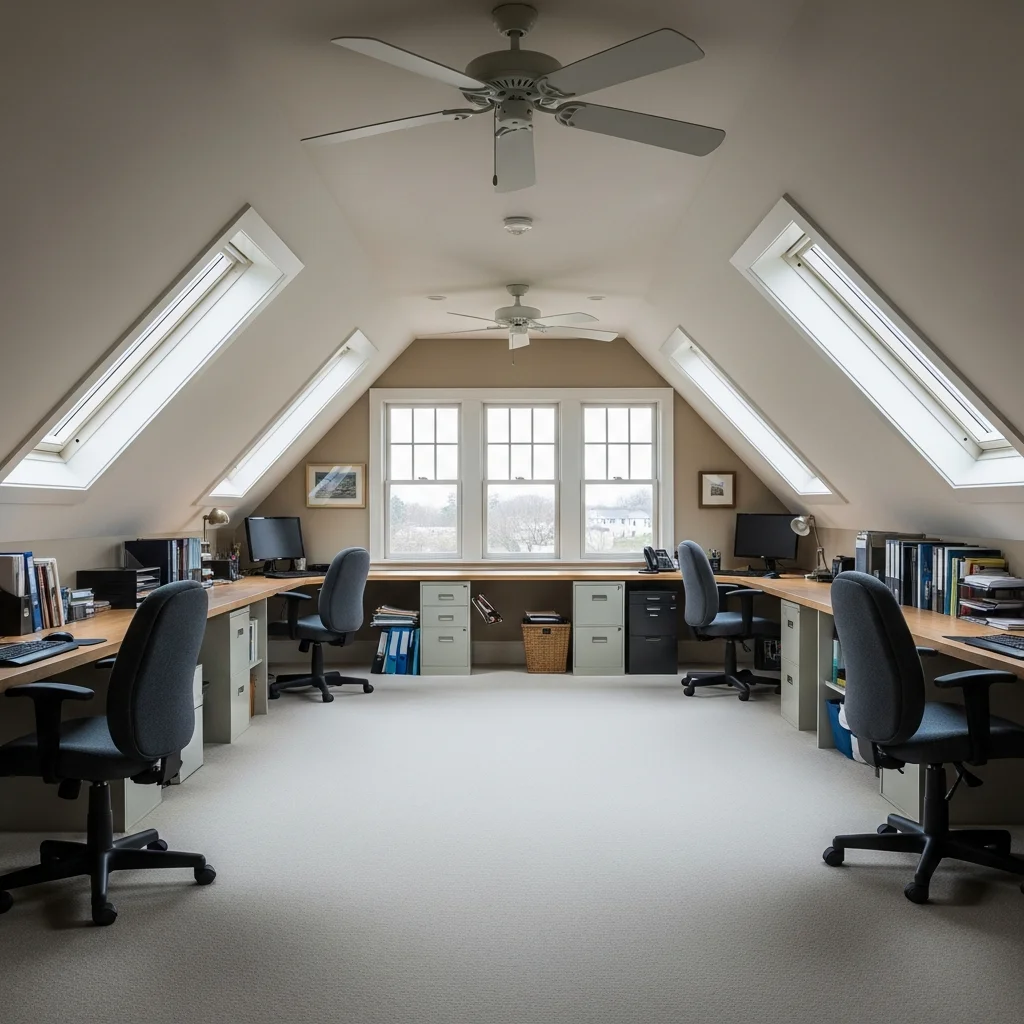
The quiet, secluded nature of attic spaces makes them ideal for home offices, and dormer windows provide the natural light essential for productive work environments. The elevation creates separation from household activity below, helping maintain focus and concentration. Dormers positioned to capture northern light provide consistent, glare-free illumination throughout the day, particularly valuable for computer work or detailed tasks.
When planning dormer home offices, consider the practical needs of your work. Adequate wall space for desks, filing cabinets, and bookshelves requires thoughtful dormer placement that balances natural light with functional wall area. Some homeowners install shed dormers spanning one wall to maximize both window area and usable workspace. The continuous wall created by a shed dormer allows for long desk installations and extensive storage solutions.
Climate control matters in attic office conversions. Ensure proper insulation around dormers to maintain comfortable temperatures year-round. Installing energy-efficient windows with low-E coatings helps regulate temperature while maximizing natural light. Consider adding ceiling fans to improve air circulation, particularly important in summer when attic spaces can trap heat.
11. Bathroom Dormer Installations
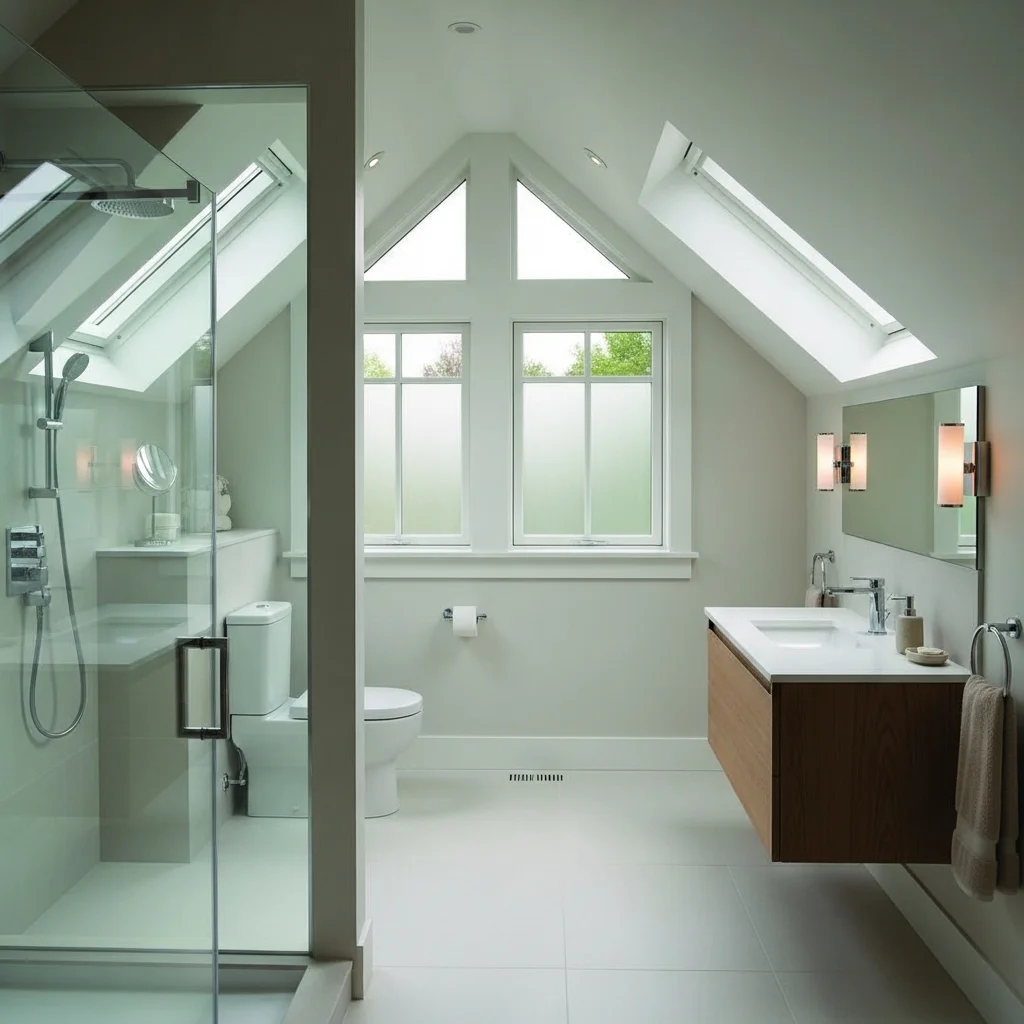
Installing bathrooms in dormer spaces creates luxurious, light-filled retreats with spa-like qualities. The unique geometry of dormer bathrooms, with their combination of sloped ceilings and vertical walls, creates intimate yet airy environments. Large dormer windows can be positioned to provide natural light while maintaining privacy through careful placement, frosted glass, or strategic landscaping.
Plumbing and ventilation present special considerations in dormer bathrooms. Ensure adequate headroom around shower and toilet areas, typically requiring the full-height dormer walls for these fixtures. Skylights can supplement dormer windows to bring additional light into interior areas while maintaining privacy. Proper ventilation becomes critical in enclosed attic spaces, so specify powerful, quiet exhaust fans to prevent moisture problems.
The compact nature of many dormer bathrooms encourages efficient, thoughtful design. Built-in storage under sloped ceilings maximizes every inch of space. Floating vanities create a sense of openness while providing necessary counter area. Light colors on walls and ceilings help small spaces feel larger, while strategic lighting ensures the bathroom functions well at all hours.
12. Traditional Colonial Dormer Styling
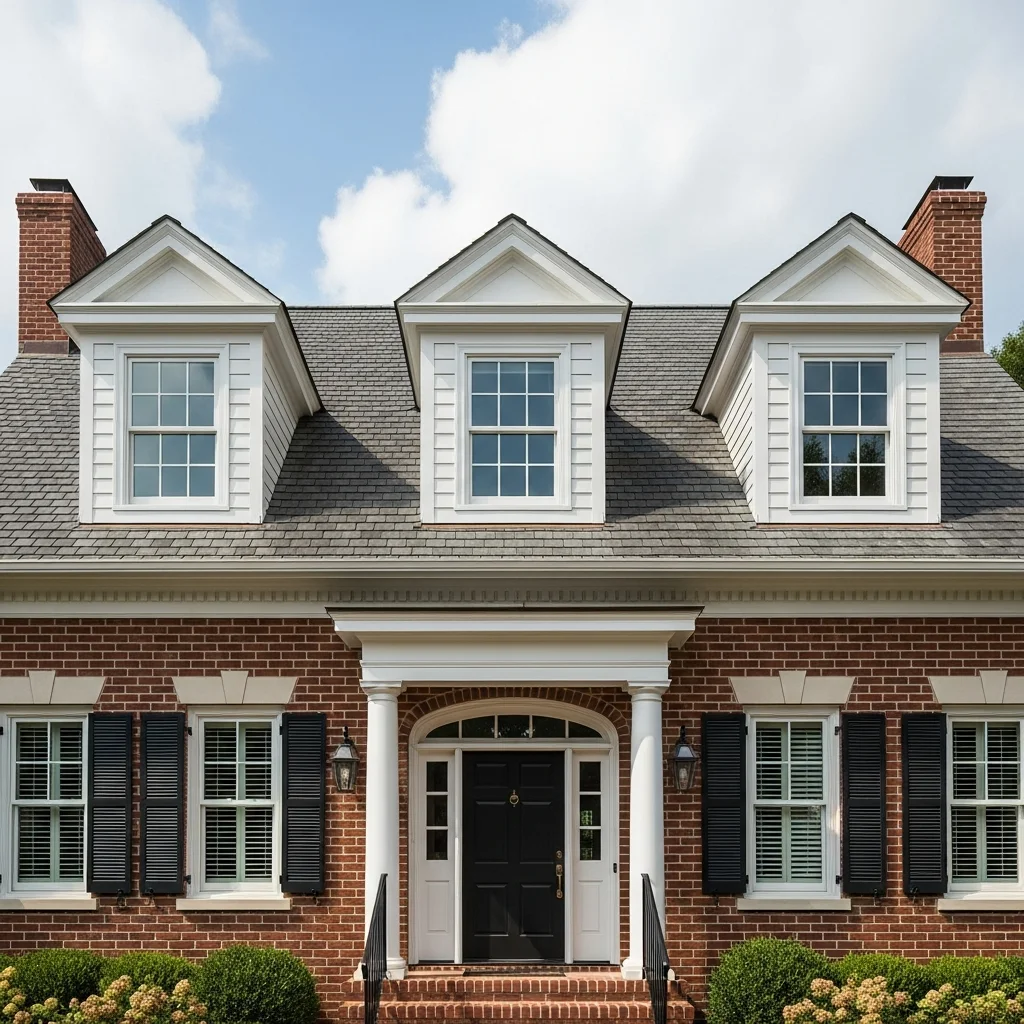
Colonial homes and dormers share a long, harmonious relationship that continues to influence residential design today. Traditional Colonial dormers feature classic gabled forms with symmetrical placement, often appearing in groups of three centered above the main entrance. The formal balance and restrained elegance of Colonial dormers complement the style’s emphasis on proportion and timeless appeal.
Window selection for Colonial dormers should emphasize traditional details. Double-hung windows with true divided lights or high-quality simulated divided lights maintain period authenticity. Matching the muntin pattern to other windows on the house creates cohesion throughout the facade. White painted trim contrasts beautifully against brick or clapboard siding, emphasizing the dormers’ architectural detail.
Proportion matters tremendously in Colonial dormer design. Each dormer should relate logically to the windows below it, typically aligning vertically with first-floor openings. The dormer size should feel appropriate to the overall house scale, neither too small to seem insignificant nor too large to overwhelm the roofline. When properly executed, Colonial dormers appear as original architectural elements rather than later additions.
13. Modern Minimalist Dormer Approaches
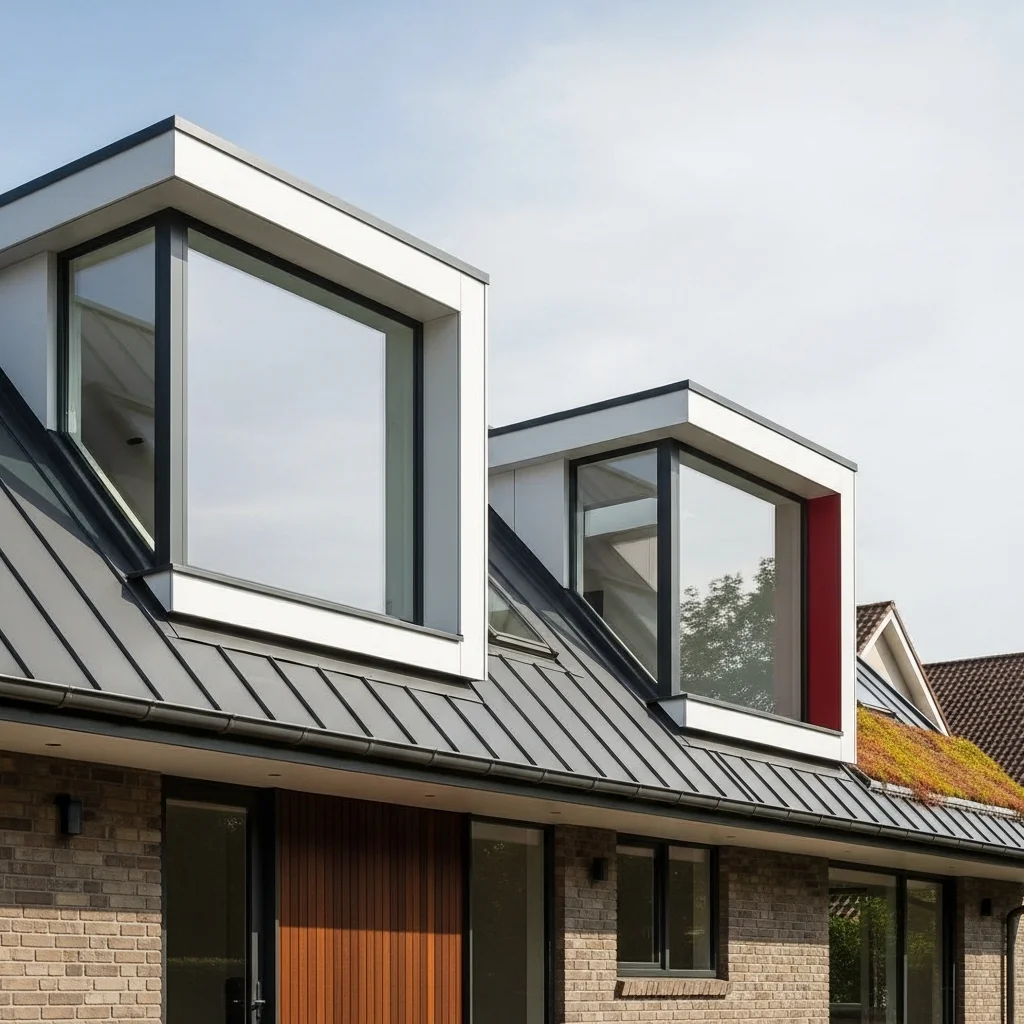
Contemporary architecture embraces dormers for their functional benefits while reinterpreting their form through a modern lens. Minimalist dormers feature clean lines, flat or subtly sloped roofs, and expansive glazing that emphasizes transparency and light. The simplified geometry creates striking visual statements that enhance modern home designs without competing with other architectural elements.
Large format windows or even continuous glass walls within modern dormers blur the boundary between interior and exterior. These generous openings flood spaces with natural light while framing views as living artwork. Narrow mullions or frameless glass systems maintain the sleek aesthetic that defines contemporary design. Some modern dormers eliminate traditional window frames entirely, using structural glass that appears to float within the opening.
Material choices in modern dormers often depart from traditional approaches. Metal roofing, fiber cement panels, or even living green roofs create contemporary expressions. The color palette typically emphasizes neutrals with strategic use of bold accents. The goal is creating dormers that feel like integral parts of a cohesive modern design rather than traditional elements applied to contemporary homes.
14. Farmhouse Dormer Character
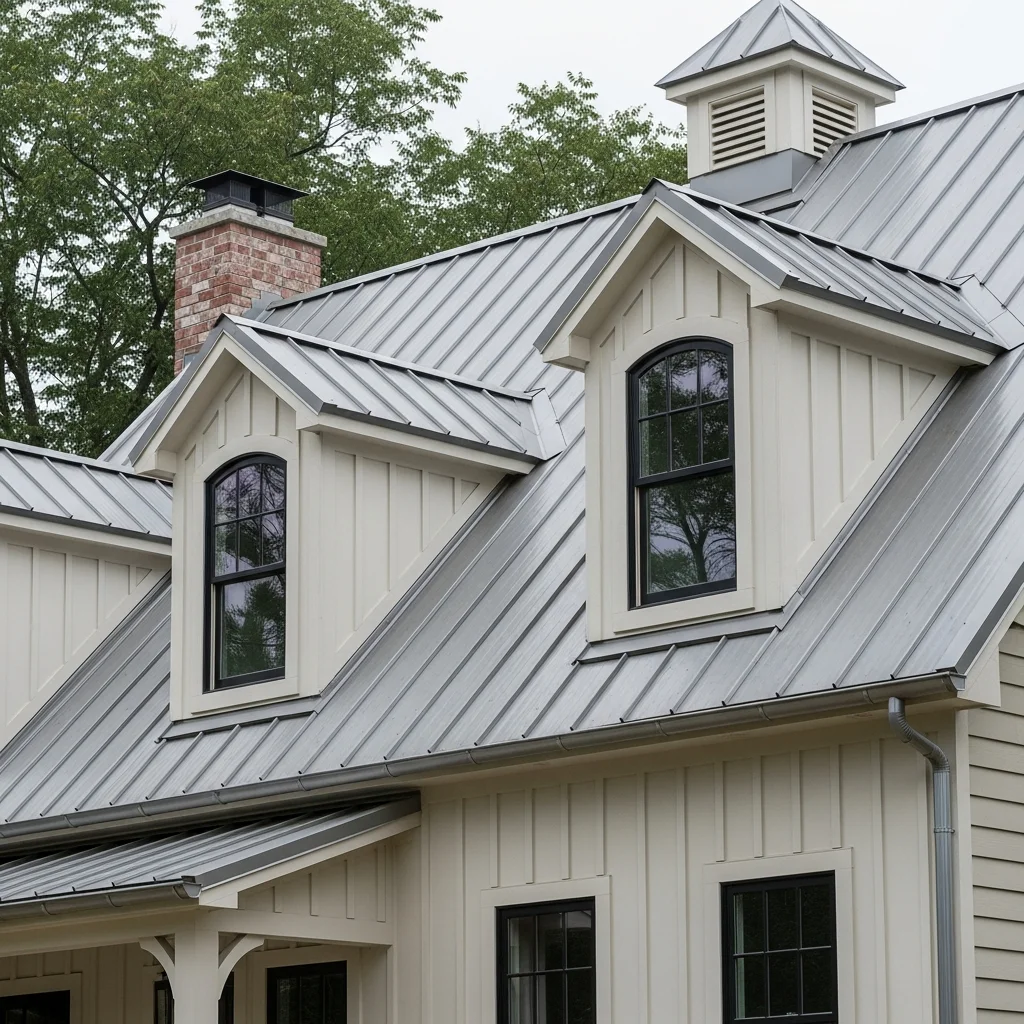
Farmhouse-style homes welcome dormers as natural extensions of their practical, unpretentious character. Farmhouse dormers often feature metal roofing, particularly standing seam or corrugated tin, creating rustic contrast against traditional shingle roofs. This mix of materials adds visual texture and nods to agricultural building traditions. The straightforward, functional nature of farmhouse dormers emphasizes utility over ornamentation.
Shed dormers appear frequently on farmhouse renovations, offering the practical advantage of maximum interior space with minimal fuss. Their simple forms align with farmhouse aesthetic principles while providing modern functionality. Many farmhouse dormers incorporate board-and-batten siding or vertical planking that echoes barn architecture, strengthening the connection to agricultural heritage.
Window styling in farmhouse dormers tends toward simplicity with a touch of character. Black-framed windows create striking contrast against white or neutral siding, while true divided lights add traditional detail without excessive decoration. Some farmhouse dormers feature unique touches like arched window tops or decorative brackets that reference historic agricultural buildings while maintaining clean, uncluttered lines.
15. Craftsman Dormer Details
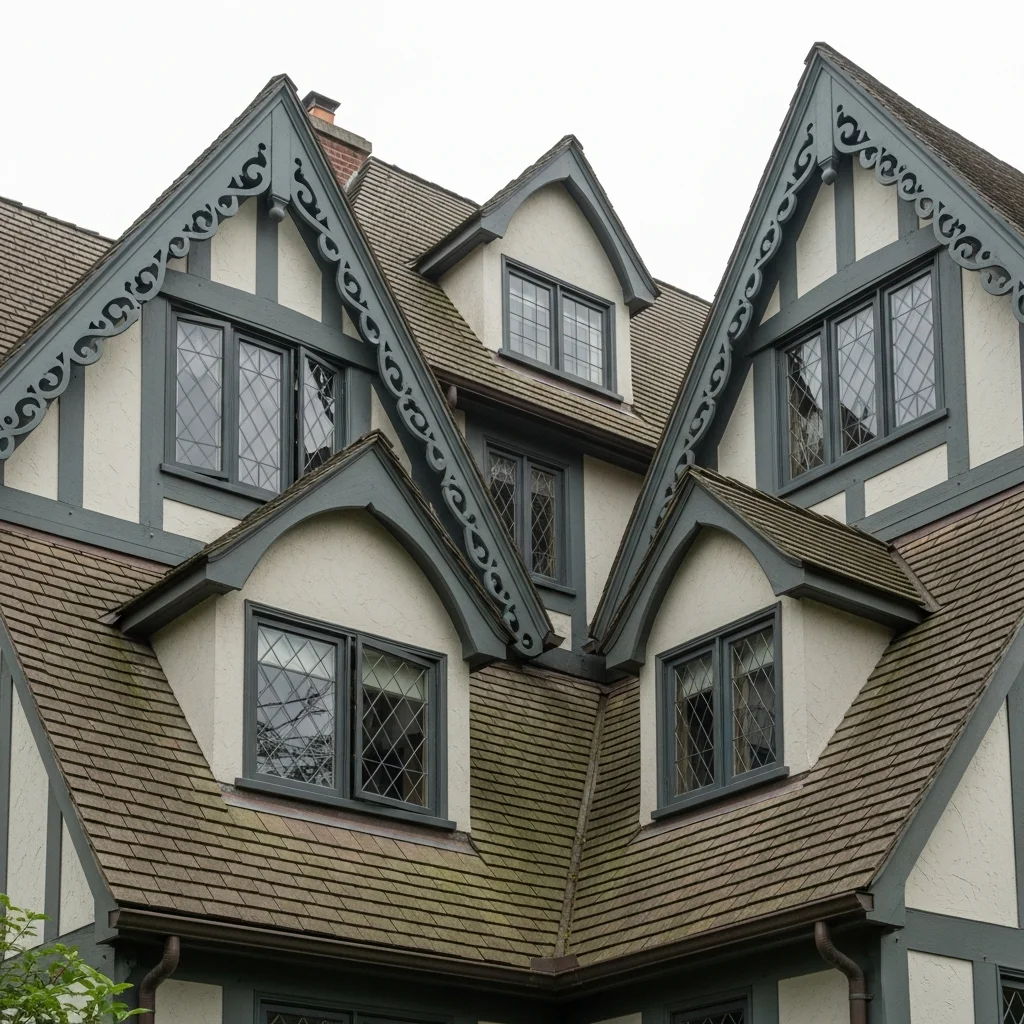
Craftsman architecture’s emphasis on natural materials, honest construction, and thoughtful details translates beautifully into dormer design. Craftsman dormers often feature exposed rafter tails, decorative brackets, and distinctive trim work that celebrates woodworking craftsmanship. These details transform simple dormers into artistic architectural elements that enhance the home’s handcrafted character.
Gabled dormers predominate in Craftsman homes, but their treatment distinguishes them from other styles. Wide, overhanging eaves with visible rafter ends create substantial shadow lines and architectural depth. Knee braces or triangular brackets beneath the eave add structural expression, even when purely decorative. Windows typically feature divided lights in patterns that complement the home’s other openings, often with thicker muntins that emphasize their handcrafted quality.
Natural materials and earth-toned colors characterize Craftsman dormers. Wood siding in cedar or redwood weathers beautifully, while stone or brick accents around window openings add textural interest. The goal is creating dormers that feel like carefully crafted components of an integrated whole rather than additions or afterthoughts. Dormer Window Ideas for Home
16. Tudor and English Cottage Dormers
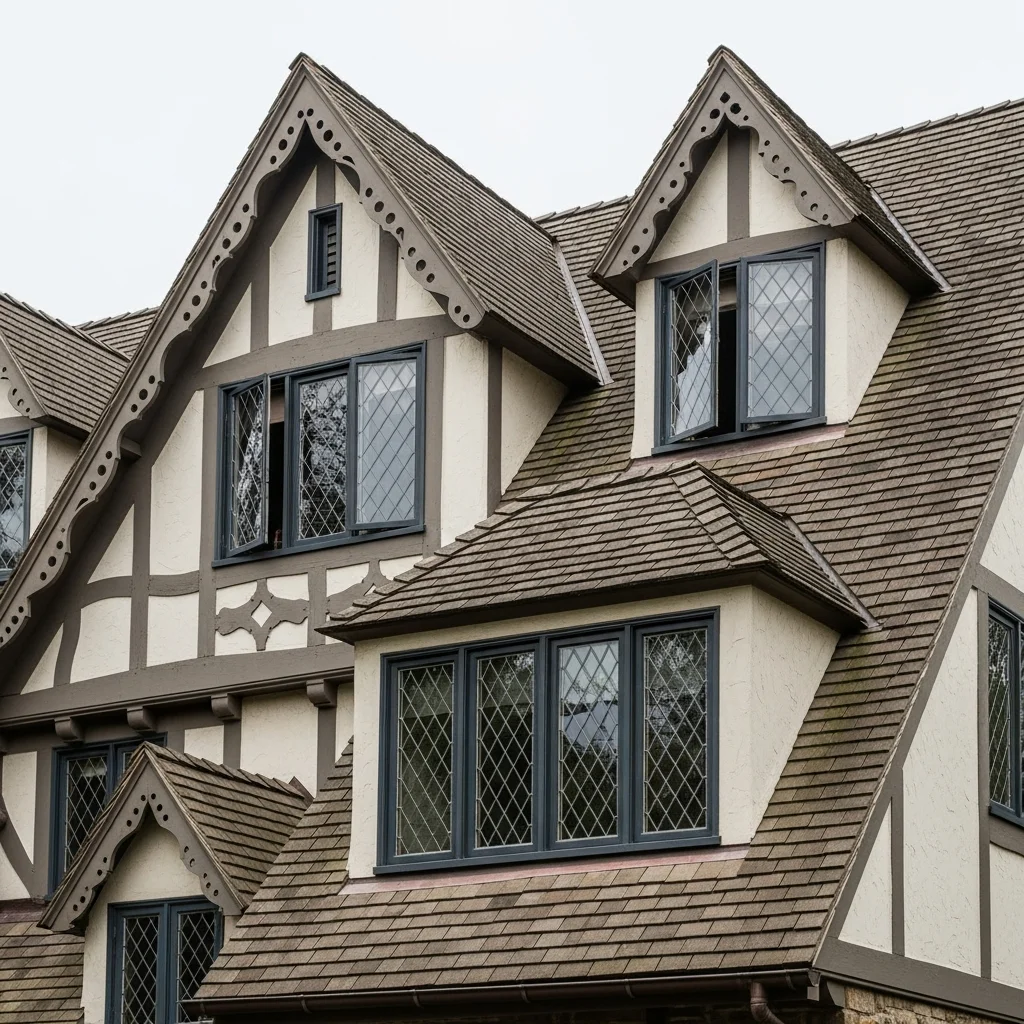
Tudor and English Cottage homes feature some of the most distinctive and charming dormers in residential architecture. These styles embrace asymmetry and varied rooflines, making dormers natural architectural elements. Steeply pitched gabled dormers with decorative half-timbering, stucco panels, or stone details create the romantic, storybook quality that defines these styles.
The windows within Tudor dormers often feature leaded or diamond-paned glass that enhances the historic character. Casement windows that swing outward like small doors appear frequently, sometimes in grouped arrangements of two or three. Dark window frames contrasting against light stucco create the bold visual patterns characteristic of Tudor design. Some dormers incorporate decorative cutout patterns in their barge boards or verge boards, adding whimsical details.
Cottage-style dormers lean toward smaller scale and more playful proportions. Eyebrow dormers appear frequently, adding gentle curves to otherwise angular rooflines. Mixed dormer types on a single elevation create the informal, evolved-over-time appearance that cottage architecture celebrates. The overall effect should feel organic and welcoming rather than formal or rigid.
Practical Considerations for Dormer Projects
Beyond aesthetics, successful dormer projects require attention to structural, code, and practical matters. Dormer construction involves cutting through existing roof structures, which demands proper engineering to maintain structural integrity. Consult with qualified architects or structural engineers who can evaluate your roof framing and design dormers that integrate safely with existing construction.
Building codes govern dormer dimensions, particularly regarding egress requirements in bedrooms. If your dormer bedroom will be used for sleeping, windows must meet specific size and height requirements to serve as emergency exits. Local zoning regulations may also restrict dormer size, height, or placement, particularly in historic districts. Research requirements early in your planning process to avoid costly revisions. Dormer Window Ideas for Home
Weather protection represents another critical consideration. Dormers create additional roof penetrations and valleys where water can collect. Proper flashing around dormers prevents leaks that could damage interior spaces and structural components. Work with experienced roofing contractors who understand the complexities of dormer waterproofing. Quality materials and skilled installation pay dividends through decades of trouble-free performance.
The cost of dormer construction varies dramatically based on size, type, and complexity. Simple shed dormers over small areas might cost several thousand dollars, while elaborate multiple dormers with custom details can reach tens of thousands. Interior finishing, including insulation, drywall, flooring, and trim, adds significantly to total project costs. Request detailed estimates from multiple contractors and build contingency funds into your budget for unexpected challenges that often arise in renovation work.
Conclusion
Dormer windows represent architectural elements that successfully balance practical necessity with aesthetic enhancement. Whether you’re converting a cramped attic into valuable living space or simply seeking to elevate your home’s exterior character, thoughtfully designed dormers deliver results that justify the investment. The variety of dormer types ensures options exist for virtually any architectural style, from traditional Colonial to contemporary minimalist.
The key to successful dormer projects lies in understanding both your functional needs and your home’s architectural character. Consider how you’ll use the interior space, what natural light patterns will serve those uses best, and how the exterior appearance will enhance your home’s curb appeal and value. Take time to study examples that resonate with you, consult with qualified professionals, and develop designs that feel like natural extensions of your home rather than obvious additions.
When properly executed, dormers transform homes in profound ways. They turn wasted attic space into beloved rooms, bring natural light to previously dark areas, and add architectural interest that distinguishes your home from others. The investment in quality dormer design and construction pays returns in daily enjoyment, improved functionality, and enhanced property value for years to come.
Frequently Asked Questions
What is the average cost of adding a dormer to my home?
Dormer costs vary widely depending on size and complexity, typically ranging from $5,000 for small, simple dormers to $40,000 or more for large shed dormers with extensive interior finishing. Factors affecting cost include structural modifications required, roofing materials, window quality, and interior buildout. Obtaining quotes from multiple contractors provides realistic estimates for your specific project.
Do dormers add value to a home?
Yes, dormers generally add value by increasing usable living space, improving natural light, and enhancing curb appeal. The return on investment varies by location and housing market, but converting unusable attic space into functional rooms typically recovers a significant portion of the construction cost through increased home value and appeal to potential buyers.
Can I add dormers to any type of roof?
Most sloped roofs can accommodate dormers, though the specifics depend on roof pitch, framing structure, and available attic space. Very shallow roof pitches may limit dormer options, while extremely steep roofs might require specialized designs. A structural evaluation by qualified professionals determines feasibility and appropriate dormer types for your particular roof.
How do dormers affect energy efficiency?
Properly designed dormers can actually improve energy efficiency by allowing better ventilation and natural light that reduces artificial lighting needs. However, poorly insulated dormers create thermal weak points. Using energy-efficient windows, proper insulation, and quality construction techniques ensures dormers contribute positively to your home’s overall energy performance.
Do I need permits to build dormers?
Yes, dormer construction typically requires building permits as it involves structural modifications and often impacts bedroom egress requirements. Local building departments review plans to ensure compliance with structural, fire safety, and zoning regulations. Working with licensed contractors familiar with local requirements streamlines the permitting process and ensures code-compliant results.

One Comment