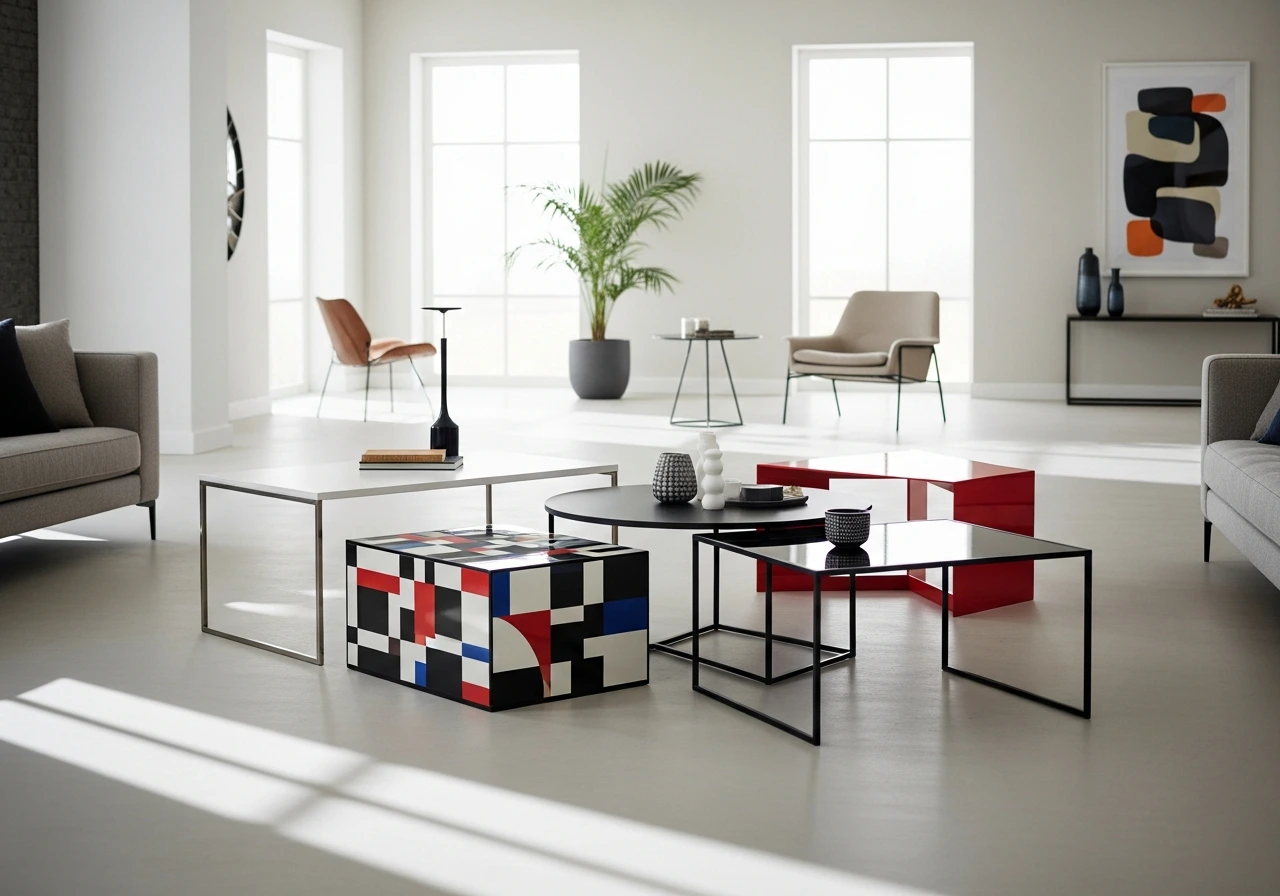
18+ Creative Paint Coffee Table Makeover Ideas
Your coffee table sits at the heart of your living space, yet it often becomes invisible through familiarity. Whether you inherited a dated piece, found a diamond in the rough at a thrift store, or simply want to refresh your current table, a paint makeover can completely transform this essential furniture piece without the expense of buying new. The beauty of painting a coffee table lies in the endless creative possibilities available to anyone willing to pick up a brush.
This comprehensive guide explores over 18 inspiring paint coffee table makeover ideas that range from classic elegance to bold contemporary statements. Each approach offers a unique way to express your personal style while breathing new life into a functional piece of furniture. Whether you prefer the timeless appeal of neutral tones or the excitement of vibrant patterns, you’ll discover techniques and color combinations that align with your vision and skill level.
Classic White Elegance
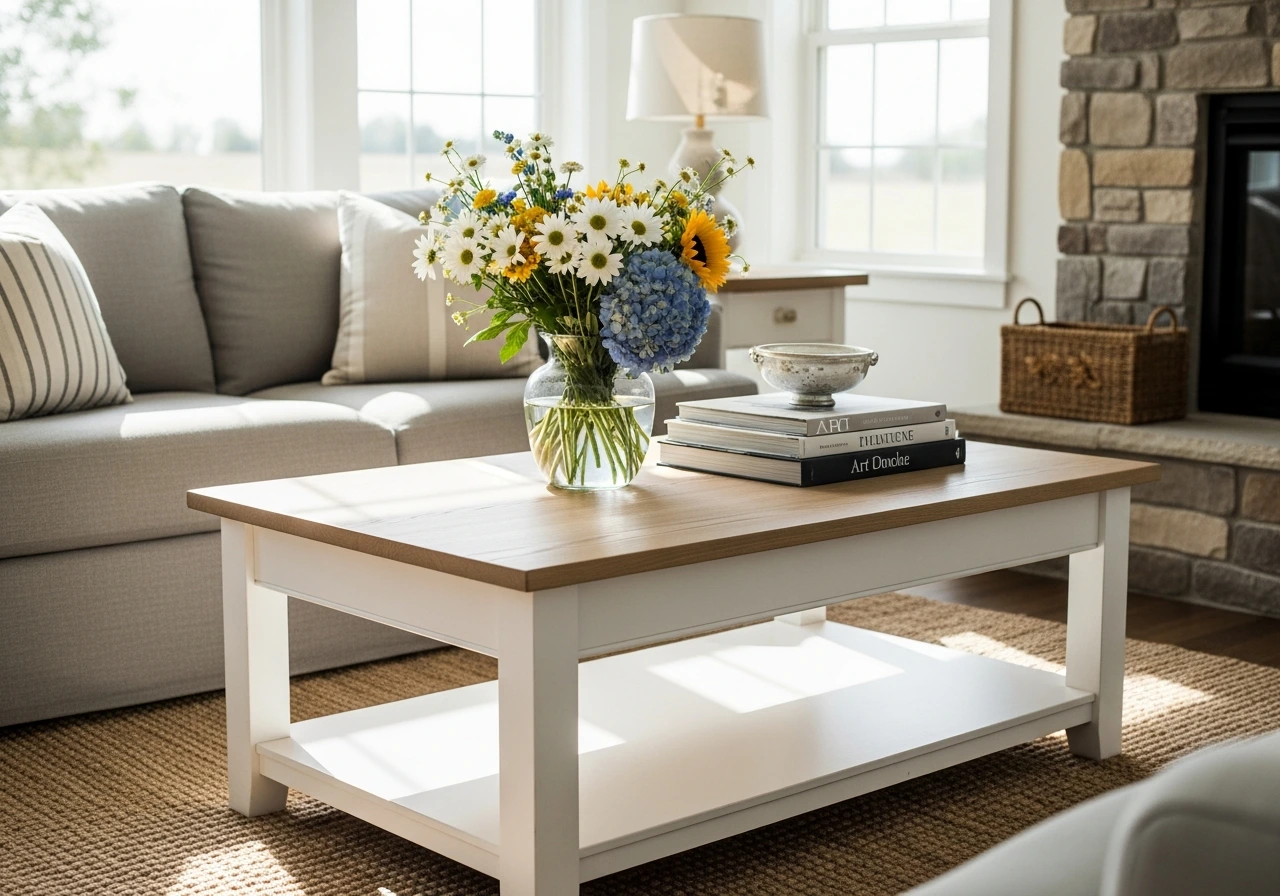
A white painted coffee table remains one of the most versatile and timeless choices for any living room. This approach works beautifully with farmhouse, coastal, Scandinavian, and traditional design styles. Pure white creates an airy feeling that makes smaller spaces appear larger while serving as a neutral foundation that complements virtually any decor palette.
For the best results, consider using chalk paint or furniture paint specifically formulated for durability. Apply two to three thin coats rather than one thick layer to achieve a smooth, professional finish. The white surface provides the perfect backdrop for colorful accessories, books, and decorative objects that you can change seasonally without clashing with your table.
Sophisticated Black Statement

Black painted coffee tables deliver immediate drama and sophistication to your living area. This bold choice anchors a room and creates striking contrast against lighter sofas and rugs. A black table works exceptionally well in modern, industrial, and eclectic interiors where you want a grounding element with visual weight.
The key to success with black paint lies in the finish you choose. Matte black offers a contemporary, understated look that hides minor imperfections, while glossy black creates a glamorous, reflective surface that becomes a focal point. Consider your lighting conditions, as glossy finishes show fingerprints more readily but reflect light beautifully in well-lit rooms.
Charming Distressed Finish
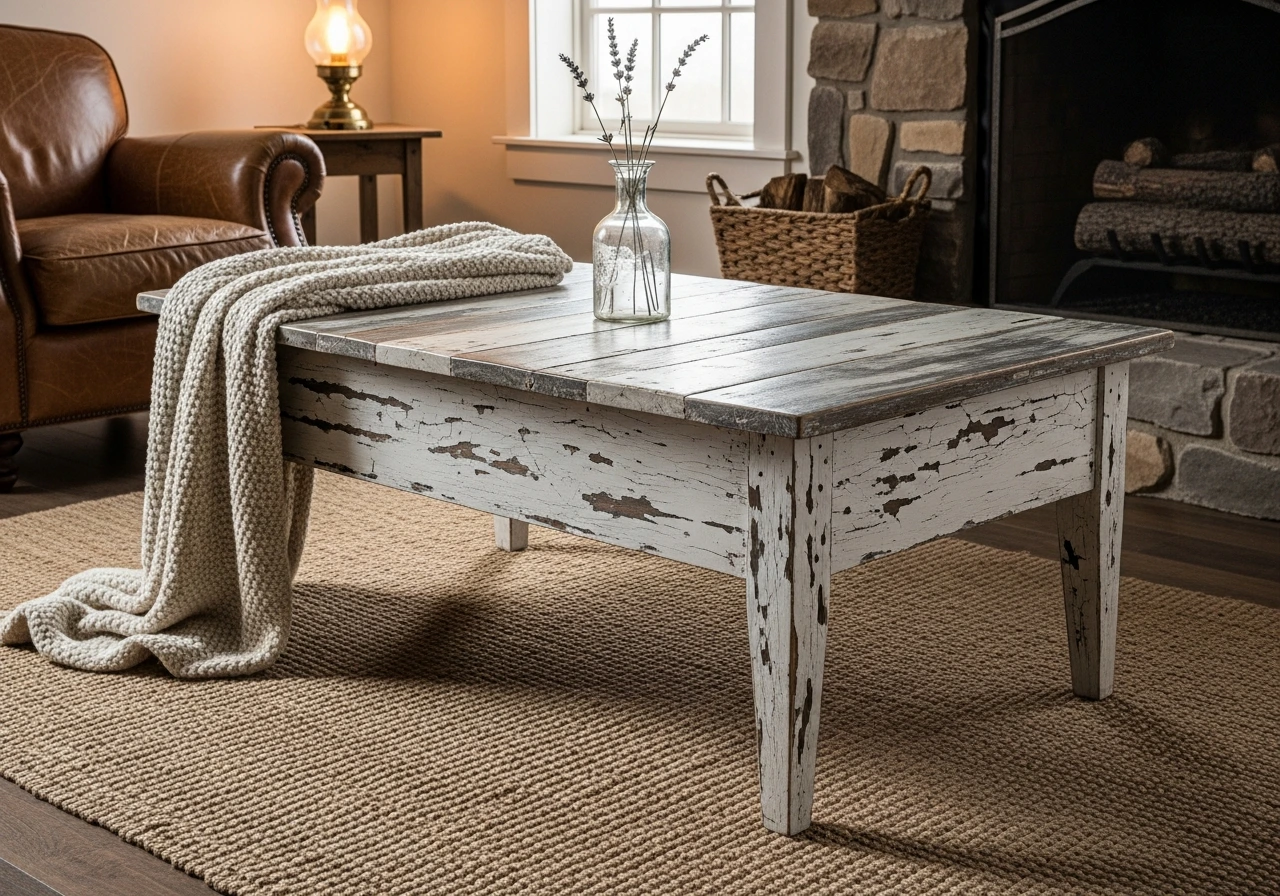
Distressed painting techniques add character and a collected-over-time quality to your coffee table. This approach suits farmhouse, shabby chic, and vintage-inspired spaces where imperfection becomes part of the appeal. The beauty of distressing is that it’s forgiving for beginners while offering depth that solid colors cannot match.
Start with a base coat in your chosen color, then apply a second contrasting color. Once dry, use sandpaper to gently remove paint along edges, corners, and high-traffic areas where natural wear would occur. Focus on places that would authentically show age. Finish with a dark wax or glaze in crevices to enhance the aged appearance and add protective depth.
Two-Tone Design
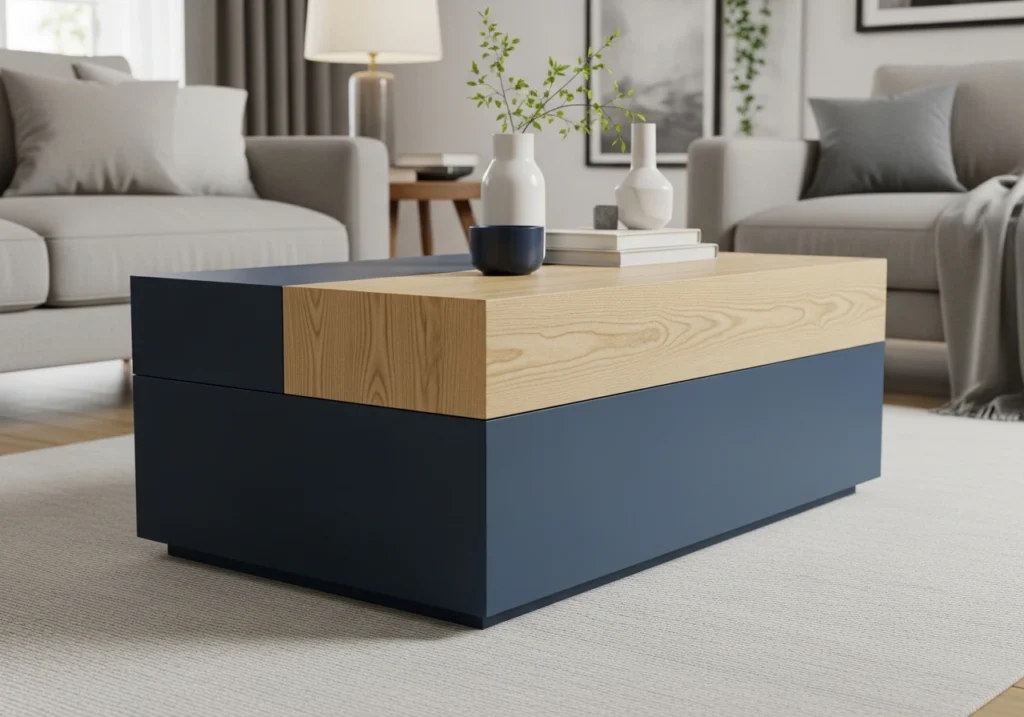
Two-tone painted coffee tables offer visual interest through thoughtful color blocking. This technique involves painting different sections of your table in complementary or contrasting colors. Common approaches include painting the base one color and the top another, or creating a frame effect by painting the table edge differently from the center surface.
Popular combinations include navy blue with natural wood, white with gray, or sage green with cream. Consider your existing color scheme when selecting your palette. The two-tone approach also helps define the architectural features of your table, highlighting interesting legs, drawers, or decorative details that might otherwise go unnoticed.
Bold Jewel Tones Coffee Table
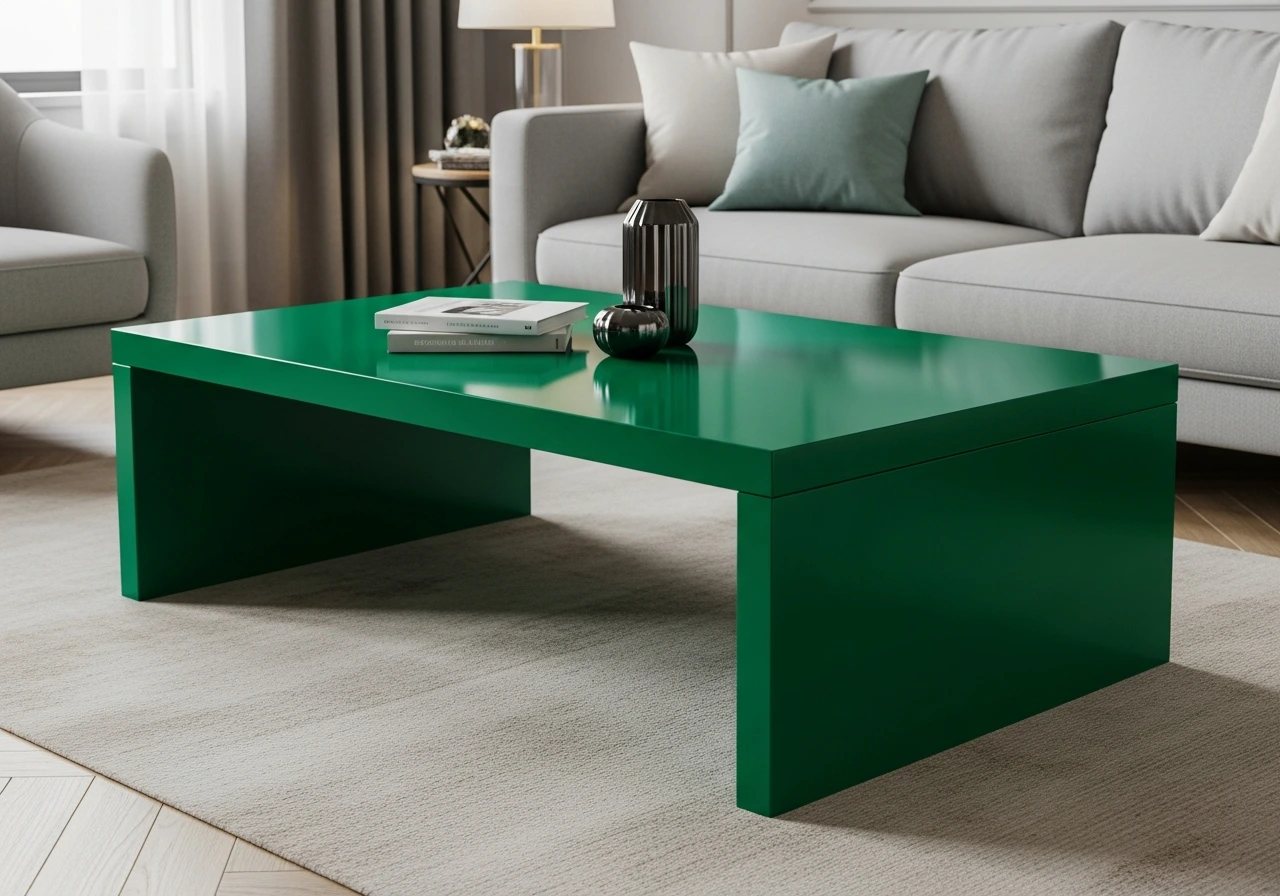
Jewel-tone painted coffee tables inject personality and richness into neutral living spaces. Deep emerald green, sapphire blue, ruby red, or amethyst purple create stunning focal points that elevate the entire room. These saturated colors work particularly well in spaces with neutral walls and furnishings where you want one statement piece.
When working with intense colors, proper surface preparation becomes essential. Prime your table with a high-quality primer to ensure true color representation and prevent the original finish from bleeding through. Multiple thin coats produce better color saturation than fewer thick applications, which can lead to drips and uneven coverage.
Geometric Patterns Coffee Table
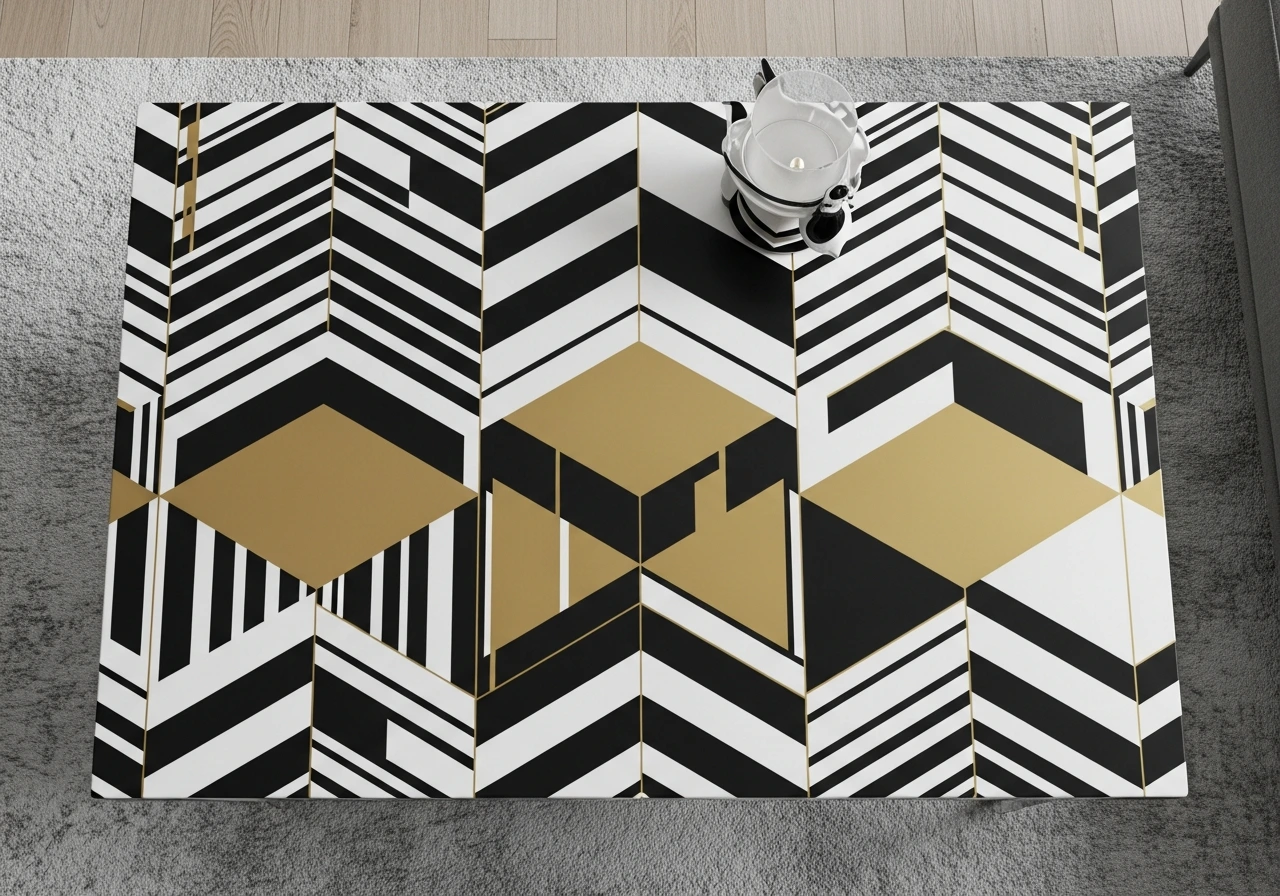
Geometric painted patterns transform ordinary coffee tables into artistic statements. Chevrons, hexagons, diamonds, or abstract shapes add contemporary flair and visual movement. This approach requires more planning and precision but delivers impressive results that appear custom-designed.
Use painter’s tape to create clean lines and protect areas you want to keep in the base color. Work from the largest shapes to the smallest details, allowing each section to dry completely before taping over it. Geometric patterns work best with a limited color palette of two to three shades to maintain sophistication and prevent visual chaos.
Ombre Effect
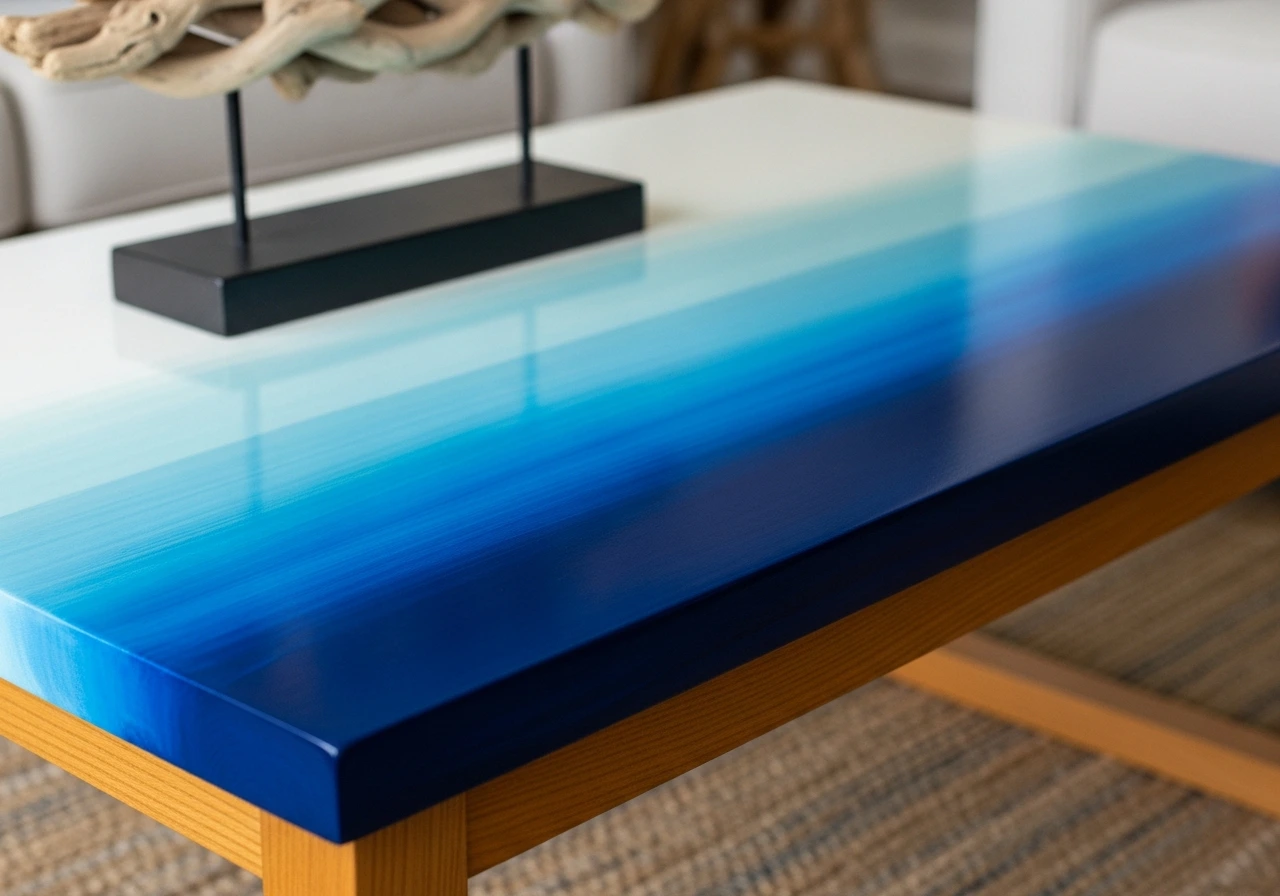
The ombre painting technique creates a beautiful gradient transition from light to dark across your coffee table surface. This artistic approach adds dimension and modern style while remaining surprisingly achievable for DIY enthusiasts. The gradual color shift draws the eye and creates a sense of movement.
Begin with your lightest shade and gradually mix in darker paint as you work across the surface. Blend where colors meet using a dry brush technique while the paint remains workable. Practice on cardboard first to perfect your blending method. Ombre works beautifully in blues transitioning from sky to navy, or in warm tones moving from cream through coral to deep terracotta.
Stenciled Designs
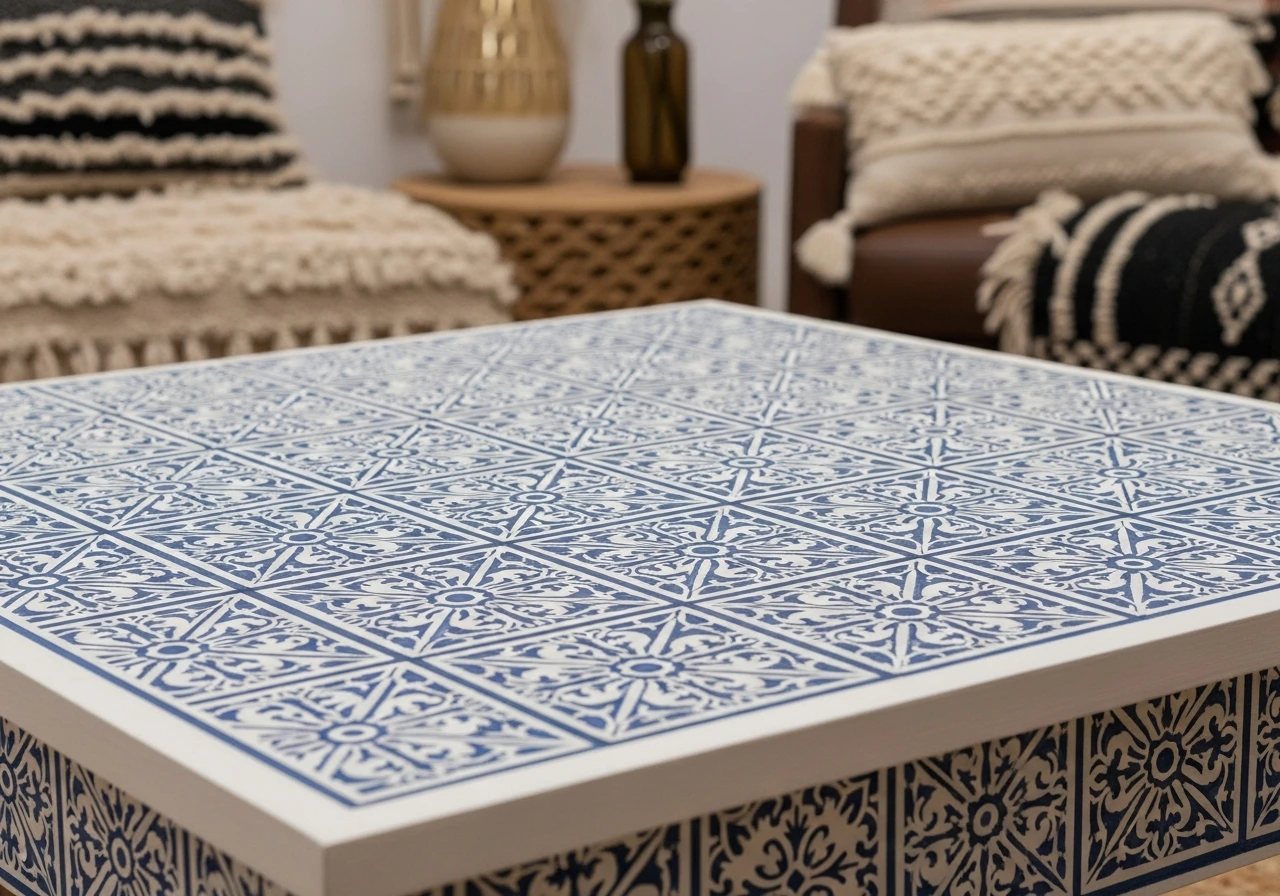
Stenciling allows you to add intricate patterns and designs to your painted coffee table without requiring artistic talent. From Moroccan tiles to delicate floral, stencils provide professional-looking results with minimal skill required. This technique works beautifully as an all-over pattern or as a decorative accent on just the table top.
Secure your stencil firmly with tape to prevent shifting, and use a foam pouncer or stencil brush with very little paint. The secret to crisp stenciling is a nearly dry brush and light, stippling motions rather than brushing strokes. Build up color gradually through multiple light applications rather than trying to achieve full coverage in one pass.
Metallic Accents Coffee Table Ideas
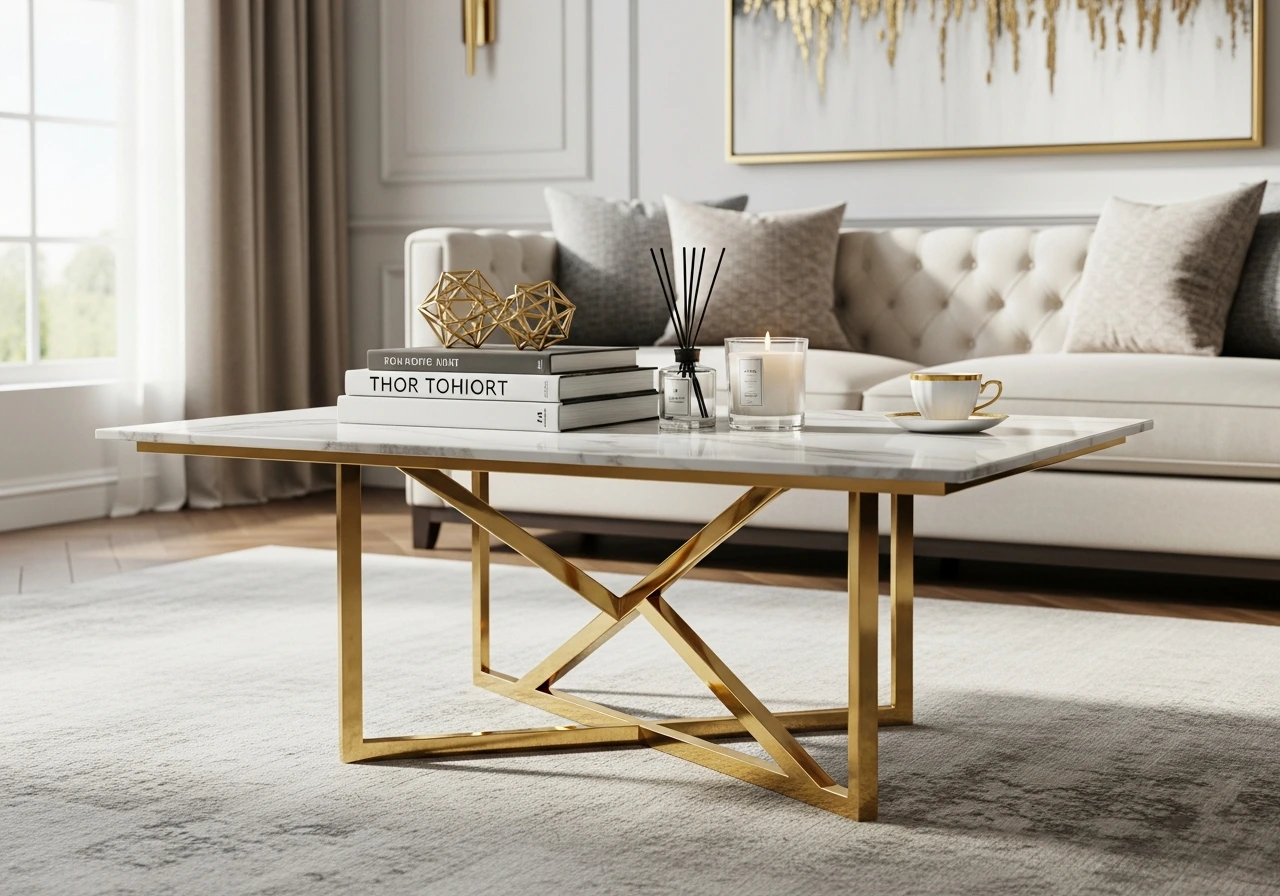
Incorporating metallic paint adds glamour and catches light in captivating ways. Gold, silver, copper, or bronze accents on table legs, edges, or as design elements create luxury without overwhelming your space. This approach works particularly well when you want to coordinate with other metallic finishes in your room, such as light fixtures or hardware.
Metallic paints vary widely in quality, so invest in reputable brands for authentic-looking finishes. Consider using metallic leaf for truly luminous results, or try metallic wax that you can buff onto raised details and edges. The key is restraint; metallic elements should enhance rather than dominate your overall design.
Coastal Blue Hues
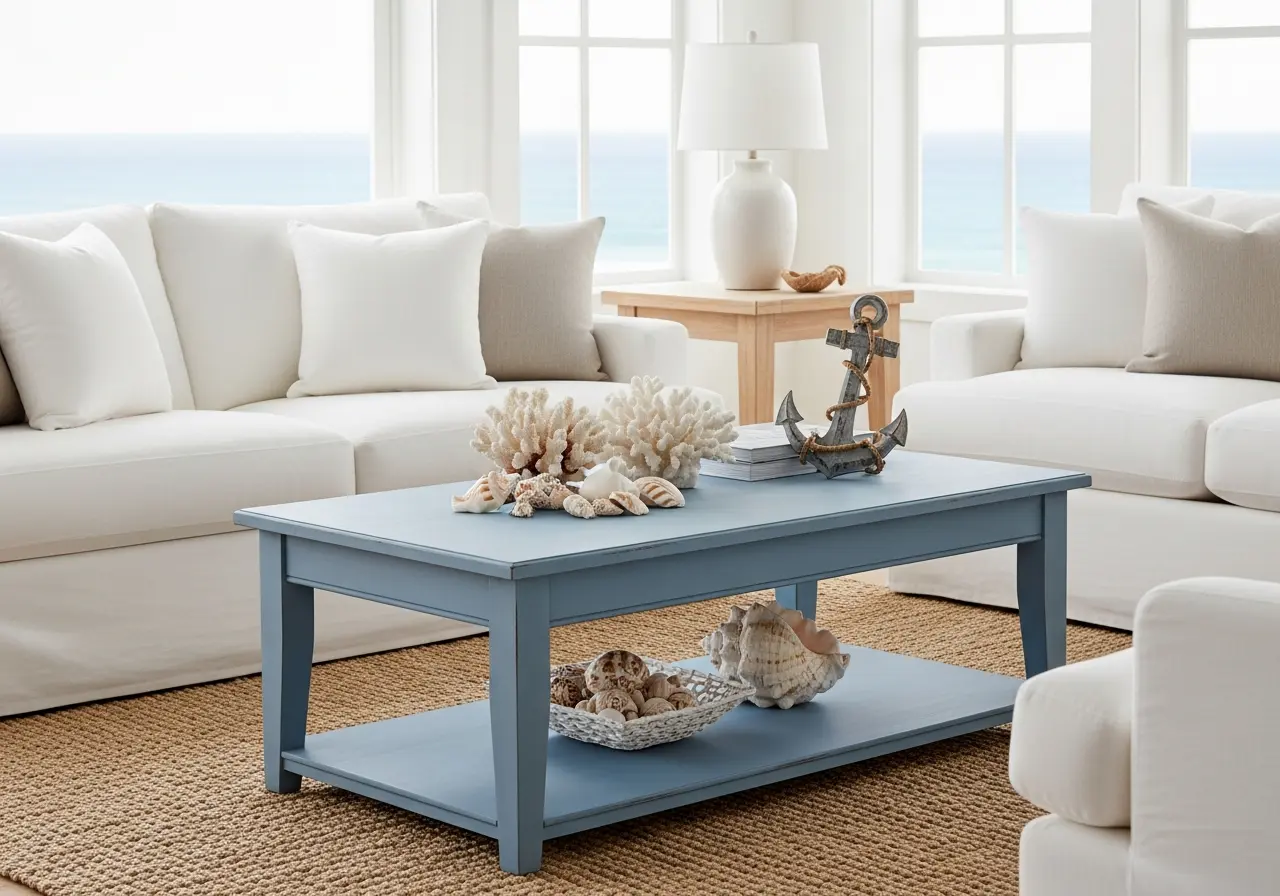
Blue painted coffee tables evoke coastal calm and work beautifully in beach-inspired, traditional, or transitional spaces. From soft powder blue to deep navy, blue offers remarkable versatility while maintaining a soothing quality. Light blues open up spaces and coordinate with white and natural textures, while darker blues provide grounding sophistication.
Consider the undertones in your blue choice. Gray-blues offer contemporary coolness, while blues with green undertones create organic, natural feelings. Test your selected shade in your actual lighting conditions, as blue can shift dramatically from daylight to evening illumination. Pair blue tables with natural fiber rugs, white linens, and warm wood tones for balanced, inviting spaces.
Warm Gray Tones

Gray painted coffee tables provide the perfect neutral that’s more interesting than beige but less stark than white. Gray works across virtually all design styles and serves as an excellent bridge color that ties together other elements in your room. The range of gray options from pale dove to deep charcoal means you can find the perfect shade for your needs.
Warm grays with beige or taupe undertones create cozy, approachable spaces, while cool grays with blue undertones offer sleek, contemporary vibes. Gray’s neutrality makes it an ideal choice if you frequently change your decor accessories or aren’t ready to commit to bold color. It provides enough character to feel intentional while remaining adaptable to evolving styles.
Cheerful Yellow Sunshine
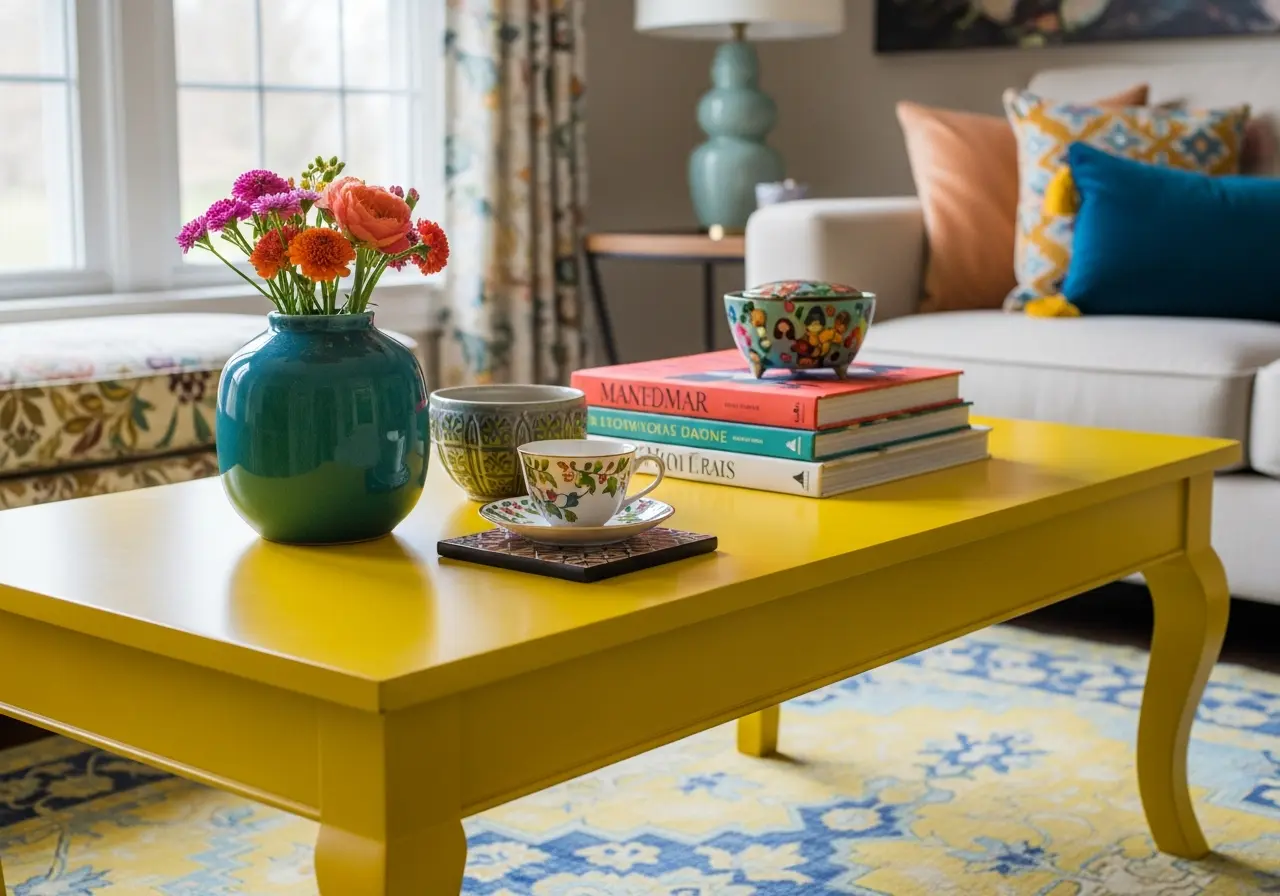
Yellow painted coffee tables bring energy and optimism to living spaces. From buttery cream to bold mustard, yellow adds warmth and light that can brighten even north-facing rooms with limited natural light. This cheerful choice works wonderfully in eclectic, bohemian, mid-century modern, and contemporary spaces where you want personality.
Balance yellow’s intensity with your surrounding palette. Soft yellows pair beautifully with white, gray, and natural wood, while bold yellows stand up to navy, black, or deep green accents. Yellow reflects light beautifully, making it an excellent choice for smaller spaces or darker corners where you want to create the illusion of sunshine.
Elegant Marble Effect
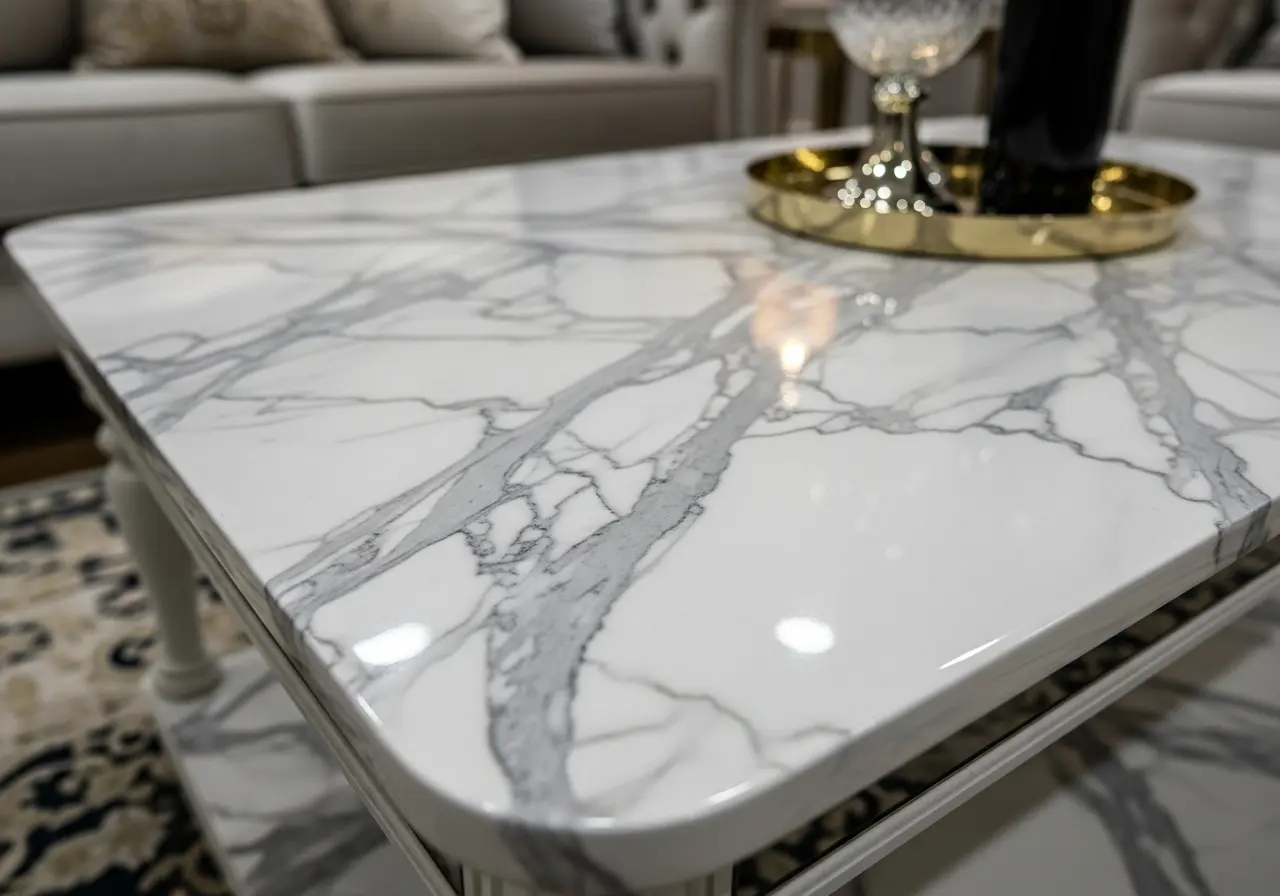
Faux marble painting creates the illusion of expensive stone surfaces at a fraction of the cost. This technique requires patience but produces stunning results that elevate your coffee table into a luxury statement piece. Marble effects work particularly well in glam, transitional, and contemporary interiors where you want sophistication.
Start with a base coat in your primary marble color, typically white, cream, or gray. Using a feather or fine brush, create veining patterns that mimic natural marble’s irregular lines. Study real marble images to understand how veins flow and intersect. Work quickly while paint remains wet to achieve soft, natural-looking transitions. Seal with several coats of protective finish to ensure durability.
Vibrant Coral and Peach
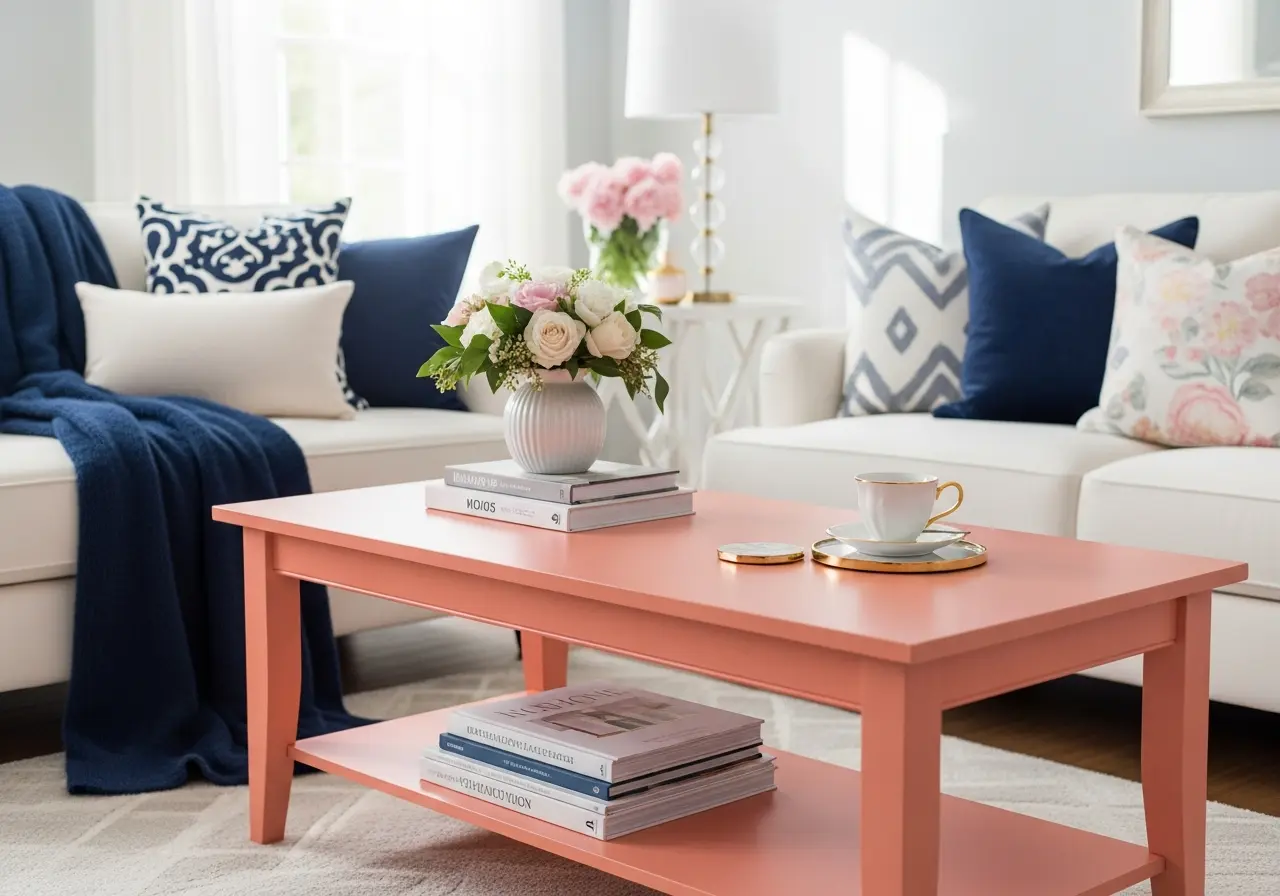
Coral and peach painted coffee tables offer warmth with a playful edge. These flattering shades work beautifully in spaces seeking a feminine touch without going overly pink. The orange undertones in coral and peach create welcoming, energetic environments that feel both fresh and timeless.
These shades complement navy, teal, white, gold, and natural wood tones exceptionally well. Consider the intensity based on your commitment level; soft peachy-pinks offer subtle charm you can live with long-term, while vibrant coral makes a bolder statement that you might tire of more quickly. Both options photograph beautifully and create cheerful gathering spaces.
Modern Color Blocking
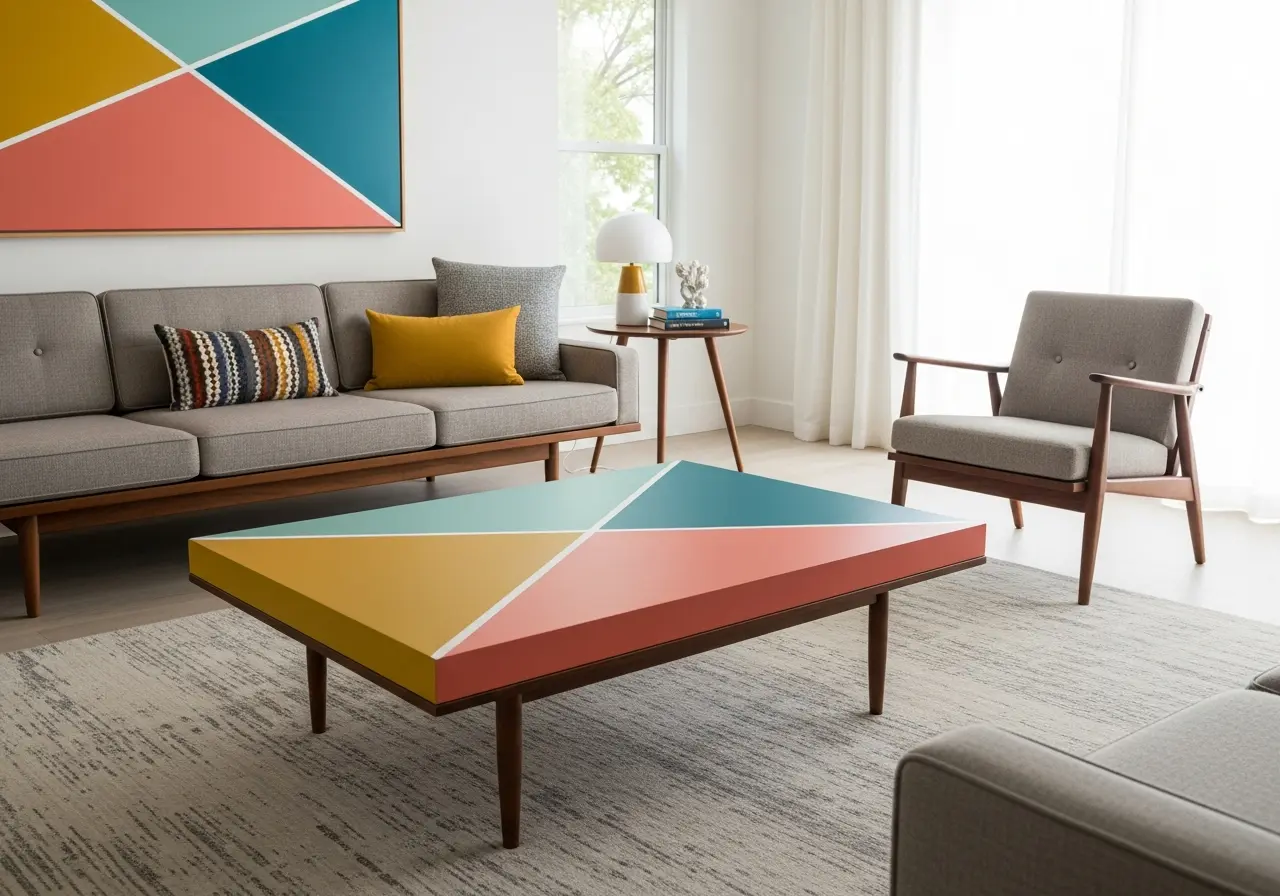
Color blocking involves painting distinct sections of your coffee table in different solid colors separated by clean lines. This contemporary technique creates graphic impact and allows you to incorporate multiple colors from your palette in one piece. The approach works brilliantly with mid-century modern, Scandinavian, and contemporary design styles.
Plan your color blocking layout before painting, sketching designs to visualize proportions. Use painter’s tape to achieve sharp divisions between colors. Consider asymmetrical blocks for dynamic, artistic results, or symmetrical divisions for more formal, balanced appearances. Limit your palette to three colors maximum to maintain sophistication and prevent overwhelming the piece.
Nature-Inspired Green Shades
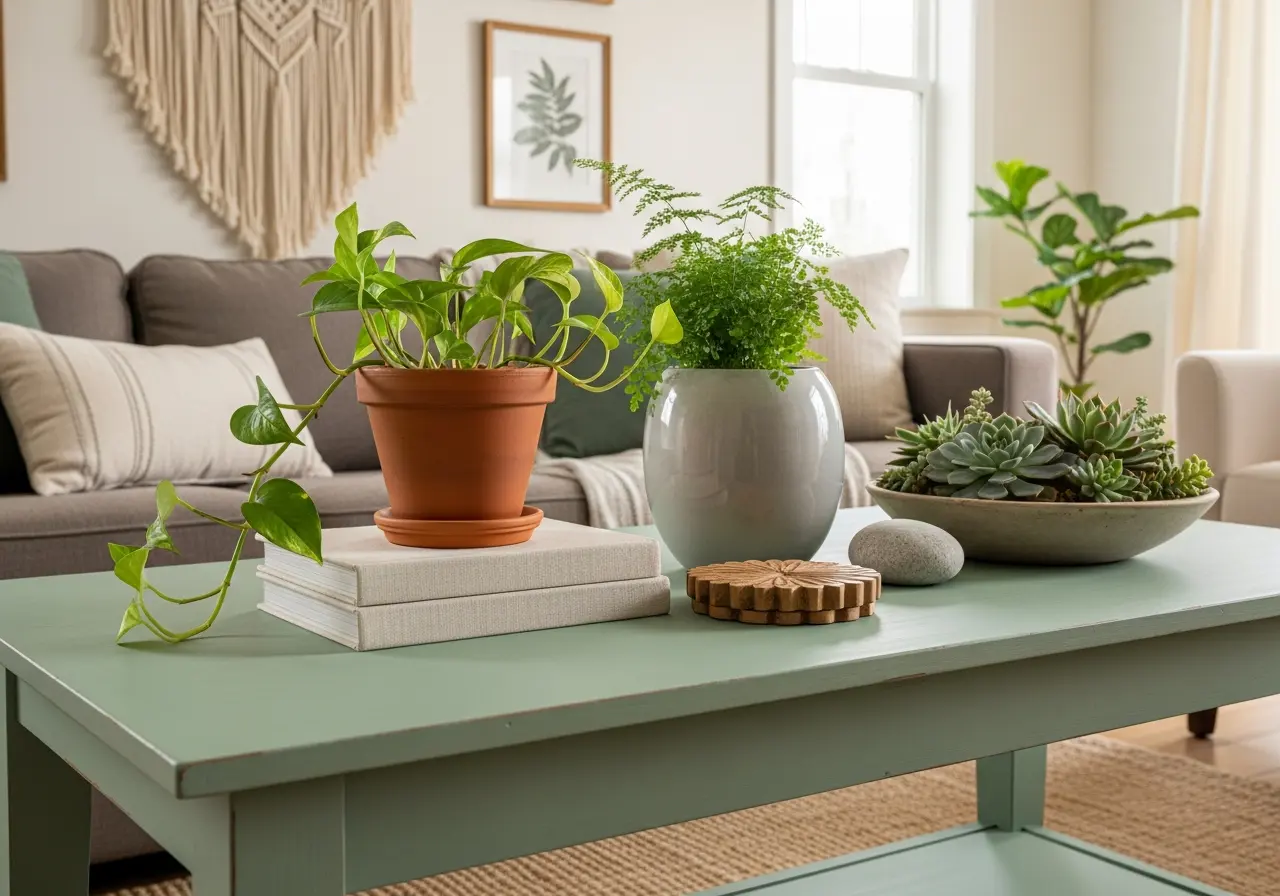
Green painted coffee tables bring the outdoors inside, creating calming, restorative environments. From soft sage to deep forest green, this versatile color family works across traditional, modern, and eclectic spaces. Green’s connection to nature makes it psychologically soothing while offering more personality than standard neutrals.
Olive and sage greens provide sophisticated, earthy tones that pair beautifully with warm woods and brass accents. Emerald and hunter greens deliver richness and drama suited to more formal spaces. Mint and seafoam greens offer freshness perfect for casual, coastal-inspired rooms. Consider your existing palette and the mood you want to create when selecting your green shade.
Chalkboard Paint Functionality

Chalkboard paint transforms your coffee table into an interactive surface perfect for families, entertainers, or creative individuals. This practical approach allows you to write messages, create temporary art, or let children draw while protecting the underlying surface. The matte black finish also provides contemporary style.
Apply chalkboard paint according to manufacturer directions, typically requiring two to three coats for proper coverage. After the final coat dries completely, cure the surface by rubbing chalk over the entire area, then wiping clean. This prevents permanent shadowing from your first writings. Consider chalkboard paint just on the table top while painting legs in a complementary color for visual interest. For more information visit Homeliaa.
Weathered Wood Grain Technique
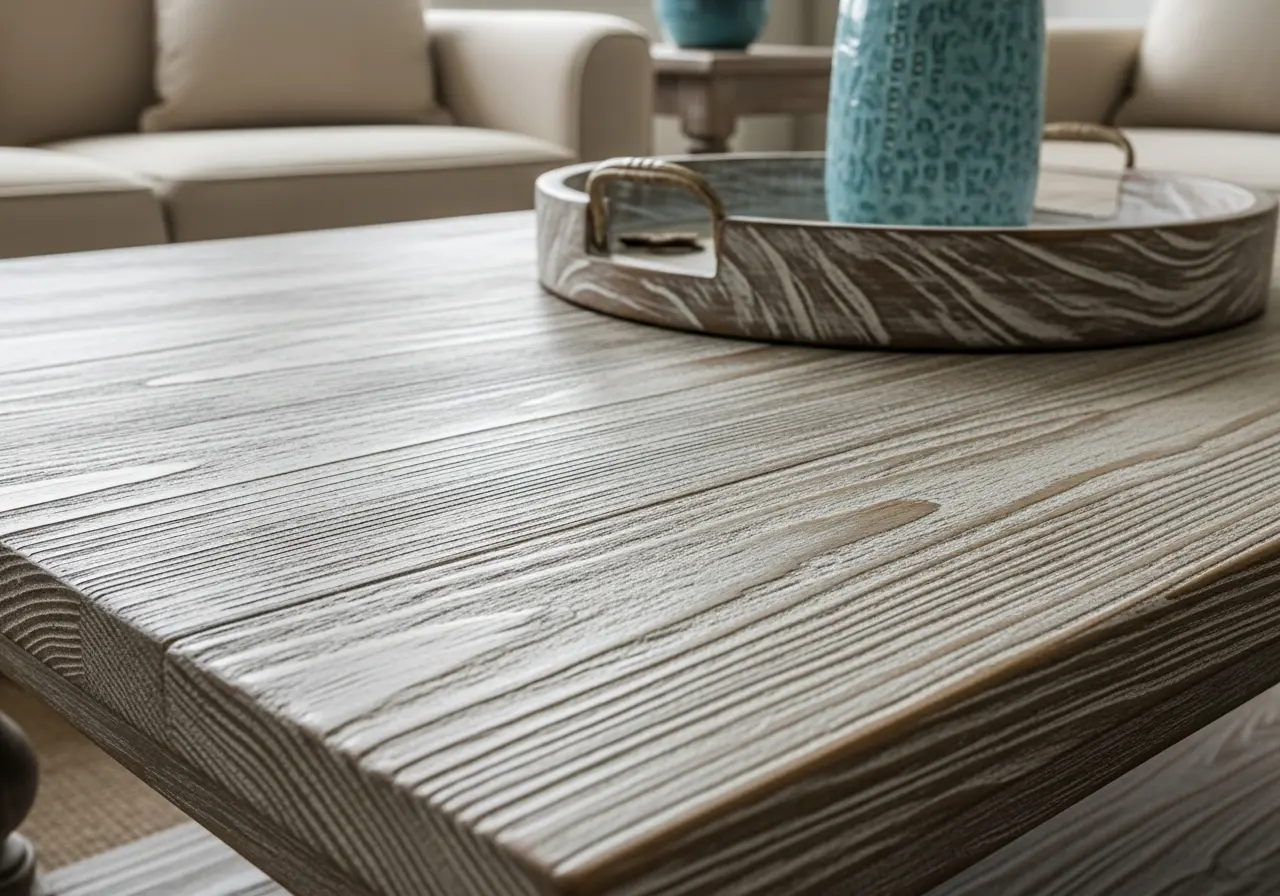
The weathered wood grain technique uses paint to enhance or mimic natural wood character rather than covering it completely. This approach celebrates wood’s texture while updating the color to better suit your current style. The result maintains organic warmth while feeling refreshed and intentional.
Start by lightly sanding your table to open the wood grain. Apply a thin wash of diluted paint, wiping away excess to allow grain to show through. Build up color gradually through multiple thin layers rather than one opaque coat. White, gray, or soft blue washes create driftwood effects, while warm browns and taupes enhance natural wood tones. Finish with clear wax to protect while maintaining the matte, natural appearance.
Terrazzo-Inspired Speckled Finish
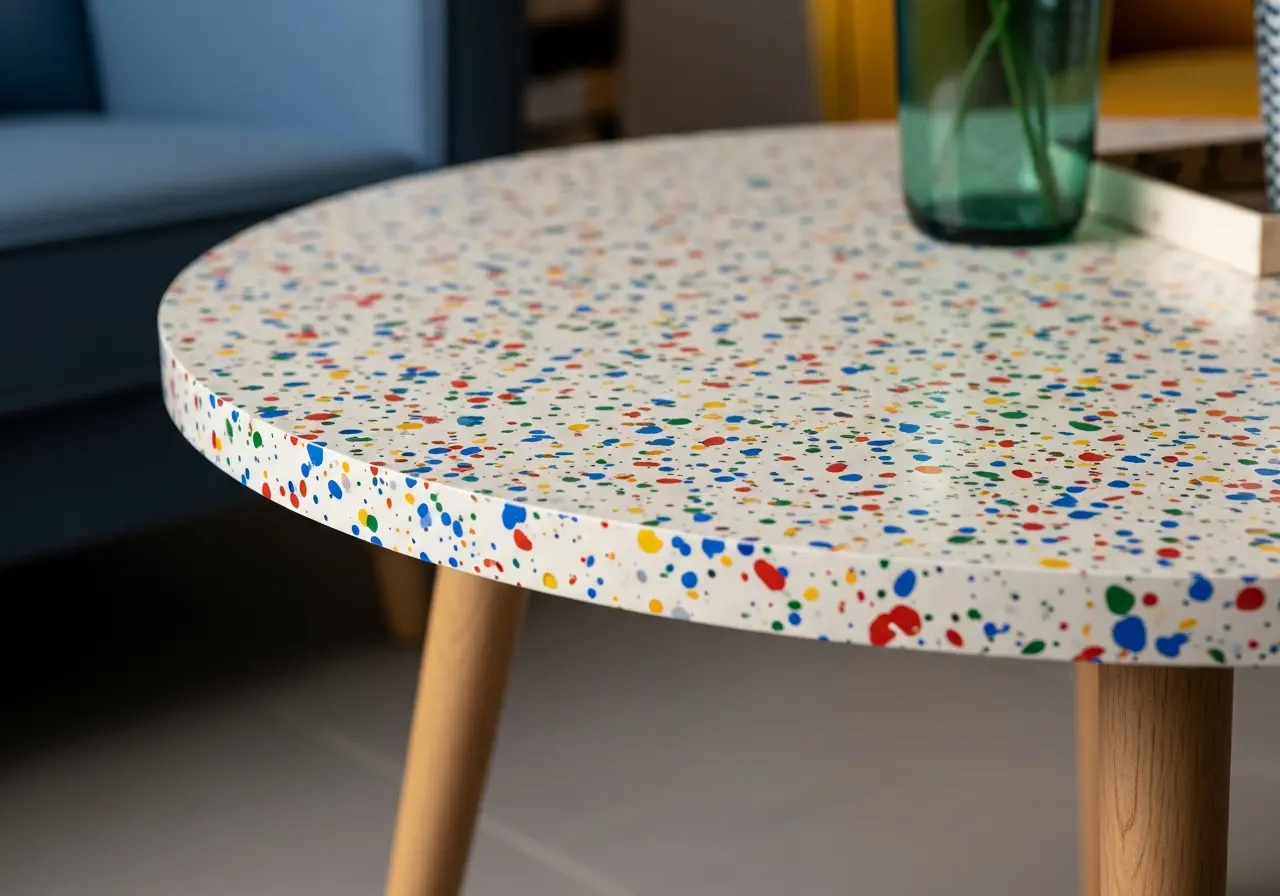
The terrazzo trend translates beautifully to painted coffee tables through speckled, confetti-like finishes. This playful yet sophisticated technique adds visual texture and pattern while remaining relatively simple to execute. Terrazzo effects work wonderfully in eclectic, contemporary, and maxima list spaces seeking unique character.
Paint your base coat in a neutral shade such as white, cream, or soft gray. Once dry, load a stiff brush with contrasting paint colors one at a time, then flick bristles to create random splatters across the surface. Use multiple colors in small quantities for authentic terrazzo appearance. The beauty lies in imperfection, so embrace the random nature of the spatters. Seal thoroughly to protect your artistic finish.
Conclusion
Transforming your coffee table through paint offers one of the most impactful and budget-friendly ways to refresh your living space. Whether you gravitate toward classic neutrals, bold statement colors, or creative techniques like marble effects and geometric patterns, the right paint makeover can completely reimagine this central piece of furniture. The ideas presented here demonstrate that style and personal expression need not require significant financial investment or professional help.
The key to success lies in proper preparation, quality materials, and patience throughout the process. Take time to sand and prime your surface, apply multiple thin coats rather than rushing with thick applications, and protect your finished piece with appropriate sealers matched to your intended use. Remember that mistakes become learning opportunities, and even imperfect finishes often carry more character than mass-produced furniture.
Your painted coffee table becomes more than just a functional surface. It reflects your creativity, serves as a conversation starter, and anchors your living space with intentional style. Whether you choose subtle elegance or bold creativity, the transformation process itself offers satisfaction while the results provide lasting enjoyment. Pick up that brush and begin creating the coffee table that perfectly expresses your unique vision.
Frequently Asked Questions
What type of paint works best for coffee tables?
Chalk paint and furniture-specific paints offer the best durability and coverage for coffee tables. These formulations adhere well to various surfaces, require minimal preparation, and provide long-lasting finishes. For high-traffic tables, choose paints marketed specifically for furniture, then seal with polyurethane or furniture wax for protection against scratches, spills, and daily wear.
Do I need to sand my coffee table before painting?
Light sanding is highly recommended before painting any coffee table. Sanding removes the glossy finish that prevents paint adhesion, smooths imperfections, and creates a surface that accepts paint evenly. Use 120 to 150 grit sandpaper, working in the direction of the wood grain. Wipe away all dust with a tack cloth before priming or painting for professional results.
How many coats of paint should I apply?
Most coffee table projects require two to three coats of paint for complete, even coverage. Apply thin coats rather than thick layers, allowing each coat to dry completely according to manufacturer recommendations before adding the next. Dark colors covering light surfaces may need an additional coat, while light colors over dark finishes benefit from a quality primer first.
How long should I wait before using my painted coffee table?
While paint may feel dry to the touch within hours, wait at least 24 to 48 hours before placing objects on your painted coffee table. For maximum durability, allow paint to cure fully for one to two weeks before heavy use. This curing period lets the paint harden completely, reducing the risk of scratches, dents, or items sticking to the surface during the vulnerable early period.
Can I paint a laminate or veneer coffee table?
Yes, laminate and veneer coffee tables can be painted successfully with proper preparation. Clean the surface thoroughly with deglosser, then sand lightly to create texture for paint adhesion. Apply a bonding primer specifically designed for slick surfaces before your chosen paint color. These extra preparation steps ensure your paint adheres properly to non-wood surfaces and creates a lasting, beautiful finish.