
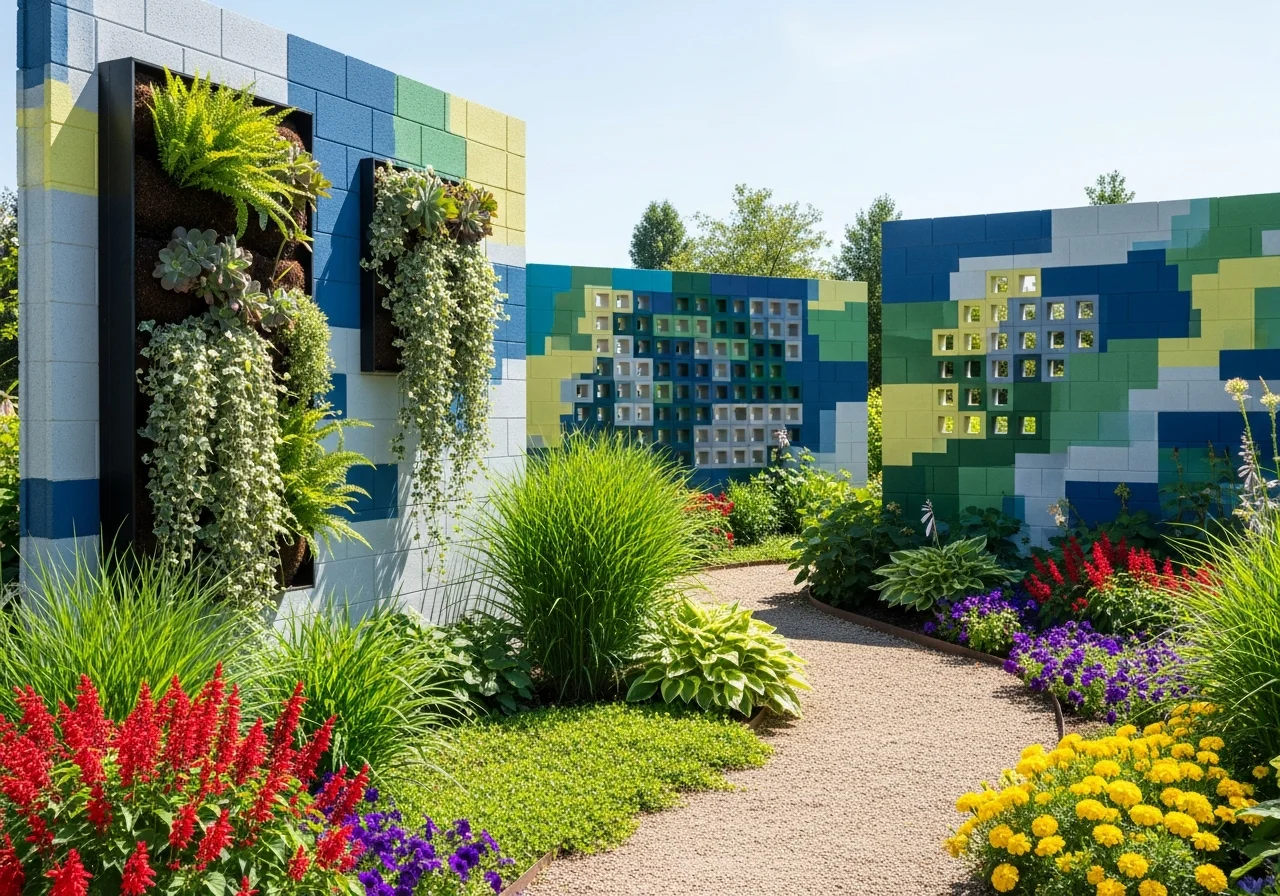
11+ Stylish Cinder Block Garden Wall Ideas
Transforming outdoor spaces doesn’t require expensive materials or professional contractors. Cinder Blocks Garden Wall, those humble concrete rectangles often relegated to construction sites, have emerged as one of the most versatile and affordable solutions for creating stunning garden walls. Whether you’re looking to add visual interest, create functional barriers, or incorporate innovative planting solutions, cinder block garden wall offer endless possibilities for homeowners and garden enthusiasts.
The beauty of working with cinder blocks lies in their accessibility and adaptability. These modular units can be stacked, painted, planted, and configured in countless ways to suit any garden style, from contemporary minimalism to rustic charm. Their hollow cores provide built-in opportunities for creative planting, while their uniform dimensions make planning and installation straightforward even for beginners.
This comprehensive guide explores over eleven creative approaches to incorporating cinder block walls into your garden design. You’ll discover how to maximize both aesthetic appeal and functionality, whether you’re building a simple garden border or an elaborate vertical growing system. Each idea offers practical insights to help you create outdoor spaces that reflect your personal style while addressing specific landscaping needs.
Vibrant Painted Accent Walls
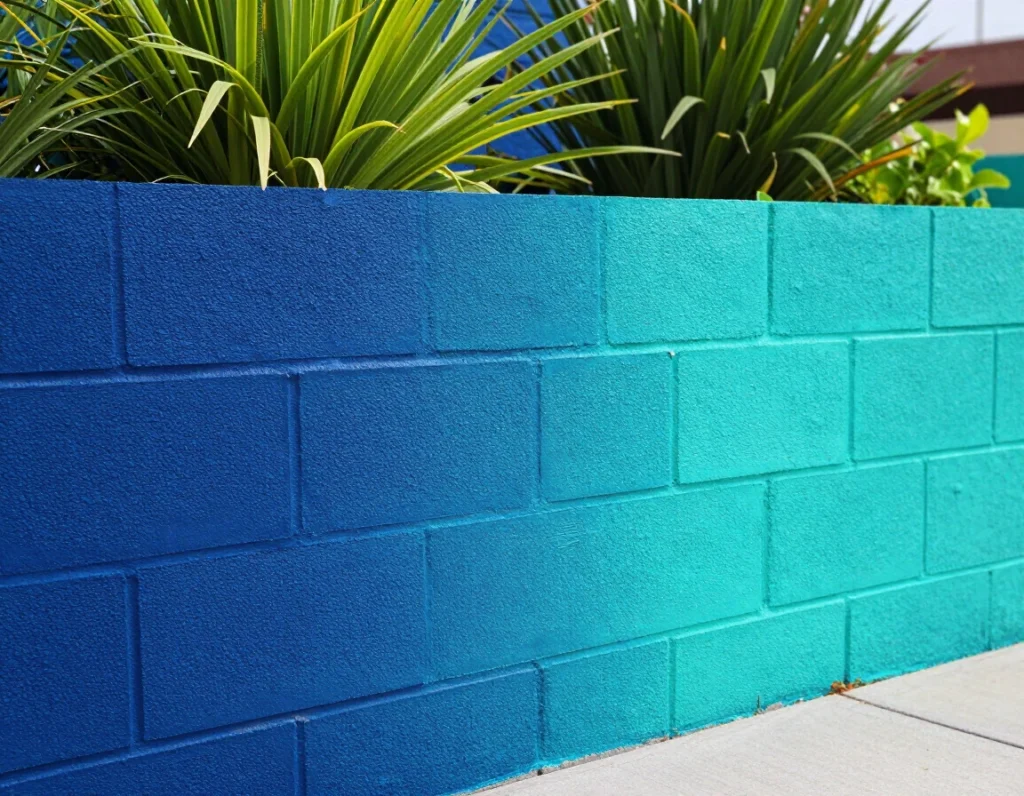
Color transforms ordinary cinder blocks into striking architectural features. A painted cinder block garden wall serves as an instant focal point, drawing the eye and establishing the mood for your entire garden space. Modern gardens particularly benefit from bold color choices that create dramatic contrast against natural greenery.
Consider painting blocks in graduated shades of a single color for an ombre effect, or alternate between complementary colors for a checkerboard pattern. Deep charcoals and blacks create sophisticated backdrops for colorful plantings, while bright whites reflect light and make small spaces feel more open. Terracotta oranges and warm earth tones harmonize beautifully with Mediterranean and desert-inspired landscapes.
For best results, use exterior masonry paint specifically formulated for concrete surfaces. Proper surface preparation is essential. Clean blocks thoroughly, allow them to dry completely, and apply a concrete primer before adding your chosen colors. This ensures longevity and prevents premature chipping or fading under weather exposure.
Vertical Succulent Gardens
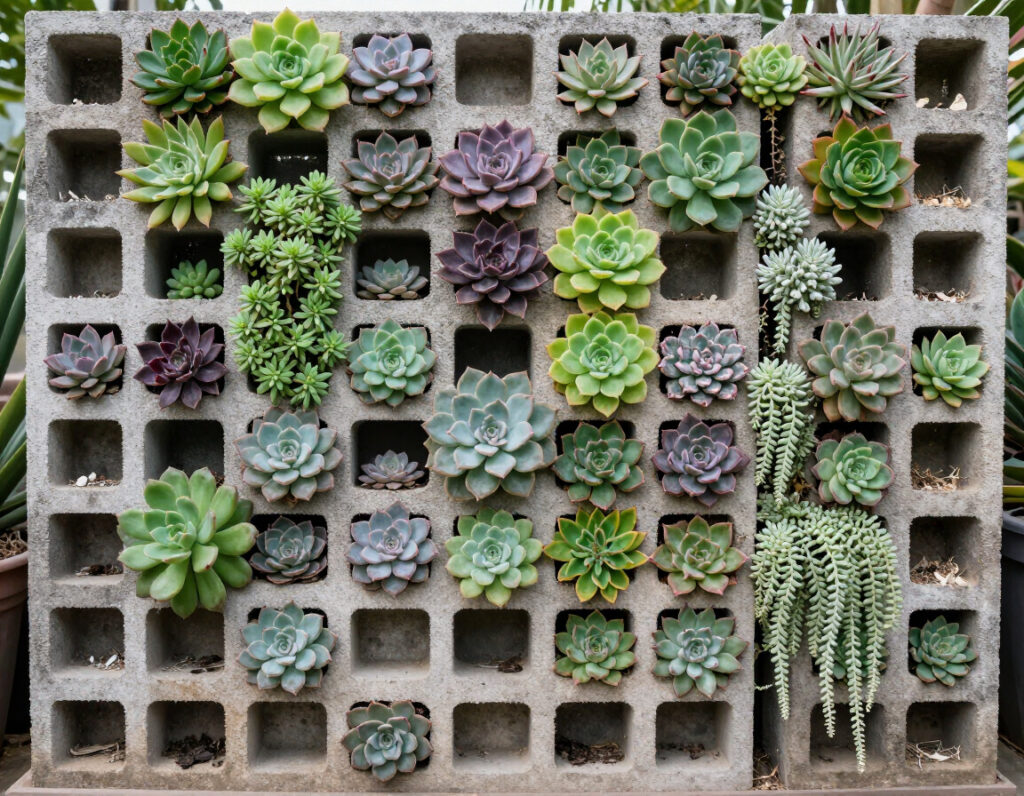
The hollow cavities in cinder block garden wall become perfect planting pockets when walls are oriented with openings facing outward. Vertical succulent gardens maximize limited space while creating living artwork that requires minimal maintenance. Succulents thrive in these conditions because their shallow root systems adapt well to confined spaces and their drought tolerance suits the fast-draining environment.
Stack blocks in staggered or straight patterns, filling cavities with well-draining cactus soil mix. Choose varied succulent species with different colors, textures, and growth habits to create visual interest. Echeveria, sedum, sempervivum, and trailing varieties like string of pearls work exceptionally well. The combination of architectural blocks and organic plant forms produces an appealing juxtaposition of hard and soft elements.
Installation requires careful planning for irrigation access, as vertical gardens can be challenging to water. Consider incorporating a drip irrigation system or position blocks at an angle to facilitate natural water distribution. In colder climates, select cold-hardy succulent varieties or plan for seasonal transitions.
Multi-Level Herb Cinder Block Garden Wall
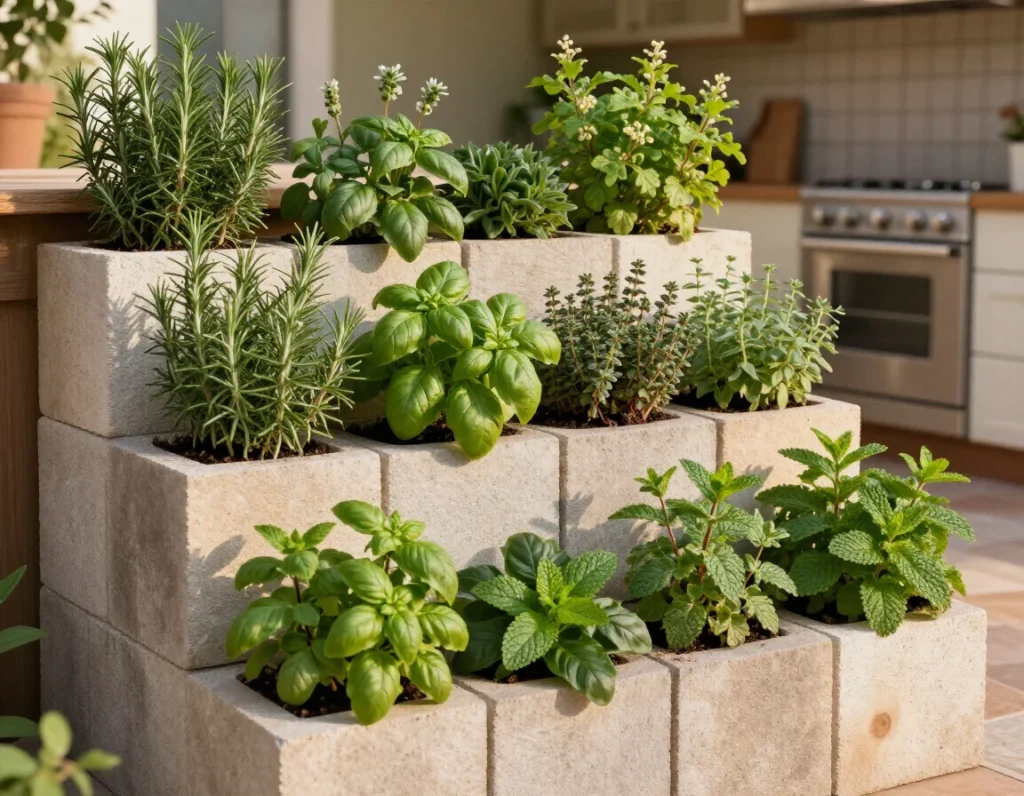
Practical meets beautiful when cinder blocks become the foundation for culinary gardens. Multi-tiered herb walls place fresh ingredients within easy reach while adding fragrance and texture to outdoor living areas. This approach works particularly well near kitchen doors or outdoor cooking spaces where quick access to fresh herbs enhances meal preparation.
Arrange blocks in stepped configurations to create different sun exposures for varied herb requirements. Position sun-loving herbs like rosemary, thyme, and oregano in upper tiers that receive full exposure, while shade-tolerant varieties like mint, parsley, and cilantro occupy lower levels. The vertical arrangement improves air circulation, reducing fungal issues common in dense plantings.
Each cavity accommodates a generous amount of growing medium, supporting healthy root development. Mix standard potting soil with compost and perlite for optimal drainage and nutrition. Label each herb pocket or maintain a consistent organization system so family members can easily identify what they’re harvesting.
Contemporary Privacy Screens
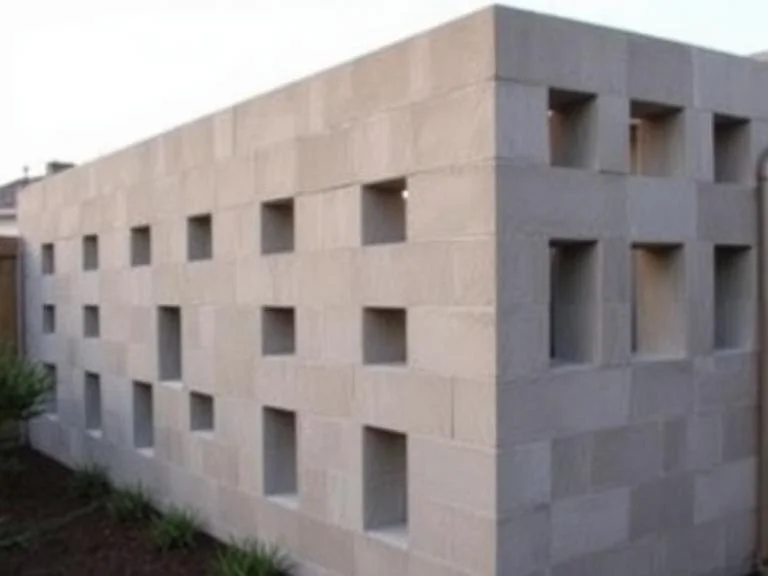
Modern landscape design often calls for clean lines and geometric forms. Cinder block garden wall deliver contemporary aesthetics while providing privacy from neighboring properties or screening unsightly views. Unlike traditional fencing that can feel imposing, strategically placed block walls create defined spaces without completely closing off the garden.
Stack blocks in running bond or stacked bond patterns depending on your desired look. Running bond, where blocks are offset by half their length, provides greater structural stability for taller walls. Stacked bond, with blocks aligned vertically, emphasizes the geometric quality and works well for shorter decorative walls.
Enhance privacy screens by combining solid sections with decorative perforated patterns. Leave selected cores open to create peek-through windows that maintain visual connection while establishing boundaries. These openings also reduce wind load, making walls more stable in exposed locations. Integrate lighting within open cores for dramatic nighttime ambiance.
Integrated Seating Walls
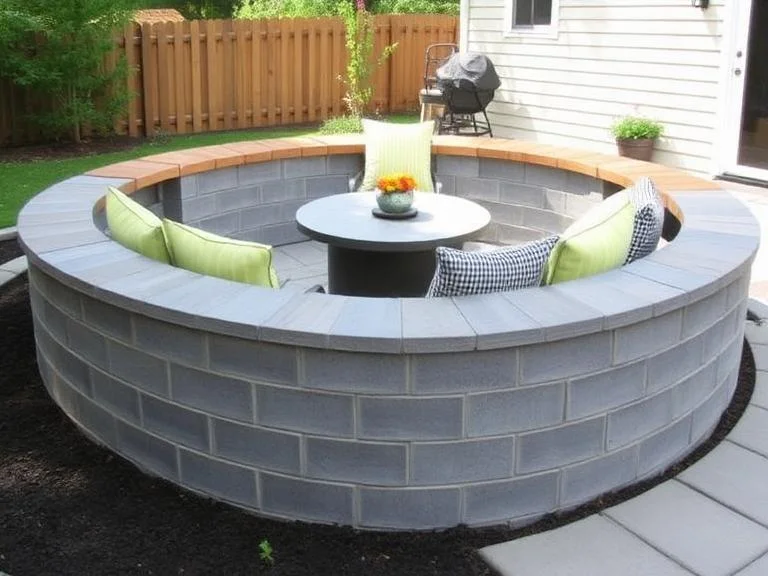
Functional garden walls serve double duty when designed to accommodate seating. Low cinder block Garden wall around patios, fire pits, or garden beds provide convenient perching spots during gatherings while defining different zones within the landscape. The standard height of two or three block courses creates comfortable seating for most adults.
Cap seating walls with wood planks, stone slabs, or thick cushions to improve comfort. Cedar, redwood, or treated lumber provides natural warmth and contrasts beautifully against gray concrete. Stone caps in limestone, bluestone, or granite add elegance and durability. For maximum comfort during extended use, create removable cushioned pads that can be stored when not in use.
Consider the wall’s location carefully. Position seating to capture optimal views, provide shade during hot afternoon hours, or create intimate conversation areas. Internal cavities can store garden tools, outdoor toys, or firewood, adding hidden functionality to your seating structure.
Cascading Flower Displays
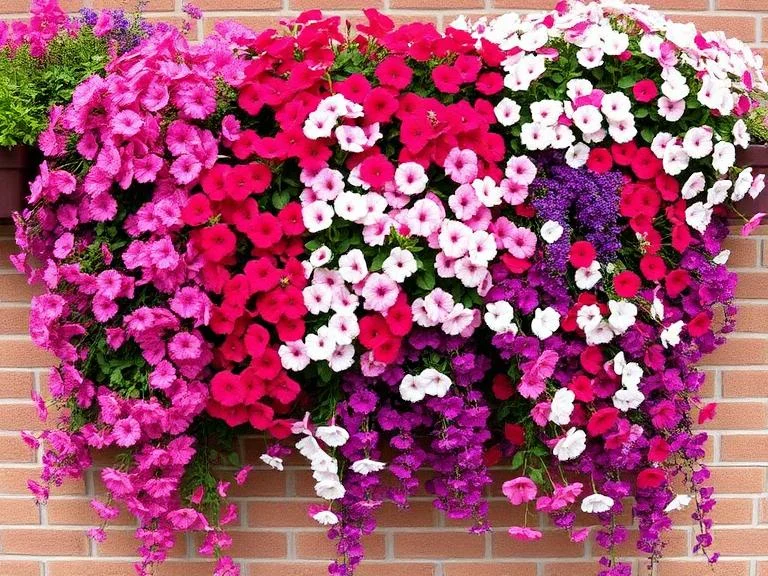
Transform vertical walls into colorful cascades by filling cinder block cavities with flowering annuals and perennials. This approach creates dramatic seasonal displays that change throughout the growing year. Spring bulbs give way to summer annuals, followed by fall chrysanthemums, providing continuous interest.
Select trailing plants that will spill over block edges, softening the hard architectural lines. Petunias, calibrachoa, lobelia, and sweet potato vine create abundant flowering displays in sunny locations. For shadier walls, impatiens, begonias, and fuchsias provide reliable color. Mix heights and textures by combining upright bloomers with cascading varieties.
Proper irrigation becomes critical for flower-filled walls since containers dry out quickly, especially during hot weather. Install soaker hoses behind the wall or use timer-controlled drip systems to maintain consistent moisture. Supplement with regular feeding using water-soluble fertilizers to support continuous blooming.
Rustic Stacked Stone Effect
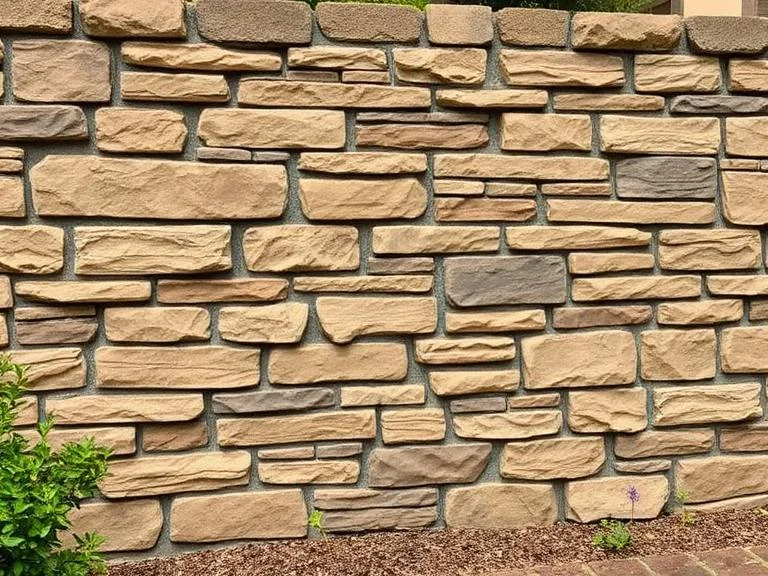
Cinder blocks can mimic expensive natural stone walls through creative finishing techniques. Apply stucco or mortar coatings to block surfaces, then score and shape them to resemble stacked stone or dry-laid masonry. This technique delivers high-end aesthetics at a fraction of the cost while maintaining the structural benefits of block construction.
Begin by coating blocks with a base layer of mortar or stucco. While still workable, use trowels, sponges, and improvised tools to create texture and define stone shapes. Vary the size and orientation of simulated stones for realistic appearance. Once the base coat cures, apply earth-toned concrete stains in layered washes to add depth and color variation.
This finishing method requires patience and artistic sensibility, but results can be remarkably convincing. Study natural stone walls in your area to understand typical coloring and pattern variations. Practice techniques on spare blocks before tackling the entire wall to develop confidence and refine your approach.
Garden Bed Borders and Edging
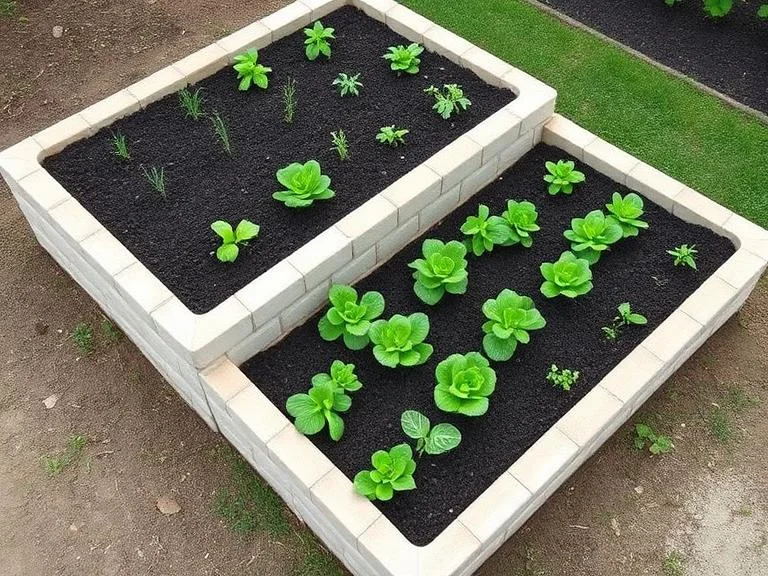
Low cinder block garden wall create clean, defined edges for raised garden beds and borders. This simple application brings order to informal gardens while providing slight elevation that improves drainage and extends the growing season. The thermal mass of concrete blocks also moderates soil temperature, protecting plant roots from extreme fluctuations.
Single-course borders work well for defining lawn edges and separating different garden zones. For raised beds, stack two or three courses to create adequate soil depth for vegetables and deep-rooted flowers. Fill blocks with soil to increase stability or leave cores open for planting compact varieties like lettuce, radishes, or annual flowers along borders.
Corner blocks may require rebar reinforcement for taller raised beds to prevent tipping. Drive rebar stakes through block cores at corners and midpoints along longer walls. This simple step significantly increases structural integrity without complicated construction techniques.
Decorative Screen Walls with Patterns
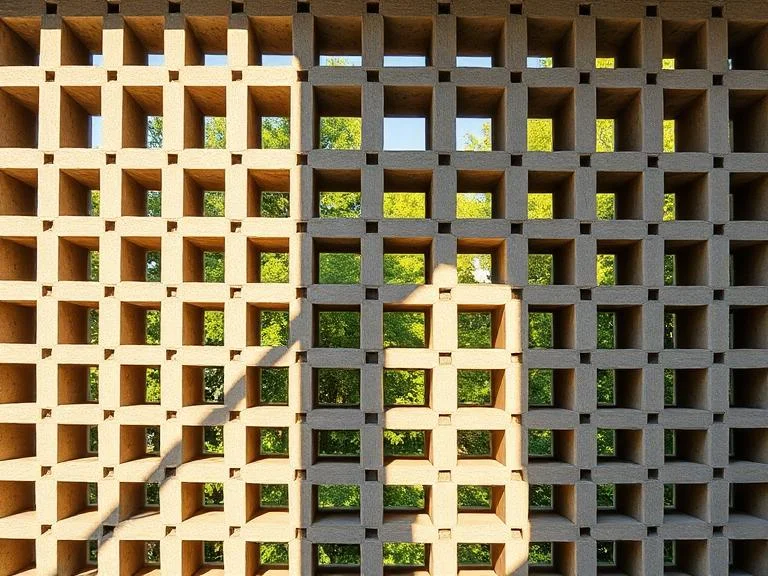
The modular nature of cinder blocks enables creation of decorative screens featuring geometric patterns and openwork designs. By strategically positioning blocks at various orientations and leaving calculated gaps, you can create walls that provide partial privacy while allowing light and air circulation.
Popular patterns include checkerboard arrangements where every other block is omitted, creating a grid of solid and open spaces. Diagonal patterns add dynamic visual interest, while alternating horizontal and vertical block orientations produce a woven appearance. These perforated walls work exceptionally well as boundary markers that maintain sightlines and prevent spaces from feeling enclosed.
Decorative screen walls shine when used as backdrops for outdoor seating areas, room dividers in large gardens, or architectural features framing special plantings. Paint patterns in contrasting colors to emphasize the geometric designs, or leave blocks natural for subtle textural interest.
Tiered Waterfall Planters
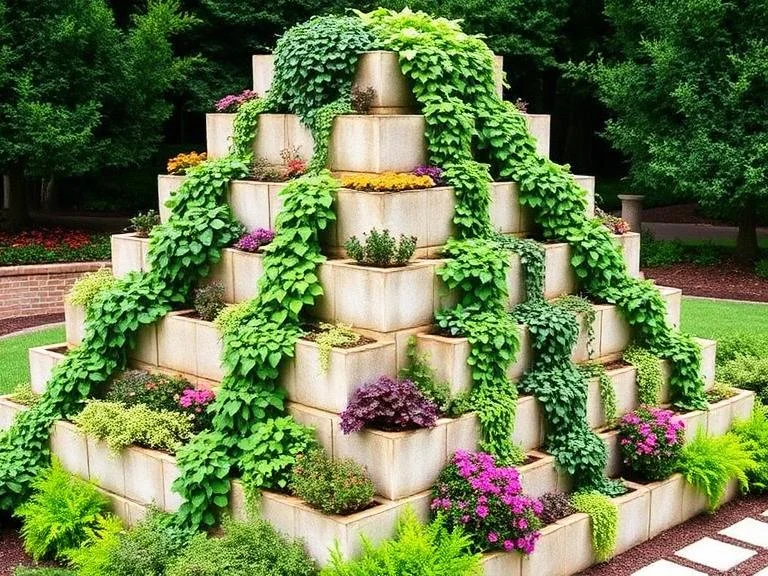
Creative stacking transforms cinder blocks into stepped waterfall displays where plantings cascade from one level to the next. This dramatic approach maximizes vertical growing space while creating sculptural elements that serve as garden focal points. The tiered structure naturally draws the eye upward, making gardens feel more spacious and dynamic.
Design waterfall planters with each successive tier set back slightly from the one below, creating a stepped pyramid effect. Fill upper cavities with trailing plants that spill over edges and into lower tiers, visually connecting the levels. Combine plants with different bloom times and foliage colors to ensure year-round interest.
Structural stability becomes important with tiered designs. Use construction adhesive between block layers or run rebar vertically through aligned cores. Add a gravel base beneath the bottom tier to improve drainage and prevent settling. Consider the weight of soil-filled blocks when planning placement, ensuring the ground can support the structure.
Modern Fire Pit Surrounds
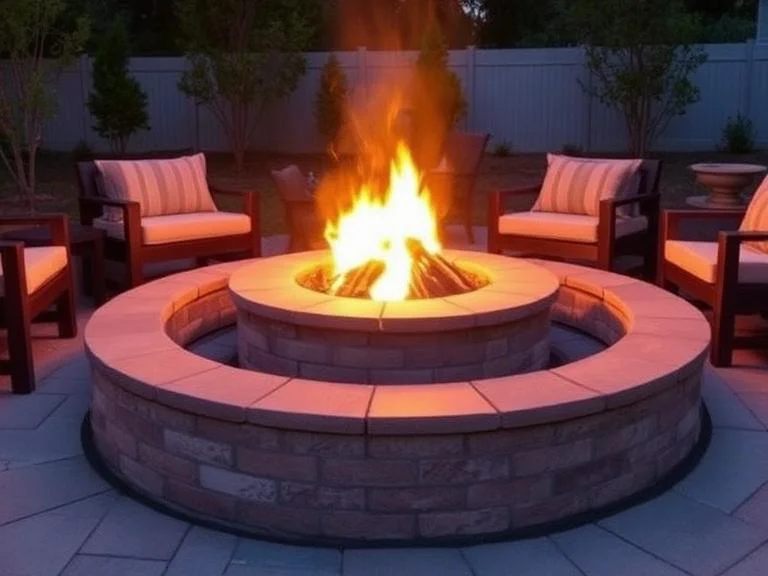
Cinder blocks provide affordable, fire-resistant materials for building permanent fire pit surrounds. A circular or square arrangement creates a defined gathering space while containing flames safely. The hollow cores can be filled with sand or gravel to add mass and improve heat resistance.
Design fire pit walls at comfortable seating height or create low walls that define the space without blocking views across the garden. Cap the top course with heat-resistant materials like flagstone, concrete pavers, or fire brick. Leave gaps between blocks for air circulation, which improves combustion and reduces smoke.
Integrate the fire pit into broader landscape designs by extending block walls to create built-in seating, planter boxes, or storage areas for firewood. Position the feature away from overhanging branches and structures, following local building codes and fire safety guidelines. Add surrounding gravel or pavers to create a safe zone free from flammable materials.
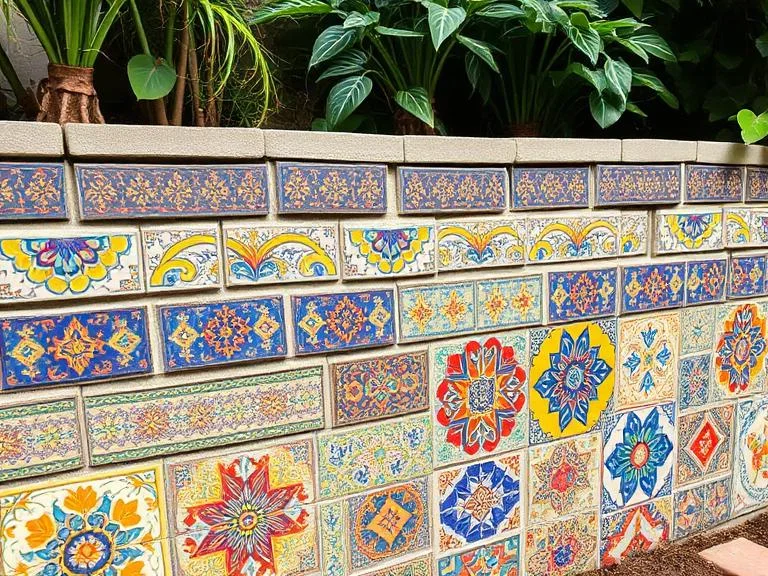
Artistic Mosaic and Tile Installations
Transform plain cinder block garden wall into artistic statements by adorning surfaces with mosaic tiles, broken pottery, or decorative stones. This labor-intensive but rewarding approach creates truly unique garden features that reflect personal creativity. Mosaic walls become outdoor galleries displaying colors and patterns impossible to achieve through paint alone.
Apply tiles using exterior-grade thin-set mortar, working in small sections to prevent premature drying. Create abstract patterns, representational images, or geometric designs based on your skill level and vision. Broken tile pieces salvaged from renovation projects reduce costs while adding authentic character. Seal finished mosaics with penetrating sealers to protect against moisture and freeze-thaw damage.
Consider embedding found objects like beach glass, pebbles, or ceramic shards into mortar coatings for three-dimensional texture. These embellishments catch light throughout the day, adding sparkle and visual interest. Mosaic walls pair beautifully with water features, creating Mediterranean or Spanish-inspired garden atmospheres.
Conclusion
Cinder block garden wall prove that beautiful, functional outdoor spaces need not require substantial budgets or advanced construction skills. These versatile building blocks adapt to countless design visions, from sleek contemporary statements to charming cottage gardens. Their inherent qualities including durability, affordability, and modular flexibility make them ideal for homeowners seeking to enhance their landscapes through hands-on projects.
The ideas explored here represent starting points rather than limitations. Combine approaches to develop unique solutions tailored to your specific property and preferences. Paint a succulent wall in bold colors, create a tiered herb garden with mosaic accents, or build a fire pit surround that incorporates seating and planters. The possibilities expand further when you view cinder blocks not as construction leftovers but as blank canvases awaiting your creative interpretation.
Success with cinder block garden wall projects requires thoughtful planning, proper preparation, and attention to structural fundamentals. Invest time in creating stable foundations, ensure adequate drainage, and use appropriate materials for your climate. These foundational considerations ensure your garden walls remain attractive and functional for years, weathering seasons while continuing to enhance your outdoor living experience.
Whether you’re embarking on your first DIY landscape project or expanding an existing garden, cinder block garden wall offer an accessible entry point into creative outdoor design. Start with a simple application that builds confidence, then progress to more ambitious projects as your skills develop. Your garden will thank you with added beauty, functionality, and personal character that purchased solutions simply cannot match.
Frequently Asked Questions
How much do cinder blocks cost for garden wall projects?
Cinder blocks typically range from one to three dollars per block depending on your location and block specifications. A basic garden wall project using 50 blocks would cost between 50 and 150 dollars for materials alone, making this one of the most budget-friendly hardscaping options available. Additional costs include soil, plants, paint, or finishing materials based on your chosen design.
Do I need to use mortar when building cinder block garden wall?
Mortar is not always necessary for garden walls. Shorter decorative walls under three feet can be dry-stacked without mortar, relying on gravity and proper alignment for stability. For taller walls, retaining walls holding back soil, or structures in earthquake-prone areas, mortar significantly improves safety and longevity. Always check local building codes for requirements in your area.
What plants grow best in cinder block garden walls?
Succulents, herbs, and shallow-rooted flowers perform best in cinder block garden wall cavities. Sedums, sempervivums, and echeverias require minimal water and thrive in confined spaces. Compact herbs like thyme, oregano, and chives adapt well to limited root zones. Annual flowers such as petunias, alyssum, and marigolds provide seasonal color. Avoid deep-rooted plants or those requiring consistently moist soil.
How do I prevent cinder block walls from looking industrial?
Soften the industrial appearance through painting, staining, or applying textured finishes like stucco. Fill every cavity with plants to create living walls that obscure block structure. Cap walls with natural wood or stone materials. Integrate blocks with other landscape elements like natural boulders, wood accents, or ornamental grasses to blend them into the overall garden design rather than treating them as standalone features.
Can cinder block garden walls withstand winter weather and freezing temperatures?
Quality cinder blocks withstand freeze-thaw cycles when properly installed with adequate drainage. Water trapped in cavities can cause cracking during freezing, so ensure drainage holes in the bottom course and use well-draining soil mixes. In cold climates, apply concrete sealer to block surfaces before winter to reduce moisture absorption. Remove sensitive plants before hard freezes or choose cold-hardy varieties appropriate for your growing zone.
3 Comments