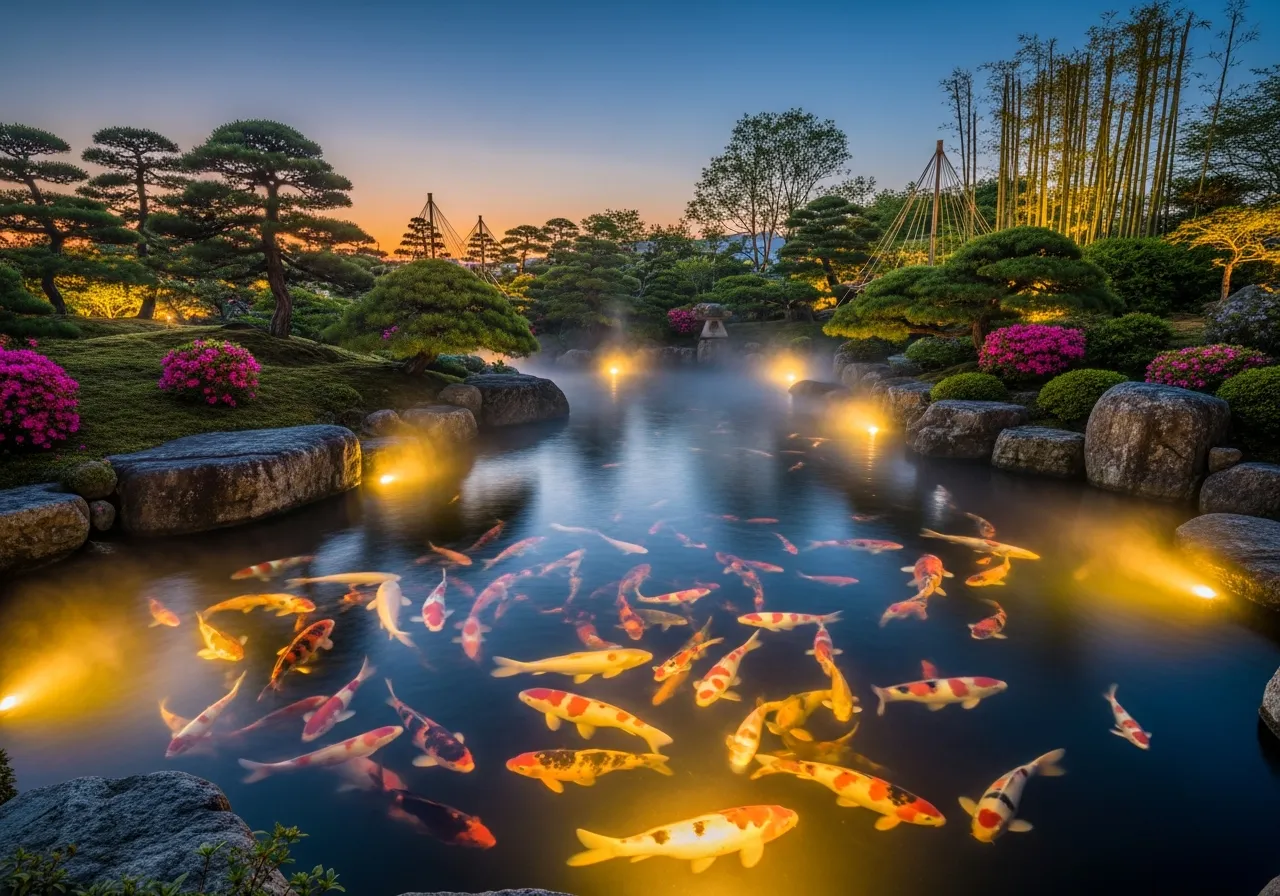
16+ Inspiring Koi Pond Lighting Ideas
Creating the perfect ambiance for your koi pond extends far beyond daylight hours. Strategic lighting transforms your water feature into a captivating nighttime showcase while ensuring safety and highlighting the natural beauty of your landscape investment. Whether you’re looking to illuminate the graceful movements of your koi or create a serene backyard retreat, the right lighting approach makes all the difference.
The world of pond lighting has evolved dramatically in recent years. Modern solutions offer energy efficiency, longevity, and creative flexibility that simply wasn’t available a decade ago. From subtle underwater glows that showcase your prized koi to dramatic spotlights that turn waterfalls into focal points, today’s lighting options allow you to craft exactly the atmosphere you envision.
This comprehensive guide explores over sixteen proven lighting strategies that professional pond designers and experienced hobbyists use to elevate their water features. You’ll discover practical installation insights, creative placement techniques, and expert recommendations that help you avoid common pitfalls while achieving professional results on any budget.
Underwater LED Fixtures for Fish Visibility
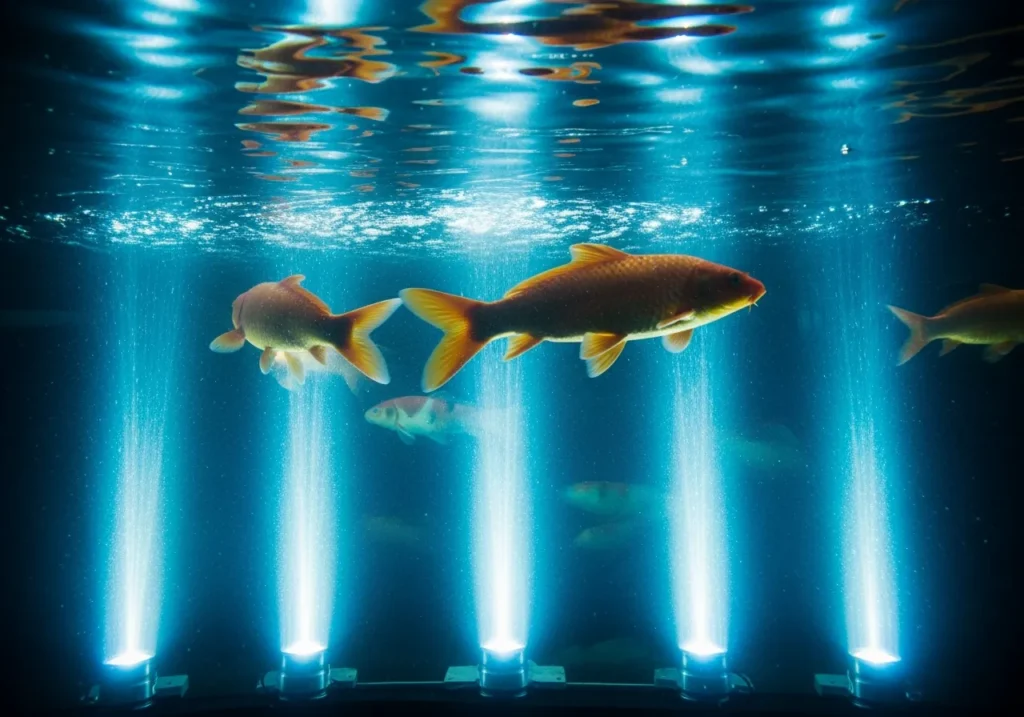
Submersible LED lights represent the foundation of effective koi pond illumination. These waterproof fixtures install directly beneath the water surface, creating an ethereal glow that showcases your fish from below. The upward light projection reveals the vibrant colors and patterns of your koi as they glide through the water, turning ordinary swimming into a mesmerizing display.
When selecting underwater LEDs, prioritize fixtures rated for continuous submersion with IP68 waterproof certification. Quality units feature sealed housings that prevent moisture intrusion and corrosion. Position these lights at varying depths to create dimensional lighting rather than flat illumination. Place some fixtures near the pond floor to illuminate the full water column while mounting others mid-depth to highlight specific swimming zones.
White LEDs in the 4000K to 5000K range provide the most natural appearance for viewing koi. This color temperature mimics daylight conditions, allowing you to appreciate the true colors of your fish without artificial color distortion. For ponds deeper than three feet, consider higher lumen output fixtures to ensure adequate light penetration throughout the water volume.
Floating Solar Lights for Eco-Friendly Ambiance
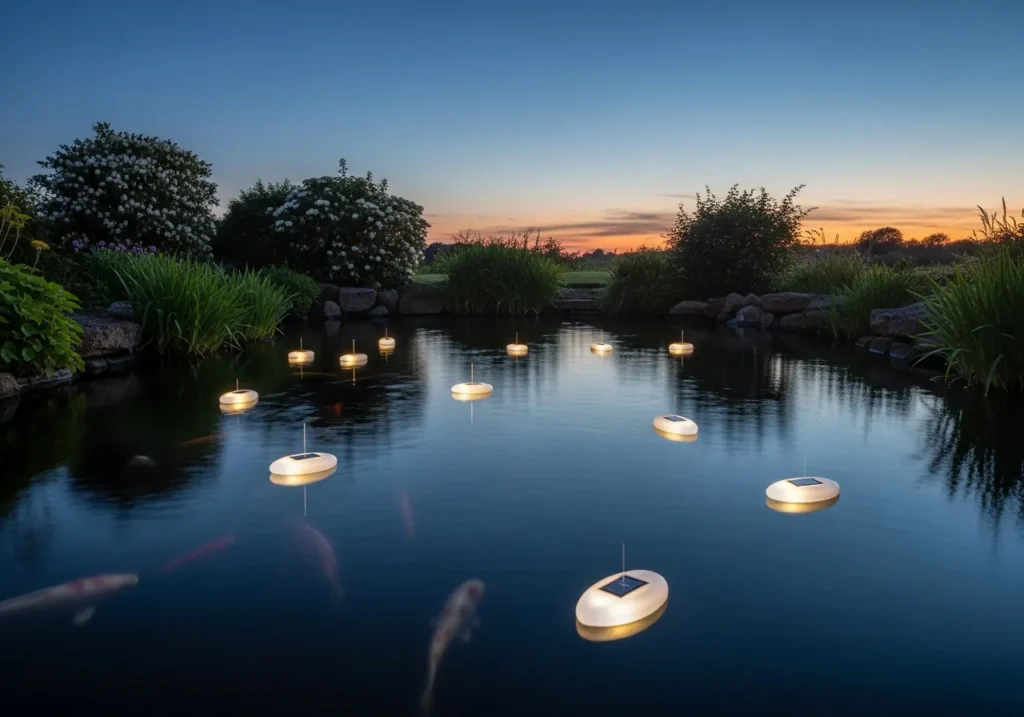
Solar floating lights offer an effortless way to add gentle illumination without electrical installation. These self-contained units drift on the water surface, collecting solar energy during daylight hours and automatically illuminating at dusk. They create dancing points of light that shift with water movement, adding dynamic visual interest to your pond.
Modern solar floating lights have improved significantly in brightness and battery capacity. Look for models with efficient solar panels that can store enough energy for six to eight hours of nighttime operation. Many contemporary designs feature color-changing capabilities, allowing you to adjust the mood from warm amber to cool blue depending on the occasion.
The installation simplicity of floating solar lights makes them ideal for renters or those hesitant to commit to permanent lighting systems. Simply place them in your pond and let them work. For best results, ensure your pond receives adequate direct sunlight during the day, as shaded locations will reduce charging efficiency and runtime.
Spotlight Accent Lighting for Waterfalls and Features
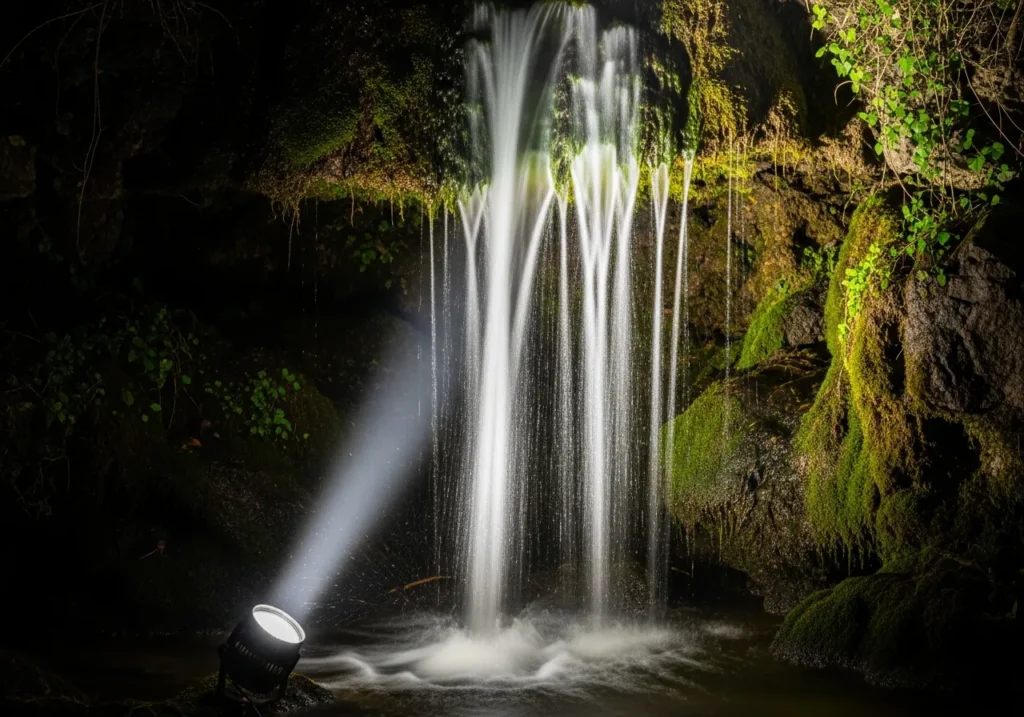
Directional spotlights bring dramatic emphasis to waterfalls, fountains, and architectural pond elements. By focusing concentrated beams on moving water, you create brilliant highlights and deep shadows that amplify the sense of motion and power. The interplay of light with cascading water produces constantly shifting patterns that captivate viewers.
Install spotlights at ground level, angled upward toward your waterfall or fountain feature. This uplighting technique creates a theatrical effect that appears far more dynamic than overhead illumination. Experiment with different angles during installation, as even slight adjustments in positioning can dramatically alter the visual impact.
For waterfall lighting, place fixtures to the sides rather than directly in front. This side-angle approach highlights the texture and movement of falling water while avoiding the harsh, washed-out appearance that straight-on lighting often produces. Use warm white LEDs in the 2700K to 3000K range to create an inviting, natural appearance that complements evening relaxation.
Path Lighting for Safety and Navigation
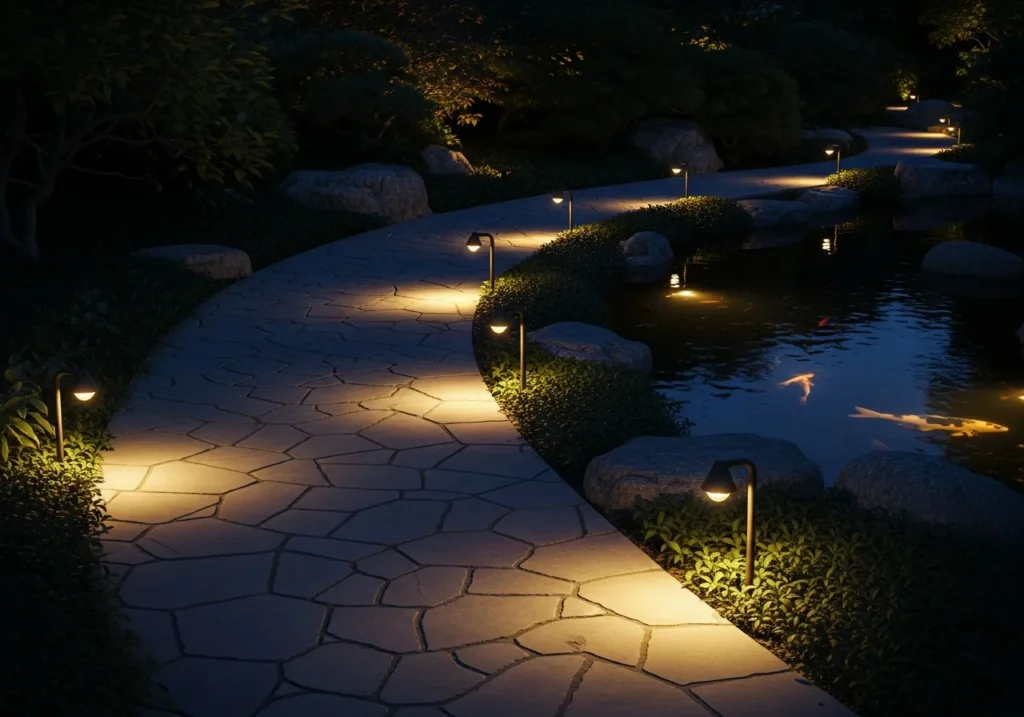
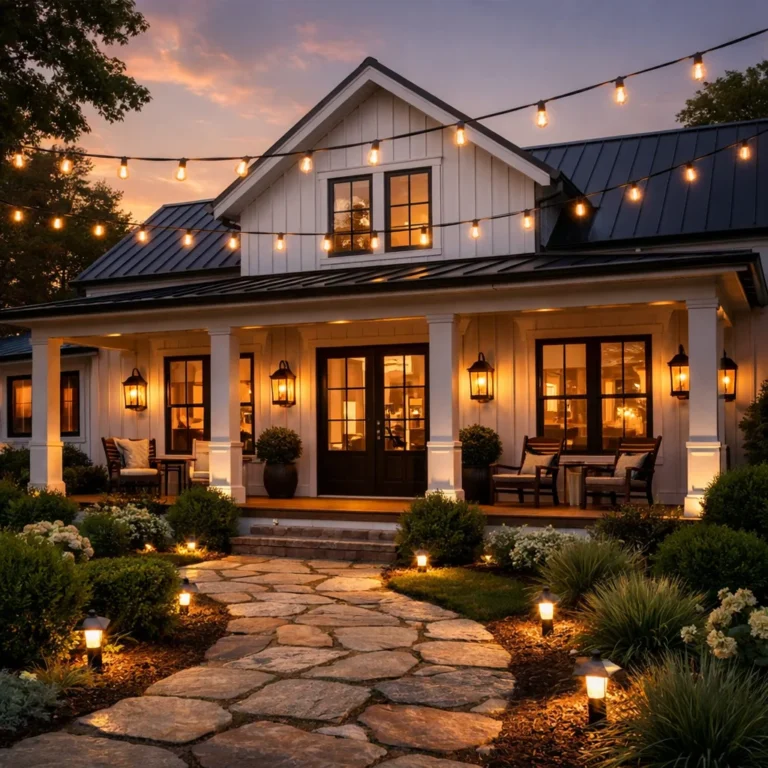
Well-placed path lights serve the dual purpose of enhancing safety while creating an inviting approach to your pond. These low-level fixtures illuminate walkways, decks, and pond edges, preventing trips and falls while guiding visitors through your landscape after dark. The subtle ground-level glow also adds depth to your overall lighting design.
Space path lights every six to eight feet along pond perimeters and adjacent walkways. This consistent spacing provides continuous visibility without creating harsh pools of light. Choose fixtures with downward-facing shields or louvered designs that direct light toward the ground rather than upward into eyes, reducing glare and light pollution.
Low voltage path lighting systems operate at twelve volts, making them significantly safer near water features than standard 120-volt fixtures. A properly installed transformer steps down household current to this safer voltage level. Many modern systems include timers and photocells for automated operation, ensuring your pond area remains safely lit without manual intervention.
Color-Changing RGB Lights for Special Occasions
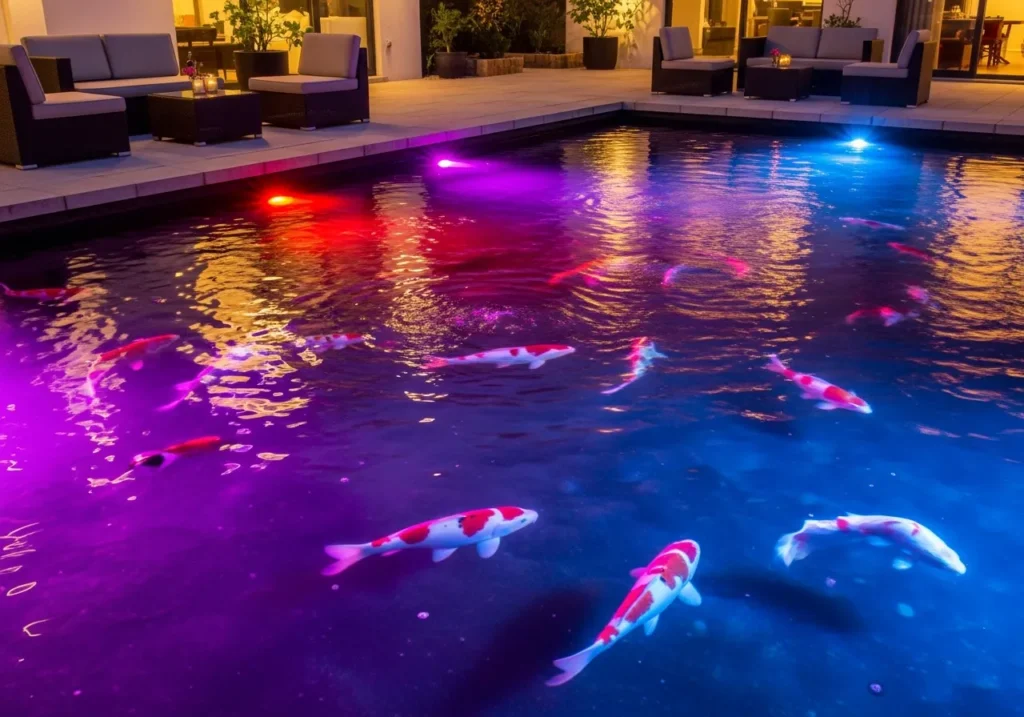
RGB lighting systems equipped with red, green, and blue LEDs allow you to customize your pond’s color scheme for holidays, parties, or personal preference. These versatile fixtures can produce millions of color combinations through smartphone apps or remote controls, transforming your pond’s appearance with the touch of a button.
While color-changing capability offers creative freedom, exercise restraint in everyday use. Constant color cycling or overly saturated hues can appear garish and detract from the natural beauty of your pond and koi. Reserve bold color displays for special events while maintaining more subtle, natural tones for regular viewing.
Many koi enthusiasts find that gentle color transitions between warm white and soft amber create the most pleasing everyday ambiance. These subtle shifts add visual interest without overwhelming the scene. Save the vibrant blues, greens, and purples for occasions when you want to create a festive or dramatic atmosphere.
Fiber Optic Lighting for Subtle Elegance
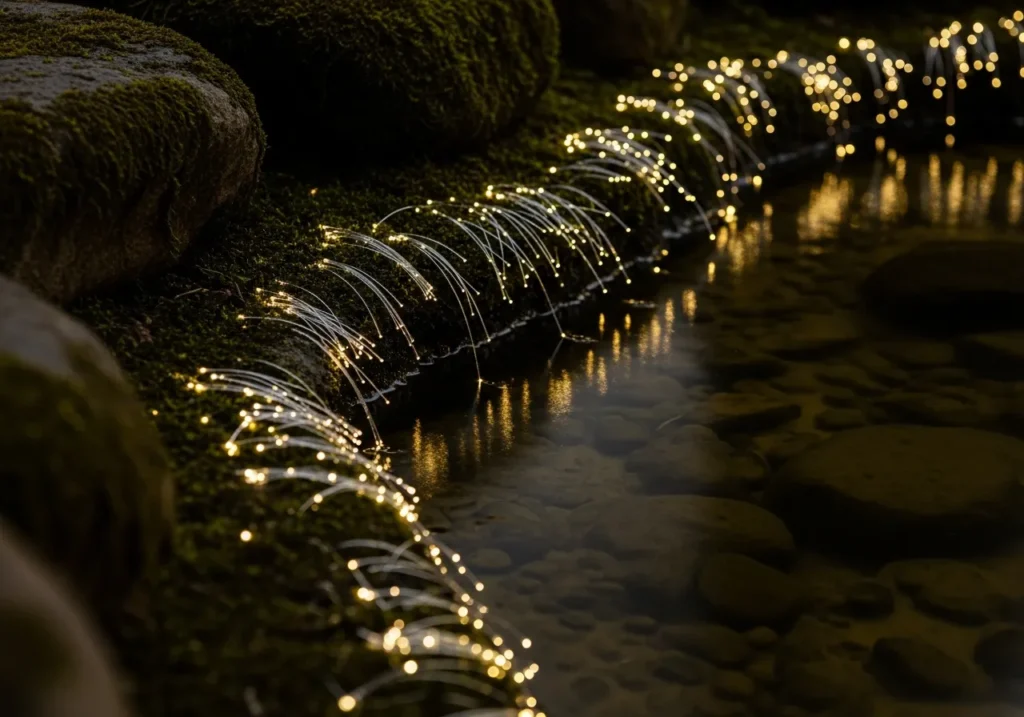
Fiber optic systems deliver light through thin, flexible strands that contain no electricity at the point of illumination. A single light source can feed dozens of fiber strands, creating multiple points of light throughout your pond area without multiple electrical connections. This technology excels at creating starfield effects and subtle accent lighting.
The primary advantage of fiber optics lies in their inherent safety. Since the illuminated ends carry only light, not electricity, they present virtually no electrical hazard even if damaged underwater. This makes them an excellent choice for creating illumination in difficult-to-access locations or areas where electrical safety is a primary concern.
Fiber optic installations work beautifully when woven through rockwork, embedded in pond edges, or used to create subtle underwater accents. The tiny points of light add sparkle without overwhelming brightness. While the initial cost of fiber optic systems exceeds basic LED installations, the unique aesthetic effects and enhanced safety profile justify the investment for many pond owners.
Moonlight Effect with Overhead Positioning
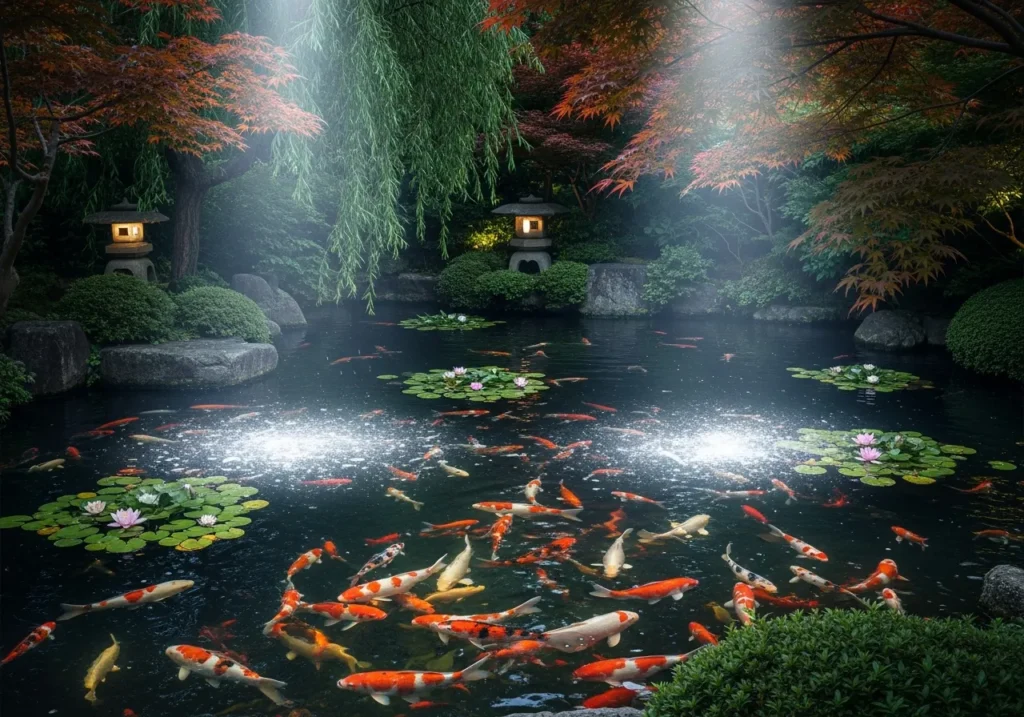
Recreating natural moonlight involves mounting soft, diffused lights above your pond in trees, pergolas, or dedicated light poles. This overhead approach casts gentle illumination downward, mimicking the way moonlight naturally falls on water. The result is a romantic, naturalistic ambiance that feels organic rather than artificially staged.
Install overhead fixtures at heights of ten to fifteen feet for optimal moon-like dispersion. Use wide-beam-angle LEDs to create broad, even coverage rather than focused spots. Cooler color temperatures in the 5000K to 6000K range best replicate the silvery quality of actual moonlight, though many find that slightly warmer 4000K lights create a more inviting atmosphere.
This lighting approach works particularly well for ponds surrounded by trees or structures that can conceal fixtures. The downward light direction minimizes light pollution to neighboring properties while creating beautiful reflections on the water surface. Combine overhead moonlighting with minimal underwater accents for a sophisticated, layered lighting design.To see more ideas visit Moonlight Designs.
Rock and Boulder Illumination
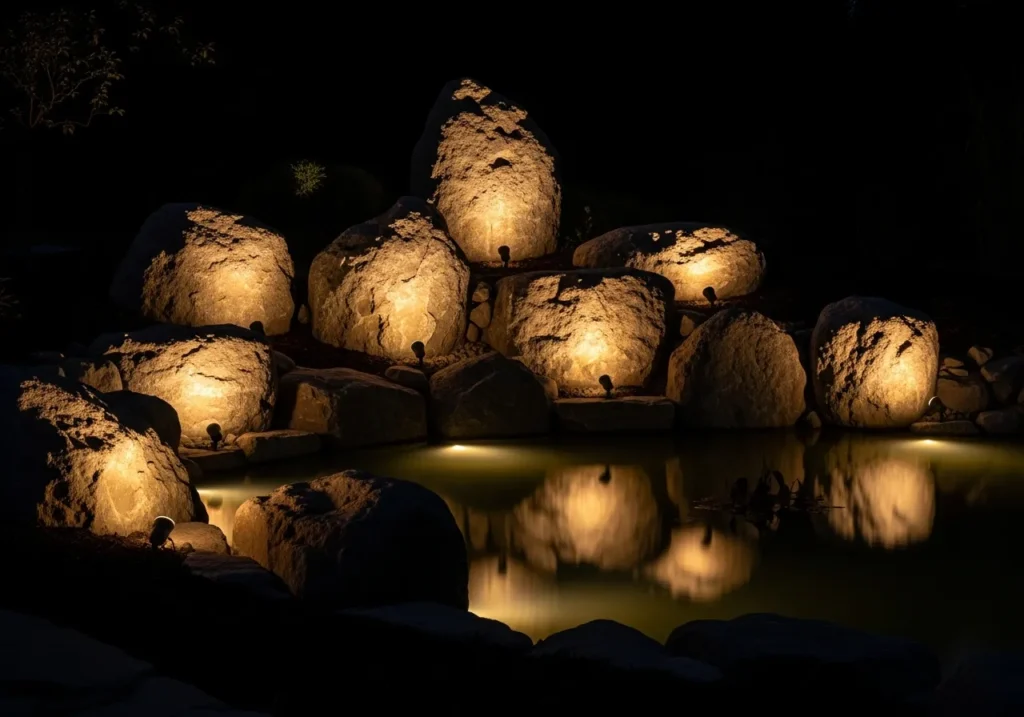
Strategic lighting of rocks and boulders surrounding your pond creates depth and texture in your nighttime landscape. By grazing light across stone surfaces, you emphasize their natural contours and geological character. This technique adds visual weight to your design, making the pond appear more established and integrated with its surroundings.
Position small accent lights at the base of significant rocks, aiming beams upward along the stone face. The shallow angle of illumination creates dramatic shadows in crevices and highlights surface texture. Avoid placing lights directly in front of rocks, as this flattens their appearance and eliminates the dimensional quality you’re trying to achieve.
Use warm white LEDs for rock lighting to enhance the natural tones of stone. Most rocks appear more attractive under warm illumination, which brings out golden, amber, and reddish hues while making gray stones appear less cold. Adjust brightness levels so rock lighting complements rather than competes with your primary pond illumination.
Aquatic Plant Highlighting
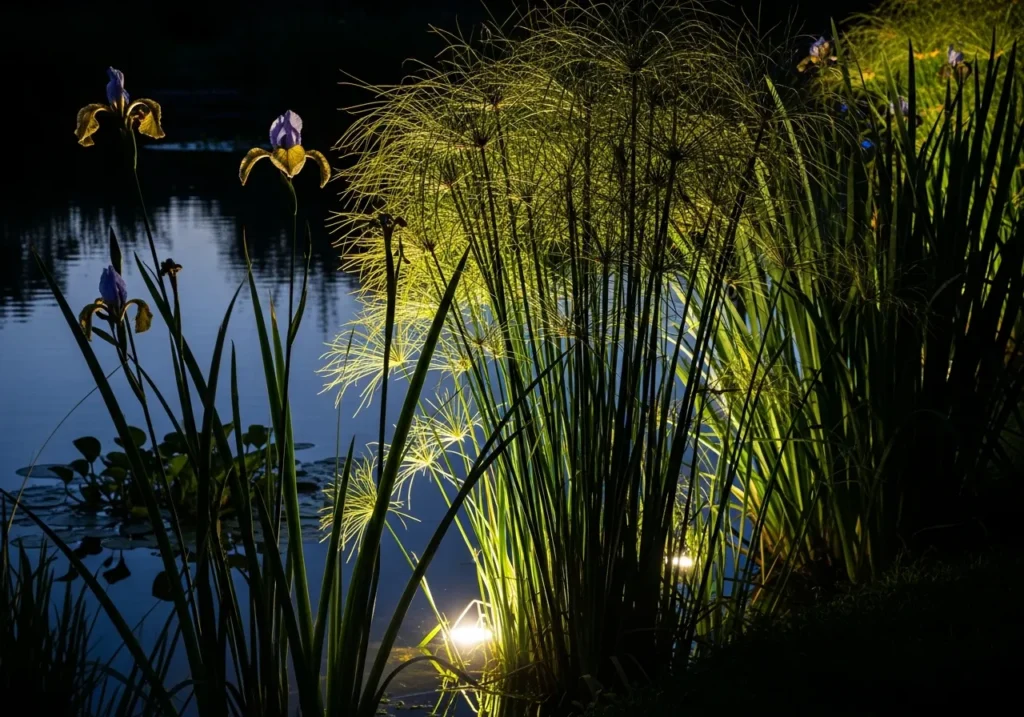
Illuminating marginal and aquatic plants adds another layer of interest to your pond lighting scheme. Uplighting through papyrus, cattails, water irises, and lotus plants creates stunning silhouettes and reveals delicate leaf structures. The translucent quality of many aquatic plant leaves becomes especially apparent when backlit.
Place small spotlights behind or beneath significant plant groupings. For plants with interesting leaf shapes, position lights to shine through the foliage, creating a lantern-like effect. Taller vertical plants like horsetail and papyrus respond beautifully to uplighting that emphasizes their height and architectural form.
Consider the seasonal nature of aquatic plants when planning permanent lighting. Many species die back in winter, leaving fixtures illuminating empty space. Design your plant lighting on separate circuits or switches so you can adjust which elements are illuminated as your planting scheme changes through the seasons.To see some backyard pond lighting ideas visit California Aqua Pros.
Bridge and Walkway Underlighting
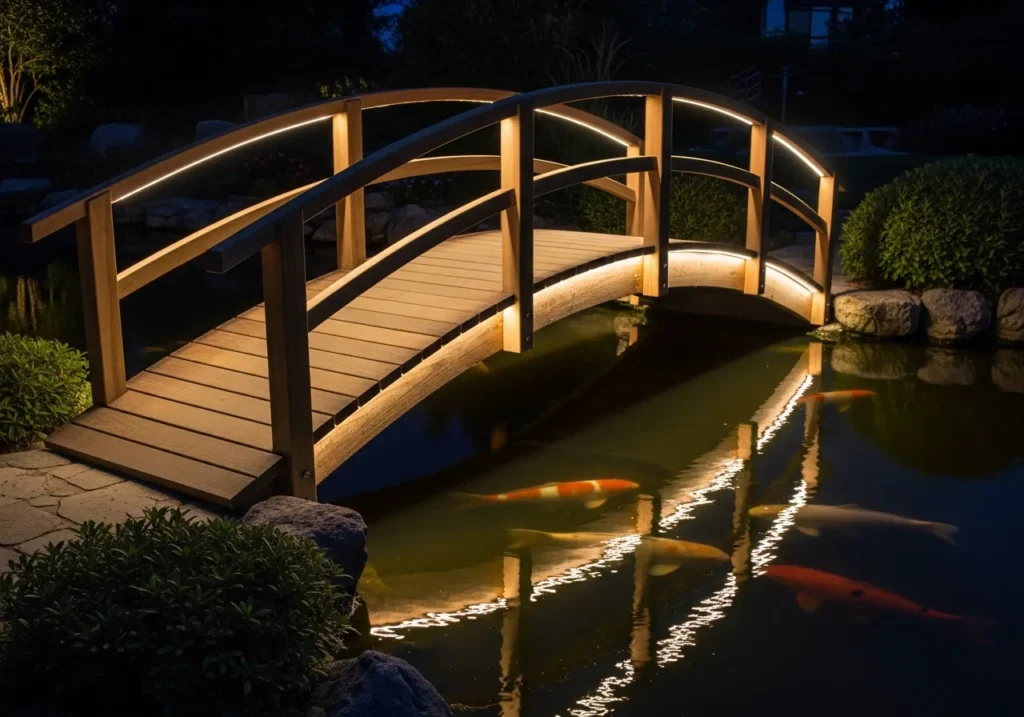
Installing lights beneath bridges and walkways that span your pond creates a floating effect while providing practical illumination. This concealed lighting approach casts a soft glow downward onto the water surface without exposing light sources to direct view. The result is magical and sophisticated, enhancing safety without visual clutter.
Mount strip LEDs or linear fixtures to the underside of deck boards, bridge supports, or walkway structures. Ensure all fixtures are rated for outdoor use and protected from spray or splashing. The indirect nature of this lighting creates gentle ambient illumination that defines pathways and architectural elements without harsh glare.
Combine bridge underlighting with subtle step lights on stairs and level changes. This comprehensive approach to safety lighting ensures that every transition point is clearly visible while maintaining the elegant, unobtrusive aesthetic that makes nighttime pond viewing so enjoyable.
Perimeter Uplighting for Trees and Shrubs
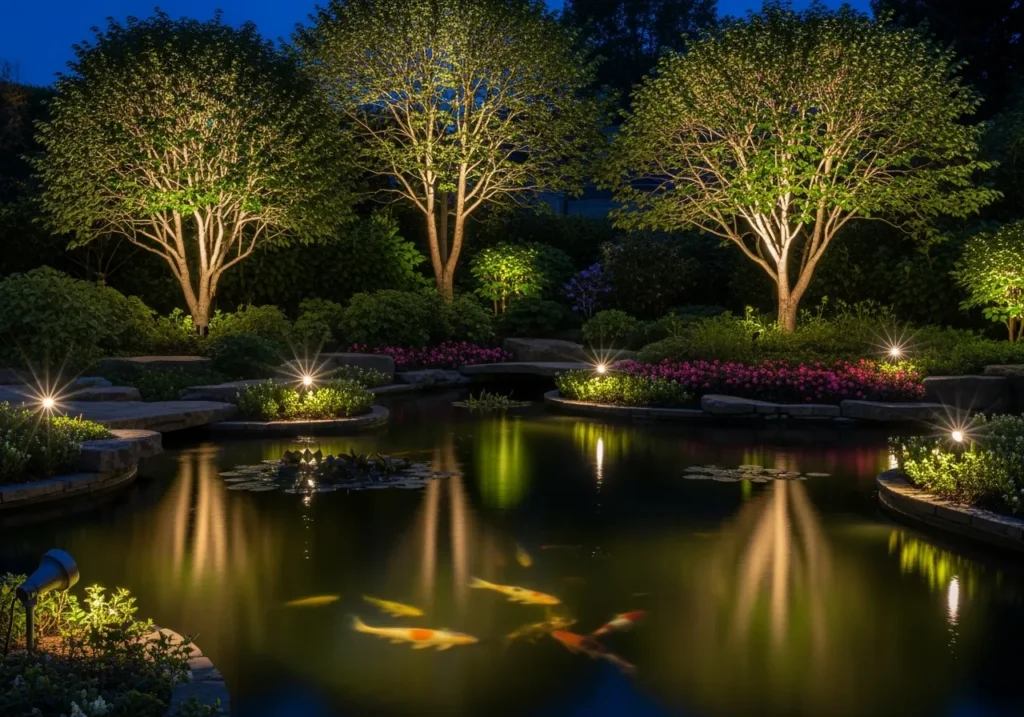
Extending your lighting beyond the immediate pond area creates a cohesive landscape presentation. Uplighting trees and shrubs that surround your pond adds depth to the overall scene and prevents the water feature from appearing as an isolated bright spot in darkness. This broader lighting approach creates a complete outdoor room rather than a single focal point.
Select key trees and large shrubs for accent lighting, avoiding the urge to illuminate everything. Strategic selectivity creates far more impact than comprehensive coverage. Use narrow-beam spotlights to graze up trunk surfaces, highlighting bark texture and branch structure. For shrubs and smaller trees, wider beams provide more appropriate coverage.
Coordinate the color temperature of perimeter landscape lighting with your pond illumination. Mixing drastically different whites creates a disjointed appearance, while maintaining consistent color temperatures throughout your design produces a harmonious, professionally designed look.
Seasonal and Holiday Lighting Variations
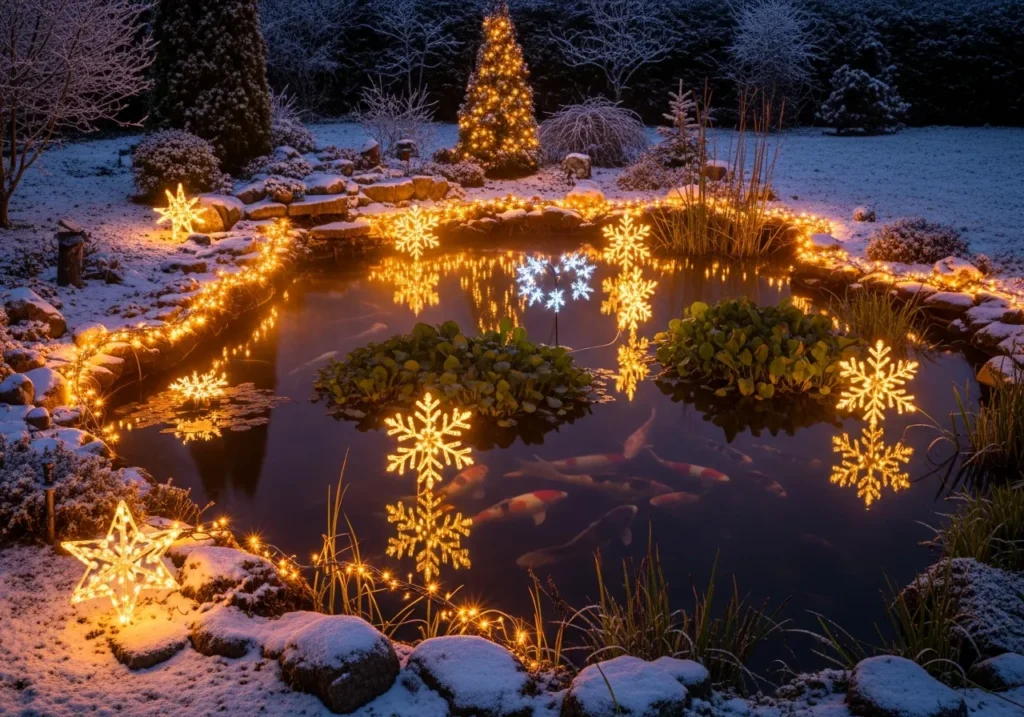
Adapting your pond lighting for seasons and holidays adds fresh interest throughout the year. Temporary lighting additions for autumn, winter holidays, or summer celebrations allow you to showcase your pond in different ways without permanent installation changes. This flexibility keeps your outdoor space feeling dynamic and responsive to the calendar.
For autumn, consider adding warm amber accents that complement falling leaves and cooler evening temperatures. Winter holiday lighting might incorporate classic white or multicolor displays around the pond perimeter. Summer gatherings benefit from festive string lights or colorful floating lanterns that create a party atmosphere.
Ensure any temporary lighting additions are properly rated for outdoor use and safely installed. Avoid overloading circuits or creating tripping hazards with extension cords. The goal is to enhance your pond’s appeal while maintaining the safety standards you’ve established with your permanent lighting system.
Submersible Ring Lights Around Islands
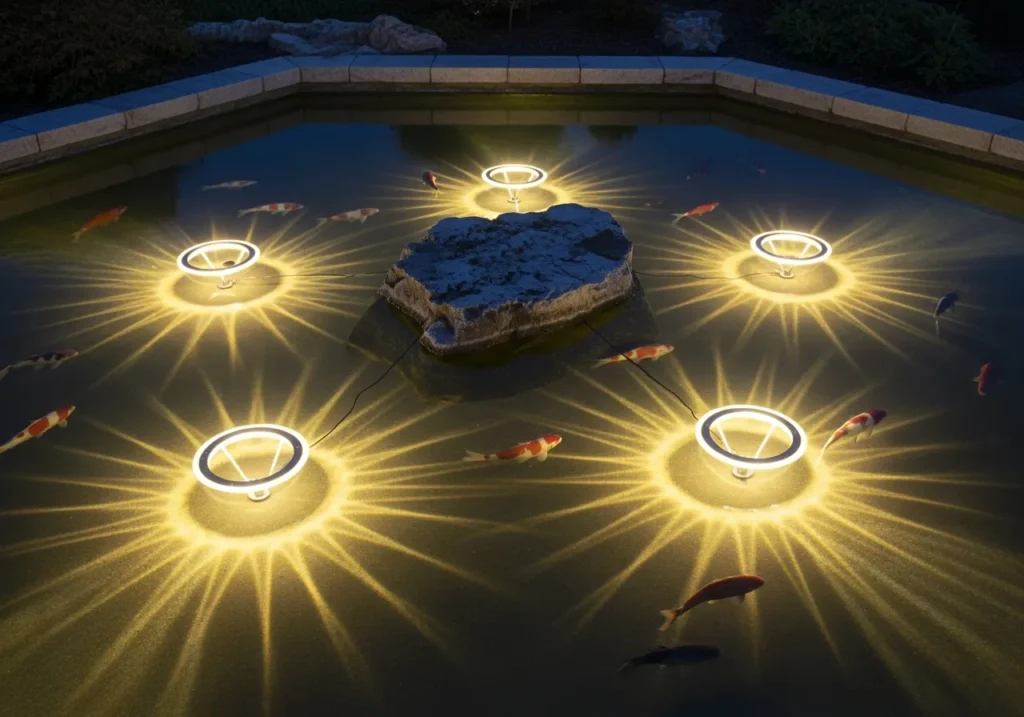
For ponds featuring islands or central rock formations, submersible ring lights create a halo effect that defines these features with subtle elegance. These circular fixtures mount horizontally beneath the water surface, directing light outward in all directions. The result highlights the perimeter of islands while creating beautiful reflections on surrounding water.
Install ring lights at a depth where they remain concealed during daylight hours but provide effective illumination after dark. The ideal depth varies with water clarity, but generally ranges from twelve to eighteen inches below the surface. Adjust positioning to prevent direct view of the light source from typical viewing angles while still achieving the desired illumination effect.
Ring lights work particularly well in formal pond designs where symmetry and geometric precision are important. The even, circular distribution of light complements structured layouts and architectural elements. For naturalistic pond designs, use ring lights more sparingly as accent pieces rather than primary illumination.
Low-Level Deck and Patio Integration
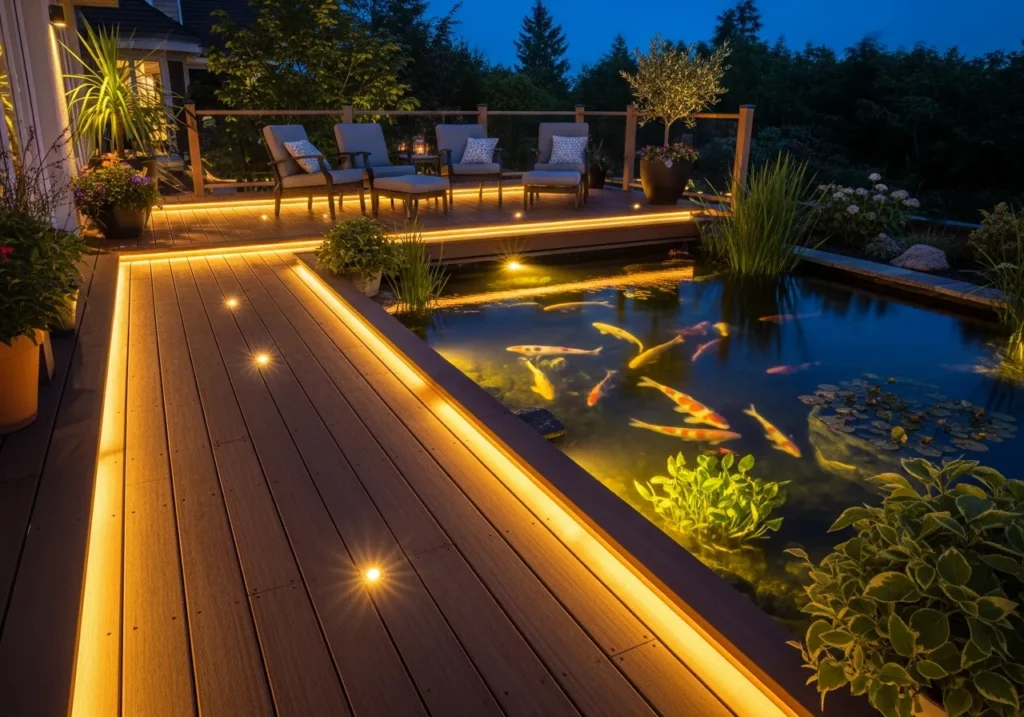
Integrating pond lighting with adjacent deck or patio illumination creates a seamless transition between water feature and entertainment space. Recessed deck lights, post cap fixtures, and under-rail lighting all contribute to a comprehensive outdoor lighting design that serves both aesthetic and functional purposes.
Coordinate brightness levels between pond and deck lighting to prevent either area from overpowering the other. The goal is balanced illumination that allows comfortable movement through the space while maintaining the ambiance created by your pond lights. Dimmer controls provide valuable flexibility, allowing you to adjust intensity for different activities and moods.
Use lighting to define zones within your outdoor space. Brighter task lighting serves dining and cooking areas while softer accent lighting highlights the pond and creates relaxation zones. This thoughtful zoning helps guests naturally navigate the space and understand its intended uses.
Energy-Efficient Timer and Smart Controls
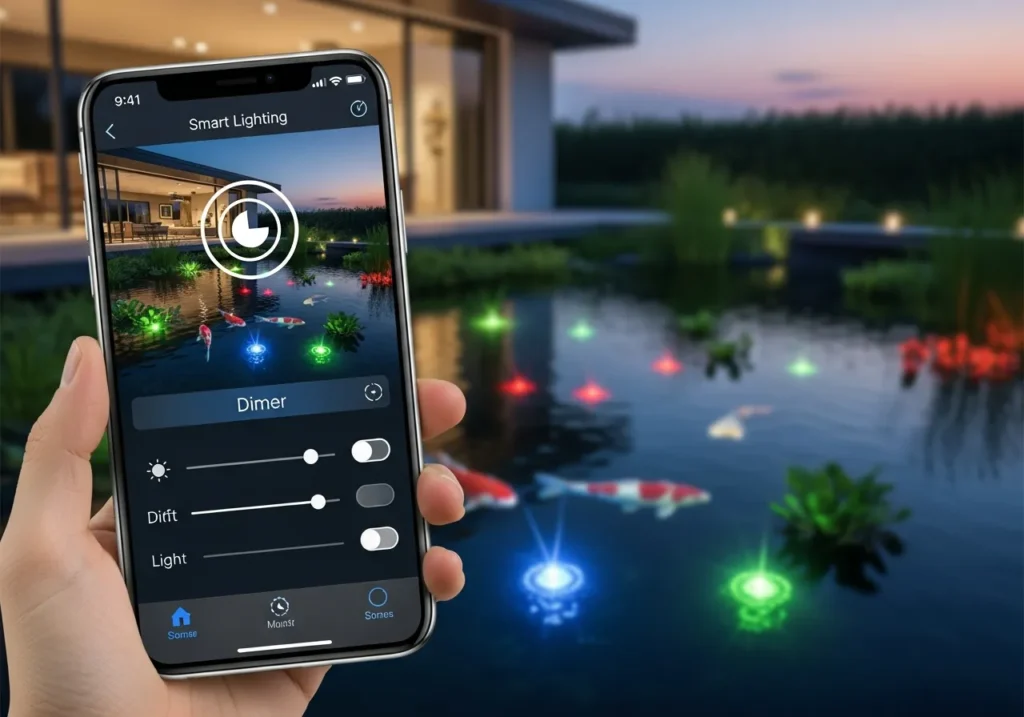
Modern lighting controls dramatically improve the efficiency and convenience of pond lighting systems. Programmable timers ensure lights operate only during desired hours, eliminating wasted energy and extending fixture life. Smart home integration allows voice control, smartphone operation, and automation based on sunset times or other triggers.
Astronomical timers adjust on and off times automatically throughout the year, tracking the changing sunset and sunrise times. This set-and-forget convenience means your pond always illuminates at dusk without manual schedule updates. Many systems also include photocell sensors that respond to actual light levels rather than fixed times, accounting for cloudy days and seasonal variations.
Smart lighting systems offer the ultimate in control and customization. Through smartphone apps, you can adjust colors, brightness, and individual fixture settings from anywhere. Create scenes for different occasions, schedule lighting changes throughout the evening, or integrate pond lighting with whole-home automation systems for comprehensive control.
Wireless and Battery-Operated Solutions
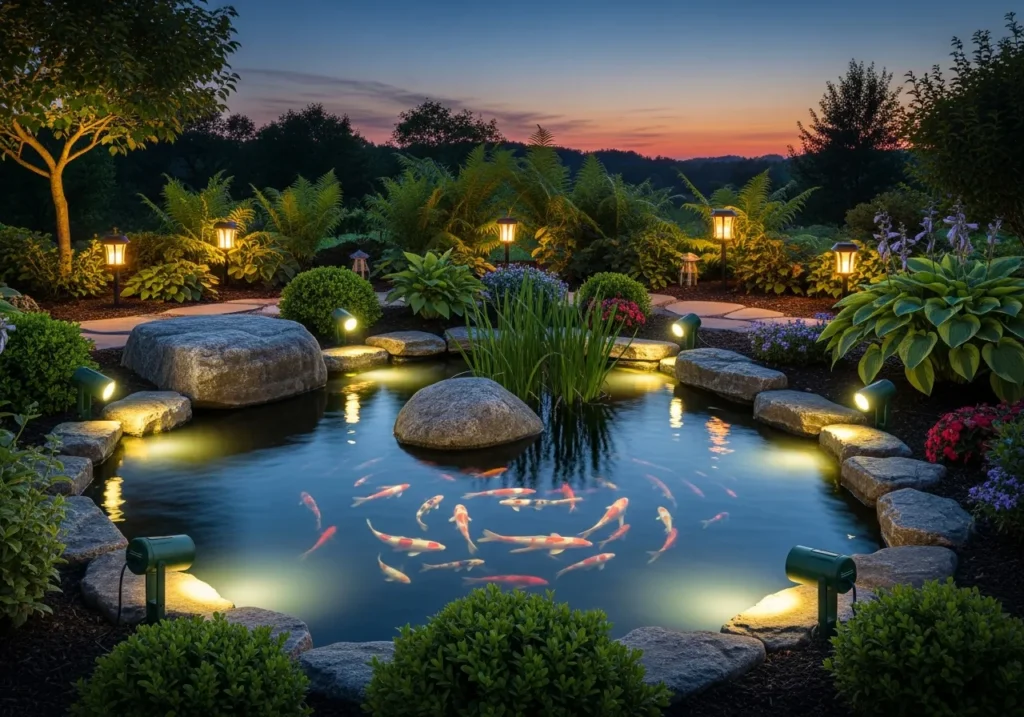
For ponds located far from electrical sources or in locations where trenching for wires isn’t practical, wireless and battery-operated lighting provides viable alternatives. Modern battery technology delivers surprisingly long runtimes between charges, while solar-rechargeable options eliminate battery replacement concerns entirely.
Battery-operated LED spotlights now offer brightness levels that rival low-voltage wired fixtures. Look for units with efficient LEDs and quality batteries that provide eight to twelve hours of continuous operation. Some advanced models include motion sensors that extend battery life by illuminating only when activity is detected.
The primary limitation of battery lighting is the maintenance requirement of regular recharging or battery replacement. Establish a routine schedule for checking battery levels and replacing or recharging as needed. For critical safety lighting, battery-operated fixtures should supplement rather than replace wired solutions.
Combination Approaches for Layered Designs
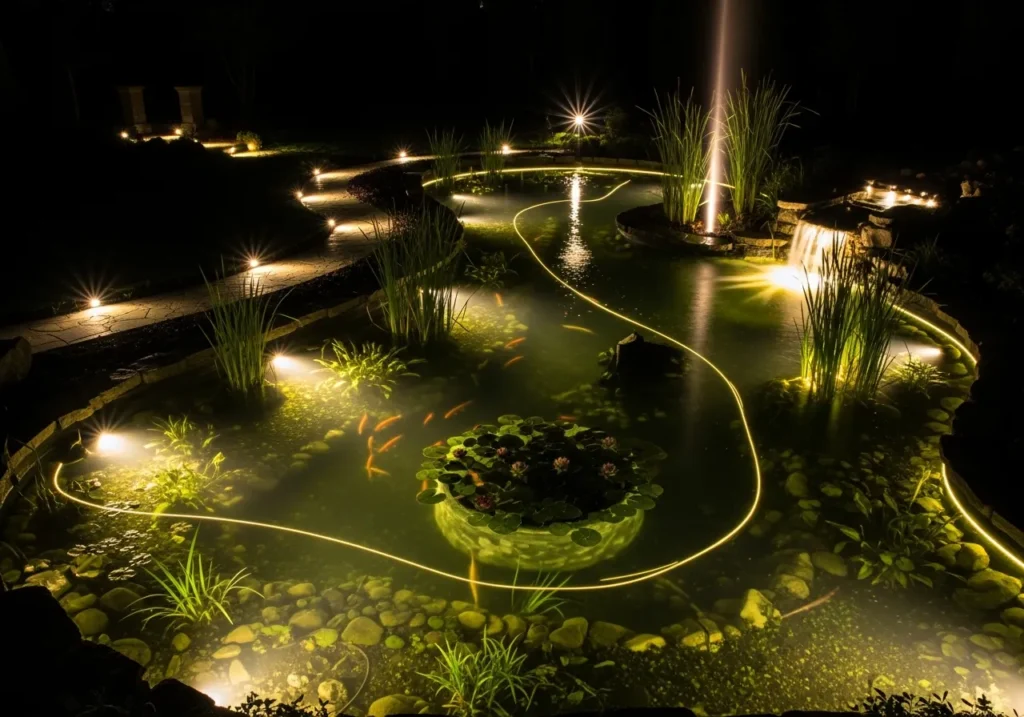
The most successful pond lighting designs rarely rely on a single lighting type. Instead, they combine multiple techniques to create layered illumination with depth, interest, and flexibility. A well-designed combination approach might include underwater accents for the pond itself, spotlights for waterfalls, path lights for safety, and perimeter landscape lighting for context.
Start with primary lighting that serves your most important objectives, whether that’s viewing koi, highlighting a waterfall, or ensuring safe navigation. Build secondary layers that add dimension and interest without competing with these primary elements. Each lighting layer should have a clear purpose and contribute to the overall design without creating visual chaos.
Consider creating separate circuits or control zones for different lighting layers. This allows you to operate different elements independently, adjusting your lighting presentation for different activities, times of evening, or personal preferences. The flexibility to customize your lighting elevates a good design into a truly exceptional outdoor experience.
Conclusion
Thoughtful pond lighting transforms your water feature from a daytime-only attraction into an enchanting evening destination. The strategies outlined above provide a comprehensive toolkit for creating illumination that serves both practical and aesthetic purposes. Whether you implement a simple solar floating light approach or design a sophisticated multi-layered system with smart controls, the key lies in understanding how different lighting techniques work together.
Remember that effective pond lighting balances visibility with ambiance, safety with beauty, and efficiency with impact. Start with the fundamentals of underwater illumination and safety lighting, then build additional layers as your confidence and budget allow. The modular nature of modern lighting systems means you can expand and refine your design over time.
Take inspiration from professional installations but adapt ideas to suit your unique pond characteristics, landscape context, and personal preferences. The most successful lighting designs reflect the owner’s vision while respecting the natural beauty of koi and the aquatic environment. With careful planning and quality components, your pond lighting will provide years of evening enjoyment while showcasing your water feature in its best possible light.
Frequently Asked Questions
What color light is best for viewing koi at night?
Natural white LEDs in the 4000K to 5000K range provide the most accurate color representation for viewing koi. This color temperature closely mimics daylight conditions, allowing you to see the true colors and patterns of your fish without artificial distortion. Warmer whites around 3000K create a more relaxing ambiance but may slightly shift color perception toward yellow tones.
How many lumens do I need for effective pond lighting?
For underwater illumination, plan on 10 to 15 lumens per square foot of pond surface area as a starting point. A 100-square-foot pond would need approximately 1000 to 1500 total lumens distributed among multiple fixtures. Adjust based on water clarity, depth, and personal preference. Spotlights for waterfalls or features typically range from 200 to 800 lumens depending on the size of the element being illuminated.
Are LED pond lights safe for koi fish?
Quality LED pond lights are completely safe for koi when properly installed. LEDs produce minimal heat compared to older lighting technologies, preventing water temperature issues. Choose fixtures specifically designed for pond use with appropriate waterproof ratings. Avoid excessively bright lighting that remains on 24 hours, as koi benefit from natural day and night cycles. Most experts recommend limiting artificial lighting to evening viewing hours only.
Should pond lights run all night or use timers?
Using timers to limit pond lighting to four to six hours per evening offers the best balance of enjoyment and efficiency. Constant illumination throughout the night wastes energy, shortens fixture lifespan, and can disrupt the natural behaviors of koi and other pond life. Program lights to turn on at dusk and off at your typical bedtime or midnight for optimal results.
Can I install pond lighting myself or should I hire a professional?
Low-voltage pond lighting systems are well-suited for confident DIY installation, particularly if you have basic electrical knowledge and follow manufacturer instructions carefully. The 12-volt operation provides significant safety advantages over standard household current. However, if your design requires running new circuits from your electrical panel, trenching across large distances, or complex automation systems, professional installation ensures safety and code compliance while often saving time and preventing costly mistakes.