
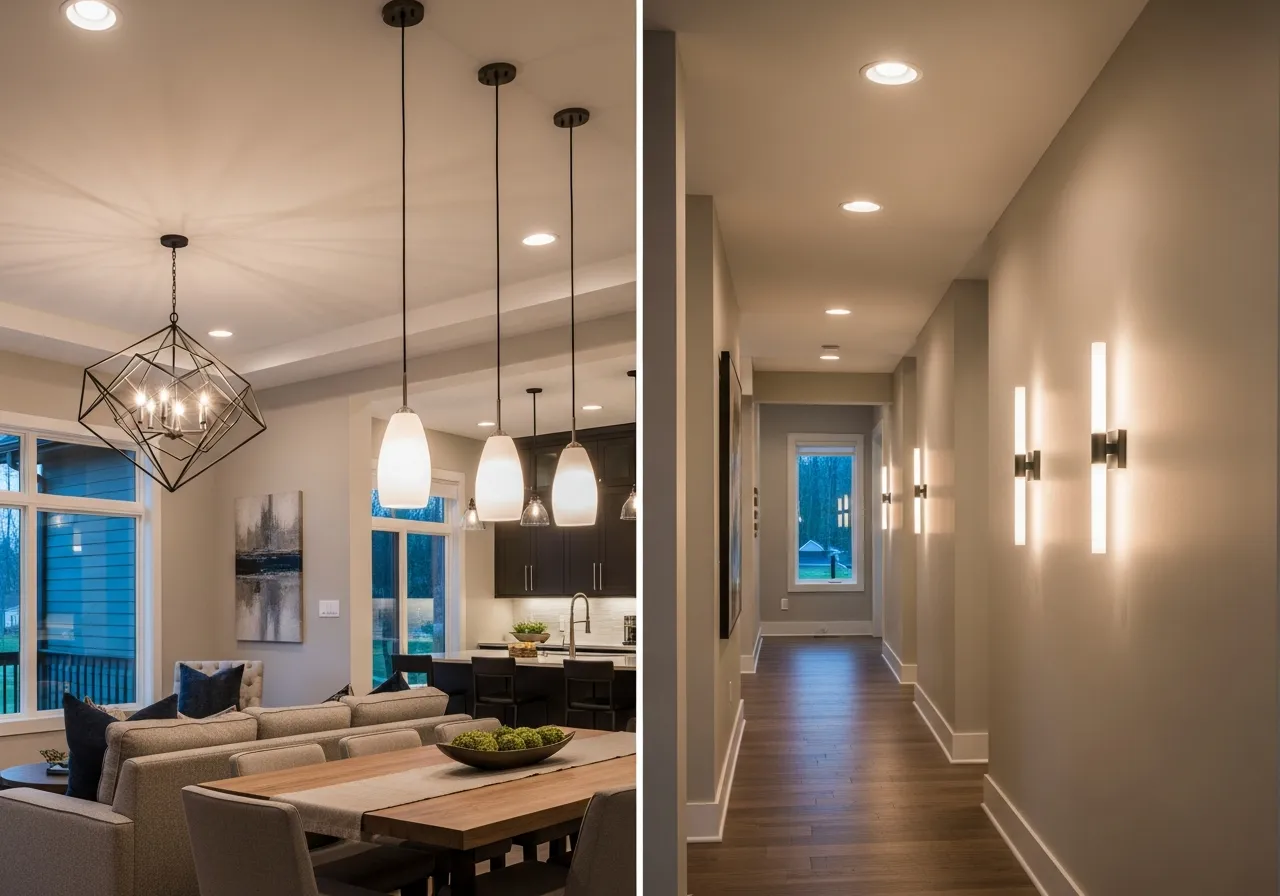
10 Tips for Choosing the Right Light Fixtures for Each Room
Selecting the perfect light fixtures can transform your home from ordinary to extraordinary. Yet many homeowners struggle with this decision, unsure how to balance aesthetics, functionality, and practicality. The right lighting does more than illuminate a space; it sets the mood, enhances architectural features, and makes everyday tasks easier.
Whether you’re renovating your entire home or simply updating a single room, understanding how to choose appropriate light fixtures is essential. This guide will walk you through ten expert tips that professional designers use to create beautifully lit spaces. By the end, you’ll have the knowledge to select fixtures that complement your lifestyle, enhance your decor, and provide the perfect amount of illumination for every room in your home.
Understand the Three Types of Lighting
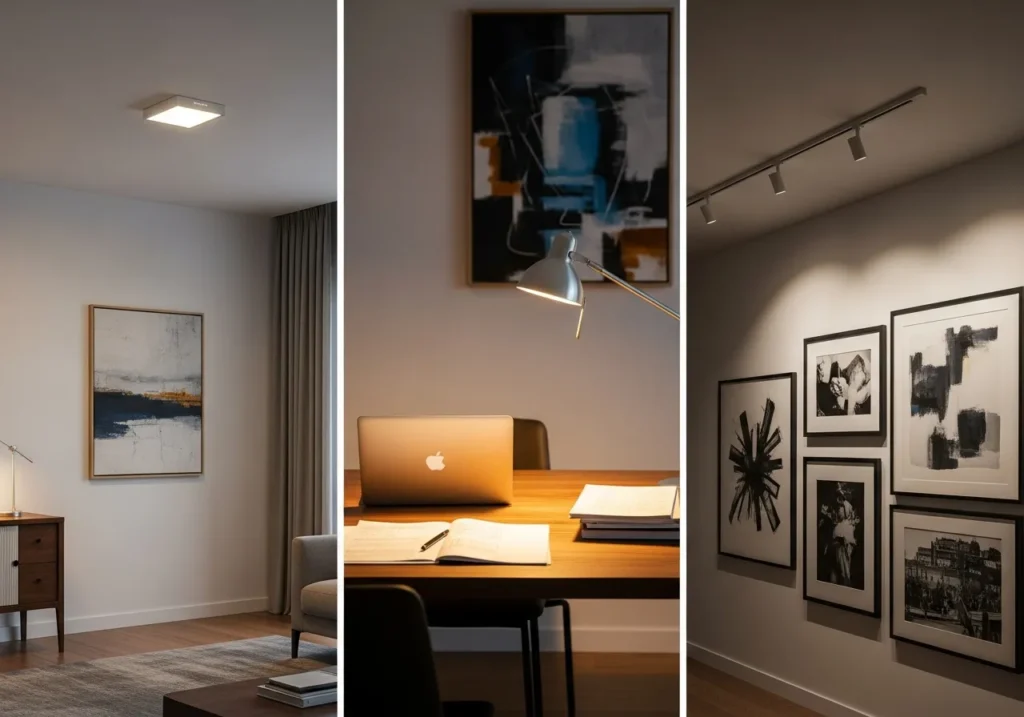
Before selecting any fixture, you need to grasp the fundamental lighting categories that work together to create a well-lit room. These three types form the foundation of good lighting design.
Ambient lighting provides overall illumination for a room. This general lighting allows you to move safely through the space and sets the baseline brightness level. Ceiling-mounted fixtures, chandeliers, and recessed lights typically serve this purpose.
Task lighting focuses illumination where you need it most for specific activities. Reading lamps beside your bed, under-cabinet lights in the kitchen, and vanity lights in the bathroom all fall into this category. Task lighting should be bright enough to prevent eye strain but positioned to avoid creating harsh shadows or glare.
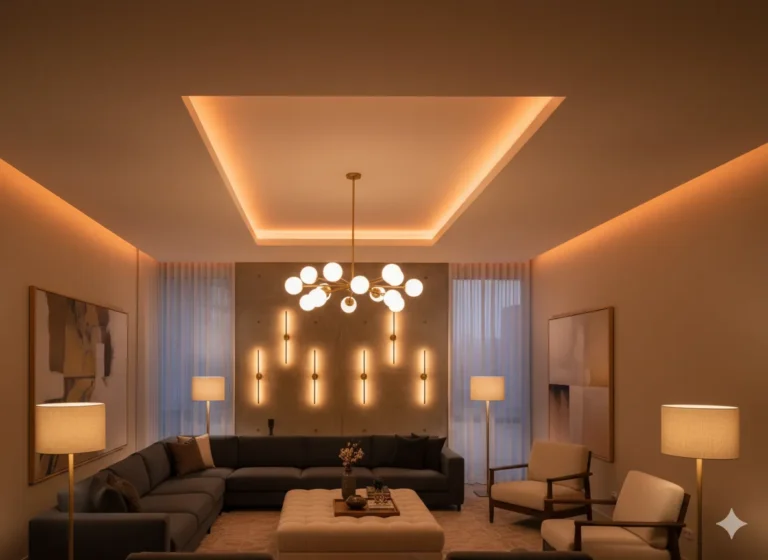
Accent lighting adds drama and visual interest by highlighting artwork, architectural features, or decorative elements. Track lighting, picture lights, and strategically placed wall sconces create depth and dimension in your rooms.To see more ideas visit Visual Comfort.
The most successful lighting schemes incorporate all three types, creating layers that you can adjust based on the time of day and activity. A living room might use a chandelier for ambient light, table lamps for reading, and wall-mounted fixtures to showcase artwork.
Consider Room Function and Daily Activities
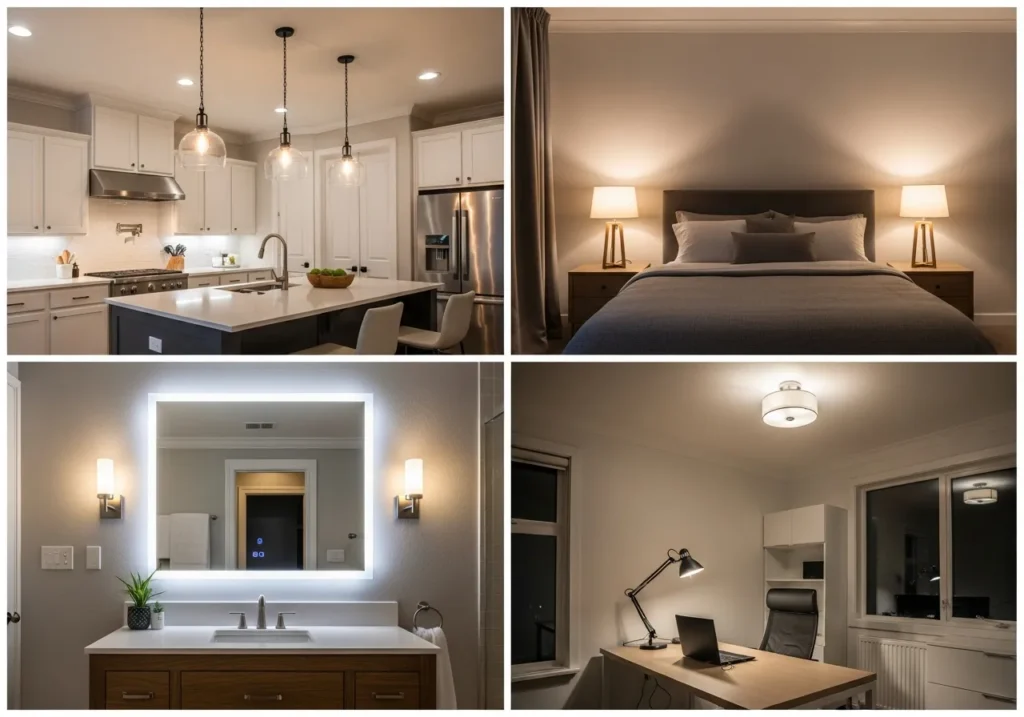
Each room in your home serves a different purpose, and your lighting should reflect those specific needs. Thinking carefully about how you actually use each space will guide you toward the most practical fixture choices.
Kitchens require bright, shadow-free lighting for food preparation. Combine ambient ceiling fixtures with under-cabinet task lighting over countertops. Pendant lights over an island add style while providing focused illumination for cooking and conversation.
Bedrooms benefit from softer, more flexible lighting options. Overhead fixtures should have dimming capabilities, while bedside lamps or wall-mounted reading lights provide task lighting without disturbing a sleeping partner. Consider adding accent lighting to highlight a headboard or create a relaxing atmosphere.
Bathrooms need even, flattering light for grooming tasks. Vanity fixtures should be placed on either side of the mirror at eye level rather than above, which can cast unflattering shadows. Shower areas require waterproof rated fixtures for safety.
Home offices demand excellent task lighting to reduce eye strain during computer work and reading. Adjustable desk lamps combined with ambient ceiling fixtures create a productive environment. Avoid placing light sources directly behind your computer screen, which creates glare.
Measure Your Space and Ceiling Height
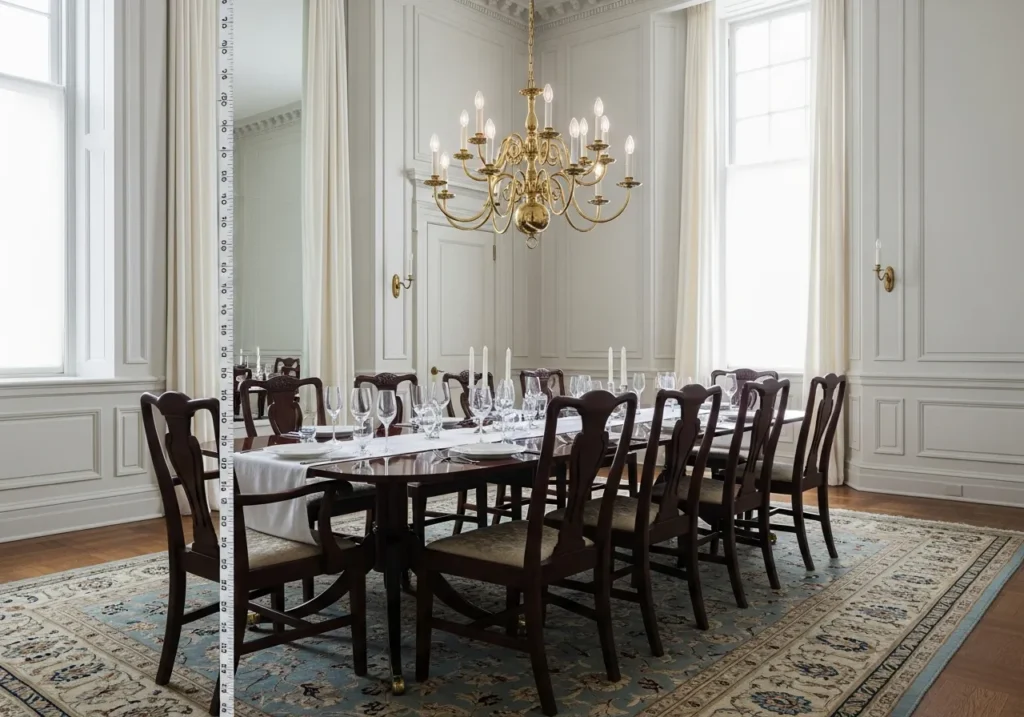
Proper proportions make the difference between fixtures that look custom-selected and those that appear awkward or out of place. Taking accurate measurements ensures your lighting choices will be appropriately scaled to your room.
For rooms with standard eight-foot ceilings, flush mount or semi-flush mount fixtures work best, keeping adequate headroom while providing sufficient light. These fixtures sit close to the ceiling and come in styles ranging from simple to ornate.
Rooms with higher ceilings can accommodate hanging fixtures like chandeliers and pendant lights. A general rule suggests that chandeliers should hang 30 to 34 inches above a dining table and at least seven feet above the floor in entryways or living areas where people walk beneath them.
The diameter of your fixture matters too. For dining rooms, choose a chandelier or pendant that is one-half to two-thirds the width of your table. In other rooms, add the room’s length and width in feet, then convert that number to inches for an appropriately sized fixture diameter. A 12-foot by 14-foot room would need a fixture approximately 26 inches in diameter.
Large rooms may require multiple fixtures or a combination of different lighting types to provide even illumination. Don’t make the mistake of choosing a fixture that’s too small, as it will look lost in the space and fail to provide adequate light.
Match Fixtures to Your Design Style
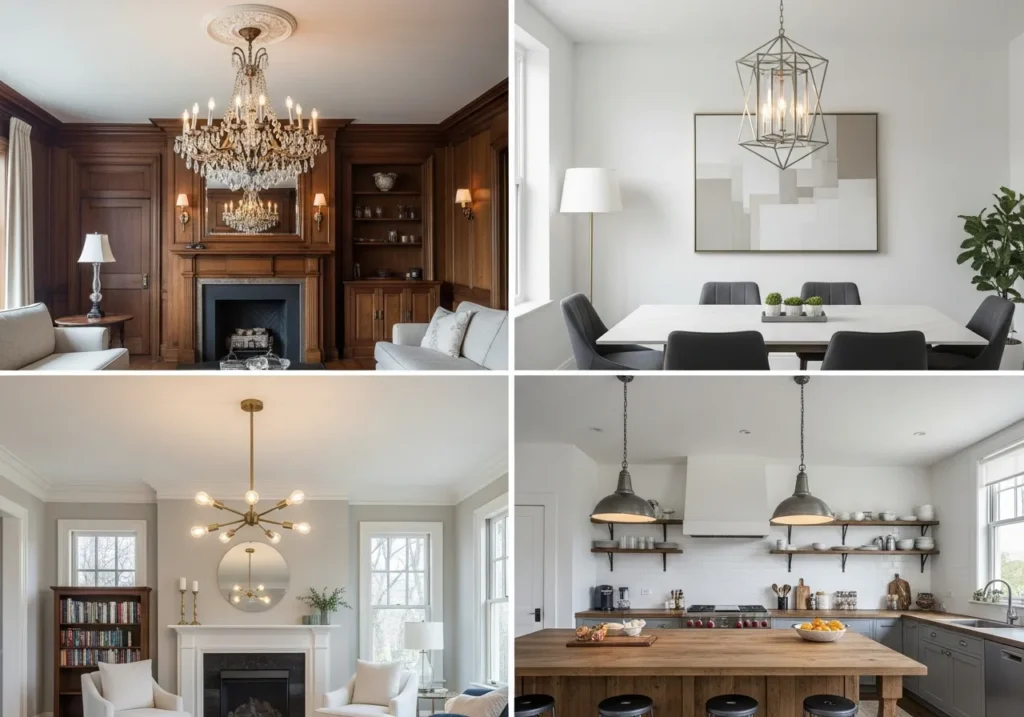
Your light fixtures should harmonize with your overall interior design rather than fighting against it. These elements are not just functional necessities but important design components that contribute to your home’s aesthetic character.
Traditional spaces call for classic chandelier styles with ornate details, crystal accents, or candelabra-style bulbs. Bronze, brass, or antiqued finishes complement traditional furniture and architectural details.
Modern and contemporary rooms pair well with clean-lined fixtures in polished chrome, brushed nickel, or matte black finishes. Geometric shapes, minimal ornamentation, and innovative materials like concrete or sculptural metal define this style.
Transitional design bridges traditional and contemporary elements, allowing for fixtures with simplified traditional shapes or updated classics. Drum shades, simple chandeliers with modern finishes, and understated elegance characterize this versatile approach.
Farmhouse and rustic styles embrace fixtures with industrial influences, distressed finishes, and natural materials like wood and wrought iron. Edison bulbs, mason jar pendants, and fixtures with visible hardware enhance this aesthetic.
Don’t feel obligated to match every fixture in your home to the same style. Different rooms can have distinct personalities, but try to maintain some consistency in finishes and overall design approach to create visual flow throughout your home.
Choose the Right Bulbs and Color Temperature
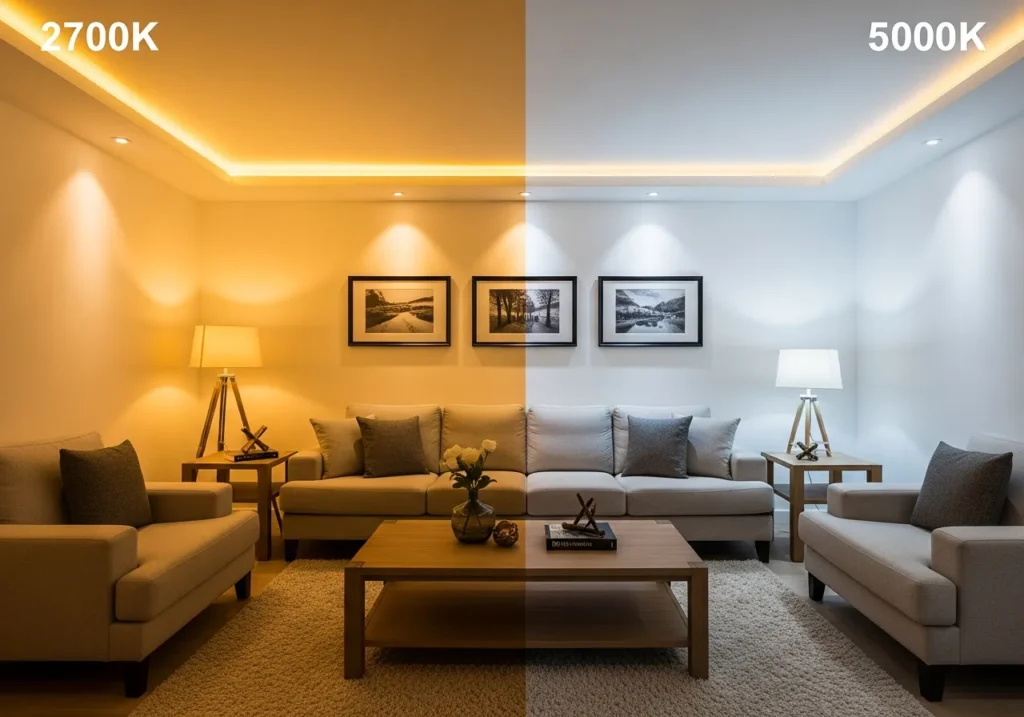
The bulb you select dramatically affects how your fixture performs and how your room feels. Understanding bulb options helps you create the exact ambiance you want in each space.
LED bulbs have become the standard choice for their energy efficiency and long lifespan. They cost more initially but save money over time through reduced electricity use and fewer replacements. Most fixtures now accommodate LED bulbs, though you should always verify compatibility.
Color temperature, measured in Kelvin, determines whether light appears warm or cool. Lower numbers around 2700K to 3000K produce warm, yellowish light similar to traditional incandescent bulbs. This tone works well in bedrooms, living rooms, and dining areas where you want a cozy atmosphere.
Higher temperatures from 3500K to 4100K create neutral white light suitable for kitchens, bathrooms, and workspaces where you need clear visibility for tasks. Very cool light above 5000K mimics daylight and works well in garages or utility areas but can feel harsh in living spaces.
Brightness, measured in lumens rather than watts, tells you how much light a bulb actually produces. Kitchens and workspaces need 50 to 75 lumens per square foot, while bedrooms can use 10 to 20 lumens per square foot for a more relaxed feel.
Dimmable bulbs and compatible dimmer switches give you control over lighting levels throughout the day. This flexibility allows you to adjust brightness based on activities and natural light availability.
Plan for Proper Light Layering
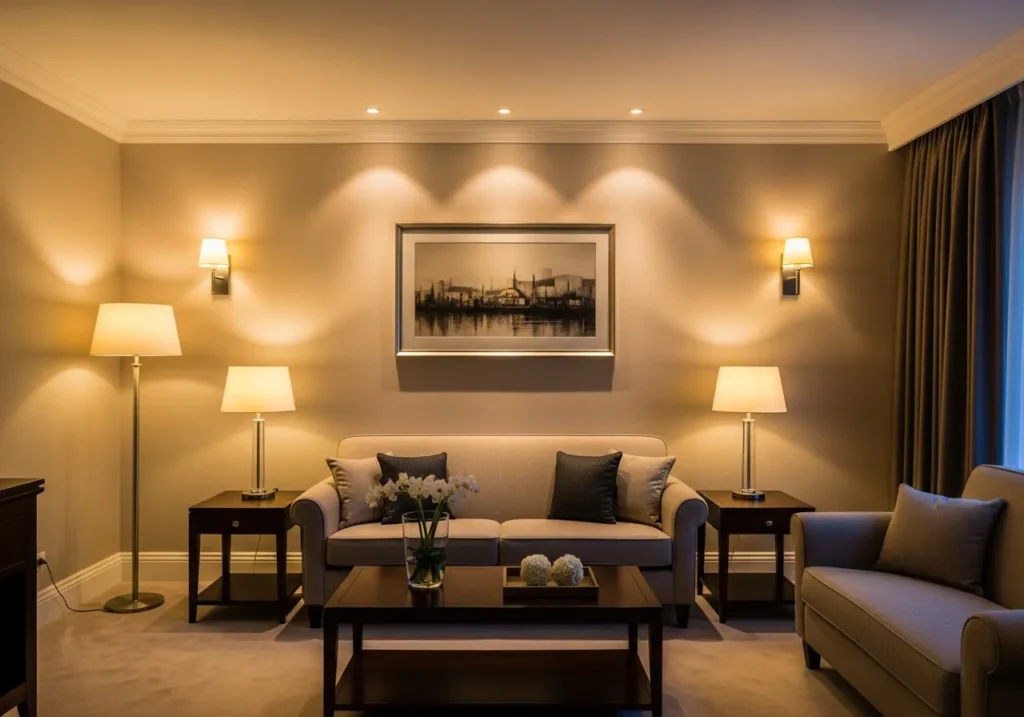
Single overhead fixtures rarely provide adequate lighting for modern living. Creating layers with multiple light sources gives you flexibility and ensures every area of your room is properly illuminated.
Start with your ambient layer using ceiling-mounted fixtures, chandeliers, or recessed lighting. This foundation should provide enough general illumination to move safely through the room and see basic details.
Add task lighting in areas where you perform specific activities. Position these fixtures to illuminate work surfaces without creating glare or harsh shadows. Adjustable options let you direct light exactly where needed.
Incorporate accent lighting to add depth and visual interest. These fixtures highlight features you want to showcase while creating contrast that makes rooms feel more dynamic and spacious.
Consider adding multiple switches or smart lighting controls that allow you to activate different layers independently. You might want bright overhead lights while cooking but prefer just pendant lights over the island for evening entertaining.
Table lamps and floor lamps contribute to your lighting layers while adding decorative elements. These portable fixtures give you flexibility to adjust lighting as your needs and furniture arrangement change.
Account for Natural Light Variations
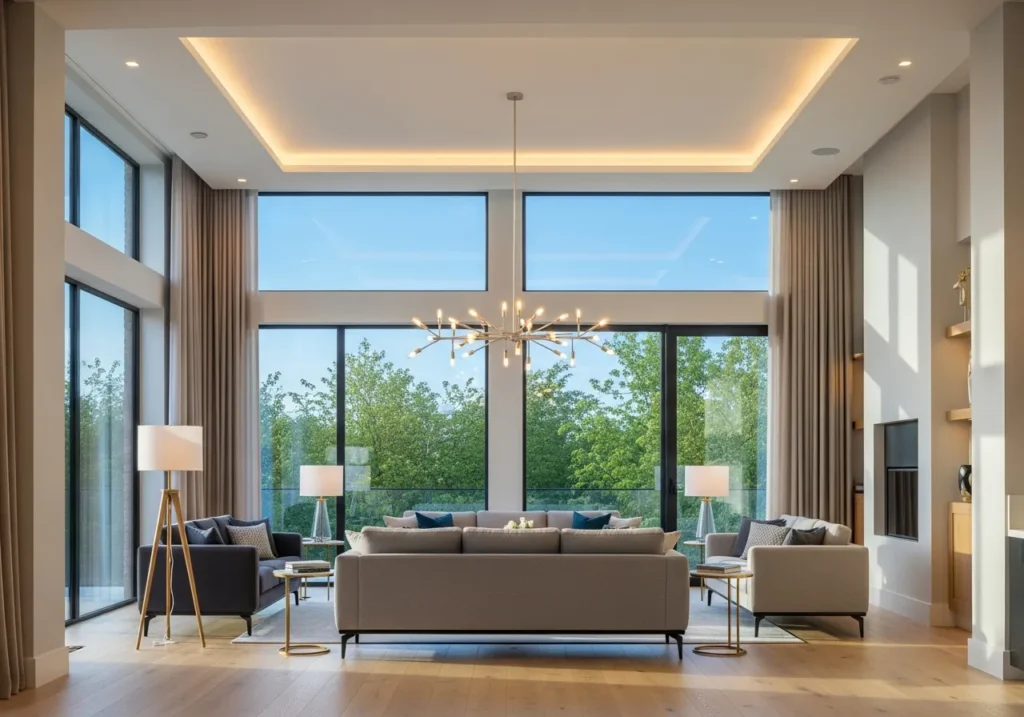
Windows and skylights significantly impact how much artificial lighting you need and when you need it. Evaluating natural light patterns helps you select fixtures that work harmoniously with available daylight.
Rooms with abundant south-facing windows receive strong natural light throughout the day. These spaces may need less ambient lighting but benefit from task lighting in areas away from windows and accent lighting to balance brightness after sunset.
North-facing rooms receive consistent but cooler natural light. Choosing warm-toned bulbs helps counteract the cool quality and creates a more inviting atmosphere.
East-facing rooms are bright in the morning but darker in the afternoon and evening. Plan for strong artificial lighting to compensate for diminishing natural light as the day progresses.
West-facing spaces face the opposite situation, remaining darker in the morning but receiving intense afternoon and evening sun. Fixtures with dimming capabilities let you adjust artificial light levels as natural light changes.
Rooms with limited natural light require more comprehensive artificial lighting plans. Layer multiple fixture types to prevent the space from feeling like a cave while avoiding the harsh quality that comes from relying on a single bright overhead fixture.
Think About Maintenance and Accessibility
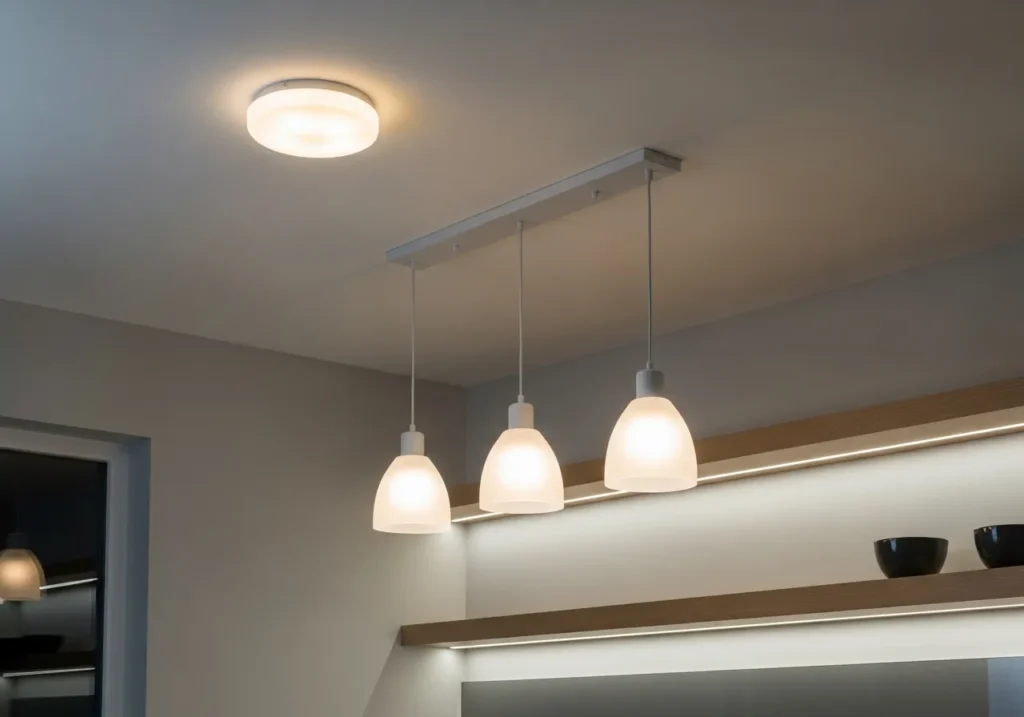
Practical considerations like cleaning requirements and bulb replacement accessibility often get overlooked during the selection process. Choosing fixtures with realistic maintenance demands saves frustration down the road.
High ceilings that require ladders or professional help for bulb changes call for LED fixtures with extremely long lifespans. Some integrated LED fixtures eliminate bulb replacement entirely, with light sources designed to last for decades.
Intricate chandeliers with numerous crystals or decorative elements require regular dusting and periodic deep cleaning. If you love the look but dislike maintenance, consider simpler designs that provide similar visual impact with easier care.
Outdoor fixtures and those in humid bathrooms need weatherproof or moisture-resistant ratings. Check that fixtures are appropriately rated for their intended location to ensure longevity and safety.
Fixtures in children’s rooms or high-traffic areas should be durable enough to withstand occasional bumps and impacts. Consider recessed or flush-mount options rather than delicate hanging fixtures in these locations.
Think about who will be changing bulbs and performing routine maintenance. If you’re not comfortable on ladders or have mobility limitations, choose fixtures you can easily access or consider hiring an electrician for periodic maintenance visits.
Set a Realistic Budget with Quality in Mind
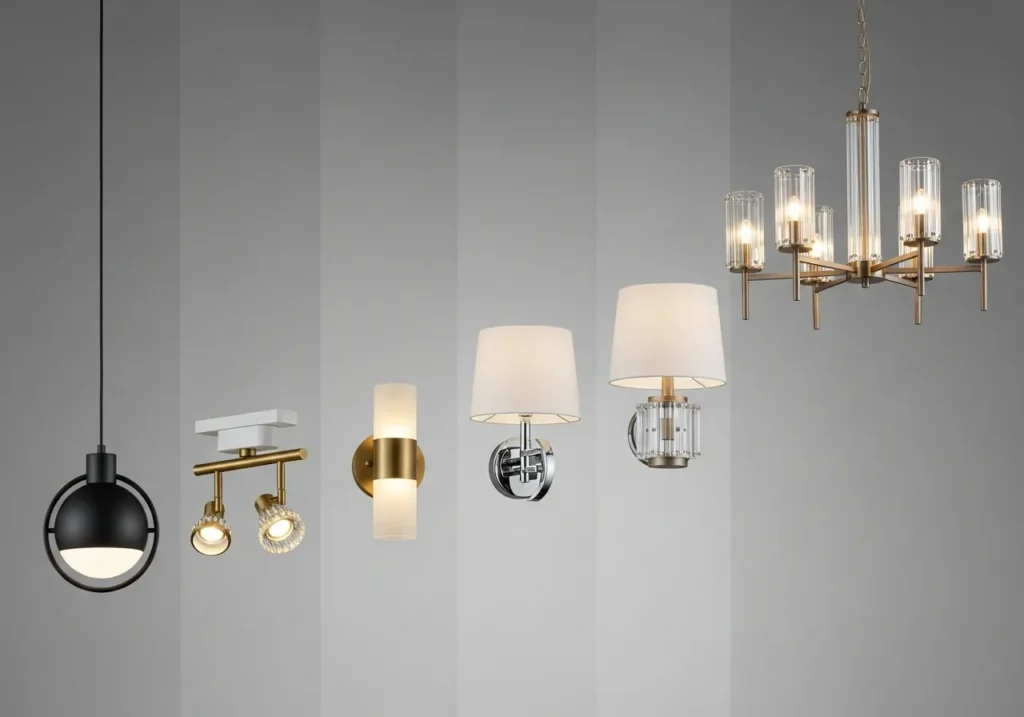
Light fixtures span an enormous price range, from budget-friendly options under fifty dollars to designer pieces costing thousands. Understanding where to invest and where to save helps you allocate your lighting budget wisely.
High-use areas like kitchens and primary bathrooms justify spending more on quality fixtures that will withstand daily use and provide reliable performance. Well-made fixtures with solid construction and quality finishes last longer and look better over time.
Guest bedrooms, laundry rooms, and other less-visible spaces can accommodate more budget-friendly options without sacrificing function. Focus your spending on fixtures in prominent locations where quality and style matter most.
Consider the true cost of ownership beyond the initial purchase price. An expensive but energy-efficient LED fixture that lasts twenty years costs less over time than cheap fixtures requiring frequent bulb replacements and higher electricity bills.
Don’t ignore installation costs when budgeting. Some fixtures require professional installation, especially if you’re adding new electrical boxes or installing heavy chandeliers. Factor in these expenses to avoid budget surprises.
Sales and discontinued models offer opportunities to purchase high-quality fixtures at reduced prices. If you find a style you love on clearance, consider buying extras for future use or other rooms in your home.
Ensure Proper Installation and Safety Compliance
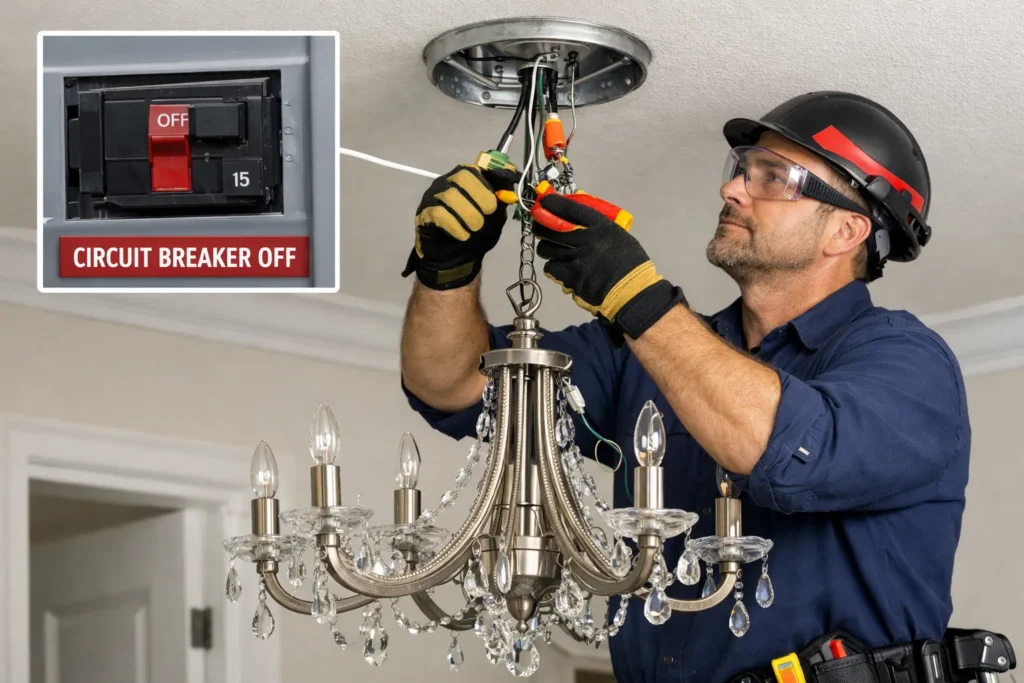
Even the perfect fixture becomes problematic if installed incorrectly. Understanding basic installation requirements and safety considerations protects your home and family.
Check the weight rating of your existing electrical boxes before installing heavy fixtures. Ceiling fans and large chandeliers often require reinforced electrical boxes designed to support their weight. Standard boxes typically handle up to fifty pounds, but verify your specific situation.
Fixtures installed in damp or wet locations must carry appropriate ratings. Bathrooms, covered porches, and areas exposed to moisture require fixtures specifically designed for these conditions. Using non-rated fixtures in these locations creates safety hazards and violates electrical codes.
Dimmer switches must be compatible with your bulb type. Not all LED bulbs work with all dimmers, and using incompatible combinations can cause flickering, buzzing, or shortened bulb life. Check compatibility before purchasing or consult with the manufacturer.
Local electrical codes govern many aspects of fixture installation, from required clearances to switch locations. Major lighting changes often require permits and inspections. Hiring a licensed electrician ensures code compliance and safe installation.
If you’re comfortable with basic electrical work, many fixture installations fall within DIY capabilities. However, always turn off power at the circuit breaker before beginning work, verify that power is off using a voltage tester, and consult a professional if you’re uncertain about any aspect of the installation.
Conclusion
Choosing the right light fixtures for each room involves balancing aesthetics, functionality, and practical consideration of lighting, considering how you use each space, and selecting appropriately sized fixtures that match ur design style, you create rooms that are both beautiful and functional.
Remember that lighting profoundly affects how you experience your home. Well-chosen fixtures enhance architectural features, support daily activities, and create ambiance that makes your house feel like home. Take time to evaluate your needs, measure carefully, and select quality fixtures that will serve you well for years to come.
The investment in proper lighting pays dividends in comfort, functionality, and enjoyment of your living spaces. Whether you tackle one room at a time or plan a whole-house lighting update, these ten tips will guide you toward choices you’ll appreciate every time you flip a switch.
Frequently Asked Questions
What is the most important factor when choosing light fixtures?
Room function should guide your primary decision. Consider how you use the space and what activities occur there. A kitchen needs bright, shadow-free task lighting, while a bedroom benefits from softer, adjustable ambient light. Match your fixture choices to these practical needs first, then select styles that complement your decor.
How do I know what size light fixture to buy?
Add your room’s length and width in feet, then convert that total to inches for an appropriate fixture diameter. For dining room chandeliers, choose a width that is one-half to two-thirds your table width. Also consider ceiling height, as rooms with taller ceilings can accommodate larger, more dramatic fixtures.
Are LED bulbs worth the extra cost?
Yes, LED bulbs save money over their lifespan through reduced energy consumption and fewer replacements. They last 15 to 25 times longer than incandescent bulbs and use at least 75 percent less energy. The higher upfront cost is recovered through lower electricity bills and replacement savings within the first year or two of use.
Can I mix different metal finishes in one room?
Mixing finishes creates visual interest when done intentionally. Limit yourself to two or three finishes throughout a space and repeat each finish at least twice to create cohesion. Popular combinations include brushed nickel with oil-rubbed bronze, or brass with matte black. Avoid mixing finishes within a single fixture or fixture grouping.
Do I need to hire an electrician to install light fixtures?
Simple fixture replacements using existing electrical boxes are often manageable DIY projects for those comfortable with basic electrical work. However, installing new fixtures requiring new wiring, working with heavy chandeliers, or making changes in wet locations should be handled by licensed electricians. When in doubt, professional installation ensures safety and code compliance.


One Comment