
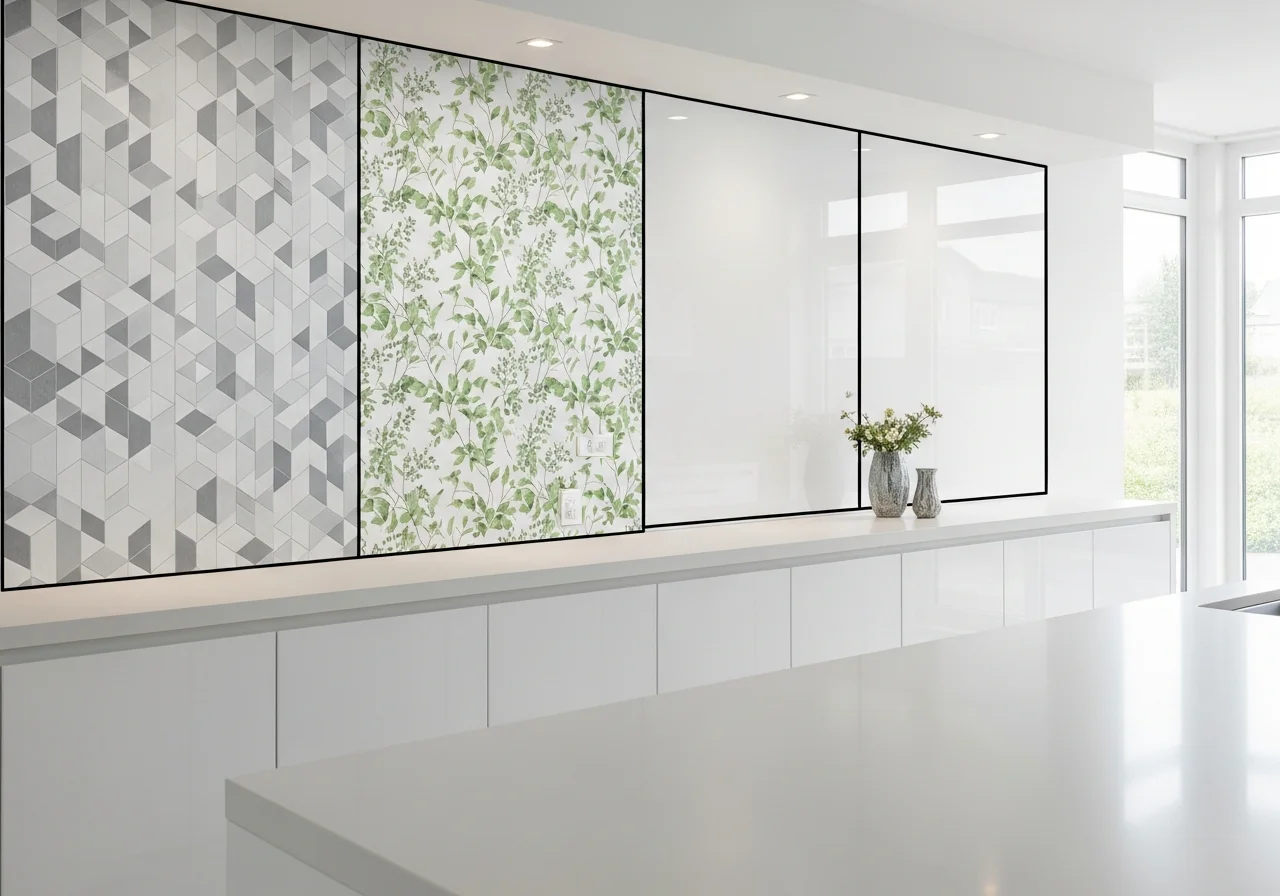
16+ Creative Temporary Backsplash Ideas
Transforming your kitchen or bathroom doesn’t always require a permanent commitment or extensive renovation. Whether you’re renting, testing a design before committing, or simply want the flexibility to change your decor seasonally, temporary backsplash solutions offer the perfect answer. These innovative options deliver stunning visual impact without the permanence, mess, or expense of traditional tile installation.
The beauty of temporary backsplashes lies in their versatility and accessibility. Modern materials have evolved far beyond basic contact paper, now offering realistic textures, premium finishes, and professional appearances that rival permanent installations. From sophisticated subway tile patterns to bold geometric designs, temporary options provide endless possibilities for personalizing your space while maintaining the freedom to change direction whenever inspiration strikes.
This comprehensive guide explores over sixteen creative temporary backsplash ideas that combine style, functionality, and practicality. Each solution offers unique benefits, whether you’re working with tight budgets, strict landlord requirements, or simply enjoy refreshing your space regularly. Let’s discover how these removable options can transform your kitchen or bathroom into a reflection of your personal style.
Peel and Stick Tile Backsplash
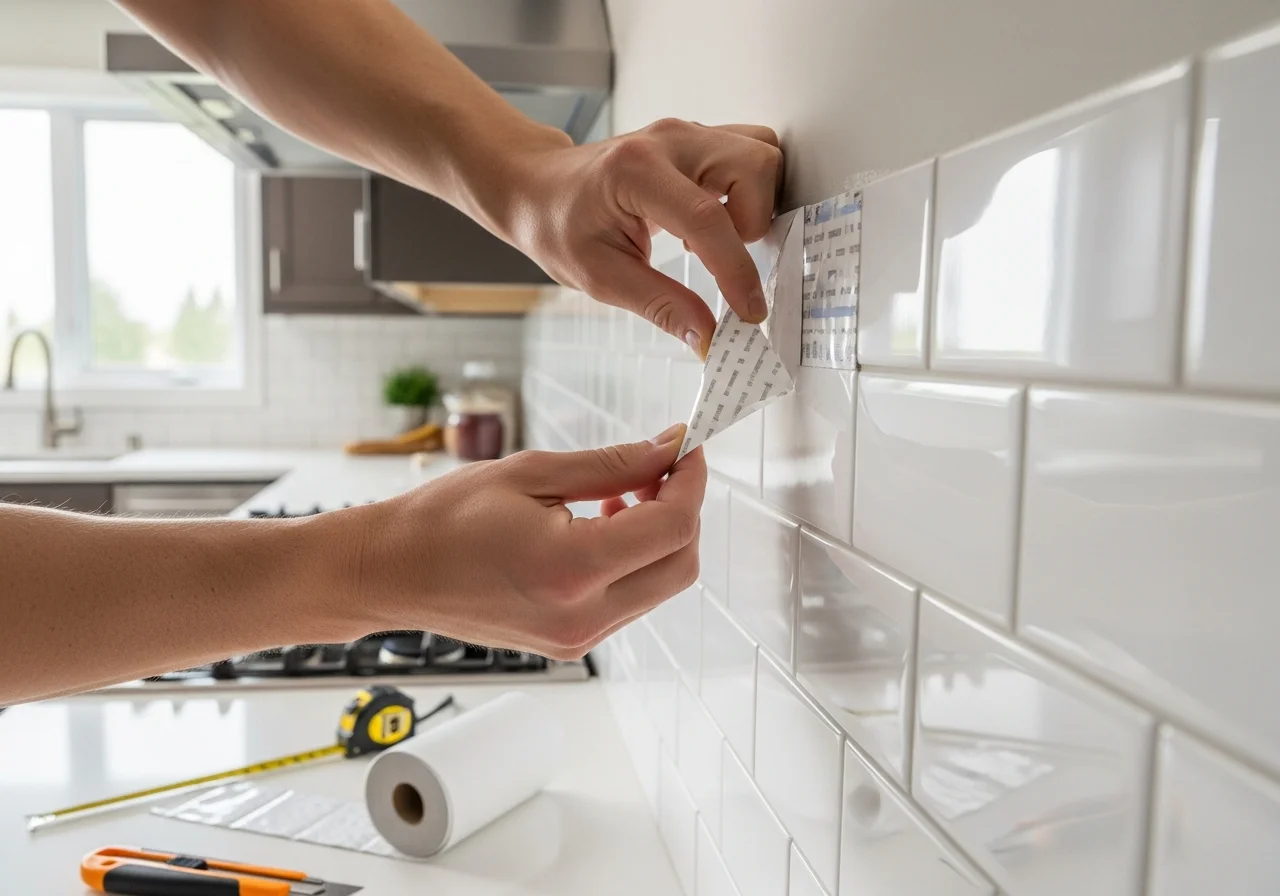
Peel and stick tiles represent the gold standard of temporary backsplash solutions. These self-adhesive tiles come in countless styles, from classic subway patterns to intricate mosaics, offering authentic appearances that closely mimic traditional ceramic or stone tiles. The installation process requires no special tools or skills, making it accessible for first-time DIYers.
Quality peel and stick tiles feature strong adhesive backing that securely bonds to clean, smooth surfaces while remaining removable without damaging walls. The material composition varies, with options including vinyl, gel, and composite materials that provide different levels of heat resistance and durability. Many premium versions offer three-dimensional textures that add depth and realism to the overall appearance.
When selecting peel and stick tiles, consider the specific demands of your space. Kitchen installations near stoves benefit from heat-resistant varieties, while bathroom applications should prioritize moisture-resistant options. The color and pattern selection process should account for existing cabinetry, countertops, and overall design themes to ensure cohesive results.
Removable Wallpaper Backsplash
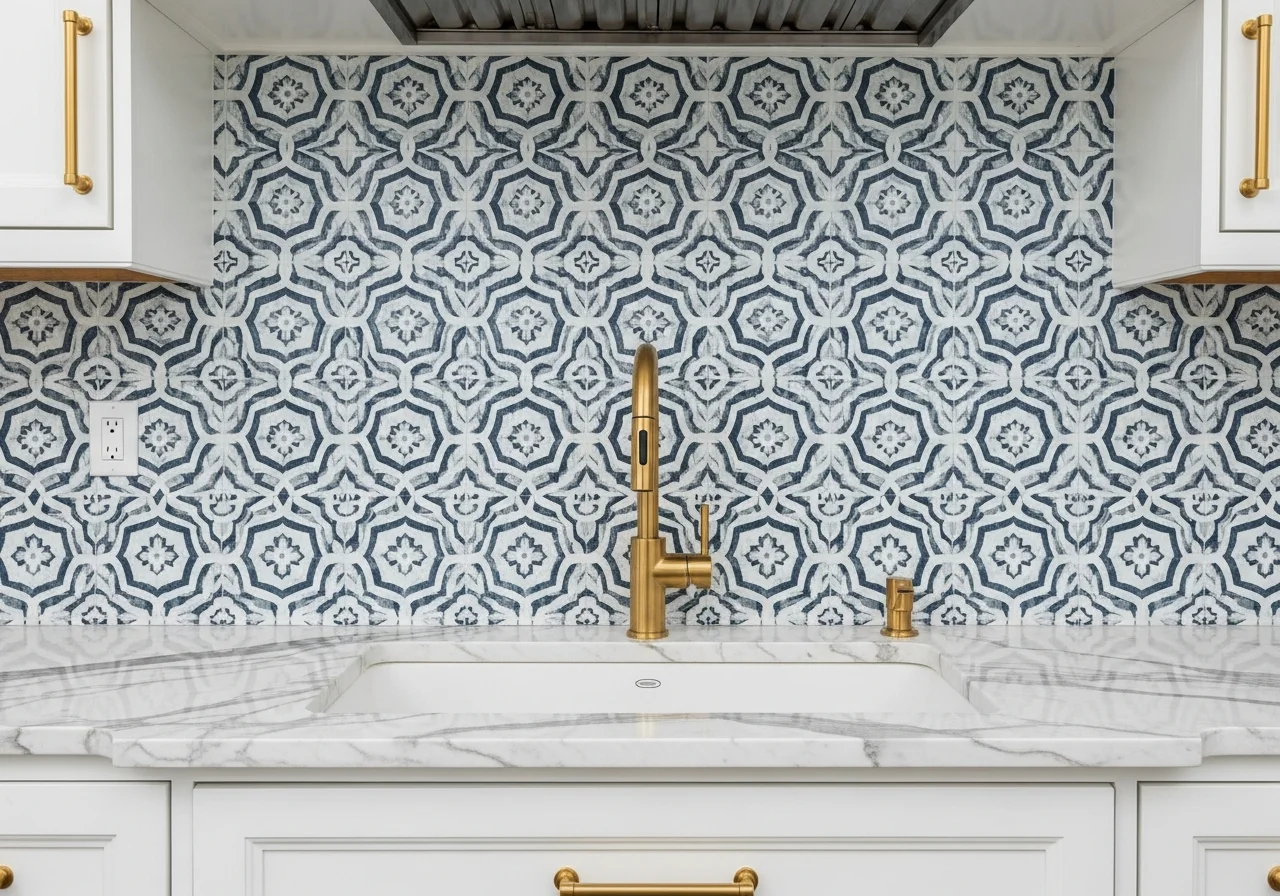
Removable wallpaper has evolved into a sophisticated design tool that extends far beyond accent walls. Modern formulations designed specifically for kitchen and bathroom use incorporate water-resistant coatings and durable substrates that withstand the unique challenges of these high-moisture environments. The variety of available patterns ranges from minimalist geometrics to elaborate botanical prints, accommodating every aesthetic preference.
Installation proves remarkably straightforward, typically involving careful measurement, clean surface preparation, and smooth application to avoid bubbles or wrinkles. Unlike traditional wallpaper, removable varieties can be repositioned during installation, allowing for adjustments and corrections without compromising adhesion. This forgiving nature makes the process less stressful for beginners.
The material composition of quality removable wallpaper includes a special adhesive backing that creates strong bonds with walls while preserving the underlying paint or surface. When removal time arrives, the wallpaper peels away cleanly, leaving no residue or damage. This makes it particularly valuable for renters who need to restore spaces to original conditions.
Vinyl Backsplash Panels
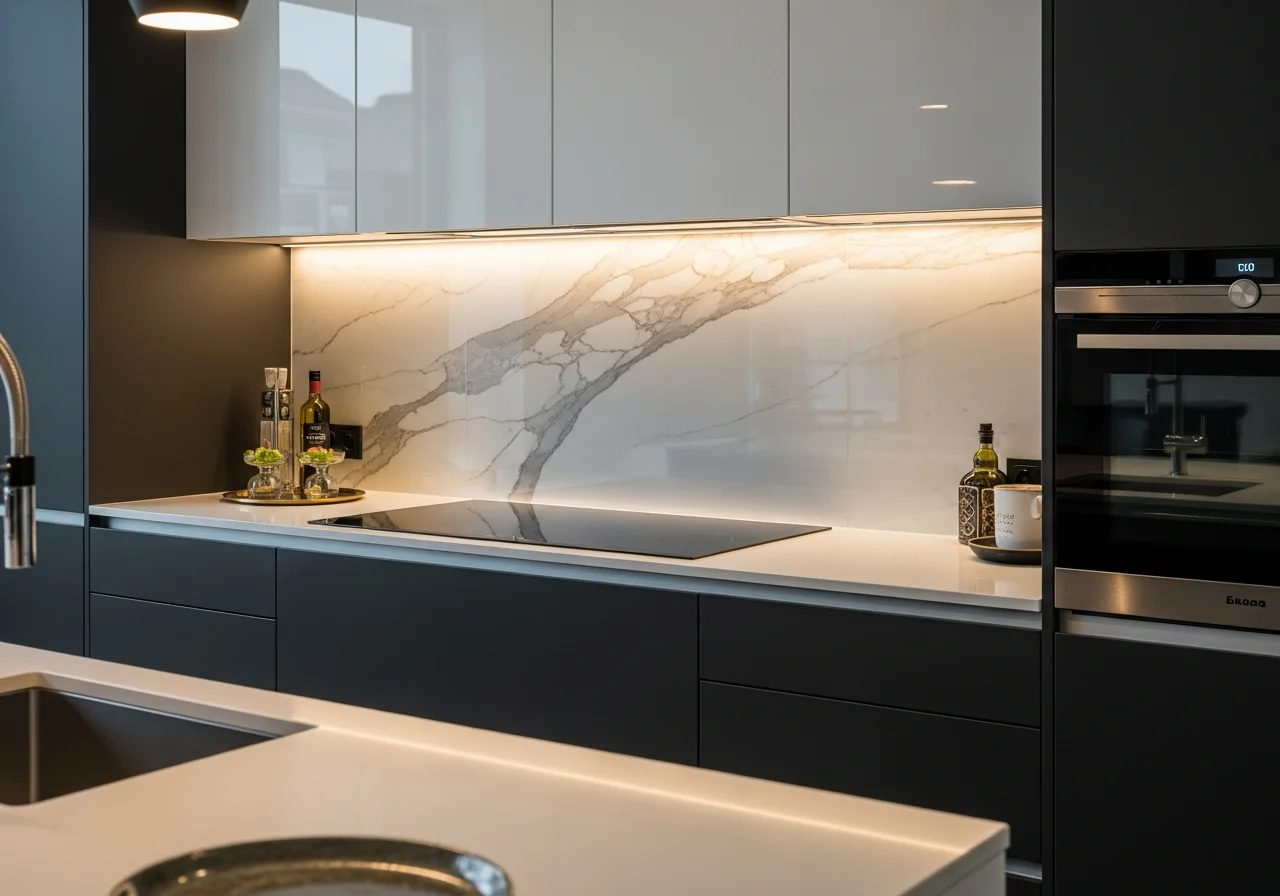
Large-format vinyl panels offer a different approach to temporary backsplash installation. These panels typically measure several square feet, reducing the number of seams and creating a more unified appearance compared to smaller individual tiles. The material provides excellent moisture resistance and easy cleaning, making it practical for active kitchens.
The installation method for vinyl panels often involves adhesive strips or tabs rather than full-surface adhesion, which can make removal even simpler. Some systems use interlocking edges that create seamless transitions between panels while maintaining the temporary nature of the installation. This approach works particularly well for covering larger backsplash areas efficiently.
Vinyl panels come in an impressive array of finishes, including convincing stone, marble, and wood grain patterns. The printing technology used in premium options creates depth and variation that mimics natural materials. Some manufacturers incorporate subtle texture elements that enhance the realistic appearance when viewed from typical kitchen working distances.
Beadboard Backsplash Panels
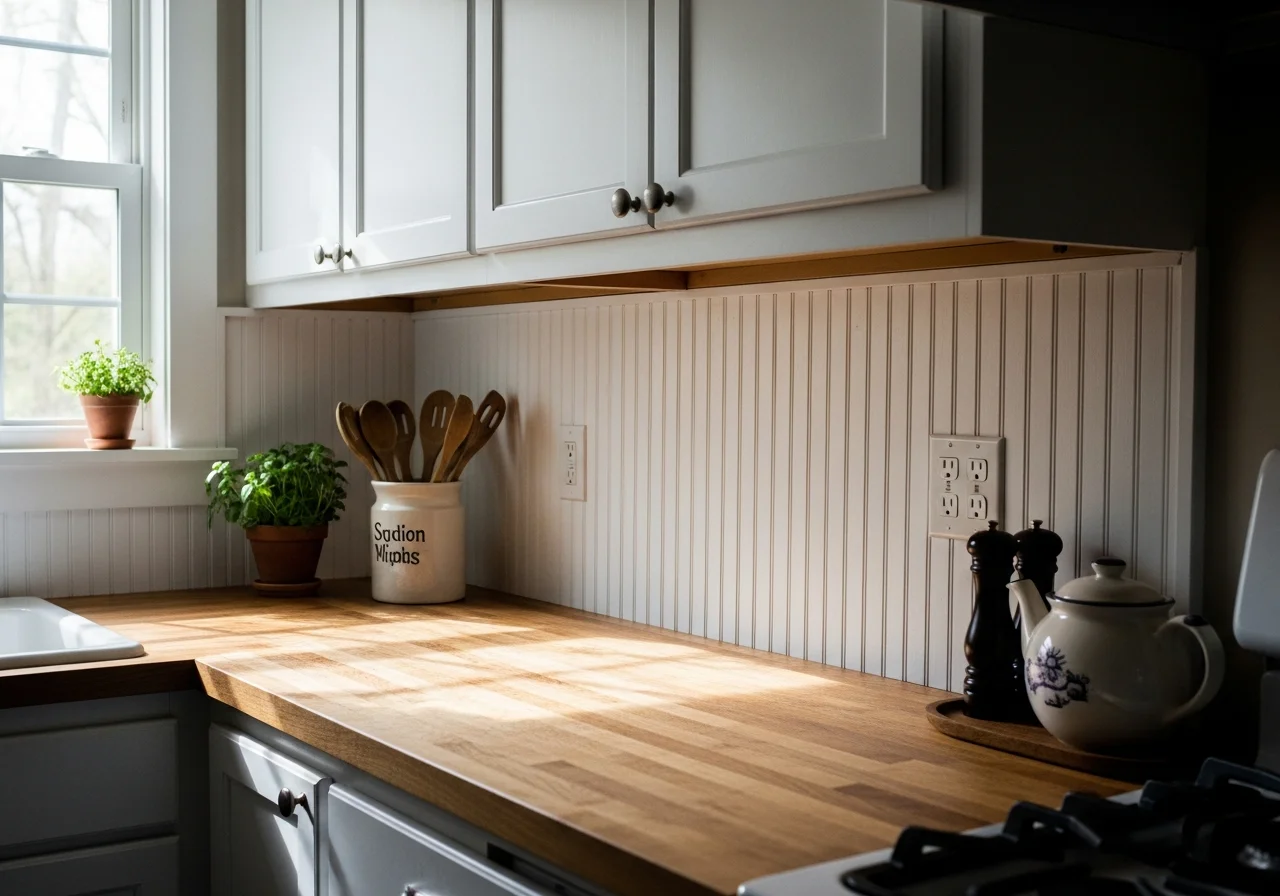
Beadboard brings cottage charm and classic appeal to kitchen and bathroom spaces. These vertical-groove panels create visual interest while adding a traditional architectural element. Temporary beadboard options utilize lightweight materials and removable adhesive systems that allow installation without nails or permanent fixtures.
The vertical lines created by beadboard grooves offer practical benefits beyond aesthetics, as they tend to minimize the appearance of minor imperfections in wall surfaces. The panels can be painted or left in natural finishes, providing customization opportunities that match existing decor. When painted, beadboard accepts various shades, from crisp whites to bold accent colors.
Installation typically involves measuring the backsplash area, cutting panels to fit using standard tools, and securing them with removable adhesive products. The lightweight nature of temporary beadboard makes handling and positioning easier than traditional wood alternatives. Edge trim pieces help create finished appearances at corners and endpoints.
Stainless Steel Contact Paper
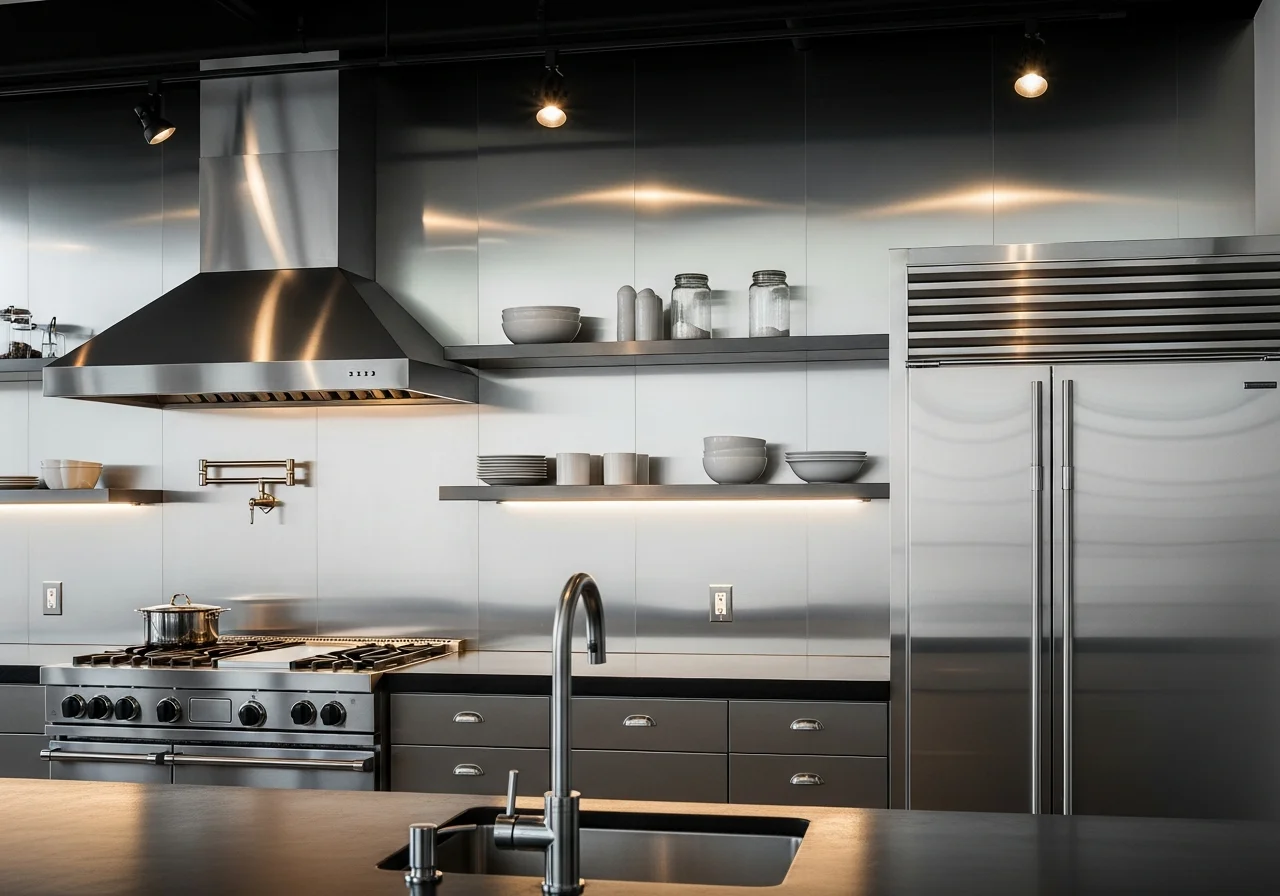
For those seeking industrial or modern aesthetics, stainless steel contact paper delivers metallic shine and contemporary appeal. This material mimics the appearance of actual stainless steel at a fraction of the cost and weight. The reflective surface brightens spaces by bouncing light throughout the room, which proves particularly beneficial in smaller kitchens.
The application process requires careful surface preparation to achieve smooth, bubble-free results. Working slowly and using a squeegee or credit card helps eliminate air pockets during installation. The material’s flexibility allows it to conform to slight surface irregularities, though perfectly smooth walls yield the best results.
Maintenance involves simple wiping with appropriate cleaners, though avoiding abrasive products helps preserve the metallic finish. The material resists moisture and grease, making it practical for kitchen use. When positioned behind stoves, heat-resistant varieties should be selected to prevent warping or adhesive failure.
Chalkboard Paint Backsplash
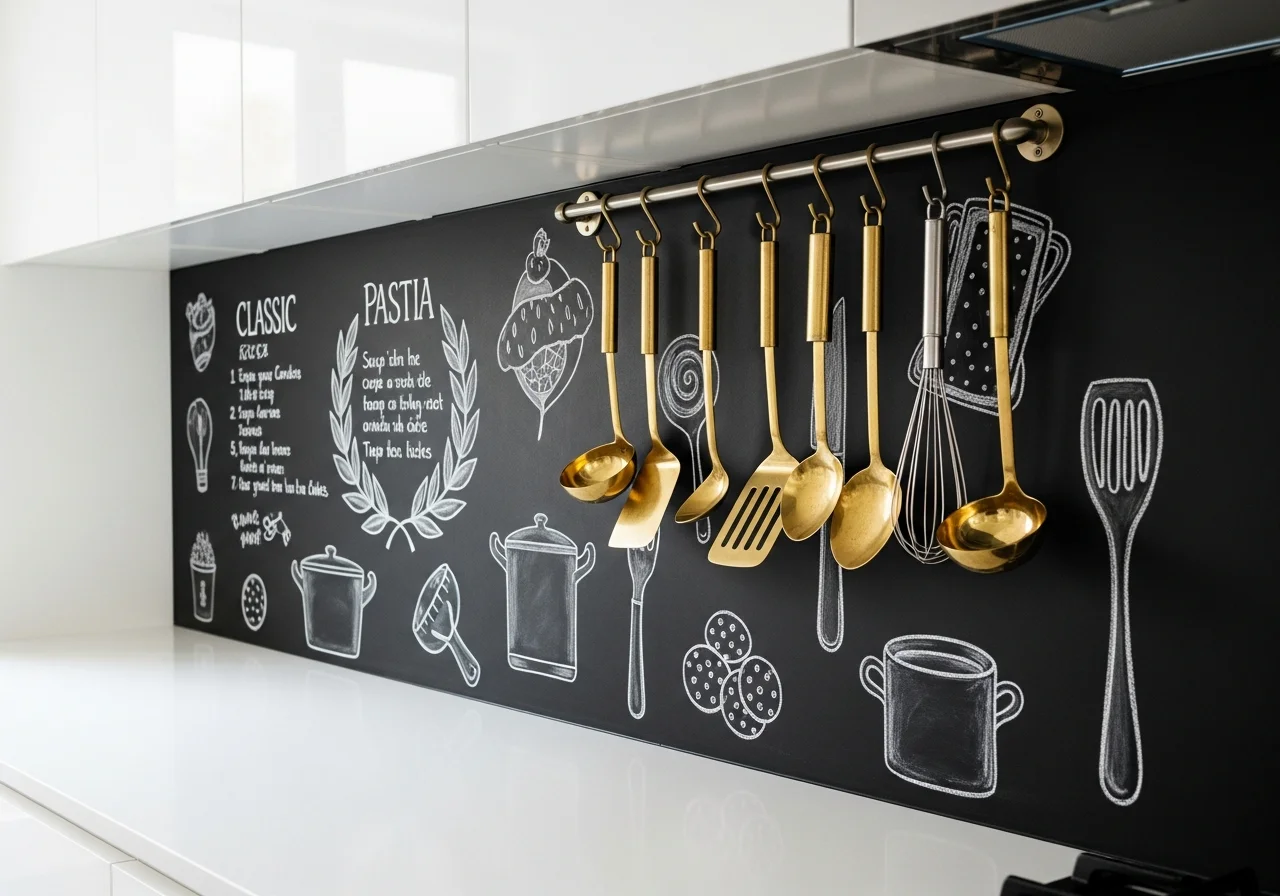
Chalkboard paint transforms backsplash areas into functional message centers, recipe displays, or artistic canvases. This creative option combines practicality with personality, allowing constant customization through chalk drawings and writings. The matte black finish provides striking contrast in kitchens with lighter cabinetry and creates sophisticated modern aesthetics.
Application involves proper wall preparation, including cleaning and priming if necessary. Multiple thin coats produce better results than single thick applications, building up to a smooth, even finish. Once cured, the surface accepts chalk readily and erases cleanly with damp cloths. Some formulations come in colors beyond traditional black, offering alternatives like navy, green, or gray.
The temporary nature comes from the paint itself, which can be painted over when design preferences change. Unlike permanent tile installations, refreshing a chalkboard backsplash requires only new paint application. This makes it an excellent choice for those who enjoy evolving their spaces over time.
Magnetic Primer and Paint Combination
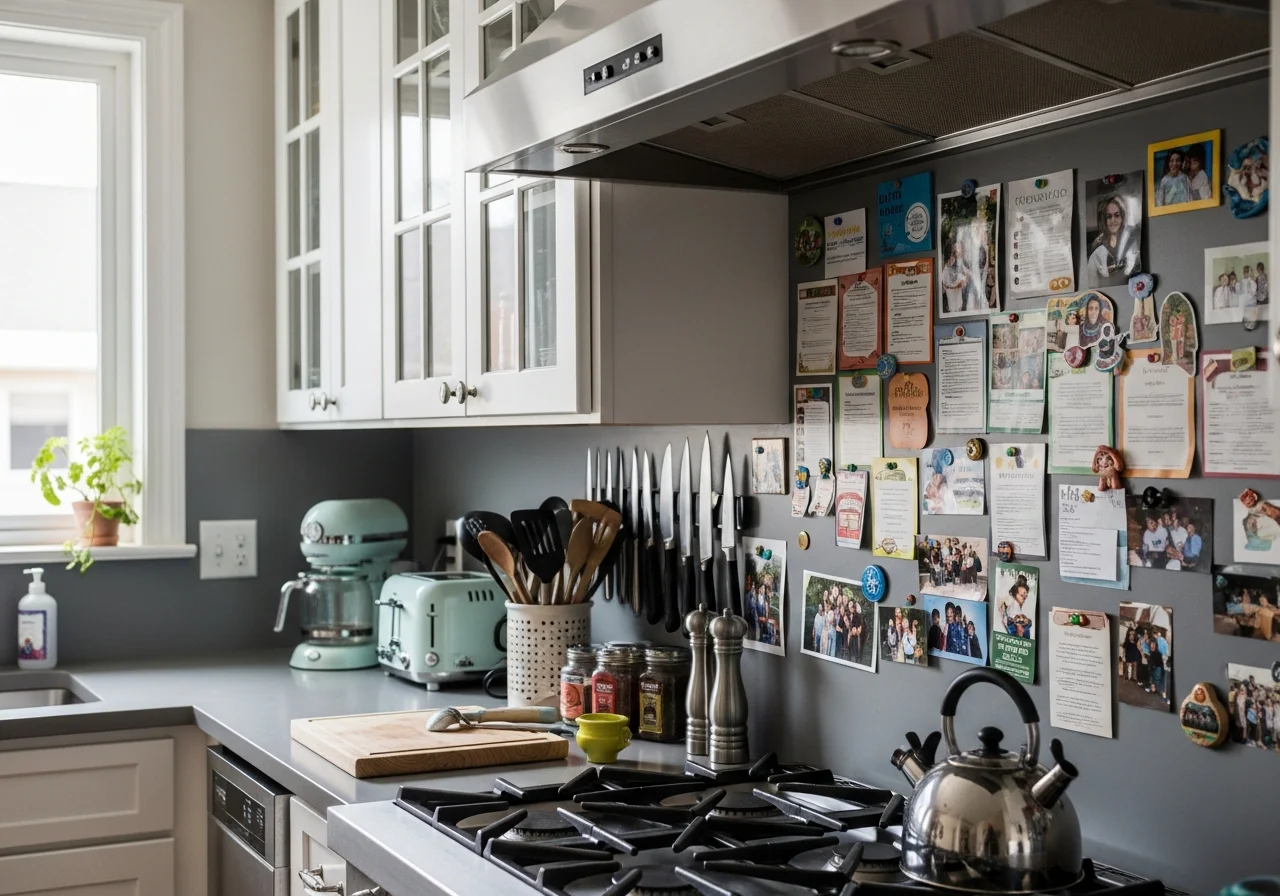
Combining magnetic primer with decorative top coats creates interactive backsplash surfaces that serve multiple purposes. The magnetic base layer allows attachment of recipe cards, shopping lists, photos, and decorative magnets, turning the backsplash into a functional organizational tool. This solution works particularly well in family kitchens where communication and coordination matter.
The installation process begins with magnetic primer application, which requires several coats to build sufficient magnetic strength. Once the primer cures, any paint color or finish can be applied over it, maintaining the magnetic properties beneath. This allows complete aesthetic control while retaining functionality. For more information visit Homeliaa.
The practicality extends beyond organization, as magnetic surfaces accommodate seasonal decorations, children’s artwork, and rotating displays that keep spaces feeling fresh. The ability to change the appearance without altering the magnetic foundation provides long-term flexibility. When preferences shift, simply painting over with new colors updates the look instantly.
Tin Ceiling Tiles
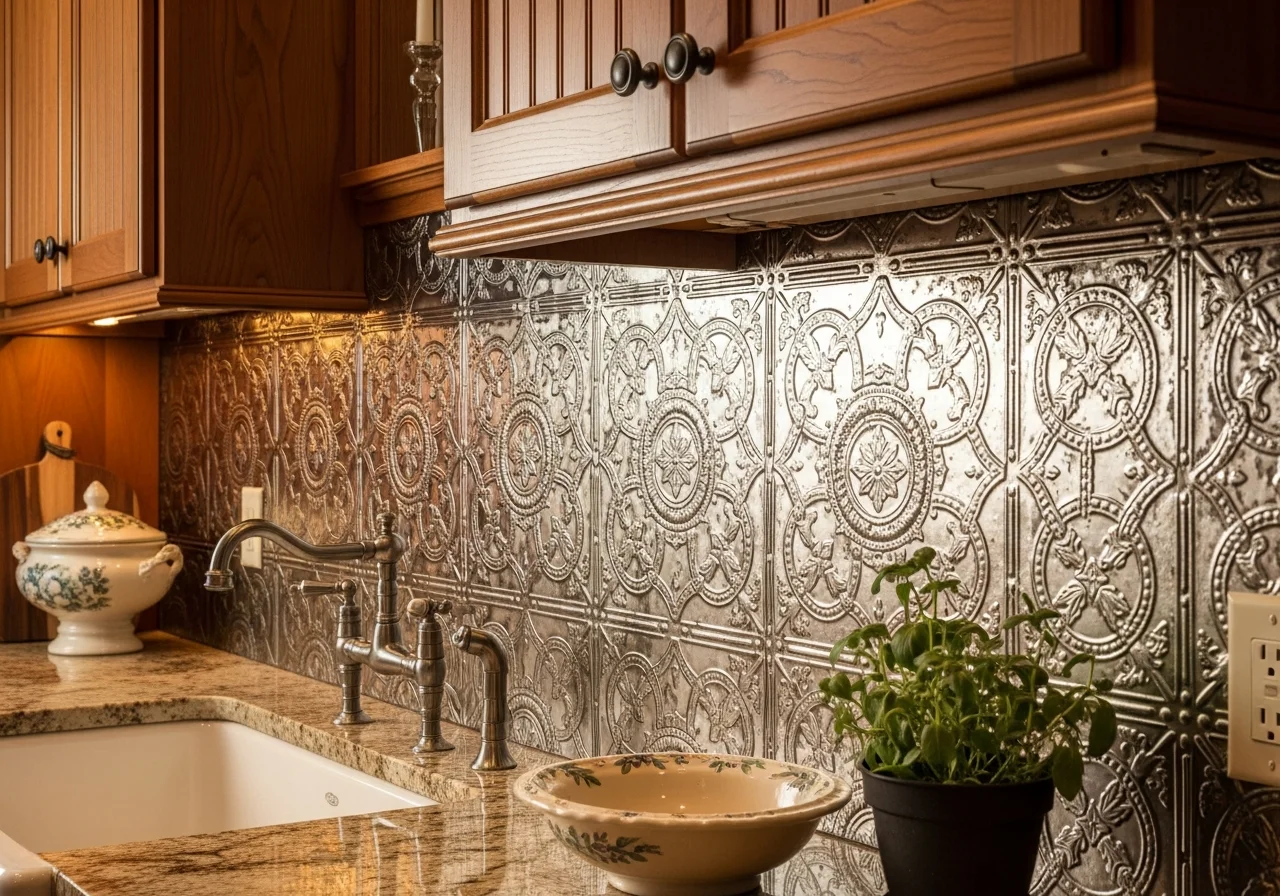
Repurposed tin ceiling tiles bring vintage character and unexpected texture to backsplash applications. These decorative metal panels feature embossed patterns ranging from simple geometrics to elaborate Victorian designs. The reflective metal surface adds dimension and light play that flat materials cannot achieve.
Installing tin tiles temporarily requires creative mounting solutions, such as removable adhesive strips rated for heavier materials or temporary track systems. The tiles can be left in their natural metal finish, painted to match existing decor, or treated with patina solutions for aged appearances. Each approach offers distinct aesthetic results.
The dimensional nature of embossed tin creates shadow patterns that change throughout the day as natural light shifts. This dynamic quality adds visual interest that remains engaging over time. The durability of metal means these temporary installations can withstand the demands of active kitchens while maintaining their appearance.
Fabric Backsplash with Liquid Starch
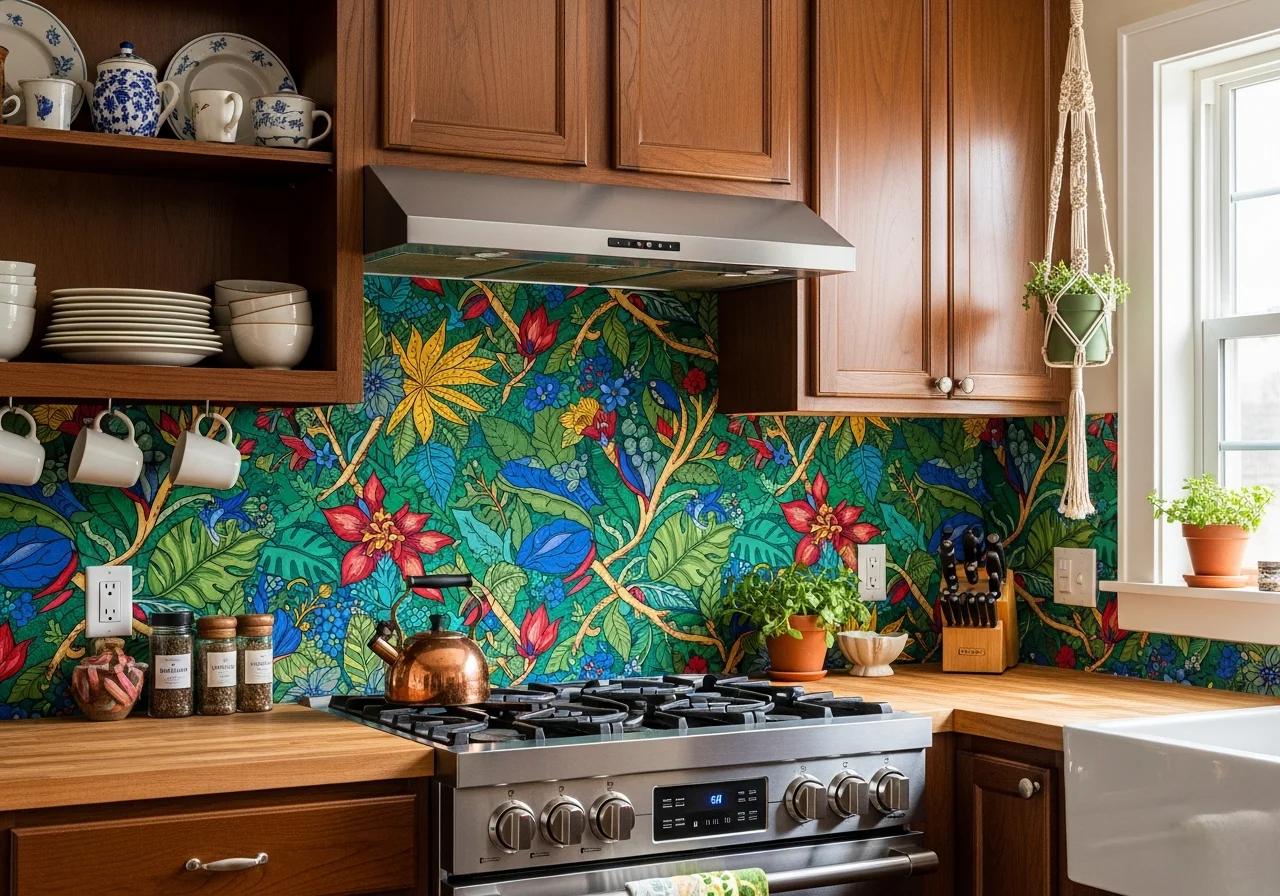
An unconventional yet effective approach involves adhering fabric to walls using liquid starch. This method allows for incredible pattern variety, as virtually any fabric can be used. The temporary nature stems from the starch’s water-soluble properties, which allow fabric removal by simply wetting and peeling.
The process involves cutting fabric to size, applying liquid starch to the wall, smoothing the fabric onto the starched surface, and applying additional starch over the fabric to seal it. The fabric adheres securely when dry but can be repositioned while wet. This technique works best with medium-weight cotton fabrics that don’t fray excessively.
Maintenance requires gentle cleaning methods, as excessive moisture can reactivate the starch and loosen the fabric. Light wiping with barely damp cloths typically suffices for routine cleaning. The ability to change fabric seasonally or according to mood provides tremendous design flexibility at minimal cost.
Cork Board Backsplash
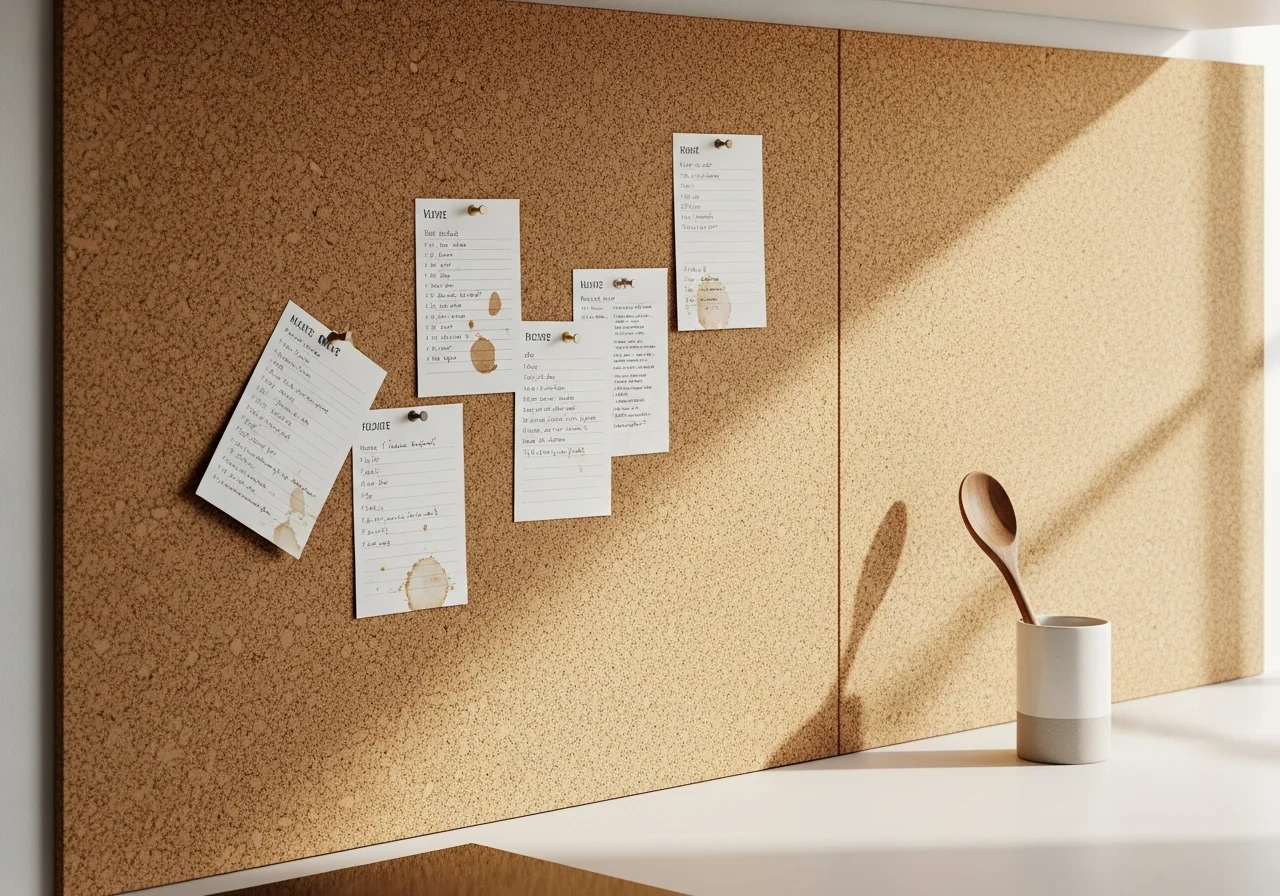
Cork board panels offer warm, natural texture while providing practical pinning surfaces for recipes, notes, and decorative elements. The material’s inherent insulation properties add subtle thermal benefits, and the soft surface dampens sound. Cork’s natural variation creates organic visual interest that complements many design styles.
Installation utilizes removable adhesive products designed for heavier materials, ensuring secure attachment without permanent wall damage. Cork panels can be left in natural tones or painted with specialty cork-compatible paints. The material accepts pushpins without damage, allowing endless customization possibilities.
The sustainability aspect of cork appeals to environmentally conscious homeowners, as it’s a renewable resource harvested without harming trees. The material naturally resists mold and mildew, making it suitable for kitchen environments. Its forgiving nature means minor imperfections blend into the overall texture rather than standing out.
Adhesive Mirror Tiles
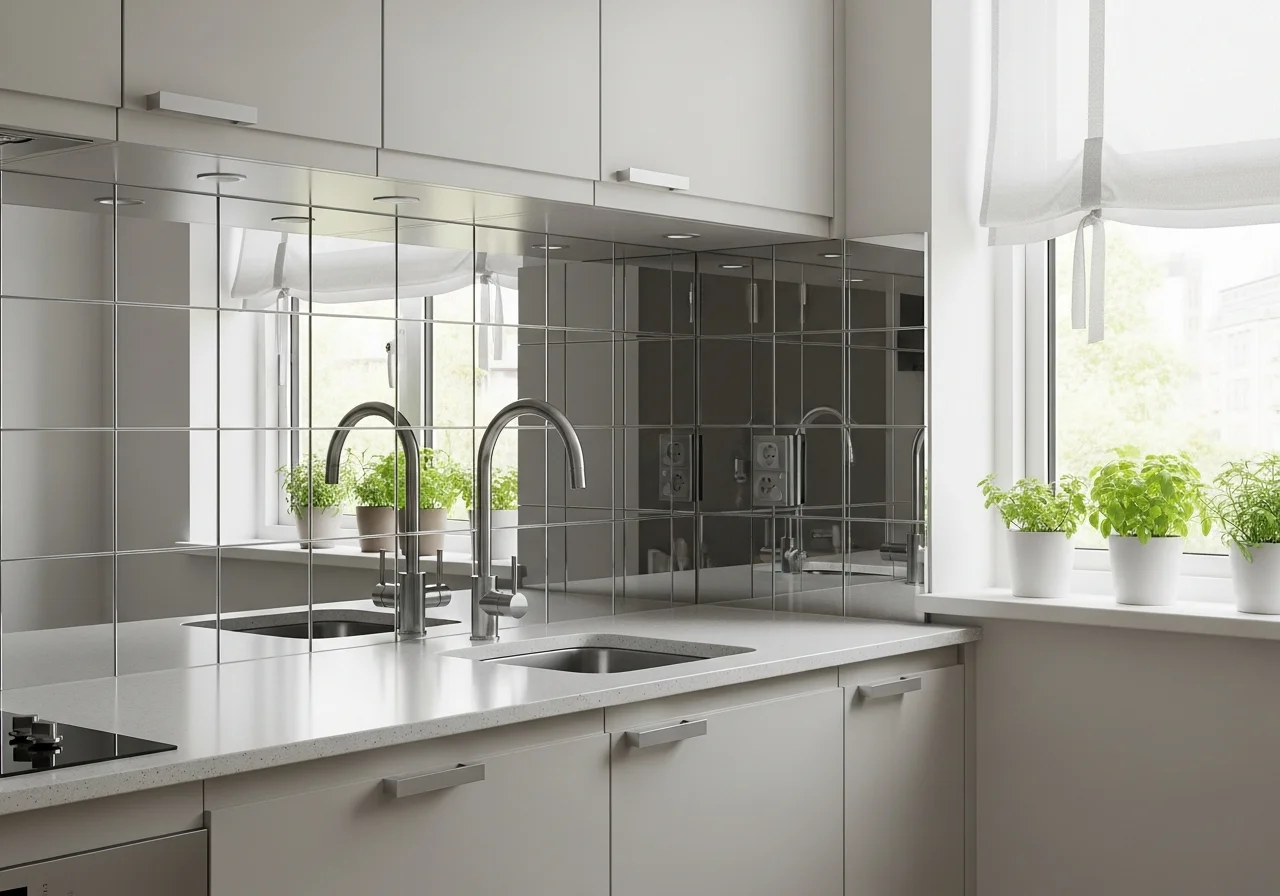
Mirror tiles maximize light and create the illusion of expanded space, particularly valuable in smaller kitchens. Modern adhesive mirror options include traditional silvered glass as well as lightweight acrylic alternatives. The reflective surface bounces natural and artificial light throughout the space, enhancing brightness and openness.
Installation requires careful planning to ensure even spacing and level alignment, as mirrors readily reveal installation flaws. Using removable adhesive specifically rated for mirrors prevents damage while ensuring secure attachment. The reflective nature means fingerprints and splashes show readily, requiring frequent cleaning to maintain pristine appearances.
Safety considerations matter with mirror installations, particularly in active kitchens. Tempered glass or high-quality acrylic options resist shattering better than standard mirror glass. Positioning mirror backsplashes away from direct stove contact prevents heat damage and reduces cleaning frequency.
Washi Tape Patterns
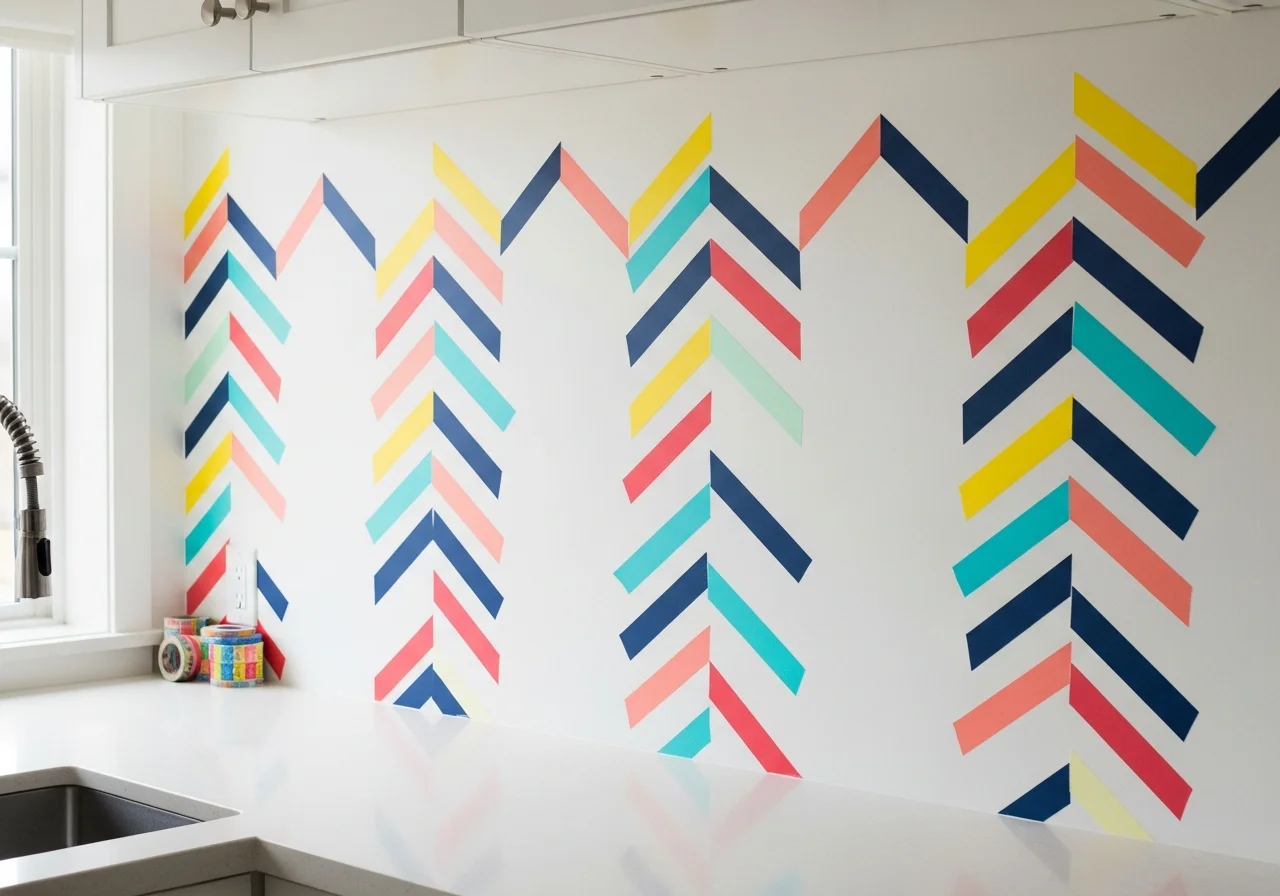
For budget-conscious decorators, washi tape offers an incredibly affordable temporary backsplash solution. This decorative Japanese masking tape comes in countless colors, patterns, and widths, allowing creation of custom geometric designs, stripes, or even pixelated images. The low-tack adhesive removes cleanly without residue.
Creating washi tape backsplashes involves planning patterns, applying tape in straight lines or geometric arrangements, and layering colors for dimensional effects. The process requires patience but demands no special skills or tools. Mistakes can be corrected easily by simply removing and repositioning tape.
The impermanent nature makes washi tape ideal for experimental designs or temporary living situations. Changing the pattern requires only peeling off existing tape and applying new arrangements. This accessibility encourages creative expression and regular design updates without financial commitment.
Decorative Window Film
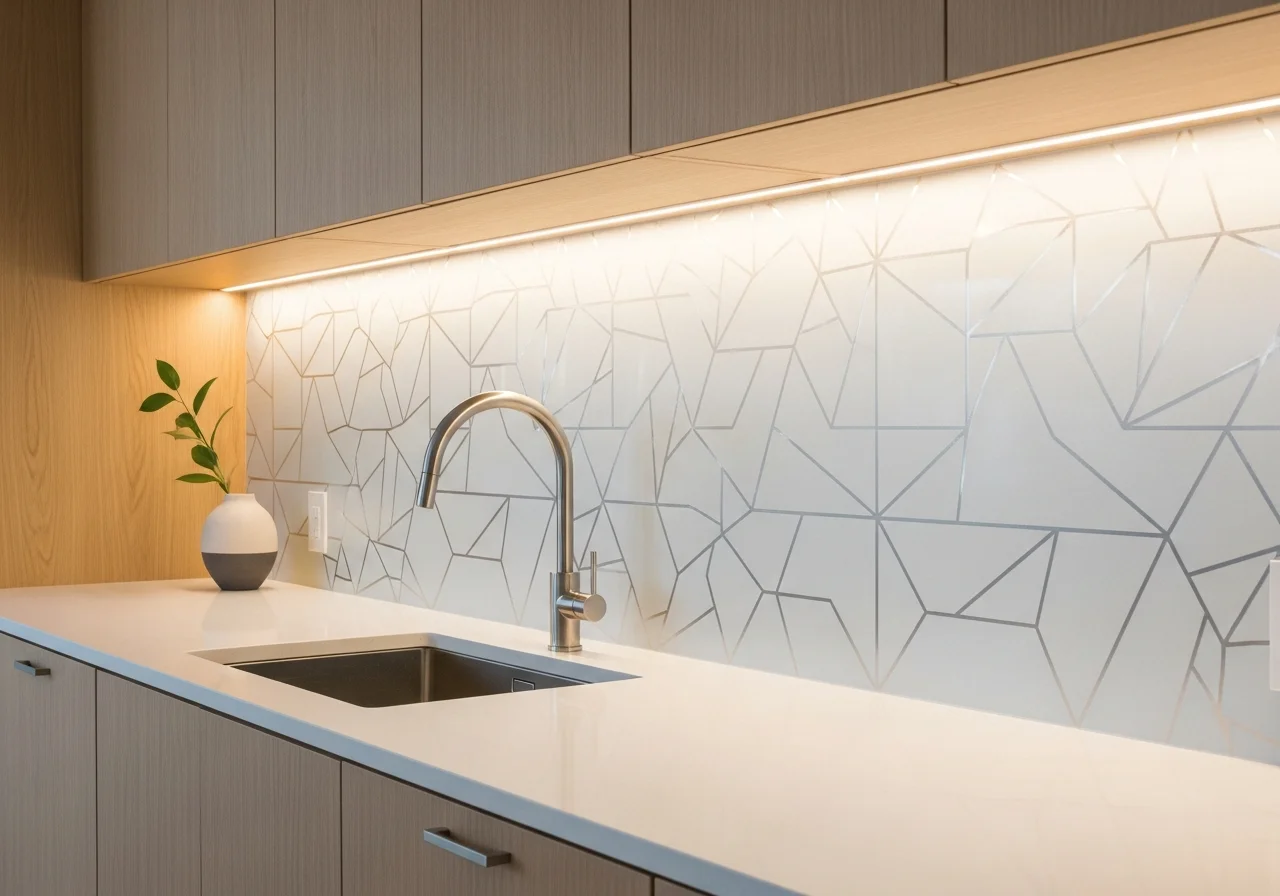
Window film designed for glass surfaces adapts surprisingly well to backsplash applications. These films come in frosted, stained glass, geometric, and patterned varieties that add privacy and decoration to windows. When applied to backsplash areas, they create unique textured appearances with translucent or opaque effects.
The static cling or light adhesive properties allow easy application and removal. The material can be cut to exact dimensions, allowing precise fitting around outlets and fixtures. Some varieties feature one-way visibility properties or reflective finishes that add functional benefits beyond decoration.
Maintenance involves simple cleaning with glass cleaners, though avoiding abrasive tools prevents scratching. The material resists moisture effectively, making it suitable for kitchen and bathroom environments. When design preferences evolve, removing old film and applying new patterns takes minimal time and effort.
Temporary Tile Decals
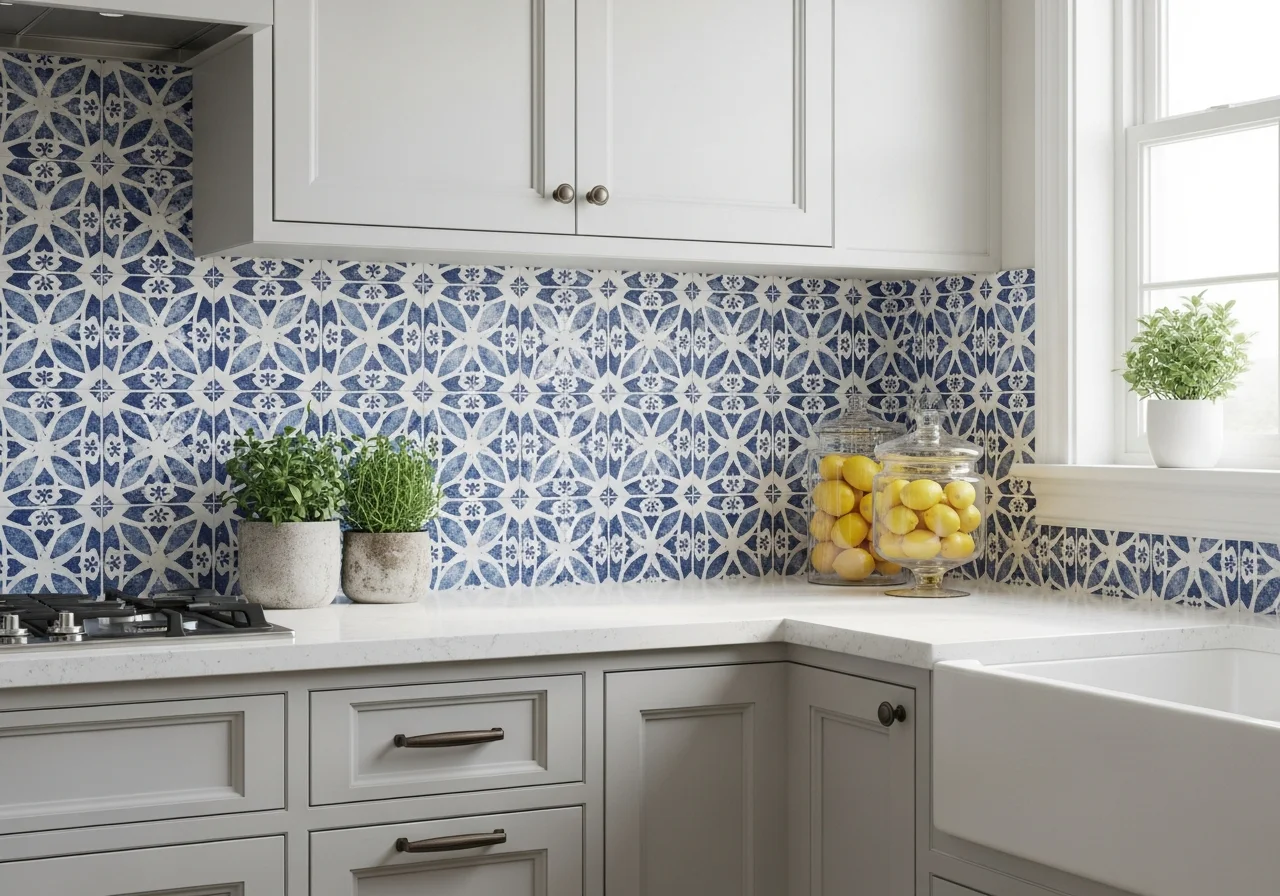
Tile decals represent another cost-effective temporary solution that transforms existing tiles or smooth wall surfaces. These adhesive stickers mimic ceramic tiles, featuring patterns ranging from traditional Mediterranean designs to modern Moroccan motifs. The variety allows creation of accent patterns or full coverage installations.
Application involves cleaning surfaces thoroughly, carefully positioning decals, and smoothing out bubbles. The adhesive bonds well with ceramic, glass, and painted surfaces while remaining removable. Decals can be applied over existing outdated tiles, providing facelifts without demolition or permanent alteration.
The thickness and quality of decals varies significantly between manufacturers. Premium options feature protective coatings that resist scratching and fading, extending their useful life. Budget varieties work well for short-term applications but may show wear more quickly in high-use areas.
Painted Backsplash with Stencils
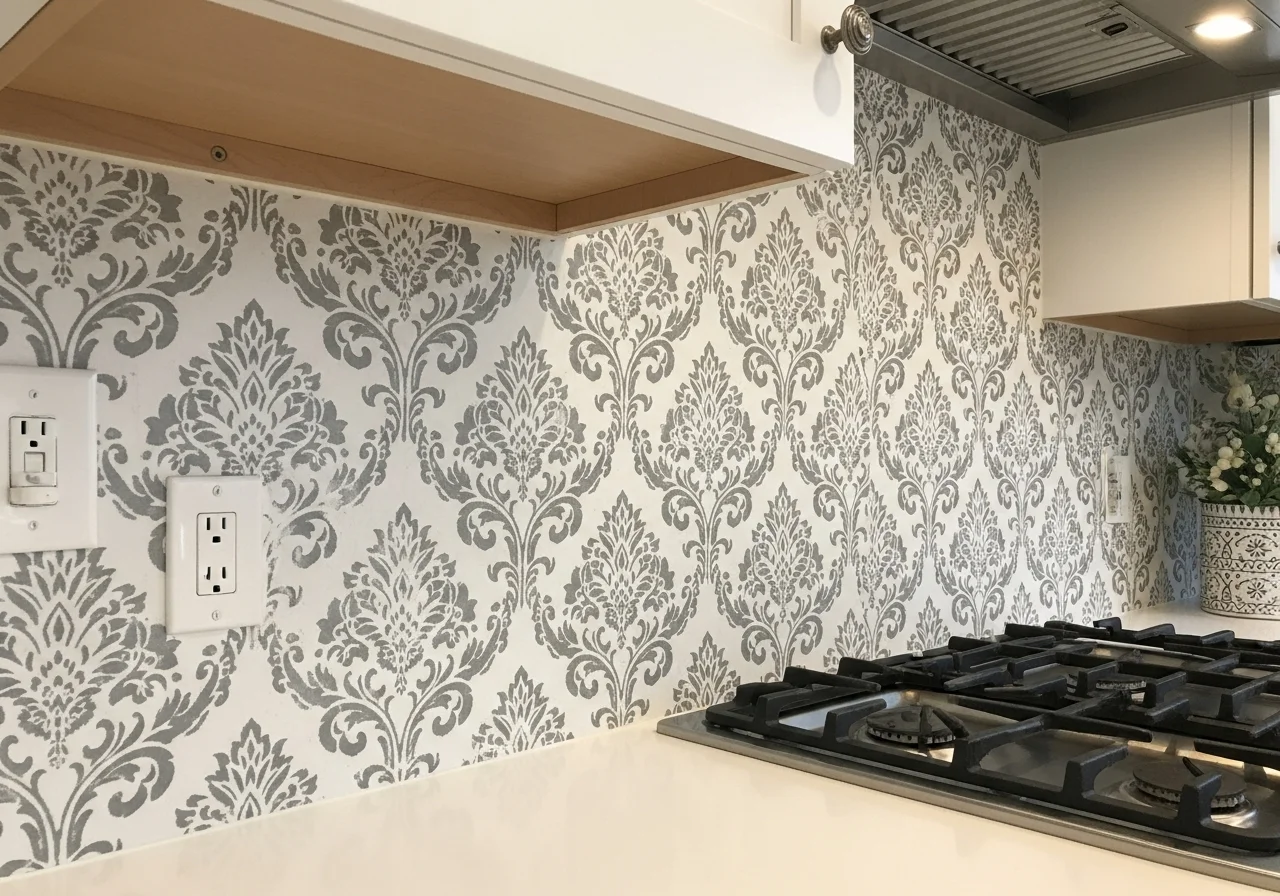
Traditional paint combined with decorative stencils creates custom backsplash designs at minimal cost. This approach allows complete color control and pattern customization. The temporary aspect comes from paint’s inherent changeability, as new colors and patterns can be applied over existing designs whenever desired.
The process involves selecting appropriate paint types for kitchen environments, choosing or creating stencils, and carefully applying patterns to achieve clean, professional results. Multiple colors can be layered to create depth and complexity. Sealing the finished design with clear protective coatings enhances durability and cleanability.
Stencil patterns range from simple geometric repeats to elaborate damask or floral designs. The scale of patterns should relate appropriately to backsplash dimensions, with larger patterns suiting extensive areas and smaller motifs working better in confined spaces. Custom stencils can be created for truly unique results.
Reclaimed Wood Panels
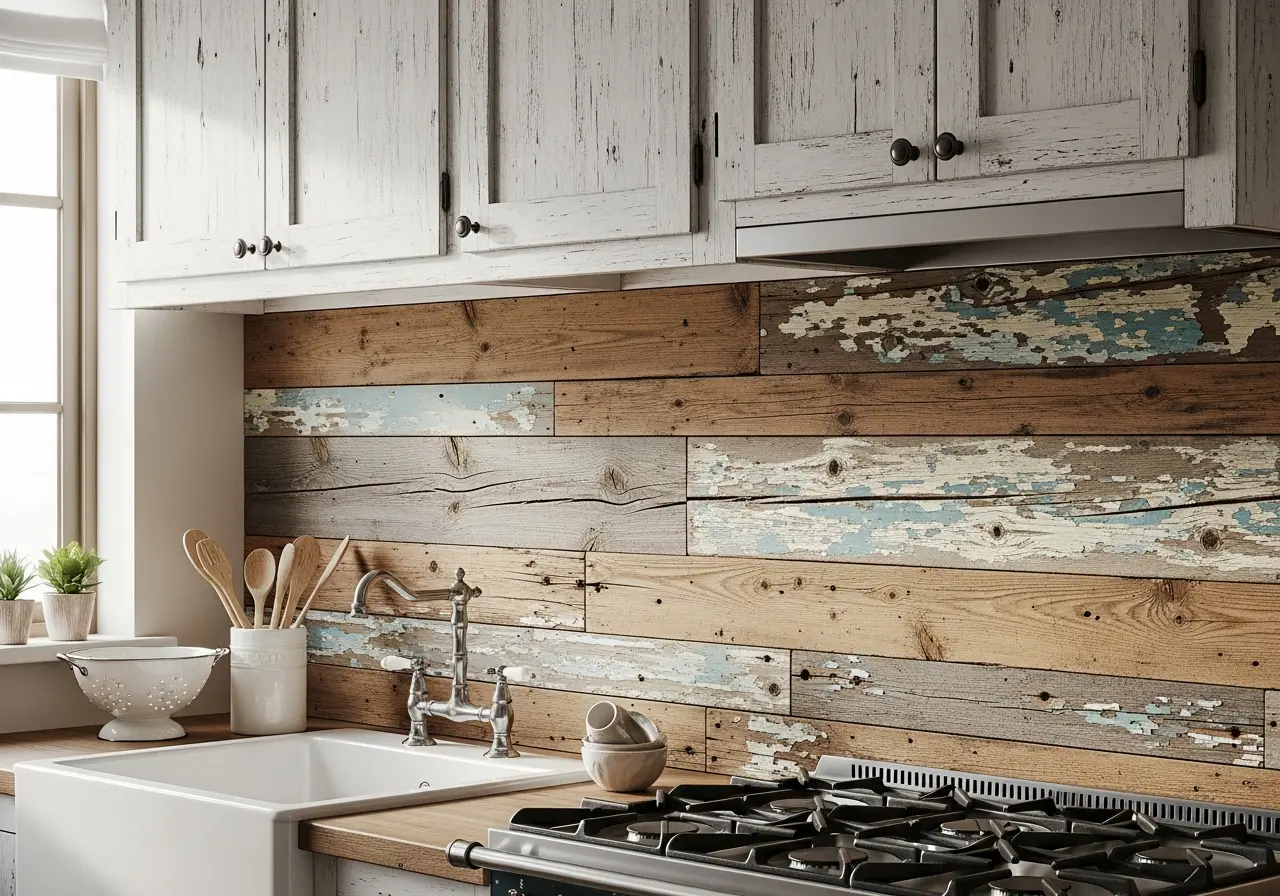
Lightweight reclaimed wood panels bring rustic warmth and natural character to kitchen spaces. These panels utilize thin wood veneers or composite materials that capture the appearance of weathered barn wood or distressed planks. The temporary installation relies on removable adhesive systems rather than traditional nailing or screwing.
The natural variation in wood grain, color, and texture creates organic visual interest that makes each installation unique. Some panels come pre-finished with protective coatings suitable for kitchen use, while others can be sealed after installation. The horizontal or vertical orientation of planks significantly impacts the overall aesthetic effect.
Consideration must be given to moisture exposure and heat sources when installing wood-look backsplashes. Sealing and proper ventilation help protect the material from warping or deterioration. The natural beauty of wood complements many design styles, from farmhouse to contemporary.
Conclusion
Temporary backsplash solutions have revolutionized interior design, offering unprecedented flexibility without sacrificing style or quality. The sixteen ideas explored here represent just a portion of available options, each bringing unique benefits to different situations and preferences. Whether driven by rental restrictions, budget limitations, or simply the desire for design freedom, these removable solutions deliver impressive results.
The evolution of materials and adhesive technologies means temporary no longer implies inferior quality or appearance. Modern options rival permanent installations in visual impact while offering advantages traditional materials cannot match. The ability to experiment, change seasonally, or update as trends evolve provides creative freedom that fixed installations prohibit.
Selecting the right temporary backsplash involves considering practical factors like heat resistance, moisture exposure, and cleaning requirements alongside aesthetic preferences. The installation process for most options remains accessible to DIY enthusiasts, eliminating professional labor costs while providing satisfying hands-on involvement. The reversible nature removes the pressure of permanent commitment, encouraging bold choices and creative expression.
As you embark on your backsplash transformation, remember that temporary doesn’t mean tentative. These solutions can serve beautifully for years when properly selected and installed, or they can be changed on a whim when inspiration strikes. The power to control your environment without permanent consequences represents the ultimate design freedom.
Frequently Asked Questions
How long do temporary backsplashes typically last?
Most quality temporary backsplash materials last between two to five years with proper installation and care. Peel and stick tiles and removable wallpaper often perform well for three to four years, while painted options can last until you decide to change them. Durability depends heavily on material quality, installation technique, and exposure to heat and moisture.
Can temporary backsplashes be installed over existing tile?
Yes, most temporary backsplash materials adhere well to existing ceramic or porcelain tiles, provided the surface is clean, dry, and free of grease. The grout lines may create slight texture variations, but many materials conform adequately. Peel and stick tiles and contact paper work particularly well over existing tile surfaces.
Are temporary backsplashes heat resistant enough for installation behind stoves?
Standard temporary materials should not be placed directly behind cooktops or ranges, as heat can damage adhesives and warp materials. However, heat-resistant peel and stick tiles specifically designed for high-temperature areas are available. Alternatively, leave the area behind the stove with traditional materials or use a separate heat shield.
Will removing temporary backsplashes damage painted walls?
Quality temporary backsplash products designed for rental properties should remove cleanly without damaging properly cured paint. Testing a small inconspicuous area before full installation helps verify compatibility. Older or poor-quality paint may be more susceptible to damage, so surface preparation and product selection matter significantly.
What is the most budget-friendly temporary backsplash option?
Contact paper, washi tape, and painted stenciled designs represent the most affordable temporary backsplash options, often costing under fifty dollars for average-sized installations. These materials provide impressive results despite low costs. Slightly higher budgets accommodate basic peel and stick tiles and removable wallpaper, which offer enhanced durability and appearance.

3 Comments