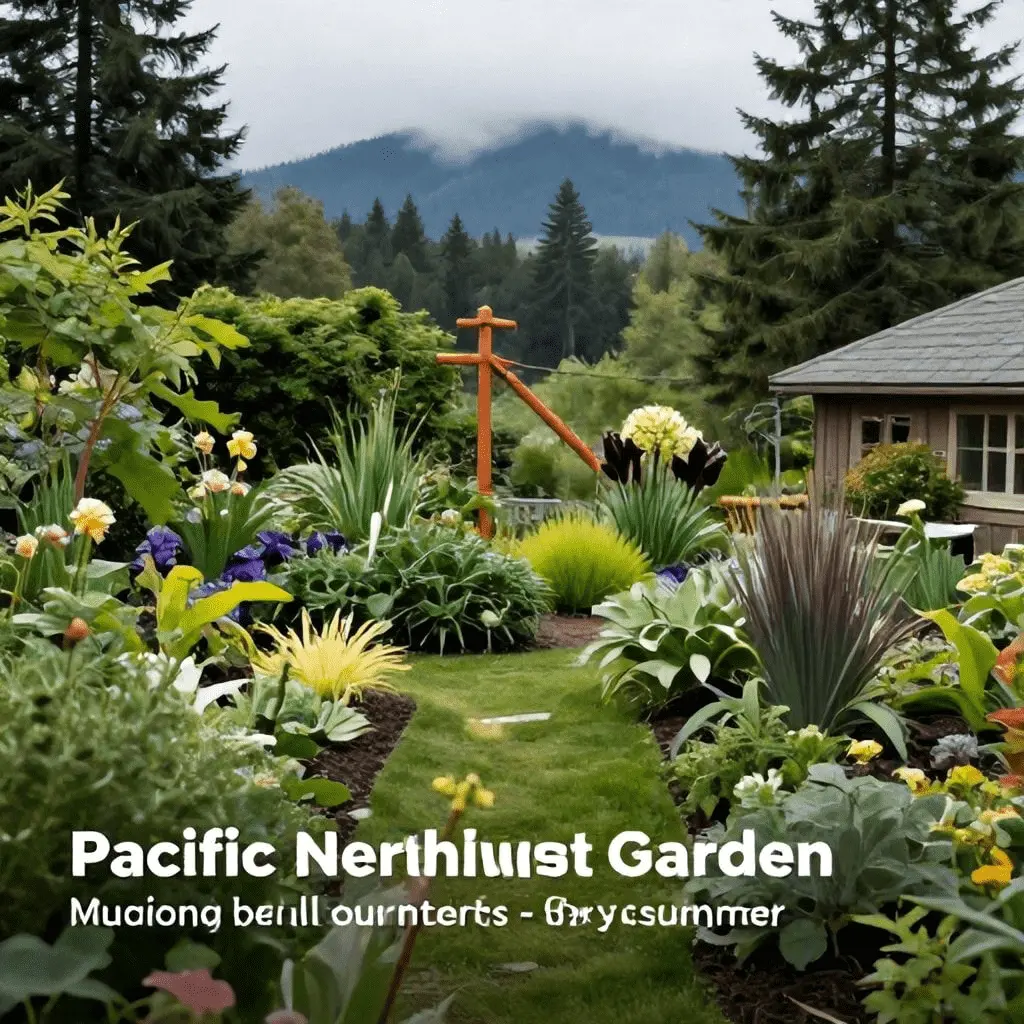
18+ Pacific Northwest Garden Ideas
Introduction
pacific Northwest Garden ideas If you live in Washington, Oregon, or British Columbia, you already know that your garden sits inside one of the most naturally generous growing regions on the planet. The Pacific Northwest offers a mild climate, nutrient-rich soil, and generous rainfall that many gardeners elsewhere can only dream about. Yet this same region comes with its own distinct challenges: persistent cloud cover, wet winters, slugs that seem to operate without conscience, and dry summers that arrive later than expected and leave sooner than you want.
The good news is that these conditions, once understood, open up extraordinary creative possibilities. Whether you have a narrow city lot in Portland, a sloped backyard in Seattle, or a sprawling property in the Willamette Valley, there is a garden design idea in this list that will work beautifully for your space and your lifestyle. The following 18+ ideas cover planting strategies, design approaches, seasonal tips, and structural solutions that experienced Pacific Northwest gardeners rely on year after year.
1. Build a Native Plant Garden
Native plants are the foundation of any successful Pacific Northwest garden. They are already adapted to the local rainfall patterns, soil conditions, and seasonal temperature swings. Western sword fern, Oregon grape, Pacific bleeding heart, red flowering currant, and native huckleberry are all reliable performers that require very little maintenance once established.
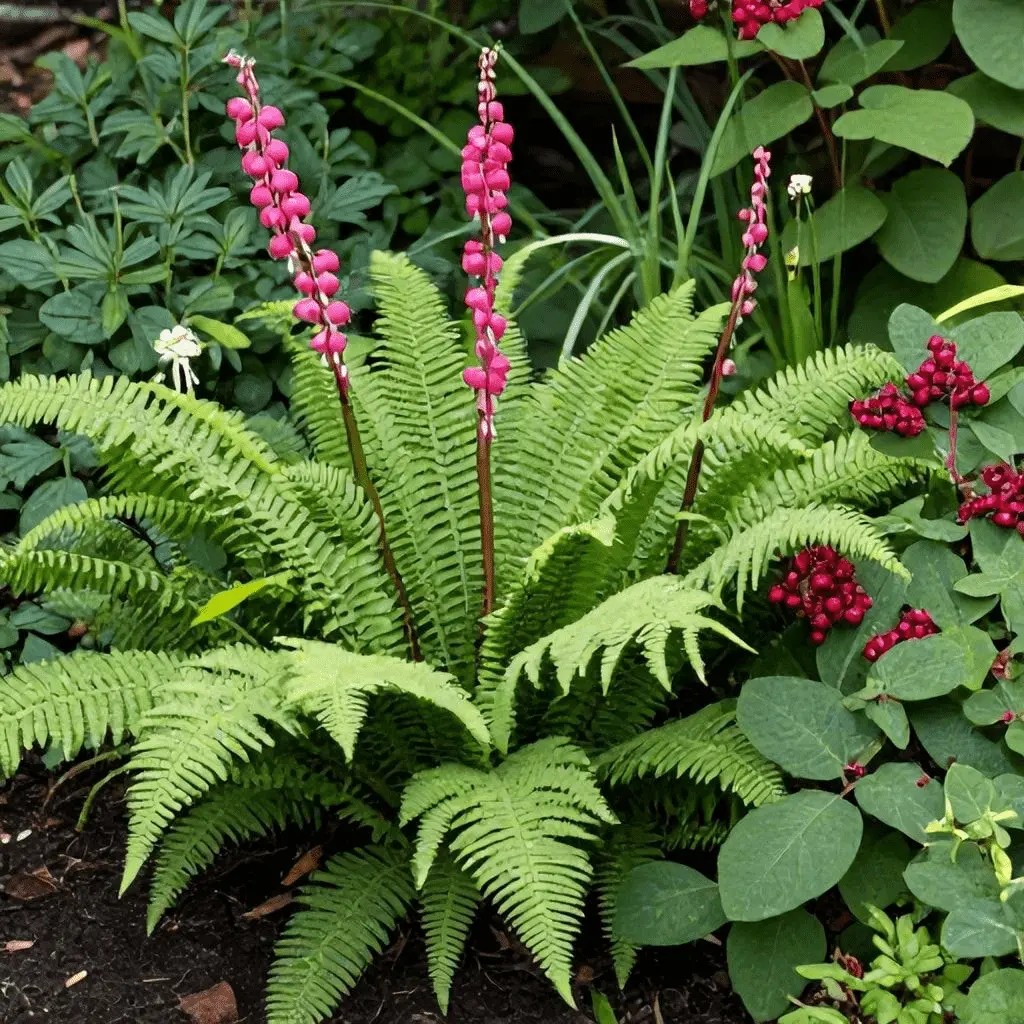
They also provide critical habitat for native pollinators, songbirds, and beneficial insects. Starting with a core of native species gives any garden a strong ecological backbone, reducing the need for irrigation, fertilizer, and pest intervention.
2. Design a Rain Garden to Manage Stormwater
The Pacific Northwest receives significant rainfall between October and April, and one of the smartest things any homeowner can do is design the garden to work with that water rather than against it.
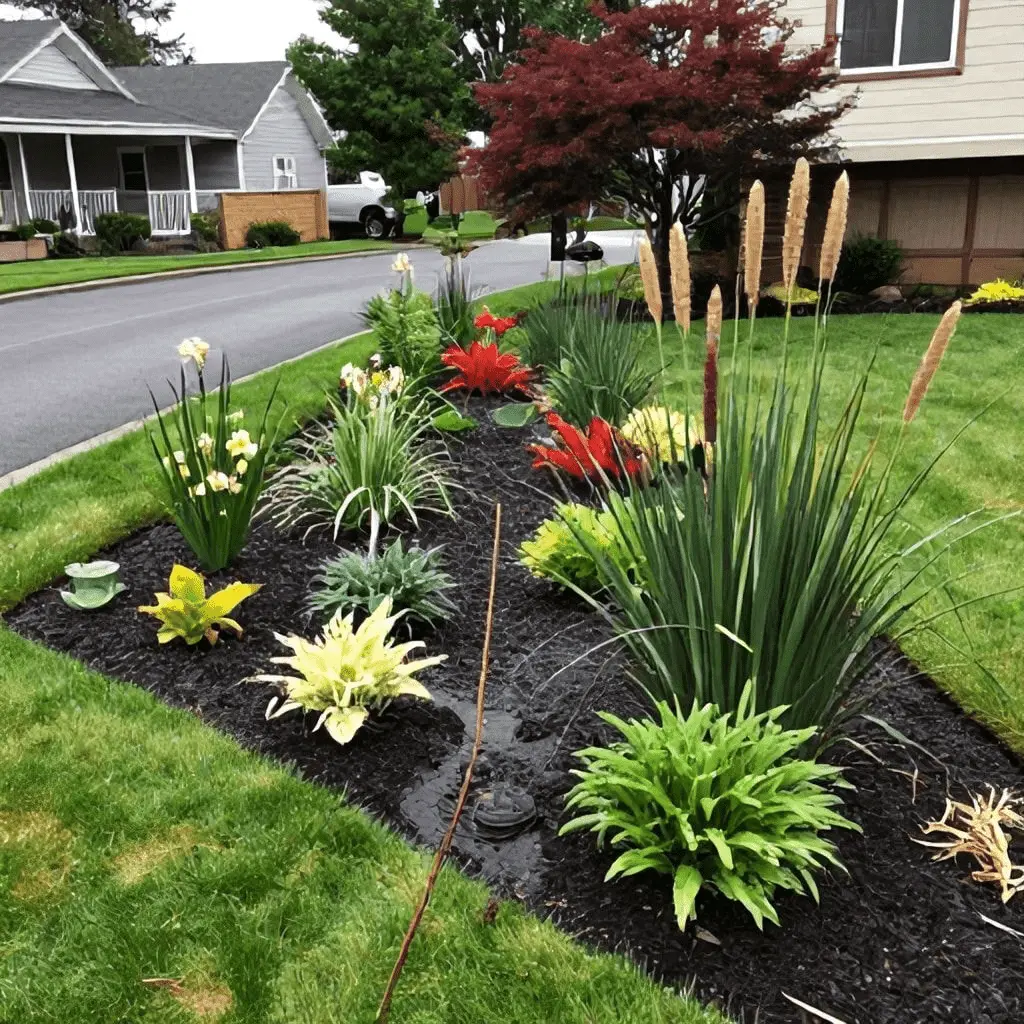
A rain garden is a shallow, planted depression that collects runoff from rooftops, driveways, or sloped yards and allows it to filter slowly into the ground. Native plants like sedges, rushes, red osier dogwood, and camas are ideal for rain garden plantings because they tolerate both wet and dry conditions. Rain gardens reduce flooding, prevent erosion, and recharge the local groundwater supply.
3. Create a Woodland Shade Garden
Much of the Pacific Northwest landscape is shaded by towering Douglas firs, western red cedars, and big-leaf maples. Rather than fighting this shade, lean into it by creating a layered woodland garden beneath the tree canopy.
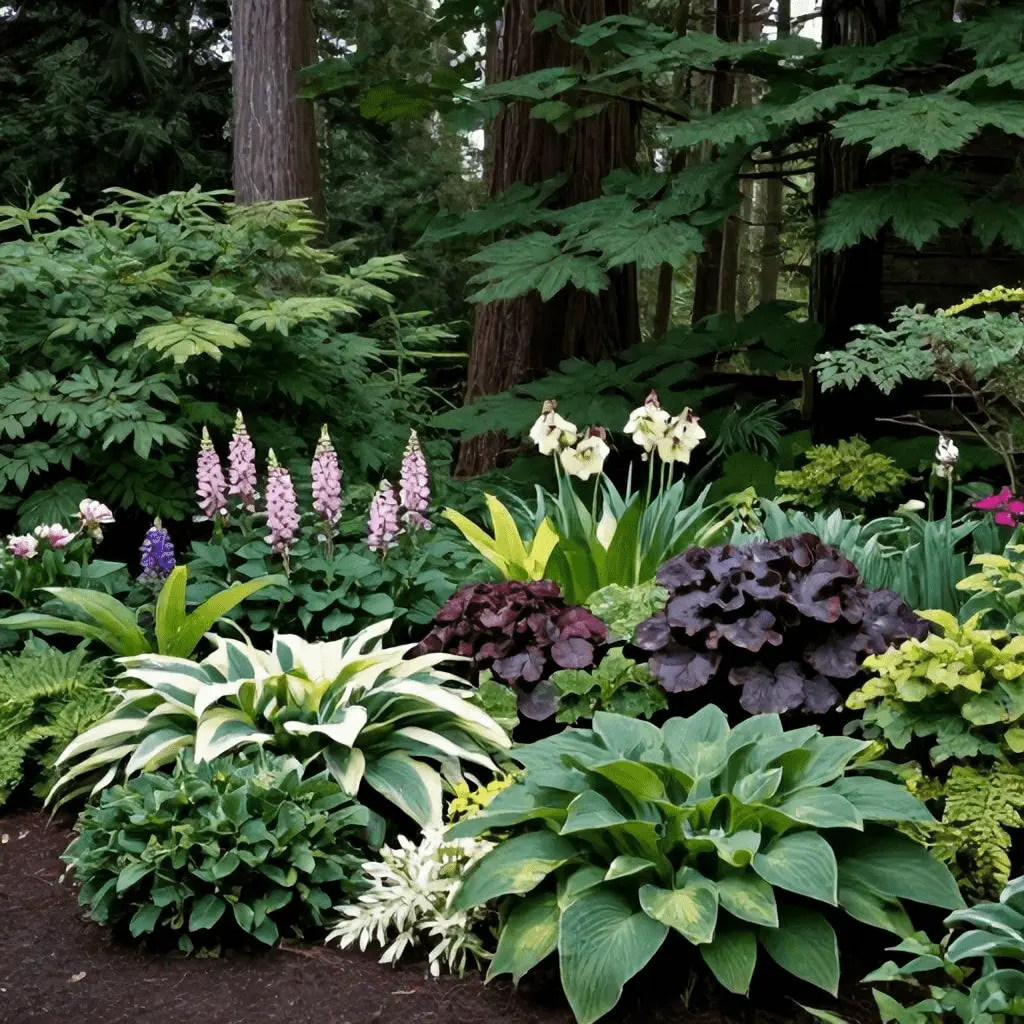
Hosta’s, astilbe, heuchera, tiarella, and epimedium all thrive in low light conditions and produce genuinely beautiful foliage and flower combinations. Add a layer of ferns and hellebores at ground level and you have a garden that looks lush and intentional even on the greyest November morning.
4. Embrace Japanese Garden Principles
The Japanese garden tradition has had a deep and lasting influence on Pacific Northwest gardening culture, and it is easy to see why. The emphasis on simplicity, natural materials, asymmetric balance, and the use of evergreen structure aligns perfectly with the region’s temperament and landscape.
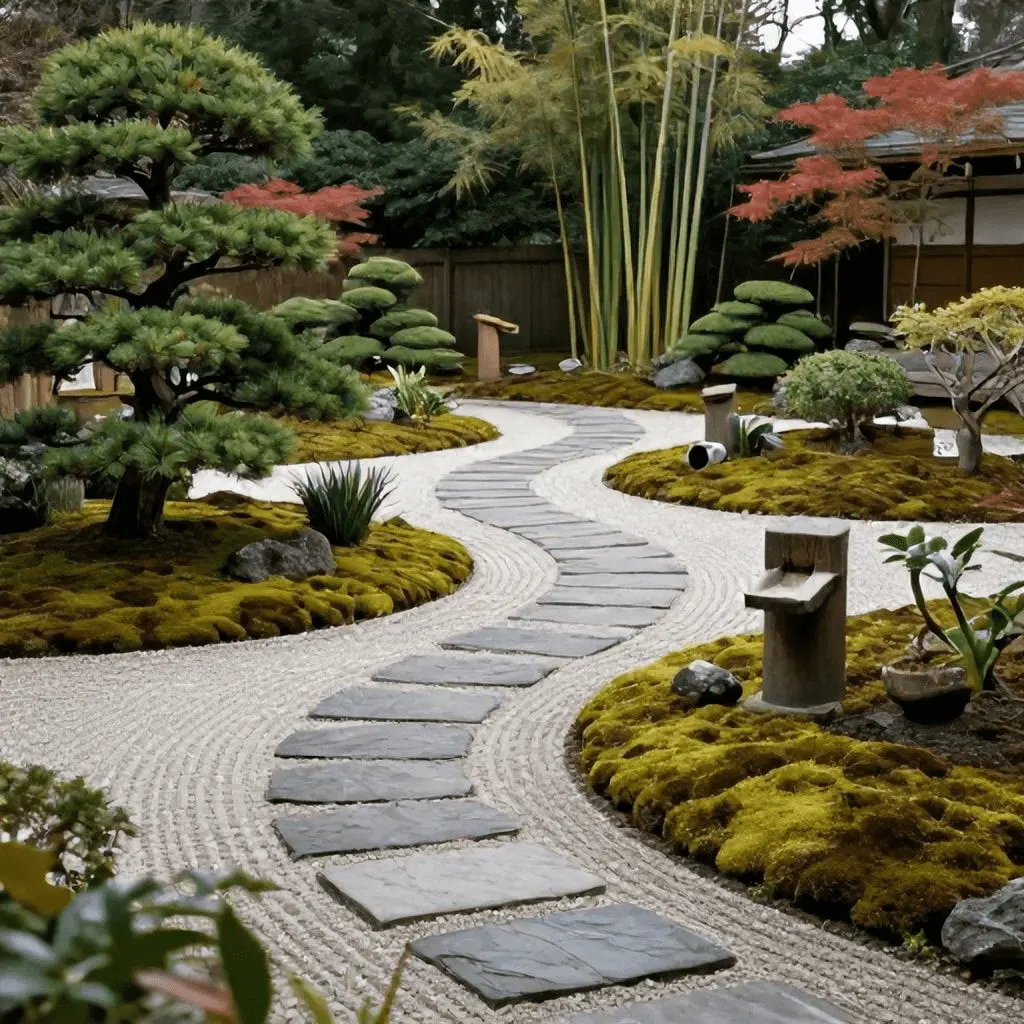
Incorporating elements like moss-covered stone paths, raked gravel, bamboo water features, Japanese maples, and carefully pruned conifers creates a garden that is visually calm and seasonally interesting throughout the year.
5. Install Raised Garden Beds for Vegetables
Growing vegetables in the Pacific Northwest is highly rewarding, but the clay-heavy soils common in the region can make in-ground planting difficult. Raised beds solve this problem by allowing you to control the growing medium entirely.
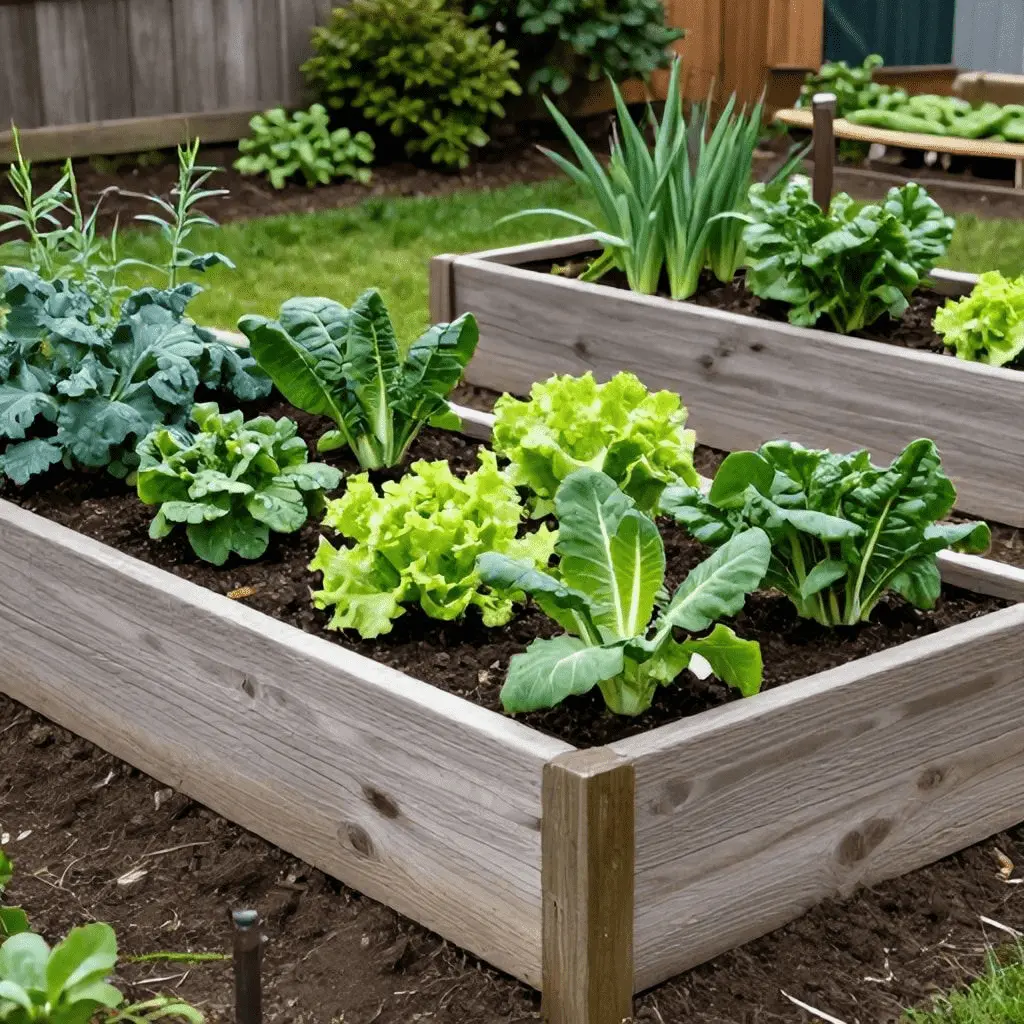
Fill them with a blend of quality compost, loamy topsoil, and aged manure and you will see dramatically improved results with crops like kale, lettuce, chard, broccoli, peas, beans, and tomatoes. Raised beds also warm up faster in spring, drain better in wet weather, and are significantly easier to manage from a weeding perspective.
6. Plant a Water-Wise Dry Garden
While the Pacific Northwest is famous for rain, summer drought is a real consideration, particularly east of the Cascades. Water-wise gardening is growing in popularity across the region as irrigation costs rise and water-conscious values become more mainstream.
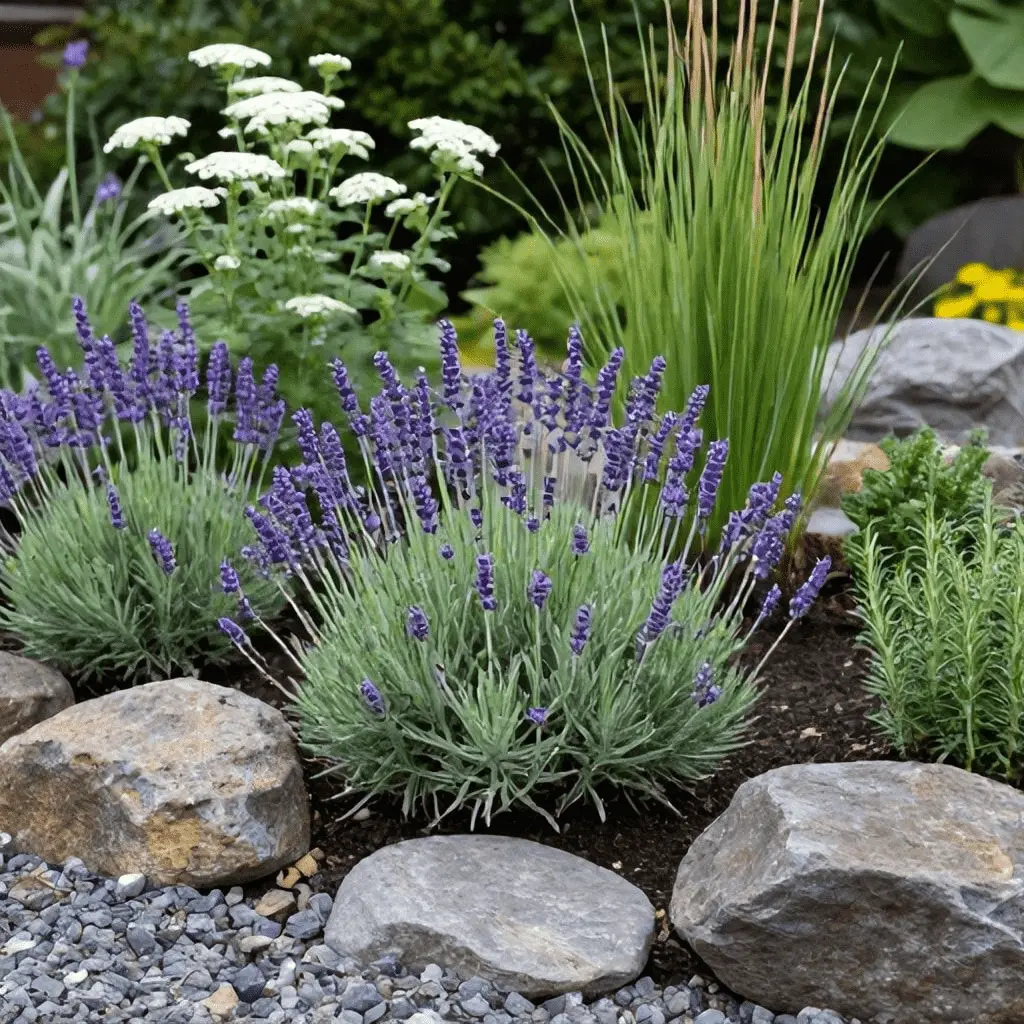
Lavender, salvia, catmint, yarrow, ornamental grasses, and Mediterranean herbs like rosemary and thyme all thrive in well-drained, low-water conditions. Pair them with crushed gravel mulch and decorative boulders for a garden that looks sharp and requires minimal summer watering. https://www.garden.eco/low-maintenance-pacific-northwest-landscaping-ideas
7. Grow a Wildlife and Pollinator Garden
The Pacific Northwest has a remarkable diversity of native bees, butterflies, hummingbirds, and songbirds, and a thoughtfully planted garden can serve as genuine habitat for all of them. Choose plants that bloom in succession from late winter through fall to provide a continuous food source.
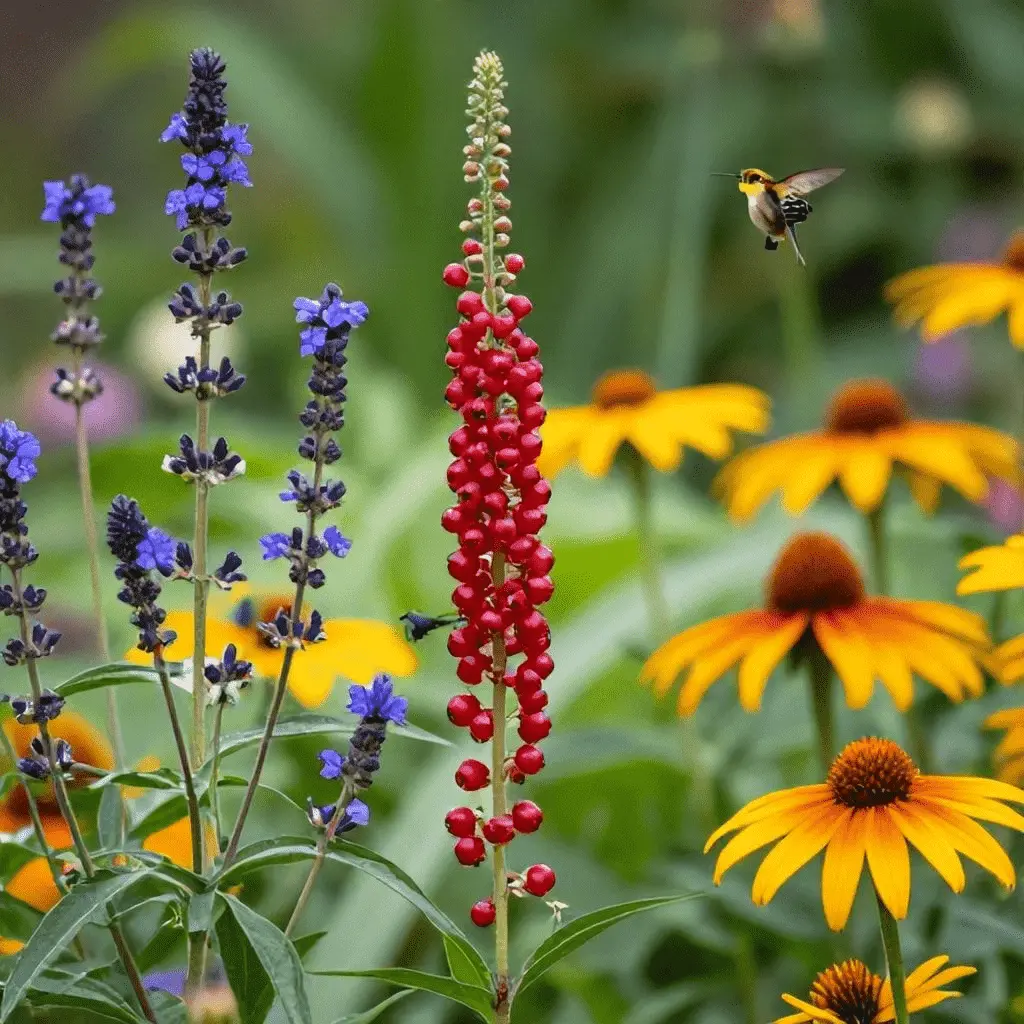
Red flowering currant blooms in early spring for hummingbirds, followed by native penstemons and camas in late spring, then echinacea and monarda through summer, and finishing with asters and goldenrod in fall. Leaving seed heads standing through winter also provides food and shelter for overwintering birds.
8. Design a Terraced Garden on a Sloped Yard
Sloped properties are common throughout the hilly terrain of the Pacific Northwest, and without proper management they can suffer from soil erosion, poor drainage, and difficult planting conditions.
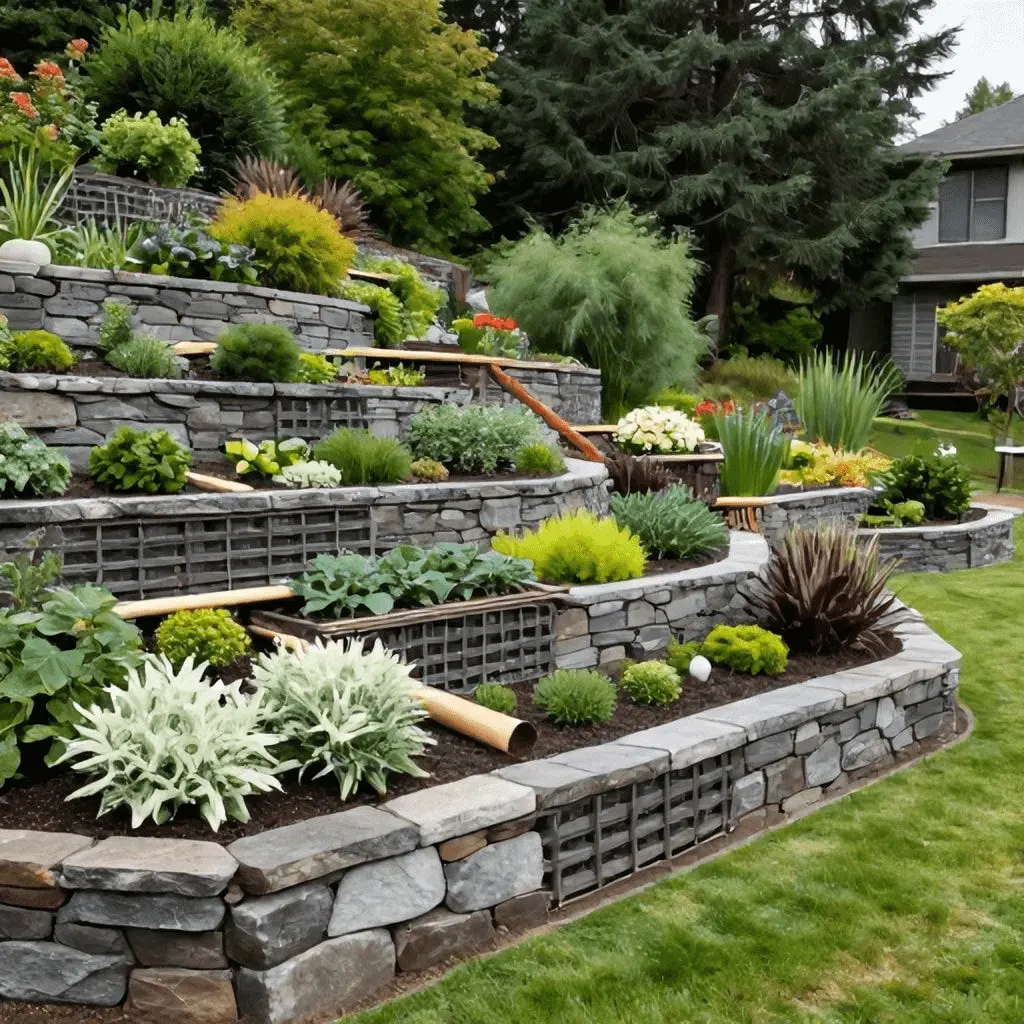
Terracing a slope using stone retaining walls, timber railway sleepers, or gabion baskets converts a challenging grade into a series of flat, workable planting areas. Each terrace can be dedicated to a different purpose, including vegetables, cutting flowers, ornamental shrubs, or seating areas, creating a garden that is both functional and visually interesting from multiple vantage points.
9. Add Evergreen Structure for Year-Round Interest
One of the most common mistakes in Pacific Northwest gardens is planting primarily for spring and summer bloom without considering the eight or more months of grey, damp weather that form the backdrop of outdoor life.
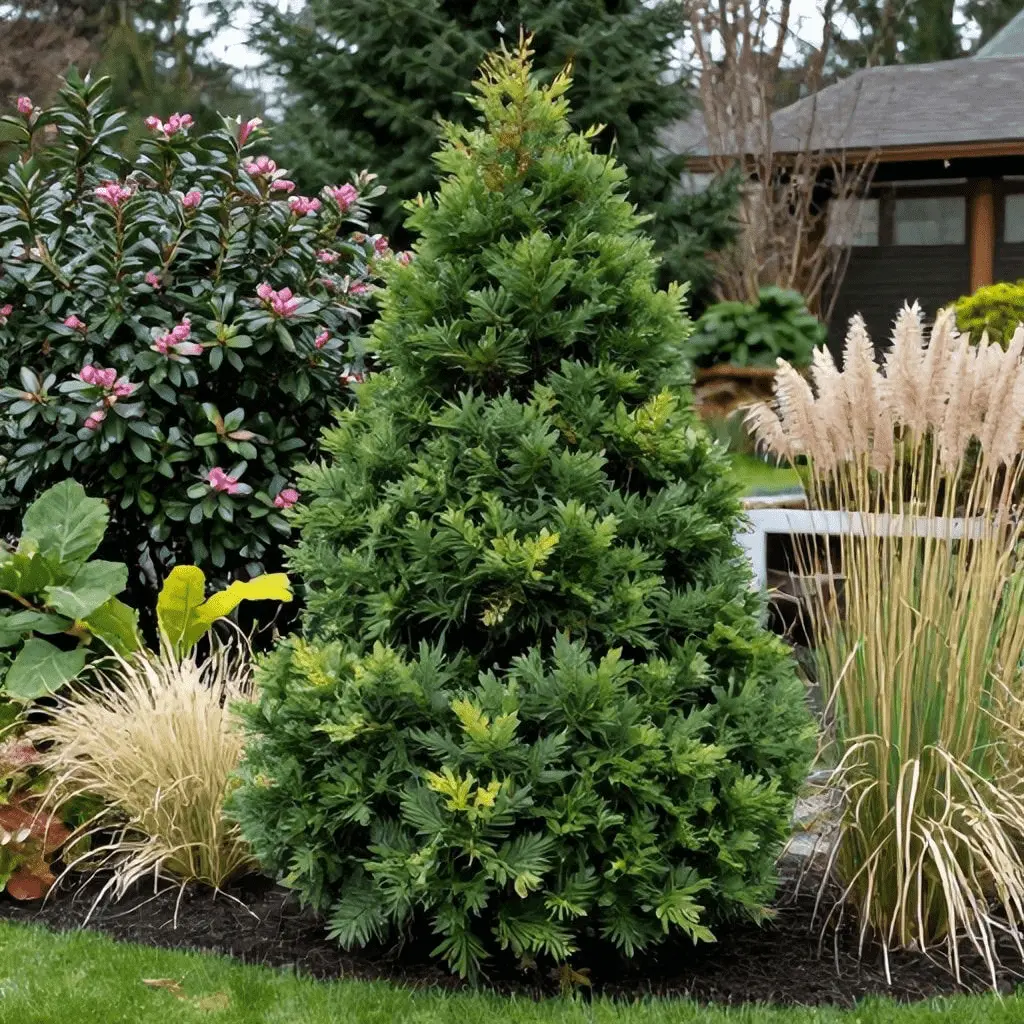
Evergreen structure is the solution. Boxwood, Japanese holly, Portuguese laurel, Saccoccia, mahonia, and Daphne all hold their form and color through winter while many other plants disappear. Pair them with ornamental grasses that retain their seed plumes, and you create a garden that remains visually engaging in January just as much as in June.
10. Experiment with the Tropicalism Style
Beginning in the early 1990s, Pacific Northwest gardeners began exploring a bold design movement that embraced tropical and subtropical foliage in ways that were once thought impossible in a cool temperate climate. This approach, known as Tropicalism, centers on plants with oversized, dramatic leaves and architectural form.
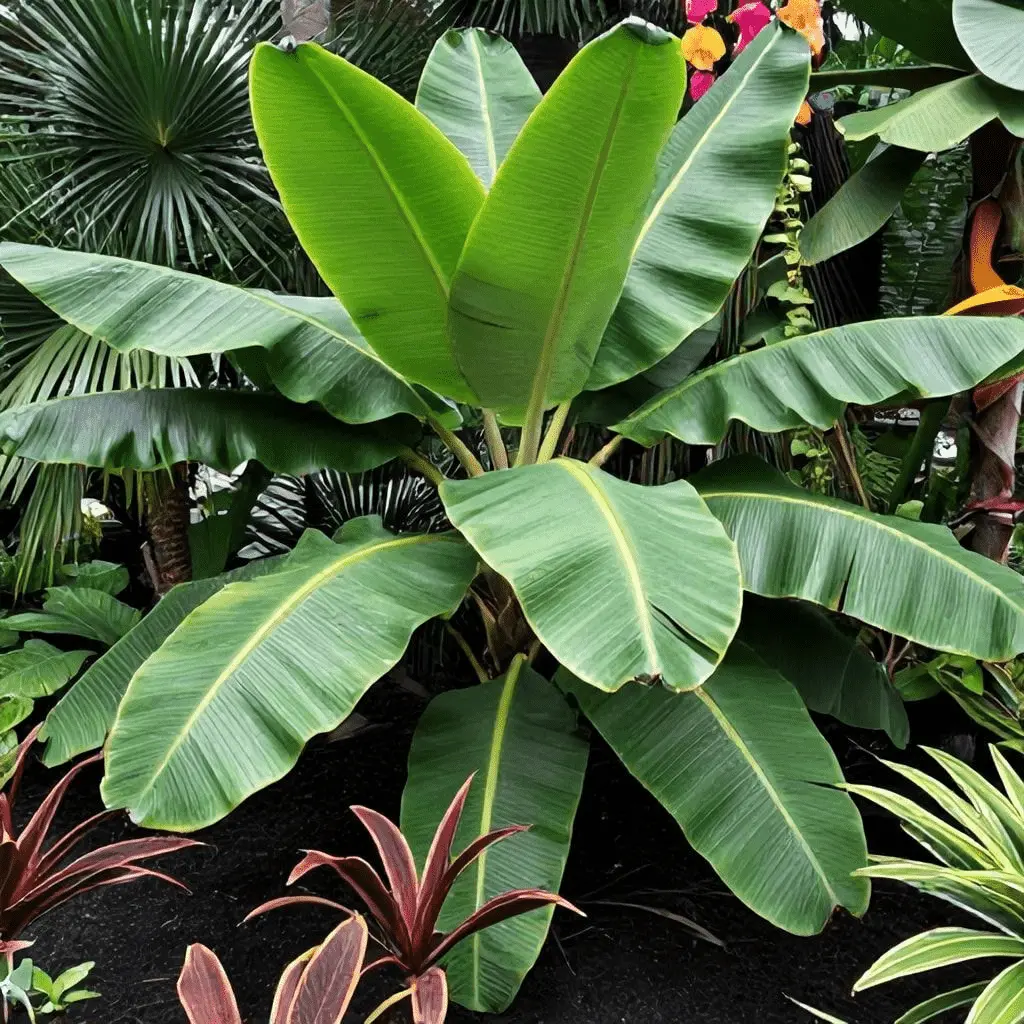
Hardy bananas, gunner, tetra panax, Dacrycarpus palms, and cannas all push the boundaries of what looks possible in a Northwest garden. Combined with rich, dark soil and the region’s reliable summer warmth, these plants create a lush, high-drama effect that surprises and delights visitors.
11. Build a Cutting Flower Garden
The Pacific Northwest climate is genuinely excellent for growing cutting flowers, and a dedicated cutting garden is one of the most enjoyable additions to any property. Dahlias are particularly beloved in this region, growing to extraordinary size and blooming prolifically from midsummer through the first frost.
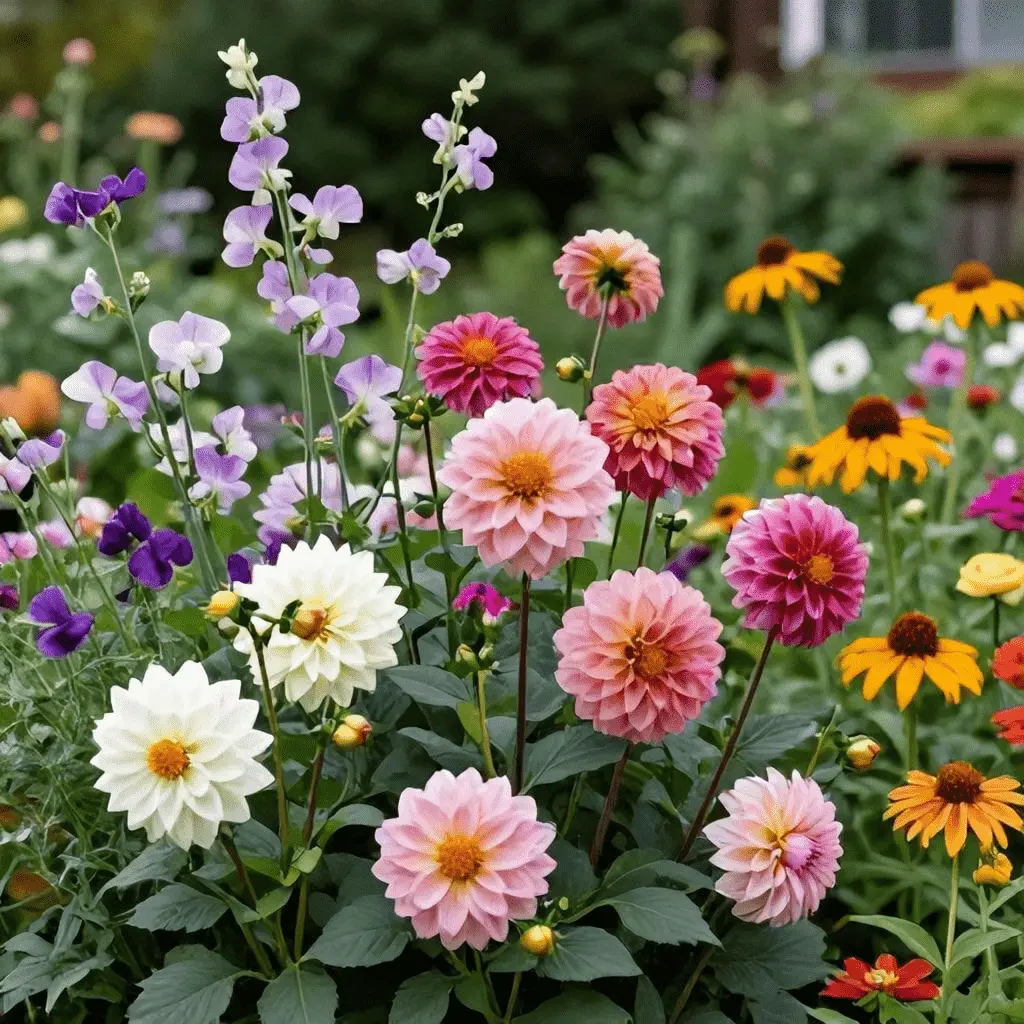
Combine them with sweet peas, lisianthus, ranunculus, zinnias, rudbeckia, and cosmos for a cutting garden that produces bouquets from May through October. Northwest garden ideas, growing your own cut flowers is both economical and deeply satisfying.
12. Use Containers to Extend the Planting Season
Container gardening is a practical strategy for Pacific Northwest gardeners who want to get plants in the ground earlier in spring and keep them productive later into autumn.
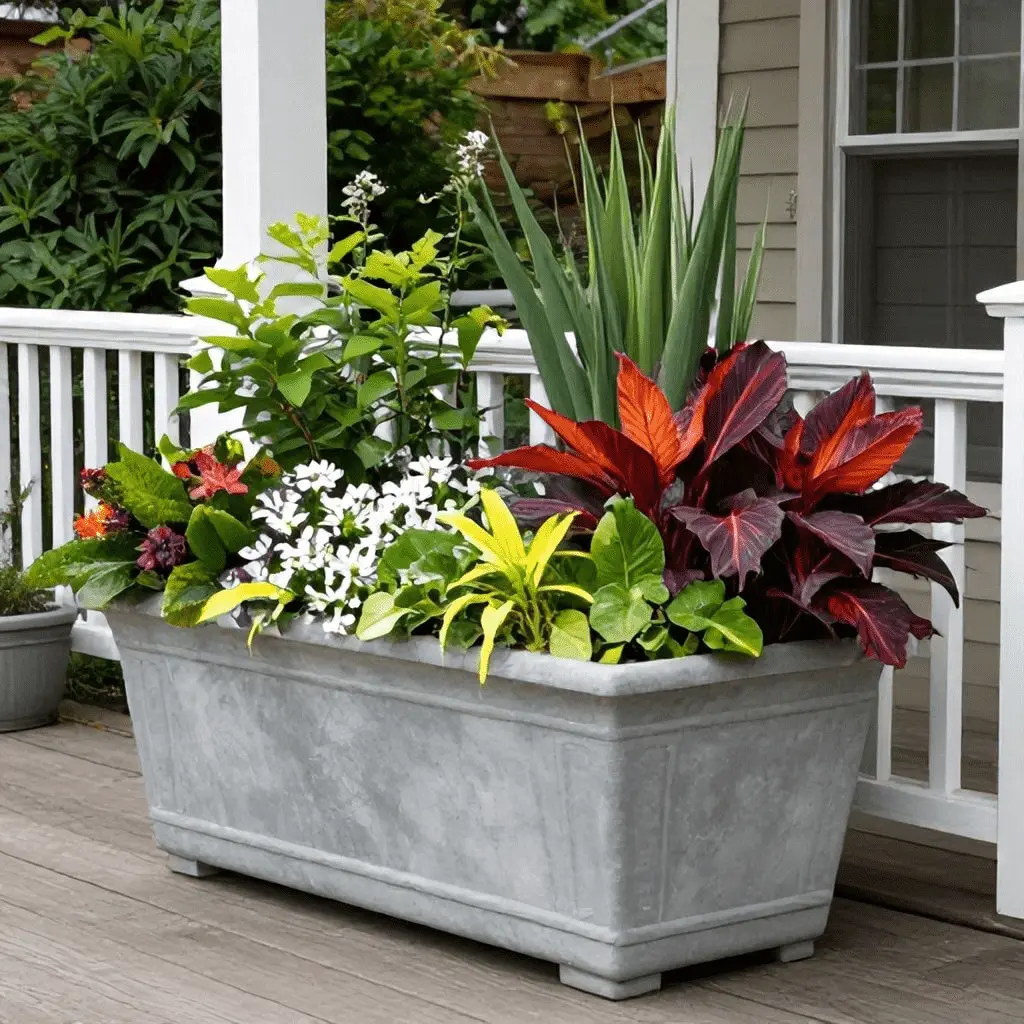
Containers can be moved to sheltered spots during late spring cold snaps, positioned under eaves to reduce watering during summer, and brought indoors for the winter if they contain tender perennials or bulbs. Large statement containers planted with bold foliage combinations also add strong visual interest to patios, entryways, and garden paths throughout the year.
13. Plant a Fragrant Garden Near Outdoor Seating
The Pacific Northwest’s cool, moist air actually intensifies the fragrance of many plants, making a carefully positioned scented garden near a patio or deck an exceptional sensory experience. Sarcococca, also known as sweet box, perfumes the winter air with remarkable intensity.
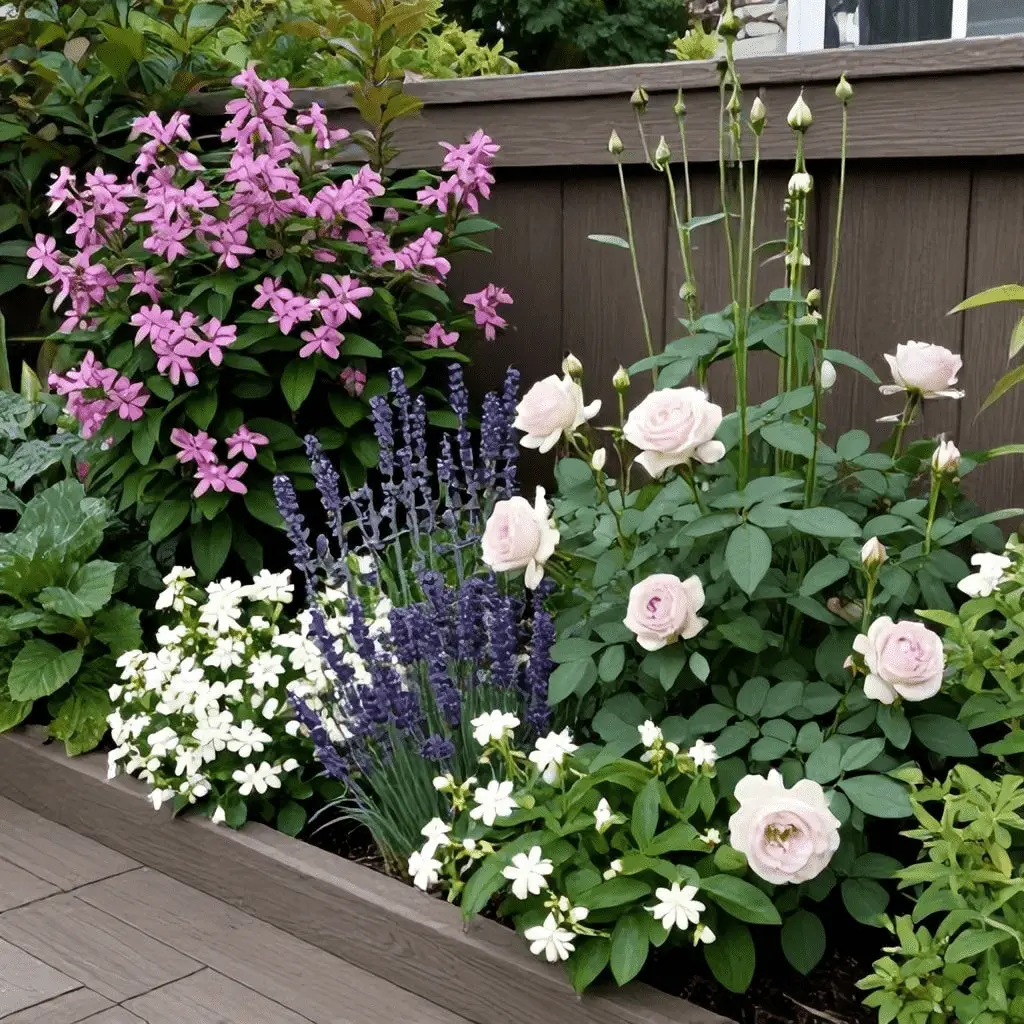
Daphne fills early spring with a scent that stops visitors in their tracks. Roses, lavender, jasmine, and sweet William carry the fragrance through summer. pacific northwest garden ideas Choosing a sheltered, south-facing wall as the backdrop for a scented planting captures heat and concentrates scent beautifully.
14.Establish a Front Yard Food Garden
The traditional grass-only front lawn is giving way to more purposeful planting in Pacific Northwest neighborhoods, and a front yard food garden is one of the most rewarding transformations possible. Raised beds or planted borders featuring vegetables, herbs, edible flowers, and fruit trees make a confident statement while producing usable food.
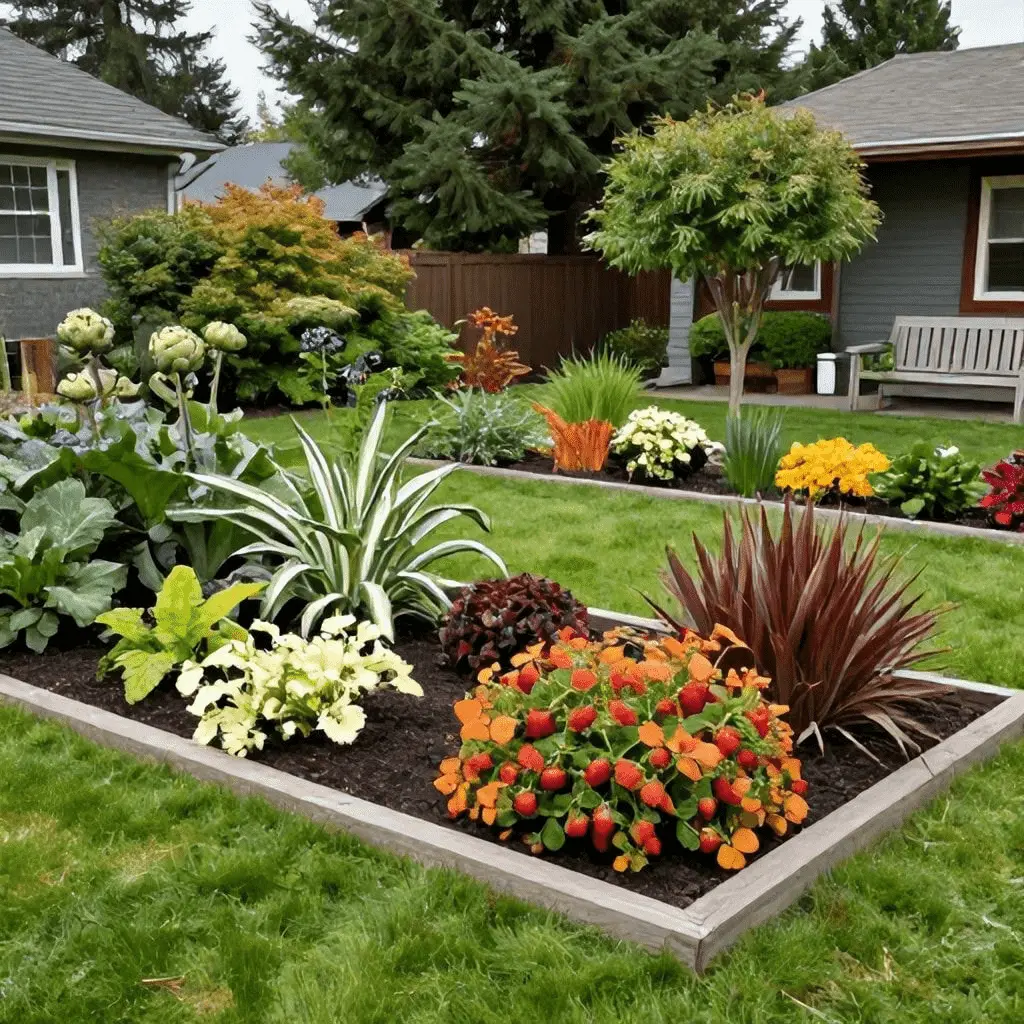
Artichokes and bronze fennel add striking architectural form. Blueberries double as attractive shrubs with brilliant autumn color. Strawberries make an excellent flowering groundcover. The front yard food garden is practical, beautiful, and a genuine conversation starter.
15.Incorporate Moss and Ground Cover
Moss grows effortlessly in the Pacific Northwest’s wet climate, and rather than fighting it, the savvy gardener embraces it as a design element. Moss creates a sense of timeless, settled calm in a garden, softening stone paths, covering retaining walls, and filling gaps between steppingstones.
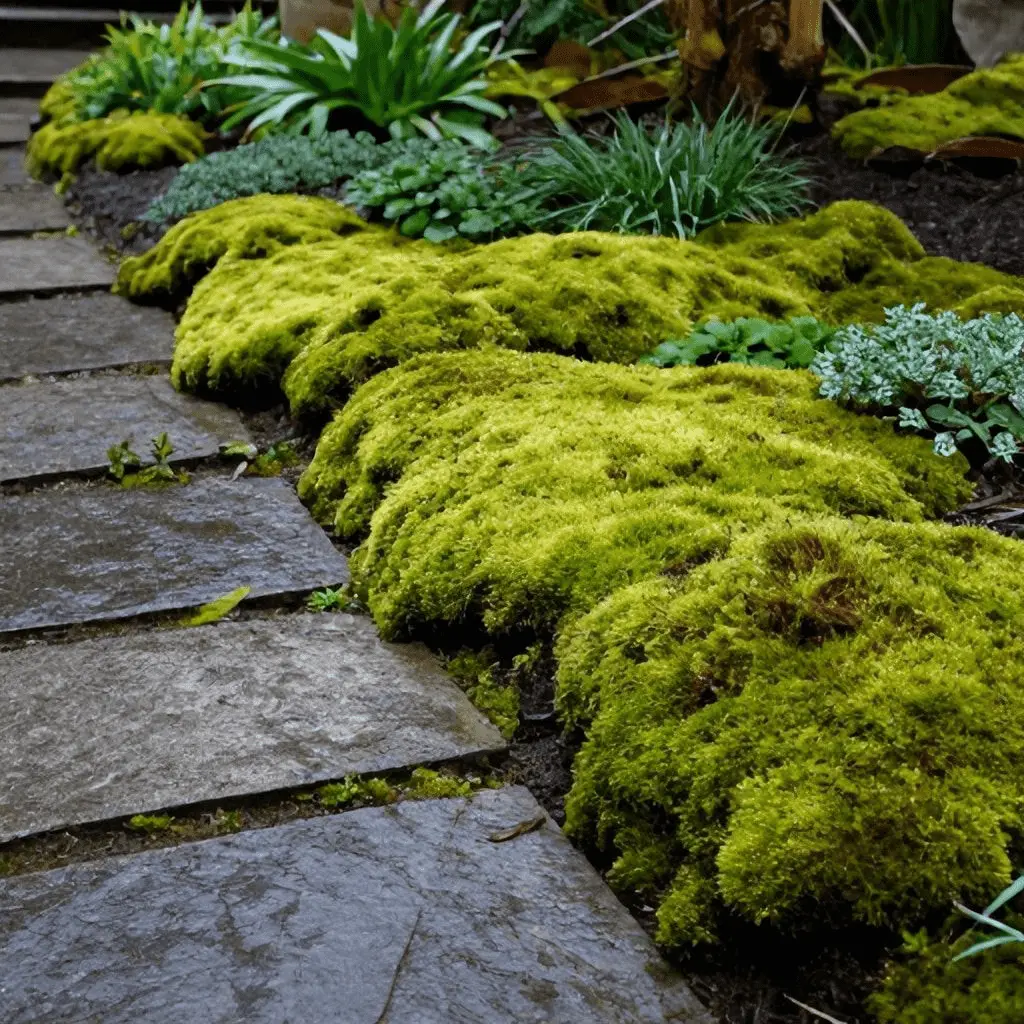
Pair it with low-growing groundcovers like creeping thyme, ajuga, pachysandra, and native wild ginger to create a dense, weed-suppressing carpet under trees or in shaded corners where little else will grow successfully.
16. Create an Outdoor Room with Hedges and Structure
Defining outdoor rooms using hedges, trellises, pergolas, and planted screens gives Pacific Northwest gardens a sense of intimacy and purpose that open, undefined spaces lack. Hornbeam makes an outstanding formal hedge that retains its leaves through winter.
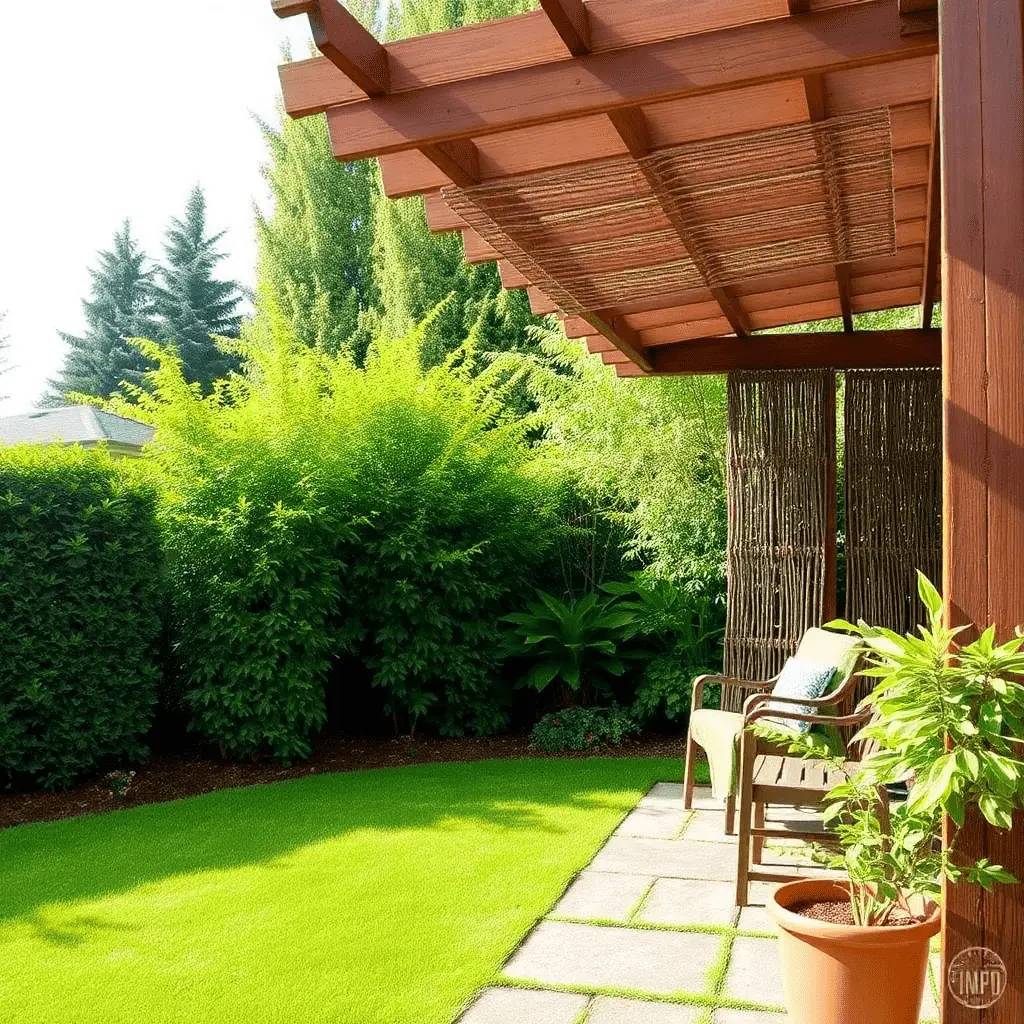
Bamboo creates a fast-growing screen with a contemporary feel. Pleached fruit trees trained along wire frames add vertical structure and edible production simultaneously. By thinking of the garden as a series of connected rooms rather than a single open space, even modest properties gain a sense of depth and discovery.
17. Design a Low-Maintenance Garden with Mulch
Mulching is one of the single most effective strategies available to Pacific Northwest gardeners. A generous layer of wood chip or bark mulch applied in autumn retains soil moisture through summer, suppresses weed germination, moderates soil temperature, and breaks down over time to add valuable organic matter.
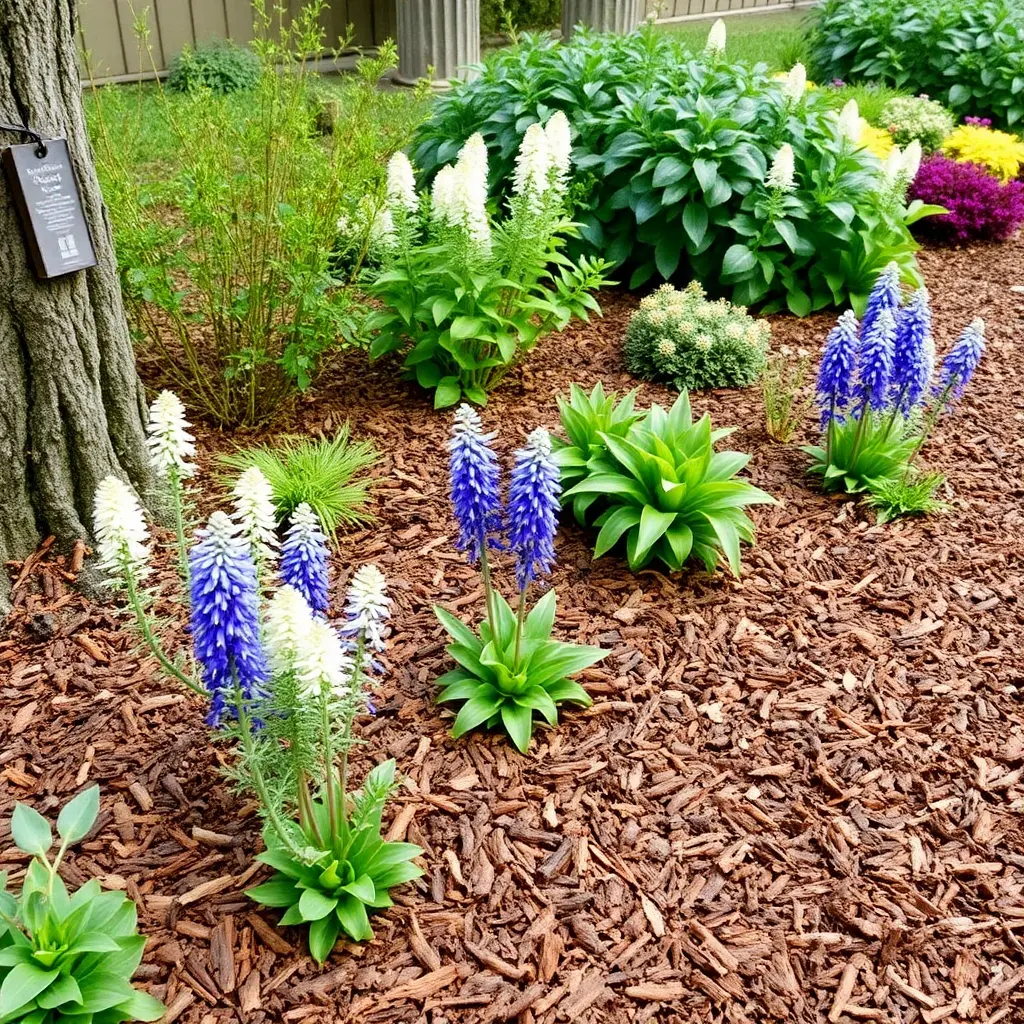
It also dramatically reduces the time spent weeding throughout the growing season. Pacific Northwest Garden ideas, apply mulch generously around shrubs, perennial borders, and tree bases but keep it away from direct contact with plant stems to prevent rot.
18.Grow Rhod odendrons and Azaleas
Few plants are more at home in the Pacific Northwest than rhododendrons and azaleas. The acidic, well-drained forest soils and moderate temperatures of this region mirror the conditions these plants evolved in across Asia and the Appalachians.
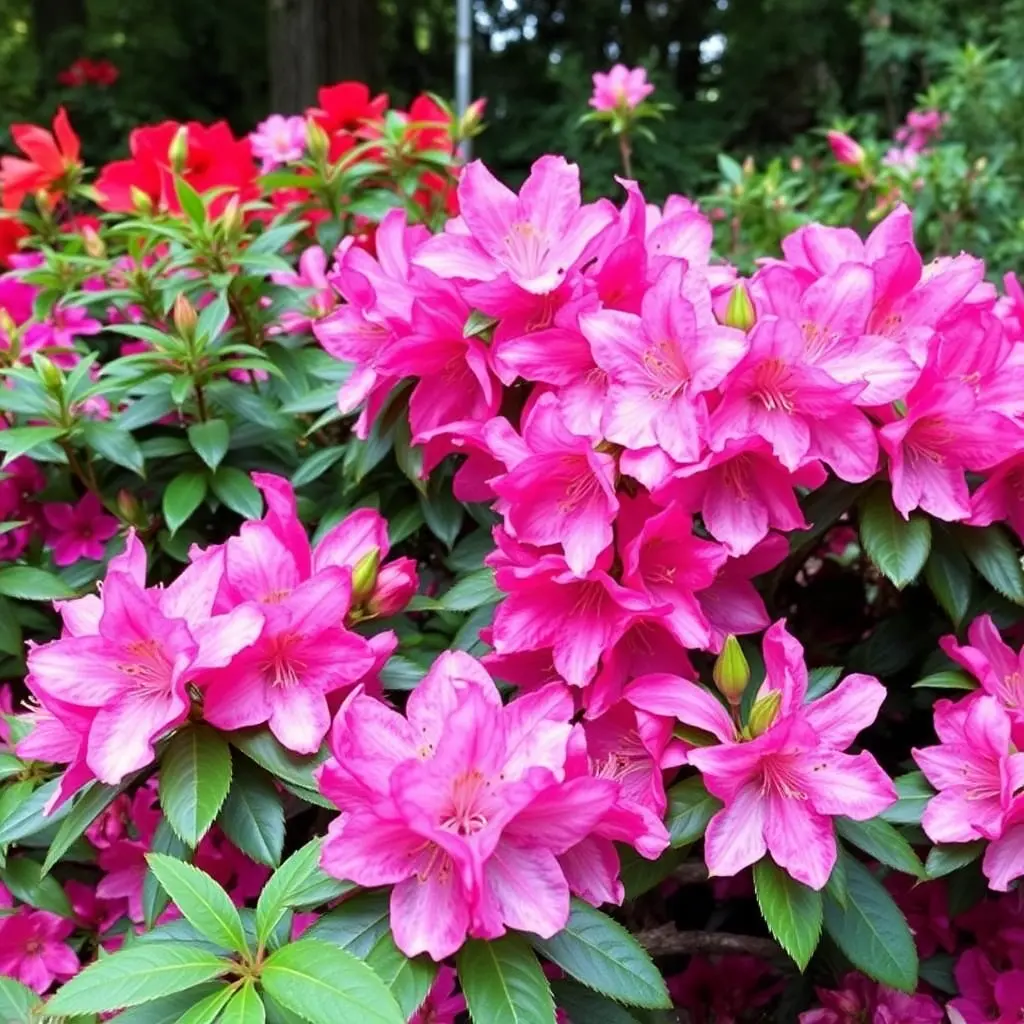
They provide spectacular bloom in spring, strong evergreen structure year-round, and extraordinary variety in color, form, and scale. From compact groundcover varieties to tree-like specimens reaching five meters, there is a rhododendron suited to every garden style and size in this region.
19. Add a Water Feature for Sound and Movement
A small water feature, whether a simple recirculating fountain, a naturalistic pond, or a Japanese-inspired tsukubai basin, adds a dimension of sensory richness to any Pacific Northwest garden that no plant alone can replicate.
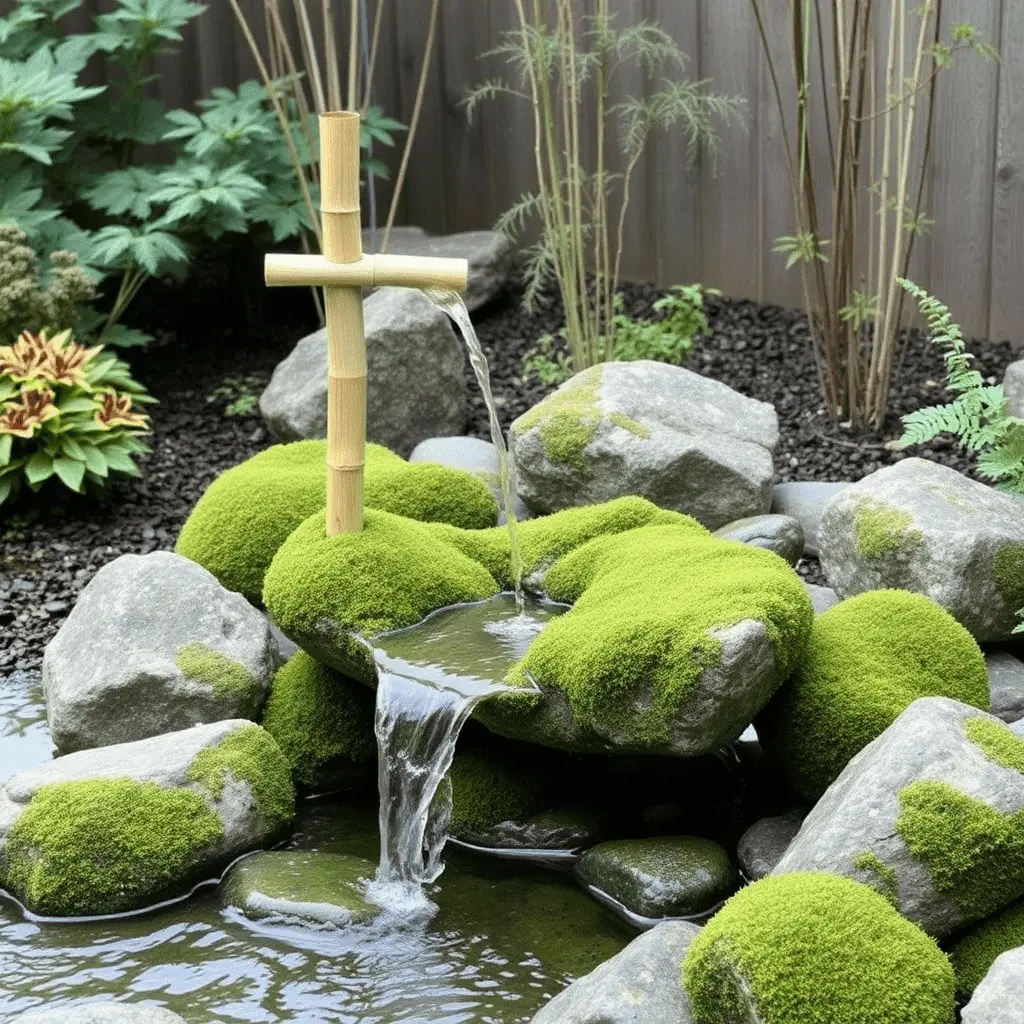
Moving water creates sound that masks urban noise, reflects light even on overcast days, and attracts birds and beneficial insects. In a woodland or Japanese-inspired garden setting, a bamboo spout trickling over moss-covered stones feels completely at home in the regional landscape.
Conclusion
The Pacific Northwest is one of the most inspiring and genuinely flexible gardening regions in North America. Its combination of reliable rainfall, rich soil, mild temperatures, and dramatic natural scenery provides a canvas that rewards both beginners and experienced gardeners equally. The ideas covered in this article range from the deeply practical, including raised beds, mulching strategies, and rain gardens, to the aesthetically ambitious, including Japanese-inspired designs, Tropicalism plantings, and four-season color planning. The most successful Northwest gardens tend to be those that work with the region’s natural rhythms rather than against them, embracing the rain, the shade, and the cool grey winters as assets rather than obstacles. Choose even three or four ideas from this list and begin implementing them thoughtfully, and you will find that your garden transforms into a space that feels genuinely connected to this remarkable corner of the world.
Frequently Asked Questions
Q1: What are the best plants for a Pacific Northwest garden?
Native plants like Western sword fern, Oregon grape, red flowering currant, Pacific bleeding heart, and native huckleberry are excellent starting points. For ornamental interest, rhododendrons, hosts, heuchera, astilbe, and dahlias all perform exceptionally well in this climate.
Q2: What hardiness zone is the Pacific Northwest?
The Pacific Northwest generally falls within USDA Hardiness Zones 7 to 9, though specific microclimates vary considerably depending on elevation, proximity to the coast, and whether you are east or west of the Cascade Mountains. Always verify your exact zone before selecting plants.
Q3: When should I start planting vegetables in the Pacific Northwest?
Cool-season vegetables like kale, lettuce, peas, and broccoli can often be planted outdoors as early as March. Warm season crops like tomatoes and peppers should wait until early June when the risk of late frost has passed and soil temperatures have warmed sufficiently.
Q4: How do I deal with slugs in a Pacific Northwest garden?
Slugs are among the most persistent challenges in this wet climate. Iron phosphate-based slug baits are effective and safe for wildlife. Reducing mulch depth around vulnerable plants, creating barriers with copper tape, and encouraging natural predators like ground beetles also help reduce slug populations over time.
Q5: Do Pacific Northwest gardens need irrigation in summer?
West of the Cascades, summers are often dry from July through September despite the wet winters. Newly planted specimens and vegetable gardens will need supplemental irrigation during this period. Established native plants and drought-tolerant perennials typically manage well on rainfall alone once their root systems are fully developed.