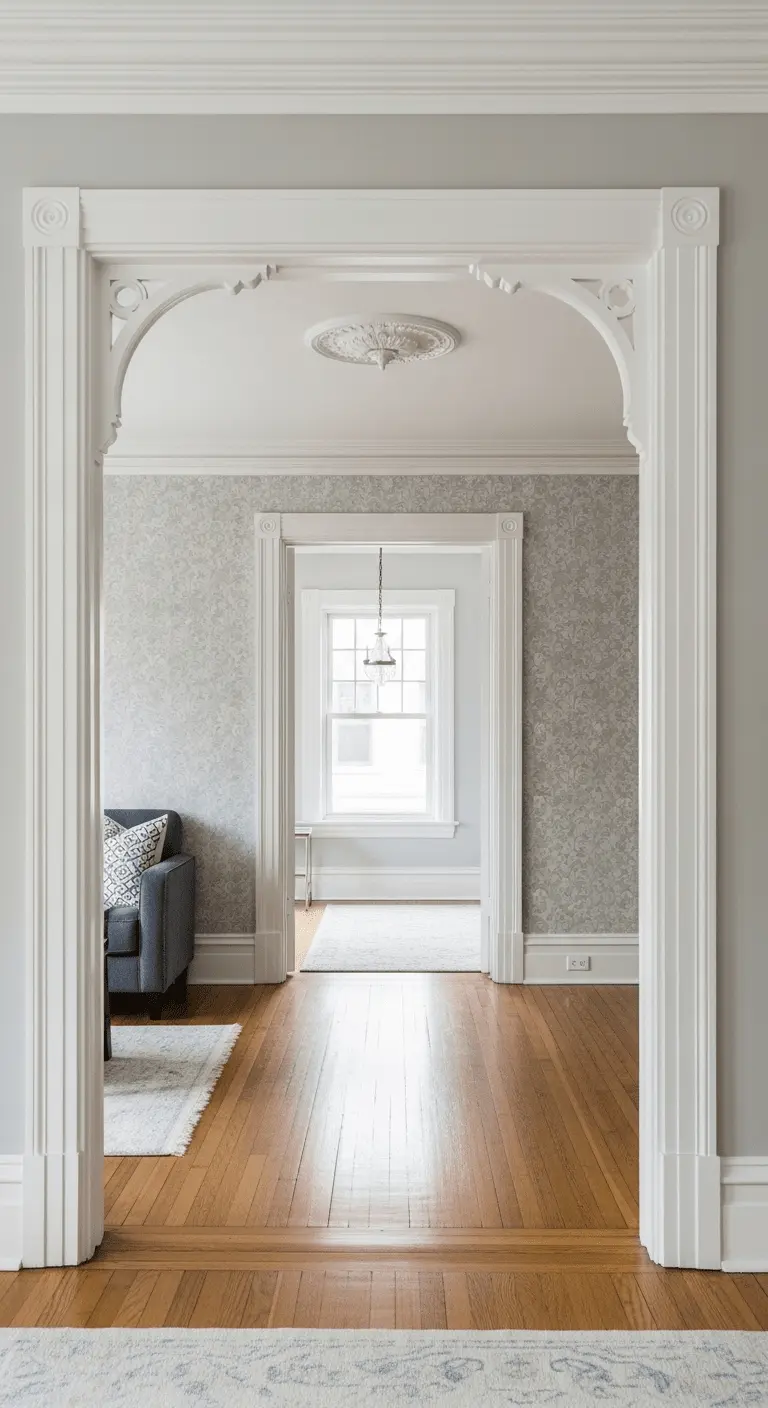
15 + Stylish Interior Wall Opening Ideas
Introduction
Interior Wall Opening Ideas ,there comes a point in nearly every homeowner’s journey when the walls of a room begin to feel less like shelter and more like a barrier. Natural light gets trapped in corners, rooms feel disconnected from one another, and a floor plan that once made perfect sense now reads as a series of isolated boxes. The good news is that the solution is rarely as dramatic as a full-scale demolition. More often, all that is needed is one well-considered interior wall opening.
Interior wall opening ideas have surged in popularity over the past decade as more people move away from closed, compartmentalized layouts toward homes that breathe freely, share light generously, and encourage connection across rooms. Whether you are working with a century-old home plagued by dark corridors or refreshing a newer build that simply lacks visual flow, a thoughtfully designed interior wall opening can deliver results that feel nothing short of transformational.
This guide walks through 15 plus stylish interior wall opening ideas, from timeless architectural choices to fresh contemporary details, paired with the practical knowledge needed to make each one work beautifully in a real home.
Why Interior Wall Opening Ideas Matter More Than You Think
Before exploring specific ideas, it is worth understanding what interior wall openings actually accomplish beyond the visual. At the most practical level, they allow light to travel freely from one room to another, which immediately makes both spaces feel larger, warmer, and more welcoming. On a deeper level, they reshape the way people move through and experience a home every single day.
Consider the difference an opening makes between a kitchen and a dining area. With a solid wall separating the two, cooking becomes an isolated activity. With a thoughtful interior wall opening, a parent can watch children in the living room, a host can remain part of the conversation while preparing a meal, and the entire ground floor begins to function as a connected, living whole rather than a collection of separate compartments.
Wall openings also carry significant design weight. The shape, the trim detail, the material, and the proportions of an interior wall opening communicate a great deal about the style and character of a home. A rounded archway speaks to Mediterranean or classical influences. A clean-edged cased opening in painted wood suggests a traditional or transitional sensibility. A frameless steel-and-glass panel reads as unmistakably modern. Understanding this relationship between form and style helps homeowners make choices that feel deliberate and cohesive.
Structural Considerations Before You Begin
Every interior wall opening project must begin with one critical question: is this wall load-bearing? Load-bearing walls carry the weight of the floors and roof above them down to the foundation of the building. Attempting to open or remove such a wall without proper engineering support is one of the most dangerous and costly mistakes a homeowner can make.
Before any cutting begins, consult a licensed structural engineer or an experienced contractor who can determine the wall’s structural role and specify the correct beam, lintel, or column needed to safely redistribute the load around the opening. This professional consultation is not optional. It is the step that determines whether your project results in a beautiful new room or a compromised structure.
1. The Classic Archway
Few interior wall opening ideas carry the enduring elegance of a rounded arch. An archway softens the transition between two rooms and introduces a graceful curve that contrasts beautifully with the predominantly straight lines of most interiors.
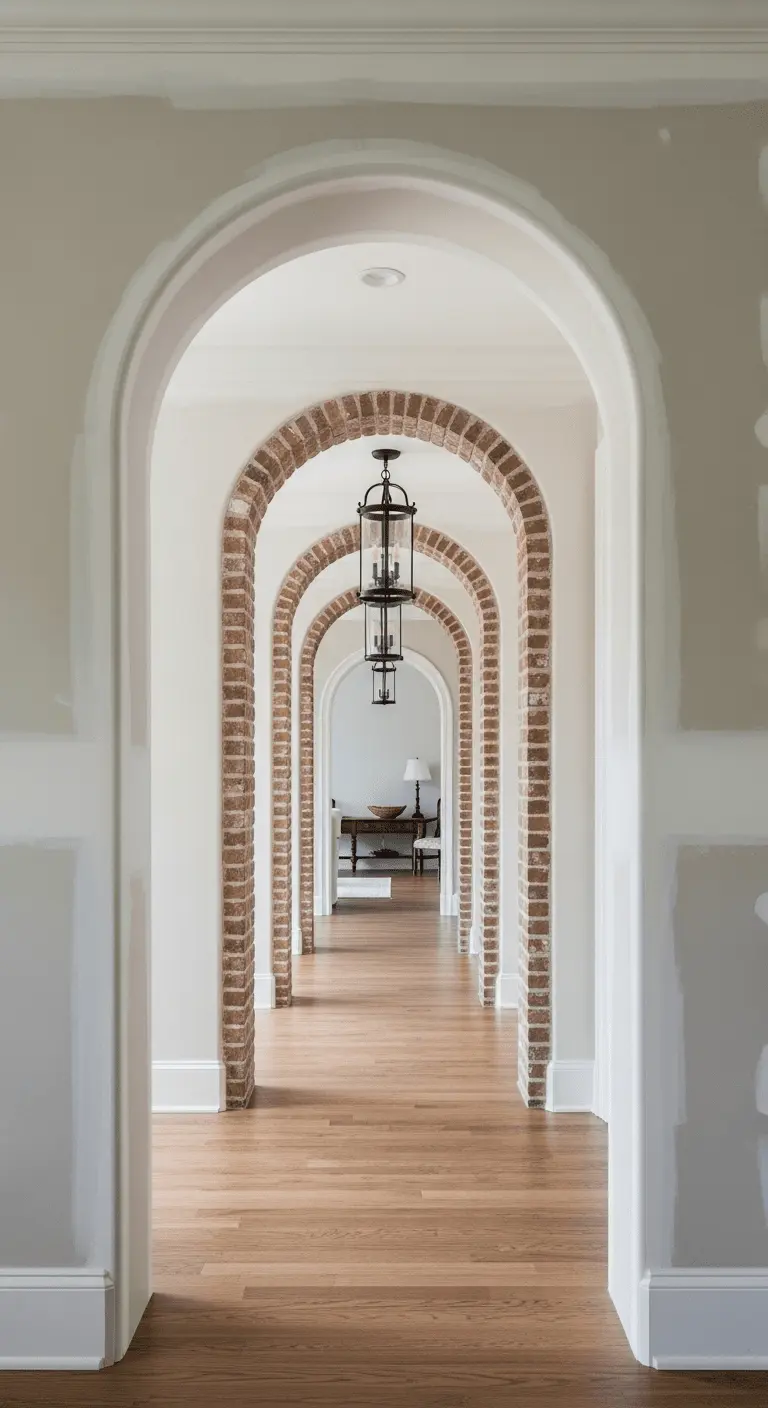
Whether rendered in drywall, plaster, or brick, arched openings suit both traditional and transitional homes. In Mediterranean-inspired or Spanish-style residences, a series of archways along a corridor can become the defining architectural feature of the entire interior. For homeowners who want their renovation to feel like it belongs to the original building rather than an addition, the classic archway is almost always the right call.
2. The Cased Opening
A cased opening is one of the most architecturally satisfying choices in the entire vocabulary of interior wall opening ideas. It is essentially a wall opening framed with trim or wood casing on all sides, just like a door frame, but without a door.
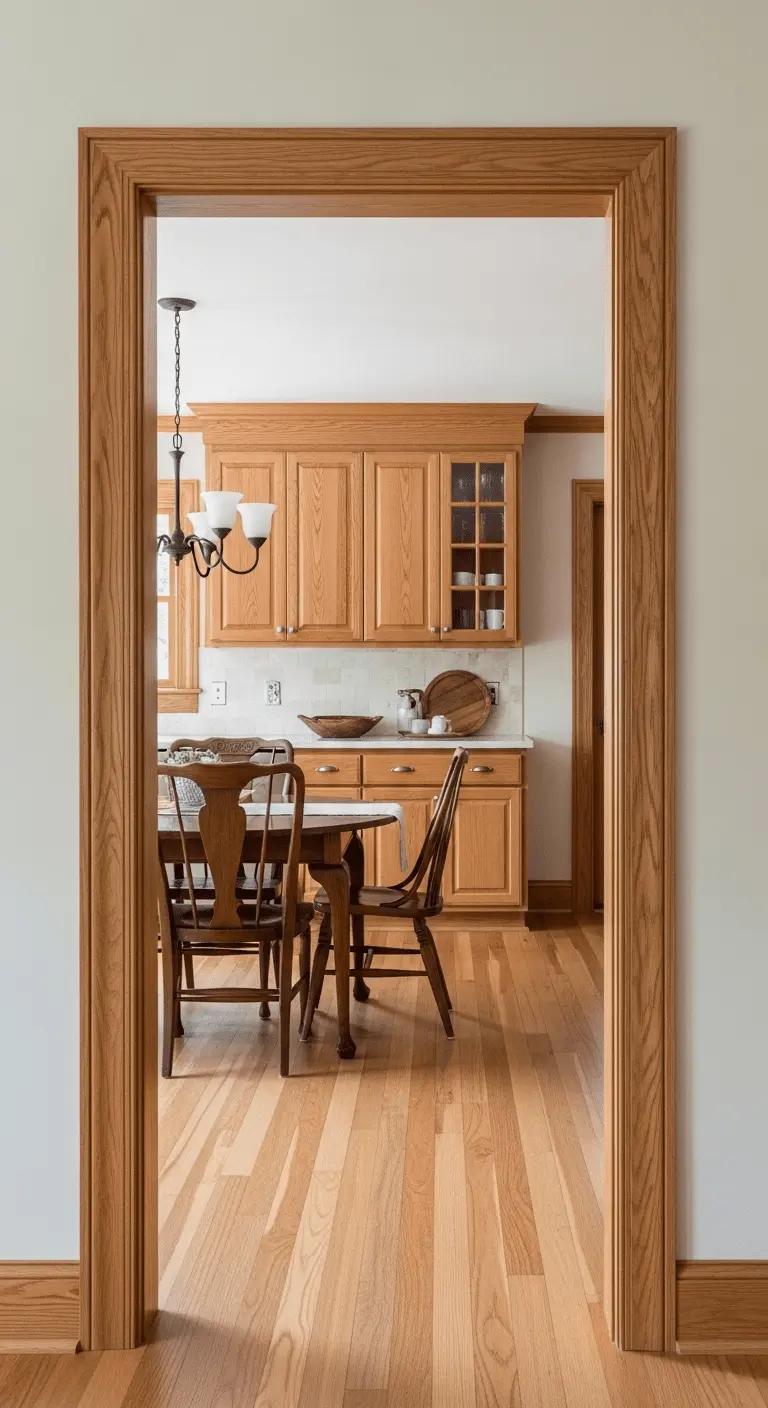
The casing gives the opening a finished, intentional appearance that prevents it from looking unresolved. Cased openings work exceptionally well between a kitchen and a dining room, where the goal is connection without the complete dissolution of two distinct spaces. The profile of the casing itself, whether simple and streamlined or detailed with traditional molding, can be matched precisely to the existing woodwork found throughout the home.
3. The Kitchen Pass-Through
The kitchen pass-through is a smaller, rectangular interior wall opening typically positioned between the kitchen and a dining or living area. Rather than removing an entire wall, a pass-through preserves most of the structure while creating a functional portal for dishes, drinks, and conversation. It is a particularly practical interior wall opening idea for homeowners who entertain regularly.
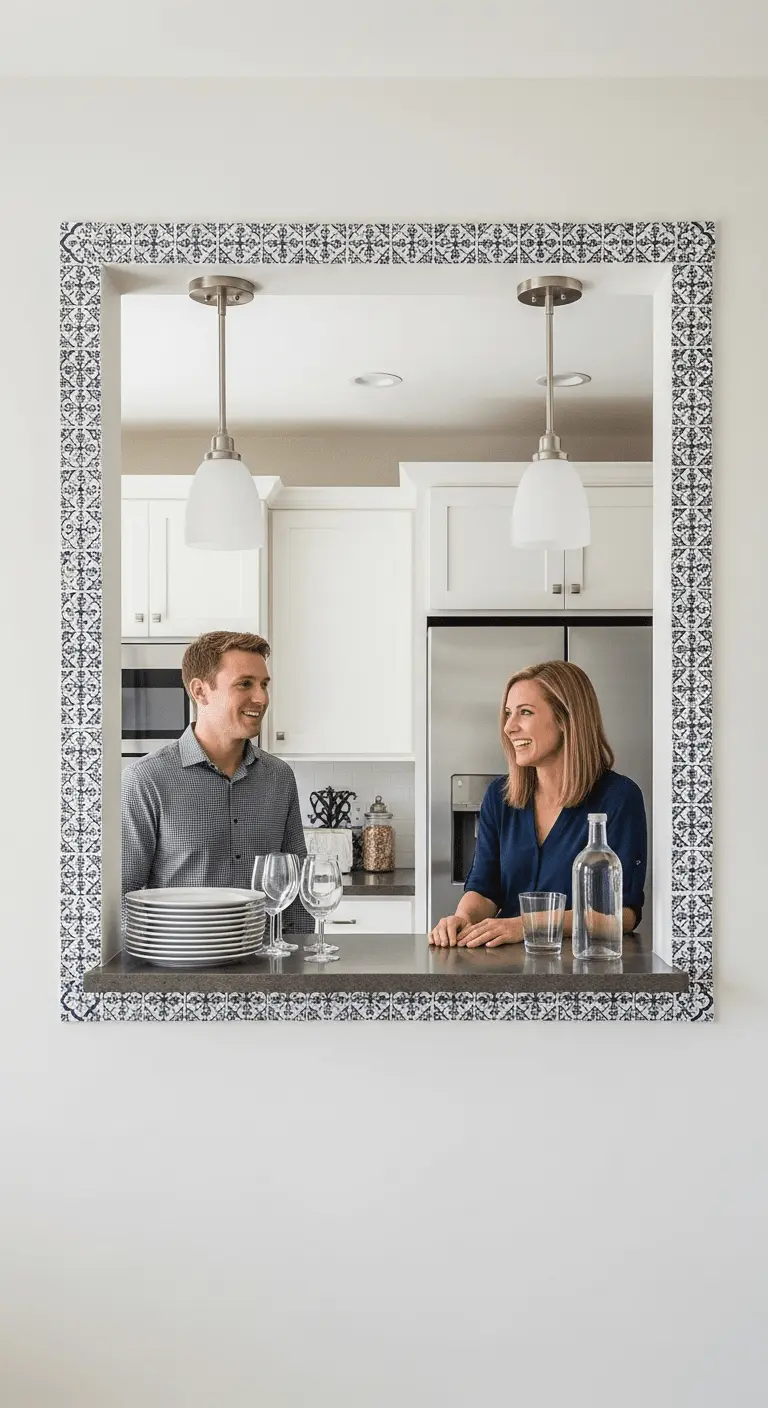
A pass-through can be left plain for a clean modern result or dressed with a small ledge on the serving side, pendant lighting suspended above it, or decorative tile work framing the opening for additional character.
4. The Half Wall or Pony Wall
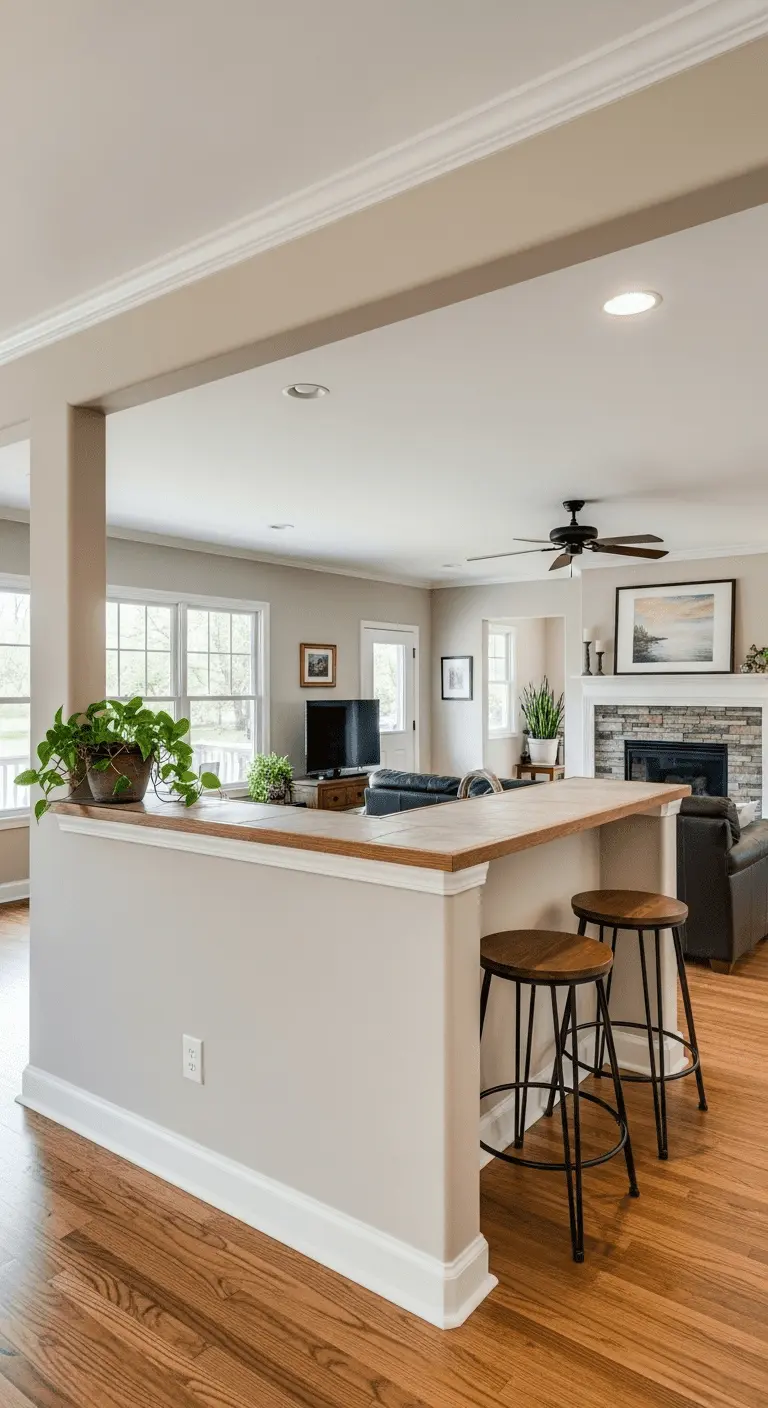
The half wall, sometimes called a pony wall, offers a compelling middle ground between full separation and complete openness. Rising to roughly counter or bar height, typically between 36 and 42 inches, a half wall divides two areas while maintaining the visual connection above its surface. This interior wall opening idea works beautifully between a kitchen and a living room, where some sense of boundary is still desirable. The top surface of a half wall can be finished with a wood cap, tile, or a stone countertop, giving it dual purpose as both a visual divider and a functional ledge suitable for bar seating, plants, or decorative objects.
5. Interior Glass Panels and Windows
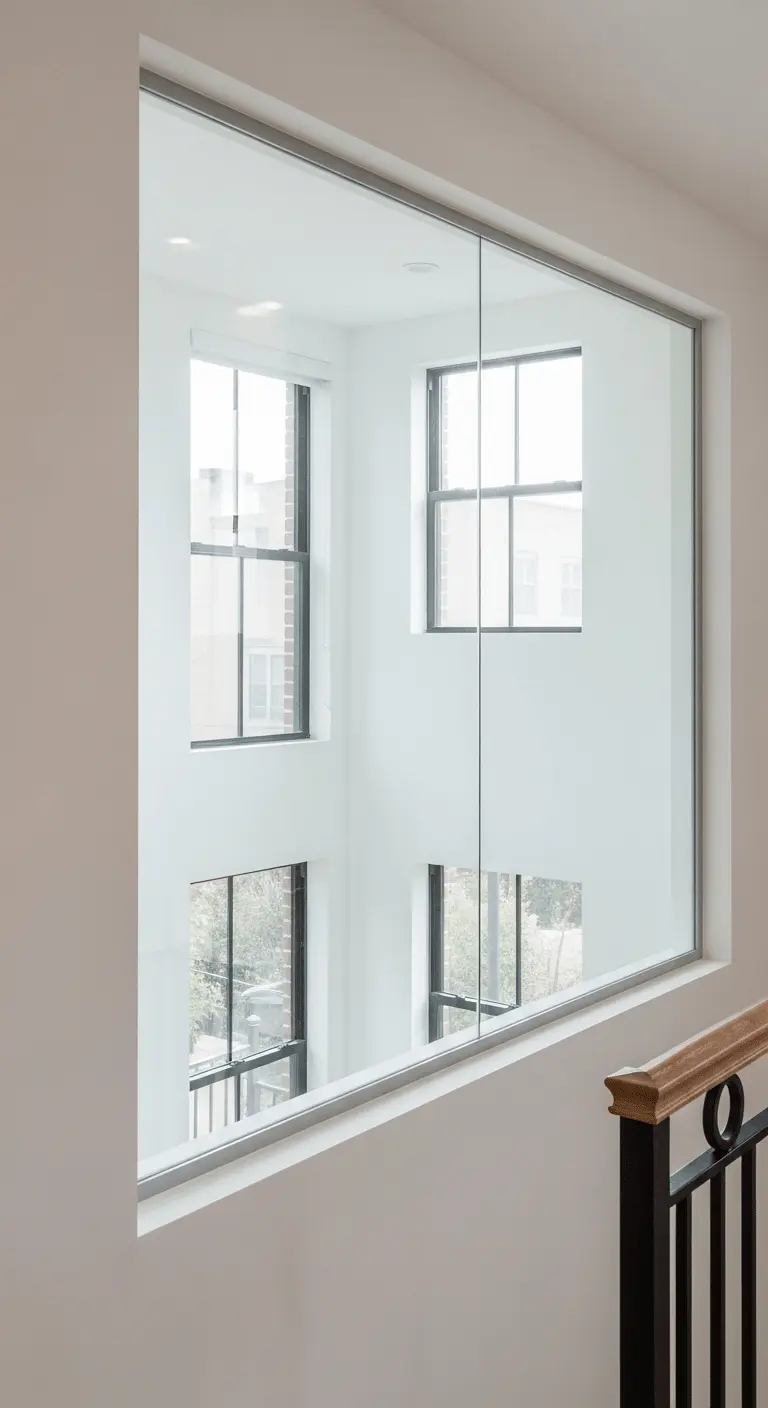
Installing glass within an interior wall is among the most effective of all interior wall opening ideas when the goal is to maintain spatial separation while keeping light moving freely through the home. Interior glass panels can span nearly the full height of a wall for a dramatic, loft-like effect, or they can appear as smaller windows within the wall for a more selective visual connection. Clear glass maximizes light and visibility. Frosted or textured glass diffuses light gracefully while providing privacy. Steel-framed glass panels have become one of the most requested details in contemporary and industrial-style homes, creating a striking visual statement while genuinely improving the quality of light in both adjoining spaces.
6. Pocket Doors
Pocket doors slide directly into a cavity built within the wall itself, disappearing entirely from view when fully open. This makes them one of the most space-efficient interior wall opening ideas available, a quality particularly valuable in smaller homes or apartments where every square foot counts. When open, a pocket door leaves the passageway completely unobstructed, creating the sensation of a wide, seamless interior wall opening.
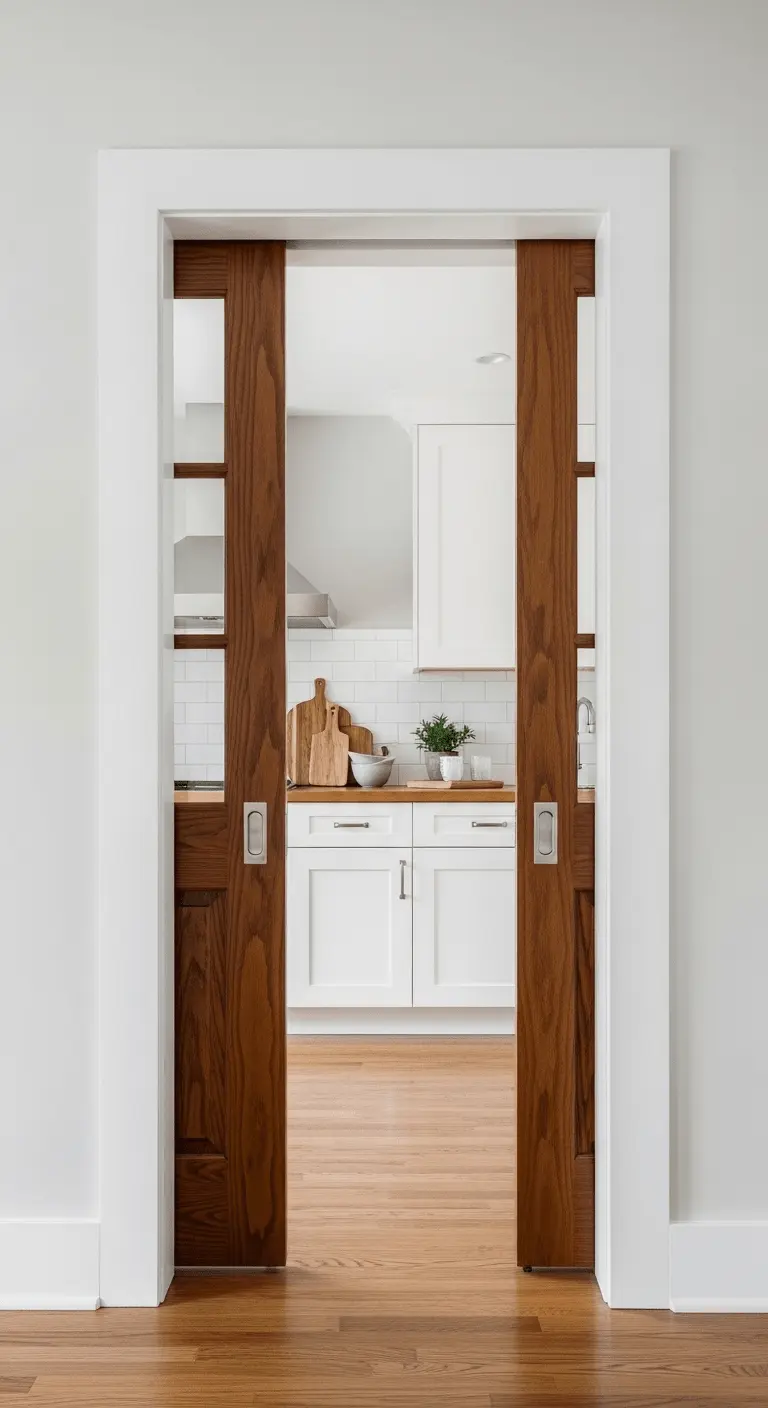
When closed, it restores full separation and acoustic privacy. Pocket doors can be made from solid wood, glass, or combinations of both, and they suit virtually every design aesthetic from farmhouse to mid-century modern. https://casaelys.com/interior-wall-openings/
7. Barn Doors and Sliding Doors
The barn door has proven far more than a passing design trend. Its lasting appeal comes from a combination of practicality, character, and visual interest. Because a barn door slides along a surface-mounted track rather than swinging into the room, it requires no floor clearance and operates efficiently even in the tightest spaces.
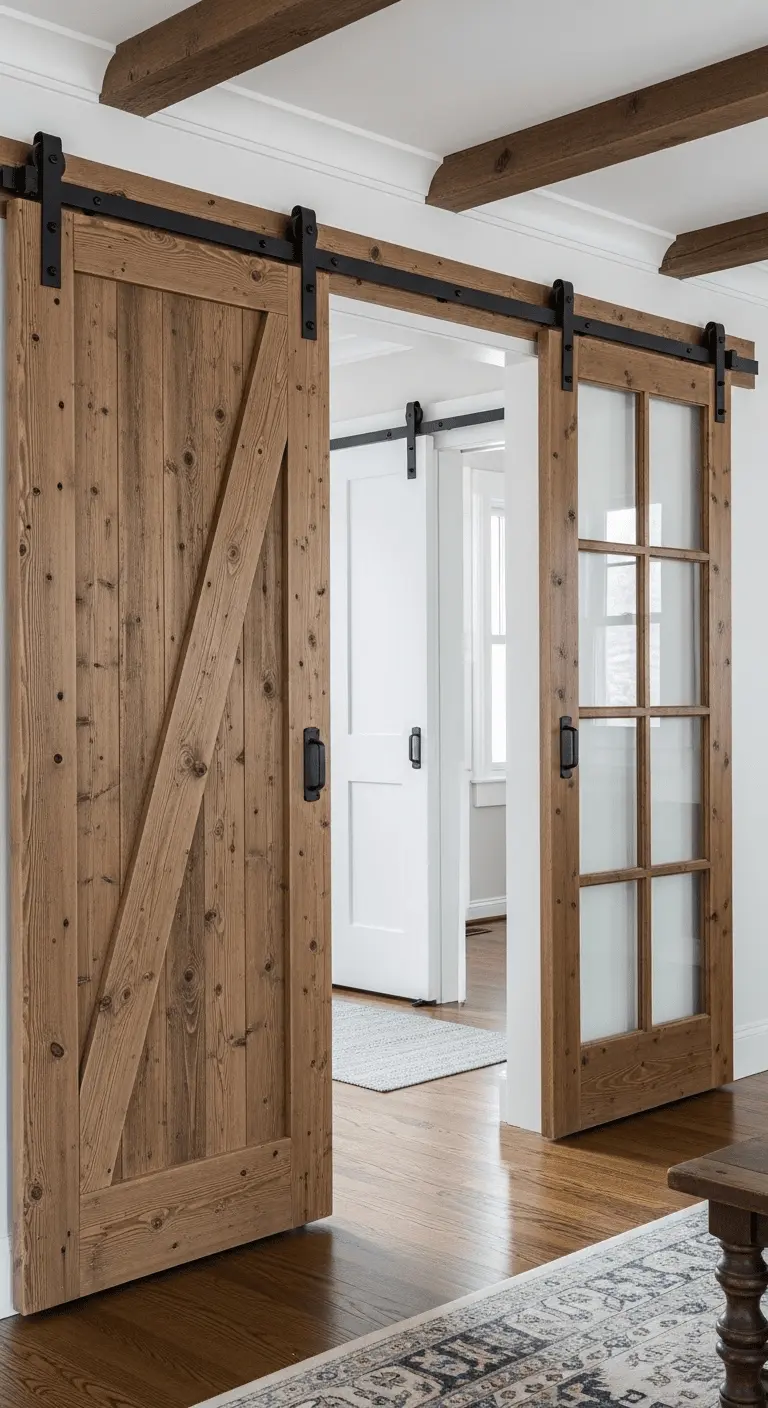
From a design standpoint, barn doors can be tailored to suit almost any interior style. Reclaimed wood versions bring warmth and texture to rustic and farmhouse settings. Flat-panel painted versions integrate cleanly into transitional interiors. Glass-panel barn doors add light to spaces while still offering the option of closure when needed.
8. French Doors
Interior French doors bring refinement and a certain period grace to any passageway. Their defining characteristic, glass panes set within a wood or metal frame, allows light to pass between rooms even when the doors are fully closed. This quality makes them particularly well suited for spaces like home offices or dining rooms that benefit from natural light but occasionally require acoustic separation.
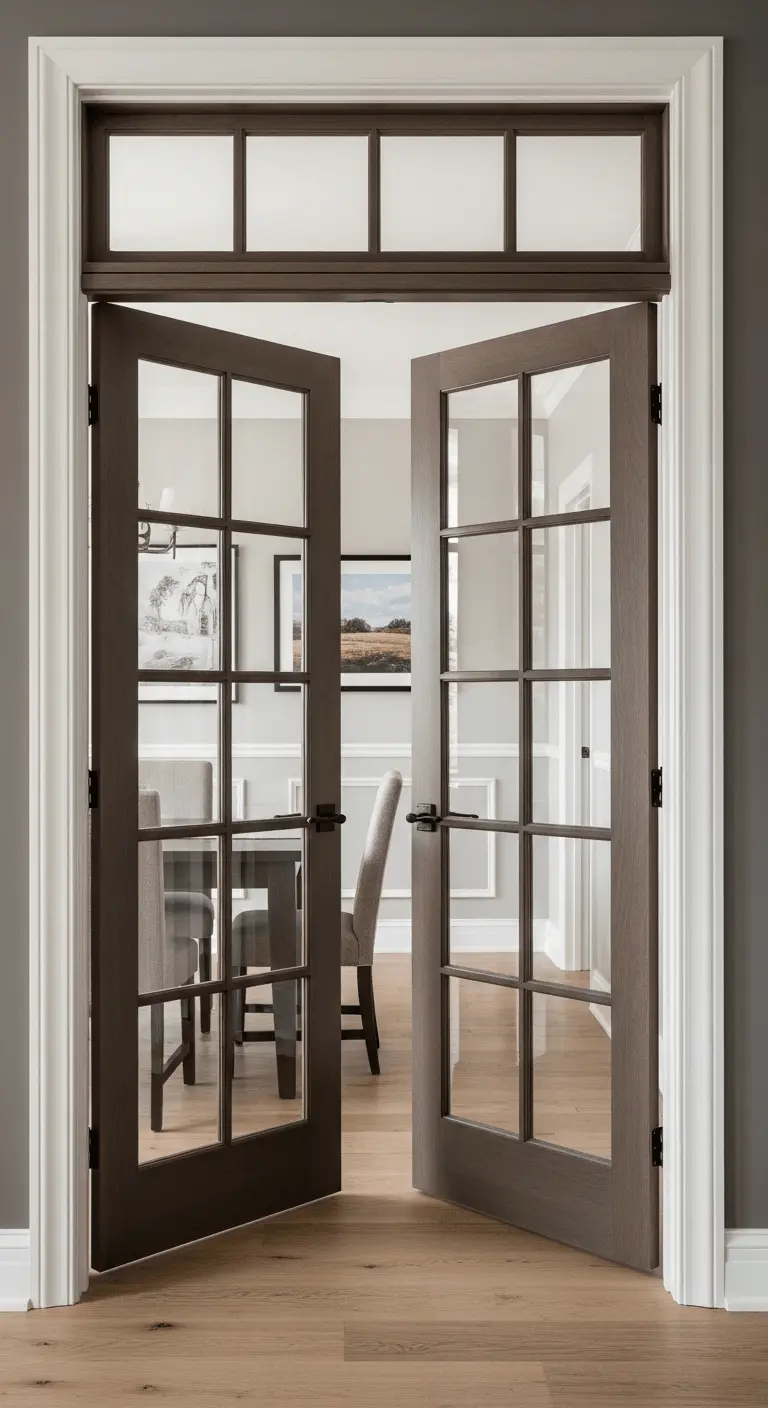
French doors installed between a living room and a study can make both spaces feel like part of a connected suite rather than separate and unrelated rooms.
9. Bi-Fold Doors
Bi-fold doors consist of two or more hinged panels that fold accordion-style when open. They create a wide, accessible passage while being far more compact in operation than traditional swinging doors. This makes them an excellent interior wall opening idea for spaces leading into laundry rooms, home offices, or media rooms. Bi-fold doors are available in solid wood, slatted wood, glass, or mirrored finishes, offering homeowners a generous range of options to suit the style of any interior.
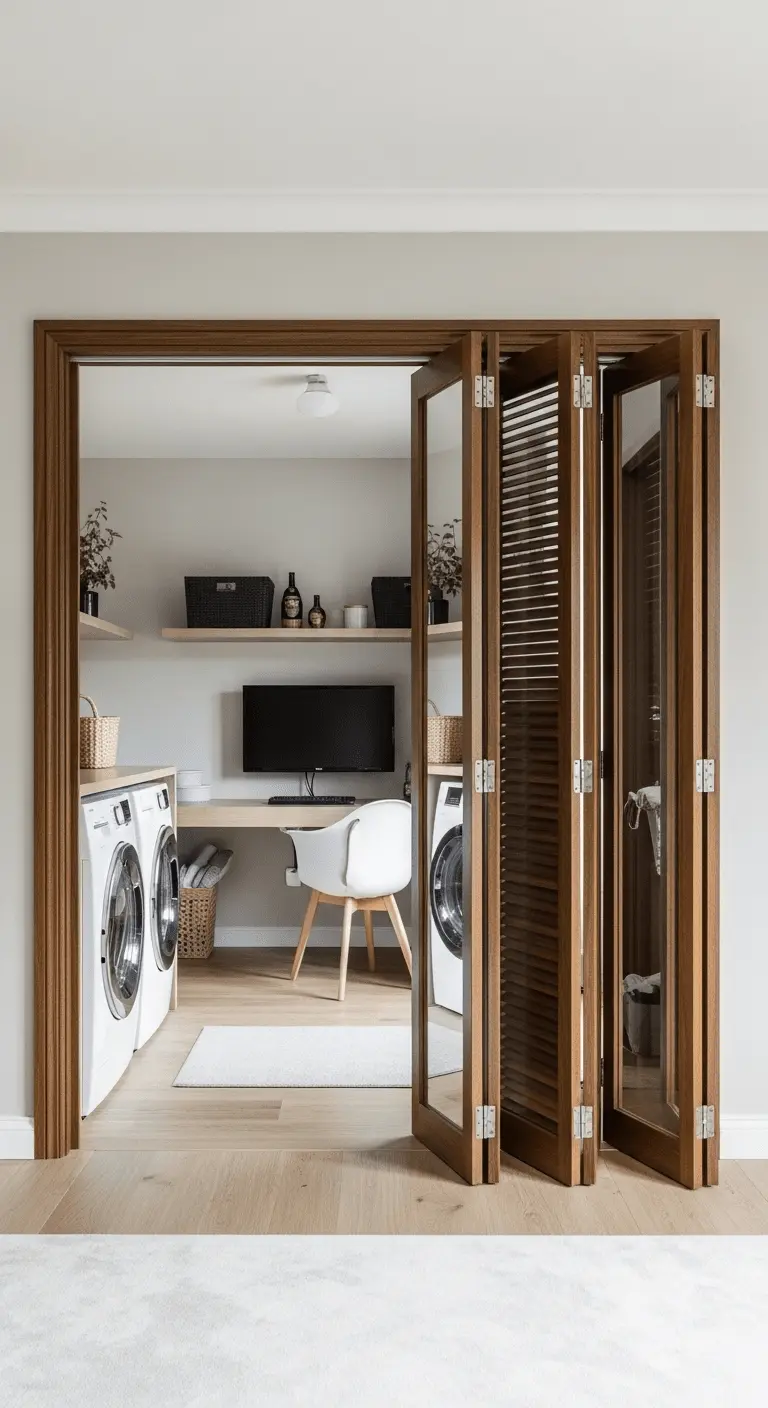
10. Columns as Structural and Decorative Frames
When a load-bearing wall is opened up significantly, the beam above the new opening typically requires vertical supports on either side. Rather than concealing these supports within drywall, many experienced designers choose to express them as decorative columns.
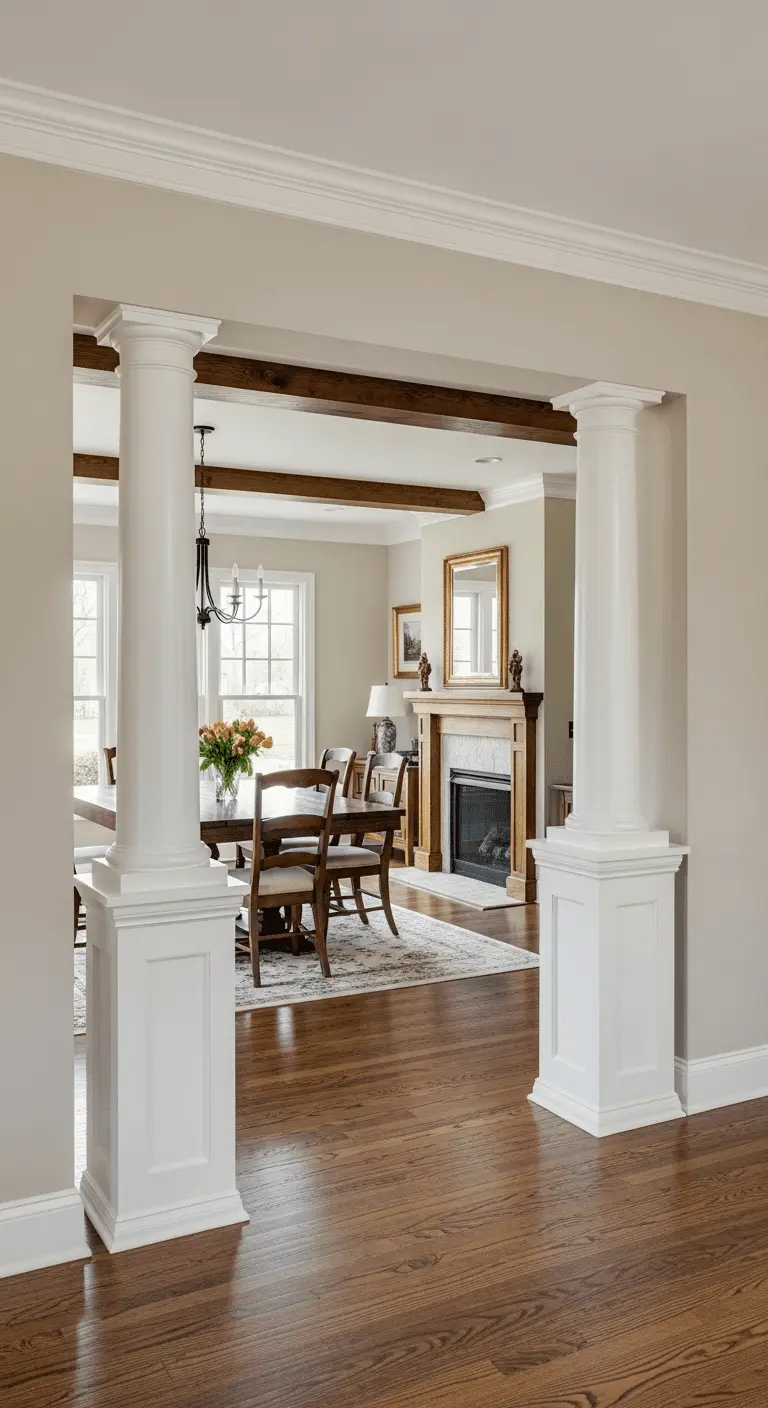
Well-proportioned columns flanking a wide opening add architectural presence and create a natural visual frame between two rooms. In traditional homes, fluted classical columns make an elegant statement. In more contemporary interiors, clean square box columns finished in painted drywall provide necessary structure without visual excess.
11. Drywall-Wrapped Openings
For homeowners who prefer the cleanest, most pared-back treatment possible, wrapping the edges of an interior wall opening purely in drywall represents the ultimate in restraint. There is no trim, no casing, and no applied detail. Just a smooth, paint-ready surface that absorbs the opening seamlessly into the wall plane.
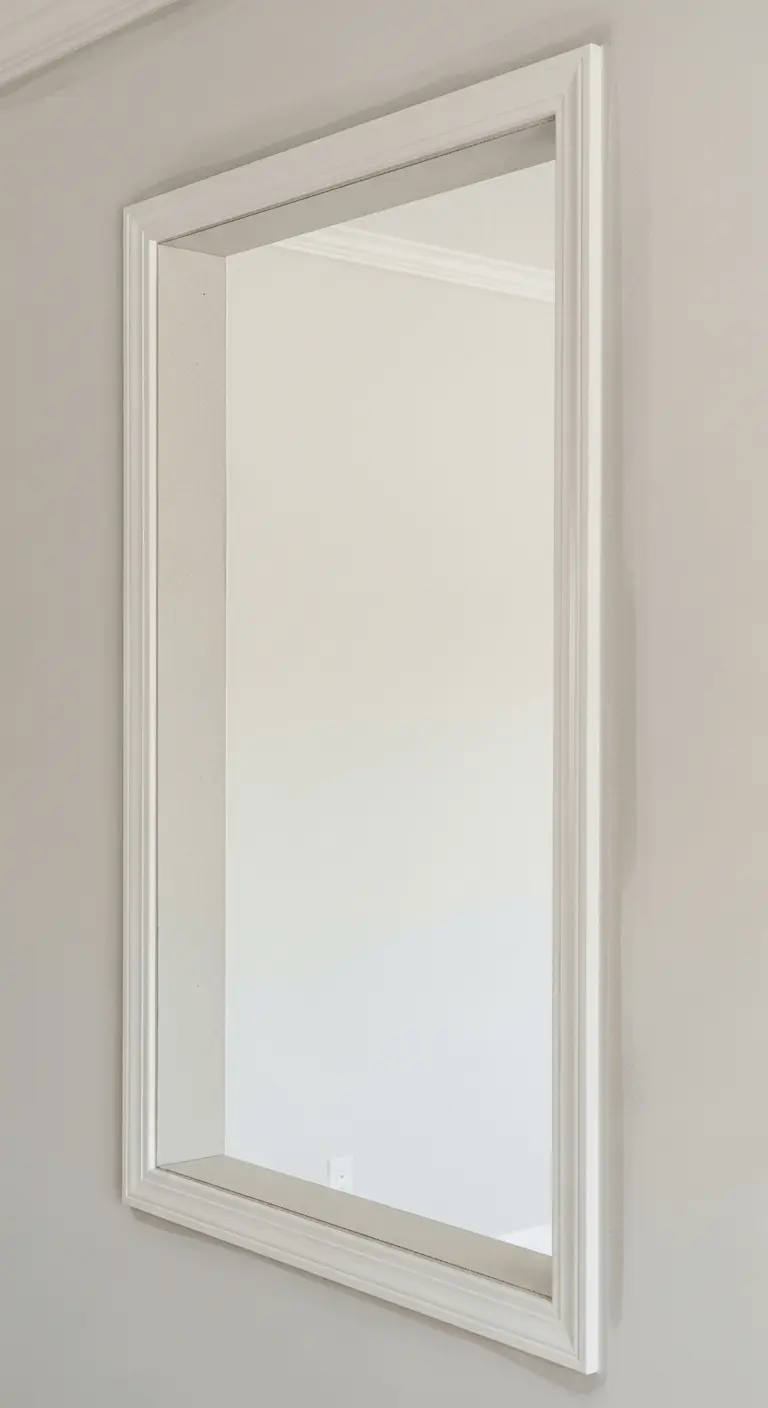
This approach works best in homes with a contemporary or minimalist design language where ornamental detail would feel inconsistent. The result is an interior wall opening that reads as a deliberate architectural void, precise and intentional.
12. Exposed Beam Openings
When a structural or decorative beam is left visible across the top of a wall opening, it becomes a design feature in its own right. A heavy reclaimed wood beam spanning an opening between a kitchen and a living room adds warmth, texture, and a sense of honest craftsmanship that is very difficult to replicate with any other detail.
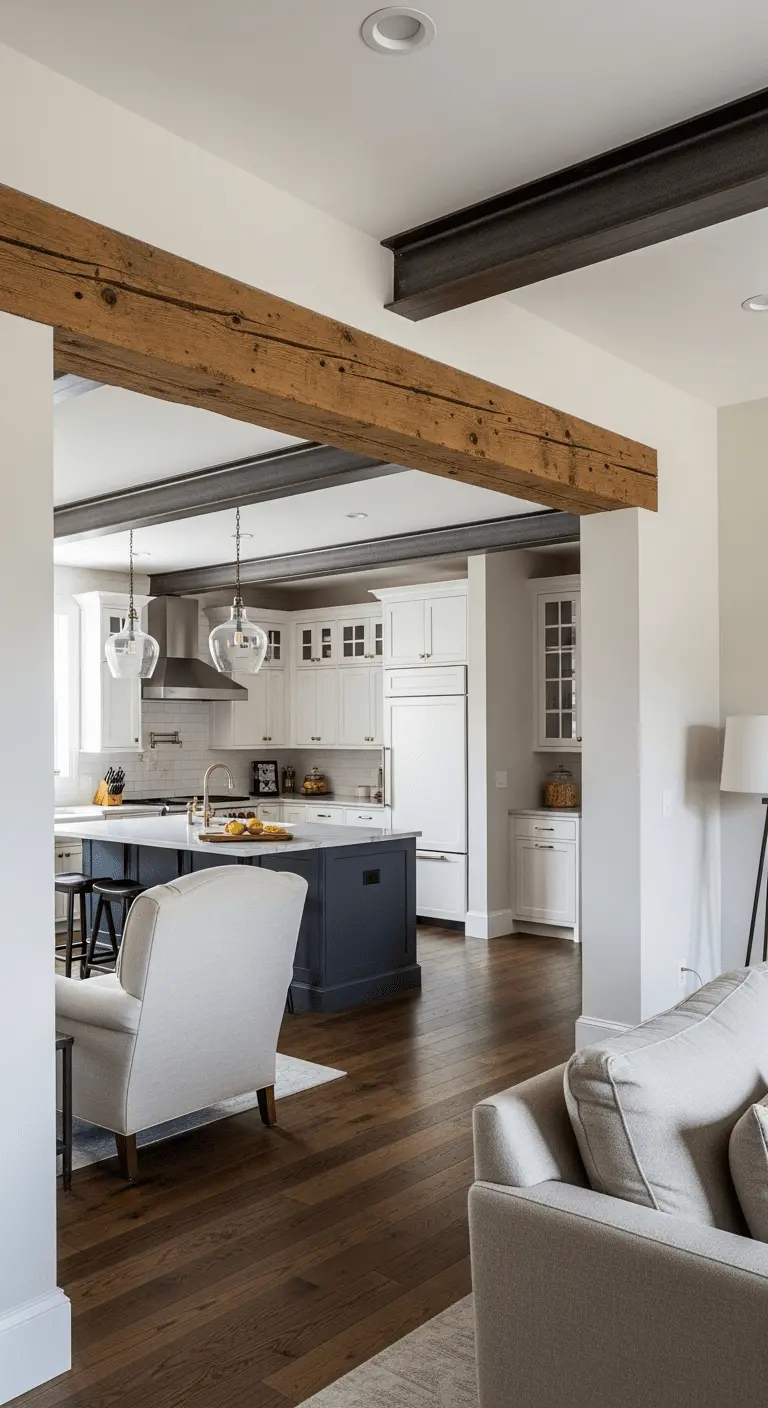
Exposed steel beams work equally well in industrial or loft-style interiors. In cases where a hidden beam is structurally required, designers often introduce a decorative wood sleeve to achieve the visual richness of an exposed beam without the full structural complexity.
13. Built-In Shelving Openings
Among the most creative of all interior wall opening ideas, built-in shelving integrates storage and display directly into the depth of the opening itself. Rather than leaving the space as a plain passage, shelves are installed within the wall cavity, creating a functional display element that also frames the connection between rooms.
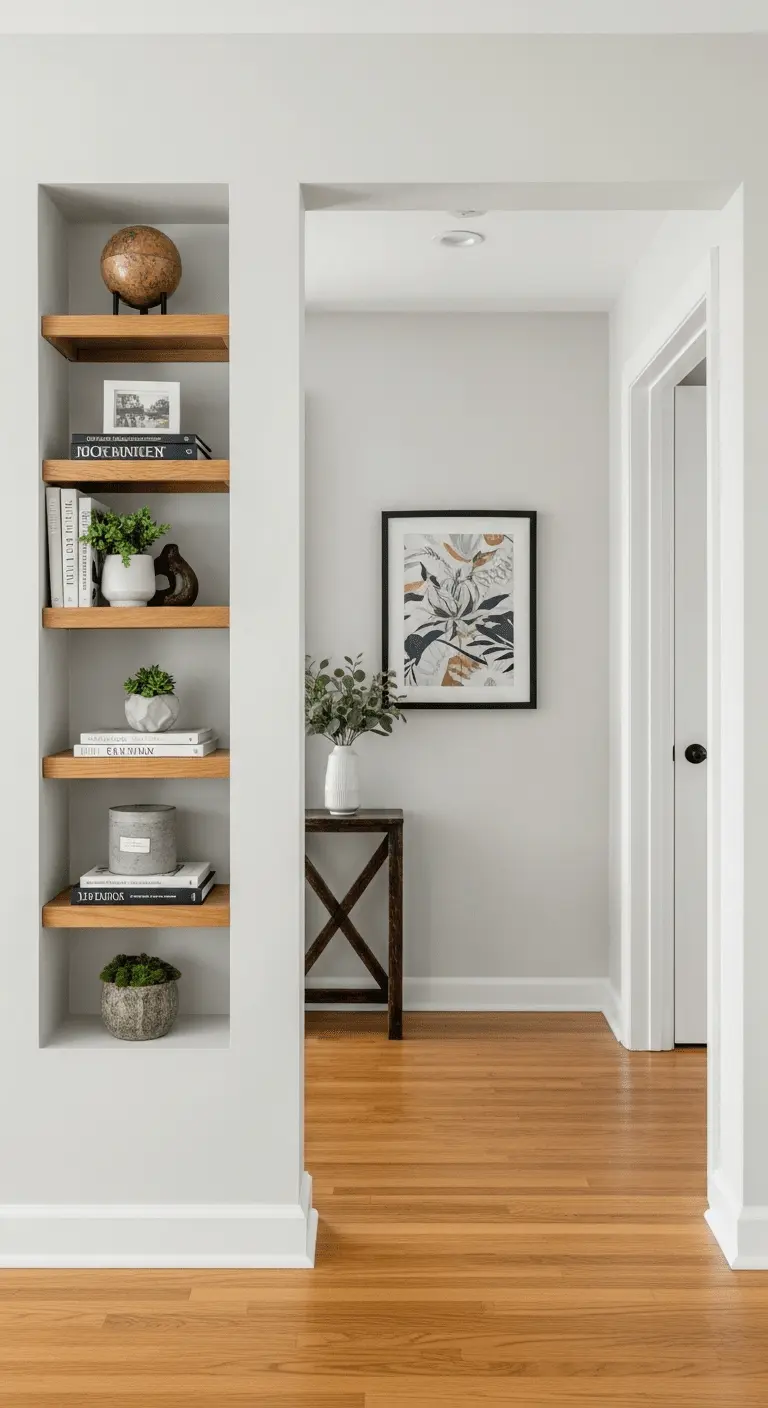
This works particularly well in living rooms where bookshelves, art objects, or curated plants can fill the opening between the living area and a hallway. The opening becomes not just a passageway but a feature element that earns its place on both sides of the wall.
14. Interior Window with Shutters or Sliding Panels
An interior window is similar in concept to a pass-through but designed primarily for light and visual connection rather than practical service. Set within a wall, an interior window can be fitted with hinged shutters, sliding panels, or clean frames that allow it to be opened or closed at will.
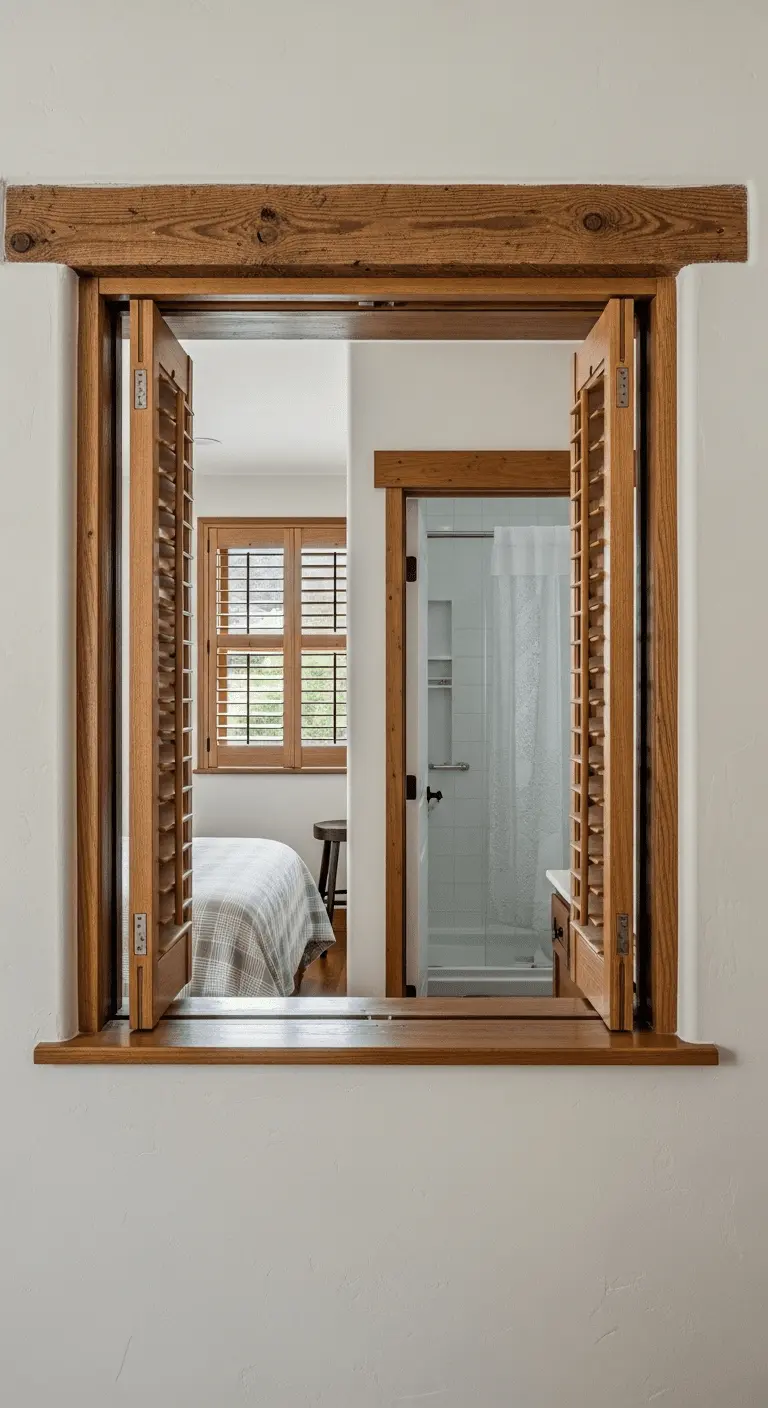
In bedrooms adjacent to bathrooms, or in studies adjacent to living areas, an interior window adds a charming architectural detail while giving the occupant full control over how much visual connection they want at any given moment. This interior wall opening idea suits both rustic and contemporary interiors depending on the material and finish of the frames.
15. Partial Wall Openings with Decorative Trim
A partial wall opening does not extend to the full height or width of the wall but instead creates a framed aperture within it. When dressed with wide decorative trim or bold molding, a partial opening becomes one of the most distinctive design features a room can have.
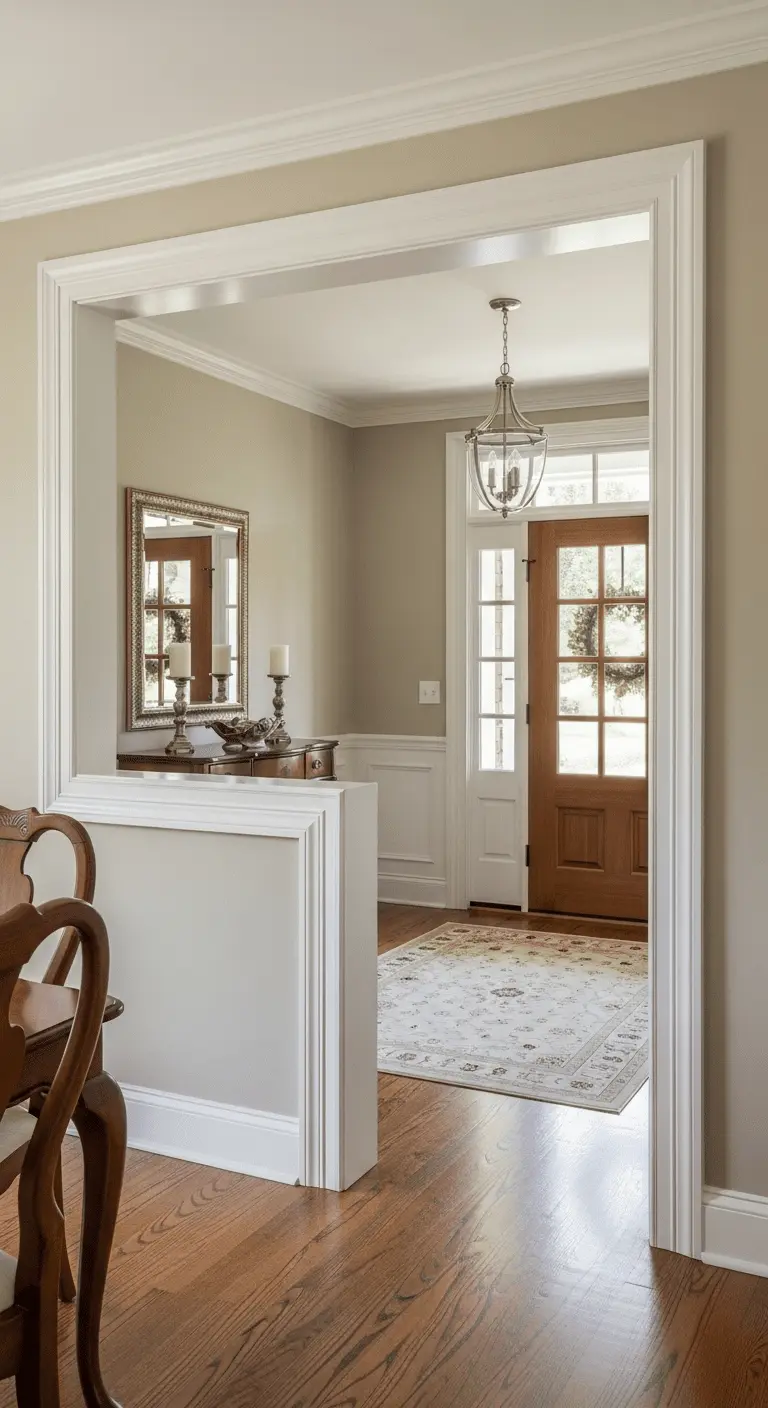
This approach is often used in dining rooms where a generously framed opening connects the space to a foyer or hallway without fully merging the two areas. The quality of the molding detail anchors the opening to the broader decorative language of the home and elevates what might otherwise read as simply a gap in the wall.
16. The Flush Beam Opening for Seamless Flow
For homeowners who want two rooms to function as a single, continuous spatial experience, concealing the structural beam within the ceiling plane creates the most seamless possible transition. Without a visible beam interrupting the ceiling, the plane runs unbroken across both spaces, making the boundary between them feel entirely fluid.
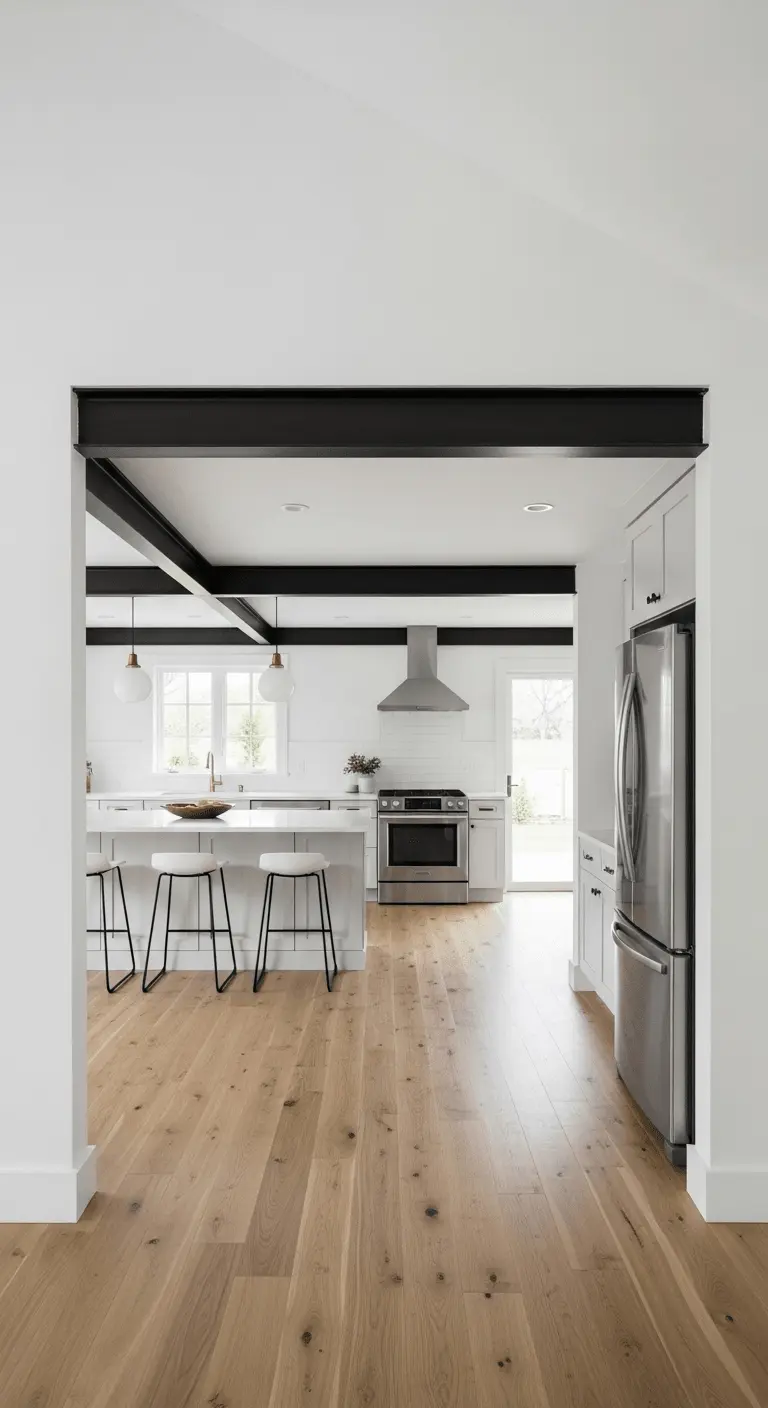
This is the most modern and spatially expansive of all interior wall opening treatments. It rewards careful structural planning and is best suited to homes where an open, loft-quality spatial experience is the primary design ambition.
How to Choose the Right Interior Wall Opening Idea for Your Home
Choosing the right interior wall opening idea comes down to three things working together: the structural reality of the wall in question, the privacy and acoustic needs of the adjacent rooms, and the visual language already established in your interior. A Victorian home with detailed cornicing and deep skirting boards demands a different treatment than a concrete-framed contemporary apartment.
Spend time observing how light moves through your home at different points in the day. Notice where darkness collects, where foot traffic naturally flows, and where the floor plan creates friction rather than ease. The answers to those observations will point directly toward the interior wall openings that will deliver the most meaningful change.
Conclusion
Interior wall opening ideas are among the most rewarding investments you can make in a home. They improve light, improve movement, and improve the quality of daily life within the space while adding architectural character that outlasts any passing trend. Whether you choose a graceful archway, a sleek glass panel, a rustic barn door, a functional pass-through, or an elegant cased opening with fine molding, the underlying principle remains constant: walls should serve the people who live within them. When they no longer do, it is well within your power and your reach to change that. With thoughtful planning, the right structural guidance, and a clear sense of your home’s style, any one of these ideas can become the detail that finally makes your home feel exactly as it always should have.
Frequently Asked Questions
Q1. Do I need a permit to create an interior wall opening?
In most jurisdictions, yes. Any project involving a load-bearing wall, electrical rerouting, or plumbing typically requires a building permit. Always consult your local building authority before beginning any significant wall opening project to avoid costly compliance issues later.
Q2. How do I know if my wall is load bearing before opening it?
The most reliable approach is a professional assessment from a licensed structural engineer or experienced contractor. As a general indicator, walls that run perpendicular to floor joists, sit above a foundation beam, or are located near the center of the home are frequently load-bearing, but only a qualified professional can confirm this with certainty.
Q3. What is the most cost-effective interior wall opening idea?
A simple cased opening or a clean drywall-wrapped passage tends to be the most budget-friendly option since both require minimal materials and no door hardware. A kitchen pass-through is also relatively affordable because it involves only partial rather than full wall removal.
Q4. Which interior wall opening idea is best suited to small spaces?
Pocket doors and bi-fold doors are ideal for compact spaces because they eliminate the need for any swing clearance. A pass-through or a half wall also performs well in smaller floor plans, maintaining a sense of openness without sacrificing the definition of separate functional zones.
Q5. Can interior wall opening projects be completed as a DIY effort?
Minor finishing work such as adding trim to an existing opening or mounting a barn door on an existing doorway is within reach for a capable DIY homeowner. However, any work involving structural wall alteration must always be carried out by a licensed professional. Safety, code compliance, and the long-term integrity of your home depend on it.