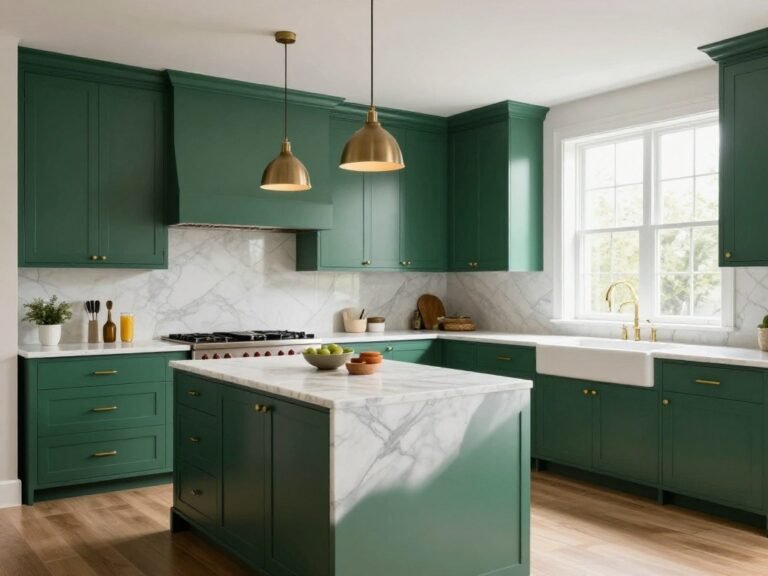
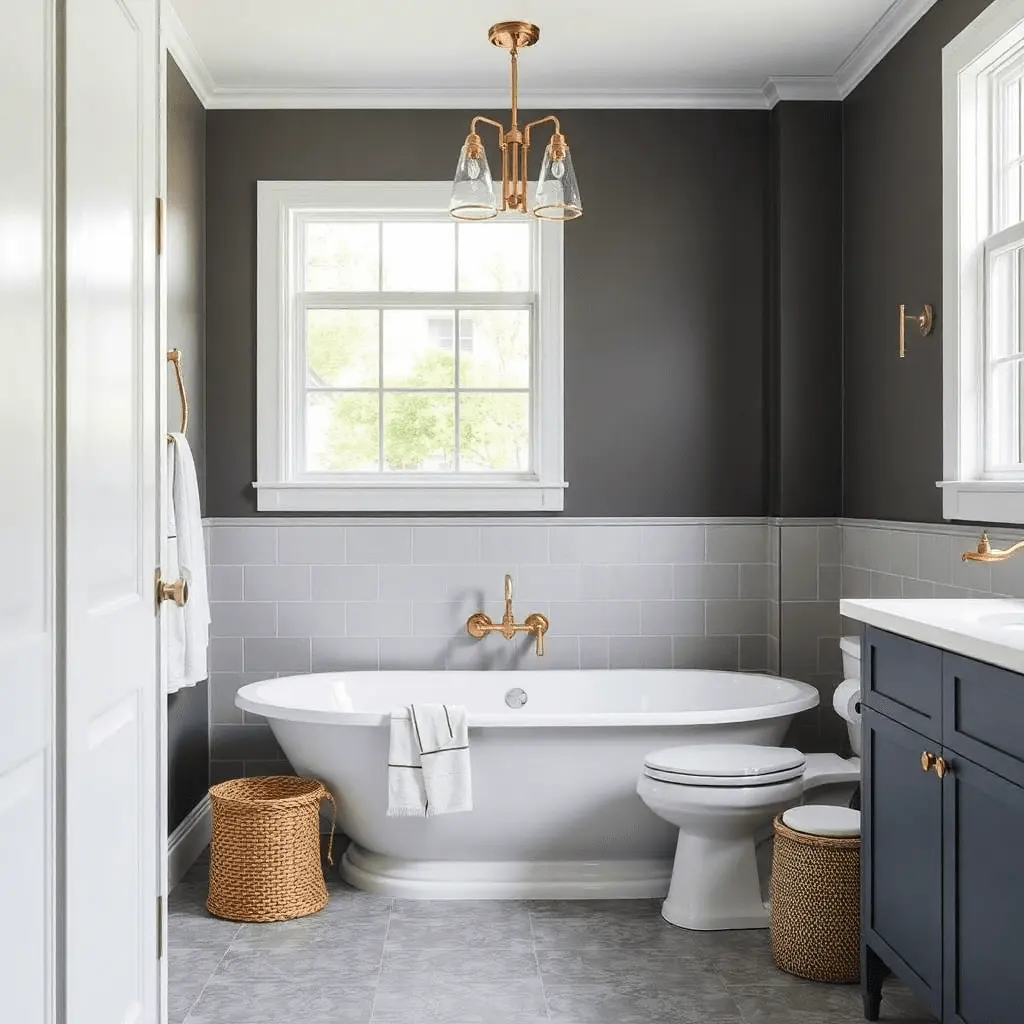
18+ Stunning Bathroom Fixture Ideas for Every Style
Introduction
Bathroom Fixture Ideas, bathroom has quietly become one of the most important rooms in any home. It is no longer a space designed purely for function. Today, homeowners treat it as a personal retreat, a place to start and end the day with intention and genuine comfort. The choices you make in this room, particularly when it comes to fixtures, can completely transform its character, mood, and long-term value.
1. Backbone of bathroom design.
Fixtures are the backbone of bathroom design. They include everything from the faucets and showerheads to the bathtub, toilet, vanity, lighting, and decorative hardware. Each element carries real design weight. Choose them thoughtfully, and the result is a bathroom that feels both polished and deeply personal. Choose them carelessly, and even the most expensive tile or paint color will struggle to pull the room together.
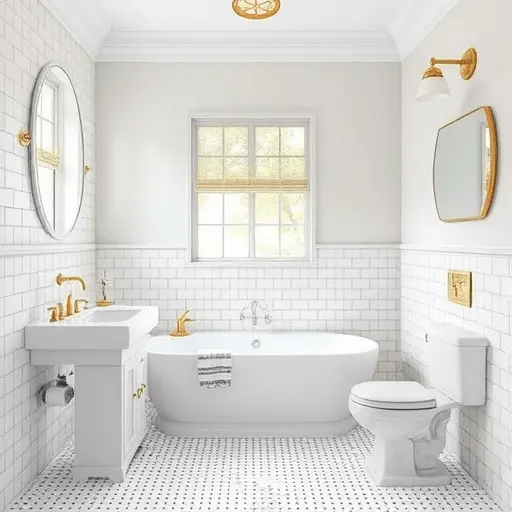
This guide covers more than 18 inspiring bathroom fixture ideas across every major category. Whether your style leans traditional, modern, transitional, or somewhere beautifully in between, you will find actionable ideas here that can be applied to any budget and any floor plan.
2. Matte Black Faucets for a Bold Modern Statement
Matte black has proven its staying power in bathroom design over the past several years. Unlike polished chrome, which reads as clean and cold, matte black carries a quiet sophistication that works well in modern, industrial, and even farmhouse interiors. It pairs naturally with white ceramic sinks, concrete countertops, and light wood vanities.
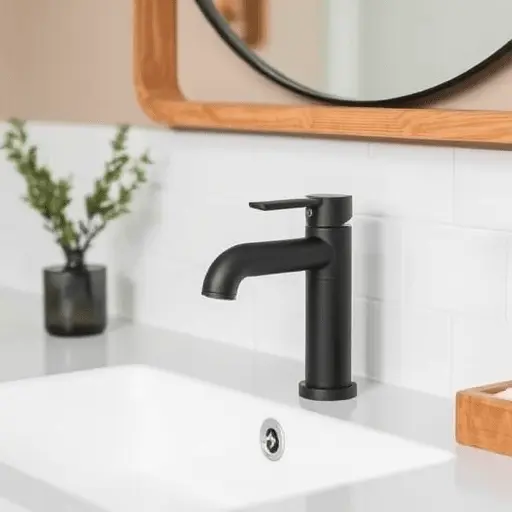
What makes matte black particularly practical beyond its visual appeal is its resistance to fingerprints and water spots. Faucets in this finish tend to look consistently sharp with minimal maintenance, which is a meaningful advantage in a room that sees daily moisture and use. If you are updating a single fixture on a moderate budget, a matte black faucet delivers one of the highest visual returns available.
3. Brushed Gold and Brass Faucets for Warmth and Refinement
Brushed gold and unlacquered brass have taken over from polished chrome as the finish of choice for homeowners who want warmth and character. These tones bring a rich, lived in quality to the bathroom and pair exceptionally well with marble surfaces, soft neutral palettes, and dark cabinetry. Unlike the shiny gold of decades past, brushed finishes are understated and refined.
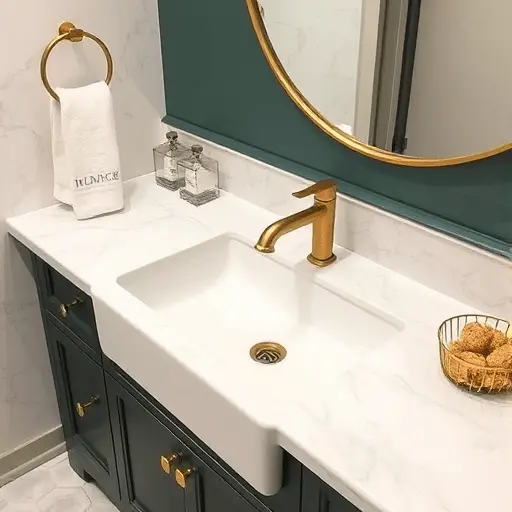
A brushed brass faucet over a white undermount sink, set into a navy or forest green vanity, is one of the most requested bathroom combinations in interior design right now. The warmth of the brass softens the boldness of the cabinet color and creates a result that feels both current and timeless.
4. Touchless and Smart Faucets for the Technology Forward Bathroom
Sensor operated faucets were once limited to commercial restrooms and airports. Today, they are a realistic and increasingly affordable upgrade for the residential bathroom. They reduce water waste significantly, minimize the spread of bacteria across frequently touched surfaces, and add a sleek, forward-thinking quality to any sink setup.
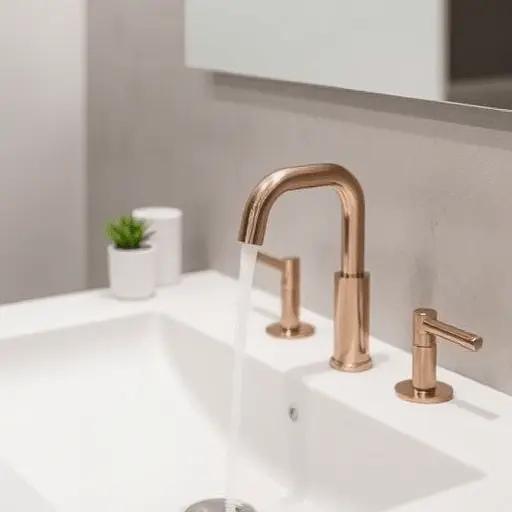
Many smart faucets now allow users to set precise water temperatures and control flow rates through voice commands or smartphone applications. For households with young children, the elderly, or anyone managing mobility limitations, the convenience factor alone justifies the investment. Pair a touchless faucet with a smart mirror and under cabinet lighting for a bathroom that functions as intelligently as it looks.
5. Wall Mounted Faucets for a Clean Architectural Effect
Wall mounted faucets create a floating, sculptural effect above the sink basin. They require plumbing to be routed through the wall during installation, which adds to the project cost, but the result is a counter surface that stays completely clear and uninterrupted. This placement works beautifully with vessel sinks or deep undermount basins and gives the overall vanity area a gallery like quality.
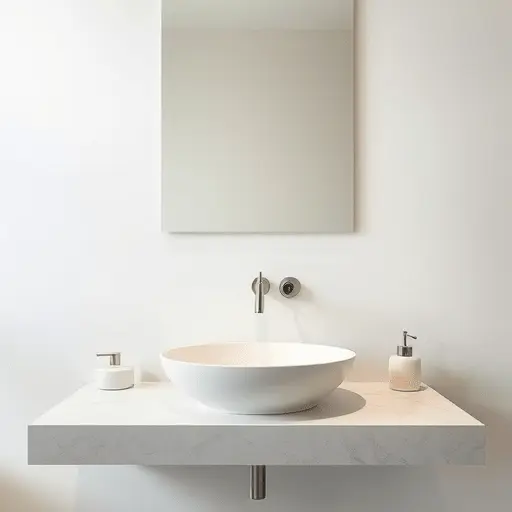
From a maintenance standpoint, wall mounted faucets also make wiping down the countertop significantly easier since there are no base fixtures breaking up the surface. They are particularly well suited to spa inspired and minimalist bathroom designs where visual simplicity is the primary goal.
6. Rainfall Showerheads for a Spa Like Daily Experience
Few bathroom fixture ideas have the immediate transformative power of a rainfall showerhead. Installed flush against the ceiling or on a ceiling mounted arm, these wide panel heads deliver water in a soft, even cascade that mimics the feeling of standing in warm rain. The experience is genuinely calming in a way that a standard showerhead simply cannot replicate.
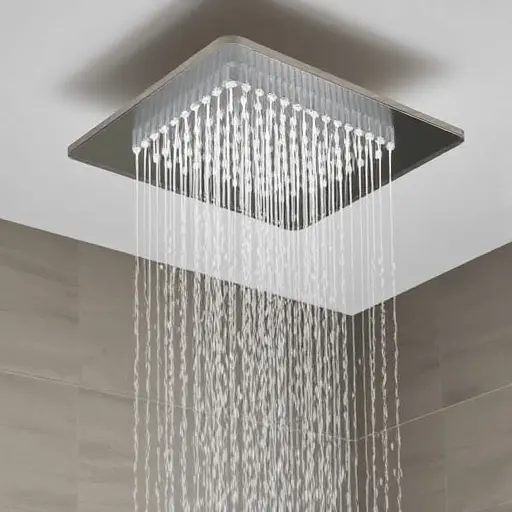
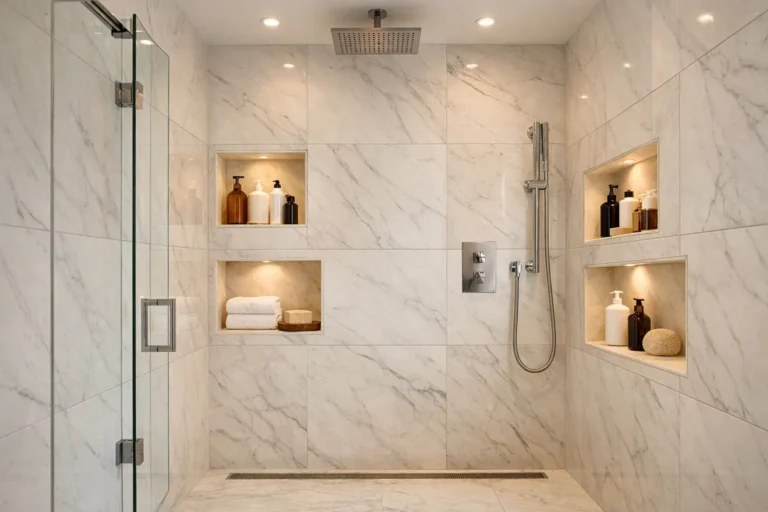
Rainfall showerheads work best in showers with adequate ceiling height, generally eight feet or more, and pair naturally with frameless glass enclosures. For maximum effect, choose a large format panel in a brushed nickel or matte black finish and pair it with matching wall controls and a linear floor drain for a seamless, hotel quality shower space.
7. Dual Showerhead Systems for Flexibility and Comfort
A growing number of homeowners are moving beyond the single showerhead and choosing dual configurations. These systems pair a fixed overhead rainfall panel with a handheld unit mounted on an adjustable slide bar. The combination delivers full flexibility for everyday washing, targeted rinsing, and cleaning the shower walls and floor.
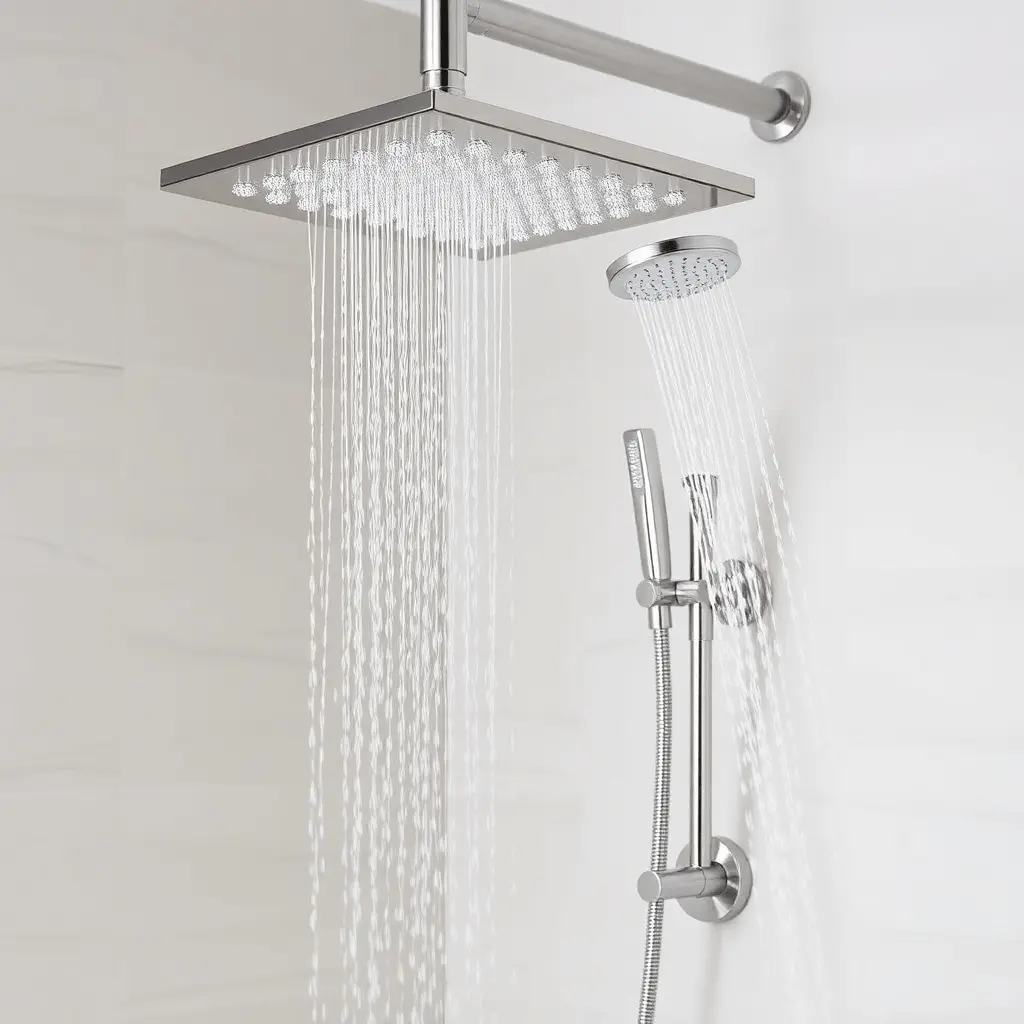
Dual showerhead systems are especially popular in primary bathrooms shared by two people with different height preferences. They are also a practical solution for families with young children or pets, since the handheld component makes rinsing and bathing significantly easier. Most plumbers can retrofit a dual system into an existing shower with modest modifications.
8. Freestanding Oval Soaking Tubs as a Bathroom Centerpiece
The freestanding tub remains one of the most coveted fixtures in the luxury bathroom. Oval bathtubs in particular have seen a consistent rise in demand because of their ergonomic shape, graceful silhouette, and ability to work with nearly every interior style. Placed near a window, against a feature wall, or centered in a large bathroom, a freestanding tub immediately becomes the focal point of the entire room.
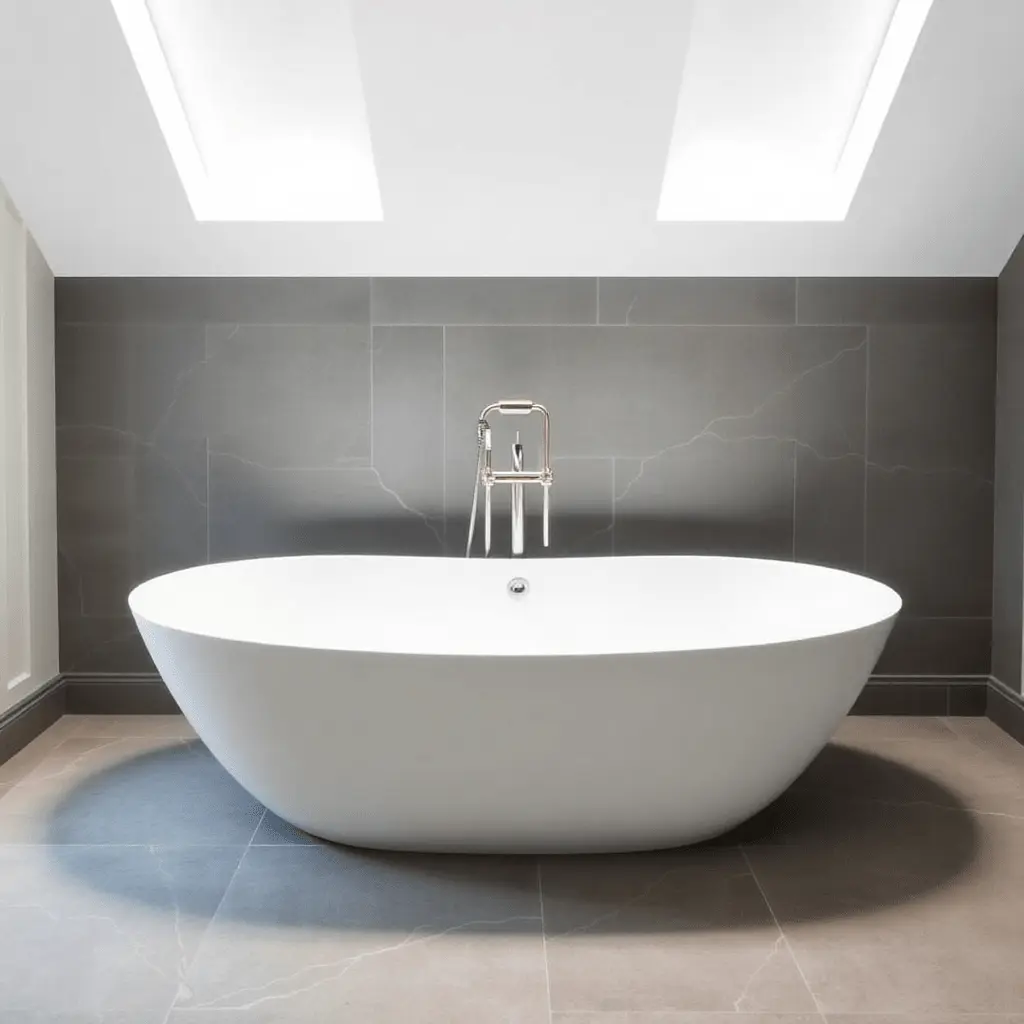
Popular material choices include stone resin, cast iron, and acrylic. Stone resin offers a weighty, matte surface that retains heat exceptionally well. Cast iron is extremely durable and classic. Acrylic is the most affordable option and comes in the widest range of shapes. Regardless of material, a freestanding oval soaking tub paired with a floor mounted tub filler in brushed brass or polished chrome is one of the most enduring bathroom fixture ideas in residential design.
9. Clawfoot Tubs for Timeless Traditional Appeal
Clawfoot tubs carry a sense of craftsmanship and history that modern fixtures rarely replicate. Originally popular in Victorian and Edwardian era homes, they have made a strong and deliberate comeback in transitional, farmhouse, and vintage inspired bathrooms. Their raised profile and decorative feet add height, visual drama, and a sense of occasion to the bathing experience.
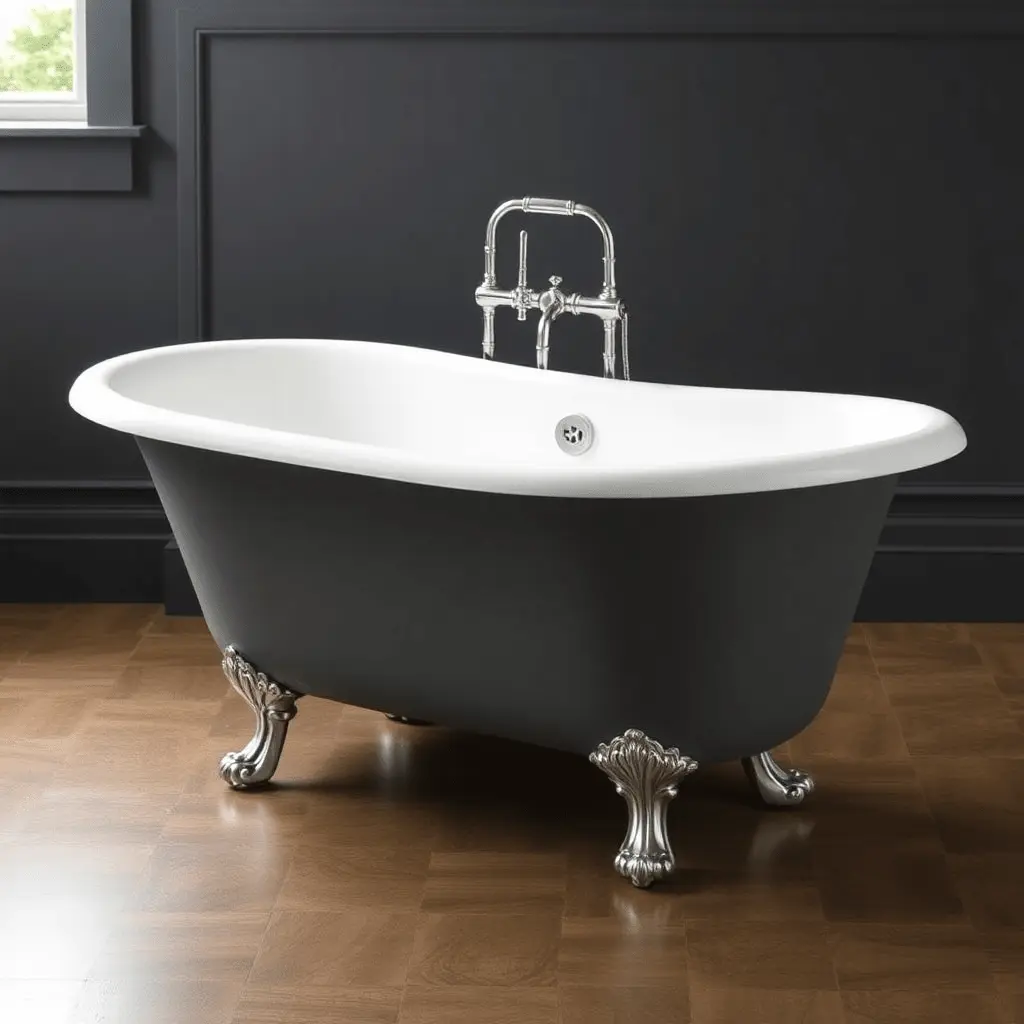
Choose a classic white exterior with polished nickel feet for a clean, refined interpretation. For something more contemporary, consider a matte exterior color, charcoal gray or deep navy, paired with matte black feet and an exposed floor mounted faucet. The contrast between old world form and modern finish is one of the most visually compelling design moves available in bathroom renovation. https://ostrali.com/home/bathroom-fixtures-ideas/
10. Floating Vanities for a Modern and Spacious Feel
Wall mounted or floating vanities are among the most practical and stylish bathroom fixture ideas for small to medium sized bathrooms. By lifting the vanity off the floor and exposing a section of tile beneath, you create a visual expansion of the space that a floor standing cabinet simply cannot provide. The eye travels across the continuous floor surface and reads the room as larger and more open.
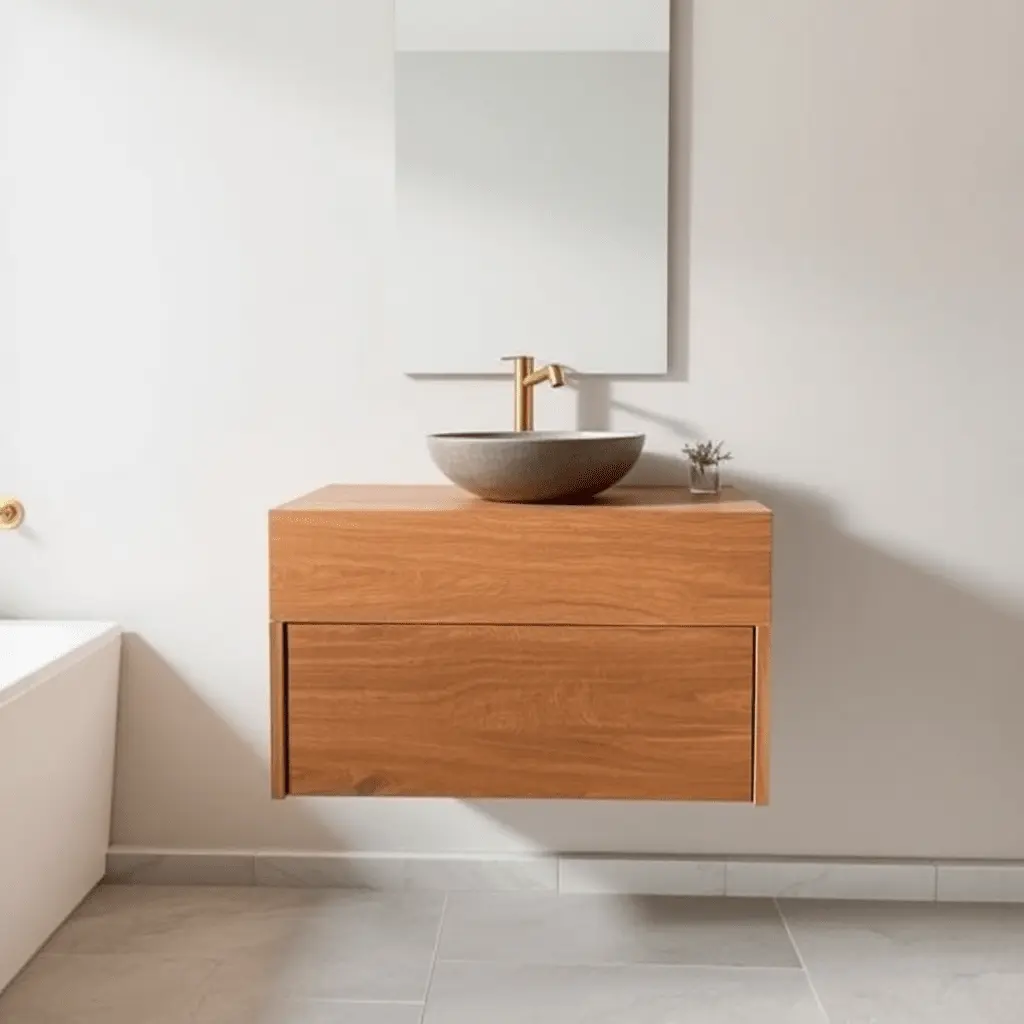
Floating vanities are available across a wide range of materials. Warm oak and walnut wood tones are currently the most requested choices among homeowners and interior designers alike, largely because of the organic warmth they bring to what can otherwise feel like a cold, hard room. Pair a floating wood vanity with an undermount stone sink and a brushed gold faucet for a bathroom that feels both grounded and refined.
11. Fluted Vanity Cabinets for Texture and Visual Interest
Fluted detailing refers to vertical grooves cut or molded into a surface. This technique has moved from furniture and architectural columns into bathroom cabinetry in a significant way over the past few years. A fluted vanity cabinet adds depth, tactile interest, and an artisan quality to a bathroom without requiring bold color, pattern, or complex tile work.
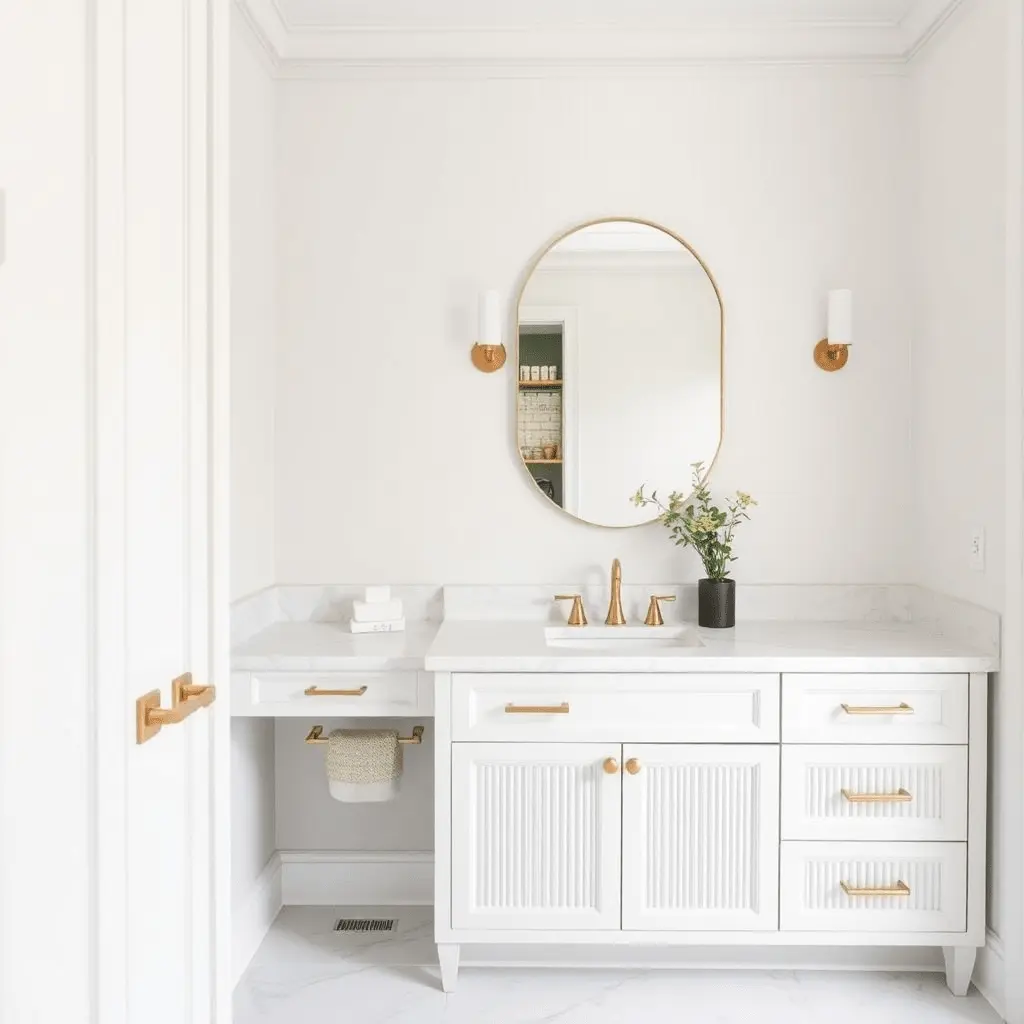
The beauty of fluted cabinetry is in its restraint. It pairs effortlessly with simple stone countertops, minimal hardware, and neutral wall colors. Let the texture do the design work while keeping everything else quiet. A fluted vanity in white or sage green with brushed brass bar pulls and a honed marble top is a combination that photographs beautifully and holds up visually for decades.
12. Vessel Sinks for a Sculptural Statement Above the Counter
A vessel sink sits entirely on top of the countertop rather than recessing into it. This placement turns the sink itself into a three dimensional design object. Popular vessel sink materials include hand hammered copper, matte white ceramic, hand carved travertine, and colored art glass. Each material brings a completely different energy to the vanity area.
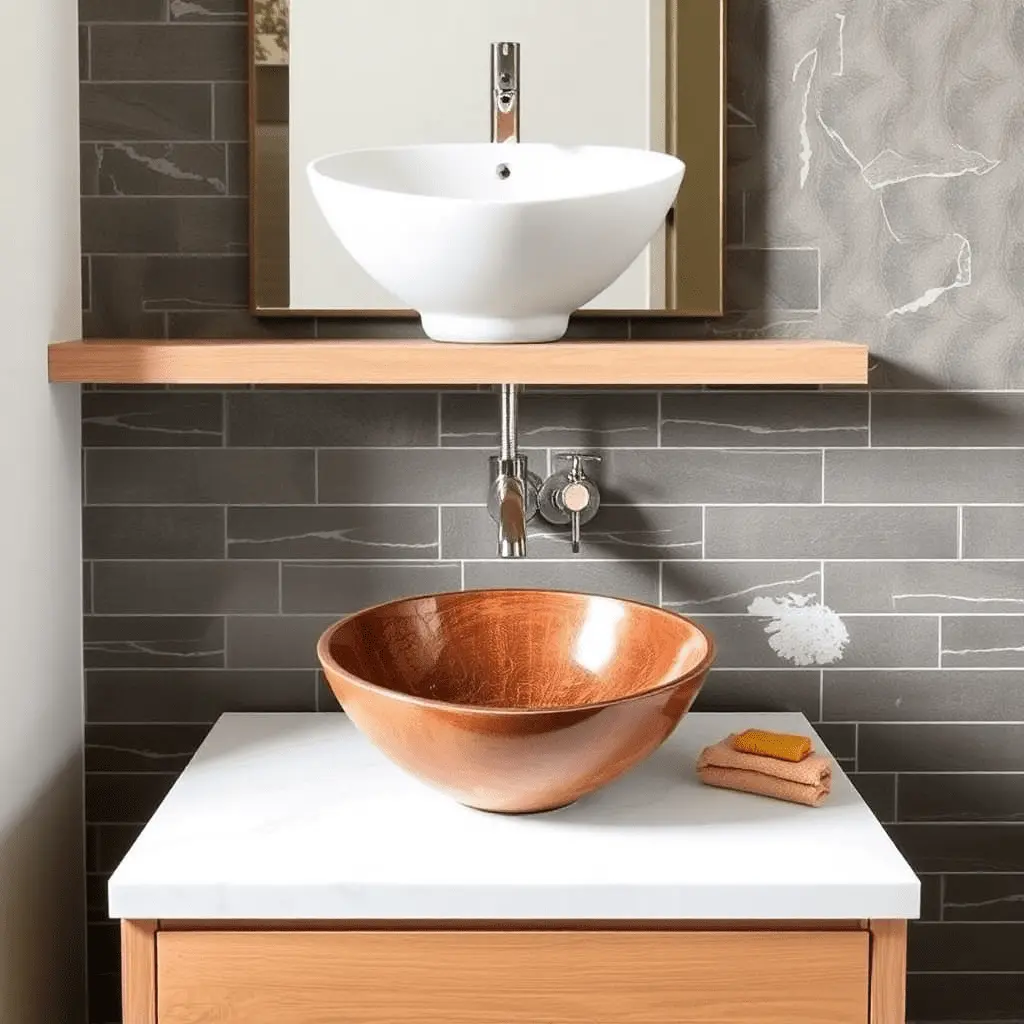
A hand hammered copper vessel sink, for example, is perfect for a rustic or artisan bathroom with warm wood tones and earthy tile. A clean white ceramic vessel on a floating white oak vanity reads as calm, Nordic, and contemporary. Vessel sinks require taller faucets and thoughtful countertop height planning, but they reward that effort with a fixture arrangement that feels genuinely custom and one of a kind.
13. Wall Hung Toilets for a Minimal and Hygienic Design
Wall hung toilets conceal the cistern entirely within the wall cavity and mount the bowl at any height the installer chooses. This creates a completely uninterrupted floor plane beneath the toilet, which is dramatically easier to clean than a standard floor mounted unit. From a design standpoint, the wall hung toilet is the natural companion to a floating vanity and a frameless shower in a fully committed minimalist bathroom.
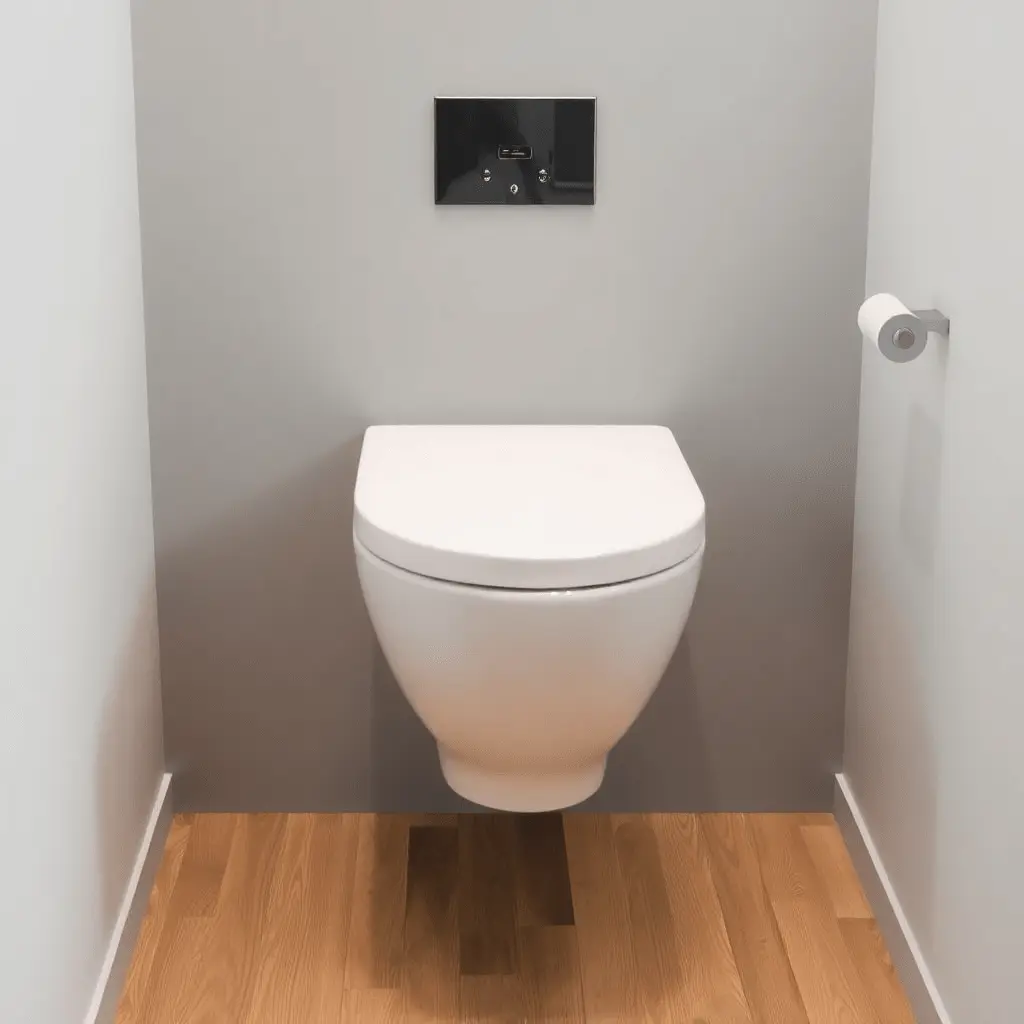
Installation requires a reinforced wall cavity and proper carrier frame, which adds to the cost compared to a standard toilet. However, the visual payoff and the long term ease of cleaning make it a worthwhile investment for homeowners renovating a primary bathroom with a modern or contemporary aesthetic in mind.
14. Smart Toilets With Integrated Comfort and Hygiene Features
The smart toilet has moved well beyond novelty status and into mainstream residential design. Modern smart toilets integrate heated seats, bidet functions with adjustable water temperature and pressure, automatic lid opening, built in deodorizers, and soft night lighting into a single streamlined fixture. Some models also include self cleaning bowl technology that reduces the frequency and effort of manual cleaning.
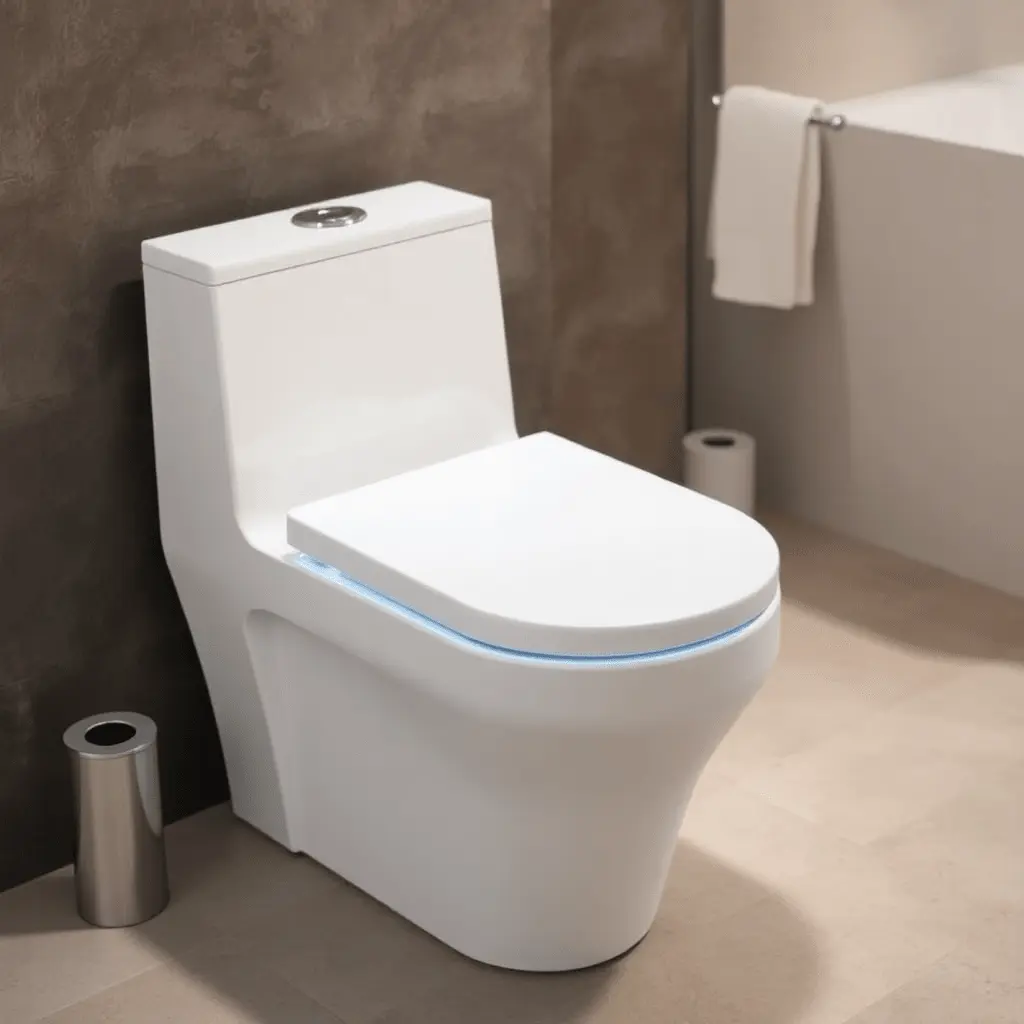
For a daily use bathroom, the comfort and hygiene advantages of a smart toilet are considerable. The long term reduction in paper usage also makes this an environmentally responsible choice in addition to a comfortable one. Leading brands offer options at a range of price points, making smart toilet technology accessible to a much wider audience than it was even five years ago.
15. Backlit Mirrors for Flattering and Functional Illumination
A backlit mirror serves dual purpose as both a functional reflective surface and a primary light source. The soft halo of light it produces behind the mirror reduces harsh facial shadows, which makes grooming, skincare application, and makeup far more accurate and comfortable. Most contemporary backlit mirrors include adjustable color temperature settings, allowing you to shift between warm morning tones and cooler daylight frequencies depending on the time of day and the task at hand.
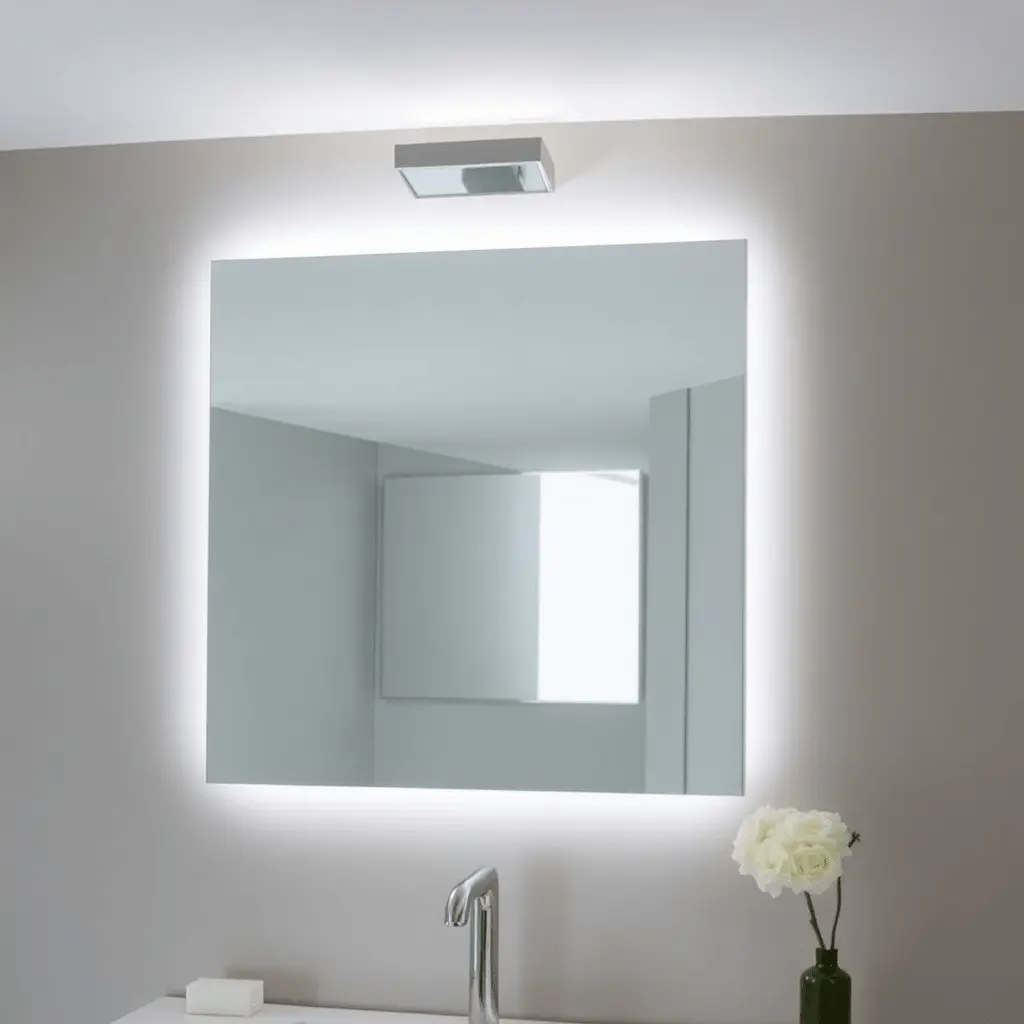
Backlit mirrors are available in every shape from rectangular to oval to arched, and they fit naturally into both modern and transitional bathroom designs. They also eliminate the need for a separate vanity light fixture, which simplifies the overall ceiling and wall layout considerably.
16. Sconce Lighting Flanking the Vanity Mirror
Flanking your vanity mirror with a matched pair of wall sconces is one of the most reliable and designer approved lighting strategies in bathroom design. Side mounted sconces eliminate the unflattering overhead shadows produced by a single ceiling fixture and deliver even, balanced illumination from both sides of the face simultaneously.
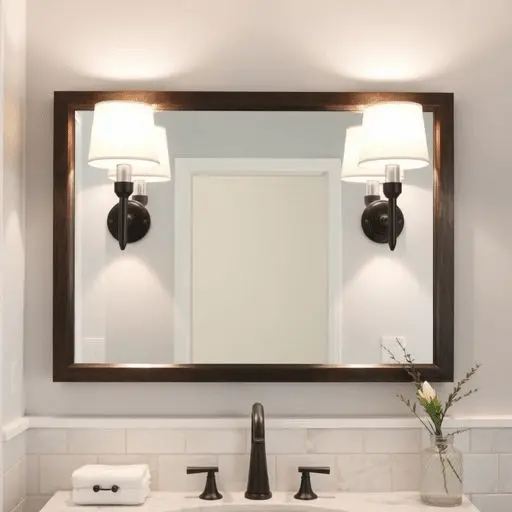
Choose sconces in a finish that matches your faucet and cabinet hardware for a cohesive result. Brushed nickel works for virtually every style. Matte black sconces complement modern and industrial bathrooms. Aged brass sconces add warmth to traditional and transitional spaces. Keep the shade shape simple and the scale proportional to your mirror size for the cleanest result.
17. Heated Towel Rails as Functional Luxury
A heated towel rail is one of those bathroom fixtures that feels indulgent but is entirely practical. It keeps towels warm and fully dry between uses, reduces ambient moisture in the bathroom, and helps prevent the mildew that forms when damp towels sit on standard bars in a closed room. Ladder style heated rails in brushed gold, polished chrome, or matte black fit naturally into most bathroom styles.
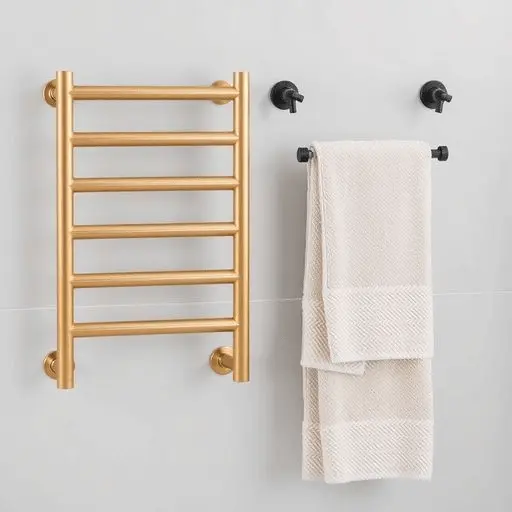
Electric models are the easiest to install since they do not require connection to the home’s hydronic heating system. Hydronic models, which are connected to the central heating supply, are more energy efficient over time but require professional plumbing integration. Either way, a heated towel rail is a fixture upgrade that users almost universally wish they had installed sooner.
18. Matching Hardware Finishes Across All Fixtures
One of the most important principles in executing any successful collection of bathroom fixture ideas is finish consistency. When your faucet, towel bars, toilet paper holder, robe hooks, shower controls, and cabinet pulls all share a single metal finish, the room reads as intentional, considered, and professionally designed.
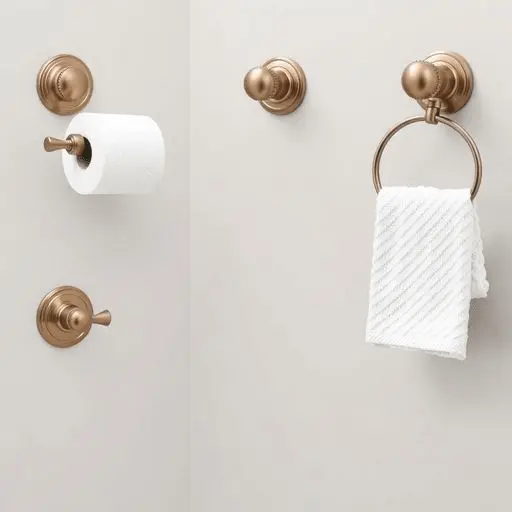
Choose one dominant finish and apply it uniformly across every hardware piece in the room. If you want to introduce a second metal, use it sparingly as an accent on a mirror frame or a light fixture shade. The discipline of staying with one finish is what separates a bathroom that looks curated from one that looks assembled from mismatched components over time.
Conclusion
Every fixture choice you make in a bathroom contributes to the overall story the room tells. The curve of a faucet spout, the weight of a door pull, the warmth of a brushed brass finish, the stillness of water falling from a ceiling mounted rainfall head, all of these details accumulate into an experience that is either cohesive and satisfying or fragmented and forgettable.
Start with the fixtures that matter most to your daily routine. Anchor the design around one statement piece, whether that is a freestanding soaking tub, a dual showerhead system, or a fluted floating vanity, and build every other selection in support of that anchor. Keep your finish choices consistent, your material selections honest, and your layout shaped by how you genuinely live in the space.
The bathroom fixture ideas covered in this guide span every style, every budget category, and every bathroom size. Use them as a reference, not a checklist. Choose the ideas that genuinely reflect how you want to feel when you walk into the room each morning. That is the standard worth designing toward.
Frequently Asked Questions
What bathroom fixture finishes are most popular right now? Matte black, brushed gold, brushed brass, and brushed nickel are all leading choices. Matte black suits modern and industrial styles, brushed gold and brass bring warmth to transitional spaces, and brushed nickel remains a timeless option that works across nearly every design direction.
How do I choose between a freestanding tub and a built in alcove tub? A freestanding tub works best as a centerpiece in larger bathrooms where it has open space on all sides. A built in alcove tub is more practical for smaller rooms and allows surrounding tile work and storage shelving. Base your decision on available floor space, budget, and whether you primarily shower or bathe.
Are smart bathroom fixtures worth the investment? For most homeowners, yes. Smart faucets reduce water usage and improve hygiene. Smart toilets with bidet functions deliver long term comfort and reduce paper consumption considerably. The upfront cost is higher than standard fixtures, but the daily comfort, hygiene, and utility savings make them a sound investment for a primary bathroom.
What is the fastest way to update bathroom fixtures on a limited budget? Start with hardware. Replacing towel bars, toilet paper holders, cabinet pulls, and robe hooks with a unified finish is one of the lowest cost and highest impact changes you can make. Swapping out a dated faucet is the next most affordable step and delivers a visible improvement immediately.
How can fixture choices make a small bathroom feel larger? Choose a wall hung toilet, a floating vanity, and a frameless glass shower enclosure. These three selections eliminate visual bulk at floor level and allow the eye to travel across a continuous surface, making the room feel more open. A vessel sink on a narrow floating shelf also works well in tight spaces where a standard vanity cabinet would feel overwhelming.