20+ Beautiful Dress Alteration Ideas for Every Style
Introduction
Dress Alteration Ideas There is a quiet kind of magic in taking a dress that no longer fits or feels right and transforming it into something you genuinely love wearing again. Whether a piece has been sitting untouched in your closet for years or simply needs a few adjustments to feel current, dress alteration ideas offer a creative and cost-effective solution.
Alterations are not just for ill-fitting garments. They are a powerful tool for self-expression, sustainability, and style. Instead of discarding a dress because the hemline feels outdated or the neckline no longer flatters your shape, a well-thought-out alteration can give it a brand-new identity. From subtle fixes to dramatic transformations, the possibilities are genuinely exciting.
This guide covers more than 20 beautiful dress alteration ideas that work across different body types, dress styles, and skill levels. Whether you plan to work with a professional tailor or take on the project yourself, these ideas will help you see your wardrobe in a completely new light.
1. Shorten the Hemline for a Fresh Look
One of the most popular and effective dress alteration ideas is adjusting the hem length. A maxi dress can be transformed into a midi, a midi into a knee-length style, or a longer piece into a bold mini. Shortening a hem instantly modernizes a dress and gives it a lighter, more contemporary feel.
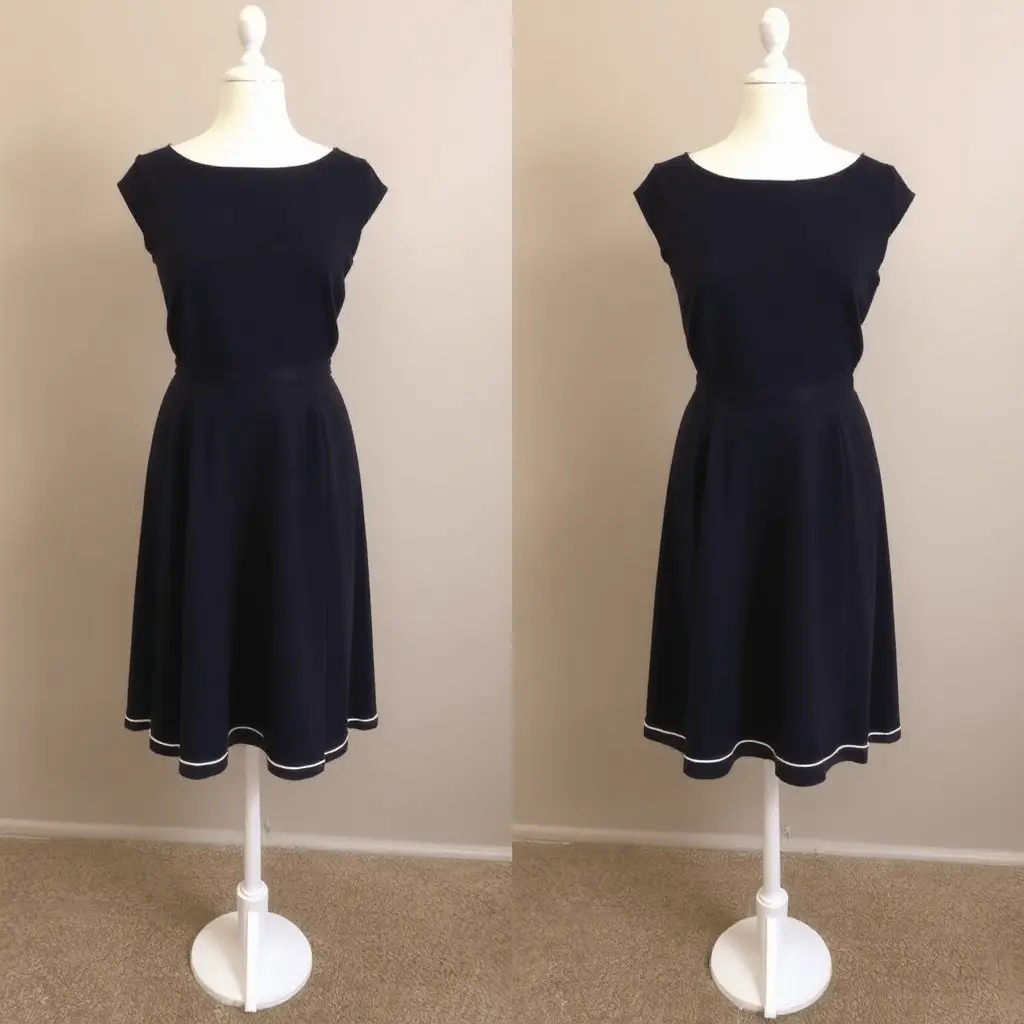
Before cutting, always wash the garment first. Fabrics sometimes shrink with the first wash, and making the alteration beforehand can lead to an unexpectedly short result. Mark the new hemline with fabric chalk while wearing the dress and standing in front of a mirror, then have someone pin it evenly all the way around.
2. Lengthen the Dress with a Fabric Panel or Ruffle
If a dress feels uncomfortably short or you simply want more coverage, adding a panel of complementary fabric at the bottom is a creative way to gain length. A ruffle extension works especially well on flowy or casual styles, while a clean fabric band gives a more polished finish.
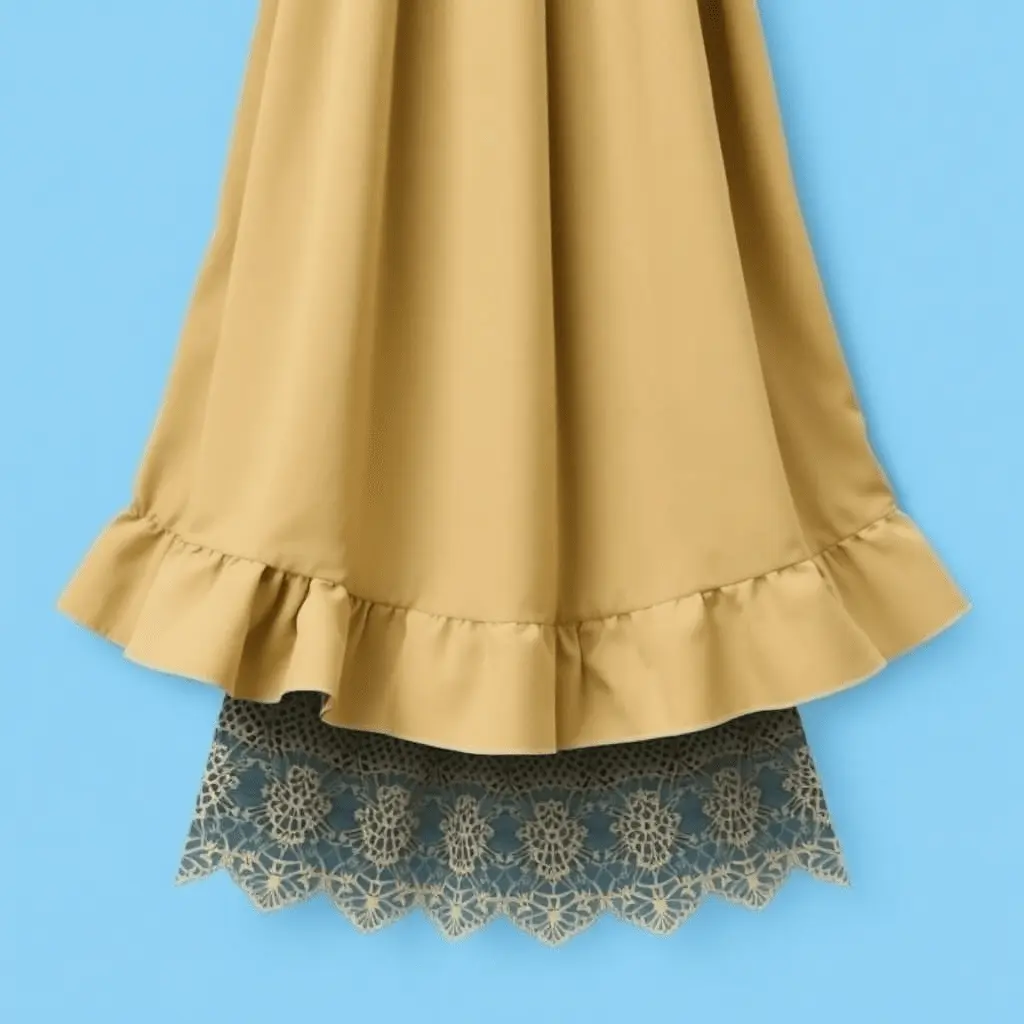
Choose a fabric that either matches the original material or deliberately contrasts it for a two-tone effect. Lace panels at the hem are particularly popular for this approach and add a romantic, feminine touch without overwhelming the original dress.
3. Take In the Side Seams for a Tailored Fit
A dress that fits everywhere except through the waist or torso can be transformed by taking in the side seams. This alteration removes excess fabric along the sides of the garment, creating a more fitted and flattering silhouette.
This is one of the most common alterations performed by tailors because it works on almost every dress style. Check the seam allowance before you begin. Many factory-made garments have generous seam allowances, meaning there is enough fabric inside to take the dress in without weakening the seams.
4. Let Out the Side Seams for a Comfortable Fit
The opposite of taking in is letting out, and it is equally valuable. If a dress feels too snug across the bust, hips, or shoulders, releasing the side seam allowance can give you the extra room you need. This works best when the original seam has at least half an inch of extra fabric to work with.
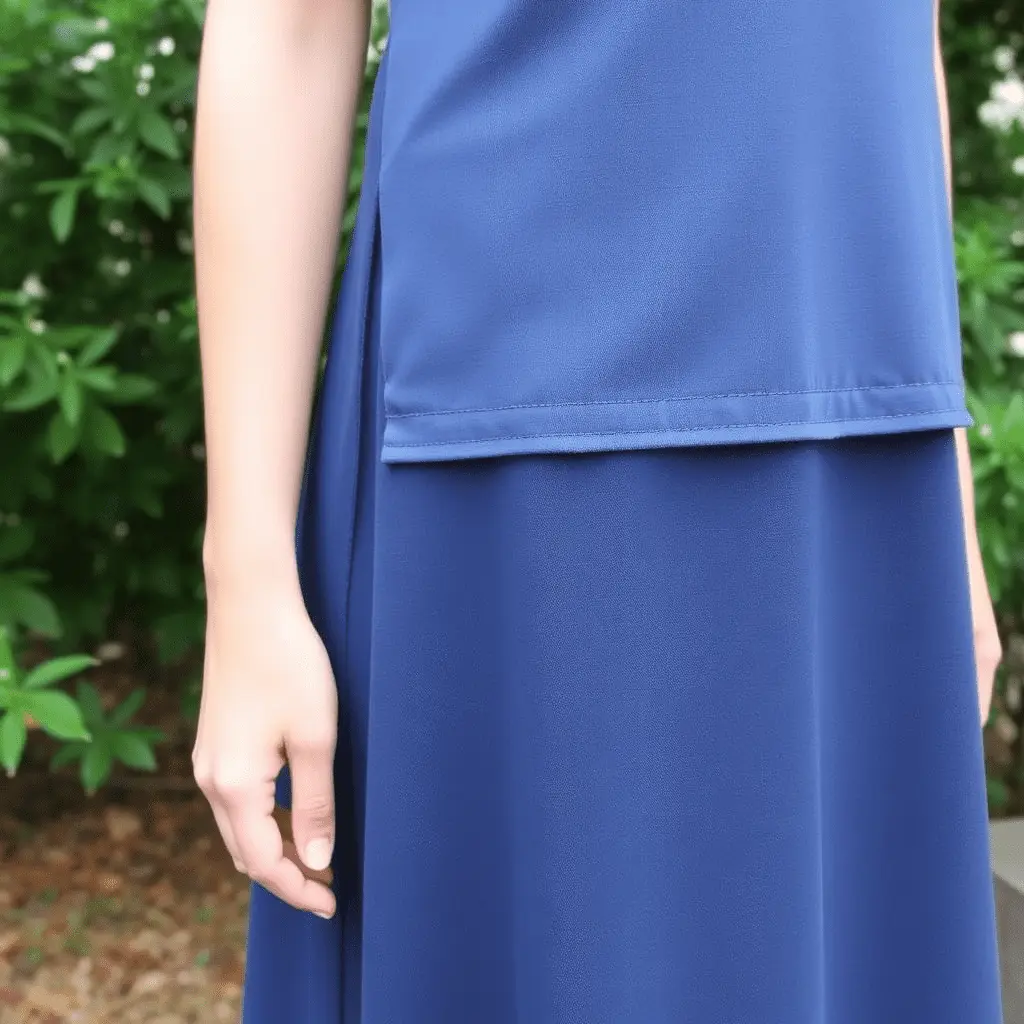
Always check the original stitching carefully before letting out seams. Sometimes the fabric along the inside seam will have a fold line or slight discoloration from the original stitching, but pressing with a warm iron usually resolves this.
5. Add Darts for a Better-Fitted Bodice
Darts are small folds stitched into the fabric to help it conform to the curves of your body. If a dress gapes at the back, pulls at the bust, or hangs loosely in the waist area, adding or adjusting existing darts can solve the problem beautifully.
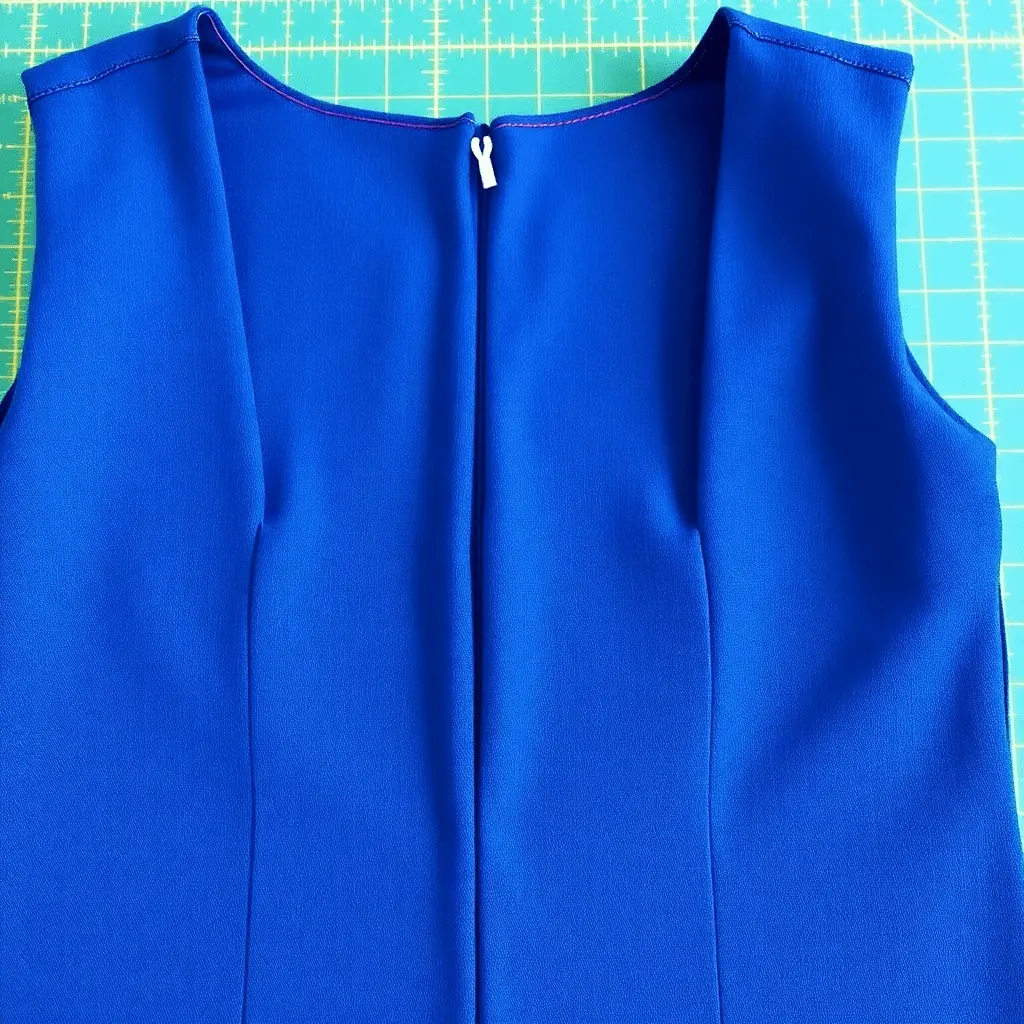
Front darts pull in the waist and define the bust. Back darts create a smooth fit across the shoulder blades and lower back. For someone new to sewing, darts may seem intimidating, but they are one of the most rewarding alterations to master because the improvement in fit is immediately visible.
6. Transform the Neckline
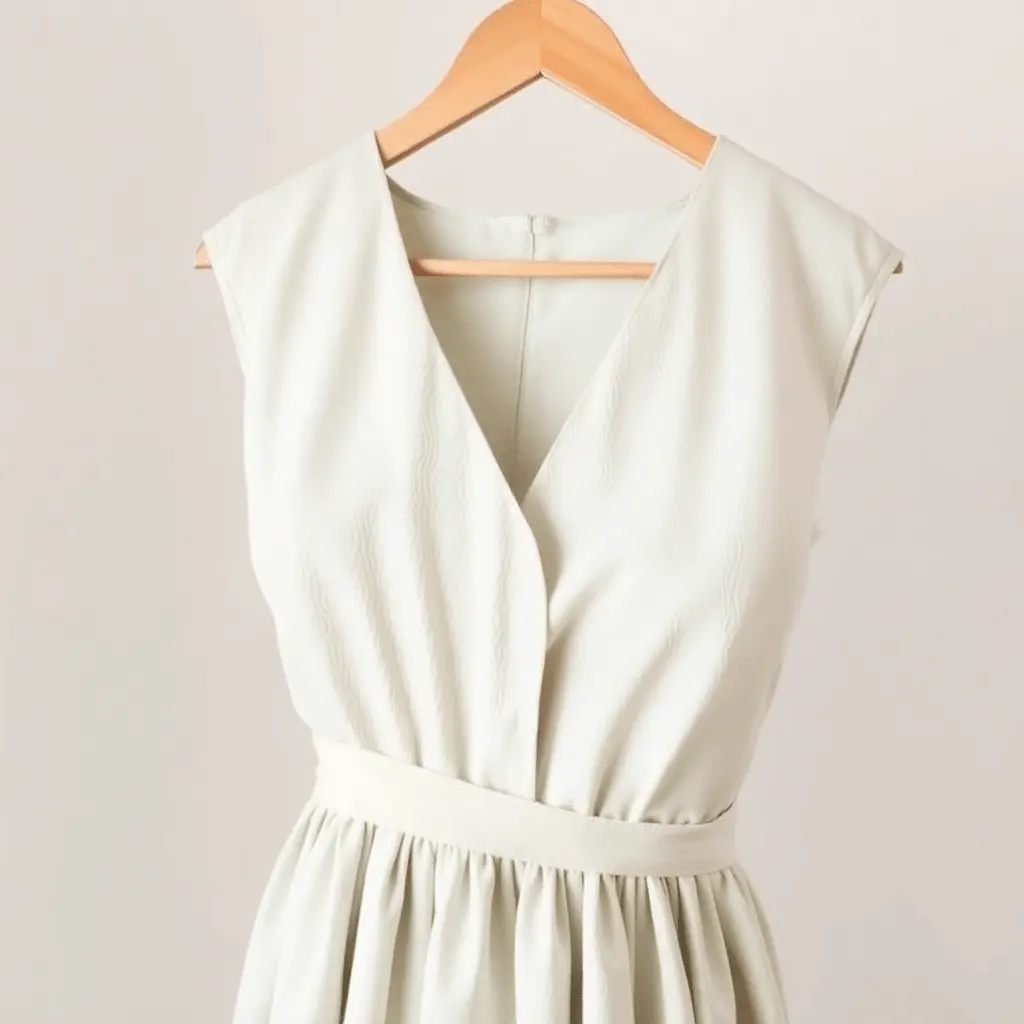
The neckline of a dress has a significant impact on how the entire garment looks and feels. Changing or deepening the neckline is one of the most dramatic dress alteration ideas you can attempt. A crew neck can be converted into a V-neck, a high neckline into an off-the-shoulder style, or a square neck can be deepened for a more fashion-forward look.
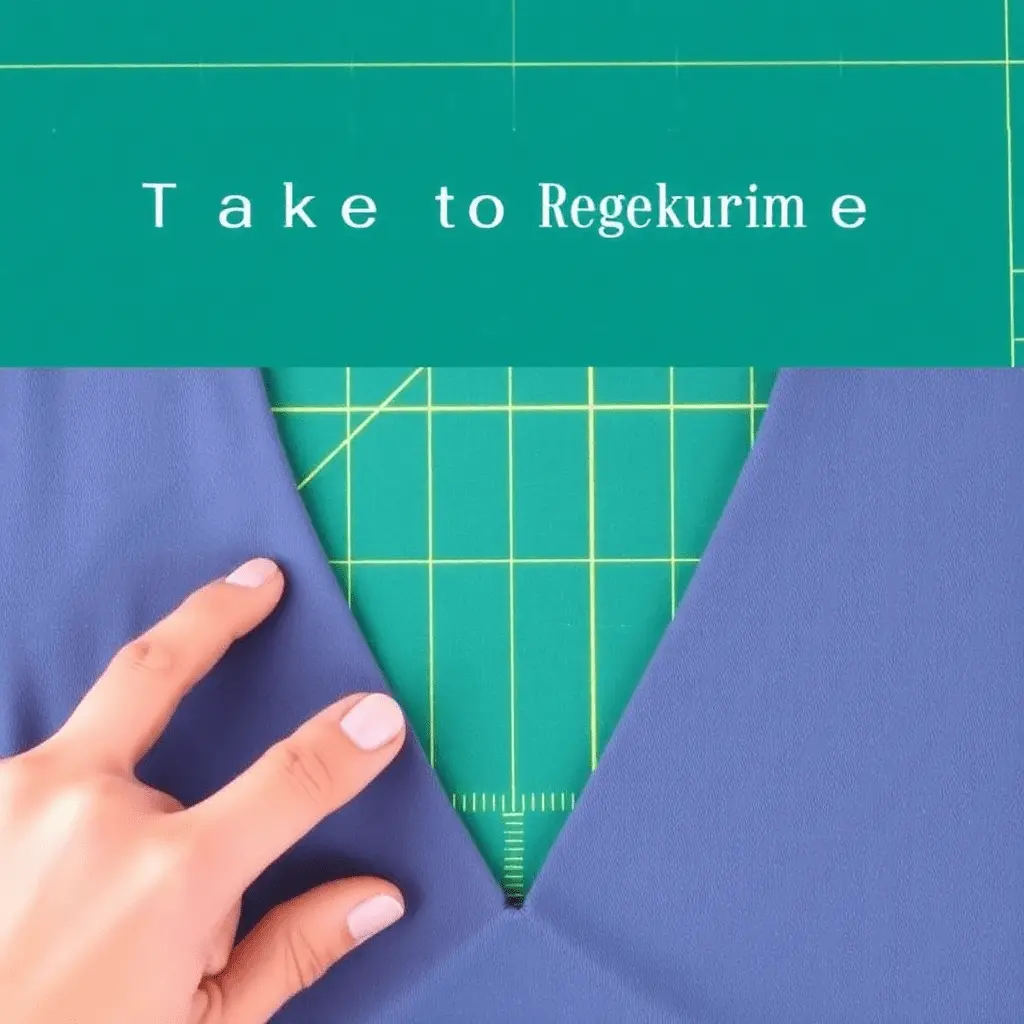
Always mark the new neckline carefully before cutting, since this alteration is irreversible. Use a fabric chalk marker and take your time with the outline. Finish the raw edge with a clean hem, bias binding, or a decorative trim to keep the neckline looking polished and professional. https://sewingtrip.com/clothing-alteration-project-ideas/
7. Remove or Replace the Sleeves
Outdated sleeves can make even a beautiful dress look tired. Removing the sleeves entirely can give a dated piece a sleek, modern feel that works for warm weather and more casual occasions. Alternatively, replacing old sleeves with lace panels, bell sleeves, or lightweight chiffon creates an entirely new personality for the dress.
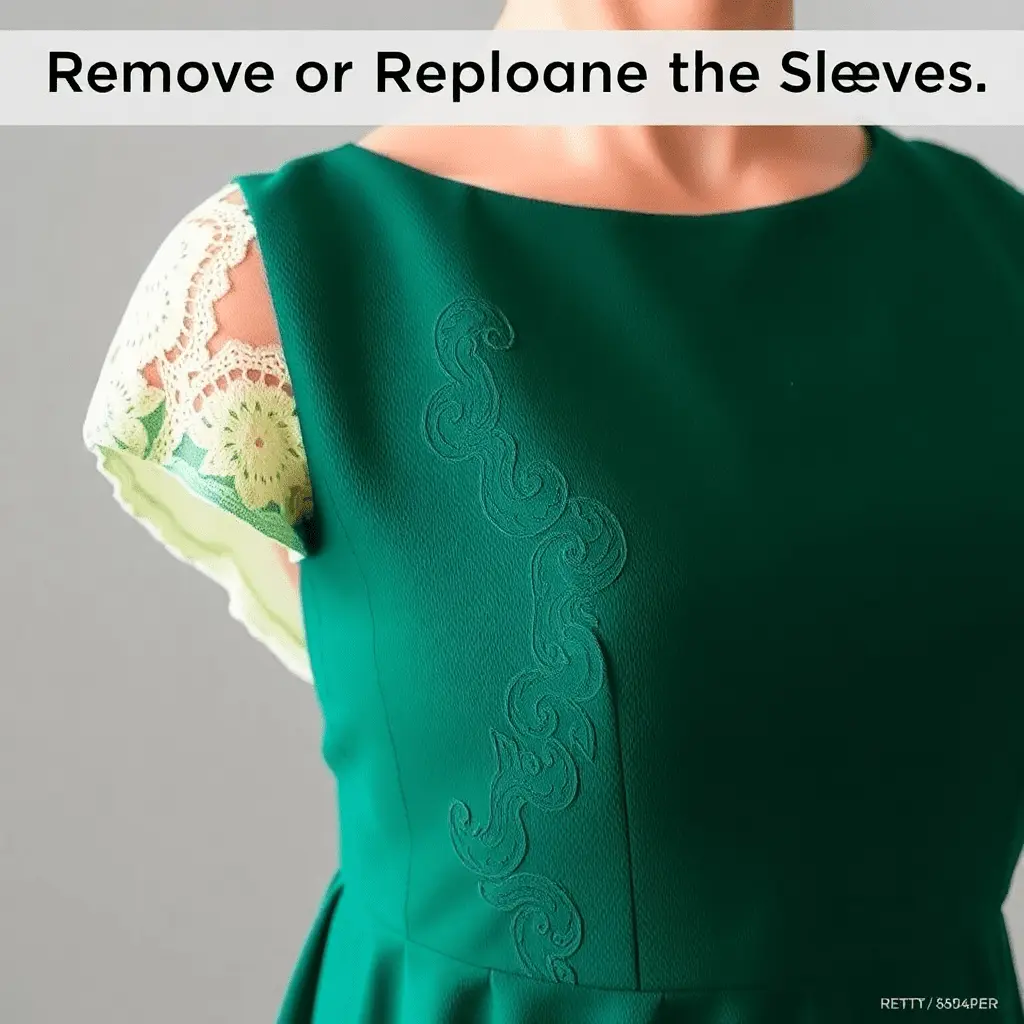
Use a seam ripper to remove the original sleeves carefully. Once the sleeves are out, finish the armhole with a clean hem or a narrow band of complementary fabric. If you plan to attach new sleeves, a tailor can ensure the fit around the shoulder is smooth and comfortable.
8. Add Sleeves to a Sleeveless Dress
Adding sleeves to a strapless or sleeveless dress is perfect for extending its wearability across seasons. Cap sleeves add a subtle touch of coverage while keeping the look light. Long lace sleeves add romance and sophistication, making them a popular choice for bridal alterations.
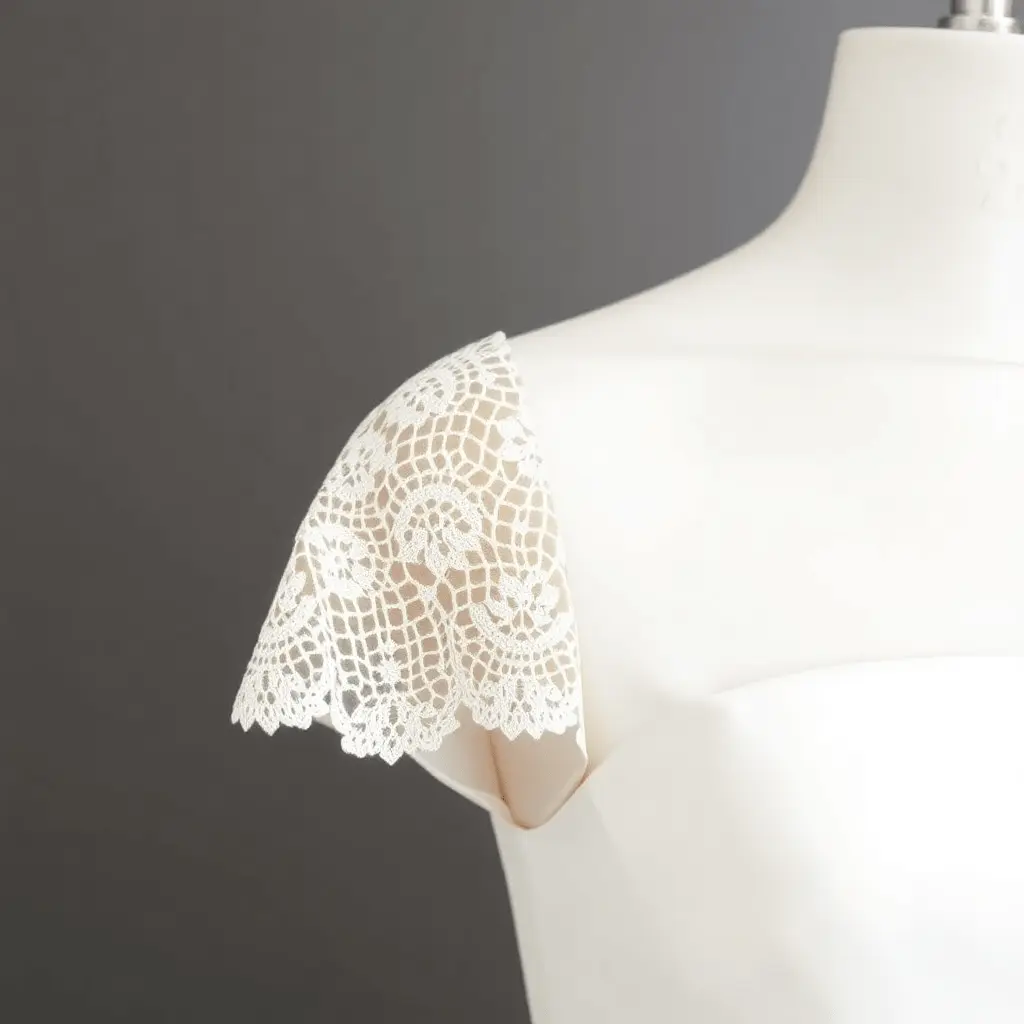
When selecting sleeve fabric, try to match the weight and drape of the original dress. Lightweight chiffon works beautifully over a flowy dress, while jersey or crepe fabric suits more structured styles. A seamstress can adjust the shoulder seam slightly to accommodate the new sleeve.
9. Cinch the Waist for a Defined Silhouette
A dress that falls straight from shoulder to hem can look shapeless on many body types. Cinching the waist either through a sewn-in elastic waistband, added darts, or a permanent seam adjustment creates definition and makes the dress far more flattering.
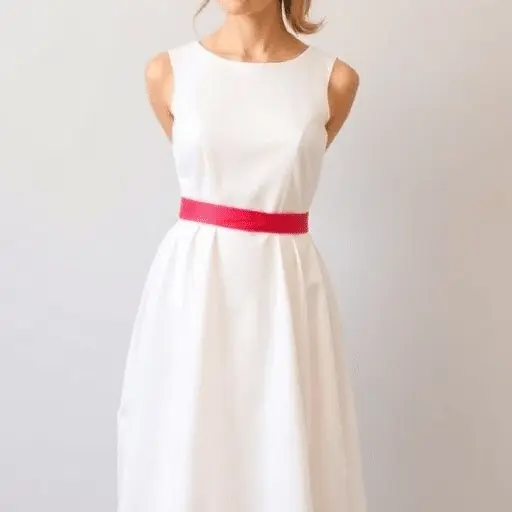
For a no-sew approach, a well-chosen belt worn over the dress achieves a similar effect. Wide belts create a bold, structured look, while thin belts or fabric sashes offer a softer, more romantic silhouette. This is one of those dress alteration ideas that delivers maximum impact with minimal effort.
10. Replace an Old Zipper
A broken, sticky, or outdated zipper can ruin an otherwise perfect dress. Replacing a basic zip with a bold metallic zipper, a decorative exposed zip, or an invisible replacement zipper instantly refreshes the garment.
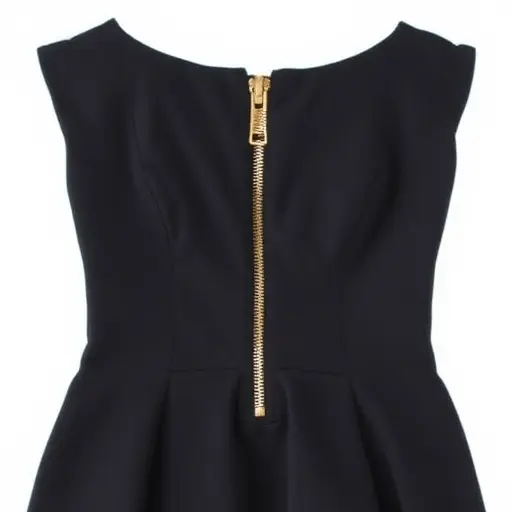
This is a practical alteration that also has a strong style payoff. Gold or brass zippers, for example, add a luxurious finish to a simple black dress. Exposed zipper closures at the back of a dress create a modern, editorial feel that looks intentional and stylish.
11. Add Lace or Embroidery Trim
Adding decorative trim to the hemline, neckline, sleeve edges, or waistline of a plain dress is one of the most accessible dress alteration ideas. Lace trim adds femininity and texture, while embroidery ribbon creates a folk-inspired or boho feel.
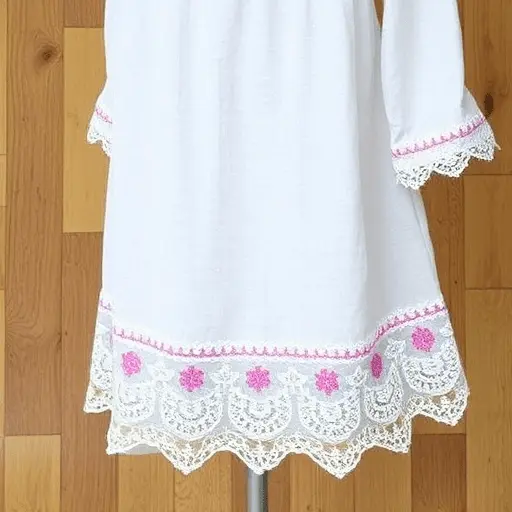
Trim can be attached by sewing or with fabric glue for a no-sew option. Choose trim that complements the dress color and fabric weight. Delicate lace works best on light fabrics like chiffon and cotton, while heavier embroidered trim suits denim, canvas, or thick jersey.
12. Add Beading or Embellishments
Elevating a plain dress with beaded details, sequin trim, or embellished appliques takes it from simple to stunning. This type of alteration is especially popular for formal and special occasion dresses where the goal is to make the garment feel uniquely personal.
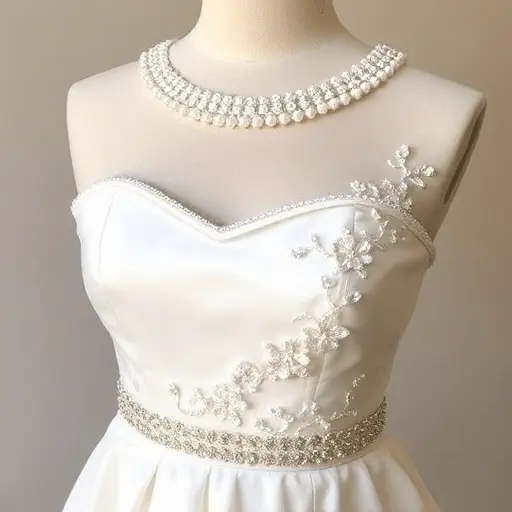
Pearl beading along a neckline, rhinestone accents at the waist, or floral appliques scattered across the bodice are all beautiful choices. These details can be hand-stitched for security or applied with fabric adhesive for lighter embellishments. The result is a dress that looks custom-made.
13. Add a Side Slit for Movement and Style
A side slit is one of the most understated yet effective dress alteration ideas. Adding a slit to a long dress or skirt creates ease of movement, makes the dress more comfortable to walk in, and gives the silhouette a modern, confident edge.
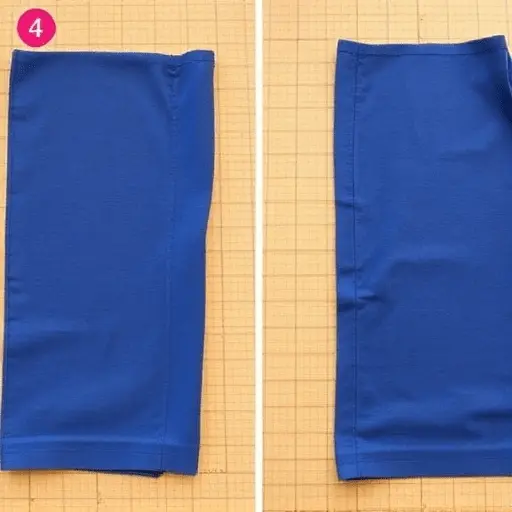
Mark the slit length carefully before cutting, and always reinforce the top of the slit with a bartack stitch to prevent the fabric from tearing further. The slit can be left raw on casual fabrics or finished with a narrow hem for a more polished look. Knee-length or thigh-high slits both work depending on the style of the dress and your personal preference.
14. Add Pockets
Pockets are one of the most requested dress alterations for good reason. A dress with functional pockets is infinitely more practical and enjoyable to wear. Side-seam pockets are the easiest to add during an alteration because they are hidden within the existing seam.
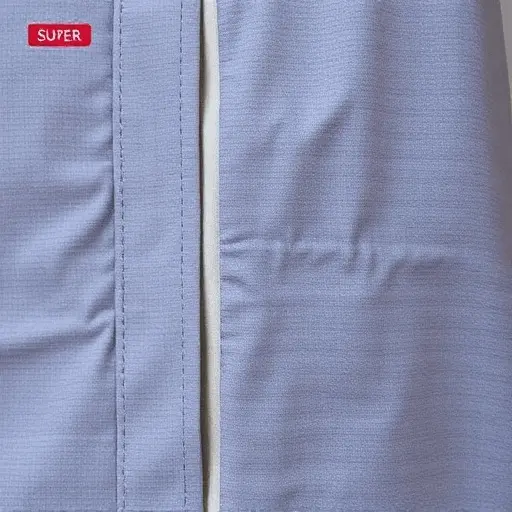
A tailor can open a portion of the side seam, insert pocket bags made from a lightweight lining fabric, and restitch the seam neatly. The result is invisible from the outside but completely functional. This is a small alteration that makes a surprisingly significant difference to how often you reach for a dress.
15. Convert a Maxi Dress into a Skirt
If you love the fabric or print of a maxi dress but rarely have occasion to wear it as a full dress, converting the top section into a skirt is a clever solution. The bodice is removed and the remaining fabric is finished with a waistband or elastic casing.
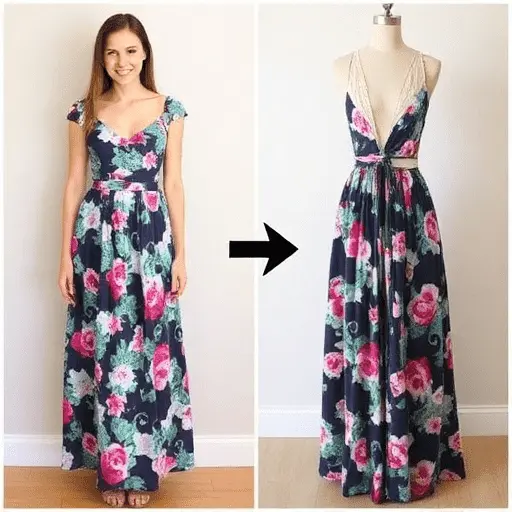
The resulting skirt can be paired with tucked-in blouses, fitted tops, or oversized sweaters, making it far more versatile than the original dress. This type of alteration works particularly well on prom dresses, bridesmaid dresses, and formal gowns that would otherwise sit unused in a closet.
16. Combine Two Dresses into One
Color blocking and fabric mixing have become major trends, and one of the most creative dress alteration ideas involves combining the top of one dress with the bottom of another. This works best when both pieces share a similar weight and construction.
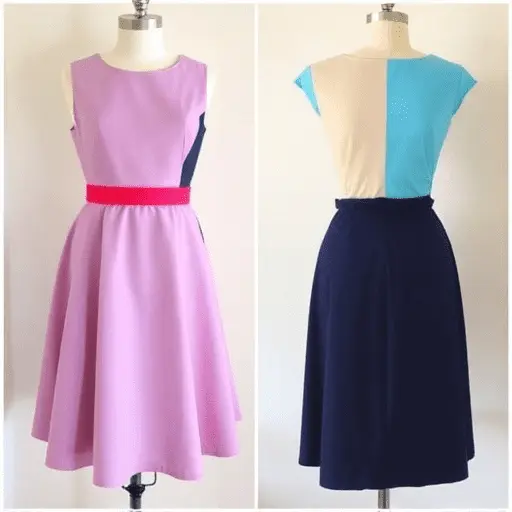
Choose two dresses with colors or prints that complement each other and cut each one cleanly at the waist. Sew the two halves together, lining up the side seams carefully. The result is a completely unique garment that no one else in the world owns. This approach is also a wonderful way to salvage two dresses that are damaged in different areas.
17. Add Tulle for Volume and Whimsy
A flat or narrow skirt can be transformed into something fuller and more theatrical by adding tulle underneath. Layering tulle beneath the existing skirt creates a soft, billowing effect that is particularly popular for formal dresses, birthday outfits, and bridal looks.
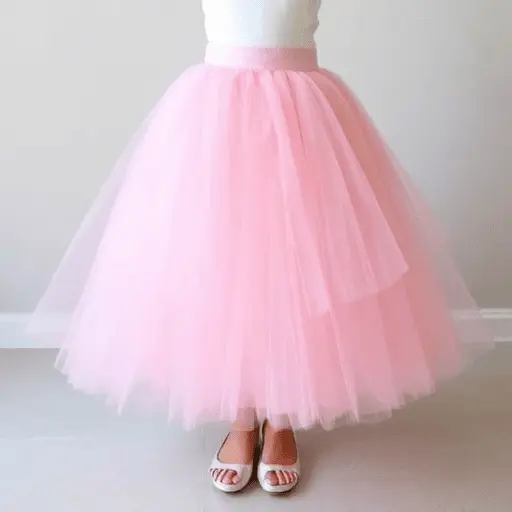
Tulle is inexpensive, easy to work with, and available in an enormous range of colors. A single underskirt layer creates subtle volume, while multiple layers produce a dramatic, princess-like silhouette. For a more modern approach, visible tulle panels or a tulle overskirt create interesting texture and dimension.
18. Alter the Back Neckline or Add a Cutout
While front neckline alterations get a lot of attention, the back neckline is equally important for style. Lowering the back neckline, adding a keyhole cutout, or creating an open-back design can transform a conservative dress into something genuinely striking.
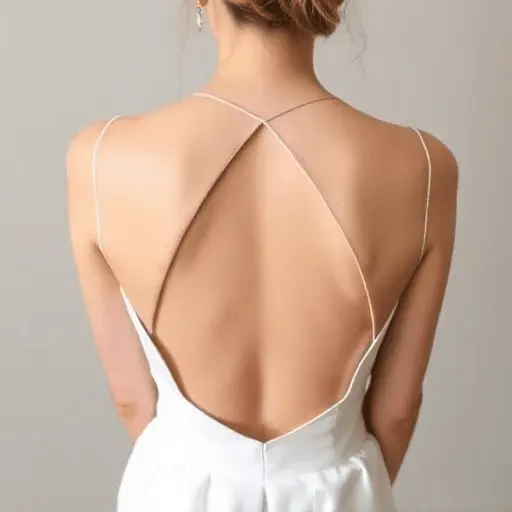
This alteration requires careful planning because the structural integrity of the garment must be maintained, especially in the shoulder and back panel areas. A skilled tailor can execute these changes cleanly, and the results are always worth the effort.
19. Update the Buttons or Hardware
Buttons, snaps, and other decorative hardware have a surprisingly large effect on the overall feeling of a dress. Replacing plain plastic buttons with vintage shell buttons, decorative pearl buttons, or bold metallic hardware instantly elevates the garment.
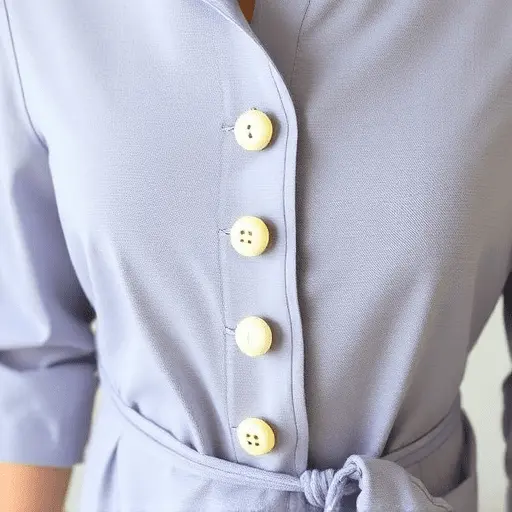
This is one of the simplest dress alteration ideas and requires no special sewing equipment. It works especially well on shirt dresses, wrap dresses, and any style with a button-front closure. The change costs very little but creates a noticeably more refined or fashion-forward result.
20. Adjust the Shoulder Seams
Shoulder fit is often overlooked but is one of the most important aspects of how a dress looks and feels. A dress where the shoulder seam falls too far down the arm looks sloppy and ill-fitting. Raising the shoulder seam by just half an inch to an inch can dramatically improve the overall silhouette.
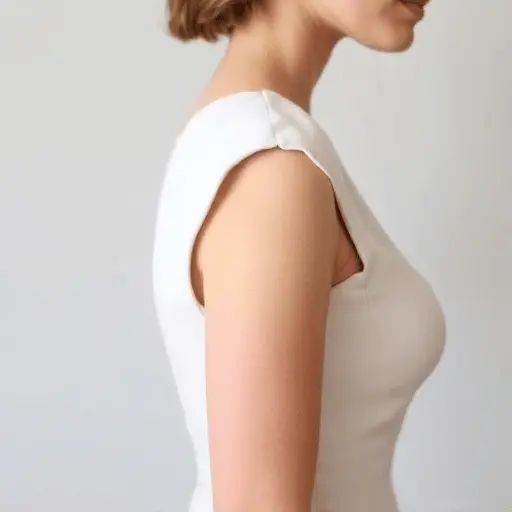
This alteration is best handled by a professional tailor because adjusting the shoulder affects the fit through the entire upper body. However, the improvement in fit and appearance makes it one of the most worthwhile alterations you can invest in, particularly for structured or fitted dresses.
Conclusion
A dress alteration does not have to be a complicated or expensive undertaking. From shortening a hem to combining two garments into one, these dress alteration ideas prove that creativity and a little effort can completely transform the clothes already in your wardrobe. Rather than spending money on new pieces, taking the time to reimagine what you already own is both financially smart and genuinely satisfying.
Whether you work with a professional tailor or take on smaller projects yourself, the key is to approach each alteration with patience and a clear vision for the end result. Your clothes should work for your body, your lifestyle, and your personal style, not the other way around. With these ideas in hand, your next favorite dress might already be hanging in your closet, waiting for its moment to shine.
Frequently Asked Questions
Q1. How much do dress alterations typically cost? The cost varies depending on the complexity of the alteration, your location, and the tailor you choose. Basic hemming usually costs between fifteen and fifty dollars, while more complex changes like adding sleeves or combining garments can range from sixty to two hundred dollars or more.
Q2. Can I do dress alterations at home without a sewing machine? Yes, several alterations can be done by hand or with fabric glue. Hemming tape, iron-on adhesive, and hand stitching work well for simple fixes like shortening a hem, attaching trim, or replacing buttons. For structural changes like adjusting seams or adding darts, a sewing machine produces stronger and more durable results.
Q3. What types of dresses are easiest to alter? Cotton, linen, and medium-weight jersey fabrics are the most beginner-friendly for alterations. Structured fabrics like ponte or crepe are also manageable. Delicate materials such as silk, chiffon, and heavily beaded or embroidered fabrics are best left to experienced tailors.
Q4. How do I know if a dress is worth altering? If the fabric is in good condition and you genuinely love the color or print, it is usually worth the cost of alteration. Consider the alteration fee compared to the cost of replacing the dress. If the dress holds sentimental value, such as a wedding dress or a gift, alteration is almost always worth it regardless of cost.
Q5. Can a dress be altered to be both larger and smaller? A dress can be let out to a larger size if there is sufficient seam allowance, which is typically half an inch to one inch on each side seam. Taking a dress down in size is generally easier and can be done more dramatically. However, extremely large size adjustments in either direction may affect the overall proportions of the garment and may not always produce the best result.