16+ Creative Dropped Ceiling Light Box Ideas
Transforming the appearance of standard dropped ceiling light fixtures represents one of the most effective ways to elevate interior design without undertaking major renovation work. The fluorescent panels that dominate many commercial spaces, basements, and older homes often create an uninspiring atmosphere with harsh lighting that does little to enhance the environment. Fortunately, modern solutions offer remarkable flexibility in converting these functional necessities into attractive design features that complement your overall aesthetic vision.
The concept of reimagining dropped ceiling light boxes extends beyond simple cosmetic updates. These modifications can fundamentally change how spaces feel, affecting mood, perceived room dimensions, and overall ambiance. Whether addressing a residential basement, updating office environments, or refreshing retail spaces, the right approach to ceiling light box design creates dramatic improvements with relatively modest investment.
This comprehensive exploration presents diverse creative solutions that span multiple design philosophies, material choices, and implementation strategies. From subtle refinements to bold artistic statements, these ideas accommodate various skill levels, budgets, and aesthetic preferences while maintaining the practical lighting functions these fixtures serve.
Nature-Inspired Translucent Panels

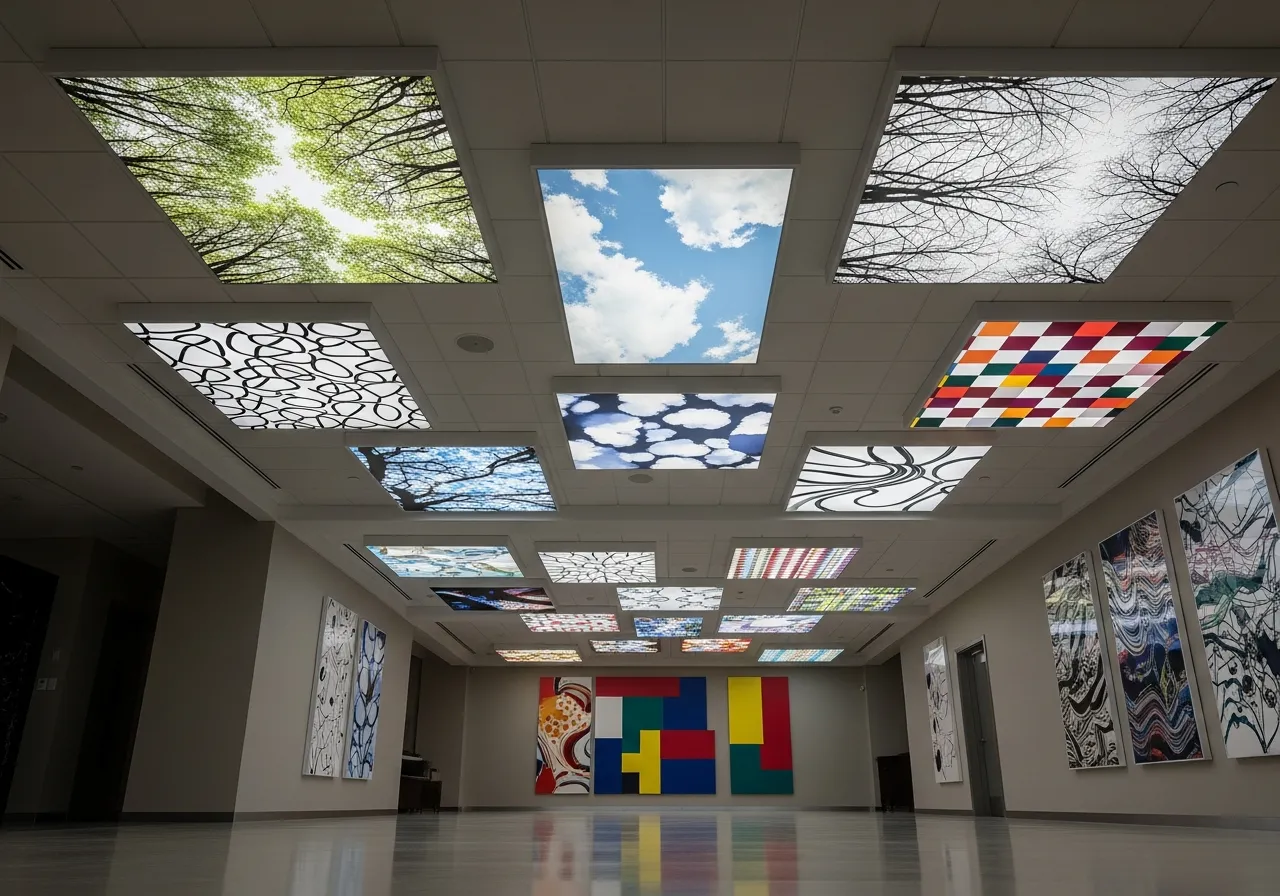
Bringing outdoor elements into interior spaces through ceiling light boxes creates calming environments that reduce the sterile feeling of standard fluorescent fixtures. Photographic sky panels featuring clouds, tree canopies, or sunset scenes transform overhead lighting into windows toward natural beauty. These specialized panels use high-resolution imagery printed on translucent materials that diffuse light while displaying compelling visuals.
The psychological benefits of nature imagery in interior spaces have been well documented, with studies indicating reduced stress levels and improved focus. Installing panels that depict blue skies with scattered clouds works particularly well in windowless areas like basements or interior offices where natural light access is limited. Forest canopy designs create a sense of being outdoors under sheltering trees, adding warmth and organic character to clinical spaces.
Quality reproduction matters significantly with these installations. Premium panels utilize fade-resistant inks and UV-protected materials ensuring longevity and consistent appearance over years of use. The light diffusion properties must balance image clarity with even illumination distribution, preventing hotspots or dark zones that compromise both aesthetic appeal and functional lighting performance.
Geometric Pattern Designs
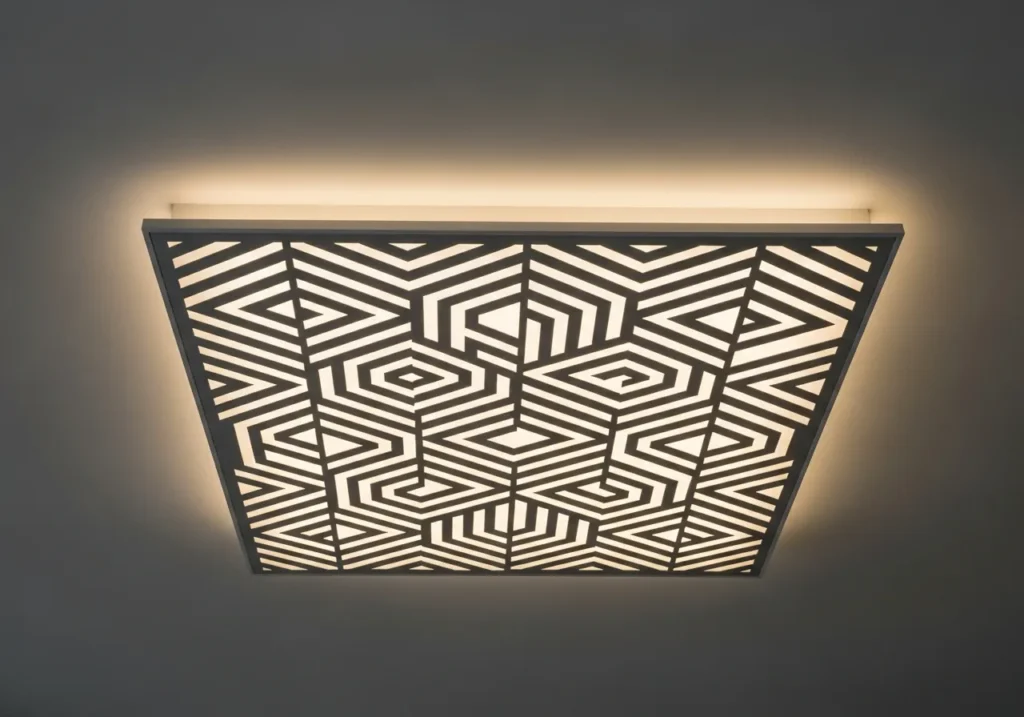
Contemporary geometric patterns offer striking visual interest while maintaining clean, modern aesthetics appropriate for various settings. Repeating shapes such as hexagons, triangles, or interlocking circles create dynamic visual movement when backlit, transforming ceiling fixtures into artistic focal points rather than utilitarian necessities.
These designs work exceptionally well in modern office environments, contemporary homes, or retail spaces targeting younger demographics. The mathematical precision of geometric patterns conveys organization and sophistication while adding visual texture that breaks up monotonous ceiling planes. Color choices significantly impact the overall effect, with monochromatic schemes offering understated elegance and multi-colored approaches making bolder statements.
Custom fabrication allows for personalized geometric configurations that align with existing design elements throughout a space. Coordinating ceiling light box patterns with flooring designs, wall treatments, or furniture textiles creates cohesive visual narratives that demonstrate thoughtful design consideration. The scalability of geometric patterns accommodates both small residential fixtures and extensive commercial installations spanning multiple panels.
Frosted and Textured Glass Effects
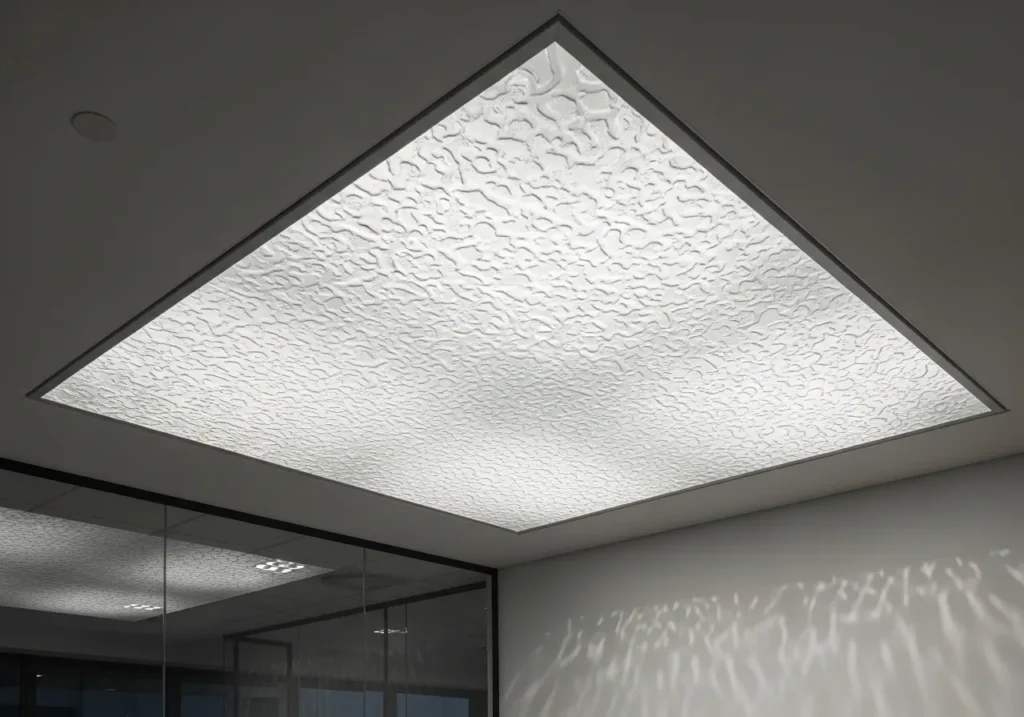
Sophisticated frosted glass treatments provide elegant alternatives to standard acrylic diffuser panels while maintaining excellent light distribution characteristics. These solutions range from uniform frosting to varied texture patterns including rain glass, seeded glass, or custom etched designs. The refined appearance elevates perceived quality and demonstrates attention to design detail.
Textured glass effects introduce subtle visual interest without overwhelming spaces with bold graphics or colors. This restraint makes them particularly suitable for professional environments, upscale residential applications, or anywhere refined aesthetics take priority. The three-dimensional quality of textured glass creates gentle shadows and highlights as viewing angles change, adding depth and sophistication.
Installation considerations for glass or glass-effect panels include weight factors and safety requirements. Tempered glass options provide impact resistance while authentic glass materials offer superior optical clarity compared to plastic alternatives. For budget-conscious projects, acrylic panels with molded textures convincingly replicate glass appearances at reduced costs and weights that simplify installation procedures.
LED Edge-Lit Panel Systems
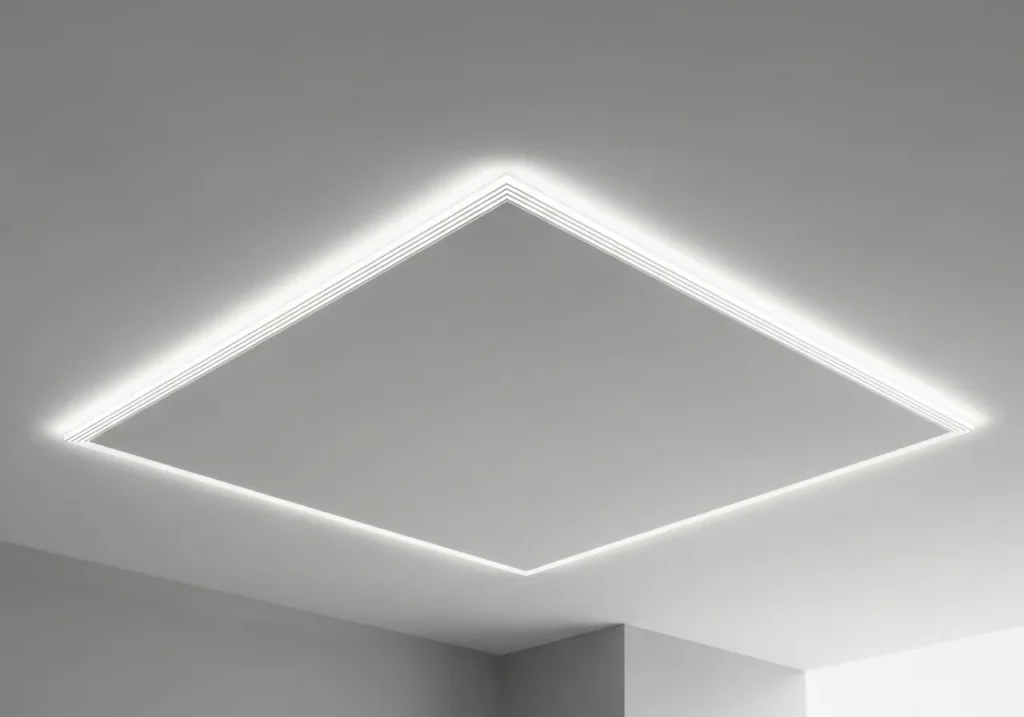
Modern LED edge-lit technology enables remarkably thin profile light boxes that appear to glow uniformly across their entire surface. These systems position LED strips around panel perimeters with light guides distributing illumination evenly across decorative face materials. The reduced depth compared to traditional fluorescent fixtures creates sleeker appearances and opens design possibilities.
Edge-lit systems accommodate various decorative treatments including printed graphics, fabric panels, or specialty materials that would block too much light in backlit configurations. The flexibility extends to color temperature control and dimming capabilities that standard fluorescent fixtures cannot match. Creating dynamic lighting environments that adjust for time of day or activity requirements becomes practical with these advanced systems.
Energy efficiency represents another significant advantage of LED edge-lit approaches. The reduced power consumption compared to fluorescent tubes lowers operating costs while eliminating the disposal concerns associated with mercury-containing bulbs. Longer lifespan ratings minimize maintenance requirements, particularly valuable in commercial settings or high-ceiling residential installations where accessing fixtures involves considerable effort.
Custom Printed Photographic Panels
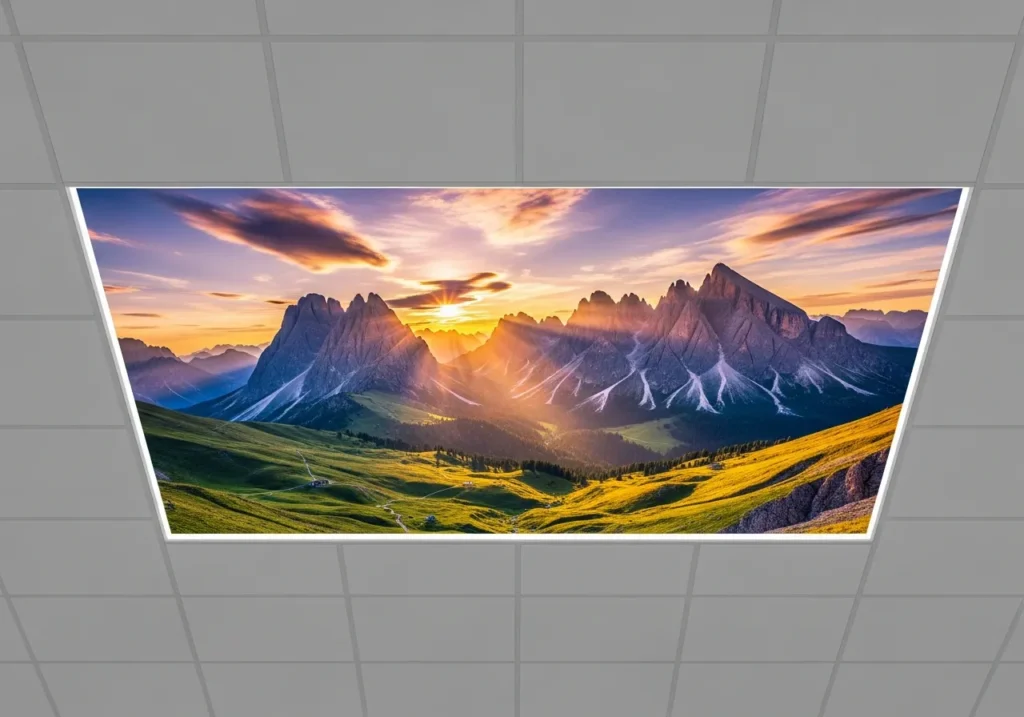
Personalized photographic ceiling panels transform light boxes into unique artistic expressions reflecting individual tastes, brand identities, or specific themes. Modern digital printing technologies produce stunning reproductions on translucent substrates that maintain image quality when backlit. Subject matter spans infinite possibilities from abstract art to landscape photography to architectural details.
Business applications might feature company branding elements, product photography, or imagery reinforcing corporate culture and values. Residential implementations could showcase family photography, travel memories, or artwork created by household members. The customization potential makes every installation distinctively personal rather than selecting from limited standard options.
Technical considerations for printed panels include resolution requirements, color management for backlit viewing, and material selection appropriate for intended display duration. Professional printing services specializing in backlit graphics understand these technical nuances and can guide material choices, ink systems, and protective coatings that ensure lasting quality. File preparation requires attention to color space specifications and resolution standards that differ from conventional print applications.
Stained Glass Inspired Designs
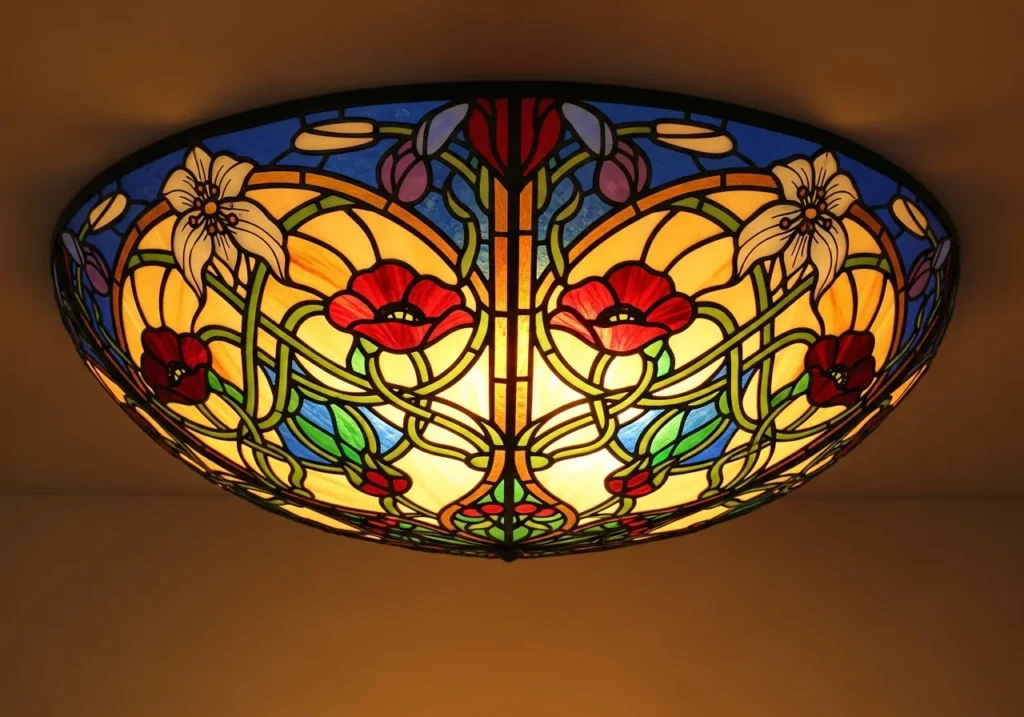
Traditional stained glass aesthetics translate beautifully to ceiling light box applications, bringing rich colors and classical elegance to contemporary spaces. Modern reproductions utilize printed translucent films or laser-cut layered acrylics rather than actual glass pieces, achieving similar visual effects with simplified installation and reduced costs. The jewel-tone colors characteristic of stained glass create warm, inviting atmospheres when illuminated.
Historical design motifs including Art Nouveau florals, Gothic architectural patterns, or Arts and Crafts movement geometries suit various interior styles. Religious institutions, historical building renovations, or homes featuring period architecture find particular appropriateness in stained glass interpretations. The artistic heritage associated with these designs conveys cultural sophistication and timeless beauty.
Balancing light transmission with color saturation requires careful attention to ensure adequate illumination while maintaining visual impact. Overly dense color applications may appear stunning when lit but fail to provide sufficient ambient lighting for practical use. Strategic composition with clear or lightly tinted areas interspersed among colorful sections optimizes both aesthetic and functional performance.To see more lighting ideas visit Overhead lighting ideas.
Minimalist White and Neutral Tones
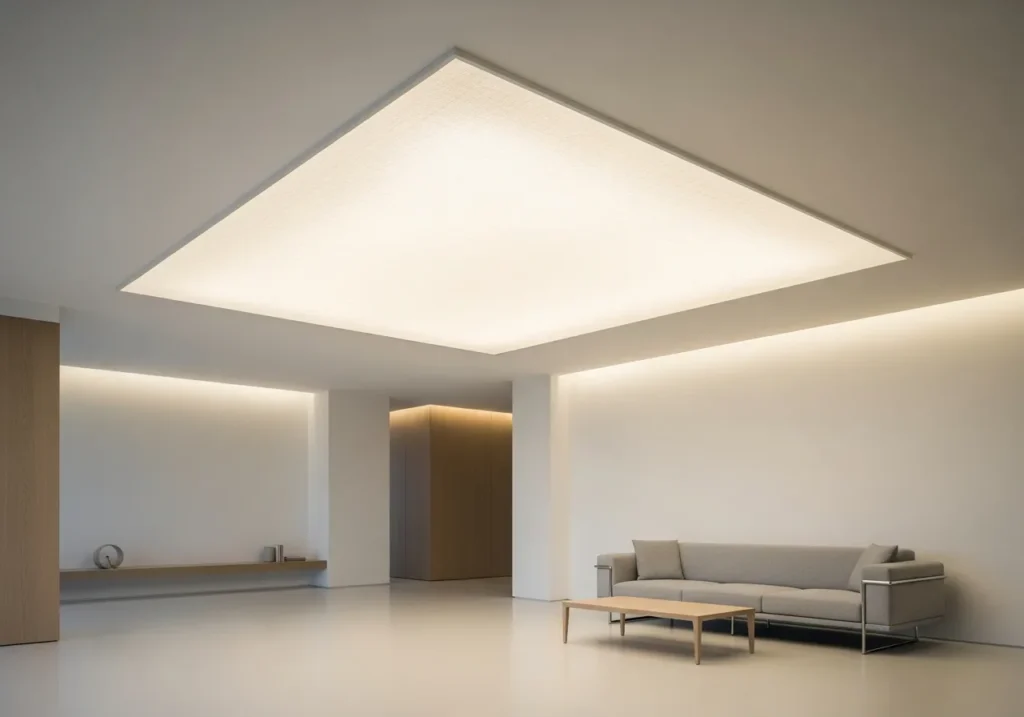
Sometimes the most effective approach emphasizes simplicity through refined neutral palettes that quietly enhance spaces without demanding attention. Premium white translucent materials with subtle textures provide clean, contemporary appearances that complement minimalist design philosophies. These understated solutions improve upon standard builder-grade panels while maintaining visual restraint.
The versatility of neutral approaches accommodates changing design preferences over time without requiring replacement. As color schemes, furniture, or decorative accessories evolve, neutral ceiling treatments remain compatible rather than becoming dated or clashing with new directions. This long-term flexibility represents practical wisdom for both residential and commercial applications.
Material quality becomes particularly evident in minimalist installations where attention is not diverted by bold graphics or colors. Premium acrylics demonstrate superior clarity, resist yellowing over time, and maintain consistent light diffusion. The investment in quality materials pays dividends through lasting performance and maintained appearance that budget alternatives cannot match.
Industrial and Urban Aesthetic Treatments
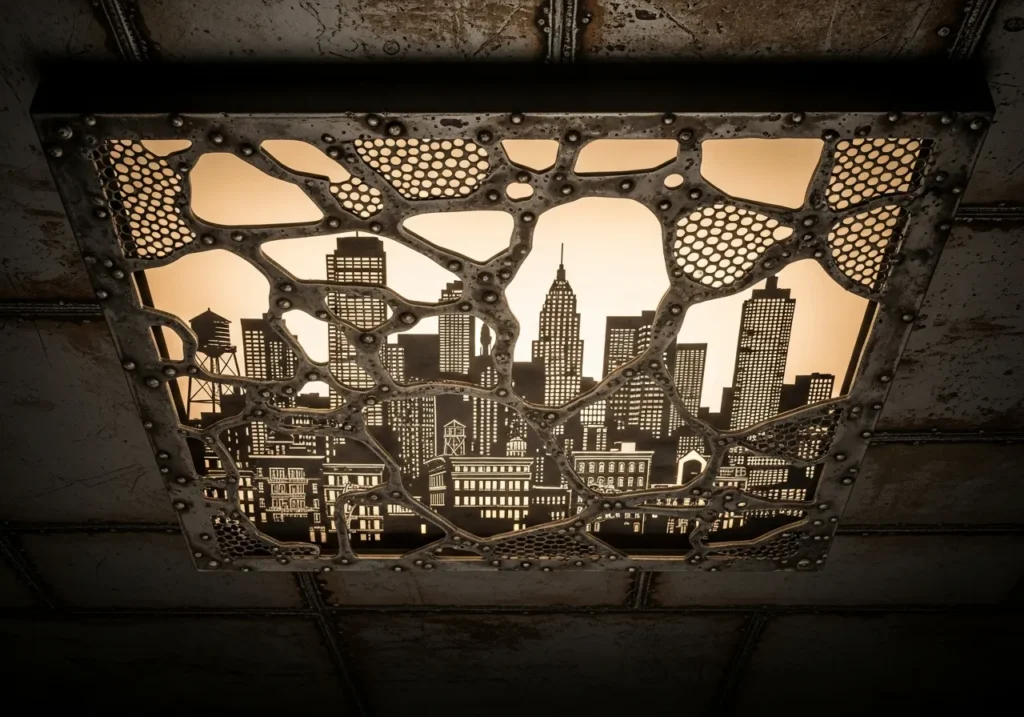
Exposed structural elements, raw materials, and urban imagery characterize industrial design approaches that suit loft spaces, modern commercial environments, or contemporary residential interiors. Ceiling light boxes can reinforce these themes through materials like perforated metal panels, wire mesh overlays, or graphics featuring architectural photography, cityscapes, or industrial subjects.
The deliberate roughness and authenticity associated with industrial aesthetics creates interesting counterpoints when applied to illuminated ceiling fixtures. The contrast between refined lighting technology and raw material presentations generates visual tension that defines this design approach. Careful balance prevents spaces from feeling cold or unwelcoming while maintaining the edge that makes industrial design compelling.
Functional considerations include ensuring perforated or mesh materials allow sufficient light transmission while creating desired visual effects. The open area percentage in perforated panels directly impacts both light output and the visibility of internal fixture components. Strategic sizing and patterning of openings optimizes this balance while contributing to the overall design composition.
Fabric Stretched Panel Systems

Architectural fabric systems stretched across light box frames create sophisticated appearances with unique textural qualities. These installations utilize specialized translucent fabrics designed for backlit applications, offering excellent light diffusion while presenting refined surface characteristics. The fabric approach accommodates seamless installations across large areas, eliminating the grid lines inherent in multiple rigid panels.
Material options include woven synthetics, non-woven composites, and specialty products engineered specifically for architectural lighting applications. Color availability extends across broad spectrums allowing precise matching to overall design schemes. The flexibility of fabric systems enables creative three-dimensional forms beyond flat planes, introducing gentle curves or other sculptural elements to ceiling designs.
Installation typically involves perimeter frame systems with tensioning mechanisms maintaining taut, wrinkle-free surfaces. Professional installation ensures proper tension and attachment, though accessible systems cater to skilled DIY implementers willing to follow detailed instructions. The removability of fabric panels facilitates cleaning or replacement without complete system dismantling, offering maintenance advantages over permanently bonded alternatives.
Art Decor and Vintage Patterns
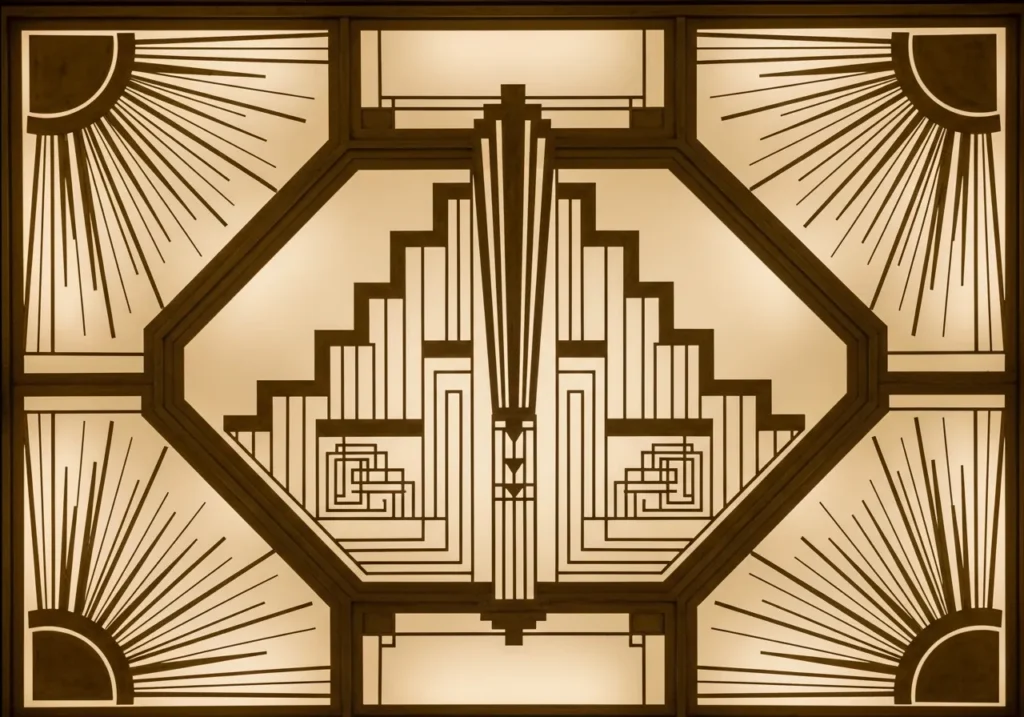
Historical design movements provide rich inspiration for ceiling light box treatments that evoke specific eras or cultural moments. Art Deco patterns with their characteristic geometric forms, stylized florals, and metallic accents bring 1920s glamour to contemporary spaces. Mid-century modern designs featuring atomic age motifs, boomerang shapes, or starburst patterns reference 1950s optimism and retro charm.
Period-appropriate styling works particularly well in renovation projects honoring original architectural character or in themed commercial environments like restaurants, hotels, or entertainment venues. Residential applications might reflect personal affinities for particular design eras or create conversation pieces that distinguish homes from generic contemporary approaches.
Authenticity in pattern reproduction matters for historically informed designs. Researching original source materials and understanding the design principles of specific movements ensures interpretations ring true rather than appearing as superficial appropriations. Color palettes, compositional rules, and characteristic motifs specific to each era should guide development of vintage-inspired ceiling treatments.
Layered Dimensional Constructions

Moving beyond flat panels, three-dimensional light box constructions create dramatic architectural statements with depth and shadow play. Layered acrylic sheets at varying distances from light sources produce parallax effects and depth perception. Cut-out patterns in successive layers create intricate shadow patterns projected onto diffuser backing panels, multiplying visual complexity.
These sophisticated installations demand more substantial framework and careful planning regarding layer spacing, material selection, and lighting placement. The investment in complexity rewards with unique results impossible to achieve through single-surface approaches. Artistic collaboration may prove valuable for conceptualizing and executing ambitious dimensional designs that fully realize the potential of layered constructions.
Maintenance accessibility requires consideration in dimensional designs where multiple layers complicate cleaning or bulb replacement. Hinged or removable sections allow service access without complete disassembly. Planning for maintenance during design phases prevents installations that appear spectacular initially but become impractical over time as cleaning needs accumulate or light source replacement becomes necessary.
Color-Changing LED Integration
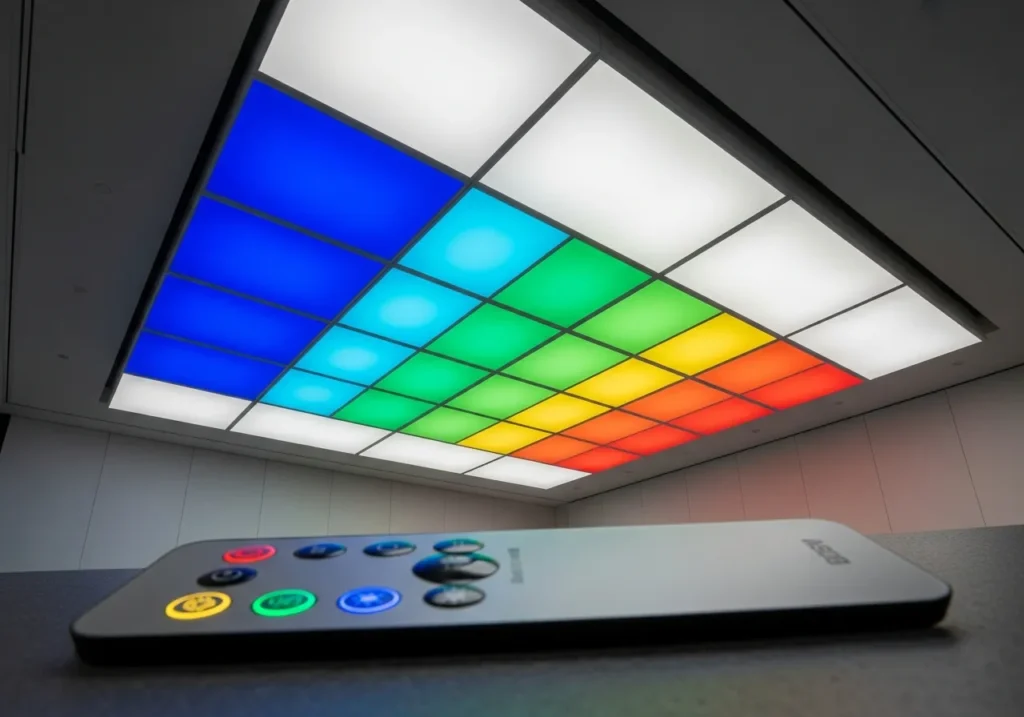
Dynamic lighting systems incorporating color-changing LED technology transform ceiling light boxes into adaptable design elements responding to changing needs, preferences, or programmed schedules. RGB LED systems allow users to dial in virtually any color across the visible spectrum, creating distinct moods or highlighting specific times of day. Circadian rhythm programming automatically adjusts color temperature throughout daily cycles, supporting natural biological rhythms.
Control options range from simple wall switches through smartphone applications to integration with comprehensive building automation systems. The sophistication of control interfaces should match user technical comfort levels and actual utilization patterns. Overly complex systems often default to single settings as users abandon complicated programming, negating the investment in adaptive capability.
Decorative panel selections should accommodate the dynamic nature of color-changing systems. Neutral or minimally colored panels allow LED color to dominate visual effects, while heavily colored or patterned panels may fight against programmed lighting colors. Understanding this interaction between decorative surfaces and variable illumination ensures cohesive results across all color settings rather than optimal appearance in only limited configurations.
Acoustic Performance Enhancement

Combining aesthetic improvement with functional acoustic treatment creates dual-purpose ceiling installations particularly valuable in commercial spaces, home theaters, or music rooms. Specialized acoustic panels designed for light box applications absorb sound energy while maintaining translucent properties for light transmission. Materials include perforated backing panels with acoustic backing materials and specialty fabrics offering both light diffusion and sound absorption.
The acoustic performance ratings of materials guide selection based on specific sound control requirements. Noise Reduction Coefficient ratings quantify sound absorption capabilities, allowing objective comparisons between products. Spaces with significant noise concerns benefit from prioritizing acoustic performance while aesthetic considerations dominate in quieter environments where sound control provides marginal benefits.
Installation depth affects acoustic performance as greater airspace behind absorptive materials enhances low-frequency absorption. Standard dropped ceiling depths may limit acoustic optimization, though even modest absorption improvements benefit reverberant spaces. Combining ceiling light box acoustic treatments with complementary wall treatments and appropriate space planning creates comprehensive acoustic environments supporting intended activities.
Modular Tile Systems
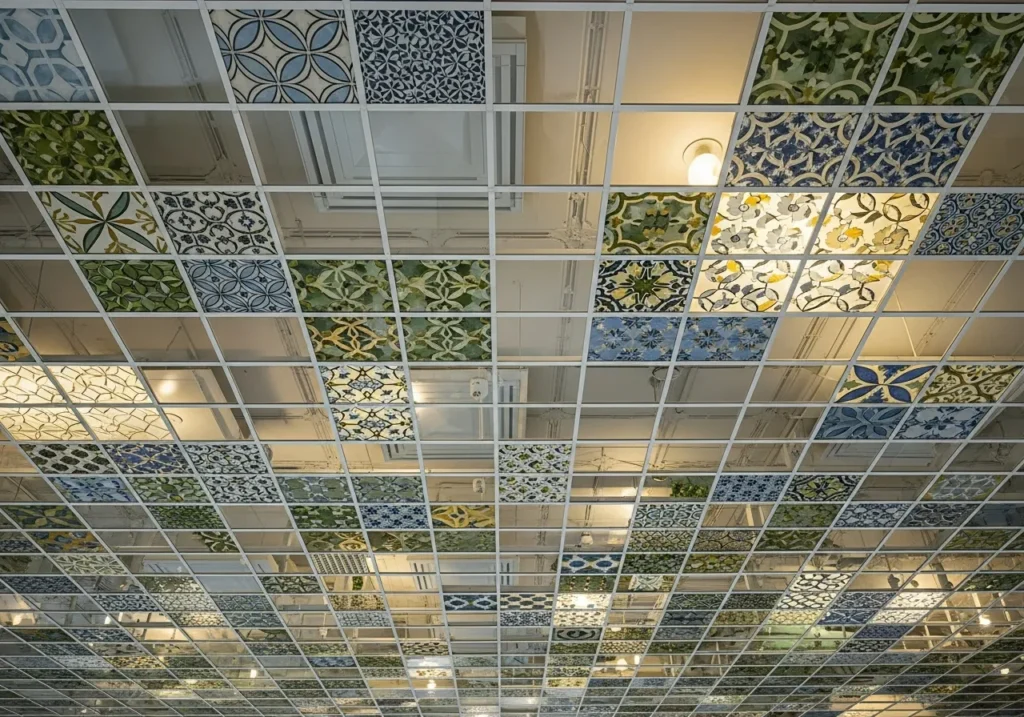
Flexible modular approaches allow creative mixing of different panel designs within single installations, creating custom compositions from standard components. Individual tiles might alternate between clear and patterned options, feature coordinating designs across multiple tiles forming larger images, or combine different colors creating mosaic effects. The modular nature simplifies both initial installation and future modifications as preferences evolve.
Standard ceiling grid systems readily accommodate modular tile approaches using conventional mounting hardware. This compatibility simplifies retrofitting existing dropped ceilings without structural modifications. The ability to replace individual tiles enables targeted updates, repairs, or seasonal decorative changes without complete reinstallations.
Design planning for modular installations should consider the grid pattern visibility and how it interacts with tile designs. Some approaches embrace the grid as part of the overall composition while others minimize its visual presence. Panel edge treatments and careful attention to consistent alignment maintains professional appearances that maximize the impact of modular creativity.
Natural Material Integration
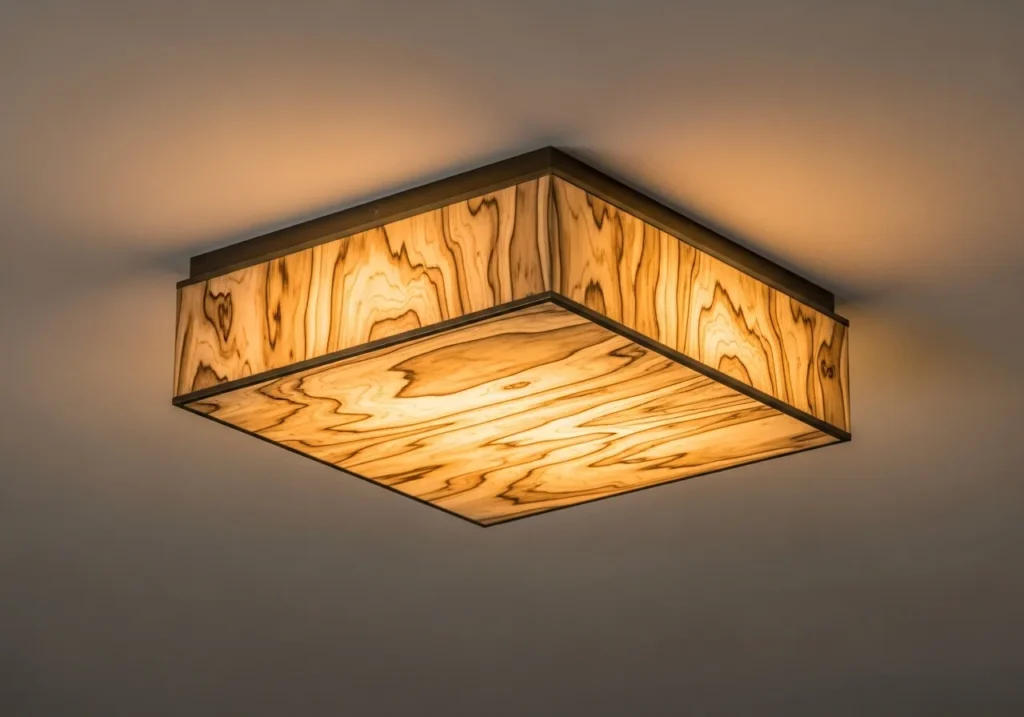
Incorporating authentic natural materials like bamboo, wood veneer, or rice paper brings organic warmth and textural authenticity to ceiling light installations. These materials must be sufficiently translucent or perforated to allow adequate light transmission while maintaining structural integrity. The natural variations inherent in organic materials create unique installations with character distinct from manufactured uniformity.
Sustainability considerations favor rapidly renewable materials like bamboo or responsibly sourced wood products. Environmental consciousness increasingly influences design decisions as awareness grows regarding material impacts. Natural materials often perform well in sustainability assessments, particularly when compared to petroleum-based plastics, though specific product certifications should be verified.
Maintenance requirements for natural materials differ from synthetic alternatives, often demanding more careful cleaning approaches and greater attention to humidity levels. The aging characteristics of natural materials should be understood and accepted as part of their authentic appeal. Wood veneer develops patina over time while bamboo may subtle shift in color, changes that add character rather than representing degradation.
Abstract Artistic Expressions
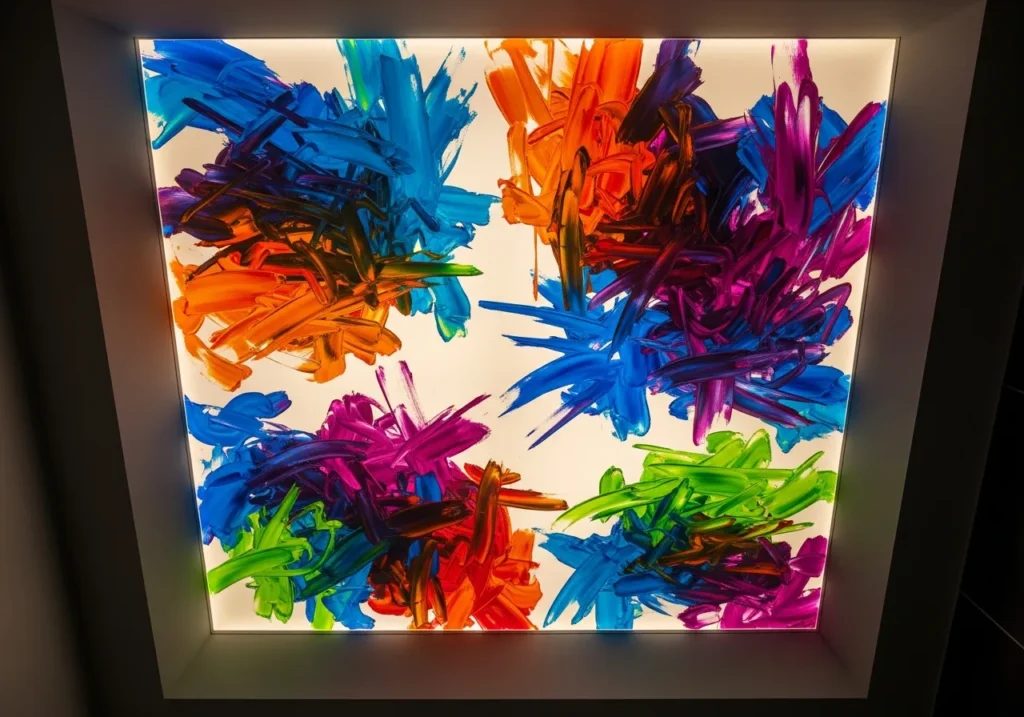
Bold abstract designs transform ceiling light boxes into primary artistic features rather than background elements. Splashes of color, dramatic compositions, and expressive mark-making create visual excitement appropriate for creative environments, contemporary residential spaces, or commercial venues seeking distinctive character. The artistic freedom of abstract approaches allows unlimited creative exploration unbounded by representational constraints.
Commissioning original artwork from local artists creates unique installations while supporting creative communities. Collaborating with artists to adapt their work for backlit applications ensures technical requirements are met while preserving artistic vision. The resulting installations become conversation pieces and sources of pride demonstrating commitment to arts patronage and design originality.
Scale considerations affect abstract compositions differently than representational imagery. Bold gestures and strong color contrasts often work effectively in abstract ceiling applications where viewing distances are substantial. Delicate details or subtle color transitions may not read effectively from typical viewing distances, suggesting design approaches emphasizing larger compositional elements and stronger visual statements.
Conclusion
The transformation potential within dropped ceiling light boxes extends far beyond simple diffuser panel replacements. Creative approaches spanning natural imagery, geometric patterns, historical design references, and cutting-edge technology demonstrate the remarkable versatility these utilitarian fixtures offer for interior enhancement. Whether pursuing subtle refinement or dramatic artistic statements, solutions exist accommodating diverse aesthetic visions, technical requirements, and budget parameters.
Successful implementations balance practical lighting functions with design aspirations, recognizing that ceiling fixtures must serve dual roles as both illumination sources and visual elements. Material quality, proper installation techniques, and thoughtful design consideration separate truly successful projects from superficial cosmetic updates. The investment in planning and quality execution yields lasting results that fundamentally improve how spaces look, feel, and function.
The continuing evolution of materials, lighting technologies, and printing capabilities expands creative possibilities annually. What seemed impossible or prohibitively expensive just years ago now becomes accessible to broader audiences through technological advancement and market maturity. This progression suggests even greater creative potential emerging as innovation continues transforming how we illuminate and enhance interior environments through reimagined ceiling light installations.
Frequently Asked Questions
How much does it typically cost to upgrade dropped ceiling light box panels?
Basic decorative panel replacements generally range from thirty to one hundred dollars per fixture for materials, with simple designs at lower price points and custom printed or specialty materials commanding higher costs. Professional installation adds labor costs when DIY installation is not practical, typically adding fifty to one hundred fifty dollars per fixture depending on accessibility and complexity.
Can I install decorative ceiling light panels myself or do I need professional help?
Most standard panel replacements require only basic tools and moderate DIY skills since panels simply rest in existing ceiling grid systems. More complex installations involving LED retrofits, dimensional constructions, or fabric systems may benefit from professional expertise, particularly regarding electrical work or specialized mounting systems. Assessing your comfort level with the specific project scope guides appropriate decisions.
Will decorative panels reduce the amount of light in the room?
Quality translucent decorative panels maintain excellent light transmission while diffusing and softening illumination. Some designs with dense colors or patterns may reduce light output compared to clear diffusers, though this reduction is often offset by improved light quality and reduced glare. LED retrofits can compensate for any reduction while improving energy efficiency simultaneously.
How do I clean and maintain decorative ceiling light panels?
Most acrylic and synthetic panels clean easily with mild soap and water applied with soft cloths, avoiding abrasive cleaners or rough materials that could scratch surfaces. Fabric panels may require specialized cleaning approaches or professional services depending on material specifications. Regular dusting prevents buildup that becomes more difficult to remove over time, extending the attractive appearance of installations.
Are there fireproof or fire-rated options for ceiling light box panels?
Commercial-grade panels meeting building code fire safety requirements are widely available, with specific ratings varying by product and manufacturer. Class A fire-rated materials suit most commercial applications while residential installations typically have less stringent requirements. Consulting local building codes and fire marshals ensures compliance in situations where fire ratings are mandated or advisable for safety purposes.


5 Comments