
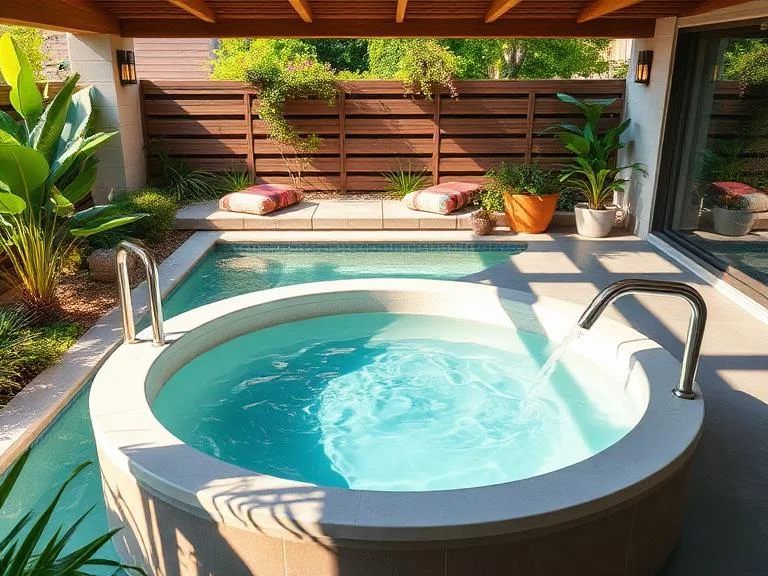
15 Plus Inspiring DIY Cold Plunge Ideas for Your Home
Cold plunge therapy has transformed from an exclusive wellness practice reserved for elite athletes into an accessible home treatment that anyone can implement. The surge in popularity stems from compelling research suggesting benefits ranging from reduced inflammation and enhanced recovery to improved mental clarity and strengthened immune function. While commercial cold plunge systems carry price tags reaching several thousand dollars, building your own diy cold plunge at home presents a practical alternative that delivers comparable results at a fraction of the cost.
Creating a DIY cold plunge requires thoughtful planning around three essential elements: the container itself, temperature management, and water quality maintenance. Your choice depends on available space, budget constraints, intended frequency of use, and personal comfort preferences. Whether you opt for a simple setup using existing household features or invest in a more sophisticated system with automated temperature control, the path to cold water therapy begins with understanding your options and selecting an approach that aligns with your circumstances and commitment level.
The following ideas represent proven methods that enthusiasts have successfully implemented in homes, backyards, garages, and even apartments. Each approach offers distinct advantages and considerations regarding initial investment, ongoing maintenance, portability, and user experience. From minimal interventions requiring only ice and water to comprehensive builds incorporating filtration and chilling systems, these solutions provide entry points for every budget and skill level.
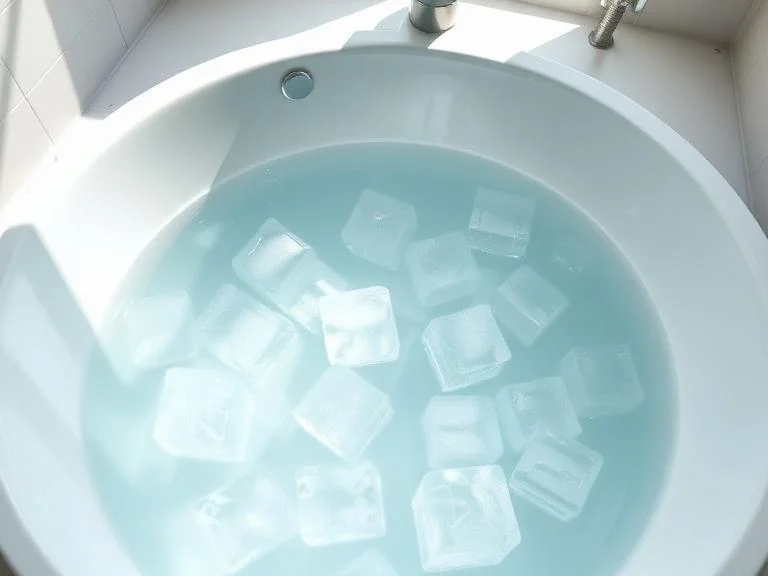
Simple Bathtub DIY Cold Plunge
The most accessible starting point for cold plunge experimentation uses a resource already present in most homes. Your standard bathtub transforms into a functional ice bath with minimal preparation and zero additional investment in equipment. This method suits individuals uncertain about long-term commitment to cold therapy or those living in rental properties where permanent installations prove impractical.
Implementation requires filling the tub with cold tap water and adding sufficient ice to reach the target temperature range between 50 and 59 degrees Fahrenheit. Depending on your tap water temperature and the season, this typically demands three to five large bags of ice from a local store. The primary limitation involves the shallow depth of most bathtubs, which restricts full body immersion unless you possess a deeper soaking tub. Additionally, each session demands complete drainage and refilling, making this approach time-consuming and potentially wasteful for regular use.
Despite these constraints, bathtub cold plunges excel as experimental platforms. They permit testing your tolerance for cold water therapy before committing financial resources to dedicated equipment. The convenience of having a drain already installed and the comfort of familiar bathroom surroundings reduce barriers to beginning your practice.

Stock Tank Transformation
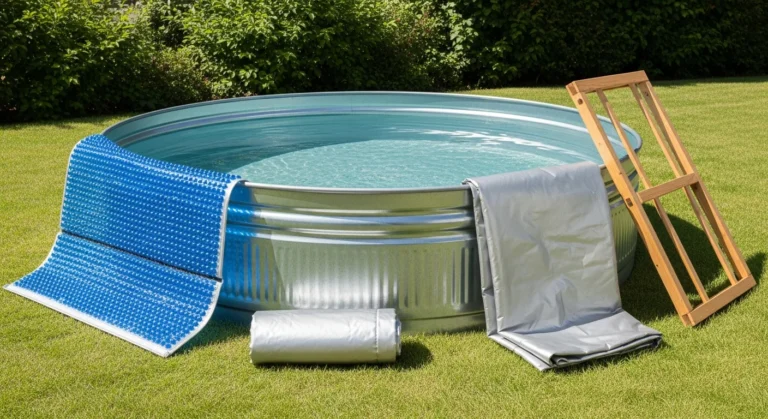
Galvanized stock tanks originally designed for watering livestock have become surprisingly popular vessels for DIY cold plunges. These durable metal containers typically range from 100 to 300 gallons in capacity, providing ample space for comfortable full-body immersion. Their widespread availability at agricultural supply stores and reasonable pricing between 100 and 300 dollars make them attractive candidates for budget-conscious builders.
The straightforward setup process involves selecting a location that can support the filled weight, placing the tank on a level surface, and filling it with water. For ongoing temperature management, you face two primary options: manually adding ice before each session or investing in a water chiller system that maintains consistent cold temperatures. The metal construction provides durability and resistance to outdoor elements, though it lacks insulation properties, meaning uncooled water quickly equilibrates with ambient temperature.
Many builders enhance basic stock tank setups by adding wooden decking around the perimeter for easier entry and exit, constructing simple step platforms, or even building enclosures that provide privacy and wind protection. The cylindrical shape naturally encourages an upright sitting position, though taller individuals may find their knees protruding above the waterline. Despite the absence of built-in insulation, stock tanks offer excellent value as entry-level dedicated cold plunge vessels that can serve reliably for years.
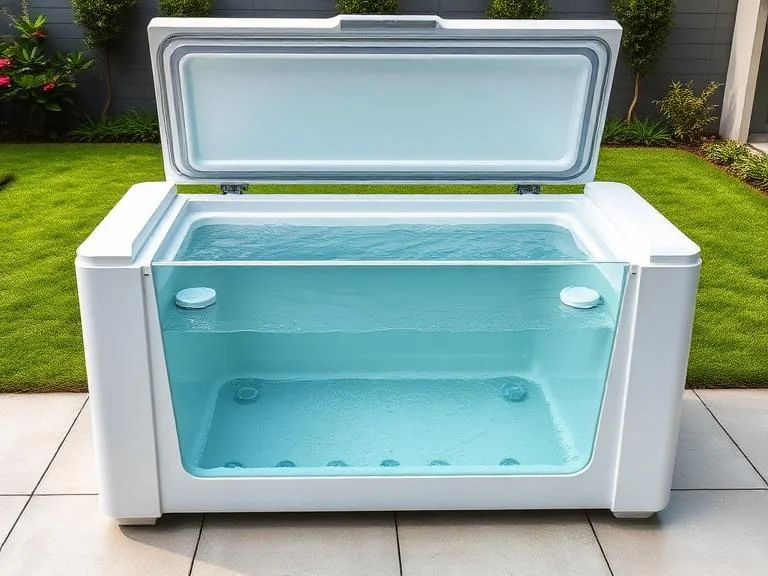
Chest Freezer Conversion
Transforming a standard chest freezer into a cold plunge represents one of the most popular intermediate DIY approaches. This method offers significant advantages over simpler options by providing both a waterproof container and built-in temperature regulation capabilities. Chest freezers with capacities between 15 and 25 cubic feet deliver sufficient internal dimensions for comfortable immersion while maintaining manageable physical footprints.
The conversion process requires several important modifications to ensure safe and effective operation. First, the interior must be thoroughly cleaned and any sharp edges smoothed or protected. The freezer’s built-in drainage plug simplifies water changes, though some builders install more convenient ball valves for improved drainage control. Sealing the door gasket properly prevents water leakage during use. The temperature control system requires adjustment to maintain water at therapeutic temperatures rather than freezing solid.
One significant advantage involves exceptional insulation properties inherent to freezer construction. This minimizes energy consumption required to maintain cold temperatures between sessions. However, chest freezers present limitations in internal space dimensions, particularly width and depth, which may feel restrictive for larger individuals. The rectangular shape with vertical walls allows for various positions, though the confined space encourages a seated posture. Regular maintenance includes monitoring water quality and cleaning to prevent bacterial growth in the relatively stagnant environment.

Inflatable Ice Bath Tub
Portable inflatable tubs specifically designed for cold plunging have gained traction as convenient alternatives to permanent installations. These products typically feature durable vinyl construction with insulation layers that help retain cold temperatures. Sizes range from compact single-person models to larger versions accommodating multiple users, with prices spanning from 200 to 800 dollars depending on quality and features.
Setup simplicity stands out as a primary advantage. Most models require only inflation using an included pump, positioning in a suitable location, and filling with water. The lightweight nature permits easy relocation and storage when not in use, making them ideal for renters, those with limited space, or individuals wanting seasonal flexibility. Many include covers that reduce heat gain and prevent debris contamination between sessions.
The tradeoff for convenience involves less effective insulation compared to solid-walled alternatives, resulting in higher ice consumption or greater reliance on active cooling systems. Durability concerns merit consideration, as punctures or seam failures can occur with regular use, though most manufacturers include repair kits. The fabric construction provides a softer, more forgiving surface than rigid containers, which some users prefer. Regular inspection for wear and proper storage during off-seasons extends service life considerably.
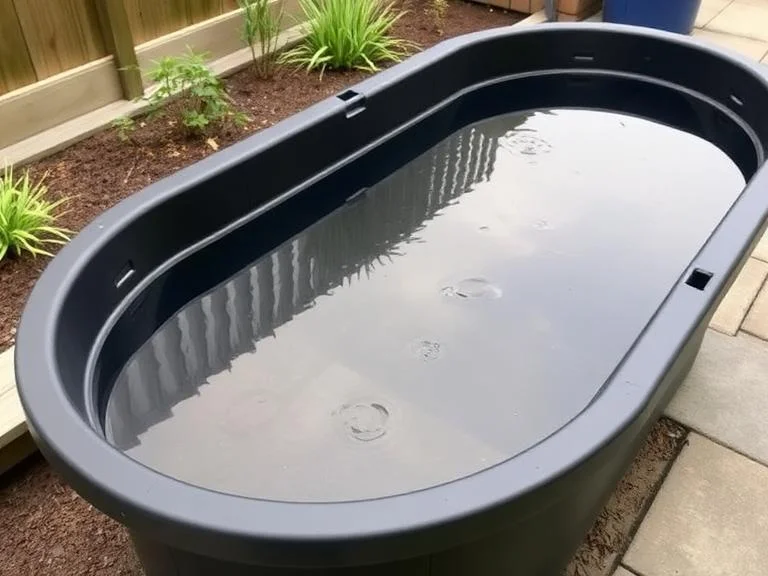
Plastic Water Trough Setup
Agricultural water troughs manufactured from polyethylene plastic offer another accessible option for DIY cold plunge construction. These vessels combine affordability with lightweight portability and resistance to corrosion. Available capacities typically range from 50 to 150 gallons, with oval or rectangular shapes providing different spatial configurations than round stock tanks.
The plastic construction makes these troughs easier to move when empty compared to metal alternatives, though they still require stable positioning when filled due to substantial weight. The material naturally resists rust and maintains durability across wide temperature ranges. However, plastic provides minimal insulation value, meaning water temperatures fluctuate readily with ambient conditions unless actively managed through ice addition or mechanical chilling.
Many users appreciate the smooth interior surfaces and rounded corners that prevent discomfort during immersion. The lighter color options available in plastic troughs can help deflect solar heat gain in outdoor installations, though darker colors absorb warmth more readily. Drainage typically requires siphoning or tipping, as most plastic troughs lack built-in drain plugs. For locations where weight considerations matter or where periodic relocation proves necessary, plastic troughs present practical advantages over heavier alternatives.

Wine Barrel DIY Cold Plunge
Repurposed wine barrels deliver aesthetic appeal alongside functional cold therapy in one of the most visually distinctive DIY approaches. Authentic oak wine barrels that have completed their fermentation service become available from wineries and specialty suppliers, typically priced between 200 and 500 dollars depending on condition and sourcing. The natural wood construction provides rustic charm that complements outdoor spaces particularly well.
Implementation requires careful preparation to ensure watertight integrity, as barrels previously used for wine may have dried and developed small gaps between staves. Rehydrating the wood through soaking restores swelling that seals these gaps. Some builders apply food-safe sealants to interior surfaces for additional protection. The curved interior naturally accommodates a seated position, though the barrel diameter limits stretching room compared to larger rectangular options.
Wood provides moderate insulation properties superior to uninsulated metal or plastic, though still inferior to purpose-built insulated containers. The natural material requires more maintenance than synthetic alternatives, including periodic inspection for leaks, protection from extreme weather, and eventual replacement as wood degrades over years of water exposure. Despite these considerations, wine barrel DIY cold plunges offer unique character and conversation value while delivering effective cold therapy.
Pond Liner Ground Pool
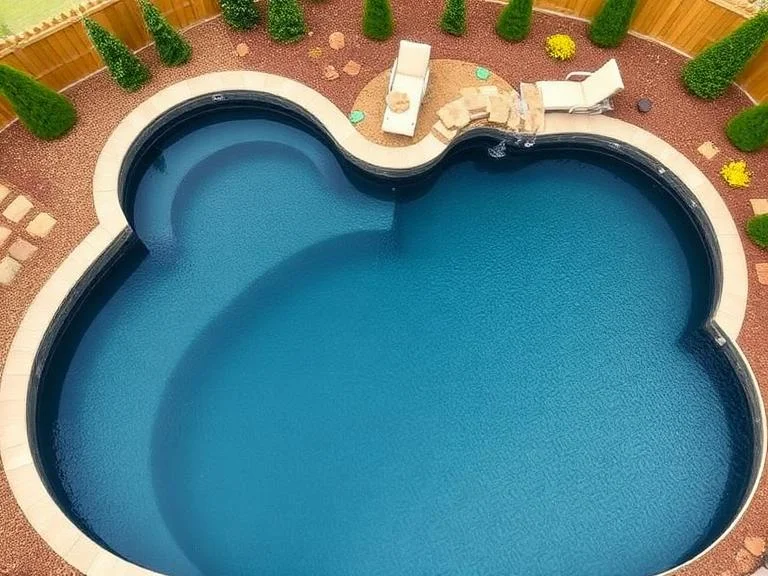
Creating an in-ground or above-ground cold plunge using flexible pond liner material represents an ambitious project suitable for those with outdoor space and construction skills. This approach permits complete customization of size, shape, and depth according to specific preferences and available area. The process involves excavating or framing a pool structure, installing proper drainage, and lining the interior with heavy-duty EPDM rubber or reinforced vinyl.
The substantial labor investment and material costs placing this option in the mid to upper range of DIY approaches get offset by ultimate flexibility and potentially impressive aesthetic results. Builders can incorporate steps, benches, and graduated depths not possible with prefabricated containers. The larger volumes achievable through this method accommodate multiple simultaneous users or permit swimming movements beyond static immersion.
Insulation considerations become critical for temperature management in ground pools. Underground installation provides natural insulation from earth contact, while above-ground versions require added insulation layers within the frame structure. Water quality management grows more complex with larger volumes, typically necessitating filtration and sanitation systems. The permanent nature of this installation suits property owners committed to long-term cold plunge practice and willing to invest significant time in construction.
Rubbermaid Stock Tank Alternative
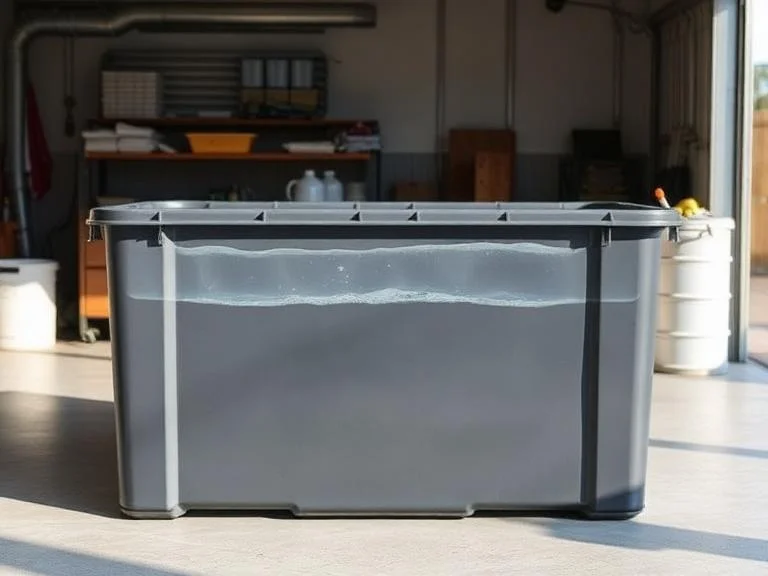
Large commercial-grade Rubbermaid containers designed for industrial or agricultural use provide another vessel option for cold plunge creation. These high-density polyethylene tubs offer capacities ranging from 50 to 300 gallons with rectangular shapes that efficiently utilize space. The durable construction withstands freezing temperatures and rough handling while maintaining lighter weight than metal alternatives.
The smooth plastic interior provides comfortable contact during use, and the material naturally resists algae growth better than porous surfaces. Most models feature built-in handles facilitating movement when empty, though relocation becomes impractical once filled. The rectangular configuration permits more natural leg positioning compared to round tanks, particularly for taller users who appreciate the extra length.
Like other uninsulated plastic options, these containers require active temperature management through ice addition or chiller systems. The lighter colors typically available help minimize solar heat absorption in outdoor placements. Drainage options vary by model, with some including plugs while others require siphoning. The industrial-grade construction ensures longevity even under demanding conditions, making these containers reliable workhorses for dedicated cold plunge practices.

Insulated Cooler Modification
Large commercial coolers, such as those used for beverage service at events, can be adapted into compact cold plunge solutions suitable for space-constrained environments. These insulated containers typically hold between 40 and 150 quarts, with the largest models accommodating seated immersion for most body sizes excluding legs. The superior insulation inherent to cooler design dramatically reduces ice requirements and extends cold retention times.
Conversion primarily involves ensuring the cooler can support human weight when entering and exiting, potentially adding reinforcement around edges or constructing a stable platform. The drain plugs standard on most large coolers facilitate water changes. Some builders install additional insulation on the exterior or add padding to interior edges for enhanced comfort and performance.
The compact footprint makes insulated coolers viable for apartment balconies, small patios, or indoor locations where full-size options prove impractical. However, the limited internal volume restricts immersion primarily to torso coverage, requiring users to separately address extremity cooling. This approach excels for upper body focused cold therapy and proves remarkably efficient at maintaining target temperatures with minimal ongoing ice addition.
Cedar Hot Tub Conversion
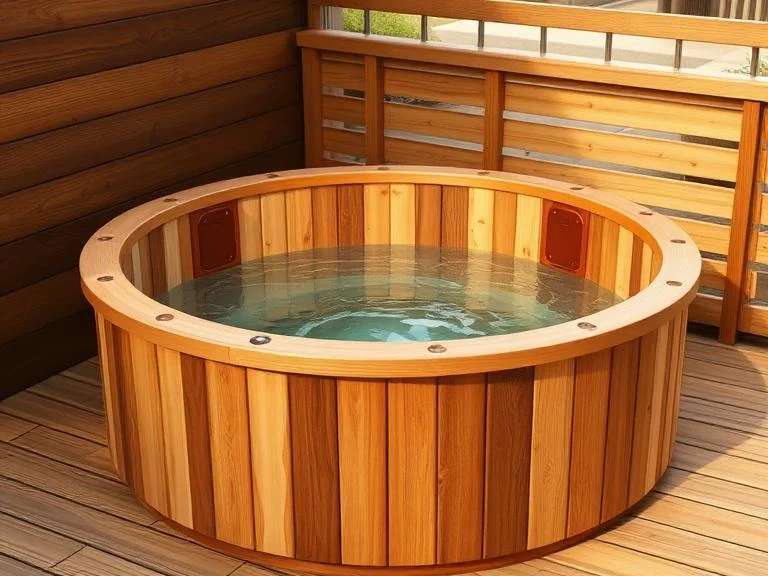
Traditional cedar hot tubs represent premium vessels that can be repurposed or adapted for cold plunge use. These wooden structures feature beautiful aesthetics, natural insulation properties, and spacious interiors supporting multiple users or extensive movement. New cedar tubs command significant prices, though used models become available as homeowners upgrade or relocate, sometimes at considerable discounts.
The conversion process involves bypassing or removing heating systems if present, ensuring proper drainage capability, and potentially modifying plumbing to accommodate chiller systems. The natural aromatic properties of cedar provide pleasant sensory experiences, while the wood construction offers moderate insulation reducing temperature maintenance demands. Built-in seating typical of hot tubs translates well to cold plunge use, providing comfortable positioning during immersion.
Maintenance requirements include periodic inspection and treatment of wood surfaces to prevent deterioration, along with water quality management suited to the larger volumes these tubs contain. The aesthetic appeal and functionality justify the investment for those seeking premium DIY solutions that enhance outdoor living spaces. The ability to accommodate social cold plunging experiences distinguishes this option from more utilitarian alternatives.
Galvanized Trough With Chiller System
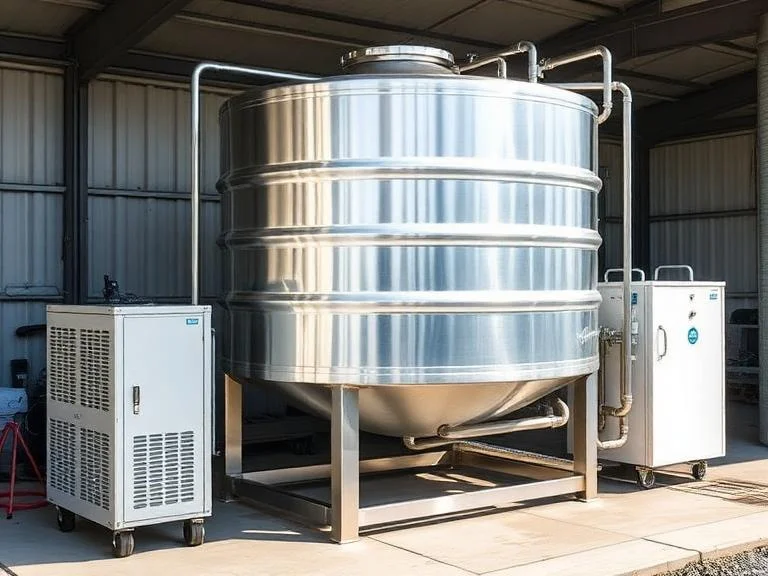
Combining a basic galvanized stock tank with a dedicated water chiller creates a semi-permanent DIY cold plunge system approaching commercial functionality at DIY pricing. This integrated approach addresses the primary limitation of simple tank setups by providing consistent temperature control without manual ice addition. Water chillers designed for aquarium, beverage, or small pool use typically cost between 400 and 1200 dollars depending on capacity and features.
Installation requires drilling holes in the tank for inlet and outlet plumbing connections, installing the chiller according to manufacturer specifications, and potentially adding a circulation pump to ensure even temperature distribution. Many builders also incorporate simple filtration to maintain water quality between changes. The system operates similarly to commercial units, automatically cooling water to preset temperatures and maintaining them efficiently.
The upfront cost exceeds basic setups substantially, but ongoing operational expenses decrease by eliminating ice purchases and reducing water waste from frequent changes. The insulation limitation of metal tanks remains, though active chilling compensates effectively. This approach suits serious practitioners planning regular cold plunge sessions who value convenience and consistency over minimal investment.

Preformed Fiberglass Pool
Small preformed fiberglass pools or spa shells originally intended for other purposes can be repurposed into dedicated DIY cold plunge installations. These rigid structures offer durability, smooth surfaces, and professional appearances. Available through pool supply retailers or sometimes found used, these shells vary in size from compact two-person spas to larger recreational pools.
Installation complexity depends on whether you choose in-ground or above-ground placement. In-ground installation requires excavation, proper foundation preparation, and backfilling, representing substantial labor. Above-ground mounting requires building supporting frames capable of managing the filled weight. Both approaches benefit from insulation additions to improve temperature retention and reduce operational costs.
The nonporous fiberglass surface resists bacterial growth and facilitates easy cleaning. Built-in features like steps, seating areas, and grab rails enhance usability and safety. Plumbing for chiller systems, filtration, and drainage integrates readily into the shell structure. While representing a more significant investment than simpler vessel options, fiberglass pools deliver long service life and refined user experience justifying the expense for committed practitioners.
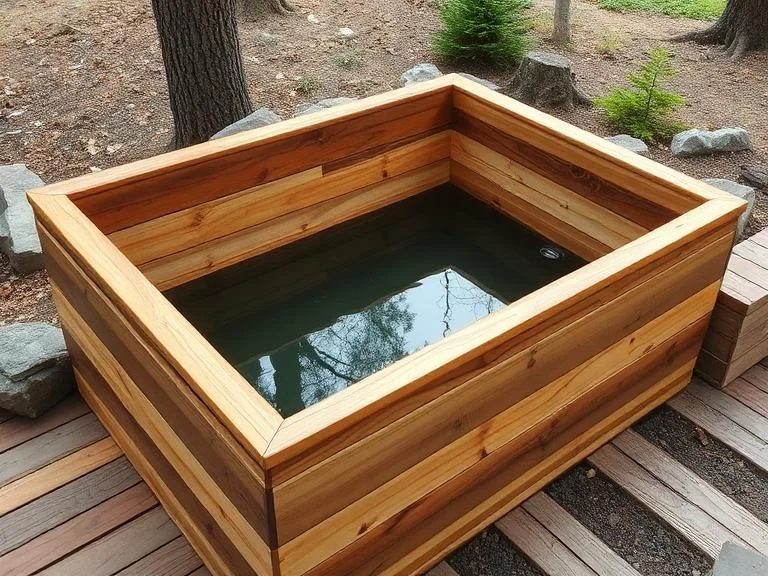
Wooden Plunge Tub Construction
Building a custom wooden tub from scratch allows complete control over dimensions, features, and aesthetics while developing valuable woodworking skills. This approach typically employs cedar, redwood, or other rot-resistant lumber assembled with marine-grade fasteners and sealed with appropriate waterproofing products. Plans and tutorials available online guide builders through the process, though woodworking experience greatly facilitates success.
The construction process involves creating a frame structure, installing a waterproof liner or applying multiple coats of marine sealant to wood surfaces, adding reinforcement to support water weight, and incorporating drainage. Builders can customize depth, width, length, and interior features like integrated seating or footrests. The natural wood appearance provides warmth and character that complements outdoor environments beautifully.
Insulation integration during construction significantly improves temperature retention compared to uninsulated alternatives. Common approaches include foam board installation between frame members or spray foam application. While the project demands considerable time, tools, and skill, the result delivers a truly personalized DIY cold plunge solution not available through any other method. Regular maintenance of wood surfaces ensures longevity and continued water tightness.
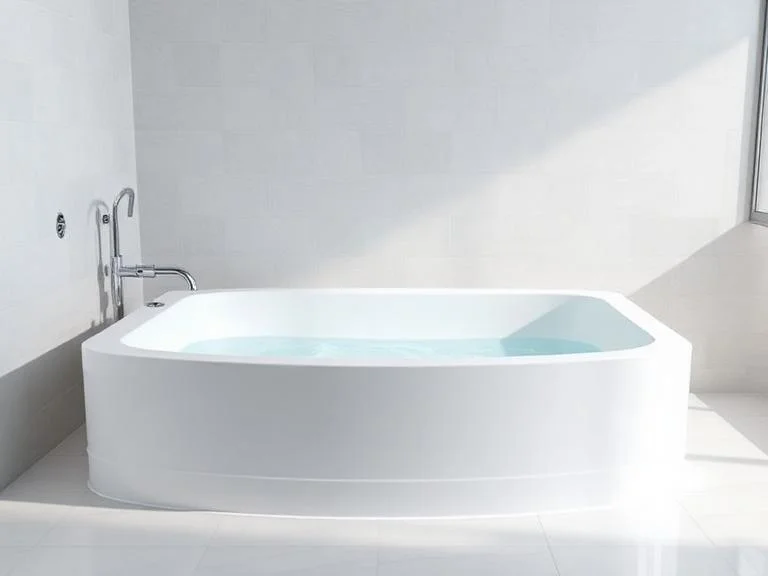
Acrylic Shower Base Conversion
Large acrylic shower bases or bathtub units designed for accessible bathing can be adapted into compact indoor DIY cold plunge solutions. These molded units feature built-in drains, slip-resistant surfaces, and dimensions supporting seated immersion. New units cost several hundred dollars, while salvaged models from renovation projects may be available at reduced prices.
Installation requires supporting the base at appropriate height for comfortable entry and exit, connecting drainage to household plumbing or routing to an approved discharge location, and potentially adding insulation beneath and around the unit. The smooth acrylic surface provides comfortable contact and cleans easily. The compact footprint suits bathroom, utility room, or garage installations where space limitations prevent larger options.
Temperature management typically relies on manually filling with cold water and adding ice to reach target temperatures, as most indoor installations don’t accommodate chiller systems practically. The convenience of indoor location eliminates weather dependencies and provides climate-controlled preparation and recovery spaces. This approach particularly appeals to those prioritizing year-round access and integration with existing household routines.
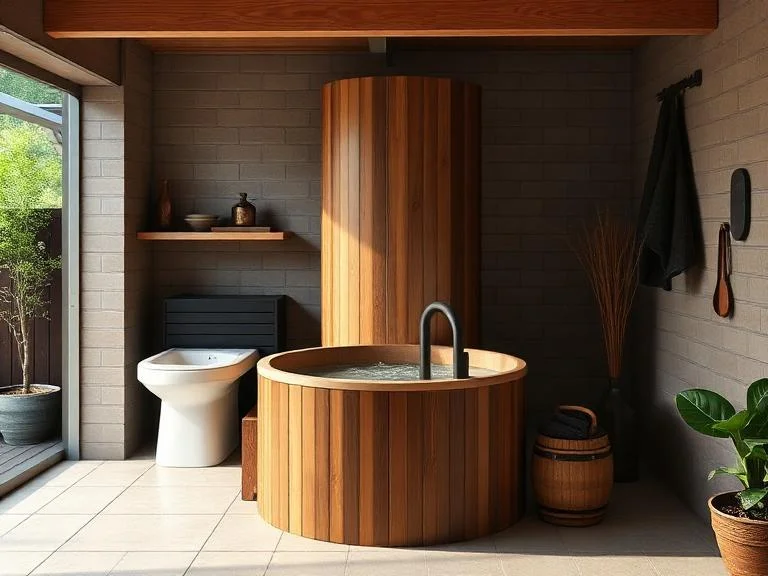
Modified Rain Barrel System
Food-grade rain barrels or large storage drums can be modified into vertical DIY cold plunge chambers suitable for standing immersion. These tall containers typically hold 50 to 80 gallons with heights around four feet, permitting shoulder-depth immersion in an upright stance. The vertical orientation requires less floor space than horizontal options, making them viable for tight quarters.
Conversion involves cutting an access opening at appropriate height, reinforcing edges around the opening, adding a secure step or platform for entry, and ensuring drainage capability. Some builders leave the top open for overhead entry, though side access proves safer and more practical for most users. Internal volume limitations restrict the experience primarily to stationary immersion rather than movement.
The confined space creates intense cold exposure experiences that some practitioners prefer, while others find claustrophobic. The reduced water volume requires less ice for temperature reduction and proves easier to manage than larger systems. However, the limited capacity restricts use to solo sessions and prevents any stretching or repositioning during immersion. This specialized approach suits specific preferences and constraints not addressed by conventional horizontal vessels.
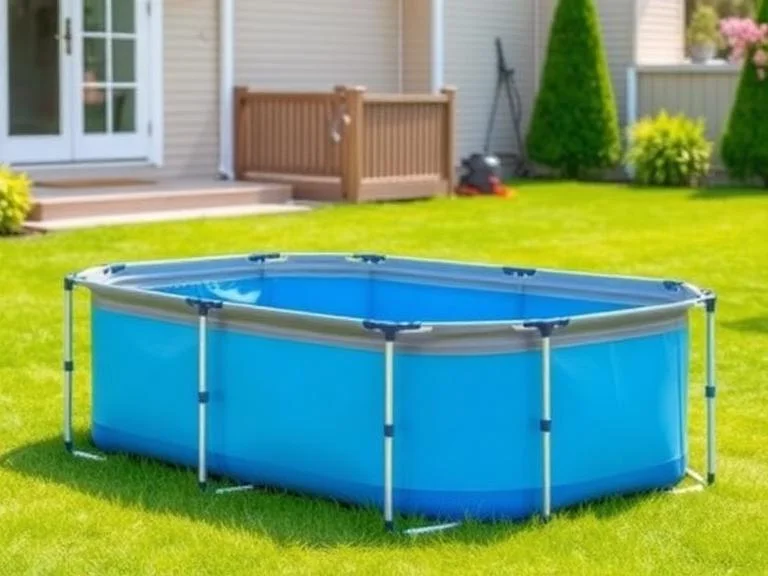
Collapsible Fabric Pool
Portable fabric pools designed for pet bathing, livestock treatment, or recreational use offer highly flexible cold plunge options. These collapsible structures feature waterproof fabric panels supported by rigid frames that fold flat for storage and transportation. Capacities range from 50 to 200 gallons with various shapes and depths available.
Setup simplicity allows deployment in minutes without tools, while takedown and storage prove equally straightforward. This portability enables users to move cold plunge practice between locations, take units traveling, or store them completely during inactive periods. The fabric construction provides softer contact surfaces than rigid alternatives, reducing discomfort during entry and immersion.
Insulation properties remain minimal, necessitating generous ice use or very cold fill water to achieve target temperatures. The fabric material requires careful handling to prevent punctures or tears, though most products use durable materials rated for rough service. Drainage typically requires tipping or siphoning. The temporary nature of these installations makes them ideal for renters, frequent movers, or those wanting seasonal cold therapy without permanent commitment.
These fifteen approaches demonstrate the remarkable range of viable options for creating effective DIY cold plunge systems. Your ideal solution emerges from honest assessment of your available space, budget flexibility, construction skills, commitment level, and specific goals for cold therapy practice. Starting simple often proves wise, allowing experience to guide potential upgrades or modifications as your practice evolves. The consistent element across all successful implementations involves taking the first step toward regular cold exposure practice that delivers meaningful health benefits.
Conclusion
Building a DIY cold plunge at home represents an empowering step toward taking control of your health and wellness through accessible, evidence-based therapy. The diverse range of construction approaches outlined here demonstrates that cold water immersion need not remain an exclusive practice reserved for those with substantial budgets or specialized facilities. Whether you begin with a simple bathtub filled with ice or invest time and resources into a sophisticated chiller-equipped system, the fundamental benefits of cold exposure remain consistently available.
The key to success lies in selecting an approach that aligns with your current circumstances while remaining open to evolution as your practice deepens. Many dedicated practitioners begin with minimal setups, discover profound benefits through consistent use, and subsequently upgrade to more permanent solutions that reflect their commitment. This progressive approach minimizes initial financial risk while providing valuable experience that informs future decisions about features, sizing, and functionality that matter most to your individual needs.
Frequently Asked Questions
How cold should my DIY cold plunge be for optimal benefits?
The therapeutic temperature range for DIY cold plunge therapy falls between 50 and 59 degrees Fahrenheit. Beginners should start at the warmer end of this range, around 55 to 59 degrees, and gradually work toward cooler temperatures as tolerance develops. Temperatures below 45 degrees provide no additional benefits and increase risks of adverse reactions including hypothermia.
How long should I stay in a cold plunge?
Beginners should limit initial sessions to 30 seconds to 2 minutes while their bodies adapt to cold water exposure. Experienced practitioners typically immerse for 3 to 10 minutes per session. Research suggests that approximately 11 minutes of total cold exposure per week, divided across multiple sessions, delivers optimal metabolic and recovery benefits without excessive stress.
What materials do I need to build a basic DIY cold plunge?
A basic setup requires only a suitable container such as a stock tank or large tub, a water source for filling, ice or a chiller system for temperature control, and a thermometer for monitoring. Enhanced systems may incorporate water pumps, filtration equipment, insulation materials, covers to retain temperature, and proper drainage solutions depending on your chosen design and location.
How often should I change the water in my DIY cold plunge?
Water change frequency depends on whether you use filtration and sanitation systems. Unfiltered systems require complete water changes every 3 to 7 days to prevent bacterial growth and maintain hygiene. Systems with proper filtration and ozone or chlorine treatment can maintain water quality for several weeks between changes. Always replace water if it appears cloudy, develops odors, or feels slimy.
Can I use my DIY cold plunge year-round in cold climates?
Year-round use in freezing climates presents challenges but remains possible with proper planning. Indoor installations avoid weather exposure entirely. Outdoor systems require protection from complete freezing through insulation, heating elements, or regular use that prevents ice formation. Some practitioners embrace winter conditions for extremely cold natural experiences, though safety precautions become critical in subfreezing temperatures.



3 Comments