19+ Creative Playground Ideas for Your Backyard
Transforming your backyard into an engaging playground offers children a dedicated space for physical activity, creative exploration, and endless entertainment just steps from your door. we proceeded with 19+ Creative Playground Ideas for Your Backyard. Whether you have a sprawling lawn or a compact outdoor area, implementing thoughtful playground ideas can turn an ordinary backyard into an adventure zone that keeps kids active, healthy, and away from screens. The best backyard playgrounds combine safety, functionality, and imagination to create environments where children naturally want to spend time outdoors.
Parents today recognize that outdoor play contributes significantly to childhood development. Physical activity strengthens muscles and coordination, while unstructured playtime fosters problem-solving skills and creativity. A well-designed backyard playground serves multiple purposes: it provides exercise opportunities, encourages social interaction when friends visit, and gives children the freedom to explore within a safe, supervised environment. The investment in creating this space pays dividends in childhood memories and developmental benefits that last a lifetime.
Creating your dream playground doesn’t require a massive budget or professional installation. Many families successfully build engaging play spaces using a combination of purchased equipment, DIY projects, and creative re purposing of materials. The key lies in understanding your available space, identifying your children’s interests and age-appropriate needs, and selecting features that will grow with your family over the years.

Traditional Swing Set Systems
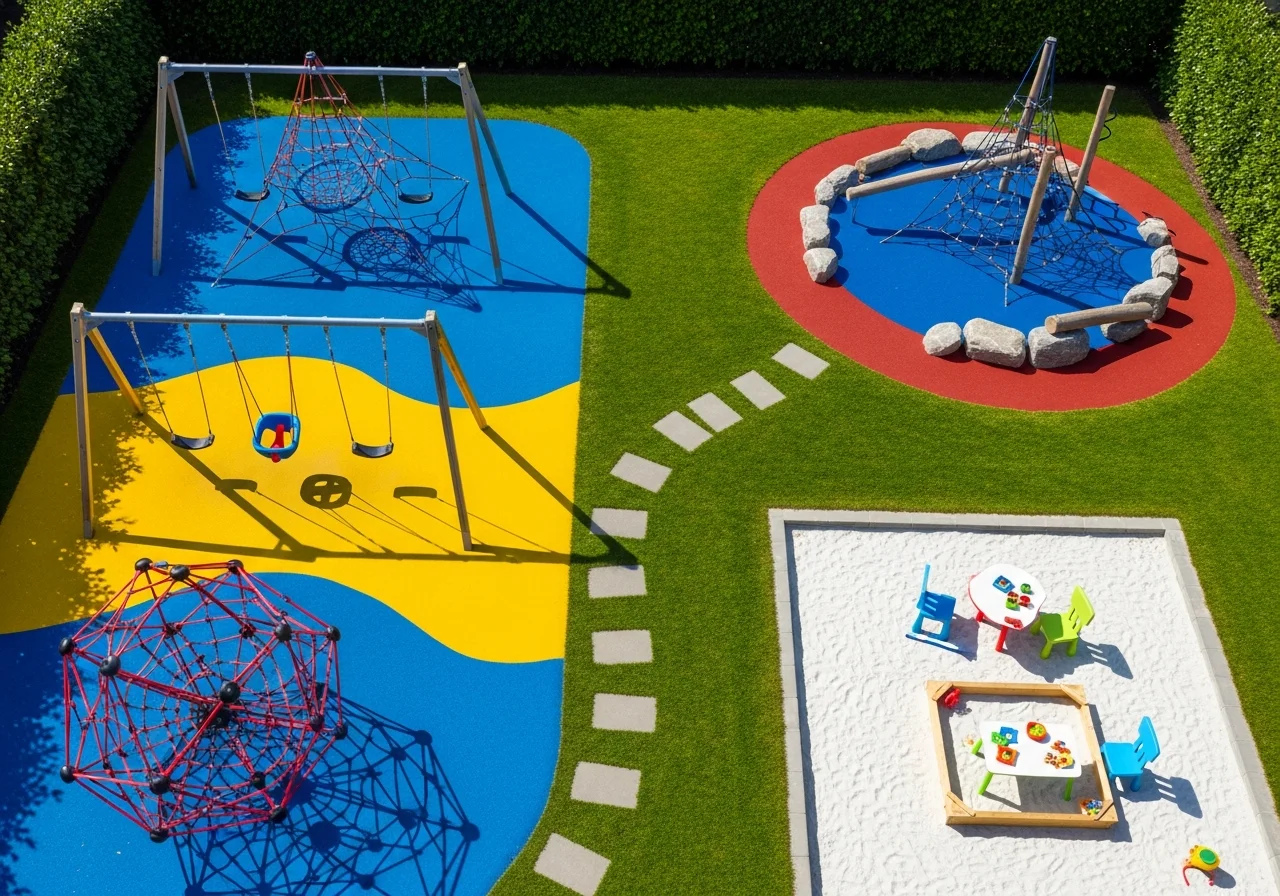
The classic swing set remains a cornerstone of backyard play for good reason. Modern swing sets have evolved far beyond simple swings, now incorporating multiple components into integrated systems. A quality swing set typically includes traditional belt swings for younger children, but can expand to include trapeze bars, disc swings, and even cubby attachments that transform the structure into a multi-functional play center.
When selecting a swing set, consider modular designs that allow you to add components over time. This approach lets you start with basic swings and gradually incorporate accessories like basketball hoops, soccer goals, or climbing attachments as your budget allows and your children’s interests develop. Proper installation requires adequate clearance space—typically six feet in all directions for lower structures and nine feet for taller equipment—to ensure safe swinging and movement around the set.

Climbing Structures and Rock Walls
Climbing activities develop upper body strength, coordination, and confidence in children. Installing climbing features in your backyard creates physical challenges that naturally appeal to kids’ desire to test their abilities and reach new heights. Rock climbing walls attached to existing structures or built as standalone features provide graduated difficulty levels that accommodate different skill levels and ages.
Consider combining various climbing elements to create an integrated vertical play system. A climbing wall on one side of a platform might connect to rope nets, cargo nets, or ladder systems on other sides, giving children multiple routes to reach elevated areas. This variety keeps the equipment interesting and challenges different muscle groups and problem-solving approaches.

Sandbox and Sensory Play Zones
Sandboxes offer timeless appeal and provide exceptional sensory experiences for children. The tactile nature of sand play supports fine motor development while encouraging creative construction and imaginative scenarios. A well-designed sandbox includes adequate depth for digging and building—at least 12 inches—and benefits from covers that protect the sand from weather and animals when not in use.
Enhance basic sandbox concepts by incorporating water play elements nearby, creating a combined sand and water station. This pairing multiplies play possibilities as children experiment with wet and dry sand, build channels and dams, or create miniature landscapes. Consider adding age-appropriate tools like scoops, molds, sieves, and toy construction equipment to inspire different types of play and learning.
Treehouse and Elevated Play Platforms
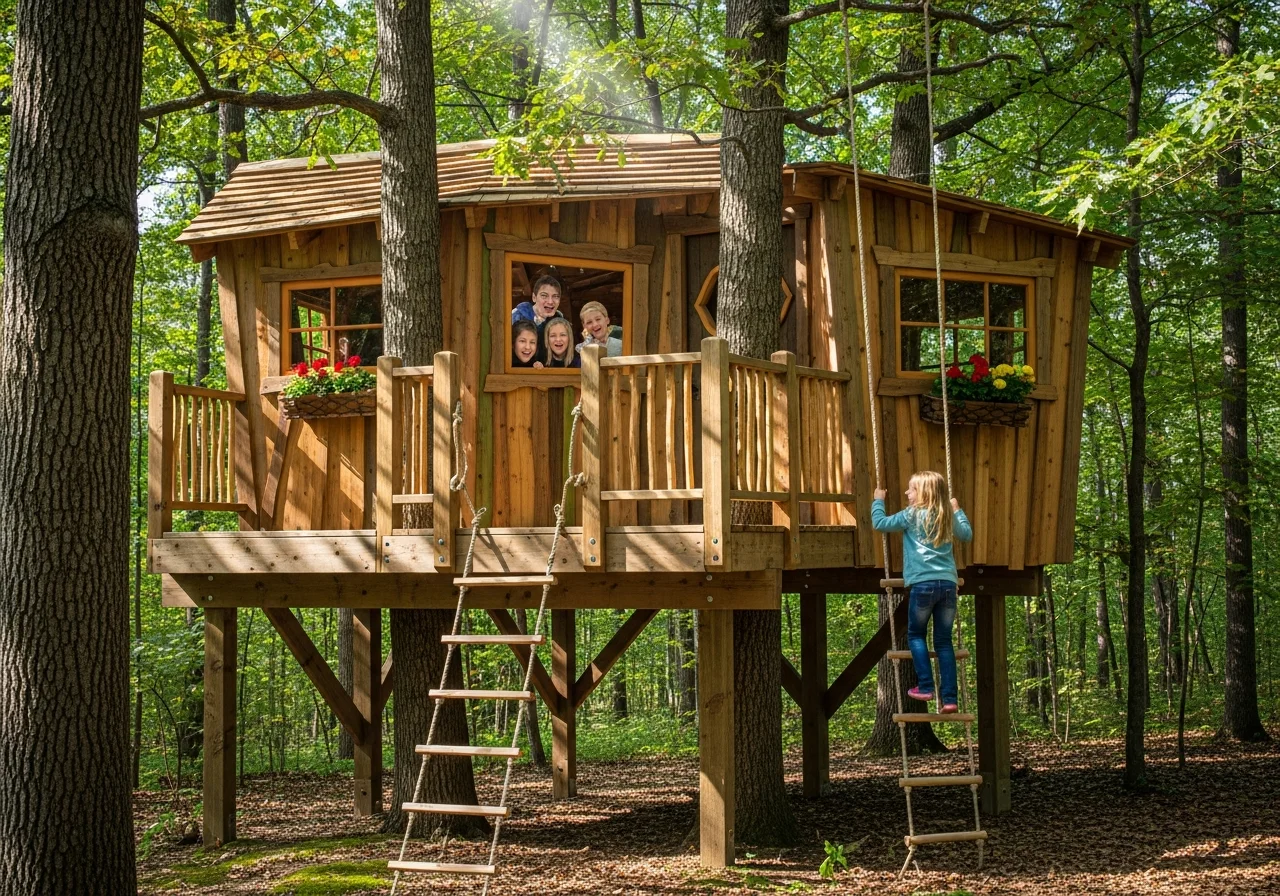
Treehouses capture children’s imaginations like few other play structures can. These elevated retreats provide a sense of adventure and ownership, creating special spaces where kids can claim territory, engage in imaginative play, and view their world from a new perspective. While traditional treehouses require suitable trees, many families build elevated platforms supported by posts, achieving similar effects without tree requirements.
Design elevated structures with multiple access points—ladders, climbing walls, rope nets, or stairs—to add variety and physical challenges. Include features like steering wheels, telescopes, or chalkboard surfaces that inspire imaginative scenarios. The deck itself becomes whatever children dream: a pirate ship, space station, castle tower, or secret hideout, with the flexibility changing as their interests evolve. https://homeliaa.com/cinder-block-garden-wall-ideas/
Obstacle Course Components
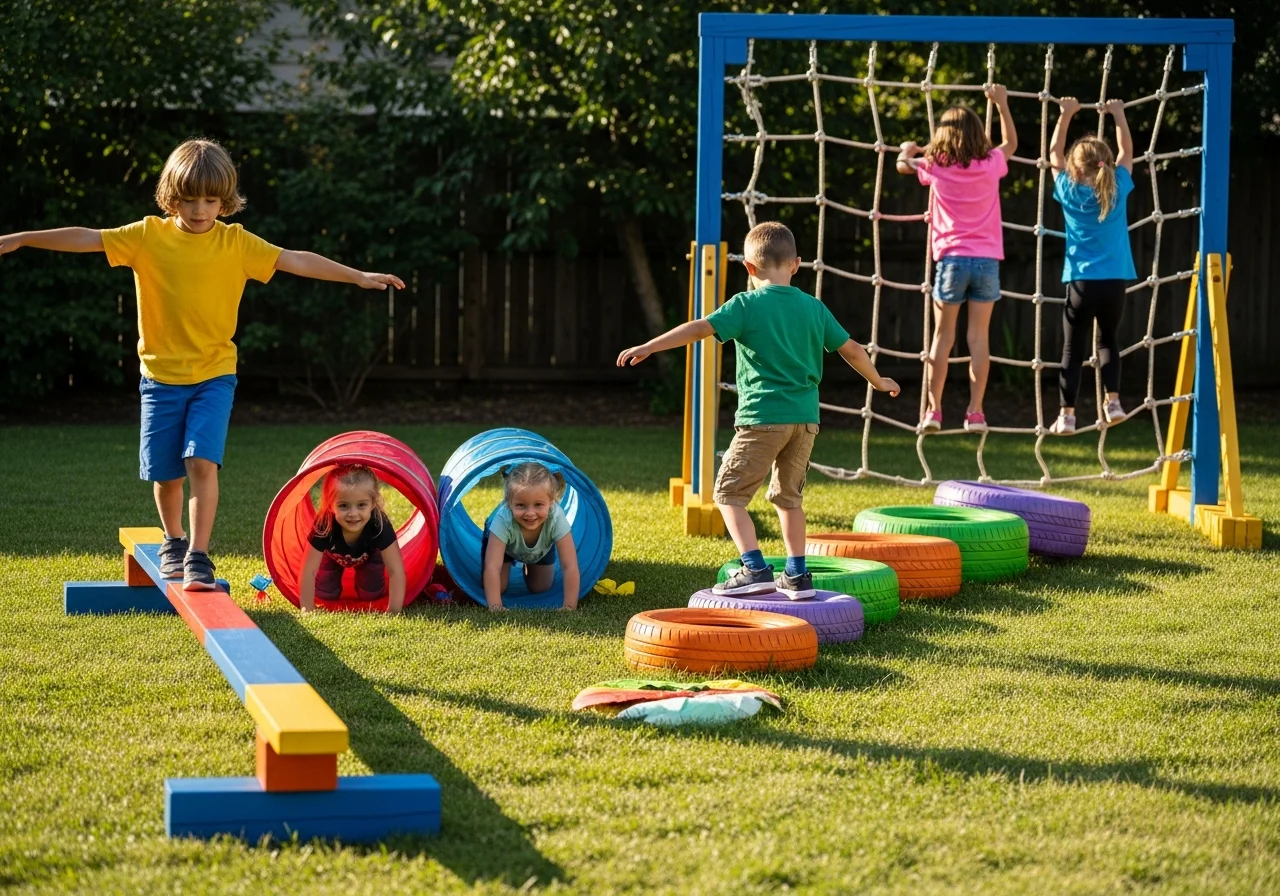
Creating a backyard obstacle course delivers cardiovascular exercise while developing agility, balance, and coordination. Unlike fixed equipment, obstacle courses can be designed with movable or reconfigurable elements that let you modify the challenge level and maintain novelty over time. Components might include balance beams, stepping stones, tunnel crawls, hurdles, and tire runs arranged in various sequences.
The beauty of obstacle courses lies in their adaptability across age ranges. Younger children navigate simpler courses at their own pace, while older kids time themselves and compete to improve their performance. Consider incorporating both low-to-ground elements for safety and more challenging features like monkey bars or cargo nets for advanced participants. The modular nature means you can add components gradually as space and budget allow.
Natural Playground Elements
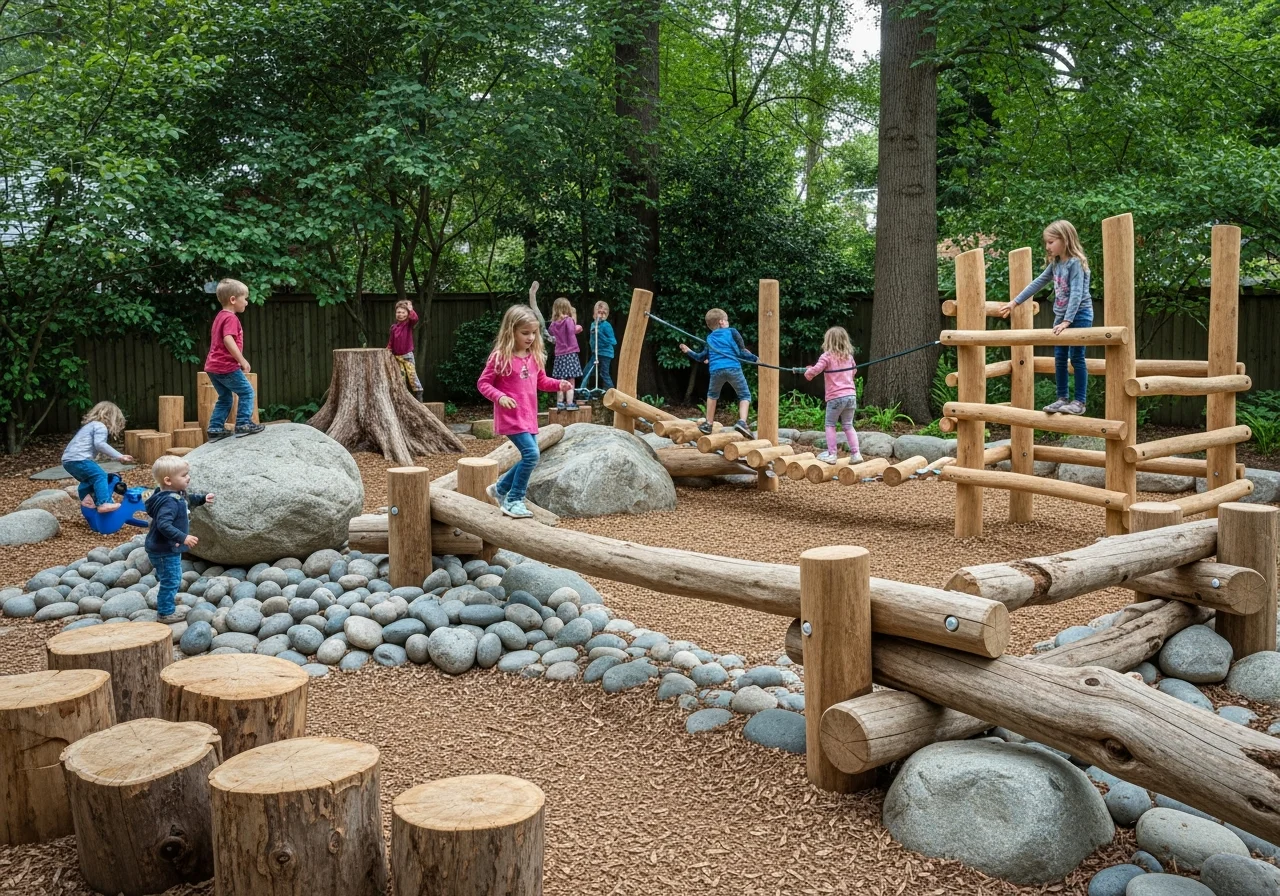
Natural playgrounds embrace organic materials and nature-based play, creating environmentally integrated spaces that blend seamlessly with your landscape. These designs often feature materials like logs, boulders, tree stumps, and natural wood structures that provide play opportunities while maintaining aesthetic appeal. Natural playgrounds encourage exploration, risk assessment, and creative problem-solving in ways that manufactured equipment sometimes cannot.
Implement natural playground concepts by incorporating elements like log balance beams, boulder scrambles, willow tunnels, or stumping stones arranged at various heights and distances. These features cost significantly less than commercial equipment while offering unique play experiences. Natural materials weather beautifully over time and can be replaced or rearranged easily, giving you flexibility to evolve the space as needed.
Water Play Features
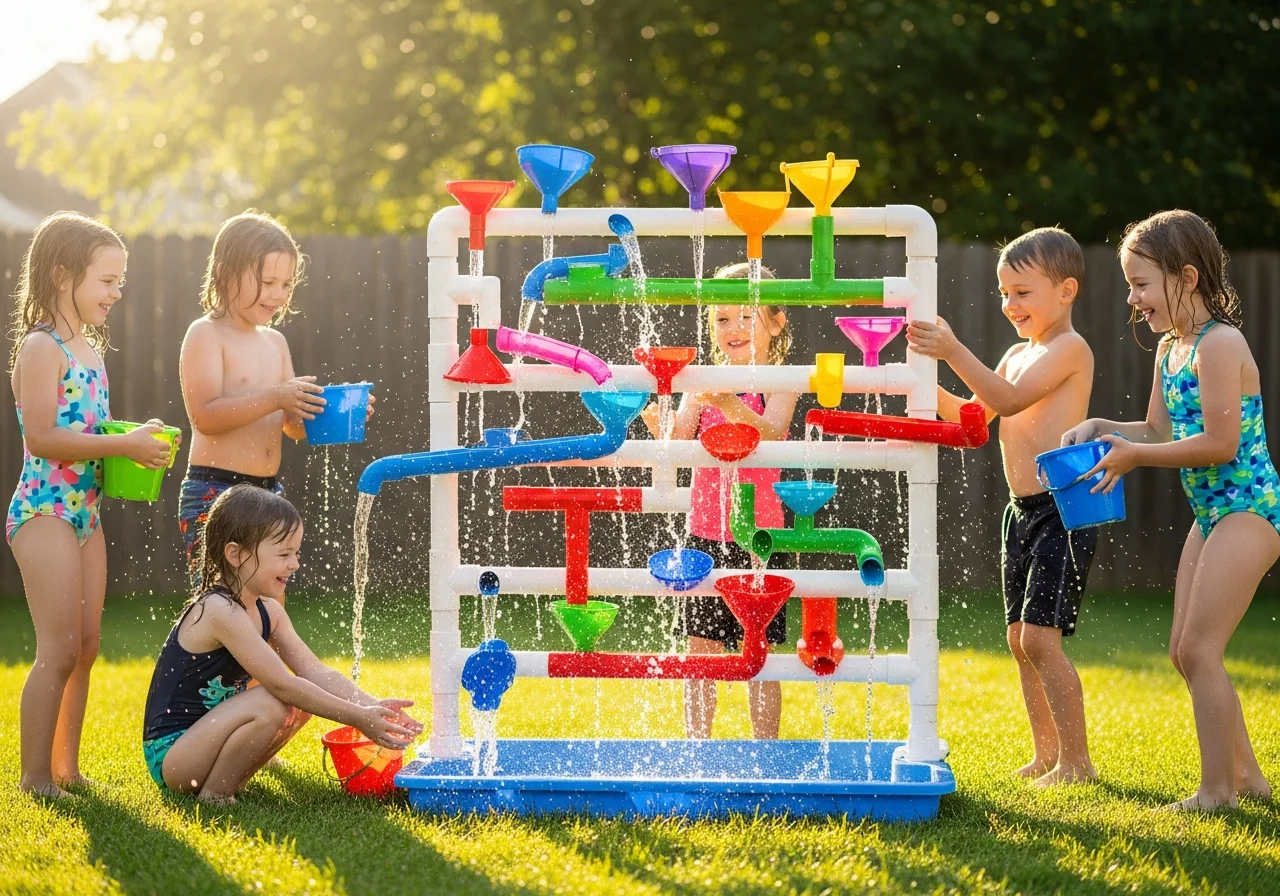
Water play provides cooling relief during warm weather while offering sensory-rich experiences children find irresistible. Water features range from simple solutions like sprinklers and water tables to more elaborate installations like splash pads or water walls. These elements add dimension to your playground and extend comfortable outdoor play time during hot months.
A water wall built from repurposed materials like gutters, funnels, and PVC pipes creates an engaging physics experiment where children explore flow, volume, and gravity. Position water features over grass or install proper drainage to manage runoff. For families seeking temporary solutions, inflatable pools, water tables, and portable sprinkler systems offer flexibility without permanent installation.

Ninja Warrior and Parkour Courses
Inspired by popular television programming, ninja warrior elements have become increasingly popular in residential playgrounds. These courses typically feature suspended obstacles like rings, bars, rope swings, and slack lines that challenge upper body strength and coordination. Building a backyard ninja course creates an athletic training ground that appeals particularly to school-age children and teenagers.
Start with basic components like hanging rings or a slack line between trees, then expand by adding elements such as climbing ropes, monkey bars at varying heights, or balance challenges. Ensure adequate fall zones beneath all elevated obstacles—typically 6 to 9 feet depending on height—with appropriate safety surfacing. The progressive difficulty keeps children engaged as they develop skills and confidence.
Playhouse and Fort Structures
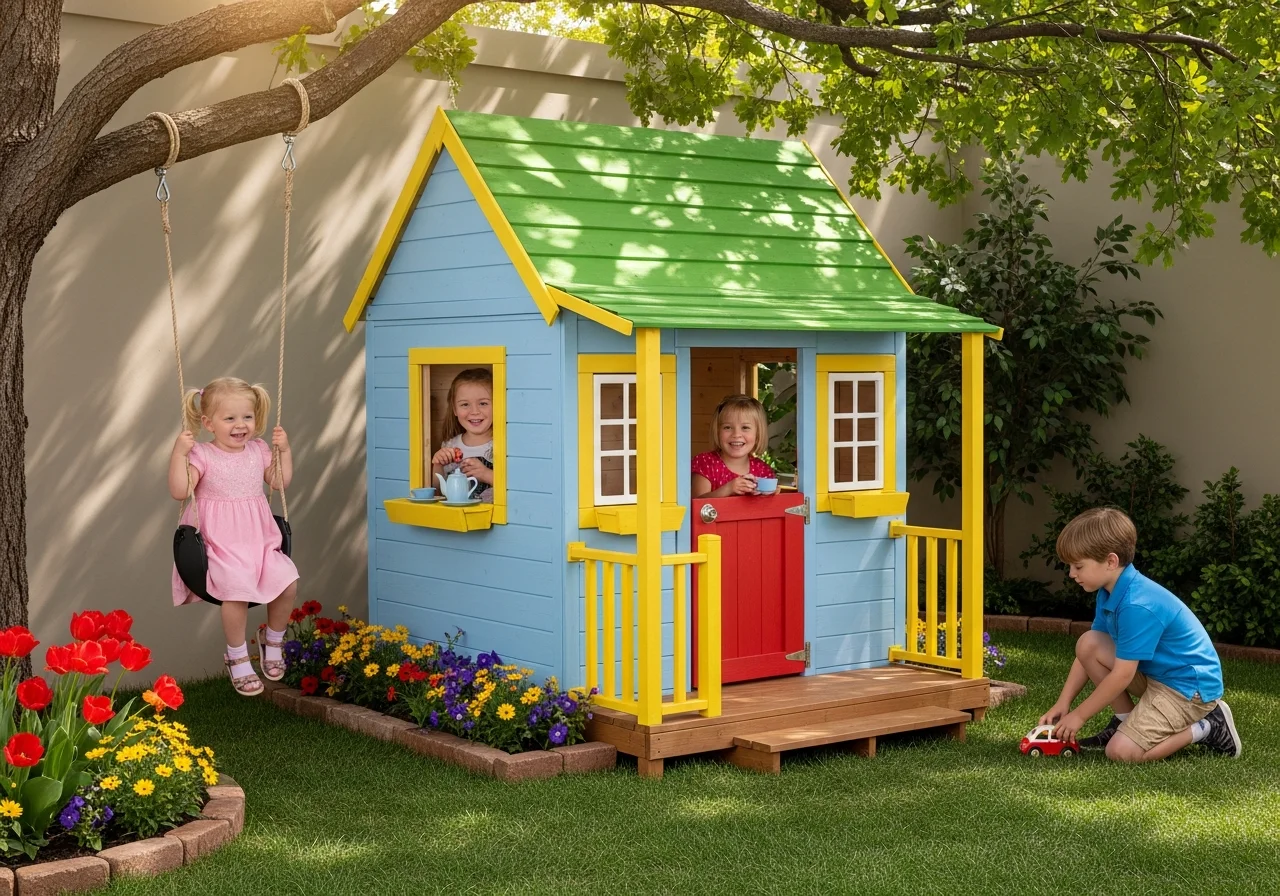
Dedicated playhouses provide enclosed spaces where children engage in domestic role-play, creative projects, and quiet activities. These structures don’t require significant square footage but deliver substantial play value through their ability to spark imaginative scenarios. A basic playhouse might include windows, a door, and simple interior features like a pretend kitchen or seating area.
Consider building a fort structure with open sides rather than a fully enclosed playhouse for a more budget-friendly alternative. Simple platforms with partial walls or fabric panels create defined spaces that children transform through imagination. Add practical features like storage cubbies, chalkboard surfaces, or shelving that support various play types while keeping equipment organized.
Trampoline Integration
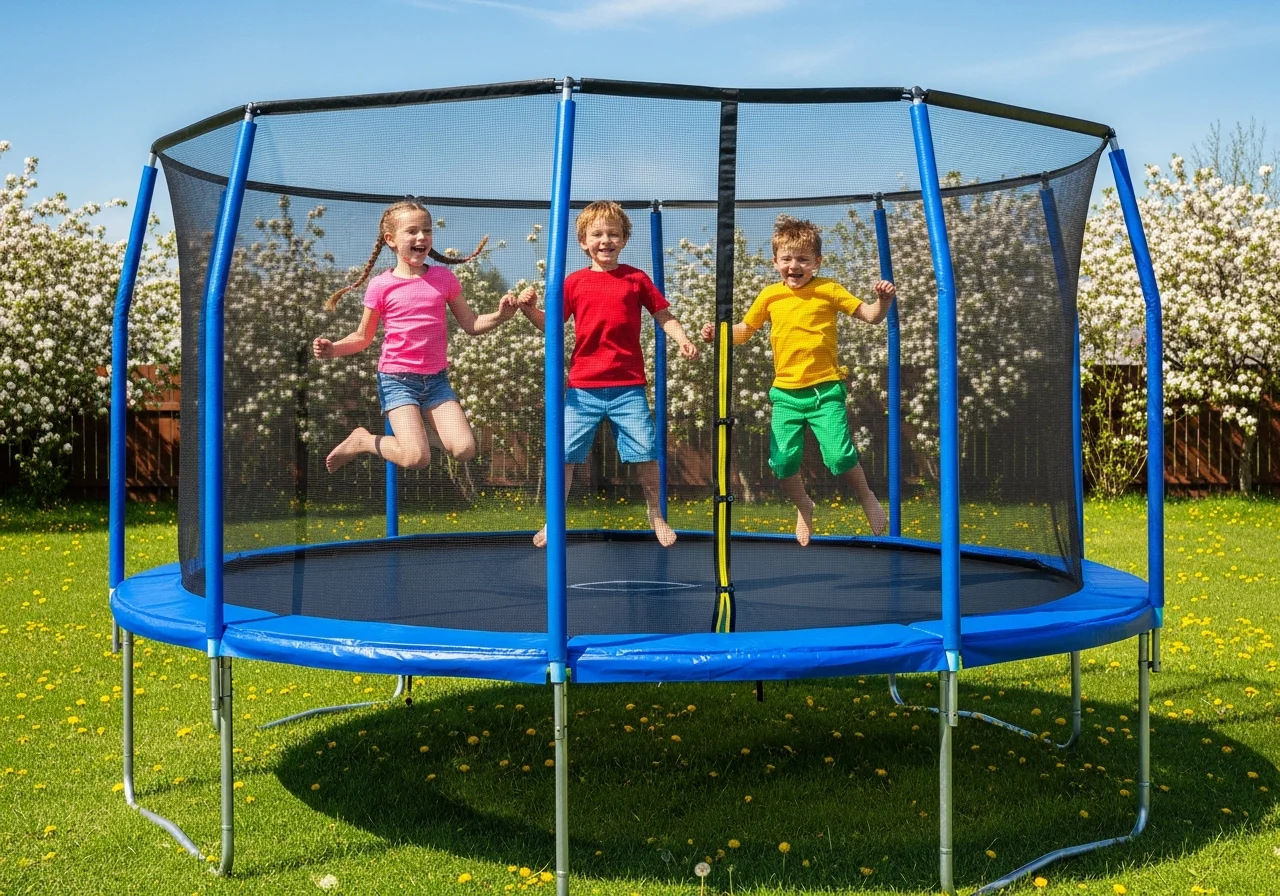
Trampolines rank among the most popular backyard play equipment, providing cardiovascular exercise and pure bouncing joy. Modern trampolines incorporate significant safety improvements over older models, including enclosed net systems that prevent falls and springless designs that eliminate pinch points. In-ground trampolines create a sleek aesthetic and reduce fall distance, though they require more complex installation.
When planning trampoline placement, ensure adequate clearance from structures, fences, and tree branches—typically the height of the jumper plus the jumping surface. Supervise trampoline use, establish safety rules about simultaneous users, and consider placing it within view of common indoor spaces for easy monitoring. Many families find that trampolines remain engaged equipment across a wide age range, from toddlers to teenagers. May you want to read more
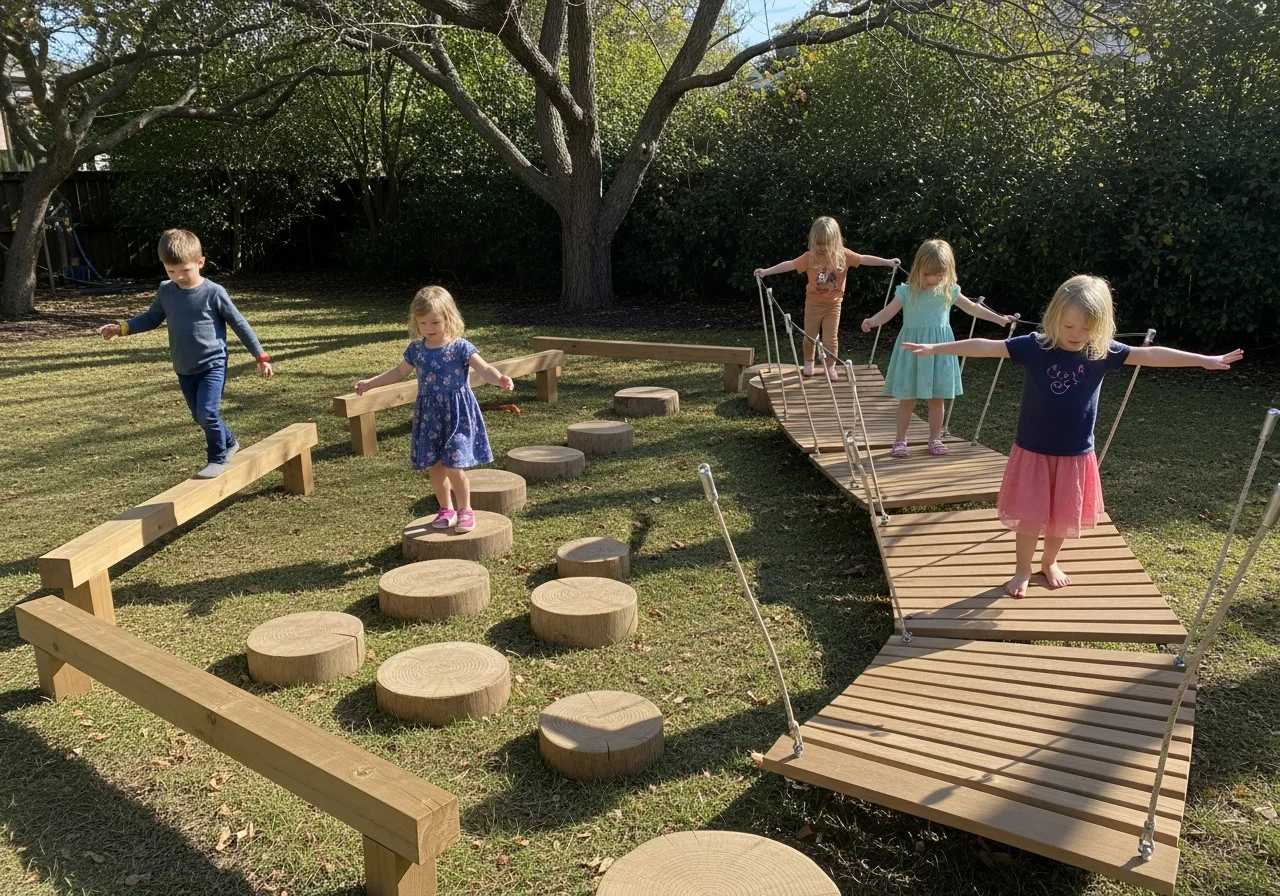
Balance and Coordination Equipment
Balance-focused equipment helps children develop core strength and spatial awareness while providing engaging physical challenges. Simple balance beams built at ground level offer safe introduction to these skills for younger children, while elevated beams, wobble bridges, or slack lines provide advanced challenges for older kids. These elements require minimal space and materials while delivering significant developmental benefits.
Create varied balance challenges by installing equipment at different heights and widths. A progression from wide, ground-level beams to narrow, elevated options lets children advance at their own pace. Natural materials like logs work beautifully for this purpose, or construct simple beams from dimensional lumber. Add handrails or support ropes for beginners who need assistance building confidence.
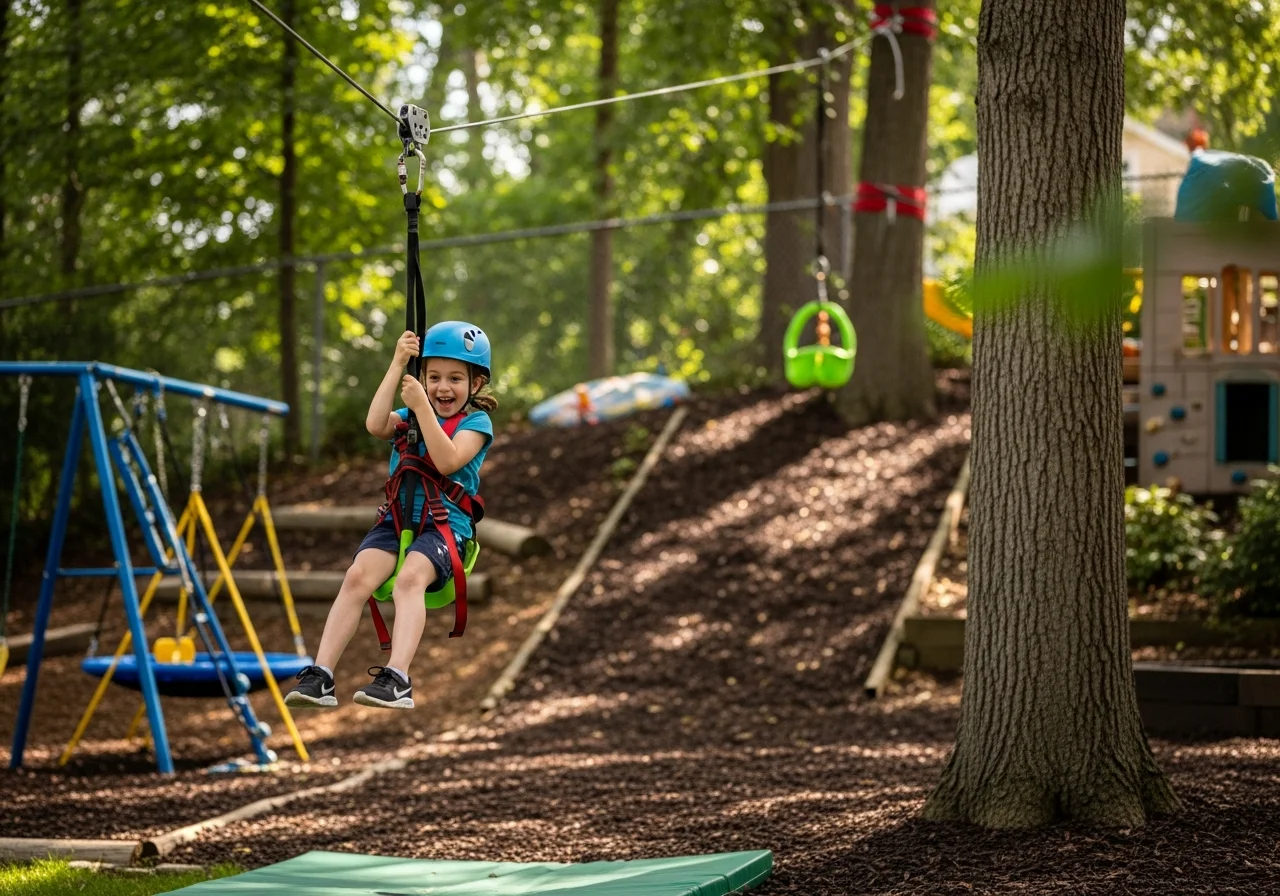
Zip Line Adventures
Zip lines inject excitement and speed into backyard play while providing unique sensory experiences. These installations require two anchor points at different elevations—often trees or posts—with the line sloping downward to create momentum. Commercial zip line kits include necessary hardware, cables, and seats designed for residential use, simplifying installation while ensuring safety compliance.
Proper zip line installation demands careful attention to anchor strength, cable tension, and landing zone preparation. The starting platform needs secure footing and adequate height difference from the landing area to generate appropriate speed. Install soft landing surfaces like mulch, sand, or rubber safety material beneath the entire zip line path. Establish clear usage rules including weight limits and one rider at a time protocols.
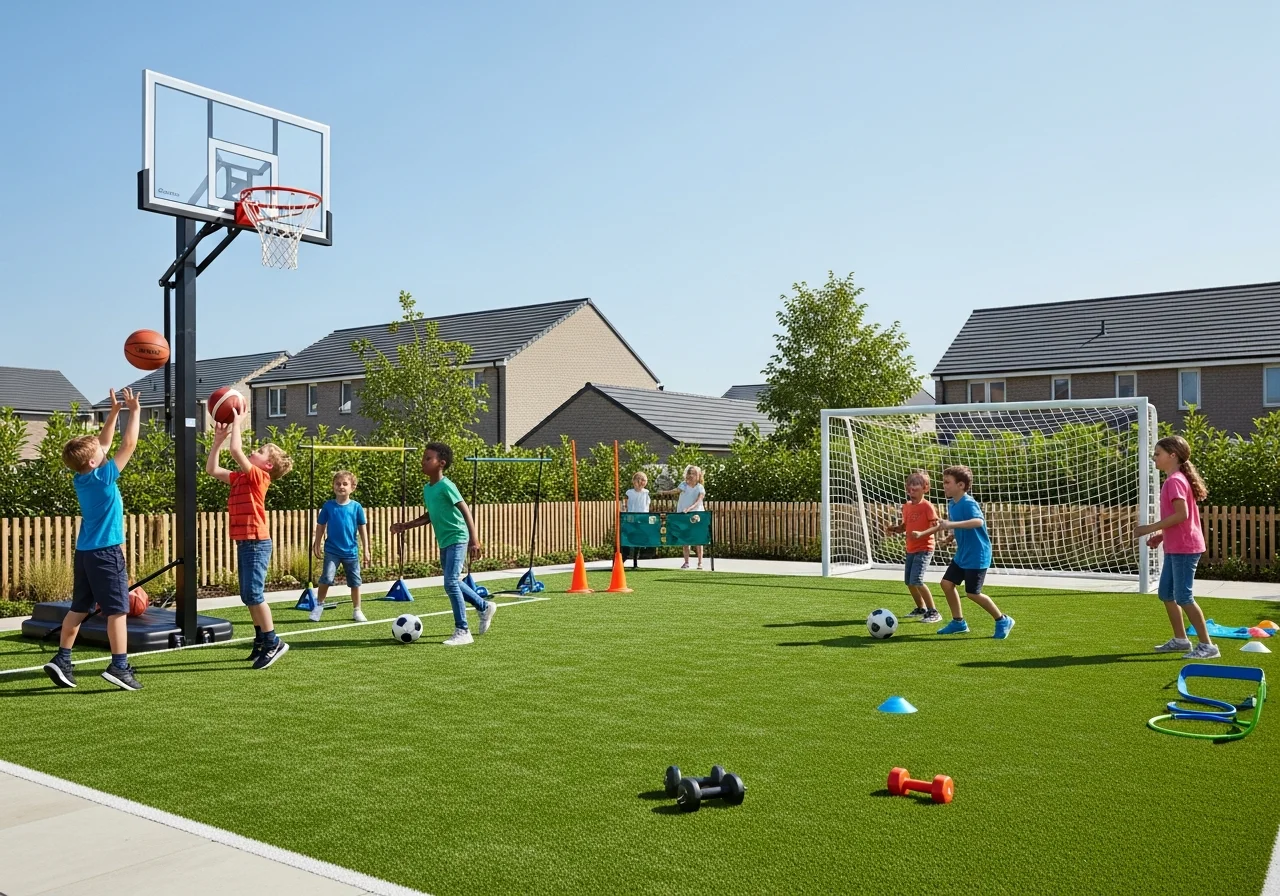
Sports Activity Zones
Incorporating sports equipment transforms your playground into an athletic training ground that grows with your children. Basketball hoops installed at adjustable heights accommodate players from young children to teenagers, while soccer goals, tether ball setups, or baseball backstops support skill development in various sports. These additions appeal particularly to older children who have moved beyond traditional playground equipment.
Dedicate a section of your yard to flexible sports space—a flat area with grass, artificial turf, or court surfacing where children can pursue various activities. This multi-use approach maximizes space efficiency while supporting different interests and age groups. Consider portable equipment that can be moved or stored, maintaining yard flexibility for other uses when needed.
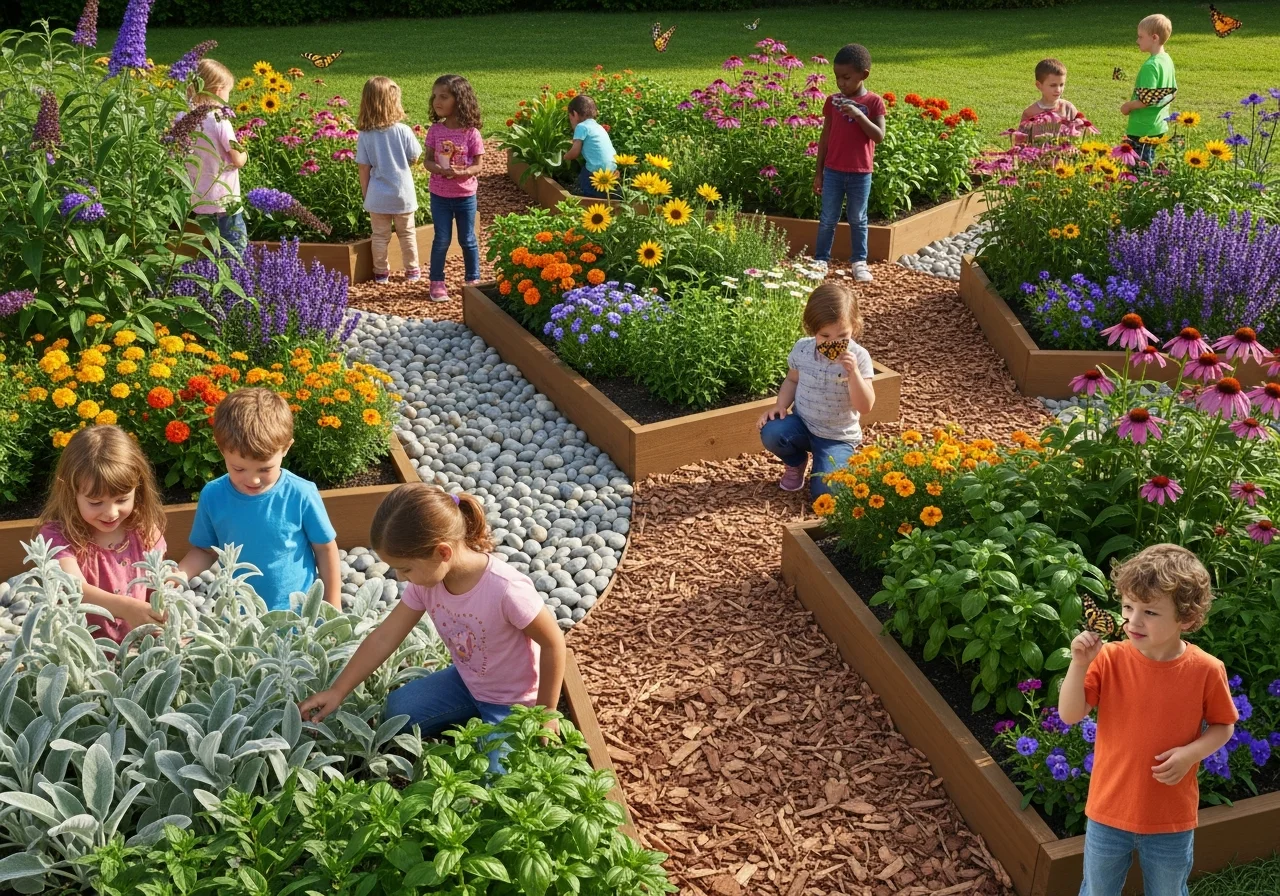
Sensory Gardens and Exploration Areas
Sensory gardens combine play with nature education, creating spaces where children interact with plants, textures, sounds, and scents. These areas might include herbs children can touch and smell, flowers that attract butterflies, textured paths made from different materials, or wind chimes that provide auditory interest. Sensory gardens offer calming alternatives to high-energy play equipment while supporting learning about the natural world.
Integrate child-height raised beds where kids can plant and tend gardens, fostering responsibility and patience. Add elements like fairy gardens, painted rocks, or nature observation stations that encourage closer examination of outdoor environments. These quiet zones balance active play areas and provide spaces for children seeking less stimulating activities or recovery time between energetic pursuits.
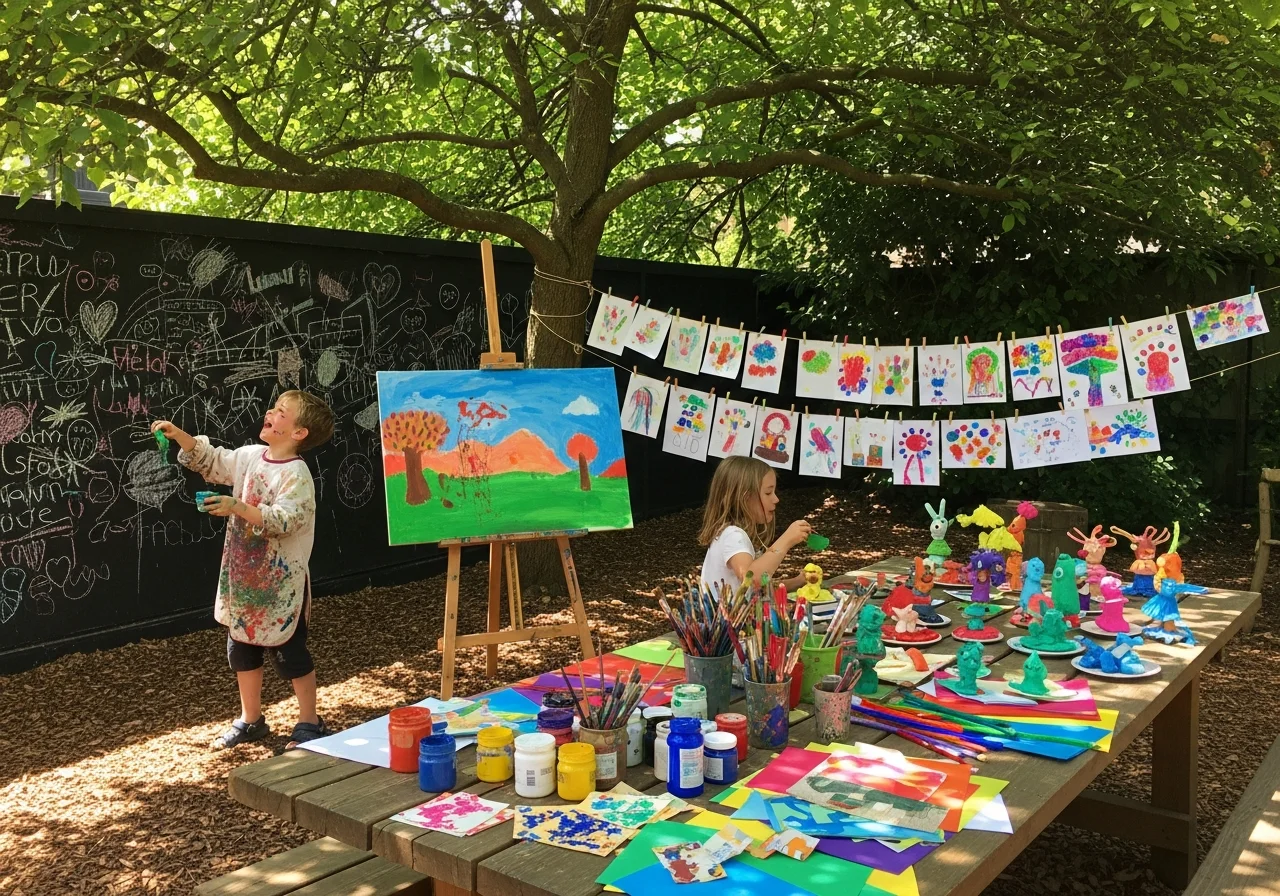
Outdoor Art and Creativity Stations
Designating a space for artistic activities keeps messy projects outdoors while encouraging creative expression. An outdoor art corner might include a weatherproof easel, chalkboard surfaces on fences or structures, or a table designated for painting and crafts. Providing accessible art supplies in weather-resistant storage ensures materials are available when inspiration strikes.
Consider installing a water source nearby for easy cleanup and incorporate hanging systems for displaying finished artwork. Outdoor creativity spaces remove parental concerns about indoor messes, giving children freedom to experiment with materials and techniques. This area works particularly well in partially shaded locations that provide comfortable working conditions while protecting artwork from direct sun during creation.

Music and Sound Exploration Areas
Outdoor musical installations let children explore sound, rhythm, and musical concepts through play. These features might include mounted drums, chimes, xylophones, or homemade instruments created from repurposed materials. Musical elements add sensory diversity to your playground while supporting auditory development and creative expression.
Build a simple music wall by mounting various objects that produce interesting sounds when struck—pots, pans, PVC pipes cut to different lengths, or metal objects suspended by chains. Position musical elements where noise won’t disturb neighbors or household activities. These installations require minimal maintenance while providing unique play experiences that differ from typical playground equipment.

Picnic and Rest Areas
Incorporating seating and shade structures creates spaces for rest, snacks, and quieter activities within your playground. A simple picnic table provides surfaces for outdoor meals, art projects, or game playing, while benches or stumps offer rest spots where children can pause between active play sessions. These elements also give parents comfortable observation points for supervising play.
Add shade through permanent structures like pergolas, shade sails, or strategically planted trees that provide relief during hot weather. Shaded areas extend comfortable outdoor play time and create comfortable spaces for activities like reading, board games, or quiet conversation. Consider positioning these areas with clear sight lines to active play zones, enabling supervision while allowing children independence.
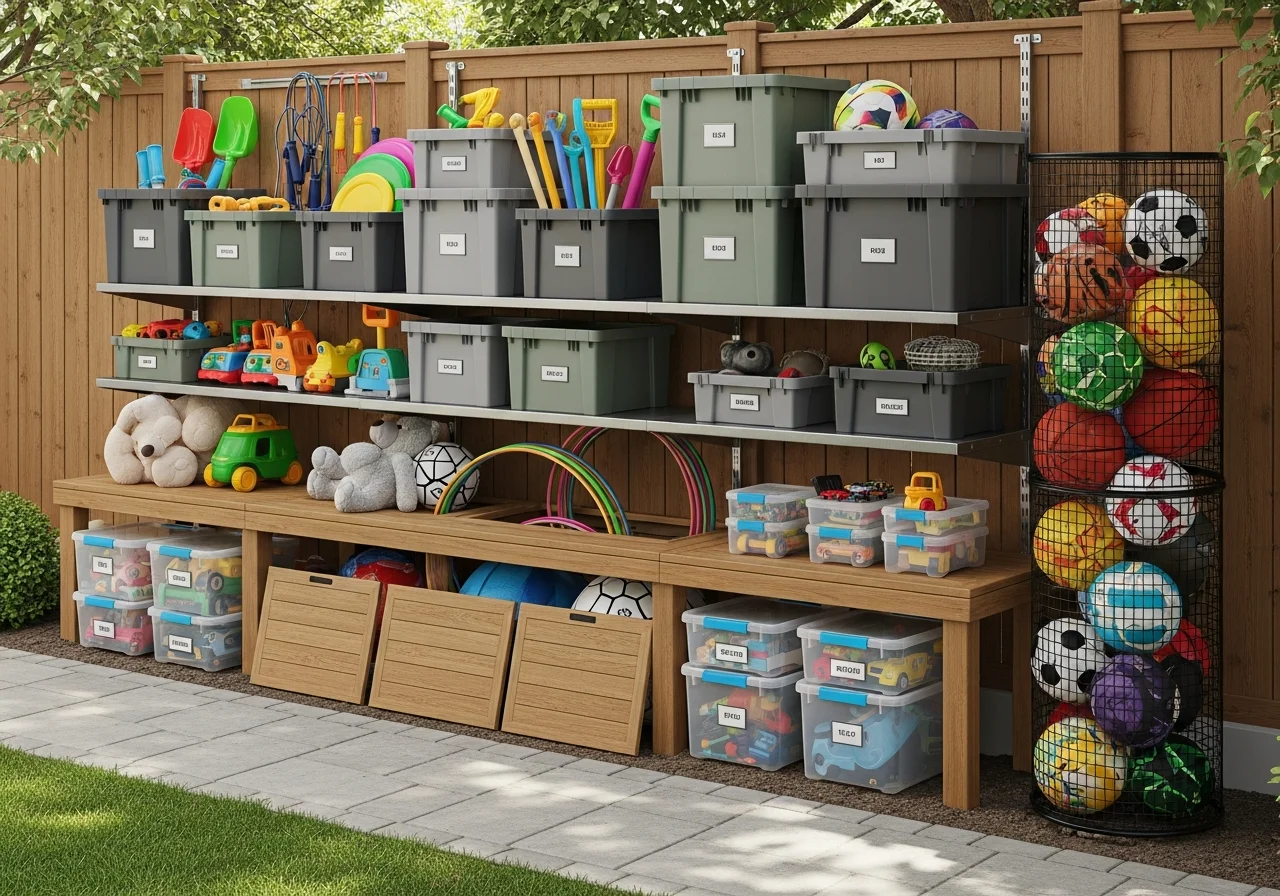
Storage Solutions and Organization Systems
Proper storage keeps playground equipment organized, protected from weather, and readily accessible for play. Weatherproof storage boxes or sheds house balls, sand toys, art supplies, and other movable equipment that would otherwise scatter across the yard or deteriorate outdoors. Good storage systems make cleanup easier and teach children responsibility for maintaining their play space.
Integrate storage solutions into your playground design rather than treating them as afterthoughts. Built-in storage beneath elevated platforms or benches with lifting lids maximize space efficiency. Use clearly labeled containers that children can independently access, promoting autonomy in selecting and returning equipment. Open shelving under covered areas keeps frequently used items visible and convenient while protecting them from direct weather exposure.
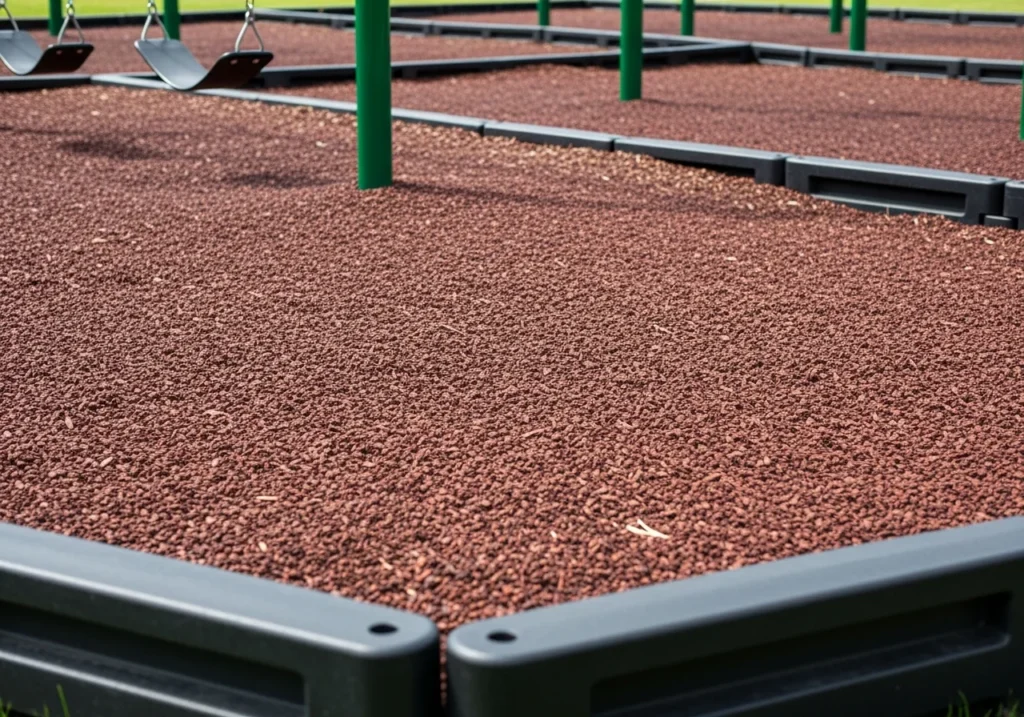
Safety Surfacing and Ground Materials
The surface beneath and around playground equipment significantly impacts injury prevention. Appropriate safety surfacing cushions falls and reduces injury severity compared to grass, dirt, or concrete. Options include rubber mulch, engineered wood fiber, pea gravel, sand, artificial grass, or poured rubber surfaces, each offering different benefits regarding cost, maintenance, and safety performance.
Select surfacing based on equipment height and fall risk. Higher structures require deeper safety material—typically 9 to 12 inches of loose fill materials or appropriate thickness of unitary surfaces. Ensure safety zones extend adequately beyond equipment in all directions where falls might occur. Border your safety surfacing with edging materials that contain loose fill and create visual definition, preventing migration into surrounding lawn areas.
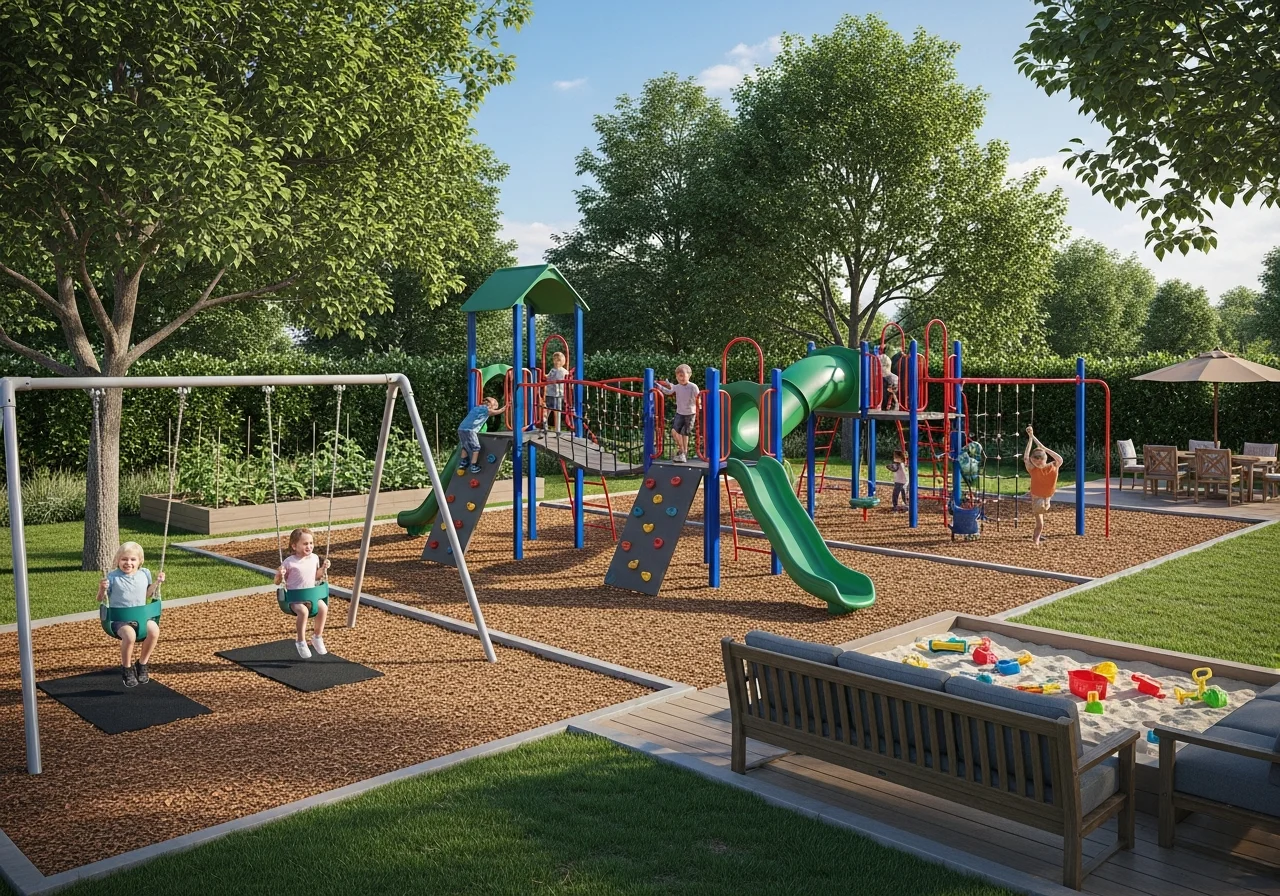
Multi-Age Playground Design
Successful family playgrounds accommodate children across different ages and developmental stages simultaneously. This requires balancing equipment complexity, providing features at various heights, and creating distinct zones that allow age-appropriate separation when needed. Multi-age designs extend your playground’s useful life, eliminating the need for complete replacements as children grow.
Include graduated difficulty within similar equipment types—swings at different heights, climbing features with varied challenge levels, or balance beams ranging from ground level to elevated positions. Younger children need enclosed spaces and lower equipment, while older kids seek height, speed, and physical challenges. Creating distinct areas for different activity types helps prevent conflicts between age groups while allowing natural supervision from older to younger siblings.
Conclusion
Creating a backyard playground represents one of the most valuable investments you can make in your children’s health, development, and happiness. The ideas presented throughout this guide demonstrate that building an engaging outdoor play space doesn’t require unlimited budgets or expansive properties. Whether you choose to install a comprehensive play system with multiple components or start small with a sandbox and swing set, the key lies in creating a space that encourages your children to step outside, move their bodies, and engage their imaginations. Consider your available space, budget constraints, and your children’s current interests while planning for future growth and changing needs.
Remember that the most successful playgrounds evolve over time, with new elements added as your family’s requirements change and as your children develop new skills and interests. The hours your children spend climbing, swinging, building, and exploring in their backyard playground will contribute to stronger bodies, sharper minds, and cherished childhood memories that last well into adulthood. By prioritizing outdoor play through thoughtful playground design, you create more than just a collection of equipment; you establish a foundation for active lifestyles, creative thinking, and family connections that extend far beyond the boundaries of your backyard.you may also want to know
Frequently Asked Questions
How much space do I need for a backyard playground?
Even small backyards can accommodate playground features. Compact spaces work well with vertical elements like climbing walls, small swing sets designed for tight areas, or creative solutions like sandboxes and balance beams. Larger yards allow for comprehensive play systems, but thoughtful planning makes any space workable. Ensure adequate safety zones around equipment—typically six feet for lower structures and nine feet for elevated features.
What is the safest ground surface for a backyard playground?
The safest surfaces include rubber mulch, engineered wood fiber, sand, pea gravel, or poured rubber, all providing impact absorption. The required depth depends on equipment height—higher structures need deeper safety material, typically 9 to 12 inches of loose fill. Avoid concrete, asphalt, or packed dirt beneath play equipment. Regular maintenance ensures safety material maintains proper depth and doesn’t compact over time.
How can I create a budget-friendly backyard playground?
Start with DIY projects using natural materials like logs, stumps, or tires. Build simple structures like balance beams, sandboxes, or obstacle courses using basic lumber. Purchase used equipment through online marketplaces or add components gradually over time rather than installing everything at once. Many engaging play features cost little but provide substantial play value, such as tire swings, chalk areas, or water play stations.
What playground equipment works best for multiple age groups?
Modular swing sets with various attachment options, climbing structures with different difficulty routes, sandboxes, and open play areas like sports zones work across age ranges. Trampolines appeal from toddlers through teenagers when properly supervised. Avoid equipment designed for single age groups if you need multi-age functionality. Natural playground elements like logs, boulders, and balance features adapt easily to different skill levels.
How do I maintain playground safety over time?
Conduct monthly inspections checking for loose bolts, worn ropes, splintered wood, or damaged components. Rake and replenish safety surfacing to maintain proper depth. Tighten hardware and replace worn parts immediately. Keep equipment clean and remove debris. Check that ground anchors remain secure and structures stay level. Establish usage rules and supervise play, especially with younger children. Regular maintenance prevents small issues from becoming safety hazards.