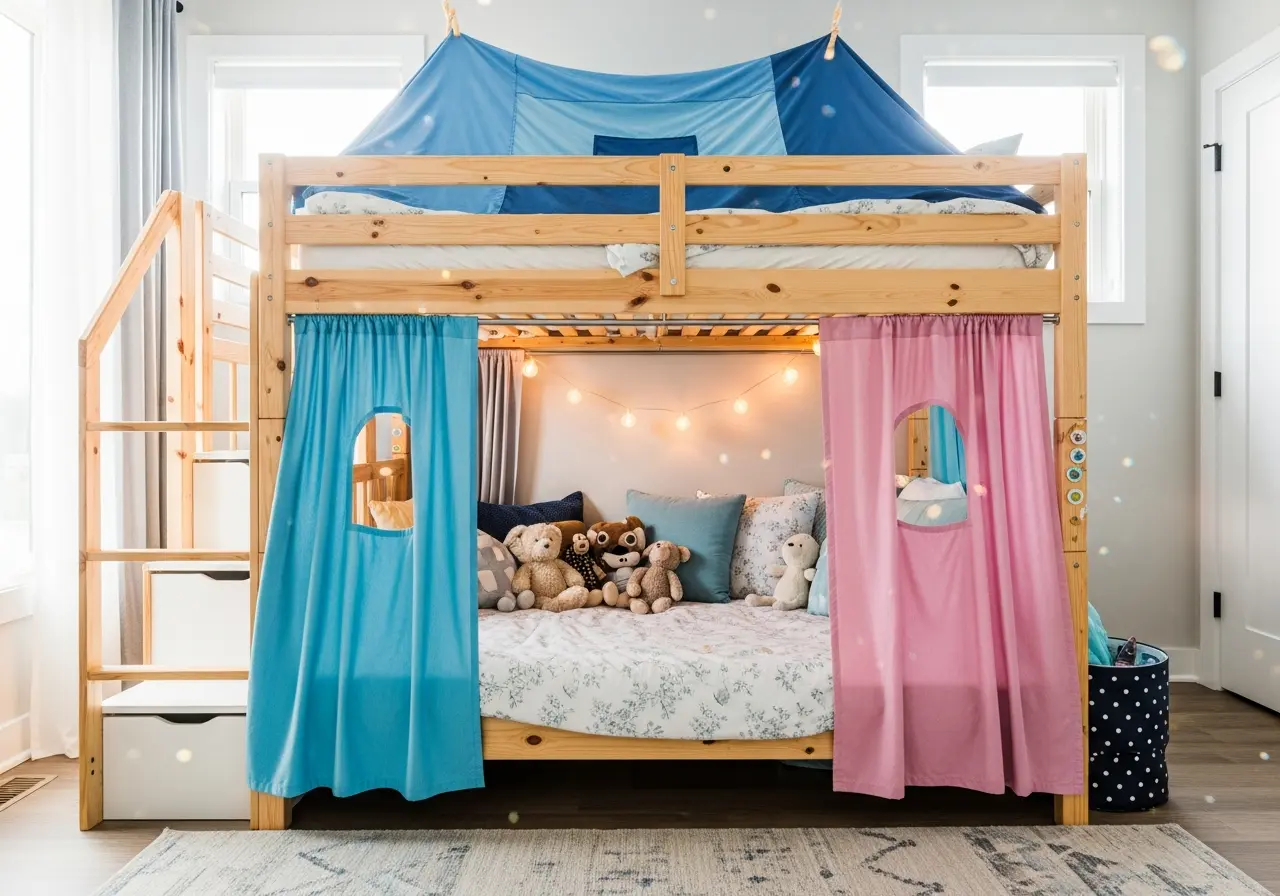
10+ Creative Bunk Bed Forts Ideas for Kids
Transforming an ordinary bunk bed into an imaginative fort brings excitement to any childhood bedroom. Children naturally gravitate toward cozy hideaways where they can read, play, and let their creativity flourish. A bunk bed fort provides that perfect personal space while maximizing the functionality of existing furniture.
Parents who watch their children constantly draping blankets and sheets over furniture to create makeshift forts understand the appeal of these private sanctuaries. However, those temporary structures often result in messy rooms and endless cleanup. Creating a more permanent bunk bed fort solution offers the best of both worlds. It satisfies the natural desire for a special hideaway while maintaining an organized, attractive bedroom environment.
The beauty of bunk bed forts lies in their versatility. Whether working with a simple twin over twin configuration, a loft bed, or custom built furniture, numerous creative possibilities exist. From quick five minute solutions using household items to elaborate themed designs that transform the entire sleeping area, options abound for every skill level and budget. This guide explores more than ten inspiring ideas to help turn any bunk bed into an extraordinary fort that children will treasure for years.
Simple Curtain Fort Using Tension Rods
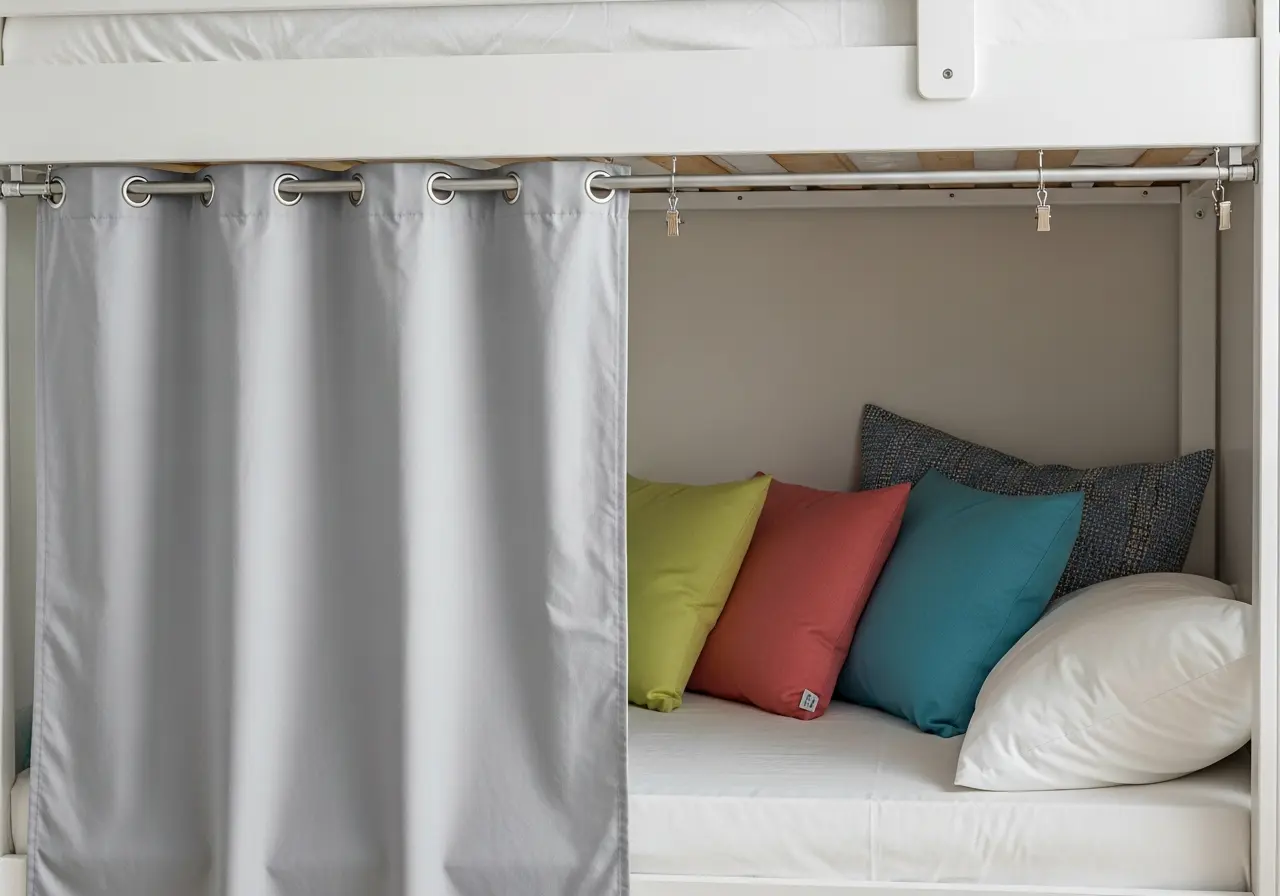
The easiest approach to creating a bunk bed fort requires minimal materials and no permanent modifications to the bed frame. This method works exceptionally well for bottom bunks and creates an instant hideaway using items likely already available at home.
Start with a twin flat sheet, curtain rings with clips, and a sturdy tension rod. The flat sheet serves as the perfect curtain because it provides adequate coverage without overwhelming the space. Curtain rings with clips attach directly to the fabric without requiring any sewing or cutting. A tension rod, particularly a thicker shower curtain rod rather than a lightweight window treatment rod, provides the stability needed to support the fabric weight without sagging.
Installation takes approximately five minutes. Position the tension rod across the front opening of the bottom bunk, securing it firmly between the bed frame posts. Clip the flat sheet onto the curtain rings, then slide them onto the rod. The sheet can remain tucked open during the day and pulled closed whenever privacy or fort mode is desired. This removable design makes washing simple and allows for easy seasonal changes with different colored sheets.
The real advantage of this approach is its flexibility. Children can personalize their fort by adding decorations, hanging artwork on the inside, or arranging pillows and stuffed animals to create a comfortable reading nook. The temporary nature means it can be dismantled quickly when guests visit or removed entirely as children grow older.
Custom Sewn Bunk Bed Curtains
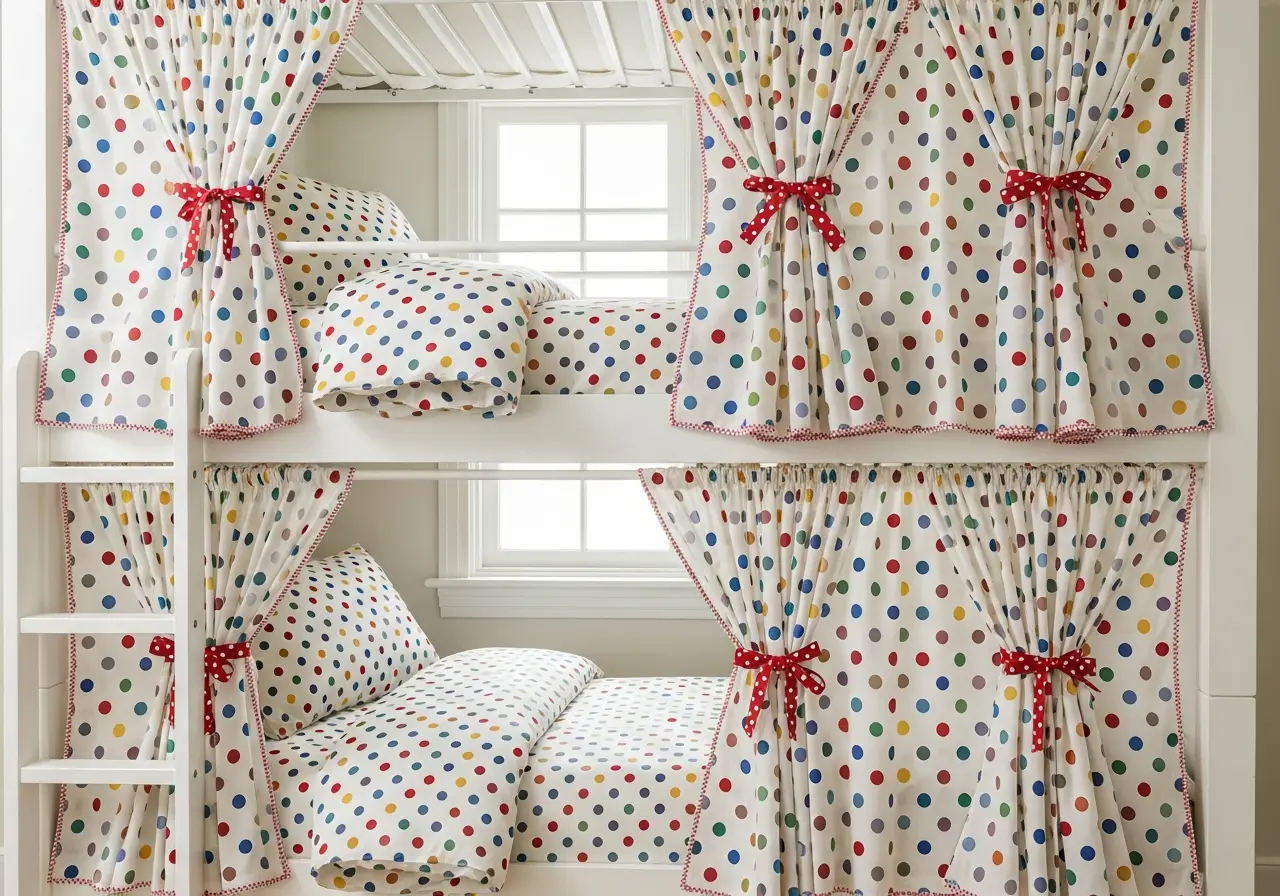
For those comfortable with basic sewing skills, creating custom curtains elevates the bunk bed fort experience. This method allows complete control over fabric selection, enabling perfect coordination with existing bedroom decor or reflecting a child’s favorite colors and patterns.
Measure from the bottom of the top bunk down to the desired endpoint. Some prefer curtains that stop just above the mattress level while others extend all the way to the floor for complete enclosure. Measure the width needed to cover all sides requiring curtains, keeping in mind that some beds sit against walls and only need coverage on two or three sides.
Select fabric that reflects the child’s personality. Popular choices include themed prints featuring favorite characters, space themes, nautical stripes, floral patterns, or simple solid colors. Purchase slightly more fabric than measured to account for hems. Cut the fabric into equal panels according to measurements, then hem all sides creating a finished edge approximately half an inch wide. For the top edge, create a wider hem or use a rod pocket design that allows the curtain to slide directly onto the tension rod.
Hang the custom curtains using tension rods positioned strategically around the bunk bed. The front typically requires a longer, sturdier rod while side openings can use shorter rods. Some designs incorporate tie backs made from coordinating ribbon or fabric strips, allowing curtains to be held open during daytime activities.
The sewing approach provides durability that withstands regular use by active children. Well constructed curtains maintain their appearance through numerous washings and daily opening and closing. This investment of time creates a polished, professional looking fort that becomes a focal point in the bedroom.
Themed Castle Fort Design
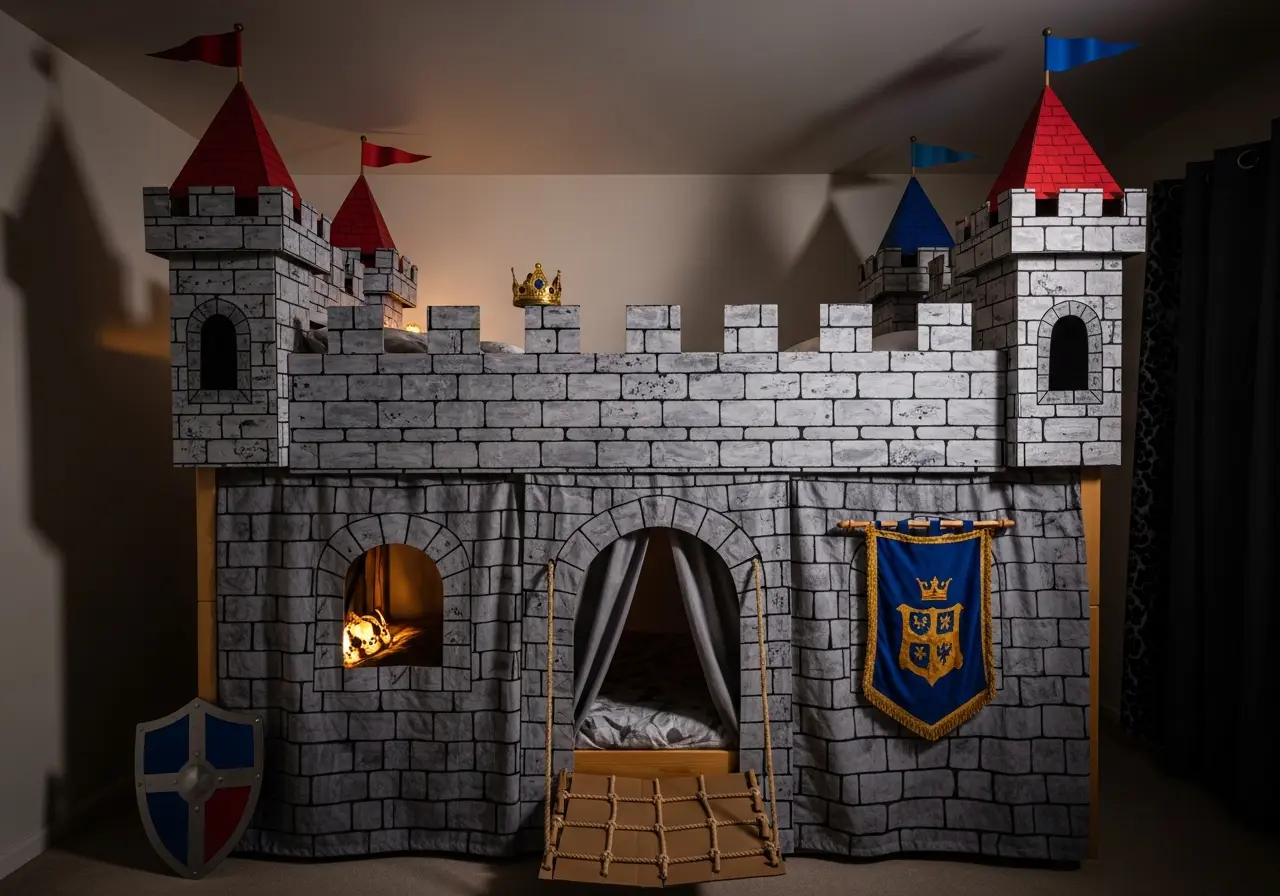
Transform a standard bunk bed into a majestic castle that sparks medieval adventures and fairy tale dreams. Castle themed forts appeal to children fascinated by knights, princesses, dragons, and royal stories.
Begin with the basic structure, then add castle specific elements. Paint or attach cardboard turrets to the corners of the bed frame. Create a drawbridge style entrance using hinged wood or heavy cardboard painted to resemble a castle door. Window cutouts in curtain panels, especially when framed with contrasting fabric, enhance the castle aesthetic.
Color selection significantly impacts the final appearance. Traditional castle forts feature stone gray walls with bright banner colors like red, blue, or purple. Princess castle variations often incorporate pink, lavender, and white with sparkly accents. Knight themed designs might use darker colors with metallic silver or gold details representing armor and shields.
Adding decorative touches completes the transformation. Fabric or felt flags can be sewn or glued onto dowel rods and attached to the upper bunk corners. Wall decals featuring castle scenes, coats of arms, or medieval characters enhance the theme without permanent changes to bedroom walls. Inside the fort, throne style pillows and plush dragons or stuffed animal steeds encourage imaginative play.
The castle fort works particularly well when the bottom bunk becomes the main play area while the top bunk serves as a tower lookout. This configuration provides distinct spaces for different types of play and creates natural storytelling opportunities for creative children.
Pirate Ship Adventure Fort
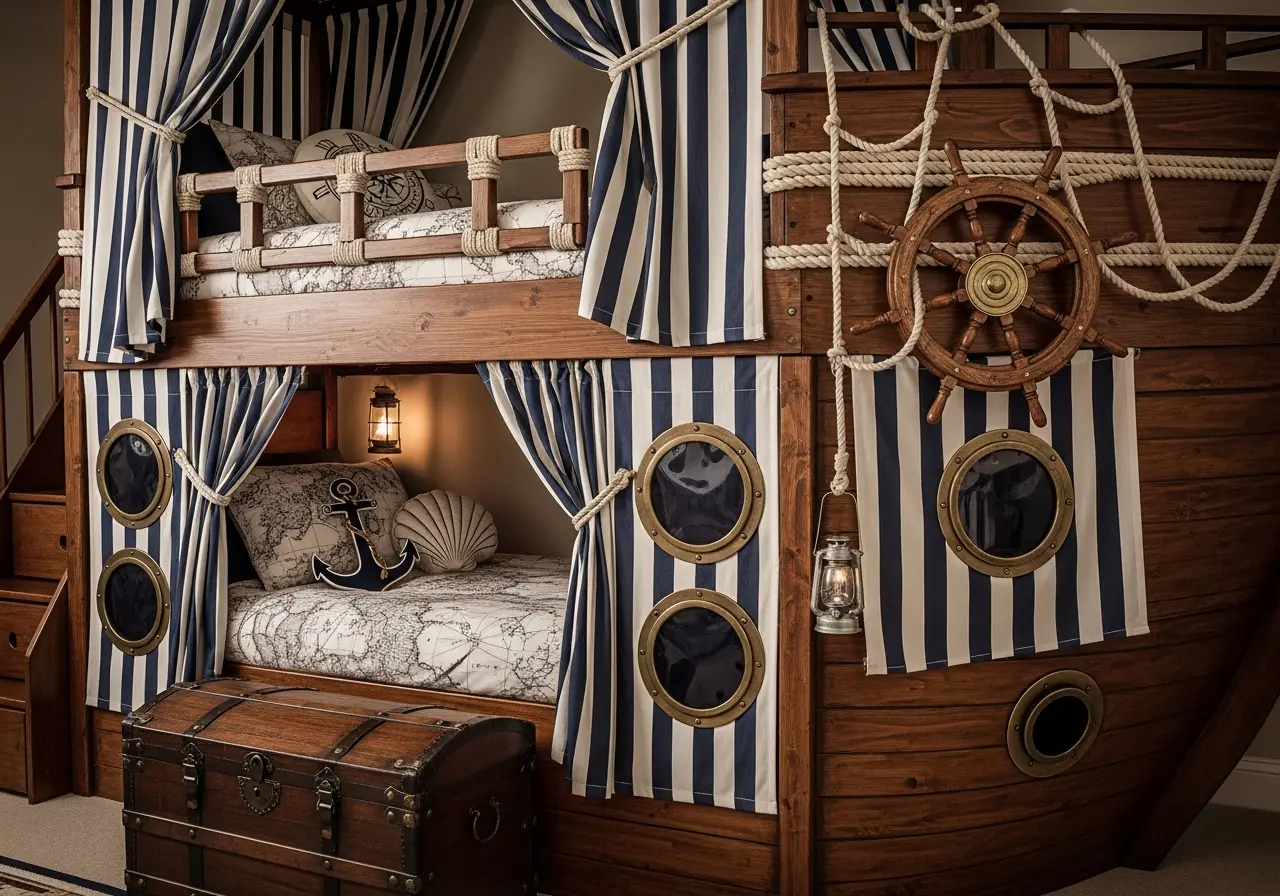
Sailing the seven seas becomes possible when a bunk bed transforms into a pirate ship fort. This swashbuckling theme excites children who love adventure stories, treasure hunts, and nautical exploration.
The pirate ship design benefits from strategic fabric choices. Navy blue, red, and white striped fabrics evoke classic maritime aesthetics. Adding rope details, either functional rope used for tying back curtains or decorative rope attached to the bed frame, enhances the nautical feel. A ship wheel mounted on the exterior or a telescope prop adds authentic touches.
Create a ship bow using painted cardboard or wood attached to one end of the bed. The opposite end can feature a captain’s quarters enclosed by curtains decorated with skull and crossbones or anchor motifs. Side curtains might include porthole windows cut from the fabric and backed with clear vinyl or mesh to maintain visibility while preserving the theme.
Consider incorporating storage solutions disguised as treasure chests. Wooden boxes painted and decorated to resemble pirate treasure chests can hold toys, books, or dress up clothes. A rope ladder instead of traditional bunk bed stairs adds to the adventure while providing a functional climbing element.
The interior of the pirate fort benefits from nautical themed bedding, string lights resembling ship lanterns, and perhaps a small flag bearing a custom designed pirate emblem. Maps, whether real nautical charts or hand drawn treasure maps, make excellent wall decorations that support imaginative play scenarios.
Treehouse Hideaway Design
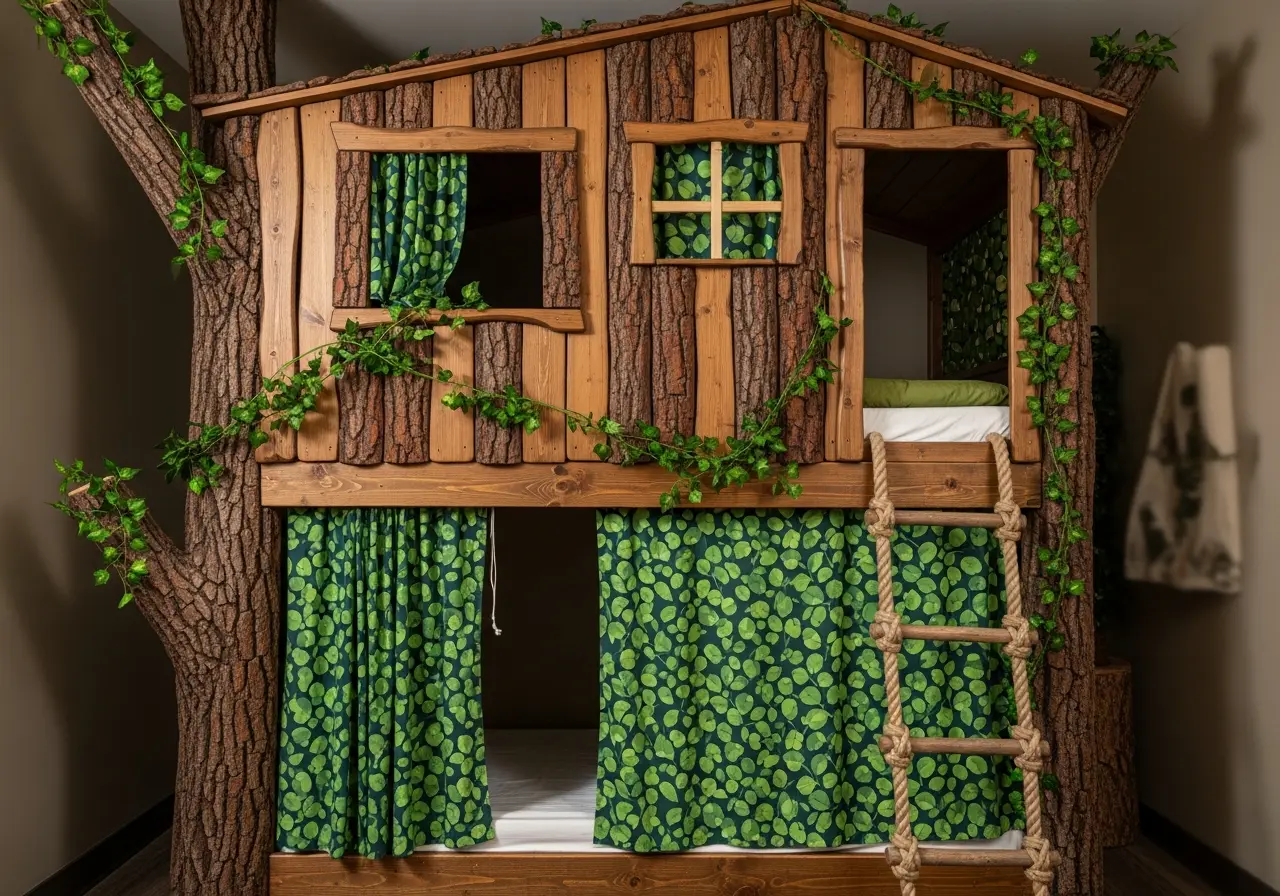
Bringing outdoor adventure inside, a treehouse themed bunk bed fort creates a nature inspired sanctuary. This design appeals to children who love climbing trees, exploring forests, and spending time in natural environments.
The treehouse aesthetic starts with color and material choices. Natural wood tones, forest greens, and earthy browns establish the outdoor connection. Fabric curtains in leaf patterns, woodland creature prints, or solid greens resemble foliage and tree canopy coverage. Adding artificial vines or garlands with leaves around the bed frame perimeter enhances the immersive effect.
Structural elements can mimic actual treehouse features. Wooden planks or textured panels on the bed exterior simulate tree bark. A rope ladder leading to the top bunk reinforces the climbing experience. Small shelves resembling tree branches provide spots for displaying nature collections, stuffed animals, or books.
Window openings in the curtains, especially irregular shaped openings that look like gaps in foliage, allow light penetration while maintaining the enclosed treehouse feeling. Inside the fort, camping themed accessories like lantern style lights, sleeping bags instead of traditional bedding, or a small tent canopy create an outdoor adventure atmosphere.
This theme works exceptionally well when combined with nature focused bedroom decor. Wall murals depicting forest scenes, ceiling decorations resembling sky and clouds, and area rugs in grass green shades complete the transformation. Children can pretend they are wildlife observers, forest rangers, or adventurers exploring uncharted wilderness.
Space Station Fort Configuration
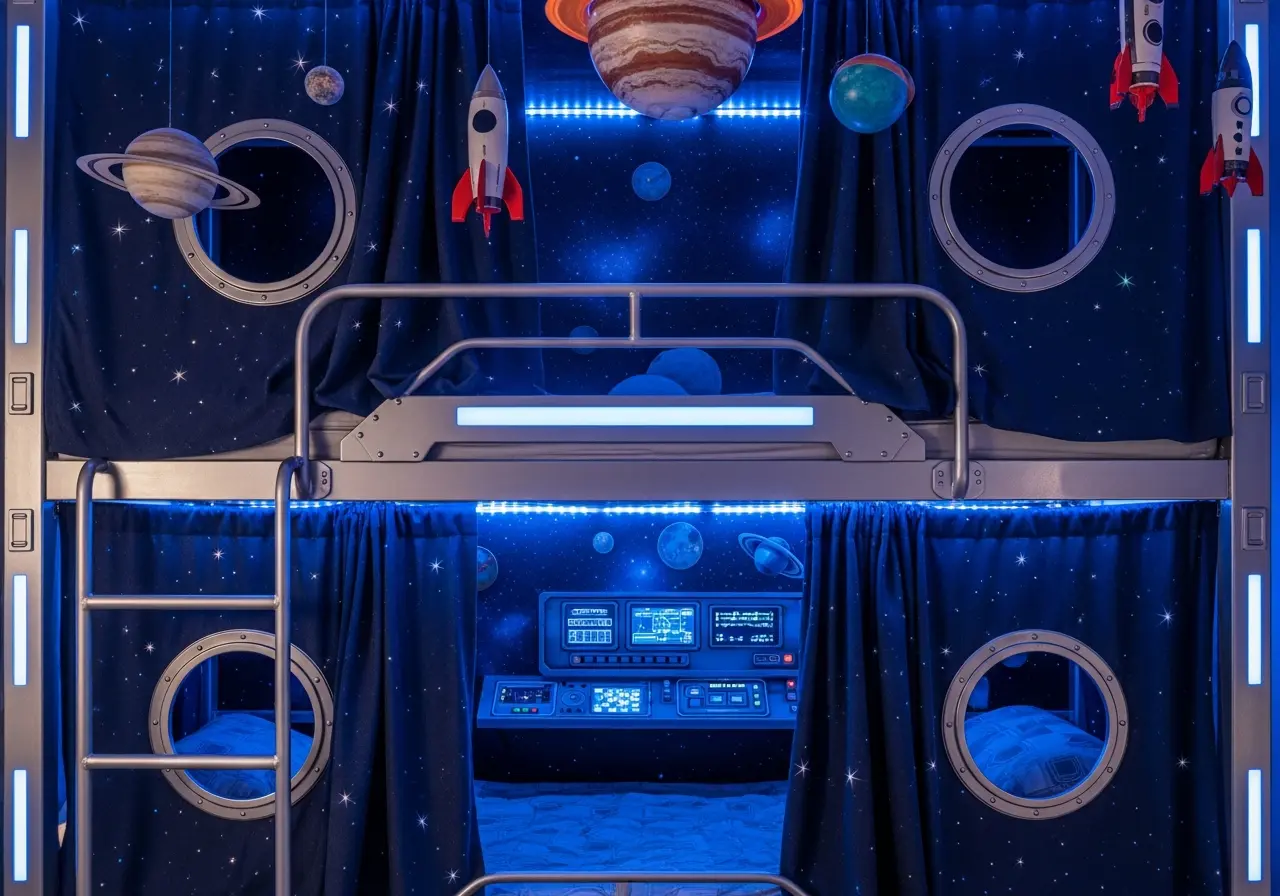
For children fascinated by stars, planets, and space exploration, a space station themed bunk bed fort launches imagination into orbit. This futuristic design creates a command center atmosphere perfect for aspiring astronauts.
Dark blue or black curtains dotted with glow in the dark stars establish the cosmic backdrop. Metallic silver accents on the bed frame suggest spacecraft construction. Circular window cutouts in the fabric, perhaps backed with colored transparent material, resemble spaceship portholes looking out into the galaxy.
Interior lighting plays a crucial role in the space station theme. LED strip lights in blue, purple, or white create an otherworldly glow. Fiber optic lights installed in the upper bunk ceiling area mimic a starfield view. Control panel imagery, either printed and mounted or created with stickers, transforms one interior wall into a spaceship dashboard.
Storage solutions can be labeled as supply compartments, oxygen reserves, or equipment bays using simple printed labels or hand painted signs. A countdown timer, mission patches, and planet posters enhance the authentic space station environment. Consider adding astronaut inspired accessories like silver sleeping bags, space themed pillows, or models of rockets and spacecraft.
This fort design naturally encourages STEM interest and learning through play. Children might conduct imaginary science experiments, navigate to distant planets, or communicate with mission control during their space adventures.
Reading Nook Fort Arrangement
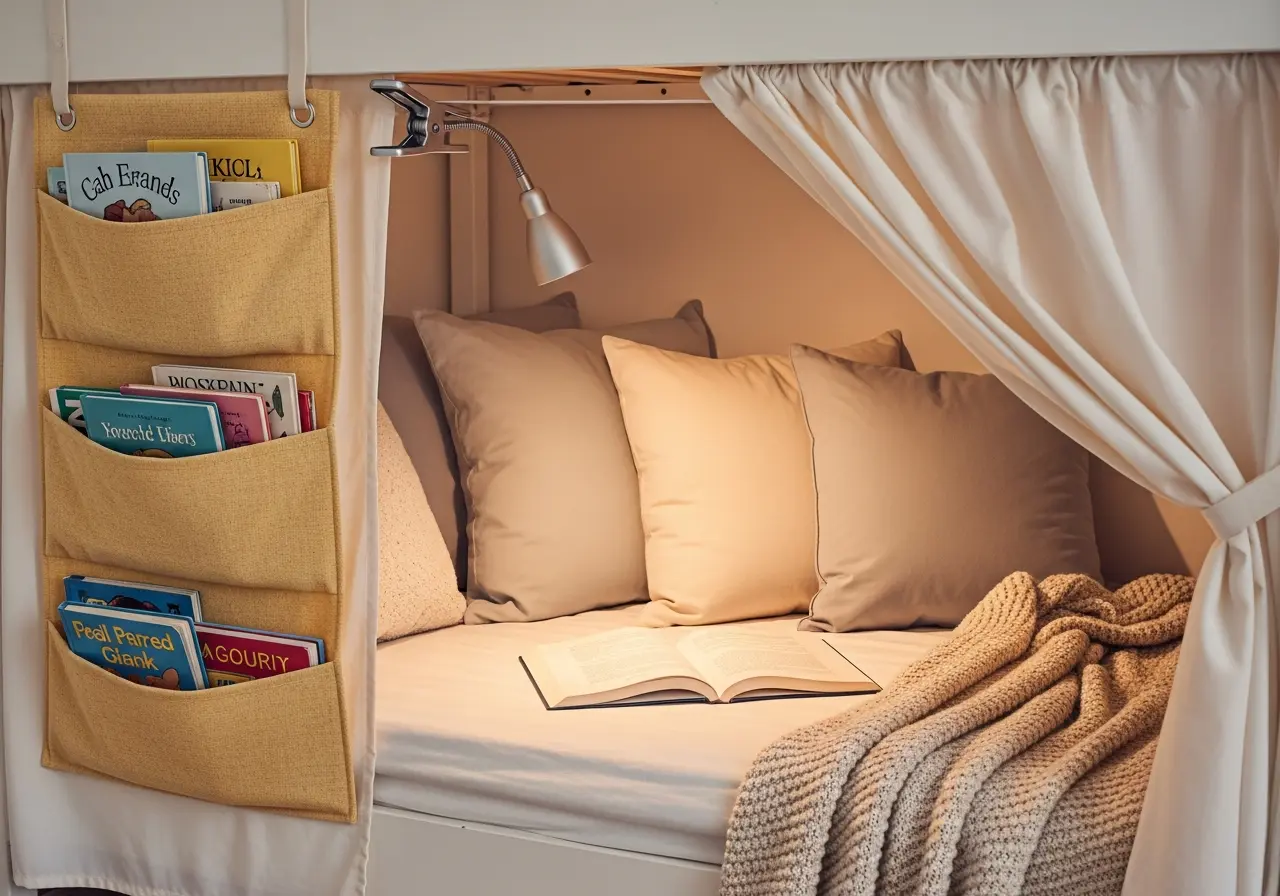
Creating a dedicated reading space within a bunk bed fort encourages literacy and provides a quiet retreat for book loving children. This design prioritizes comfort and adequate lighting while maintaining the cozy enclosed feeling children crave.
The reading nook configuration works best in the bottom bunk where adult supervision remains easy and children feel secure. Soft, comfortable bedding with plenty of pillows creates an inviting spot to settle in with books. Curtains in calming colors or patterns featuring book related imagery set a peaceful tone conducive to concentration.
Lighting solutions make or break a reading fort. Battery operated or plug in LED book lights mounted within easy reach provide focused illumination without harsh overhead brightness. String lights add ambient glow while maintaining the magical fort atmosphere. Some parents install small clip on lamps that attach directly to the bed frame.
Storage for books should be integrated into the design. Fabric hanging organizers, small shelves attached to the bed frame, or simple baskets positioned within the fort keep reading materials accessible. Rotating book selections regularly maintains interest and introduces new stories.
Comfort enhancements like small cushions for back support, soft blankets, and perhaps a small stuffed animal reading companion make the space more inviting for extended reading sessions. The fort curtains can be partially opened for better visibility or closed completely when children want complete immersion in their literary adventures.
Multi Level Fort With Activity Zones
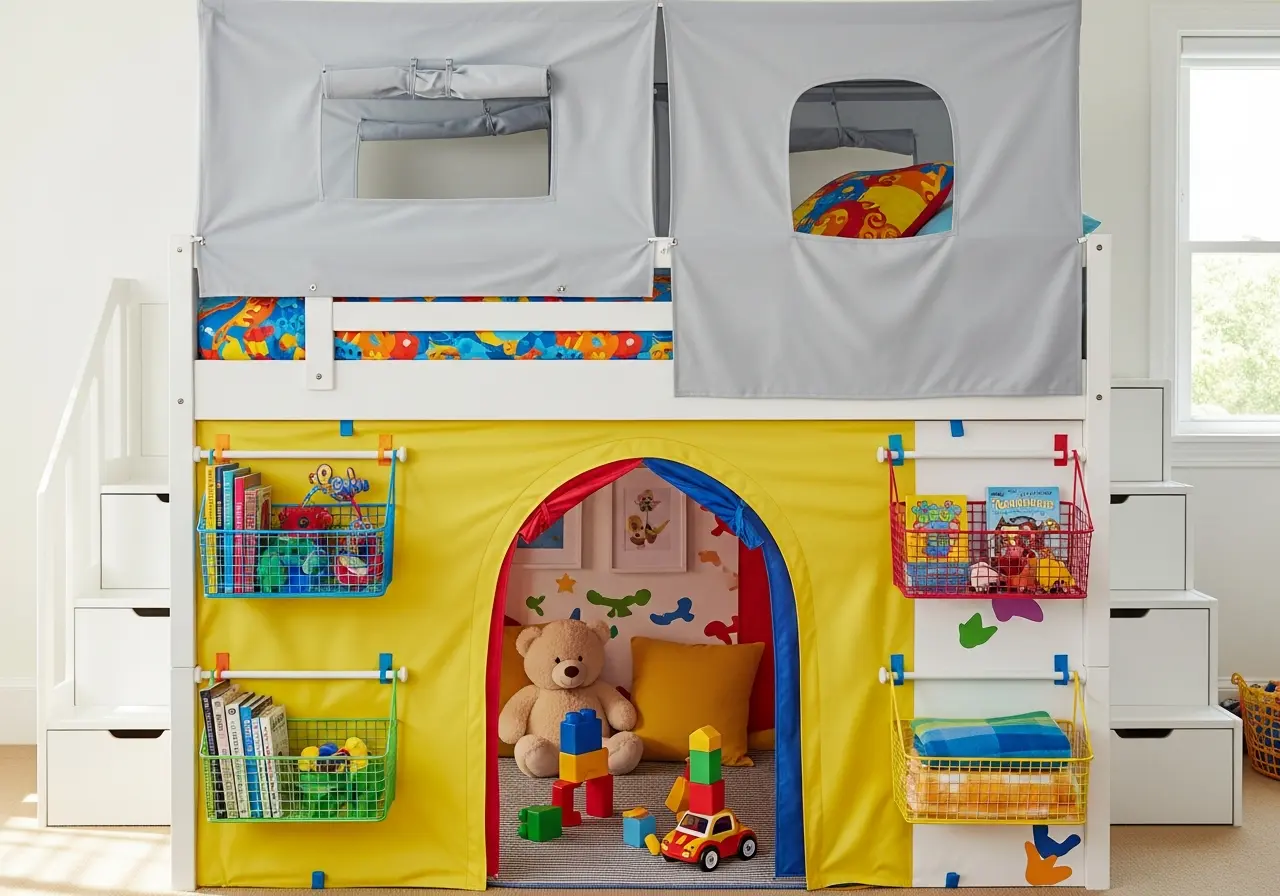
Maximizing both bunk levels creates distinct activity zones that accommodate different types of play and rest. This comprehensive approach works particularly well in shared bedrooms where siblings need separate spaces.
The top bunk might serve as a sleeping area with minimal fort elements, perhaps just privacy curtains that can close at bedtime. The bottom bunk transforms into an elaborate play fort with full enclosure, themed decorations, and activity specific features. Alternatively, both levels can be fully enclosed with different themes, creating two unique forts in one furniture piece.
Consider how children actually use the space when planning activity zones. One level might be designated for quiet activities like reading, art projects, or puzzle solving while the other accommodates more active play. Storage integrated into each level keeps relevant toys and materials organized.
Connecting the two levels through play creates additional opportunities. A basket and pulley system allows children to transport items between levels. Secret messages written and passed between bunks encourage communication and cooperative play in shared bedrooms. Walkie talkies or tin can phones add to the interactive experience.
This multi level approach extends the useful life of the bunk bed fort as children grow. Younger children might play primarily in the bottom fort while older siblings appreciate the top bunk privacy. As both children mature, the fort can evolve from play space to study area to relaxation retreat.
Seasonal Fort Transformations

Changing the bunk bed fort appearance with seasons or holidays keeps the space fresh and exciting throughout the year. This rotating approach prevents boredom and allows children to experience multiple themes without permanent commitment.
Winter transformations might include snowflake decorated curtains, white and silver color schemes, and cozy fleece fabrics creating a winter wonderland effect. Spring brings pastel colors, floral patterns, and butterfly or garden themed accessories. Summer can feature bright beach colors, tropical prints, or camping themes. Autumn invites warm oranges, browns, and harvest decorations.
Holiday specific variations add extra excitement. A Christmas fort with red and green curtains, twinkling lights, and small ornament decorations creates a festive hideaway. Halloween transformations with orange and black fabrics, friendly ghost decorations, and glow in the dark elements provide seasonal fun. Birthday month transformations featuring special decorations make children feel celebrated.
The rotating approach works best when basic structural elements remain constant while decorative details change. Keep tension rods, curtain attachment systems, and basic fabric panels in neutral colors as the foundation. Seasonal changes involve swapping pillows, adding removable decorations, changing string light colors, and incorporating themed accessories that can be stored when not in use.
This strategy teaches children about changing seasons, holiday traditions, and the creative possibilities of redesigning spaces. Involving children in planning and implementing seasonal transformations builds excitement and ownership of their special space.
No Sew Fort Solutions
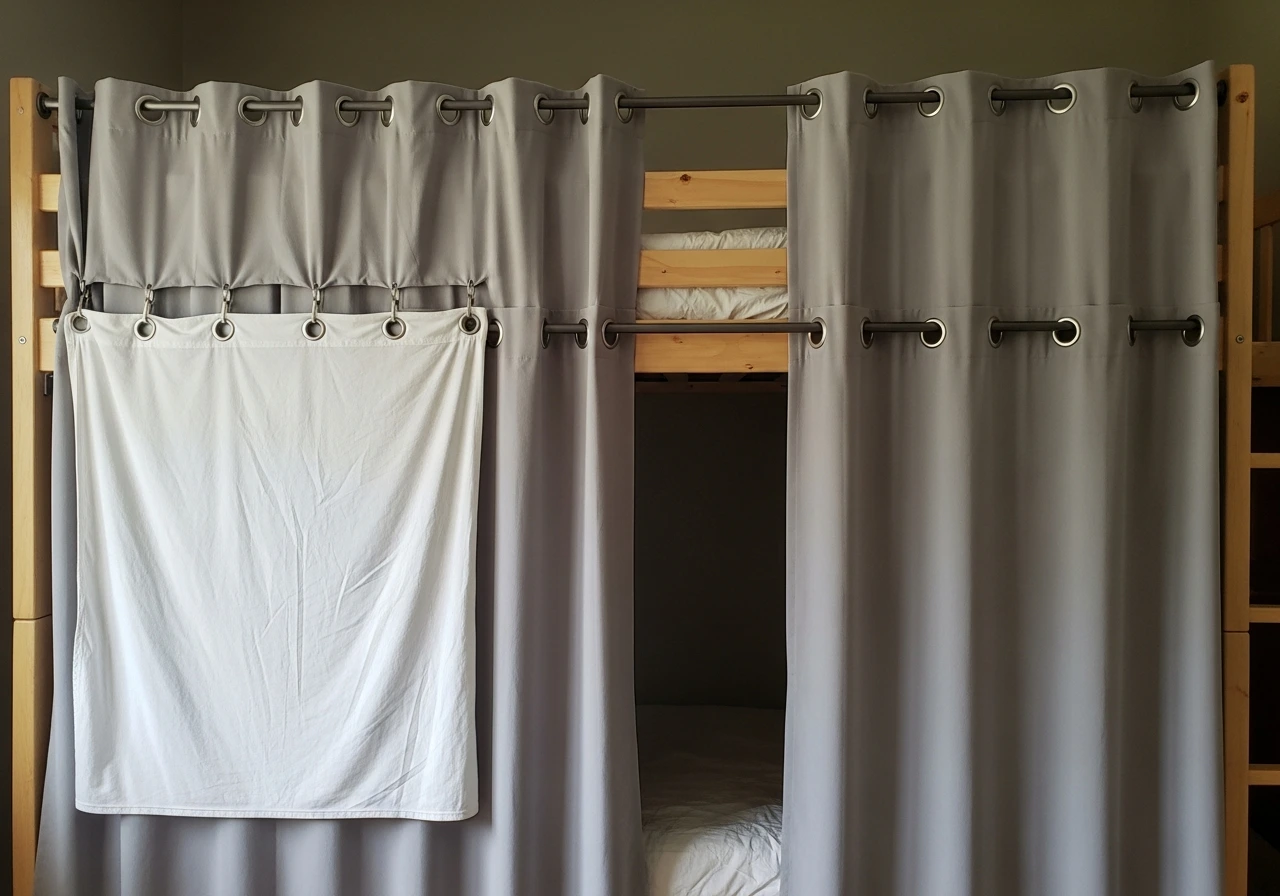
Not everyone has sewing skills or equipment, but that should not prevent creating an amazing bunk bed fort. Several effective approaches require zero sewing while delivering excellent results.
Fabric tape or iron on hem tape creates finished edges on fabric panels without stitching. Simply cut fabric to size, fold edges under to the desired width, insert the hem tape, and iron according to product instructions. The bond holds through washing and regular use.
Ready made curtain panels from stores provide another no sew option. Purchase the shortest standard length curtains available, usually around 63 inches, and hang them directly on tension rods using built in grommets, tab tops, or ring clips. If panels are too long, they can be folded and secured with fabric tape or left to puddle on the floor depending on the desired look.
Flat sheets used as is, without any modifications, create instant fort curtains. Their finished hems mean no cutting or sewing is required. Simply attach with clip on curtain rings. Twin flat sheets work perfectly for most standard bunk beds while full size sheets provide coverage for wider beds or when extra fabric draping is desired.
Tension rods remain essential in no sew approaches. Spring loaded rods simply twist to expand and wedge securely in place. For longer spans or heavier fabrics, adjustable closet rods with mounting brackets provide extra stability while still avoiding permanent modifications to the bed.
Fort Safety Considerations
While bunk bed forts provide wonderful play experiences, safety must remain the top priority. Several important considerations ensure children can enjoy their fort safely.
Fire safety tops the concern list. All fabrics used in fort construction should be flame resistant or treated with flame retardant spray. Avoid placing fabrics near heat sources, electrical outlets, or lighting fixtures that generate significant heat. Battery operated LED lights are the safest option for fort lighting as they remain cool to the touch and present no fire risk.
Proper ventilation prevents the fort from becoming too stuffy or warm. Ensure curtains can be opened easily and that they do not completely seal the space. Children should always be able to exit quickly if needed. Avoid using heavy fabrics that restrict airflow or create a suffocation hazard.
Structural stability requires attention. Tension rods must be properly sized for the space and tightened adequately to support fabric weight without falling. Test all components before allowing children to use the fort. Regularly inspect rods, curtains, and attachment points for wear or loosening that could cause collapse.
Age appropriate design matters significantly. Younger children should have lower fort structures with adult supervision readily available. Top bunk forts need secure railings meeting current safety standards. Climbing elements like rope ladders require proper installation and should only be used by children with adequate coordination and strength.
Fort Maintenance And Care
Keeping the bunk bed fort clean and well maintained ensures it remains an appealing, hygienic space for children to enjoy. Establishing simple maintenance routines prevents problems and extends the fort’s useful life.
Regular washing of fabric elements is essential. Curtains collect dust and require laundering every few weeks, more frequently if children eat snacks inside the fort. Removable curtains with clip attachments make washing straightforward. Machine wash according to fabric care instructions and rehang once dry.
Interior organization prevents the fort from becoming a cluttered mess. Establish clear rules about what belongs inside. Small storage containers or baskets help children keep toys, books, and art supplies organized. Schedule regular cleanout sessions where items are removed, sorted, and only necessary items returned.
Structural maintenance includes checking tension rod stability monthly. Tighten rods that have loosened and ensure they remain securely positioned. Inspect curtain clips for damage and replace any that are broken or weak. Look for fabric tears or worn areas that might need repair or replacement.
Deep cleaning periodically maintains hygiene. Vacuum the mattress and bed frame, wipe down structural elements, and wash all bedding and curtain panels. This comprehensive cleaning prevents dust accumulation and keeps the space fresh and inviting.
Conclusion
Bunk bed forts transform ordinary sleeping furniture into extraordinary spaces where children’s imaginations flourish. Whether choosing a simple five minute curtain solution or investing time in an elaborate themed design, the possibilities are limited only by creativity and available resources. These personal hideaways provide children with spaces to read, play, dream, and create memories that last well beyond childhood.
The beauty of bunk bed forts lies in their adaptability. They grow and change with children, serving different purposes at different ages while consistently providing that special sense of having a space that is truly their own. From practical considerations like privacy in shared rooms to pure enjoyment of having a secret hideout, bunk bed forts offer value that extends far beyond their simple construction. For more information visit Homeliaa.
Parents who invest time and creativity into building these special spaces give children more than just a fort. They provide a foundation for creativity, a retreat for reading and quiet reflection, and a launching point for countless imaginative adventures. The memories created in these cozy hideaways become cherished parts of childhood that children carry with them long after they have outgrown the physical space.
Frequently Asked Questions
How much does it cost to create a bunk bed fort?
The cost varies significantly based on your approach. A basic fort using existing sheets, curtain rings, and a tension rod costs between $15 to $30. Custom sewn curtains with specialty fabric might range from $50 to $100 depending on fabric choices. Elaborate themed designs with additional decorations and accessories can cost $150 or more. Many families create beautiful forts using materials they already own, making it essentially free.
Are bunk bed forts safe for young children?
Bunk bed forts can be safe when proper precautions are followed. Use flame resistant fabrics, ensure adequate ventilation, and avoid completely sealing the space. Bottom bunk forts are safest for younger children as they eliminate climbing risks. Always supervise young children and ensure they can easily exit the fort independently. Install all components securely and inspect them regularly for wear or damage.
Can you create a fort on a loft bed?
Yes, loft beds work excellently for fort creation. The open space underneath a loft bed provides a larger area for fort development compared to standard bunk beds. Curtains can enclose the entire underneath area creating a substantial playroom or reading nook. The same techniques using tension rods and fabric panels apply to loft bed configurations, often with even more creative possibilities due to the larger space.
How do you keep bunk bed fort curtains clean?
Use removable attachment methods like curtain clips so curtains can be taken down easily for washing. Machine wash curtain panels every two to three weeks following fabric care instructions. Vacuum curtains between washings to remove dust. Treat stains promptly when they occur. Consider having duplicate curtain sets so one can be in use while the other is being laundered, ensuring the fort remains functional at all times.
What age is appropriate for a bunk bed fort?
Children as young as three can enjoy bottom bunk forts with appropriate supervision. Top bunk access should follow general bunk bed safety guidelines, typically recommended for children six years and older. The fort design should match the child’s age and abilities. Younger children benefit from simpler designs with easy access while older children can handle more complex configurations with additional features and greater privacy.