20 Creative Mood Board Ideas to Inspire Your Next Project
Every great creative project begins long before the first sketch is drawn, the first word is typed, or the first paint stroke lands on a canvas. It begins with a feeling, a direction, a visual language that only the creator can fully see in their mind. That is where a mood board becomes one of the most powerful tools in any creative person’s toolkit.
A mood board is a curated collection of images, colors, textures, typography, and other visual or tactile elements assembled to communicate the essence of a concept. Whether you are a graphic designer presenting a brand identity to a client, an interior decorator mapping out a room transformation, a filmmaker defining the visual tone of a production, or simply someone planning a personal project at home, a mood board gives your ideas a tangible form.
The challenge many people face is not understanding what a mood board is but knowing where to start and what form it should take. There are countless ways to build one, and the best approach depends entirely on your project, your audience, and your creative process. To help you move from blank canvas to brilliant concept, here are 20 creative ideas for mood boards that will inspire your next project, regardless of your field or experience level.
1. The Brand Identity Mood Board
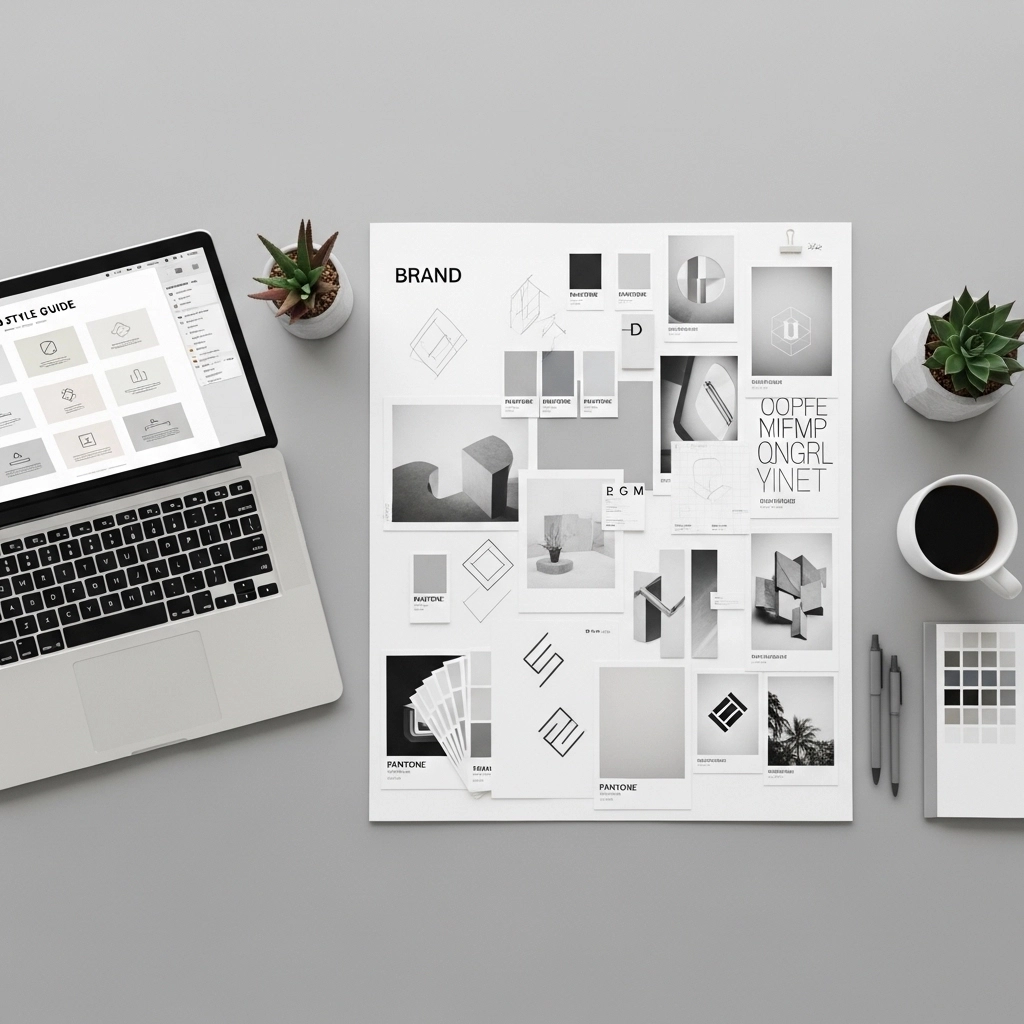
When building a new brand or refreshing an existing one, a brand identity mood board serves as the visual foundation for everything that follows. This type of board typically includes logo concepts, color swatches, typography samples, photography styles, and visual metaphors that represent the brand’s personality. A tech startup might lean into clean lines, cool blues, and modern sans-serif fonts, while a handmade goods company might gravitate toward warm tones, rough textures, and script lettering. The board communicates who the brand is before a single product is ever designed.
2. The Interior Design Mood Board
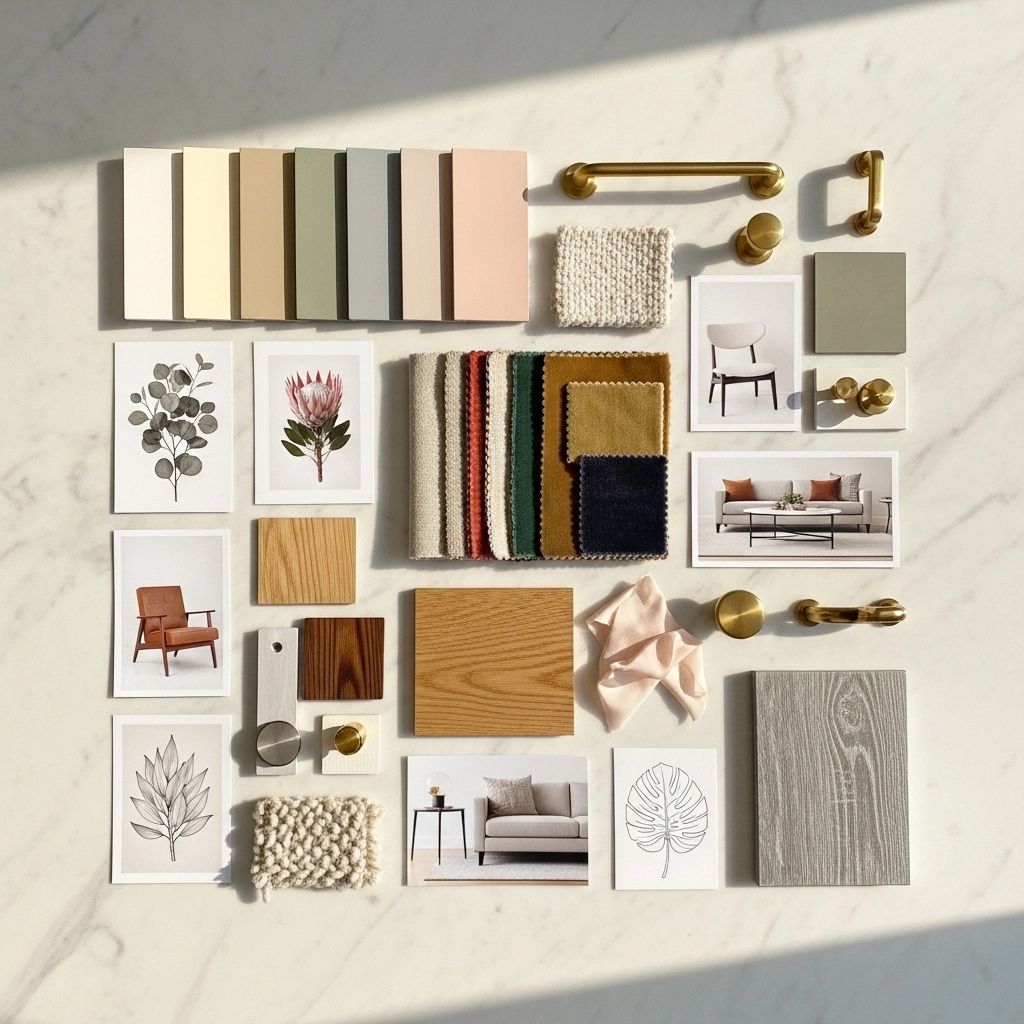
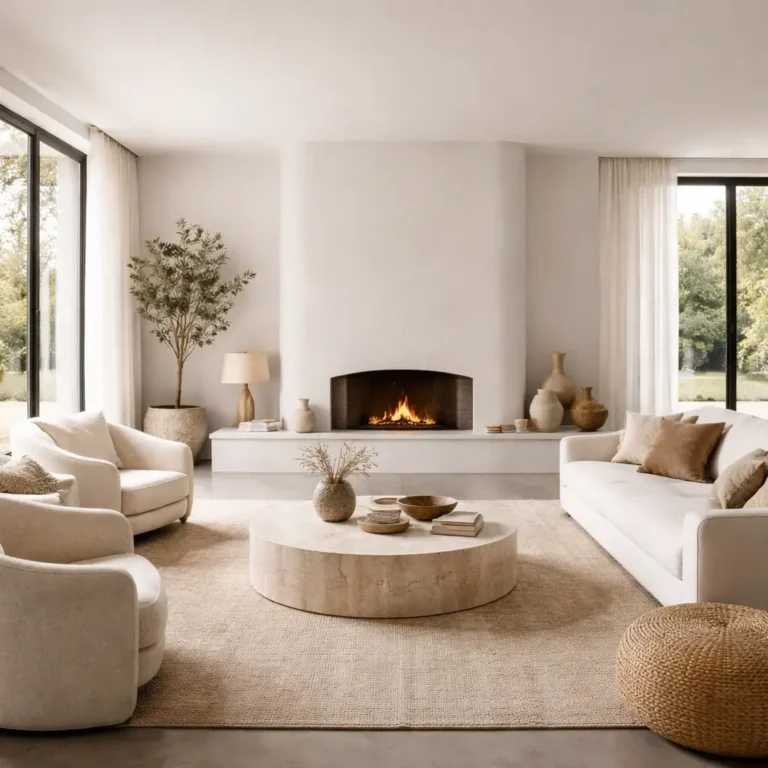
One of the most popular ideas for mood boards in the design world, the interior design mood board helps homeowners, decorators, and architects align on a room’s aesthetic before committing to purchases. Include paint swatches, furniture photos, fabric samples, flooring textures, and lighting inspiration. Organizing these elements on a single board allows you to see how they interact with each other and catch any clashes before they become costly mistakes.
3. The Fashion Mood Board
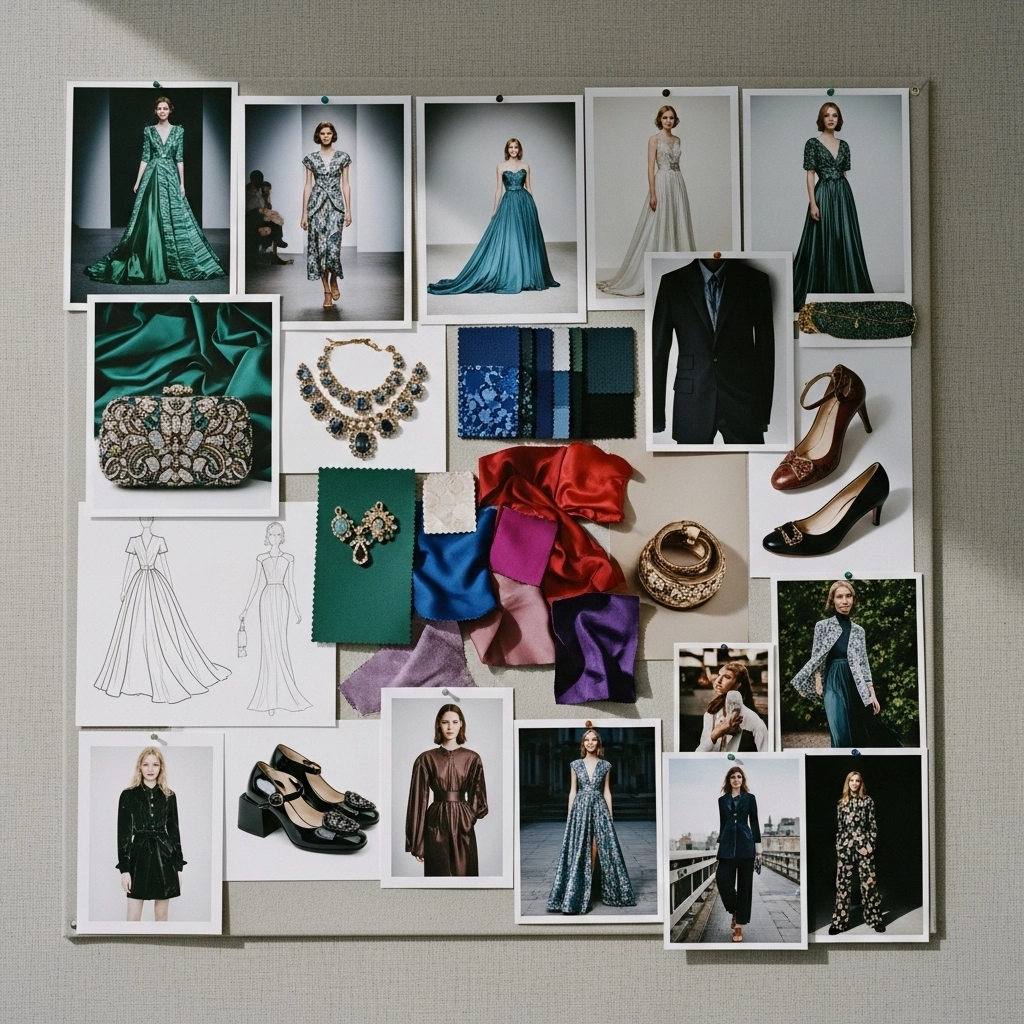
Fashion designers, stylists, and even everyday shoppers use fashion mood boards to define a seasonal look, plan a wardrobe, or develop a collection. This board might include runway images, fabric swatches, color stories, silhouette sketches, accessory inspiration, and even lifestyle photography that captures the feeling of the intended wearer. A well-executed fashion mood board tells a complete story about who wears the clothes and how they live.
4. The Wedding Mood Board
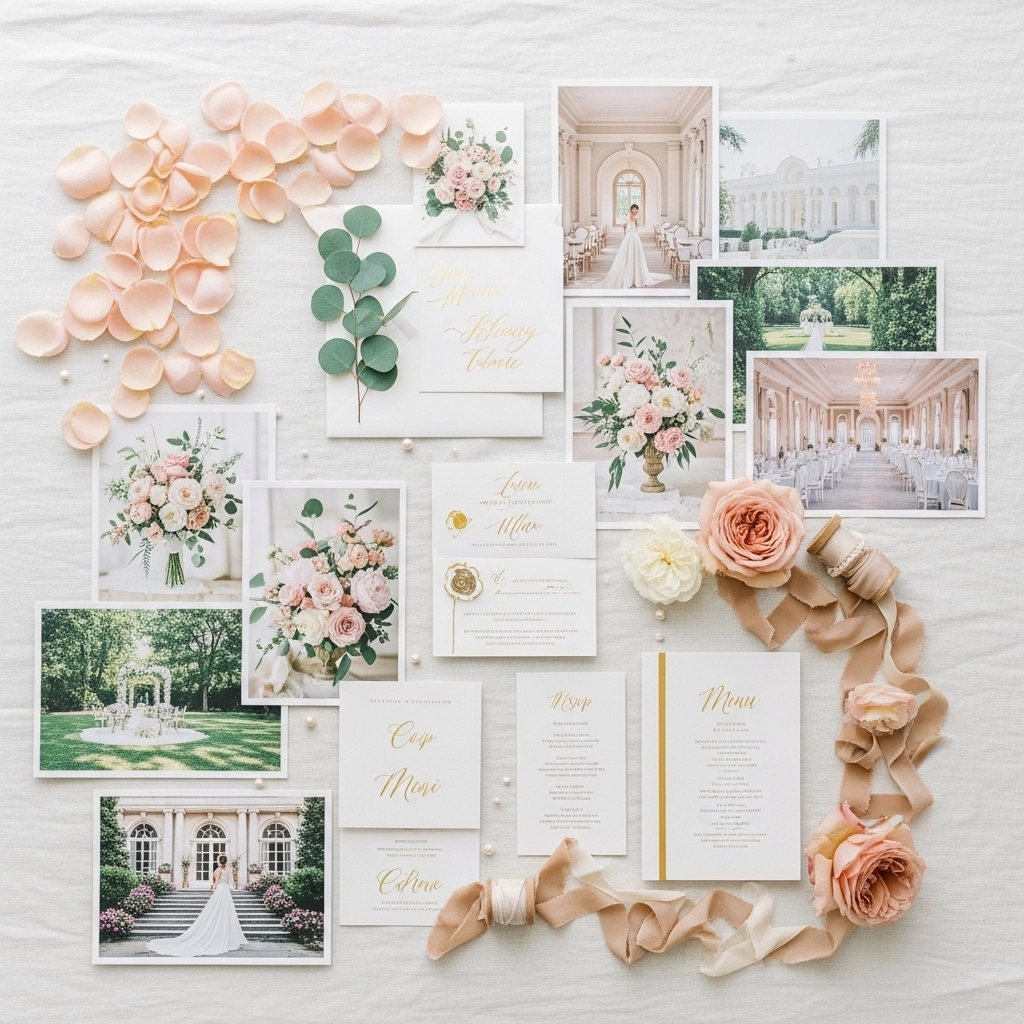
Planning a wedding involves coordinating hundreds of aesthetic decisions across florals, stationery, venue styling, attire, and more. A wedding mood board brings all of these elements into one unified vision so that couples, planners, and vendors are all working toward the same look and feel. Soft blush tones, gold accents, and garden-inspired florals tell a very different story than moody emerald greens paired with black velvet and candlelight.
5. The Film and Cinematography Mood Board
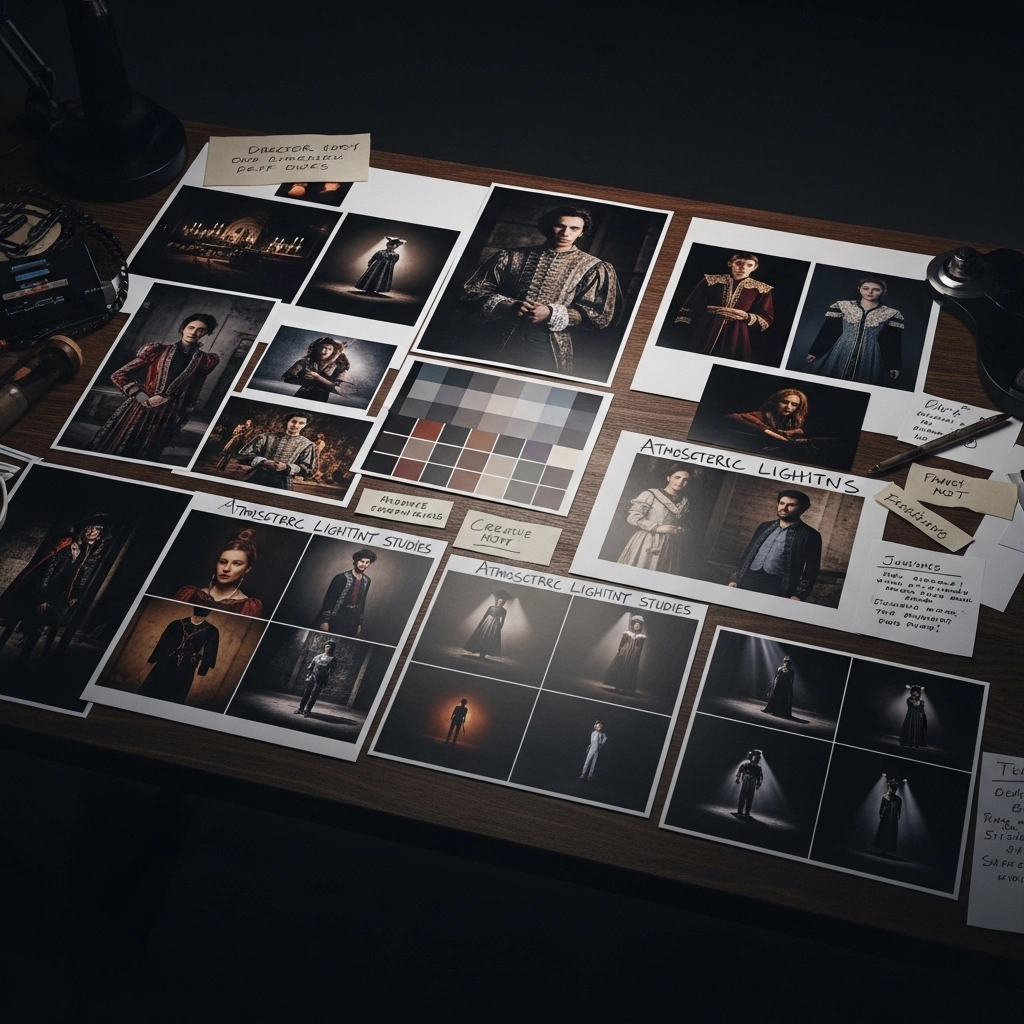
Directors, cinematographers, and production designers rely on mood boards to establish the visual language of a film. These boards include reference photographs, color grading samples, costume ideas, set design references, and lighting inspiration. A period drama might draw from historical paintings and muted earth tones, while a psychological thriller might lean into stark contrast, cool greys, and unsettling spatial compositions.
6. The Color Story Mood Board
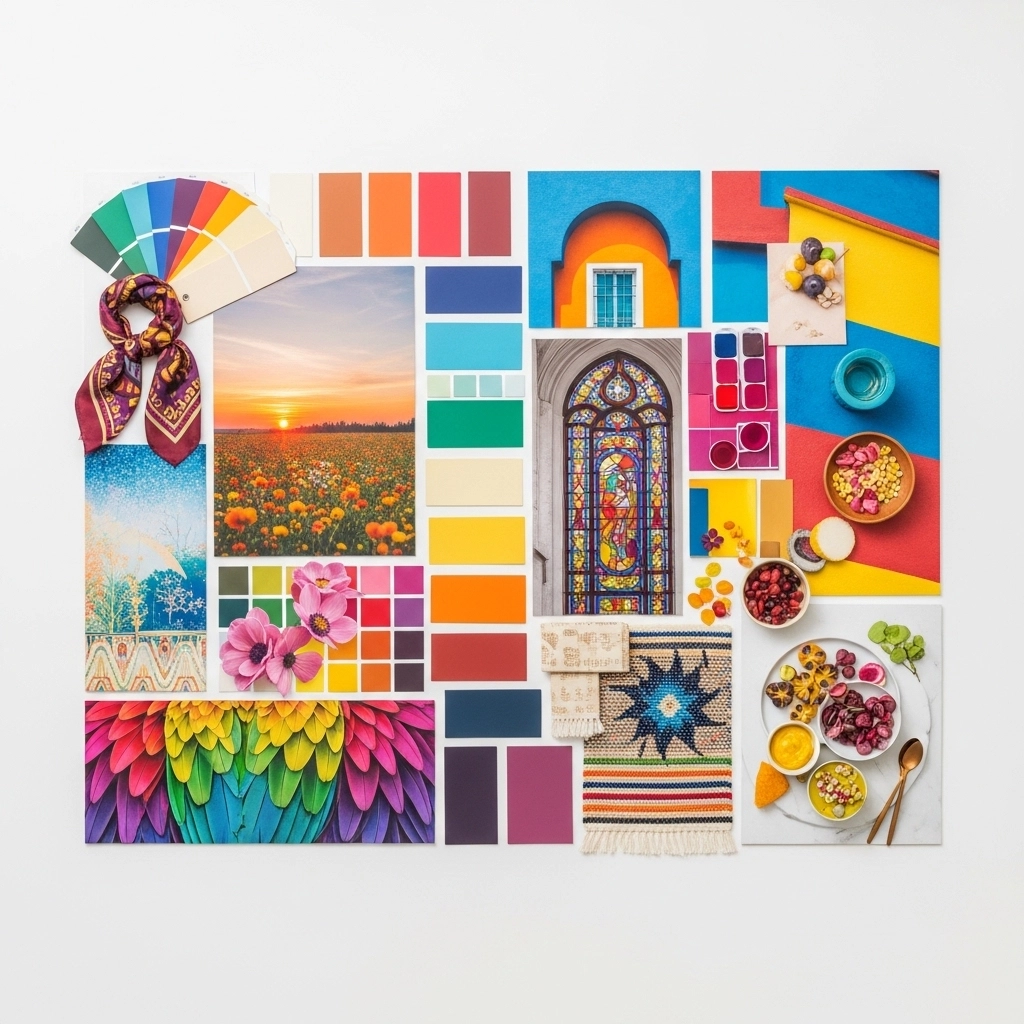
Sometimes the most focused and effective mood boards are built around a single color story. This concept is particularly useful for graphic designers and art directors who need to explore how a palette performs across different contexts. Gather images that reflect your chosen colors in nature, architecture, fashion, food, and art, then analyze how the palette shifts in tone and emotion depending on its application and surrounding elements.
7. The Typography Mood Board
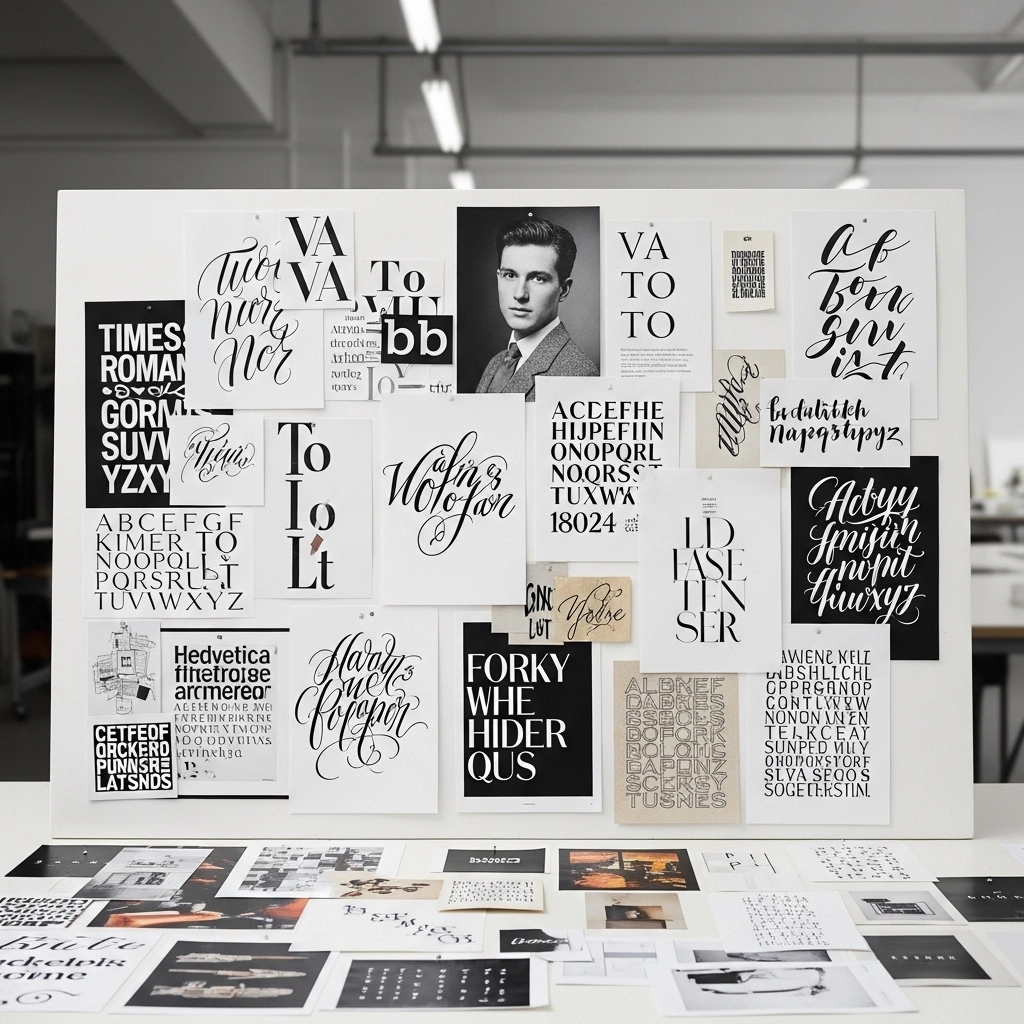
Typography carries enormous emotional weight in design, yet it is often underexplored at the mood board stage. A typography mood board assembles a variety of font styles, letter pairings, and typographic layouts to help define the visual voice of a project. Compare a condensed gothic serif against a flowing hand-lettered script to instantly understand how drastically type choices shape the personality of a brand or publication.
8. The Photography and Editorial Mood Board
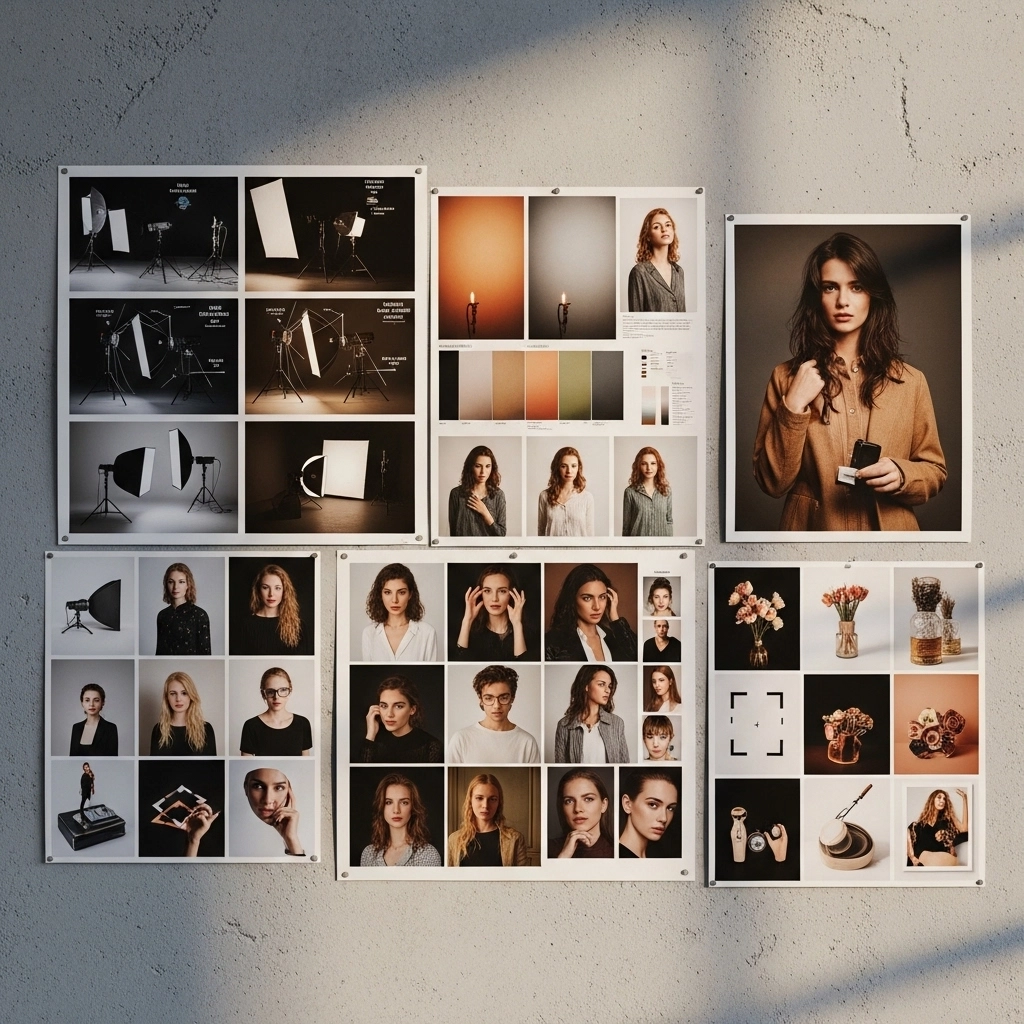
Whether you are planning a product shoot, a portrait session, or an editorial spread, a photography mood board aligns the entire creative team on lighting direction, color treatment, styling choices, and compositional approach. Reference images from other photographers, films, paintings, or even architecture can communicate more clearly than any written brief about what kind of images you are trying to create.
9. The Personal Vision Board
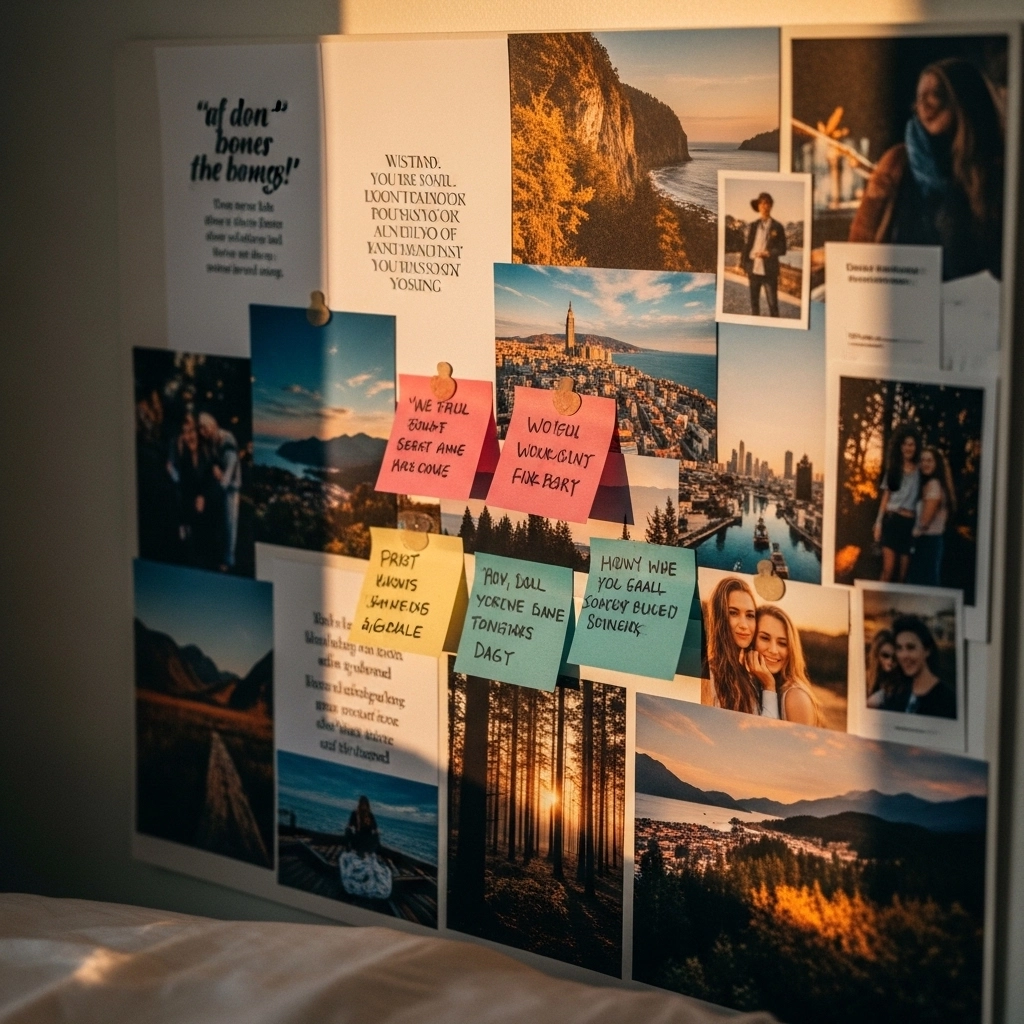
Distinct from professional creative boards, a personal vision board is an emotionally driven collection of images, quotes, and symbols that represent your goals, values, and aspirations. This is a particularly powerful tool for those who are navigating a life transition, starting a new chapter, or simply seeking greater clarity about what they want their everyday life to look and feel like. Many people create these at the start of a new year or a new phase of personal growth.
10. The Lifestyle Mood Board
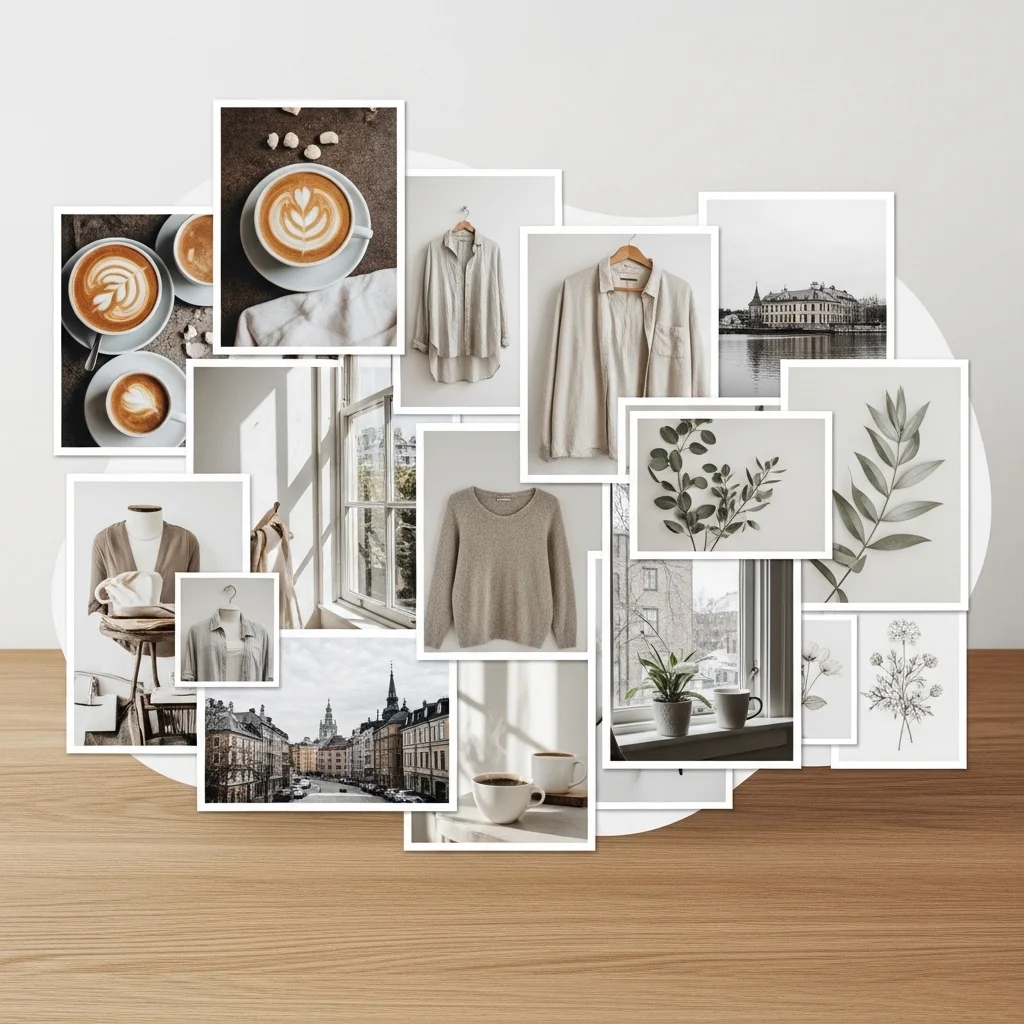
Lifestyle mood boards sit somewhere between a personal vision board and a brand board. They are used by content creators, bloggers, and social media strategists to define the visual tone of a personal brand. Elements might include preferred color palettes, types of photography, values, aesthetic inspirations, and lifestyle imagery that collectively reflect the creator’s identity and the experience they want their audience to have.
11. The Texture and Material Mood Board
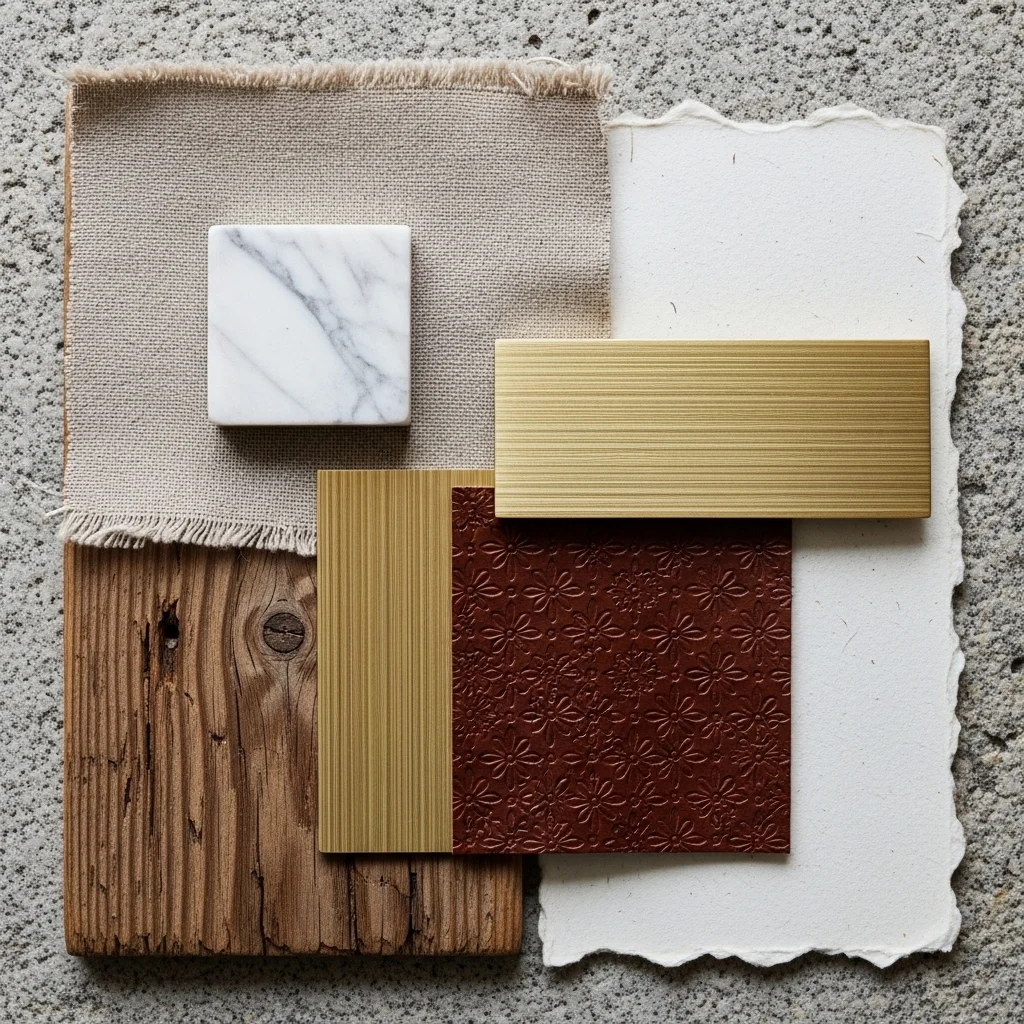
Particularly valuable in product design, architecture, and interior design, a texture and material mood board focuses entirely on how things feel rather than how they look in a finished state. Samples of wood grain, stone, fabric, metal finishes, and paper weights are organized together to help designers understand how materials will interact in a three-dimensional space. This type of board is often physical rather than digital, as the tactile experience of the materials is central to its purpose.
12. The Seasonal or Holiday Mood Board
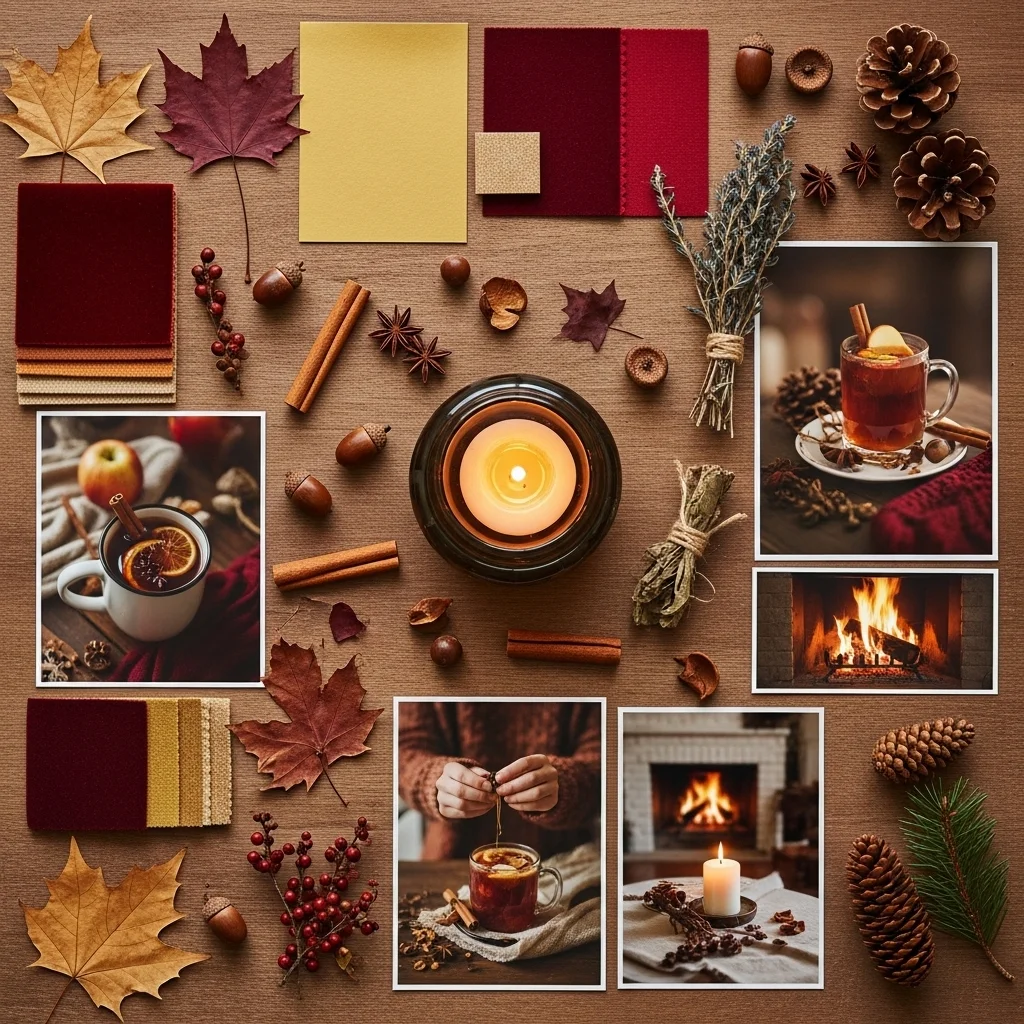
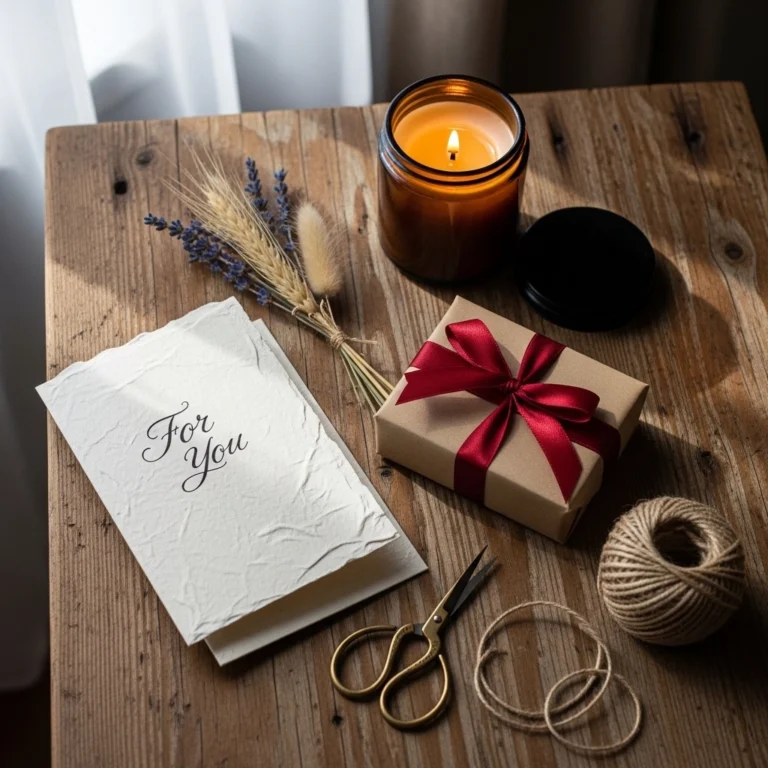
Retailers, marketers, event planners, and creative directors often build seasonal mood boards to align their teams around the visual and emotional themes of a specific time of year. A winter holiday board might include imagery of candlelight, evergreen botanicals, rich burgundy and gold tones, and traditional craftsmanship, while a summer board might center on bright citrus colors, open water, outdoor textures, and the energy of movement and warmth.
13. The Packaging Design Mood Board
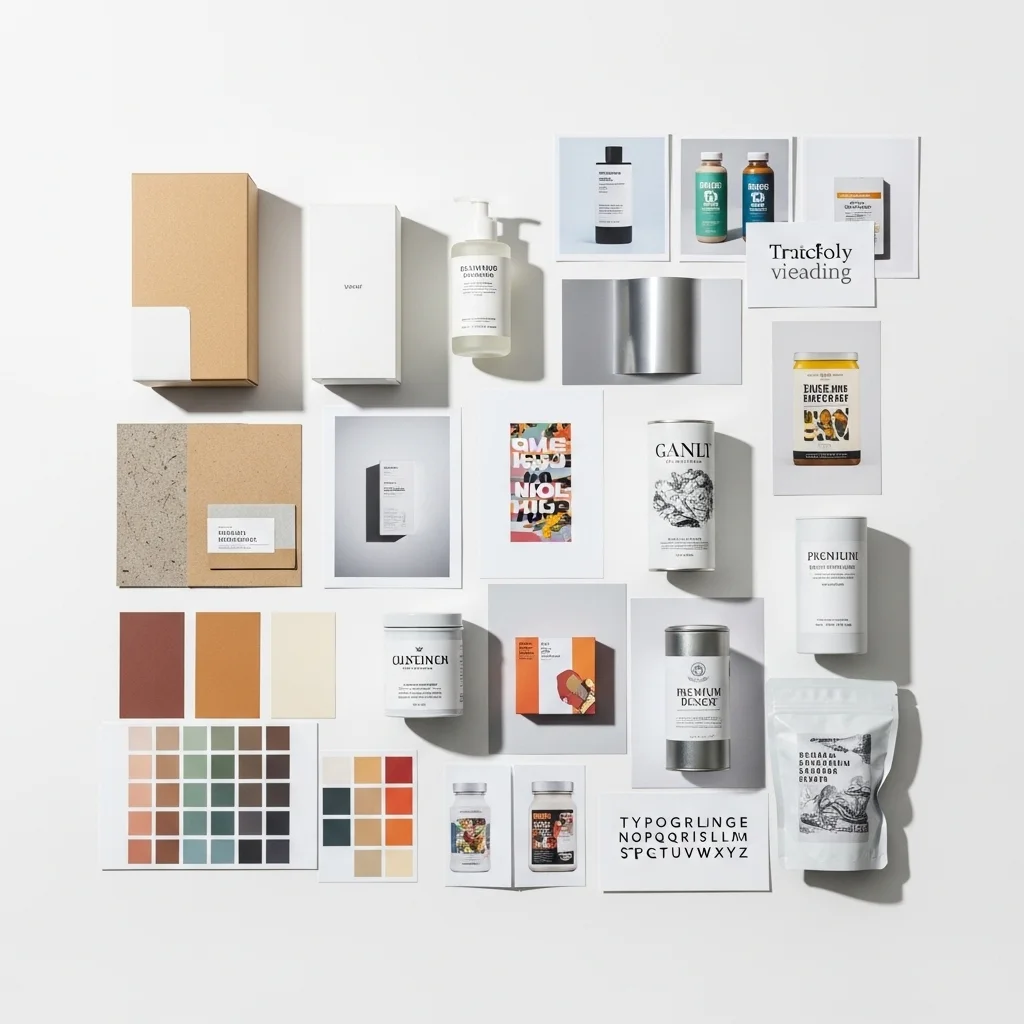
Packaging is often the first physical interaction a customer has with a brand, and it must tell a complete visual story in a very small space. A packaging mood board explores structural forms, material finishes, color combinations, label styles, and competitor references to help designers develop a packaging concept that is both original and commercially viable. This board often evolves through several rounds as the design becomes more refined.
14. The Web and UI Design Mood Board
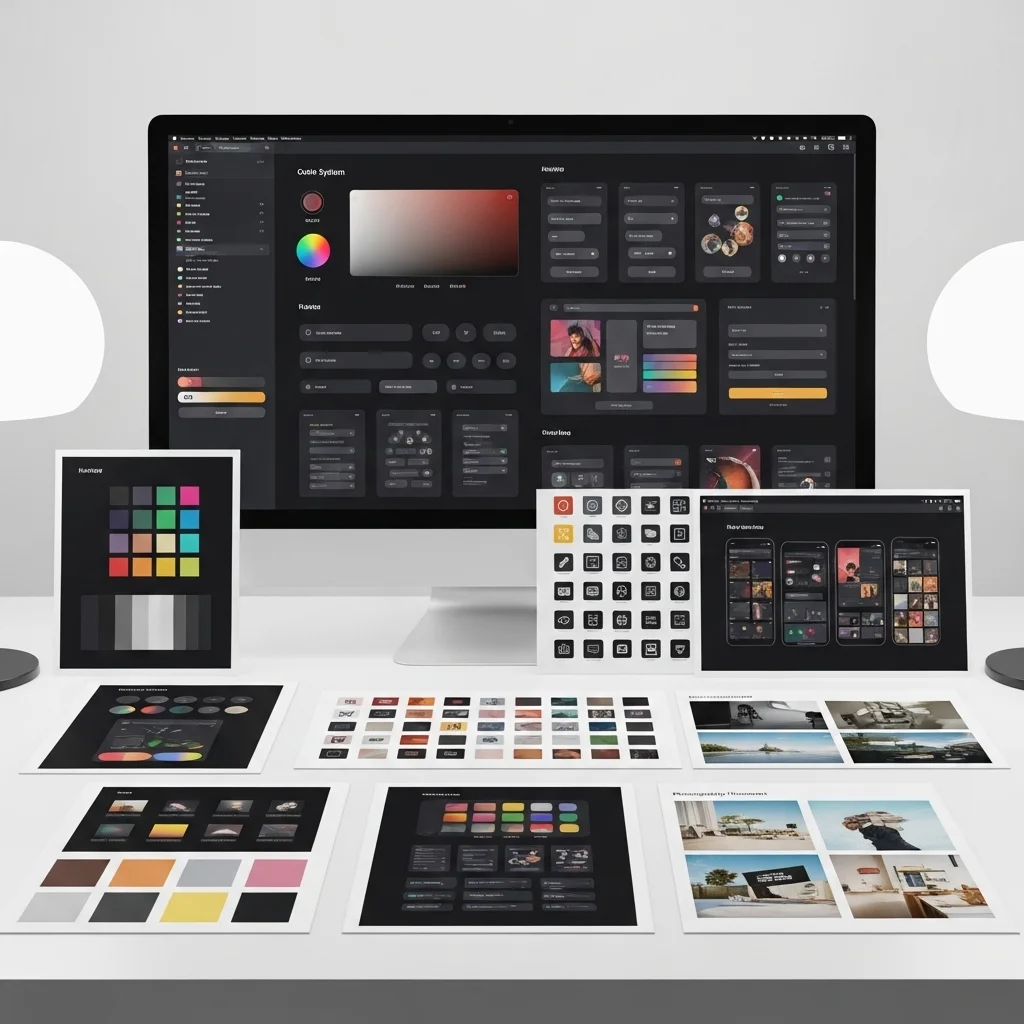
Digital product designers use web and interface mood boards to establish the visual direction of a website, app, or digital experience before any wireframes or prototypes are built. These boards include UI component references, color systems, icon styles, photography treatments, and motion references that collectively define how the digital product will look and feel across different devices and screen sizes.
15. The Music and Album Artwork Mood Board
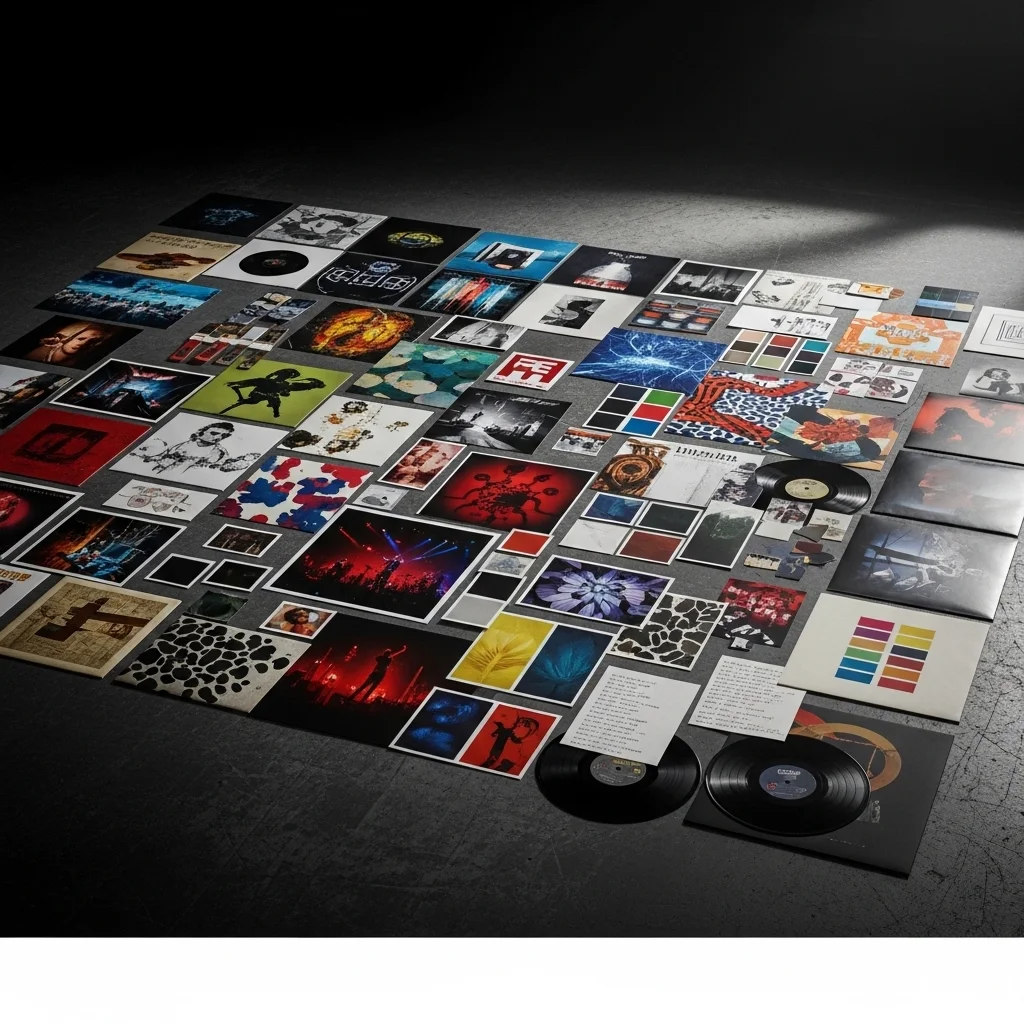
Musicians, art directors, and record labels use mood boards to develop the visual world of an album or artistic project. These boards explore imagery, color, texture, and cultural references that connect the music’s themes to a cohesive visual identity. The mood board for an introspective folk album will look dramatically different from one created for a high-energy electronic project, even if both are executed at the highest level of craft.
16. The Architectural Concept Mood Board
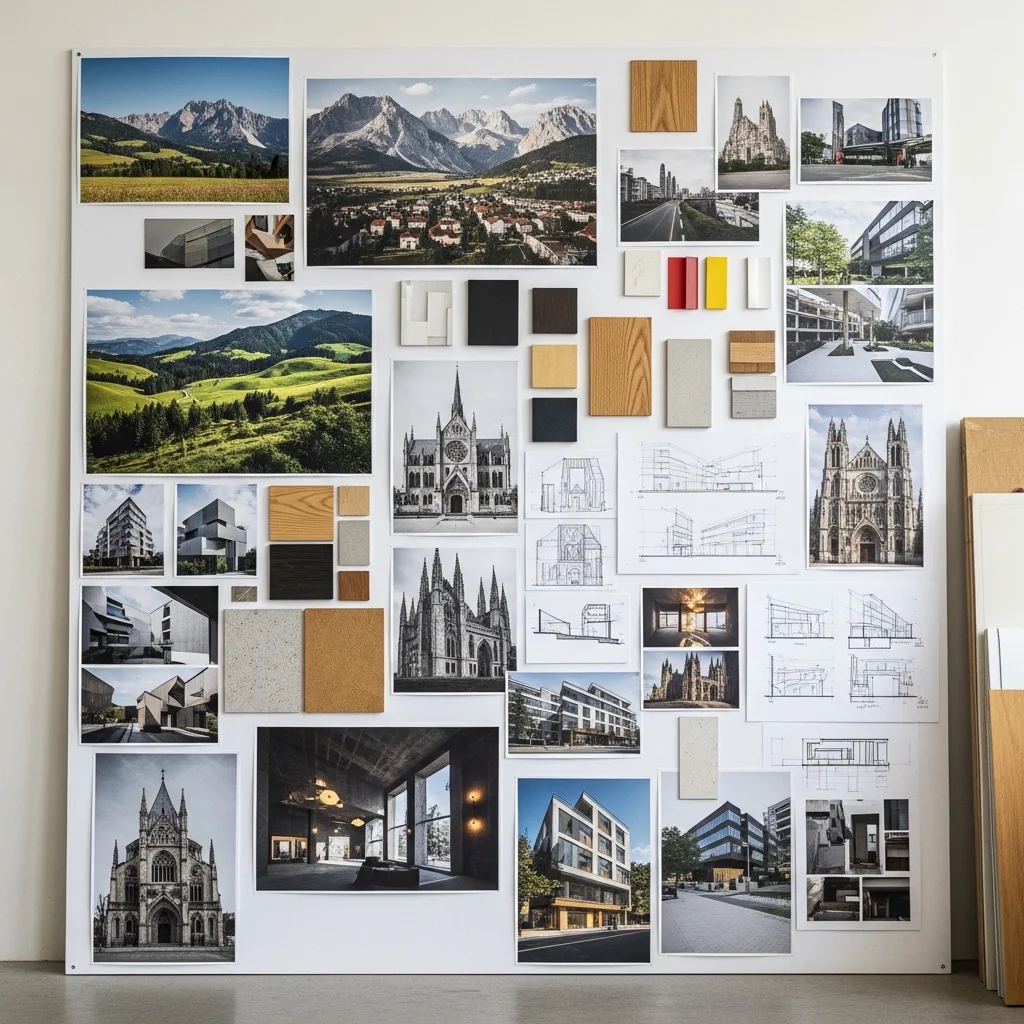
Architects and urban planners use concept mood boards early in the design process to communicate a building’s intended relationship with its environment, its cultural context, and the experience it is meant to create for those who inhabit it. These boards include landscape photography, material studies, historical architectural references, lighting studies, and even abstract imagery that conveys the spirit of the structure before a single technical drawing is produced. For more insight homeliaa.
17. The Event Design Mood Board
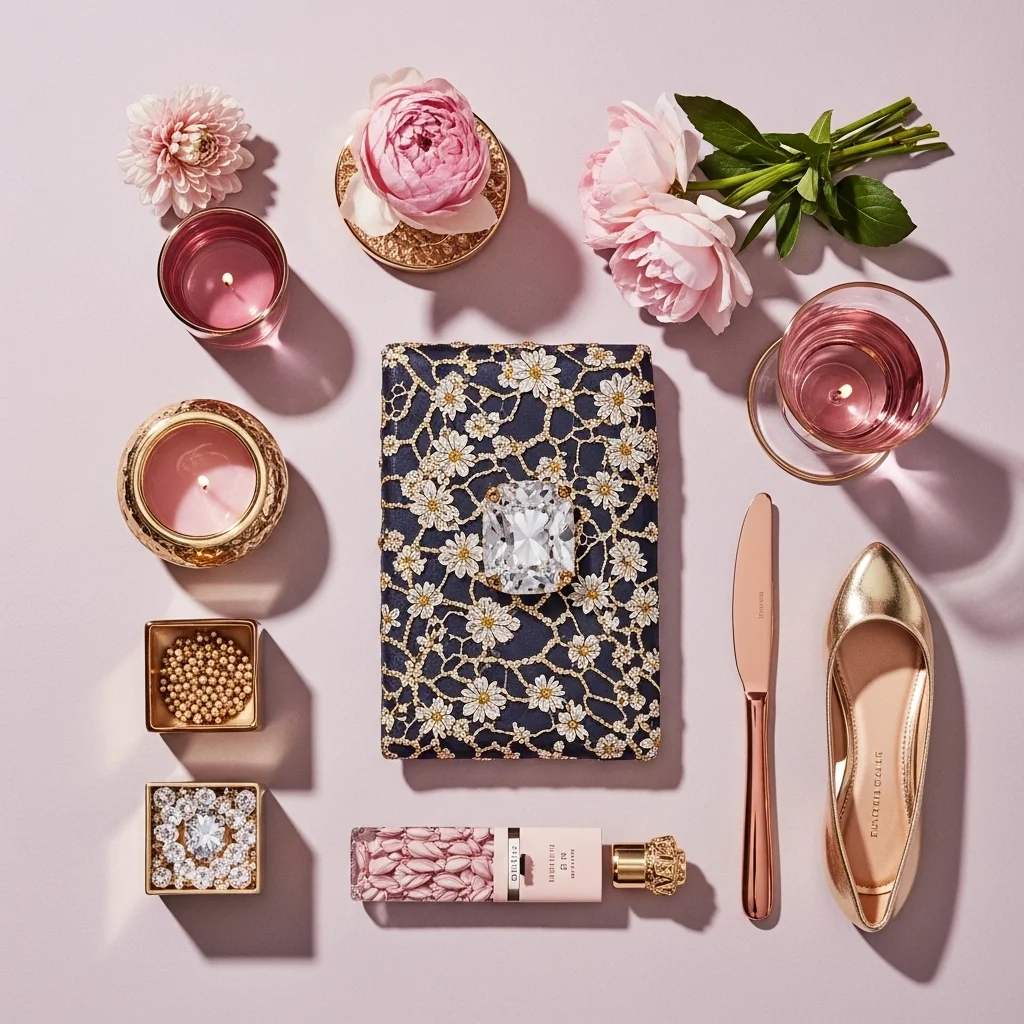
Event designers, florists, and experiential marketers rely on mood boards to ensure that every visual element of an event, from the entrance to the table settings to the lighting design, contributes to a single cohesive experience. A well-constructed event mood board allows clients to emotionally connect with a design concept before committing their budget and trust to a particular direction.
18. The Collage-Style Mood Board
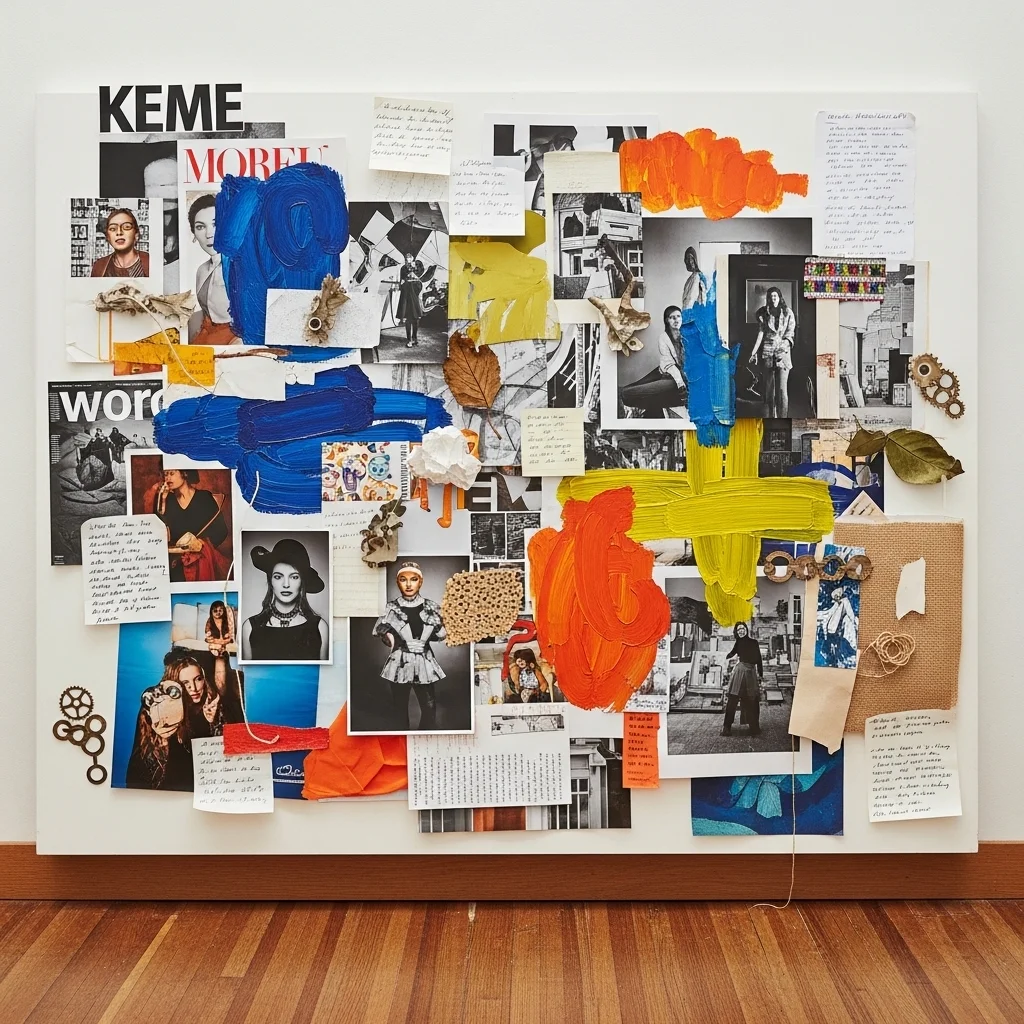
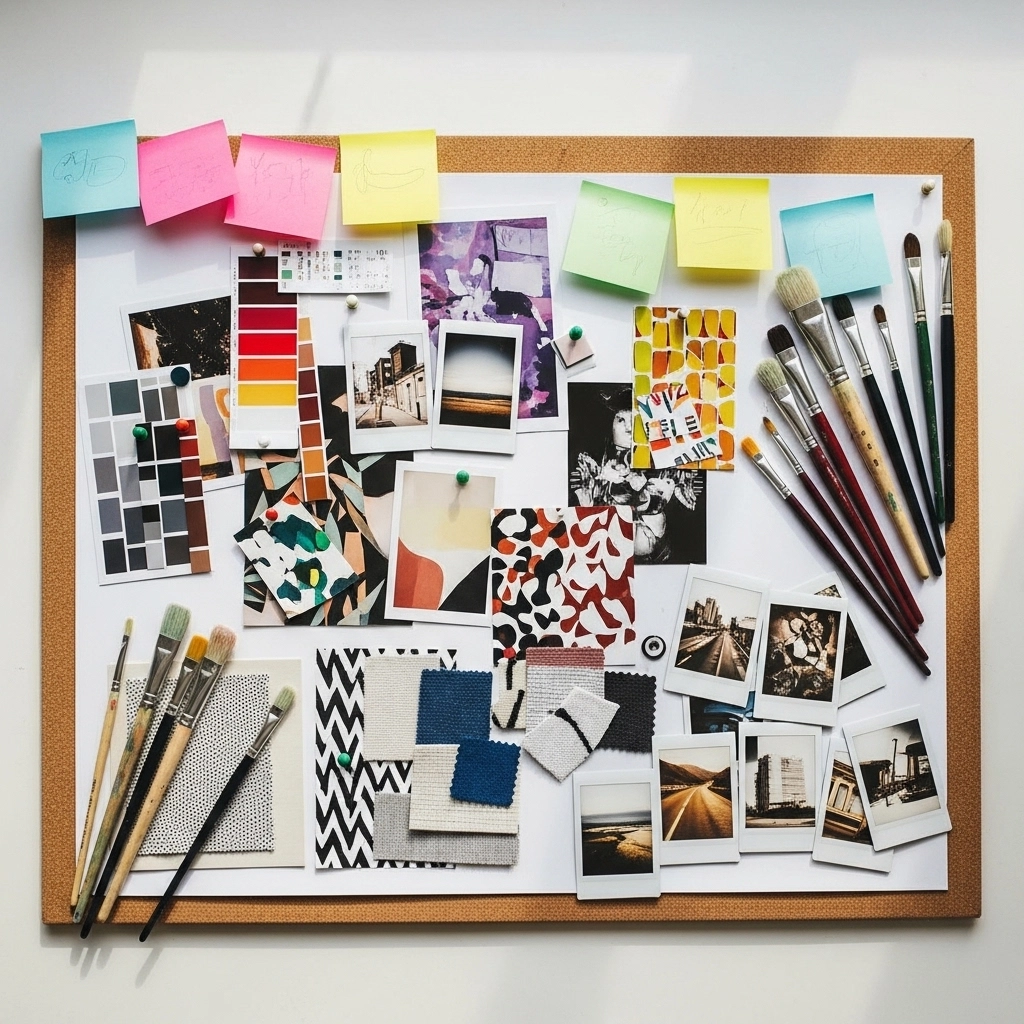
The collage approach to mood board creation is one of the most freeing and visually dynamic formats available. Rather than neatly organizing images into a grid, a collage mood board layers images, textures, torn paper edges, handwritten notes, and physical samples to create something that feels organic and alive. This format is particularly well-suited to fashion, art direction, and personal creative projects where intuition and emotional resonance matter more than precision.
19. The Minimalist Mood Board
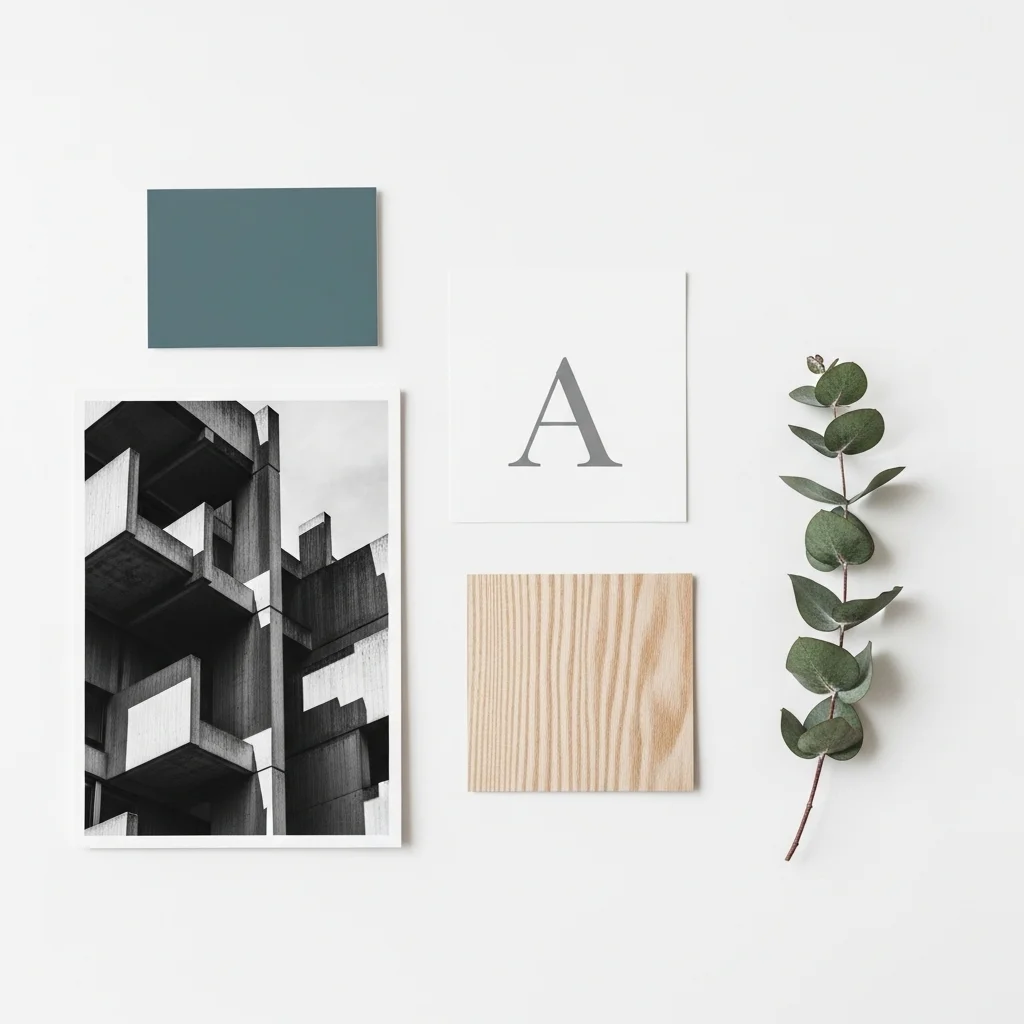
Not every mood board needs to be dense with information. A minimalist mood board uses restraint as a design principle, presenting only the most essential visual elements with generous white space around each one. This approach works beautifully for luxury brands, architecture, and any project where simplicity, calm, and elegance are core values. Every element on a minimalist board must earn its place, which forces a valuable level of creative discipline.
20. The Cross-Disciplinary Mood Board
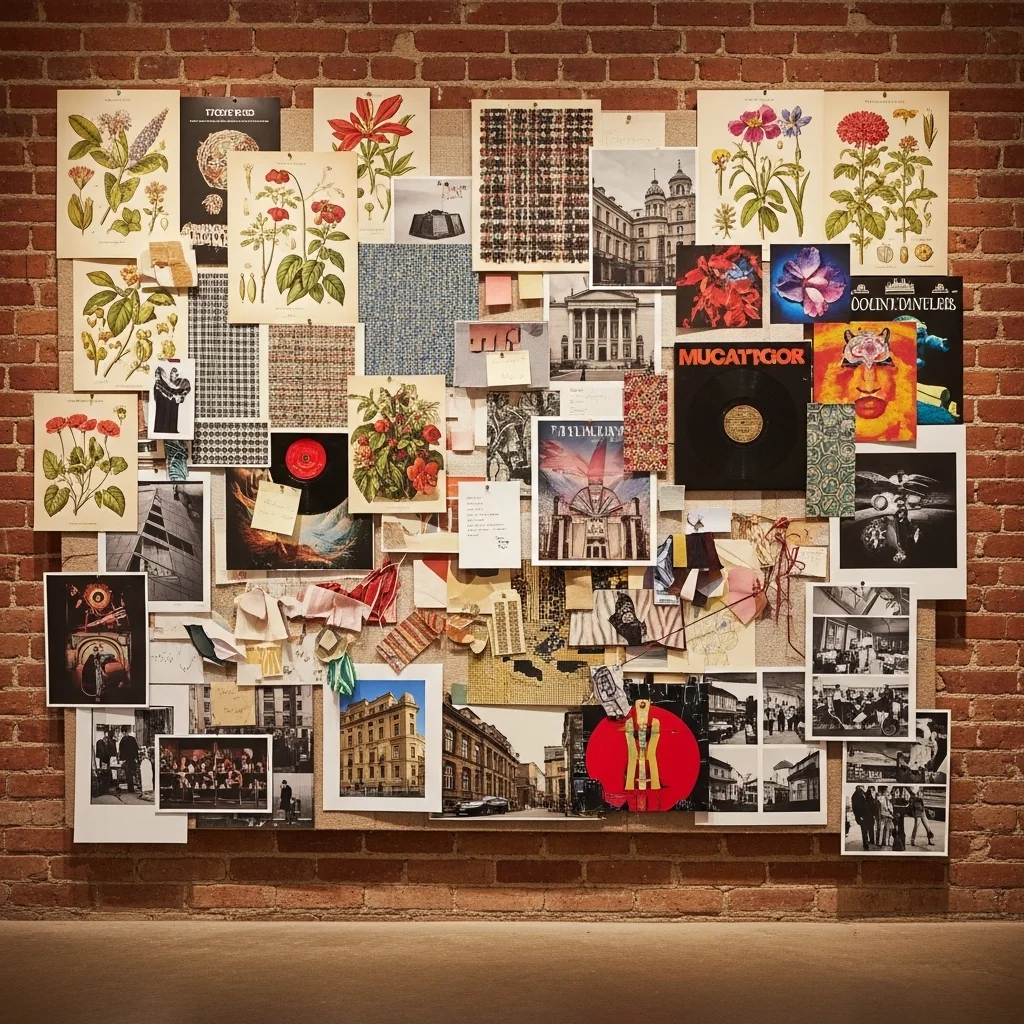
Some of the most exciting mood boards are those that deliberately draw inspiration from outside their own field. A graphic designer might pull from vintage scientific illustrations, textile patterns, and architectural photography. A filmmaker might gather references from paintings, music album covers, and documentary photography. Crossing disciplinary boundaries in your visual research consistently produces the most original and unexpected creative directions.
Conclusion
A mood board is far more than a collection of pretty images. At its best, it is a precise communication tool, a creative compass, and a shared visual language between collaborators. Whether you are building a brand from the ground up, designing a home, planning a wedding, or pursuing a deeply personal creative goal, the right mood board can clarify your thinking and accelerate your process in ways that words alone never could.
The 20 ideas for mood boards explored in this article represent only a starting point. The most effective mood board you will ever create is the one that is specifically designed for your project, your audience, and your creative instincts. Start collecting, start curating, and trust that the act of assembling visual inspiration is itself a meaningful and valuable part of the creative journey.
Frequently Asked Questions
1. What is the difference between a mood board and a vision board?
A mood board is primarily a professional creative tool used to define the visual direction and aesthetic of a specific project such as a brand, interior, or film. A vision board is a personal tool focused on goals, aspirations, and life intentions. While both use imagery and visual elements, their purposes and audiences are quite different.
2. Can I create a mood board without design experience?
Absolutely. Mood boards require no formal design training. Tools like Canva, Pinterest, and Milanote offer drag and drop interfaces and pre-made templates that make it easy for anyone to organize visual inspiration in a clear and compelling way.
3. Should a mood board be physical or digital?
Both formats are valid and serve different purposes. Physical mood boards are particularly useful in fields like interior design and product development where tactile material samples matter. Digital boards are easier to share with remote teams and clients and can be updated in real time.
4. How many images should a mood board contain?
There is no fixed number, but most effective mood boards contain between 8 and 20 elements. The goal is to have enough variety to tell a complete visual story without creating so much visual noise that the core direction becomes unclear.
5. How do I know when my mood board is finished?
A mood board is ready when every element on it contributes to a single, cohesive feeling or direction and when removing any one element would weaken the overall message. If something feels off or pulls the board in a different direction, it likely does not belong there.