
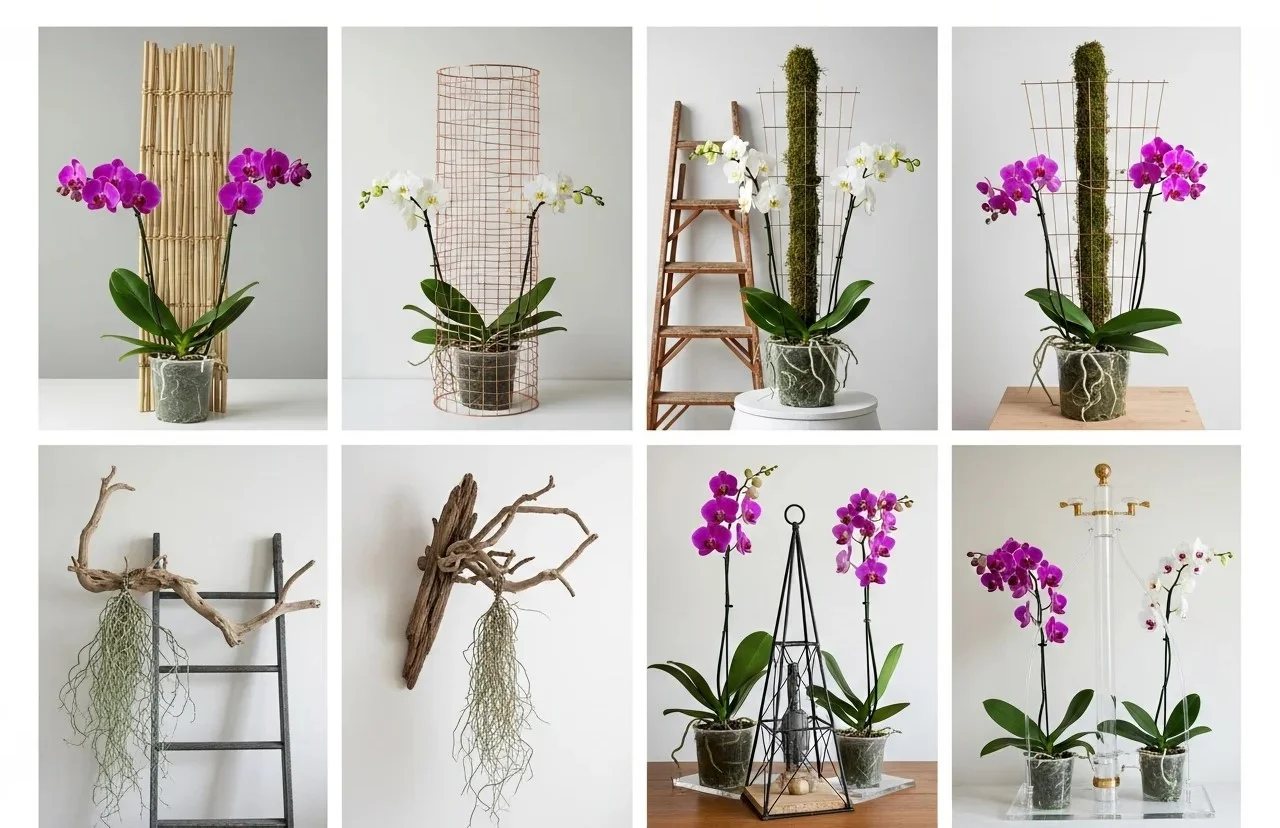
8+ Creative Orchid Trellis Ideas for Your Home
Orchids represent elegance and sophistication in indoor gardening, but many varieties require proper support to showcase their natural beauty. Whether you’re cultivating climbing orchids or simply want to display cascading blooms more effectively, the right trellis solution can transform your plant care routine and elevate your interior design. This comprehensive guide explores practical and creative orchid trellis ideas that combine functionality with aesthetic appeal, helping you create stunning displays that complement your home while supporting healthy plant growth.
Understanding the relationship between orchids and their support structures is essential for successful cultivation. Unlike many houseplants that grow compactly, certain orchid species naturally climb or spread in ways that benefit from guided support. The trellis you choose affects not just appearance but also air circulation, light exposure, and overall plant health.
Understanding Orchid Support Requirements
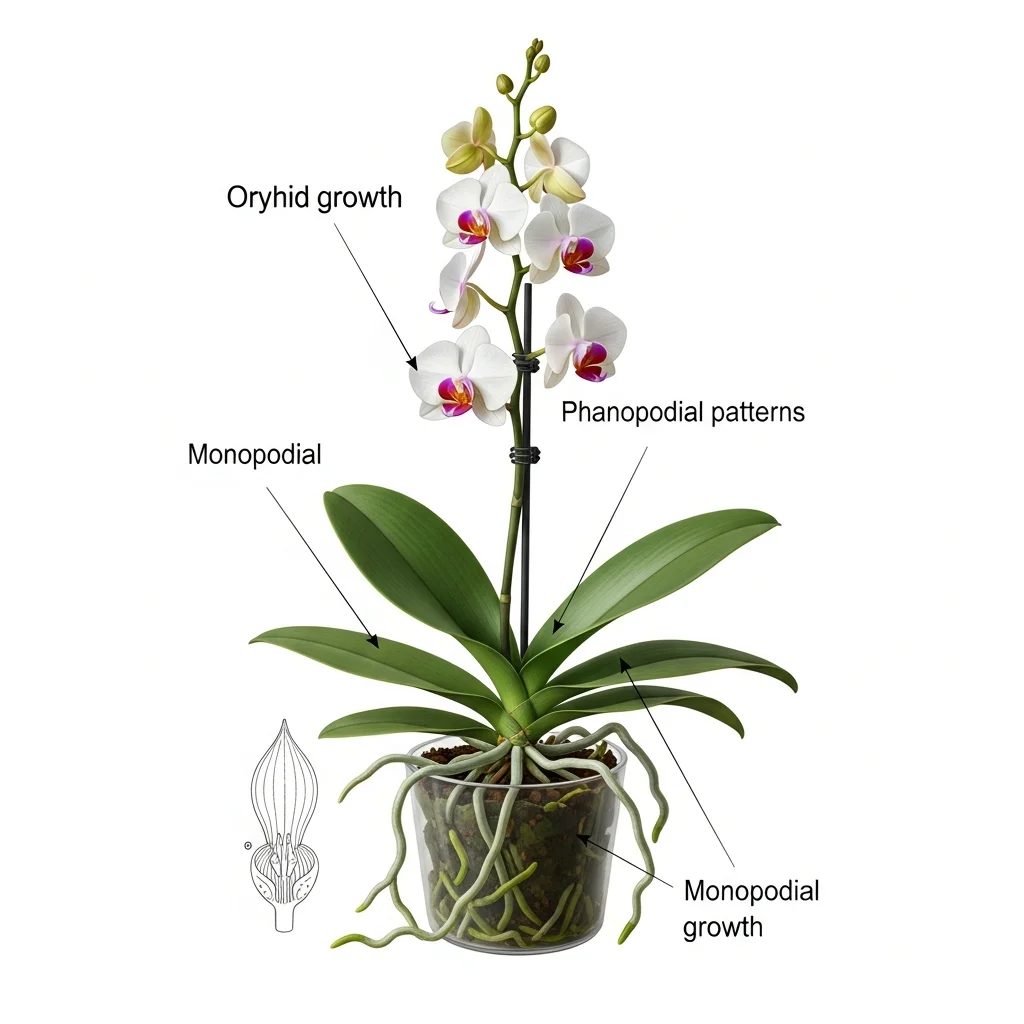
Before selecting a trellis design, it’s important to recognize that different orchid varieties have distinct growth patterns. Monopodial orchids like Phalaenopsis and Vanda grow vertically from a single stem, while sympodial varieties such as Cattleya and Dendrobium produce multiple stems from a rhizome. Some orchids develop aerial roots that naturally seek surfaces to attach themselves, making them ideal candidates for trellis systems.
The weight of mature blooms also influences trellis selection. Heavily flowering varieties need sturdy support to prevent stem breakage, while smaller species can thrive with delicate structures. Consider your orchid’s mature size, typical bloom weight, and natural growth tendency when planning your support system.
Bamboo Stake Arrangements
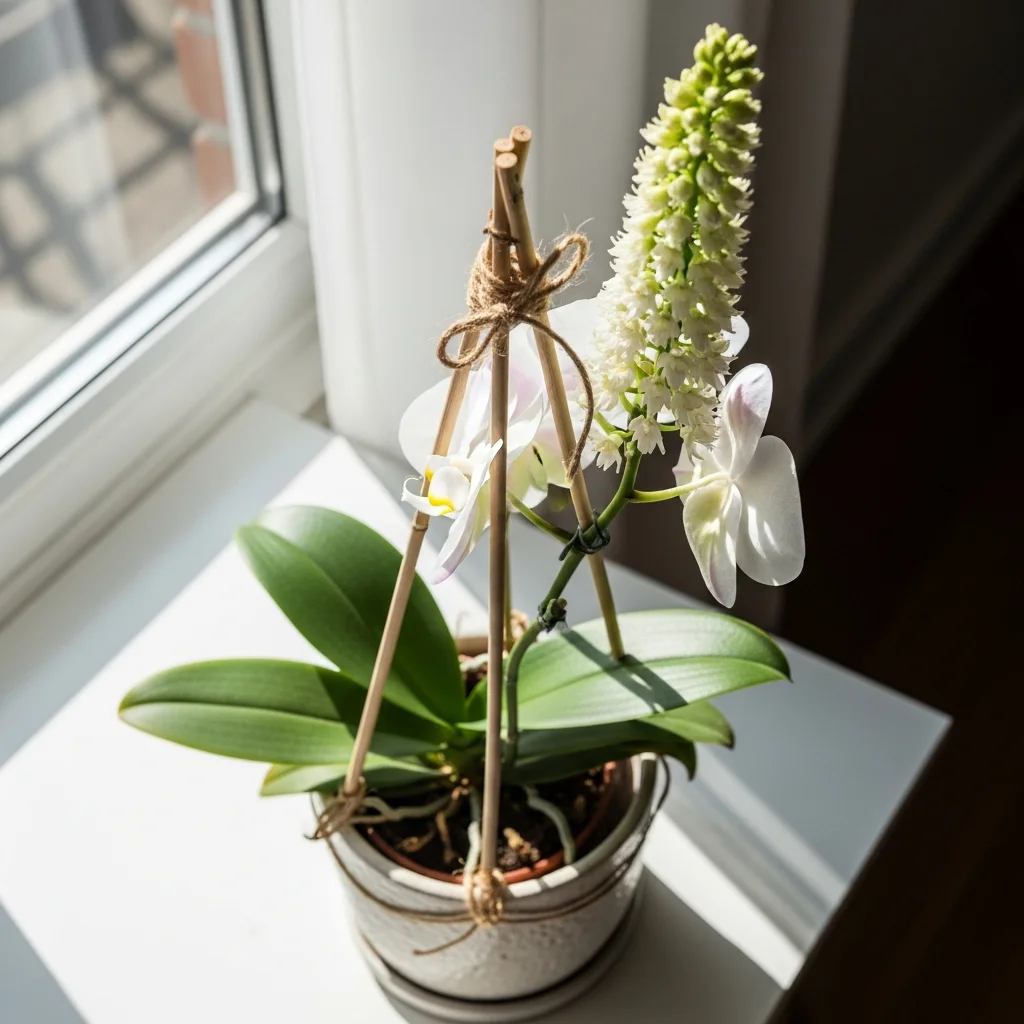
Bamboo remains one of the most versatile and accessible materials for orchid trellises. Its natural appearance complements the organic beauty of orchids while providing reliable support. Single bamboo stakes work well for upright orchids with flower spikes, but creative arrangements offer more possibilities.
Try positioning three bamboo stakes in a triangular formation within the pot, then connecting them at various heights with natural jute twine. This creates a pyramid structure that supports multiple stems while maintaining an understated aesthetic. The spacing between stakes allows for excellent air circulation, which orchids require to prevent root rot and fungal issues.
For a more artistic approach, bend thin bamboo pieces into gentle arcs and secure them to create flowing, asymmetric shapes. This technique works beautifully with cascading orchid varieties, guiding their growth along graceful curves that enhance the plant’s natural elegance. The flexibility of young bamboo makes it easy to customize shapes to match your specific space and design preferences.
Wire and Mesh Trellis Systems
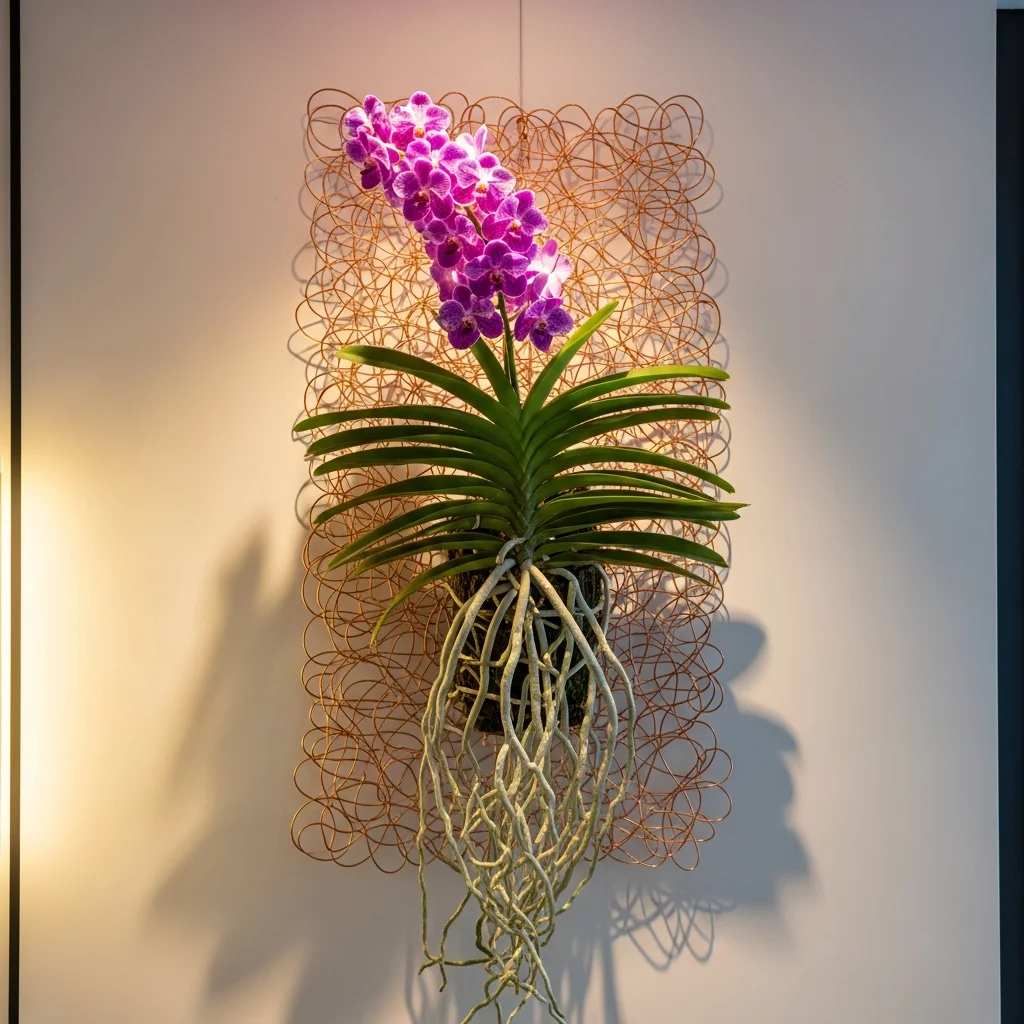
Metal wire offers durability and design flexibility that bamboo cannot match. Copper wire develops an attractive patina over time, adding vintage charm to your orchid display. Create custom shapes by bending heavy gauge wire into spirals, hearts, or abstract forms that serve as both plant support and sculptural elements.
For orchids with extensive aerial root systems, wire mesh panels provide ideal attachment surfaces. Cut hardware cloth or chicken wire to size, frame it with wood or leave it exposed for an industrial aesthetic, then mount it behind your orchid. The mesh allows roots to weave through naturally while supporting flower spikes. This approach works exceptionally well for Vanda orchids, which thrive when their roots remain exposed to air.
Decorative wire plant cages typically used for tomatoes can be repurposed as elegant orchid supports. Choose black powder-coated versions for modern interiors or verdigris-finished options for traditional spaces. The circular design provides 360-degree support, allowing you to rotate your orchid for even growth and optimal viewing angles.
Moss Pole and Totem Structures
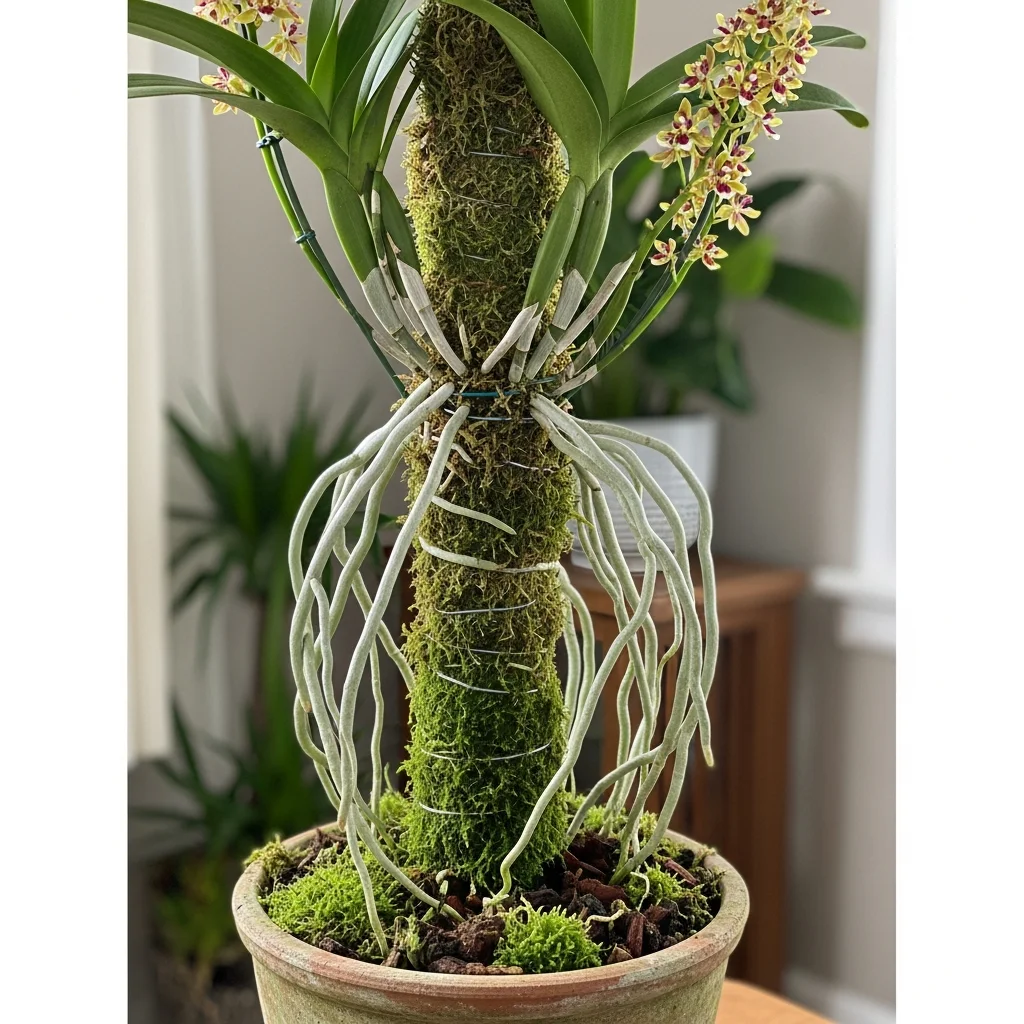
Moss poles replicate the natural tree bark environment where many orchids grow in their native habitats. These vertical structures wrapped in sphagnum moss provide both physical support and moisture retention benefits. The textured surface encourages aerial roots to attach naturally, promoting healthier root development and stronger plants.
Create a DIY moss pole by wrapping a PVC pipe or wooden dowel with moistened sphagnum moss, securing it with fishing line or thin wire. Insert the pole firmly into the potting medium before your orchid becomes too established. As the plant grows, gently guide aerial roots toward the moss surface. Regular misting keeps the moss slightly damp, providing atmospheric humidity that orchids appreciate.
For dramatic visual impact, construct a tall totem using stacked cork bark pieces. Cork’s natural cavities and rough texture offer numerous attachment points for roots while adding organic texture to your display. This option suits larger orchid specimens and creates a striking focal point in any room. The insulating properties of cork also help moderate temperature fluctuations around the root zone.
Repurposed Household Items as Creative Supports
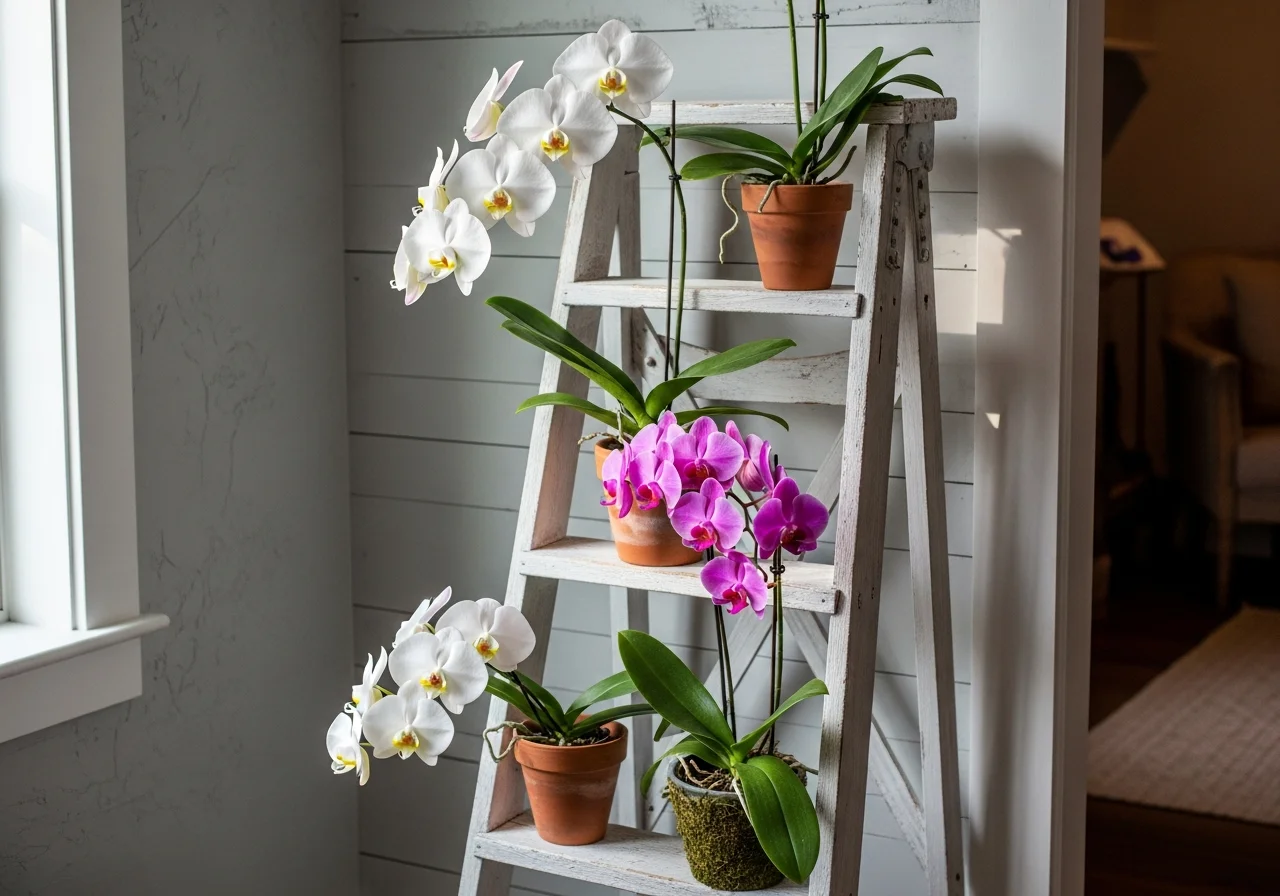
Innovation in orchid care doesn’t require specialty purchases. Many household items can be transformed into functional and attractive trellis alternatives. Vintage wooden ladders provide rustic charm while offering multiple levels for displaying several orchids with varying heights. Lean a small decorative ladder against a wall, securing orchids at different rungs to create a living botanical display.
Old wire whisks make surprisingly effective individual orchid supports. Remove the handle, invert the whisk, and insert it into the potting medium. The radiating wires provide gentle support for flower spikes while adding whimsical character. This works particularly well for smaller Phalaenopsis orchids on kitchen windowsills or breakfast nook displays.
Decorative coat hooks mounted on wall-mounted boards create vertical orchid gardens. Attach orchids in clear hanging pots or mounted on cork bark sections, hooking them at varying heights. This arrangement maximizes vertical space in small apartments while allowing easy rotation and care access. The wall-mounted approach also facilitates better light distribution compared to traditional pot placement.
Natural Branch and Driftwood Mounts
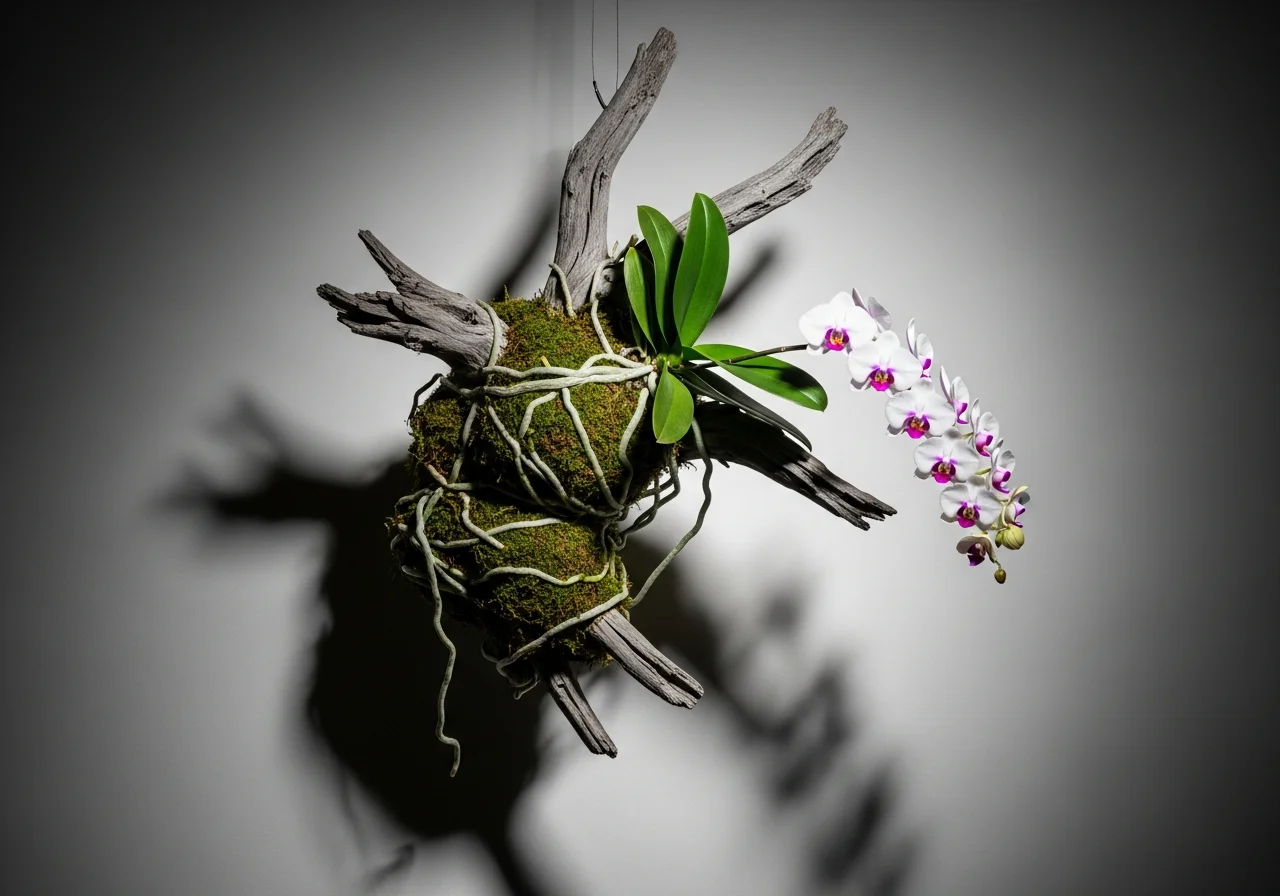
Mounting orchids on natural branches or driftwood pieces creates museum-quality displays that honor the epiphytic nature of these plants. This method eliminates traditional pots entirely, allowing roots full exposure to air and creating stunning three-dimensional presentations.
Select branches with interesting shapes, multiple smaller offshoots, and textured bark. Hardwoods like oak or manzanita resist decay better than softer woods. Secure your orchid to the branch using plastic-coated wire or cotton string, cushioning the attachment point with a small amount of sphagnum moss. Position the mount where it receives appropriate light and can be easily misted several times weekly.
Driftwood pieces offer similar benefits with distinctive weathered aesthetics. Their smooth, gray surfaces provide neutral backdrops that make colorful orchid blooms stand out dramatically. Larger driftwood sections can support multiple orchids, creating complex arrangements that evolve as plants mature. This approach particularly suits Oncidium and Dendrobium varieties that naturally grow on tree branches in tropical forests.
Decorative Metal Obelisks and Garden Structures
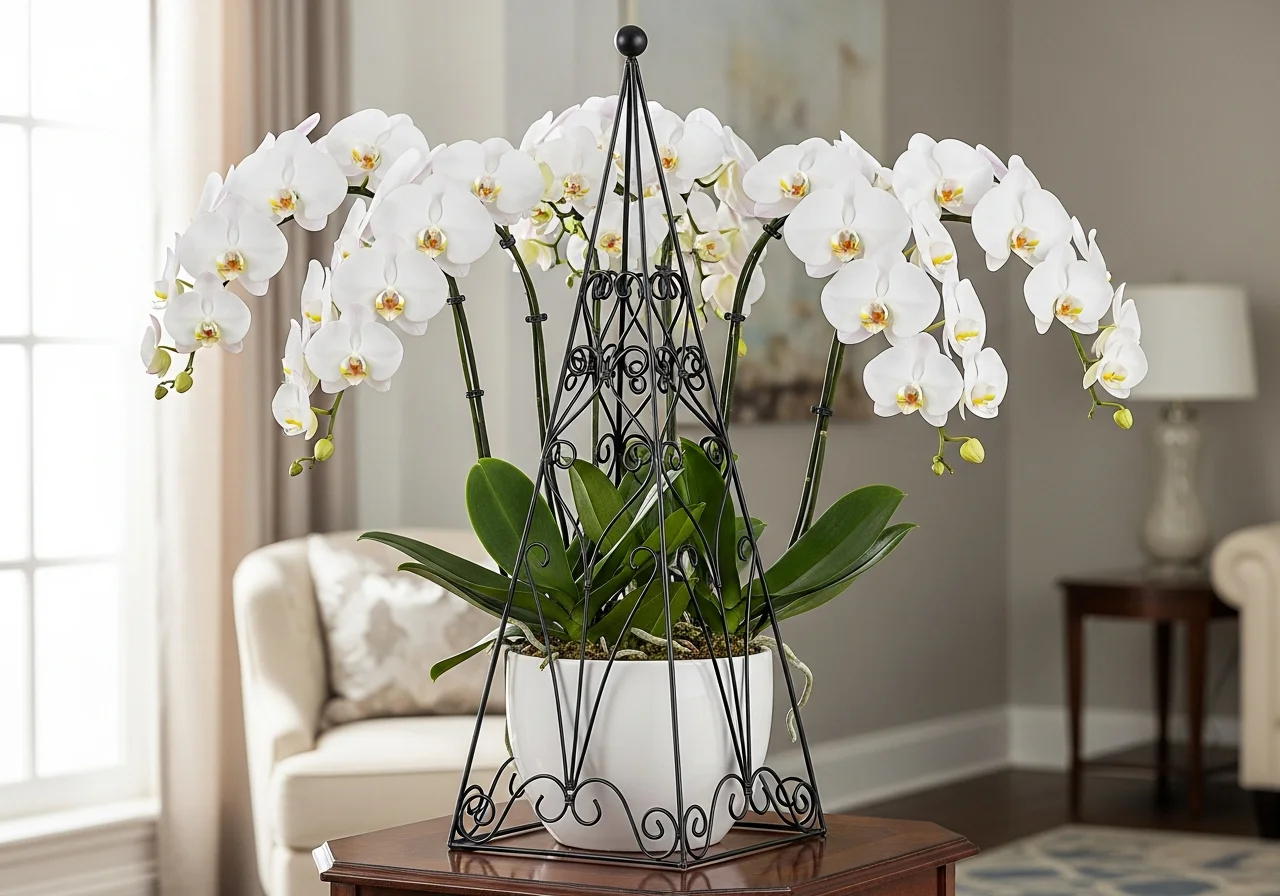
Miniature garden obelisks designed for outdoor climbing plants adapt beautifully to indoor orchid support. These four-sided pyramidal structures provide stability and architectural interest. Choose versions with finials and decorative scrollwork to enhance formal interiors, or select clean-lined modern designs for contemporary spaces.
The open framework of obelisks allows orchid stems to be gently trained along the metal structure using soft plant ties. As flowers open, they appear to float around the trellis rather than drooping under their own weight. This three-dimensional display showcases blooms from all angles, making obelisks ideal for orchids positioned as room centerpieces.
Wrought iron plant stands with built-in trellis backs combine display platforms with vertical support. These furniture-style pieces elevate orchids to eye level while providing integrated support structures. Look for designs with multiple tiers to create layered displays featuring several orchids at once, maximizing visual impact in compact spaces.
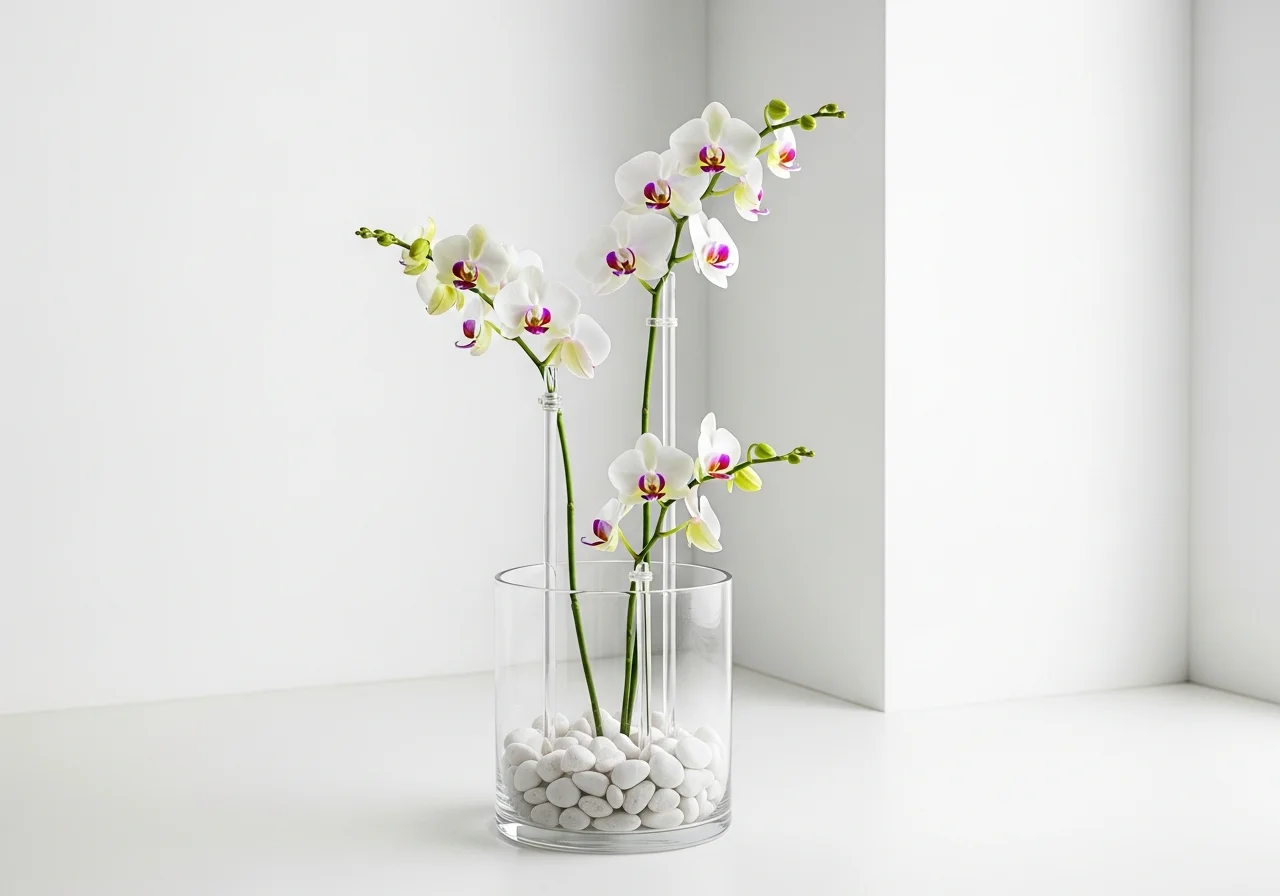
Acrylic and Glass Support Systems
Modern minimalist interiors benefit from transparent support systems that maintain clean sightlines while providing necessary structure. Clear acrylic rods can be inserted into pots and adjusted to perfect heights without visual clutter. These nearly invisible supports let the orchid itself remain the focal point without competing design elements.
Glass plant stakes with decorative blown glass toppers offer functional elegance. Available in various colors and artistic styles, these supports add subtle personality while holding flower spikes upright. The weight of glass provides excellent stability for heavy blooms, and the smooth surface won’t damage delicate stems.
For orchids displayed in glass containers, consider internal support systems that become part of the design. Arrange smooth river stones or glass beads around clear acrylic supports, creating layered visual interest that’s visible through transparent walls. This technique works especially well with water culture orchids, where roots and support structures both contribute to the overall aesthetic.
Living Trellis Concepts with Companion Plants
Advanced orchid enthusiasts can explore living trellis concepts where companion plants provide structural support. Certain ferns with sturdy fronds or Spanish moss arrangements can cradle orchid roots while creating lush, naturalistic displays. This approach requires understanding companion plant needs to ensure compatible watering and light requirements.
Establish a fern like Boston fern or bird’s nest fern in a larger container, then position your orchid so its roots can intermingle with the fern’s root system. The fern’s foliage provides natural support for orchid stems while creating a verdant backdrop for blooms. This symbiotic arrangement mimics tropical forest conditions where orchids naturally grow alongside other epiphytes.
Mounted cork bark panels covered in preserved moss create living walls where multiple orchids can be attached at varying heights. The moss layer retains moisture and provides cushioning for roots, while the vertical arrangement conserves floor space. This dramatic installation approach transforms entire walls into botanical artwork, ideal for dedicated plant rooms or conservatories.
Seasonal Adjustments and Maintenance Considerations
Effective orchid trellising isn’t static. As plants grow and bloom cycles change, adjust support structures accordingly. During active growth periods, monitor how stems interact with trellises and add soft ties or adjust positioning to prevent damage. When orchids enter dormancy, some support elements can be removed or repositioned to accommodate pruning and maintenance.
Inspect trellis materials regularly for signs of wear, especially organic materials like bamboo or jute that can degrade in humid conditions. Replace compromised supports before they fail under the weight of blooming plants. Clean non-organic materials like wire or acrylic periodically to prevent algae buildup, which can occur in humid orchid-growing environments.
Consider rotating supported orchids quarterly to ensure even growth and prevent stems from permanently leaning toward light sources. This practice maintains balanced plant architecture and prevents support structures from becoming stressed on one side. Rotation also allows you to inspect all sides of your orchid for pest issues or emerging problems.
Conclusion
Selecting and implementing the right orchid trellis transforms plant care from simple maintenance into creative expression. Whether you prefer the natural simplicity of bamboo stakes, the architectural presence of metal obelisks, or the innovative approach of repurposed household items, your chosen support system should balance functionality with personal style.
The most successful orchid displays consider both the plant’s biological needs and the aesthetic goals of your space. Trellises that provide adequate support while complementing your interior design create harmonious living arrangements where plants and decor enhance each other. Experiment with different materials and configurations to discover what works best for your specific orchid varieties and growing conditions.
Remember that effective orchid support evolves with your plants. Start with simple solutions and expand your approach as you gain experience and confidence. The creative possibilities are virtually limitless, allowing your orchid collection to grow in both size and visual impact while maintaining the health and vitality these remarkable plants deserve.
Frequently Asked Questions
What type of trellis works best for Phalaenopsis orchids?
Phalaenopsis orchids typically need simple vertical support for their flower spikes. Single bamboo stakes or thin metal rods work perfectly, as these orchids don’t climb but merely need help holding blooms upright. Use soft plant ties to gently secure the spike without restricting growth.
Can I use outdoor garden trellises for indoor orchids?
Yes, many outdoor trellis designs adapt well to indoor orchid care, especially miniature versions. Ensure the material is appropriate for indoor humidity levels and won’t rust or degrade. Scale is important since most indoor orchids are smaller than outdoor climbing plants.
How do I attach orchids to moss poles without damaging roots?
Gently position aerial roots against the moss surface and secure them loosely with soft cotton string or plastic-coated wire. Never force roots or tie them tightly. Over time, roots will naturally attach themselves to the moist moss surface without additional securing.
Do all orchids need trellis support?
Not all orchids require trellises. Compact varieties with sturdy stems often support their own blooms adequately. However, orchids with tall flower spikes, heavy blooms, or climbing growth habits benefit significantly from proper support structures that prevent stem breakage and improve display aesthetics.
What’s the most budget-friendly orchid trellis option?
Bamboo stakes represent the most economical choice, widely available at garden centers for minimal cost. Repurposed household items like wire hangers reshaped into supports or decorative branches collected outdoors offer free alternatives. Simple DIY options using materials you already own provide excellent functionality without financial investment.

One Comment