

18+ Creative Ways to Fold a Blanket into a Pillow
There’s something universally frustrating about wanting to take a quick nap but lacking a proper pillow. Whether you’re camping outdoors, stuck on a long flight, or simply relaxing on your couch without adequate cushioning, the discomfort can turn relaxation into restlessness. The good news is that the solution might already be within arm’s reach. Learning how to fold a blanket into a functional pillow transforms an ordinary household item into a versatile comfort tool that serves you anywhere, anytime.
Mastering various blanket-folding techniques isn’t just about creating makeshift pillows. It’s about maximizing the utility of your belongings, saving money on travel accessories, and developing practical skills that enhance your daily comfort. From simple rectangular folds perfect for beginners to advanced techniques that create professionally firm pillows, this comprehensive guide walks you through over eighteen creative methods that address different situations, blanket types, and comfort preferences.
Understanding the Basics of Blanket Pillow Folding
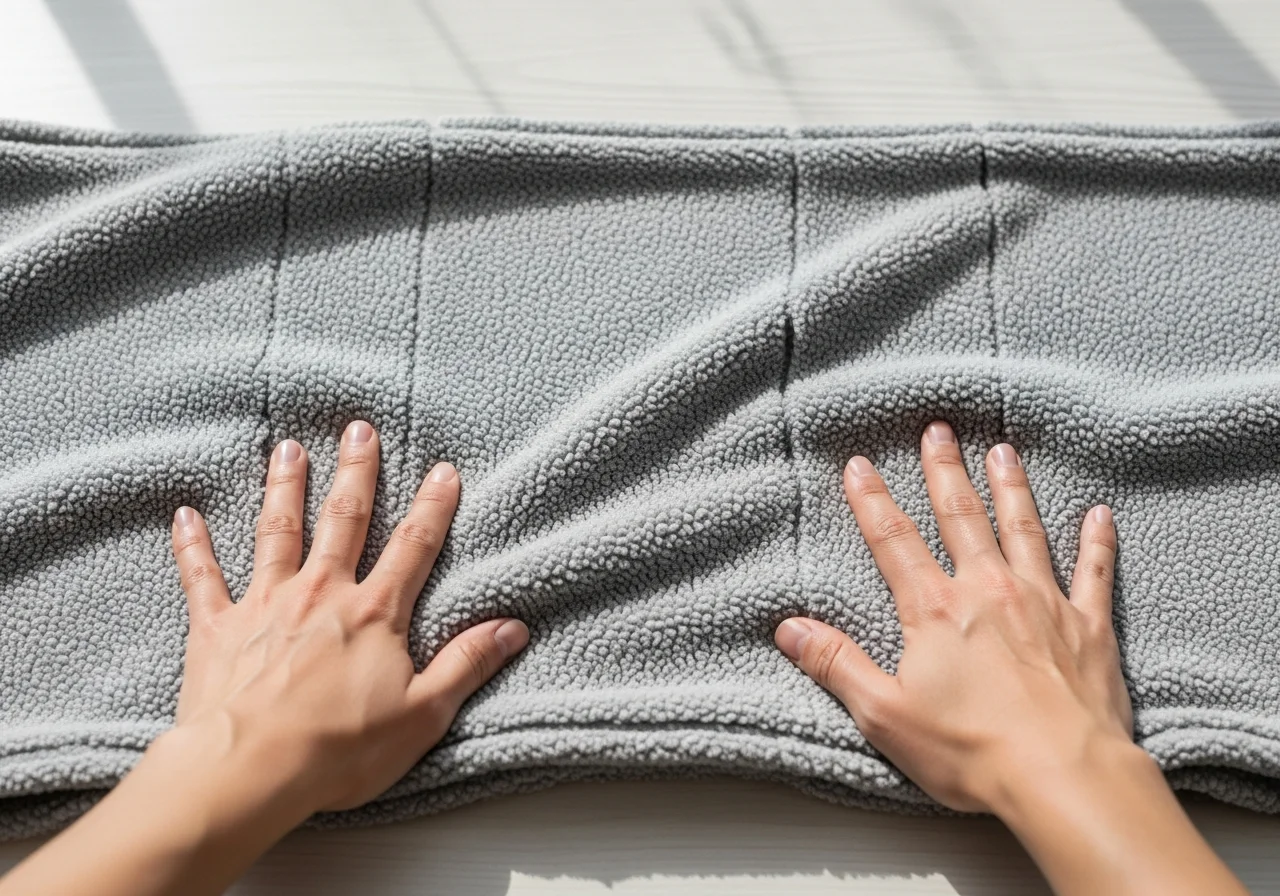
Before diving into specific techniques, it’s essential to understand what makes a folded blanket work effectively as a pillow. The fundamental principle involves creating sufficient layers to provide cushioning while maintaining structural integrity so the blanket doesn’t unfold during use. The thickness of your blanket, its material composition, and your intended use all influence which folding method works best.
Different materials respond differently to folding. Fleece blankets offer excellent loft and cushioning with fewer folds, making them ideal for soft, comfortable pillows. Cotton blankets require more layers to achieve adequate thickness but provide breathable, cooler sleeping surfaces. Weighted blankets, while heavier, can create exceptionally supportive neck pillows when folded correctly. Understanding these material properties helps you select the appropriate technique for your specific blanket.
The Classic Rectangle Fold Method
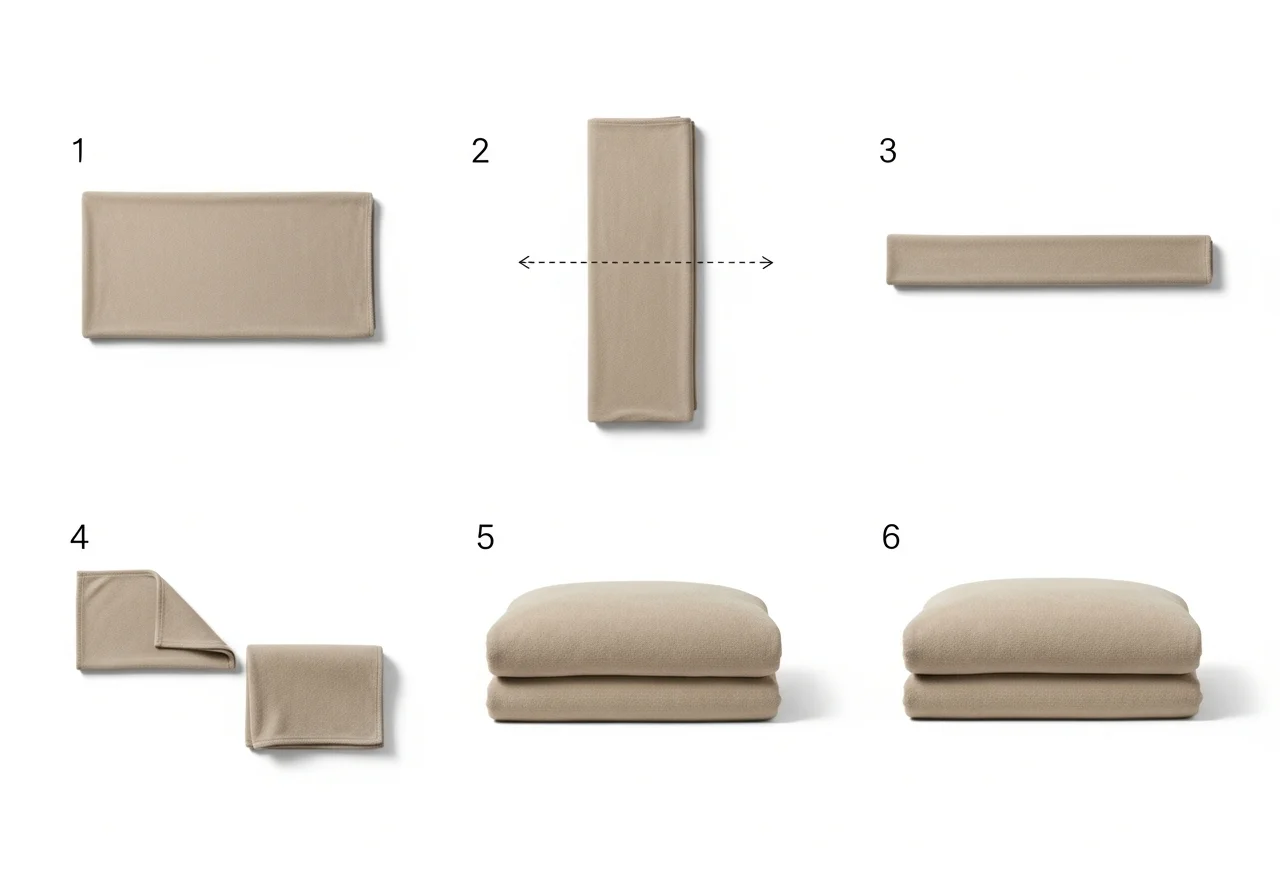
The rectangular fold represents the most straightforward approach to transforming a blanket into a pillow. This method works exceptionally well with medium to large throw blankets and creates a traditional pillow shape that feels familiar and comfortable. Start by laying your blanket flat on a clean surface, smoothing out any wrinkles or folds that might create uncomfortable lumps.
Fold the blanket in half lengthwise, bringing one long edge to meet the opposite edge. Smooth the surface again, ensuring even distribution. Next, fold the blanket in thirds width wise, taking one short end and folding it toward the center, then bringing the opposite end over to cover the first fold. This creates a compact rectangular shape with multiple layers. Adjust the tightness of your folds based on desired firmness. Looser folds create softer pillows, while tighter folds provide more support for your head and neck.
The Square Cushion Technique
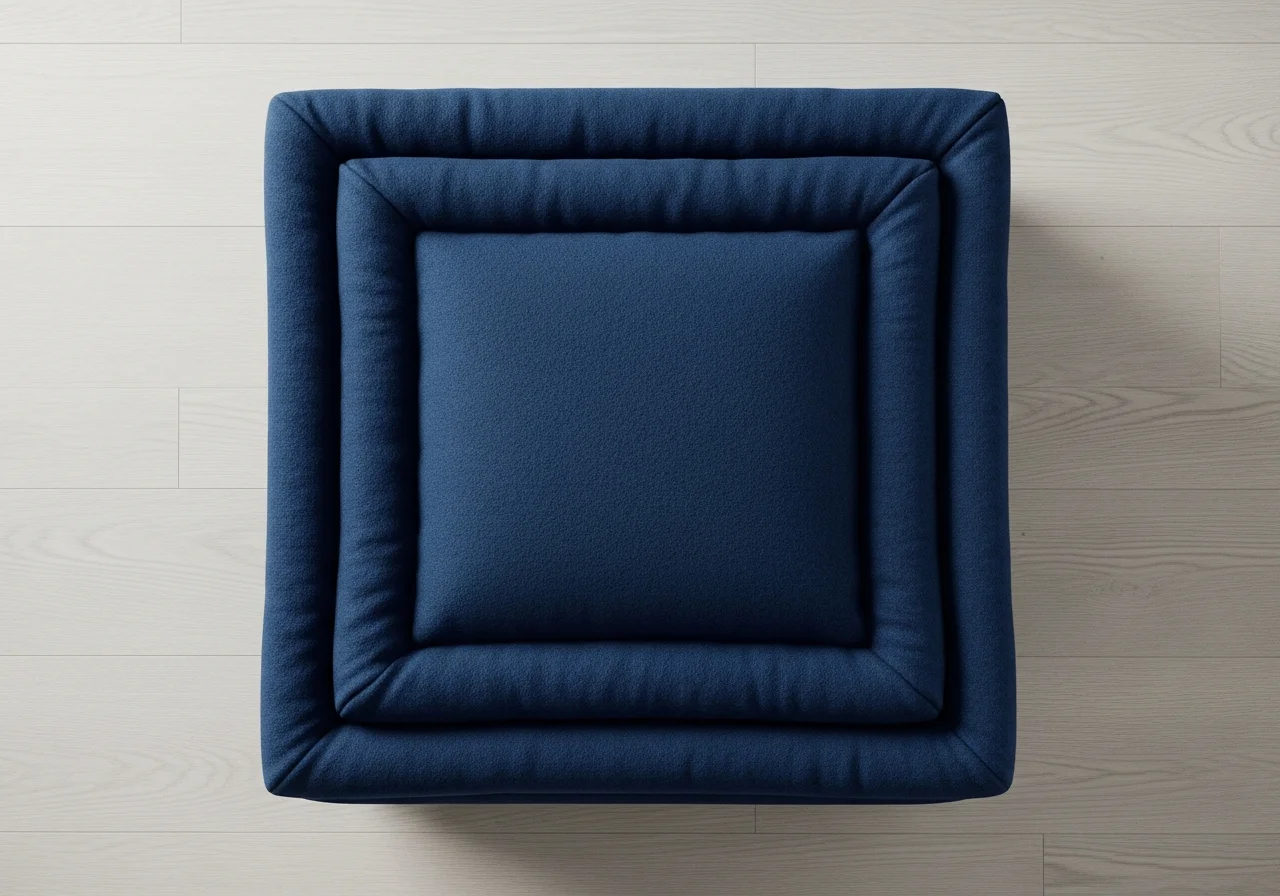
When you need a versatile cushion that works equally well as a seat pad or back support, the square cushion technique delivers outstanding results. This method works particularly well with square throw blankets but can be adapted for rectangular ones with minor adjustments. The beauty of this approach lies in its simplicity and the uniform support it provides across the entire surface.
Begin with your blanket spread flat. Fold it in half to create a rectangle, then fold in half again to form a square. Depending on your blanket’s thickness and your desired cushion height, you may need to fold it once more. The key is creating a square with dimensions roughly between twelve and eighteen inches, which provides optimal support for most uses. This technique excels for creating floor cushions during movie nights or adding extra padding to hard chairs.
The Roll and Tuck Travel Pillow
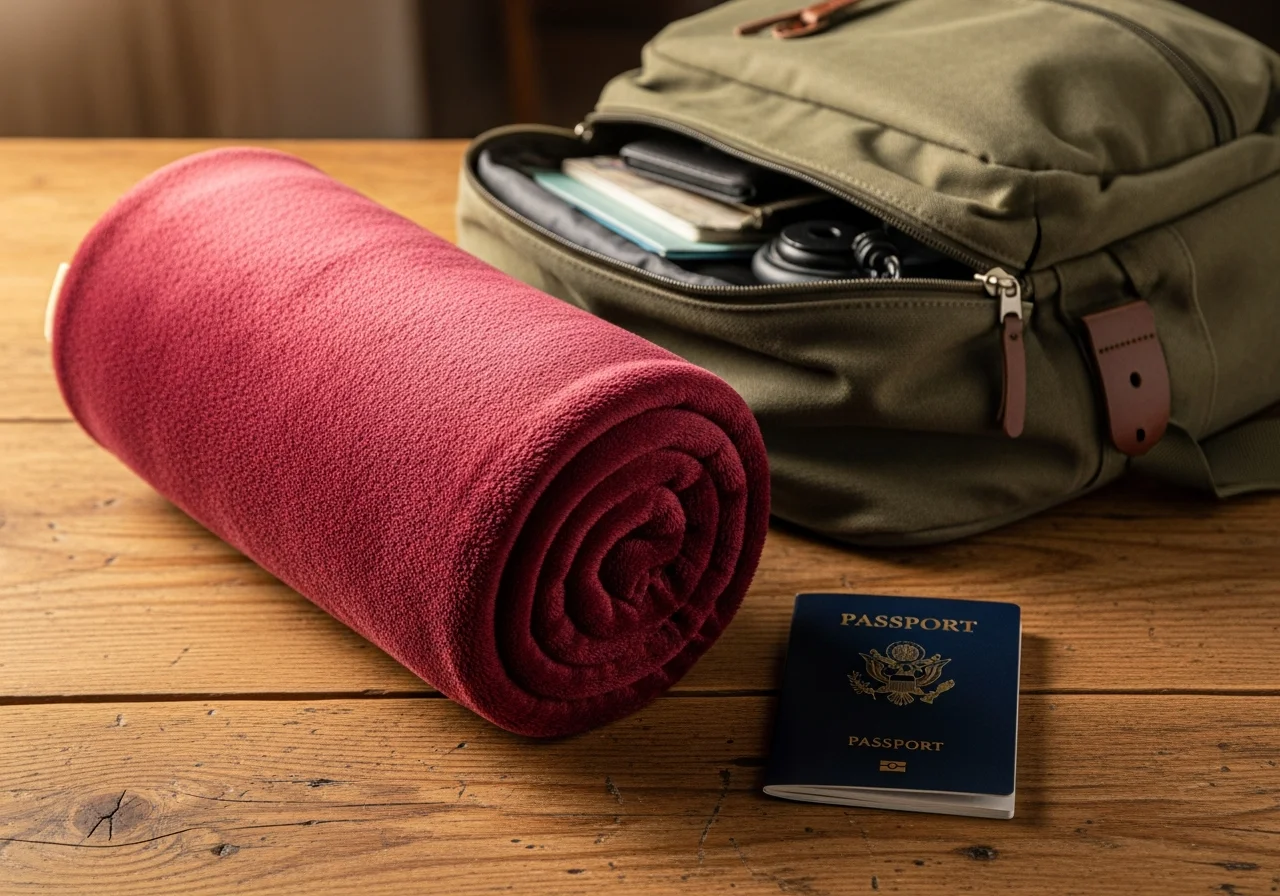
Travelers and campers particularly appreciate the roll and tuck method because it creates a compact, cylindrical pillow that fits easily into backpacks and luggage. This technique also prevents the blanket from unfolding during transport, making it ideal for people constantly on the move. The cylindrical shape provides excellent neck support, particularly useful during long car rides or flights.
Start by folding your blanket in half lengthwise to create a long, narrow rectangle. Beginning at one short end, roll the blanket tightly toward the opposite end, maintaining even tension throughout the roll. When you reach the end, tuck the final section into the center of the roll, securing it in place. For extra security, you can tuck the corners into the folds. This creates a self-contained pillow that won’t unravel, even when jostled in a bag or used actively.
The Military-Style Ranger Roll
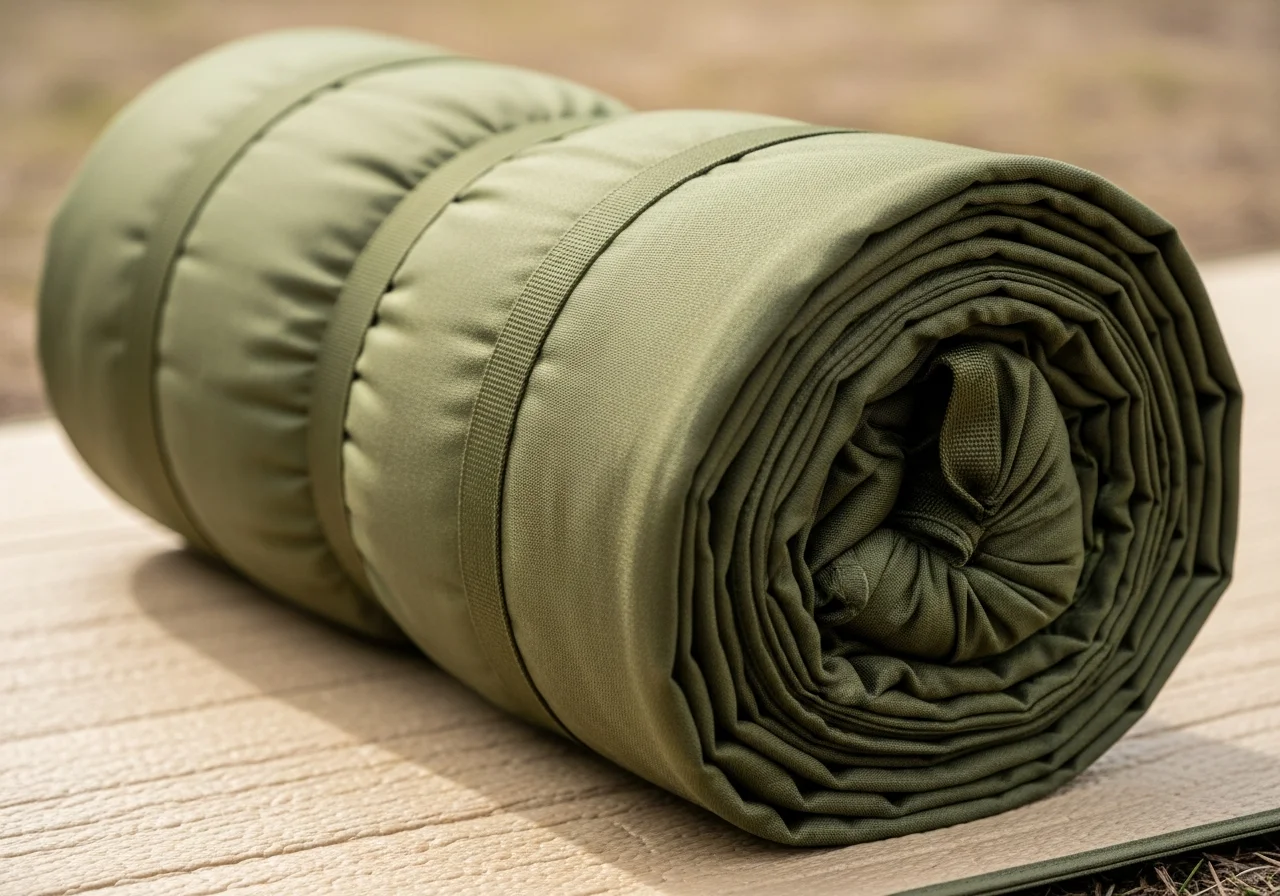
Military personnel have long relied on efficient packing techniques, and the ranger roll represents one of their most practical innovations. This method creates an incredibly compact pillow that stays firmly rolled without any fasteners or ties. The technique requires a bit more skill than basic folds but delivers superior results for anyone needing a reliable, space-saving solution.
Lay your blanket flat and fold it lengthwise into thirds, creating a long, narrow strip. Fold about six inches of one end back over itself, creating a pocket. Starting from the opposite end, roll the blanket tightly toward the pocket end. When you reach the pocket, pull the folded edge over the rolled portion and tuck it around, securing the entire roll. This creates a compact cylinder that won’t come undone and provides firm, consistent support.
The Triangle Neck Support Pillow

For those who need targeted neck support, especially side sleepers or people with neck tension, the triangle fold creates a specialized pillow with elevated edges that cradle your head. This technique works best with larger blankets that provide enough material to create substantial elevation along the sides.
Fold your blanket in half to create a square or rectangle. Take one corner and fold it toward the center, then do the same with the opposite corner, creating a diamond shape. Fold the remaining corners inward to form a smaller, padded triangle. The pointed end can be positioned under your neck while the wider base supports your head, creating a contoured sleeping surface that reduces strain. Adjust the tightness of your folds to customize the height and firmness of the support.
The Burrito Wrap Pillow
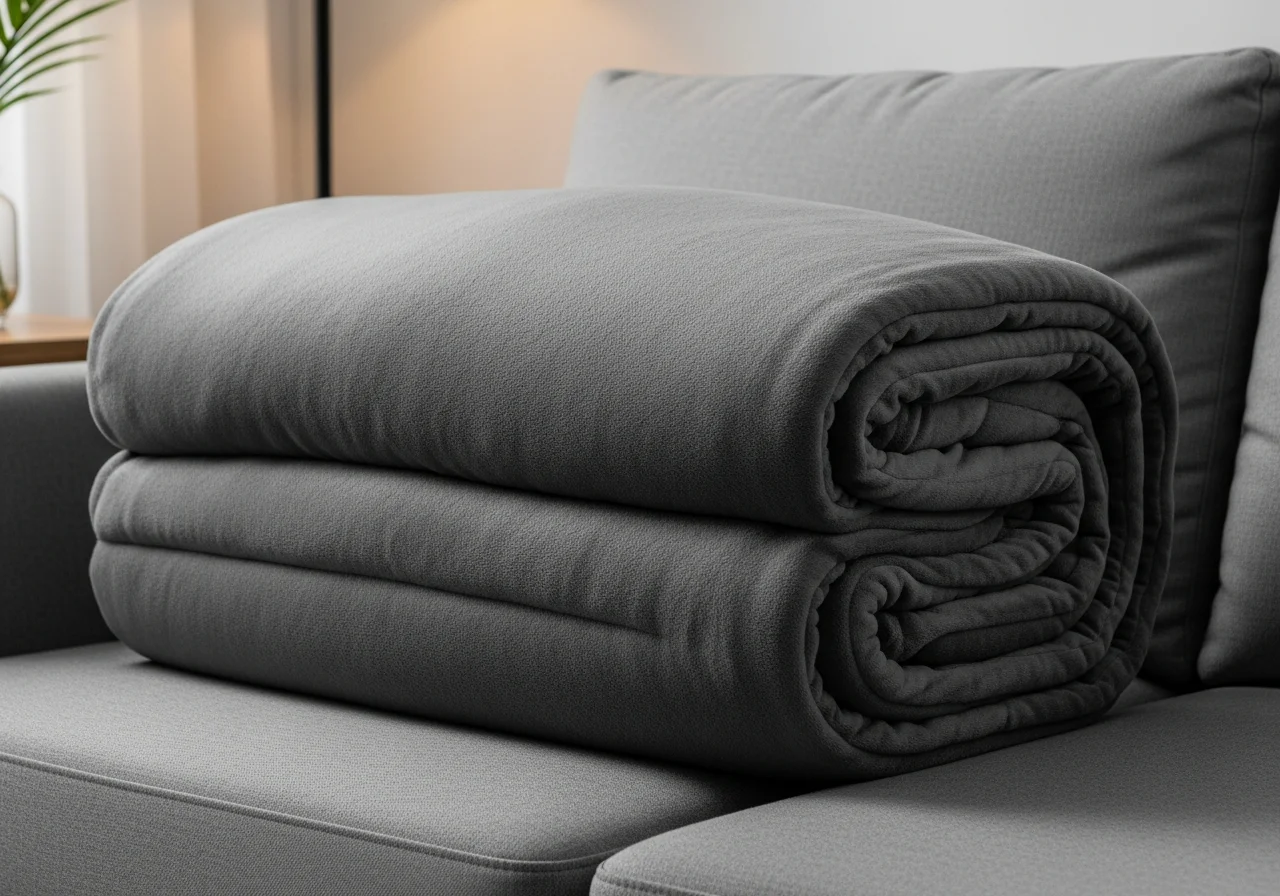
The burrito wrap method gets its name from its resemblance to the popular food item and creates one of the most secure folded pillows available. This technique particularly benefits people who move a lot during sleep or children who might pull apart simpler folds. The multiple layers create excellent cushioning while the wrapped design keeps everything neatly contained.
Place your blanket flat with one corner pointing toward you, creating a diamond orientation. Fold the bottom corner up about one-third of the way. Next, fold both left and right corners toward the center, overlapping them slightly. Finally, roll from the bottom edge upward, tucking the material tightly as you go. The final top corner wraps over and tucks into the folds, securing the entire bundle. This creates a compact, rectangular pillow with exceptional stability.
The Layered Luxury Method
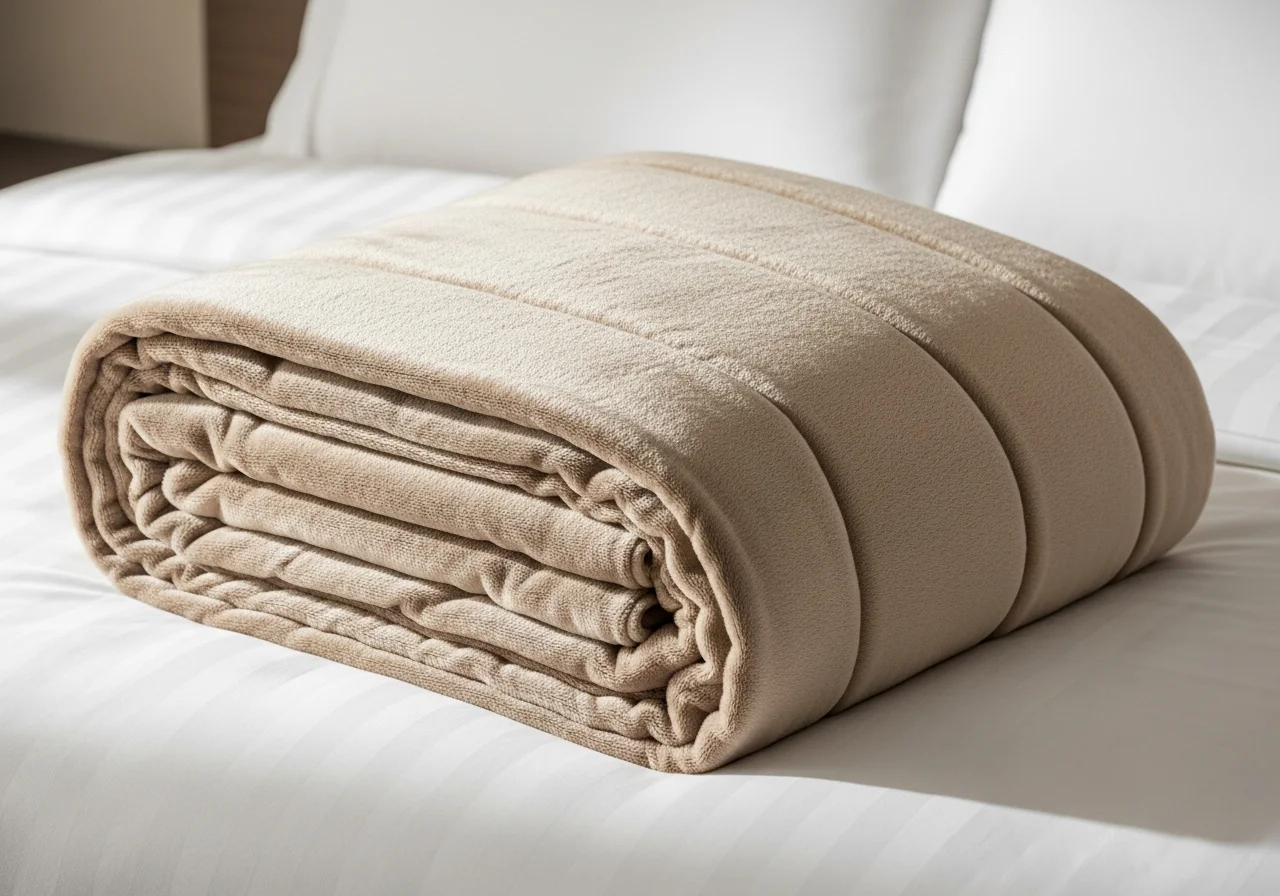
When comfort takes priority over portability, the layered luxury method creates a plush, hotel-quality pillow using multiple folding stages. This approach works wonderfully for home use, guest rooms, or situations where you have space to store a larger pillow. The technique accommodates various blanket sizes and allows for customization based on personal preferences.
Start with a large blanket and fold it in half, then in half again, creating four layers. Assess the size and fold once more if needed to reach your desired pillow dimensions. The goal is creating a rectangular shape approximately twenty by fourteen inches with substantial thickness. For extra luxury, place two folded blankets together, doubling the loft and softness. This method excels for reading in bed, watching television, or providing comfort during recovery from illness or injury.
The Quick Office Nap Solution

Office workers who want to sneak in quick power naps appreciate this discrete method that transforms a blanket into a serviceable pillow in seconds. The technique prioritizes speed and simplicity over perfection, making it ideal for situations where you need rest immediately and don’t have time for complex folding sequences.
Simply gather your blanket into a loose bundle, holding it at the center point. Twist the gathered material several times to create tension, then fold the twisted bundle in half. The tension holds the blanket in a compact shape that provides adequate support for a short rest. While not as refined as other methods, this approach gets you horizontal and resting within moments, maximizing your limited break time.
The Adjustable Firmness Technique
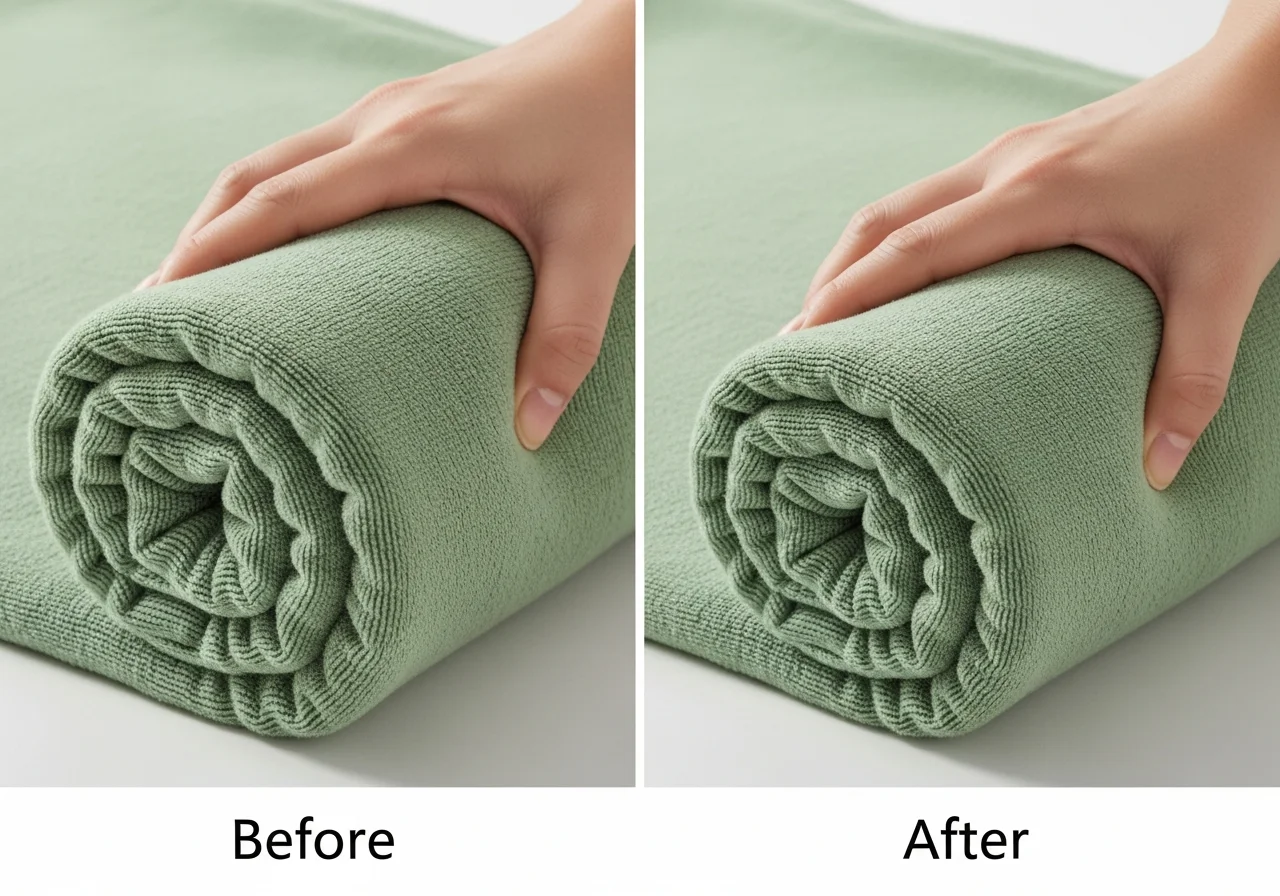
Different sleeping positions and personal preferences require different pillow firmness, and this adjustable technique lets you customize support on the fly. Rather than committing to a single configuration, this method allows real-time modifications without completely refolding the blanket.
Fold your blanket in thirds lengthwise, creating a long, narrow strip. Starting from one end, loosely roll the blanket about two-thirds of the way, leaving one-third unrolled. The rolled portion creates a firm base while the unrolled section provides softer cushioning. To increase firmness, roll more of the blanket. To decrease firmness, unroll a portion. This dynamic approach accommodates changing comfort needs throughout the night or during extended rest periods. May you like it
The Reading Wedge Position

Back sleepers and people who enjoy reading or watching television in bed benefit from the reading wedge, which creates an inclined surface that elevates the upper body. This position reduces acid reflux, improves breathing, and provides comfortable support for extended periods in a semi-reclined position.
Fold your blanket into a rectangle using multiple layers to create thickness. Stand this rectangle on one long edge and fold the top third forward at an angle, creating a triangular wedge shape. Adjust the angle by tightening or loosening the forward fold. Place this against your headboard or wall with the angled surface facing out. When you lean back, the wedge supports your upper back and head at a comfortable incline. This method works exceptionally well with thicker, more substantial blankets that maintain their shape under body weight.
The Compact Car Pillow

Road trips often leave passengers uncomfortable during long drives, and this compact car pillow addresses that challenge perfectly. The method creates a small, supportive pillow designed specifically for the awkward sleeping angles encountered in vehicle seats.
Take a small to medium throw blanket and fold it in half. Fold in half again, creating a thick square. Roll this square tightly from one edge to create a small, dense cylinder approximately eight inches long and four inches in diameter. This size wedges perfectly between your head and the car window or tucks against the seat belt for neck support. The dense rolling provides firm support that doesn’t compress excessively during a long journey.
The Floor Meditation Cushion
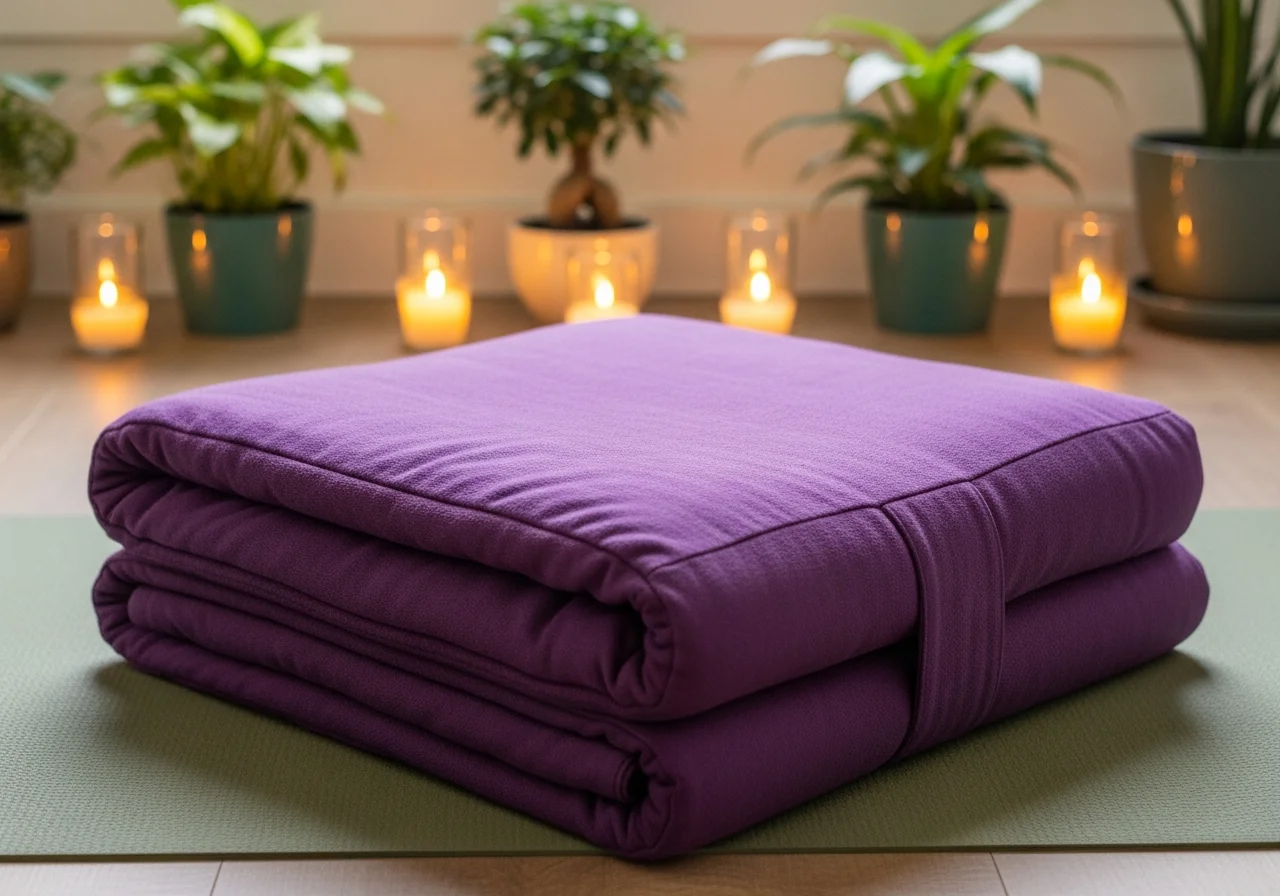
Practitioners of meditation, yoga, or floor-based stretching benefit from this specialized cushion that provides support during extended periods sitting cross-legged or kneeling. Unlike traditional pillows, this method creates a stable base that elevates the hips slightly, promoting better posture and reducing strain.
Use a large, thick blanket for optimal results. Fold the blanket in half, then fold in thirds lengthwise and in thirds width wise, creating a thick, compact rectangle roughly twelve inches square. For additional height, stack two folded blankets. The firm, level surface supports proper spinal alignment during meditation while the cushioning reduces pressure on ankles and knees. This versatile cushion also works wonderfully for seated floor activities like playing games with children or working on low projects.
The Emergency Camping Method

Outdoor enthusiasts sometimes find themselves without proper camping gear, and this emergency method transforms any blanket into a functional sleeping pillow using materials commonly available in nature. While not as refined as home methods, this technique provides crucial comfort when camping unexpectedly or dealing with forgotten supplies.
Gather dry leaves, grass, or pine needles and pile them in the center of your blanket. Fold the corners of the blanket over the natural stuffing, creating an envelope. Continue folding until you have a pillow-shaped bundle with the natural materials trapped inside. The organic filling provides loft and insulation while the blanket creates a barrier between you and the scratchy materials. This method works best with larger blankets that provide enough material to fully encase the stuffing with multiple layers.
The Lumbar Support Roll
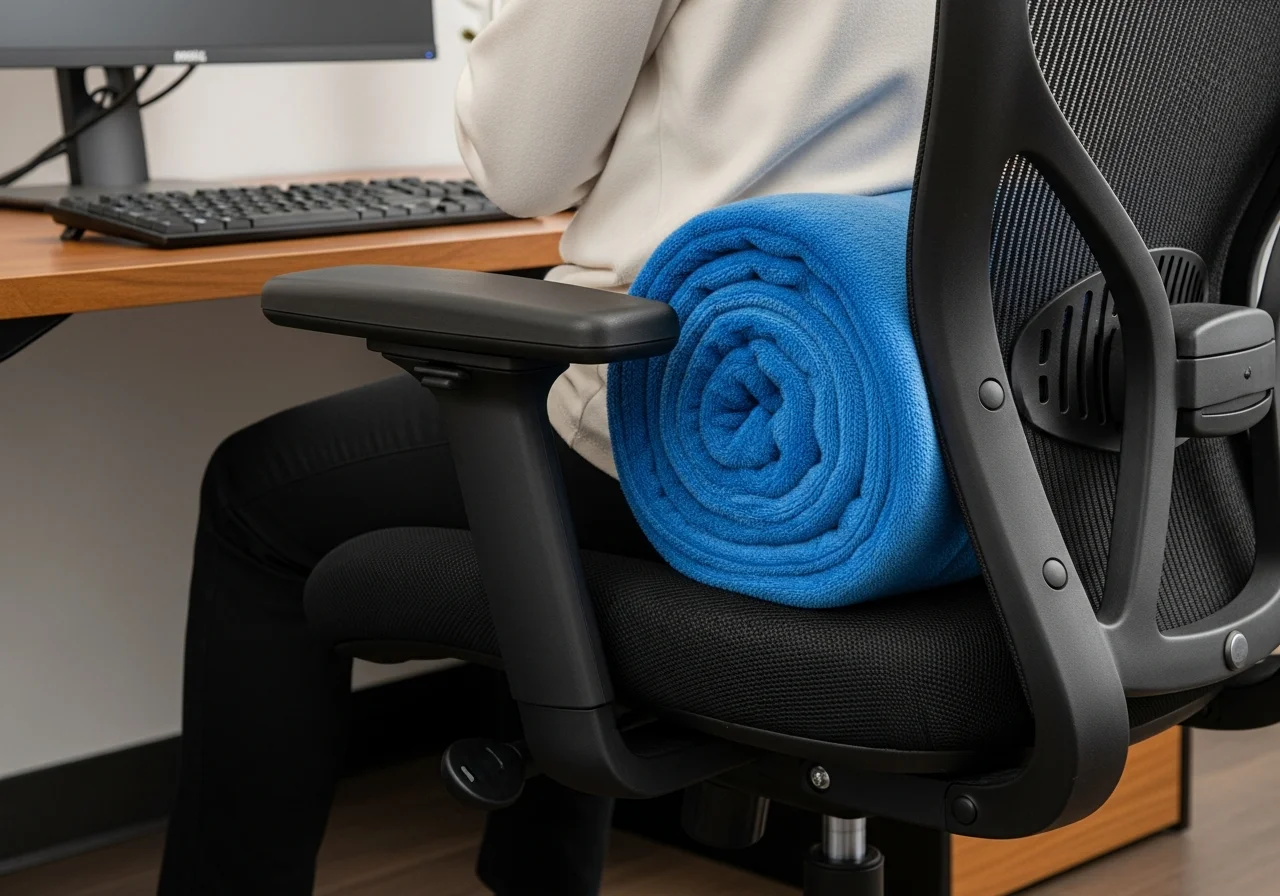
Lower back pain affects millions of people, and this specialized rolling technique creates targeted lumbar support for sitting in chairs, driving, or lying down. The firm cylindrical shape fills the natural curve of the lower spine, reducing strain and promoting healthy posture.
Fold your blanket lengthwise into a strip approximately eight inches wide. Roll this strip tightly from one end, creating a dense cylinder about four inches in diameter and the length of the blanket’s width. For extra firmness, roll more tightly or create a narrower strip before rolling. Place this roll horizontally across the small of your back when seated or vertically along your spine when lying down. The consistent support helps maintain the spine’s natural curvature, reducing pain during extended periods of sitting or resting. May you want to know it
The Adjustable Head Cradle
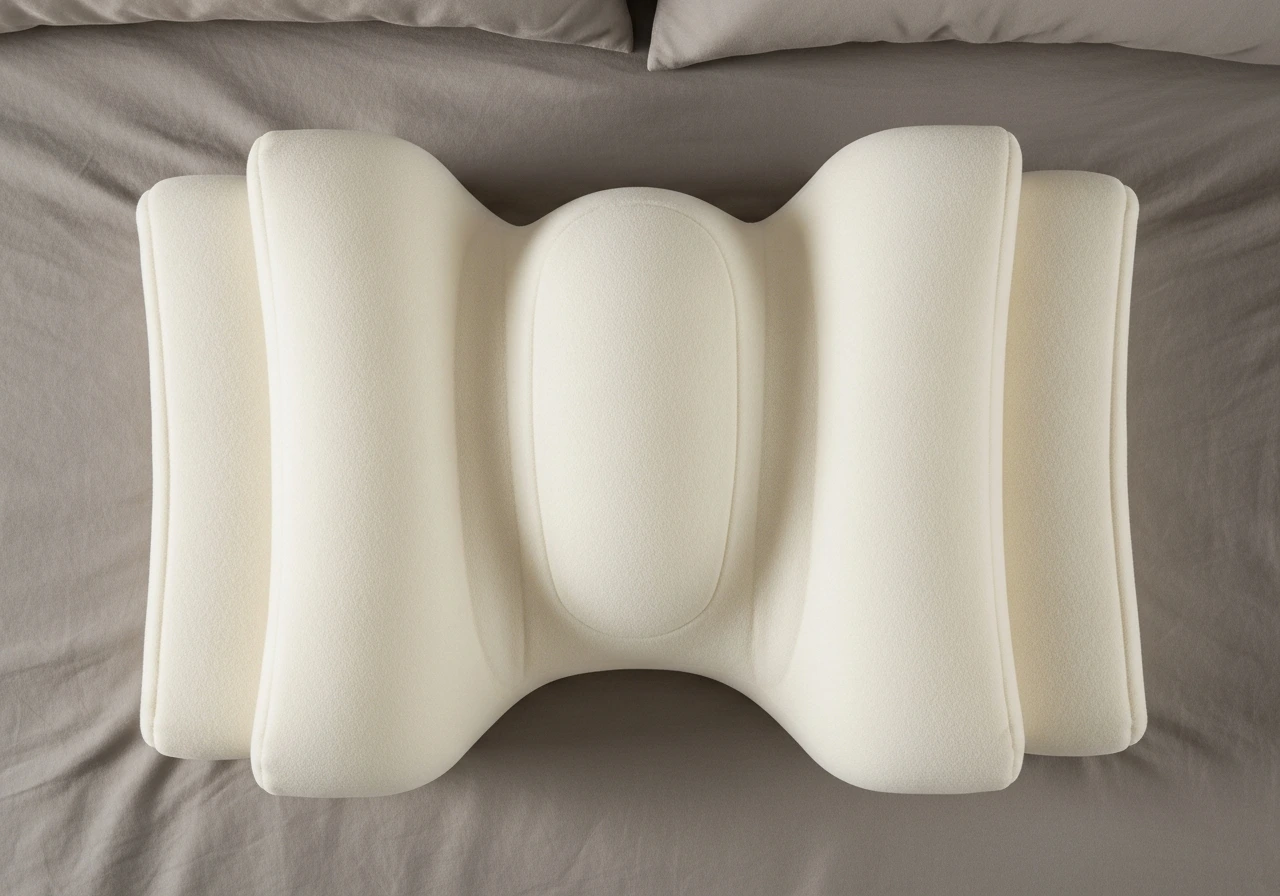
Combining elements from several techniques, the adjustable head cradle creates a customizable sleeping surface with raised sides that prevent your head from rolling during sleep. This method particularly benefits people who sleep on their backs or those recovering from neck injuries who need to minimize movement.
Fold your blanket in half lengthwise and place it horizontally in front of you. Fold both short ends inward about eight inches, creating raised sides. Fold the entire blanket in half, doubling the thickness while maintaining the raised edges. The result is a rectangular pillow with bolstered sides that cradle your head. Adjust the height of the sides by changing how far inward you fold the ends initially. This design prevents uncomfortable rolling that can strain the neck and disturb sleep.
The Child-Safe Nap Pad
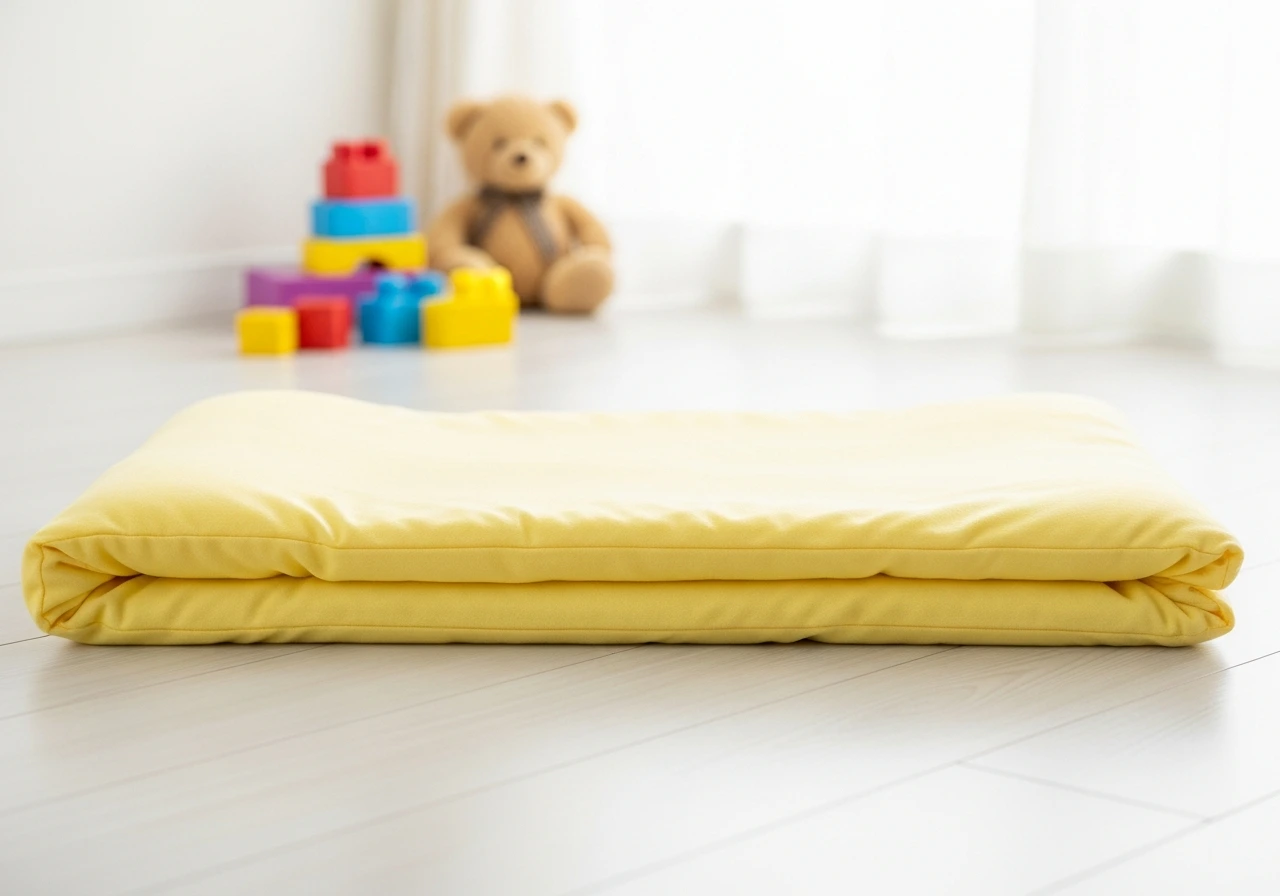
Parents and caregivers appreciate this safe, comfortable method for creating napping surfaces for young children. The design prioritizes safety by creating a low-profile cushion that doesn’t pose suffocation risks while still providing adequate comfort for short rest periods.
Use a large, thin blanket and fold it in half. Fold in half again, then once more, creating multiple thin layers rather than thick bunching. The goal is a flat, firm surface roughly two inches thick that spreads impact evenly. This prevents the child from sinking into the blanket while providing gentle cushioning. The larger surface area also gives the child room to shift positions naturally. This method works excellently for daycare environments, play dates, or traveling with small children who need rest but shouldn’t use standard pillows.
The Dual-Purpose Armrest Pillow

Living rooms and home theaters benefit from this clever design that serves as both an armrest enhancer and a quick-grab pillow for impromptu naps. The rectangular shape fits perfectly along couch arms while remaining comfortable enough for head support when needed.
Fold a medium throw blanket in half lengthwise, creating a long rectangle. Fold this in thirds width wise, creating a compact, thick rectangle approximately six inches wide, eighteen inches long, and four inches thick. Place this along the arm of your couch or chair, where it pads the hard surface for comfortable arm resting. When you want to nap, simply grab it and use it as a traditional pillow. The convenient placement encourages proper blanket storage while keeping comfort tools readily accessible.
Making Your Folded Blanket Pillow Last
Regardless of which folding method you choose, proper care ensures your blanket remains functional and comfortable for repeated use. After each use, fully unfold your blanket and allow it to air out before refolding. This prevents odor buildup and gives compressed fibers time to recover their loft. Wash your blanket regularly according to care instructions, as clean materials feel more comfortable and maintain better structural integrity.
Store folded blanket pillows in breathable containers or open shelving rather than sealed plastic bins, which can trap moisture and create musty odors. Rotate between multiple blankets to give each one recovery time between uses. If you notice your folded pillow losing firmness or developing uncomfortable lumps, try a different folding method or consider whether the blanket has reached the end of its effective lifespan.
Conclusion
The ability to fold a blanket into a pillow represents more than just a party trick or camping hack. It’s a practical skill that enhances your comfort, saves money, and demonstrates resourcefulness in various situations. From basic rectangular folds perfect for beginners to specialized techniques addressing specific support needs, these eighteen methods provide solutions for virtually any scenario where you need cushioning but lack traditional pillows.
The beauty of these techniques lies in their accessibility. You don’t need special equipment, expensive materials, or advanced skills. A simple blanket and a few moments of practice transform into personalized comfort exactly when and where you need it. Whether you’re a frequent traveler seeking space-saving solutions, a homeowner accommodating unexpected guests, or someone who simply enjoys the satisfaction of making everyday items work harder, mastering these blanket-folding techniques enriches your daily life in tangible, practical ways.
Start with the simpler methods and gradually experiment with more complex techniques as your confidence grows. Pay attention to how different blanket materials and thicknesses respond to various folds, and don’t hesitate to modify these methods to suit your specific needs. The perfect folded blanket pillow is the one that helps you rest comfortably, and with these diverse techniques at your disposal, that perfect solution is always within reach. May you read this and get ideas
Frequently Asked Questions
What type of blanket works best for folding into a pillow?
Fleece and microfiber blankets offer the best combination of cushioning and shape retention when folded into pillows. These materials compress well while maintaining loft, and they don’t wrinkle easily. Cotton blankets work too but require more layers to achieve adequate thickness. Avoid very thin or stiff blankets, as they don’t provide sufficient cushioning or comfort.
How do I keep my folded blanket pillow from coming apart during sleep?
The ranger roll and burrito wrap methods provide the most secure configurations that resist unfolding during use. Alternatively, you can use a large rubber band or fabric tie loosely wrapped around your folded pillow to maintain its shape. Avoid tying too tightly, as this creates uncomfortable ridges. Placing the folded blanket inside a standard pillowcase also helps maintain structure while providing a familiar sleeping surface.
Can I use a weighted blanket for making a folded pillow?
Yes, weighted blankets create excellent firm pillows for neck support, but they’re generally too heavy for traditional head pillows. The roll method works best with weighted blankets, creating dense lumbar supports or bolsters. Keep in mind that weighted blanket pillows will be significantly heavier than standard options and work best for stationary use rather than travel purposes.
How thick should my folded blanket pillow be for proper neck support?
Ideal pillow thickness depends on your sleeping position. Back sleepers need three to four inches of height, side sleepers require four to six inches, and stomach sleepers do best with two to three inches. Adjust the number of folds and tightness of rolling to achieve your preferred height. Test different configurations to find what keeps your neck aligned with your spine comfortably.
How often should I refold my blanket to maintain its effectiveness as a pillow?
Unfold and refold your blanket after every few uses or whenever you notice it losing firmness. This allows compressed fibers to recover and prevents permanent creasing. For blankets used daily as pillows, complete unfolding and refolding every two to three days maintains optimal comfort and extends the blanket’s useful life. Proper care ensures your folded blanket pillow remains supportive for years.