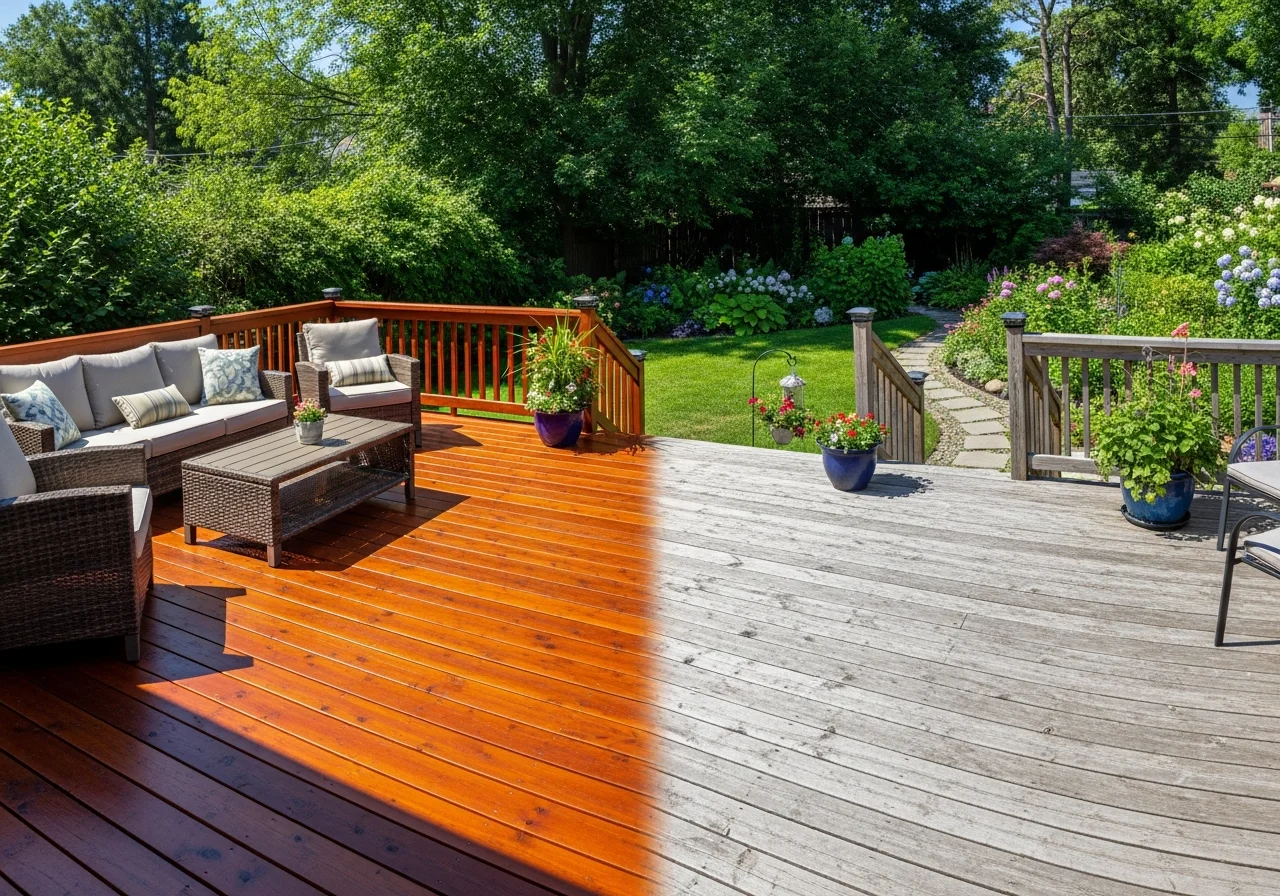
14+ Stunning Deck Refinishing Ideas to Revitalize Your Space
Your outdoor deck refinishing represents more than just additional square footage to your home. It serves as a gathering place for family barbecues, a peaceful morning coffee spot, and the centerpiece of warm summer evenings. However, years of exposure to harsh weather conditions, intense sunlight, and constant foot traffic can leave even the most beautiful deck looking tired and worn. If your once-pristine outdoor space now shows signs of fading, splintering, or discoloration, the good news is that a complete replacement is not your only option.
Deck refinishing offers a cost-effective and transformative solution that can breathe new life into your outdoor living area. Whether you are working with a weathered wood surface or looking to upgrade an aging structure, the right refinishing approach can completely transform your space while protecting it for years to come. This comprehensive guide explores more than fourteen proven deck refinishing ideas that will help you create an outdoor environment you will be proud to showcase.
Understanding the Power of Proper Surface Preparation
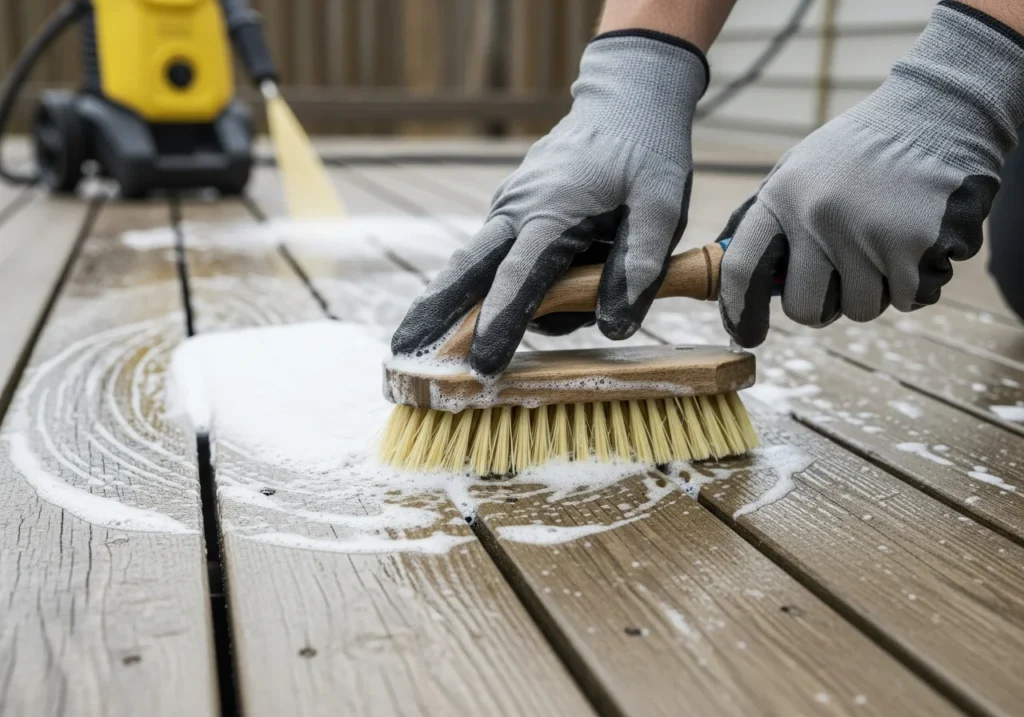
Before diving into specific refinishing techniques, the foundation of any successful deck transformation lies in thorough preparation. The quality of your preparation work directly impacts how well your chosen finish will adhere and how long it will last.
Start by conducting a complete inspection of your deck structure. Look for loose boards, protruding nails, and areas where wood has begun to rot or deteriorate. Address these structural issues first, as no amount of refinishing can compensate for underlying damage. Replace any boards showing significant decay and drive down or replace any raised fasteners that could catch on bare feet or clothing.
Deep cleaning comes next in the preparation process. Years of accumulated dirt, mildew, and old finish create barriers that prevent new coatings from properly bonding to the wood surface. A concentrated deck cleaner applied with a stiff brush works wonders for removing surface grime. For decks with stubborn stains or heavy buildup, consider using a wood brightener after cleaning. This treatment restores the natural color of weathered wood and neutralizes any remaining cleaning chemicals.
Power washing can speed up the cleaning process significantly, but exercise caution with this tool. Using too narrow a nozzle or holding the wand too close to the surface can gouge the wood, creating damage that is difficult or impossible to repair. A wide-angle nozzle set at least twelve inches from the surface provides effective cleaning without destruction.
Classic Staining Techniques for Timeless Beauty
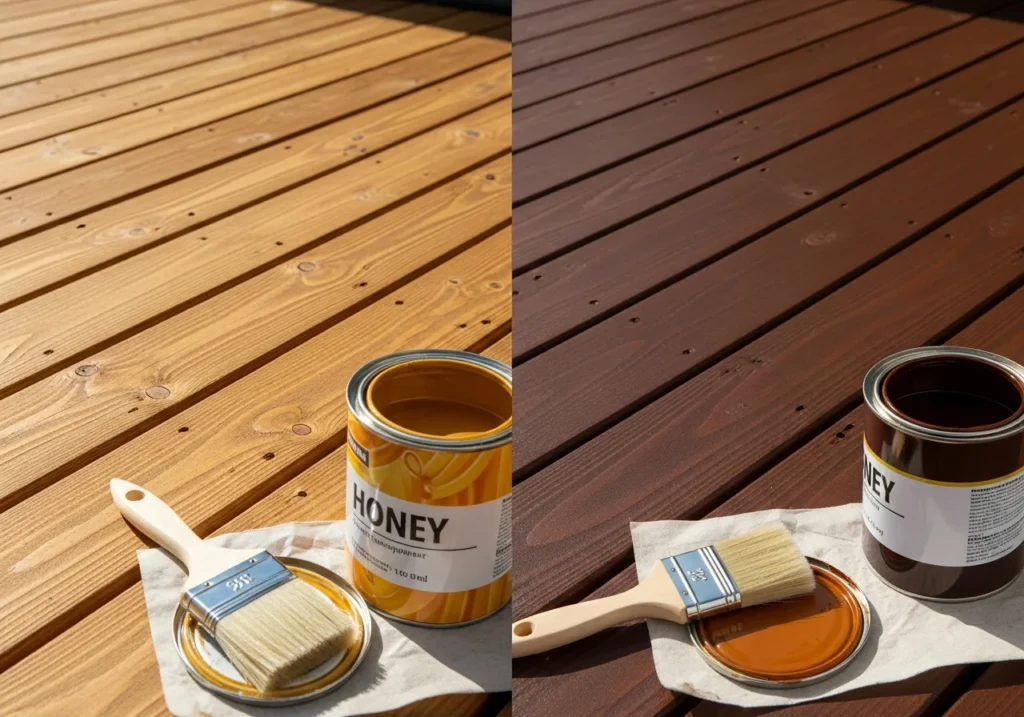
Semi-transparent stains offer an excellent middle ground between protection and aesthetics. These formulations allow the natural wood grain and texture to show through while adding color and weather resistance. They work particularly well on newer decks or those that have been recently sanded, where the wood grain remains pronounced and attractive.
Traditional deck staining remains one of the most popular refinishing methods, and for good reason. Stains enhance the natural beauty of wood grain while providing essential protection against moisture and ultraviolet radiation.
For decks with more significant wear or those requiring greater protection, solid stains provide superior coverage. These thicker formulations hide minor imperfections, fill small cracks, and create a more uniform appearance. Solid stains offer better fade resistance and typically last longer between maintenance applications than their semi-transparent counterparts.
Oil-based stains penetrate deeply into wood fibers, providing excellent protection from within. They enhance the natural warmth of wood and often produce richer, more vibrant colors. The trade-off comes in drying time and cleanup requirements, as oil-based products need more time to cure and require mineral spirits for cleanup.
Water-based stains have improved dramatically in recent years. Modern formulations offer comparable durability to oil-based products while providing easier cleanup, faster drying times, and lower levels of volatile organic compounds. They work especially well in regions with strict environmental regulations.
Bold Paint Applications for Modern Aesthetics
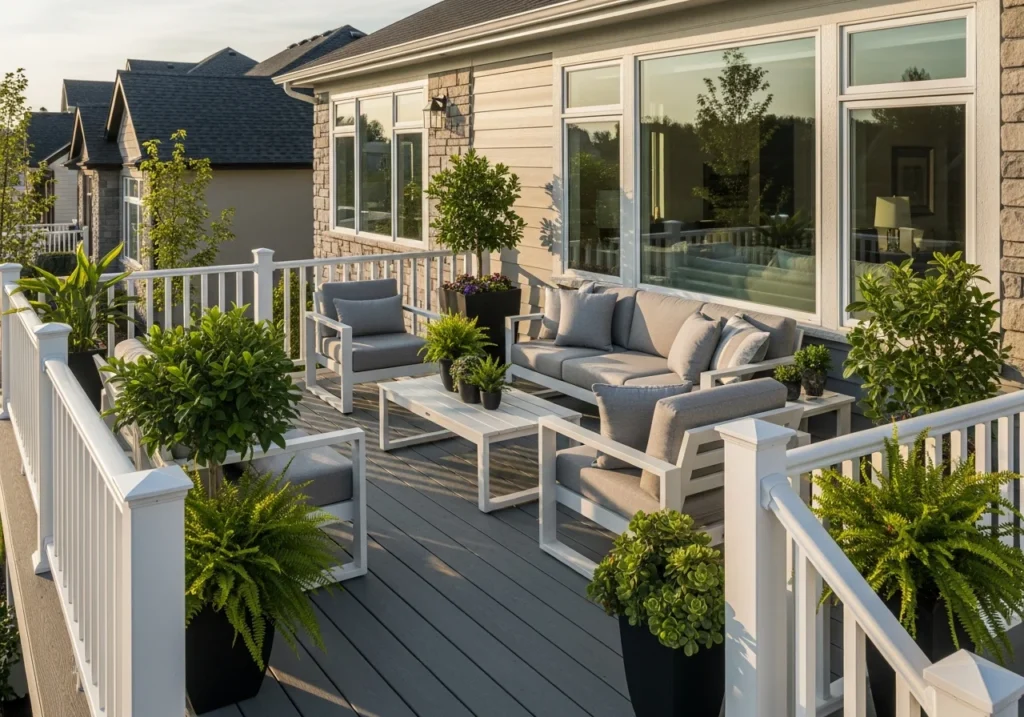
Painting your deck creates opportunities for bold design statements and complete color transformations. Modern deck paints designed specifically for horizontal surfaces provide excellent durability and come in an extensive range of colors.
Solid deck paint creates a uniform, furniture-like finish that completely covers the wood grain beneath. This approach works beautifully for older decks where the wood surface has deteriorated beyond the point where staining would be effective. Paint fills small cracks and gaps, creating a smooth surface that resists water penetration.
Cool gray tones dominate contemporary deck color trends. From pale silvery shades to deep charcoal, gray offers versatility that complements virtually any home exterior. Light grays reflect sunlight, keeping deck surfaces cooler underfoot during hot summer months, while darker grays hide dirt and wear more effectively.
Earth-toned neutrals including warm taupes, soft beiges, and weathered browns create inviting spaces that blend seamlessly with natural surroundings. These colors pair beautifully with outdoor furniture in various styles and provide a versatile backdrop for changing seasonal decorations.
For homeowners seeking drama and sophistication, navy blue has emerged as a standout choice. This bold color creates striking contrast when paired with white railings or trim, evoking coastal elegance while maintaining a timeless appeal that transcends passing trends.
Two-Tone Deck Refinishing for Added Dimension
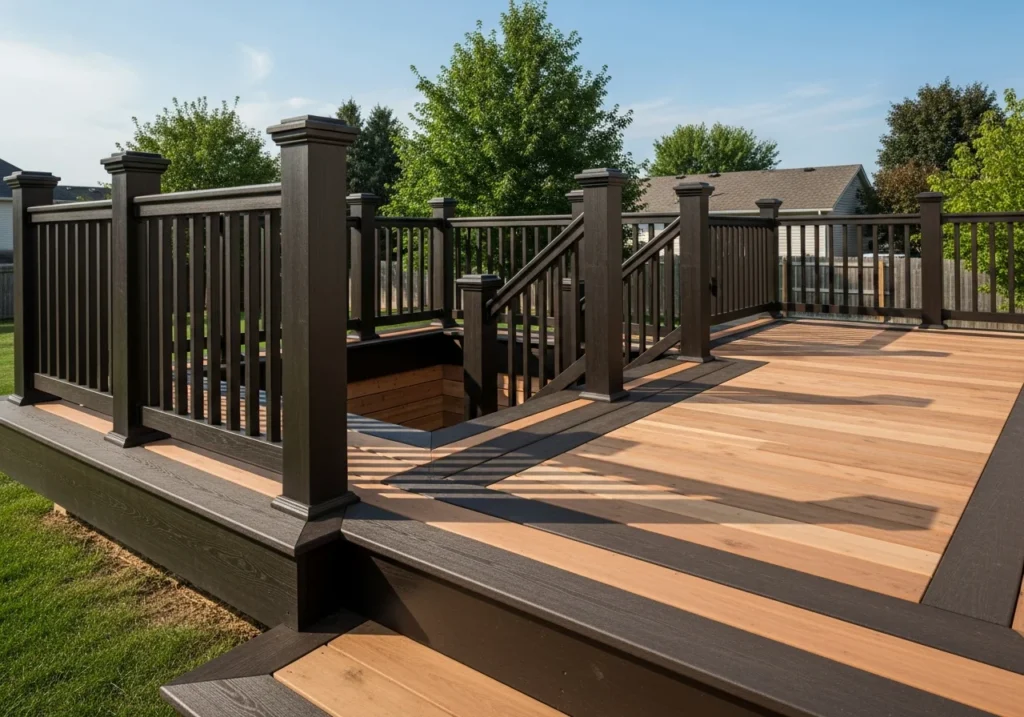
Creating visual interest through strategic use of contrasting colors represents one of the most effective ways to elevate your deck design. Two-tone approaches add depth and draw attention to architectural features.
The classic combination involves pairing dark railings with lighter decking boards. Charcoal or espresso-stained rails against honey or cedar-toned floors create sophisticated contrast while maintaining cohesion. This approach also has practical benefits, as darker railings show wear and dirt less readily than lighter alternatives.
Picture frame borders provide another elegant two-tone option. Stain or paint the outer perimeter boards in a contrasting shade to the field boards in the center. This technique works especially well on larger decks where the border helps define the space and create visual boundaries.
Staircase highlighting through color variation draws the eye and adds a custom touch. Consider using a complementary shade on stair treads and risers, or alternate colors on individual steps for a unique pattern that also improves visibility and safety.
Composite Overlays for Low-Maintenance Solutions
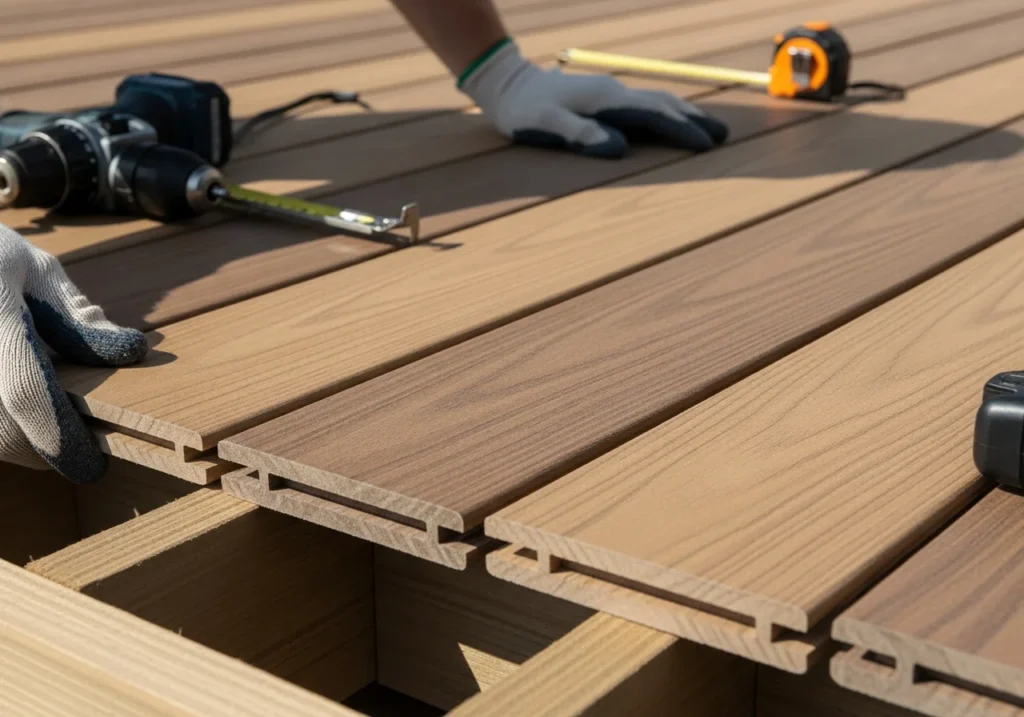
For homeowners tired of the constant maintenance cycle that natural wood requires, composite decking overlays offer an attractive alternative. These synthetic materials combine wood fibers with recycled plastics to create boards that resist rot, insects, and fading.
Installing composite boards directly over your existing wood frame provides an instant upgrade with minimal structural work. Modern composite products feature realistic wood grain textures and natural color variations that closely mimic real wood, without the splitting, splintering, or weathering issues.
Capped composite decking takes performance a step further by wrapping the composite core in a protective polymer shell. This outer layer provides superior stain resistance and color retention, ensuring your refinished deck maintains its appearance with nothing more than occasional soap and water cleaning.
The initial investment for composite materials exceeds traditional wood refinishing costs, but the long-term savings in maintenance time and materials often justify the expense. Most manufacturers back their products with warranties ranging from twenty-five to fifty years, providing peace of mind that traditional wood cannot match.
Specialty Coatings for Maximum Protection
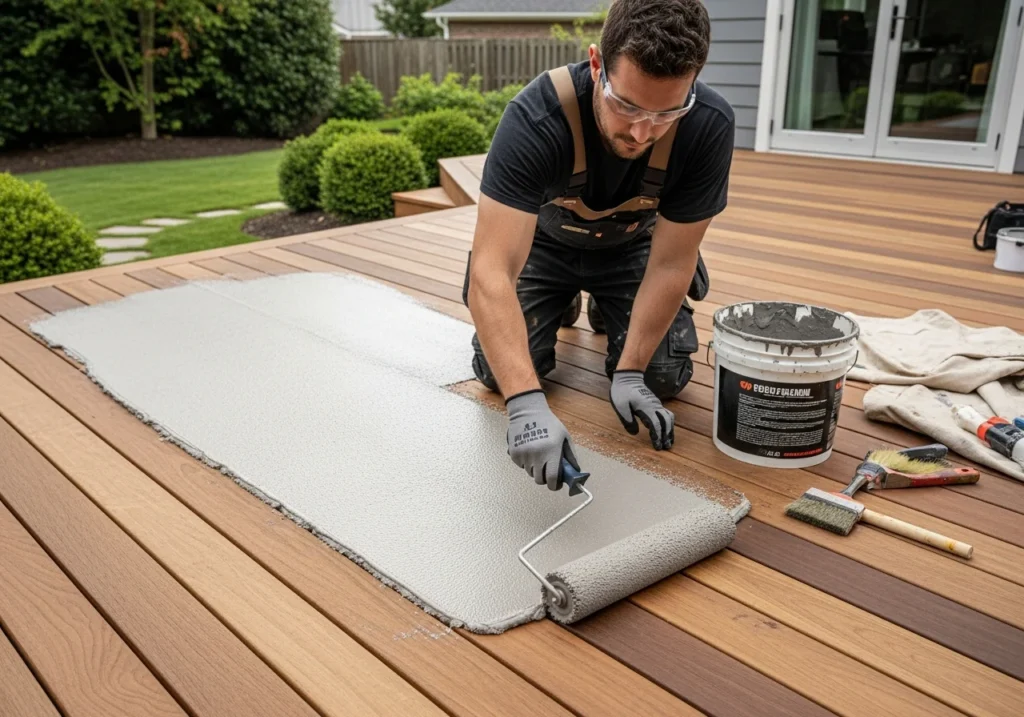
Advanced deck coating systems offer solutions for decks facing extreme conditions or those requiring maximum protection. These specialized products go beyond traditional stains and paints to provide enhanced durability.
Resurfacing products designed specifically for worn decks can fill cracks up to a quarter inch wide while creating a textured, slip-resistant surface. These thick coatings essentially create a new walking surface over damaged wood, extending the life of structurally sound decks that look beyond repair.
Elastomeric coatings provide exceptional waterproofing and flexibility, allowing them to expand and contract with temperature changes without cracking or peeling. These products work especially well in climates with dramatic seasonal temperature swings or on decks subject to standing water.
Clear penetrating sealers offer protection without altering the natural appearance of wood. These formulations soak into wood fibers, repelling water while allowing the surface to breathe. They require more frequent reapplication than pigmented stains but maintain the wood’s original color and grain pattern beautifully.
Innovative Vinyl and Membrane Systems
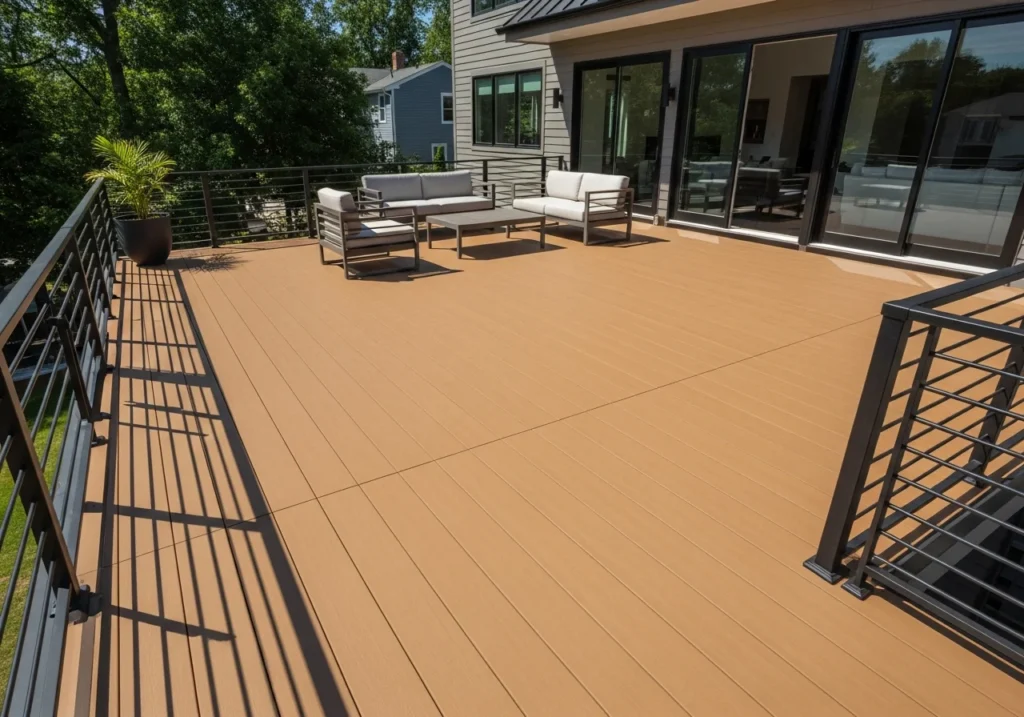
Waterproof vinyl decking systems completely encapsulate your existing deck surface, creating an impervious barrier that protects the wood structure beneath. These systems prove particularly valuable for elevated decks above living spaces, where water infiltration could cause interior damage.
PVC membrane applications involve adhering a flexible vinyl sheet over the entire deck surface, creating seams that are heat-welded for complete waterproofing. The vinyl surface resists moisture, mold, and mildew while providing a comfortable walking surface that stays cooler than traditional wood or composite alternatives.
Polyurethane deck refreshing coatings offer similar waterproofing benefits with increased durability and a wider range of color and texture options. These coatings can be customized to match any color scheme and provide excellent resistance to foot traffic and furniture wear.
Installation of these systems requires professional expertise to ensure proper adhesion and weatherproof seams, but the result is a virtually maintenance-free surface that can last decades with minimal care.
Creative Pattern and Design Applications
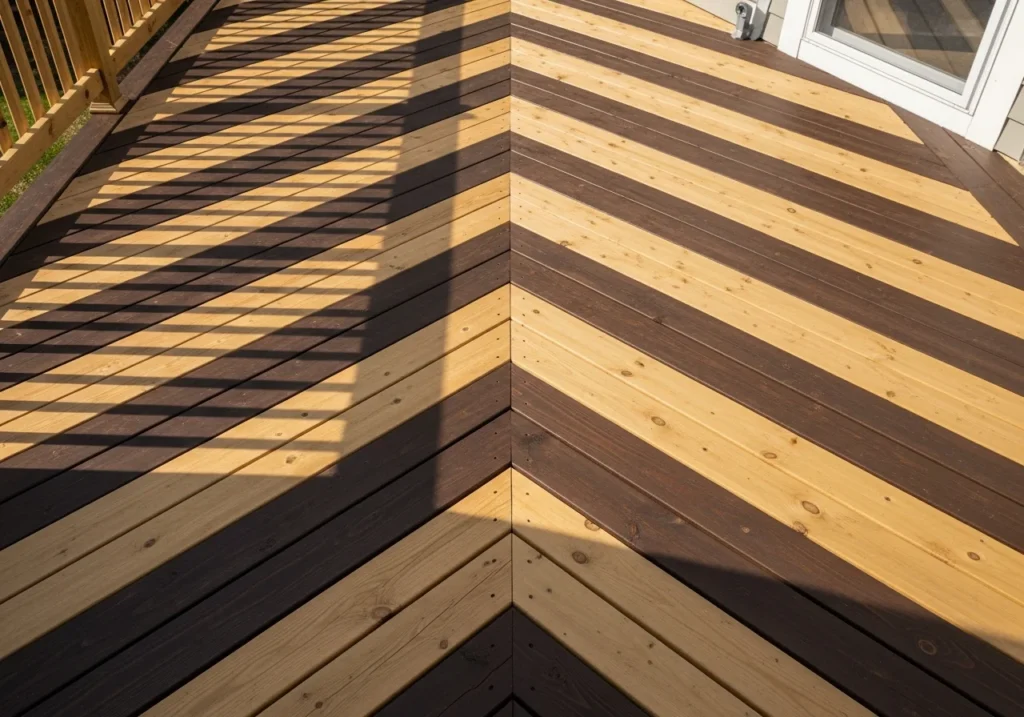
Moving beyond solid colors opens exciting possibilities for creating truly unique outdoor spaces. Pattern applications transform ordinary decks into custom works of art.
Geometric patterns using contrasting stain colors can create the illusion of area rugs without the maintenance concerns. Diagonal stripes, chevron patterns, or checkerboard designs add visual interest and define different functional zones within your deck space.
Stenciled designs allow you to add decorative elements ranging from subtle corner accents to bold centerpiece motifs. Marine themes, floral patterns, or geometric shapes can be incorporated using specialty stencils and multiple paint colors.
Faux wood grain techniques let you create the appearance of expensive hardwood species using less costly materials. Special painting tools and techniques can mimic the look of teak, mahogany, or other premium woods on standard pressure-treated lumber.
Enhanced Railing deck Refinishing Options
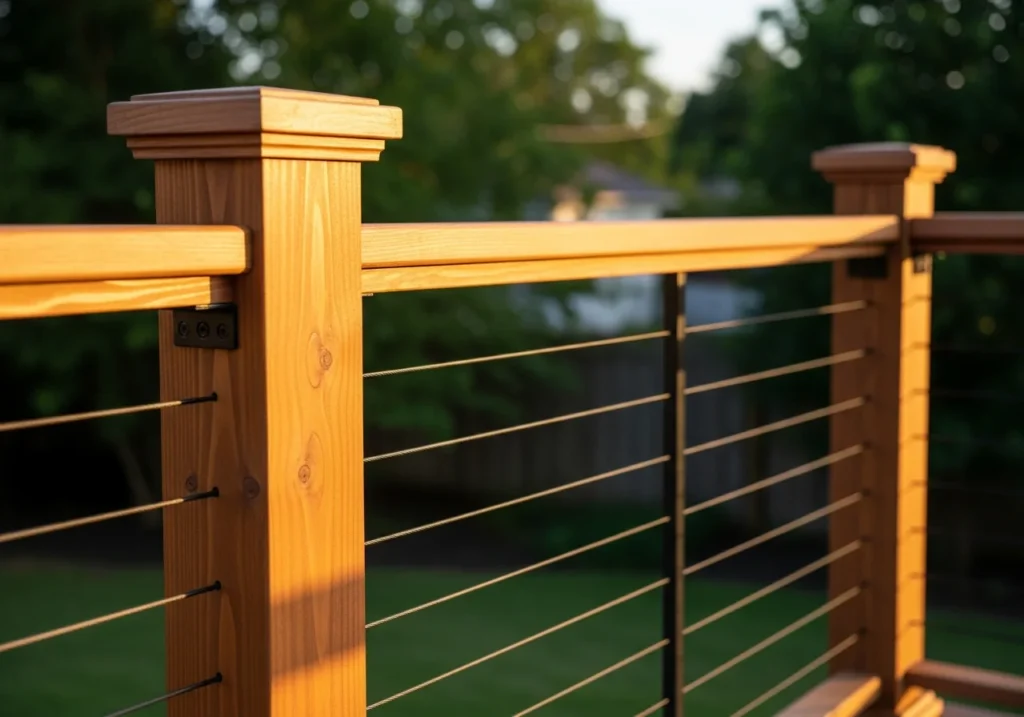
Deck railings frame your outdoor space and deserve equal attention during refinishing projects. Fresh, well-maintained railings dramatically improve the overall appearance of your deck.
Traditional staining or painting of wood railings should coordinate with your decking choice, either matching for continuity or contrasting for visual interest. Proper surface preparation proves even more critical on vertical surfaces, where drips and runs show prominently.
Wrapping existing posts and balusters with low-maintenance materials provides an upgrade path without complete railing replacement. PVC column wraps slide over existing posts and can be glued in place, creating a crisp, painted appearance that never needs repainting.
Metal railing inserts offer a contemporary alternative to traditional wood balusters. Cable rail systems, aluminum pickets, or glass panels can replace worn wooden balusters, creating modern appeal while maintaining your existing post structure.
Strategic Lighting Integration
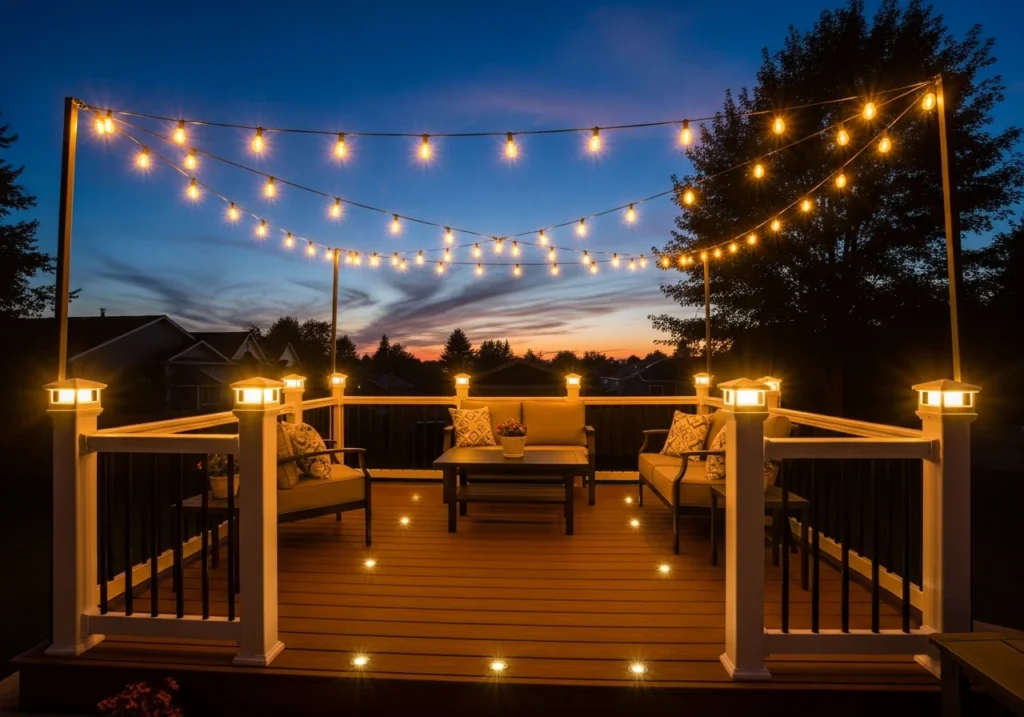
Incorporating lighting during refinishing projects extends your deck’s usability into evening hours while adding ambiance and safety. Modern low-voltage systems make professional-looking installations accessible to do-it-yourself enthusiasts.
Post cap lights provide illumination exactly where needed while adding decorative appeal during daylight hours. Solar-powered options eliminate wiring concerns, though hardwired fixtures offer more consistent performance.
Recessed deck lights installed between boards create a sophisticated look with minimal visual impact during the day. These fixtures highlight the deck perimeter and illuminate stairs for safety without creating harsh spotlighting.
String lights and pendant fixtures add personality and charm while providing functional lighting for dining and entertaining areas. Modern outdoor fixtures come in styles ranging from industrial to tropical, ensuring options that complement any design aesthetic.
Sustainable and Eco-Friendly Deck Refinishing Choices
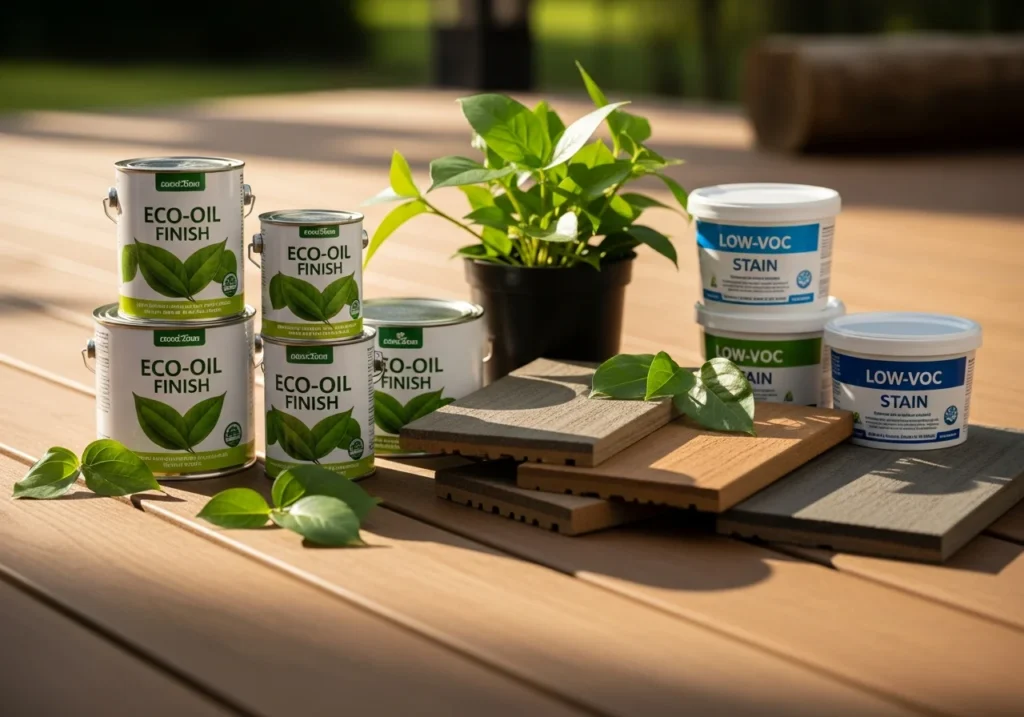
Environmental consciousness increasingly influences deck refinishing decisions. Numerous options exist for homeowners seeking to minimize their ecological footprint.
Low-VOC and water-based products reduce harmful emissions while providing protection comparable to traditional formulations. Many manufacturers now offer complete product lines formulated to meet stringent environmental standards without sacrificing performance.
Reclaimed and recycled materials provide refinishing options with minimal environmental impact. Composite decking made from recycled plastics and wood waste diverts materials from landfills while creating durable decking surfaces.
Natural oil finishes derived from plant sources offer biodegradable alternatives to synthetic coatings. While requiring more frequent reapplication, these products avoid petroleum-based ingredients entirely.
Maintenance Schedules for Long-Lasting Results

The longevity of your refinishing work depends heavily on proper ongoing maintenance. Establishing and following a regular care routine protects your investment and keeps your deck looking fresh.
Annual inspections identify small problems before they become major issues. Check for loose fasteners, damaged boards, and areas where finish has worn away. Addressing these concerns promptly prevents accelerated deterioration.
Regular cleaning removes dirt, pollen, and organic debris that can trap moisture against deck surfaces. Quarterly sweeping and annual washing maintain appearance while preventing premature finish breakdown.
Recoating schedules vary based on your chosen finish and local climate conditions. Transparent stains typically need refreshing every two to three years, while solid stains and paints may last five years or longer before requiring maintenance.
Conclusion
Refinishing your deck represents an investment in both your property value and your quality of life. The fourteen ideas presented here offer approaches suitable for every budget, skill level, and design preference. From classic staining techniques that enhance natural wood beauty to innovative composite overlays that eliminate maintenance concerns, the right solution exists for your specific situation.
Success in deck refinishing comes down to three key factors: thorough preparation, selecting appropriate materials for your climate and usage patterns, and committing to ongoing maintenance. Take time to carefully evaluate your deck’s current condition, consider how you use your outdoor space, and choose refinishing methods that align with your long-term goals.
Whether you opt for a simple stain refresh or embark on a complete transformation with new materials and bold colors, your refinished deck will provide years of enjoyment. The outdoor living space you create becomes an extension of your home, a place where memories are made and time with family and friends is cherished. Start planning your deck refinishing project today, and look forward to the stunning results that await.
Frequently Asked Questions
How long does deck refinishing typically last?
The lifespan of deck refinishing varies based on the products used and environmental conditions. Semi-transparent stains generally last two to three years, solid stains and quality paints can endure four to six years, while composite overlays and membrane systems can last twenty-five years or more with minimal maintenance.
Can I refinish my deck myself or should I hire a professional?
Basic staining and painting projects fall within the capabilities of most homeowners with basic tools and attention to detail. However, composite installations, membrane systems, and extensive repairs typically require professional expertise to ensure proper installation and long-term performance.
What is the best time of year to refinish a deck?
Spring and fall provide ideal conditions for deck refinishing in most climates. Temperatures between 50 and 80 degrees Fahrenheit with low humidity allow coatings to cure properly. Avoid refinishing during rainy periods or when extreme heat or cold is forecast within 48 hours of application.
How much does it cost to refinish a deck?
Costs vary widely based on deck refinishing size, condition, and chosen materials. DIY staining projects may cost $200 to $500 for an average deck, while professional refinishing with premium products can range from $1,000 to $4,000. Composite overlays represent the highest investment, typically starting around $5,000 for average-sized decks.
Do I need to remove old stain before refinishing my deck?
This depends on the condition of the existing finish and your refinishing choice. Solid stains and paints can often be applied over well-adhered old stain after proper cleaning and light sanding. However, peeling or flaking finishes must be completely removed to ensure proper adhesion of new coatings. Semi-transparent stains typically require stripping old finish to achieve even color.