20+ Creative Flat Roof Railing Ideas
Transforming a flat roof into a functional outdoor space requires more than just vision. The right railing system ensures safety, protects your roof membrane, and enhances your property’s visual appeal. Whether you’re converting a garage roof into a deck, adding safety barriers to a commercial building, or creating an elevated retreat above your home, selecting the appropriate railing design impacts both functionality and aesthetics.
Flat roof railings present unique challenges compared to traditional deck railings. The primary concern involves protecting the waterproof membrane that keeps your building dry. Penetrating this barrier with posts can lead to costly water damage, making installation method selection critical. Additionally, building codes mandate specific height and strength requirements that your railing must meet.
This comprehensive guide explores more than twenty creative railing ideas tailored specifically for flat roof railing applications. From non-penetrating systems that sit atop your roof to side-mounted options that maximize deck space, you’ll discover solutions suited to various budgets, architectural styles, and functional requirements.
Steel Cable Railing Systems
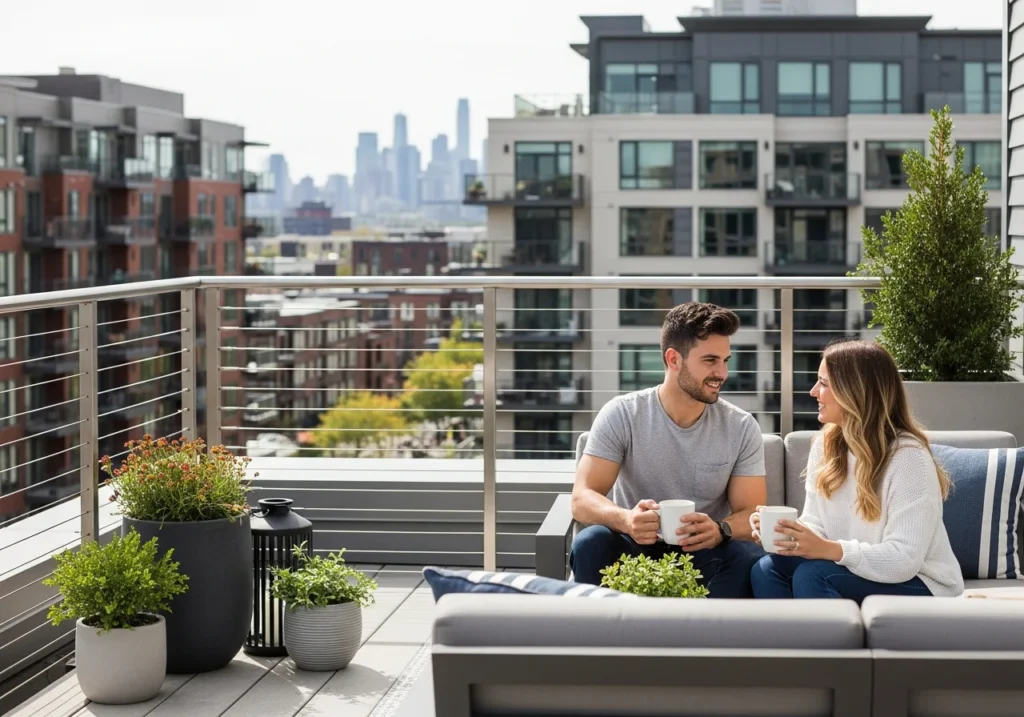
Steel cable railings deliver a contemporary aesthetic while maintaining unobstructed views. These systems feature horizontal cables stretched between vertical posts, creating clean lines that complement modern architecture. The thin profile of the cables ensures minimal visual interference, making them ideal for properties where preserving sightlines matters.
Installation typically involves tensioning stainless steel cables through posts anchored to the roof structure. The spacing between cables must comply with building codes, usually requiring gaps no larger than four inches to prevent small children from slipping through. Steel cable systems work particularly well on urban rooftop decks where city views justify the investment.
Maintenance requirements remain minimal since stainless steel resists corrosion. Periodic checks ensure cables maintain proper tension and haven’t loosened over time. The industrial appearance pairs beautifully with concrete, metal, and glass architectural elements.
Glass Panel Railings
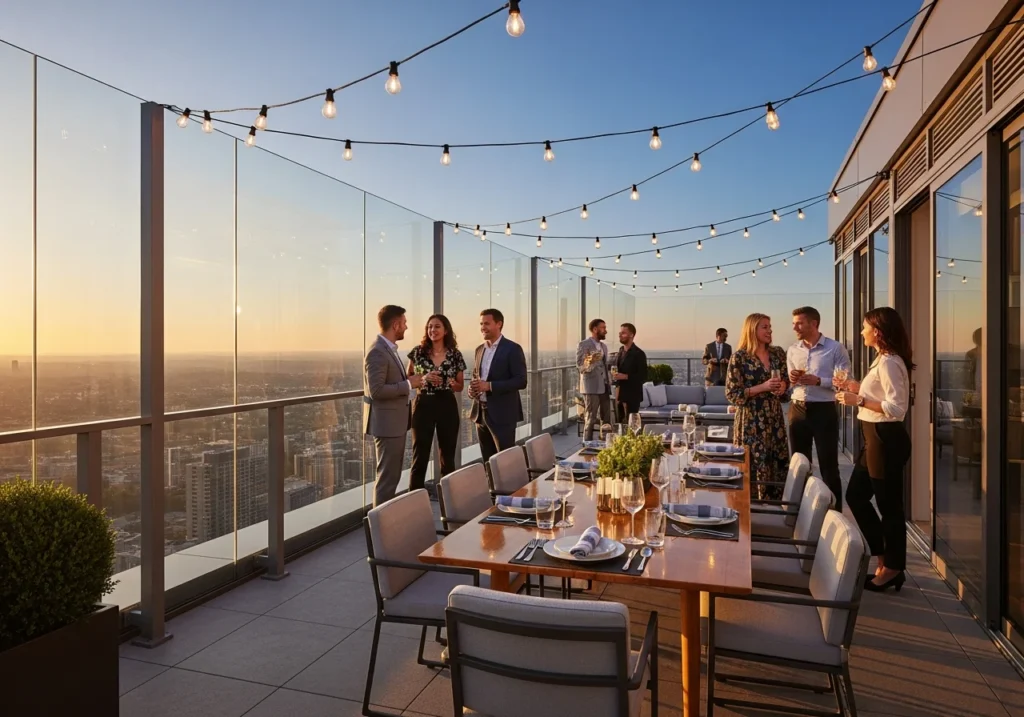
For properties demanding maximum transparency, glass panel railings provide safety without blocking views. These systems incorporate tempered or laminated glass panels secured within metal frames or mounted directly to posts. The result offers an elegant, sophisticated appearance that elevates any rooftop space.
Frameless glass railings create the most open feeling, with glass panels appearing to float between minimal hardware. Framed versions provide additional structural support and work well when budget constraints exist. Both options require professional installation to ensure proper anchoring and code compliance.
Glass railings do demand regular cleaning to maintain their clarity. Fingerprints, water spots, and environmental debris show readily on transparent surfaces. However, the unimpeded panoramic views often justify this additional maintenance for homeowners with spectacular surroundings.
Non-Penetrating Weighted Base Systems

Non-penetrating railings revolutionized flat roof railing safety by eliminating the need to pierce waterproof membranes. These systems employ heavy counterweight bases that rest securely on the roof surface. Posts insert into the weighted bases, and rails connect between posts to form a protective barrier.
The primary advantage involves zero roof penetration, preserving warranty coverage and preventing potential leaks. These railings prove especially valuable on EPDM, TPO, and PVC membrane roofs where maintaining integrity matters most. Installation proceeds quickly since no drilling or specialized roof work occurs.
Weight requirements mean these systems work best on structurally sound roofs capable of supporting the distributed load. Bases typically weigh between 80 and 120 pounds each, though exact specifications vary by manufacturer and local wind load requirements. The modular design allows reconfiguration as needs change.
Side-Mounted Fascia Systems

Side-mounted railings attach to the fascia or rim joist rather than the roof surface itself. This mounting method protects the waterproof membrane while maximizing usable deck space. Posts bolt directly into the vertical face of the structure, creating a sturdy installation that can withstand significant lateral force.
Professional installation matters here since proper anchoring into structural members ensures safety. The fascia must provide sufficient depth to accept the mounting hardware securely. Most installations require at least 5.25 inches of solid lumber or engineered material for adequate grip.
Side-mounting works exceptionally well on flat roofs over garages, sunrooms, and additions where the roof structure includes accessible perimeter framing. Steel railings prove most reliable for this application since they provide necessary strength without excessive weight. The clean installation leaves the entire roof surface available for furniture, planters, and activities.
Wrought Iron Traditional Railings
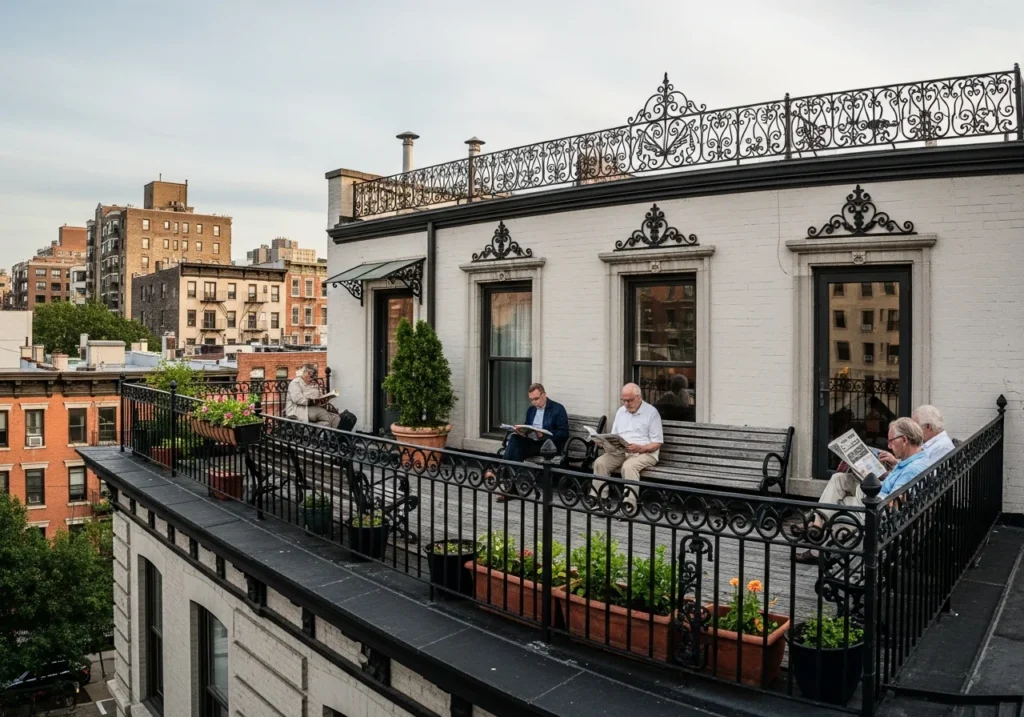
Wrought iron railings bring timeless elegance and ornamental detail to flat roof railing installations. Craftsmen can forge intricate patterns, scrollwork, and custom designs that transform functional safety barriers into architectural statements. These railings complement traditional, Victorian, and historic home styles beautifully.
Modern powder coating technology protects iron from rust and corrosion, dramatically extending lifespan compared to historic installations. Color options range from classic black to custom hues matching your home’s palette. The substantial weight and solid construction provide reassuring stability.
Custom wrought iron involves higher costs than mass-produced alternatives, but the visual impact and durability often justify the investment. These railings become permanent architectural features that enhance property value while serving practical safety functions.
Aluminum Powder-Coated Systems

Aluminum railings offer an excellent strength-to-weight ratio while resisting corrosion naturally. Powder coating adds color choices and extra protection, creating durable systems suitable for various climates. The lightweight nature simplifies installation and reduces structural load concerns.
These systems typically feature pre-fabricated sections that connect on-site, streamlining the installation process. Multiple design options exist, from simple vertical balusters to decorative panel inserts. The material never rusts, making aluminum ideal for coastal properties where salt air challenges other metals.
Cost falls between basic vinyl and premium stainless steel options. The combination of moderate pricing, durability, and low maintenance makes aluminum popular for residential flat roof decks. Expect 20 to 30 years of service with minimal upkeep beyond occasional cleaning.
Composite Railing Materials

Composite railings blend wood fibers with plastic polymers, creating materials that mimic wood’s appearance without its maintenance demands. These systems resist rot, insects, and weather damage while eliminating the need for regular staining or sealing.
Installation methods vary based on roof configuration. Composites work best with side-mounting systems since the material lacks the strength for non-penetrating weighted base applications. The material’s flexibility can be both advantage and limitation depending on span requirements and local building codes.
Color and texture options have expanded significantly in recent years. Modern composites convincingly replicate various wood species while offering decades of maintenance-free performance. The material suits homeowners wanting wood’s warmth without its upkeep burden.
Horizontal Metal Slat Railings
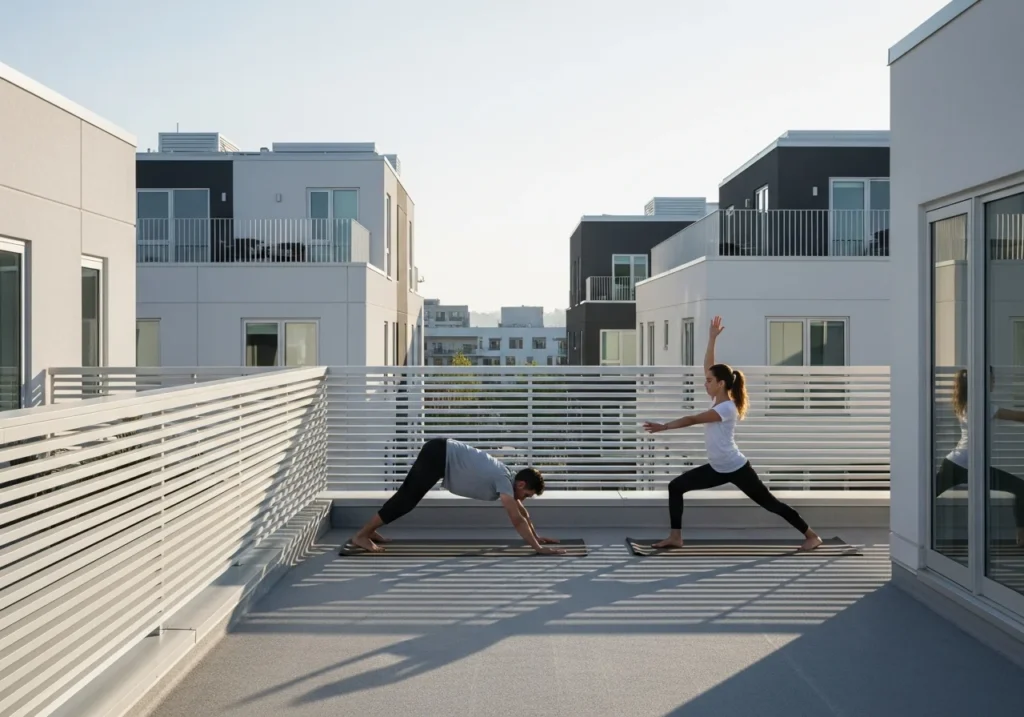
Horizontal metal slats create striking contemporary railings that complement modern architecture. Flat or round metal bars mount horizontally between posts, forming rhythmic patterns that guide the eye along the roofline. Spacing between slats provides see-through visibility while maintaining safety.
Aluminum and steel both work well for slat construction. The horizontal orientation emphasizes the length of spaces, making them appear larger. This design language particularly suits urban environments and minimalist architectural styles.
Proper spacing matters for code compliance. Building regulations typically require gaps prevent passage of a four-inch sphere, ensuring small children cannot slip through. Professional installation ensures structural integrity and proper load distribution across posts.
Vinyl PVC Railing Systems

Vinyl railings deliver affordability and maintenance-free performance. These systems never require painting and clean easily with soap and water. White remains the most common color, though manufacturers now offer additional options including tan and gray.
While vinyl works for decorative applications, it lacks the structural strength for side-mounting on flat roofs. These systems perform best on properly supported deck surfaces where posts can be secured through decking into substantial framing below. The material may become brittle in extreme cold and can warp under intense heat.
Cost advantages make vinyl attractive for budget-conscious projects. The material suits secondary applications where visual impact matters less than functional safety at minimal expense. Homeowners should verify local building codes allow vinyl for their specific application.
Stainless Steel Modern Railings
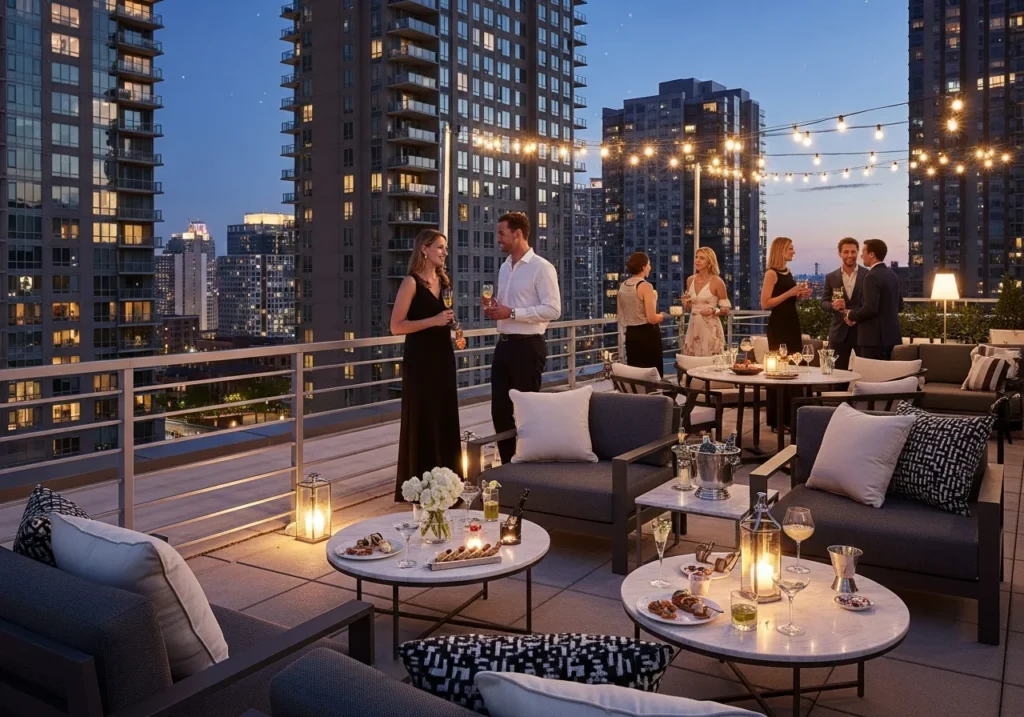
Stainless steel represents the premium choice for flat roof railings. The material offers exceptional strength, complete corrosion resistance, and a sleek contemporary appearance. Marine-grade 316 stainless steel performs best in coastal environments where salt exposure challenges lesser materials.
The material comes in various finishes including brushed, polished, and satin. Brushed finishes hide fingerprints and minor scratches better than mirror polish. Stainless steel pairs beautifully with glass panels, creating ultra-modern railing systems that make architectural statements.
Higher material and fabrication costs position stainless steel at the luxury end of the market. However, the virtually unlimited lifespan and zero maintenance requirements provide long-term value. These railings suit high-end residential projects and commercial properties where appearance and longevity justify premium investment.
Wire Mesh Panel Inserts
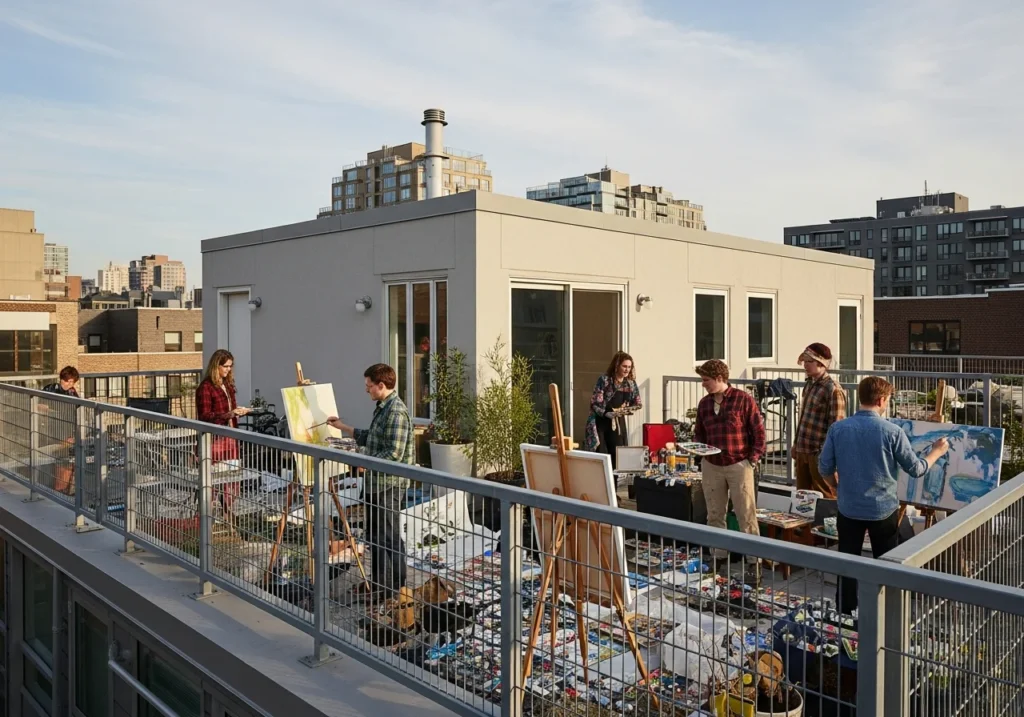
Wire mesh panels mounted within railing frames create industrial-chic barriers that permit airflow while maintaining safety. The mesh comes in various patterns including welded wire grids, expanded metal, and decorative perforated sheets. These inserts work particularly well in urban loft and contemporary warehouse conversion settings.
The see-through nature maintains views while adding texture and visual interest. Mesh proves more pet-friendly than cable or glass systems since curious animals cannot slip through or get stuck. The material also provides better wind resistance than open systems, reducing force on posts.
Galvanized or powder-coated finishes prevent rust and extend service life. Installation involves securing mesh panels into grooves or against the back of frame members. The modular nature allows easy replacement if panels become damaged over time.
Architectural Metal Railing Designs
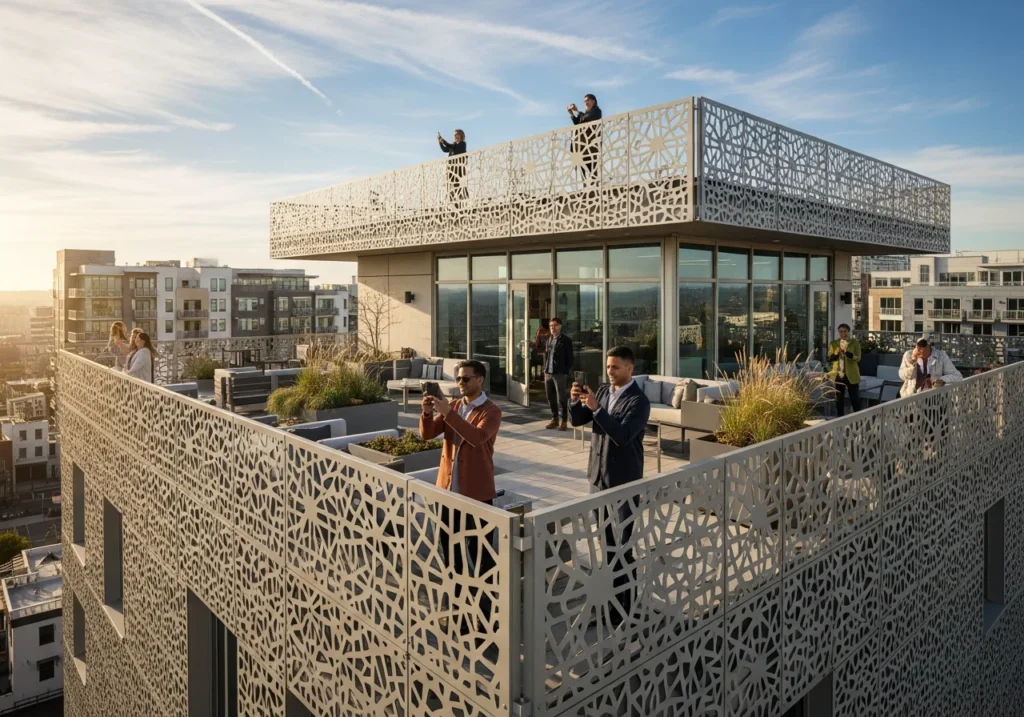
Custom architectural metalwork transforms railings into signature design elements. Fabricators can create geometric patterns, organic forms, and branded designs that reflect corporate identity or personal style. Laser cutting technology enables intricate details previously impossible or cost-prohibitive.
These railings serve both functional and artistic purposes. Projects might incorporate company logos, abstract patterns inspired by nature, or geometric designs complementing building architecture. The custom nature means each installation becomes unique.
Working with experienced metal fabricators ensures designs meet structural requirements while achieving desired aesthetics. Computer-aided design allows visualization before fabrication begins. Premium pricing reflects the custom nature and skilled craftsmanship involved.
Wood Railing Systems
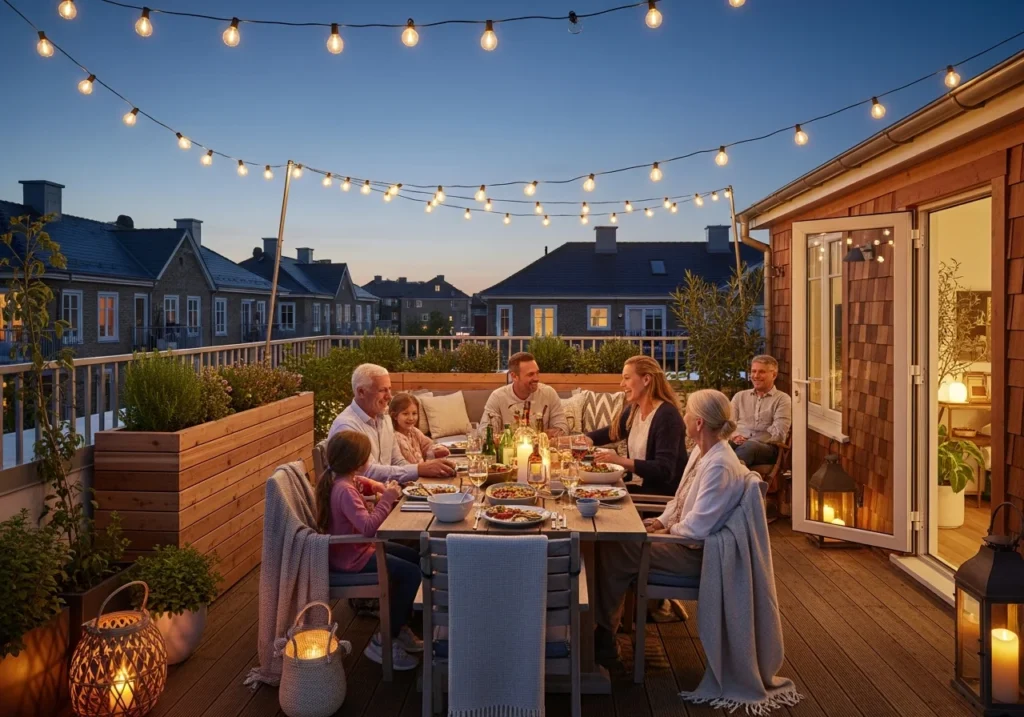
Wood railings bring natural warmth and traditional appeal to flat roof installations. Species selection impacts durability, with cedar, redwood, and pressure-treated lumber offering better weather resistance. Regular maintenance including staining or sealing protects wood from moisture, sun, and insect damage.
Installation requires careful waterproofing where posts penetrate roofing membranes. Alternatively, wood railings can cap side-mounted metal posts, combining wood’s aesthetics with steel’s structural advantages. This hybrid approach maximizes benefits of both materials.
Wood suits traditional architecture and creates inviting, comfortable spaces. The material ages gracefully when properly maintained, developing character over decades. Budget-friendly compared to many metal options, wood remains popular despite higher maintenance demands.
Tempered Glass Balustrade Systems
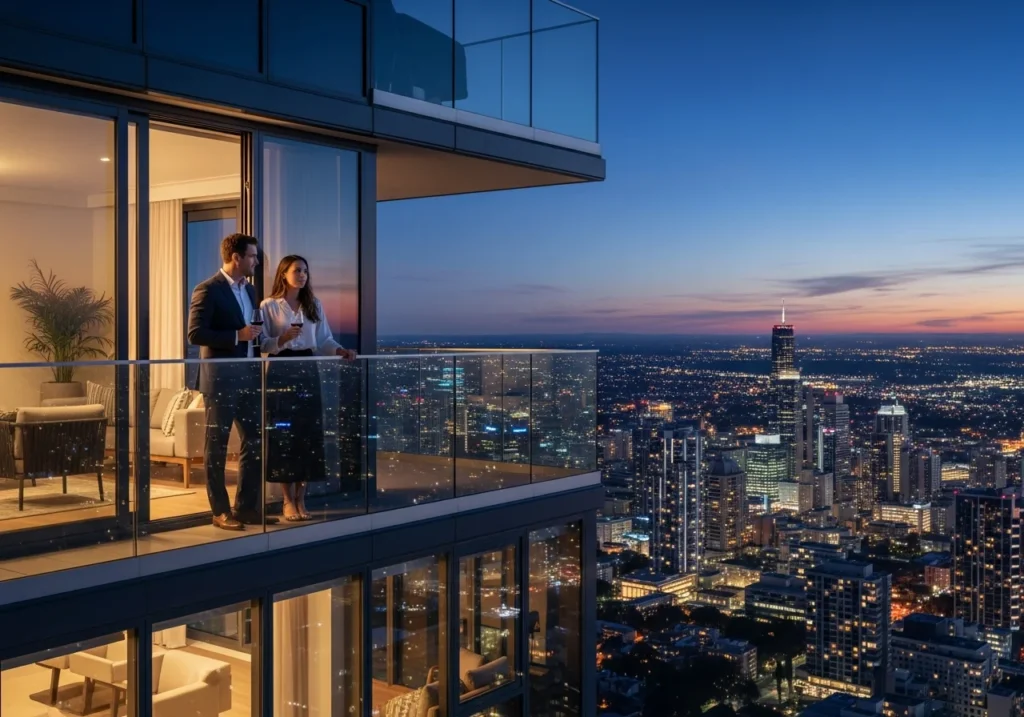
Tempered glass balustrades create sophisticated railings with maximum transparency. Unlike framed glass panels, balustrades feature glass installed directly into channels cut into top and bottom rails. This system eliminates vertical framing, achieving even cleaner sightlines.
The structural glazing must meet specific thickness and strength requirements. Tempered glass shatters into small granules rather than dangerous shards if broken, providing safety advantages. Laminated glass options add security by holding fragments together even when cracked.
Professional installation proves essential since glass edges must seat properly in channels with appropriate gaskets and sealants. The system works best in protected locations where wind loads remain moderate. Regular cleaning maintains the transparent appearance that makes these systems desirable.
Pipe Railing Configurations

Simple pipe railings offer straightforward functionality at reasonable cost. Round metal pipes form posts and rails, with connections made via flanges, slip fittings, or welded joints. The industrial aesthetic suits urban rooftop spaces and modern commercial properties.
Galvanized steel pipes provide corrosion resistance at lower cost than stainless steel. Powder coating adds color options and additional protection. Schedule 40 pipe offers adequate strength for most applications, with heavier schedule 80 available when extra robustness matters.
The utilitarian appearance may not suit all architectural styles. However, pipe railings deliver reliable performance with minimal maintenance. The modular nature simplifies repairs since individual sections can be replaced without disturbing entire systems.
Decorative Laser-Cut Metal Panels
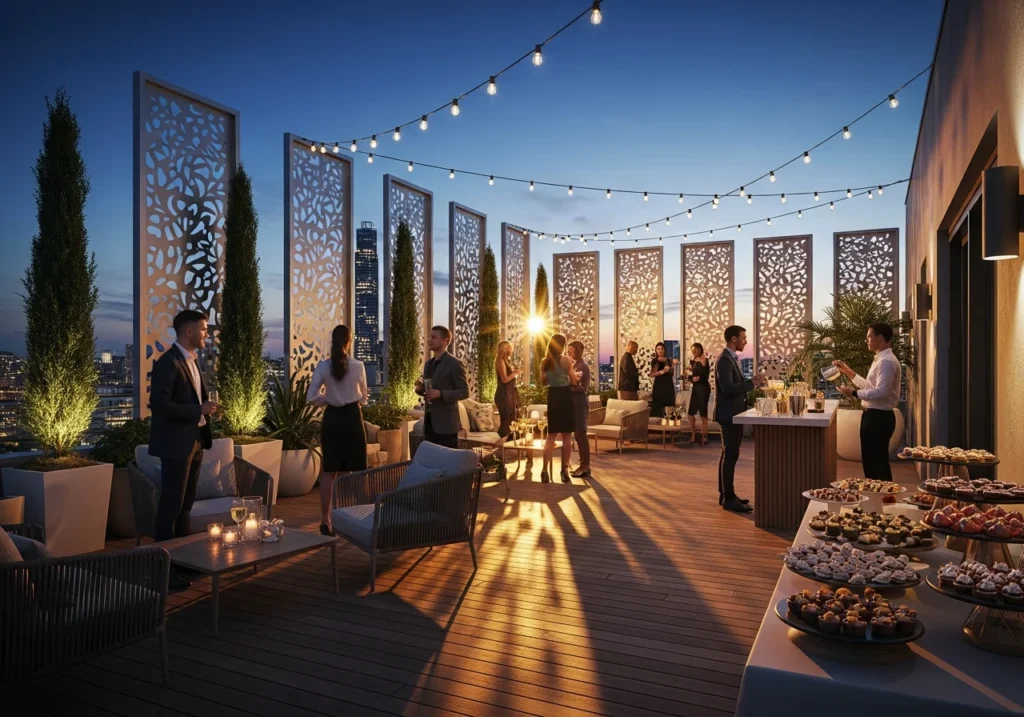
Laser-cut metal panels combine safety with artistic expression. Computer-controlled lasers cut intricate patterns into sheet metal, creating railings that cast beautiful shadows and serve as outdoor art installations. Designs range from geometric abstractions to nature-inspired organic forms.
Aluminum works well for laser cutting since the material combines workability with weather resistance. Steel panels offer additional strength when structural demands require. Powder coating provides color options and protects against corrosion.
These panels typically mount within frame systems, with the decorative metalwork serving as infill between posts and rails. The custom nature means designs can reflect personal taste, complement architectural details, or incorporate meaningful symbols. Light passing through cut patterns creates dynamic visual effects throughout the day.
Mixed Material Contemporary Railings
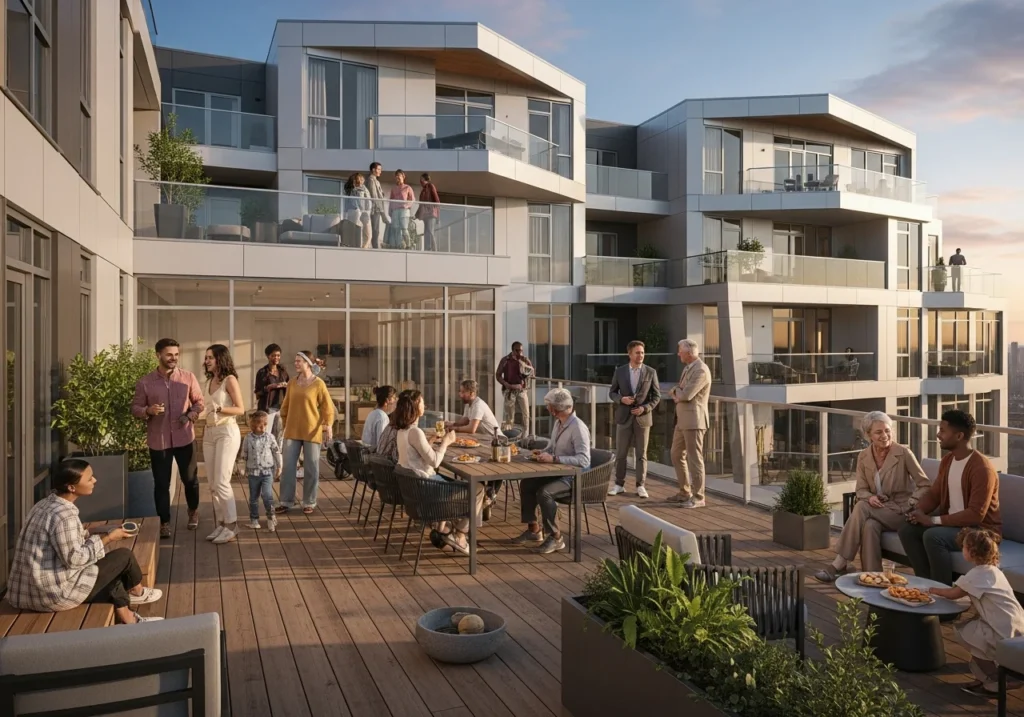
Combining multiple materials creates dynamic railing systems with enhanced visual interest. Common pairings include wood posts with cable infill, metal frames with glass panels, or stone columns with metal rails. These combinations allow designers to balance aesthetics, function, and budget.
Mixed material systems require careful planning to ensure materials expand and contract compatibly. Connection details must accommodate different thermal properties without causing stress or failure. Professional design and installation prevent problems from developing over time.
The creative possibilities prove nearly endless. Projects might feature natural materials like wood and stone combined with modern glass and steel. The contrast creates architectural tension that elevates the overall design beyond what single-material systems achieve.
Minimalist Frameless Systems

Minimalist frameless railings strip away excess visual elements to create clean, uncluttered barriers. These systems often feature glass panels held by minimal clamping hardware or cables tensioned between discrete posts. The goal involves maximum transparency with minimum visual intrusion.
Engineering challenges increase as visible support structures decrease. Hidden anchoring systems must provide code-required strength while remaining out of sight. These installations demand experienced professionals familiar with structural requirements and available hardware systems.
The nearly invisible nature suits properties where views justify premium investment. Rooftop decks overlooking oceans, mountains, or cityscapes benefit most from railings that seem to disappear. Maintenance includes cleaning glass frequently and checking hardware remains tight.
Corrugated Metal Rustic Railings

Corrugated metal brings industrial character and rustic charm to flat roof railings. The wavy profile provides inherent strength while creating distinctive texture and shadow patterns. Galvanized steel develops an attractive patina over time, though painted versions maintain consistent appearance.
These railings suit farmhouse, industrial, and eclectic architectural styles. The material proves cost-effective while delivering substantial durability. Installation involves mounting corrugated panels within wood or metal frame systems.
The rustic aesthetic may not work for formal or traditional architecture. However, properties embracing industrial design elements or rural settings find corrugated metal railings align perfectly with overall design direction. The material withstands weather exposure with minimal maintenance.
Privacy Screen Railing Combinations
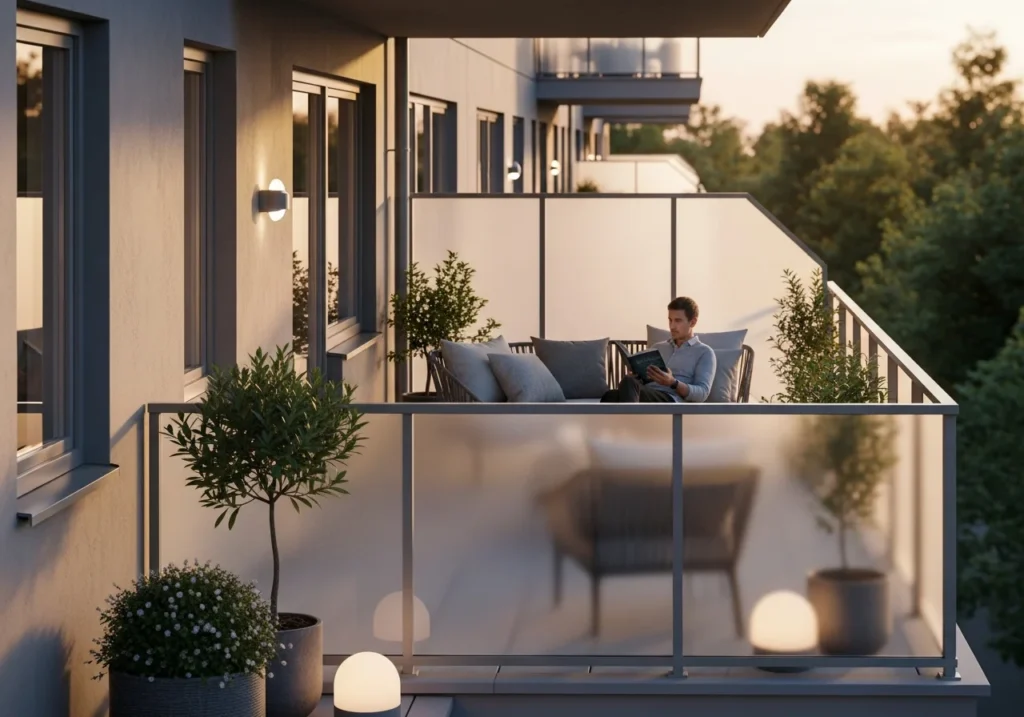
Railing systems incorporating privacy screens serve dual purposes. These installations provide required safety barriers while blocking unwanted views from neighbors or nearby buildings. Screen materials include frosted glass, perforated metal, fabric panels, and slatted wood or composite materials.
The added privacy transforms rooftop spaces into private retreats. Strategic screen placement can block specific sightlines while leaving other directions open for desirable views. Modular systems allow adjustment as privacy needs change.
Building codes still apply to height and strength requirements. The privacy elements add wind load that must be accommodated in structural design. Professional assessment ensures installations meet safety standards while achieving privacy goals.
LED-Integrated Modern Railings
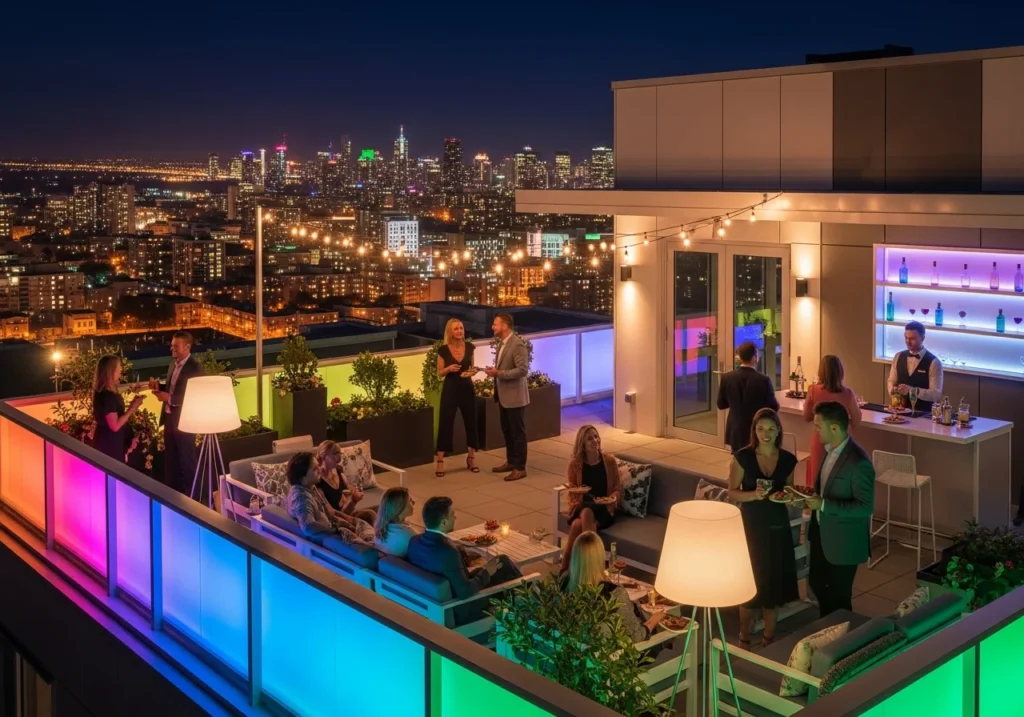
LED lighting integrated into railing systems extends usability after dark while adding dramatic visual impact. Lights can be embedded in posts, under top rails, or within glass panels. The illumination enhances safety by defining space boundaries in darkness.
Modern LED technology consumes minimal power while lasting decades. Color-changing options allow mood adjustment, and smart controls enable programming. The lighting transforms nighttime rooftop spaces into enchanting outdoor rooms.
Electrical installation requires proper weatherproofing and code compliance. Low-voltage systems provide safety advantages for outdoor applications. Solar-powered options eliminate wiring complexity though may not provide sufficient brightness for all applications.
Maintenance and Longevity Considerations
Railing longevity depends heavily on material selection and maintenance commitment. Stainless steel and aluminum require minimal upkeep beyond occasional cleaning. Wood demands regular staining or sealing to prevent weathering. Powder-coated finishes need inspection for chips that expose underlying metal to corrosion.
Annual inspections should check mounting hardware remains tight and structural members show no signs of damage or excessive wear. Posts, rails, and infill panels need examination for cracks, rust, or degradation. Prompt repairs prevent minor issues from becoming major problems.
Climate impacts maintenance requirements significantly. Coastal properties face salt air challenges requiring corrosion-resistant materials and frequent rinsing. Extreme temperature fluctuations stress materials through expansion and contraction cycles. Selecting appropriate materials for your specific environment ensures satisfactory long-term performance.
Building Codes and Safety Standards
All flat roof railings must meet local building codes governing height, strength, and spacing requirements. Most jurisdictions require railings at least 36 to 42 inches tall, with infill spacing preventing passage of a four-inch sphere. Structural requirements mandate railings withstand specific lateral loads without failure.
Commercial installations face additional OSHA regulations covering fall protection for workers. Non-penetrating systems must meet counterweight and stability requirements. Professional engineers can provide calculations and certifications ensuring code compliance.
Permit requirements vary by location. Some jurisdictions require permits for railing installation, others exempt certain projects. Checking with local building departments before starting work prevents costly surprises. Professional installers typically handle permit applications as part of their service.
Conclusion
Selecting the right flat roof railing involves balancing safety requirements, waterproofing concerns, aesthetic preferences, and budget constraints. The ideas presented here demonstrate the broad range of possibilities available to property owners seeking to enhance their flat roof spaces.
Non-penetrating systems protect roof membranes while providing required safety barriers. Side-mounted options maximize usable deck space. Material choices from basic vinyl to premium stainless steel allow matching budget to project requirements. Design options span traditional wrought iron to ultra-modern glass and cable systems.
Professional assessment and installation ensure your railing meets building codes while protecting your roof investment. Whether you’re creating a private rooftop retreat or adding required safety barriers to a commercial property, the right railing system transforms your flat roof into valuable functional space while complementing your property’s architectural character.
Frequently Asked Questions
What is the best railing material for a flat roof?
Steel remains the best overall choice for flat roof railings due to its strength, durability, and versatility. Steel can be side-mounted to fascia boards without penetrating the roof membrane, provides excellent load-bearing capacity, and resists weather exposure when properly coated. Stainless steel offers the longest lifespan, particularly in coastal environments, while powder-coated galvanized steel balances performance and affordability for most applications.
Do flat roof railings need to penetrate the roof?
No, flat roof railings do not need to penetrate the roof surface. Non-penetrating systems use weighted bases that rest on the roof membrane, eliminating puncture risks. Side-mounted railings attach to the fascia or rim joist rather than the roof surface. Both methods protect waterproof membranes while meeting safety requirements. Penetrating installations remain possible but require careful flashing and sealing to prevent leaks.
How high should a flat roof railing be?
Building codes typically require flat roof railings to be 36 to 42 inches tall, measured from the walking surface to the top of the rail. The exact requirement varies by jurisdiction and building use. Residential applications generally require 36-inch minimums, while commercial properties often mandate 42 inches. Local building departments provide specific requirements for your location. Always consult current codes before installation.
Can I install a flat roof railing myself?
DIY installation is possible for simple surface-mounted systems on properly supported decks. However, professional installation is strongly recommended for side-mounted systems requiring structural attachment, non-penetrating systems needing load calculations, or any installation where waterproof membrane integrity matters. Building codes may require permits and inspections. Professional installers ensure code compliance, proper structural support, and warranty protection.
How much does a flat roof railing system cost?
Flat roof railing costs range from three dollars to fifty dollars per linear foot depending on materials, mounting method, and design complexity. Basic vinyl systems start at the lower end, while premium stainless steel or custom architectural metalwork reaches the upper range. Non-penetrating weighted base systems cost more than side-mounted options due to heavy base requirements. Professional installation adds labor costs but ensures proper mounting and code compliance.