18 Forging Project Ideas for Advanced Blacksmiths
Introduction
There is something deeply satisfying about pulling a glowing bar of steel from the forge, placing it on the anvil, and watching it take shape beneath a hammer. Blacksmithing is one of the oldest crafts in human history, and yet it remains as relevant, as rewarding, and as genuinely useful today as it was a thousand years ago. Whether you are standing at an anvil for the first time or you have spent years developing your technique, the single most important question is always the same: what should I make next?
Choosing the right project matters more than most beginners realize. A project that is too complex wastes materials, creates frustration, and can stall your progress entirely. A project that matches your current skill level, on the other hand, teaches you something concrete, produces a finished item you can use or give away, and builds the muscle memory that separates a confident smith from a hesitant one.
This article presents 18 forging project ideas organized from beginner to advanced. Each project is paired with the core techniques it teaches, a brief description of the process, and practical notes on why it belongs in your rotation. Whether your goal is to develop a marketable skill, produce functional tools, or explore blacksmithing as a serious art form, there is something here for every level.
1. The S-Hook
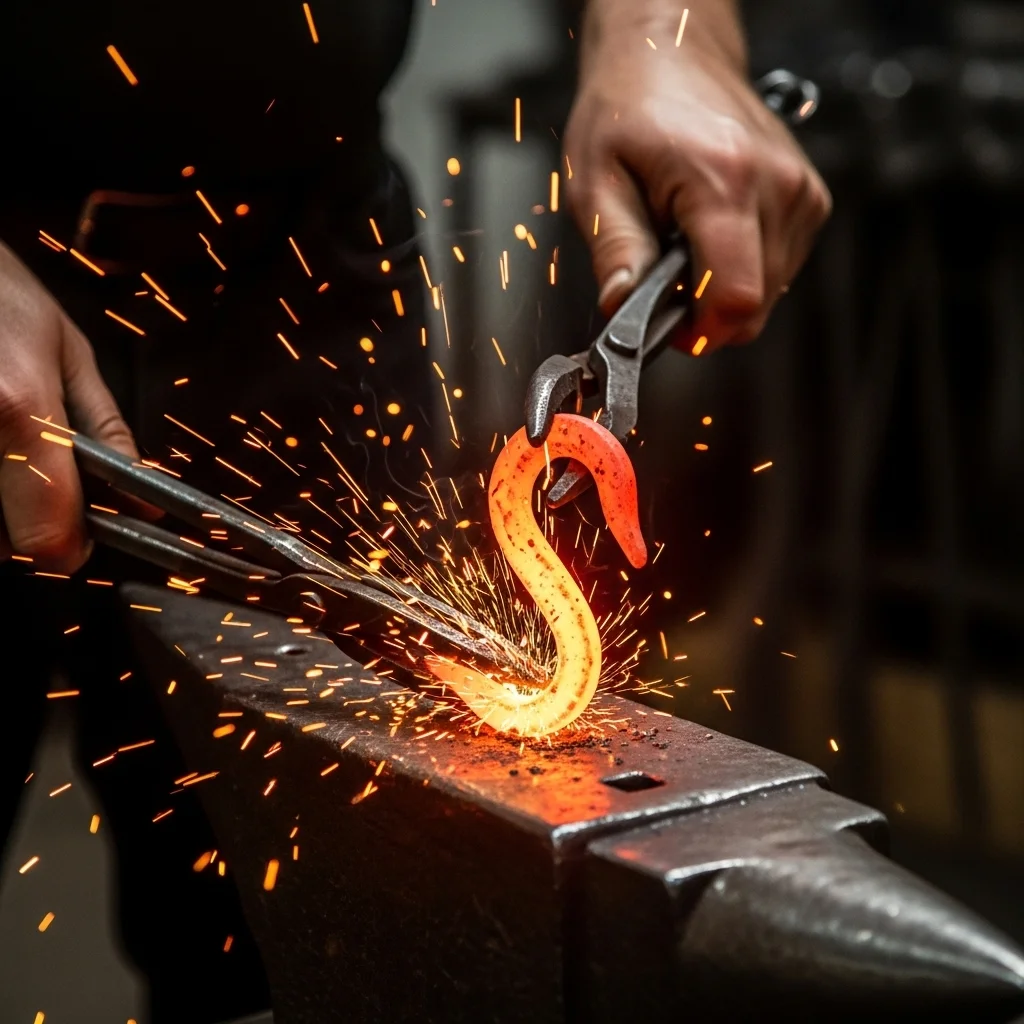
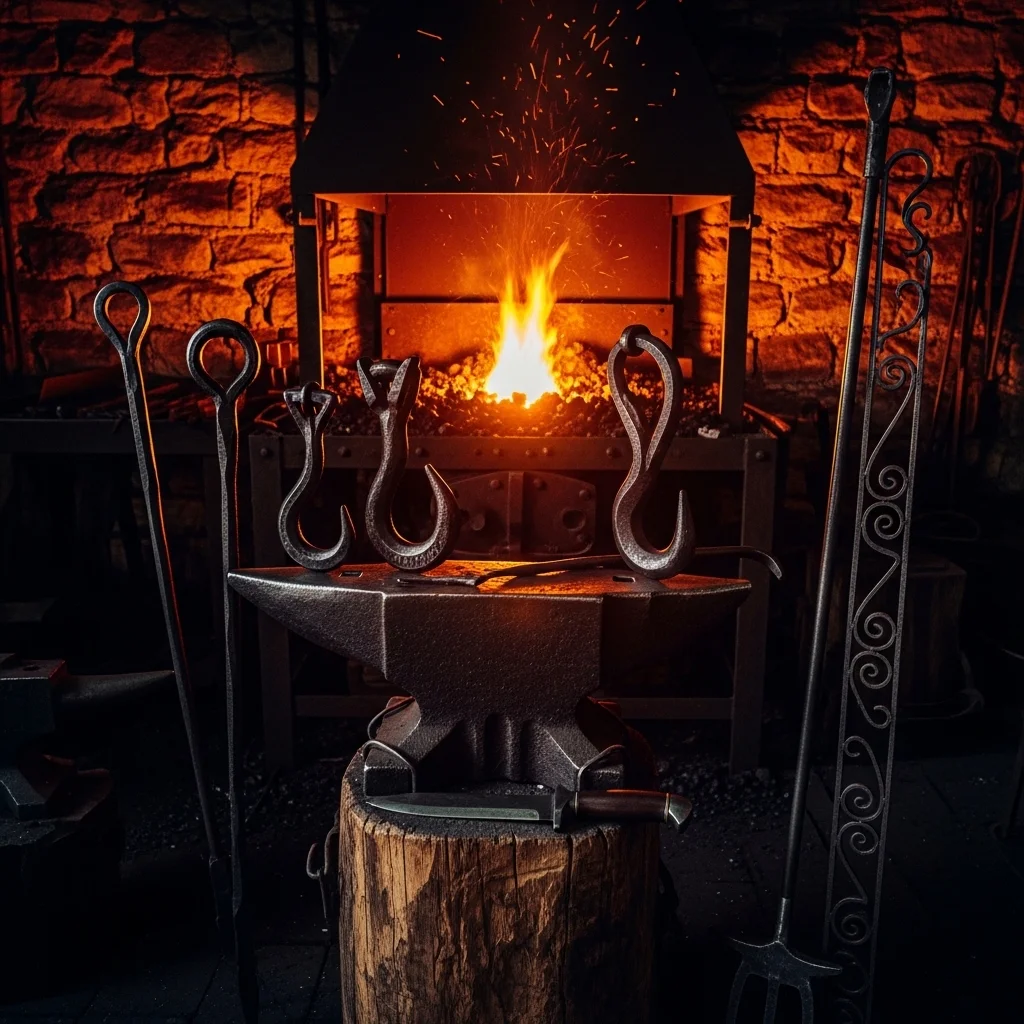
The S-hook is widely regarded as the ideal first forging project, and for good reason. It is quick to complete, requires no advanced tooling, and teaches an impressive range of foundational skills in a single session. Working from a short length of mild steel rod, the smith must taper both ends, create two opposing scrolls, and maintain consistent symmetry throughout. In practice, this means learning how to read heat color, develop hammer control, and understand how metal moves under force. A finished S-hook can be completed in under an hour and has countless practical uses around the home and workshop.
2. The J-Hook
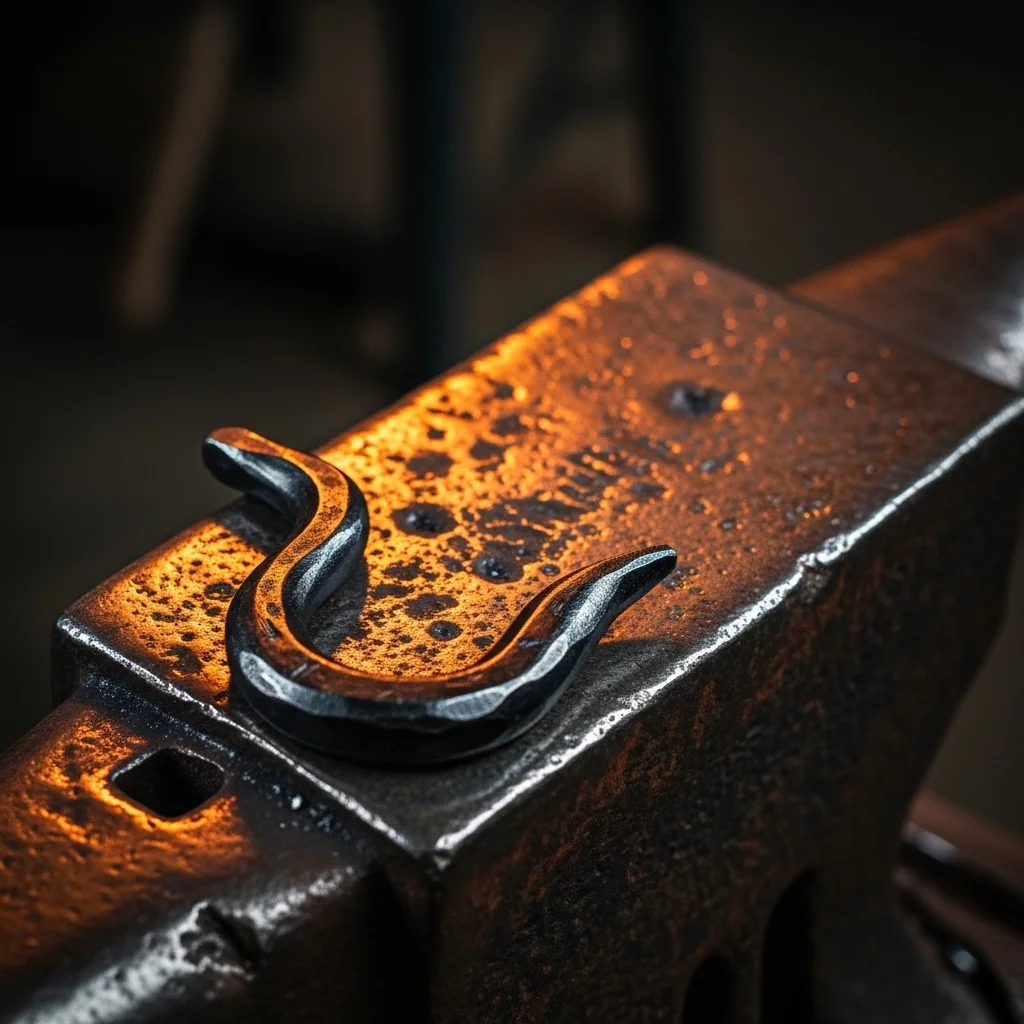
If the S-hook is the first word a beginner learns, the J-hook is the first sentence. This single-scroll wall hook is even simpler in form but no less instructive. The project requires tapering one end, punching or drilling a mounting hole in the flat section, and forming a clean, smooth curl. Because J-hooks are so quick to produce once the technique is understood, they are also one of the first items beginners can realistically sell or give as handmade gifts.
3. Fire Poker
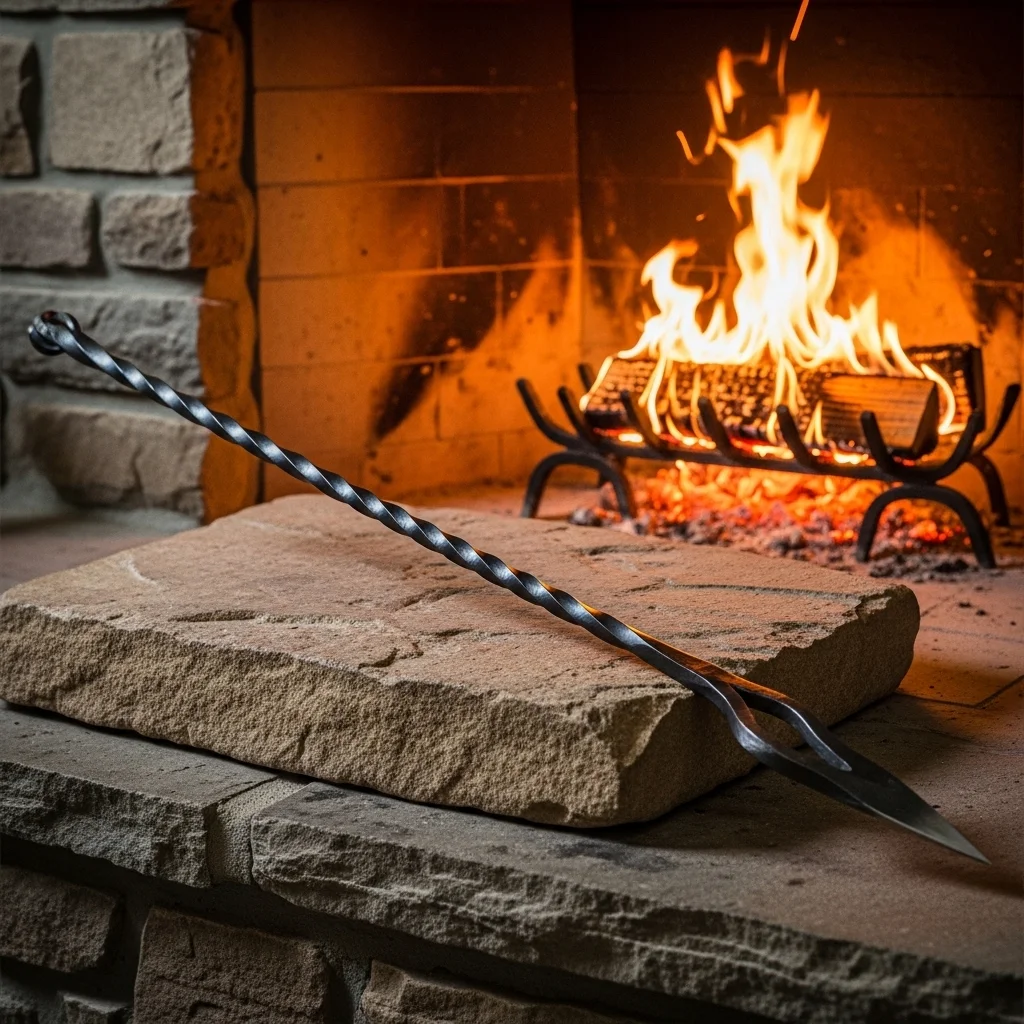
A fire poker is a longer project that introduces a new challenge: maintaining consistent thickness and straightness along an extended length of steel. Working with a bar long enough to keep hands safely away from heat, the smith tapers one end to a functional point, forms a curl or loop at the handle end for grip, and optionally adds a twisted section in the middle for decorative effect. Fire pokers are practical household items and, when finished with a coat of beeswax or high-heat paint, make excellent gifts.
4. Bottle Opener
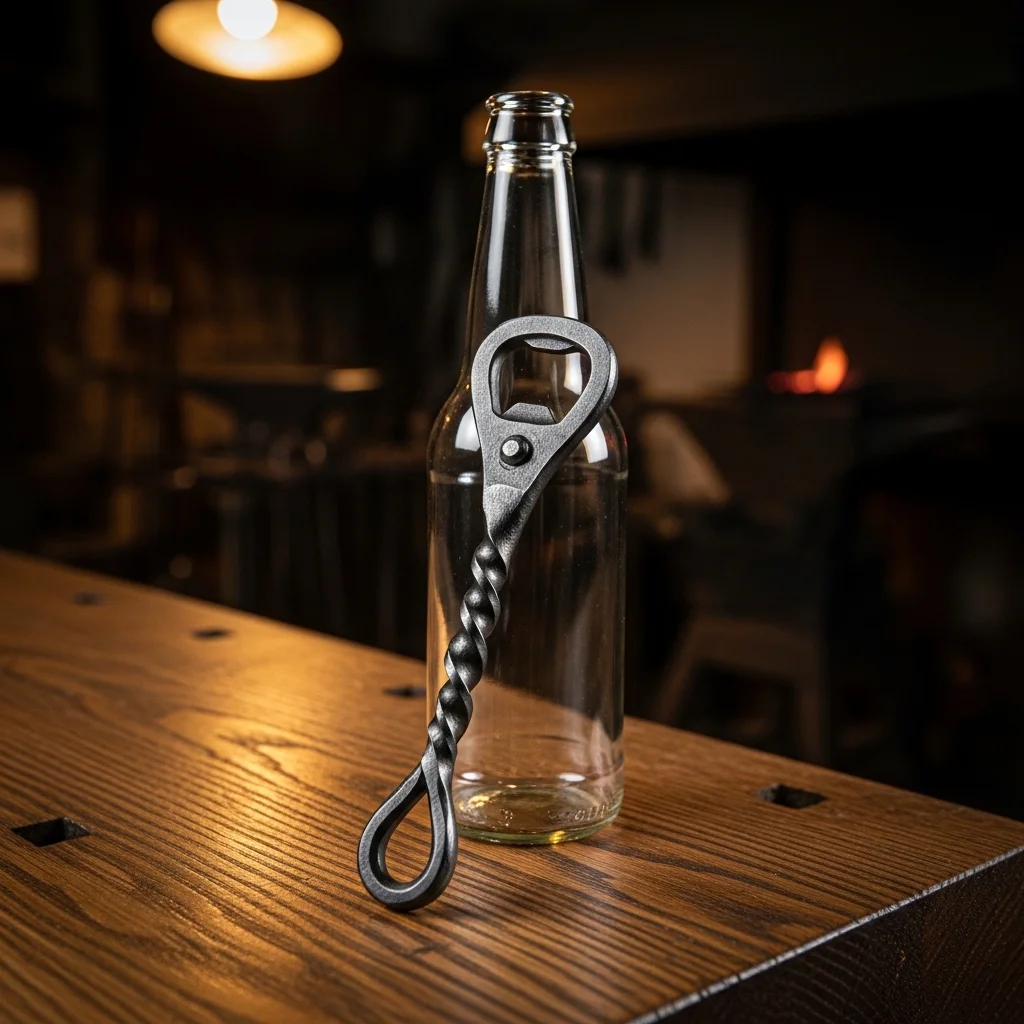
The forged bottle opener occupies a sweet spot that every beginner appreciates: it is genuinely useful, visually interesting, and simple enough to complete in a single session. Starting from a flat bar, the smith offsets and curves one end to catch a bottle cap, and shapes the handle to a comfortable grip. More advanced variations incorporate twisted handles, stamped initials, or decorative scrolled terminals. Bottle openers are consistently one of the best-selling items at craft markets, making this project both a learning exercise and a commercial opportunity.
5. Letter Opener
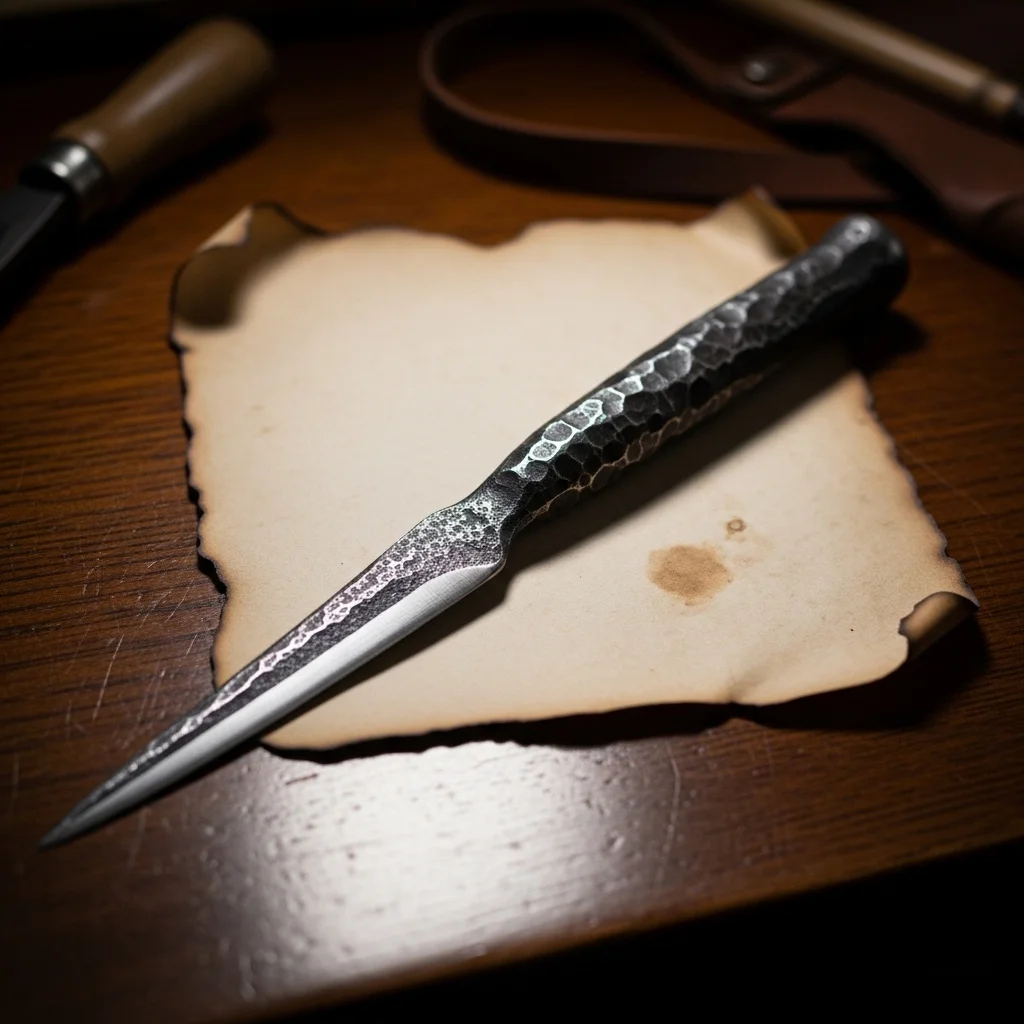
Forging a letter opener from a short length of rebar introduces the smith to the idea of creating a blade profile without the complexity of actual bladesmithing. The process involves drawing the steel out flat and thin toward one end, shaping a defined tip, and leaving the other end thick enough to form a handle. It is a satisfying project because the transformation from a chunky piece of rebar into a refined, functional tool makes the power of forging immediately tangible.
6. Forged Bracelet
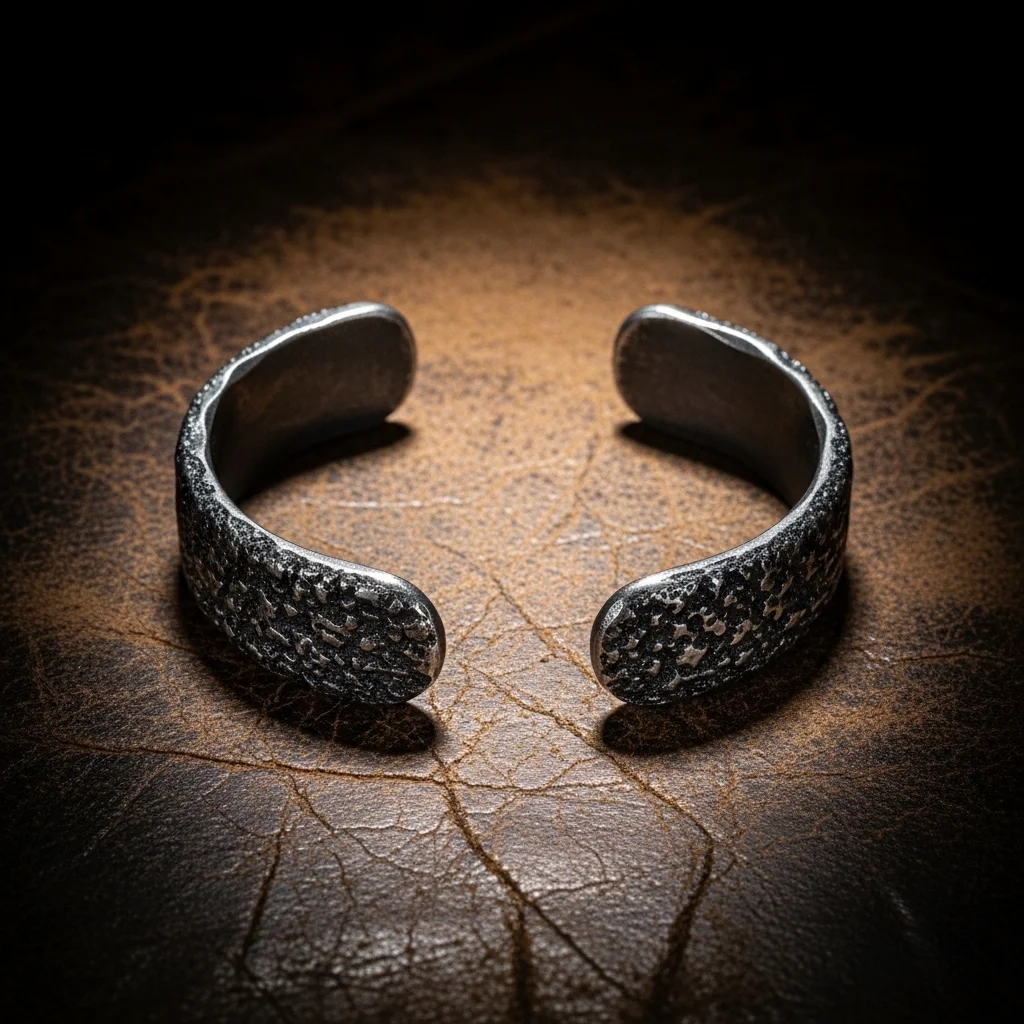
A hand-forged bracelet is one of the few beginner projects that crosses from functional craft into wearable art. Working from a short length of flat or round stock, the smith heats the steel and uses the horn of the anvil to curve it into a wrist-appropriate radius. The ends are tapered or flattened for a finished appearance. Because the piece is small and cools quickly, it demands good heat management from the start. Finished bracelets, left with a natural forge scale and sealed with wax, have a raw, distinctive look that is genuinely hard to replicate with any other process.
7. Forged Fork or Spoon
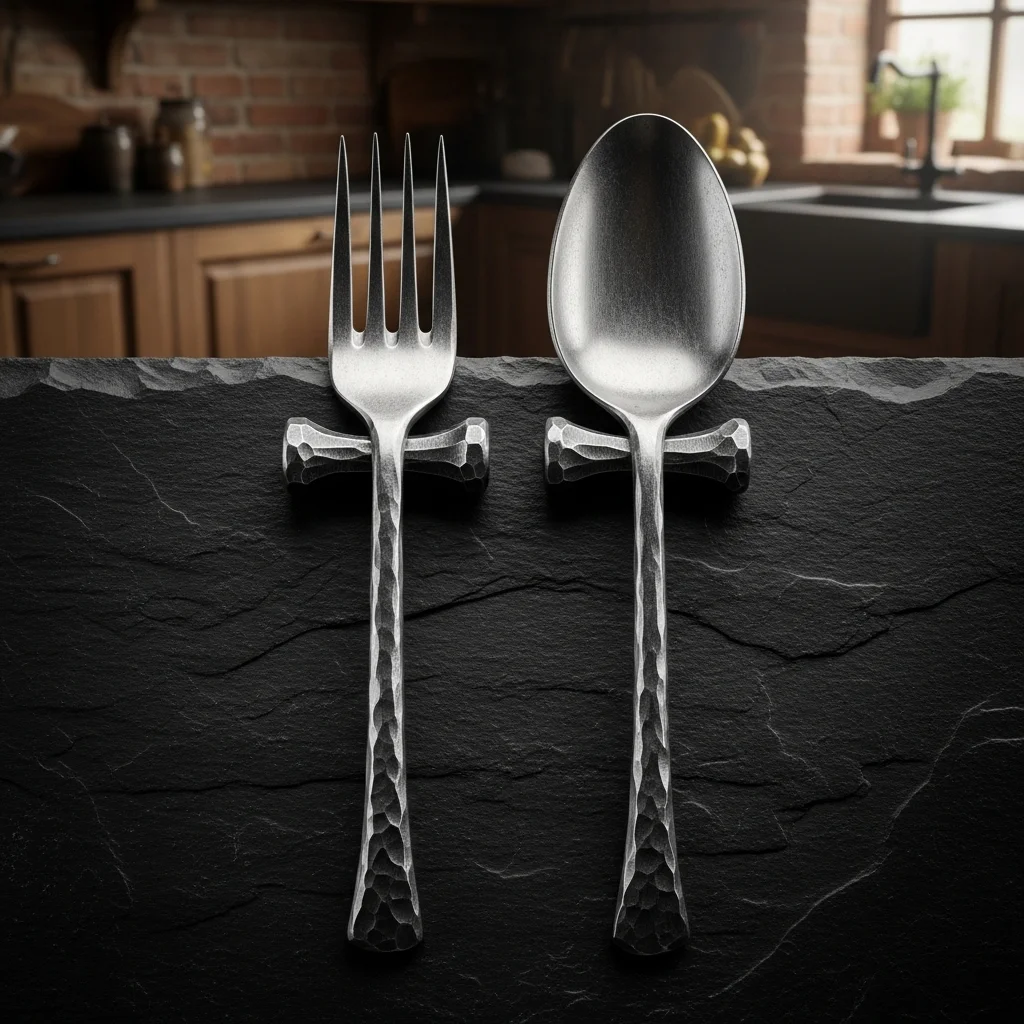
Forging a fork or spoon from a single bar of steel introduces the technique of upsetting, which involves compressing the metal along its length to create a wider mass of material from which a bowl or tines can be formed. The project also requires careful attention to symmetry, since the results are immediately obvious in the finished piece. Cooking utensils made this way are functional and striking, and completing a matched set of fork and spoon is a meaningful early milestone for any beginner.
8. Decorative Leaf
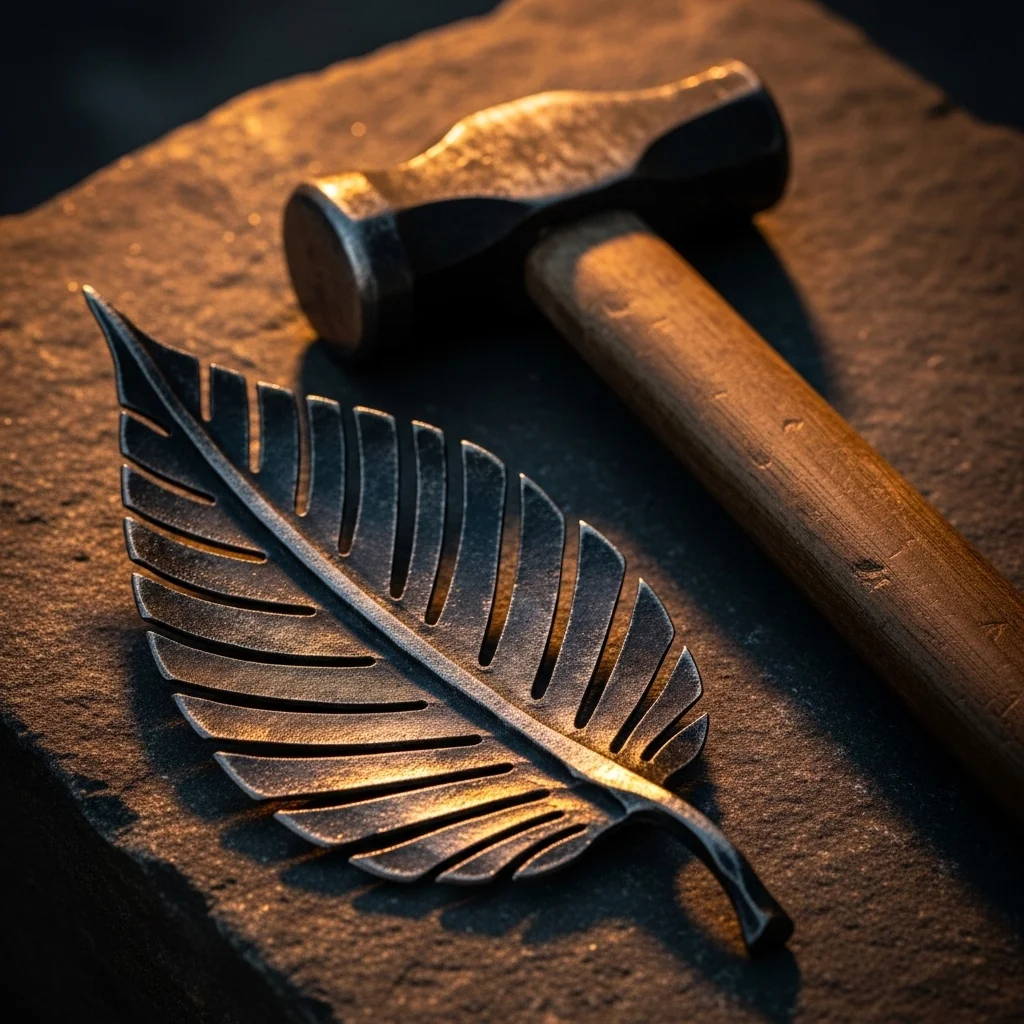
The forged leaf is a project that rewards patience and penalizes rushing more than almost any other beginner exercise. The smith draws out the steel into a flat, leaf-shaped profile, then uses a cross-peen hammer or a veining tool to press in the central vein and lateral ribs. Getting the proportions right, keeping the metal from tearing or folding, and adding texture without distorting the overall shape require a level of control that makes this project genuinely challenging. Finished leaves can be used as pendants, keychains, decorative wall pieces, or incorporated into larger ironwork.
9. Dinner Bell
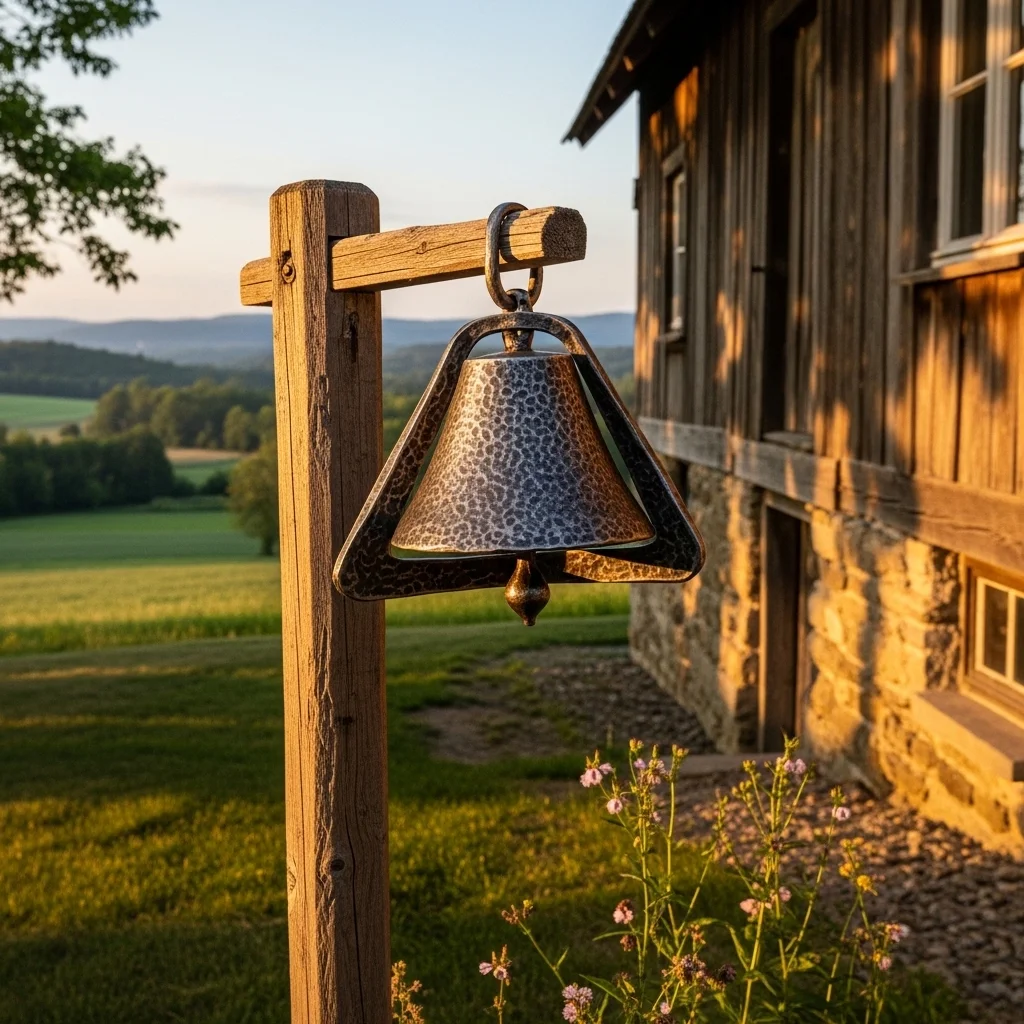
A triangular dinner bell is a beginner project that often surprises people with how satisfying it is to complete. A thin piece of mild steel bar is heated and bent on the anvil horn into a clean equilateral triangle, with the ends left slightly open so sound can resonate freely. A short length of bent rod serves as the clapper. The project teaches precise bending and angle control, and the finished item has a timeless, farmhouse aesthetic that makes it a popular gift.
10. Blacksmith’s Tongs
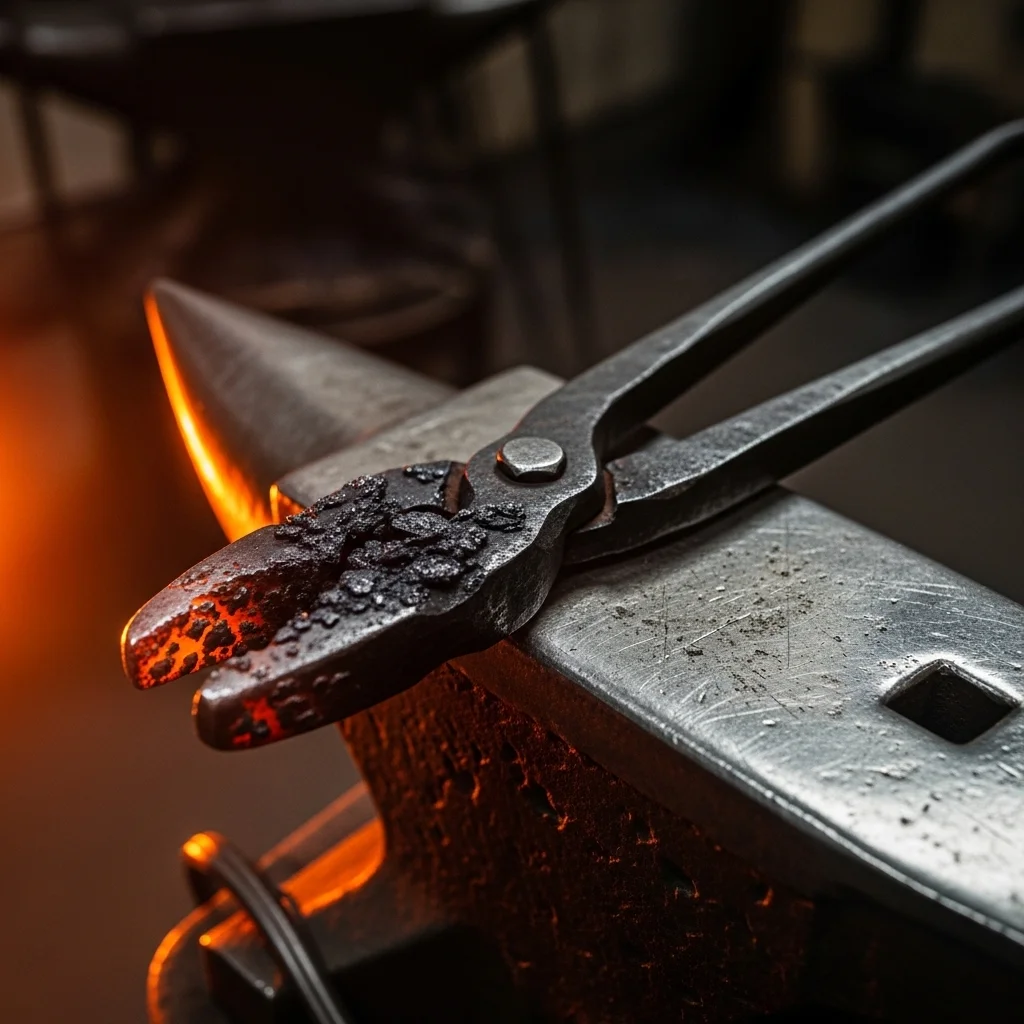
Making your own tongs is one of the most instructive projects a smith can undertake at the intermediate stage. It requires forging two matching pieces, punching a hole in each, fitting them together on a bolt or rivet, and testing the resulting grip. The challenge lies not in any single step but in the cumulative precision required: two pieces that are even slightly different will produce tongs that cross or grip unevenly. Experienced smiths often say that the quality of a blacksmith’s shop can be read in the quality of their tongs, which makes this project as much a statement of craftsmanship as a practical exercise.
11. Candle Holder
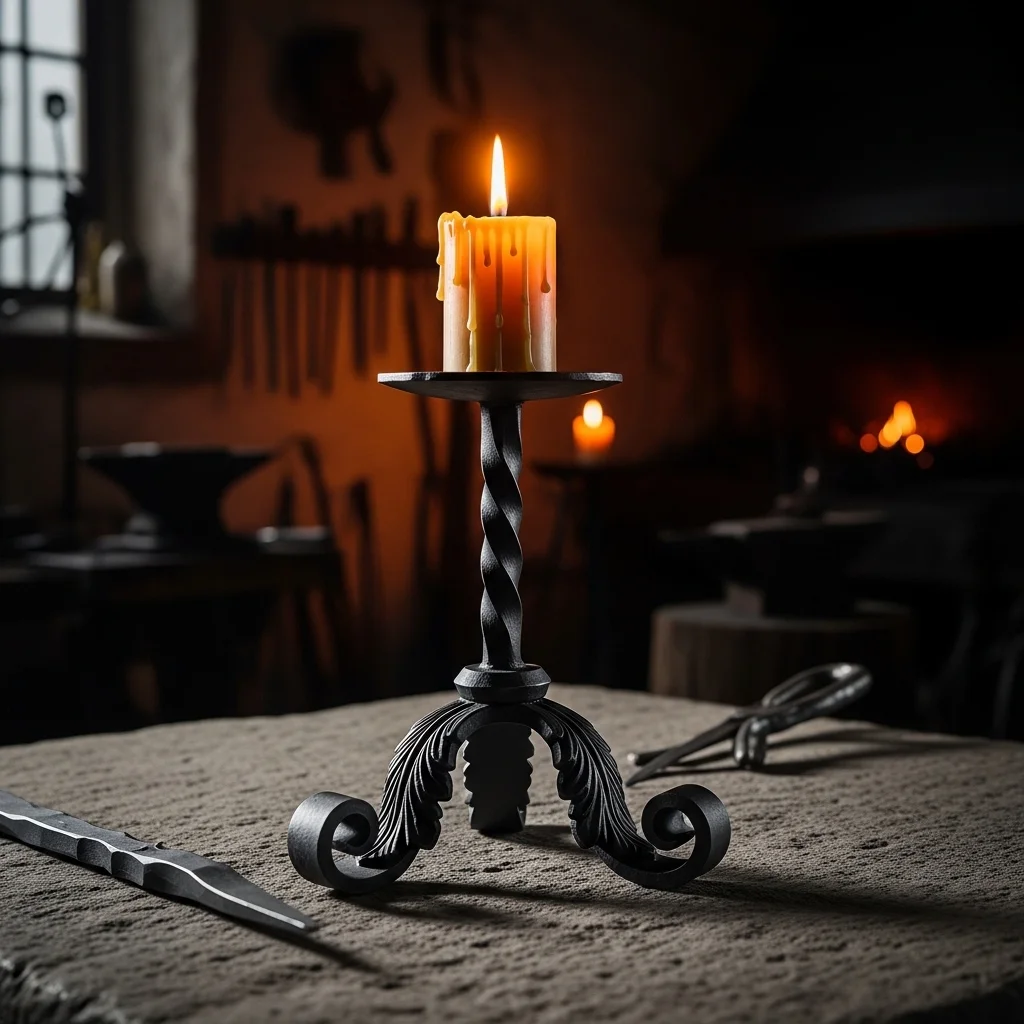
A forged candle holder introduces the concept of building a piece from multiple components. The base requires drawing out and flattening, the shaft requires careful straightening, and the cup at the top that holds the candle requires a different kind of shaping entirely. The project also offers room for creative expression through scrollwork, twisted sections, or decorative feet. Candle holders are perennial sellers at craft shows and make elegant, lasting gifts.
12. Wall Bracket or Shelf Support
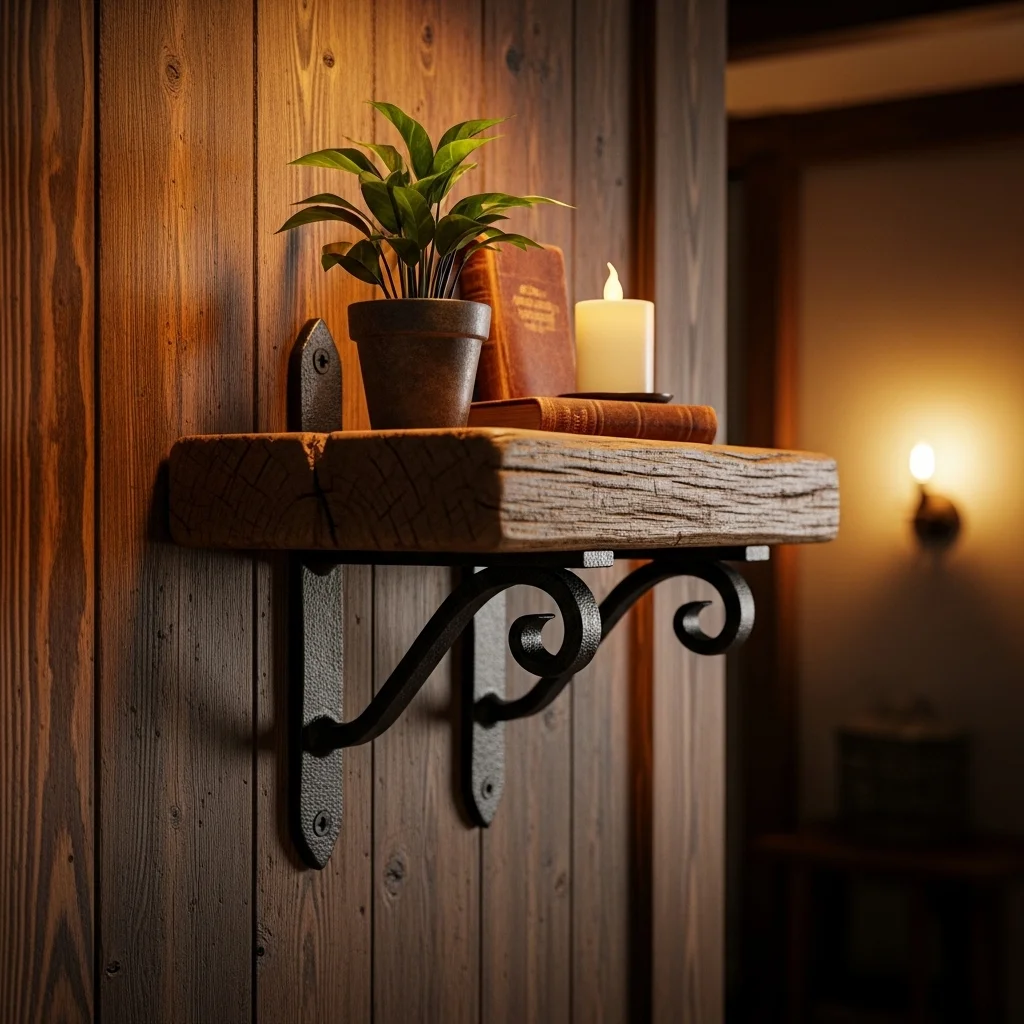
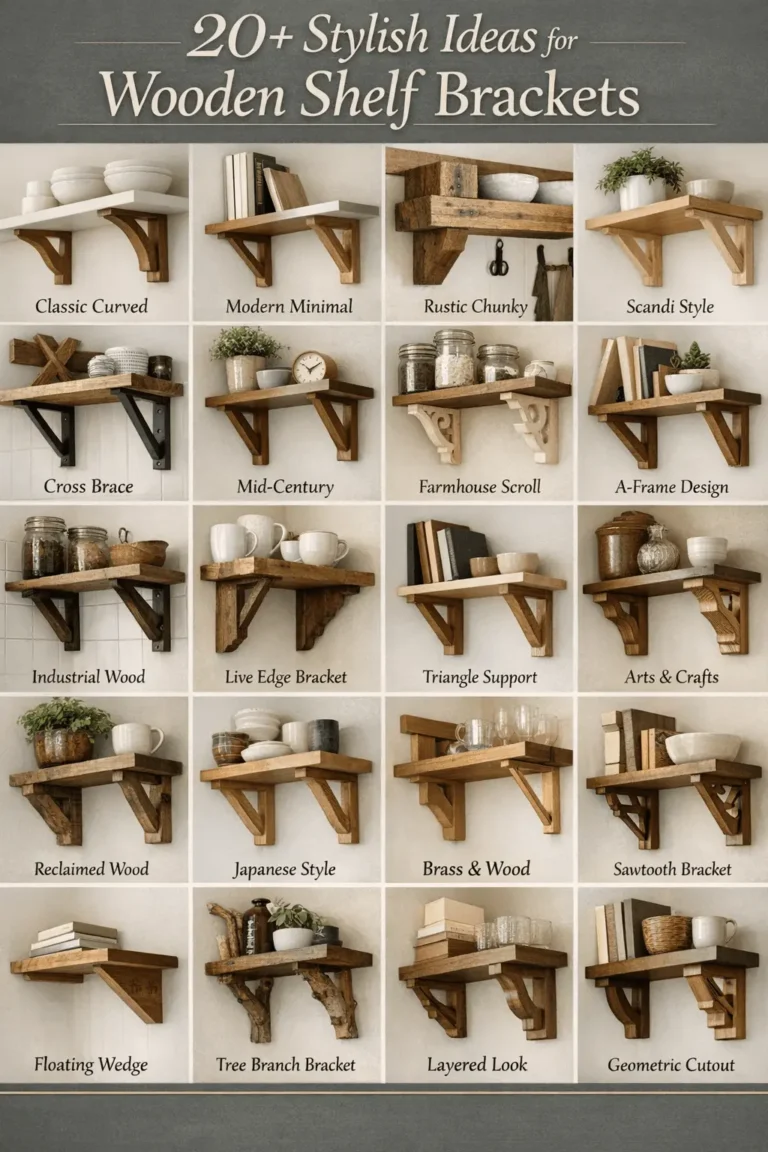
Shelf brackets that incorporate forged metal with wood give the smith a chance to work at a slightly larger scale and to think about how the finished piece will integrate with its surroundings. The metal component must be precisely bent so that it sits flush against a wall and supports weight without flex. Adding decorative details, such as a scrolled terminal or a stamped motif, elevates the bracket from a functional fitting to a genuine piece of hand-crafted interior design.
13. Chisel or Punch
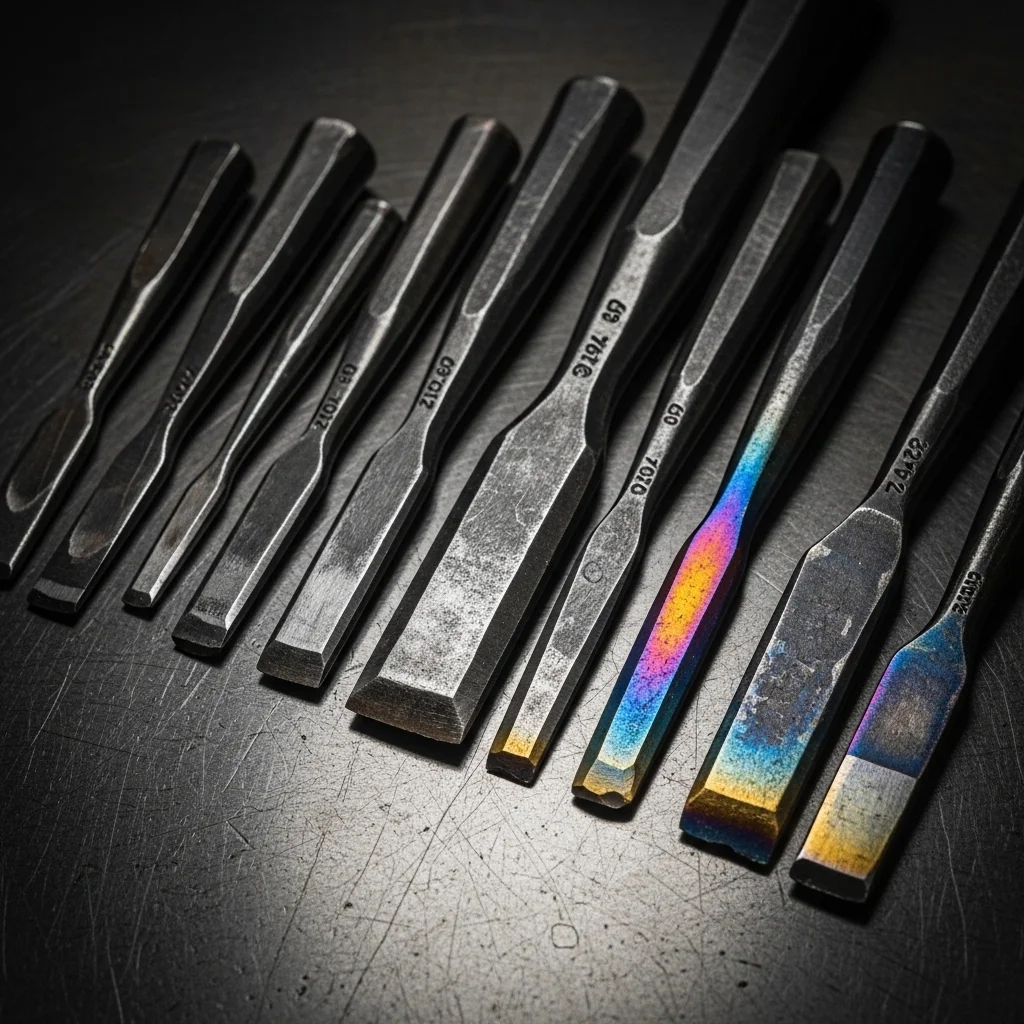
Forging your own tools is one of the most powerful things a blacksmith can do. A cold chisel or center punch made from high-carbon steel teaches heat treatment in a direct, immediately testable way: if the hardening and tempering are done correctly, the tool holds its edge under use; if not, it folds, chips, or shatters. This project introduces the smith to the difference between mild steel and tool steel, and to the concept of critical temperature, quenching, and the temper color spectrum.
14. Forged Knife
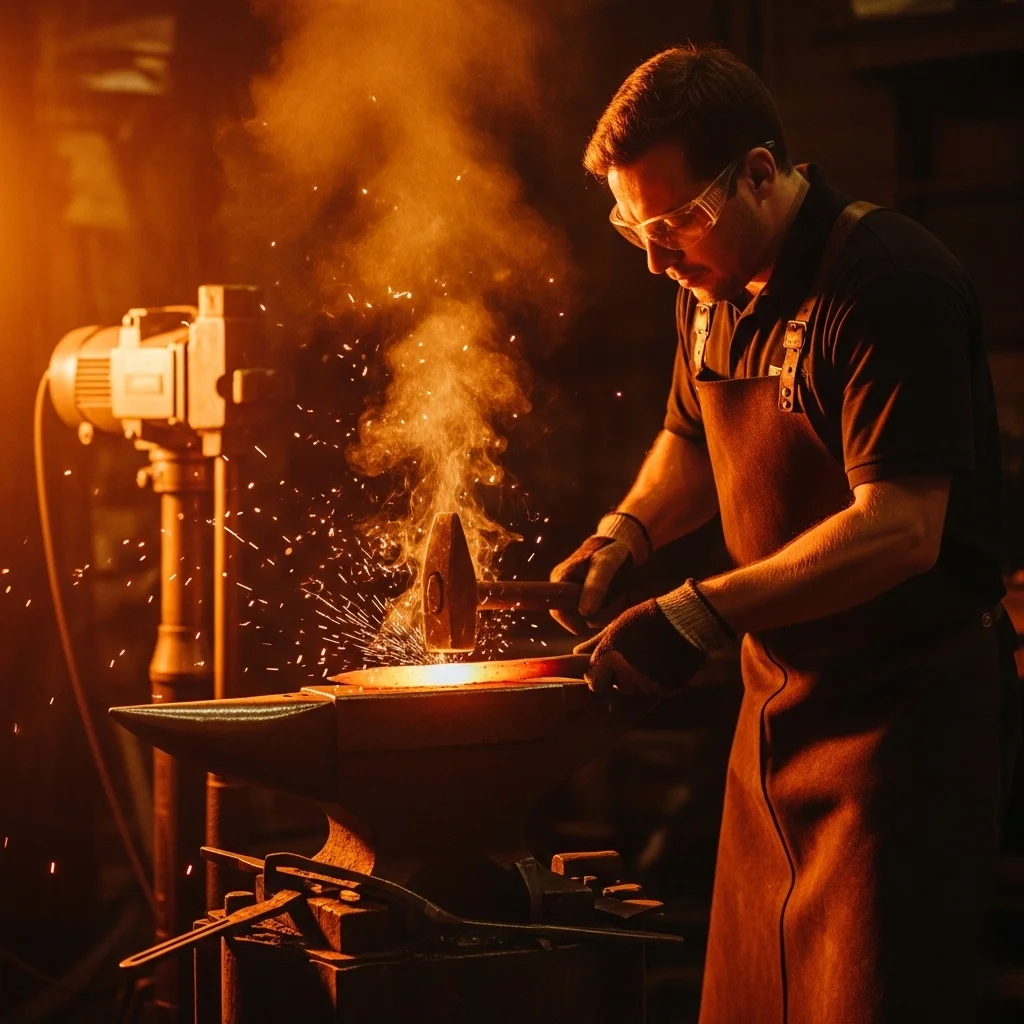
The forged knife is perhaps the most popular advanced project in blacksmithing today, partly because of its difficulty and partly because the finished result is a genuinely beautiful, functional object with a long history behind it. The process requires profiling the blade, drawing out the bevel, establishing a distal taper, normalizing the steel to relieve stress, and then hardening and tempering to achieve the right balance of edge retention and toughness. Handle construction adds woodworking or leatherworking to the mix. Every knife is a complete project in miniature: design, forging, heat treatment, grinding, finishing, and assembly.
15. Damascus Steel Knife
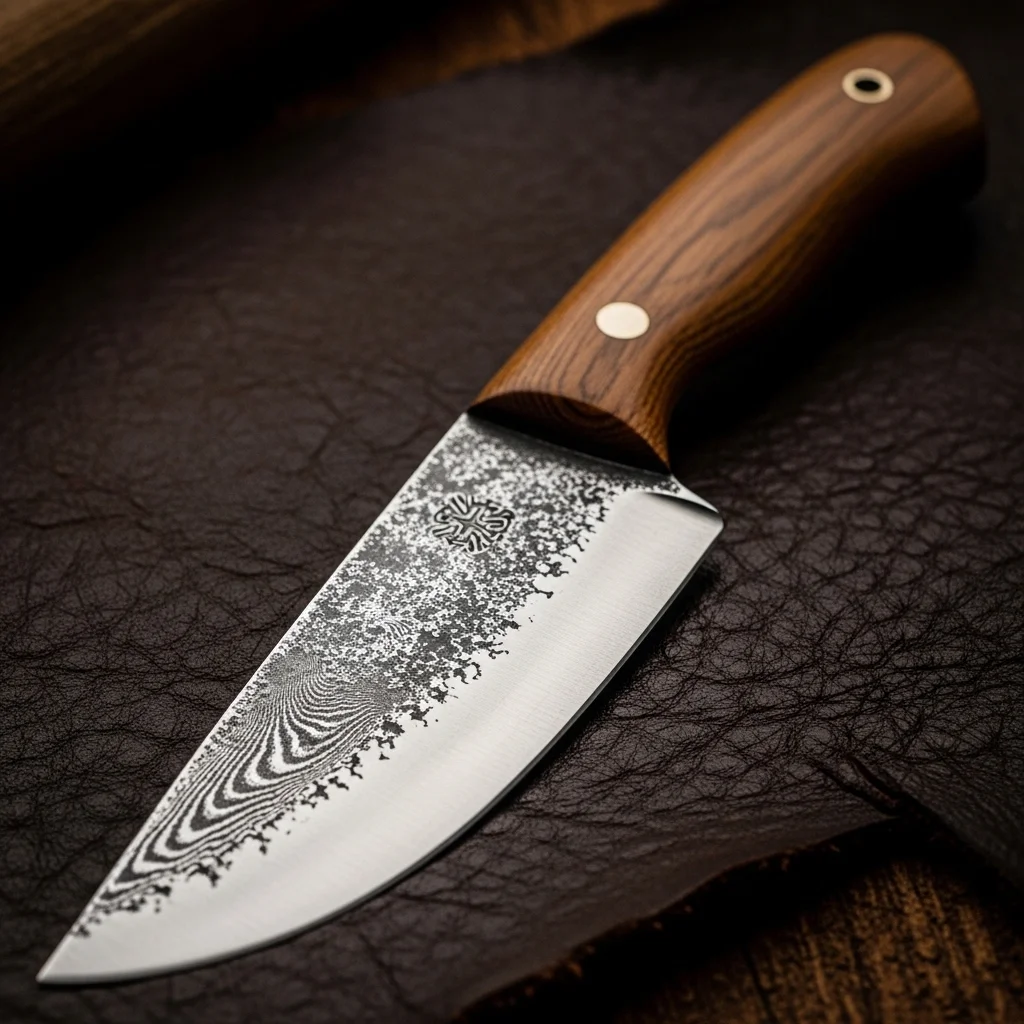
Damascus steel, produced by pattern-welding layers of two or more steel alloys together, is one of the most visually striking things a blacksmith can make. The process requires forge welding, which demands reaching and maintaining a very specific temperature range while working quickly and cleanly. After welding the initial billet, the smith folds, cuts, and re-welds the material multiple times to build up the layer count, then draws the final blade profile from the resulting composite steel. Acid etching after grinding reveals the characteristic flowing, wood-grain pattern that makes Damascus steel immediately recognizable.
16. Blacksmith’s Hammer
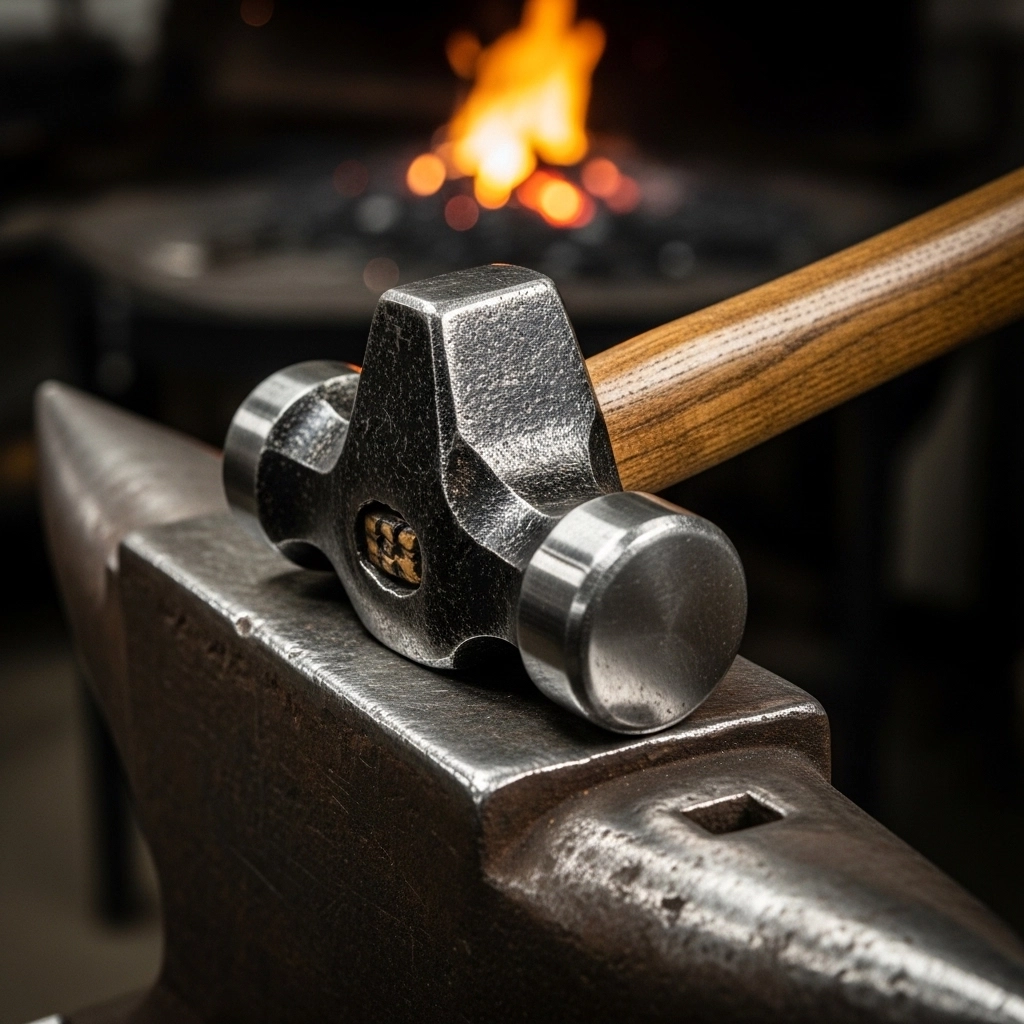
Forging a hammer is a project that requires the smith to work at a larger scale and to deal with the challenge of punching and drifting a precise eye hole through a thick body of steel. The eye must be correctly sized, correctly positioned, and accurately aligned or the finished hammer will be awkward to use. The process also involves shouldering, fullering, and careful grinding. A hammer forged by hand and fitted with a custom handle is a tool that many smiths keep and use for decades, which gives this project a significance that goes beyond the technical exercise.
17. Decorative Iron Gate Panel
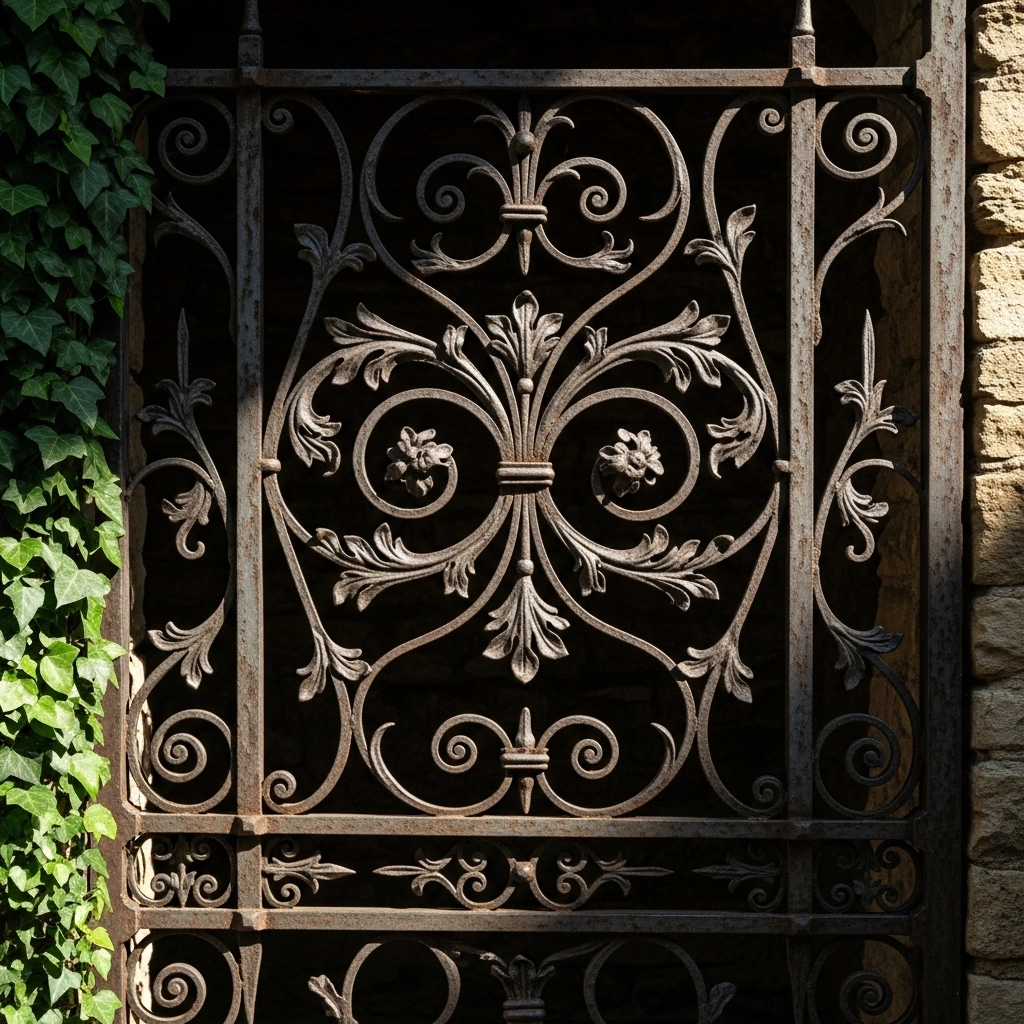
Architectural ironwork represents the fullest expression of the blacksmith’s craft in terms of scale and complexity. A decorative panel for a gate or railing requires the smith to forge multiple scrolls, straight bars, leaves, and other elements, then join them using collars, rivets, or forge welds in a way that is both structurally sound and visually cohesive. Good architectural ironwork demands consistency: every scroll in a series must match its neighbors, every joint must be clean, and the overall composition must read clearly from a distance. This is a project measured in days rather than hours.
18. Sculptural Ironwork
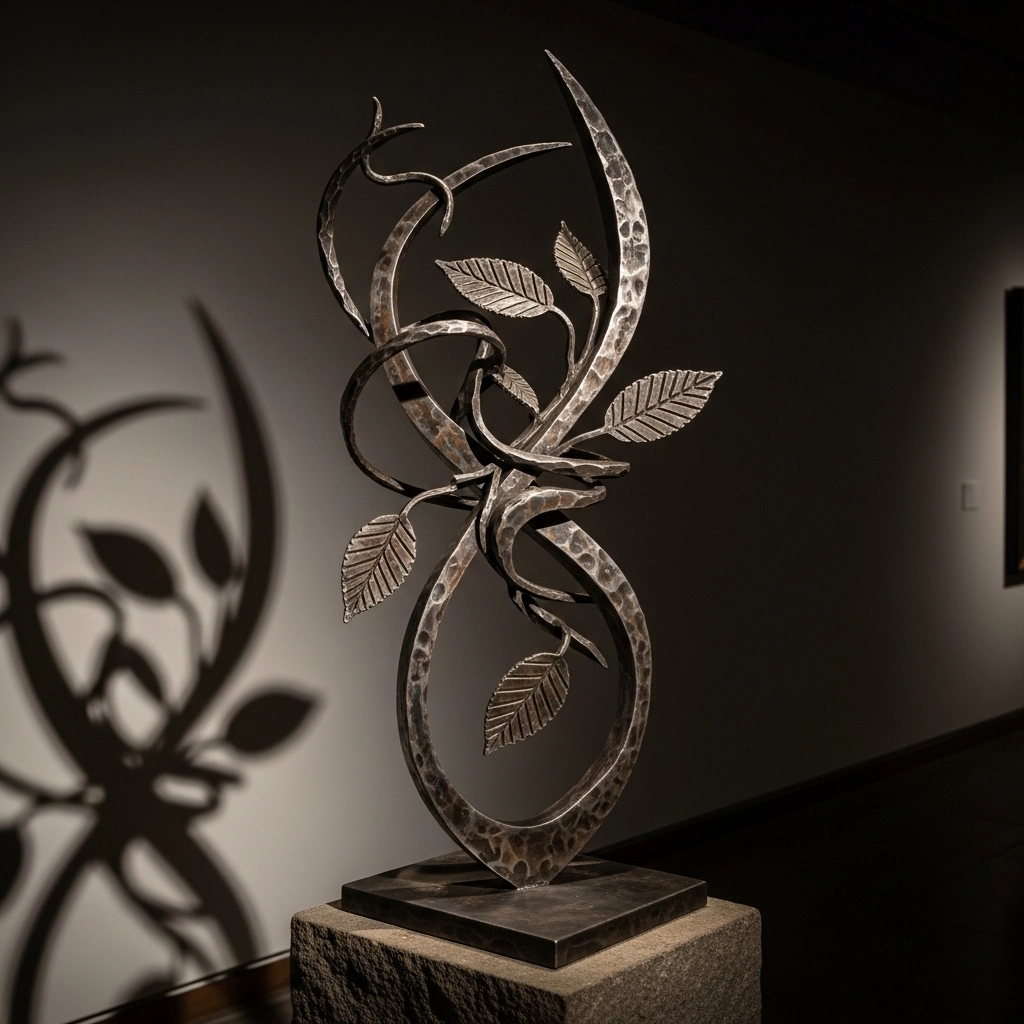
At the furthest end of the spectrum, sculptural blacksmithing asks the smith to move beyond functional constraints entirely and use forged metal as a pure medium for three-dimensional artistic expression. Sculptural pieces may incorporate forged, welded, and riveted elements, and often combine iron with other materials such as stone, wood, or glass. The challenge here is not technical in the narrow sense but conceptual: translating a visual idea into a physical form that holds together structurally, reads well from multiple angles, and maintains the raw, vital quality that makes forged iron unlike any other material.
A Note on Progression
The projects in this list are not meant to be completed in strict sequence, but the underlying principle of progression is worth taking seriously. Every experienced blacksmith remembers spending time on projects that were too difficult and walking away with wasted material and bruised confidence. The opposite problem is also real: staying too long with simple projects can limit growth. The ideal approach is to alternate between projects that feel comfortable and projects that push the edges of your current ability. Each time you stretch beyond your comfort zone, bring the new technique back into a simpler project and repeat it until it becomes second nature.
Conclusion
Blacksmithing rewards patience, repetition, and a genuine curiosity about what metal can do under controlled conditions of heat and force. The eighteen projects described here span the full range from a first session at the anvil to years of accumulated skill, but they share a common quality: each one teaches something real, produces something tangible, and moves the smith one step further along a path that never truly ends. Start with what matches your current level, work through it with care, and let the next project show itself naturally. The forge has a way of pointing the direction.
Frequently Asked Questions
Q1. What is the best first forging project for a complete beginner?
The S-hook or J-hook is the near-universal recommendation among experienced blacksmiths. Both projects are quick to complete, teach core techniques including tapering, bending, and hammer control, and produce a finished, usable item. They can be made from inexpensive mild steel rod and require no specialized tooling beyond a basic forge setup.
Q2. What steel should beginners use for their first forging projects?
Mild steel, typically designated as 1018 or A36 stock, is the standard choice for beginners. It is forgiving, widely available, inexpensive, and easy to work at normal forging temperatures. High-carbon steel and tool steel are better left for later projects such as knives and chisels, where their properties are specifically required.
Q3. Do I need a traditional anvil to start forging?
A traditional anvil is ideal but not strictly necessary for early projects. Any large, dense mass of metal, such as a length of railroad track or a heavy steel plate, can serve as a working surface for beginner-level projects. As your work becomes more refined and demanding, investing in a proper anvil becomes increasingly worthwhile.
Q4. How long does it take to learn blacksmithing well enough to attempt knife forging?
This varies considerably depending on how often you practice, but most smiths who work regularly report that they feel ready to attempt a basic forged knife after six to twelve months of consistent practice on simpler projects. Rushing into bladesmithing before mastering hammer control, heat management, and stock removal tends to produce poor results and wasted material.
Q5. Can forging projects be sold for profit?
Absolutely. Items such as hooks, bottle openers, fire pokers, candle holders, and knives sell consistently at craft markets, online platforms, and through direct commissions. Many smiths operate part-time forging businesses alongside other work. The key to profitability is developing speed and consistency through repetition, as a project that takes three hours to produce cannot be priced competitively if the market rate for that item is low.