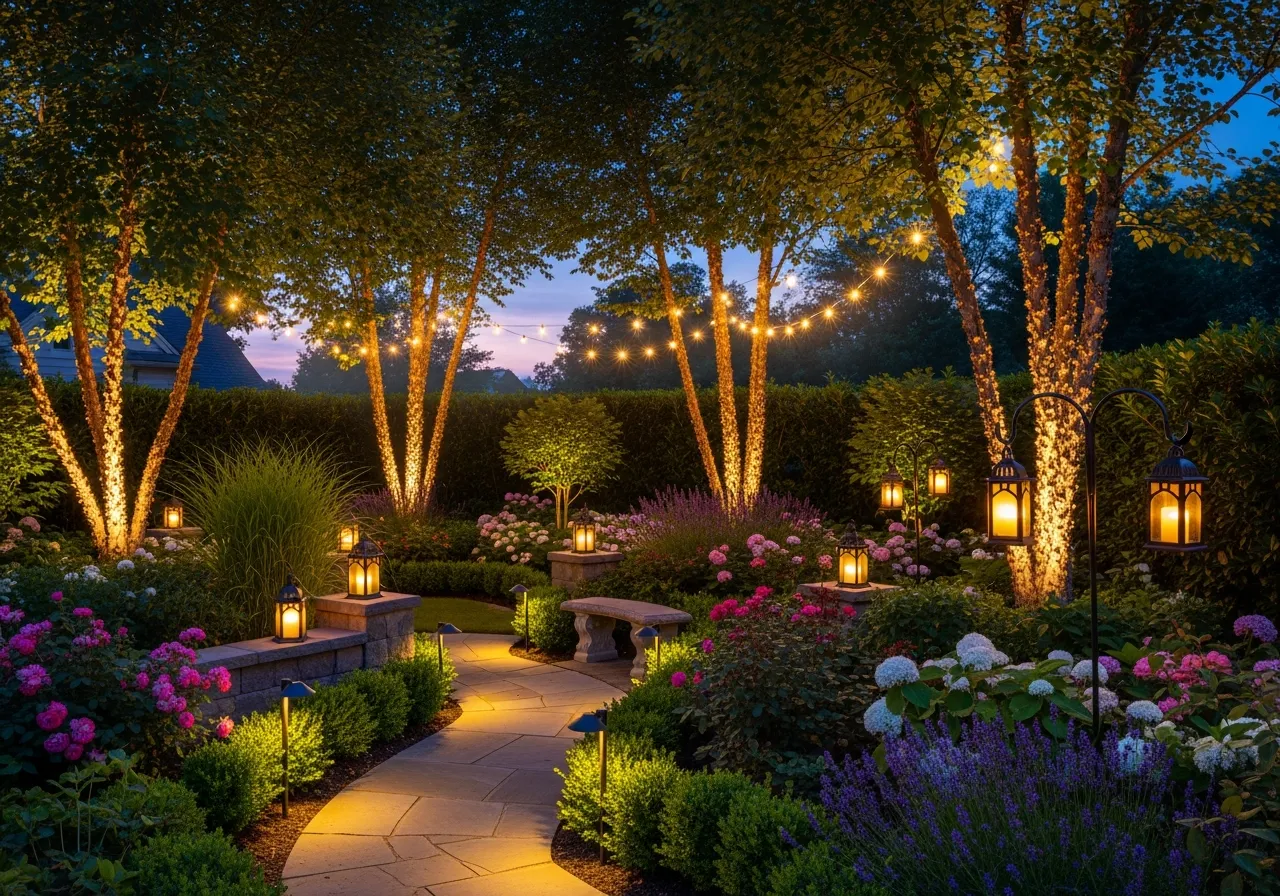
21+ Inspiring Garden Lighting Ideas to Transform Your Space
Garden lighting transforms ordinary outdoor spaces into enchanting evening retreats. The right illumination extends your living area beyond the walls of your home, creating magical atmospheres while improving safety and functionality. Whether you have a sprawling landscape or a modest courtyard, strategic lighting choices can highlight architectural features, showcase plantings, and establish inviting spaces for relaxation and entertainment.
Modern garden lighting solutions have evolved far beyond simple functional fixtures. Today’s options blend aesthetics with practicality, offering energy-efficient technologies, wireless installation, and design versatility that complements any landscape style. From subtle pathway markers to dramatic uplighting, the possibilities for illuminating your garden are limited only by your imagination.
This comprehensive guide explores over twenty inspiring garden lighting ideas that will help you reimagine your outdoor space.To see more interesting garden lighting ideas visit The Spruce.
Each approach addresses specific needs and design goals, ensuring you can create a lighting scheme that reflects your personal style while enhancing the natural beauty of your garden.
Pathway Lighting for Safety and Style
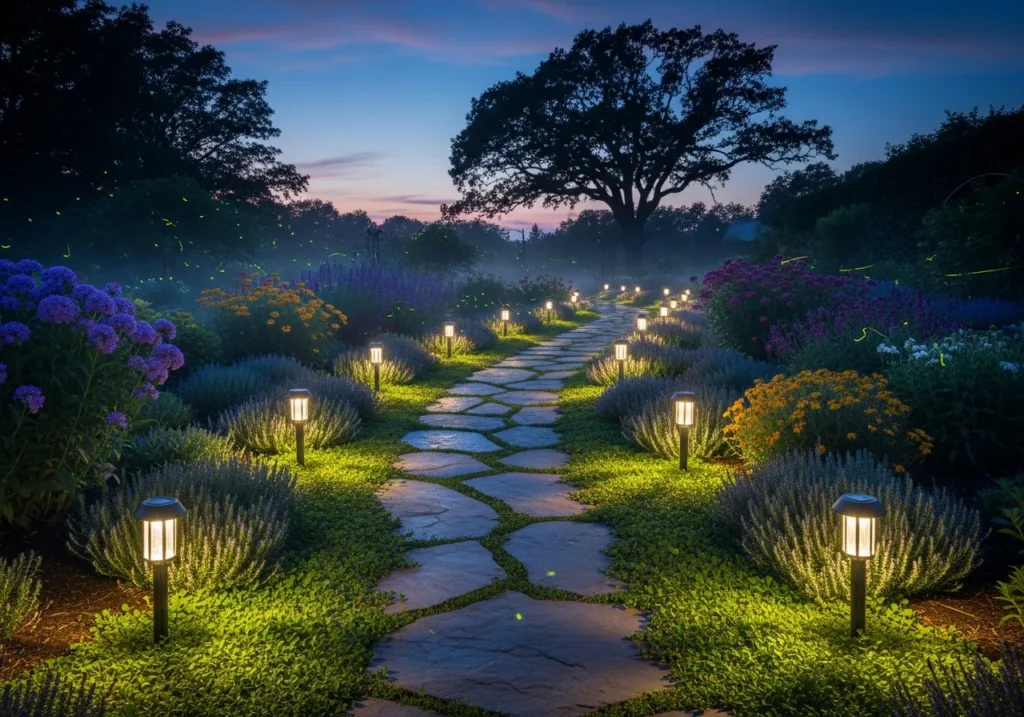
Illuminating garden paths serves dual purposes. These lights guide footsteps during evening hours while preventing trips and falls on uneven surfaces. Low-level pathway lights positioned along walkway edges create gentle guidance without overwhelming the landscape with brightness.
Solar-powered stake lights offer effortless installation without electrical wiring. Simply position them where needed, and they automatically activate at dusk. Metal and glass pathway lights provide durability against weather conditions while maintaining elegant aesthetics. For narrow pathways, space lights every three to five feet. Wider paths accommodate seven to eight feet between fixtures.
Consider varying heights and styles to add visual interest. Shorter mushroom-style lights nestle among groundcover, while taller bollard designs make bold statements along main walkways. Warm white LED bulbs ranging from fifteen to fifty lumens create inviting glows without harsh brightness that disturbs the natural evening atmosphere.To see some smart overhead lighting ideas without wiring visit Homeliaa.
String Lights and Festoon Bulbs
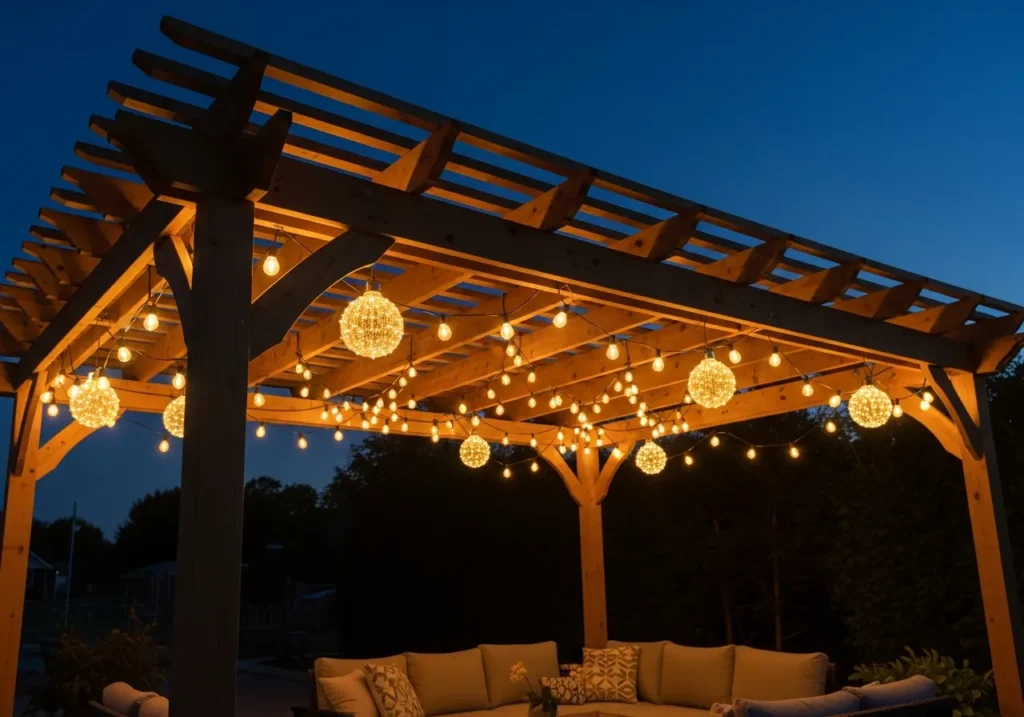
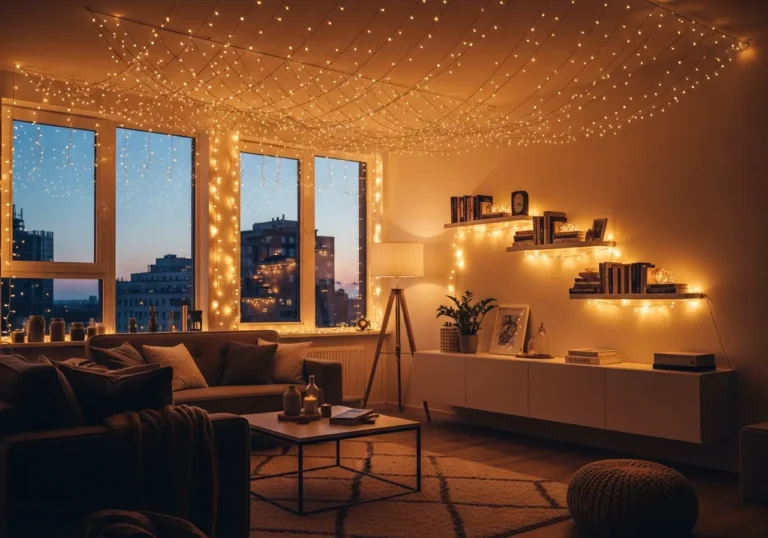
String lights bring festival charm to outdoor spaces. These versatile fixtures drape across pergolas, wrap around tree branches, or zigzag between posts to create overhead canopies of light. Festoon bulbs feature larger, more prominent globes that provide both ambient illumination and decorative impact.
Installation requires minimal effort. Many string light sets include hooks or clips for attachment to existing structures. LED options consume less energy and last significantly longer than traditional incandescent bulbs. Warm white tones generate cozy atmospheres perfect for dining areas and conversation spaces.
For covered decks and patios, string lights establish defined ceilings that make outdoor rooms feel more intimate. Along fences and railing, they outline boundaries while adding sparkle to vertical surfaces. Weather-resistant construction ensures year-round performance, though some homeowners prefer bringing lights indoors during harsh winter months.
Solar Lanterns for Portable Ambiance

Solar lanterns combine functionality with bohemian charm. These self-contained units require no wiring and can be repositioned easily to suit changing needs. Hang them from tree branches, shepherd hooks, or pergola beams. Place them on tables for intimate dinner lighting or cluster them on steps for welcoming entryways.
Modern solar lanterns feature rechargeable batteries that store energy during daylight hours. Quality models provide six to eight hours of illumination on full charges. Color options range from traditional warm whites to vibrant hues that add playful accents to evening gatherings.
Metal construction with decorative cutouts creates beautiful shadow patterns on surrounding surfaces. Silk and fabric lanterns offer softer, diffused light that enhances relaxation areas. Group lanterns in varying sizes for curated, collected looks that reflect personal style while providing practical illumination.
Uplighting for Trees and Architectural Features
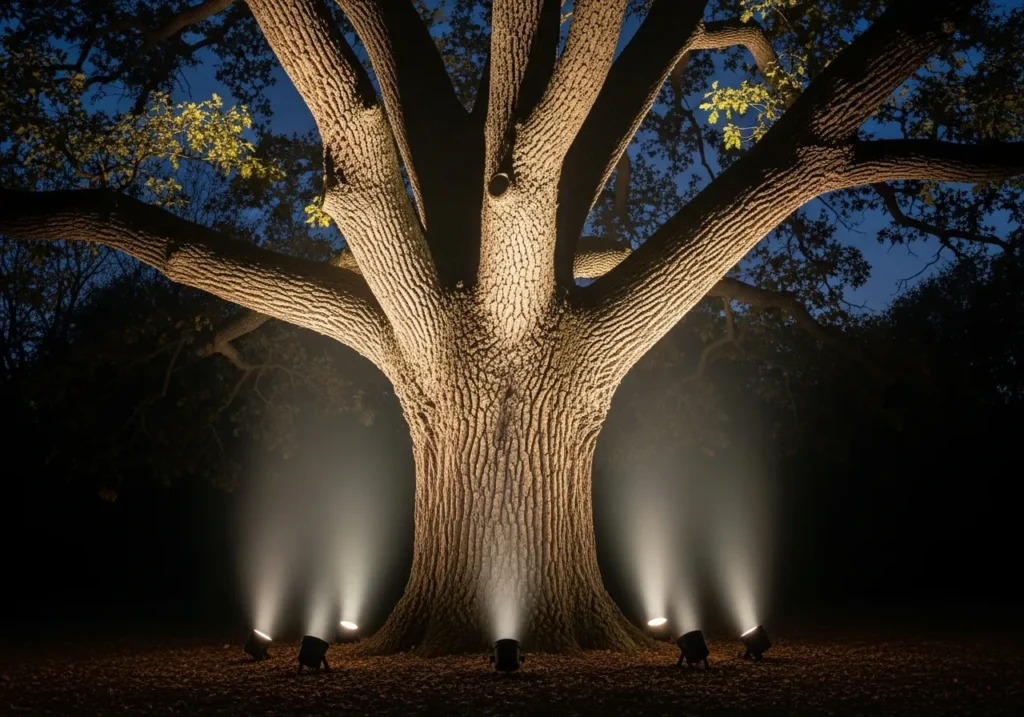
Uplighting creates dramatic visual impact by washing light upward along tree trunks, walls, or garden structures. This technique highlights texture and form while adding depth to nighttime landscapes. Position spike-mounted spotlights at the base of featured elements, angling them upward for maximum effect.
LED uplights provide adjustable brightness and directional control. For large trees with expansive canopies, use multiple fixtures around the circumference for even illumination. Single uplights work well for accent plants, sculptures, or architectural details that deserve spotlight treatment.
Choose fixtures with narrow beam angles for focused highlights or wider spreads for general washing effects. Olive green or black housings blend discreetly into landscapes during daylight hours. Copper fittings develop natural patinas that harmonize with garden settings over time.
Fairy Lights for Magical Sparkle

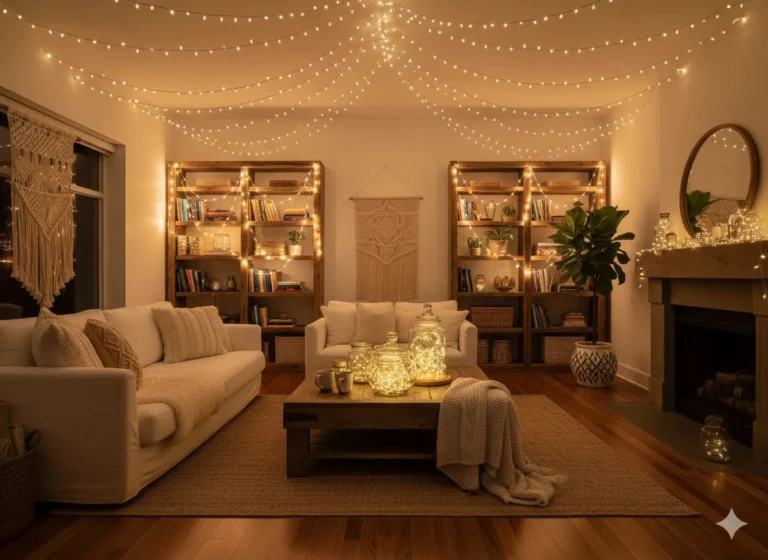
Fairy lights deliver delicate twinkle that adds enchantment to any outdoor setting. These small LED bulbs on thin wires weave through plantings, wrap around pergola posts, or outline garden features with subtle sparkle. Their compact size makes them ideal for detailed work where larger fixtures would overwhelm.
Solar-powered fairy light options eliminate the need for electrical outlets. Battery-operated versions offer flexibility for temporary installations or seasonal displays. Wrap them around tree trunks from ground level to lower branches for ethereal effects that draw eyes upward.
Fairy lights excel in creating layered lighting schemes. Combine them with larger fixtures for depth and visual interest. Drape them along fence tops, through trellis frameworks, or across arbor entrances. Their gentle glow contributes atmosphere without dominating the lighting composition.
Deck and Step Lighting

Safety lighting for decks and steps prevents accidents while adding sophisticated design elements. Recessed fixtures mounted in stair risers or deck posts provide necessary visibility without glare. Low-profile designs maintain clean aesthetics while fulfilling functional requirements.
Solar step lights offer simple installation on vertical surfaces. LED strips hidden under deck railings create floating effects while illuminating walking surfaces below. Motion sensors can trigger brighter illumination when activity is detected, conserving energy during quiet periods.
Consider color temperature carefully for these applications. Warm whites feel welcoming and natural, while cool whites provide sharper visibility for navigation. Waterproof ratings ensure longevity despite exposure to rain, snow, and temperature fluctuations throughout the year.
Spotlights for Feature Highlighting
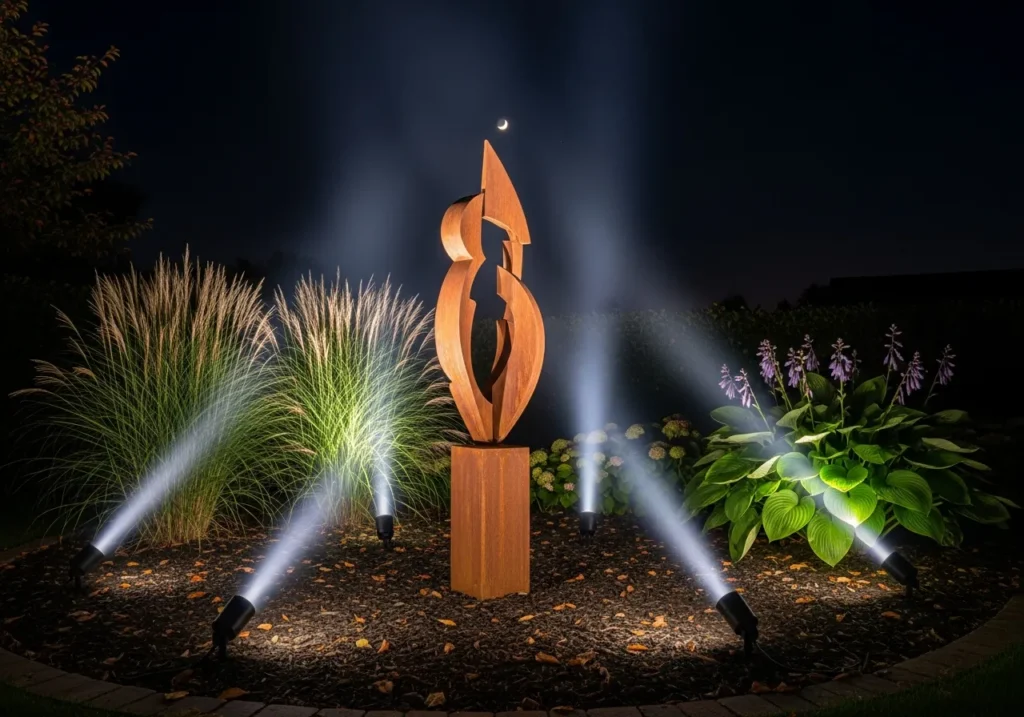
Spotlights direct attention to specific garden elements. Use them to showcase favorite plants, water features, sculptures, or architectural details. Adjustable heads allow precise aiming as plantings grow and garden designs evolve through seasons.
Ground-mounted spike spotlights offer flexibility for changing needs. Simply reposition them as your landscape matures or your design priorities shift. Wall-mounted versions work well for permanent installations where consistent highlighting is desired.
Beam angles determine spread width. Narrow spots create focused pools of light, while flood beams cover broader areas. Experiment with different positions and angles to achieve desired effects. Sometimes angling lights across surfaces reveals texture better than direct illumination.
Lantern Posts and Pillar Lights
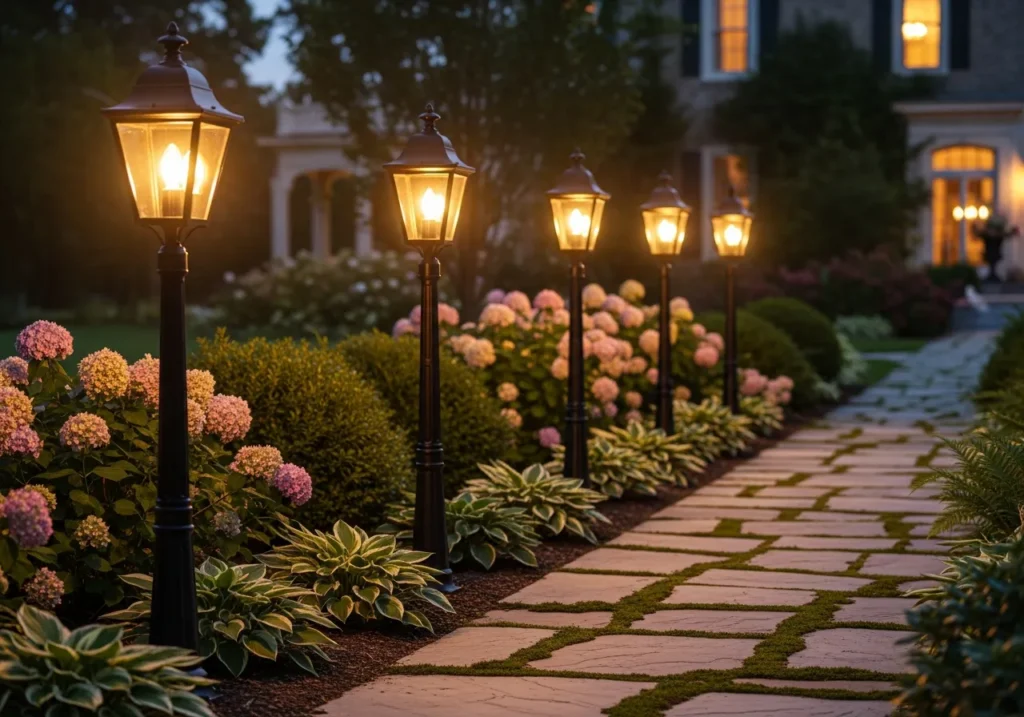
Traditional lantern posts bring classic elegance to gardens and pathways. These taller fixtures provide broader light distribution than low-level alternatives. Position them at garden entrances, along driveways, or to mark transitions between landscape zones.
Modern interpretations include contemporary geometric designs alongside Victorian-inspired ornate styles. Solar-powered versions eliminate trenching requirements while maintaining the stately presence of conventional post lights. Heights typically range from thirty to seventy inches, with taller models casting light over wider areas.
Pillar lights mounted on walls or columns frame doorways and highlight architectural features. Coordinate fixture styles with home exteriors for cohesive aesthetics. Black finishes complement most designs, while brushed metal tones add modern sophistication.
Color-Changing LED Options
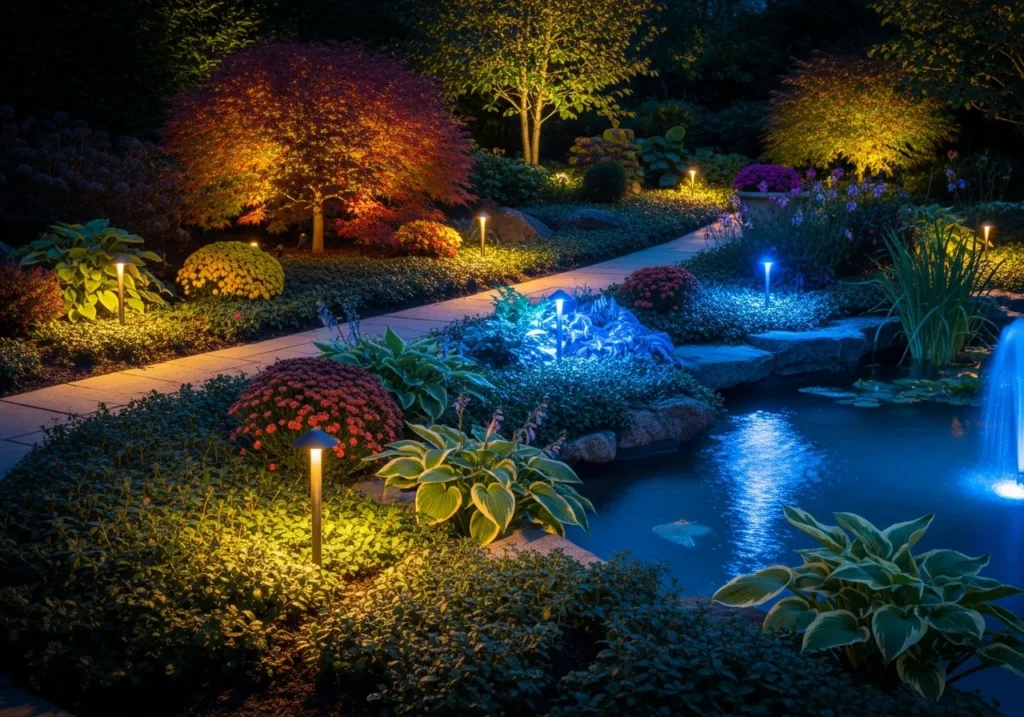
Programmable color-changing lights add versatility to garden illumination. These fixtures shift between millions of color options, allowing you to match lighting to occasions, seasons, or moods. Control them via smartphone apps for convenient adjustments without venturing outside.
Use color thoughtfully to avoid overwhelming natural garden beauty. Subtle amber tones enhance autumn plantings, while cool blues complement water features. Save vibrant colors for special celebrations when festive atmospheres are desired.
Smart color-changing systems often include scheduling features. Program lights to activate at sunset, shift through color sequences, or respond to music during outdoor entertainment. Quality models maintain white light options for everyday use when color effects are unnecessary.
Trellis and Pergola Lighting
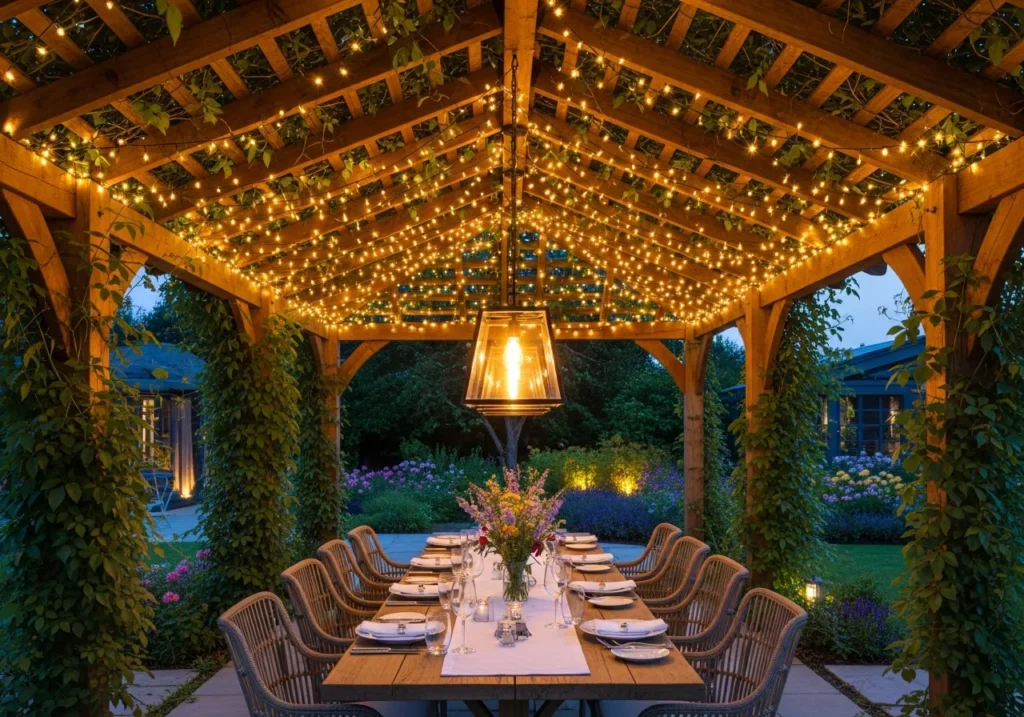
Overhead structures provide ideal frameworks for creative lighting installations. Wrap string lights through trellis openings to create luminous ceilings. Hang pendant fixtures from pergola beams for focused task lighting over dining areas.
Solar lights designed specifically for trellis applications attach easily without tools or wiring. Some models feature adjustable panels that optimize sun exposure for efficient charging. LED technology ensures cool operation even when fixtures contact wooden structures.
Consider how lighting interacts with climbing plants. As vines grow, they create natural diffusers that soften light and add organic patterns. Plan fixture placement to accommodate growth while ensuring adequate illumination reaches desired areas below.
Water Feature Illumination
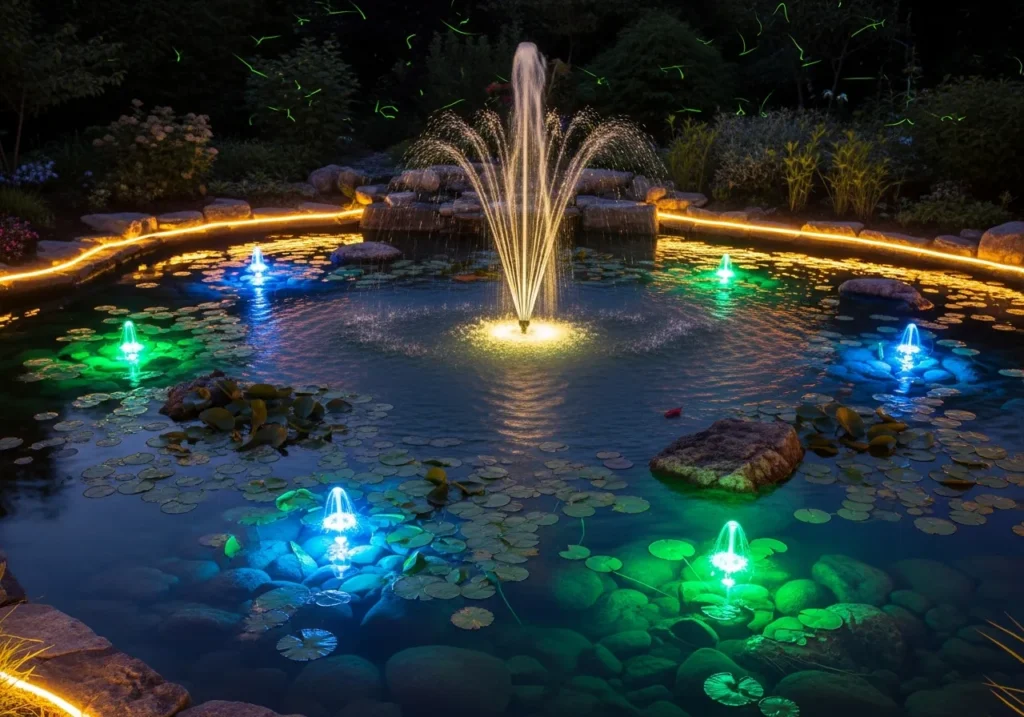
Submersible and waterproof lights transform ponds, fountains, and waterfalls into nighttime focal points. Underwater fixtures highlight moving water, creating mesmerizing reflections and refractions. Position lights to enhance rather than overpower the natural beauty of water features.
LED pond lights withstand constant submersion while consuming minimal energy. Color options range from natural whites that mimic moonlight to dramatic blues and greens. Avoid overly bright settings that create glare or wash out surrounding plantings.
Consider directional lighting that emphasizes water movement. Lights aimed at fountain jets create sparkling effects, while those positioned behind waterfalls produce glowing curtains. Peripheral lighting around water edges ensures safety while maintaining atmospheric effects.
Ground-Level Disk Lights
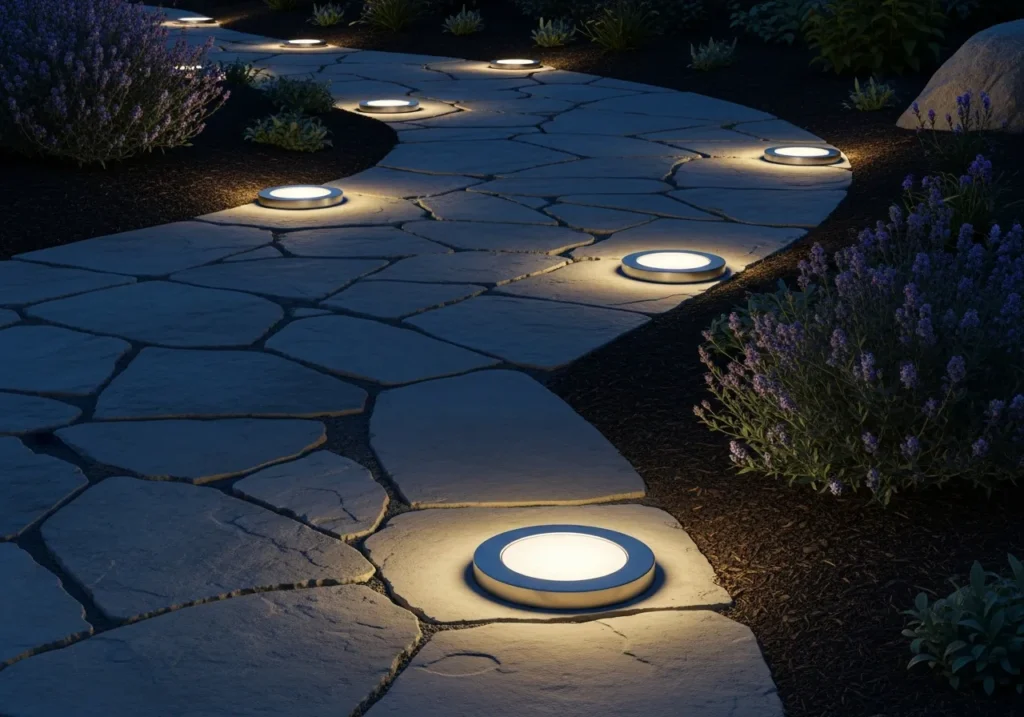
In-ground disk lights sit flush with surfaces, providing illumination without protruding fixtures. Install them in patios, walkways, or lawns to mark edges and boundaries. Their low profiles prevent tripping hazards while delivering functional lighting.
Solar disk lights charge during daylight hours and activate automatically at dusk. Heavy-duty construction withstands foot traffic and lawn maintenance equipment. Some models include color-changing capabilities or patterned lenses that project designs onto surrounding surfaces.
Spacing depends on desired illumination levels. Place disks closer together for brighter pathways or spread them wider for ambient marking. Their subtle presence during daylight hours makes them excellent choices for minimalist design approaches.
Chandelier and Statement Pieces
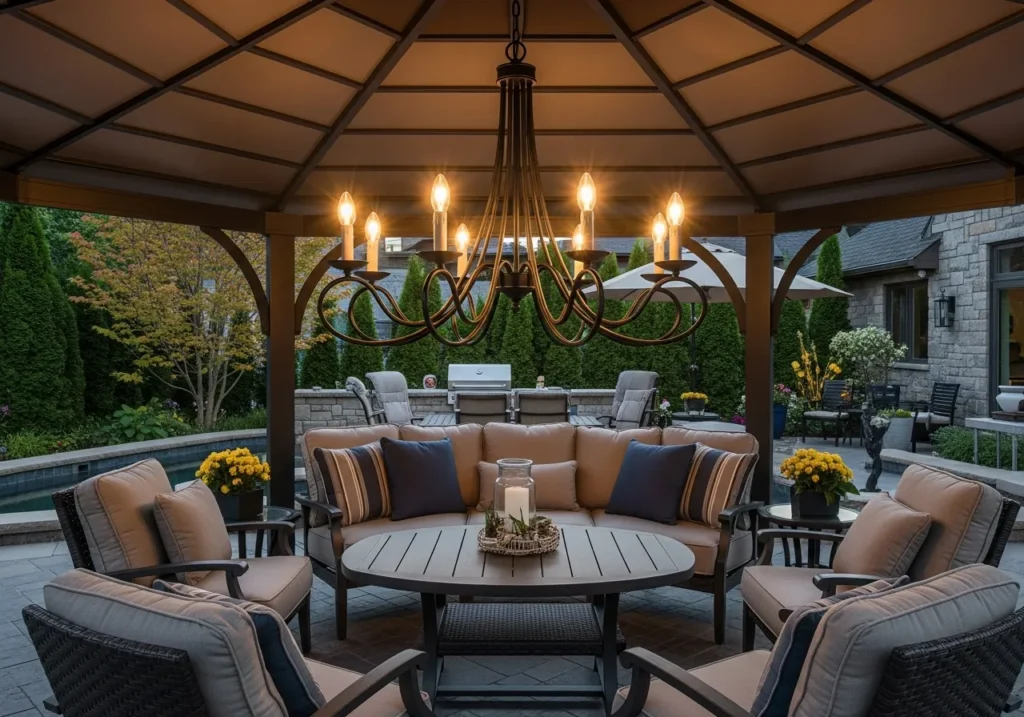
Outdoor chandeliers bring interior elegance to exterior spaces. Hang them in covered porches, gazebos, or substantial pergolas with adequate structural support. These fixtures become conversation starters while providing substantial illumination for gathering spaces.
Solar-powered chandelier alternatives eliminate electrical requirements. Battery-operated candelabras offer flexibility for temporary installations during special events. Choose designs that complement your garden style, from rustic farmhouse to sleek contemporary.
Weather resistance remains essential even under covered structures. Look for fixtures specifically rated for outdoor use with appropriate moisture protection. LED bulbs reduce heat output and energy consumption compared to traditional chandelier lighting.
Motion-Sensor Security Lighting
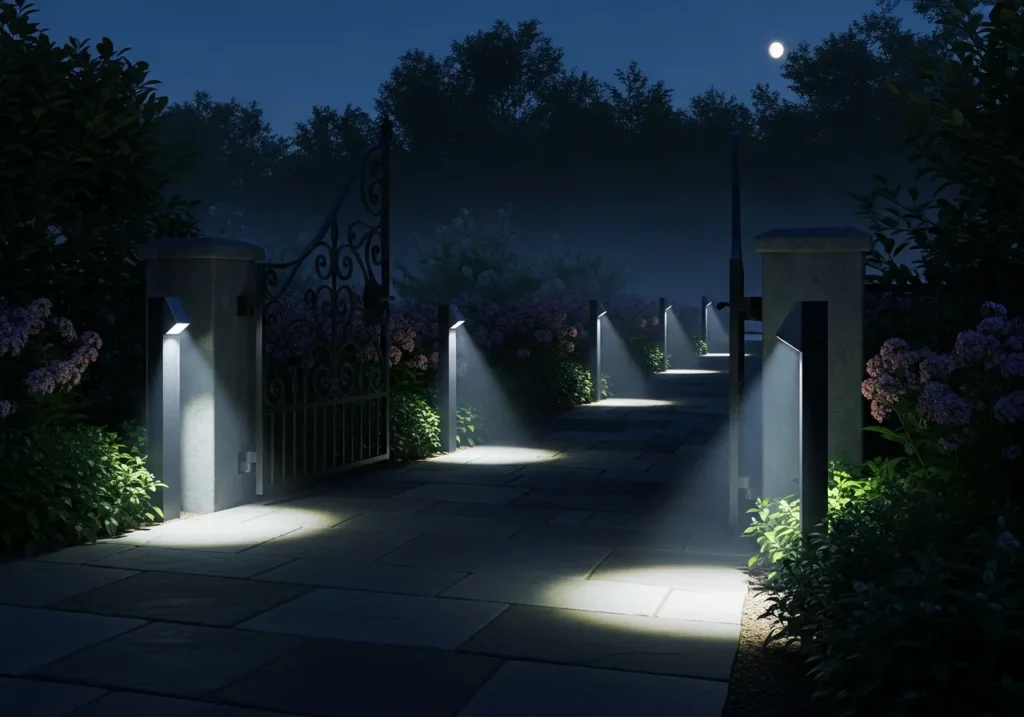
Security lighting combines safety with energy efficiency. Motion sensors detect movement and trigger illumination only when needed. Position these fixtures near entrances, along dark pathways, or in areas where added security provides peace of mind.
Modern motion-sensor lights offer adjustable sensitivity and duration settings. Fine-tune them to avoid false triggers from small animals while ensuring reliable activation for human presence. Solar-powered options eliminate wiring requirements for remote locations.
Balance security needs with aesthetic considerations. Choose fixtures with attractive designs that enhance rather than detract from garden beauty. Warm LED bulbs feel more welcoming than harsh security floodlights while still providing adequate visibility.
Candles and Flame Effects
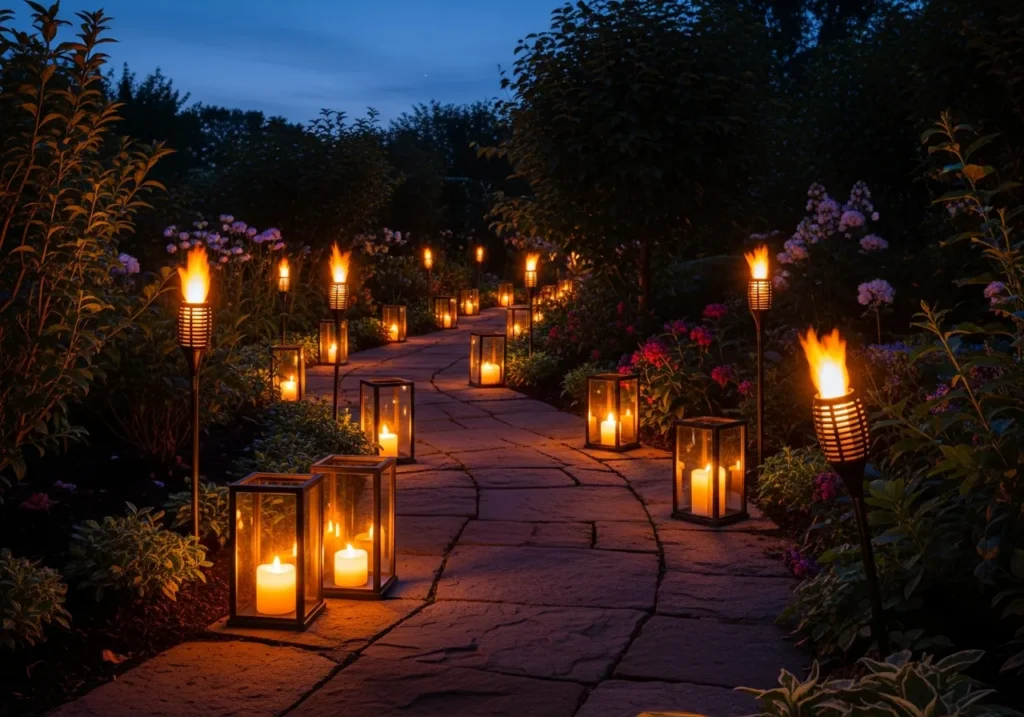
Natural flames add primal warmth to outdoor settings. Hurricane lanterns protect candles from breezes while casting romantic glows. Fire bowls and tabletop torches create focal points for conversation areas. Flickering LED alternatives offer flame effects without fire hazards.
Real candles require supervision and careful placement away from flammable materials. Citronella options provide insect-repelling benefits alongside illumination. Choose substantial holders that resist tipping and protect flames from wind.
LED flame-effect lights mimic natural flicker while eliminating fire risks. Solar-powered torch lights line pathways with realistic dancing flames. These alternatives work well in areas where open flames are prohibited or impractical.
Cordless and Rechargeable Table Lamps

Rechargeable cordless lamps bring indoor luxury to outdoor dining. These portable fixtures provide focused task lighting without trailing cords. Place them on tables, ledges, or steps wherever temporary illumination is needed.
Modern rechargeable lamps offer eight to twelve hours of operation per charge. USB charging makes power-up convenient. Dimming capabilities allow adjustment from bright task lighting to subtle ambient glow.
Weather-resistant designs withstand outdoor conditions during use. Many homeowners store them indoors between events to extend lifespan. Their flexibility makes them valuable additions to any outdoor lighting collection.
Moonlighting Techniques
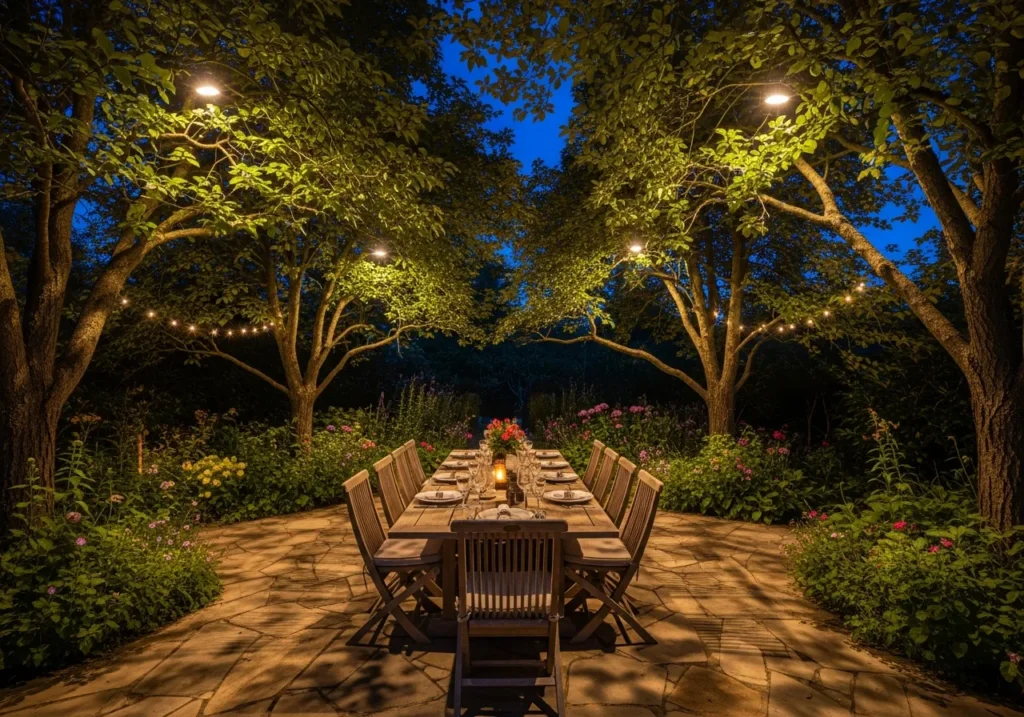
Moonlighting replicates natural lunar illumination by mounting fixtures high in trees or structures. Light filters downward through branches, creating dappled patterns similar to moonlight. This subtle technique provides ambient illumination without obvious light sources.
Install fixtures securely with consideration for tree health. Use fixtures with wide beam spreads to cover larger areas. Position multiple lights at varying heights for naturalistic effects.
This approach works beautifully for creating romantic atmospheres in dining areas or relaxation spaces. The gentle, filtered light feels organic and non-intrusive. Combine moonlighting with lower-level fixtures for layered schemes that provide both ambiance and functionality.
Border and Bed Accent Lighting
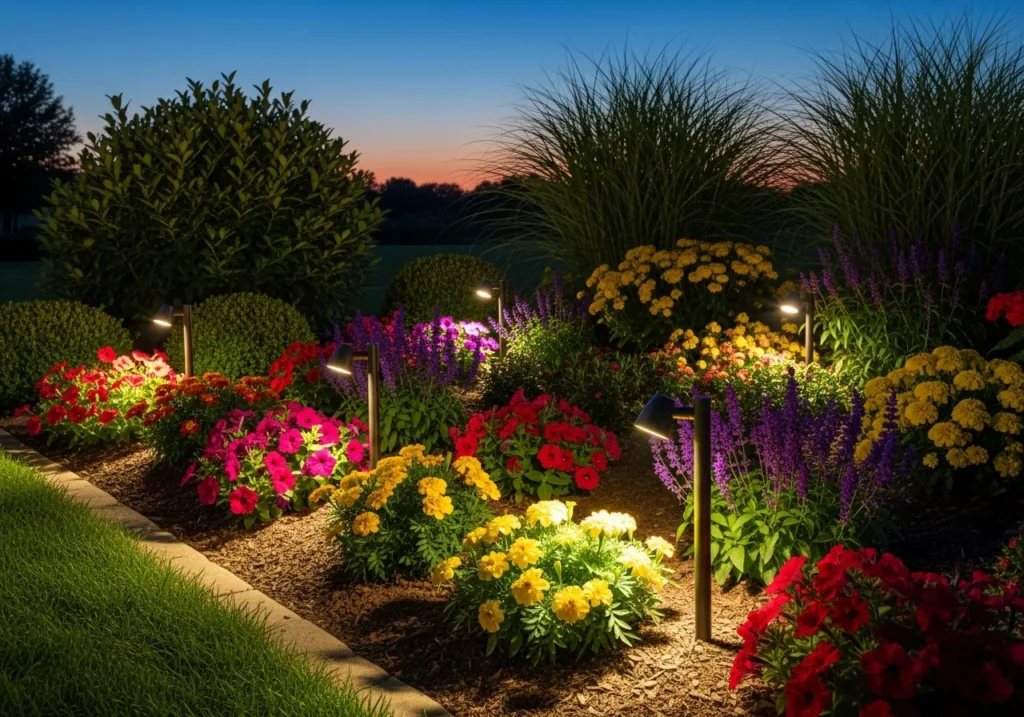
Stake lights positioned throughout flower beds highlight plantings while adding depth to garden borders. These low-profile fixtures nestle among foliage, creating pools of light that showcase favorite specimens.
Flexible stake designs with adjustable heads allow precise aiming as plants grow. Solar-powered options eliminate wiring concerns in areas without electrical access. Choose lumens appropriate for desired effects, from subtle accent lighting to more prominent displays.
Consider how lighting interacts with seasonal changes. Lights positioned for spring bulbs may need adjustment as summer perennials reach full height. Flexible solar stakes make repositioning simple as your garden evolves throughout growing seasons.
Fence and Wall Washing
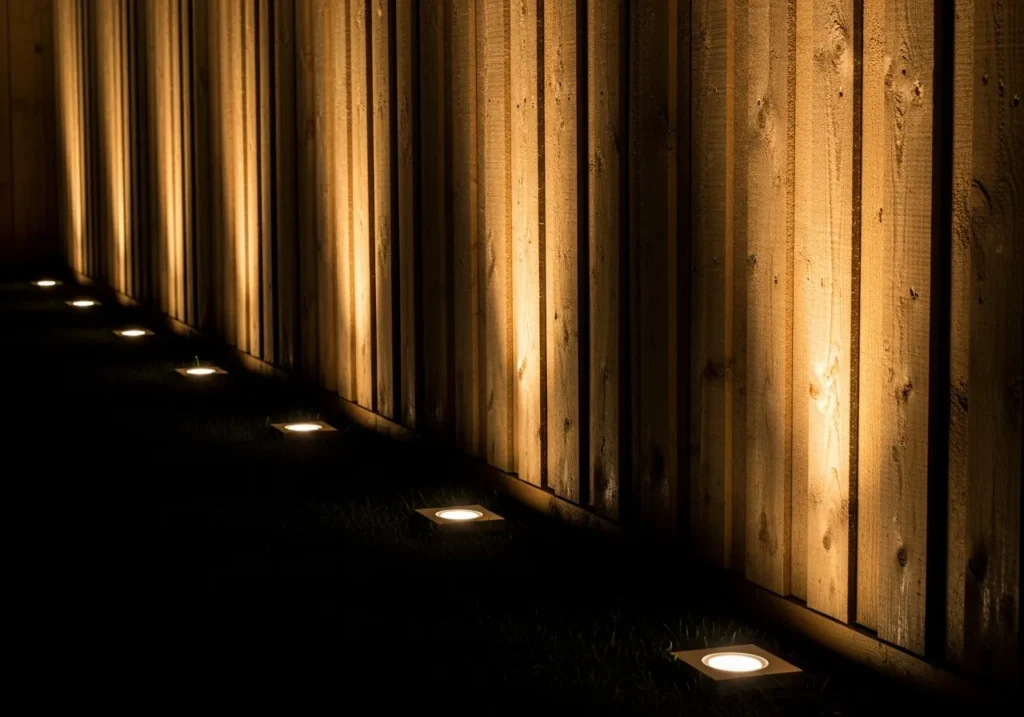
Uplighting walls and fences creates backdrop illumination that expands visual space. Position fixtures at fence bases, angling light upward to wash vertical surfaces with color and texture. This technique adds depth while defining garden boundaries.
Solar fence lights clip directly to rails and posts without tools. Strip lighting hidden along fence tops creates floating effects while illuminating adjacent areas. Choose warm tones that complement natural materials or cool whites for contemporary aesthetics.
Wall washing highlights texture in stone, brick, or stucco surfaces. Experiment with fixture distances to achieve desired coverage. Closer placement creates more intense illumination, while spacing fixtures wider produces softer, more even washes.
Greenhouse and Garden Structure Lighting
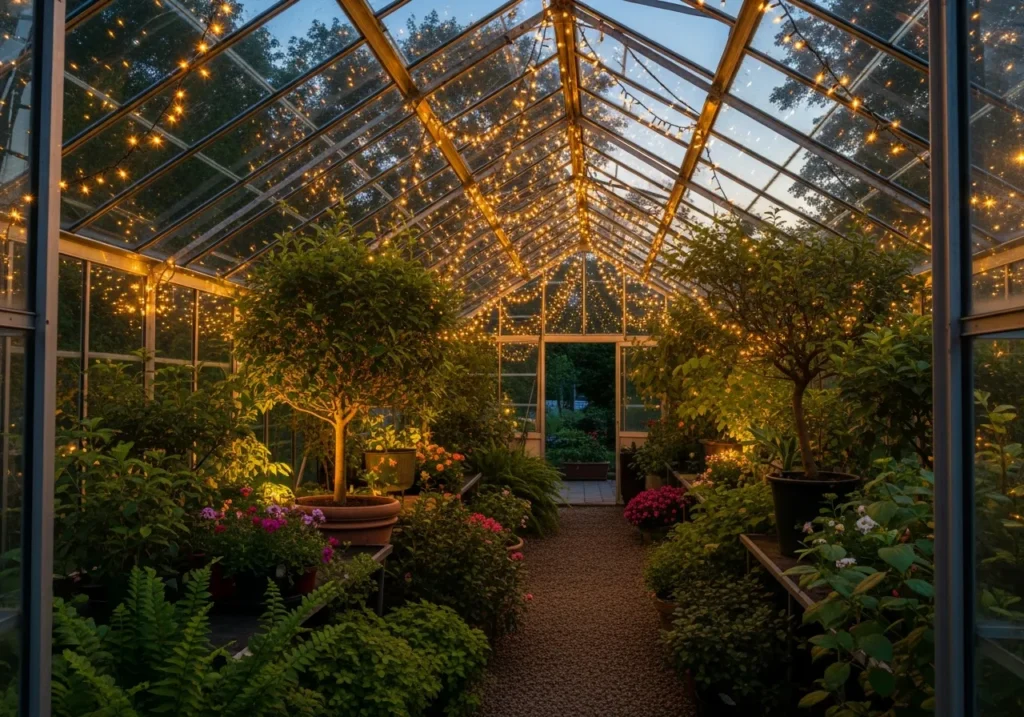
Interior greenhouse lighting extends growing seasons while creating magical evening displays. String lights wrapped through framework or hung from rafters illuminate work areas and showcase plants. Solar options charge during daylight hours, activating automatically at dusk.
Garden sheds and potting benches benefit from task lighting that supports evening gardening activities. Motion-sensor fixtures provide hands-free operation when entering structures with full arms. Battery-operated lights offer flexibility where electrical access is limited.
Decorative lighting transforms functional structures into aesthetic features. Fairy lights woven through greenhouse glazing create jewel-box effects after dark. Pendant fixtures hung from shed ceilings provide focused illumination for detailed work.
Seasonal and Holiday Displays

Flexible lighting systems adapt to seasonal celebrations and holiday themes. String lights that provide everyday ambiance easily transition to festive displays. Programmable color-changing systems shift palettes to match occasions without replacing fixtures.
Plan permanent installations with seasonal flexibility in mind. Hooks and mounting points positioned during initial setup simplify adding temporary decorations. Solar lights reduce energy costs during extended holiday display periods.
Quality outdoor-rated fixtures withstand winter conditions while maintaining performance. Store seasonal decorations properly during off-months to extend their lifespan. Invest in timers that automate seasonal displays without daily manual operation.
Professional Lighting Design Principles
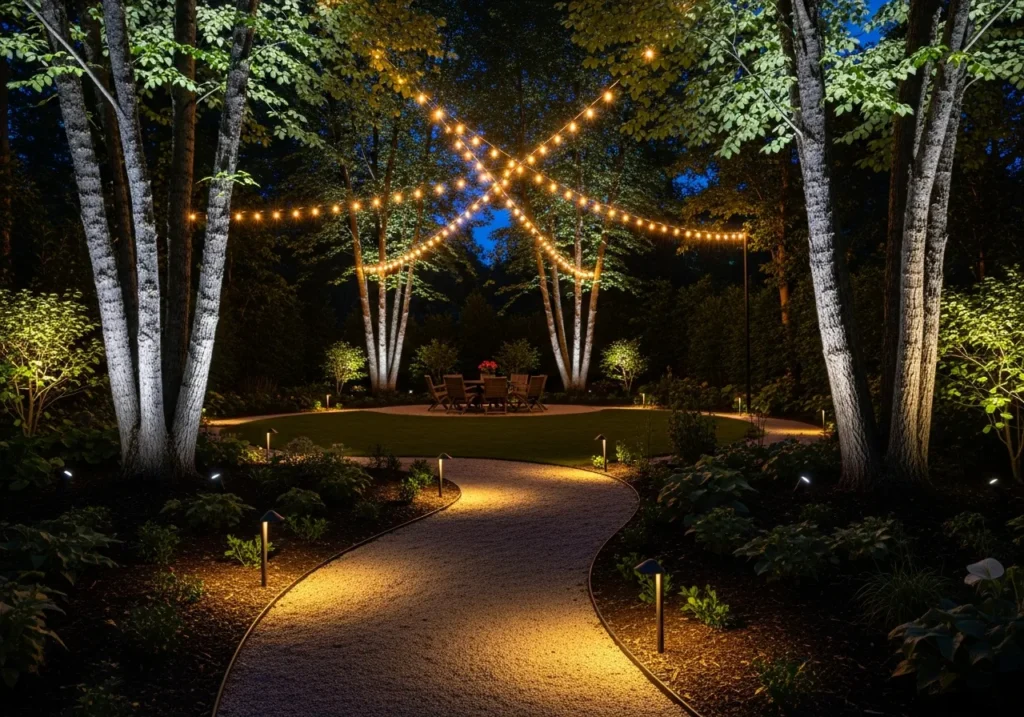
Successful garden lighting relies on layering multiple fixture types at various heights. Combine pathway lights, uplights, and overhead options for depth and visual interest. Balance bright task areas with softer ambient zones to create comfortable atmospheres.
Consider sight lines from both inside and outside your home. Lighting visible through windows extends your living space visually. Position fixtures to highlight features while concealing less attractive areas in shadow.
Darkness serves important design purposes. Not every element requires illumination. Strategic shadows add drama and dimension. Focus lighting on key features rather than attempting comprehensive coverage that dilutes impact and wastes energy.
Conclusion
Garden lighting represents an investment in extending your outdoor enjoyment beyond daylight hours. The options explored in this guide demonstrate that illumination serves purposes far beyond simple visibility. Whether your priorities lean toward safety, aesthetics, entertainment, or all three, modern lighting solutions offer flexibility and creativity that transform gardens into enchanting evening destinations.
Start with foundational lighting that addresses safety concerns along pathways and steps. Build from there by highlighting favorite features and creating ambiance in gathering spaces. Solar-powered options make experimentation affordable and accessible, allowing you to test layouts before committing to permanent installations.
Remember that effective lighting schemes evolve with your garden. Flexible fixtures and adjustable placements accommodate growth and seasonal changes. As you gain experience with your lighting, you will discover combinations and techniques that perfectly suit your space and lifestyle. The magic lies not in the fixtures themselves but in how thoughtfully you deploy them to enhance the natural beauty already present in your garden.
Frequently Asked Questions
What is the best type of lighting for garden pathways?
Solar-powered LED stake lights offer the best combination of safety, convenience, and aesthetics for garden pathways. These fixtures install without electrical wiring, automatically activate at dusk, and provide sufficient illumination for navigation. Choose models with fifteen to fifty lumens and warm white color temperatures. Space them every three to seven feet depending on pathway width and desired brightness levels.
How many lumens do I need for outdoor garden lighting?
Lumen requirements vary by application. Pathway markers need fifteen to thirty lumens per fixture, while uplighting trees or architectural features benefits from fifty to one hundred lumens. Overhead string lights and ambient fixtures work well at ten to twenty lumens per bulb. Task lighting for dining or work areas should provide one hundred to two hundred lumens. Always start with lower outputs and add brightness as needed.
Are solar garden lights bright enough for security purposes?
Traditional solar garden lights provide insufficient brightness for primary security lighting. However, modern solar motion-sensor fixtures with one hundred plus lumens offer adequate security illumination when strategically positioned. Combine solar ambient lighting with motion-activated fixtures at key entry points for balanced security and aesthetic appeal. Hardwired LED security lights remain the most reliable option for serious security needs.
How long do solar garden lights typically last?
Quality solar garden lights last three to five years with proper maintenance. LED bulbs themselves function for twenty-five thousand to fifty thousand hours. Rechargeable batteries typically need replacement after two to three years depending on climate and usage patterns. Clean solar panels regularly to maintain charging efficiency. Choose fixtures with replaceable batteries to extend overall product lifespan.
What color temperature is best for garden lighting?
Warm white LED bulbs between two thousand seven hundred and three thousand Kelvin create inviting atmospheres most suitable for gardens. These temperatures complement natural materials and plantings while feeling comfortable for extended outdoor stays. Cool whites above four thousand Kelvin work well for modern contemporary designs or task areas requiring crisp visibility. Avoid mixing color temperatures within visible sight lines for cohesive aesthetics.