
18+ Inspiring DIY Coffee Bar Ideas for Your Home
Creating a dedicated coffee station in your home transforms your daily brewing ritual into a special experience. Whether you have a spacious kitchen or a compact apartment, establishing a personalized coffee bar brings the cozy atmosphere of your favorite cafe right into your living space. The beauty of building your own coffee station lies in the flexibility to design something that perfectly matches your needs, style preferences, and available space.
This comprehensive guide explores over eighteen creative approaches to designing a coffee bar that works for your home. From budget-friendly countertop setups to elaborate built-in installations, these ideas prove that anyone can create a functional and attractive coffee station regardless of space constraints or skill level. The key is understanding what elements matter most to you and how to maximize the area you have available.
Corner Coffee Bar Solutions
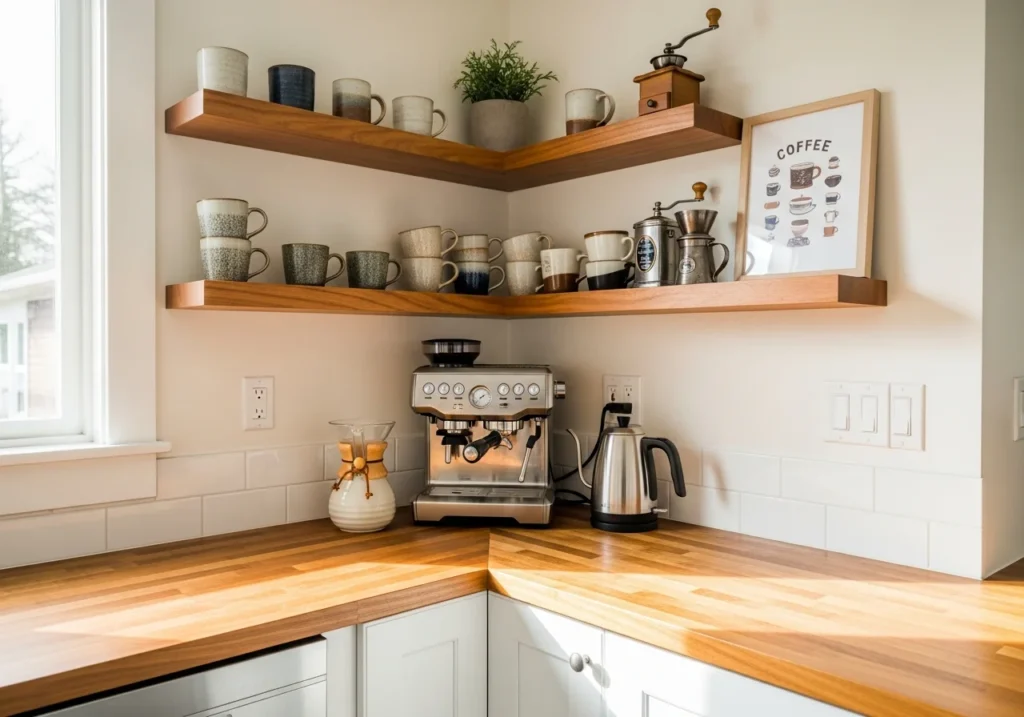
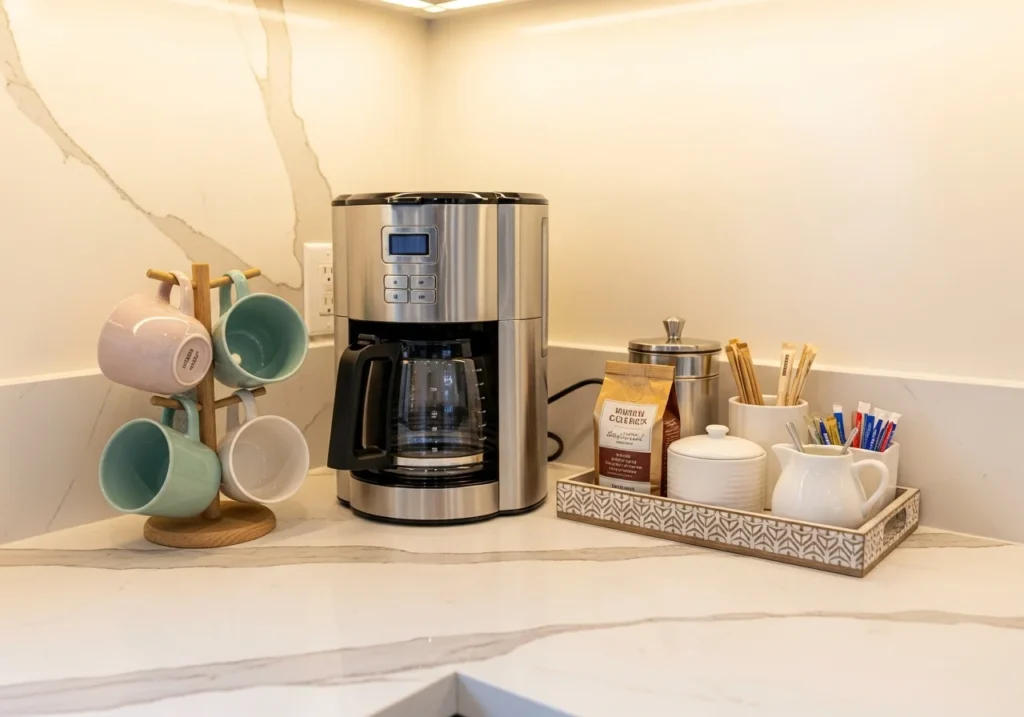
Utilizing corner spaces represents one of the smartest strategies for incorporating a coffee station into your home. Kitchen corners often become underutilized dead zones, but they offer excellent opportunities for creating dedicated beverage areas. A corner coffee bar keeps everything consolidated in one accessible location while preserving valuable wall and counter space elsewhere.
Consider installing base cabinets in an L-shaped configuration with a countertop that wraps around the corner. This design provides ample surface area for your coffee maker while offering storage underneath for supplies, mugs, and other essentials. The corner placement naturally creates a cozy nook feeling that makes the space feel intentional rather than squeezed in. Adding floating shelves above completes the setup by giving you display space for decorative items and frequently used cups.
Built-In Cabinet Coffee Stations
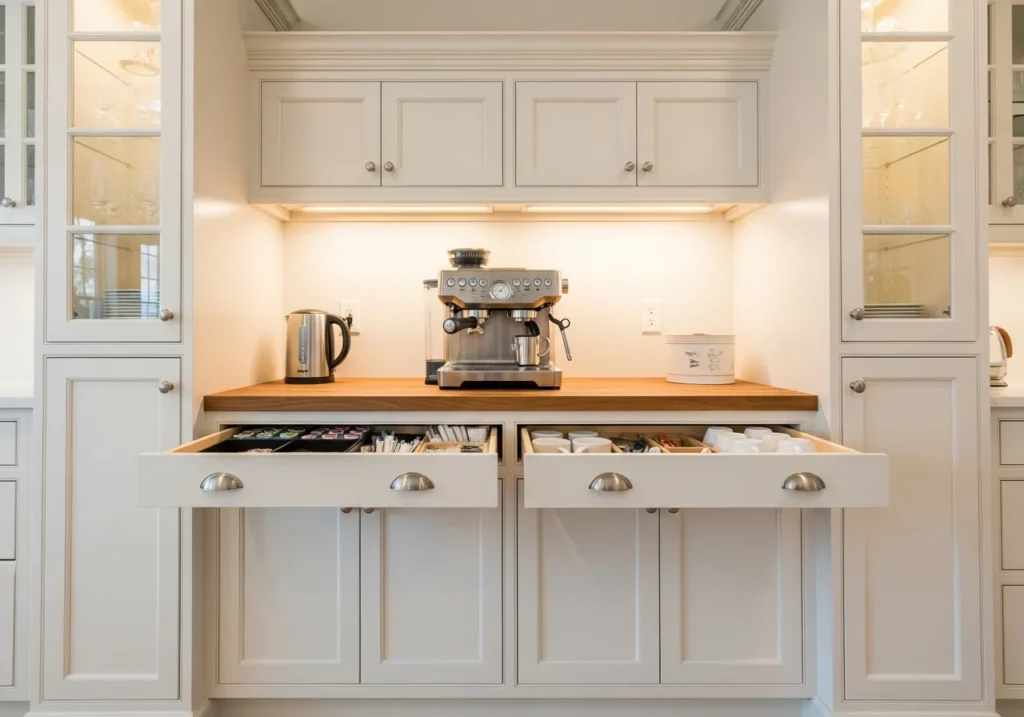
For homeowners planning kitchen renovations or those with carpentry skills, built-in coffee stations deliver a polished, custom appearance. These installations integrate seamlessly with existing cabinetry, creating a cohesive look that appears professionally designed. The investment in a built-in setup pays dividends in both functionality and home value.
Stock kitchen cabinets work perfectly for this application and eliminate the need for custom carpentry. Build a foundation using basic lumber to achieve your desired height, then install base cabinets on top. Crown the installation with a countertop made from plywood, butcher block, or matching kitchen materials. The built-in approach allows for maximum storage customization, including drawer organizers for coffee pods, pull-out shelves for appliances, and dedicated spaces for syrups and sweeteners.
Floating Shelf Coffee Bars
Floating shelves provide an elegant, minimalist solution for coffee bars that works exceptionally well in small spaces. This approach eliminates bulky cabinetry while maintaining functionality and visual appeal. The open design keeps everything visible and within easy reach, streamlining your morning routine.
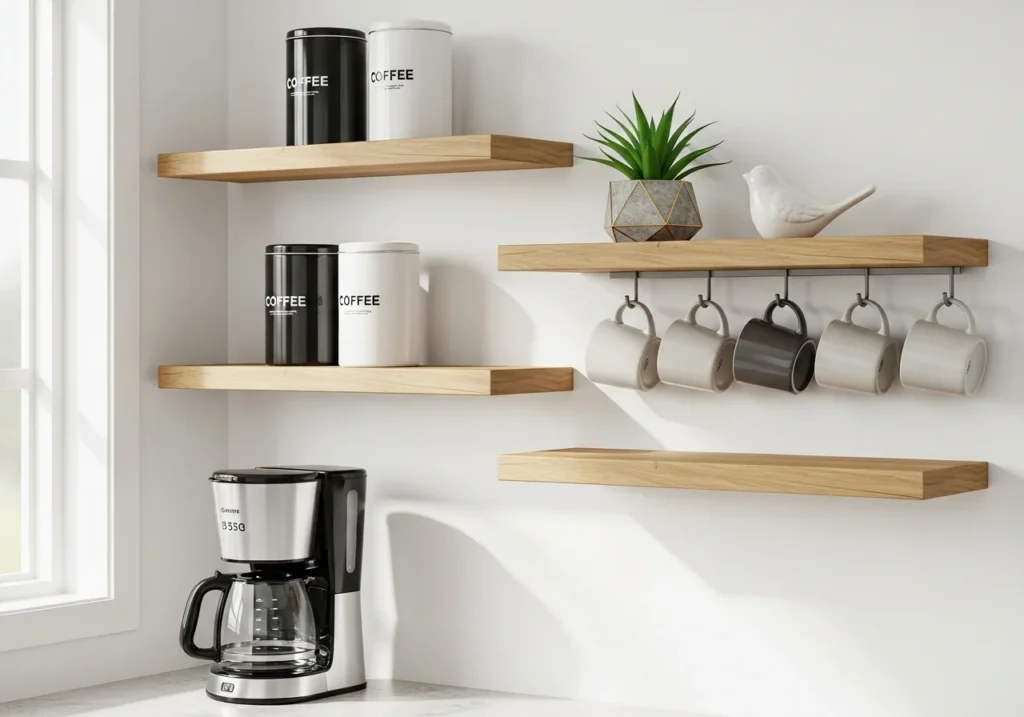
Install two to three shelves at strategic heights, positioning the lowest shelf at countertop level to hold your coffee maker. Mount the remaining shelves above at comfortable intervals, typically twelve to eighteen inches apart. Use the middle shelf for hanging mugs on adhesive hooks or small rail systems, maximizing vertical storage without cluttering horizontal surfaces. The top shelf becomes ideal for coffee canisters, decorative elements, and less frequently used items. Choose shelf materials and brackets that complement your existing decor, whether rustic wood with iron brackets or sleek glass with chrome supports.
Rolling Bar Cart Stations
Bar carts offer unparalleled versatility for coffee enthusiasts, especially renters or those who appreciate flexibility. These mobile stations can roll wherever needed, from kitchen to dining room to outdoor patio, adapting to different situations throughout the day. The multi-tier design provides organized storage without requiring permanent installation.
Select a cart with at least three levels to properly separate your equipment, supplies, and serving pieces. Place your coffee maker on the top tier for easy access and operation. Use the middle shelf for mugs, cups, and daily essentials like sugar and cream. Reserve the bottom tier for backup supplies, coffee bean storage, or a small waste bin for used pods and filters. Many carts include additional features like wine storage, drawer compartments, or towel bars that can be repurposed for coffee accessories.
Countertop Coffee Corners

Sometimes the simplest approach works best. Designating a section of existing counter space as your coffee zone requires minimal investment while delivering maximum convenience. This strategy works particularly well for those testing the waters before committing to larger projects.
Claim a corner or end section of your counter and establish clear boundaries for your coffee area. Keep your coffee maker permanently stationed there along with a canister set for grounds, sugar, and other daily necessities. Add a small tray to corral items and make the station feel intentional. Mount a few hooks underneath upper cabinets for hanging mugs, or place a simple mug tree on the counter. This basic setup keeps everything accessible and organized without requiring construction or significant space dedication.
Butler’s Pantry Coffee Integration
For homes with butler’s pantries, these spaces offer ideal locations for comprehensive coffee stations. The separate room provides privacy for preparation and cleanup while keeping kitchen counters clear for cooking activities. Butler’s pantry coffee bars can accommodate more extensive setups with premium features.
Install a small prep sink specifically for filling coffee makers and washing mugs without monopolizing the main kitchen sink. Add base and upper cabinetry to match your kitchen, creating cohesive storage for all coffee-related items. Include open shelving for attractive display of nice mugs and decorative pieces. The enclosed nature of a butler’s pantry allows you to close the doors and hide any mess when entertaining, presenting a tidy appearance to guests while maintaining full functionality.
Wall-Mounted Fold-Down Coffee Bars
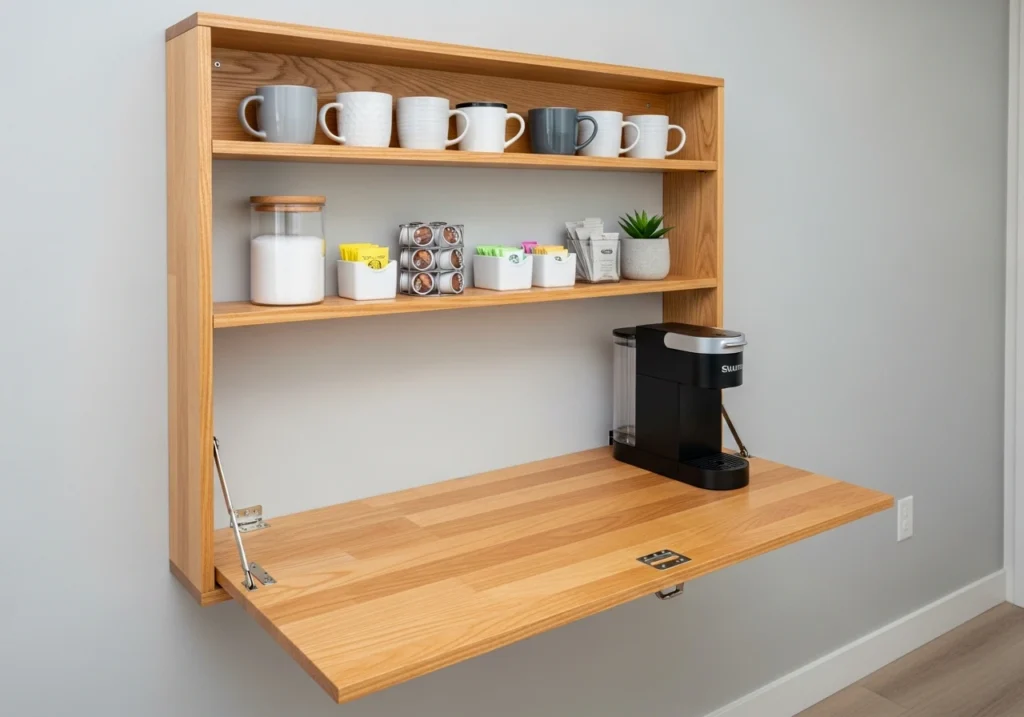
Extremely small spaces benefit from creative solutions like fold-down coffee stations. These clever installations disappear when not in use, freeing up floor space while remaining instantly accessible when needed. The design works similarly to fold-down desks or Murphy beds, utilizing mechanical hinges for smooth operation.
Attach a hinged surface to wall studs at comfortable countertop height, ensuring proper support for the weight of your coffee maker and supplies. Install shelving above the fold-down surface for permanent storage of mugs, canisters, and decorative items. When morning arrives, simply lower the surface to create your preparation area. After brewing, fold it back up against the wall. Some units include built-in storage compartments within the fold-down panel itself, maximizing efficiency in minimal square footage.
Bookshelf Coffee Stations
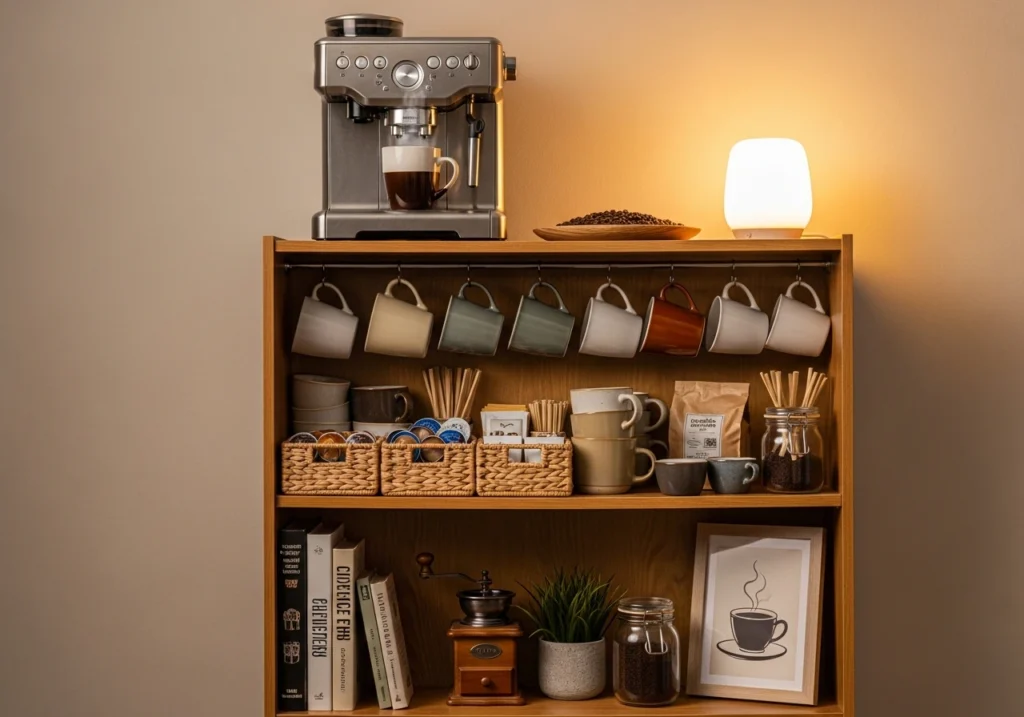
Standard bookcases transform easily into functional coffee bars without requiring special tools or skills. This approach works wonderfully for renters since it involves no permanent modifications to the space. The shelving provides ample storage while the sturdy construction supports coffee equipment.
Dedicate the top shelf or surface of a bookcase to your coffee maker and daily brewing activities. Use lower shelves to organize mugs, coffee supplies, and decorative elements. Baskets and containers help corral smaller items and maintain a tidy appearance. Consider adding adhesive lighting strips underneath shelves to illuminate your workspace and create ambiance. The bookcase approach allows easy reconfiguration as your needs change over time.
Under-Stairs Coffee Nooks
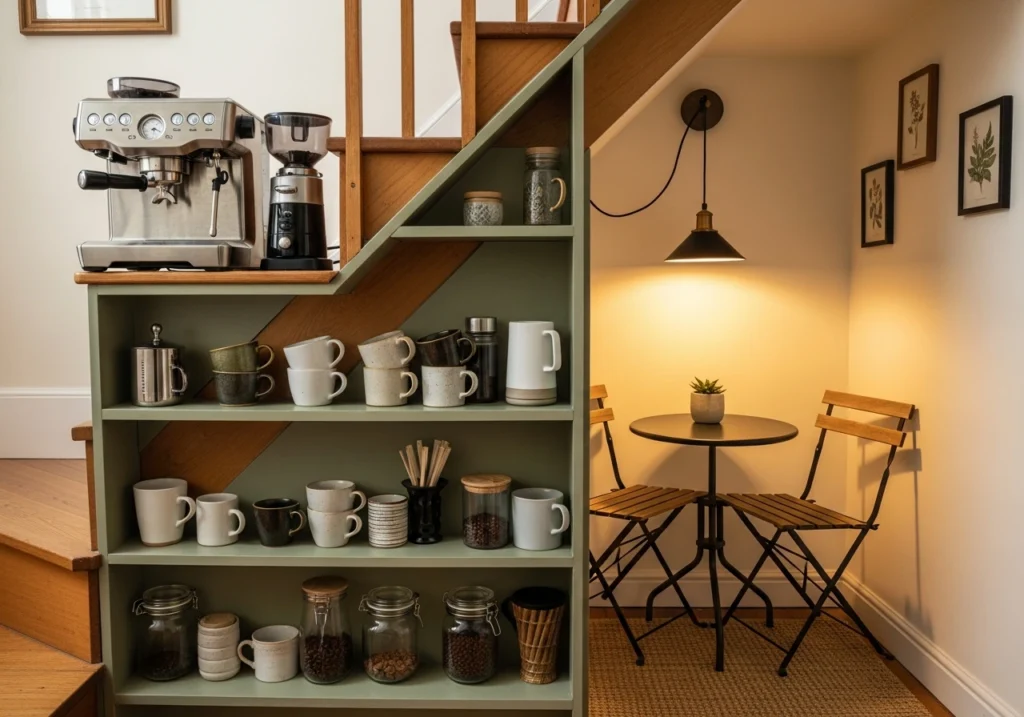
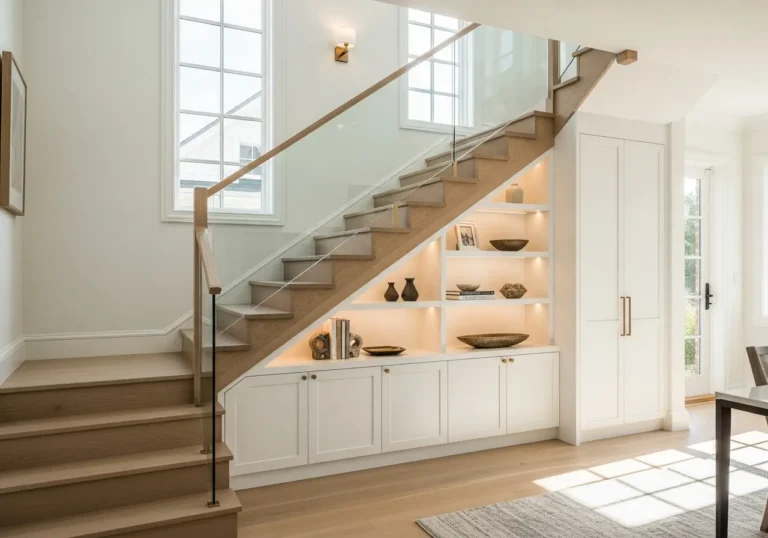
The often-wasted space beneath staircases presents an unexpected opportunity for cozy coffee stations. This tucked-away location creates an intimate atmosphere while making practical use of awkward architectural features. The sloped ceiling adds character and distinction to your coffee area.
Install graduated shelving that follows the staircase angle, maximizing storage potential while accommodating the decreasing height. Place your coffee maker and primary workspace in the tallest section where you have the most headroom. Use the lower sections for decorative displays or less frequently accessed storage. Add lighting to brighten the naturally darker space, and consider a small chair or stool to create a genuine cafe experience where you can sit and enjoy your coffee.
Pantry Coffee Zones
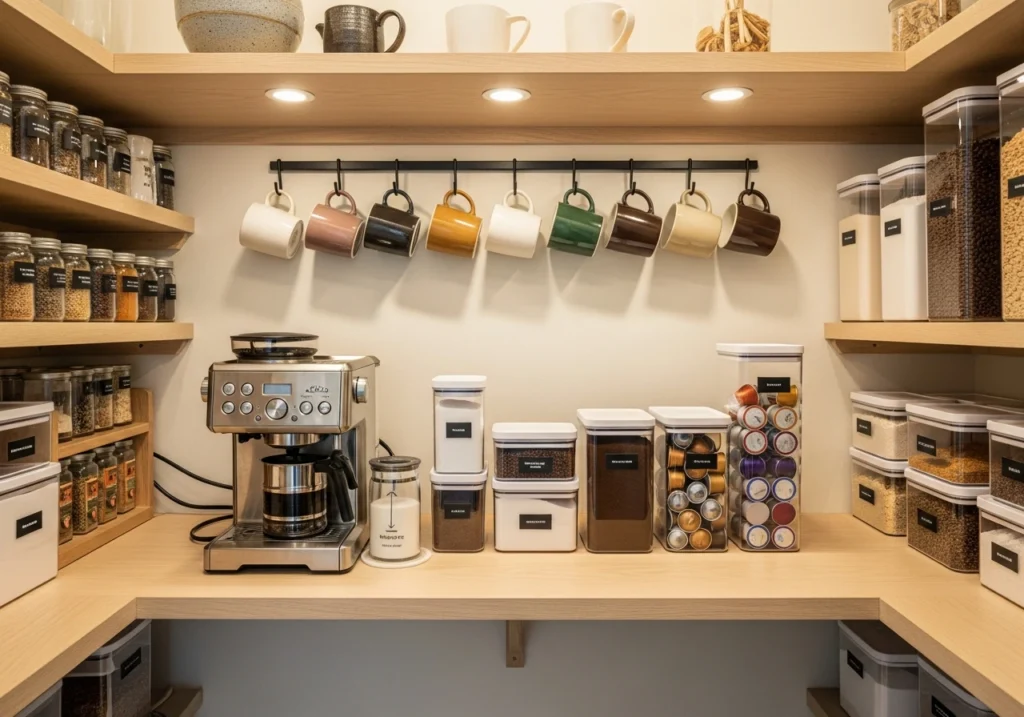
Walk-in or reach-in pantries can accommodate dedicated coffee zones that keep all supplies centralized and organized. This solution works especially well for households with multiple coffee drinkers or those who maintain extensive coffee equipment collections. The enclosed space protects items from dust while maintaining easy access.
Designate one shelf or section of your pantry specifically for coffee-related items. Install an electrical outlet if one does not already exist, allowing you to operate your coffee maker directly in the pantry. Use clear containers to store various coffee beans, pods, and flavorings where you can easily see inventory levels. Hang mugs from cup hooks or a small rail system. The pantry location keeps coffee supplies separate from cooking ingredients, reducing clutter in your main kitchen workspace.
Farmhouse Rustic Coffee Bars
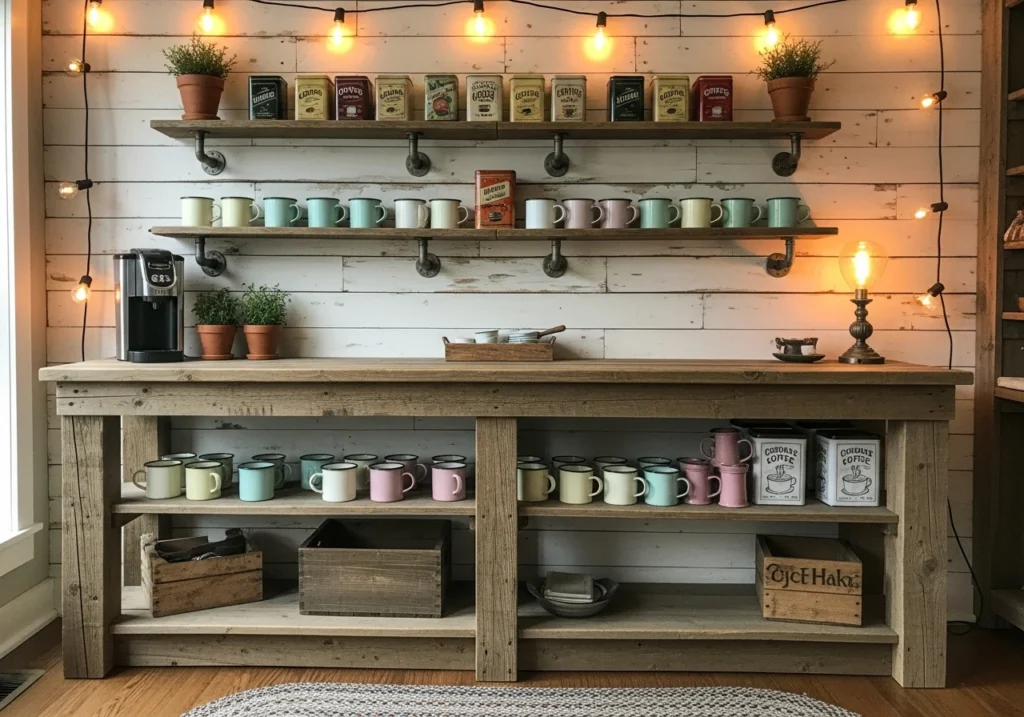
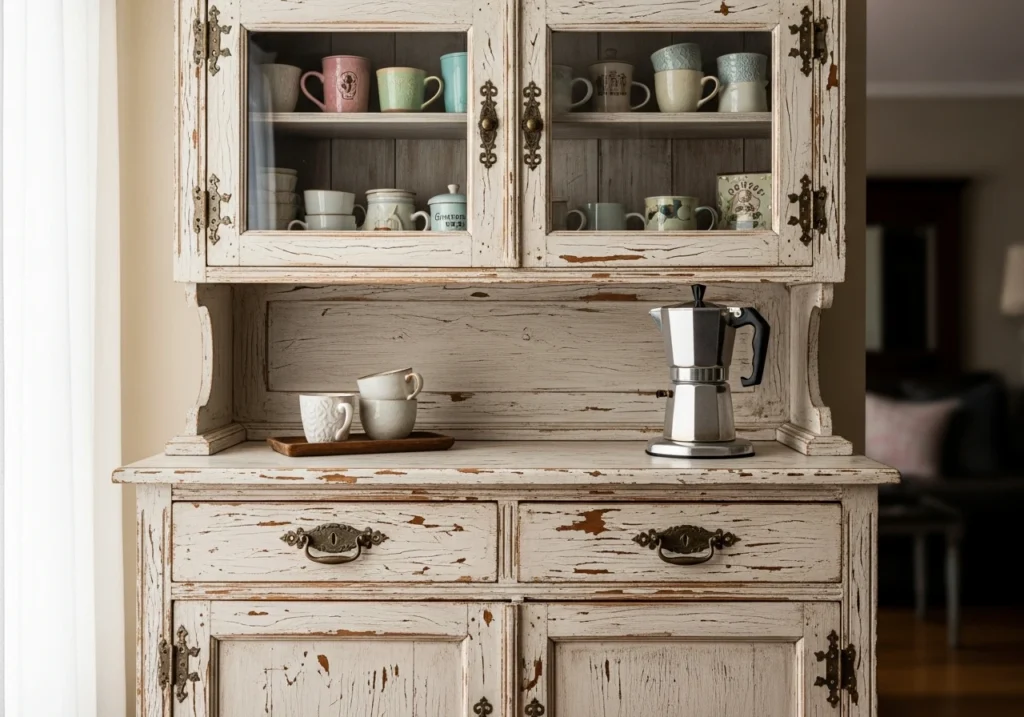
Rustic farmhouse aesthetics bring warmth and charm to coffee stations through natural materials and vintage-inspired elements. This style works beautifully in traditional homes and adds character to modern spaces seeking a softer touch. The emphasis on wood, metal, and simple lines creates inviting, comfortable environments.
Build your base from reclaimed barn wood or distressed lumber for authentic rustic appeal. Install open shelving using thick wooden planks supported by industrial pipe brackets or wrought iron supports. Display enamelware mugs, vintage coffee tins, and Mason jar storage containers. Add shiplap or beadboard to the wall behind your coffee station for extra texture and visual interest. Incorporate chalkboard elements for writing daily specials or coffee quotes. The farmhouse approach celebrates imperfection and natural materials, making it forgiving and accessible for beginners.
Modern Minimalist Stations
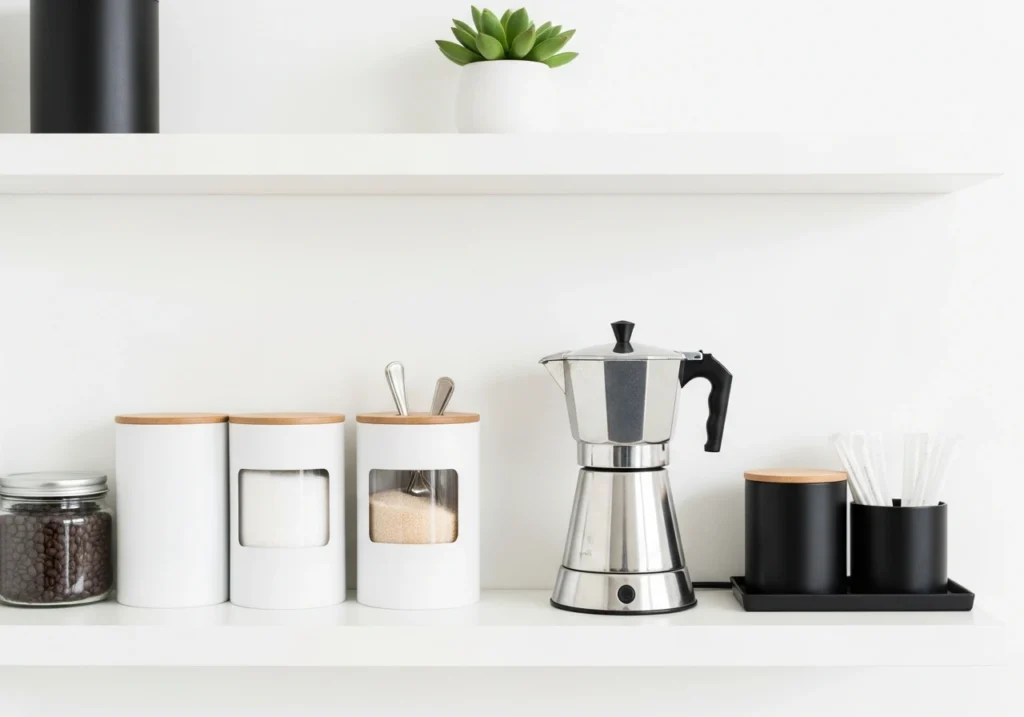
Clean lines, neutral colors, and purposeful simplicity define modern minimalist coffee bars. This aesthetic prioritizes function while maintaining sophisticated visual appeal through careful curation and restraint. Every element serves a purpose, eliminating unnecessary clutter and decoration.
Select coffee equipment in coordinating finishes like brushed stainless steel or matte black. Use simple white or wood shelving with concealed brackets for a floating appearance. Store items in matching containers with minimal labeling. Limit decorative elements to one or two high-quality pieces like a single succulent or abstract art print. The minimalist approach creates calm, organized spaces that feel intentional and refined. This style works particularly well in contemporary homes and small spaces where visual clutter can feel overwhelming.
Coffee and Wine Combination Bars
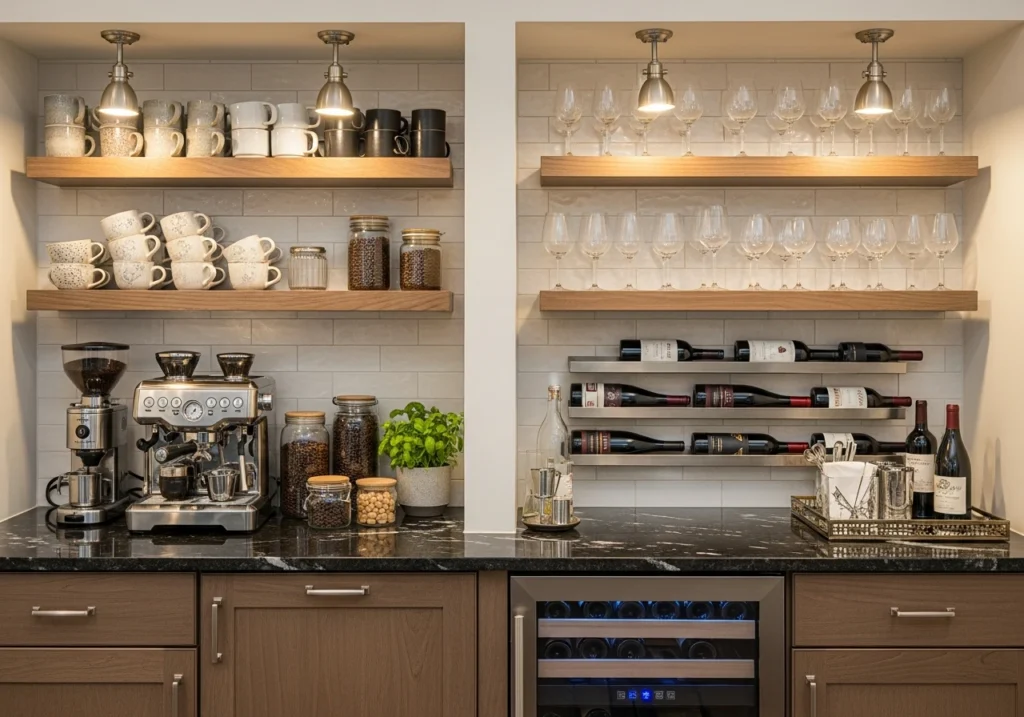
Multipurpose beverage stations serve both morning coffee needs and evening wine enjoyment, maximizing the value of dedicated bar space. This dual-purpose approach makes sense for households that want flexibility and efficiency in their entertaining setups. The combination creates an adult beverage center suitable for any time of day.For more ideas click here.
Design your station with distinct zones for coffee and wine, using one side for each function. Install a small wine refrigerator below the counter to keep bottles at proper temperature while providing balance to the coffee maker above. Use open shelving to display both wine glasses and coffee mugs, creating an attractive mixed collection. Keep coffee supplies in one cabinet and wine accessories in another for clear organization. This versatile station becomes a focal point for entertaining while serving everyday needs.
Closet Conversion Coffee Bars
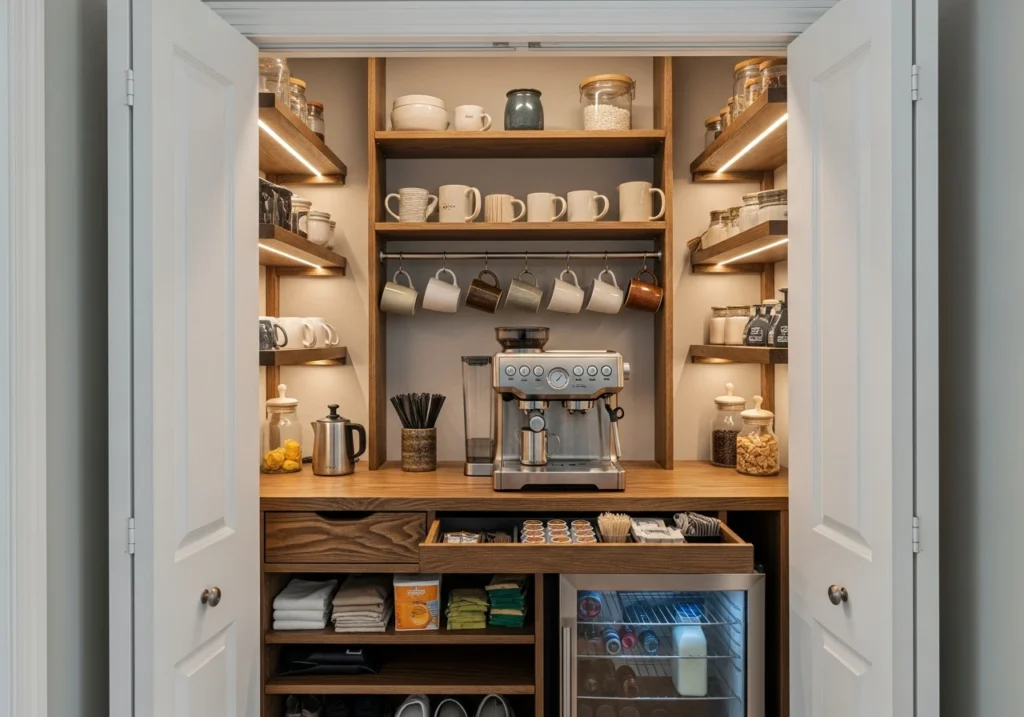
Unused coat closets or small closets near kitchens can be completely transformed into hidden coffee stations. This approach works brilliantly in homes where every closet serves a purpose, allowing you to repurpose underutilized storage into something more valuable for daily life. The enclosed space keeps everything tidy and out of sight when desired.may you like it
Remove closet doors entirely or replace them with bifold doors that open wide for easy access. Install shelving at various heights to accommodate different equipment and storage needs. Add electrical outlets and task lighting inside the closet for full functionality. Keep your coffee maker on a slide-out shelf that pulls forward for use and pushes back when finished. Use the closet walls for hanging storage, hooks, and organization systems. When the doors close, the entire station disappears, maintaining a clean aesthetic in your living space.
Industrial Style Coffee Stations
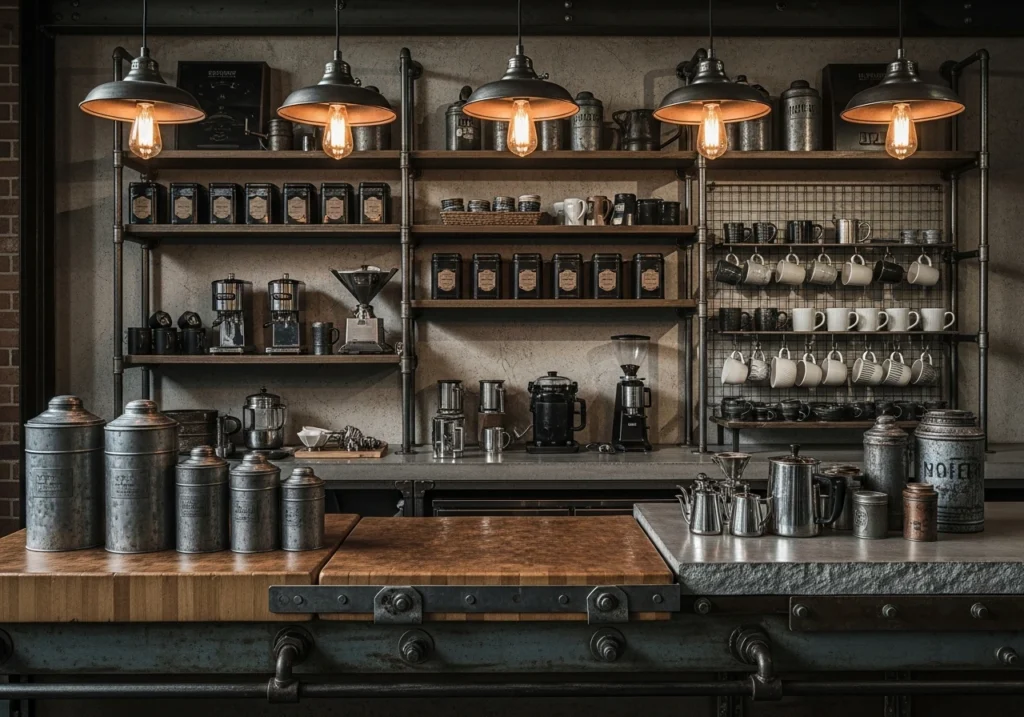
Industrial design brings edgy sophistication to coffee bars through exposed materials, metal accents, and utilitarian elements. This aesthetic celebrates function and honest materials, creating spaces that feel both modern and timeless. The style works exceptionally well with vintage equipment and repurposed items.
Construct your coffee bar using metal pipe shelving or galvanized metal brackets. Choose countertops made from concrete, butcher block, or reclaimed wood for authentic industrial character. Display mugs on exposed pipe racks or wire grid systems. Incorporate Edison bulb lighting and metal pendant fixtures for appropriate illumination. Use weathered metal containers for coffee bean storage. The industrial approach embraces raw finishes and visible hardware, making it accessible for DIY enthusiasts comfortable with basic plumbing supply assembly.
Pegboard Coffee Organization
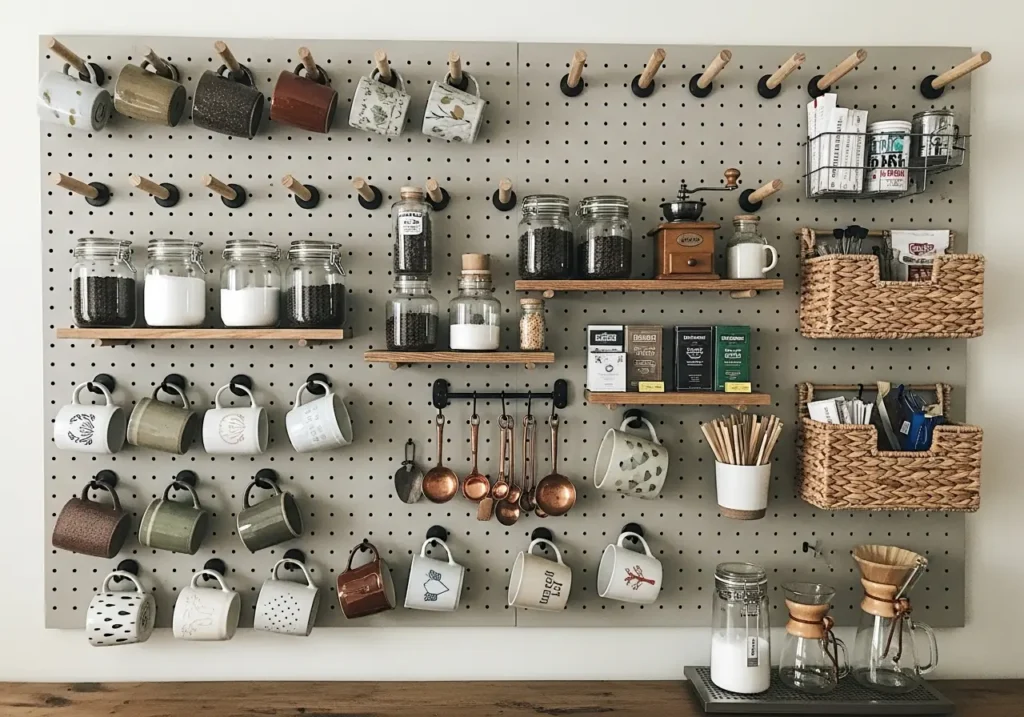
Pegboards offer incredibly versatile organization solutions for coffee bars, allowing complete customization that adapts as your needs change. This classic workshop staple has found new life in kitchen applications thanks to its flexibility and visual interest. The perforated design accommodates unlimited configuration possibilities.
Mount a large pegboard section to the wall behind your coffee station, painting it to match your decor or leaving it natural. Use various peg attachments to hang mugs, measuring spoons, small shelves for canisters, and hooks for towels or brushes. The beauty of pegboard lies in its adjustability; simply move pegs and accessories whenever you want to reorganize. Add small baskets or containers to pegboard shelves for corralling smaller items like sugar packets or stir sticks. This solution keeps everything visible and accessible while maintaining maximum flexibility.
Seasonal and Decorative Coffee Displays

Treating your coffee station as a rotating display area keeps the space fresh and engaging throughout the year. Seasonal decorating allows you to celebrate holidays and changing seasons while maintaining functionality. This approach adds personality and prevents your coffee area from becoming stale or overlooked.
Change decorative elements quarterly to reflect seasons and holidays. Spring might feature fresh flowers and pastel mugs, summer brings bright colors and citrus accents, fall showcases pumpkins and warm tones, while winter incorporates evergreens and festive touches. Swap out coffee-related artwork or chalkboard messages to match the season. This regular rotation keeps your coffee station feeling intentional and well-maintained, providing motivation to keep the area organized and attractive.
Creating the perfect coffee bar for your home combines practical considerations with personal style preferences. Whether you invest in a built-in installation or simply claim a corner of existing counter space, the goal remains the same: establishing a dedicated area that makes your daily coffee ritual more enjoyable and efficient. Start with the basics, add elements over time, and adjust as you discover what works best for your specific needs and space limitations.
Conclusion
Building a coffee bar in your home elevates your daily routine from mundane to memorable, creating a dedicated space that celebrates your love for great coffee. Whether you choose a simple countertop arrangement, invest in custom built-ins, or transform unexpected spaces like closets and corners, the perfect coffee station reflects your personal style and meets your practical needs. The ideas presented here demonstrate that beautiful, functional coffee bars are achievable regardless of budget, space constraints, or DIY experience level. Start small if needed, focusing on the essentials that matter most to your brewing preferences, then expand and refine your setup over time. The most important element is creating a space that brings you joy each morning, transforming the simple act of making coffee into a cherished ritual. With thoughtful planning and creative problem-solving, your home coffee bar will become a favorite feature that serves you well for years to come while adding both functionality and character to your living space.
Share your creation with friends and family, invite them to enjoy a cup in your personalized cafe space, and take pride in knowing you built something both beautiful and useful with your own hands. The journey of creating your ideal coffee bar is just as rewarding as the destination, offering opportunities for creativity, learning new skills, and ultimately crafting a corner of your home that truly feels like your own.
Frequently Asked Questions
What essential items do I need for a basic home coffee bar?
A functional coffee bar requires a coffee maker or brewing device, fresh coffee beans or grounds, storage containers for coffee and supplies, mugs or cups, sweeteners and cream according to preference, and basic cleaning supplies. Start with these fundamentals and add specialty items as your coffee interests expand.
How much space do I need to create a coffee bar at home?
Coffee bars can fit into spaces as small as two feet of counter space. Corner installations, vertical wall-mounted solutions, and compact cart setups all work in limited areas. The key is organizing vertically and choosing appropriately sized equipment for your available space.
Can I build a coffee bar on a tight budget?
Absolutely. Repurpose existing furniture, shop thrift stores for unique pieces, use basic shelving from home improvement stores, and start with essential equipment only. Many attractive coffee bars cost under two hundred dollars using creative sourcing and DIY labor.
What is the best location for a home coffee bar?
The ideal location provides easy access to water and electrical outlets while staying near your primary morning routine path. Kitchens work best, but dining rooms, breakfast nooks, pantries, and even converted closets all function well depending on your home layout and lifestyle.
How do I keep my coffee bar organized and clutter-free?
Use dedicated containers for all supplies, implement a one-in-one-out policy for mugs and equipment, clean and restock daily, designate specific spots for each item, and regularly purge expired coffee and unused accessories. Consistent maintenance prevents clutter from accumulating.