12+ Inspiring Metal Building Loft Ideas
Metal buildings offer remarkable versatility for homeowners, business owners, and workshop enthusiasts seeking to maximize their available space. Whether you own a pole barn, steel garage, or commercial warehouse, adding a loft transforms wasted vertical space into valuable square footage. The decision to incorporate a loft into your metal structure opens countless possibilities for storage, work areas, living quarters, and specialized applications that can dramatically increase your building’s functionality without expanding its footprint.
Understanding how to effectively plan, design, and implement loft solutions in metal buildings requires knowledge of structural considerations, creative vision, and practical applications. This comprehensive guide explores over twelve inspiring ideas that demonstrate the potential of metal building lofts while providing actionable insights for your own project. From simple storage platforms to sophisticated multi-level workshops, these concepts will help you envision what’s possible within your own structure.
Understanding Metal Building Loft Basics
Before diving into specific ideas, it’s essential to grasp the fundamental principles that govern loft construction in metal buildings. Unlike traditional wood-framed structures, metal buildings present unique challenges and opportunities when adding elevated platforms. The primary consideration involves structural integrity. Most metal buildings are not originally engineered to support additional floor loads, which means your loft must typically be freestanding rather than attached directly to the building’s frame.
A freestanding loft relies on its own support system, consisting of vertical posts, horizontal beams, and floor joists that distribute weight independently from the building’s walls and roof structure. This approach ensures safety while preserving the integrity of your metal building. Support posts typically range from four-by-four to six-by-six lumber, though some builders opt for steel columns for increased strength and longer spans. Beam selection depends on the distance they must span, with doubled two-by-tens or two-by-twelves being common choices for residential applications.
The height of your loft determines its functionality and the usable space beneath it. Most successful loft designs maintain at least seven feet of clearance below the platform, allowing comfortable movement and storage underneath. The loft level itself should provide adequate headroom, with eight feet being the minimum comfortable height for standing activities. When planning your metal building loft, always consult with a structural engineer to ensure your design meets load requirements and local building codes.
1. Workshop Storage Loft with Integrated Shelving System
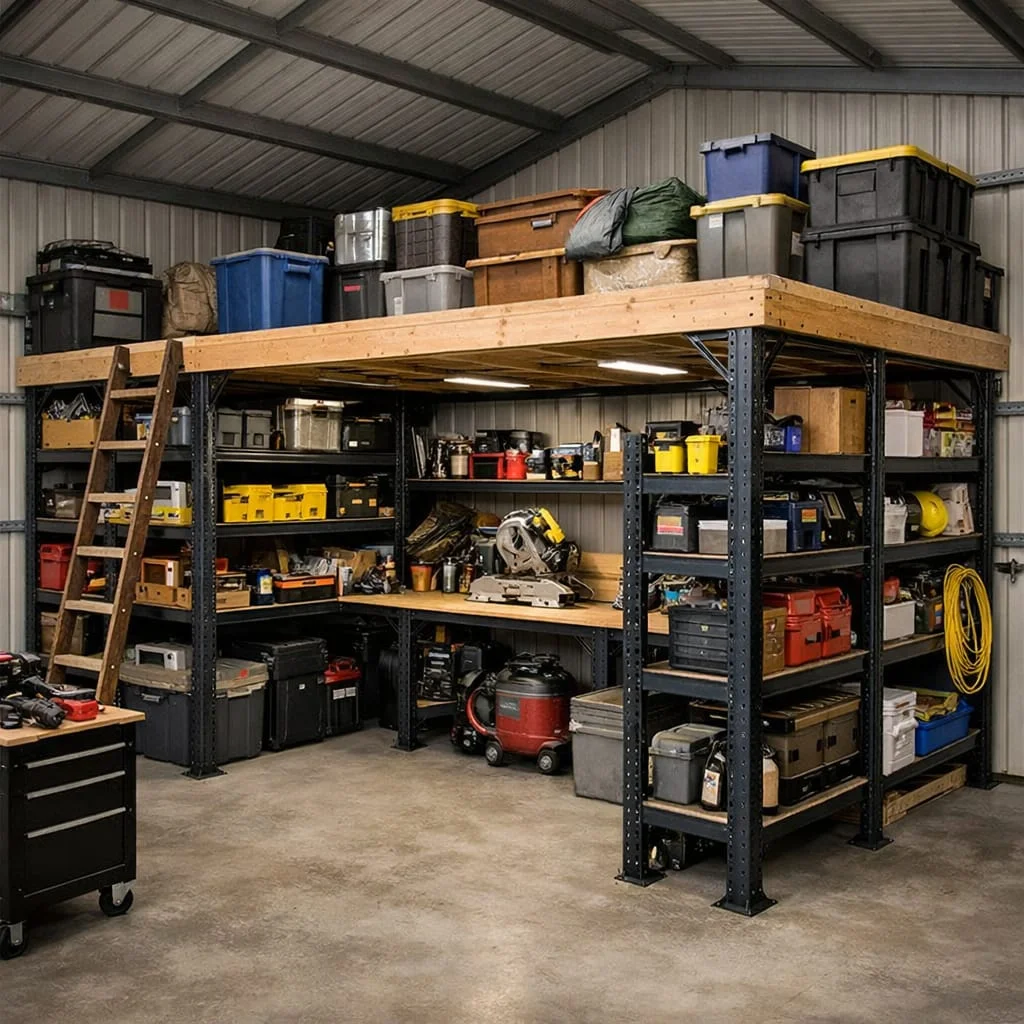
One of the most practical applications combines a storage loft with a built-in shelving system that serves dual purposes. This design uses the shelving units themselves as structural support for the loft platform above. Industrial-grade shelving with substantial load ratings can be positioned strategically to create support columns while providing organized storage below.
This approach eliminates the need for separate support posts that might obstruct floor space. Heavy-duty steel shelving units rated for 600 pounds per shelf or more can safely support a wooden deck above when properly engineered. The shelves below remain accessible for storing tools, equipment, and materials, while the loft surface accommodates seasonal items, rarely used equipment, or bulk storage. This integrated system maximizes every cubic foot of your metal building while maintaining an organized, efficient workspace.
2. Office Mezzanine with Climate Control
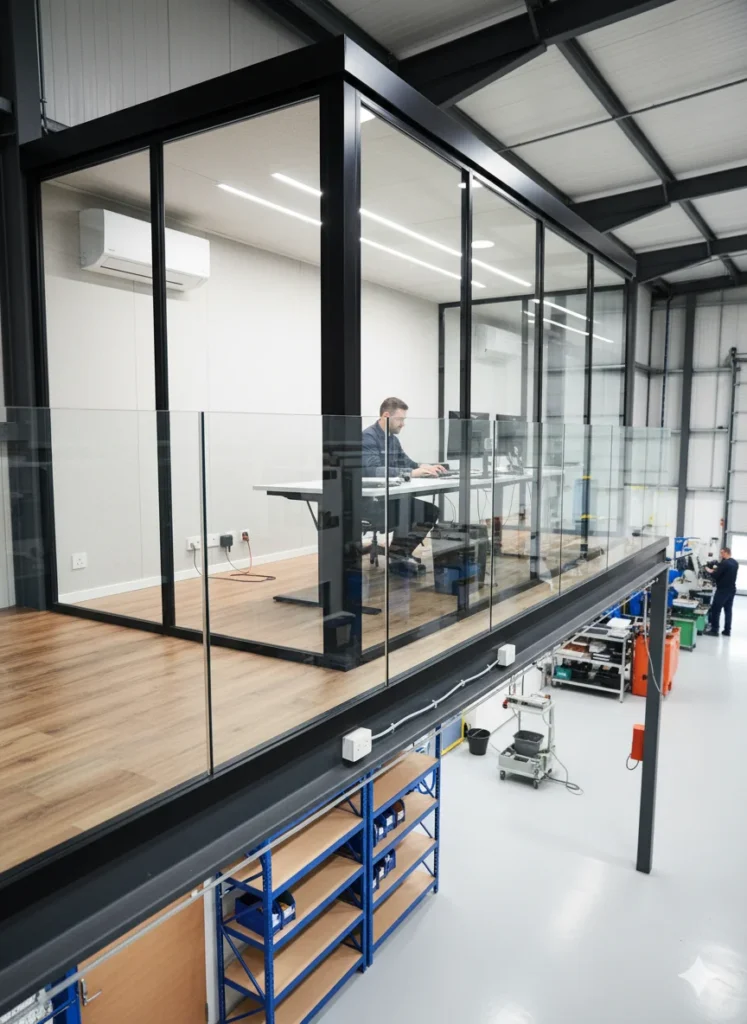
Transforming a portion of your metal building into an elevated office creates a professional workspace separate from the workshop or warehouse floor below. This loft idea works exceptionally well for business owners who need administrative space within their operational facility. The elevated position provides visual oversight of floor operations while maintaining a distinct, quiet environment for focused work.
you may also like it: 16+ Inspiring Dormer Window Ideas for Your Home
Climate control becomes crucial for office mezzanines. Installing insulation in the loft floor, walls, and ceiling creates a temperature-controlled environment independent from the larger building. Mini-split HVAC systems offer efficient heating and cooling for these elevated spaces without requiring extensive ductwork. Include proper electrical outlets, data connections, and adequate lighting to create a fully functional office environment. Glass panels or windows in the office walls allow natural light and visibility while maintaining acoustic separation.
3. Recreational Living Quarters
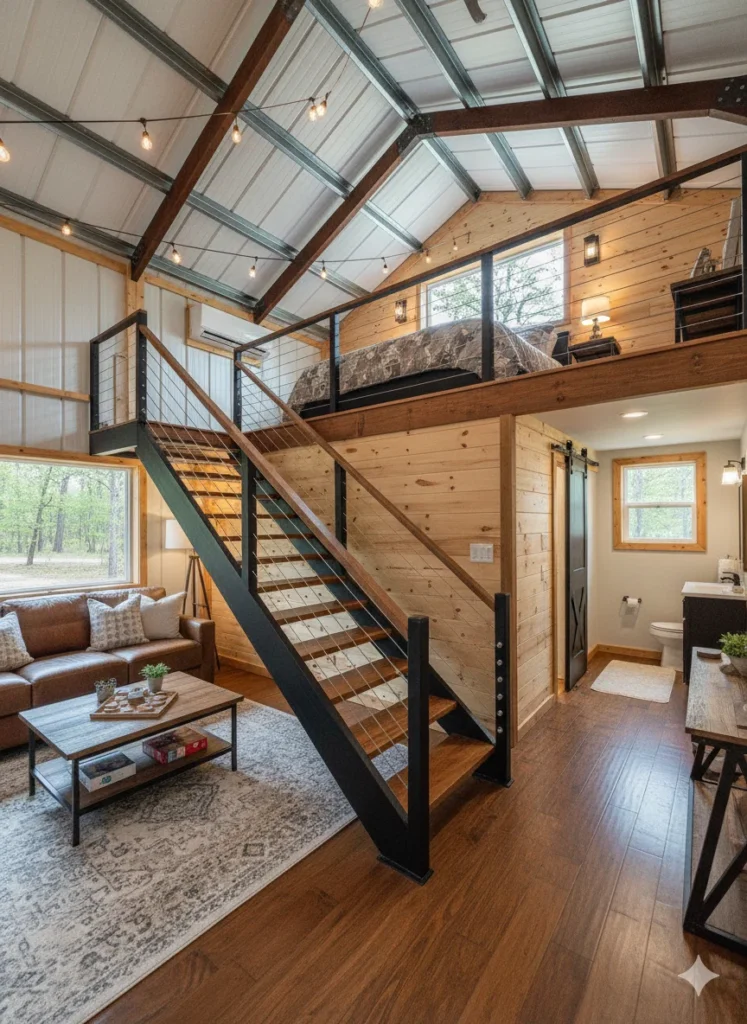
Metal buildings with sufficient height can accommodate comfortable living quarters in a loft configuration. This barndominium-style approach has gained tremendous popularity for creating affordable housing solutions or guest accommodations. A residential loft can include sleeping areas, sitting spaces, and even compact bathrooms when properly planned and executed.
Building codes for residential lofts are more stringent than storage applications, requiring careful attention to egress requirements, stair specifications, and safety features. Bedroom lofts must include proper windows for emergency exit, adequate ventilation, and code-compliant railings. Consider incorporating dormers or raising the roof pitch during initial construction to maximize headroom in the loft space. Full bathrooms require additional structural support for plumbing fixtures and water storage, making professional engineering consultation essential.
4. Equipment Access Platform
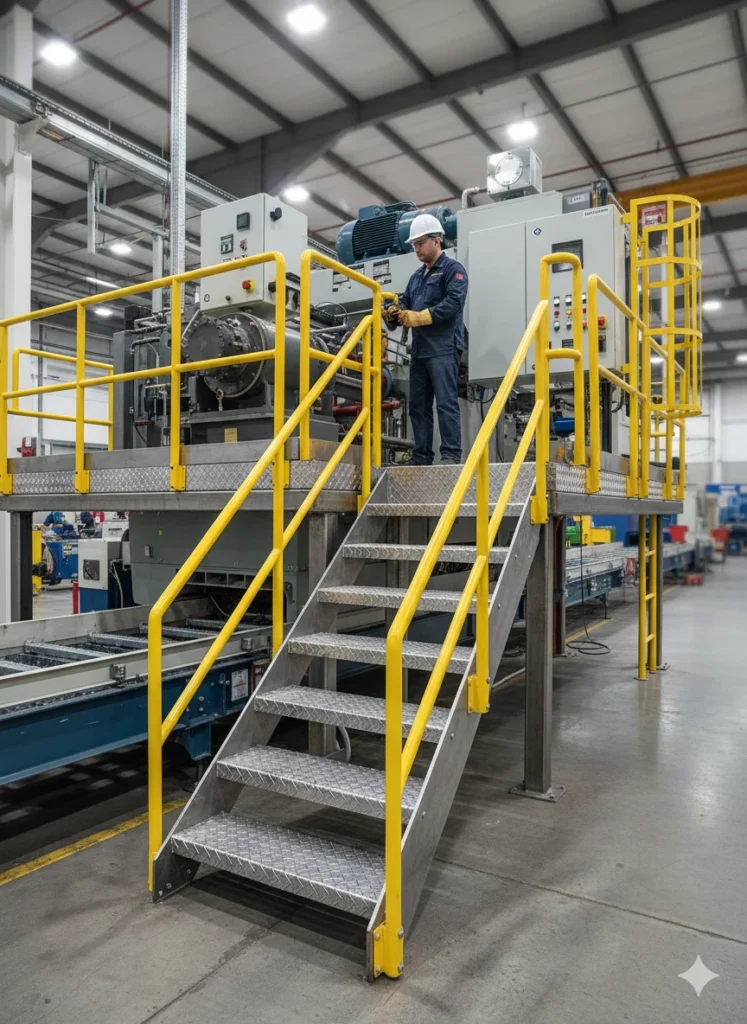
Industrial and agricultural operations benefit from equipment access platforms that allow maintenance and operation of machinery from elevated positions. These working platforms differ from storage lofts by emphasizing accessibility, safety features, and load-bearing capacity for personnel and tools.
Equipment access platforms typically feature industrial-grade steel construction with diamond-plate or bar-grate flooring that provides secure footing while allowing debris to fall through. Multiple access points via stairs or ladders ensure safe entry and exit. Guardrails meeting OSHA standards surround all open edges, and toe boards prevent tools or materials from falling to the floor below. These platforms can wrap around large equipment or span across multiple bays, providing versatile access to machinery, electrical panels, or HVAC systems mounted at height.
5. Automotive Lift and Storage Combination
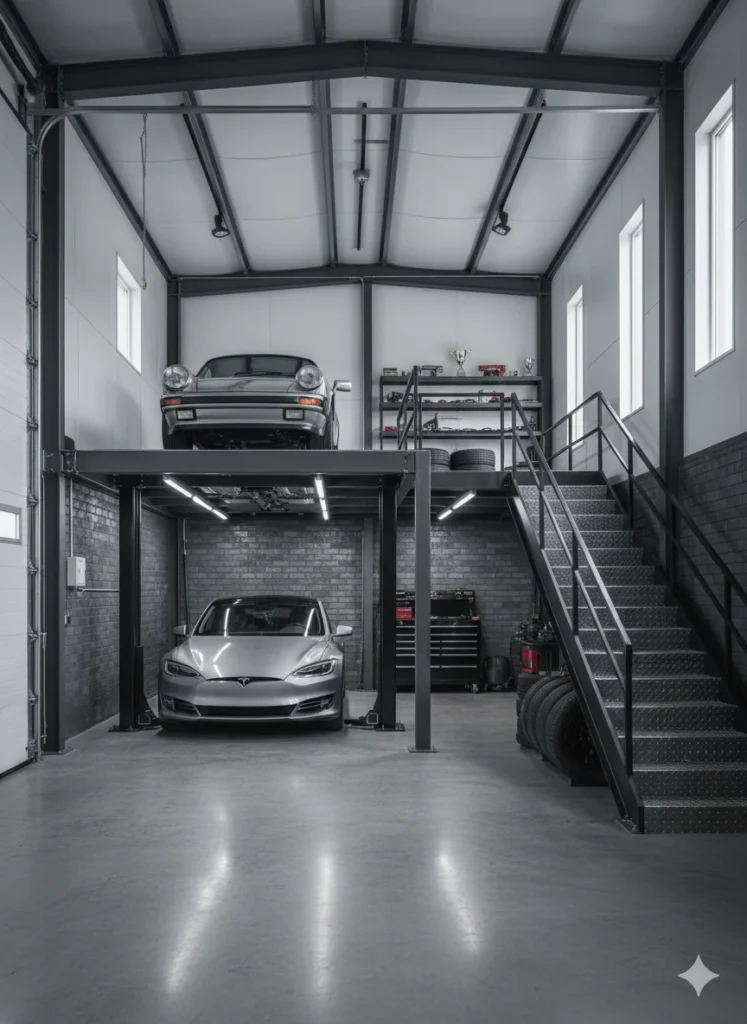
Car enthusiasts and restoration shops can create innovative loft designs that incorporate vehicle lifts with overhead storage. This specialized application allows ground-floor parking or work on one vehicle while storing another car, parts, or equipment on the loft level above.
The structural requirements for automotive storage lofts are substantial, often requiring reinforced steel beams and professional engineering. A typical passenger vehicle weighs between 3,000 and 4,000 pounds, demanding floor systems designed for concentrated loads rather than distributed storage. Some designs incorporate drive-up ramps that allow vehicles to be driven onto the loft level, while others use specialized vehicle lifts rated for the additional height. This configuration dramatically increases the vehicle storage capacity of metal garage buildings.
6. Climate-Controlled Hobby Space
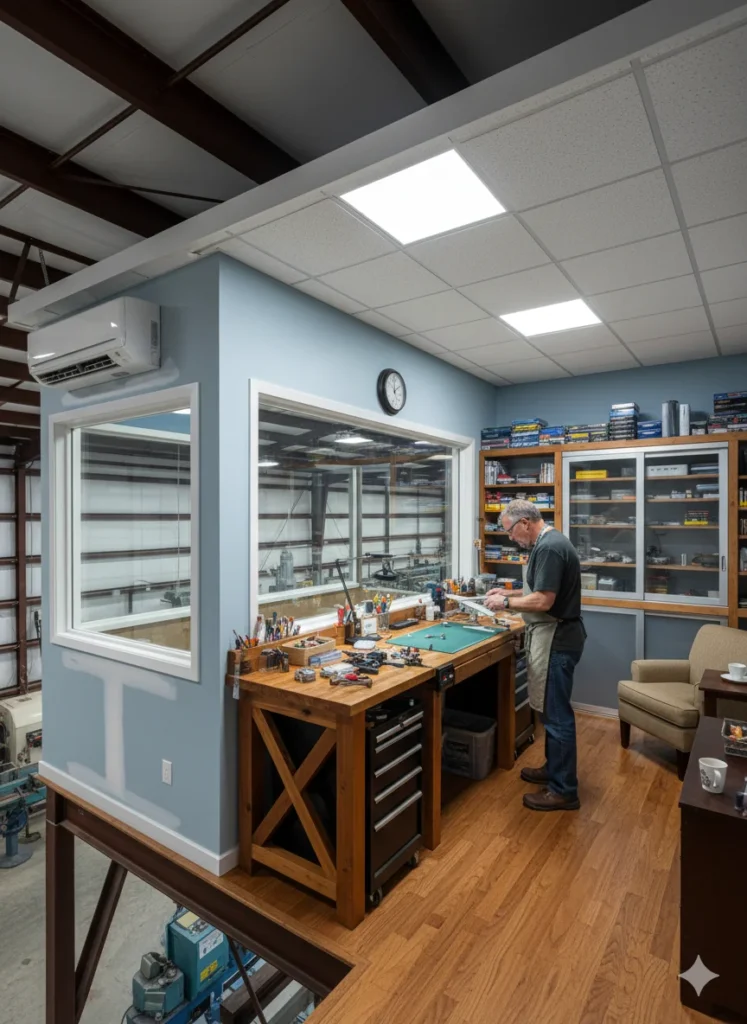
Hobbies requiring specific environmental conditions benefit from enclosed loft spaces within larger metal buildings. Woodworking, electronics, model building, and art studios all thrive in dedicated loft environments separated from dusty or temperature-variable workshop areas below.
Creating an ideal hobby loft involves more than basic platform construction. Full walls with drywall finish, proper insulation, sealed flooring, and dedicated HVAC systems maintain consistent temperature and humidity levels. Specialized lighting accommodates detailed work, while built-in storage keeps supplies organized and protected. The separation from ground-floor activities allows hobbyists to leave projects in progress without disruption, while dust and noise from the main workshop don’t contaminate sensitive work.
7. Agricultural Feed and Equipment Storage
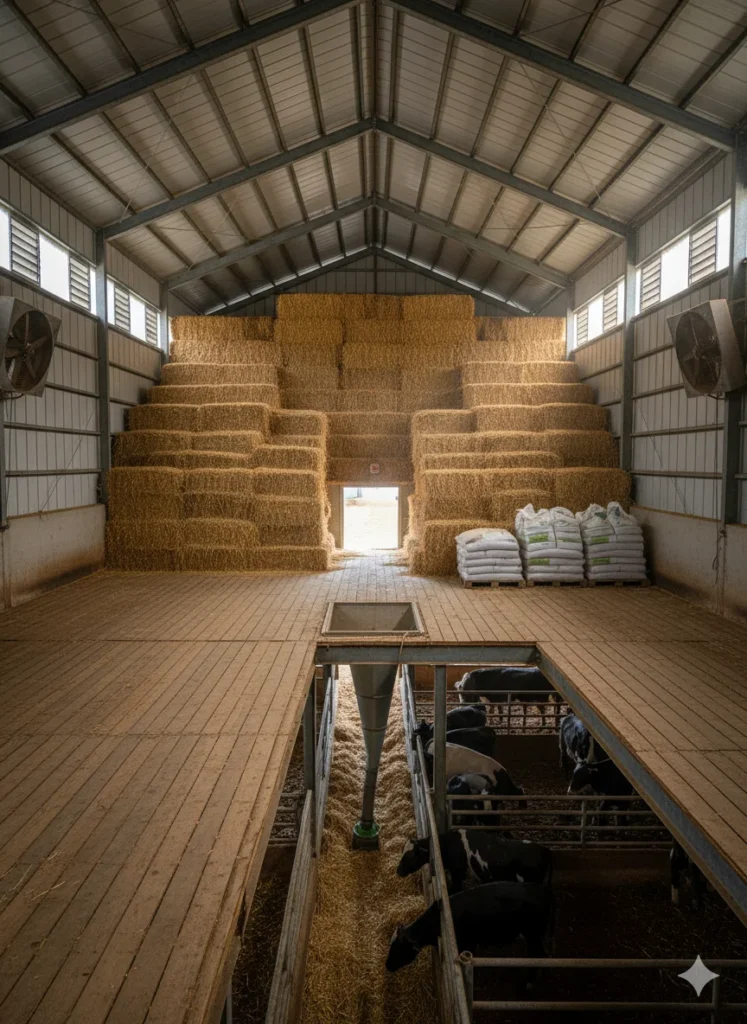
Farm operations utilize metal building lofts extensively for feed storage, keeping livestock supplies elevated, organized, and protected from moisture and pests. The traditional hay loft concept translates perfectly to modern metal barns with appropriate engineering and design.
Agricultural lofts often span the entire building length, maximizing storage volume for hay bales, feed bags, and seasonal equipment. Floor construction must accommodate heavy, concentrated loads as feed is stacked high. Many designs incorporate trap doors or chutes that allow controlled delivery of feed to ground-level feeding areas. Proper ventilation prevents moisture accumulation that could spoil stored feed, while rodent-proof construction details protect valuable agricultural supplies.
8. Multi-Level Retail or Display Space

Commercial metal buildings can incorporate loft designs that create distinctive multi-level retail environments or product showrooms. The industrial aesthetic of exposed metal framing combined with polished loft finishes appeals to modern consumers while maximizing display space.
Retail lofts require attention to customer experience, including substantial staircases that accommodate shopper traffic, attractive railings that enhance rather than obstruct sightlines, and strategic lighting that highlights products on both levels. The elevated platform creates architectural interest while allowing efficient product categorization by floor. High-volume merchandise can occupy the main floor while specialty items or clearance sections utilize the loft level.
9. Gymnasium and Fitness Loft
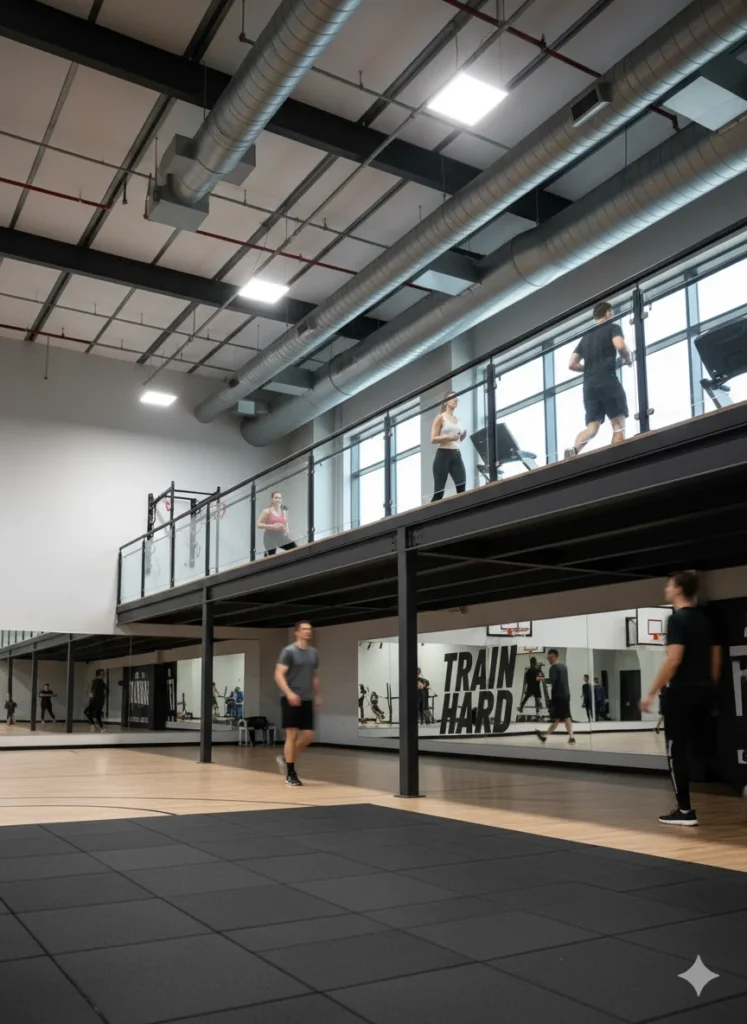
Athletic facilities and personal gyms benefit from loft configurations that separate cardio equipment, stretching areas, or spectator spaces from main workout floors. Elevated running tracks, yoga studios, or boxing rings create functional separation while maintaining visual connection to ground-level activities.
Fitness lofts require special consideration for vibration and impact loads generated by running, jumping, or dropping weights. Reinforced floor systems with vibration-dampening materials protect the structure while reducing noise transmission. Adequate ceiling height accommodates overhead exercises and equipment like pull-up bars or suspended training systems. Mirrors, proper ventilation, and motivational aesthetics complete the functional fitness environment.
10. Photography and Content Creation Studio

Professional photographers and content creators can establish comprehensive studios within metal building lofts, utilizing the elevated space for shooting areas while housing equipment storage and editing stations below or vice versa.
Studio lofts benefit from abundant natural light through strategically placed windows or skylights in the metal roof above. High ceilings accommodate lighting equipment and backdrops, while neutral-colored walls provide perfect backgrounds. The separation between shooting space and business operations allows clients to experience a professional environment distinct from storage or technical areas. Soundproofing materials enable video recording without interference from outside noise.
11. Compact Apartment or Guest Suite
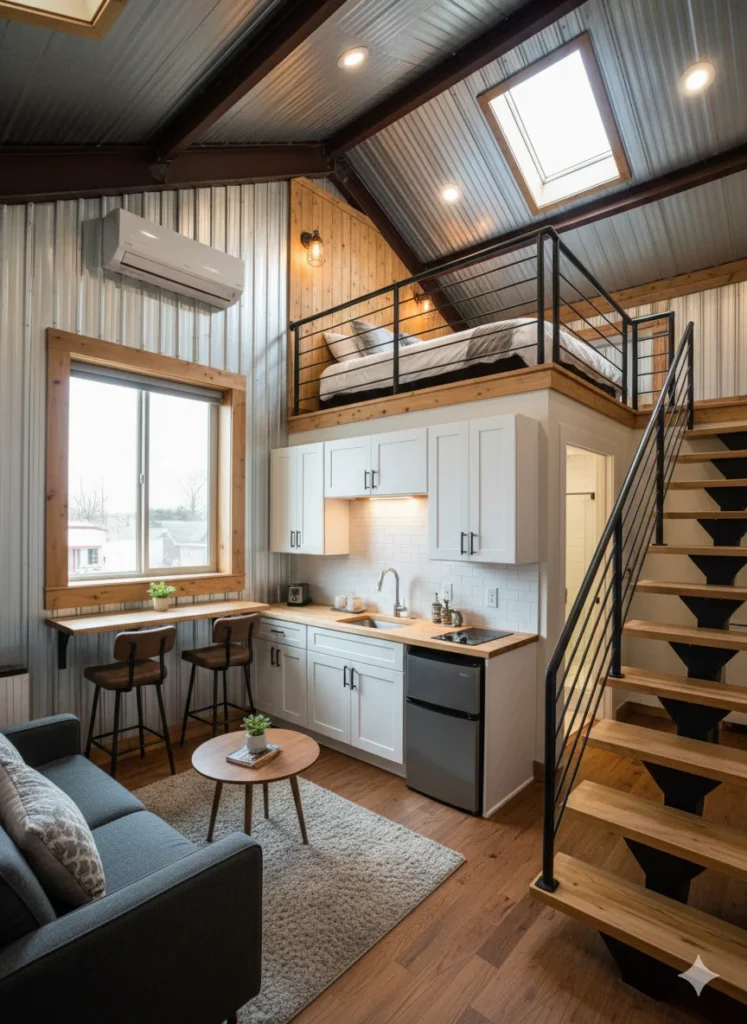
Property owners seeking additional living space without new construction can create fully-equipped apartments within metal building lofts. These compact homes include sleeping quarters, kitchen facilities, and private bathrooms all within an elevated footprint.
Guest suite lofts require comprehensive planning for utilities including plumbing, electrical, and HVAC systems. Building codes mandate specific requirements for residential occupancy including egress windows, smoke detectors, and minimum room sizes. Many successful designs incorporate loft bedrooms above living areas, creating two-story living within the loft structure itself. Kitchenettes with compact appliances, storage solutions, and sitting areas transform metal buildings into viable housing options.
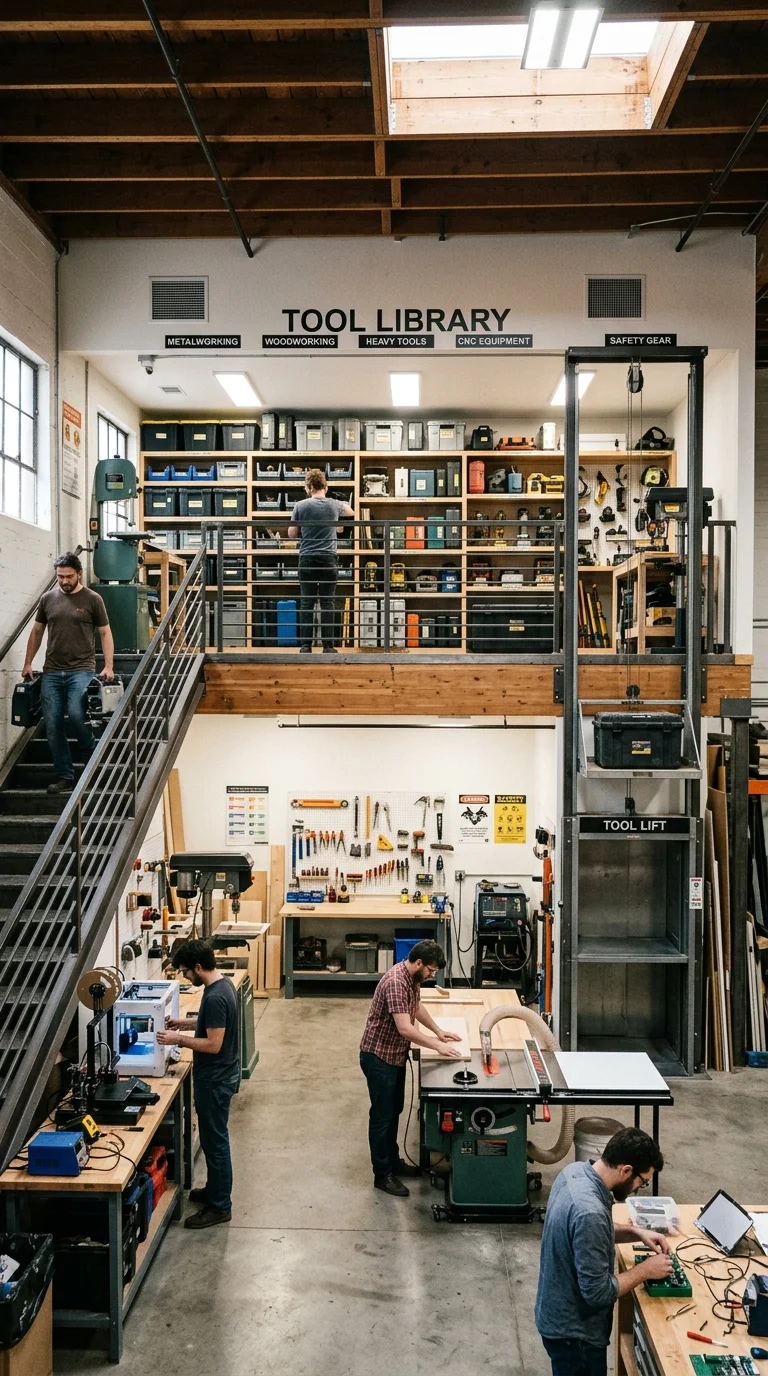
12. Maker Space with Tool Library
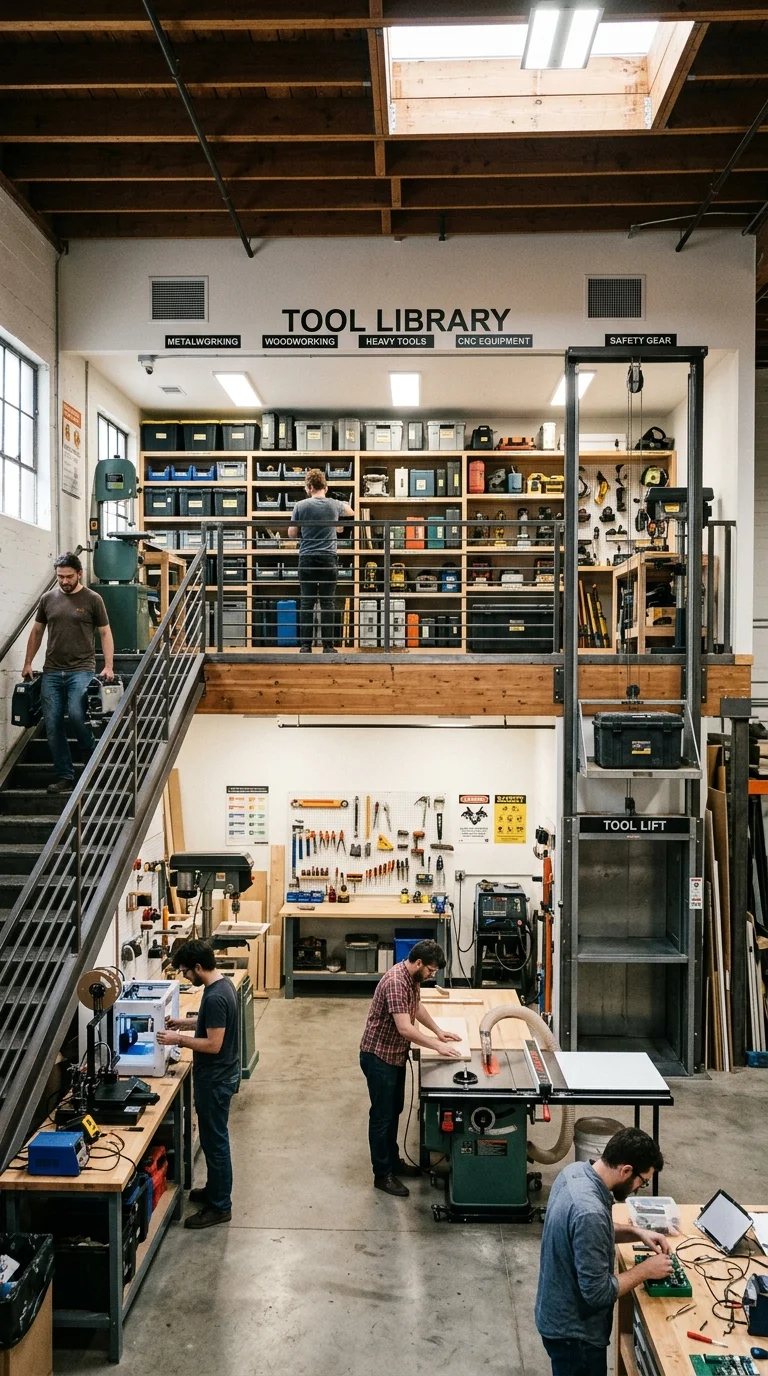
Shared workshop environments and maker spaces use loft configurations to organize extensive tool collections while keeping work surfaces clear. The tool library concept places lesser-used equipment in accessible loft storage while frequently needed tools remain at ground level.
Tool library lofts feature organized storage systems with clear labeling, proper climate control for sensitive equipment, and easy access via stairs or industrial ladders. Some designs incorporate conveyor systems or dumbwaiters for moving heavy tools between levels. This organization system prevents workshop clutter while ensuring every tool has a designated location. Members or employees can quickly locate needed equipment without searching through crowded ground-floor storage.
13. Temperature-Controlled Wine or Food Storage
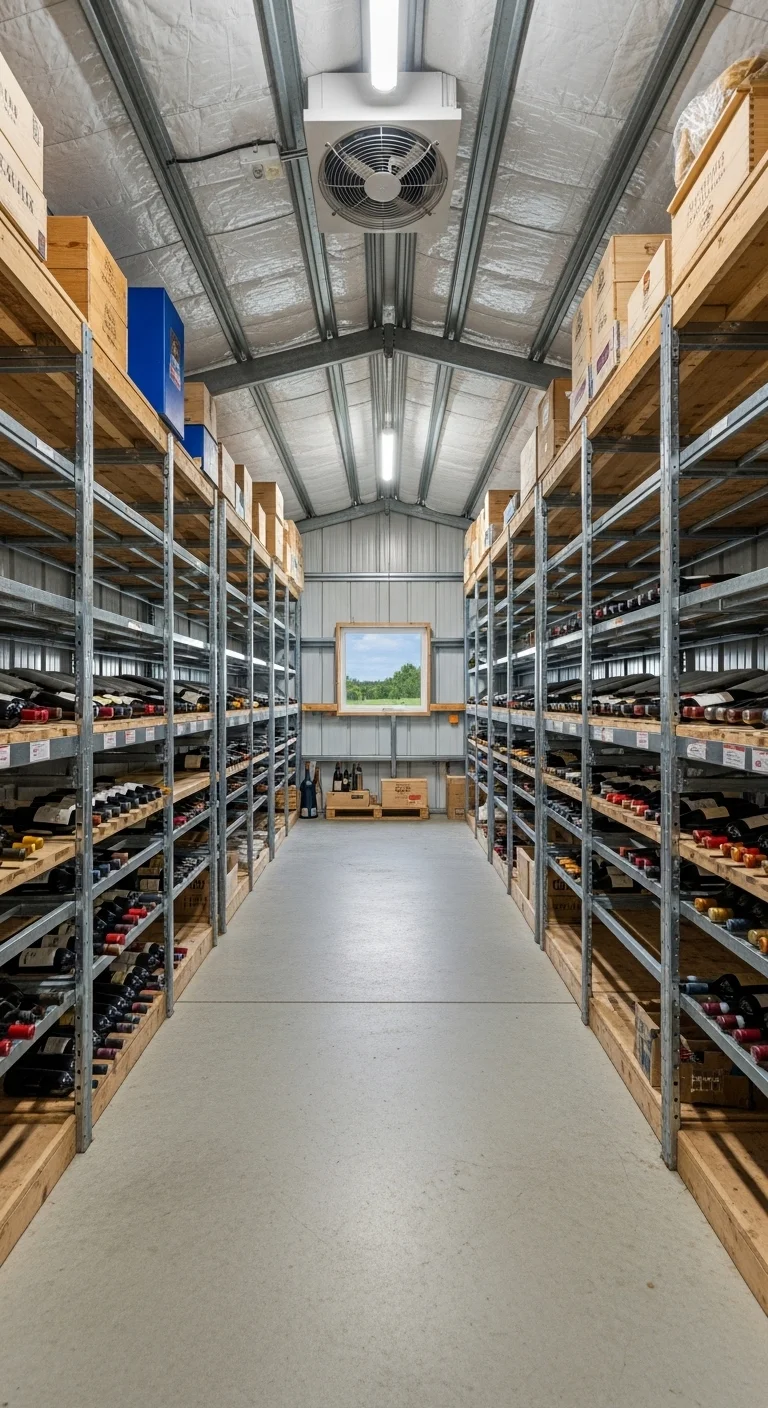
Specialty storage for wine collections, preserved foods, or temperature-sensitive inventory finds an ideal home in properly designed metal building lofts. These applications require precise climate control, insulation, and humidity management.
Wine cellar lofts incorporate commercial-grade cooling systems, vapor barriers, and racking systems designed for bottle storage. Temperature stability matters more than the specific temperature, making well-insulated lofts excellent candidates for conversion. Root cellars for preserved foods require different conditions but benefit similarly from the thermal mass and controlled environment achievable in loft spaces. These specialized storage areas can add significant value to rural properties or restaurant operations.
Essential Design Considerations for Any Loft Project
Regardless of which loft idea you choose to implement, several universal design principles ensure success. Access methods deserve careful attention, as stairs provide the safest, most convenient option for frequently used lofts while pull-down ladders or ship’s ladders suffice for occasional access to pure storage areas. Stair design affects the usable floor space significantly, with switchback stairs minimizing footprint compared to straight runs.
Lighting transforms loft functionality, with combinations of natural light through windows, overhead fixtures, and task lighting creating versatile, usable space. Electrical planning should anticipate future needs, including sufficient outlets and dedicated circuits for equipment or appliances. Safety features including guardrails, proper flooring materials, and fire safety equipment protect users while potentially reducing insurance costs.
Building permits and inspections ensure your loft meets structural and safety standards. Many jurisdictions treat lofts differently than traditional second floors, potentially simplifying approval processes. However, residential lofts face stricter requirements than storage applications. Consulting with local building officials during the planning phase prevents costly modifications later.
Material Selection and Construction Quality
The materials you select directly impact your loft’s longevity, safety, and functionality. Structural lumber should be kiln-dried and grade-stamped for its intended use, with higher grades for beams and joists than for blocking or bracing. Many builders choose engineered lumber products like laminated veneer lumber for longer spans, offering superior strength and dimensional stability compared to solid wood.
Flooring materials range from economical oriented strand board to premium plywood or even concrete-filled metal decking for industrial applications. Three-quarter-inch tongue-and-groove plywood provides excellent performance for most applications, offering strength, durability, and a stable surface for finish flooring. Industrial environments might specify diamond plate steel or bar grating that allows debris to fall through while supporting personnel and equipment.
Connection hardware quality matters tremendously, as these components transfer loads throughout the structure. Hurricane ties, joist hangers, and post bases manufactured by reputable companies and installed according to specifications ensure structural integrity. Never substitute lighter-duty fasteners to save costs, as these connections represent critical safety components.
Conclusion
Metal building lofts represent one of the most cost-effective methods for expanding usable space without the expense and complexity of new construction. The ideas presented here demonstrate the remarkable versatility of loft designs, from simple storage platforms to sophisticated living quarters and specialized commercial applications. Each concept can be adapted to your specific needs, building dimensions, and budget constraints.
Success requires careful planning that addresses structural requirements, intended use, access needs, and local building codes. While simple storage lofts might qualify as suitable projects for experienced builders, more complex applications benefit from professional engineering and construction expertise. The investment in proper design and quality construction yields decades of reliable service and dramatically enhanced building functionality.
Whether you’re seeking to organize a cluttered workshop, create rental income from a guest apartment, or establish a professional office within your facility, metal building lofts deliver exceptional value. Start with a clear vision of your goals, consult with qualified professionals, and execute your project with attention to structural integrity and safety. The result will be a transformed space that serves your needs for years to come while maximizing your metal building’s potential.
Frequently Asked Questions
Can I attach a loft directly to my metal building frame?
Generally no, unless your building was specifically engineered for this additional load. Most metal buildings require freestanding loft structures with independent support posts and beams. Attaching heavy loads to the wall girts or roof purlins can compromise the building’s structural integrity and void warranties. Always consult your building manufacturer and a structural engineer before attempting to attach loft components directly to the metal frame.
What is the minimum height needed in a metal building to add a loft?
A practical minimum is 14 feet of interior height, which allows for seven feet of clearance below the loft and seven feet above. However, 16 to 18 feet provides more comfortable spacing, especially if the loft will be used for anything beyond basic storage. Taller buildings enable true two-story configurations with eight-foot ceilings on both levels.
How much does it typically cost to add a loft to a metal building?
Costs vary widely based on size, complexity, and materials, ranging from $15 to $50 per square foot for basic storage lofts up to $100 or more per square foot for finished living spaces with utilities. A simple 200-square-foot storage loft might cost $3,000 to $6,000 in materials, while a finished 400-square-foot apartment could exceed $40,000 including labor and utilities.
Do I need a building permit to construct a loft in my metal building?
Most jurisdictions require permits for loft construction, particularly for structures intended for occupancy or exceeding certain size thresholds. Storage lofts might have less stringent requirements than residential spaces, but regulations vary by location. Contact your local building department early in the planning process to understand specific requirements, as unpermitted work can create problems during property sales or insurance claims.
What’s the difference between a loft and a mezzanine?
The terms are often used interchangeably, though mezzanine typically refers to commercial or industrial applications while loft suggests residential or workshop storage use. From a building code perspective, mezzanines are usually defined as intermediate floors covering less than one-third of the building footprint and open to the floor below. Some jurisdictions apply different regulations to each, so clarify the terminology with your building officials during permit applications.