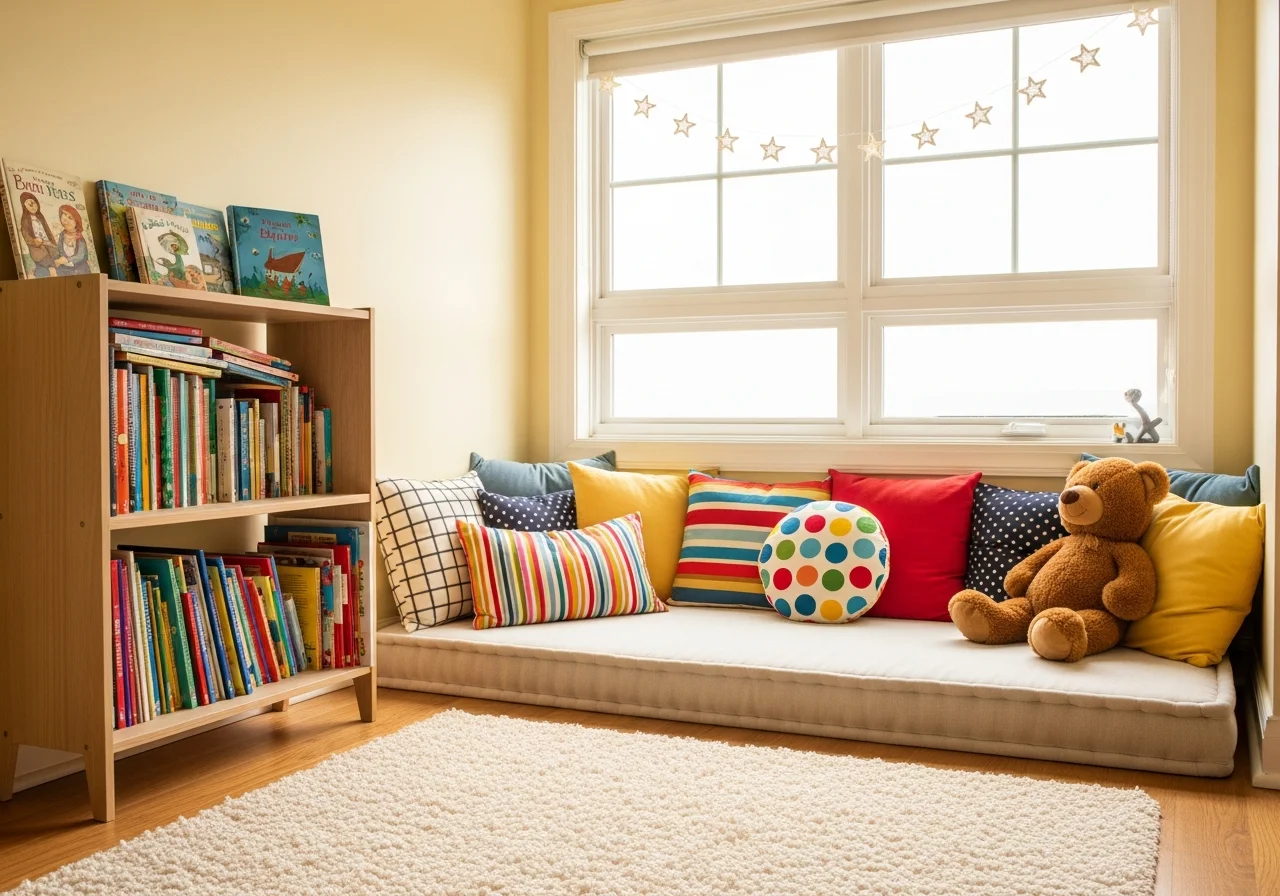
14+ Inspiring Reading Corner Ideas for Kids
Creating a dedicated reading space for children goes beyond simply placing a few books on a shelf. A well-designed reading corner can transform how young readers engage with literature, turning reading time into an adventure they look forward to every day. Whether you have an entire room to dedicate or just a small unused corner, the right reading nook can foster a lifelong love of books and learning.
Parents and educators increasingly recognize that the physical environment plays a crucial role in developing reading habits. Children who have access to inviting, comfortable reading spaces tend to spend more time with books and show greater enthusiasm for reading. The beauty of designing a reading corner lies in its flexibility. You can tailor the space to match your child’s personality, interests, and reading level while working within any budget or space constraint.
This comprehensive guide presents over fourteen creative and practical reading corner ideas that will inspire you to create a magical literary retreat for the young readers in your life. From whimsical themed nooks to simple, cozy corners, these ideas cater to various ages, preferences, and available spaces.
Window Seat Reading Haven
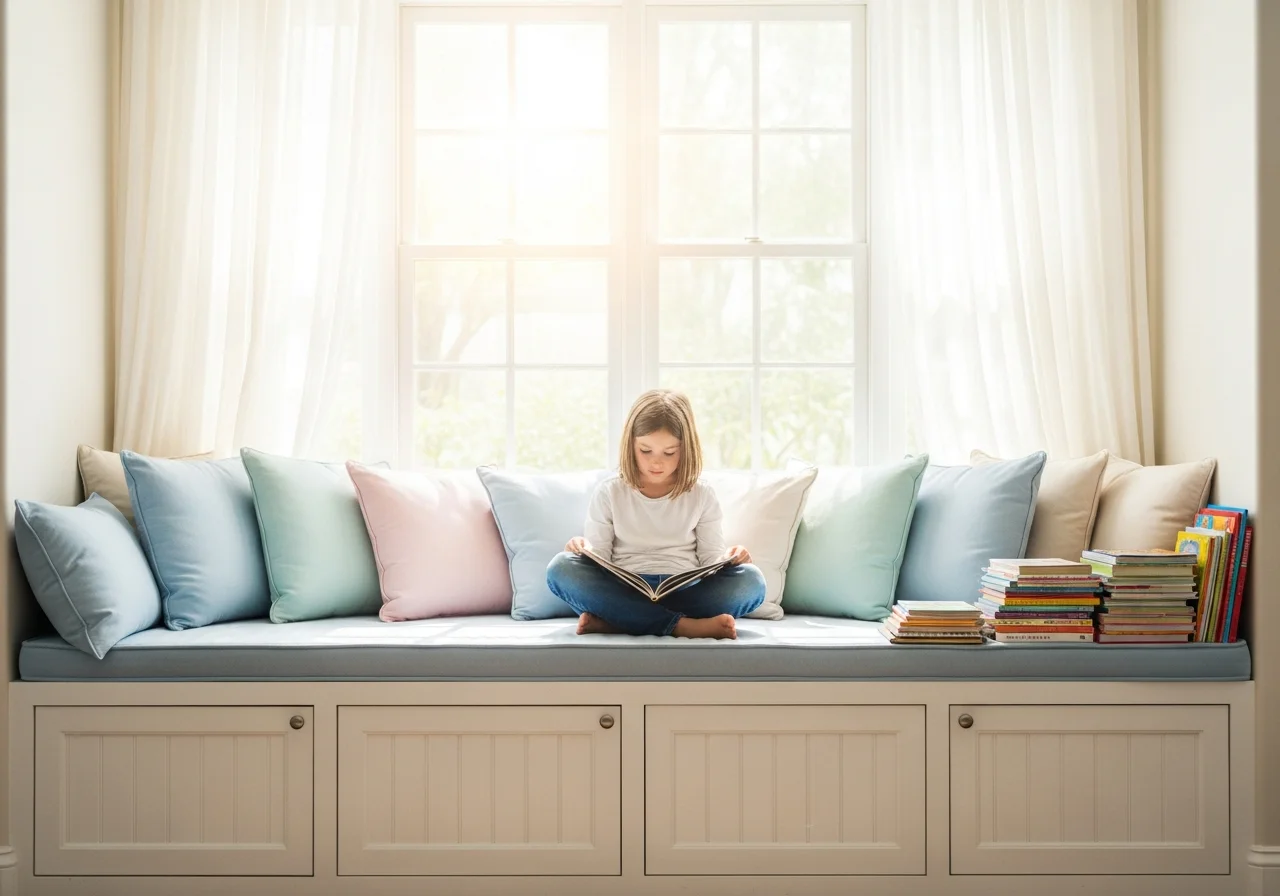
Transform a window area into a sunlit reading sanctuary that takes advantage of natural light. Install a cushioned bench or place a storage ottoman beneath the window, topped with comfortable padding and an array of soft cushions. The natural illumination creates an ideal reading environment during daytime hours while offering a view that can spark imagination between chapters.
Add lightweight curtains that can be adjusted to control brightness, preventing glare on book pages. The window seat design works particularly well because it defines a specific reading zone while maximizing vertical space. Consider adding built-in storage underneath the seating area for books, blankets, and reading accessories. This approach combines functionality with comfort, creating a special spot where children can watch the world outside while diving into fictional worlds inside their books.
Cozy Corner with Floor Cushions
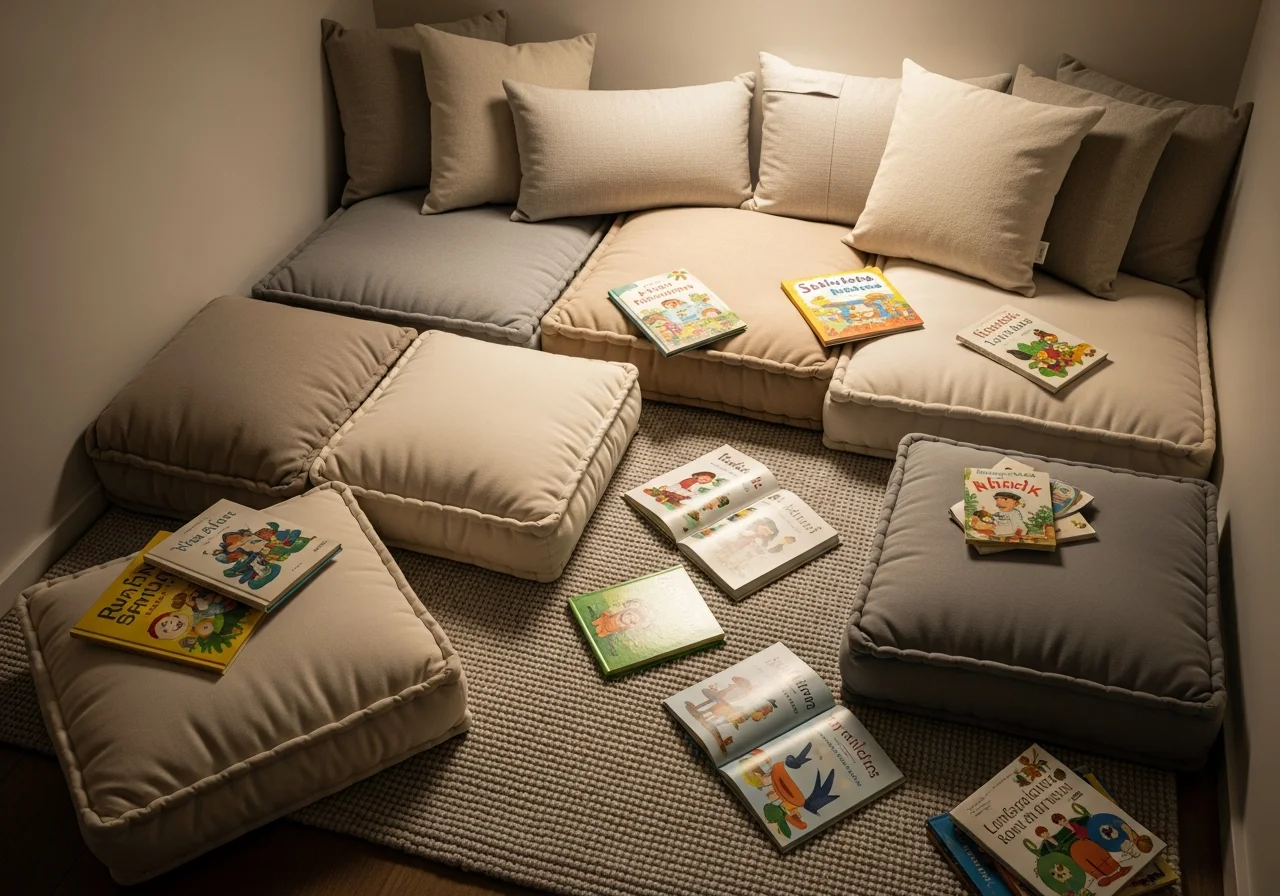
Not every reading space requires elaborate furniture. A simple corner filled with oversized floor cushions and pillows creates an inviting, flexible reading area that children find irresistible. This low-to-the-ground approach feels casual and approachable, perfect for younger readers who enjoy sprawling out with their books.
Layer different textures and sizes of cushions to create depth and comfort. Include larger floor pillows for back support and smaller ones for variety. A soft area rug defines the space and adds warmth, making the corner feel separate from the rest of the room. This design works exceptionally well in playrooms or bedrooms where space is limited, and it can easily be reconfigured as needs change.
Under-Stairs Reading Retreat
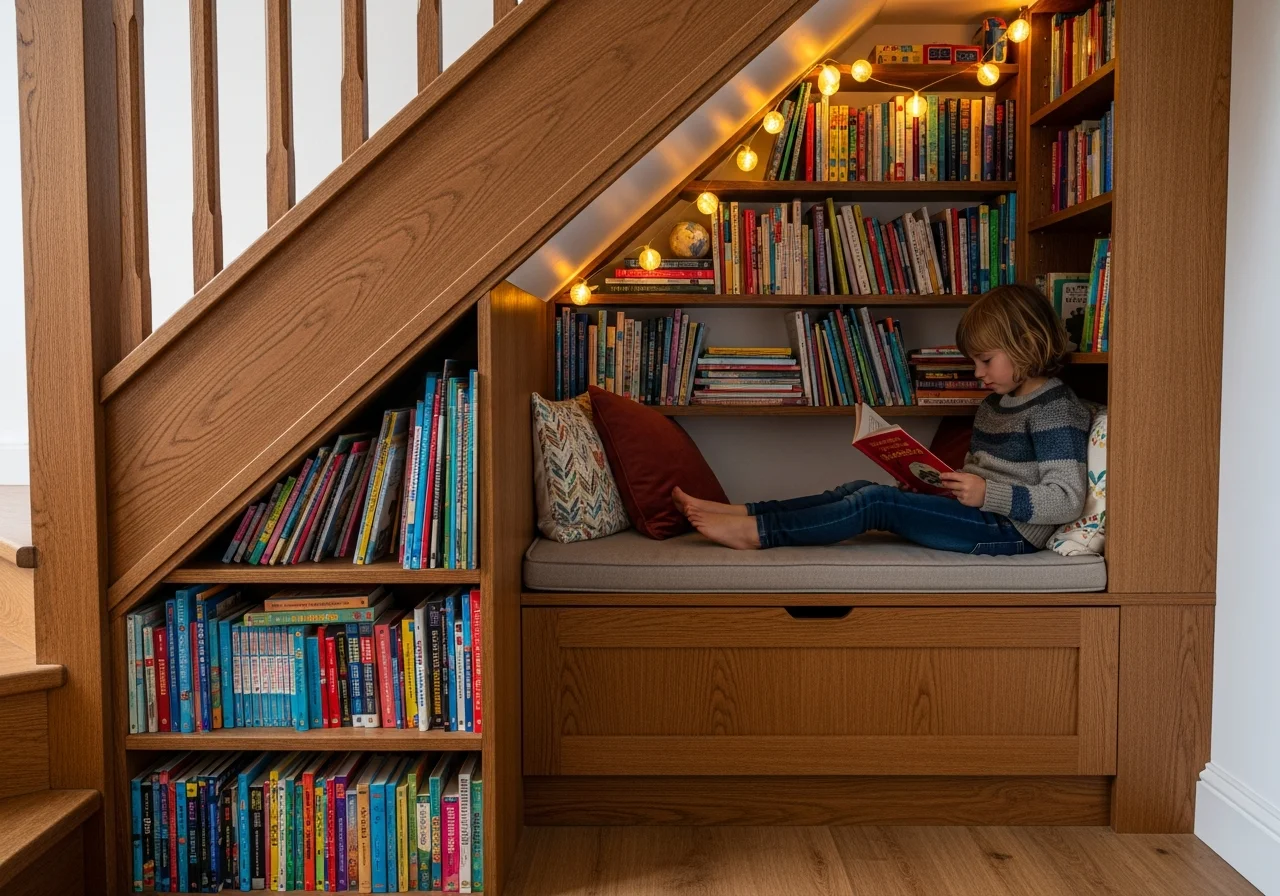
The often-overlooked space beneath a staircase offers tremendous potential for creating an enchanting reading nook. This naturally enclosed area provides the cozy, cave-like atmosphere that many children find appealing. Install low bookshelves along the walls to maximize storage while keeping books within easy reach.
Add a comfortable bench with storage underneath or a small armchair that fits the space. String lights or a wall-mounted reading lamp provides necessary illumination in this typically darker area. The unique architecture of an under-stairs nook makes children feel like they have discovered a secret hideaway, adding an element of adventure to reading time. Consider painting the interior walls a different color than the surrounding space to emphasize the special nature of this literary retreat.
Tent or Teepee Reading Space
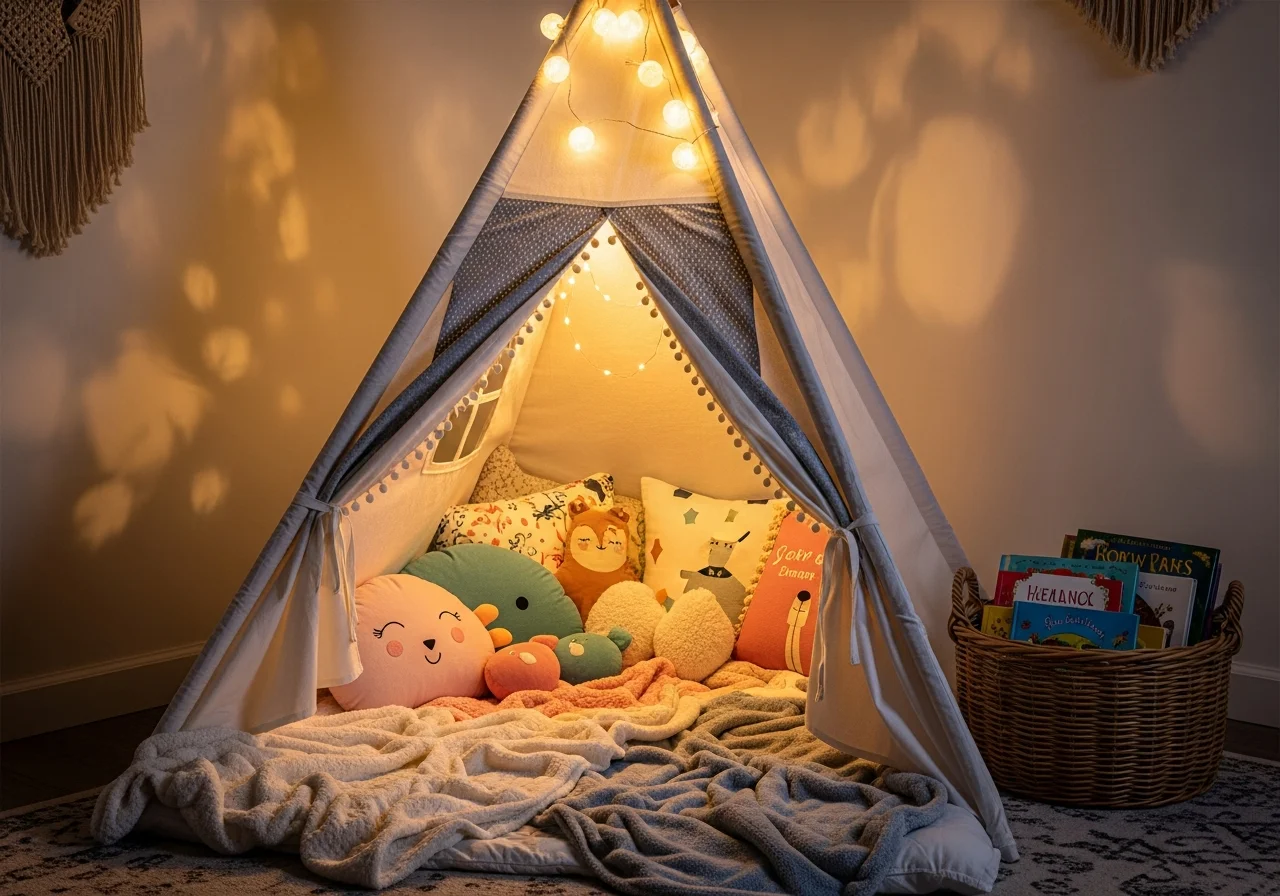
Children naturally gravitate toward enclosed spaces that feel like their own private domain. A reading tent or teepee creates this sense of ownership and adventure. These structures are available in various styles, from simple play tents to elaborate teepees with decorative elements.
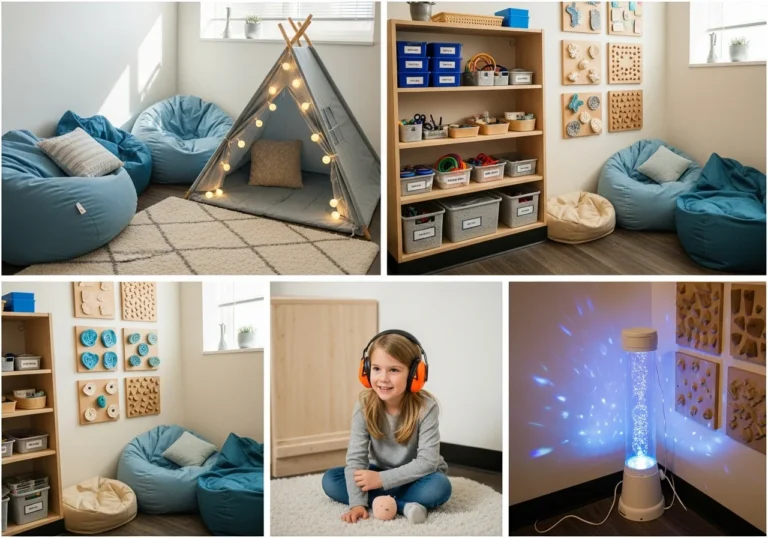
Place the tent in a quiet corner and fill it with soft blankets, plush pillows, and a basket of books. Battery-operated fairy lights strung around the interior create a magical ambiance without requiring electrical outlets. The portable nature of tents and teepees means the reading space can move as needed, whether relocating to capture better light or creating variety in the reading experience.
Themed Literary Adventure
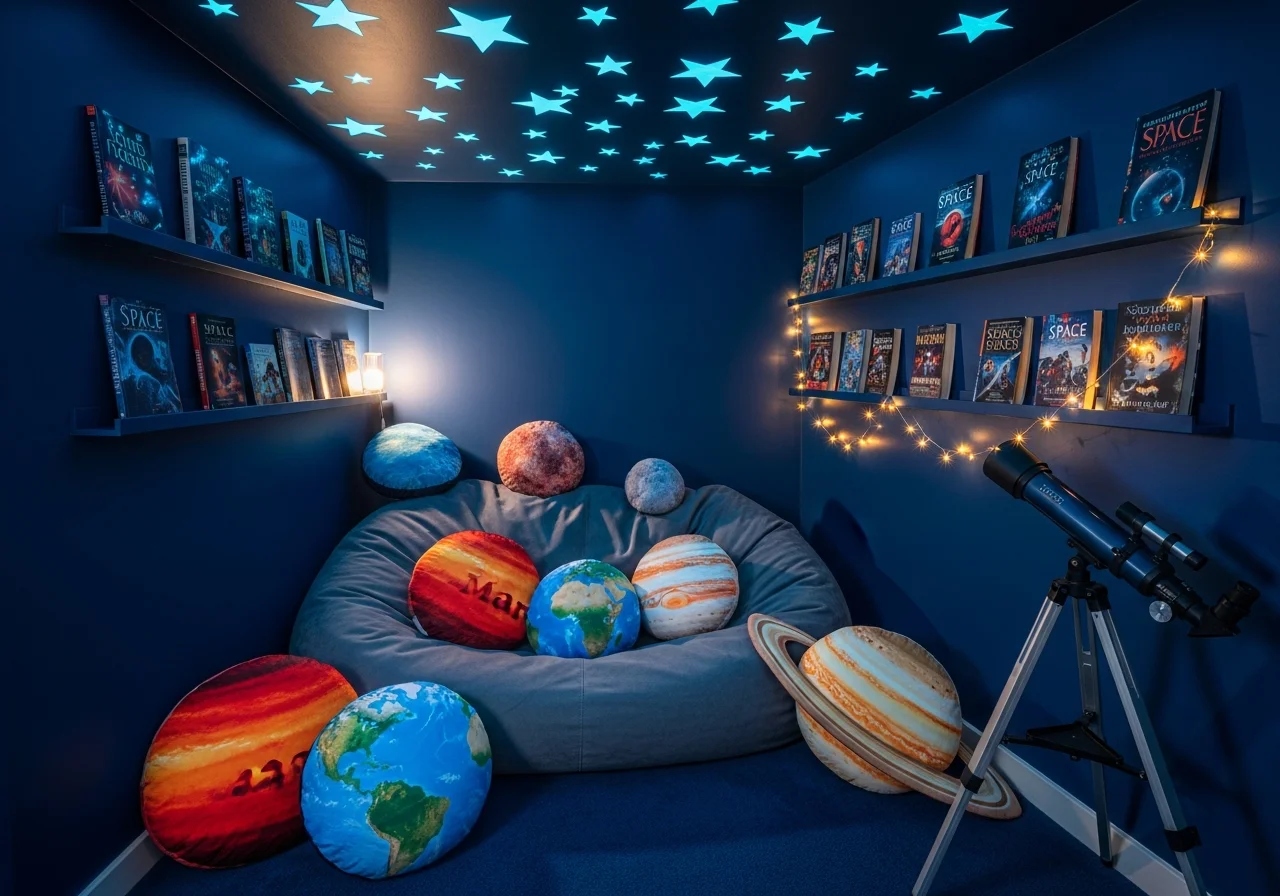
Design a reading corner around a specific theme that captures your child’s imagination. Popular themes include outer space, underwater worlds, enchanted forests, or favorite book series. A themed reading nook transforms the space into an immersive environment that extends the stories children read.
For a space theme, use deep blue or black walls with glow-in-the-dark stars, planet-shaped pillows, and books about astronomy and space exploration. An underwater theme might feature blue and green color schemes, fish-shaped cushions, and netting draped from the ceiling. The themed approach makes the reading corner feel like a destination rather than just another part of the room, encouraging children to visit more frequently.
Built-In Bookshelf Alcove
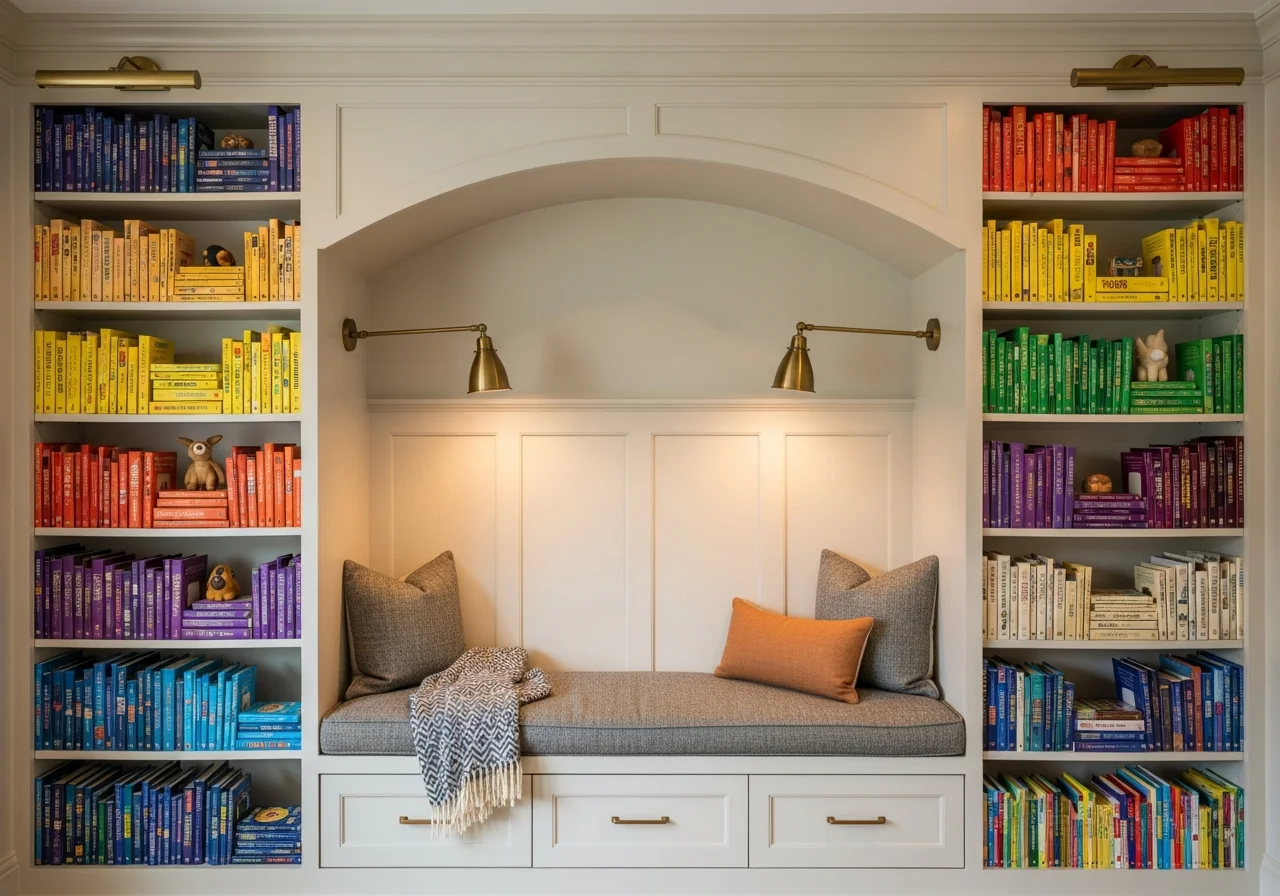
If you have the budget and space for a more permanent solution, consider creating a built-in reading nook surrounded by bookshelves. This design transforms an entire wall into a reading center with floor-to-ceiling book storage flanking a cushioned seating area.
The built-in approach maximizes vertical space and creates a library feel that emphasizes the importance of reading. Include adjustable shelves to accommodate books of different sizes as your child’s reading level advances. Add proper task lighting with wall-mounted sconces or recessed lighting to ensure adequate illumination. This investment creates a reading space that can grow with your child from picture books through young adult novels.
Closet Conversion Reading Nook
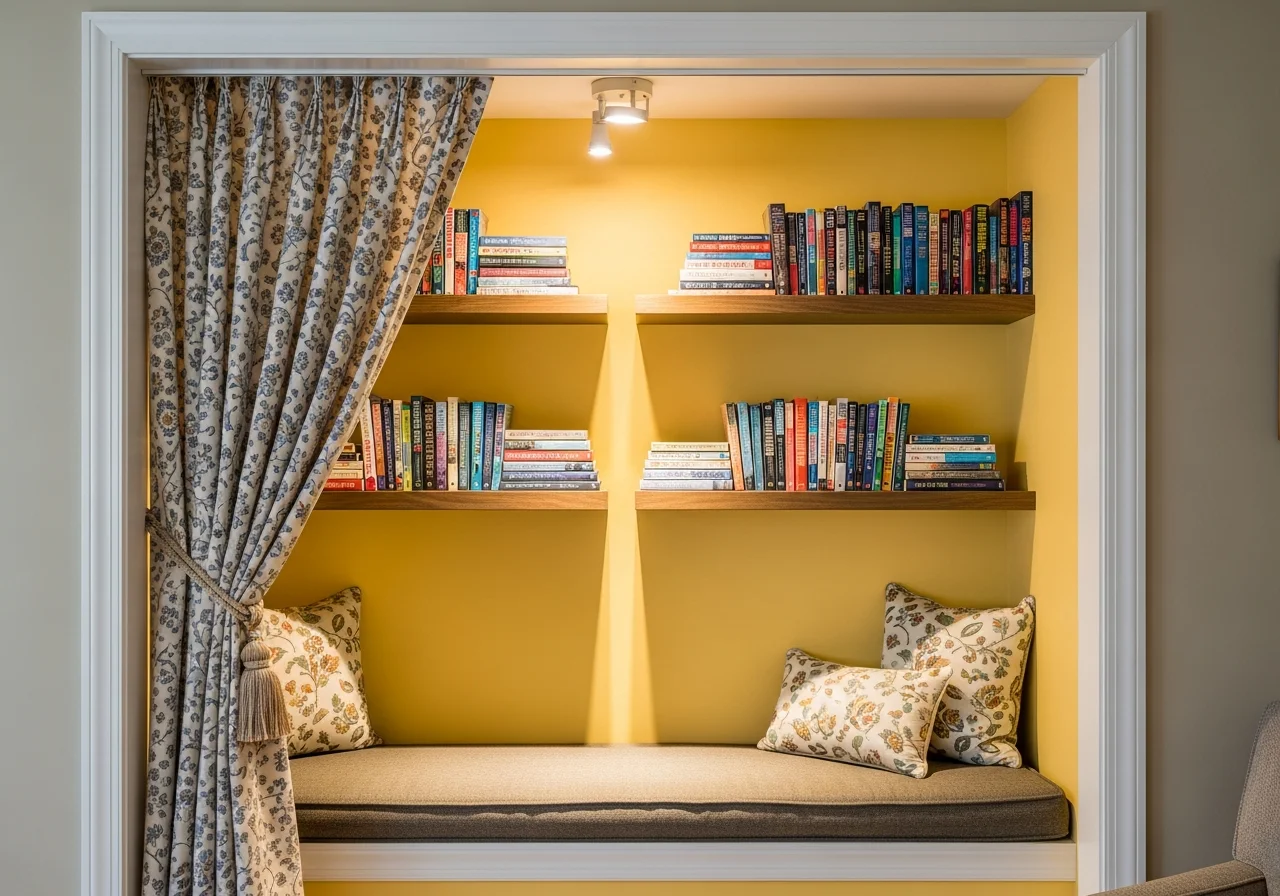
Repurpose an unused closet into a secret reading hideaway. Remove the closet doors or replace them with curtains to create an accessible yet private reading space. Paint the interior in cheerful colors and add floating shelves for book storage.
A small cushioned bench or bean bag chair fits perfectly in the closet footprint. Install a battery-operated puck light or small reading lamp on the ceiling or upper wall. Children love the enclosed feeling of a closet nook, and parents appreciate the efficient use of otherwise wasted space. This solution works particularly well in shared bedrooms where each child might benefit from having their own private reading zone.
Reading Corner with Bean Bag Seating
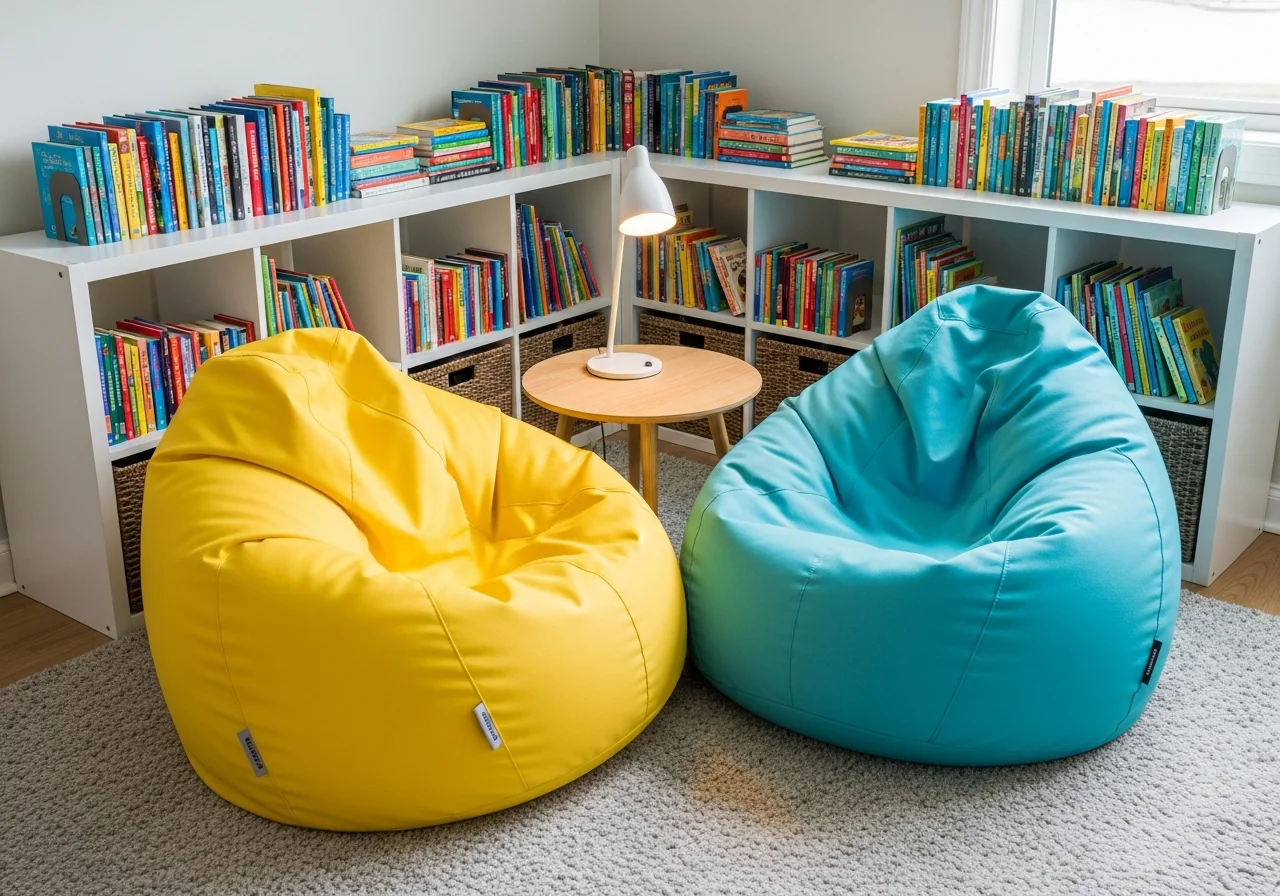
Bean bag chairs remain perennially popular with children for good reason. They conform to any body position, making them incredibly comfortable for extended reading sessions. Create a reading corner anchored by one or two quality bean bags in colors that complement the room decor.
Surround the bean bags with low shelving units that keep books organized and accessible. Add a small side table for holding drinks or a reading light. The casual, moveable nature of bean bags means children can easily adjust their seating position, which helps them stay comfortable and engaged with their books longer.
Loft Reading Area
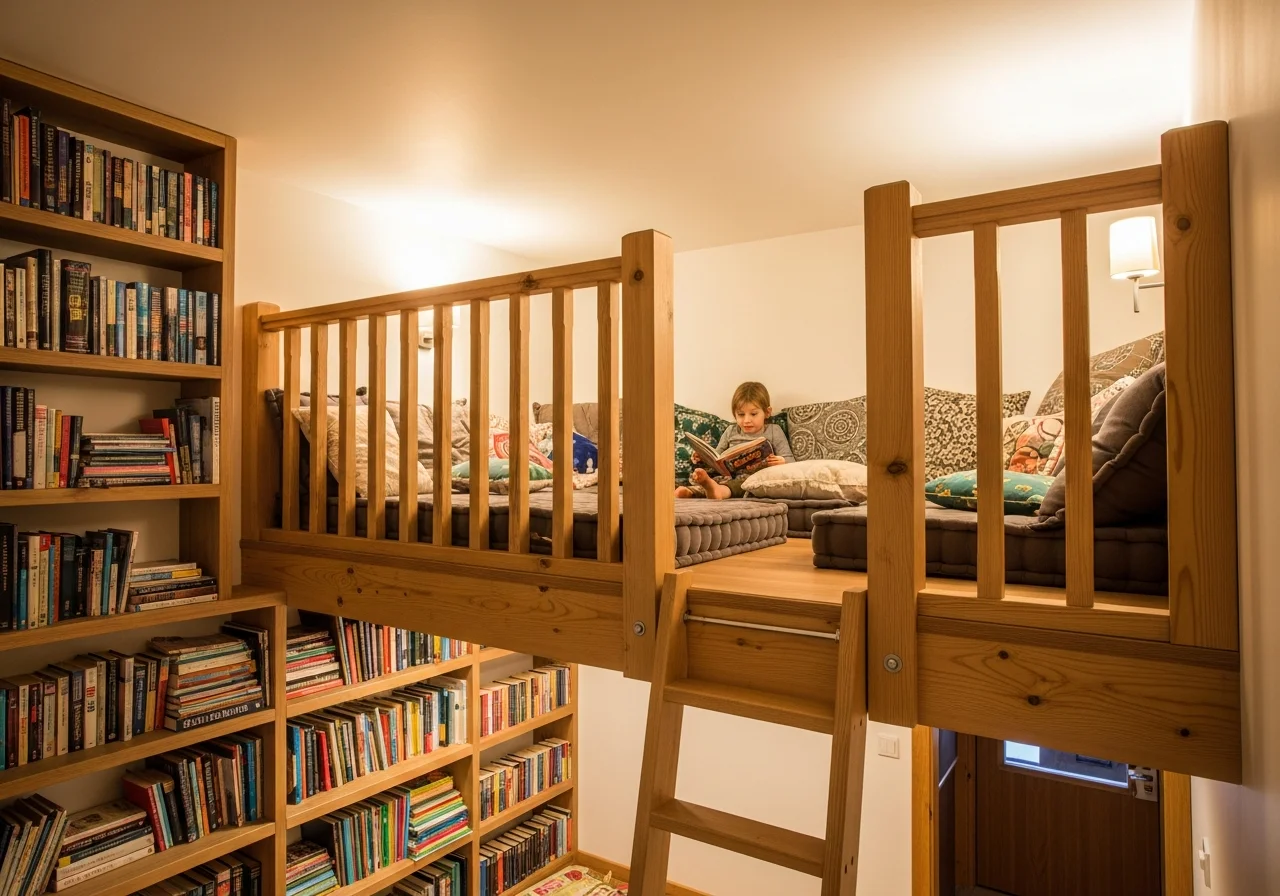
For rooms with high ceilings, consider creating an elevated reading loft. This design appeals to older children and adds an element of adventure to reading time. A loft can be as simple as a raised platform with safety rails or as elaborate as a built-in structure with ladder access.
The elevated position creates a sense of separation from the rest of the room, helping children focus on their reading without distractions. Include built-in bookshelves, comfortable cushions, and appropriate lighting. The unique vantage point makes the reading experience feel special and different from reading in ordinary spaces.
Daybed Reading Sanctuary
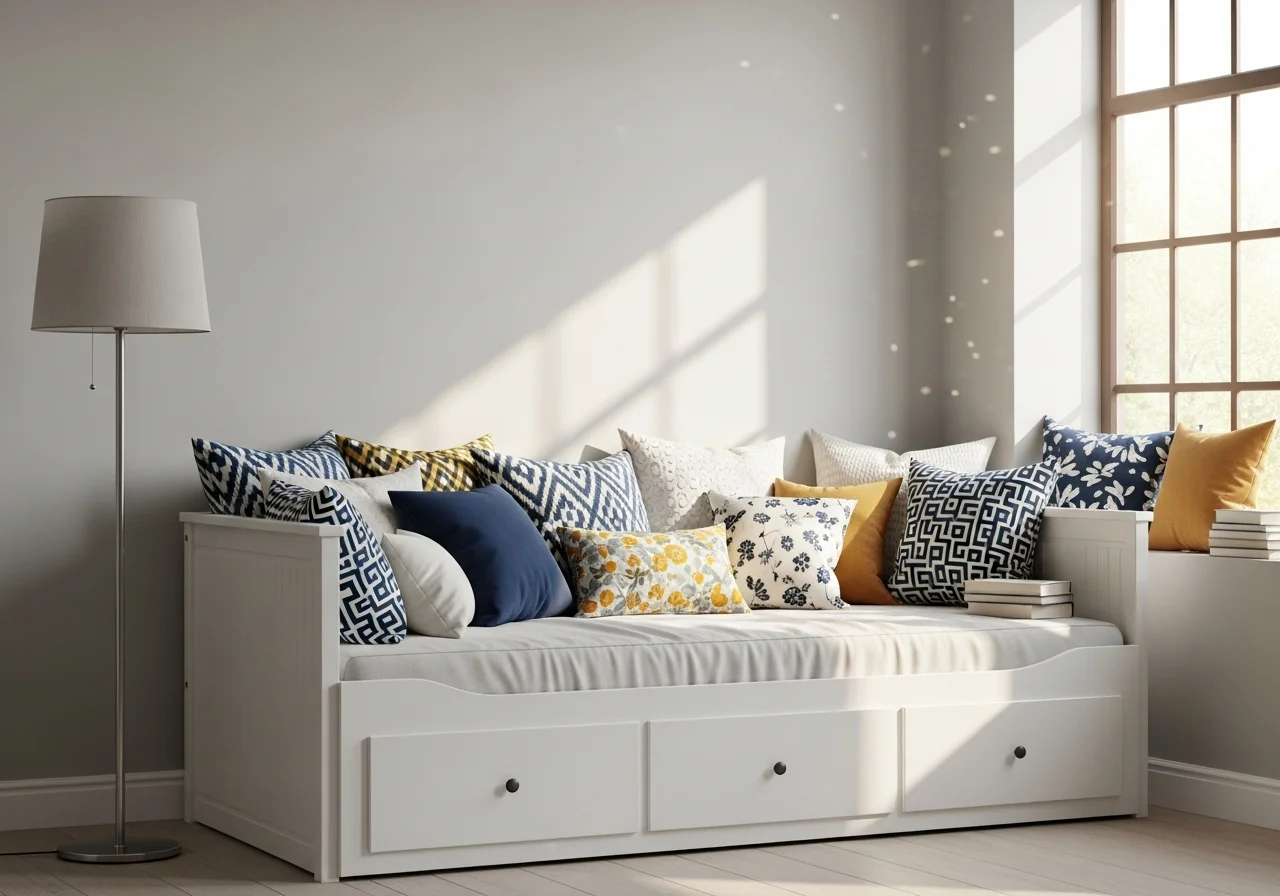
A daybed serves double duty as both a reading spot and a place for afternoon naps or overnight guests. Choose a daybed with built-in storage drawers underneath for books and reading materials. Pile the daybed with an assortment of pillows in various sizes to create a comfortable reading position against the wall.
Position the daybed near a window for natural light, or add a floor lamp nearby for evening reading. The daybed approach works well in multipurpose rooms where space needs to serve several functions. It creates a defined reading area without requiring the room to be dedicated solely to reading.
Reading Corner with Hammock Swing
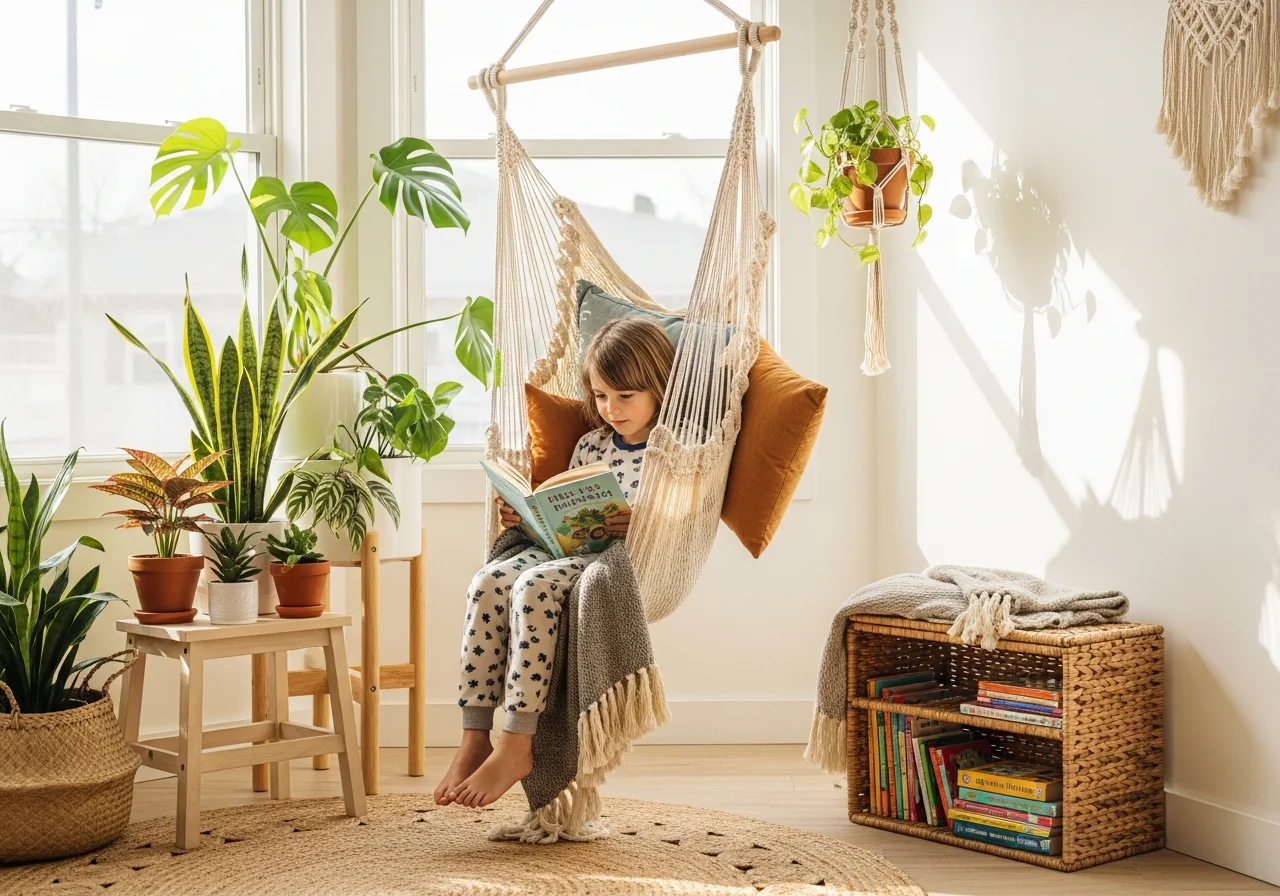
Add an element of gentle motion to the reading experience with a hammock chair or swing. These hanging seats appeal to children who enjoy movement and provide a unique reading position. Install the hammock in a corner with proper ceiling support, ensuring it hangs at an appropriate height for safe access.
The gentle swaying motion can actually help some children focus better on their reading, particularly those who benefit from sensory input. Position a small bookshelf or basket nearby so books remain easily accessible. Add soft pillows to the hammock for additional comfort during longer reading sessions.
Multi-Level Reading Station
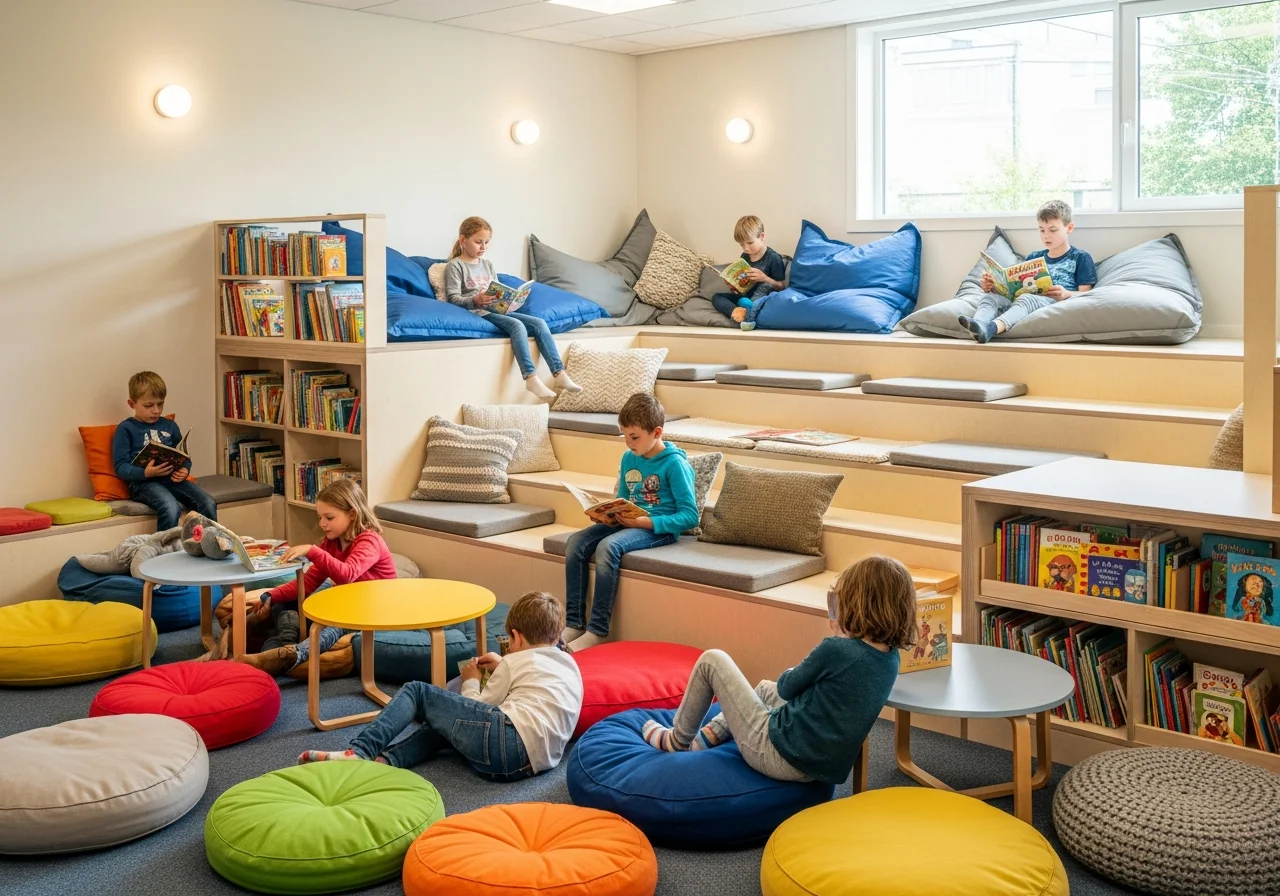
Create visual interest and accommodate multiple children with a multi-level reading design. Use a combination of floor cushions, low benches, and raised platforms at different heights. This terraced approach allows several children to read together while each having their own defined space.
The varied levels add architectural interest and make the reading corner feel more dynamic and engaging. Include book storage at each level so readers can easily access materials without leaving their spots. This design works particularly well in classrooms, playrooms, or homes with multiple children.
Reading Corner with Chalkboard Wall
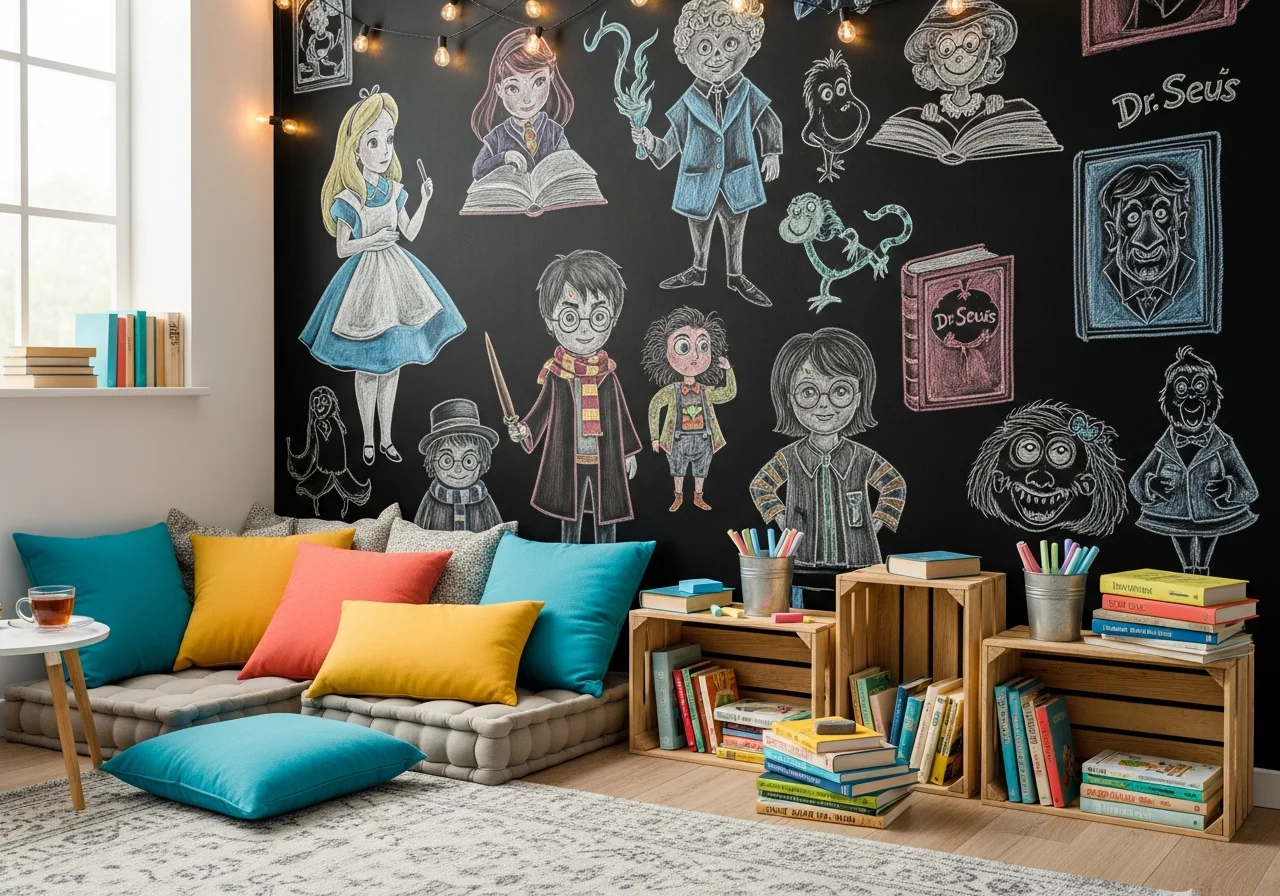
Combine reading with creativity by incorporating a chalkboard or magnetic wall in the reading corner. Children can draw scenes from the stories they read, practice spelling new words, or create illustrations inspired by their books. This interactive element extends the reading experience beyond just the book itself.
Place comfortable seating near the chalkboard wall with book storage within easy reach. The creative component appeals to kinesthetic learners who benefit from engaging with stories through multiple modalities. Keep chalk, erasers, and drawing supplies in a nearby container for easy access.
Minimalist Scandinavian-Style Nook
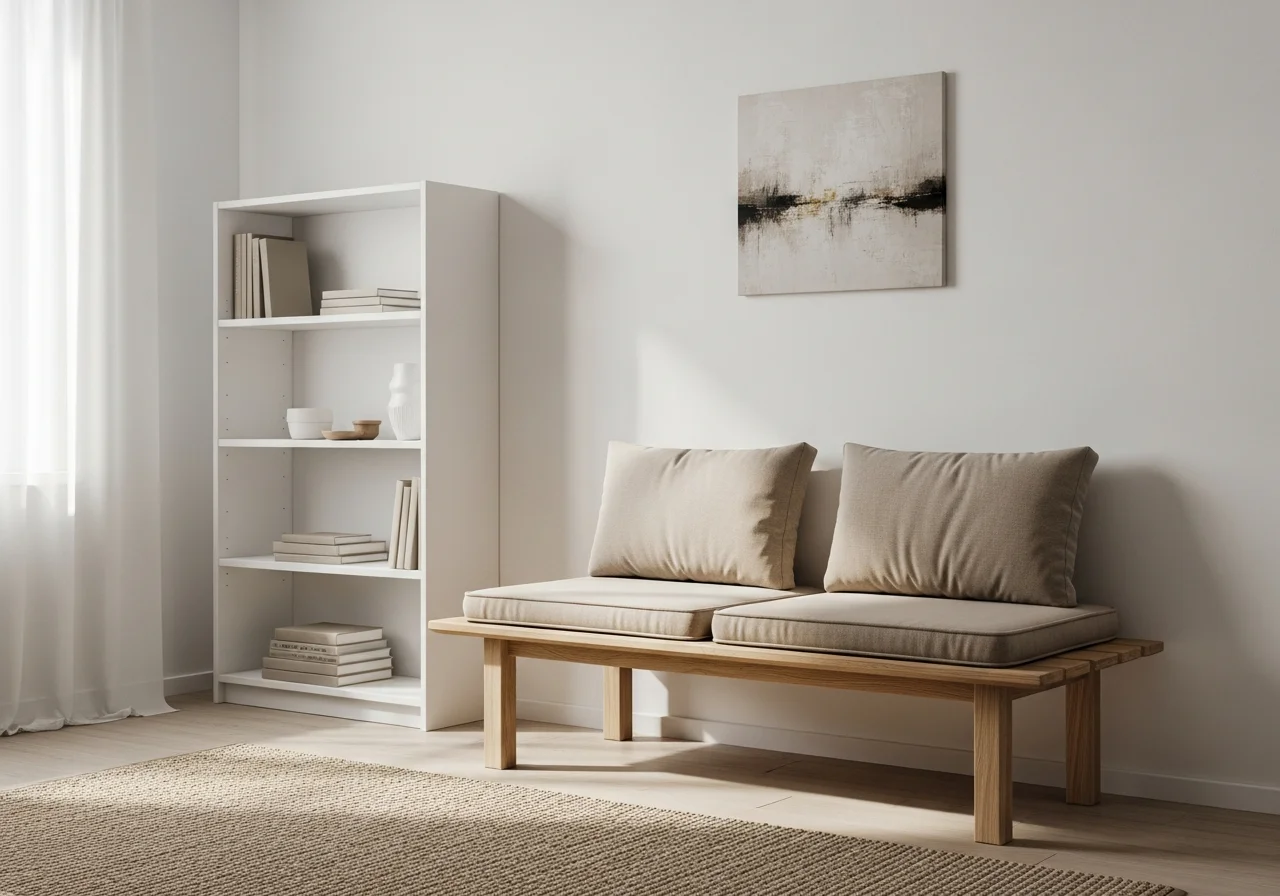
Not all reading corners need elaborate decoration. A minimalist approach focusing on clean lines, natural materials, and neutral colors creates a calm, focused environment perfect for reading. Use light-colored wood furniture, simple shelving, and neutral textiles to create a serene atmosphere.
The uncluttered aesthetic helps children focus on their books without visual distractions. Add warmth through natural fiber rugs, wooden bookends, and a single, well-chosen piece of artwork. This style works well for parents who prefer a cohesive home design and children who are easily overstimulated by busy patterns or bright colors.
Vintage Reading Corner
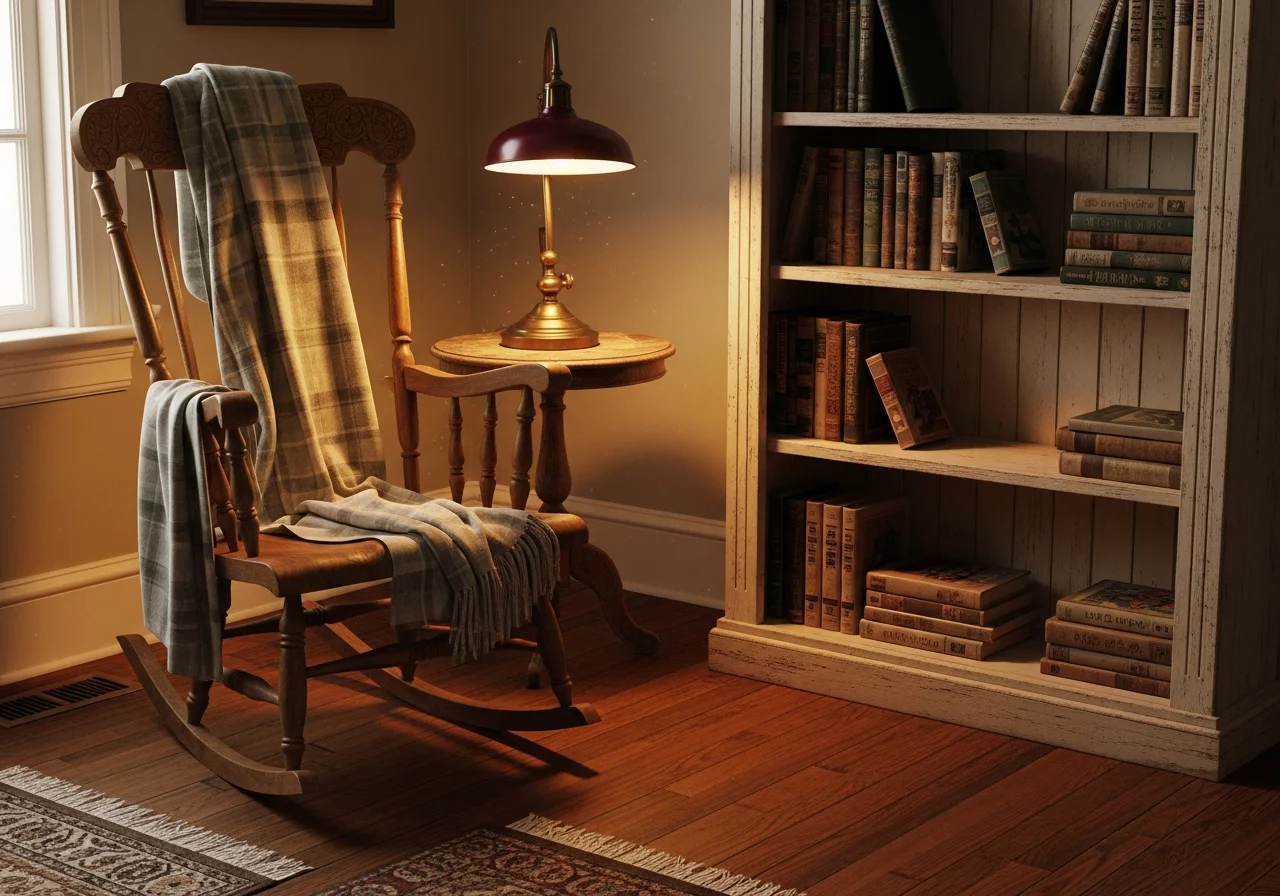
Create a nostalgic, storybook atmosphere with vintage or vintage-inspired furniture and decor. An antique rocking chair, weathered bookshelf, and classic reading lamp evoke the timeless nature of storytelling. This style works particularly well with classic literature and creates a reading environment that feels special and intentional.
Mix vintage finds with comfortable modern elements like soft throw blankets and plush pillows. The combination of old and new creates a reading space with character and history while remaining functional and comfortable for contemporary use.For more information visit Homeliaa.
Conclusion
Regardless of which specific design you choose, certain elements contribute to creating an effective reading corner for children. Comfortable seating forms the foundation, whether that means a plush chair, floor cushions, or a window bench. The seating should support good posture while allowing children to relax into their reading.
Adequate lighting is non-negotiable. Natural light works beautifully during the day, but proper artificial lighting ensures reading can continue after sunset without eye strain. Layer lighting with both ambient sources and focused task lighting positioned to illuminate book pages without creating glare.
Accessible book storage keeps reading materials organized and visible. Open shelving, baskets, or bins allow children to see their options and independently choose books. Organize books by theme, color, or reading level to make selection easier and more appealing.
A reading corner represents more than just a designated place to sit with a book. It communicates that reading matters, that books deserve a special space, and that the time spent reading is valuable. When children have access to a thoughtfully designed reading environment, they develop stronger connections with literature and more positive associations with reading as an activity.
Personal touches make the space feel special and owned by the child. Include their favorite colors, characters they love, or themes that interest them. Let children participate in decorating their reading corner, which increases their investment in using the space.
The most successful reading corners balance aesthetics with functionality, creating spaces that look inviting while serving the practical purpose of supporting reading habits. They adapt to the child’s changing needs and interests over time, growing alongside the reader from picture books to chapter books and beyond.
Whether you implement one of these ideas exactly as described or combine elements from several to create something uniquely suited to your space and child, the effort invested in creating a dedicated reading corner pays dividends in fostering literacy and a love of reading that can last a lifetime.
Frequently Asked Questions
What is the ideal size for a kids reading corner?
A reading corner can work in spaces as small as three feet by three feet. The key is creating a defined area that feels separate from the rest of the room. Even a small corner with a cushion and shelf can serve as an effective reading nook. Focus on making the space cozy rather than spacious.
How can I create a reading corner on a tight budget?
Use items you already have, such as existing pillows, blankets, and a basket for books. Floor cushions cost less than furniture, and battery-operated fairy lights provide affordable ambiance. Repurpose a corner of an existing room rather than buying new furniture. Many effective reading corners cost less than fifty dollars to create.
What type of lighting works best for a children’s reading corner?
Natural light is ideal during daytime hours, so position the reading corner near a window when possible. For artificial lighting, use warm LED bulbs in adjustable lamps that can be directed onto the reading material. Avoid harsh overhead lighting that creates glare on book pages. Dimmable options allow you to adjust brightness based on time of day.
At what age should I create a reading corner for my child?
You can create a reading corner as early as infancy. Very young children benefit from board book baskets and soft spaces where parents can read to them. As children grow, adapt the space to include age-appropriate books and seating. The reading corner evolves with the child from lap reading to independent reading.
How do I encourage my child to actually use their reading corner?
Lead by example by reading in the space with your child regularly. Keep the area stocked with books that match their current interests and reading level. Make the space comfortable and inviting with their favorite colors or themes. Establish a routine that includes time in the reading corner, such as before bed or after school.