16+ Inspiring Sensory Corner Ideas for Classrooms
Creating a dedicated sensory corner in your classroom can transform the learning environment for students who need a moment to reset, refocus, or simply find calm in a busy school day. Whether you teach young children, students with special needs, or any group that benefits from sensory regulation tools, a thoughtfully designed sensory space offers invaluable support for emotional well being and academic success.
A sensory corner serves as more than just a physical space. It represents a commitment to recognizing that every student processes their environment differently and that providing options for self-regulation empowers learners to take control of their emotional states. As classrooms become increasingly aware of diverse learning needs, sensory corners have evolved from specialized accommodations to essential classroom features that benefit all students.
This comprehensive guide presents over sixteen practical and inspiring sensory corner ideas that you can adapt to your classroom size, budget, and student population. From simple additions that cost almost nothing to more elaborate setups, these ideas will help you create a functional sensory space that truly serves your students’ needs.
Understanding the Purpose of a Sensory Corner

Before diving into specific ideas, it’s important to understand what makes a sensory corner effective. These designated spaces provide students with opportunities to engage their senses in controlled, therapeutic ways that promote self-regulation and emotional balance.
A sensory corner addresses various sensory needs including tactile input, proprioceptive feedback, vestibular stimulation, visual calming, and auditory regulation. Students might use the space when feeling overwhelmed, overstimulated, understimulated, anxious, or simply needing a break from academic demands. The corner should feel safe, contained, and distinctly different from the rest of the classroom environment.
The most successful sensory corners incorporate elements that address multiple sensory systems while remaining organized and purposeful rather than cluttered or chaotic. They should be easily accessible yet somewhat separated from the main classroom activity to provide genuine respite.
Creating a Foundation with Defined Boundaries
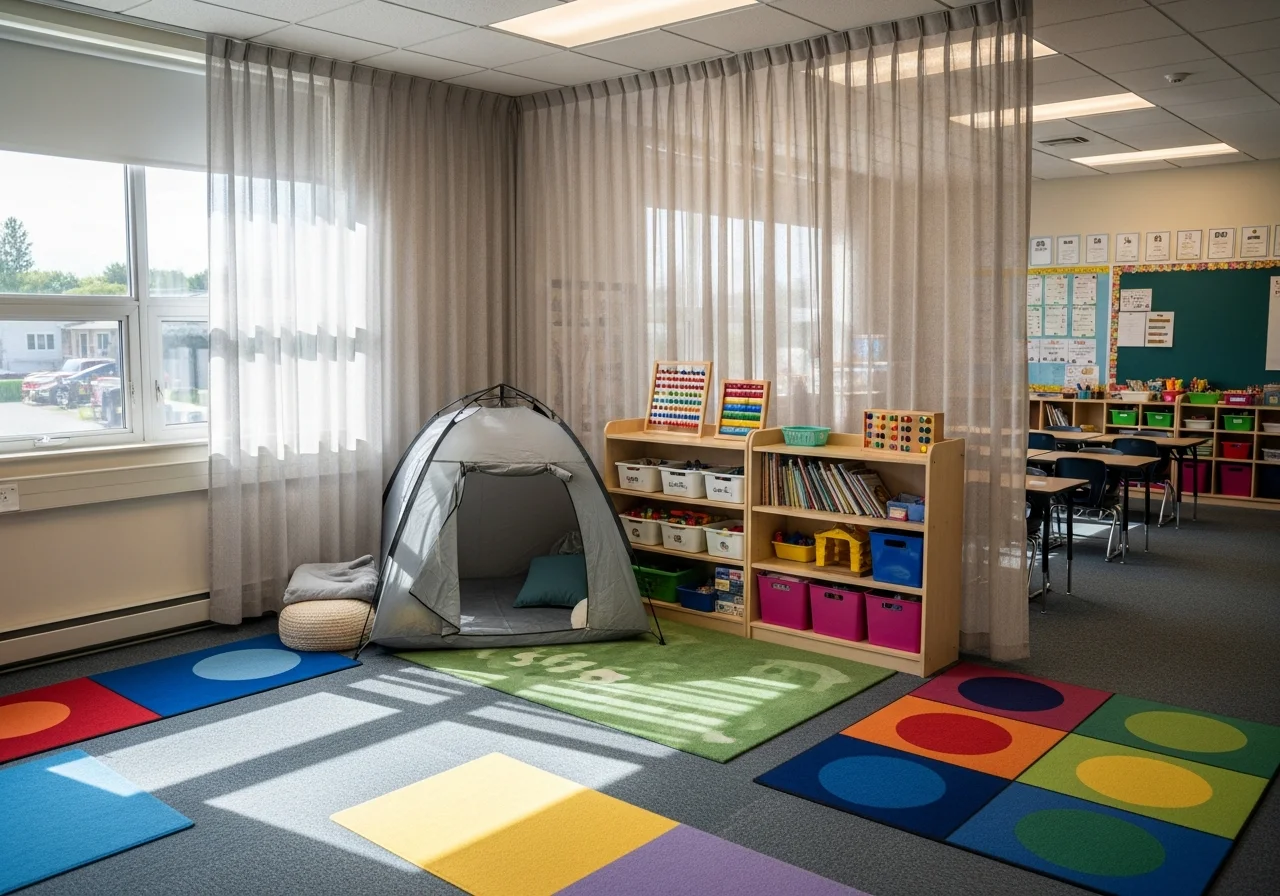
Every effective sensory corner begins with clear physical boundaries that help students understand this space serves a special purpose. Use a small tent or canopy to create an enclosed feeling that immediately signals a different zone. Pop-up play tents work wonderfully and come in various sizes to fit different classroom spaces. These portable options also allow you to reposition the corner as needed throughout the year.
Alternatively, use bookshelves, room dividers, or curtains to section off a corner of your classroom. A simple tension rod with flowing fabric creates a gentle barrier that provides visual separation without complete isolation. Some teachers use large floor pillows or bean bags arranged in a semi-circle to define the space naturally.
Floor markings also establish boundaries effectively. Colored tape, a dedicated rug, or foam floor tiles in a contrasting color help students recognize where the sensory corner begins and ends. This visual definition proves especially helpful for younger students or those who benefit from concrete spatial understanding.
Incorporating Calming Visual Elements
The visual environment significantly impacts how calming a sensory corner feels. Start with a neutral color palette focusing on soft blues, greens, or earth tones that naturally promote relaxation. Avoid bright, stimulating colors in the sensory corner even if your classroom features vibrant decorations elsewhere.
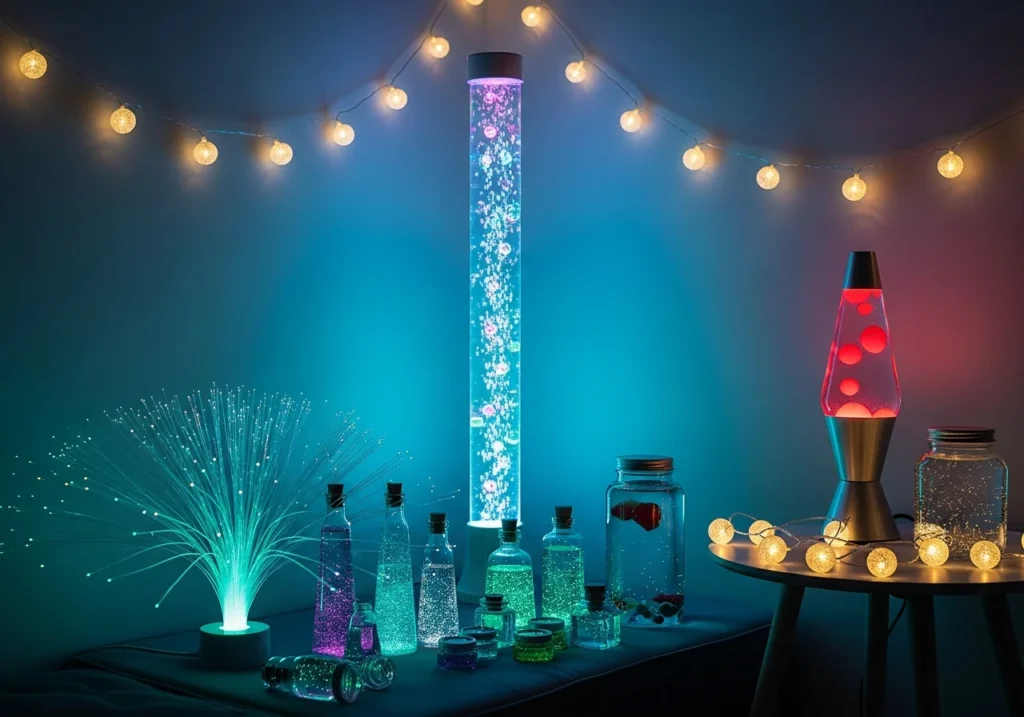
Install a bubble tube or lava lamp to provide mesmerizing visual input that many students find deeply soothing. These items offer slow, predictable movement that helps anchor attention and reduce anxiety. Battery-operated versions eliminate safety concerns about electrical cords in student spaces.
Fiber optic lights create magical visual effects without overwhelming brightness. Students can hold, drape, or simply watch these color-changing strands. Similarly, string lights with warm tones contribute soft ambient lighting that transforms the corner into a cozy retreat.
Consider adding a small kaleidoscope, liquid motion timer, or sensory bottles filled with glitter, oil, and water. These portable visual tools give students something to focus on while taking deep breaths and regaining composure.
Selecting Flexible Seating Options
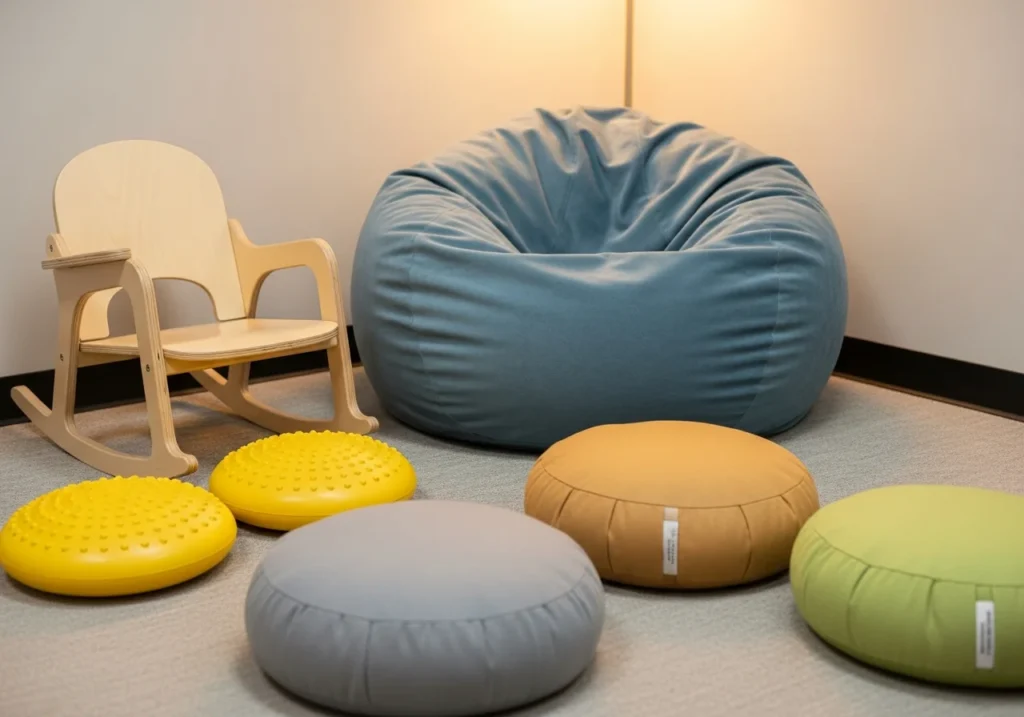
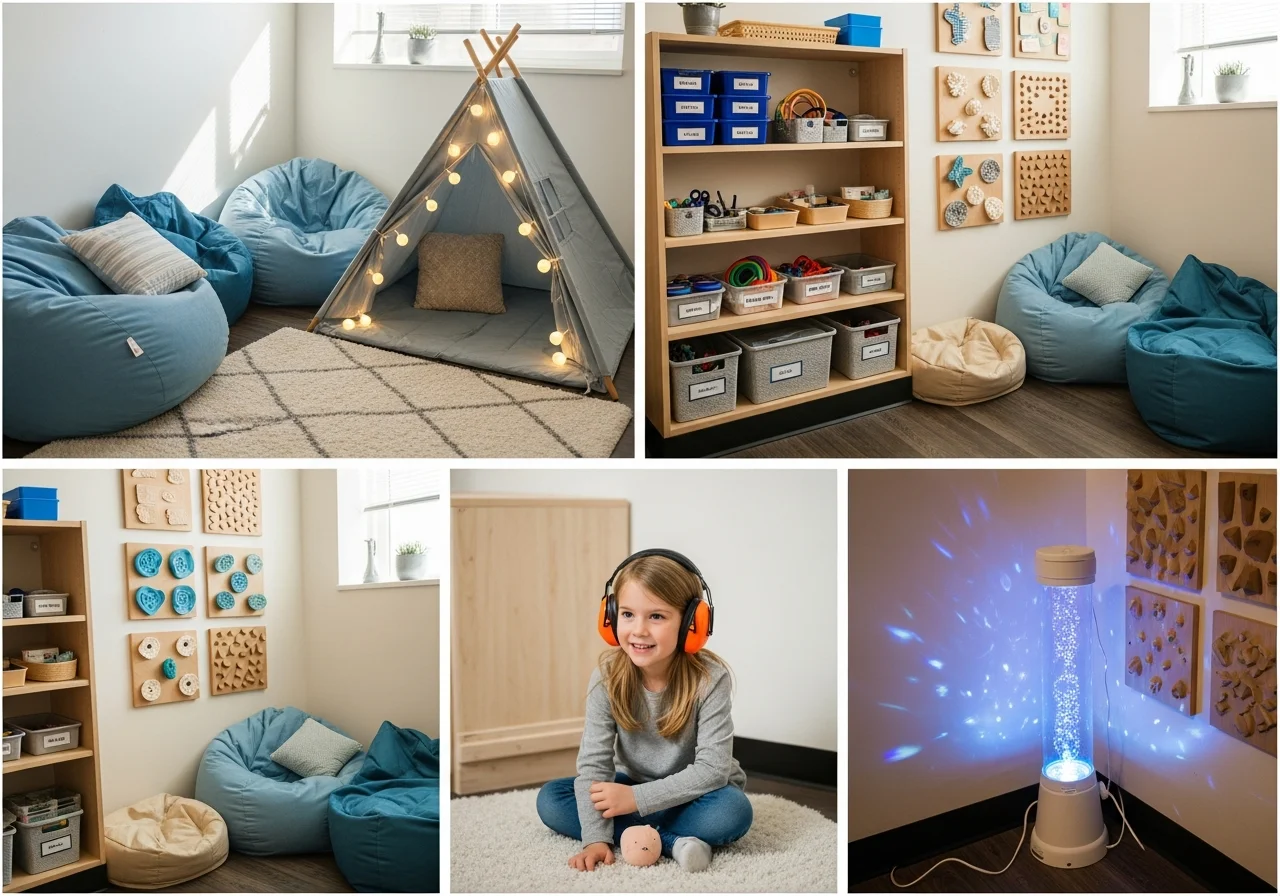
Seating choices dramatically influence how students use and benefit from the sensory corner. A large bean bag chair provides deep pressure input and molds to the student’s body, creating a hugging sensation that many find comforting. Look for bean bags with removable, washable covers to maintain hygiene throughout the school year.
Floor cushions and meditation pillows offer versatile seating that students can arrange according to their needs. Some might stack several pillows to create a supportive nest, while others prefer spreading them out. Providing options honors different sensory preferences.
Wobble cushions or balance disc seats placed on the floor give students subtle movement opportunities while sitting. These inflatable cushions engage core muscles and provide proprioceptive feedback that helps some students feel more centered and regulated. May you get more ideas.
A small rocking chair delivers gentle vestibular input through rhythmic movement. The predictable back-and-forth motion helps organize the nervous system and can be particularly effective for students who need movement to concentrate or calm down. Choose a child-sized rocker with smooth surfaces and no pinch points for safety.
Adding Essential Tactile Materials
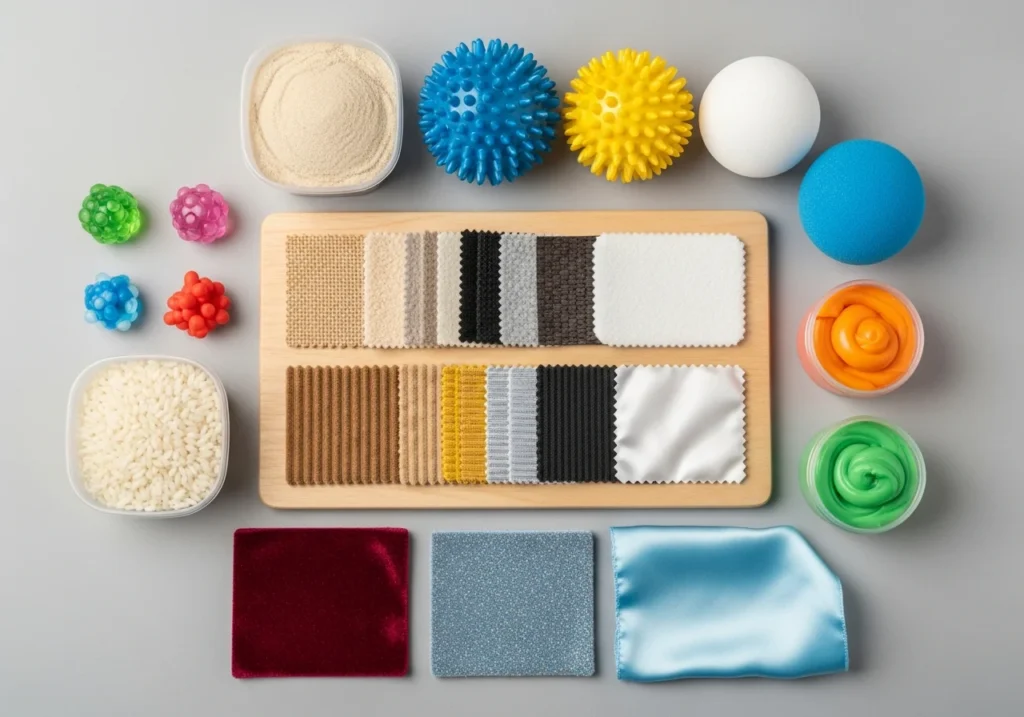
Tactile input forms the cornerstone of many sensory corners. Create a texture board by mounting fabric swatches, sandpaper, bubble wrap, felt, and other materials to a sturdy poster board. Students can run their hands across different textures to provide organizing sensory input.
Sensory bins filled with dried beans, rice, kinetic sand, or water beads offer rich tactile exploration. Include small scoops, cups, and objects hidden within the material for students to discover. Rotate bin contents regularly to maintain interest and address different tactile preferences. Always supervise younger students with small items to prevent choking hazards.
Stress balls, therapy putty, and fidget tools provide hand-focused tactile input. Stock your sensory corner with a variety including smooth balls, spiky massage balls, stretchy resistance bands, and moldable putty in different resistances. Some students prefer soft, squishy textures while others need firmer resistance.
A small basket of fabric squares in various textures gives students calming materials to hold or rub between their fingers. Include silk, velvet, fleece, satin, and corduroy. Some students find specific textures particularly soothing and will return to the same fabric repeatedly.
Integrating Proprioceptive Input Tools
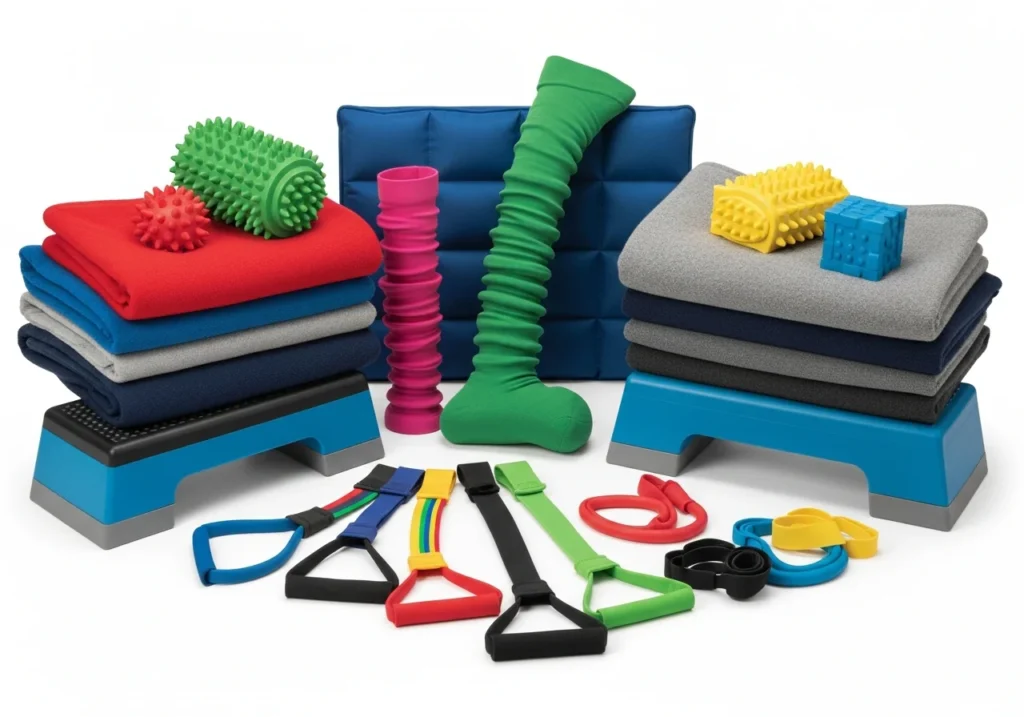
Proprioceptive input helps students understand where their bodies are in space and often has a powerfully calming effect. Weighted lap pads or blankets provide deep pressure that can reduce anxiety and improve focus. Choose weights appropriate for your students’ ages and sizes, generally around ten percent of body weight.
A body sock or lycra tunnel allows students to push against resistance, providing intense proprioceptive feedback. Students can crawl through, stretch against the fabric, or wrap themselves up. This type of input can be particularly effective for students who seek sensory stimulation or struggle with body awareness.
Include resistance bands or therapy bands that students can pull, stretch, and manipulate. These simple tools offer proprioceptive input through the hands and arms. Demonstrate safe ways to use them and establish clear guidelines about appropriate force levels.
Push-up blocks or a small step stool encourage students to do wall push-ups or step exercises within the sensory corner. Brief physical activity incorporating resistance helps regulate energy levels and prepares students to return to academic tasks feeling more centered.
Establishing Auditory Regulation Options
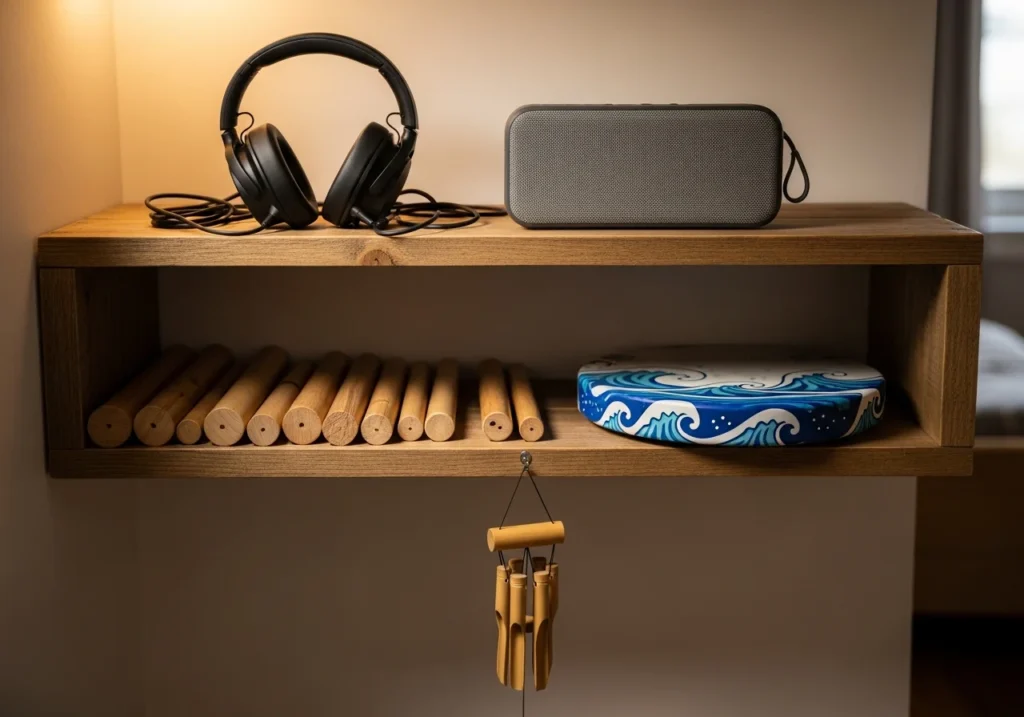
Sound significantly affects how students experience their environment. Noise-canceling headphones or ear defenders give students control over auditory input, blocking out classroom noise that might feel overwhelming. Keep several pairs in different sizes available in the sensory corner.
A small bluetooth speaker paired with a tablet loaded with calming soundtracks provides positive auditory input. Include nature sounds, white noise, gentle instrumental music, and guided breathing exercises. Allow students to choose what sounds most helpful for their current emotional state.
Rain sticks, ocean drums, and other gentle musical instruments let students create their own soothing sounds. The act of producing rhythmic, predictable sounds can be therapeutic and helps students focus their attention on something concrete and controllable.
Some classrooms include a small wind chime near the sensory corner entrance. The gentle tinkling sound signals the space’s calming purpose and creates a transitional auditory cue between the active classroom and quiet corner.
Providing Visual Schedules and Social Stories
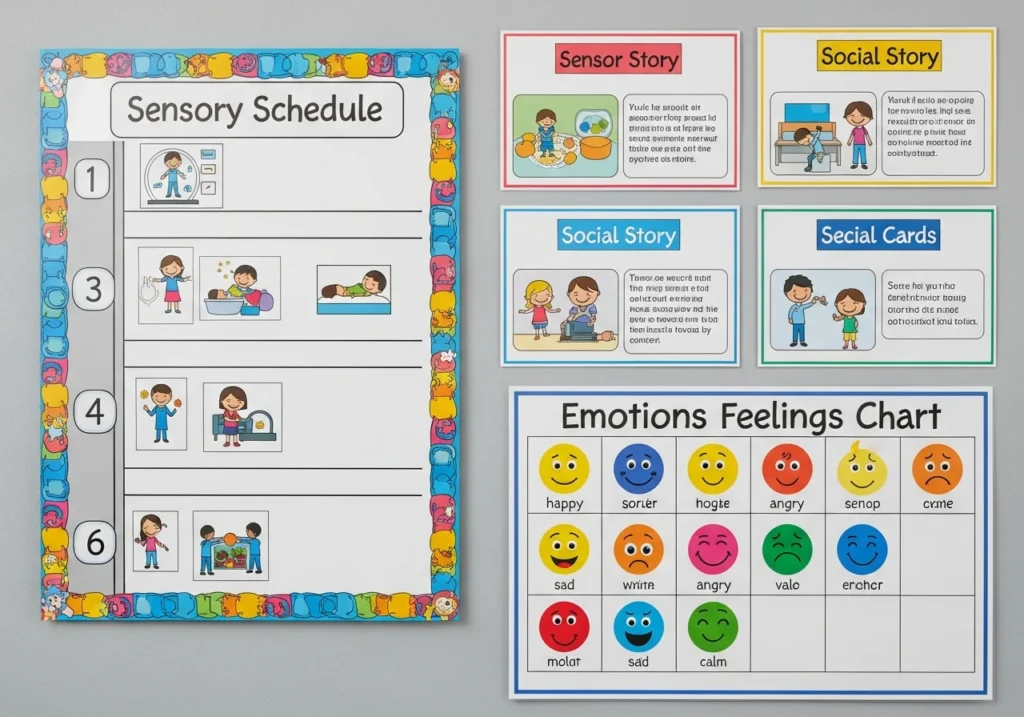
Even the most inviting sensory corner needs clear guidelines for appropriate use. Create a visual schedule showing the steps for using the space, such as asking permission, selecting tools, using calming strategies, and returning to class when regulated. Picture-based schedules work well for younger students and those with communication challenges.
Develop social stories explaining when and why students might use the sensory corner. These short narratives with simple illustrations help students understand the space’s purpose and normalize taking sensory breaks. Emphasize that using the sensory corner demonstrates self-awareness and good self-care rather than punishment or failure.
Display a feelings chart or emotions poster near the sensory corner to help students identify what they’re experiencing. When students can name their emotions, they’re better equipped to choose appropriate regulation strategies. Include both words and faces showing various emotional states.
Incorporating Breathing and Mindfulness Tools

Simple breathing exercises become more engaging with visual supports. A pinwheel gives students a concrete target for controlled exhaling. Watching the pinwheel spin provides immediate feedback about breath strength and duration.
Bubble solution and wands encourage deep breathing in a playful way. To blow bubbles successfully, students must take slow, controlled breaths. This activity naturally promotes the deep breathing that activates the parasympathetic nervous system and reduces stress.
A small sand timer or liquid timer helps students practice timed breathing exercises or simply provides a focal point for attention during calm-down time. Choose timers that run for different durations to accommodate various needs.
Mindfulness cards with simple exercises, positive affirmations, or yoga poses designed for children add structure to time spent in the sensory corner. Students can select a card and follow the suggested activity, providing both guidance and a sense of accomplishment.
Designing Budget-Friendly Alternatives
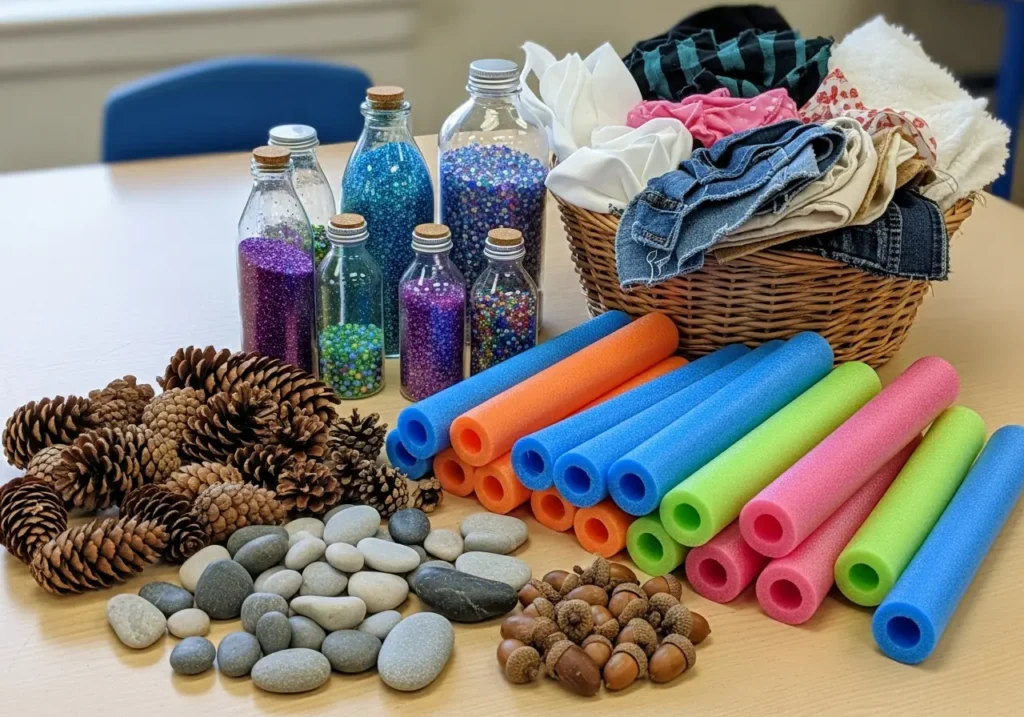
Creating an effective sensory corner doesn’t require expensive equipment. Homemade sensory bottles cost pennies to produce using plastic bottles, water, food coloring, glitter, and clear glue. Students can even help create these tools, building investment in the space.
Collect donated fabric scraps, old clothing, and textile samples from local businesses to build a texture collection at no cost. Many fabric stores willingly donate discontinued sample books that contain dozens of different materials perfect for tactile exploration.
Pool noodles transform into inexpensive fidget tools, body boundaries, or even seating when arranged creatively. Cut them into various lengths and let students bend, twist, and manipulate them for proprioceptive input.
Natural materials like pinecones, smooth stones, and driftwood collected during nature walks provide free sensory materials with varied textures. Ensure items are clean and safe, without sharp edges or small parts that could present choking hazards.
Adapting for Different Age Groups
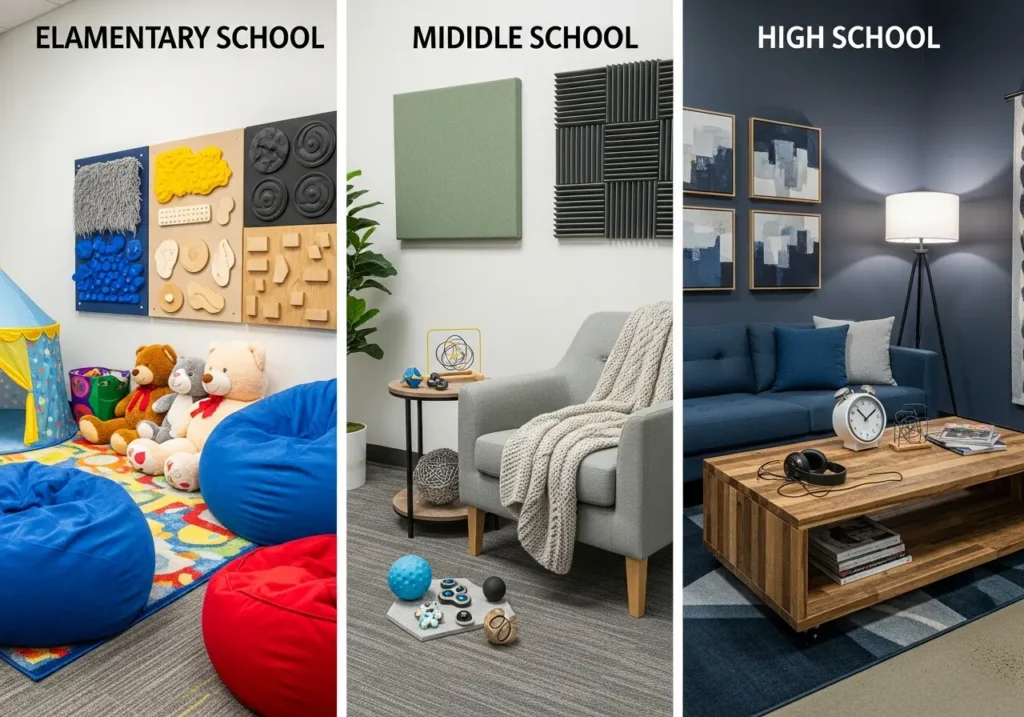
Elementary-aged students often enjoy sensory corners with playful elements like stuffed animals, picture books about feelings, and colorful sensory tools. The space can feel more like a cozy reading nook with added calming features.
Middle school students typically prefer sensory corners that feel more mature and less childish. Focus on neutral colors, subtle lighting, and tools that don’t appear toy-like. Fidget tools disguised as office supplies, adult coloring books, and journals appeal to this age group.
High school sensory spaces might incorporate comfortable seating similar to a coffee shop or library study area. Include stress management resources, mindfulness apps on a shared device, and sophisticated calming tools that respect teenagers’ desire for age-appropriate materials.
For students with significant special needs, the sensory corner might need more specialized equipment like weighted vests, compression garments, or specific therapeutic tools recommended by occupational therapists. Collaborate with special education staff to ensure the space meets individualized needs.
Maintaining Organization and Cleanliness
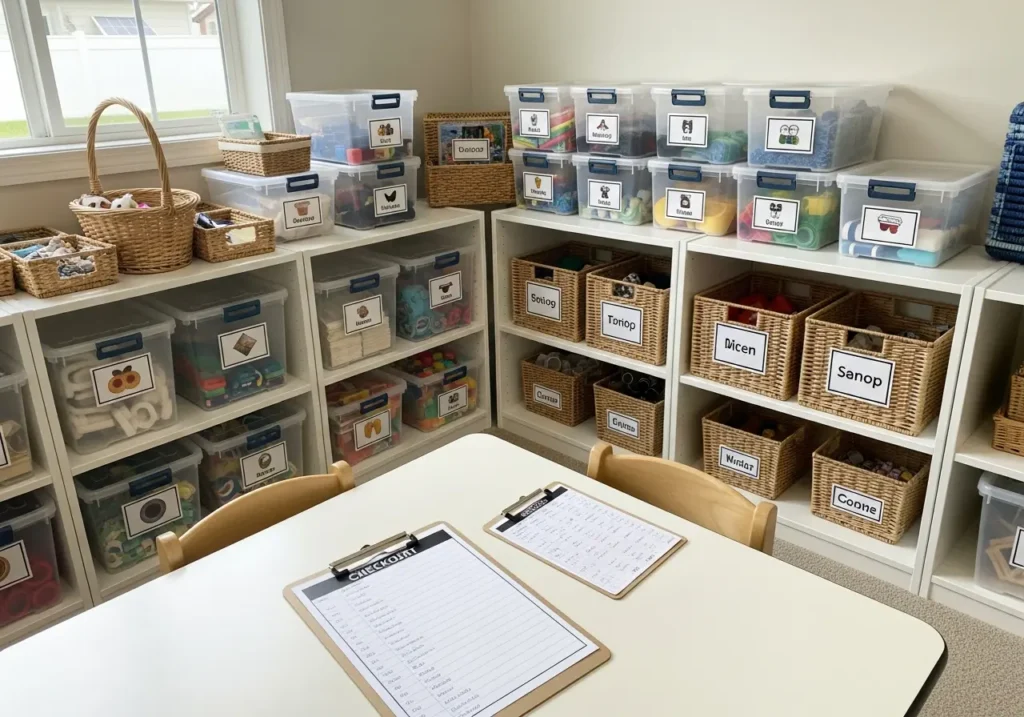
A cluttered sensory corner loses its calming effectiveness. Use clear storage bins, baskets, and shelves to organize materials by category. Label containers with both words and pictures so students can independently find and return items.
Establish a cleaning routine for sensory materials. Designate certain items for individual student use only, such as headphones or stress balls, to maintain hygiene. Washable materials should go through regular cleaning, and sensory bins need periodic refreshing.
Create a check-in and check-out system if certain items tend to disappear or end up scattered around the classroom. A simple clipboard with pictures of each tool helps students take responsibility for returning materials properly.
Rotate sensory materials seasonally or monthly to maintain student interest. Store some items away and reintroduce them later to create novelty. This rotation also prevents the corner from becoming overstuffed and overwhelming.
Teaching Proper Use and Independence
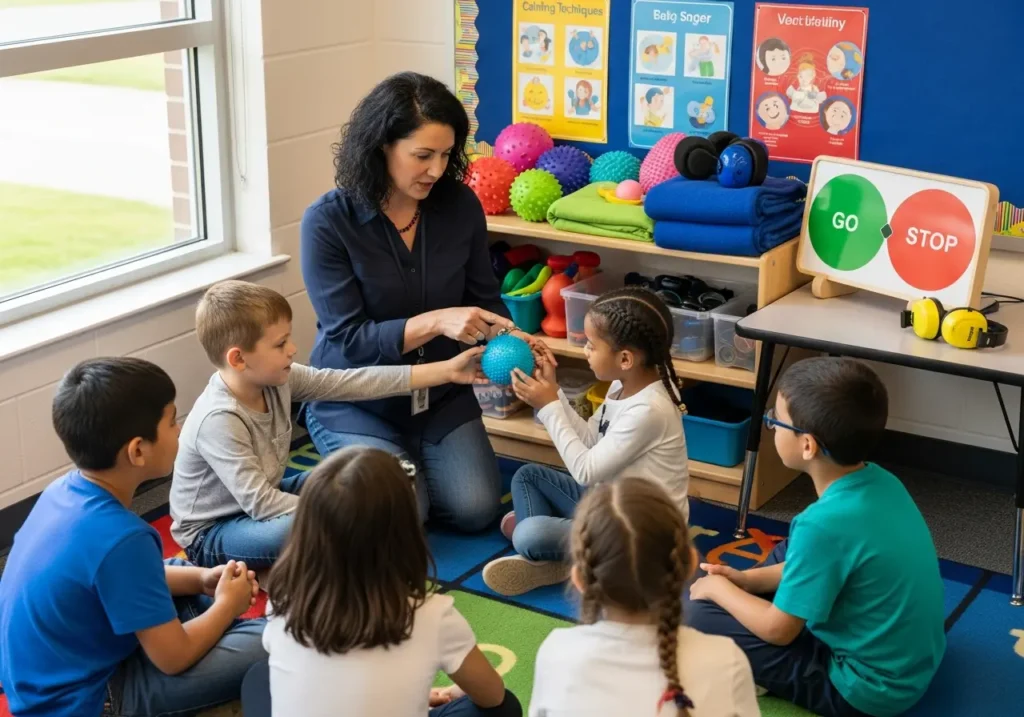
Introduce the sensory corner to your entire class at the beginning of the year, explaining its purpose and expectations. Model how to request time in the space, select appropriate tools, and return to regular classroom activities when regulated. Practice these routines explicitly.
Some teachers implement a timer system to ensure fair access when multiple students need the space. A gentle kitchen timer or visual time timer helps students understand when their turn ends without teacher intervention.
Gradually release responsibility for sensory corner use to students. While you might initially determine when students access the space, work toward students independently recognizing when they need a break and self-advocating for that time.
Collect data about sensory corner usage to identify patterns. If certain times of day see higher use, consider whether environmental factors contribute to dysregulation. This information helps you make broader classroom adjustments that reduce overall sensory corner need.
Collaborating with Support Staff
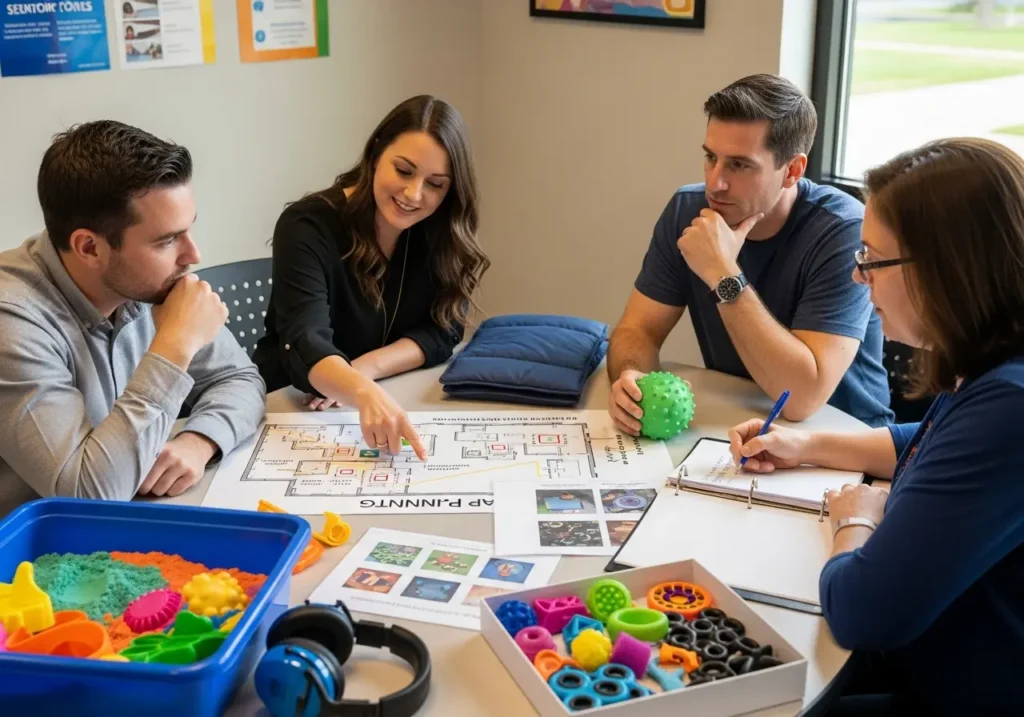
Occupational therapists, counselors, and special education teachers offer valuable expertise for designing and implementing sensory corners. Invite these professionals to visit your classroom and provide feedback on your setup.
For students with individualized education programs, ensure sensory corner access aligns with accommodations and behavioral intervention plans. Document sensory breaks as part of required services when appropriate.
Share successes and challenges with colleagues implementing sensory corners in their classrooms. Collaborative problem-solving generates creative solutions and ensures consistency across learning environments as students move between classrooms.May you want to know more
Consider creating portable sensory kits for students who need access to regulation tools throughout the school building. A small bag with a few key items allows students to maintain regulation during transitions, assemblies, or other non-classroom times.
Evaluating Effectiveness and Making Adjustments
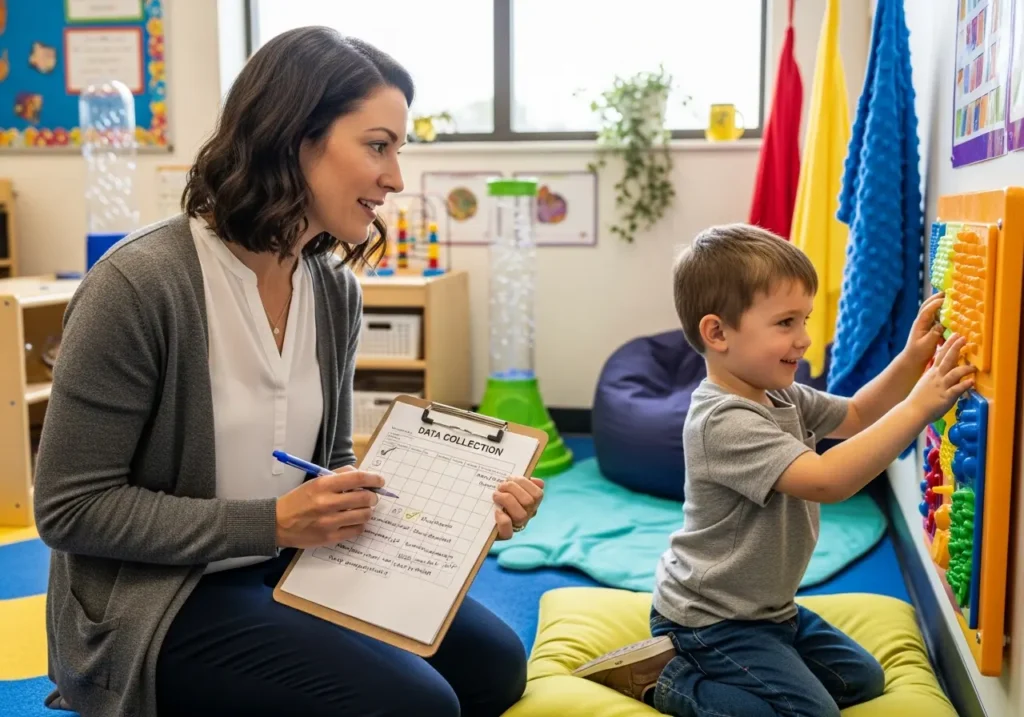
Regularly assess whether your sensory corner meets student needs. Observe which materials students gravitate toward and which sit unused. Student preferences provide valuable feedback for refining your collection.
Survey students about their experiences using the sensory corner. Ask what helps them most, what they wish was available, and whether they feel the space supports their learning. Even young students can provide meaningful input through simple questionnaires or conversations.
Monitor academic and behavioral data for students who regularly use the sensory corner. Track whether sensory breaks correlate with improved focus, reduced disruptions, or better emotional regulation. This evidence helps justify the space and guides modifications.
Remain flexible and willing to experiment. What works wonderfully for one class might need adjustment for the next group. Sensory corners should evolve based on the unique needs of your current students rather than remaining static year after year.
Conclusion
Creating a sensory corner in your classroom represents an investment in student wellbeing that pays dividends throughout the school year. By providing a dedicated space where students can regulate their sensory experiences and emotions, you acknowledge the diverse ways learners process their environments and equip them with concrete tools for self-management.
The most effective sensory corners balance structure with flexibility, offering clear guidelines while accommodating individual preferences. Whether you implement all sixteen ideas presented here or select just a few that fit your situation, remember that even small steps toward supporting sensory needs can significantly impact student success.
Start with basic elements like defined boundaries, comfortable seating, and a few calming tools, then expand based on student needs and available resources. The goal isn’t perfection but rather creating a functional space that students genuinely use and benefit from. As you observe your students engaging with the sensory corner, you’ll likely notice reduced behavioral challenges, increased self-awareness, and students who feel more supported in their learning environment.For more ideas click here
Your sensory corner ultimately sends a powerful message that emotional regulation matters, that everyone has different needs, and that your classroom is a place where all students can find the support they need to thrive.
Frequently Asked Questions
How much space do I need for a sensory corner?
You need surprisingly little space for an effective sensory corner. A four-by-four-foot area in a classroom corner works well for most settings. Even smaller spaces can function if you carefully select compact materials and vertical storage solutions. Focus on creating a defined, cozy feeling rather than a large area that might feel overwhelming.
Can neuro typical students use the sensory corner?
Absolutely. While sensory corners initially developed for students with autism or sensory processing challenges, all students experience moments of stress, overstimulation, or dysregulation. Making the sensory corner available to everyone normalizes taking breaks for emotional regulation and prevents stigmatization of students with special needs.
How do I prevent students from misusing the sensory corner?
Establish clear expectations from the start through explicit teaching, modeling, and practice. Create visual reminders of appropriate use and implement a brief check-in system where students identify what they’re feeling and what strategy they’ll try. Most misuse stems from unclear expectations rather than intentional misbehavior.
What if multiple students need the sensory corner simultaneously?
Develop a system that works for your classroom, such as a timer rotation or a waiting list. Consider whether you can create sensory bins or carts with portable tools that provide similar benefits when the corner is occupied. You might also identify times when the corner sees highest demand and address those triggers proactively.
How long should students spend in the sensory corner?
This varies by individual and situation. Start with five to ten minutes as a general guideline, using a visual timer so students know when to transition back. Some students regulate quickly while others need more time. Monitor whether students are genuinely regulating or avoiding work, adjusting time limits based on observed effectiveness.