17+ Stylish Loft Decorating Ideas on a Budget
Loft living offers a distinctive blend of spaciousness, character, and urban charm that appeals to those seeking something beyond conventional apartment layouts. With the right approach, stylish loft decorating ideas on a budget can turn open floor plans, soaring ceilings, and architectural details like exposed brick or wooden beams into a warm and functional space. While these expansive interiors may seem costly to furnish at first, smart design choices make it possible to decorate creatively without overspending, even when working with limited resources.
The reality is that creating a stunning loft environment has less to do with your budget and more to do with strategic planning, creativity, and understanding how to make the most of what you have. This comprehensive guide provides you with practical, actionable ideas that transform empty loft spaces into personalized havens without requiring a substantial financial investment. Whether you’re moving into your first loft or looking to refresh your current space, these approaches will help you achieve a polished, intentional look while keeping expenses manageable.
Master the Art of Space Division
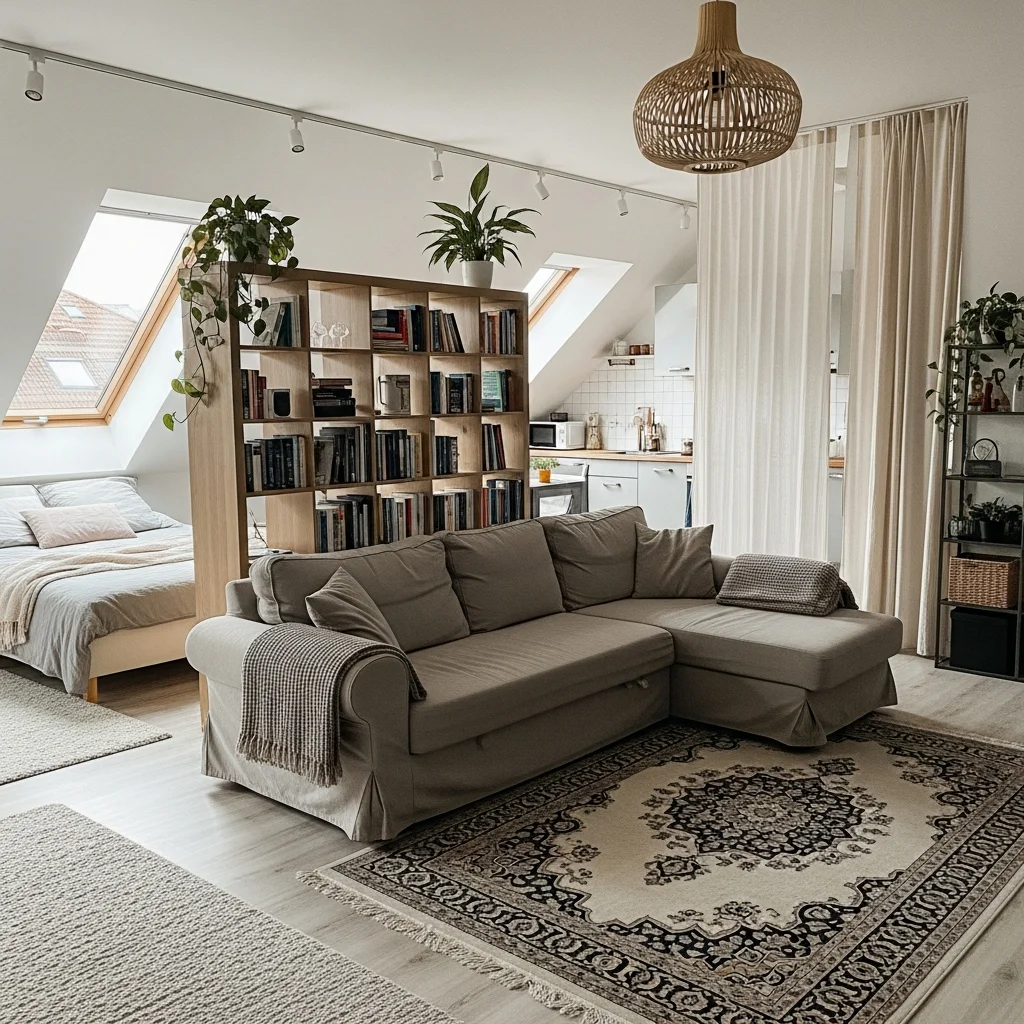
Open floor plans require thoughtful zoning to prevent your loft from feeling like an echo chamber. Creating distinct areas for sleeping, working, cooking, and relaxing doesn’t require construction or expensive renovations. Strategic furniture placement accomplishes this naturally and affordably.
Position larger pieces like sofas and beds perpendicular to walls rather than pushed against them. This simple shift creates implied boundaries that define separate zones. A sofa floating in the middle of your space with its back toward the kitchen area instantly signals where the living room begins.
Area rugs serve as powerful visual anchors that delineate different zones. A large rug under your dining table establishes the eating area, while another under your sofa defines the living space. Shop end-of-season sales at home goods stores or explore online marketplaces for secondhand options that cost significantly less than retail prices.
Bookcases positioned as room dividers offer the dual benefit of storage and separation. Open-back shelving units work particularly well because they don’t block light flow while still creating psychological boundaries between spaces. Fill shelves with books, plants, and decorative objects to add personality while defining your zones.
Hanging curtains from ceiling tracks provides flexible division that you can adjust based on your needs. This approach works exceptionally well for creating bedroom privacy in studio lofts. Choose lightweight fabrics that filter light rather than block it completely, maintaining your loft’s sense of openness even when curtains are drawn.
Capitalize on Vertical Real Estate
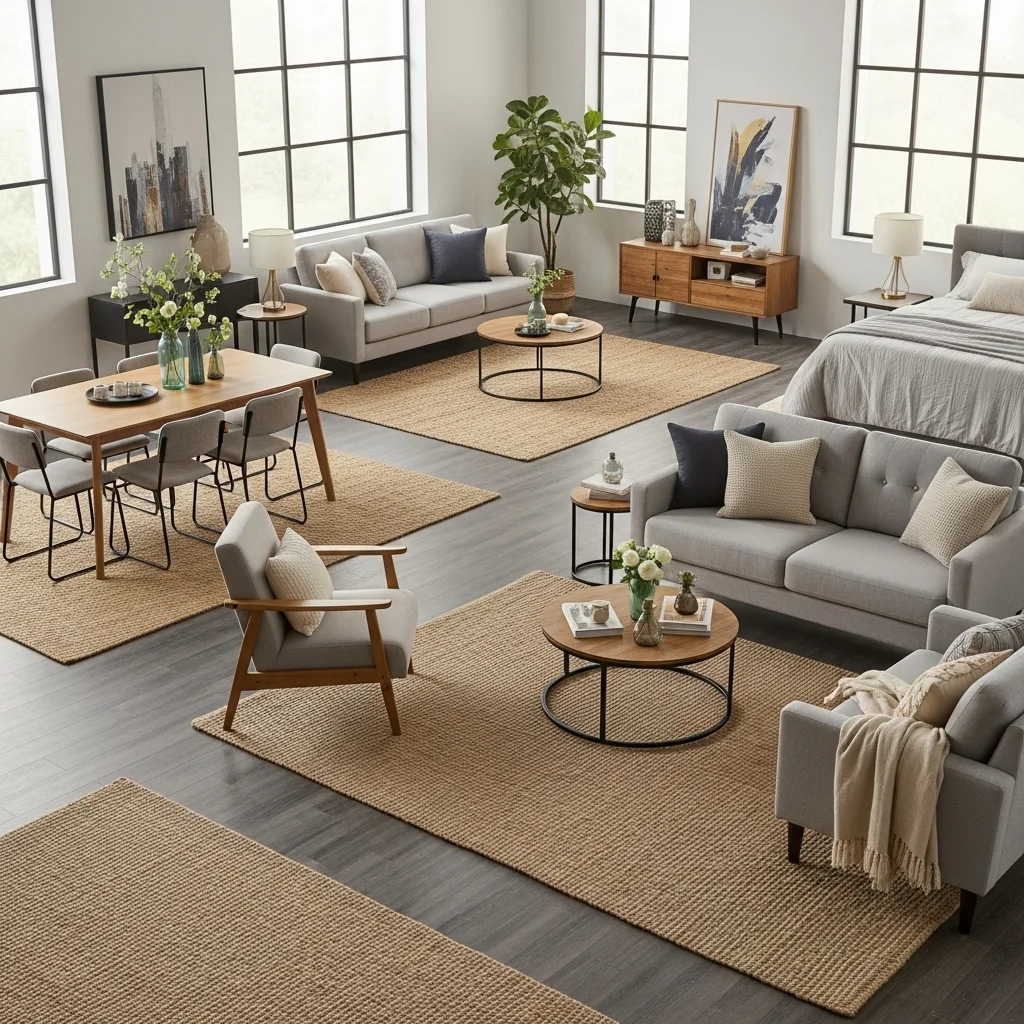
High ceilings are a loft’s greatest asset, yet many people fail to utilize this vertical space effectively. When floor space is at a premium, thinking upward solves both storage and decorative challenges simultaneously.
Floor-to-ceiling shelving maximizes storage capacity without consuming valuable square footage. Install floating shelves along empty walls to display books, collectibles, and decorative items. These shelves cost relatively little but create dramatic visual impact, especially when styled with a mix of practical and aesthetic objects.
Wall-mounted storage systems keep belongings organized without cluttering floor space. Pegboards work beautifully in kitchens, home offices, or craft areas. They cost very little, install easily, and offer infinite customization as your needs evolve. Paint pegboards in colors that complement your overall scheme to make them feel intentional rather than utilitarian.
Tall bookcases that reach toward the ceiling draw the eye upward and emphasize your loft’s height. Thrift stores and estate sales regularly stock solid wood bookcases from past decades that cost a fraction of new particle board units while offering superior quality and durability. A coat of paint transforms outdated pieces into custom-looking storage that suits your aesthetic.
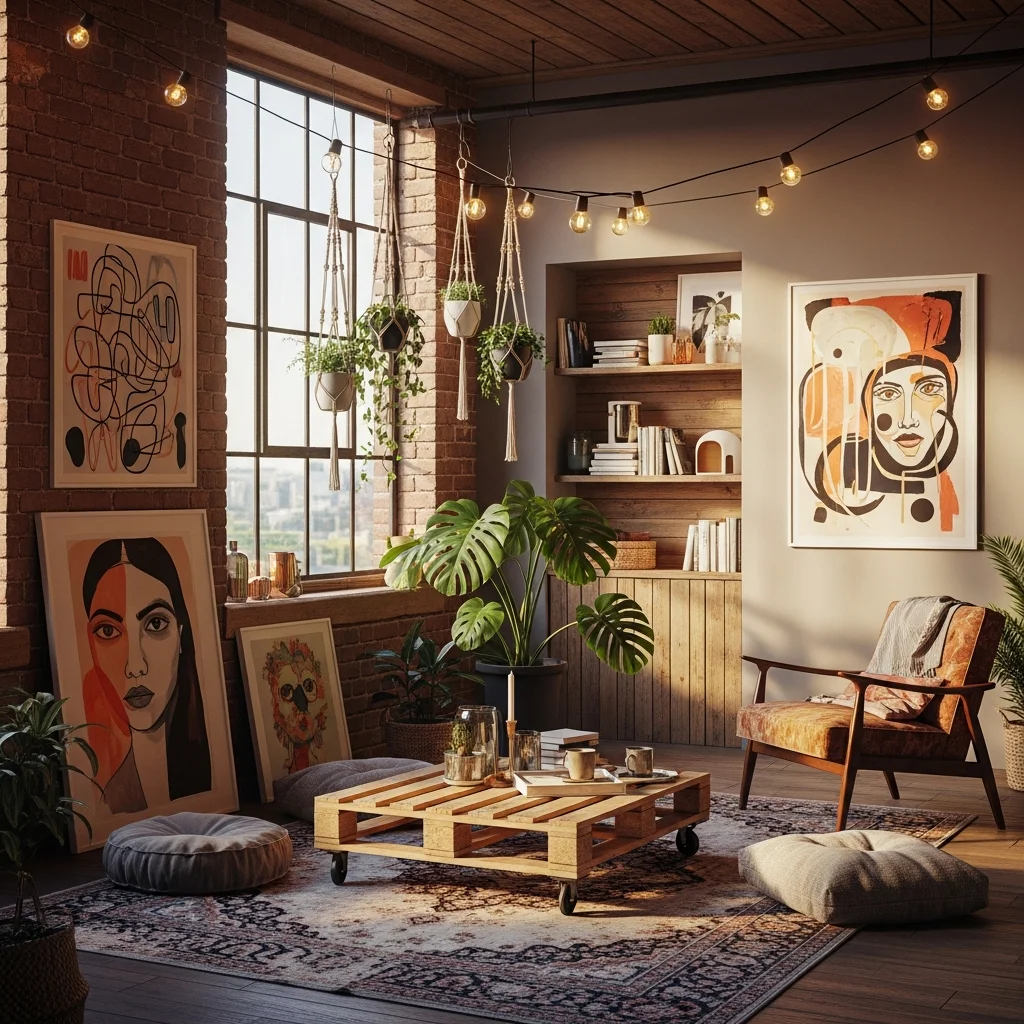
Consider hanging plants at various heights to activate vertical space with living elements. Macrame plant hangers cost little to purchase or make yourself, and they add organic shapes that soften industrial architectural features.
You May Also Like this: 14+ Charming DIY Lake House Decor Ideas
Embrace and Enhance Existing Features
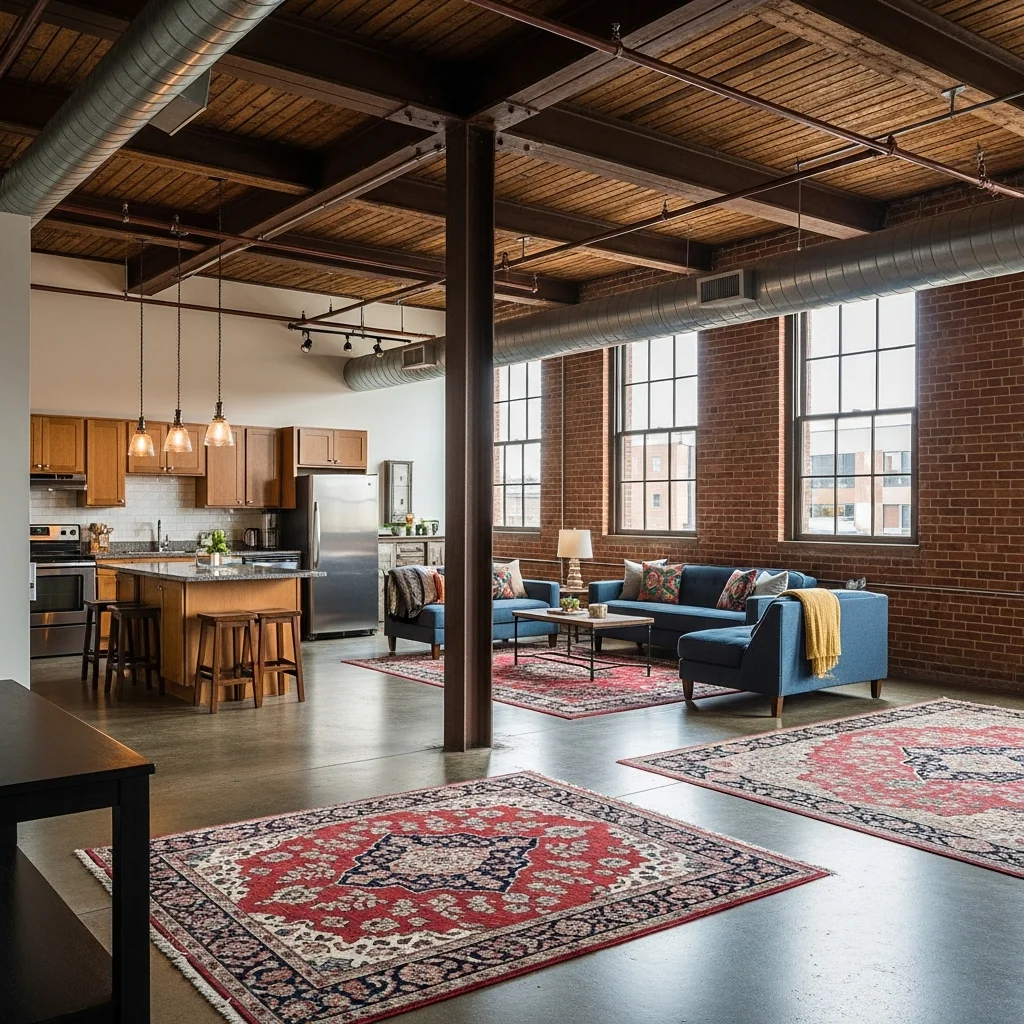
Many loft dwellers make the costly mistake of trying to cover or hide industrial elements that actually contribute character and authenticity to their spaces. Exposed brick, concrete floors, metal beams, and visible ductwork aren’t flaws to conceal but assets to celebrate.
If you have brick walls, resist the urge to paint over them unless absolutely necessary. Exposed brick adds warmth, texture, and visual interest that would cost thousands to replicate artificially. If bricks look dusty or worn, clean them thoroughly with appropriate products. For a subtle update, consider whitewashing rather than painting solid colors, which allows brick texture to show through while lightening and brightening the wall.
Metal elements like pipes, beams, and fixtures contribute to an authentic industrial style. Rather than spending money to box them in or remove them, incorporate them into your design scheme. Clean metal surfaces well, then decide whether painting them would enhance your color palette. Black, white, or metallic finishes on metal elements can look intentional and sophisticated.
Concrete floors offer durability and industrial appeal but can feel cold. Large area rugs warm up concrete while adding color and texture. If your budget allows, consider having concrete floors professionally cleaned and sealed, which enhances their appearance at a fraction of the cost of installing new flooring.
Create Layers of Light
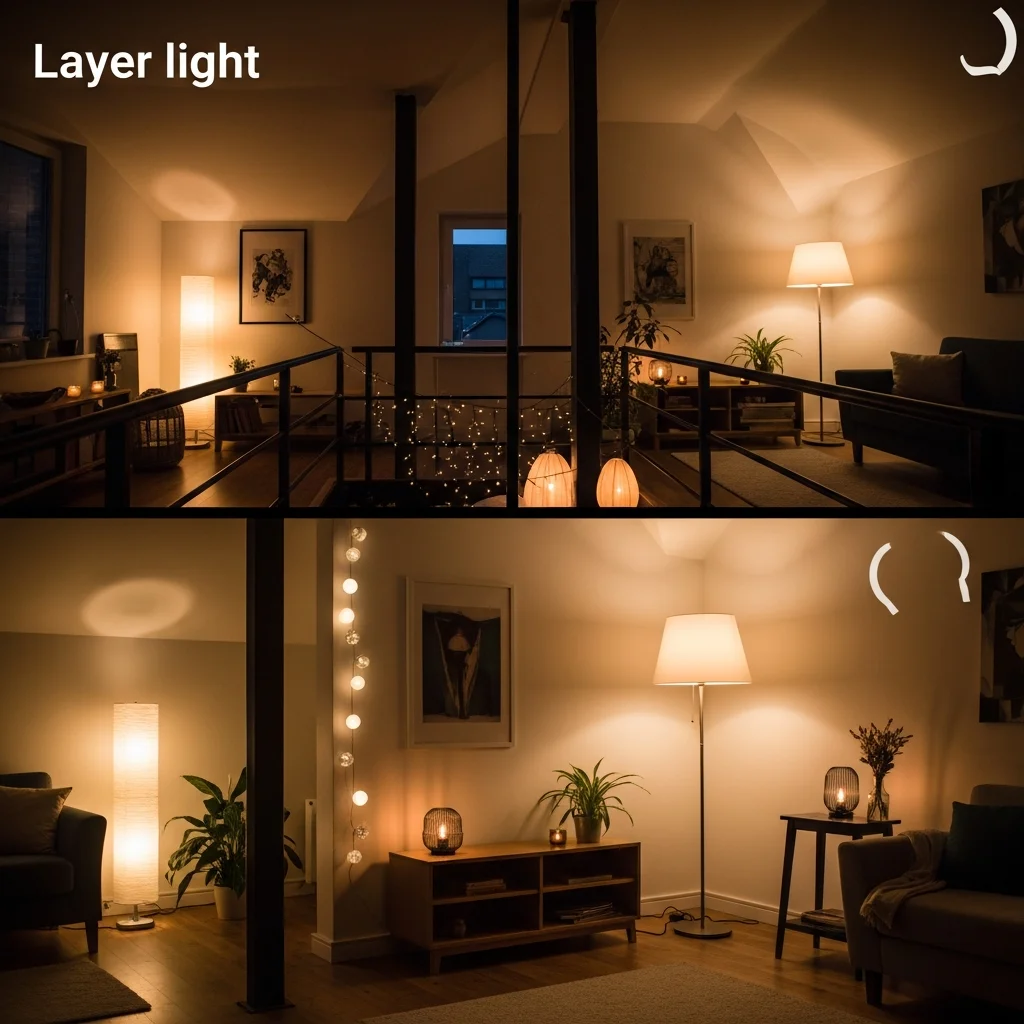
Proper lighting transforms lofts from stark warehouses into inviting homes. The mistake many people make is relying solely on overhead lighting, which creates harsh shadows and unflattering illumination. Layering multiple light sources at different heights produces warm, dimensional lighting that makes spaces feel finished and intentional.
Start with ambient lighting from floor lamps positioned in corners. These fixtures push light upward toward ceilings and outward into rooms, eliminating dark corners while making your space feel larger. Industrial-style floor lamps with exposed bulbs complement loft aesthetics naturally and often cost less than traditional options.
Add task lighting wherever you perform specific activities. Table lamps on desks, nightstands, and side tables provide focused illumination for reading, working, or other tasks. Thrift stores consistently stock interesting lamp bases that need only new shades to look current and stylish.
Incorporate accent lighting to highlight architectural features or create atmosphere. String lights or rope lights along exposed beams, behind furniture, or around windows add soft, warm glow that makes spaces feel cozy. These lights cost very little but deliver significant visual impact.
Don’t underestimate the power of candles for creating ambiance. Group candles of varying heights on trays or plates for safe, attractive displays that add flickering, warm light to your space. Battery-operated LED candles offer the same effect without fire concerns.
Shop Secondhand Strategically
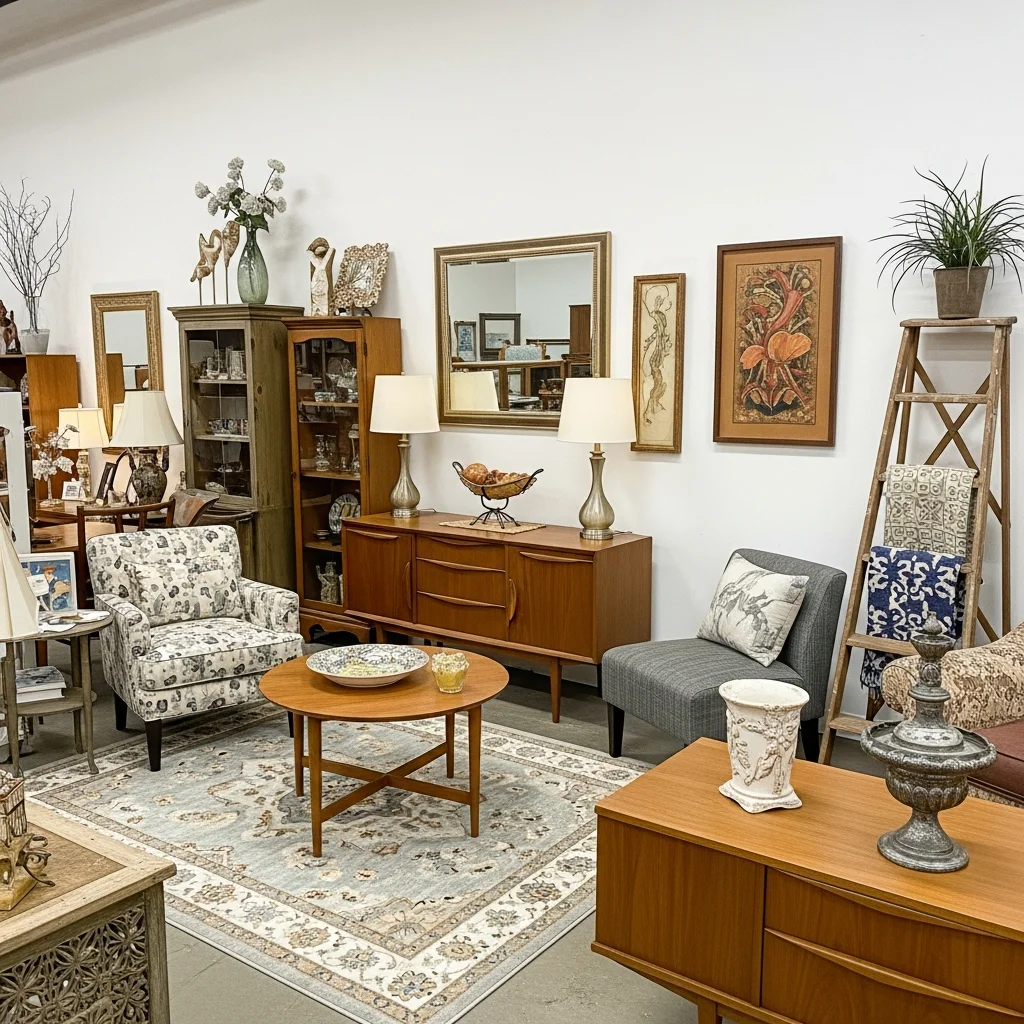
Furnishing a loft with all new pieces quickly drains budgets, but secondhand shopping offers an affordable alternative that often yields higher quality items than buying new at the same price point. The key is shopping strategically rather than settling for whatever you find first.
Focus your secondhand efforts on durable goods that improve with age. Solid wood furniture, vintage rugs, mirrors, artwork, and decorative accessories hold up well over time and often feature better construction than modern equivalents. Mid-century pieces work particularly well in loft settings, bringing warmth and character that balances industrial elements.
Online marketplaces, estate sales, and thrift stores each offer different advantages. Online platforms provide convenience and searchability but require patience to find the right pieces. Estate sales often feature high-quality furniture and decor from complete homes, giving you opportunities to purchase matching sets or coordinated pieces. Thrift stores offer the thrill of discovery and rock-bottom prices but require regular visits to catch good items when they arrive.
Don’t overlook items that need minor repairs or cosmetic updates. A structurally sound dresser with dated hardware becomes a stylish storage piece with new pulls and a coat of paint. An old wooden ladder transforms into a unique blanket display or plant stand with just cleaning and perhaps staining.
Harness the Power of Paint

Paint remains one of the most cost-effective transformation tools available. A gallon of quality paint costs relatively little but dramatically changes how spaces look and feel. Strategic paint use delivers maximum impact without requiring you to paint entire lofts.
Accent walls create focal points that draw attention to specific areas. Paint the wall behind your bed, sofa, or dining table in a bold color that contrasts with other walls. This technique adds visual interest and helps define zones without overwhelming your space with color.
Consider color blocking or half-wall techniques where you paint the lower portion of walls in deeper shades while keeping upper walls light. This approach adds sophistication and visual interest while maintaining the airy feeling important in spaces with high ceilings.
Painting furniture offers another budget-friendly transformation. An old dresser, bookcase, or table becomes a custom piece that coordinates perfectly with your color scheme when painted. Use chalk paint for a matte, vintage-inspired finish, or opt for high-gloss paint for a modern, lacquered look.
If you have concrete floors that look worn, consider painting them with concrete floor paint. This provides a fresh, clean appearance at minimal cost. You can even stencil patterns onto painted concrete floors to create the look of tiles without the expense.
Bring Nature Indoors

Plants breathe life into loft spaces while improving air quality and adding organic shapes that contrast beautifully with hard industrial elements. Many popular houseplants cost very little and propagate easily, allowing you to expand your collection over time without ongoing expense.
Choose plants that thrive in your specific light conditions. If your loft has large windows with abundant natural light, consider fiddle leaf figs, rubber plants, or bird of paradise for dramatic, sculptural impact. For lower-light areas, snake plants, pothos, and ZZ plants tolerate dimmer conditions while still looking lush and healthy.
Display plants at varying heights to create visual interest. Use plant stands, wall-mounted planters, hanging pots, and floor placement to activate different levels of your space. Macrame plant hangers add bohemian charm while utilizing vertical space effectively.
Group smaller plants together on shelves, window sills, or side tables for greater impact than scattering single plants throughout your loft. This clustering approach looks intentional and curated rather than random.
For those without green thumbs, high-quality artificial plants have improved dramatically in recent years. While purists may scoff, a few strategically placed faux plants deliver the visual benefits of greenery without the maintenance requirements.
Invest in Multi-Functional Furniture

When both space and budget matter, furniture that serves multiple purposes becomes essential. These versatile pieces cost the same or less than single-purpose items while delivering significantly more value.
Storage ottomans provide seating, table surfaces, and hidden storage for blankets, magazines, or other items. Position one at the foot of your bed or in front of your sofa for flexible functionality.
Sofa beds or futons accommodate overnight guests without dedicating permanent space to a guest room. Modern options look stylish and comfortable for everyday use, unlike the lumpy futons of decades past.
Nesting tables offer flexibility for entertaining while minimizing space consumption during regular use. Slide smaller tables under larger ones when not needed, then pull them out to provide additional surface area when hosting guests.
Dining tables with drop leaves expand for meals and gatherings but fold down to save space the rest of the time. This allows you to have proper dining space without sacrificing significant square footage in your loft.
Look for beds with built-in storage drawers underneath. These maximize bedroom storage without requiring additional furniture pieces that consume floor space and increase costs.
Develop a Cohesive Color Palette
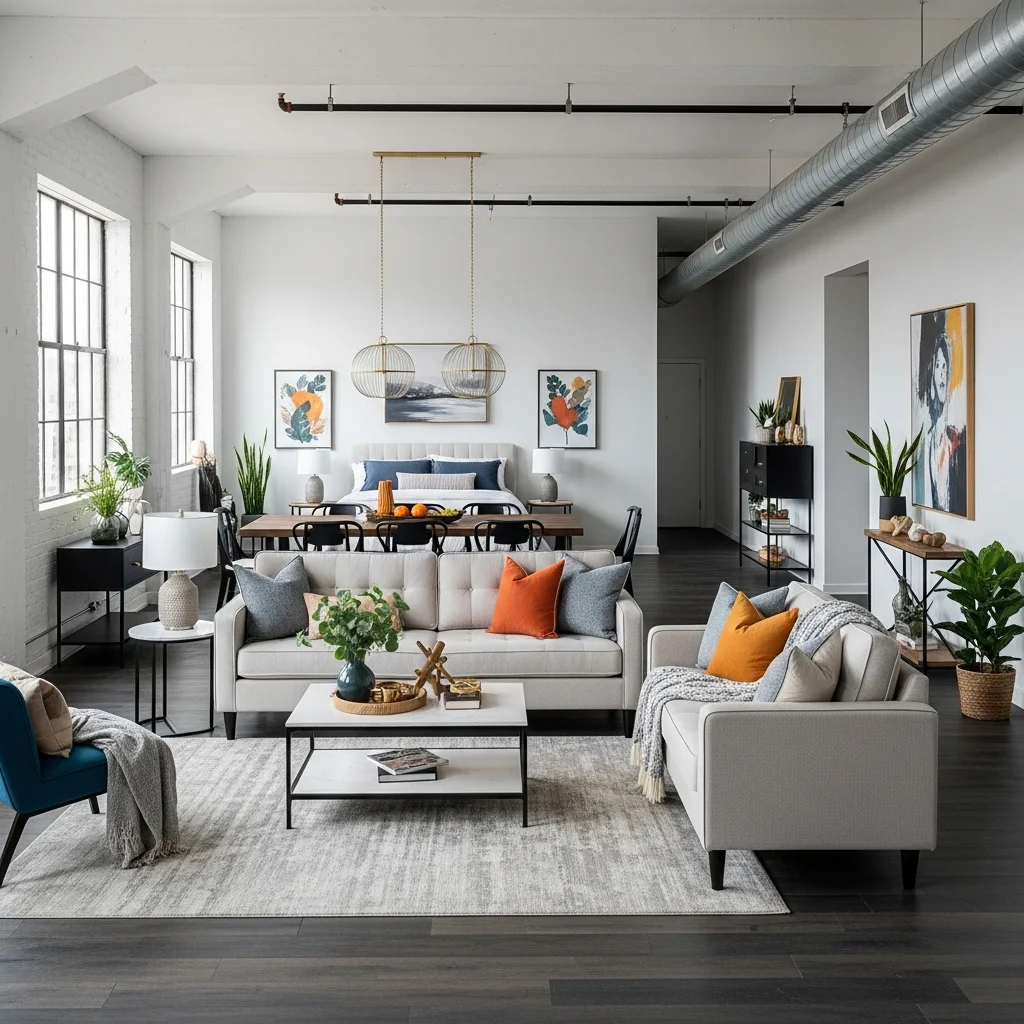
A consistent color scheme ties together open spaces and makes even budget furniture look more expensive and intentional. Without this unifying element, lofts can feel disjointed and chaotic despite having beautiful individual pieces.
Start with a neutral base for walls and large furniture items. White, gray, beige, or soft taupe create calm backgrounds that make spaces feel larger and brighter while allowing accent colors to shine. These neutrals also provide flexibility as your style evolves, since changing accent colors costs far less than replacing major furniture pieces.
Select two or three accent colors that appear throughout your loft in smaller, easily changeable items like throw pillows, artwork, plants, and decorative accessories. This repetition creates visual flow that guides the eye through your space and makes everything feel connected.
Consider the mood you want to create when choosing colors. Cool blues and greens feel calming and serene, making them ideal for bedroom areas. Warm oranges, reds, and yellows energize spaces and work well in social areas like living and dining zones. Neutrals with black accents create sophisticated, gallery-like environments.
Don’t feel pressured to introduce every color you love into your space. Restraint creates sophistication, while too many colors feel chaotic and unfocused.
Add Warmth Through Textiles
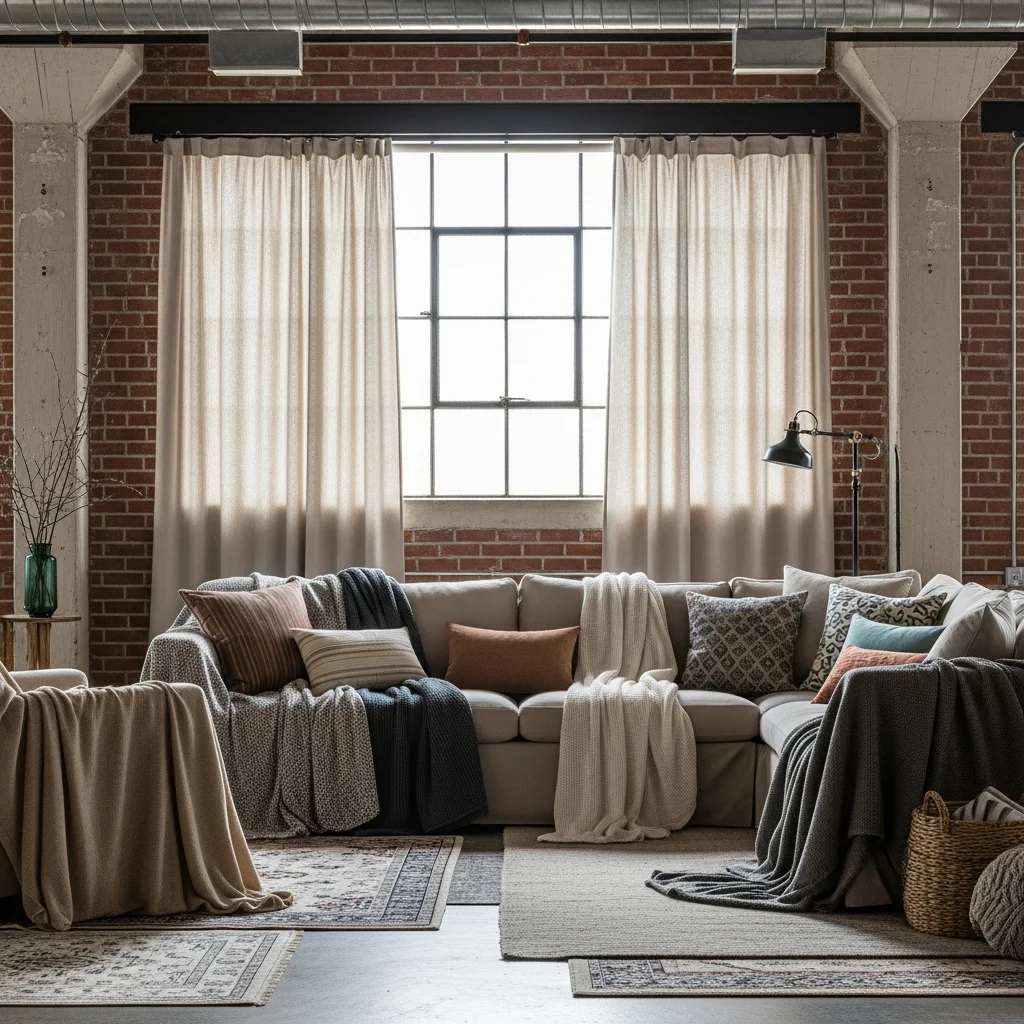
Hard surfaces dominate loft spaces. Concrete floors, exposed brick, metal fixtures, and large windows create the industrial aesthetic many people love, but these elements can feel cold without softening touches. Textiles provide the warmth and comfort that transform lofts from stylish to livable.
Layer throw blankets over sofas and chairs in colors and textures that complement your palette. These pieces cost little but make significant visual and tactile impact. Drape blankets casually rather than folding them precisely for a relaxed, lived-in look.
Throw pillows work similarly, adding pops of color, pattern, and texture to seating areas. Mix different sizes, shapes, and patterns for visual interest. Changing pillow covers seasonally refreshes your space without requiring major investment.
Window treatments soften hard architectural lines while providing privacy and light control. Simple curtain panels in neutral fabrics work in virtually any style and cost significantly less than custom treatments. Hang curtains close to the ceiling and let them puddle slightly on the floor to emphasize your loft’s height.
Add texture underfoot with layered rugs. Place smaller rugs over larger neutral ones to create depth and visual interest. This technique allows you to introduce pattern and color without committing to one large expensive rug.
Create Gallery Walls
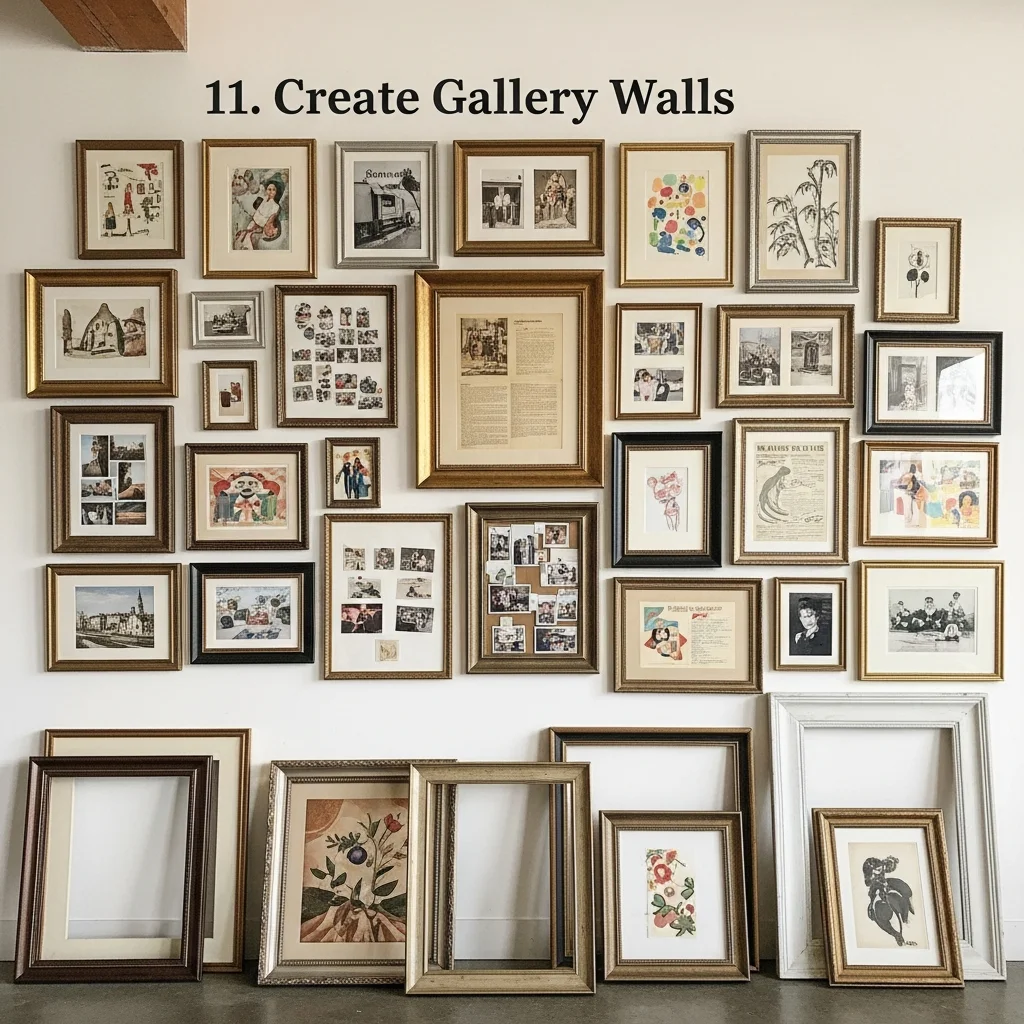
Large, empty walls in lofts can feel imposing, but filling them doesn’t require expensive artwork. Gallery walls create focal points and visual interest using items you likely already own or can acquire inexpensively.
Start by collecting frames from thrift stores, yard sales, or discount retailers. Mix different sizes, finishes, and styles for an eclectic, collected-over-time look. Spray paint mismatched frames in a unified color if you prefer a more cohesive appearance.
Fill frames with anything meaningful or visually interesting. Print your own photography, frame pages from vintage books or magazines, display postcards or greeting cards, or create simple abstract art yourself. The key is selecting images and objects that tell your story rather than filling walls with generic prints that lack personal significance.
Lay out your gallery wall on the floor before hammering nails into walls. This allows you to experiment with arrangements until you find one that feels balanced and intentional. Take a photo of your final layout for reference when hanging pieces.
For renters concerned about wall damage, consider leaning large frames against walls on floors or on shelves rather than hanging them. This creates a similar visual impact without permanent holes.
Maximize Natural Light
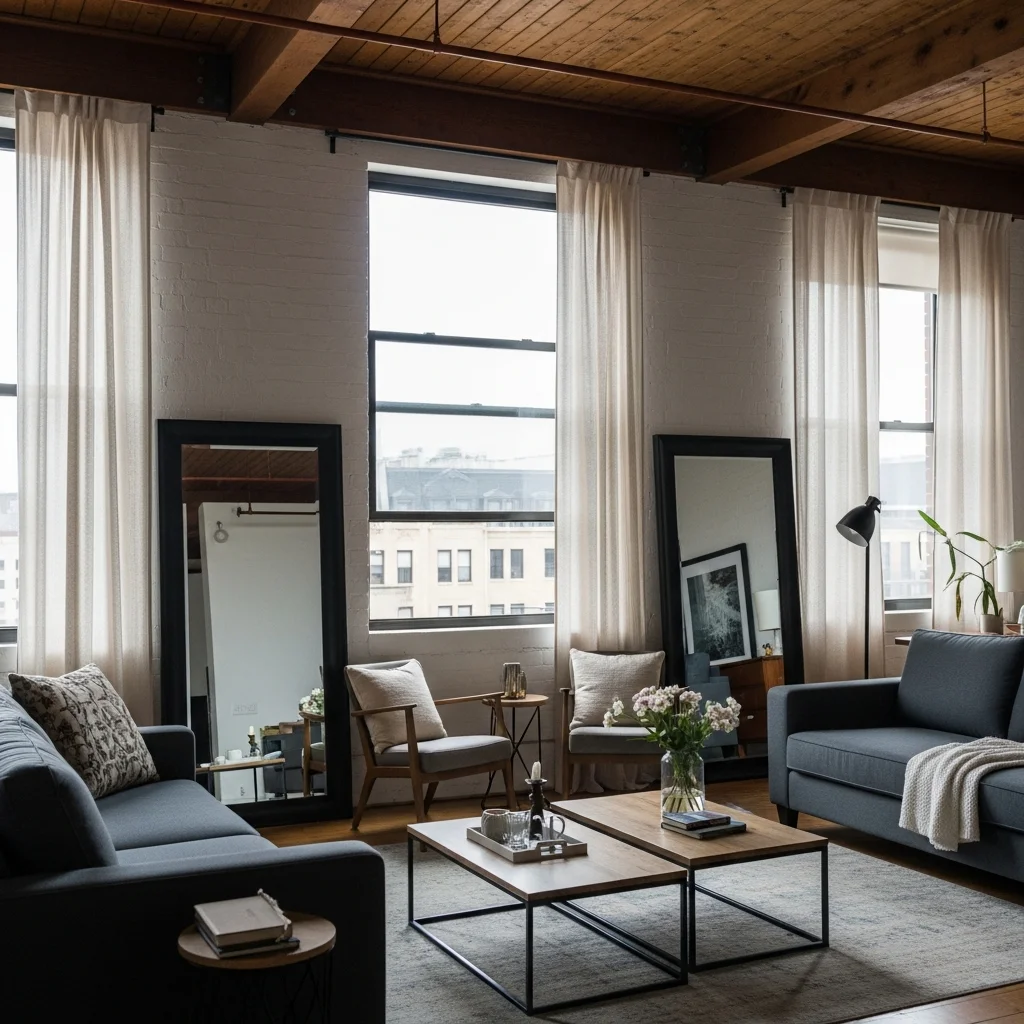
Large windows typically flood lofts with natural light, which costs nothing but dramatically impacts how spaces look and feel. Maximizing this free resource requires strategic choices about window treatments and furniture placement.
Keep window treatments minimal to allow maximum light entry. Sheer curtains provide privacy while filtering rather than blocking daylight. If blackout capability matters for bedroom areas, use curtains on tracks that you can fully open during the day.
Position mirrors opposite or adjacent to windows to bounce light deeper into your loft. Large mirrors make rooms feel bigger while multiplying available natural light. Shop for mirrors at discount stores or find vintage options at secondhand shops.
Keep furniture low near windows to avoid blocking light flow. Place seating with backs toward windows rather than facing them to prevent glare while still benefiting from natural illumination.
Clean windows regularly to ensure maximum light transmission. This simple maintenance task costs nothing but makes a noticeable difference in how bright your space feels.
Design an Efficient Workspace
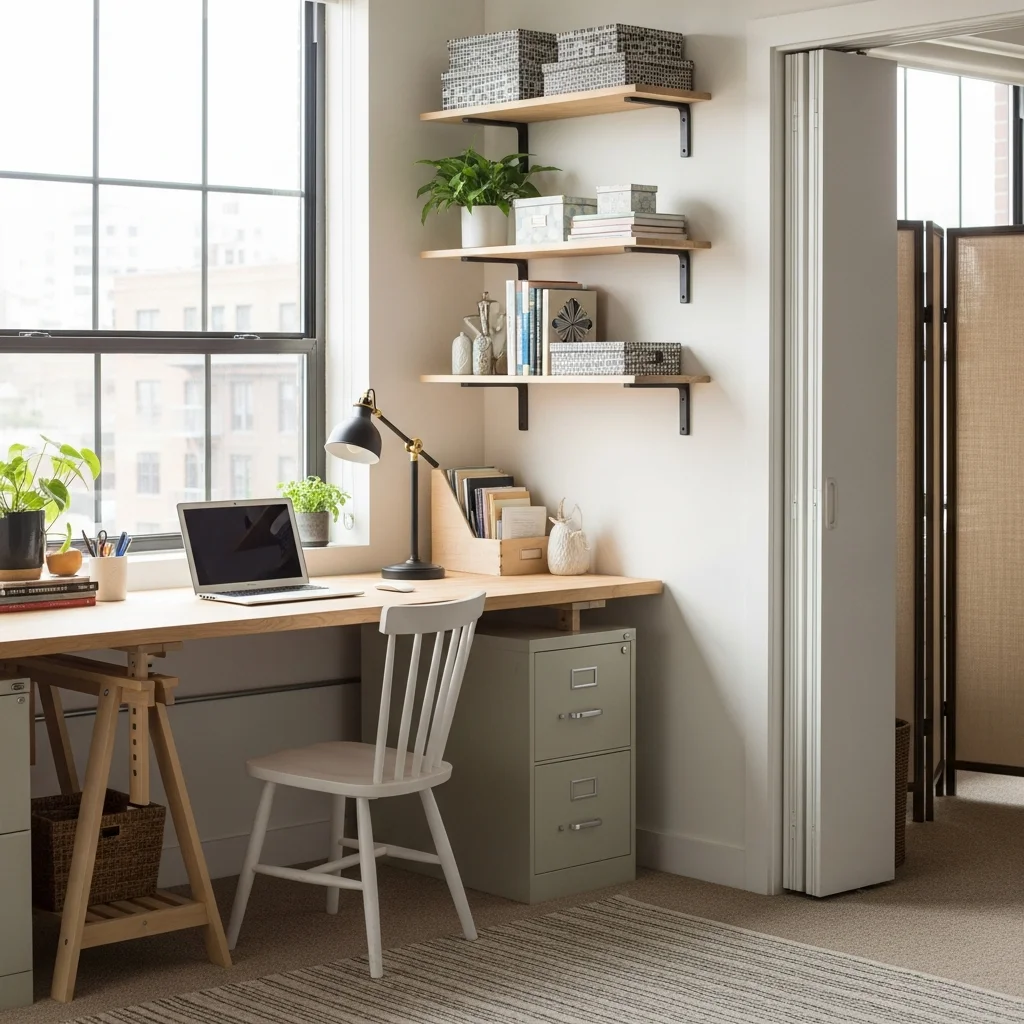
Many loft dwellers work from home, making dedicated workspace essential for productivity. Creating a functional office area doesn’t require expensive furniture or extensive square footage.
Position your desk near windows to take advantage of natural light, which reduces eye strain and improves mood. If this isn’t possible, ensure you have adequate task lighting at your workspace.
A simple desk meets most needs without breaking budgets. Shop secondhand for solid wood desks, or create your own using a door slab, butcher block countertop, or even a simple piece of lumber supported by filing cabinets or sawhorses.
Floating shelves above desks provide storage without consuming floor space. Use decorative boxes, baskets, or bins to conceal office supplies while keeping essentials accessible.
Position your workspace in a corner or against a wall to leave central loft areas open for living. If your budget allows, add a folding screen or curtain to visually separate work from relaxation when the day ends.
Incorporate Personal Collections
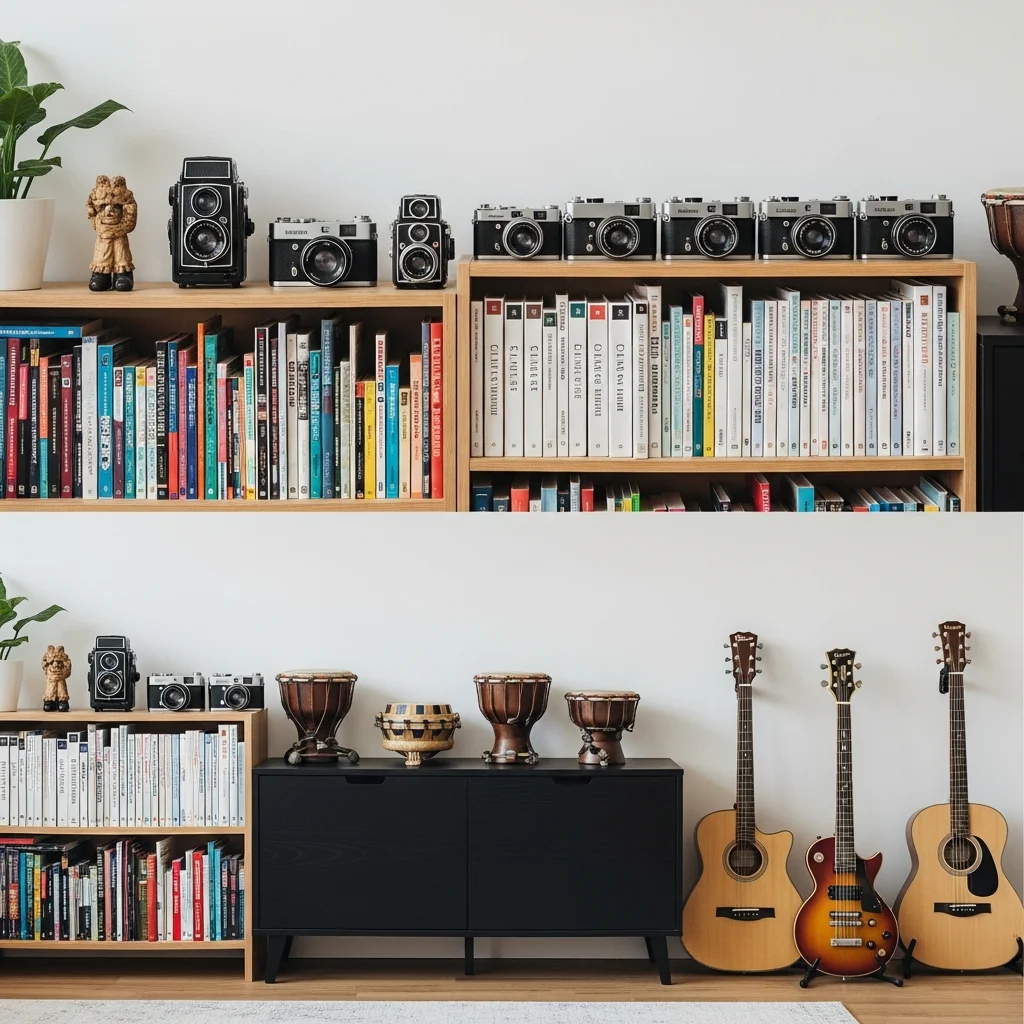
Displaying collections transforms ordinary objects into intentional decor while costing nothing beyond what you already own. Books, vinyl records, vintage cameras, musical instruments, sports equipment, or any items you’ve gathered over time become conversation pieces when thoughtfully displayed.
Group similar items together for impact rather than scattering them throughout your space. This curated approach looks sophisticated and intentional. Books arranged by color create rainbow displays that function as artwork. Vintage cameras lined up on a shelf become sculptural objects.
Use open shelving to display collections rather than hiding them in cabinets. The goal is celebrating what makes you unique while filling your loft with objects that hold meaning and history.
Rotate collections seasonally to keep your space feeling fresh without purchasing new items. This approach also prevents collections from becoming invisible background elements you no longer notice.
Try Simple DIY Projects
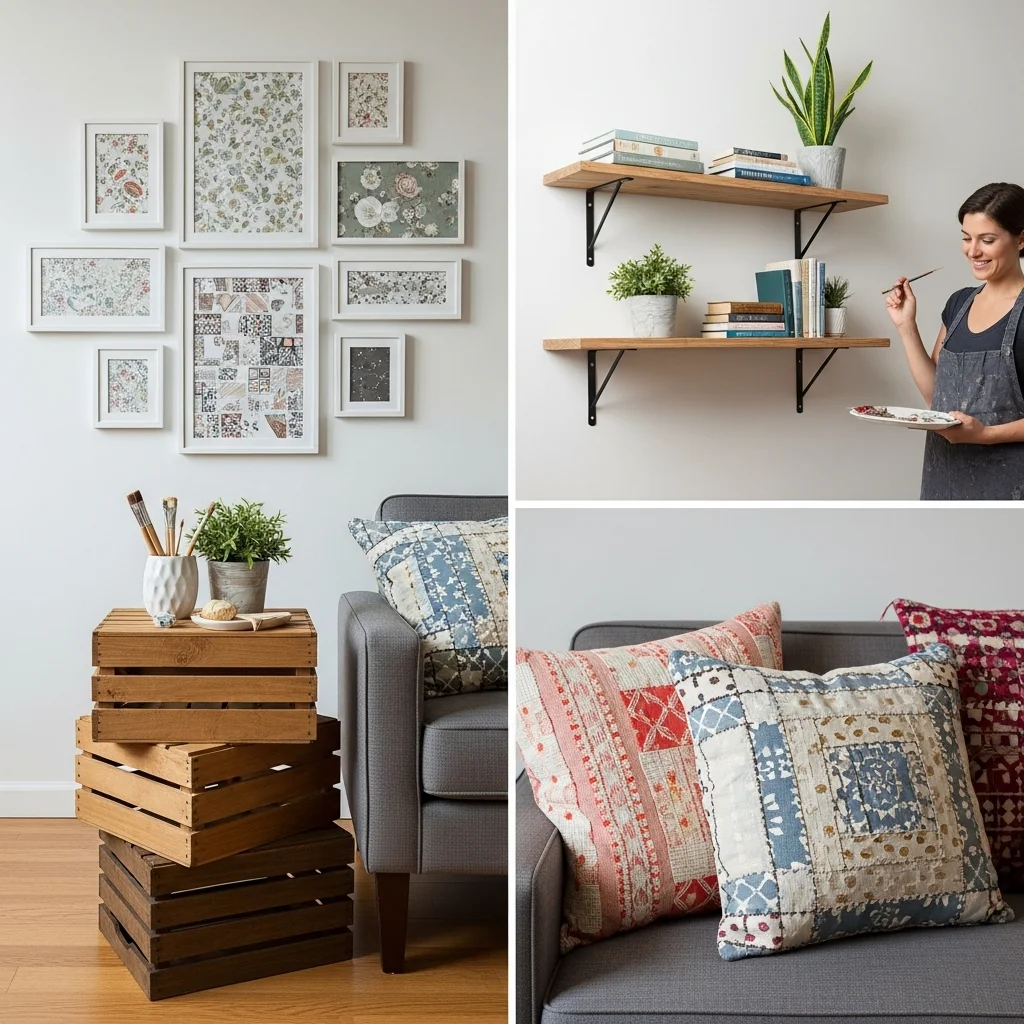
Creating your own decorative elements costs less than purchasing ready-made items while ensuring your loft looks unlike anyone else’s. Many DIY projects require minimal skills but deliver impressive results.
Frame fabric remnants, wallpaper samples, or scrapbook paper for instant affordable art. Choose fabrics or papers in your color palette and frame them in matching frames for a cohesive gallery wall.
Build simple floating shelves from lumber and brackets. This costs significantly less than purchasing ready-made shelving while allowing you to customize dimensions perfectly for your space.
Transform wooden crates into side tables, nightstands, or storage cubes. Stack them, stain them, or paint them to create custom pieces that suit your needs.
Create your own throw pillow covers by sewing simple envelope-back covers from fabric remnants or thrifted materials. This allows you to have multiple pillow covers that you can change seasonally without significant expense.
Online tutorials walk you through countless beginner-friendly projects. Start simple to build confidence and skills, then tackle more complex projects as you become comfortable with basic techniques.
Focus on Statement Pieces
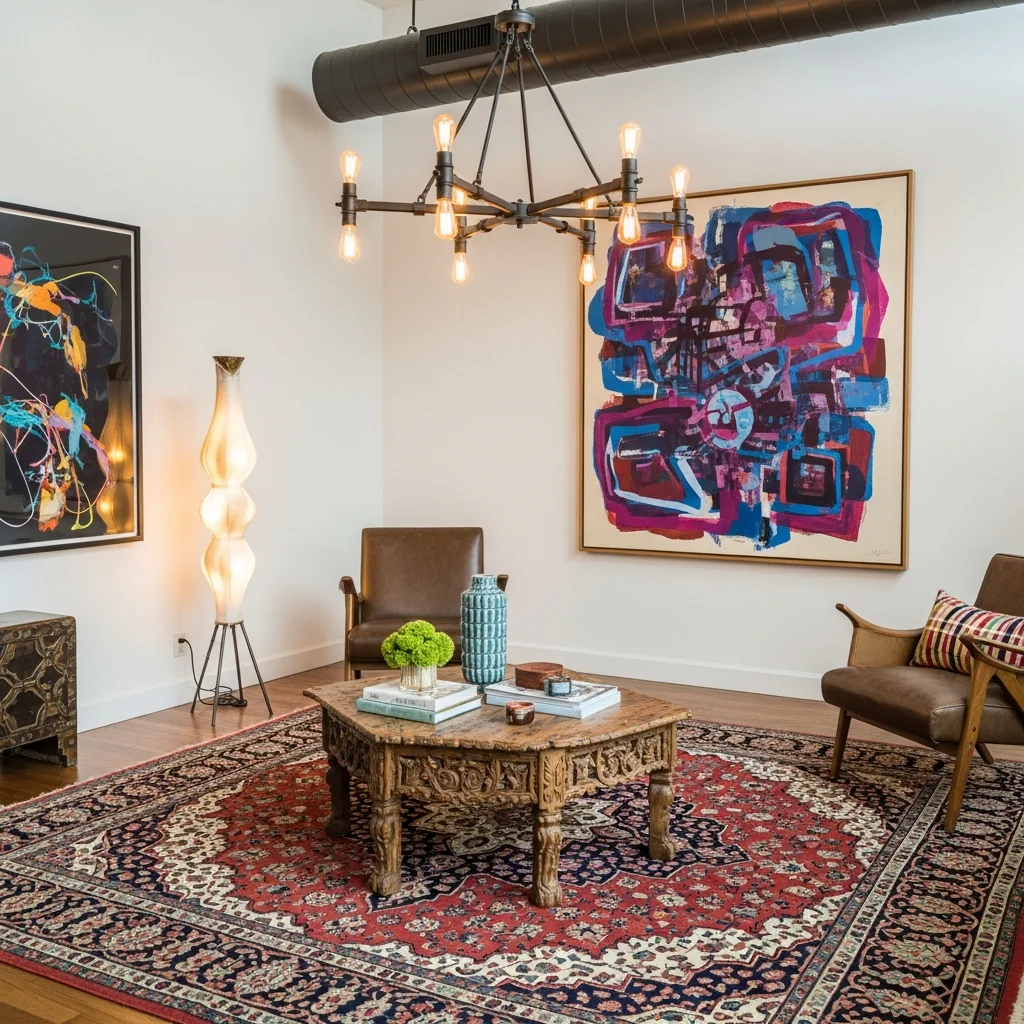
Rather than filling your loft with many mediocre items, invest in fewer statement pieces that anchor your space and reflect your personality. This approach costs less overall while creating more impact.
One beautiful vintage rug makes more difference than several cheap ones. A unique piece of furniture discovered at an estate sale becomes a conversation starter that grounds your living area. An oversized piece of artwork creates a focal point that draws the eye and sets the tone for your entire space.
Statement lighting fixtures particularly suit loft spaces with high ceilings. Industrial pendant lights, Edison bulb chandeliers, or sculptural floor lamps become functional art pieces that define your aesthetic.
When shopping for statement pieces, prioritize quality and uniqueness over quantity. It’s better to slowly acquire pieces you truly love than quickly fill your space with items that don’t excite you.
Practice Patience

Perhaps the most budget-friendly decorating advice involves patience. Resist the urge to furnish and decorate your loft immediately upon moving in. Living in your space for several weeks reveals how you actually use different areas, which furniture pieces you genuinely need, and which decorative elements would bring the most joy.
This waiting period prevents expensive mistakes and impulse purchases that don’t suit your lifestyle. As you live in your loft, keep a running list of priorities based on actual needs rather than imagined ones.
Save images of lofts you admire to identify common elements that appeal to you. This research phase clarifies your personal style and helps you shop more effectively when you do make purchases.
Remember that the best spaces develop over time. Each carefully chosen piece, DIY project, and thoughtful arrangement contributes to a home that genuinely reflects who you are rather than looking like a catalog.
Bringing Your Vision to Life
Creating a beautiful loft on a budget requires creativity, resourcefulness, and strategic thinking, but the results can rival professionally designed spaces that cost exponentially more. The key lies in understanding fundamental design principles, maximizing your loft’s existing strengths, and making intentional choices that reflect your personality and lifestyle.
Budget constraints often lead to more interesting, personalized spaces than unlimited funds would produce. The process of hunting for perfect secondhand pieces, completing DIY projects, and gradually building your collection creates investment and attachment that instant gratification cannot match. Each item in your loft has a story, whether it’s the vintage bookcase you refinished yourself, the artwork you created, or the rug you discovered at an estate sale.
Your loft has tremendous potential waiting to be unlocked. The open floor plan, high ceilings, and architectural character provide an exceptional canvas for your creativity. By implementing these budget-friendly ideas and adapting them to your specific space and style, you’ll create a home that feels both sophisticated and personal. Start with changes that excite you most, build gradually, and trust the process. Your stylish loft is well within reach, regardless of your budget.
Frequently Asked Questions
What is the cheapest way to divide a loft space?
Curtains hung from ceiling-mounted tracks offer the most affordable space division method, costing far less than building walls or purchasing expensive room dividers. Area rugs and strategic furniture placement also create effective zones without any installation requirements, making them ideal for renters.
How much does it typically cost to furnish a basic loft?
You can furnish a functional loft for between 800 and 2000 dollars by shopping secondhand, focusing on essential pieces first, and spreading purchases over several months. Prioritize a bed, sofa, dining table, and basic lighting, then add decorative elements gradually as budget allows.
What furniture works best in small lofts?
Multi-functional furniture delivers the best value in small lofts. Storage ottomans, nesting tables, sofa beds, and dining tables with drop leaves provide flexibility while minimizing space consumption. Choose pieces scaled appropriately for your space rather than oversized furniture that overwhelms the area.
How do you make a loft feel cozy instead of cold?
Layer textiles including throw blankets, pillows, curtains, and area rugs to soften hard industrial surfaces. Add warm lighting from multiple sources rather than relying on overhead fixtures, incorporate plants to bring in natural elements, and use warm colors in your accent pieces to create inviting atmosphere.
Should you paint exposed brick in a loft?
Generally avoid painting exposed brick since it provides valuable character and texture that’s expensive to replicate. If brick looks dingy, clean it thoroughly instead. If you must lighten it, consider whitewashing rather than solid paint, which allows brick texture to remain visible while brightening the wall.