Low-Maintenance Gardens: Professional Design Secrets
Creating a beautiful garden should bring joy rather than endless weekend obligations. The modern homeowner wants an outdoor space that looks professionally designed without demanding constant attention. Professional garden designers have spent years perfecting techniques that deliver stunning results while dramatically reducing maintenance requirements. These proven strategies transform ordinary yards into sophisticated landscapes that practically care for themselves.
The secret behind truly successful low-maintenance gardens lies not in cutting corners but in making strategic decisions during the planning phase. Every element from soil preparation to plant selection works together to create a self-sustaining ecosystem. Understanding how professional designers approach these projects reveals a methodology that homeowners can apply to their own spaces, regardless of size or budget . Learn essential site assessment techniques for low-maintenance gardens including soil analysis, sun exposure evaluation, and microclimate identification to ensure successful landscape design planning.
Start with Strategic Planning and Site Assessment
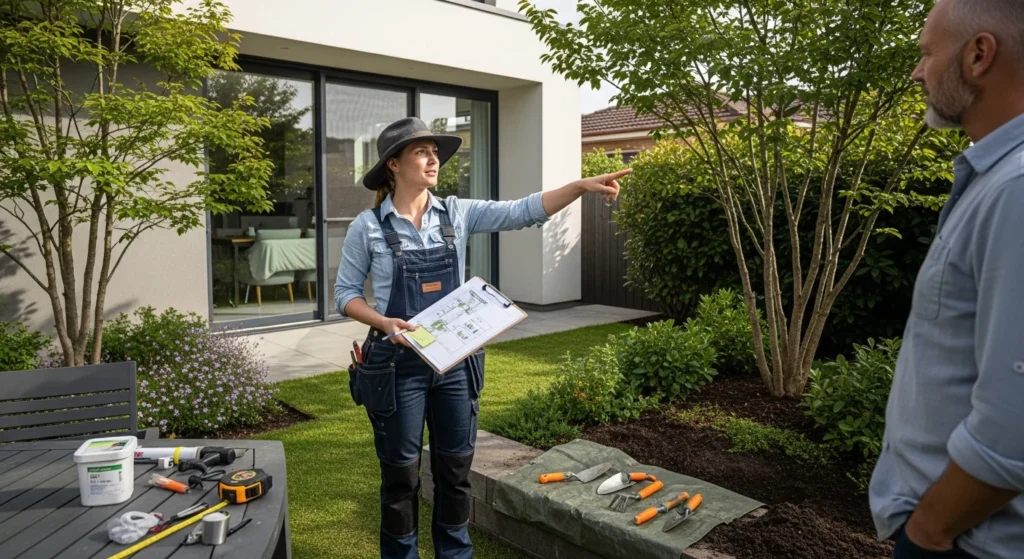
Professional designers never begin a project without thorough site analysis. This critical first step prevents costly mistakes and establishes realistic expectations for what will thrive in your specific location. Walk through your property at different times throughout the day, noting where sunlight falls during morning, midday, and evening hours. Observe which areas remain shaded, where water tends to collect after rain, and which spots feel exposed to harsh winds.
Understanding your soil composition determines plant success more than any other factor. Take samples from various locations across your property at spade depth. Sandy soils drain quickly but require more frequent watering, while clay soils hold moisture longer but may need amendments for proper drainage. Testing soil pH reveals whether you have acidic, neutral, or alkaline conditions, information that guides appropriate plant selections.
Consider the microclimate within your garden boundaries. Large trees create dry shade underneath their canopies, competing for moisture and nutrients. South-facing walls generate heat pockets perfect for Mediterranean plants, while north-facing areas stay consistently cool. Identifying these variations allows you to match plants to conditions where they naturally excel, eliminating the need for constant intervention.
Document existing features worth preserving and problem areas requiring solutions. Perhaps a corner receives no sunlight and stays perpetually damp, or maybe a slope creates erosion concerns. Professional designers view challenges as opportunities to implement targeted solutions rather than fighting against natural site conditions.
Master the Art of Hardscaping Integration
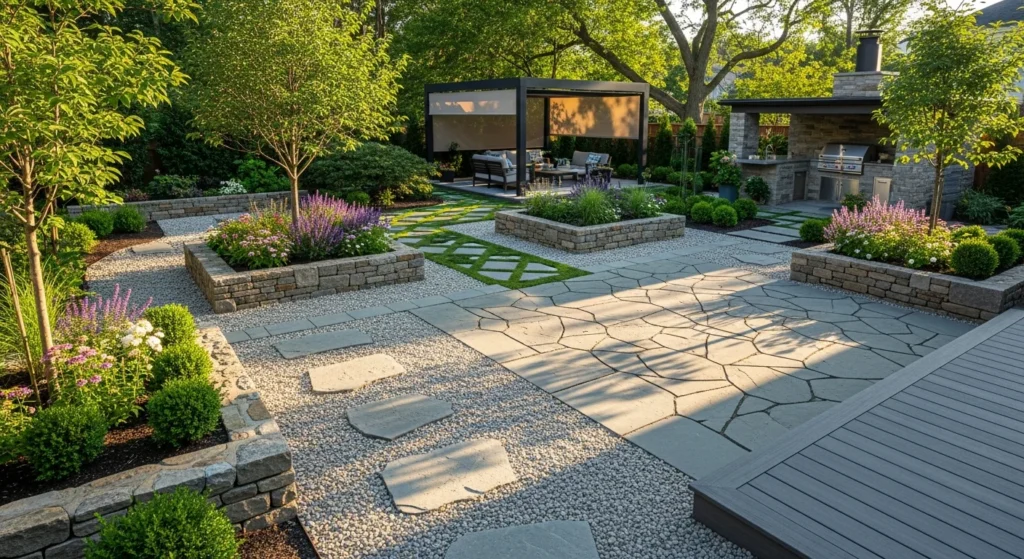
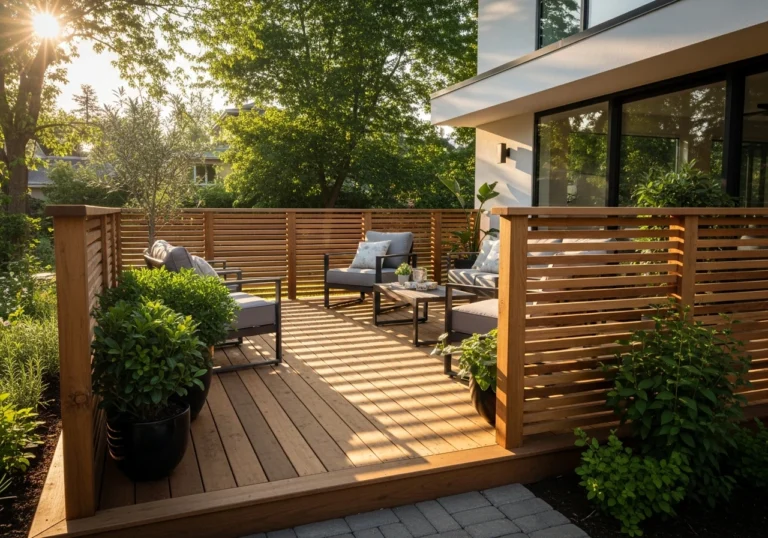
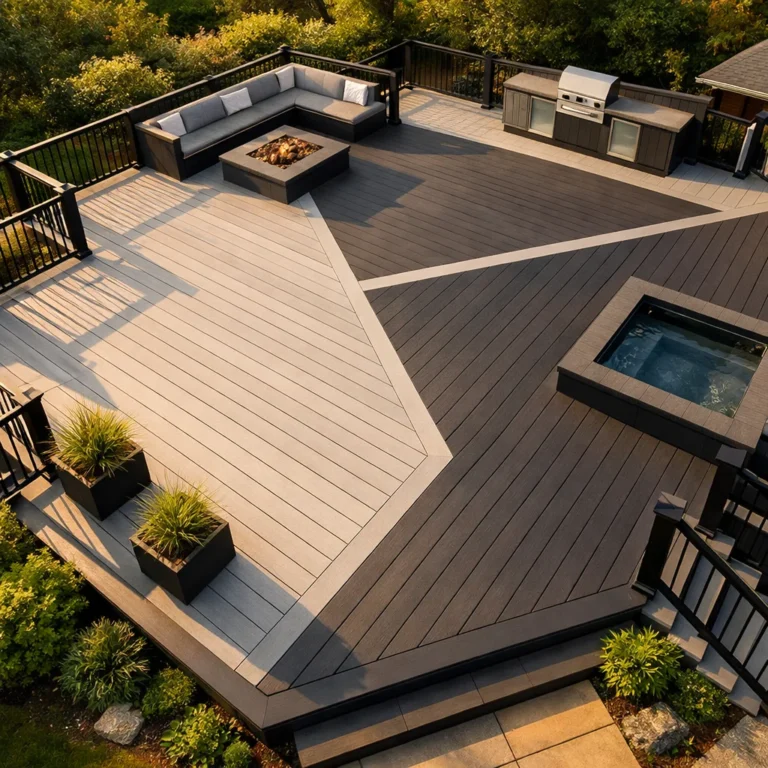
Permanent structures form the backbone of low-maintenance garden design. Patios, decks, pathways, and terraces reduce the overall area requiring plant care while adding functional outdoor living space. These elements need minimal upkeep compared to lawns and flower borders, yet they provide year-round visual interest and usability.
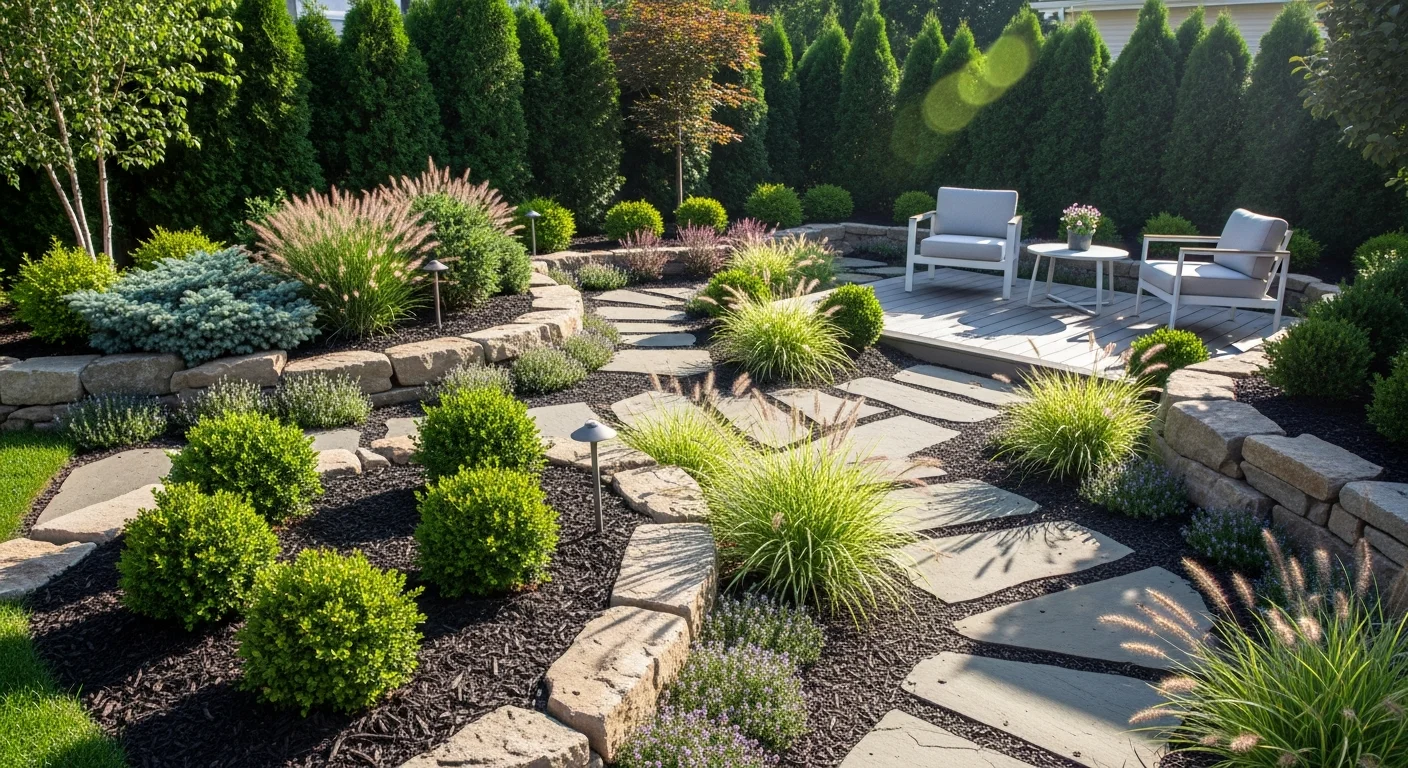
Select materials based on longevity and maintenance requirements rather than initial cost alone. Composite decking eliminates the need for annual staining and sealing that wood demands. Permeable pavers allow rainwater infiltration while providing stable walking surfaces that resist settling and shifting. Natural stone develops an attractive patina over time without requiring regular cleaning or treatments.
Create generous patio spaces that serve multiple purposes throughout the seasons. A well-designed outdoor living area accommodates dining furniture, conversation groupings, and container displays. The square footage dedicated to hardscaping directly correlates with reduced maintenance obligations, as these surfaces require only occasional sweeping and washing.
Incorporate pathways that connect different garden zones while preventing soil compaction from foot traffic. Gravel paths offer affordable, permeable solutions that drain well and suppress weeds when properly installed over landscape fabric. Stepping stones set within ground cover plants create visual interest while minimizing paved surfaces for a softer aesthetic.
Build raised beds using durable materials like stone, brick, or composite lumber. These structures improve drainage, warm soil earlier in spring, and reduce bending during planting and weeding. Raising beds to comfortable working heights makes garden tasks physically easier, encouraging regular attention before small problems become overwhelming.
Choose Plants Like a Professional Designer
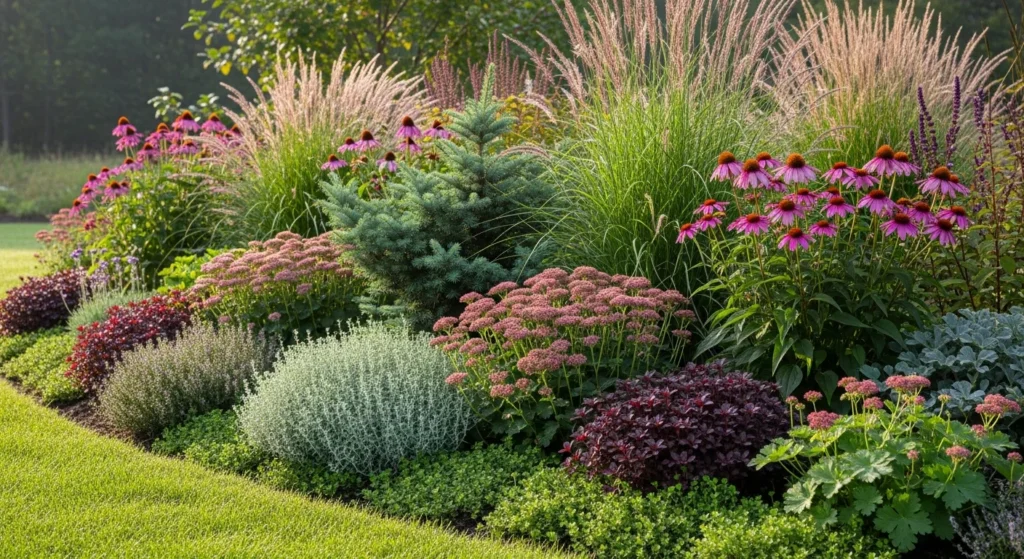
Plant selection separates amateur attempts from professional results. Experienced designers prioritize varieties offering multiple seasons of interest, requiring minimal pruning, and demonstrating proven resilience in local conditions. This approach creates gardens that look intentional and polished throughout the entire year.
Native plants deserve serious consideration for any low-maintenance gardens scheme. These species evolved alongside local climate patterns, rainfall distribution, and pest populations. Once established, native plants develop extensive root systems that access deep moisture reserves, dramatically reducing irrigation needs. They naturally resist local pests and diseases without chemical interventions, and they provide essential habitat for beneficial insects, birds, and pollinators.
Evergreen shrubs provide permanent structure and year-round visual weight. Choose varieties with naturally compact growth habits that maintain attractive forms without constant shearing. Dwarf cultivars stay within bounds, eliminating the frustration of plants outgrowing their designated spaces. Look for selections like compact hollies, dwarf conifers, and small-leaved evergreen azaleas that deliver consistent performance.
Hardy perennials return year after year, building stronger root systems and more impressive displays with age. Select varieties known for extended bloom periods rather than brief flushes of flowers. Avoid high-maintenance perennials requiring staking, frequent division, or deadheading to remain presentable. Instead, embrace species with attractive seed heads that provide winter interest and food for birds.
Ornamental grasses bring movement, texture, and seasonal drama with virtually no maintenance. These workhorses require only annual cutback in late winter before new growth emerges. Varieties like Calamagrostis ‘Karl Foerster’ and Stipa tenuissima create stunning vertical elements that contrast beautifully with broadleaf perennials. Deciduous grasses turn golden in autumn, maintain their architectural forms through winter, then flush with fresh growth in spring.
Ground cover plants eliminate bare soil where weeds eagerly colonize. Dense mats of low-growing species like creeping thyme, ajuga, or sedums spread horizontally, shading out weed seeds before they germinate. These plants reduce erosion on slopes, soften pathway edges, and create living mulch that regulates soil temperature and moisture.
Rethink Your Relationship with Lawns
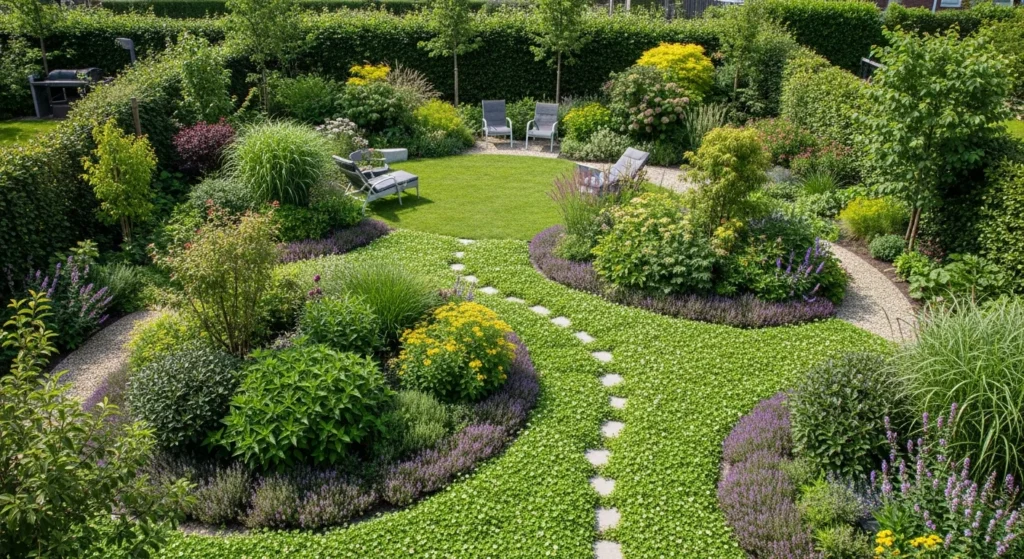
Traditional lawns rank among the highest maintenance landscape features. Weekly mowing, edging, fertilizing, aerating, dethatching, and constant watering consume significant time and resources. Professional designers increasingly recommend reducing or eliminating turf grass in favor of more sustainable alternatives.
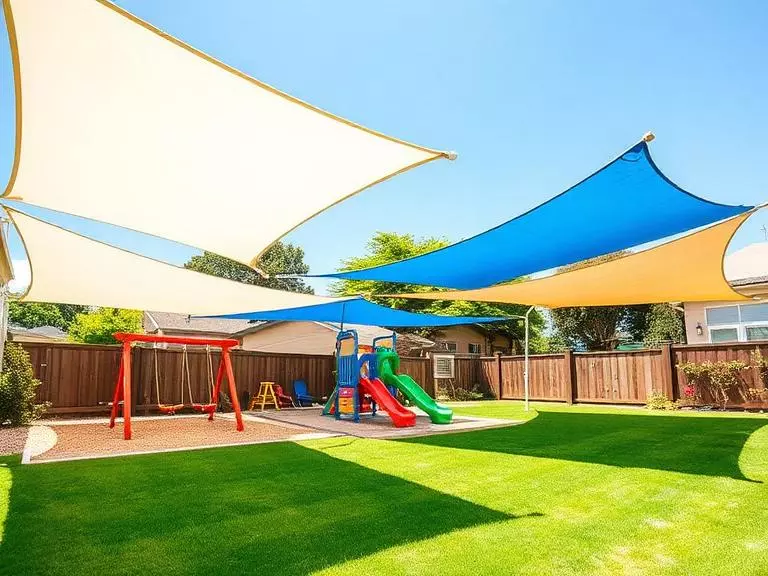
Shrinking lawn areas to functional sizes makes sense for most properties. Keep grass only where it serves a purpose such as children’s play space or pet areas. Replace ornamental lawn sections with mixed borders featuring layered plantings of shrubs, perennials, and ground covers. These beds require far less attention than equivalent lawn areas once properly established.
Consider lawn alternatives that eliminate mowing entirely. Clover lawns remain green during dry periods, fix nitrogen naturally, and require no fertilization. Sedge meadows create billowing, naturalistic groundcovers perfect for informal landscapes. Creeping thyme releases fragrance when walked upon while tolerating light foot traffic and staying under three inches tall.
For properties where lawn removal seems too drastic, install robotic mowers that handle cutting automatically. These devices quietly maintain grass height without human intervention, freeing weekends for enjoyment rather than yard work. Combine automated mowing with minimal lawn area for the best of both worlds.
Replace grass with mulched beds in areas where turf struggles. Shade under mature trees, narrow strips alongside foundations, and steep slopes all present challenges for healthy grass growth. Converting these problem zones to mulched planting beds or hardscaping eliminates frustration while improving overall landscape appearance.
Implement Professional Mulching Techniques
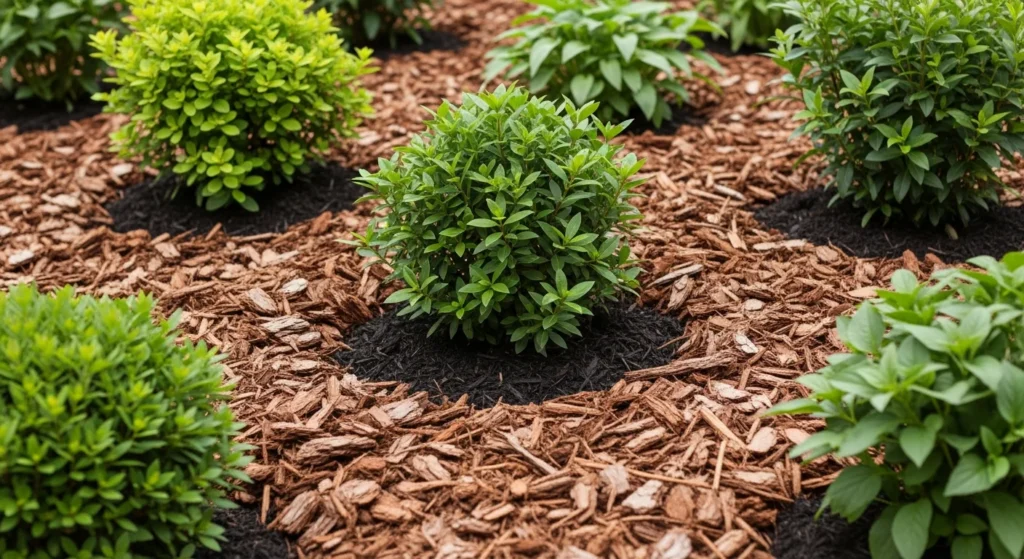
Mulch serves as one of the most powerful tools in low-maintenance garden design. This simple material suppresses weed growth, conserves soil moisture, regulates temperature extremes, and improves soil structure as it decomposes. Professional designers rely on proper mulching to reduce maintenance requirements throughout the growing season.
Apply organic mulches like shredded bark, wood chips, or pine needles in three-inch layers around plantings. This depth effectively blocks light from reaching weed seeds while allowing water and air penetration to plant roots. Refresh mulch annually or as needed to maintain adequate coverage as material breaks down.
Leave space around plant stems and tree trunks when spreading mulch. Piling material against bark creates moisture problems that encourage rot and pest issues. Create a slight depression around each plant to direct water toward root zones rather than allowing runoff.
Choose mulch colors and textures that complement your overall design aesthetic. Dark brown and black mulches provide dramatic contrast against foliage, while natural cedar and pine tones create softer, more organic appearances. Avoid dyed mulches that fade unevenly and may contain questionable additives.
Consider living mulches in the form of ground cover plants that perform the same functions as organic materials. These permanent solutions eliminate the need for annual mulch replacement while adding textural diversity and seasonal interest. Mass plantings of low-growing perennials create seamless carpets that suppress weeds naturally.
Design with Bold, Simple Planting Schemes
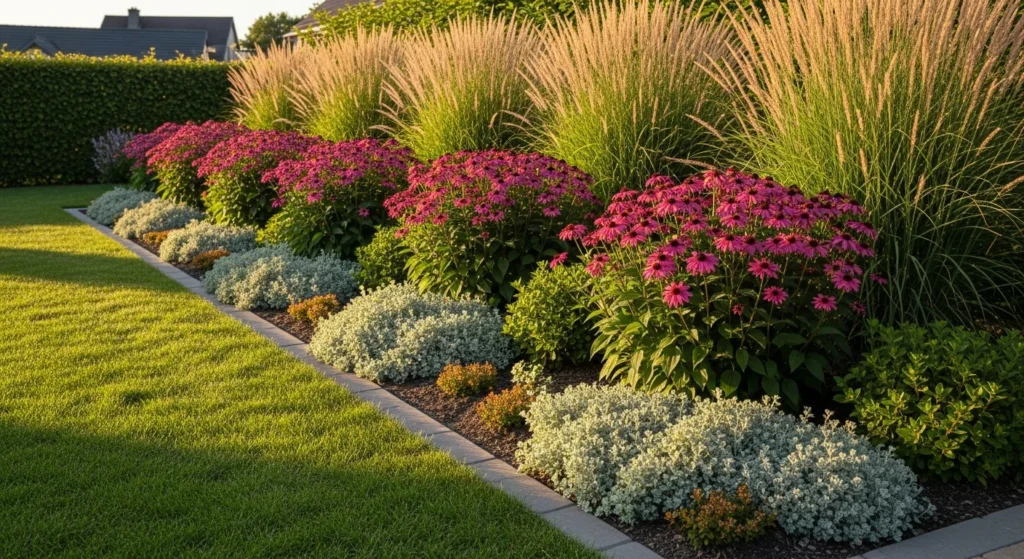
Professional designers create impact through repetition and restraint rather than excessive variety. Limiting the number of plant species while using each in generous groupings produces cohesive, polished results. This approach also simplifies maintenance since similar plants share care requirements.
Group plants in blocks or drifts of odd numbers for natural-looking arrangements. Five of one perennial variety creates stronger visual impact than five different species scattered throughout a bed. Repeat key plants throughout the garden to establish rhythm and unity, making the overall design feel intentional rather than haphazard.
Layer plantings by height to maximize visual interest while ensuring adequate sunlight reaches all tiers. Place taller shrubs and ornamental grasses toward the back of borders, medium-height perennials in the middle, and low ground covers along front edges. This classic approach creates depth and dimension while allowing each plant adequate growing space.
Choose plants with complementary textures and forms rather than relying solely on flower color. Bold, architectural specimens like yuccas or phormiums contrast beautifully with fine-textured grasses and airy perennials. Mixing leaf shapes and plant habits creates year-round interest that persists long after flowers fade.
Avoid the temptation to fill every square inch of bed space immediately. Professional designs allow room for plants to reach mature sizes without crowding. Temporary gaps can be filled with mulch or annual flowers while permanent plantings establish, but planning for mature dimensions prevents future maintenance issues.
Maximize Efficiency Through Smart Irrigation
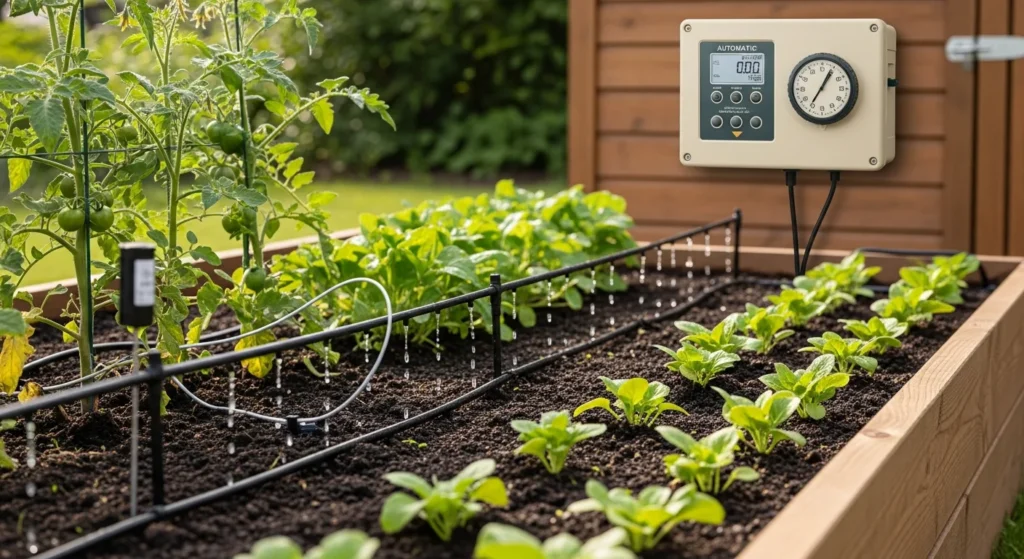
Water management significantly impacts garden maintenance requirements. Hand watering consumes substantial time and often results in inconsistent moisture levels. Professional installations incorporate efficient irrigation systems that deliver water precisely where needed while conserving resources.
Drip irrigation places water directly at plant root zones with minimal waste from evaporation or runoff. These systems operate automatically on timers, ensuring consistent moisture without daily attention. Installing drip lines during initial planting makes the system invisible while maximizing efficiency.
Group plants with similar water needs together in hydrozones. Drought-tolerant species occupy areas receiving minimal irrigation, while moisture-loving plants grow in zones receiving more frequent watering. This targeted approach prevents overwatering drought-adapted plants or stressing those requiring consistent moisture.
Rain sensors and soil moisture monitors prevent irrigation systems from operating during wet periods. These smart controls adjust watering schedules based on actual conditions rather than arbitrary timers, conserving water while maintaining optimal soil moisture.
Self-watering containers simplify maintenance for potted plants. Built-in reservoirs release water gradually as plants need it, eliminating daily watering chores while preventing both drought stress and oversaturation. These systems prove especially valuable for busy homeowners or during vacation periods.
Embrace Naturalistic Design Principles
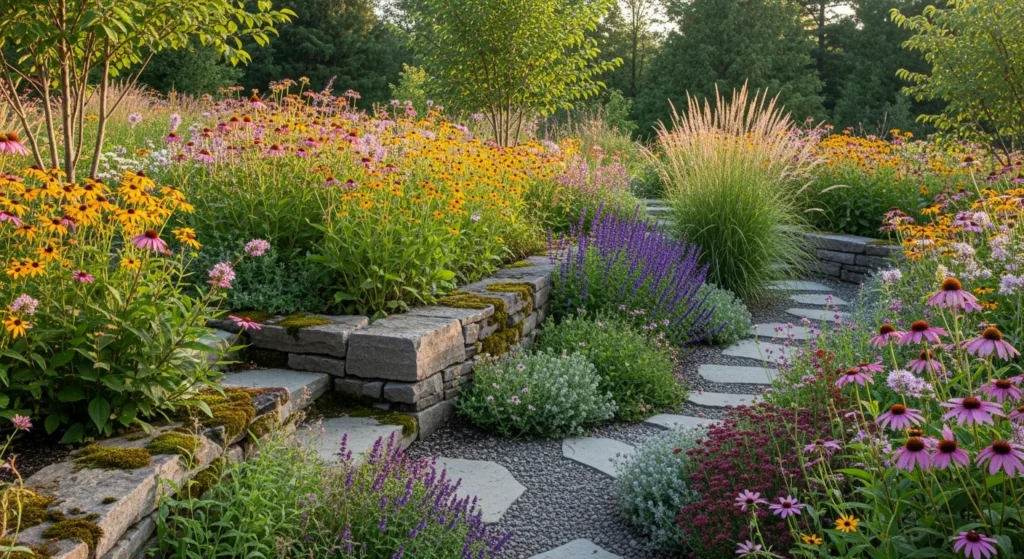
Fighting against natural site conditions creates endless maintenance obligations. Professional designers increasingly embrace naturalistic approaches that work with existing conditions rather than imposing artificial order. This philosophy produces resilient gardens requiring minimal intervention.
Allow plants to assume their natural forms rather than constantly shearing them into geometric shapes. Informal hedges and foundation plantings develop character and grace when permitted to grow according to their genetic programming. Select naturally compact varieties that maintain appropriate sizes without constant pruning.
Accept seasonal changes as part of garden beauty rather than problems requiring correction. Perennial foliage that yellows in autumn provides habitat for overwintering beneficial insects. Ornamental grass seed heads feed birds throughout winter. Leaving these elements in place until spring reduces fall cleanup while supporting local ecosystems.
Create meadow areas in portions of the property where formal gardens feel inappropriate. Native wildflower meadows require only annual mowing after seeds ripen, far less maintenance than traditional borders. These naturalistic plantings support pollinators while providing evolving beauty throughout growing seasons.
Incorporate natural stone and weathered wood elements that age gracefully rather than requiring preservation treatments. Allowing materials to develop patina creates authentic, timeless appeal that improves with age. This acceptance of natural processes reduces both maintenance and replacement costs over time.
Creating a truly low-maintenance garden requires upfront investment in thoughtful planning and quality materials. Professional designers understand that shortcuts during installation inevitably create ongoing maintenance burdens. By following these proven strategies, homeowners can achieve beautiful, sustainable landscapes that provide years of enjoyment with minimal effort. The goal is not eliminating all garden care but rather designing spaces where maintenance feels pleasurable rather than overwhelming. When plants thrive in appropriate conditions and systems function efficiently, garden care becomes a rewarding connection with nature rather than an endless chore list.
Conclusion
Creating a truly low-maintenance garden requires upfront investment in thoughtful planning and quality materials. Professional designers understand that shortcuts during installation inevitably create ongoing maintenance burdens. By following these proven strategies, homeowners can achieve beautiful, sustainable landscapes that provide years of enjoyment with minimal effort.
The transformation from high-maintenance yard to self-sustaining garden happens through deliberate choices at every stage. Strategic site assessment ensures plants match existing conditions rather than fighting against them. Generous hardscaping reduces plantable area while adding functional outdoor living space. Careful plant selection prioritizes native species, evergreens, and hardy perennials that thrive without constant intervention.
Reducing or eliminating traditional lawn areas offers one of the most significant maintenance reductions available to homeowners. Replacing turf with ground covers, mulched beds, or alternative lawn species cuts weekly mowing obligations while creating more interesting landscapes. Smart irrigation systems automate watering tasks, delivering moisture efficiently without daily attention.
Professional mulching techniques suppress weeds before they emerge, conserve soil moisture during dry periods, and improve soil structure as organic materials decompose. Bold, simple planting schemes using massed groupings create stronger visual impact than scattered collections of different species while simplifying care routines. Naturalistic design approaches that embrace seasonal changes and allow plants to assume natural forms reduce pruning and cleanup requirements.
The goal is not eliminating all garden care but rather designing spaces where maintenance feels pleasurable rather than overwhelming. When plants thrive in appropriate conditions and systems function efficiently, garden care becomes a rewarding connection with nature rather than an endless chore list. Weekend hours previously spent on obligatory tasks transform into optional moments of enjoyment, whether deadheading a favorite perennial, harvesting herbs, or simply relaxing in a beautiful space that largely cares for itself.
Success in low-maintenance gardening comes from working with nature rather than imposing unsustainable expectations on your landscape. Each strategic decision during the design phase pays dividends for years to come, creating outdoor spaces that enhance property value, support local ecosystems, and provide personal satisfaction without dominating your schedule. The principles outlined here apply equally to small urban courtyards and expansive suburban properties, proving that beautiful gardens and reasonable time commitments can coexist harmoniously.
Frequently Asked Questions
What is the most low-maintenance type of garden?
Contemporary gardens featuring native plants, generous hardscaping, and minimal lawn areas require the least maintenance. These designs emphasize permanent structures, evergreen shrubs, and drought-tolerant perennials that thrive with little intervention once established.
How can I reduce weeding in my low-maintenance garden?
Apply three-inch layers of organic mulch around plantings to block weed seed germination. Use ground cover plants to create living mulch that naturally suppresses weeds. Install landscape fabric under gravel paths and ensure planting beds have minimal bare soil.
Should I remove my lawn completely for low-maintenance garden?
Not necessarily. Reducing lawn to functional areas for specific uses while replacing ornamental turf with mixed borders or ground covers offers a practical compromise. Complete lawn removal works well for properties where grass serves no functional purpose beyond aesthetics.
What are the best low-maintenance garden & plants for beginners?
Hardy evergreen shrubs like holly, boxwood, and dwarf conifers provide year-round structure with minimal care. Perennials such as daylilies, sedums, and coneflowers return annually without replanting. Ornamental grasses need only annual cutback and thrive in various conditions.
How much time does a low-maintenance garden require?
Well-designed low-maintenance gardens typically need four to six hours of care monthly during growing season, primarily for seasonal cleanup, occasional weeding, and light pruning. This contrasts with traditional gardens requiring weekly attention for mowing, deadheading, and intensive maintenance tasks.