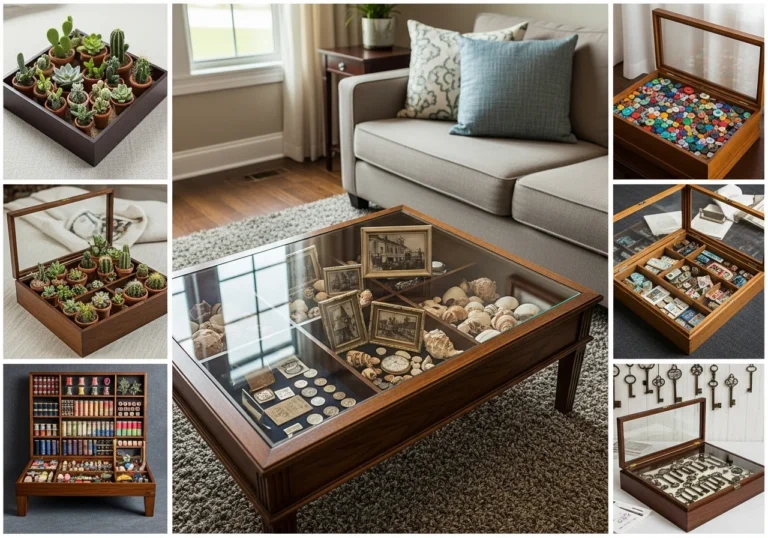
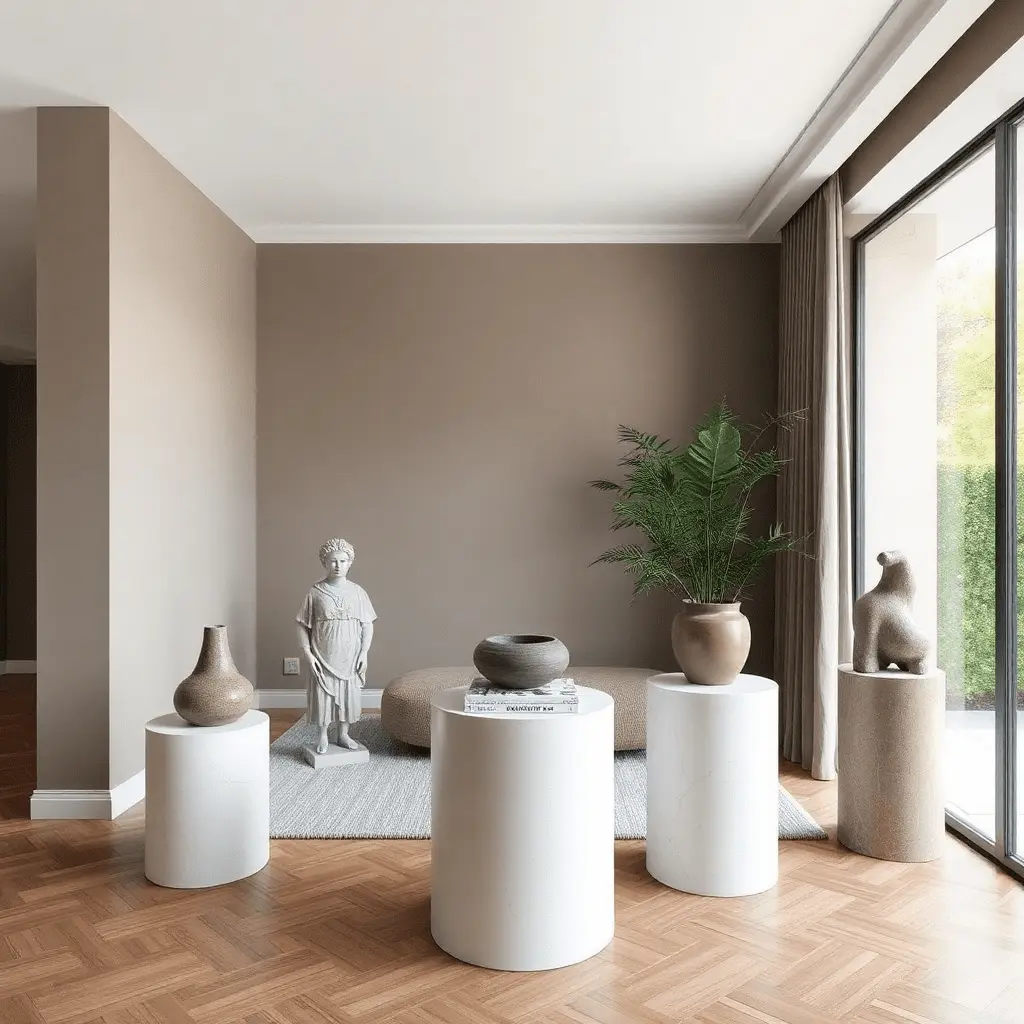
20+ creative Pedestal Decor Ideas for Modern Spaces
Introduction
There Pedestal Decor Ideas for Modern Spaces is a quiet confidence in the way a well-placed pedestal commands attention without demanding it. For centuries, pedestals have carried objects of significance, from ancient Greek sculptures to museum masterpieces, elevating them both physically and symbolically. Today, that same principle applies to modern home interiors. A pedestal is no longer reserved for grand galleries or formal estates. It has become one of the most versatile and underused tools in contemporary home decor, capable of transforming an empty corner into a curated moment, giving a humble plant the presence of a statement piece, or lending a sense of purpose to an overlooked room.
Whether you are working with a compact studio apartment or a sprawling open-plan home, pedestal decor ideas for modern spaces offer a surprisingly accessible way to introduce height, texture, material contrast, and visual interest into any room. This guide walks you through more than 20 creative ideas, organized by room, material, styling approach, and function, so you can find exactly what works for your space and aesthetic.
Why Pedestals Belong in Every Modern Home
Before diving into specific ideas, it helps to understand why interior designers consistently return to pedestals as a go-to design element. The answer lies in how the human eye experiences a room.
Most furniture in any given space occupies a narrow band of height. Sofas, tables, and consoles all sit at roughly similar levels. A pedestal disrupts that monotony. It pulls the eye upward and creates what designers call height variation, a technique that makes rooms feel more dynamic, intentional, and layered. Beyond height, pedestals introduce an additional surface for material storytelling, whether that means a raw concrete form against a soft linen backdrop, a warm oak column beside cool marble, or a sleek acrylic stand next to a handwoven textile.
Pedestals also carry a gallery quality that instantly elevates whatever rests on top of them. An ordinary vase becomes a sculptural object. A modest plant becomes a botanical installation. This transformation happens not because the object changed, but because the context around it did.
1.The Corner Moment: Filling Dead Space with Purpose
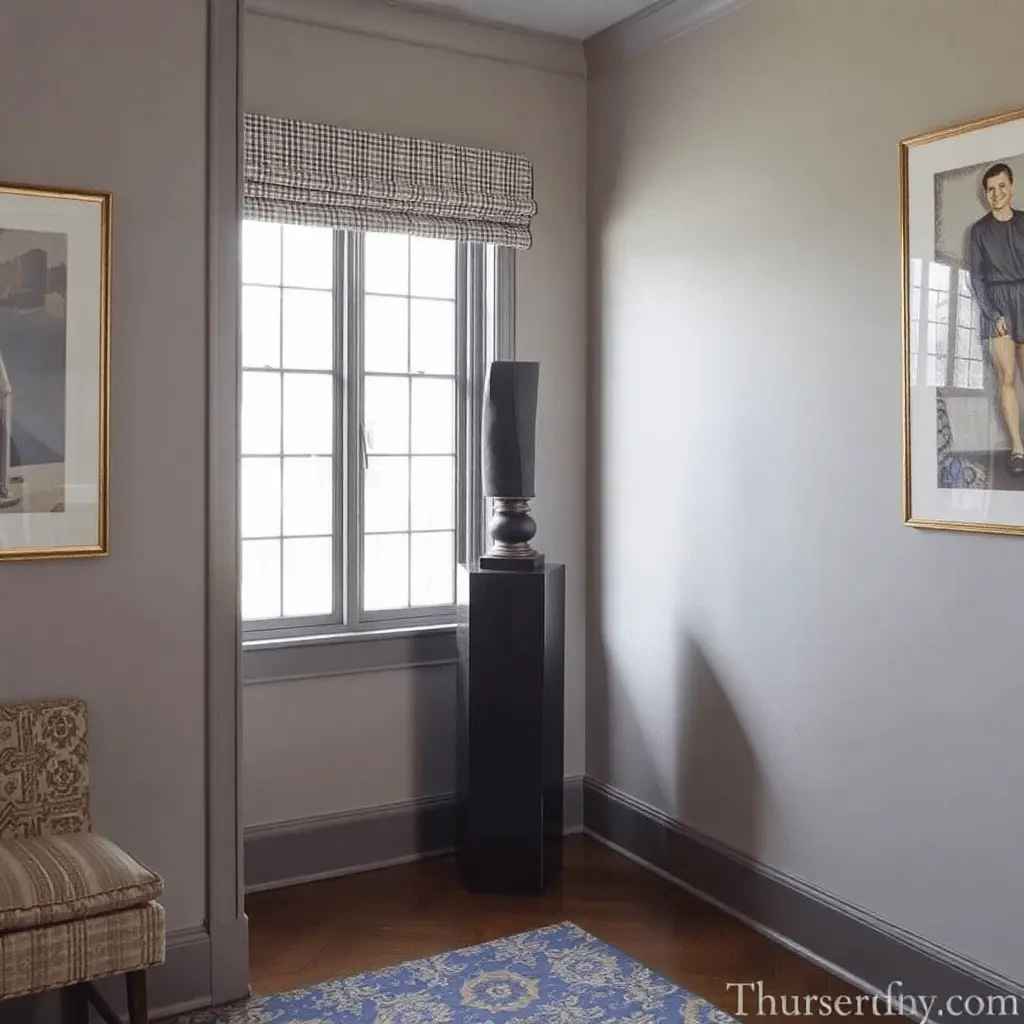
One of the most common challenges in interior design is the awkward corner, a space too narrow for furniture and too visible to ignore. A tall, slender pedestal placed in a corner with a single sculptural object on top is one of the most effective solutions available. Choose a pedestal with a slightly angular silhouette to contrast rounded furniture nearby, or opt for a cylindrical form to echo the curves of a sectional sofa. Top it with an oversized ceramic vase, a trailing pathos, or a piece of abstract sculpture, and the corner instantly becomes a destination rather than an afterthought.
2.The Living Room Pedestal as a Secondary Focal Point
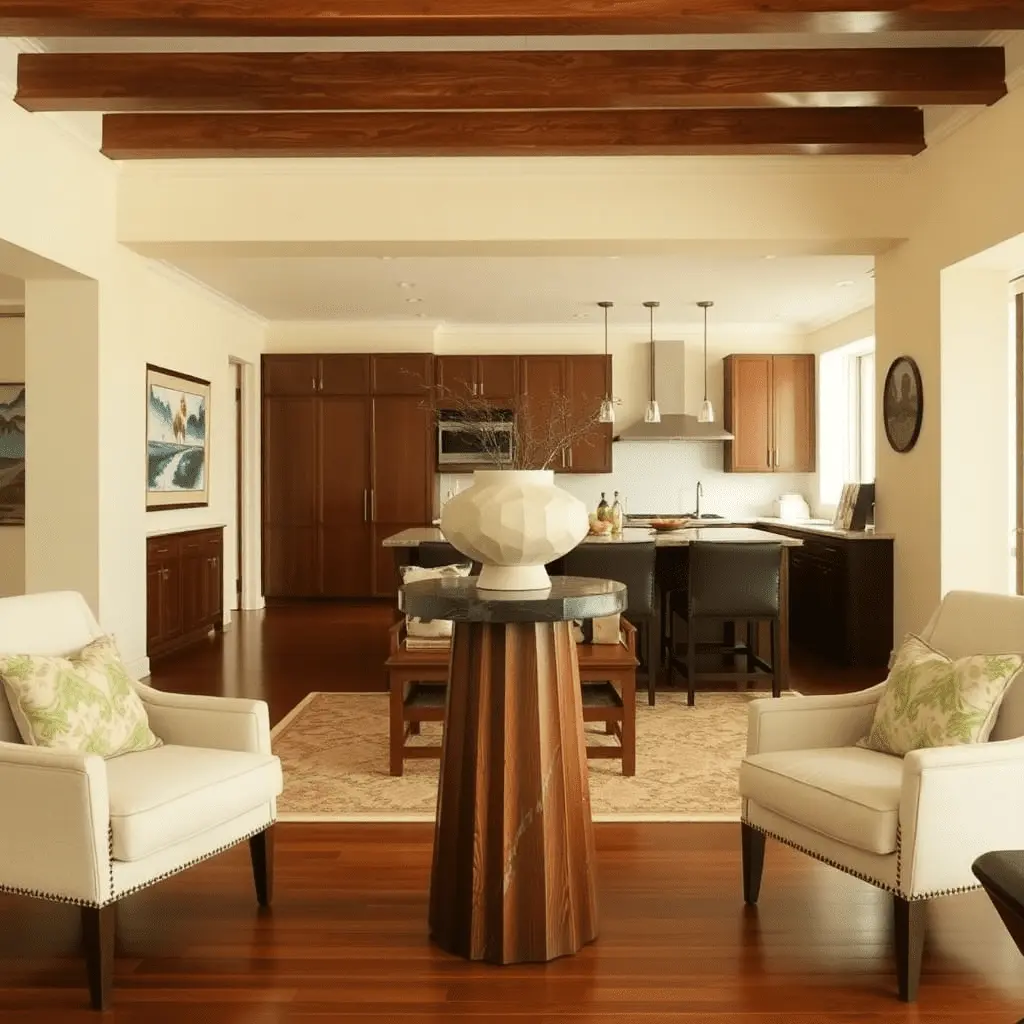
In an open-plan living area, a pedestal placed between the sitting area and the kitchen or dining zone does remarkable work. It fills transitional space, defines boundaries between zones without using walls or dividers, and introduces a sculptural element that anchors the room visually. A faceted stone pedestal or a fluted wood column works particularly well here, especially when topped with a large-format ceramic bowl or an organic sculptural form.
3.Symmetrical Pedestal Pairs Flanking a Sofa or Doorway
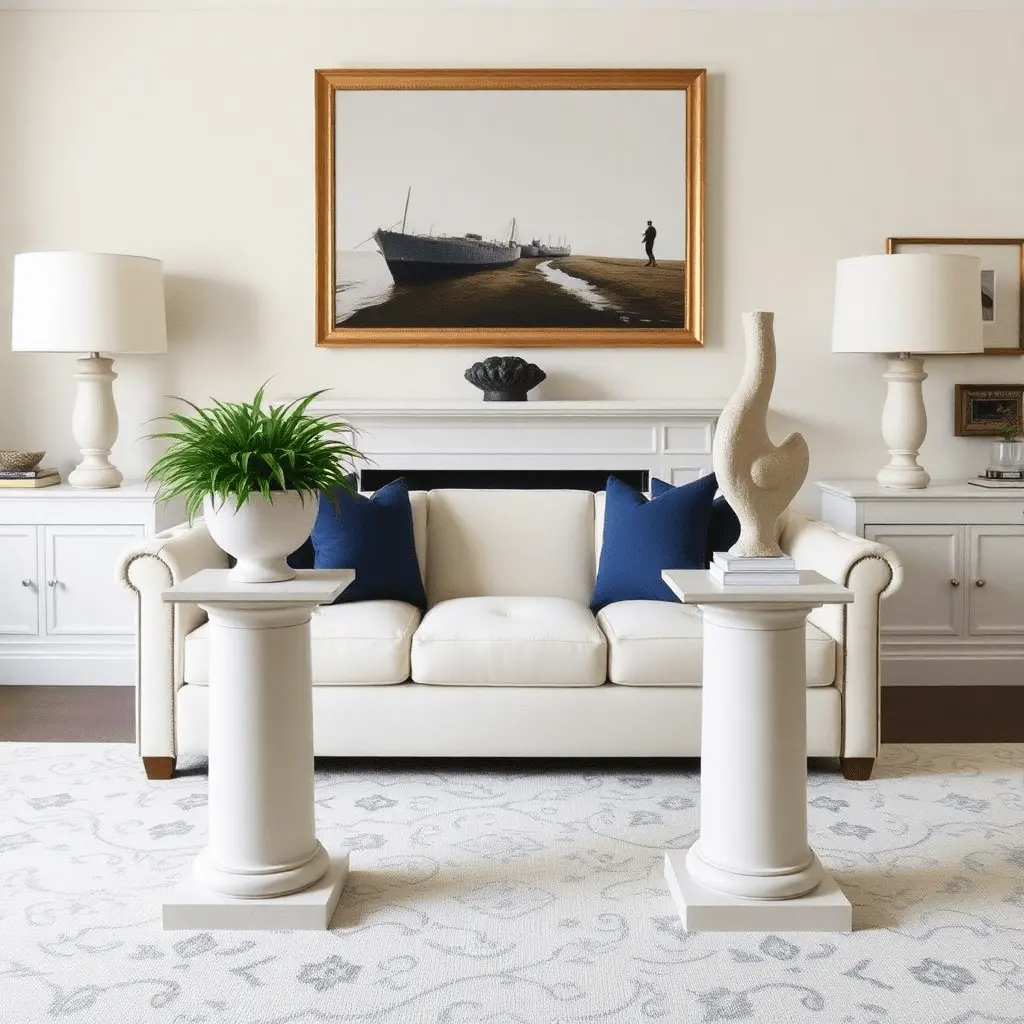
Symmetry is one of the oldest tools in classical design, and it translates effortlessly into modern interiors. Placing a matching pair of pedestals on either side of a sofa, a fireplace, or a doorway creates a sense of balance and grandeur that few other decorative strategies can achieve. The pedestals do not need to carry identical objects. In fact, keeping the bases uniform while varying what sits on top adds a touch of personality to an otherwise formal arrangement. Try a plant on one and a sculptural piece on the other, keeping the scale and color palette consistent.
4.The Entryway Welcome: First Impressions Through Pedestal Styling
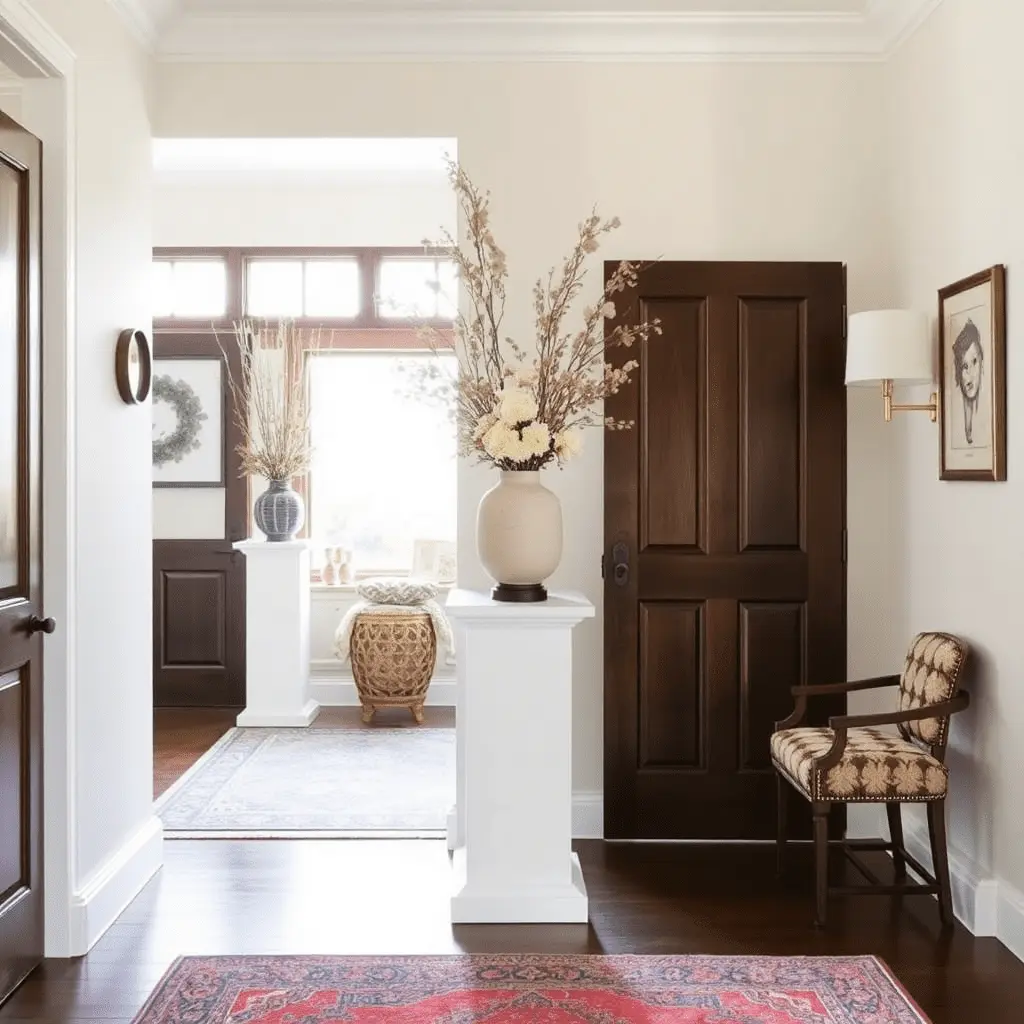
The entryway is the first room a guest experiences, and a centrally placed pedestal with a statement arrangement on top creates an immediate impression of thoughtfulness and style. Because entryways tend to be long and narrow, a pedestal with a relatively small footprint works best. Top it with a seasonal arrangement, a striking sculptural object, or a tall arrangement of dried botanicals. The key is to keep the top simple and intentional, changing it with the seasons to keep the space feeling fresh.
5.The Plant Pedestal: Elevating Greenery to Gallery Status
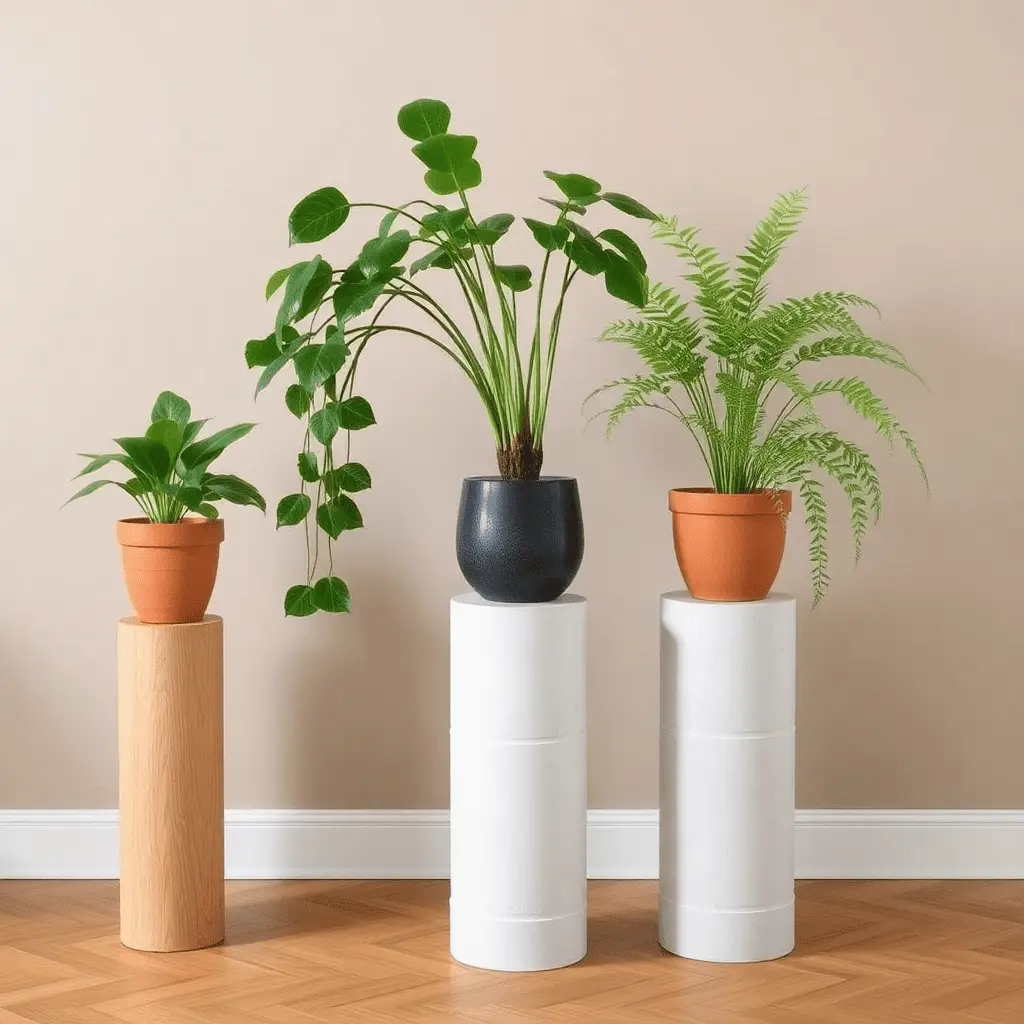
Perhaps the most popular use of pedestal decor in modern spaces is as a plant stand. When a trailing fiddle-leaf fig, a sculptural snake plant, or a delicate maidenhair fern is placed on a pedestal, it stops being a houseplant and becomes a botanical sculpture. The height draws the eye, the plant gets better light exposure in many cases, and the overall arrangement feels considered rather than incidental. Wooden pedestals with warm grain work beautifully with terracotta pots, while concrete or plaster columns pair well with modern glazed ceramics.
6.Marble Pedestals for a Timeless, Luxurious Look
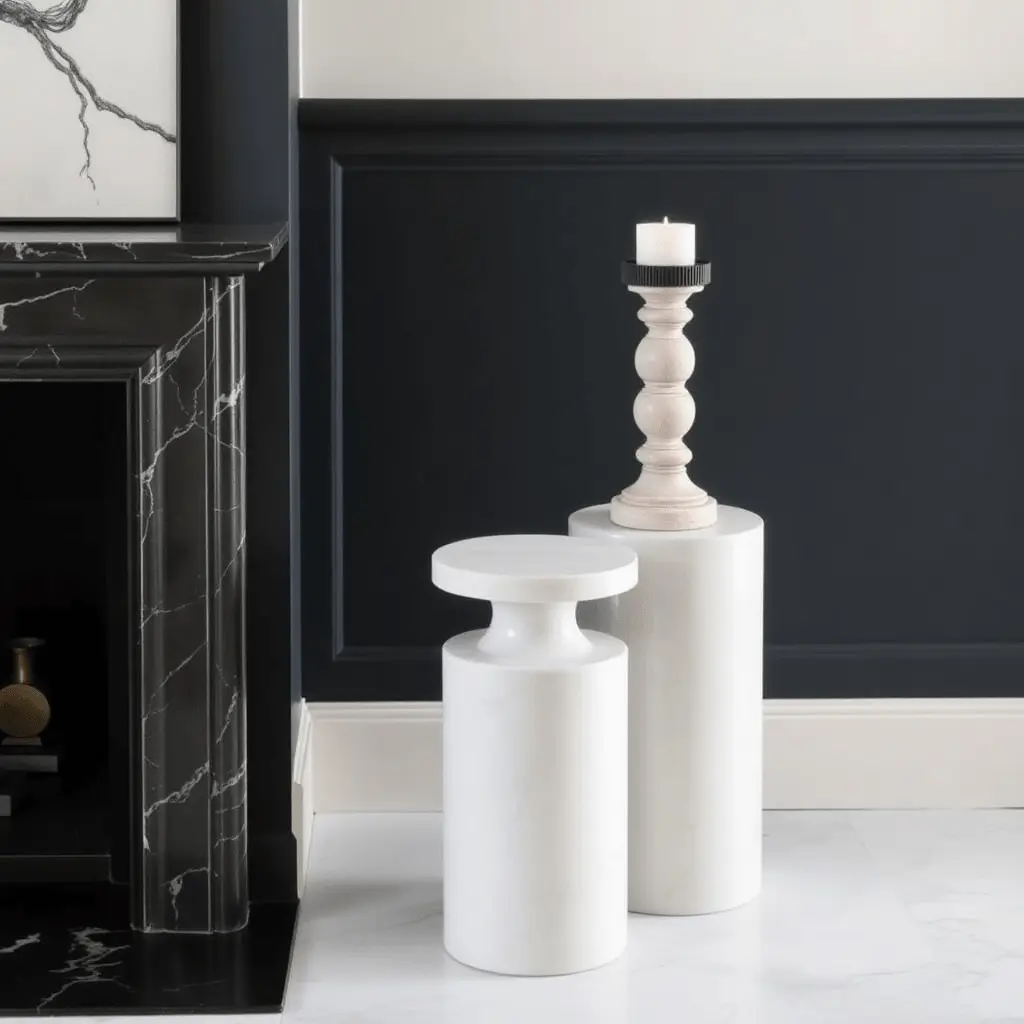
Marble is among the most enduring materials in interior design for good reason. A marble pedestal, whether in classic white Carrara, dramatic nero marquina, or warm travertine, brings immediate weight and elegance to any room. In a modern space, a marble pedestal works best when surrounded by restraint. Keep the room’s other surfaces and colors quiet, and allow the marble to do its work. Top it with a simple object, a single stem in a bud vase, a smooth stone sculpture, or a candle in an understated holder, and the result is effortlessly sophisticated.
7.Concrete Pedestals for an Industrial-Modern Edge
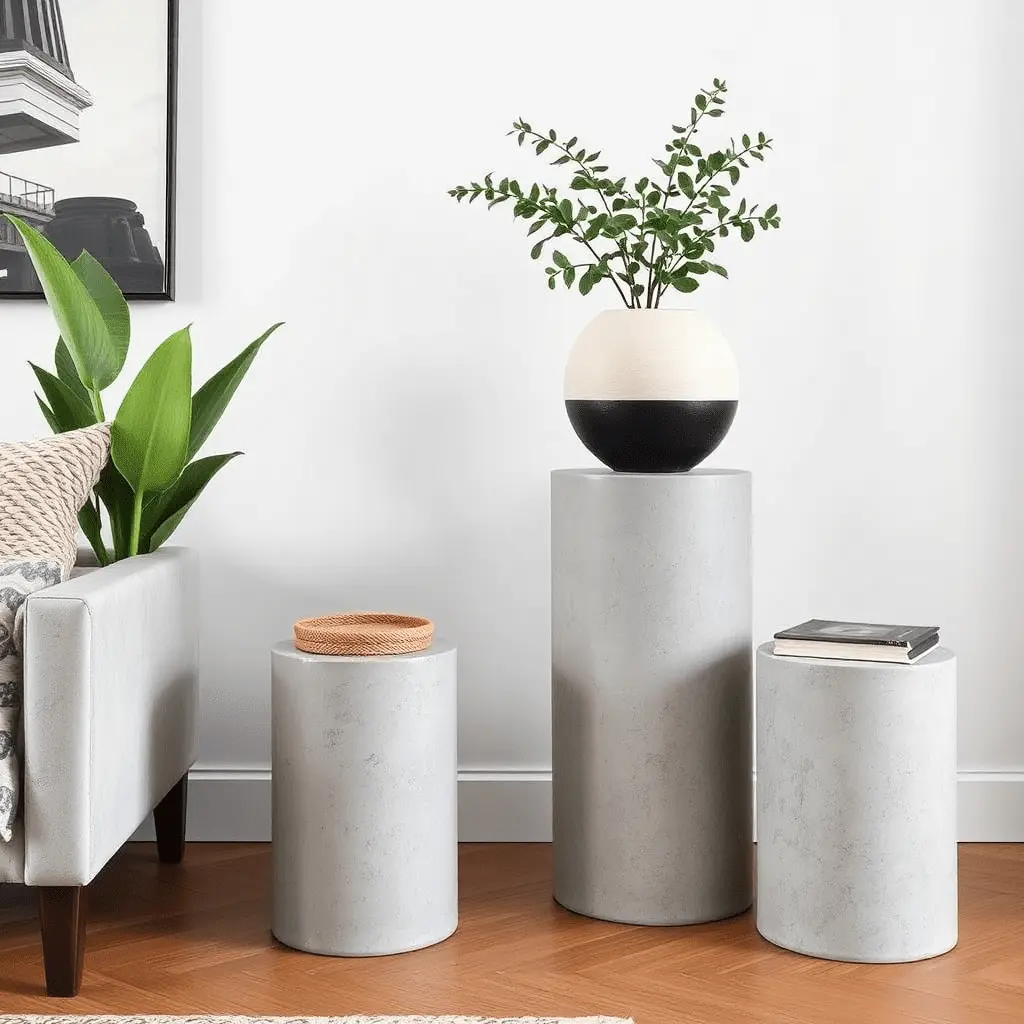
Concrete has firmly established itself as a premium material in contemporary interiors, and concrete pedestals bring a raw, architectural quality that suits industrial-modern and Scandinavian-inspired spaces particularly well. A concrete pedestal in a matte finish adds texture and visual mass without competing with surrounding elements. It pairs beautifully with leather, warm wood tones, and aged brass hardware. Top a concrete pedestal with a sculptural ceramic piece or a bold architectural plant, and you have a vignette that feels both rugged and refined.
8.Fluted Wood Pedestals for Warmth and Texture
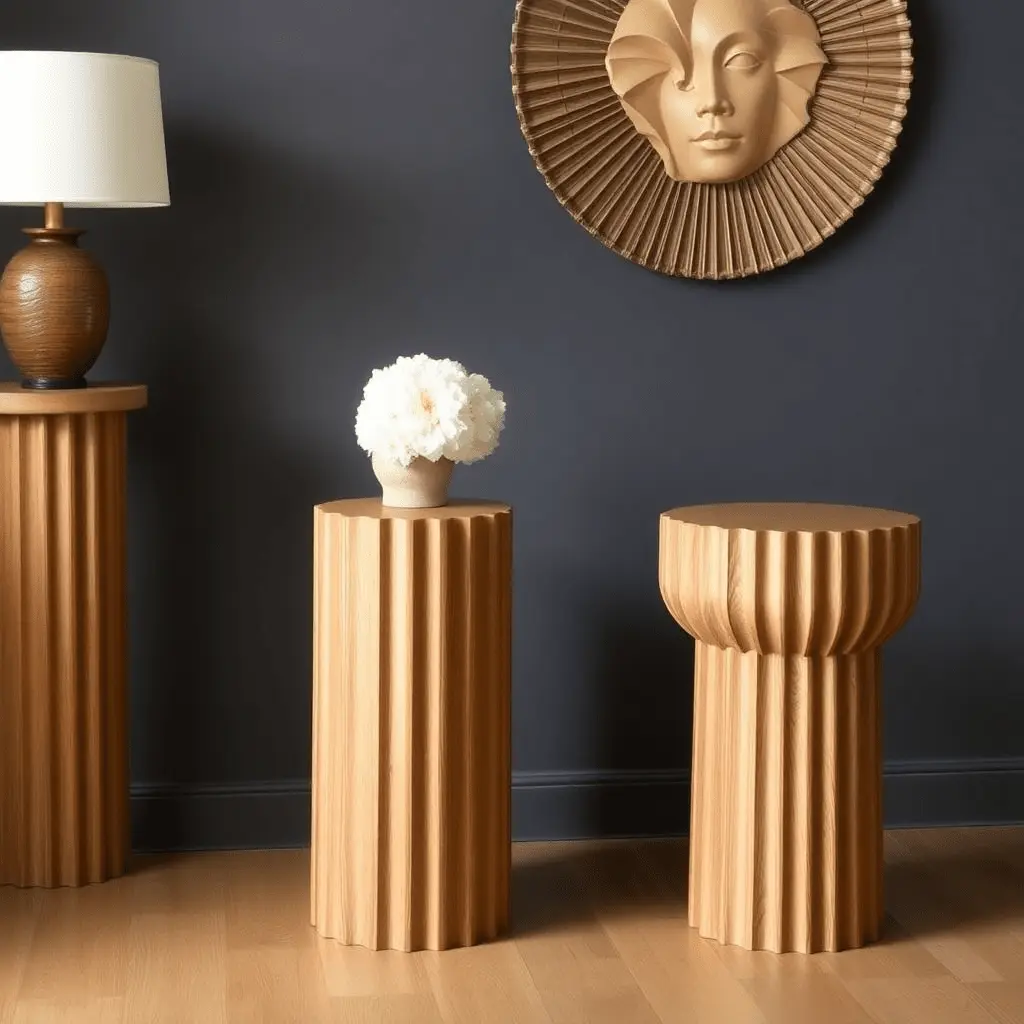
The fluted column is a design detail that has experienced a significant revival in modern interiors. A pedestal with vertical fluting in a warm wood finish brings immediate texture and organic warmth to a space. Unlike smooth, minimal columns, a fluted pedestal carries visual interest even before you place anything on top of it. In a living room or bedroom, it introduces a handcrafted quality that counters the sleekness of modern furniture. Oak, walnut, and white ash are particularly popular choices, each lending a slightly different character to the finished look.
9.The Lamp on a Pedestal: Unexpected and Impactful
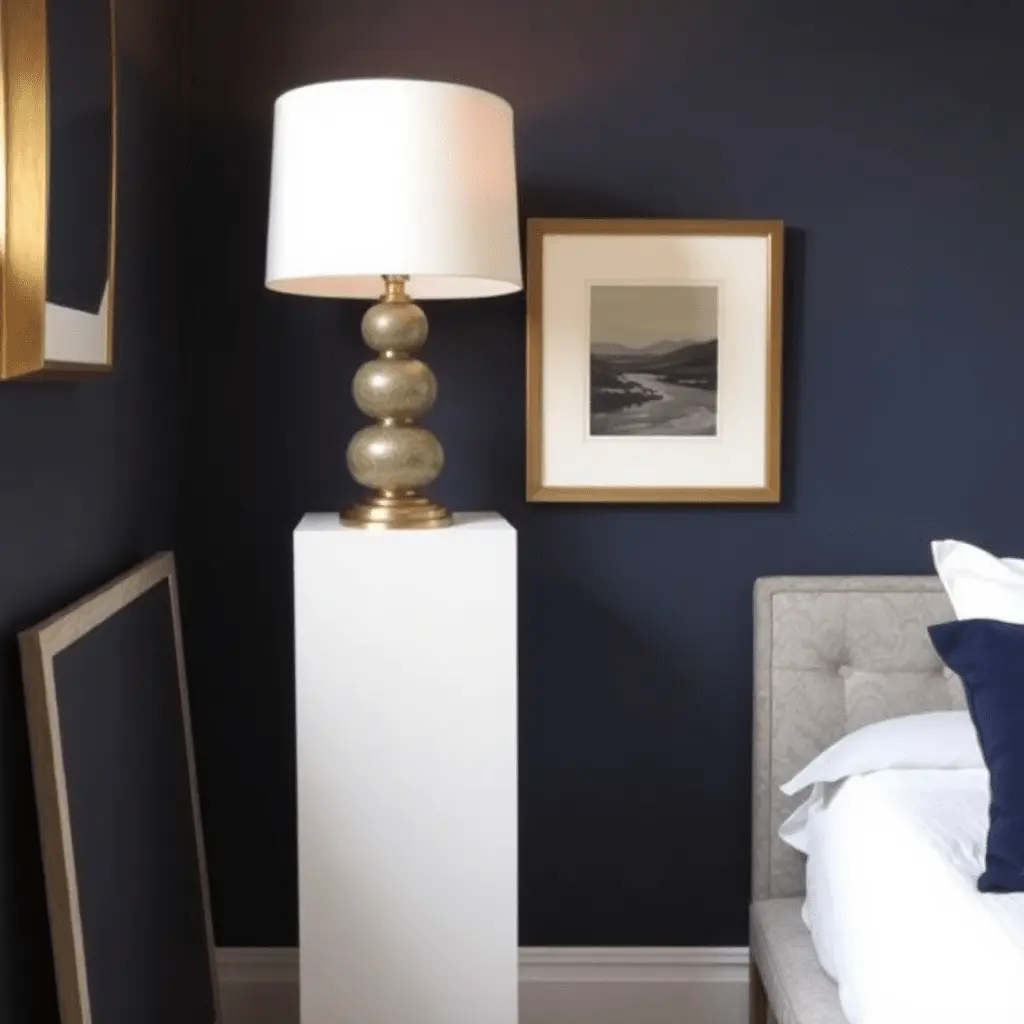
Placing a table lamp on a pedestal is a design move that surprises people when they see it and makes perfect sense once they do. The pedestal raises the lamp to a more impactful height, transforms it into a decorative object in its own right, and adds layered light to a room that might otherwise rely solely on overhead fixtures. This approach works especially well in hallways, reading corners, and bedrooms, where a lamp on a pedestal creates a warm, intimate glow that feels custom rather than catalog-standard.
10.Acrylic and Lucite Pedestals for Minimalist Display
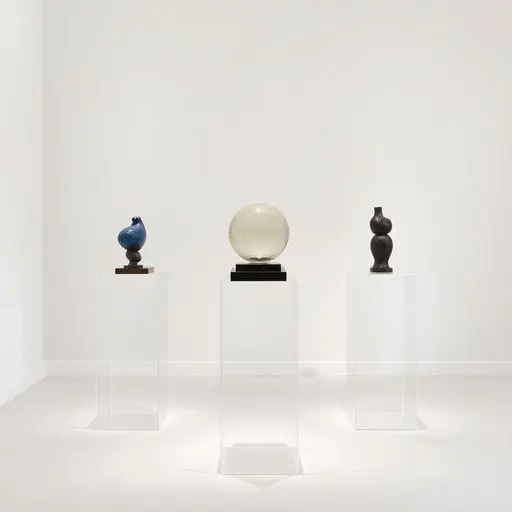
When the goal is to display an object without introducing visual weight, an acrylic or clear lucite pedestal is the answer. These transparent stands essentially disappear, allowing whatever sits on top to float in space. They are ideal for showcasing sculptural objects, art pieces, or premium collectibles in minimalist modern interiors where every element is carefully chosen and nothing should compete. An acrylic pedestal in a white-walled room creates a gallery effect that feels both professional and personal.
11.Mirrored Pedestals for Light and Glamour
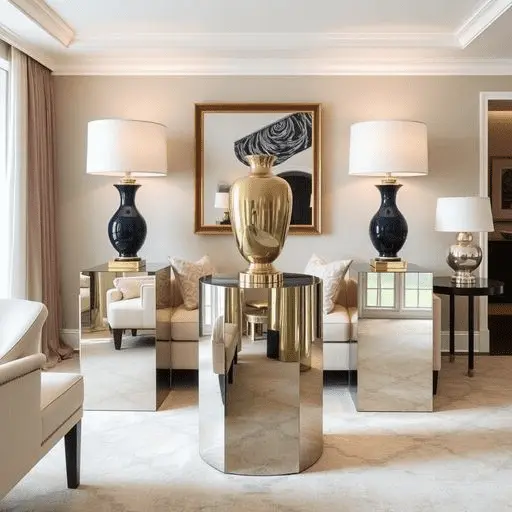
A mirrored pedestal reflects both light and the objects around it, creating depth and dimension in a room that might otherwise feel flat. In a living room or dining area, a mirrored pedestal topped with a striking vase or sculpture adds a glamorous, high-end quality that echoes the sensibility of luxury hotel interiors. It works particularly well in rooms with limited natural light, where the reflective surface amplifies whatever brightness is available.
12.Pedestal as a Nightstand in the Bedroom
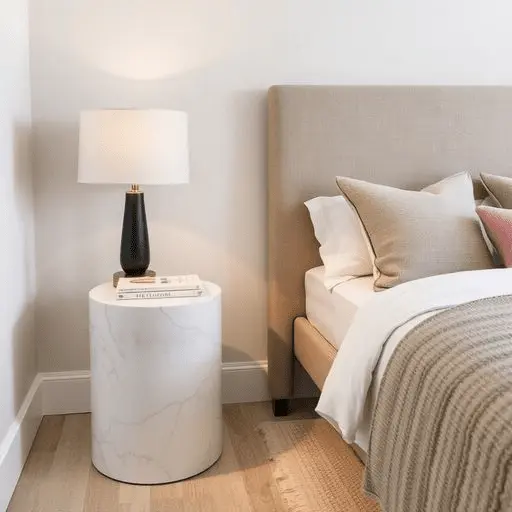
The modern bedroom is increasingly moving away from matching bedside tables toward a more eclectic, layered approach. A cylindrical or square pedestal used as a nightstand brings unexpected height, material interest, and sculptural quality to the sleeping space. A marble cylinder pedestal beside a low-profile bed creates a striking contrast. Top it with a minimal lamp, a single book, and a small tray for essentials, and the result is a nightstand that functions beautifully while looking far more interesting than anything standard.
13.Pedestal Groupings for Visual Drama
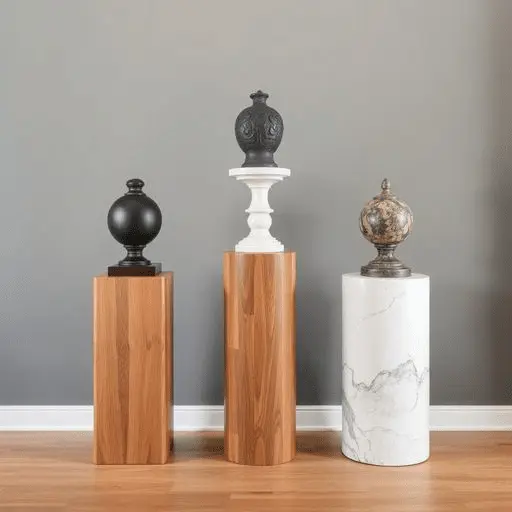
A single pedestal is elegant. A grouping of pedestals at varying heights is dramatic. Arranging three pedestals of different heights together, each topped with a related object, creates a layered, gallery-quality display that works in large living rooms, studio spaces, and even generous entryways. Keep the pedestals within the same material family, all wood, all plaster, or all stone, and vary the heights and shapes to create a composition that feels intentional but not rigid.
14.The Bathroom Pedestal Moment
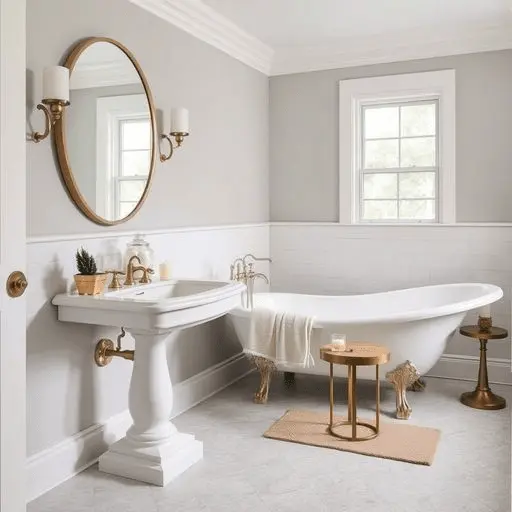
Bathrooms are often overlooked in terms of decorative ambition, but a small pedestal placed thoughtfully in a bathroom can completely shift the mood of the space. A clawfoot pedestal holding a glass jar of cotton rounds, a small sculptural object beside the sink, or a low pedestal beside a freestanding bathtub holding a candle and a small plant are all ways to bring the same considered quality that designers apply to living rooms into a more intimate space.
15.Outdoor Pedestals for Garden and Terrace Spaces
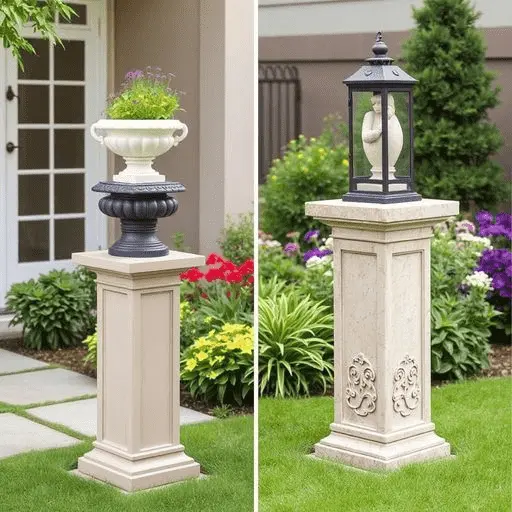
Pedestal decor is not limited to interiors. A weather-resistant pedestal placed on a terrace or in a garden, topped with an architectural planter, a stone sculpture, or a lantern, extends the language of your interior styling outdoors. Stone, cast concrete, and resin pedestals are all suitable for outdoor use. Position them at the entrance to a garden path, beside a seating area, or at the corners of a terrace to create a sense of structure and intention in the outdoor space.
16.The Pedestal as Art Display Stand
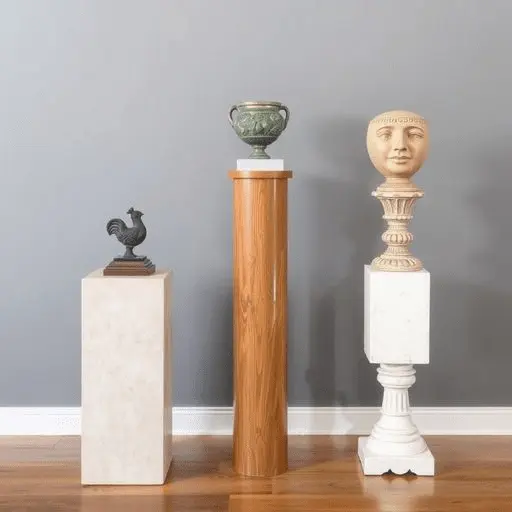
For those who collect art, objects, or meaningful pieces, a pedestal is one of the most respectful and beautiful ways to display them. A small bronze figurine on a stone pedestal, a piece of handmade ceramics on a wood column, or an antique find elevated on a plaster stand all gain a sense of importance and presence when placed on a pedestal. This approach transforms collected objects into curated display, communicating to visitors that these pieces are worth stopping for.
17.Seasonal Styling on a Pedestal
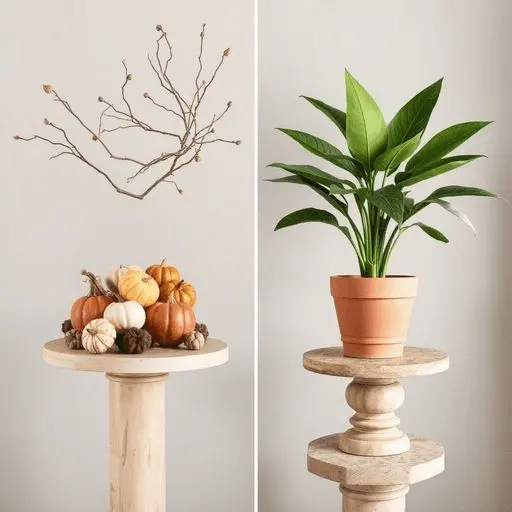
Because pedestals are freestanding and easy to restyle, they are ideal for seasonal decorating. In autumn, top a pedestal with a collection of gourds, dried seed heads, and warm-toned ceramics. In winter, a branch arrangement with subtle lighting and frosted pine creates immediate atmosphere. In spring and summer, fresh blooms in a tall vase or a lush tropical plant in a terracotta pot bring the season indoors. The pedestal itself stays constant while the styling changes, making it one of the most adaptable pieces in a well-designed home.
19.Tall Pedestals in High-Ceiling Spaces
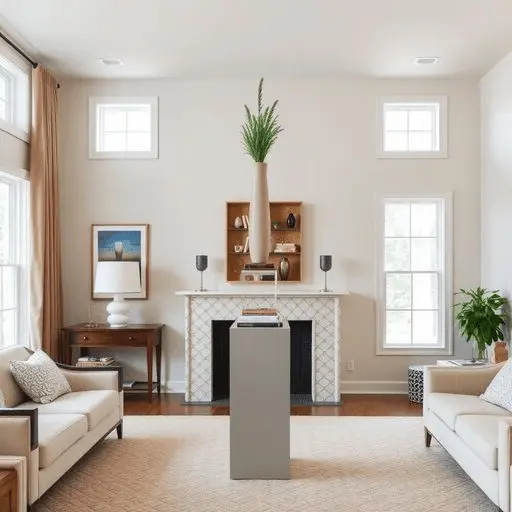
Rooms with high ceilings often suffer from a disconnect between the upper and lower halves of the space. A tall pedestal, ideally standing between 40 and 60 inches, bridges that gap by carrying the eye upward without introducing the bulk of a large piece of furniture. Pair a tall pedestal with an equally vertical object on top, a tall sculptural vase, a statuesque plant, or a column of stacked decorative books, to reinforce the upward momentum and fill the vertical space with intention. https://www.housebeautiful.com/room-decorating/living-family-rooms/g38815776/pedestal-decor-ideas/
19.Low Pedestals as Coffee Table Companions
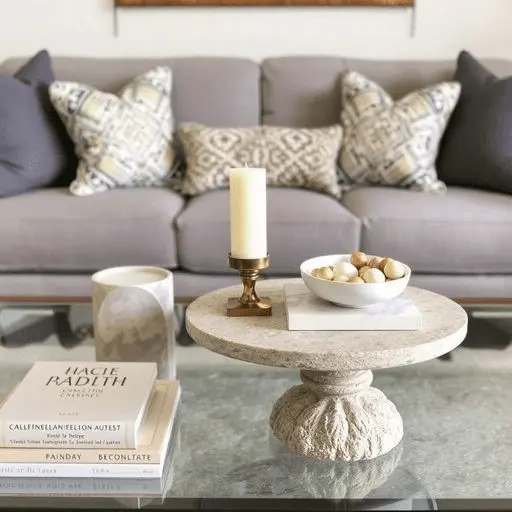
Not every pedestal needs to be tall. A low pedestal placed beside or within a coffee table arrangement introduces a subtle level change that makes a standard flat display more interesting. A low stone pedestal topped with a candle grouping, a single sculptural object, or a bowl of found objects adds depth to a coffee table vignette without overwhelming it. This is one of the simplest and most affordable ways to experiment with pedestal styling without committing to a large statement piece.
20.The Dining Room Pedestal for Occasion and Atmosphere
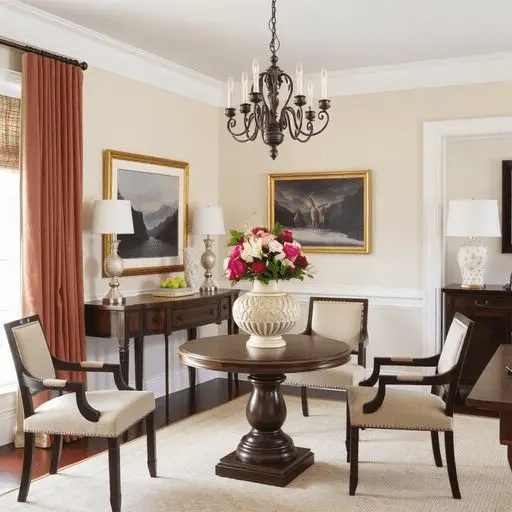
In a formal dining room, a pedestal placed in a corner or on a sideboard area topped with a dramatic floral arrangement, a collection of candles, or a piece of art sets the tone for the entire room. It adds a vertical element to a space dominated by horizontal surfaces, the table, chairs, and sideboard, and creates the sense that the room has been dressed for the occasion. Even in a casual dining space, a simple wooden pedestal with a single large ceramic vessel can elevate the everyday into something worth gathering around.
21.Choosing the Right Height and Scale for Your Space
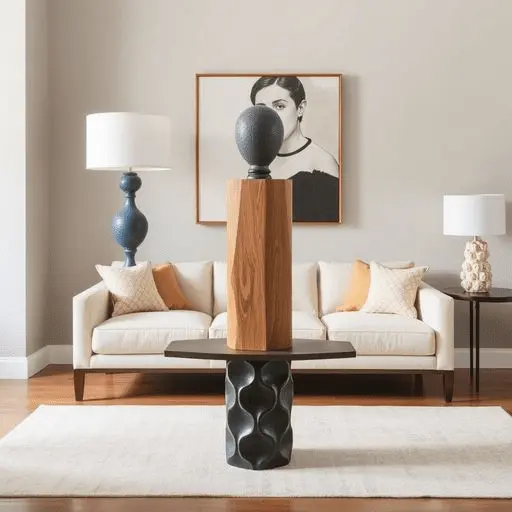
Knowing which pedestal to choose is just as important as knowing where to place it. As a general rule, taller pedestals work best in larger rooms with generous ceiling heights, while shorter pedestals suit compact spaces and tabletop arrangements. The object placed on top should be roughly one third to one half the height of the pedestal itself to maintain visual balance. In terms of material, match the pedestal to the dominant materials already present in the room, wood for warm, organic spaces, stone or concrete for cooler, more architectural environments, and metal or acrylic for strictly modern or minimalist interiors.
Conclusion
The pedestal is one of those rare design elements that has survived thousands of years of changing tastes precisely because it serves both form and function so well. In modern spaces, it offers something increasingly valuable, the ability to give any object, any corner, and any room a sense of deliberate beauty. Whether you choose a towering fluted oak column, a humble plaster cube, or a sleek acrylic stand, the effect is the same. The room becomes more considered, more layered, and more alive. Start with a single pedestal in a corner or entryway, style it with something you love, and watch how much it changes the quality of the space around it.
Frequently Asked Questions
What is the best material for a decorative pedestal in a modern home?
The best material depends on your existing interior style. Wood works well in warm, organic, and Scandinavian-inspired spaces. Stone and concrete suit industrial and contemporary aesthetics. Plaster and acrylic are ideal for minimalist or gallery-inspired interiors where a clean, quiet base is needed.
How tall should a decorative pedestal be?
For a floor-standing pedestal used as a display stand or accent piece, heights between 30 and 48 inches are most common in residential interiors. Taller pedestals in the 48 to 60-inch range work well in rooms with high ceilings. Low pedestals under 18 inches are better suited to tabletop styling or coffee table arrangements.
What should I put on top of a decorative pedestal?
The most popular choices include sculptural objects, ceramic or glass vases, plants, table lamps, candles, and curated collections of books or art objects. The best choice is something that holds personal meaning, has an interesting shape or texture, and complements the overall color palette of the room.
Can pedestals be used outdoors?
Yes. Stone, cast concrete, resin, and certain treated wood pedestals are suitable for outdoor use on covered terraces, patios, and in garden spaces. They work well as plant stands, lantern holders, and sculptural accents. Always check the manufacturer’s specifications to ensure the material is appropriate for outdoor exposure in your climate.
How do I style a pedestal without it looking overdone?
The key is restraint. Place a single, well-chosen object on top rather than crowding the surface. Keep the surrounding area clean and uncluttered so the pedestal and its display can breathe. Choose a pedestal material that complements rather than competes with nearby furniture and allow negative space around the pedestal to remain open so the piece can function as a focal point.