
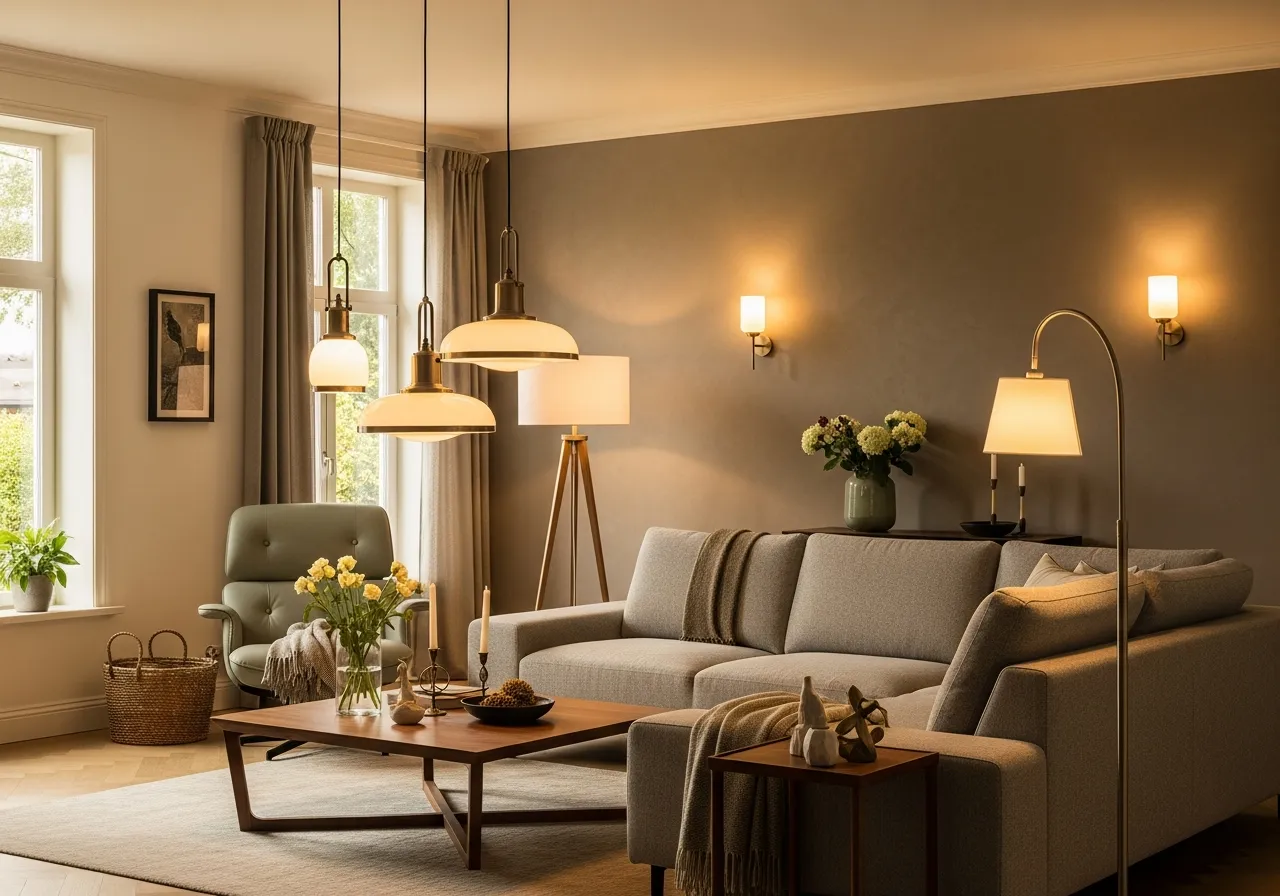
25 Room Lighting Ideas That Change Atmosphere Instantly
The difference between a house and a home often comes down to one element that many people overlook until it feels wrong. Lighting shapes how we experience every room, influences our mood, and determines whether a space feels welcoming or uninviting. The right lighting choices can transform a cramped bedroom into a sanctuary, turn a bland living room into an entertainment hub, or make a dark kitchen feel bright and functional.
Most homes rely too heavily on a single overhead light in each room, which creates harsh shadows, flattens the space visually, and offers no flexibility for different activities or times of day. Professional interior designers understand that exceptional room lighting requires layers, intentional placement, and thoughtful selection of fixtures that serve both practical and aesthetic purposes.
This guide presents 25 room lighting ideas that deliver immediate atmospheric changes. Whether you want to create a cozy reading nook, energize a home office, or establish the perfect ambiance for entertaining guests, these strategies will help you reimagine how light functions in your living spaces.
Understanding the Four Types of Room Lighting
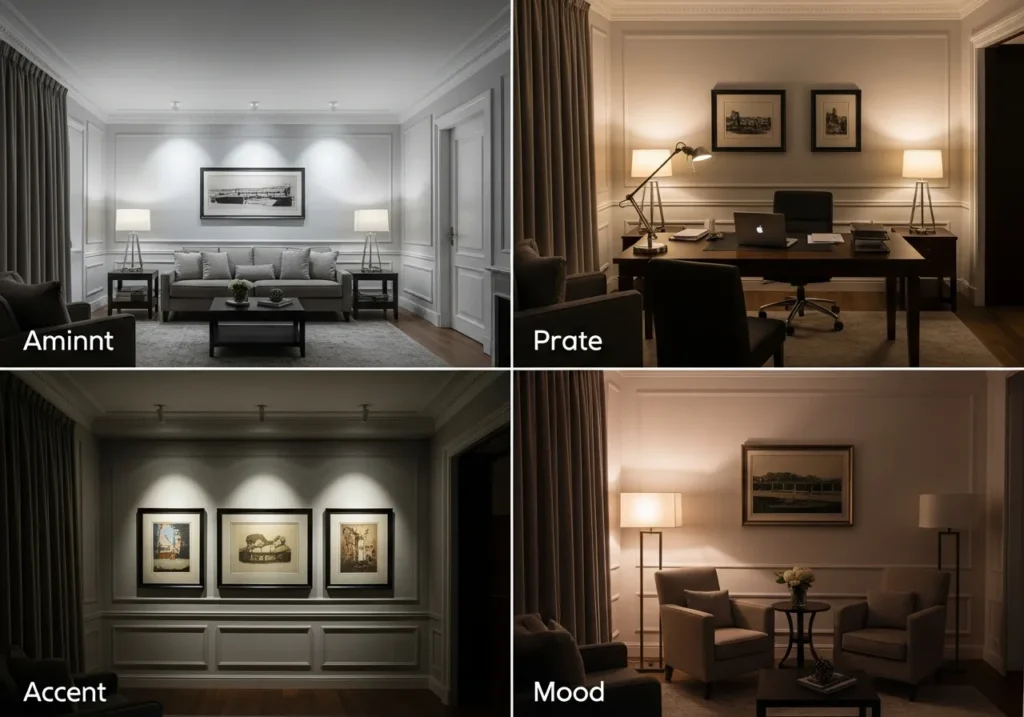
Before exploring specific ideas, grasping the fundamental categories of lighting helps you make informed decisions. Each type serves a distinct purpose, and combining them creates the depth and flexibility that makes rooms feel professionally designed.
Ambient lighting provides the foundation. This general illumination allows you to navigate safely and establishes the overall brightness level. Ceiling fixtures, recessed lights, and large floor lamps typically deliver ambient light. Without adequate ambient lighting, rooms feel cave-like and uninviting.
Task lighting focuses on specific activities. Reading lamps beside a chair, under-cabinet lights in kitchens, and desk lamps in home offices eliminate eye strain and make detailed work comfortable. Task lighting should be bright enough for its purpose without creating glare.
Accent lighting adds visual interest by highlighting architectural features, artwork, or decorative elements. Spotlights directed at a painting, lights tucked inside bookcases, or illumination washing over textured walls create depth and draw attention to what makes your space unique.
Mood lighting sets emotional tone. Dimmable fixtures, colored bulbs, and soft indirect sources transform how a room feels. The same living room can shift from bright and energetic during a gathering to soft and relaxing during a quiet evening, all through thoughtful mood lighting adjustments.
Ceiling Light Strategies That Anchor Your Space
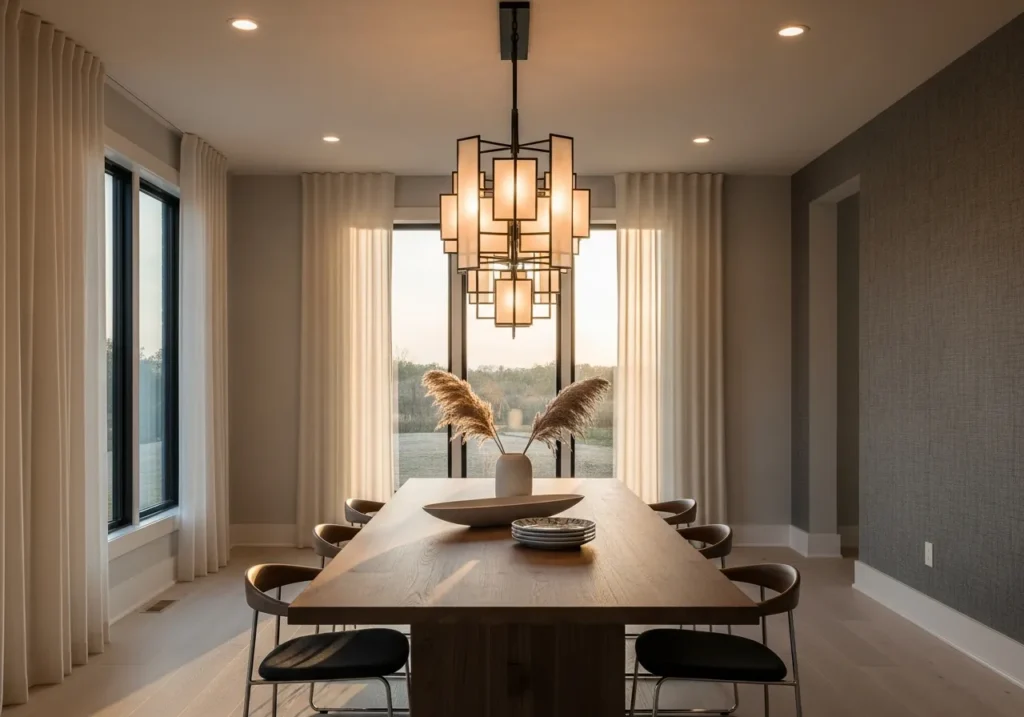
The ceiling represents prime real estate for lighting, yet many homes underutilize this area or rely on builder-grade fixtures that do nothing for the atmosphere.
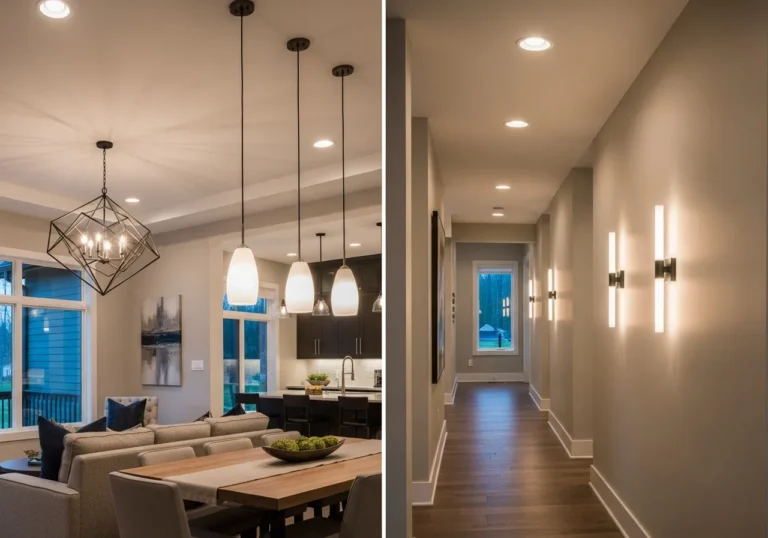
Recessed lighting creates clean, modern illumination without visual clutter. Strategically spacing these lights four to six feet apart provides even coverage throughout a room. In living areas, positioning recessed lights to avoid direct glare on television screens prevents viewing frustration. Kitchens benefit from concentrating recessed fixtures over work surfaces rather than spacing them uniformly across the entire ceiling.
Statement chandeliers or pendant clusters serve dual purposes as functional light sources and design focal points. In dining rooms, hanging a chandelier 30 to 36 inches above the table surface provides proper illumination without obstructing sightlines. Living rooms with high ceilings become more intimate when a dramatic chandelier fills vertical space. Bedrooms transform when you replace standard ceiling fans with fixtures that express your design aesthetic while still circulating air.To see more living room lighting ideas visit The Spruce.
Wall Sconce Applications That Save Space and Add Character
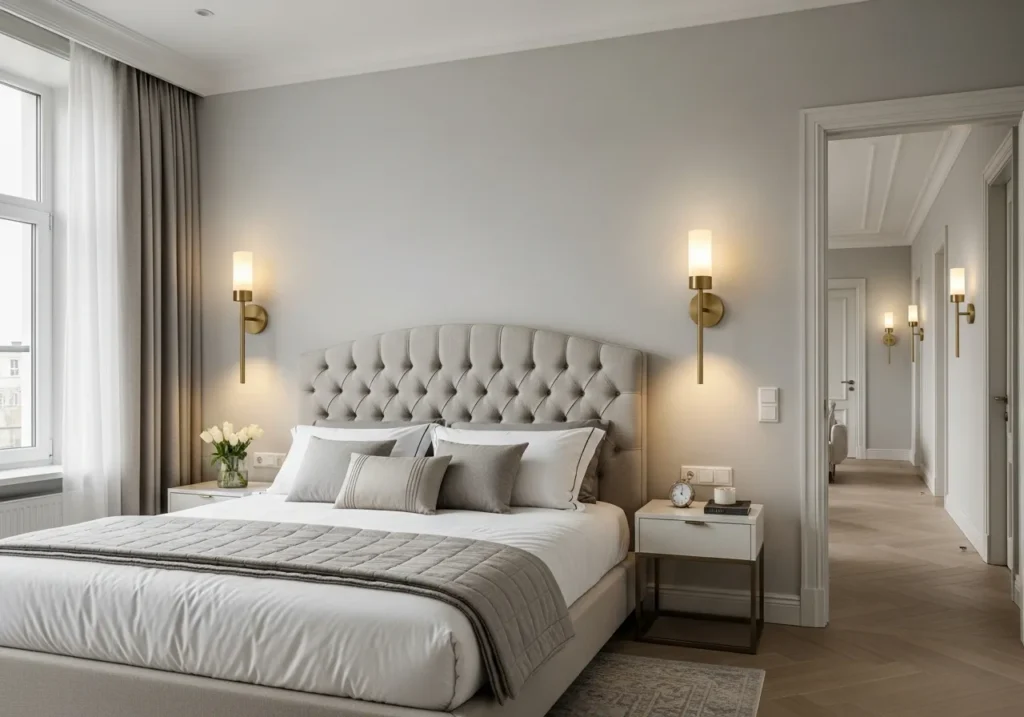
Wall-mounted fixtures offer advantages that floor and table lamps cannot match, particularly in smaller rooms where every square foot matters.
Flanking a bed with wall sconces eliminates the need for nightstands altogether, freeing valuable floor space in tight bedrooms. Sconces with adjustable arms let each person direct light exactly where needed for reading without disturbing a partner. Hardwired sconces create a cleaner look than plug-in alternatives, though the installation requires more planning.
Hallway sconces spaced every eight to ten feet transform transitional spaces from dark afterthoughts into welcoming passages. Positioning sconces at eye level, approximately 60 to 66 inches from the floor, provides flattering illumination without creating harsh shadows. Mixing sconce styles throughout a home risks visual chaos, so selecting a consistent finish ties spaces together even when the specific designs vary.
Bathroom vanity sconces mounted on either side of mirrors deliver superior lighting for grooming tasks compared to a single overhead fixture. The side placement eliminates shadows under the chin and around the eyes, which overhead lights exacerbate. Sconces with frosted glass shades diffuse light gently, preventing the harsh brightness that makes early morning routines unpleasant.
Floor Lamp Placements That Transform Room Functionality
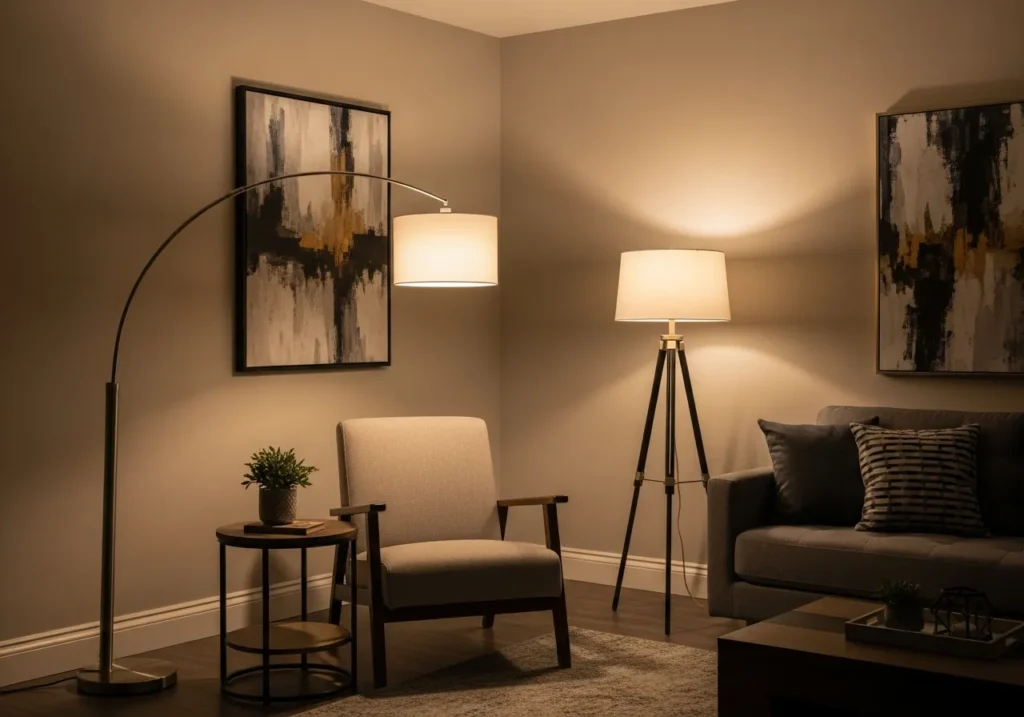
Floor lamps provide flexibility that fixed fixtures cannot offer, allowing you to adjust your lighting scheme as furniture arrangements change or needs evolve.
Arc floor lamps curve over seating areas, positioning light directly where needed without requiring a nearby table. These sculptural pieces work beautifully for reading corners or to illuminate specific sections of a large room. The weighted base prevents tipping, while the dramatic silhouette adds architectural interest even when the lamp is off.
Torchiere floor lamps direct light upward, bouncing illumination off the ceiling to create soft ambient glow throughout a room. This indirect lighting reduces eye strain and creates a more relaxed atmosphere than downward-facing fixtures. Placing torchieres in corners brightens dead zones that overhead fixtures miss, making rooms feel larger and more evenly lit.
Tripod floor lamps bring organic warmth through wood bases paired with fabric shades. The wide stance provides stability while the height draws eyes upward, making ceilings feel taller. Positioning a tripod lamp near a favorite chair establishes an inviting reading area that beckons you to sit and unwind.
Multi-arm floor lamps with adjustable heads function like having several task lights in one fixture. Direct one arm toward a desk for work lighting, another toward a chair for reading, and a third upward for ambient glow. This versatility makes multi-arm lamps ideal for studio apartments or multi-purpose rooms where different activities occur in the same space.
Table Lamp Techniques That Layer Light Beautifully
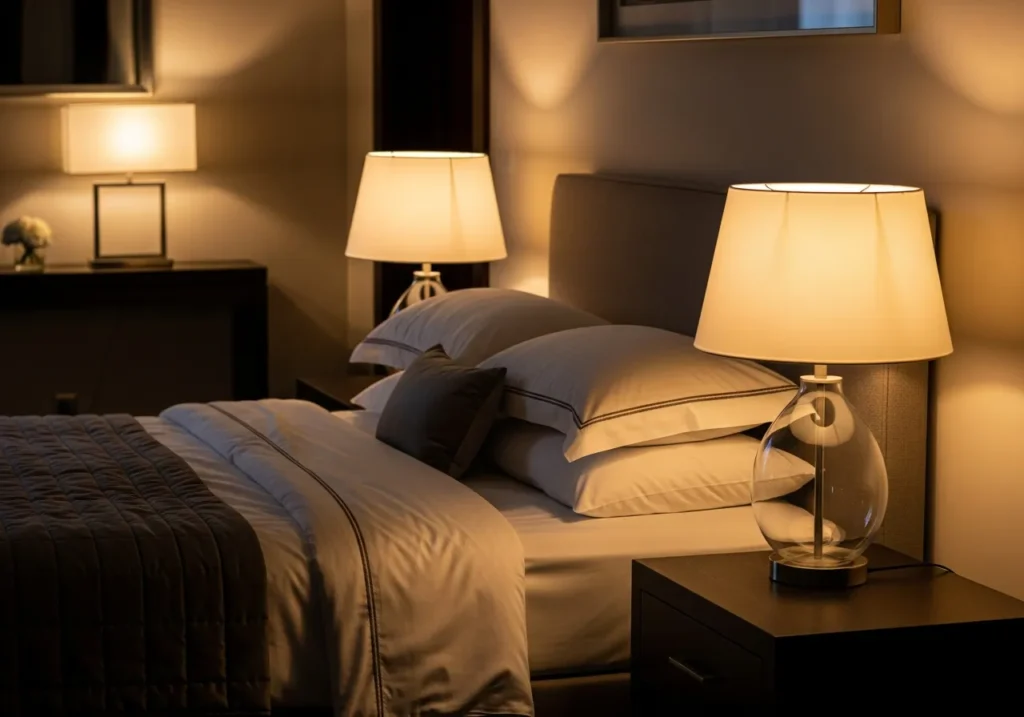
Table lamps offer the easiest entry point for improving room lighting because they require no installation and can move as your needs change.
Symmetrical bedside lamps create visual balance while providing equal lighting for two people. Matching lamps reinforce a sense of order and calm, which suits bedroom atmospheres. The lamp height should position the bottom of the shade at eye level when you sit in bed, typically placing the shade 20 to 24 inches above the mattress.
Asymmetrical living room lamps add energy and visual interest to spaces that might otherwise feel too rigid. Pairing a tall, slender lamp on one side table with a short, chunky lamp on the other creates intentional imbalance that feels curated rather than chaotic. This approach works particularly well in eclectic or bohemian design schemes.To see more lamp lighting ideas do visit Homeliaa.
Console table lamps in entryways establish the welcoming tone for your entire home. A substantial lamp, 26 to 32 inches tall, provides enough presence to anchor the console without overwhelming the narrow space. Warm-toned bulbs in entry lamps create an inviting glow that greets you after dark and welcomes guests.
Buffet lamps on dining room sideboards supplement overhead chandeliers during meals and provide softer ambient lighting when the dining room serves other purposes. Candlestick-style lamps or matching pairs create formal symmetry appropriate for traditional dining spaces, while sculptural ceramic lamps suit contemporary settings.
Desk lamps with adjustable arms and brightness levels support productivity in home offices. Positioning the light source to the side opposite your dominant hand prevents shadows from falling across your work. Modern desk lamps with USB charging ports and wireless charging pads add functionality that older designs lack.
Pendant Light Ideas That Draw Eyes Upward
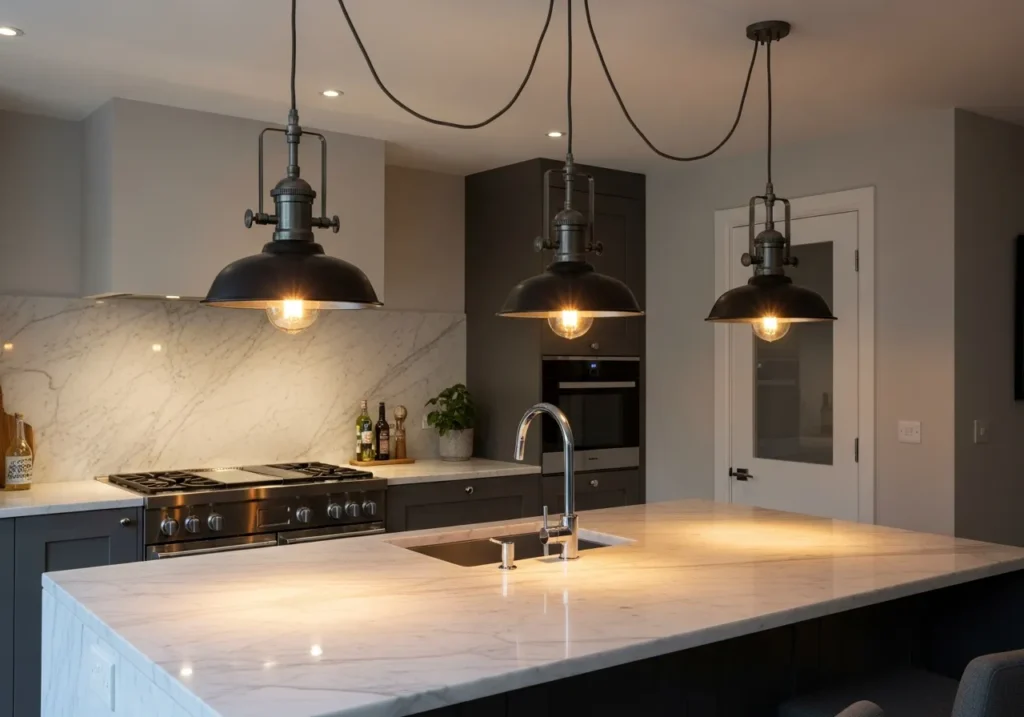
Pendant lights dangle from the ceiling on cords, chains, or rods, creating vertical visual interest while providing focused illumination.
Kitchen island pendants hung in groups of two or three mark the work zone and create a natural gathering spot. Suspending pendants 30 to 36 inches above the counter provides adequate task lighting without blocking sightlines across the kitchen. Glass or metal shades direct light downward where you need it most, while decorative Edison bulbs add vintage charm when the fixtures use open cage designs.
Bathroom pendant lights flanking mirrors offer a modern alternative to traditional sconces. Mini pendants work in smaller bathrooms, while larger teardrop or globe designs suit spacious master baths. Ensure the pendants hang symmetrically and that the light diffuses rather than creating harsh spots.
Bedroom pendant lights replace traditional nightstand lamps in a space-saving solution that feels fresh and contemporary. Hanging pendants eliminate the need for bedside tables altogether, or they can supplement slim floating shelves. Adjustable-height pendants accommodate different bed heights and user preferences.
Dining room pendant clusters positioned above tables should hang so the bottom sits 30 to 34 inches above the tabletop. This placement provides ample illumination for meals without creating glare or blocking views across the table. Installing pendants on a dimmer switch allows you to brighten the space for game nights or dinner parties and lower the light for intimate meals.
Entryway statement pendants set the tone for your entire home. A large, eye-catching fixture in the entry creates an immediate wow factor while providing the practical lighting needed for coming and going after dark. In two-story entryways, pendants that hang into the vertical space fill the volume beautifully.
Under-Lighting Applications That Create Dramatic Effects
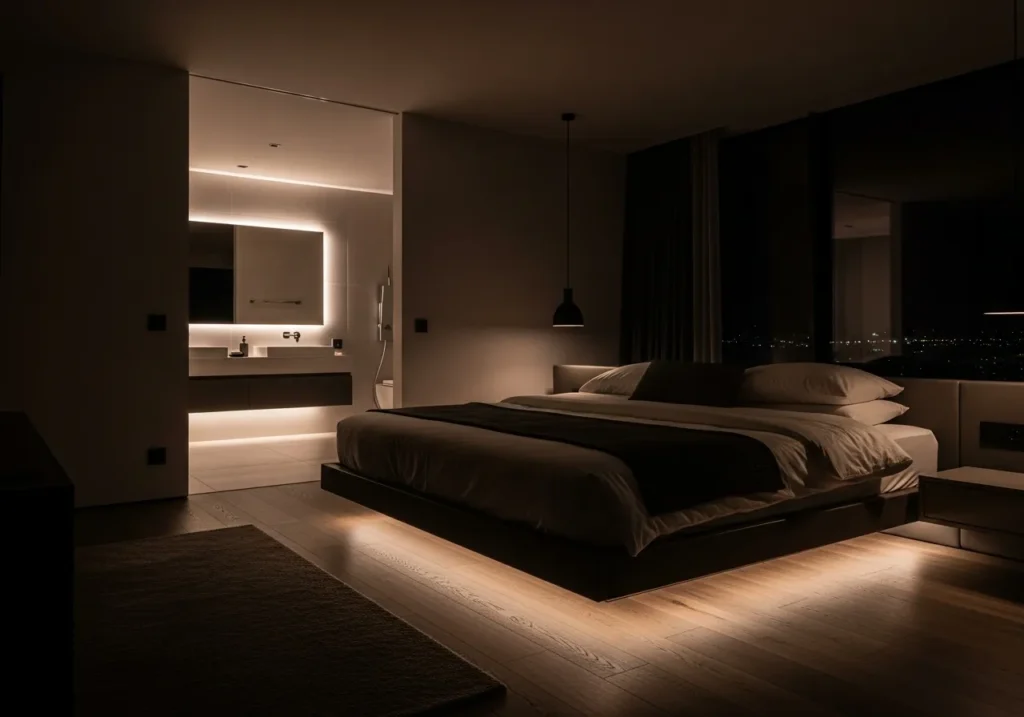
Hidden light sources that illuminate from beneath furniture or architectural features add sophisticated ambiance while serving practical purposes.
Under-cabinet kitchen lighting brightens countertops for food preparation while adding a soft glow when overhead lights are off. LED strip lights installed along the underside of upper cabinets eliminate shadows in work zones and create a continuous line of light that makes kitchens feel modern and high-end. Linking under-cabinet lights to a dimmer switch extends their usefulness beyond task lighting into mood lighting territory.
Under-bed lighting turns a basic bedroom necessity into a floating design element. LED strips attached to the underside of bed frames create a soft glow perfect for midnight navigation without the harsh disruption of turning on bedside lamps. This subtle illumination also makes bedrooms feel larger by visually lifting the bed off the floor.
Floating vanity lights installed beneath wall-mounted bathroom vanities serve double duty as night lights and design accents. The soft upward glow makes middle-of-the-night bathroom trips safer without the shocking brightness of overhead fixtures. This technique works equally well beneath floating shelves in any room.
Staircase lighting tucked under each tread or along the risers improves safety while creating an architectural feature from a purely functional element. LED strips rated for outdoor use withstand the foot traffic and provide years of maintenance-free operation. Motion sensors that activate the lights only when someone approaches the stairs conserve energy and extend bulb life.
Smart Lighting Solutions That Adapt to Your Schedule
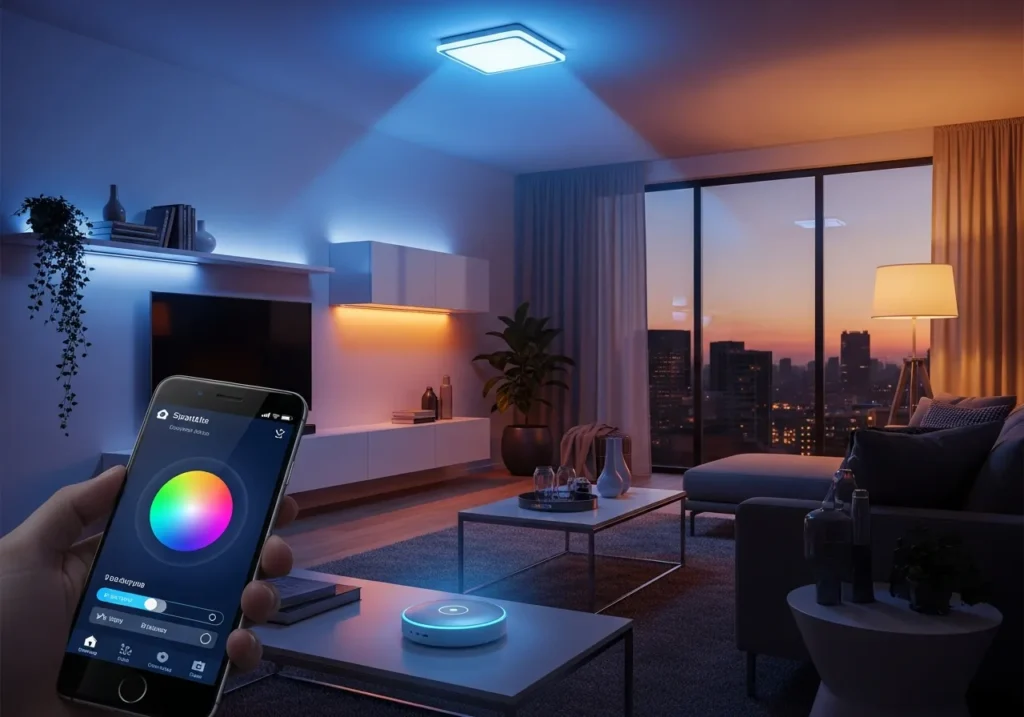
Technology has transformed lighting from a simple on-off function into a dynamic system that responds to your routines and preferences.
Voice-controlled bulbs integrate with smart home systems, allowing you to adjust brightness, change colors, or turn lights on and off without leaving your seat. Programming routines that gradually brighten bedroom lights in the morning creates a gentle wake-up experience that feels more natural than jarring alarms. Evening routines that slowly dim living room lights signal your body that bedtime approaches.
Motion-sensor lights in closets, pantries, and laundry rooms illuminate automatically when you enter and turn off when you leave, eliminating the fumbling for switches while your hands are full. These sensors prevent the common problem of accidentally leaving closet lights on all day, wasting energy and generating unnecessary heat in enclosed spaces.
Color-changing bulbs let you shift the atmosphere instantly. Cool blue tones energize home offices during work hours, while warm amber tones help you unwind in the evening. Holiday lighting becomes effortless when you can change your entire home to festive colors through a smartphone app rather than stringing special decorative lights.
Automated schedules that turn lights on before you arrive home create the appearance of occupancy for security while ensuring you never walk into a dark house. Vacation modes that randomize lighting patterns throughout your home deter potential intruders better than lights that follow predictable schedules or stay off entirely.
Dimmer Switch Benefits That Multiply Fixture Value
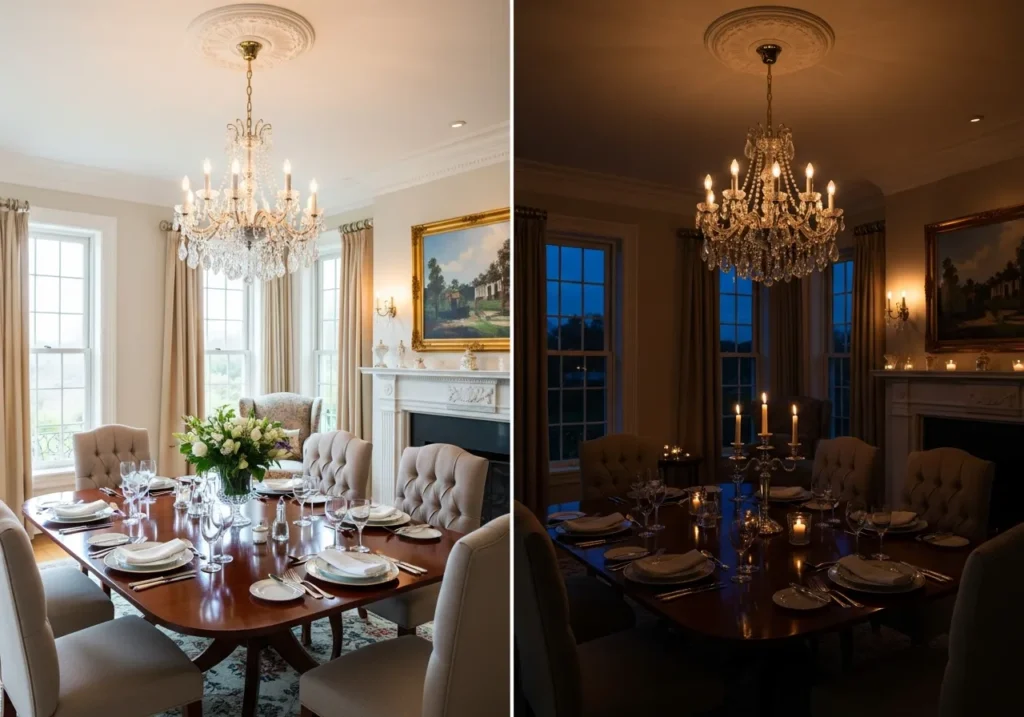
Installing dimmer switches represents one of the highest-value lighting upgrades because it makes every compatible fixture infinitely more versatile.
Living room dimmers allow you to brighten the space for cleaning or game nights and lower the light for movie watching or conversation. The ability to fine-tune brightness eliminates the all-or-nothing approach that forces you to choose between too much light and not enough. Dimmers also extend bulb life by running them at lower power levels.
Bedroom dimmers create the gradual transition from evening activities to sleep preparation that helps signal your body to produce melatonin. Reading with bedside lamps at full brightness and then immediately switching to darkness disrupts this natural process. Slowly dimming lights over 30 to 60 minutes supports healthier sleep patterns.
Dining room dimmers set the appropriate mood for different meals. Bright light during breakfast energizes your morning, while lowered light at dinner creates an intimate atmosphere. Holiday gatherings call for festive brightness, while romantic dinners for two benefit from soft illumination.
Bathroom dimmers prevent the harsh wake-up shock of full-brightness vanity lights in the middle of the night. Keeping bathroom lights at 25 to 30 percent overnight provides enough illumination to navigate safely without disrupting your sleep cycle so severely that falling back asleep becomes difficult.
Natural Light Enhancement Strategies That Save Energy
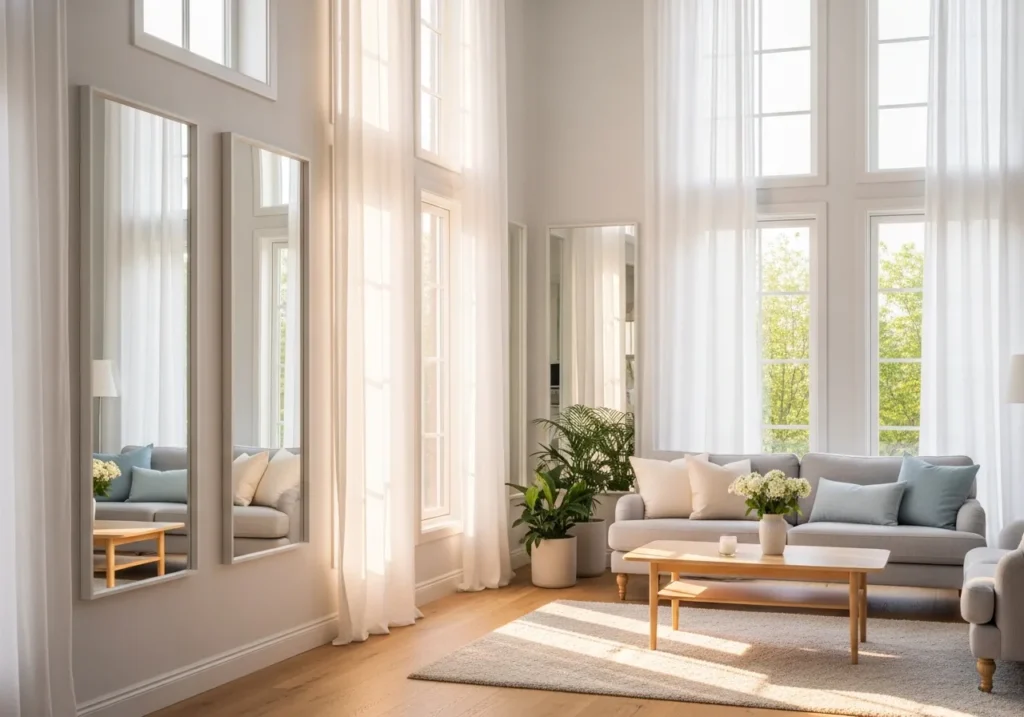
While not technically artificial lighting, maximizing natural light reduces your dependence on fixtures during daylight hours and improves the quality of light throughout your home.
Sheer curtains diffuse harsh direct sunlight while allowing generous light penetration. The soft, even glow created by filtering sunlight through translucent fabrics eliminates the stark contrast between sunlit areas and deep shadows that heavy drapes create. Layering sheers with blackout curtains gives you flexibility to control light levels throughout the day.
Mirrors positioned opposite windows amplify natural light by reflecting it deeper into rooms. A large mirror on the wall across from your brightest window can make a dramatic difference in how light fills the space. Grouping several smaller mirrors achieves a similar effect while adding decorative interest.
Light-colored walls and ceilings bounce natural light throughout rooms more effectively than dark surfaces, which absorb light. Even if you love bold wall colors, keeping ceilings white or light cream maximizes the reflective benefit. Semi-gloss or satin paint finishes reflect more light than flat paints, though the added sheen makes wall imperfections more visible.
Glass interior doors allow light to flow between rooms rather than stopping at each doorway. French doors, doors with glass panels, or even fully glazed doors turn adjacent rooms into light sources for each other. This approach works particularly well when one room has generous windows while another has limited natural light.
Conclusion
The transformation that proper lighting creates extends far beyond simple illumination. Each of these 25 room lighting ideas addresses specific needs while contributing to the overall atmosphere that makes your house feel like home. The most successful lighting designs layer multiple types, combine fixed and flexible fixtures, and incorporate both aesthetic and functional considerations.
Start with one room that feels most problematic. Perhaps your bedroom never feels relaxing, or your living room always seems too dark. Apply three to five of these strategies in that space, paying attention to how the changes affect your experience of the room throughout the day. Once you see the improvement in a single room, expanding the principles to other areas becomes intuitive.
Remember that lighting needs evolve with your life circumstances. What works for a young couple may need adjustment when children arrive. A home office requires different lighting when you work remotely full-time compared to occasional evening use. The beauty of most of these solutions lies in their adaptability, allowing you to modify your approach as your needs change without starting over from scratch.
Quality lighting represents an investment in your daily comfort and wellbeing. The hours you spend in poorly lit spaces create cumulative eye strain, mood impacts, and reduced functionality that affect your quality of life. Taking time to thoughtfully illuminate each room pays dividends in how you feel and function within your home.
Frequently Asked Questions
What is the best color temperature for room lighting?
Warm white light between 2700K and 3000K works best for living spaces, bedrooms, and dining areas because it creates a cozy, inviting atmosphere. Cool white light between 3500K and 4100K suits task-oriented spaces like kitchens, bathrooms, and home offices where you need clarity and alertness. Using the wrong color temperature can make rooms feel sterile or overly dim.
How many light sources should each room have?
Most rooms function best with five to seven different light sources including natural light. This might include one overhead fixture, two table lamps, two accent lights, a floor lamp, and windows. Layering multiple sources at different heights creates depth and allows you to adjust the lighting for various activities and times of day.
Can I mix different lighting styles in one room?
Yes, mixing lighting styles adds visual interest as long as you maintain some common element like finish color, material, or scale. A room with all matching fixtures often feels too rigid and catalog-perfect. Combining a modern chandelier with traditional table lamps works when they share a metal finish, while mixing rustic and industrial styles succeeds when fixtures have similar proportions.
What wattage bulbs should I use for different rooms?
Bedrooms typically need 2000 to 4000 total lumens which might come from a 60-watt overhead fixture and two 40-watt bedside lamps. Living rooms require 1500 to 3000 lumens. Kitchens need brighter task lighting at 5000 to 10000 lumens focused on work surfaces. LED bulbs provide the same brightness as traditional incandescents while using significantly less wattage, so check lumens rather than watts when shopping.
How do I make a small room look bigger with lighting?
Position lights in corners to brighten shadows that make rooms feel smaller, use wall sconces instead of floor lamps to preserve floor space, and install upward-facing lights that bounce illumination off the ceiling to increase perceived height. Avoid heavy lampshades and dark fixtures that create visual weight. Multiple small light sources make rooms feel larger than a single central fixture.




One Comment