17+ Charming Small Formal Garden Ideas
Creating a formal garden in a limited space might seem challenging, but the structured elegance of this design style actually thrives in compact areas. The precision and order that define formal gardens make them perfectly suited for small courtyards, townhouse backyards, and intimate outdoor spaces where every square foot counts. Unlike sprawling estate gardens that require extensive maintenance crews, small formal gardens offer achievable beauty through careful planning and strategic plant selection.
The appeal of formal garden design lies in its timeless sophistication. These gardens draw inspiration from European estates, Italian Renaissance courtyards, and French parterres, yet their principles translate beautifully to modern residential settings. The structured approach creates visual calm and provides year-round interest through evergreen plantings and architectural features. Whether you have a narrow side yard, a small urban patio, or a modest backyard, these seventeen ideas will help you craft an elegant outdoor sanctuary that balances classical refinement with practical maintenance.
Create a Central Axis with Symmetrical Pathways
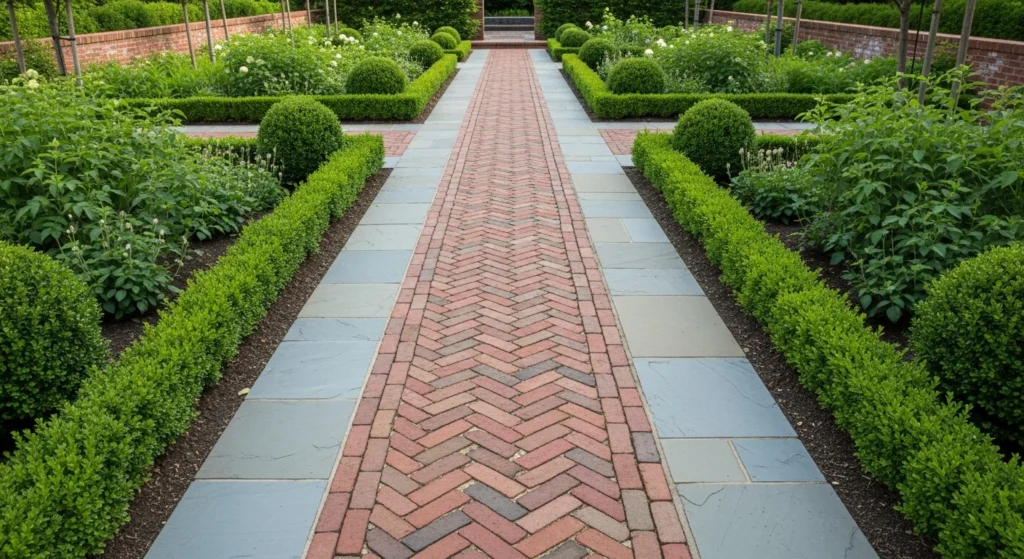
The foundation of any formal garden begins with a central pathway that establishes the primary axis. This straight path runs through the heart of your garden, dividing the space into mirror images on either side. In small gardens, this central walkway serves dual purposes: it provides functional access while creating the visual backbone that organizes all other elements.
Consider materials that enhance formality such as brick laid in herringbone patterns, bluestone pavers, or neatly raked gravel. The pathway width should accommodate comfortable walking while leaving sufficient planting space on either side. Even in gardens measuring just ten by fifteen feet, a three-foot-wide central path can establish strong formal character. Flank your pathway with identical plantings, matching containers, or low hedges to emphasize the symmetrical design.
Design with Geometric Beds and Borders
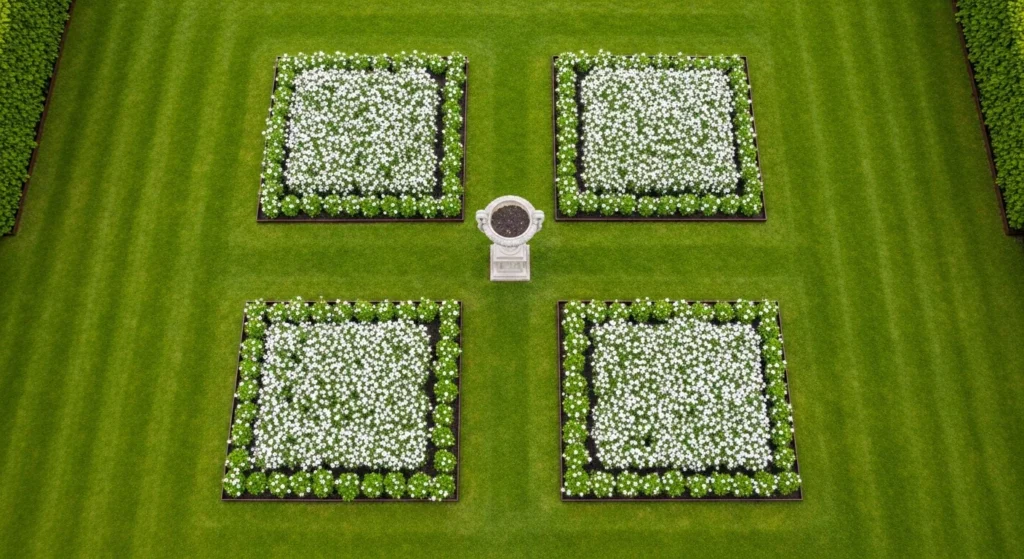
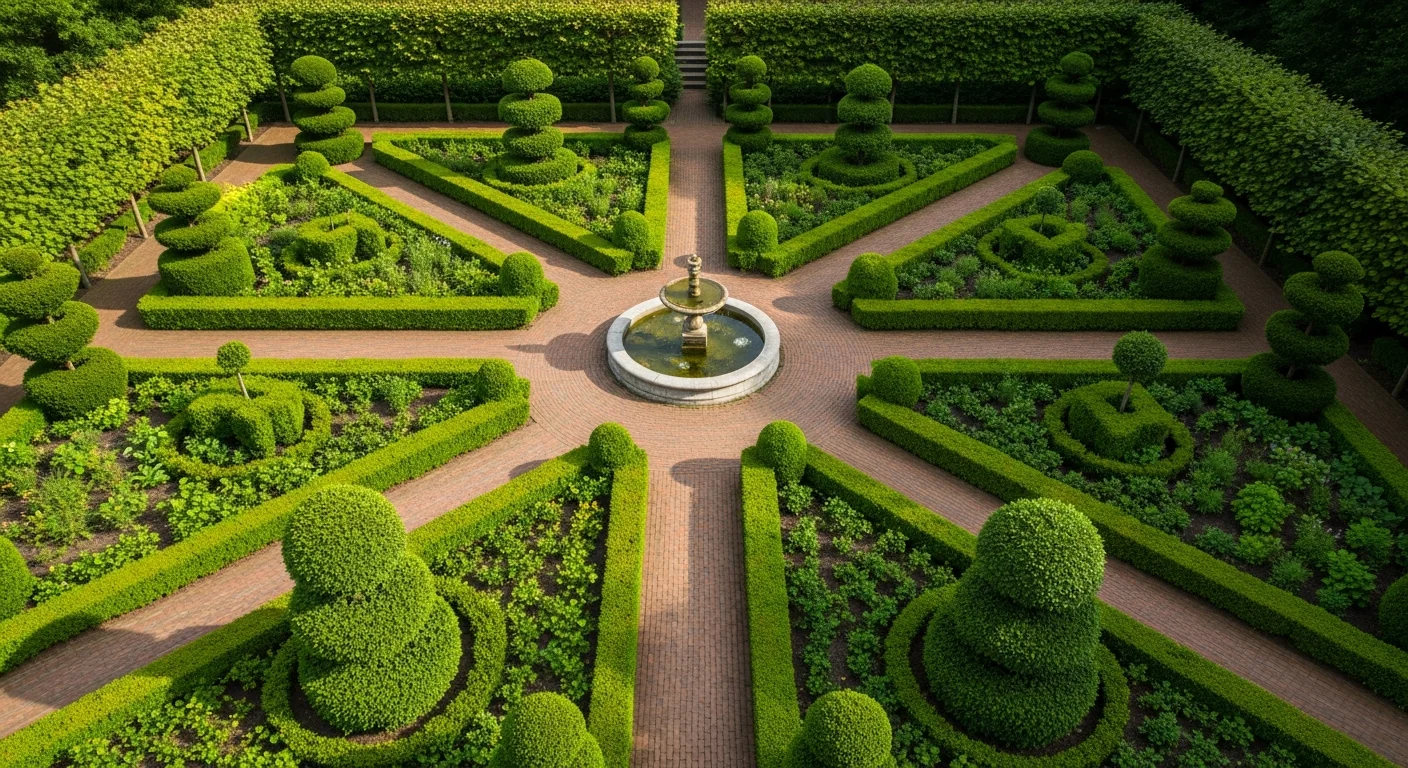
Geometric shapes bring order and refinement to small formal gardens. Squares, rectangles, and circles create clean visual organization that reads clearly even in compact spaces. Rather than attempting complex parterre patterns that demand extensive maintenance, start with simple geometric forms that you can execute beautifully on a smaller scale.
Four square planting beds arranged around a central feature work wonderfully in gardens measuring twelve by twelve feet or larger. Alternatively, create rectangular beds running parallel to your main pathway. Edge these geometric beds with materials that define their shapes precisely, such as steel edging, brick, or clipped dwarf hedges. The crisp definition of geometric beds prevents the garden from appearing cluttered and maintains the formal aesthetic even when plantings bloom exuberantly.
Establish Structure with Boxwood Hedges
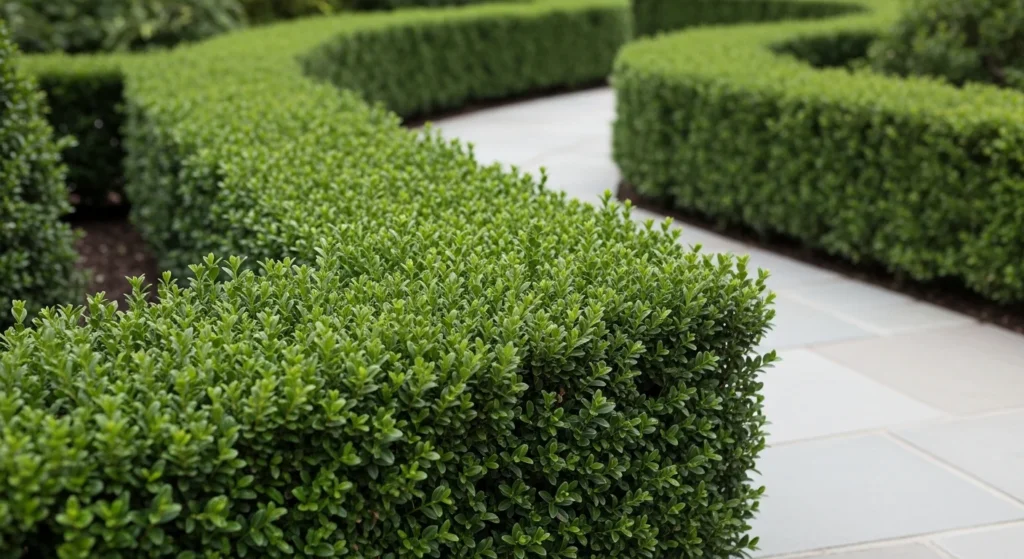
Boxwood stands as the quintessential plant for formal gardens, valued for its dense evergreen foliage and tolerance for regular pruning. In small spaces, boxwood hedges serve multiple functions without consuming precious square footage. Use dwarf varieties like Buxus microphylla to create low borders that define pathways and bed edges while maintaining sightlines across the garden.
Boxwood hedges measuring twelve to eighteen inches high provide sufficient structure without overwhelming intimate spaces. The dark green foliage creates elegant contrast against lighter paving materials and serves as a refined backdrop for flowering plants. Plan to shear your boxwood hedges twice yearly to maintain their crisp geometric forms. For very small gardens, consider boxwood in containers arranged symmetrically rather than planted hedges.
Add Vertical Interest with Topiary Forms
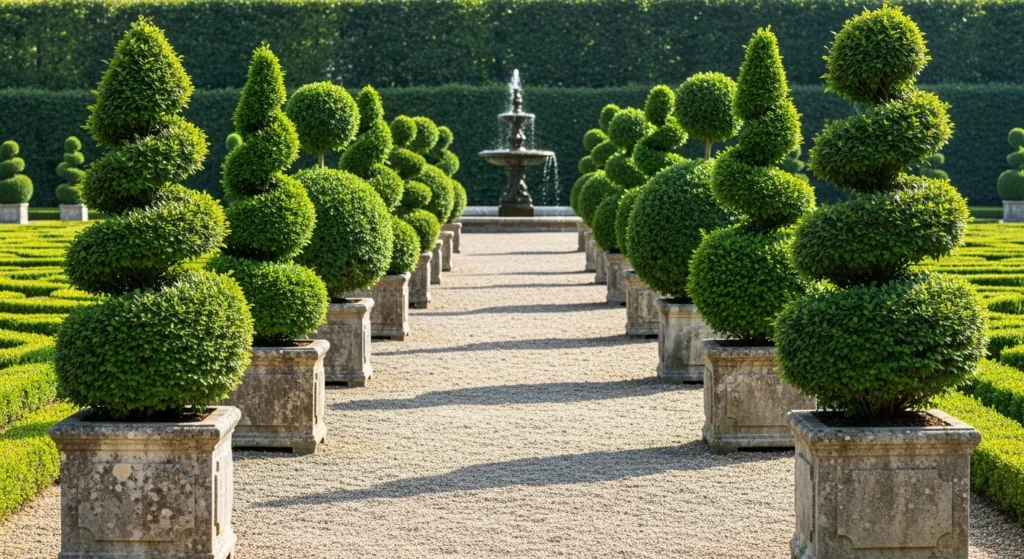
Topiary brings sculptural drama to formal gardens through carefully shaped plants. In small spaces, topiary provides vertical punctuation without requiring large footprints. Globe-shaped boxwood topiaries flanking an entrance, spiral junipers marking pathway intersections, or cone-shaped yews standing as sentinels create sophisticated focal points.
Purchase pre-shaped topiary specimens for instant impact, or gradually train your own using wire forms and patient pruning. Standard topiaries featuring ball-shaped crowns atop clear stems work particularly well in small formal gardens, offering height and formality while keeping the base clear for underplanting. Position topiaries symmetrically to reinforce the formal design, perhaps as matching pairs on either side of a bench or garden gate.
Create a Focal Point with Garden Features
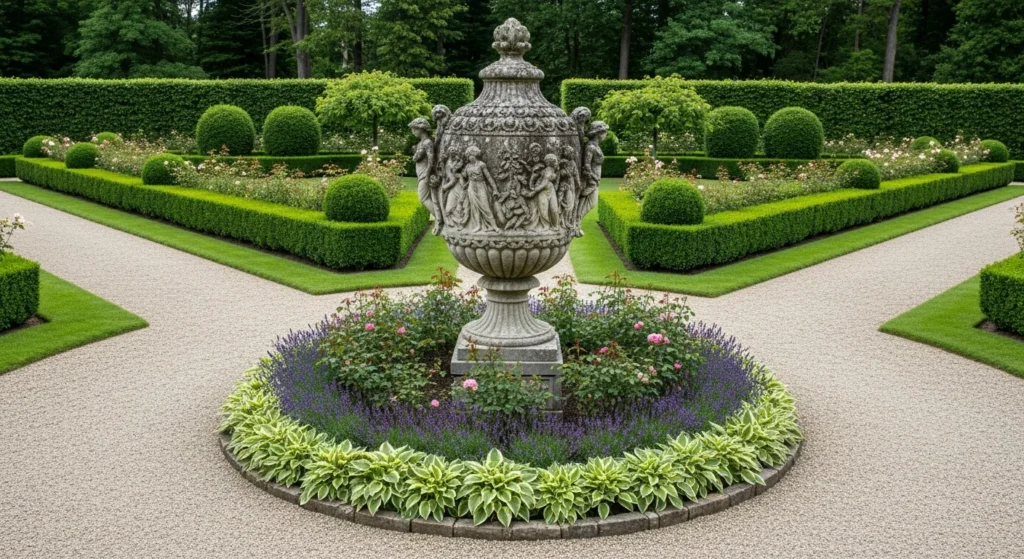
Every formal garden needs a compelling focal point that draws the eye and anchors the design. In small gardens, this central feature requires careful selection to achieve impact without overwhelming the space. A simple birdbath, elegant urn, small fountain, or classical statue positioned at the intersection of main pathways creates a strong visual destination.
The focal point should align with your central axis so visitors naturally move toward it. In very small gardens, the focal point might be a beautiful container planted with a specimen tree or shaped shrub. Consider scale carefully: a three-foot statue suits a fifteen-foot-deep garden better than a six-foot sculpture would. The surrounding planting should frame and highlight this feature rather than competing with it.
Incorporate Formal Water Features
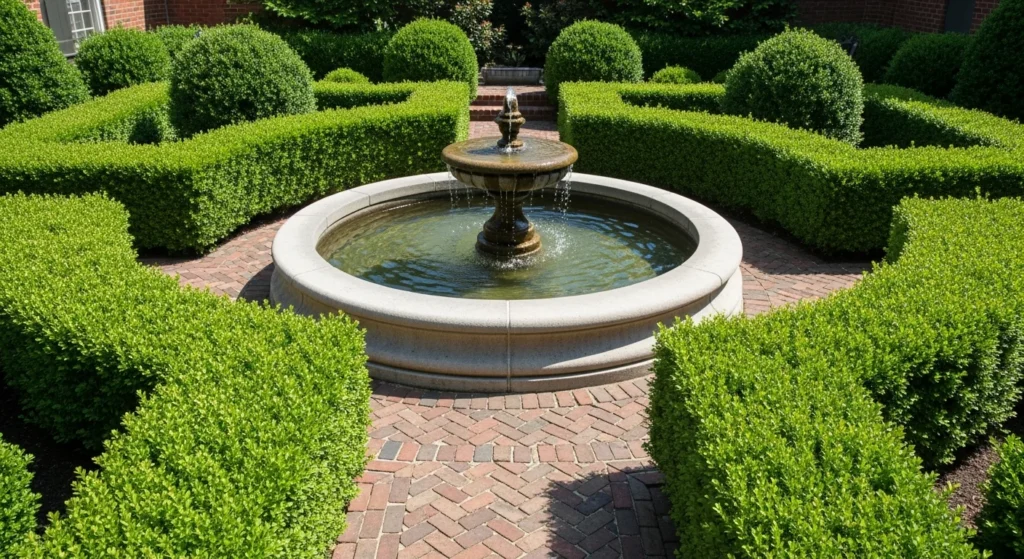
Water elements add soothing sound and movement while enhancing formal elegance. Small formal gardens accommodate water features ranging from wall-mounted fountains to compact reflecting pools. A circular fountain measuring three feet across can serve as a central focal point in gardens as small as ten by ten feet.
Reflecting pools create the illusion of expanded space through mirrored surfaces. A shallow rectangular pool lined with stone coping and surrounded by clipped hedges brings classical refinement even to modest courtyards. For the smallest spaces, consider a wall fountain that provides water’s calming presence without consuming floor space. Ensure your water feature aligns with the garden’s symmetry and geometric organization.
Frame Views with Garden Arches and Pergolas
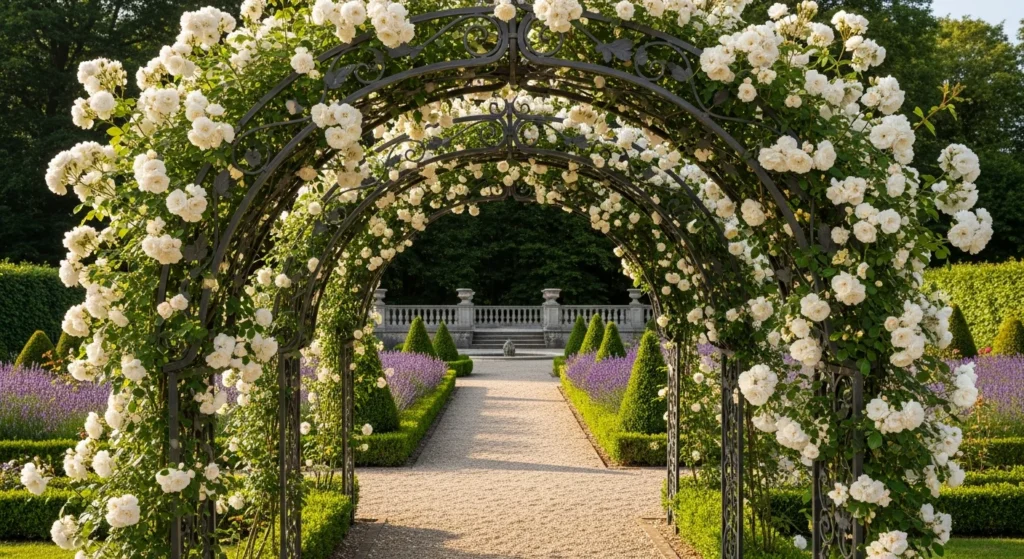
Architectural structures define spaces and create vertical interest in formal gardens. Garden arches mark transitions between different areas, while pergolas provide overhead structure and shade. In small gardens, a single arch positioned strategically can frame a focal point or mark the entrance to a seating area.
Choose materials that complement your home’s architecture, whether painted wood, wrought iron, or natural timber. Train climbing roses, clematis, or jasmine over these structures to soften their lines while maintaining formality through regular grooming. A simple pergola spanning just eight feet can transform a small patio into an elegant garden room when topped with climbing plants and flanked by symmetrical plantings.
Design Layered Borders with Evergreens
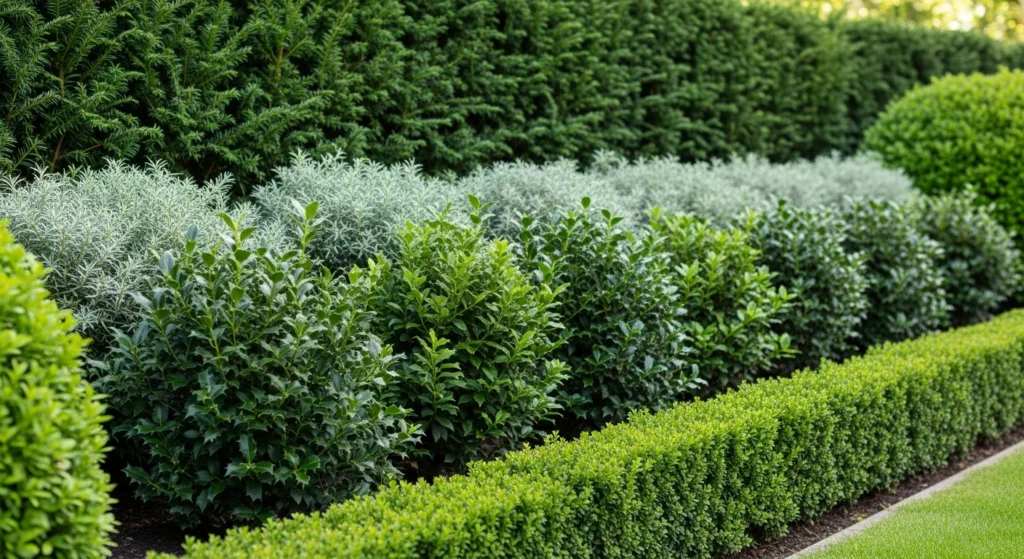
Year-round structure matters intensely in formal gardens, making evergreens essential. Create layered borders using plants of different heights, all maintaining their foliage throughout winter. Start with low hedges at the border front, add medium-height shrubs in the middle layer, and include taller evergreen specimens or small trees as backdrop plants.
This tiered approach works beautifully in borders as narrow as three feet deep. Choose plants with varying textures to create visual interest within the restrained green palette. Combine fine-textured boxwood with broader-leafed holly and needle-like yew for subtle contrast. The evergreen structure ensures your formal garden maintains its elegance even during winter months when flowering plants rest.
Utilize Containers for Flexibility
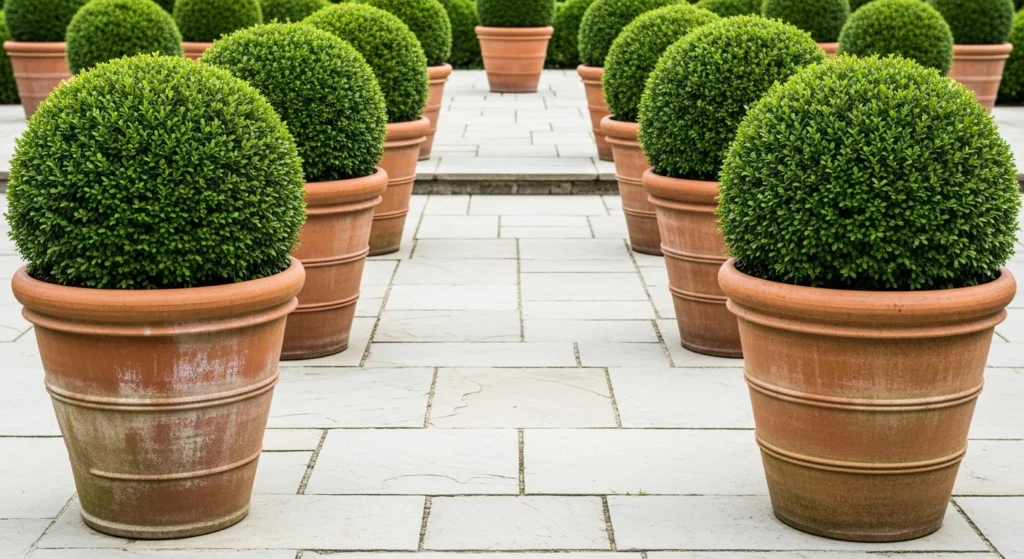
Container plantings offer tremendous versatility in small formal gardens. Large matching pots can establish symmetry, mark entrances, or flank seating areas without permanent installation. Choose containers in classical materials like terra cotta, stone, or cast concrete that reinforce formal aesthetics.
Plant containers with shaped evergreens, standard roses, or seasonal flowers in restrained color palettes. The beauty of containers lies in their flexibility: you can adjust arrangements seasonally while maintaining the formal framework. In very small spaces, containers might constitute the primary planting opportunity. Arrange them in symmetrical groups and elevate some on plinths or pedestals to create varying heights within the formal composition.
Establish Garden Rooms with Hedges
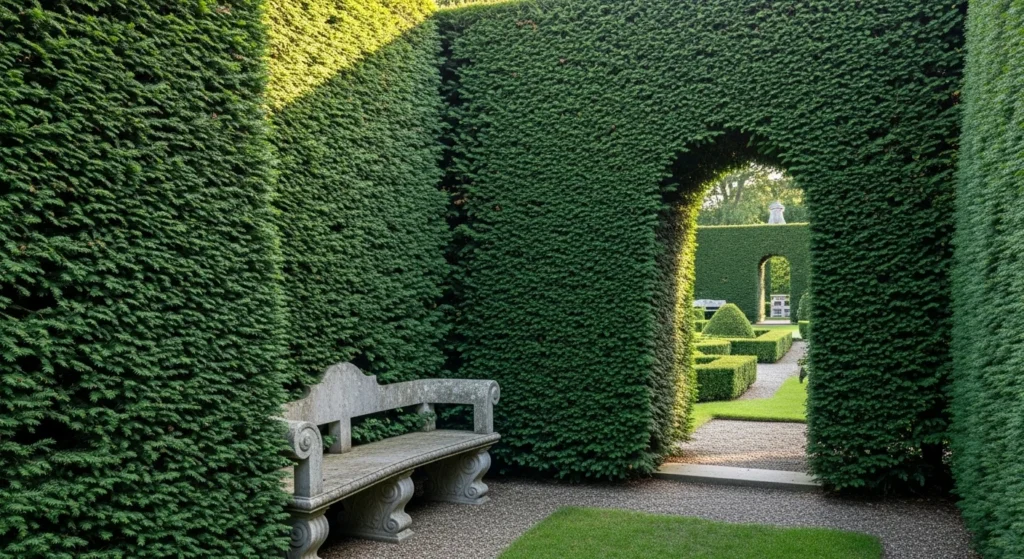
Even modest gardens benefit from division into separate areas or rooms. Hedge walls create intimate spaces within the larger design, making small gardens feel more expansive through the mystery of hidden areas. A six-foot hedge can define a secluded seating area while blocking unwanted views.
In gardens measuring twenty by twenty feet or larger, consider dividing the space into two or three distinct rooms connected by pathways or openings. Each room can serve different functions while maintaining the overall formal character through consistent materials and symmetrical arrangements. Yew, hornbeam, or beech hedges work beautifully for creating garden rooms, offering seasonal variation while maintaining structure.
Select a Restrained Color Palette
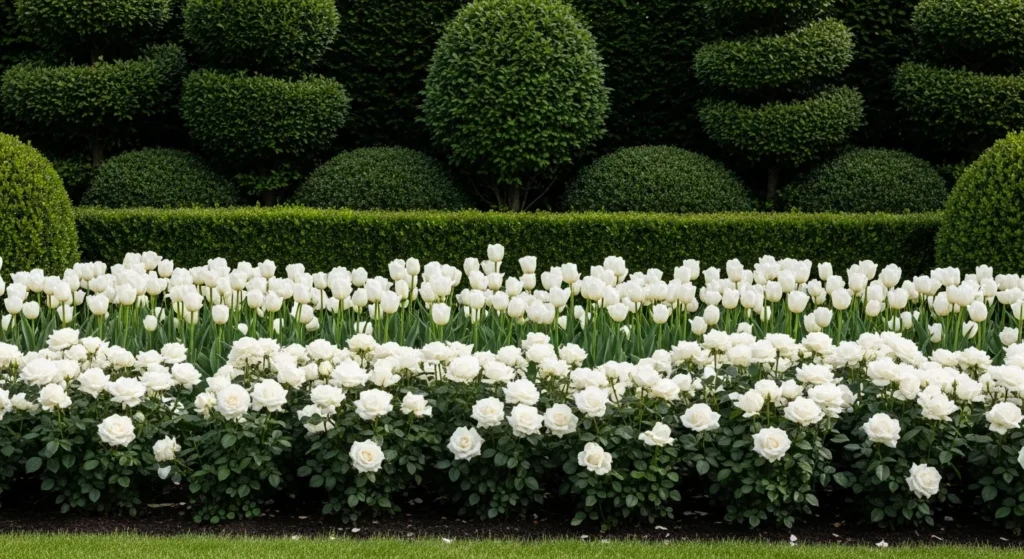
Formal gardens traditionally employ limited color palettes to maintain sophisticated restraint. White flowering plants against dark green hedges create classic elegance. Alternatively, select flowers in cool shades of blue, purple, and pink that recede visually, making small gardens feel more spacious.
Avoid mixing too many colors in formal plantings. Choose one or two flower colors and repeat them throughout the garden. White roses, purple lavender, and green foliage create timeless beauty. The repetition of limited colors reinforces formality and prevents visual chaos in compact spaces. Save colorful experiments for cottage gardens and let formal designs showcase refined simplicity.
Incorporate Seasonal Plantings Strategically
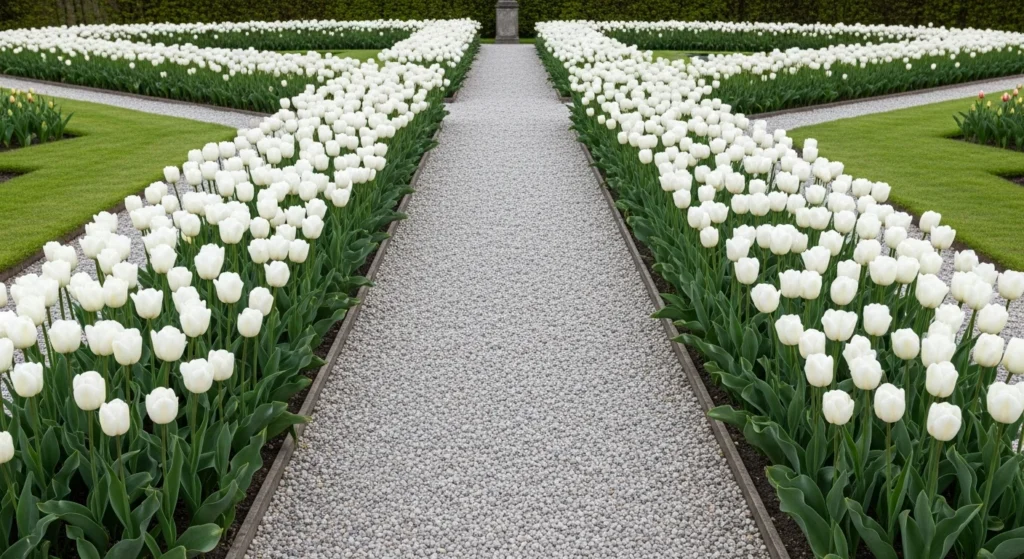
While evergreens provide the bones of formal gardens, seasonal flowers add changing beauty throughout the year. Plant bulbs in geometric patterns for spring color: rows of white tulips edging pathways or circles of blue grape hyacinths surrounding a central urn. Summer annuals can fill formal beds with continuous bloom when selected in appropriate colors and arranged in organized patterns.
Choose plants that maintain tidy habits rather than those that sprawl untidily. Compact annuals like white petunias, purple salvia, or pink dianthus suit formal beds better than sprawling marigolds or loose-growing zinnias. Plant in rows, blocks, or geometric patterns rather than scattered randomly. Replace spent seasonal plantings promptly to maintain the garden’s groomed appearance.
Use Edging to Define Spaces
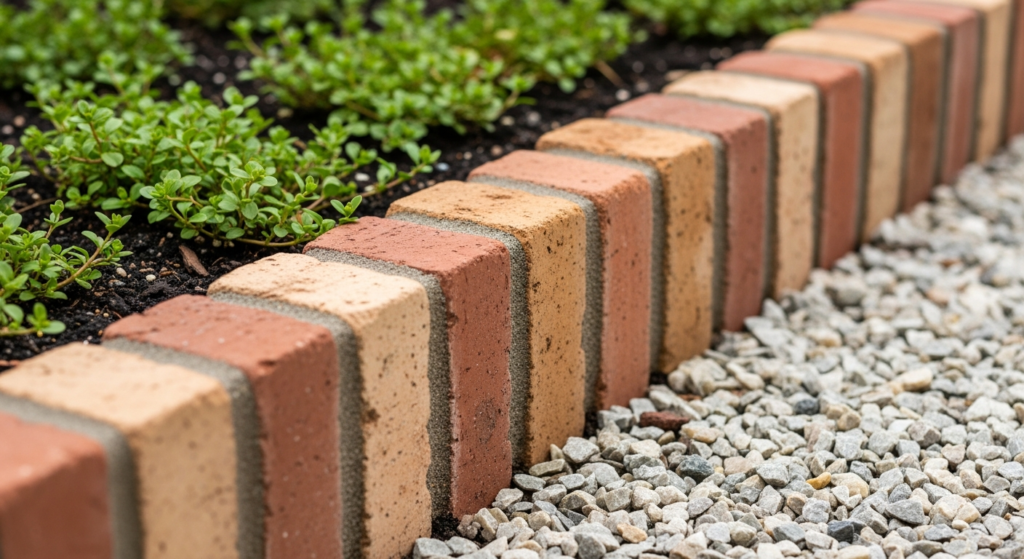
Crisp edges distinguish formal gardens from casual landscapes. Define the boundaries between pathways and planting beds, between lawn and borders, and between different garden areas using materials that create clean lines. Steel edging provides nearly invisible boundaries that keep mulch and soil in place while preventing lawn encroachment.
Brick edging laid soldier-style creates traditional formality and complements brick pathways. Natural stone edging works beautifully in more contemporary formal gardens. The key lies in installation precision: edges must follow geometric lines accurately and maintain consistent height. Well-defined edges make maintenance easier by clearly delineating what gets mowed, pruned, or weeded.
Create Symmetrical Seating Areas
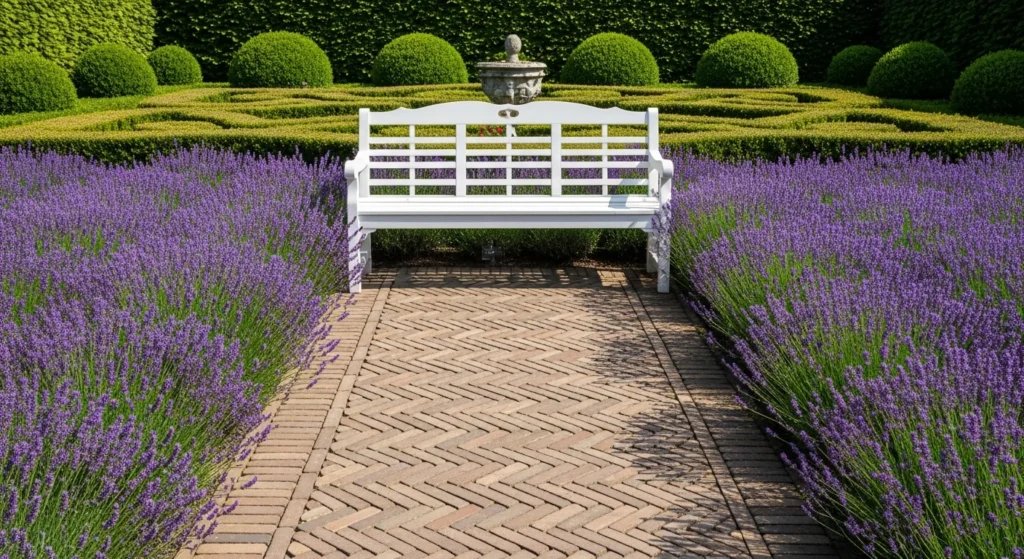
Formal gardens invite contemplation through carefully positioned seating. A bench centered on the main axis with matching plantings on either side provides a symmetrical focal point. In small gardens, built-in seating can maximize space efficiency while maintaining formal character.
Choose benches in materials and styles that complement the garden’s overall aesthetic. Classical wooden benches painted white or deep green suit traditional formal gardens. Contemporary metal or stone benches work in modern interpretations. Position seating to face the best views or focal points, and surround it with fragrant plants like lavender or roses to engage multiple senses.
Implement Pleached Trees for Height
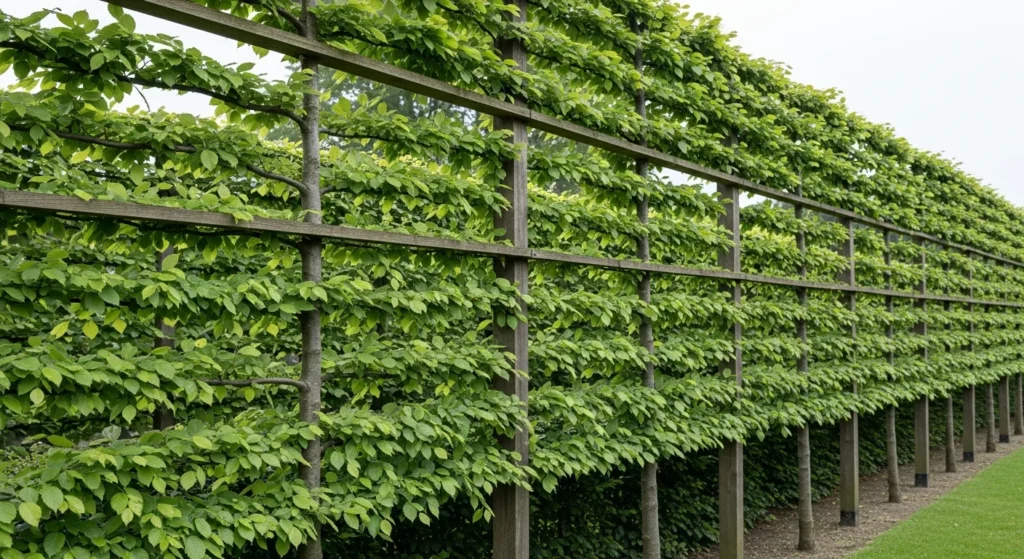
Pleaching creates living green walls by training trees along horizontal frameworks. This technique provides height and screening in small formal gardens without the bulk of traditional trees. Hornbeam, linden, and crabapple trees all respond beautifully to pleaching.
Pleached trees can form the boundary of your garden, create internal divisions, or frame specific views. The technique requires several years of patient training but delivers sophisticated results that suit formal gardens perfectly. In gardens with limited ground space, pleached trees provide vertical interest and privacy without consuming precious planting area. Maintain pleached trees through annual pruning to preserve their geometric forms.
Design Functional Vegetable Gardens Formally
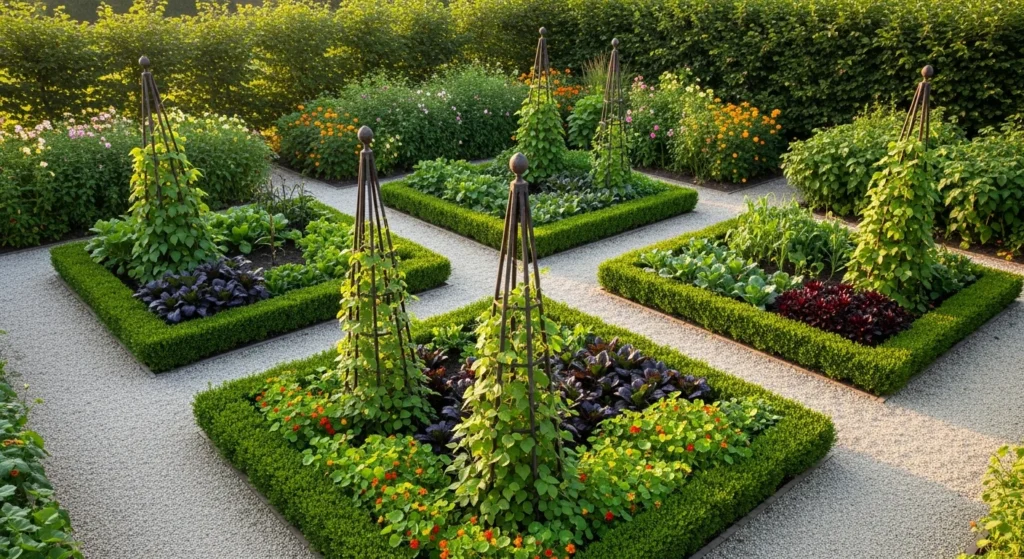
Formal design principles apply beautifully to kitchen gardens, transforming vegetable patches into decorative features. Organize vegetable beds in geometric patterns with paths creating symmetrical access. Edge beds with low boxwood hedges or brick borders to maintain formal character.
Plant vegetables in organized rows or blocks rather than scattered arrangements. Train climbing beans and peas on matching tuteurs or obelisks positioned symmetrically. Herbs like lavender, rosemary, and sage naturally suit formal gardens through their Mediterranean associations and tolerance for clipping. A small formal potager measuring twelve by twelve feet can produce substantial harvests while serving as an ornamental garden feature.
Balance Formality with Soft Plantings
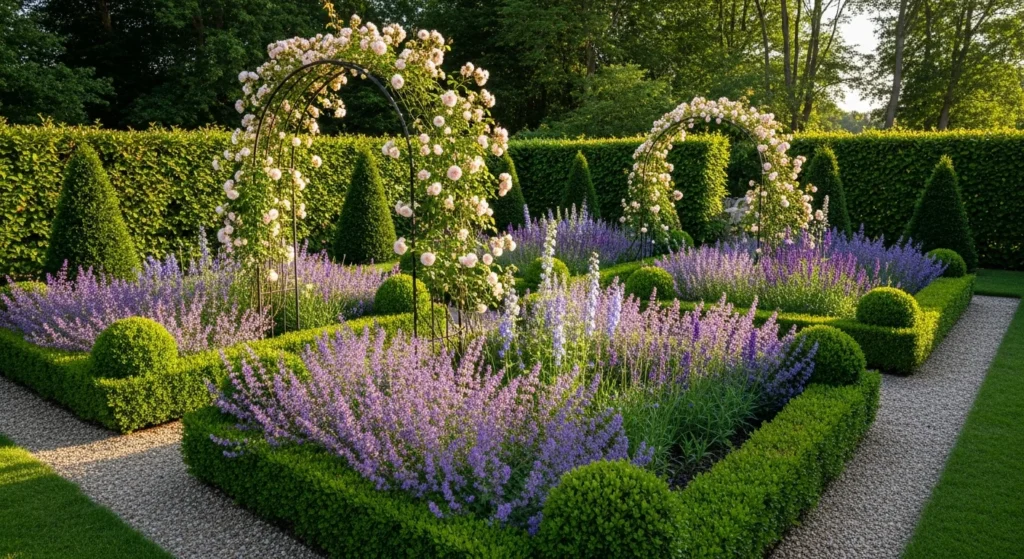
Strict formality benefits from occasional softening through appropriate plant selections. Billowing grasses, cascading vines, or loose perennials can provide textural contrast against clipped hedges without destroying formal character. The key lies in controlled placement and regular grooming.
Allow climbing roses to ramble over arches while keeping them pruned enough to maintain shape. Plant ornamental grasses in contained groups rather than scattered throughout. Use soft-textured plants like catmint or lady’s mantle to spill gently over path edges while maintaining overall order. This balance between structure and softness creates formal gardens that feel inviting rather than rigid.
Maintain Meticulous Grooming Standards
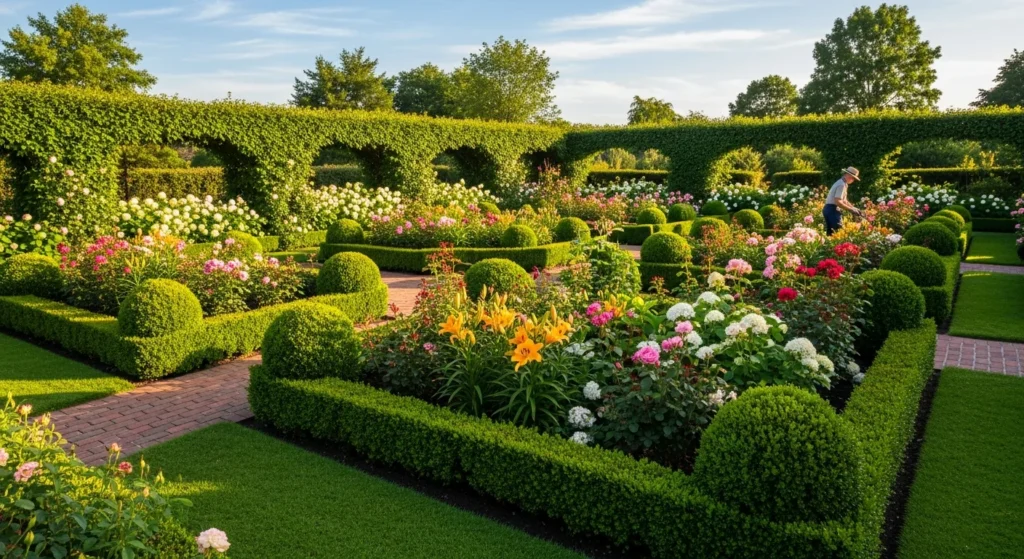
The elegance of formal gardens depends entirely on consistent maintenance. Regular tasks include hedge shearing, edge trimming, deadheading spent flowers, and keeping pathways swept clean. In small formal gardens, these tasks remain manageable because the limited space prevents overwhelming workload.
Establish a maintenance schedule that keeps your small formal garden looking pristine. Shear hedges in late spring and again in late summer. Edge pathways monthly during the growing season. Remove fallen leaves promptly in autumn to prevent them from obscuring crisp lines and clean surfaces. While formal gardens require more grooming than naturalistic designs, small formal gardens demand far less time than their sprawling counterparts while delivering maximum visual impact.
Conclusion
Small formal gardens prove that elegance transcends scale. Through thoughtful application of timeless design principles including symmetry, geometric organization, structured plantings, and architectural features, you can create sophisticated outdoor spaces in even the most compact settings. The beauty of formal design lies in its adaptability: these seventeen ideas work individually or in combination, scaled to suit gardens ranging from intimate courtyards to modest suburban yards.
Begin your formal garden journey by establishing the fundamental framework through pathways, geometric beds, and symmetrical organization. Build upon this foundation with evergreen structure plants, carefully selected focal points, and restrained seasonal color. Remember that formality emerges not from complexity but from clarity of design and consistency of execution. A small formal garden maintained beautifully creates more impact than a sprawling garden managed carelessly.
The investment in creating a small formal garden pays dividends through year-round beauty, increased property value, and personal satisfaction. These gardens offer peaceful retreats from modern chaos, spaces where order and beauty combine to refresh the spirit. Whether you draw inspiration from Italian Renaissance gardens, French parterres, or English formal traditions, adapt these classical principles to create a unique garden that reflects your personal style while honoring the timeless appeal of formal design.
Frequently Asked Questions
What plants work best in small formal gardens?
Boxwood, yew, and holly excel in formal gardens due to their evergreen nature and tolerance for shaping. These plants maintain structure year-round and accept regular pruning. For flowers, choose white roses, purple lavender, and blue salvia planted in organized patterns rather than scattered randomly.
How much maintenance do small formal gardens require?
Small formal gardens need regular but manageable maintenance including hedge trimming twice yearly, monthly edge maintenance during growing season, and weekly deadheading of flowers. The limited size keeps tasks achievable, typically requiring two to three hours monthly during peak season.
Can I create a small formal garden on a budget?
Start with basic geometric beds defined by simple edging materials. Purchase small boxwood plants that you grow over time rather than expensive mature specimens. Use gravel pathways instead of stone pavers, and create focal points with budget-friendly urns or birdbaths rather than costly sculptures.
What makes a garden look formal rather than casual?
Symmetry, geometric shapes, clipped hedges, and defined edges create formality. The key differences include organized plantings versus scattered arrangements, maintained shapes versus natural growth, and limited color palettes versus diverse mixed colors. Consistent maintenance preserves the formal appearance.
How small can a formal garden be?
Formal gardens work beautifully in spaces as compact as eight by eight feet. Even tiny courtyards benefit from formal principles through potted topiaries arranged symmetrically, a central focal point, and geometric paving patterns. Scale elements appropriately to the available space for best results.